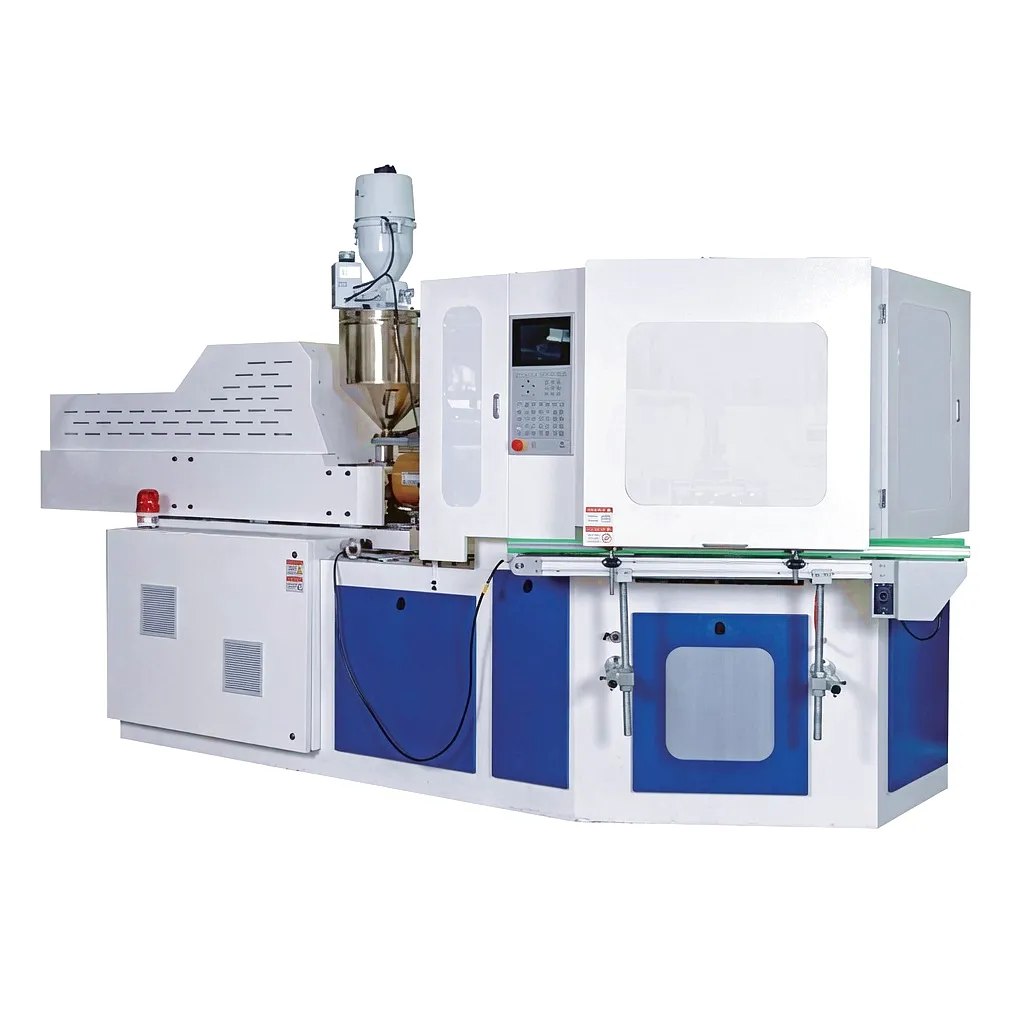
 In the global packaging and industrial manufacturing landscape, the injection-blow molding machine has earned a reputation as one of the most precise and reliable production platforms available. Unlike conventional extrusion-blow or stretch-blow equipment, the injection-blow molding process combines an injection molding stage with a blow molding stage on a single rotary platform, giving manufacturers exact control over wall thickness distribution, neck finish geometry, and internal volume consistency. For UK manufacturers operating in regulated sectors such as automotive chemicals, pharmaceuticals, and personal care, this level of dimensional accuracy is not optional — it is a core production requirement that directly affects product compliance and shelf-life performance.
Reply within 24 hours — UK & Europe inquiries welcome
How the Injection-Blow Molding Machine Works
Stage 1: Injection
Molten thermoplastic resin — commonly HDPE, PP, PET, or PETG — is injected at controlled pressure around a steel core rod, forming a precision preform. The injection cavity defines the neck finish geometry exactly, producing threads that are dimensionally perfect from the first shot. Barrel temperatures typically range from 160°C to 290°C depending on resin grade.
Stage 2: Blow Molding
The still-hot preform rotates to the blow station where compressed air — typically between 6 and 10 bar — expands the preform outward against a precision blow mold cavity. Because the preform retains its injection heat, wall distribution is highly consistent, producing finished containers with uniform side-wall thickness tolerances of ±0.05 mm in high-precision tooling.
Stage 3: Ejection
After cooling, finished containers are ejected cleanly with no flash, no pinch-off seam, and no post-processing trim. The absence of scrap and secondary finishing significantly reduces labour overhead and material waste, making the injection-blow molding machine inherently more cost-efficient for medium-to-high volume runs in regulated environments such as UK pharmaceutical packaging and automotive fluid containers.
The rotary platform design means injection, blowing, and ejection occur simultaneously on different stations — dramatically increasing output per unit floor space. A modern three-station IBM machine operating at optimised cycle times can produce between 1,200 and 6,000 containers per hour, depending on container volume and resin type. This parallel-station efficiency is one of the core reasons injection-blow molding machines are preferred over sequential processes in high-throughput UK manufacturing environments, particularly across the West Midlands automotive supply chain corridor and the North West’s chemical processing hubs.
Core Materials Processed by Injection-Blow Molding Machines
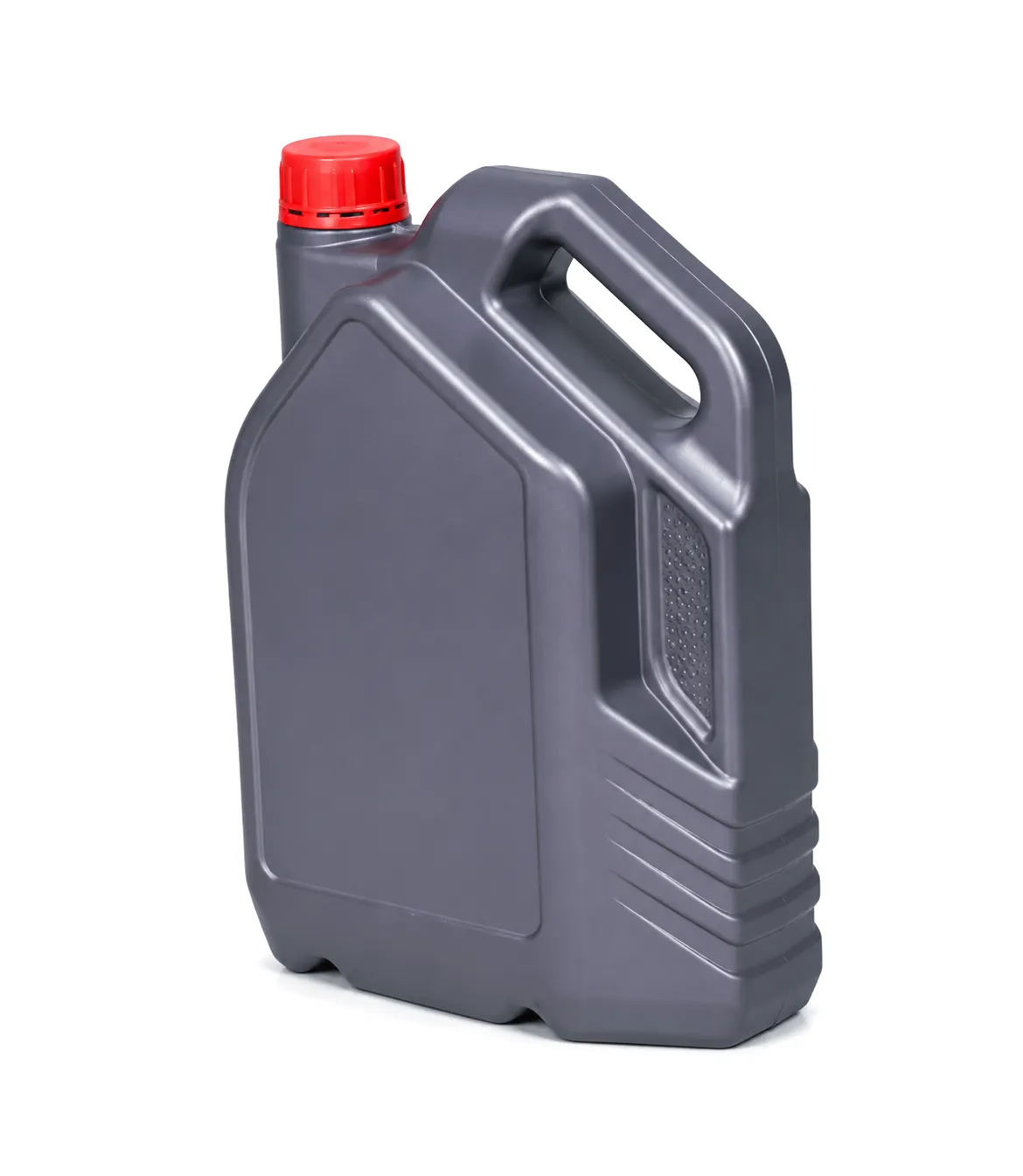 Material selection is one of the most technically significant decisions in the injection-blow molding process. The machine’s plasticising unit must be configured with appropriate screw geometry, compression ratio, and barrel temperature profile to correctly melt and homogenise each resin type. HDPE — high-density polyethylene — remains the dominant material in automotive and industrial chemical packaging due to its outstanding chemical resistance, stress-crack resistance, and compatibility with aggressive formulations such as brake fluid (DOT 3/DOT 4), engine coolant with silicate or OAT inhibitor packages, and gear oil with extreme-pressure additives. HDPE containers produced on an injection-blow molding machine can sustain shelf-life integrity beyond three years under ambient storage conditions, a requirement increasingly specified by major UK automotive aftermarket distributors in Birmingham and Coventry.
HDPE
Chemical resistance, stress-crack performance, automotive/industrial fluids
PP
High-temp resistance, cleaning agents, under-bonnet fluid dispensers
PET / PETG
Optical clarity, premium personal care, pharma, nutraceuticals
LDPE / LLDPE
Squeezable dispensers, flexible packaging for food-safe applications
Application Scenarios: Injection-Blow Molding Machine in Industry
From Birmingham’s automotive component belt to Manchester’s chemical processing sector, injection-blow molding machines serve diverse UK industries.
Application Scenario 1: Automotive Chemical Containers — Engine Oil, Brake Fluid, Coolant & Power Steering Fluid
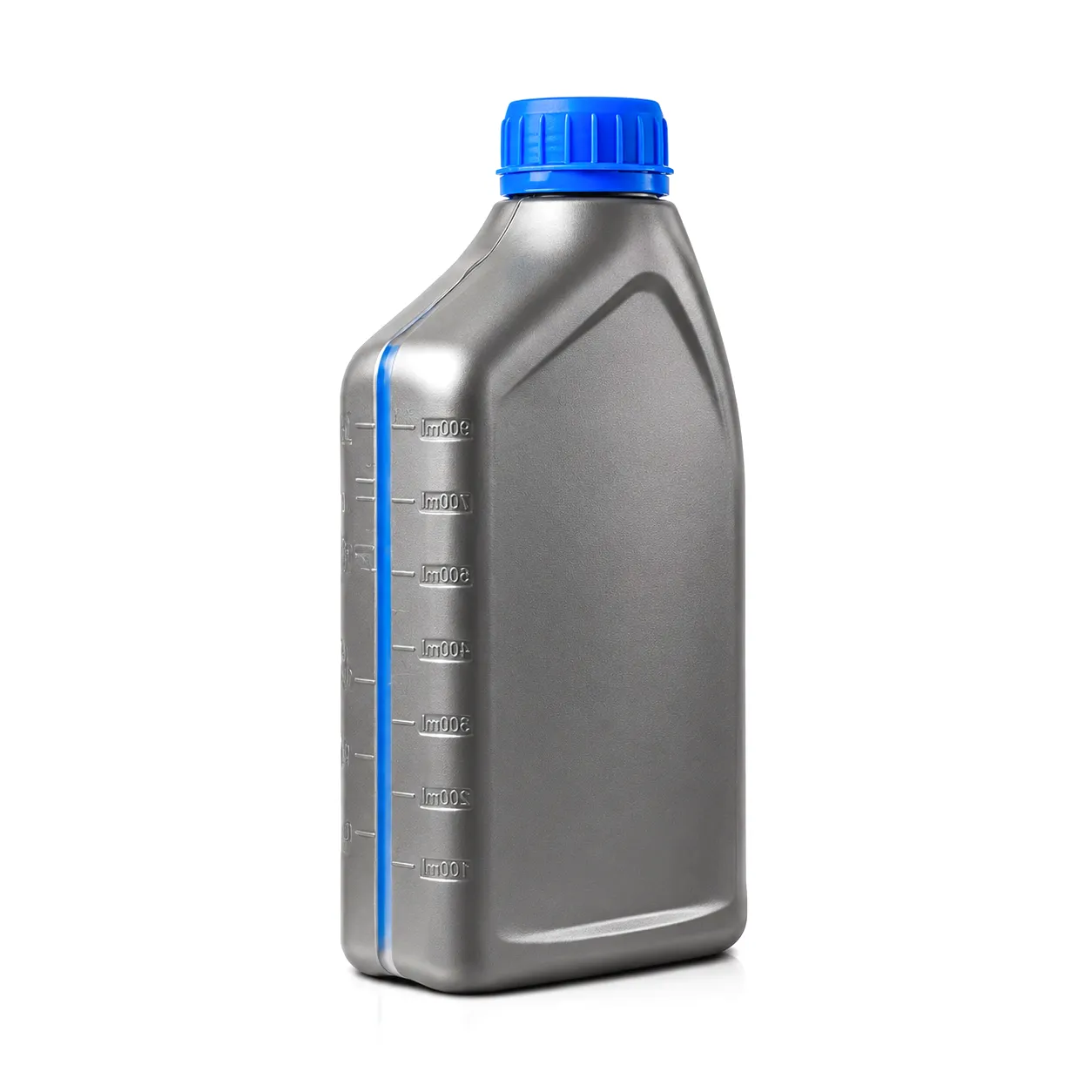 Automotive chemical packaging represents one of the most technically demanding applications for the injection-blow molding machine. These containers must perform reliably under extreme chemical environments — from the highly corrosive nature of DOT 4 brake fluid to the complex additive chemistry of modern synthetic engine oils containing zinc dialkyldithiophosphate (ZDDP), friction modifiers, and viscosity index improvers. The range of containers produced on IBM equipment for this sector spans engine oil bottles from 946 ml to 5 L, brake fluid containers, engine coolant (antifreeze) bottles, power steering fluid containers, and automatic transmission fluid (ATF) packaging.
The injection-blow molding process delivers the wall thickness uniformity and neck finish precision that automotive chemical packaging requires. Uniform wall distribution — achievable to ±0.05 mm on high-precision IBM tooling — ensures that containers resist chemical permeation across the intended shelf life, typically 2 to 5 years for premium automotive fluid brands. Neck finish geometry produced by the injection stage means thread engagement with closure systems is precise and consistent, eliminating the micro-leakage risk that can occur with extrusion-blown alternatives where the neck is formed during parison extrusion rather than precision injection.
For UK automotive fluid manufacturers and their packaging partners — many of them operating in the West Midlands supply chain corridor, with logistics links through Birmingham’s distribution network and road freight connections to the M1 and M6 corridors — IBM equipment enables production of HDPE containers with fluorocarbon internal barrier treatment compatibility. Fluorinated HDPE containers produced on injection-blow molding machines exhibit hydrocarbon permeation rates below 0.1 g/m²/day, meeting the requirements of packaging regulations for hazardous chemicals under UK COSHH and transport compliance under ADR road freight rules. Major UK aftermarket lubricant brands and contract packagers in the Midlands, Yorkshire, and the North West increasingly specify IBM-produced containers for their premium product tiers due to the consistently superior closure torque retention and tamper-evident ring integrity compared to extrusion-blow alternatives.
Application Scenario 2: Pharmaceutical Packaging — Oral Liquid, Syrup & Medical-Grade Bottles
The pharmaceutical sector is among the most regulated packaging environments in the United Kingdom, with requirements governed by the MHRA, EU GMP (as retained in UK law post-Brexit), and the British Pharmacopoeia’s packaging material standards. For pharmaceutical liquid containers — including oral antibiotic suspensions, paediatric syrups, antacids, cough preparations, and mouthwash formulations — the injection-blow molding machine provides the dimensional precision and material purity that these applications demand. PET and PETG IBM-produced bottles deliver the crystal clarity needed for dose verification and the surface finish quality that supports high-quality label adhesion for pharmaceutical compliant labelling under UKCA regulations.
A key advantage of the injection-blow molding process in pharmaceutical packaging is the ability to produce child-resistant closure (CRC) compatible neck finishes directly in the injection stage — eliminating secondary mould tooling and reducing the risk of dimensional variance between production batches. UK pharmaceutical contract packagers operating from facilities in the Thames Valley, Yorkshire, and the Central Belt of Scotland rely on IBM equipment to maintain the tight inter-batch consistency required for GMP batch record documentation. Pharmaceutical-grade IBM tooling uses medical-grade stainless steel core pins with electropolished surfaces that resist biofilm formation and facilitate validated cleaning procedures.
The production of amber PET or brown HDPE bottles for photosensitive pharmaceutical compounds — such as vitamin preparations, iron supplements, and antibiotic formulations — is another area where IBM precision delivers measurable quality benefit. Colour-compounded resins are homogenised uniformly through the injection barrel, producing consistent UV-protective pigmentation across all cavities and throughout every production run. For pharmaceutical packaging managers in Cambridge’s biotech corridor or London’s pharmaceutical distribution network, IBM-produced bottles represent the combination of regulatory compliance, aesthetic quality, and production efficiency that modern pharmaceutical supply chains require.
Application Scenario 3: Personal Care Packaging — Shampoo, Body Wash, Lotion & Fragrance Bottles
The UK personal care market — valued at several billion pounds annually and centred on London’s beauty brands and Manchester’s independent personal care manufacturers — has increasingly turned to injection-blow molding machines as the production platform for premium-tier packaging. PET and PETG IBM bottles offer the combination of optical clarity, surface gloss, and design freedom that luxury personal care brands require to convey quality on shelf. Unlike extrusion-blow bottles with their characteristic side seams and pinch-off marks, IBM containers have a seamless exterior surface that photographs cleanly, labels adhesively, and decorates with hot-stamp foiling, silk-screen printing, and sleeve labelling without the surface irregularities that complicate secondary decoration processes.
Shampoo and conditioner bottles from 100 ml to 500 ml, body wash bottles, lotion dispensers with pump-compatible 24/410 or 28/410 neck finishes, and fragrance splash bottles for mid-range perfumery are all produced efficiently on injection-blow molding machines at volumes appropriate for UK independent brands and contract fillers. The precise neck finish produced by the IBM injection stage ensures pump dispensers seat and seal correctly — a critical factor for products where leakage in transit creates costly returns and customer complaints for UK e-commerce personal care retailers dispatching via Royal Mail Tracked and courier networks.
Design freedom is enhanced by the IBM process’s ability to produce non-cylindrical container geometries — oval, rectangular, contoured — with tight dimensional control, enabling personal care brand owners to achieve shelf differentiation without the dimensional inconsistency risk of extrusion blow tooling. UK-based cosmetics contract manufacturers increasingly specify IBM equipment when developing new SKUs that need to pass retail buyer approval processes, where container aesthetic quality is evaluated alongside formulation performance.
Application Scenario 4: Food-Grade Containers — Condiments, Honey, Sauces & Nutritional Supplements
The food and beverage packaging sector in the UK — spanning Scotland’s artisan condiment producers, Yorkshire’s traditional sauces manufacturers, and the South West’s honey and preserves industry — benefits significantly from the injection-blow molding machine’s combination of food safety compliance and production efficiency. IBM-produced PET and PP containers for food applications are produced under conditions that meet the UK Food Contact Materials Regulation (as retained from EU Regulation 10/2011) and the relevant BRC Food Safety standards required by major UK food retailers including Tesco, Waitrose, and Marks & Spencer’s food divisions.
Containers for food applications produced on injection-blow molding machines include honey jars with wide-mouth necks engineered for easy filling on high-speed filling lines, sauce and condiment bottles with dispensing tip closures, nutritional supplement tablets and capsule bottles with desiccant-sealed closures, and cooking oil bottles where optical clarity showcases product colour to drive consumer purchasing. The IBM process eliminates any risk of mould-release agent contamination — since no mould release is used on core pins — a compliance advantage over certain extrusion processes that matters in food-contact applications.
UK food packaging co-manufacturers and brand-owned filling facilities increasingly recognise that injection-blow molding machine output offers better line performance on automated filling and capping lines than extrusion-blow alternatives. Consistent neck heights, uniform outer diameters, and controlled concentricity in IBM containers mean lower jam rates on filling line sensors and higher overall equipment effectiveness (OEE) scores — measurable benefits that food manufacturers quantify during annual packaging specification reviews.
Technical Performance Parameters
| Parameter | ZQ40 (European) | ZQ60 (European) | Notes |
|---|---|---|---|
| Clamping Force | 40 tons | 60 tons | Hydraulic locking system |
| Injection Capacity | Up to 200 cm³ | Up to 320 cm³ | Per shot, all cavities |
| Blow Air Pressure | 6–10 bar | 6–10 bar | Adjustable per product |
| Barrel Temperature Range | 160–290°C | 160–290°C | Multi-zone PID control |
| Cycle Time | 8–18 seconds | 10–22 seconds | Depends on container size and resin |
| Container Volume Range | 10 ml–1 L | 50 ml–2.5 L | Tooling-dependent |
| Wall Thickness Tolerance | ±0.05 mm | ±0.05 mm | Precision IBM tooling |
| Compatible Resins | HDPE, PP, PET, PETG, LDPE | HDPE, PP, PET, PETG, LDPE | Screw geometry matched to resin |
| Number of Stations | 3 (Inject / Blow / Eject) | 3 (Inject / Blow / Eject) | Rotary platform architecture |
| Control System | Siemens PLC + HMI touch panel | Siemens PLC + HMI touch panel | Multilingual interface available |
| Flash/Trim Waste | Zero | Zero | No post-trim required |
| Power Supply | 380V / 50Hz / 3-phase | 380V / 50Hz / 3-phase | CE standard for EU / UK markets |
Core Technical Advantages of the Injection-Blow Molding Machine
Precision Neck Finish
Thread geometry is formed in the injection stage with dimensional accuracy that extrusion processes cannot match. Child-resistant closure compatibility, pump fitment, and tamper-evident band engagement are all engineered directly into the injection mould.
Zero Scrap Output
No flash, no base pinch-off, no trim waste. The injection-blow molding machine produces finished containers ready for immediate filling, labelling, or secondary packaging without post-processing. This reduces labour cost and material waste significantly compared to extrusion-blow alternatives in UK production environments.
Uniform Wall Distribution
One-heat process ensures minimal thermal variation between injection and blow stages, resulting in side-wall uniformity of ±0.05 mm on precision tooling. Consistent walls improve chemical barrier performance, structural drop resistance, and label adhesion uniformity.
Seamless Exterior Surface
No weld lines or parting seams on the container exterior. This is essential for optical clarity applications in PET, and ensures high-quality label adhesion and secondary decoration performance for personal care, pharmaceutical, and premium food packaging produced for UK retail markets.
High-Speed Parallel Production
Simultaneous injection, blow, and ejection on the three-station rotary platform means all three operations run in parallel. Output rates of 1,200 to 6,000 containers per hour depending on cavity count and container size, supporting high-volume UK packaging production schedules with minimal downtime between tool changes.
Multi-Resin Flexibility
Single machine platform handles HDPE, PP, PET, PETG, and LDPE with appropriate screw and temperature configuration. UK converters running mixed product portfolios — automotive chemicals one shift, personal care the next — value this versatility for maximising machine utilisation and reducing capital equipment footprint.
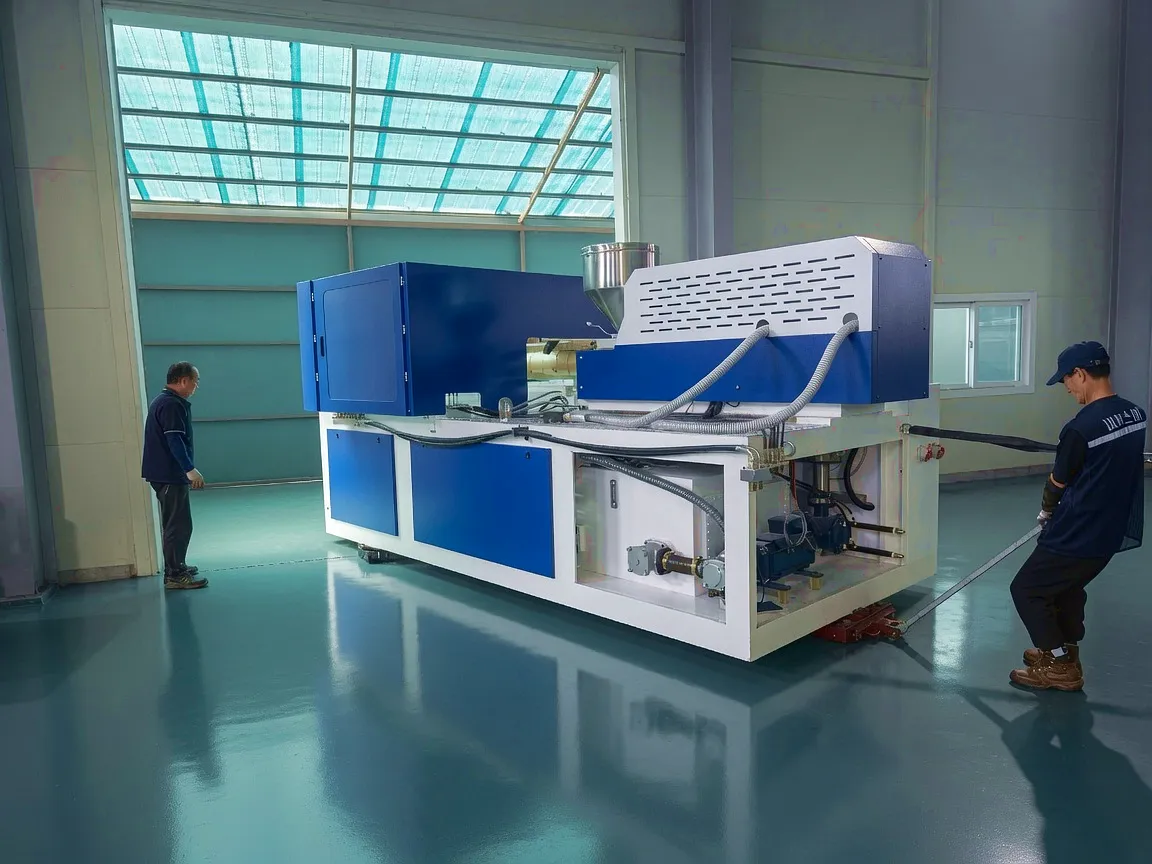
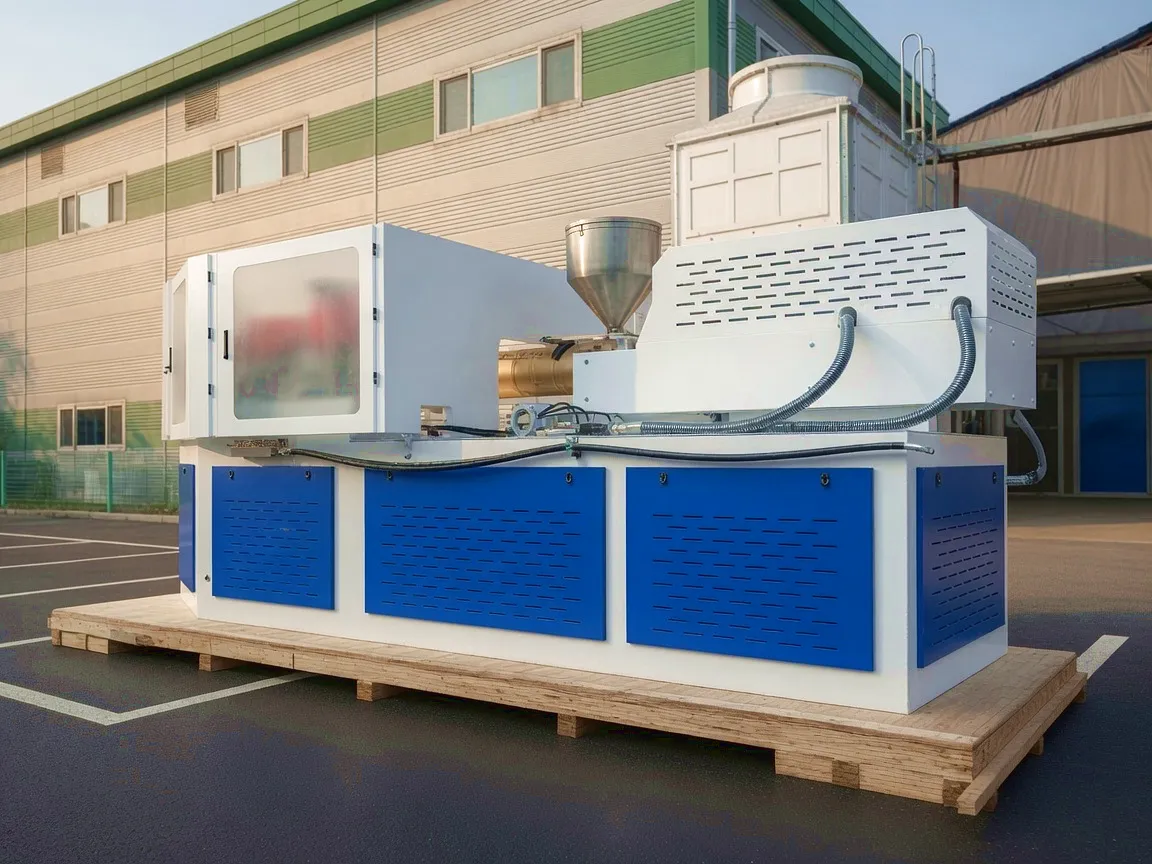
Ever Power: Precision Manufacturing & Customisation for the UK Market
Your trusted IBM equipment partner — engineered for European standards, built for global supply chain reliability.
Deep Customisation Capability
Ever Power engineers work directly with packaging developers and mould designers to customise IBM machines for specific container geometries, neck finish standards (BPCS, PCO, DIN), resin types, and production speed targets. Custom screw profiles, tooling stations, and HMI configurations are available.
Precision Manufacturing Standards
Core components are machined to aerospace-grade tolerances using CNC five-axis machining centres. Hydraulic manifold blocks, rotary platens, and injection unit barrels are individually QC-checked before assembly, ensuring every machine meets the performance envelope specified at point of order.
UK / EU Supply Chain Reliability
Ever Power supplies injection-blow molding machines via freight forwarder partners with established routes to UK ports including Felixstowe and Southampton, with documentation packages including CE Declaration of Conformity, UKCA compatibility, and full technical manuals in English.
After-Sales & Technical Support
Remote diagnostics via HMI-linked service portal, spare parts supply with next-day air freight capability for critical wear components, and installation/commissioning support by Ever Power’s own engineering team ensure UK buyers receive production-ready machines and ongoing operational confidence.
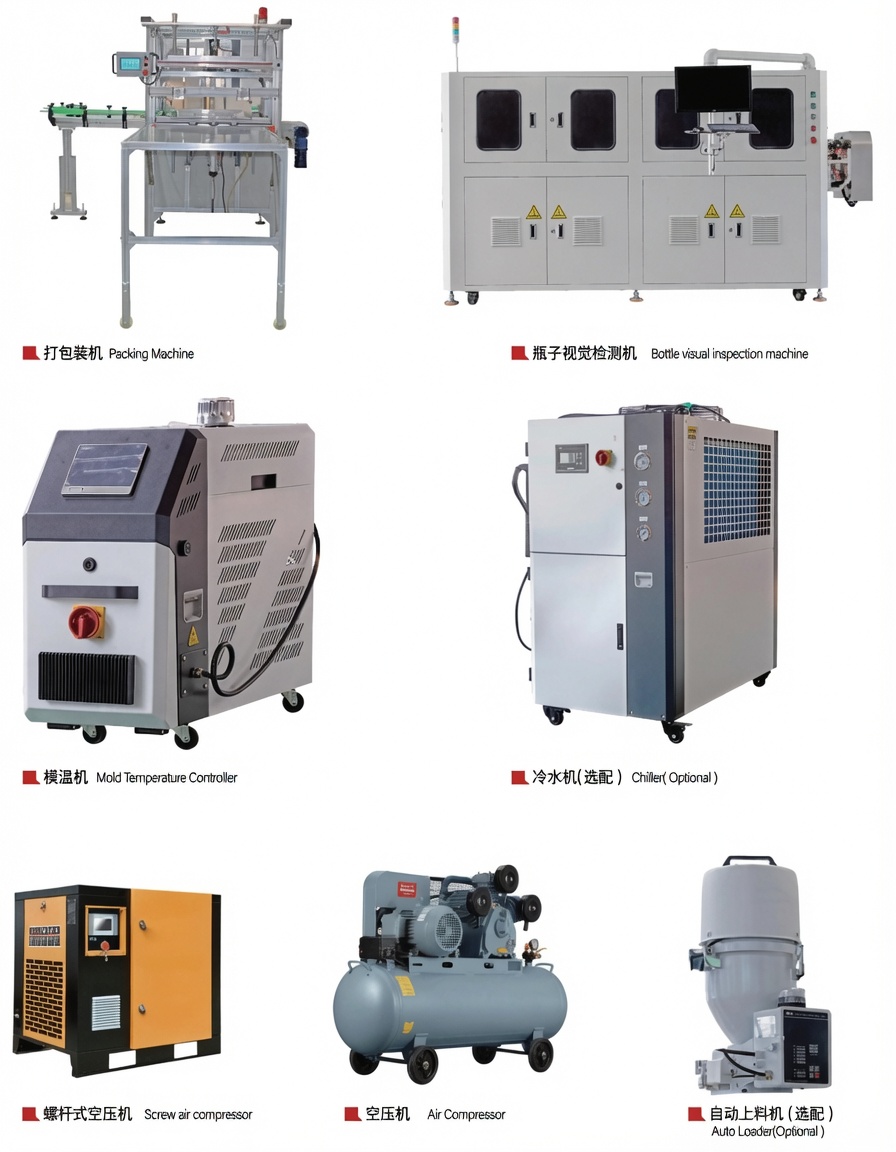
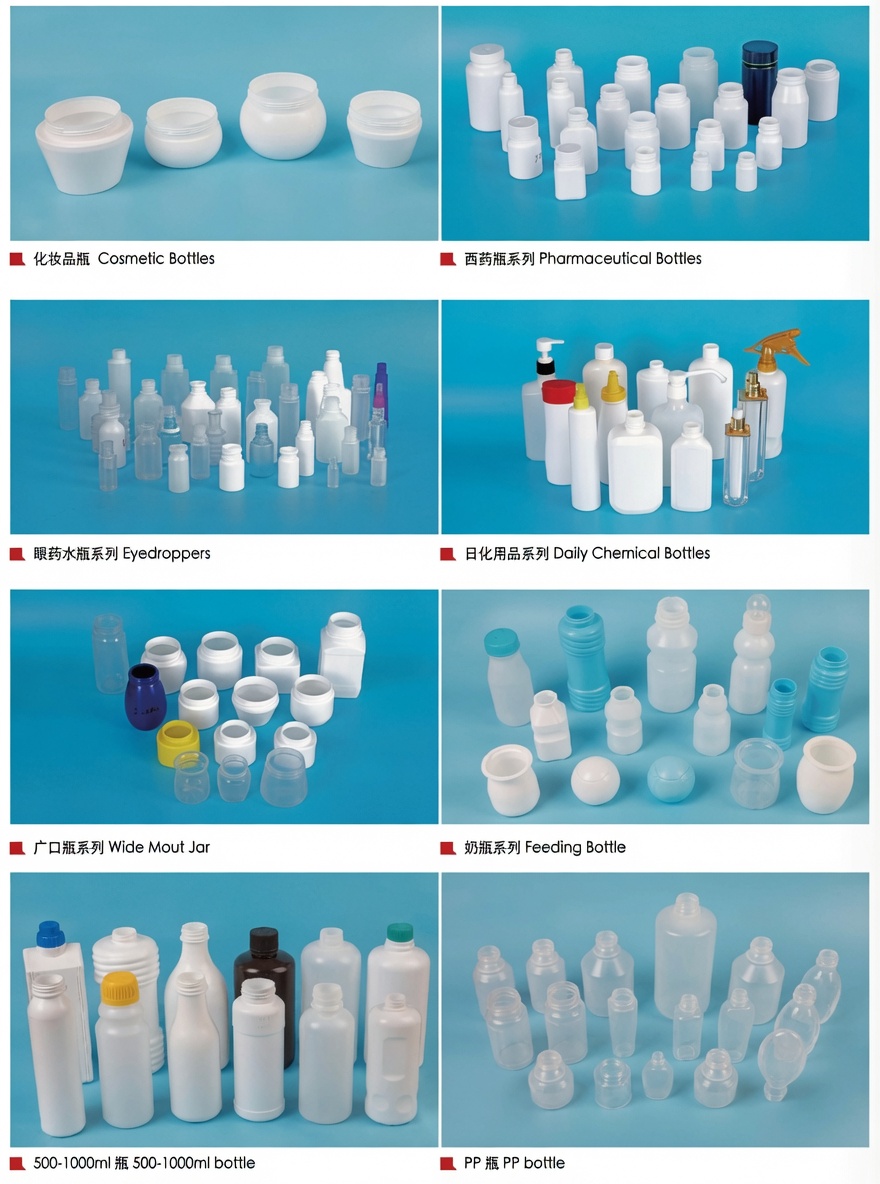
Ready to discuss your injection-blow molding machine requirements? Ever Power’s engineering team responds within one business day.
Featured Ever Power Injection-Blow Molding Machines
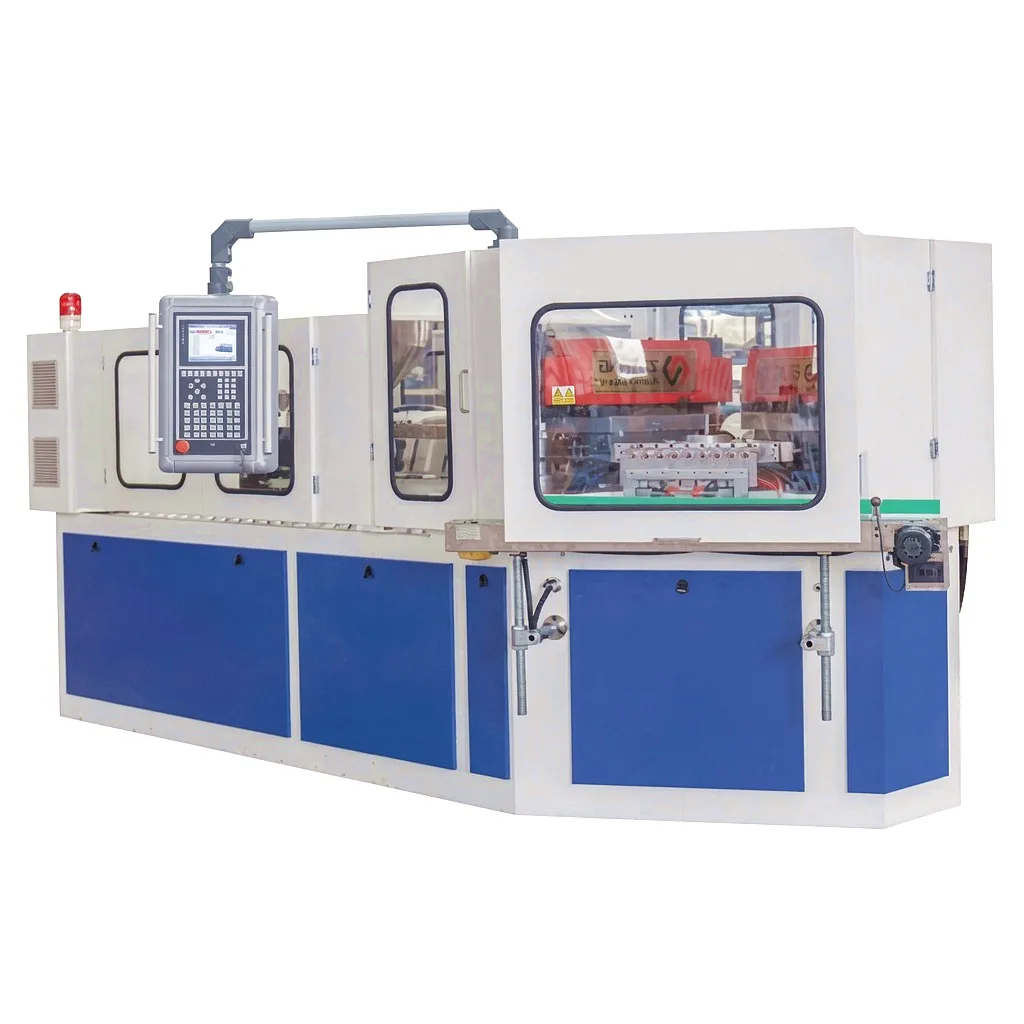
Customer Success Story: Birmingham Automotive Chemicals Packager
 Midlands ChemPack Ltd, a contract packaging company operating from a 14,000 m² facility on the Aston Cross industrial estate in Birmingham, had been producing HDPE engine oil and brake fluid bottles on an ageing extrusion blow line for nearly a decade. While the existing line had served them adequately for standard SKUs, the company was increasingly losing bid opportunities to competitors offering tighter neck tolerances and superior container finish quality — prerequisites for the premium automotive aftermarket accounts they were targeting with major UK accessory retailers and independent motor factors.
What Our UK Customers Say
“The ZQ60’s neck finish accuracy transformed our ability to bid for premium automotive chemical packaging. The CRC compatibility came out exactly to our specification on the first tooling trial — we had not experienced that level of tooling-machine alignment with previous IBM suppliers. Ever Power’s technical support during commissioning was genuinely impressive.”
Operations Director, Midlands ChemPack Ltd, Birmingham
“We run the ZQ40 for our pharmaceutical oral liquid bottles in Sheffield, and the wall thickness consistency is outstanding. Batch-to-batch variation is well inside our GMP documentation requirements. The Siemens HMI is clean and our operators were up to speed within two days. When we needed a spare hydraulic seal kit urgently, Ever Power had it on an air freight service inside 72 hours.”
Production Manager, Northern Pharma Packaging Ltd, Sheffield
“For our PET personal care bottles, the seamless exterior finish from the Ever Power ZQ40 is exactly what our brand clients need. The surface quality takes hot-stamp foiling without any adhesion issues that we saw on our previous extrusion-blow line. Ever Power’s willingness to customise the blow mould temperature profile for our PETG grade made a real difference to crystallinity in the finished container.”
Technical Director, Southern Cosmetic Containers Ltd, Bristol
Frequently Asked Questions
Answers to common questions from UK manufacturers, packaging managers, and procurement teams.
Ready to Upgrade Your Container Production with Ever Power IBM Technology?
Speak with an Ever Power injection-blow molding machine specialist. Whether you are sourcing your first IBM machine or upgrading an existing line, our engineering team provides detailed technical consultation for UK and European buyers.
✉ Get a Quote — [email protected]
edit by gzl