Injection Blow Molding Technology
Why UK Manufacturers Choose Injection Blow Molding Machines: Applications, Technology & Benefits
A comprehensive guide to how injection blow molding machines serve pharmaceutical, cosmetic, healthcare and consumer industries — with a focus on UK manufacturing needs and Ever Power precision engineering.
Home › Blog › Injection Blow Molding Machine Applications
Understanding the Injection Blow Molding Machine in Modern Manufacturing
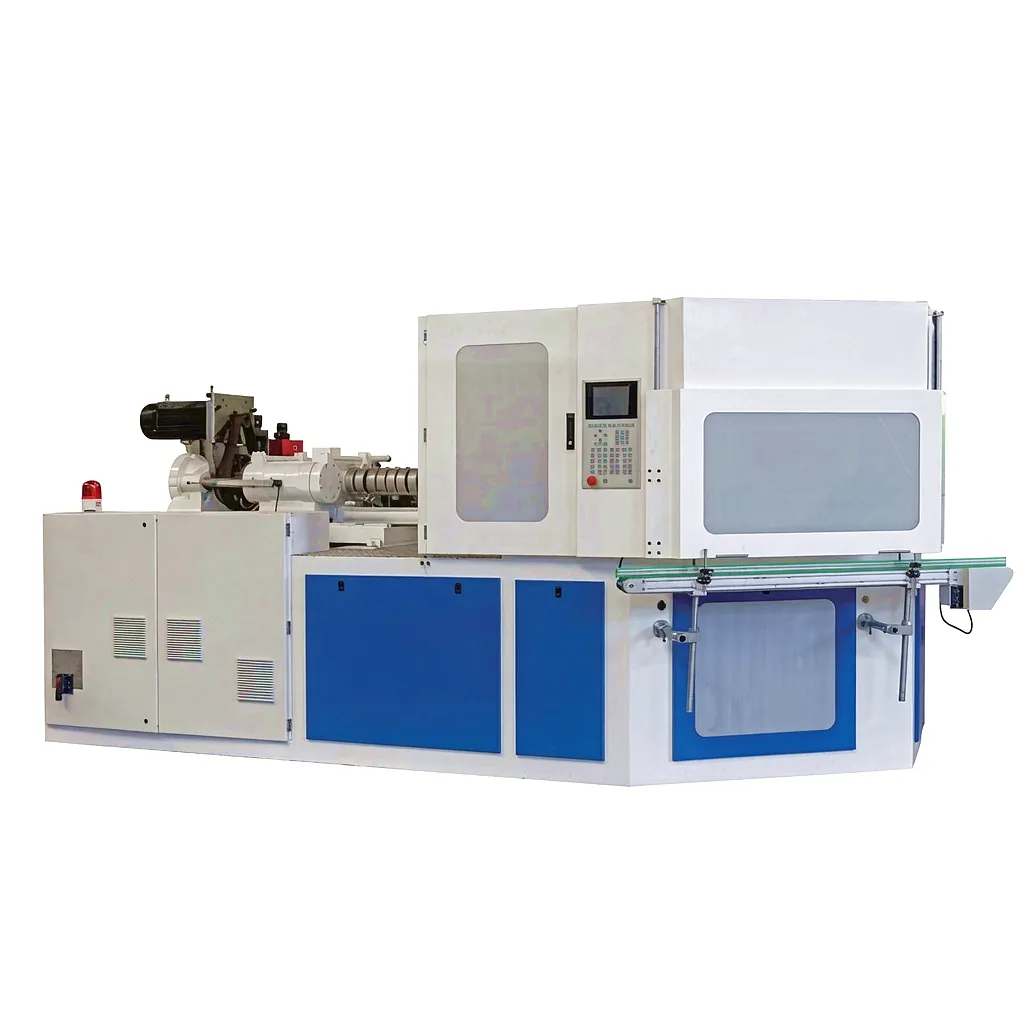 The injection blow molding machine stands as one of the most precise container-forming technologies available to manufacturers operating in tightly regulated industries. By combining the dimensional accuracy of injection molding with the hollow-body capability of blow molding, these machines produce seamless, one-piece bottles and containers that meet the strictest tolerances demanded by pharmaceutical, healthcare, and personal care sectors. Unlike extrusion blow molding, the IBM process begins with a fully injected preform — meaning the neck finish, thread geometry, and wall thickness are defined with exceptional accuracy from the very first cycle. For UK manufacturers operating across Birmingham, Sheffield, Leeds, and the pharmaceutical corridors of Cheshire and Cambridgeshire, selecting the right injection blow molding machine directly impacts product quality, regulatory compliance, and competitive positioning in both domestic and export markets.
The UK packaging and pharmaceutical manufacturing landscape has undergone significant transformation in recent years. Driven by post-Brexit reshoring trends, stricter MHRA standards for medicinal container integrity, and the ongoing growth of over-the-counter healthcare products, demand for domestically produced sterile and semi-sterile containers has intensified. Injection blow molding machines address this need precisely — they run high-volume cycles with zero flash, produce containers with neck-to-body concentricity that injection stretch blow processes simply cannot match at small volumes, and they operate with the closed-mold characteristics that minimise contamination risk during production.
How an Injection Blow Molding Machine Works
1
Injection Station
Molten resin — typically HDPE, PP, PET, or LDPE — is injected around a steel core rod inside a precision injection mold. This stage defines the neck finish geometry, thread profile, and initial wall distribution of the preform. The core rod remains inside the preform, acting as an internal mandrel throughout the process cycle, which is why IBM produces containers with near-perfect concentricity between the neck and body. At this stage, melt temperature, injection speed, and cavity pressure are monitored in real time by the machine’s PLC system.
2
Blow Station
The preform, still on the core rod and at optimum orientation temperature, is indexed into the blow mold. Compressed air — typically at 6 to 10 bar — is introduced through the core rod, expanding the parison against the cooled blow mold cavity. Because the neck is already formed and clamped in the blow mold, there is no flash at the parting line, and the container emerges with a perfectly sealed bottom and consistent wall thickness. This stage occurs in a matter of seconds and defines the final container shape, volume, and optical clarity when transparent resins are used.
3
Ejection Station
Once the blow mold opens and the container has cooled sufficiently, the finished article is stripped from the core rod at the ejection station. IBM machines operate on a rotary table — most commonly a three-station design — so each station works simultaneously. While one cavity is injecting a preform, the previous preform is being blown, and the container from the cycle before is being ejected. This simultaneous operation is the mechanism behind the machine’s high output rate while maintaining minimal scrap, a feature that substantially reduces material cost per unit compared with extrusion alternatives.
Core Materials Processed by Injection Blow Molding Machines
The versatility of the injection blow molding machine lies partly in its compatibility with a wide spectrum of thermoplastic resins. Material selection governs container transparency, chemical resistance, regulatory compliance, and recyclability — all considerations that UK manufacturers must weigh carefully against customer specifications and REACH regulations.
HDPE
High-density polyethylene — the workhorse resin for pharmaceutical dropper bottles, cleaning-product containers, and agricultural chemical packaging. Excellent chemical resistance, FDA/EU food-contact compliant, and recyclable under HDPE (code 2) streams widely accepted across UK local authority collections.
PP (Polypropylene)
Polypropylene delivers superior heat resistance and is autoclavable — an essential property for containers destined for sterile medical environments. It processes smoothly on injection blow molding machines and is widely used for nasal spray bottles, cosmetic jars, and laboratory containers requiring resistance to aggressive cleaning agents.
PET
Polyethylene terephthalate provides glass-like optical clarity and excellent barrier properties against moisture and oxygen. PET containers produced by injection blow molding machines are common in premium personal care packaging, mouthwash bottles, and nutraceutical supplements where brand differentiation through transparency is commercially important.
LDPE
Low-density polyethylene’s inherent flexibility makes it suitable for squeezable dropper bottles and ophthalmic containers where the user applies gentle pressure to dispense measured amounts. LDPE processes at lower melt temperatures, reducing cycle energy consumption and making it a cost-effective option for high-volume ophthalmic packaging lines.
Application Scenario 1: Healthcare & Ophthalmic Products — Eye Drops, Nasal Sprays & Sterile Irrigation Containers
Industry: Healthcare & Medical Devices
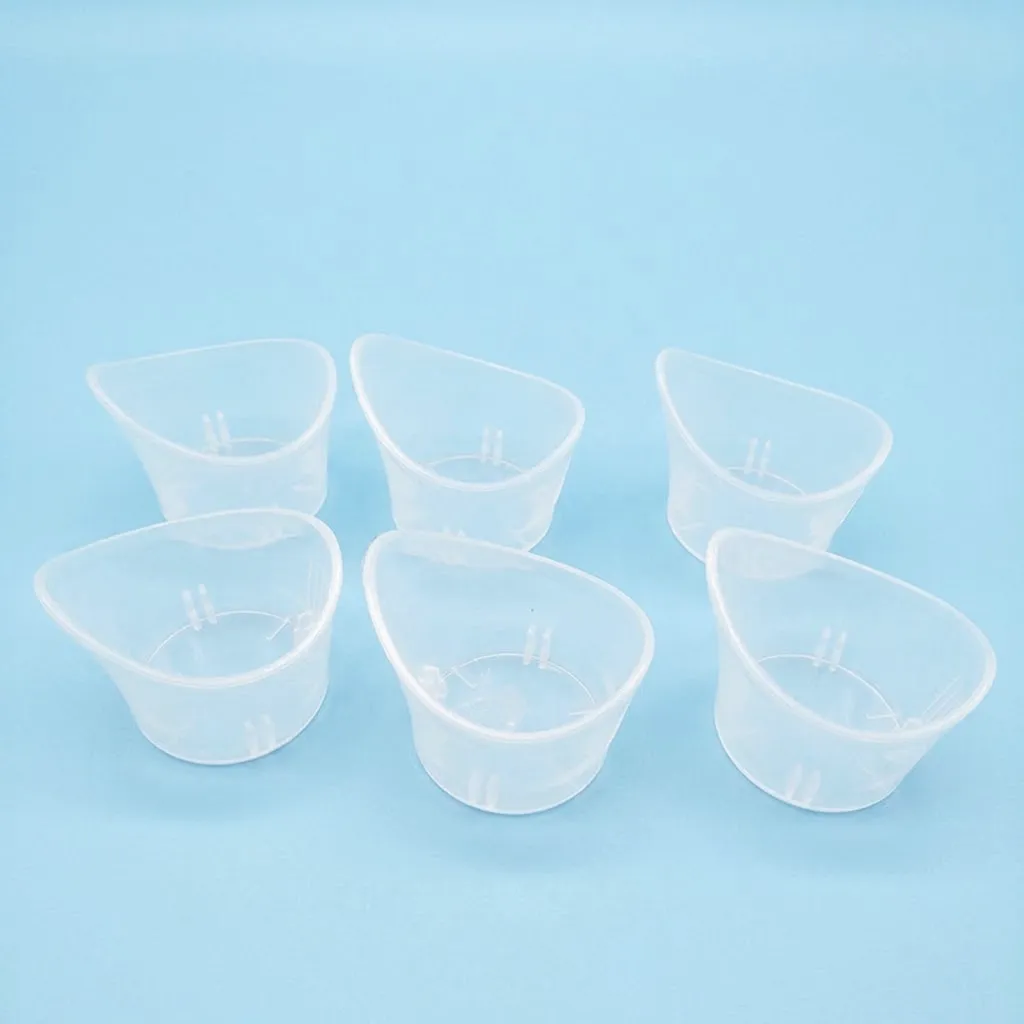
Healthcare packaging is where the injection blow molding machine demonstrates its highest level of relevance. Products that contact the ocular surface or nasal mucosa must conform to rigorous pharmacopoeial standards — including Ph. Eur. requirements for extractables, particulate contamination, and container closure integrity. Regulators and contract manufacturers alike point to the IBM process as the most suitable technology for ophthalmic containers precisely because of its closed-mold characteristics. Unlike extrusion processes where the parison hangs exposed in open air before being clamped, IBM’s preform travels entirely within the tooling, minimising airborne contamination exposure throughout the forming cycle.
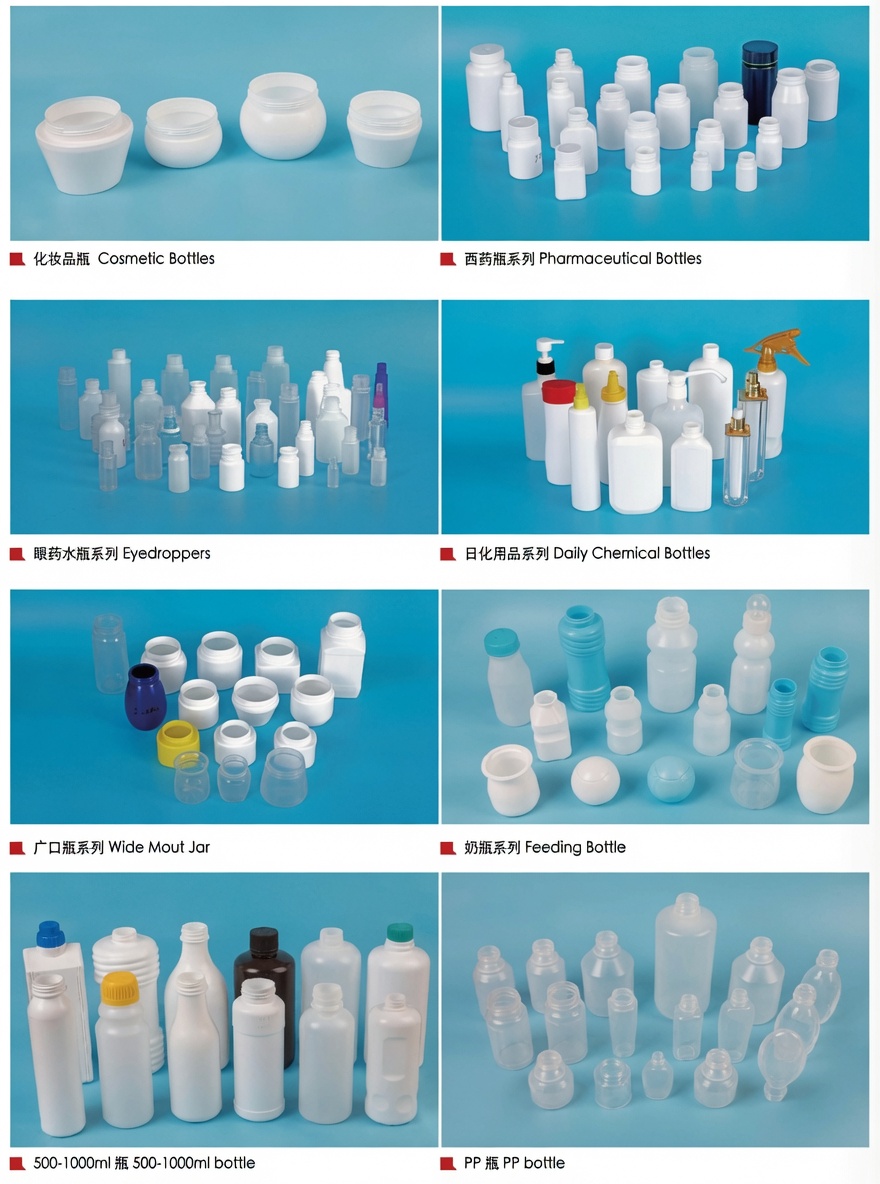
The products produced in this segment using injection blow molding machines include eye drop bottles (0.5 ml to 30 ml), nasal spray containers with integrated actuator seat interfaces, sterile saline irrigation bottles, multi-dose ophthalmic dispensers, and eyewash cup containers. In the UK, pharmaceutical manufacturers operating under MHRA Good Manufacturing Practice in areas such as Cheshire’s pharma cluster and the Cambridgeshire biotech corridor require containers that pass leachables studies without modification — a requirement that HDPE and LDPE IBM containers routinely satisfy when tooling is correctly validated.
The precision of the neck finish produced by the injection stage is particularly critical in ophthalmic packaging. Dropper tip interfaces must achieve dimensional tolerances of plus or minus 0.05 mm to ensure the dropper insert seats and seals without play. Injection blow molding machines achieve this through the injected neck section, which is not subsequently deformed during the blow stage. This characteristic fundamentally differentiates IBM containers from those produced by extrusion blow molding, where the neck geometry is defined by mold clamping alone and where parting-line flash must be trimmed post-process — introducing both dimensional variability and the need for secondary inspection.
Eye Drop Bottles (HDPE/LDPE)
Nasal Spray Containers (PP)
Sterile Saline Irrigation Bottles
Multi-Dose Ophthalmic Dispensers
Eyewash Cup Containers
Application Scenario 2: Cosmetics & Personal Care Packaging — Lotions, Shampoos & Fragrance Accessories
Industry: Cosmetics & Personal Care
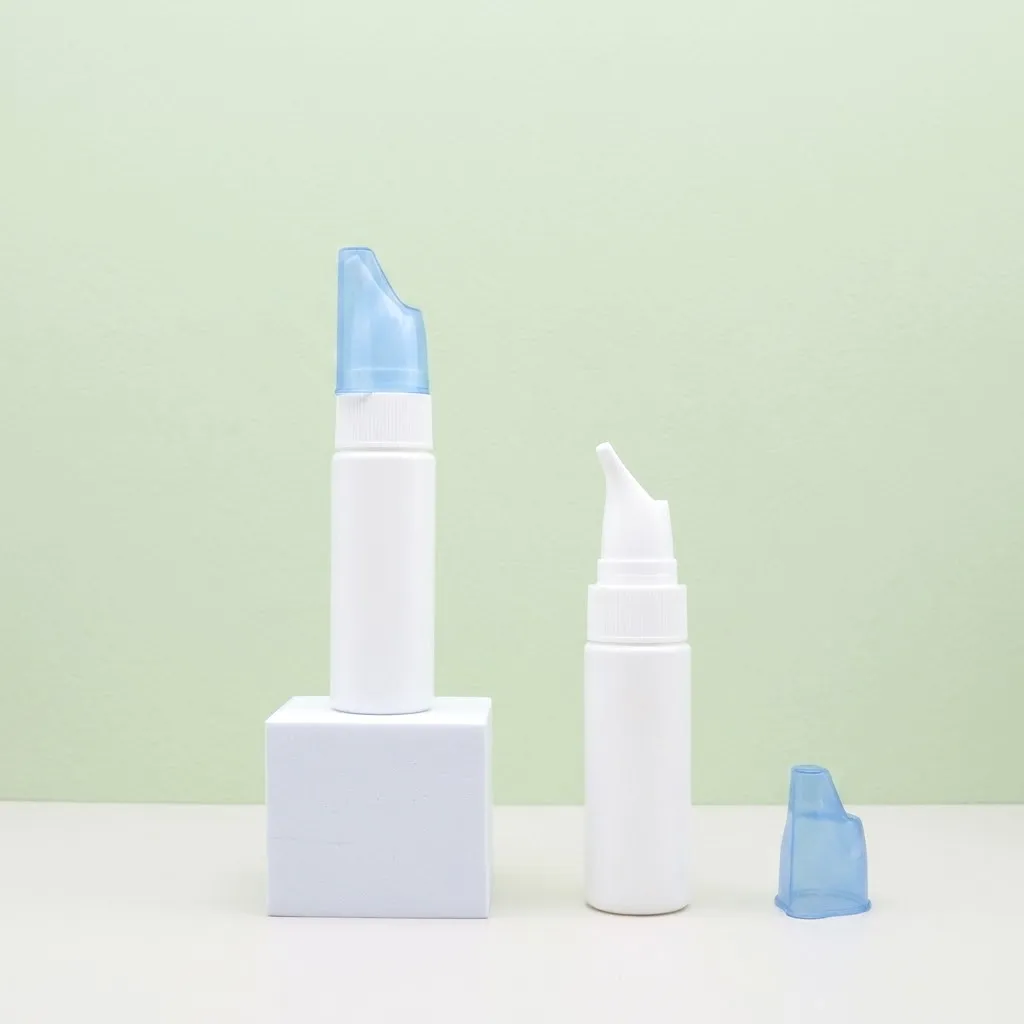
The cosmetics and personal care sector has embraced injection blow molding machines as the go-to solution for premium container production that demands both aesthetic quality and functional precision. Brands sold through UK retailers including Boots, Superdrug, and independent pharmacies require packaging that differentiates at the shelf while meeting the functional requirements of pump dispensers, flip-top caps, and lotion closures. IBM containers produced in PET deliver the glass-like appearance that premium skincare brands seek at a fraction of the weight and fragility penalty that actual glass carries through UK logistics and distribution networks.
Shampoo and conditioner bottles, body lotion containers, travel-size amenity bottles for UK hotel supply chains, and decorative fragrance accessory containers all represent high-volume production targets well suited to injection blow molding machine capability. The ability to produce containers ranging from 10 ml to 1,000 ml within the same machine family — by changing tooling — gives UK contract packaging manufacturers the flexibility to serve diverse brand customers from a single production asset. Birmingham’s manufacturing cluster, with its concentration of plastics processors and cosmetics private-label producers, has seen growing interest in IBM machinery as a complement to existing injection and blow molding capacity.
From a production economics perspective, the zero-flash output of the IBM process eliminates the secondary trimming and granulation operations that extrusion blow molding lines require. For a cosmetics line running millions of bottles per year, this translates into meaningful savings in labour, energy, and rework material — cost advantages that are material in the highly competitive UK private-label cosmetics market where margins are compressed across the supply chain.
Application Scenario 3: Pharmaceutical Packaging — Tablet Bottles, Liquid Medicine & Controlled Dispensing
Industry: Pharmaceutical & Life Sciences
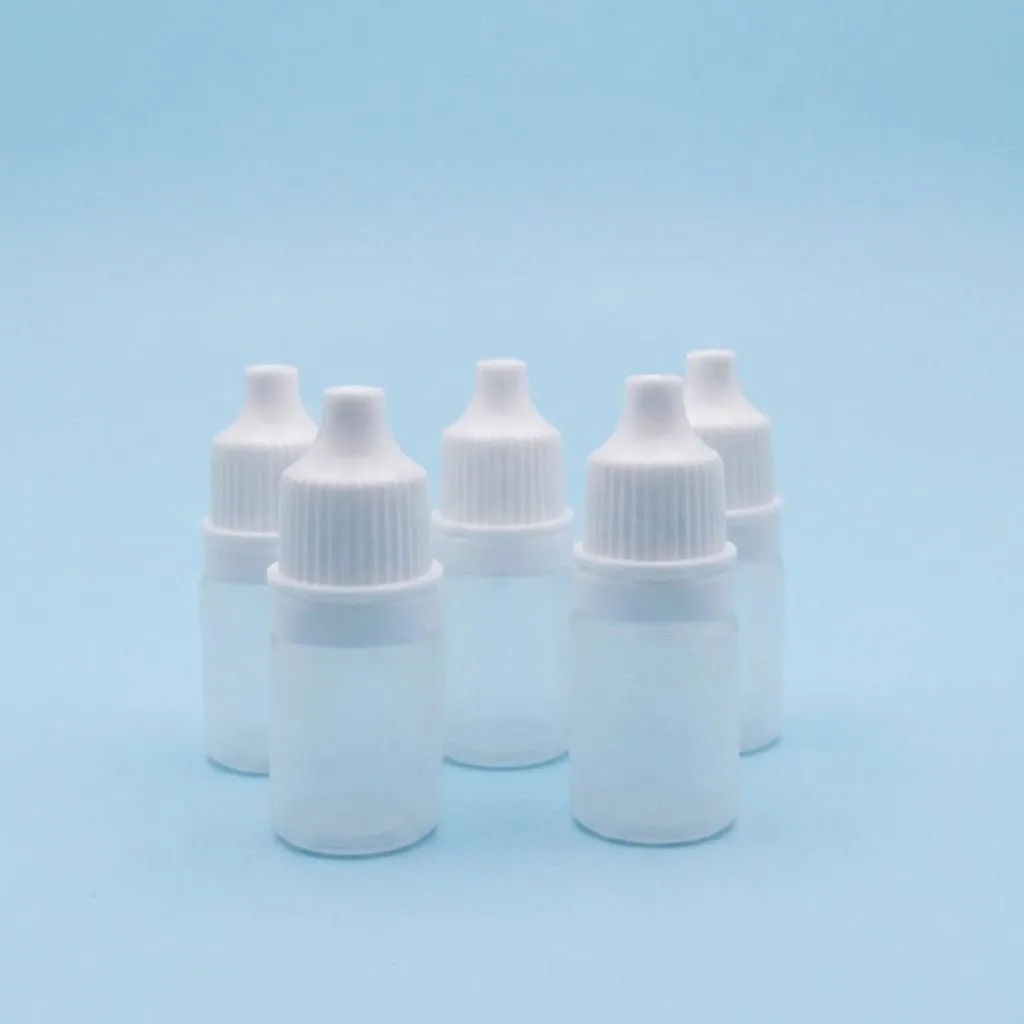
Pharmaceutical tablet bottles represent one of the single largest volume applications for injection blow molding machines globally. The requirements are stringent: child-resistant neck finishes that comply with BS EN ISO 8317, moisture barrier properties sufficient to preserve active pharmaceutical ingredients throughout shelf life, and tamper-evident features that signal clearly whether a container has been opened. HDPE remains the dominant resin for tablet bottle applications because of its excellent moisture vapour transmission resistance, its compatibility with desiccant inserts (commonly used in UK-market vitamin and OTC supplement products), and its proven extractables profile under standard leachability protocols.
Liquid medicine containers — particularly paediatric suspensions and cough syrups — require injection blow molding machines capable of producing amber HDPE bottles with accurate volumetric calibration markings embossed into the container wall. Amber pigmented HDPE containers protect UV-sensitive formulations while the IBM process delivers the wall uniformity necessary for the calibration graduations to be legible and accurate under EN ISO 4706 standards. UK-based pharmaceutical CMOs operating across Sheffield’s healthcare manufacturing base, and the pharmaceutical cluster surrounding Macclesfield, specify IBM-produced containers for liquid dosage forms precisely because wall thickness variability is measurably lower than with competing processes.
The growth of controlled dispensing packaging — single-dose ampoules, unit-dose droppers, and specialty closure systems for hospital pharmacy — presents further application territory where injection blow molding machine technology outperforms alternatives. These applications often require very small container volumes, tight neck tolerances, and compatibility with gamma or ethylene oxide sterilisation processes. HDPE and PP containers produced by IBM machines retain their dimensional stability through all standard sterilisation cycles, making them the preferred substrate for contract sterilisation facilities serving UK NHS supply chains and private healthcare networks.
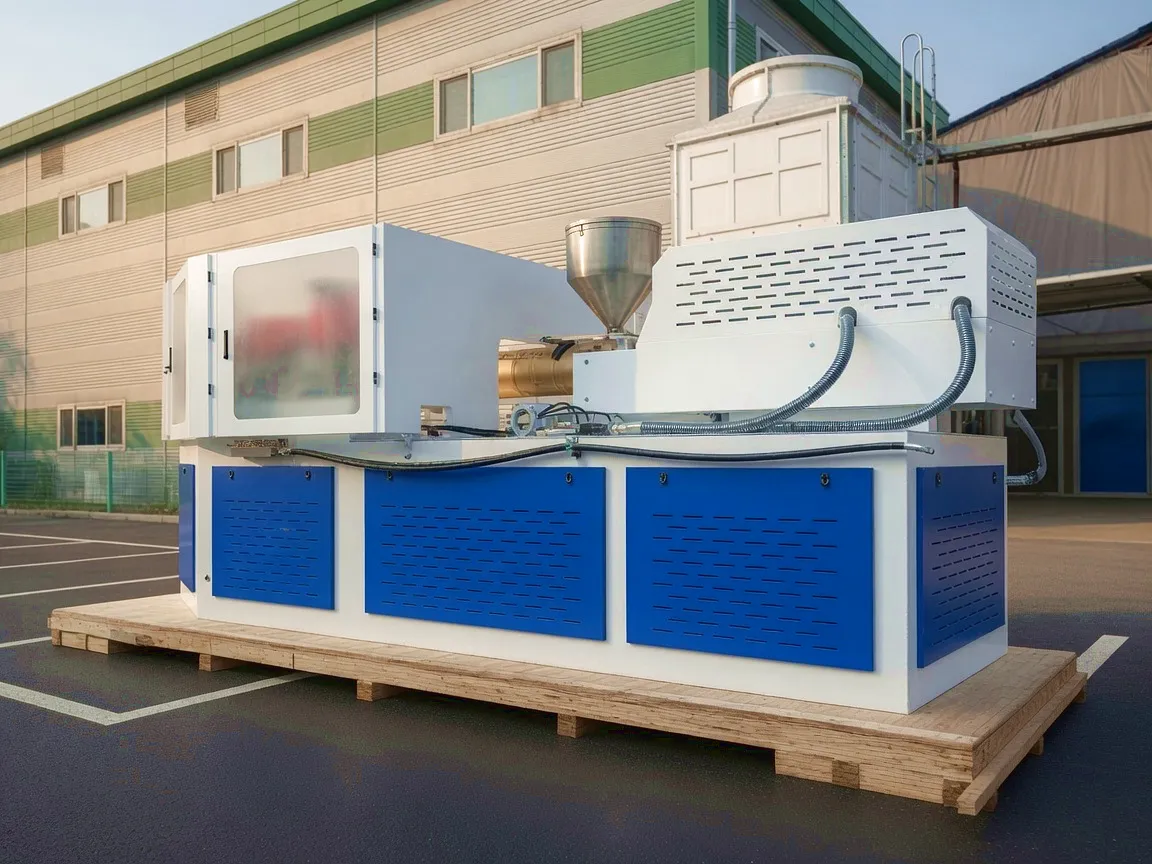
Ever Power Manufacturing Facility
Core Technical Advantages of the Injection Blow Molding Machine
Why leading manufacturers specify IBM over competing processes
◯
Zero Flash & No Trim Waste
IBM’s closed-mold neck formation eliminates parting-line flash entirely, removing the need for secondary trimming operations and reducing regrind material generation by up to 98% compared with extrusion blow molding lines of equivalent output.
☉
Precision Neck Finish
The injected neck is formed under controlled cavity pressure and is never deformed post-injection, delivering thread profile accuracy within ±0.05 mm — the tolerance demanded for validated pharmaceutical closure systems and child-resistant packaging assemblies.
⬤
Uniform Wall Thickness
Because the parison is formed on a precision core rod rather than extruded freely, wall thickness consistency across the container body achieves coefficient of variation values below 5% — directly supporting more reliable top-load strength, drop resistance, and seal integrity in distribution environments.
⚡
High Output Efficiency
Rotary-table simultaneous processing means every cycle produces finished containers — there is no dead time between injection and blow phases. Modern injection blow molding machines achieve cycle times of 8 to 18 seconds depending on container volume and resin type, supporting sustained output rates that make IBM economically competitive at annual volumes from 500,000 units upward.
■
Multi-Resin Compatibility
A single injection blow molding machine platform can process HDPE, PP, PET, LDPE, and specific engineering resins with tooling and process parameter changes, enabling manufacturers to consolidate production assets and reduce capital expenditure when serving diverse product portfolios across healthcare, cosmetic, and food-contact applications.
✓
Reduced Contamination Risk
The closed-mold IBM process significantly limits exposure of the forming polymer to the production environment, a critical compliance factor for pharmaceutical and ophthalmic packaging produced under GMP conditions. Containment of the preform within tooling throughout the cycle substantially reduces the likelihood of particulate ingress compared with open-parison extrusion methods.
Injection Blow Molding Machine — Technical Performance Parameters
The table below presents representative specifications for mid-range industrial injection blow molding machines in the EP-ZQ series. Parameters vary by model and tooling configuration; contact Ever Power for a specification sheet tailored to your container requirements.
| Parameter | ZQ80 Series | ZQ110 Series | Unit |
|---|
| Clamping Force | 80 | 110 | kN |
| Max Container Volume | 500 | 1000 | ml |
| Screw Diameter | 45 | 55 | mm |
| Injection Pressure | Up to 180 | Up to 180 | MPa |
| Blow Air Pressure | 0.6 – 1.0 | 0.6 – 1.0 | MPa |
| Cycle Time (typical) | 8 – 16 | 10 – 18 | seconds |
| Compatible Resins | HDPE, LDPE, PP, PET, PS, PVC (non-plasticised) | — |
| Neck Finish Tolerance | ±0.05 | ±0.05 | mm |
| Motor Type | Servo-driven hydraulic or full-electric option | — |
| Control System | Siemens PLC with touch-screen HMI, real-time process monitoring | — |
| Container Weight Range | 2 – 80 | 5 – 120 | g |
Featured Injection Blow Molding Machines
Two flagship models covering the most common UK production requirements
BESTSELLER
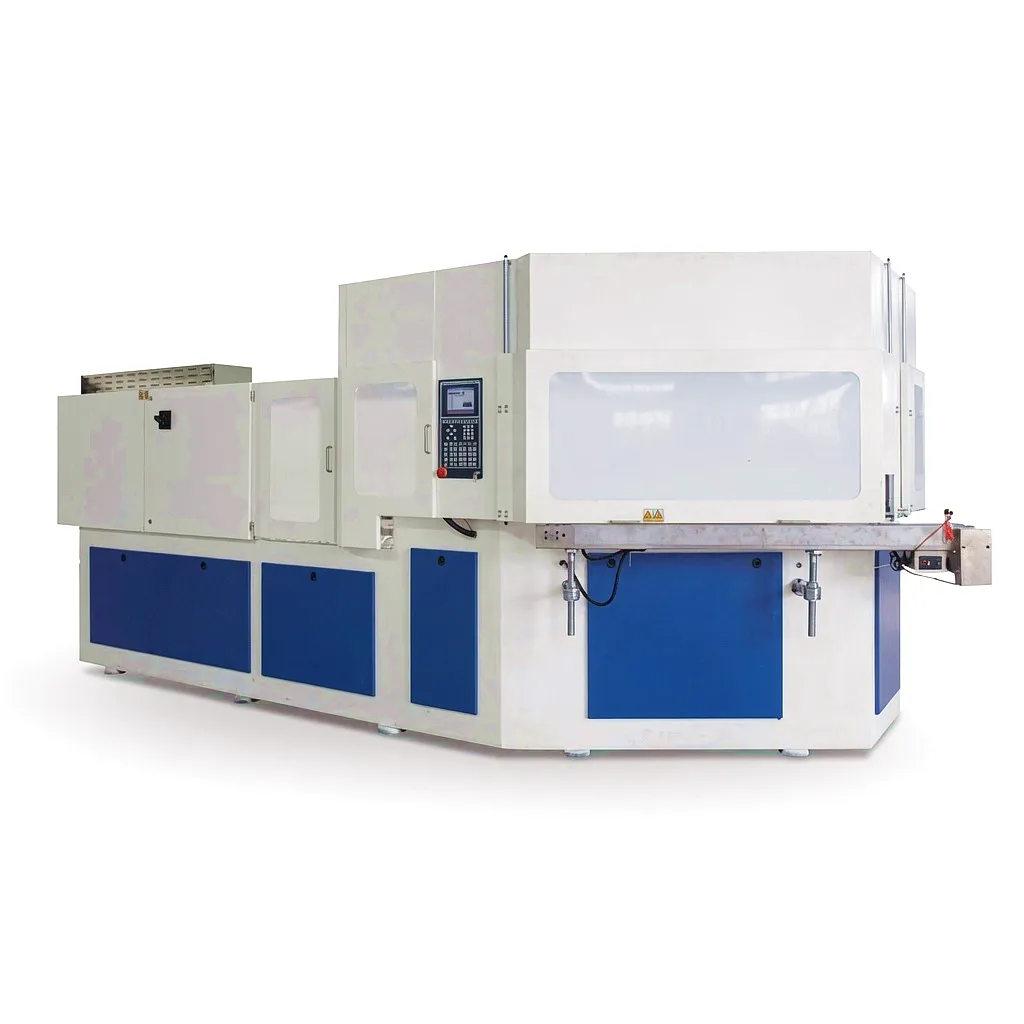
ZQ80 Injection Blow Molding Machine
The ZQ80 is Ever Power’s entry-point high-performance model, delivering 80 kN clamping force with compatibility across HDPE, PP, LDPE and PET resins. Ideal for pharmaceutical dropper bottles, cosmetic containers and personal care packaging up to 500 ml. Servo-hydraulic drive delivers energy savings of up to 35% over conventional hydraulic systems, making it well-suited for UK manufacturers focused on operational cost reduction and ESG commitments.
View ZQ80 Specifications ›
HIGH CAPACITY
ZQ110 Injection Blow Molding Machine
The ZQ110 steps up to 110 kN clamping force, targeting higher-volume pharmaceutical, food supplement, and industrial container production runs producing containers up to 1,000 ml. The extended platen design supports larger multi-cavity tooling arrangements, enabling output rates that justify the investment for UK CMOs and branded manufacturers running three-shift production schedules. Full compatibility with child-resistant and tamper-evident closure systems.
View ZQ110 Specifications ›
Auxiliary Equipment & System Integration
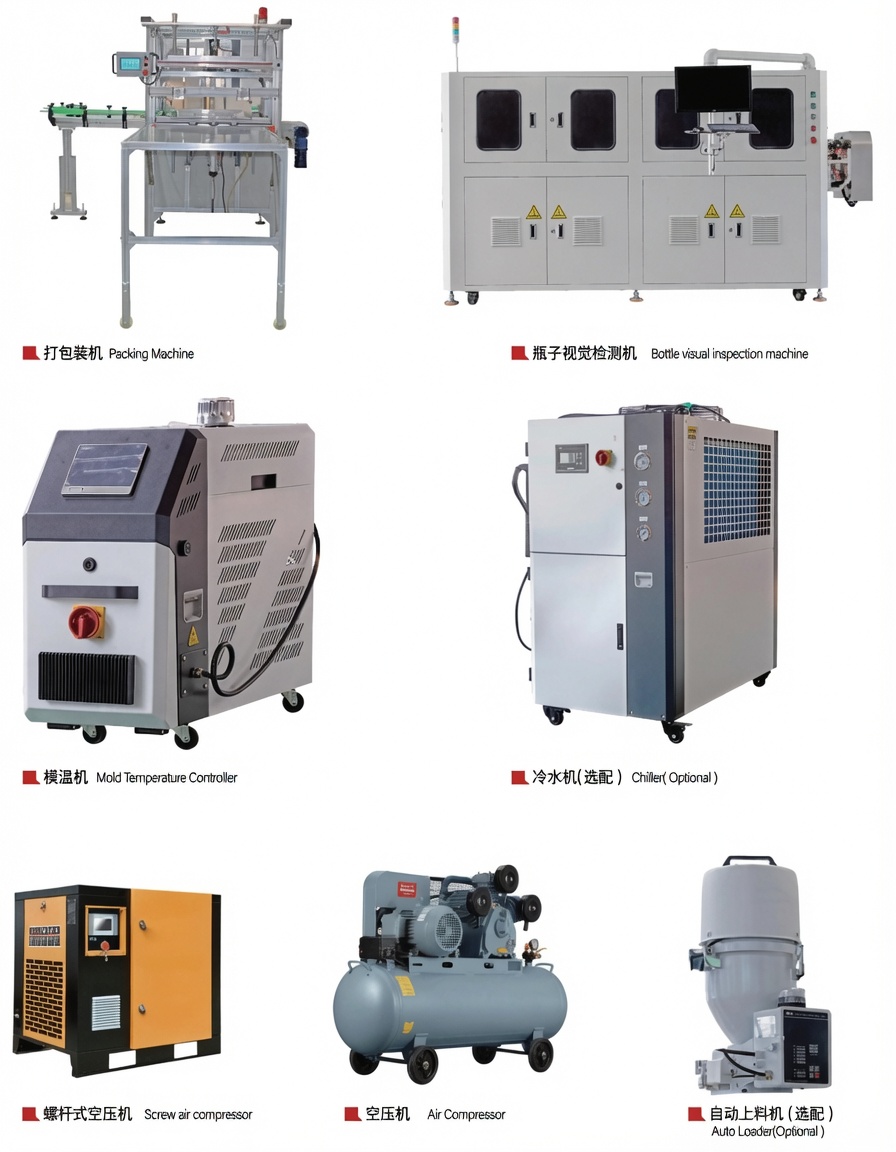
Ever Power injection blow molding machines are delivered with a complete auxiliary ecosystem: chiller units, hopper dryers, mould temperature controllers, conveyor systems, and vision inspection systems — all pre-configured for integration into UK production floor layouts.
Ever Power: Precision Manufacturing & Custom Injection Blow Molding Machine Solutions
From tooling concept to commissioning — your manufacturing partner for the UK and European markets
⛭ Customisation Capabilities
Ever Power engineers work directly with UK procurement teams and technical managers to develop injection blow molding machine configurations matched to specific container geometries, resin grades, and production volume targets. Custom core rod designs, multi-cavity arrangements, and special neck finish tooling are produced entirely in-house, with full dimensional certification documentation supplied as standard for pharmaceutical client validation packages.
⚙ Precision Manufacturing Process
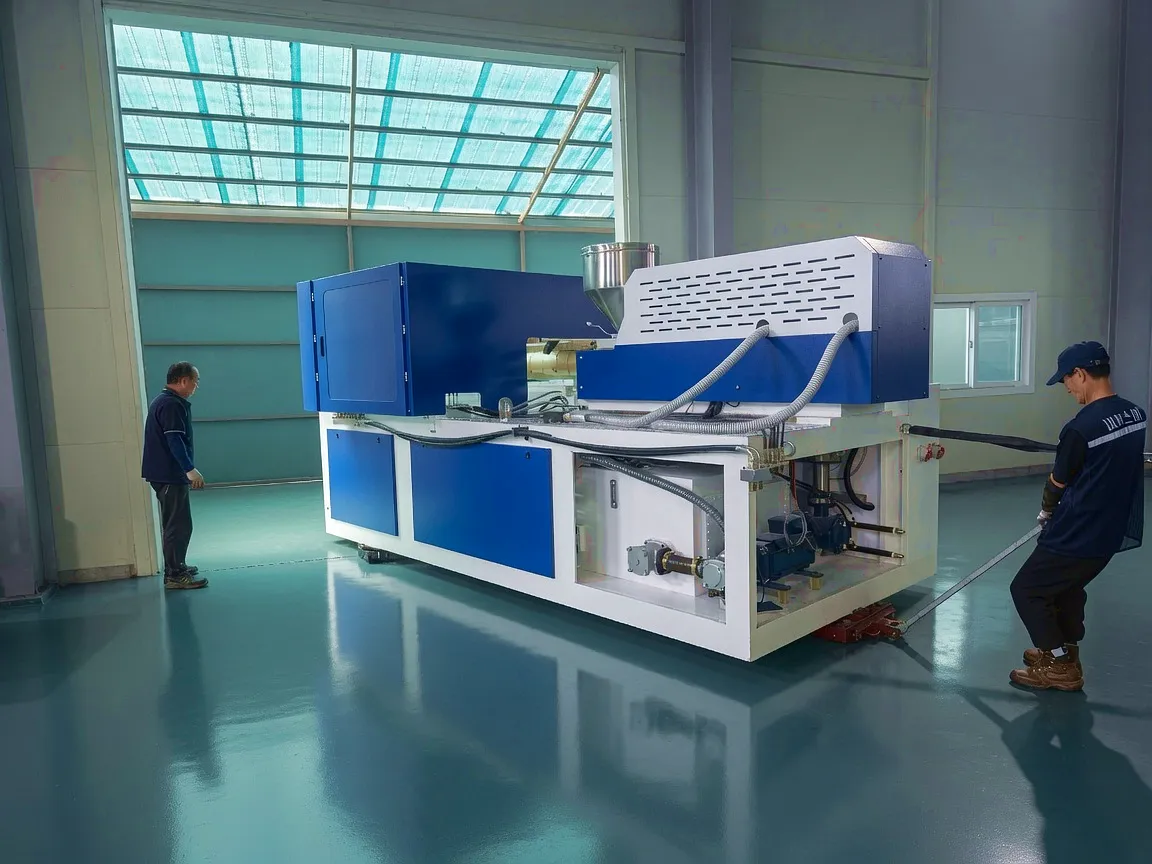
Machine components are manufactured to ISO 9001:2015-certified standards using CNC machining centres with sub-0.01 mm dimensional capability. Critical assemblies — including core rods, injection cavities, and blow molds — undergo CMM coordinate measurement inspection before dispatch. UK clients receive machines pre-validated against declared performance benchmarks with factory acceptance test (FAT) reports, accelerating site acceptance qualification timescales considerably.
✈ Supply Chain & Logistics
Ever Power maintains a dedicated export logistics operation with DDP (Delivered Duty Paid) delivery arrangements available to UK ports including Felixstowe, Southampton, and Tilbury. Machines are shipped in custom-engineered crates with humidity control to prevent corrosion during transit, and all customs documentation, CE marking, and UKCA compliance paperwork is prepared in advance to minimise clearance delays at UK border inspection points.
📞 After-Sales Support
Ever Power’s UK-facing technical support team provides remote diagnostics via secure VPN connection to machine PLCs, with on-site commissioning engineers dispatched for installation qualification, process validation support, and operator training programmes. Spare part inventories for wear components — including screw and barrel assemblies, core rods, and hydraulic seals — are held in UK bonded warehousing for next-day despatch, minimising production downtime risk.
Customer Success Story: Sheffield Pharmaceutical Packaging Manufacturer
Case Study | UK Healthcare Manufacturing
A mid-sized pharmaceutical packaging contractor based in Sheffield — operating three production lines serving NHS supply tenders and private healthcare brands across Northern England — approached Ever Power in early 2024 facing a specific operational challenge. Their existing extrusion blow molding line was producing HDPE dropper bottles for an ophthalmic client at unacceptable flash levels, requiring a secondary trimming step that added both labour cost and contamination risk to a product destined for direct ocular use.
After an initial technical assessment, Ever Power’s application engineers recommended replacing the extrusion line with a ZQ80 injection blow molding machine configured with six-cavity HDPE tooling optimised for the client’s 10 ml dropper bottle. The machine was supplied with a factory acceptance test report demonstrating neck finish concentricity within ±0.04 mm across all six cavities — tighter than the client’s validation protocol required. On-site commissioning was completed within four days by Ever Power’s installation team, working alongside the Sheffield facility’s process engineering group.
The outcome was measurable: secondary trimming was eliminated entirely, reducing direct labour costs on that product line by 28%. Particulate rejection rates at the client’s incoming quality control checkpoint — a stage their ophthalmic customer had flagged as a recurring concern — decreased by 94% within the first three months of IBM production. The Sheffield facility subsequently ordered a second ZQ80 unit for their nasal spray container programme, citing the first machine’s reliability record and Ever Power’s responsiveness during the initial qualification process as the decisive factors in returning for a repeat order.
What Our Customers Say
“
The neck finish consistency on the ZQ80 is genuinely impressive. We validated the machine against Ph. Eur. closure integrity requirements in under six weeks — half the time our quality team had originally budgeted. Ever Power provided IQ/OQ documentation templates that matched exactly what our pharmaceutical client’s auditors were looking for.
James H., Production Director
Sheffield-based pharmaceutical CMO
“
We were initially sceptical about sourcing an injection blow molding machine from overseas, but Ever Power’s DDP delivery to our Birmingham site was completely straightforward. The customs paperwork was handled in advance, the machine arrived in perfect condition, and the Siemens HMI made the learning curve for our operators much shorter than anticipated.
Sarah M., Operations Manager
Personal care packaging manufacturer, Birmingham
“
The customisation service is what sets Ever Power apart. We had an unusual bottle geometry — a truncated oval with an off-centre neck — and their tooling team produced a six-cavity core rod set that hit our wall thickness specification exactly on the first production trial. No other supplier we approached was willing to take on the tooling risk. Ever Power just got on with it.
Tom B., Technical Director
Contract packaging group, Leeds
Frequently Asked Questions
Common questions from UK procurement managers, production engineers, and packaging technologists
What is the typical cost of an injection blow molding machine for a UK pharmaceutical packaging operation?
+
Entry-level IBM machines suitable for pharmaceutical dropper bottle production typically start from around USD 40,000 to 60,000 for a basic three-station rotary model with a single cavity set. Configured models with servo drives, multi-cavity tooling (four to eight cavities), and Siemens PLC controls for pharmaceutical validation purposes fall in the USD 80,000 to 150,000 range. DDP pricing to UK ports, inclusive of tooling and standard auxiliary equipment, is available on request from Ever Power. Contact
[email protected] for a tailored quotation.
How does an injection blow molding machine compare to an extrusion blow molding machine for producing pharmaceutical containers in the UK?
+
Injection blow molding machines produce containers with no parting-line flash, superior neck finish accuracy, and consistent wall thickness — all critical advantages for pharmaceutical applications where container closure integrity testing and particulate contamination standards are mandatory. Extrusion blow molding can run faster for larger containers and simpler commodity applications, but the secondary trimming operations and dimensional variability it introduces are significant disadvantages when producing medicinal packaging subject to MHRA oversight and pharmacopoeial specification requirements.
Which resin materials can an injection blow molding machine process for producing ophthalmic and nasal spray containers in the UK healthcare sector?
+
The most widely specified resins for ophthalmic and nasal packaging produced on injection blow molding machines are HDPE (for its moisture barrier and extractables profile), LDPE (for squeeze-to-dispense dropper applications), and PP (for containers requiring autoclave compatibility). PET is increasingly used for nasal spray outer containers where optical clarity is a brand requirement. All of these resins are routinely processed on the Ever Power ZQ80 and ZQ110 machine families, and Ever Power can provide resin-specific process parameter sheets for validation purposes.
Where can I find a reliable injection blow molding machine supplier that delivers to Birmingham, Sheffield, and other UK manufacturing locations with full after-sales support?
+
Ever Power offers DDP delivery of injection blow molding machines to all UK mainland locations, including established manufacturing centres in Birmingham, Sheffield, Leeds, Manchester, and Cambridgeshire. After-sales support is provided through a combination of remote PLC diagnostics and on-site service engineer dispatch. Spare parts for all current ZQ-series models are held in UK bonded warehousing for next-day delivery. Reach the technical sales team at
[email protected] to discuss your specific site requirements and service level agreement options.
How long does it take from placing a purchase order to commissioning an injection blow molding machine at a UK production site?
+
For standard ZQ-series injection blow molding machines with catalogue tooling, lead time from confirmed order to UK delivery is typically 10 to 14 weeks, including factory acceptance testing and export documentation preparation. Custom tooling projects — where Ever Power engineers develop bespoke core rod and cavity sets — may extend the timeline by four to eight weeks depending on container geometry complexity. Site commissioning, including operator training and initial process validation support, is completed in three to five working days in most pharmaceutical and cosmetic packaging environments.
What minimum annual production volume makes investing in an injection blow molding machine economically justifiable for a UK packaging company?
+
In the UK market context, injection blow molding machine investment is generally considered financially viable from annual volumes of approximately 500,000 to 800,000 containers upward per SKU when producing higher-value pharmaceutical or healthcare packaging. For cosmetic and personal care containers — where tooling costs are relatively lower and margin pressure is higher — the breakeven threshold may be reached at 1 to 2 million units annually depending on container complexity, resin cost, and the avoided cost of outsourced supply. Ever Power’s application team can provide a basic cost-per-unit modelling exercise on request.
Ready to modernise your production line?
Talk to Ever Power — Your Injection Blow Molding Machine Partner
Our engineering team is available to discuss container specifications, tooling options, UK delivery logistics, and volume pricing. No obligation. We respond within one working day.
✉ Get a Quote: [email protected]
edit by gzl