Blow Moulding Process Comparison: IBM, ISBM, EBM, and Extrusion
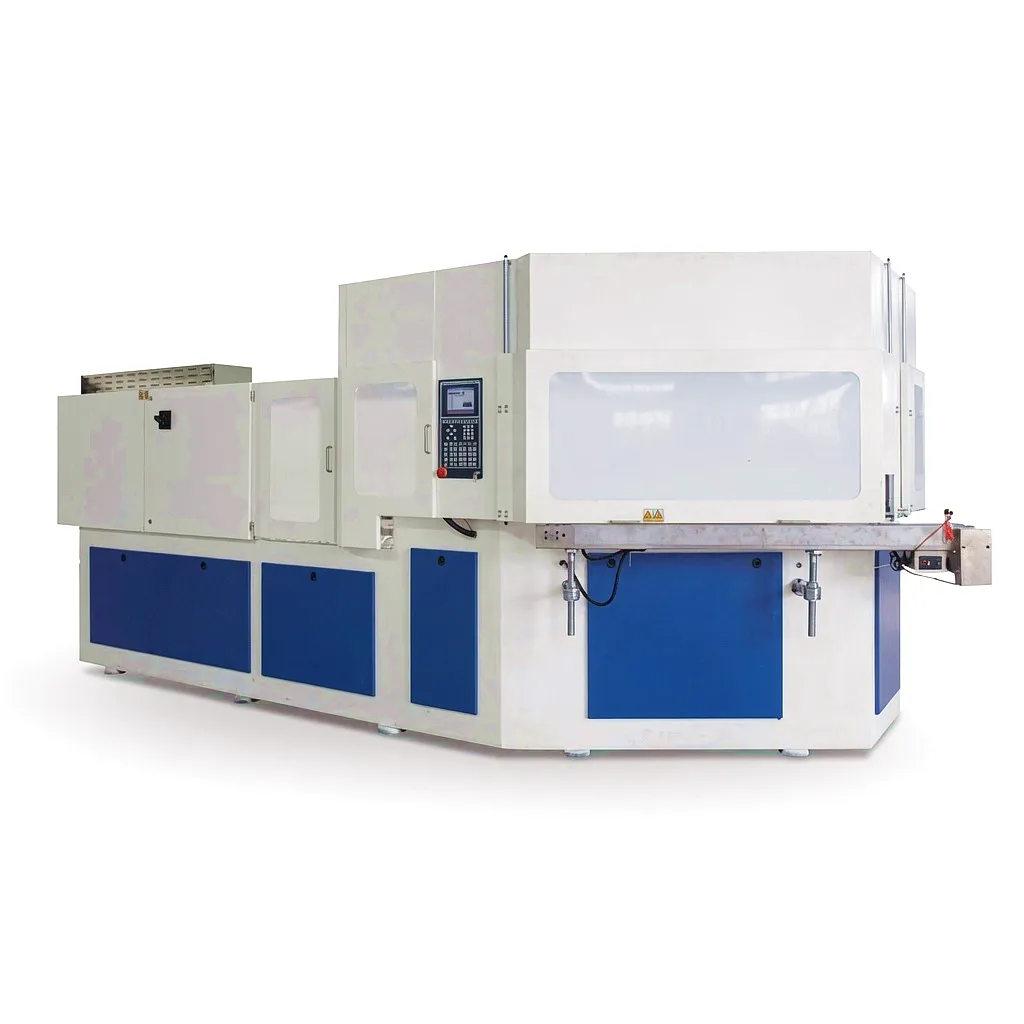
Understanding why injection blow molding machines occupy such a central role in sustainable packaging requires a clear-eyed comparison with rival technologies. Four core processes dominate the industry: injection blow moulding (IBM), injection stretch blow moulding (ISBM), extrusion blow moulding (EBM), and general extrusion moulding. Each has a specific strength profile, and choosing the wrong process for a given resin or container geometry compounds both quality problems and energy costs — two things the 2025 sustainability agenda can ill afford.
| Parameter | IBM | ISBM | EBM | Extrusion |
|---|---|---|---|---|
| Flash / Waste | None | Minimal | Significant | High |
| Wall Thickness Uniformity | Excellent (<±3%) | Good | Moderate | Variable |
| Neck Finish Precision | Moulded to final dimension | Good | Requires trimming | Trimming required |
| Suitable for rPET / bio-HDPE | Yes (tight temp window) | Yes | Limited | Challenging |
| Energy Consumption (relative) | Low–Medium | Medium | Medium–High | High |
| Typical Container Volume | 5 ml – 1,000 ml | 100 ml – 30 L | 100 ml – 220 L | Wide range |
| Tooling Cost | Medium | Medium–High | Low–Medium | Low |
For pharmaceutical-grade packaging, personal care products, and precision food containers — sectors all growing rapidly in the UK’s Birmingham, Warwickshire, and West Yorkshire clusters — IBM’s combination of zero flash, moulded neck finishes, and wall thickness control makes it the default engineering choice. As recycled content mandates rise under UK Extended Producer Responsibility regulations, the ability to process narrow-window resins without generating secondary scrap has additional downstream cost advantages that compound across millions of production cycles.
Injection Blow Moulding Machine: Working Principle in Detail
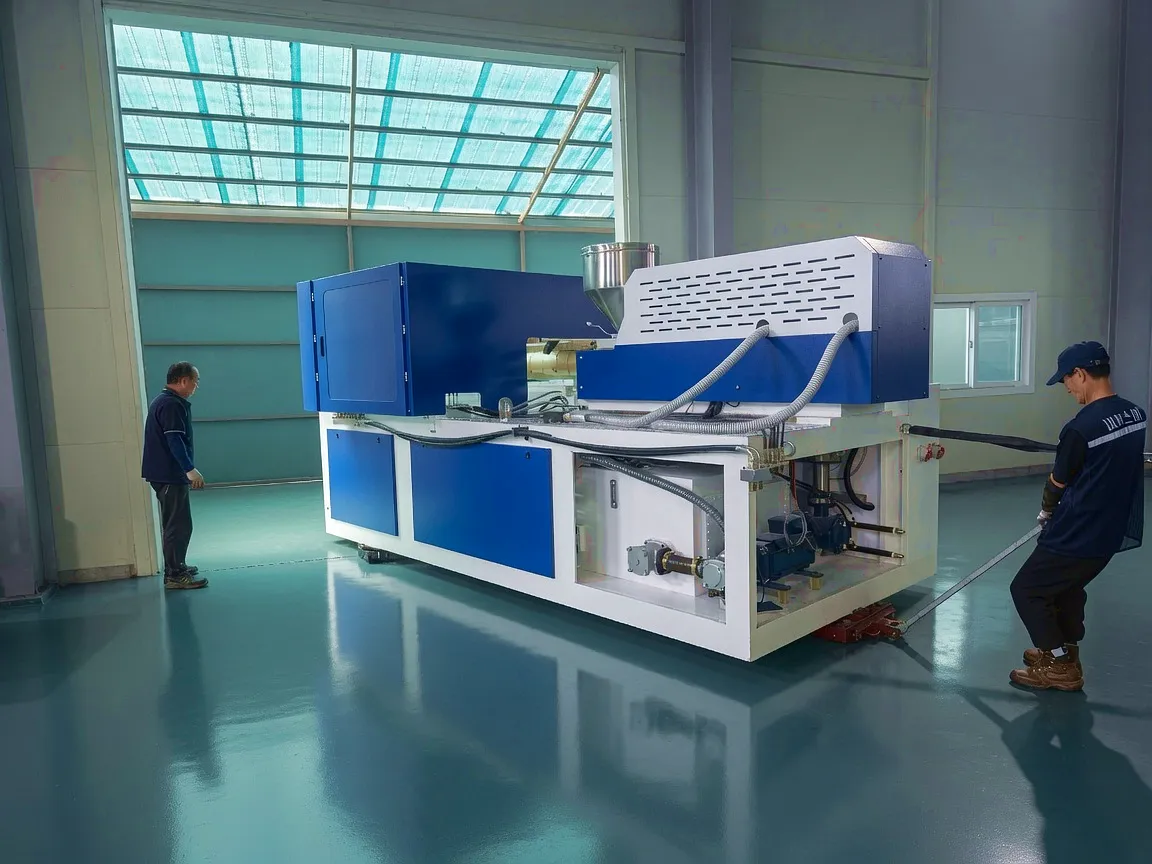
At the stripping station, the finished container is removed from the core rod without trimming operations — because the neck finish was moulded precisely at the injection station. This eliminates a secondary operation that EBM producers must perform on every cycle. For UK pharmaceutical packagers operating under MHRA Guidelines for Good Manufacturing Practice, the absence of trimming debris represents a significant contamination risk reduction. The entire three-station cycle on a modern injection blow molding machine can be completed in as little as 6 to 12 seconds, yielding output rates that are commercially viable for high-volume small-format containers.
Wall Thickness Uniformity Control and Preheating Temperature Curves
Wall thickness uniformity is the primary quality differentiator of injection blow molding machines when compared to extrusion-based processes. Because the preform is injection-moulded to a precise geometry before blowing, the material distribution during inflation is far more predictable and controllable than in extrusion, where parison sag and die swell introduce inherent variability. In IBM, the relationship between preform wall profile and final container wall distribution is governed by Newtonian and shear-thinning flow models that modern machine controllers can actively manage through injection pressure ramping and hold pressure profiling.
Temperature uniformity across the preform conditioning phase is not merely a matter of average barrel temperature. Zone-by-zone heat profiling — from feed zone through transition zone to metering zone — must account for the residence time distribution within the screw. Modern IBM machines from Ever Power use multi-zone closed-loop PID temperature controllers with real-time melt pressure monitoring. This allows operators at factories in Sheffield’s Advanced Manufacturing Park or Birmingham’s Tyseley Industrial Estate to maintain process consistency across production shifts without manual intervention, directly supporting both quality systems and energy efficiency targets.
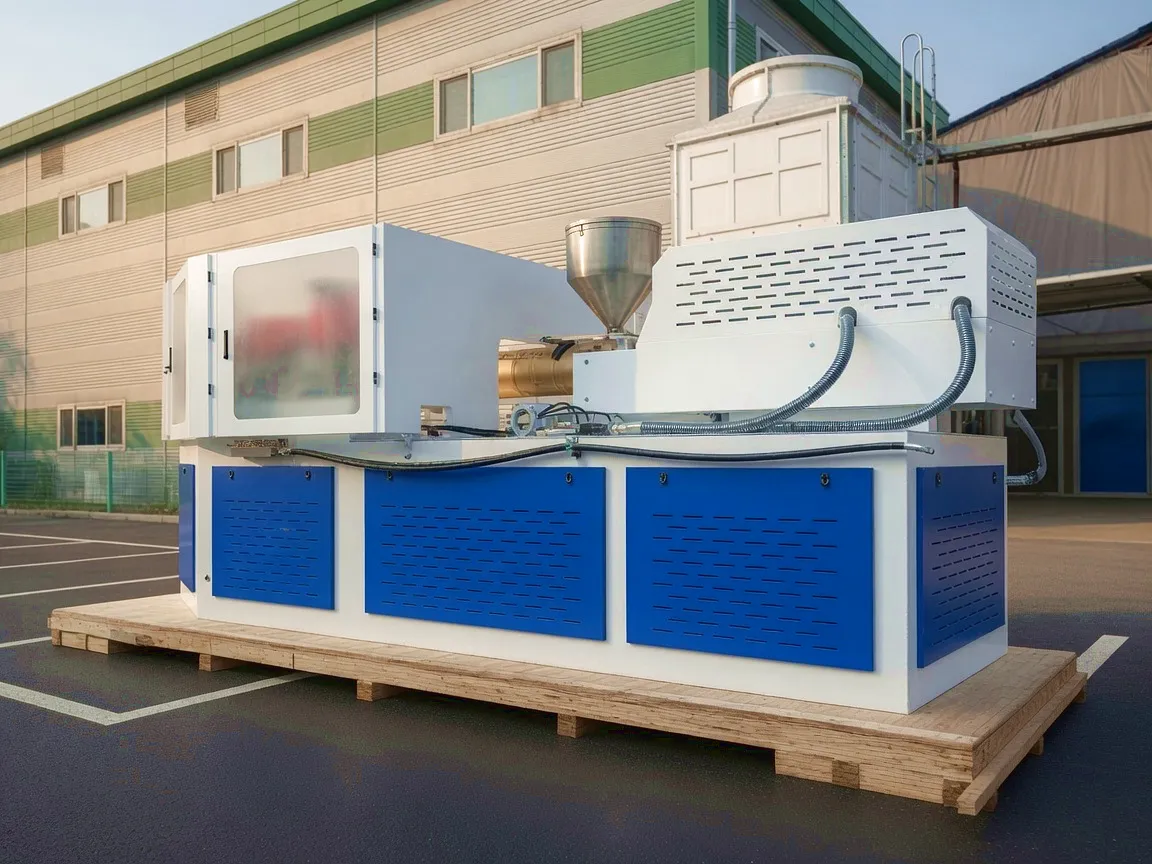
Featured IBM Equipment: ZQ Series Injection Blow Moulding Machines
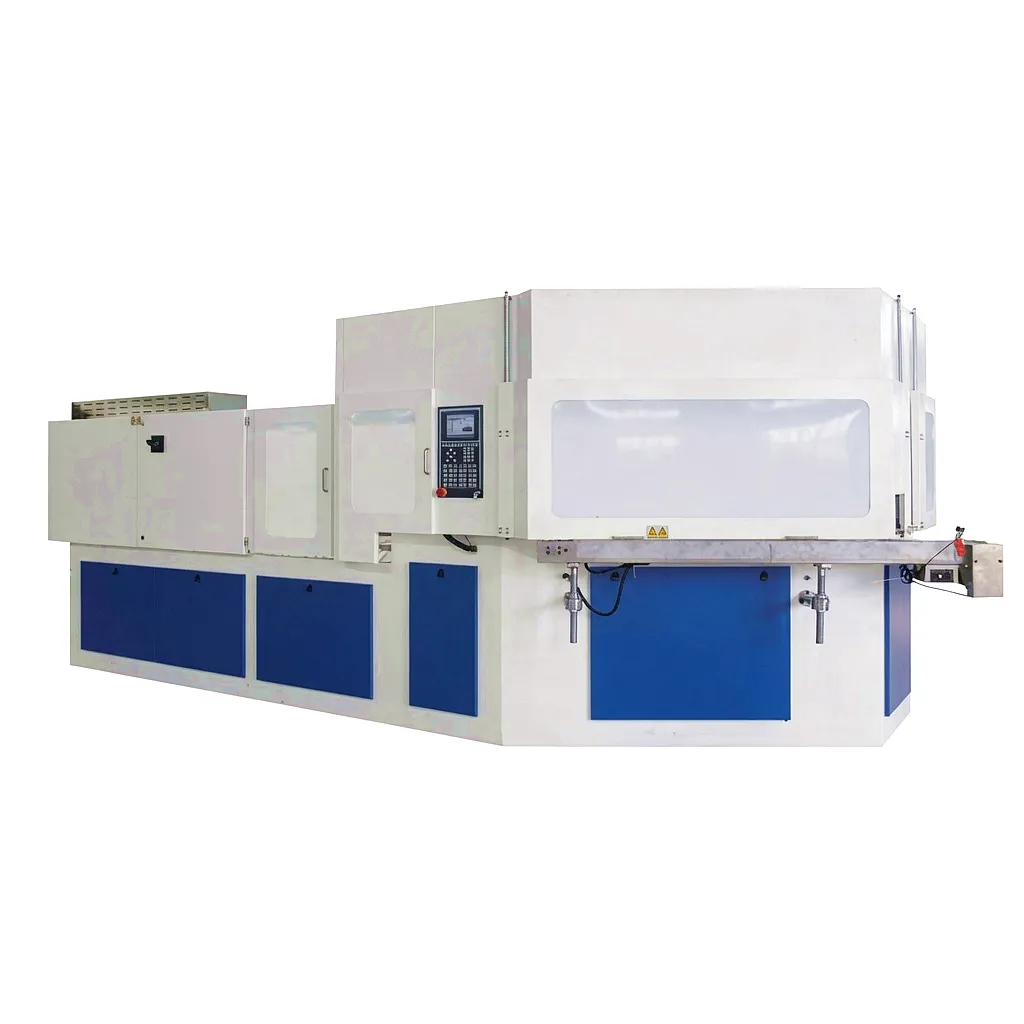
Ever Power’s ZQ Series injection blow molding machines represent the current benchmark for precision small-format container production. Engineered for both standard thermoplastics and emerging sustainable resin blends, these machines deliver the cycle repeatability and parameter control that modern UK packaging operations require.
Mould Design Principles and Bottle Geometry Optimisation for Sustainable Resins
Core Materials in Injection Blow Moulding: Sustainable Alternatives in Focus
The material landscape for injection blow molding machines has changed substantially since 2020. Where virgin PET and HDPE once dominated without question, the 2025 packaging market sees a complex matrix of recycled content grades, bio-based polymers, and novel barrier resins competing for specification. Each resin family places different demands on the injection blow molding machine — particularly its plasticising unit, melt temperature control, and screw design. Understanding these material-machine interactions is essential for any UK packaging operation making capital investment decisions in this period of regulatory transition.
Intrinsic viscosity (IV) ranges from 0.72 to 0.84 dL/g. Pre-drying to below 50 ppm moisture is mandatory. Requires back-pressure adjustment and screw compression ratio of 2.5:1 to 2.8:1 on the injection blow molding machine for consistent melt homogeneity.
Derived from sugarcane ethanol. Melt flow index comparable to virgin HDPE grades. Processes without modification on standard IBM screw designs. Density and shrinkage values near-identical to fossil-derived HDPE, simplifying mould qualification.
Higher contamination risk than rPET. Requires upstream filtration and extended backpressure. Random copolymer grades outperform homopolymer for IBM clarity applications. Emerging in cosmetic and healthcare packaging in UK operations.
Lower heat deflection temperature than PET. Requires reduced barrel zone temperatures (170°C–190°C) and rapid cooling to prevent post-mould deformation. Increasingly specified for single-use formats in UK foodservice and retail.
IBM Machine Technical Performance Parameters Table
The following performance parameter table covers both the ZQ110 and ZQ135 injection blow molding machines alongside industry-standard benchmarks. These figures represent steady-state production values when operating on virgin or recycled thermoplastic resins under UK mains power supply conditions. Individual performance may vary based on resin grade, mould configuration, and ambient plant temperature.
| Parameter | ZQ110 | ZQ135 | Unit / Notes |
|---|---|---|---|
| Clamping Force | 110 kN | 135 kN | Per platen |
| Injection Volume (max) | 85 cm³ | 120 cm³ | Per shot |
| Screw Diameter | 35 mm | 40 mm | Standard; bimetallic available for abrasive resins |
| Injection Pressure | Up to 180 MPa | Up to 175 MPa | Adjustable in 5 stages |
| Blow Pressure | 0.6 – 1.0 MPa | 0.6 – 1.2 MPa | Adjustable via digital regulator |
| Cycle Time (typical) | 8 – 12 s | 10 – 16 s | Resin and wall thickness dependent |
| No. of Cavities (standard) | 1 – 4 | 1 – 6 | Custom tooling available |
| Container Volume Range | 5 – 300 ml | 50 – 1,000 ml | Extended tooling for larger volumes |
| Temperature Control Zones | 5 zones | 6 zones | PID closed-loop, ±1°C accuracy |
| Installed Power | 18 kW | 26 kW | 380V / 50Hz (UK 415V 3-phase adaptable) |
| Wall Thickness Tolerance | ±0.05 mm | ±0.06 mm | At nominal 0.5 mm wall |
| Compatible Resins | PET, rPET, HDPE, bio-HDPE, PP, PCR-PP, PVC, PLA | Screw options for abrasive/recycled grades | |
Energy Consumption Optimisation and Retrofit Pathways for UK Blow Moulding Operations
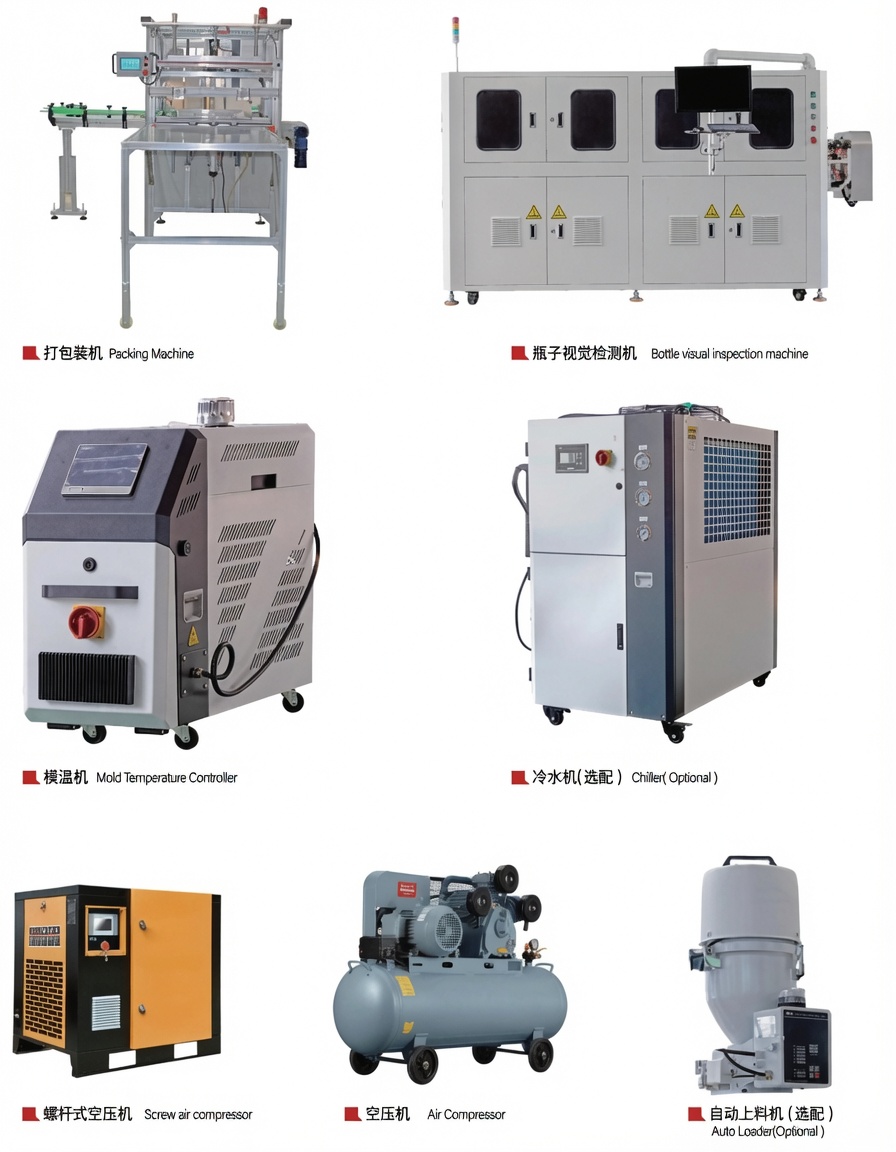
Secondary energy optimisation targets include the barrel heating system and the chilled water circuit. Ceramic-band heaters on the injection barrel retain heat more efficiently than traditional mica-band elements, reducing thermal losses to the surrounding machine environment by approximately 20%. Heat recovery from the barrel ventilation system — rarely implemented in older UK plant installations — can supply pre-heat energy to the material drying hopper, reducing dryer energy consumption by 15% to 25% depending on throughput. Chilled water circuits benefit from variable-speed pump drives and free-cooling economiser systems during the UK’s cooler months, which can supply cooling water at temperatures below 12°C for a significant portion of the year without running the full refrigeration compressor cycle.
Industrial Application Scenarios for Injection Blow Moulding Machines in UK Manufacturing
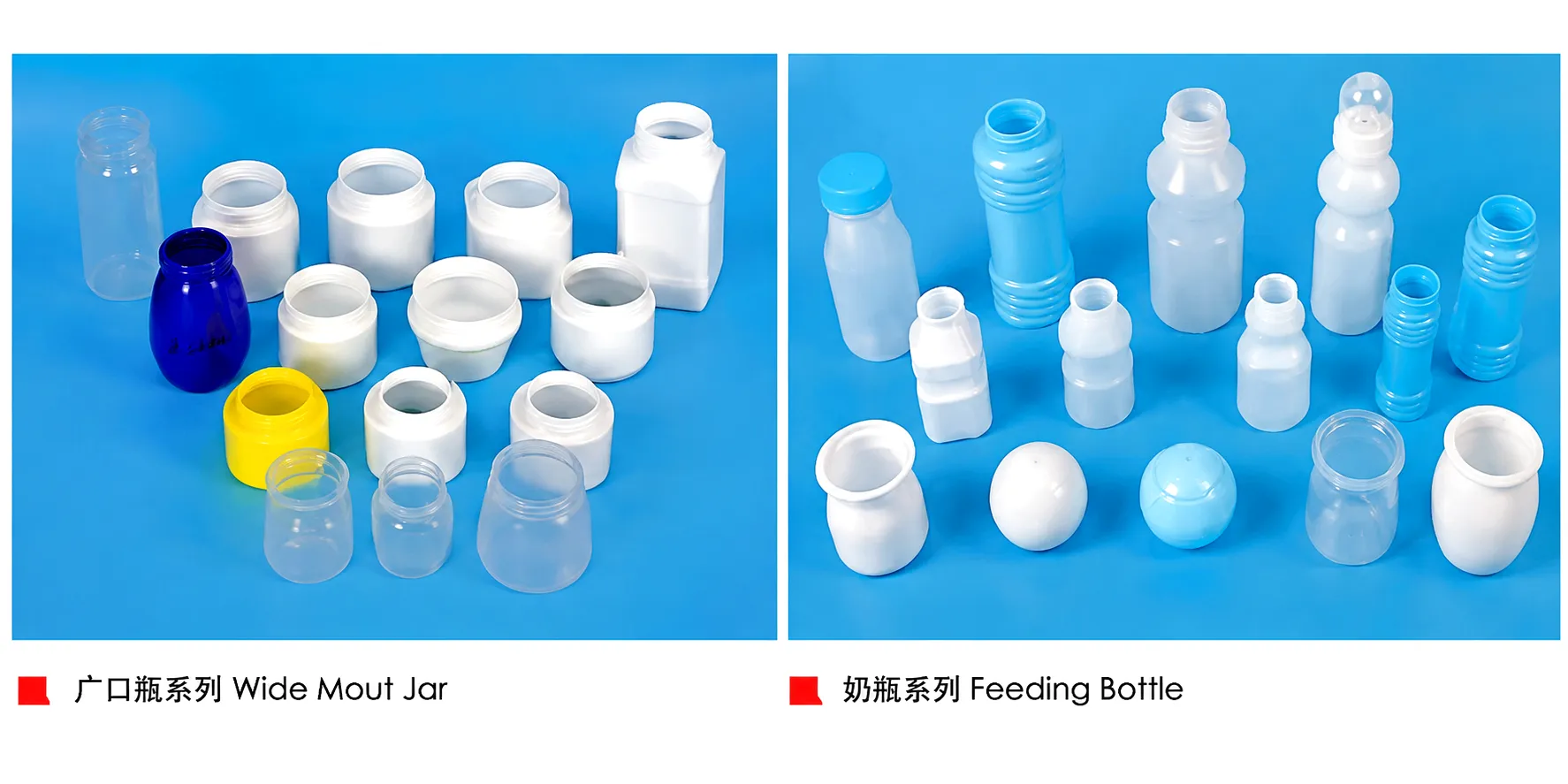
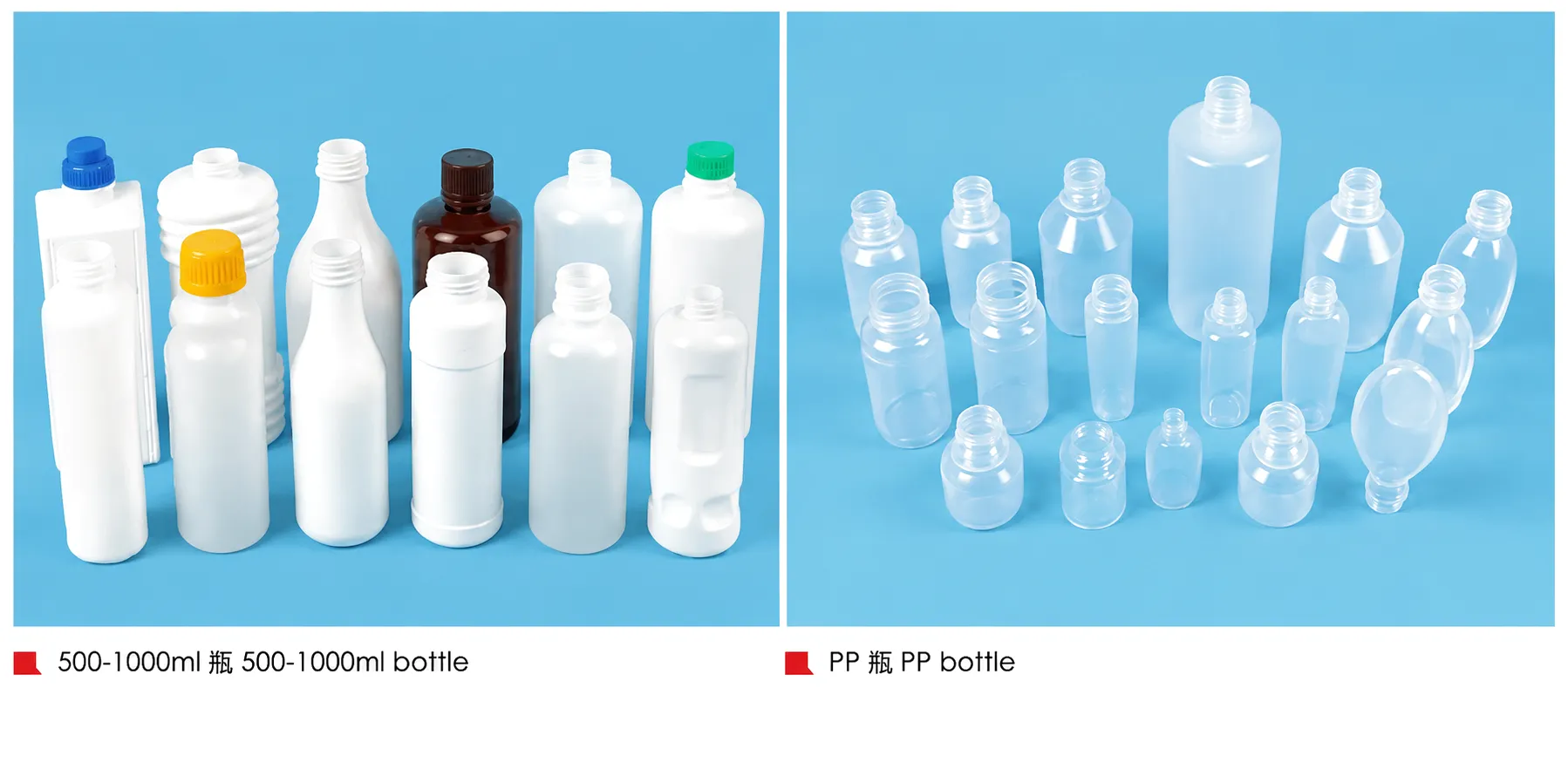
The injection blow molding machine serves a remarkably wide range of container applications, and the shift toward sustainable packaging has broadened rather than narrowed that application space. What follows covers the primary sectors where IBM technology delivers its most compelling performance advantages within the UK industrial landscape.
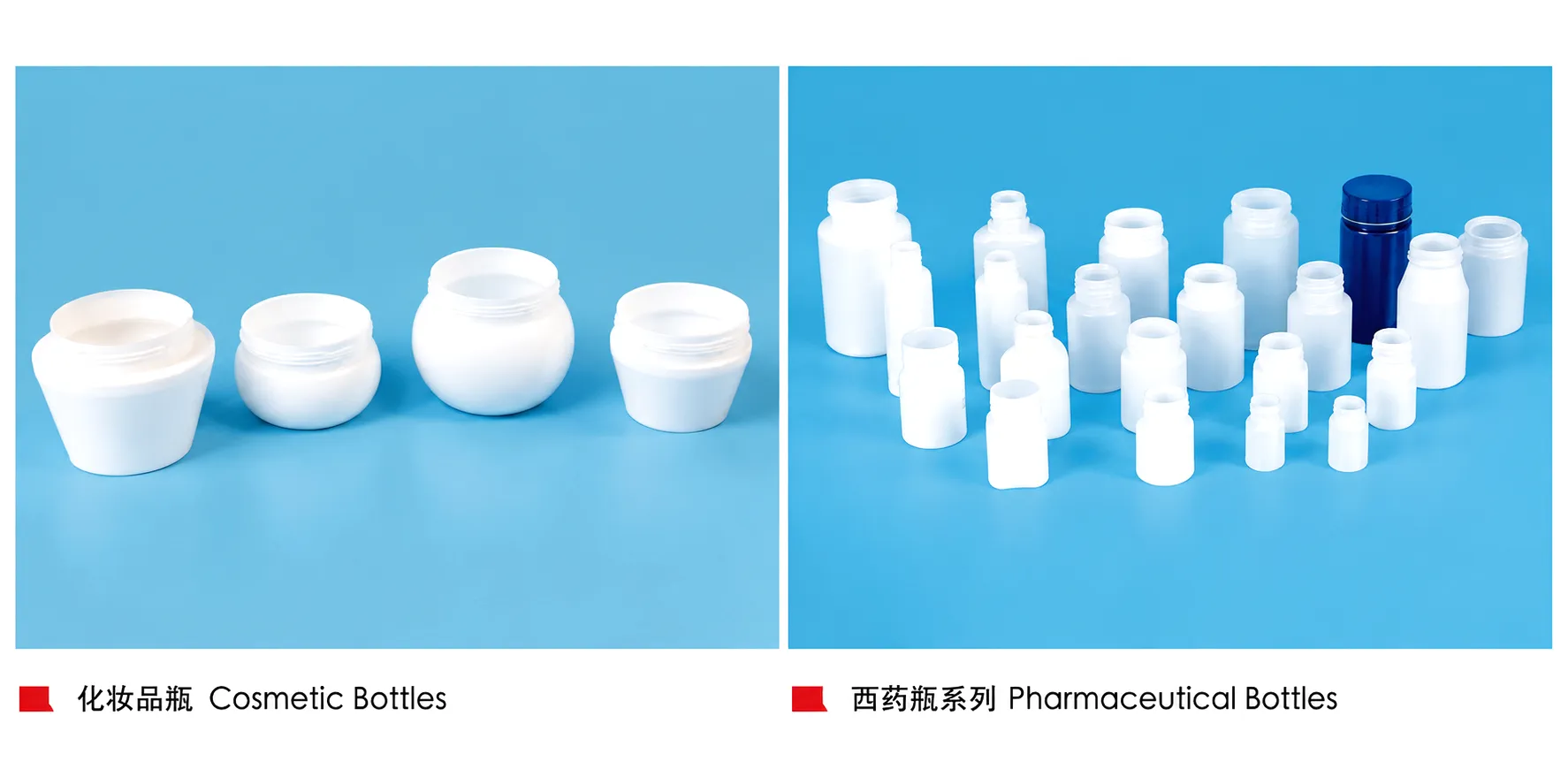
IBM machines are the dominant technology for solid dose pharmaceutical containers — tablet bottles, capsule vials, and eye-drop packaging — produced under MHRA GMP conditions. Yorkshire-based pharmaceutical packagers benefit from IBM’s clean-room compatibility, zero-flash production, and the ability to incorporate child-resistant closures with moulded neck features in a single production step.
Small-format PP and rPET bottles for shampoo, lotion, serum, and cosmetic packaging are a core IBM application. Birmingham’s dense network of personal care contract packers increasingly specifies IBM equipment capable of processing recycled content at 30% to 50% blends to meet retailer sustainability scorecards without compromising clarity or neck-finish quality.
Sauce bottles, vinegar containers, and condiment jars in HDPE and rPET are well-suited to IBM’s precise neck-finish moulding. South Yorkshire food manufacturers benefit from IBM’s ability to produce containers with integral tamper-evidence neck features and barrier-enhanced sidewalls for extended shelf life.
Low-volume diagnostic reagent containers require the tight dimensional tolerances and chemical inertness that IBM production on PP or HDPE materials delivers. Cambridge’s life science manufacturing cluster increasingly sources IBM-produced containers as single-use diagnostic packaging.
Common Fault Diagnosis and Troubleshooting on Injection Blow Moulding Machines
Even well-maintained injection blow molding machines encounter process upsets, particularly during material transitions or when running high recycled-content resin blends with variable incoming quality. A structured troubleshooting approach focused on the relationship between machine parameters, material properties, and mould condition resolves the majority of production issues without extended downtime.
| Symptom | Likely Cause | Corrective Action |
|---|---|---|
| Thin wall on one side | Core rod misalignment or uneven melt distribution | Check core rod centralisation; review injection pressure balance; inspect hot runner tip for blockage |
| Haze or whitening in PET containers | Moisture contamination or crystallinity induced by low temp | Verify drying time/temp (180°C, 4 hrs min for PET); raise barrel zone 3 by 5°C increments |
| Gate blush / sink marks at injection point | Insufficient hold pressure or short hold time | Increase hold pressure by 5–10 MPa; extend hold time by 0.5 s increments; check gate diameter |
| Bottle sticking in blow cavity | Insufficient cooling or cavity surface contamination | Reduce coolant temperature by 2°C; inspect cavity water circuits for fouling; check blow pressure and dwell time |
| Neck finish out of tolerance | Tooling wear or melt temperature deviation | Measure injection mould neck insert clearances; review barrel set-point vs actual melt temperature |
| Black specks in moulded container | Degraded material in screw dead zones or contaminated regrind | Purge barrel with purging compound; inspect screw and barrel for wear; review regrind contamination controls |
Core Technical Advantages of Modern IBM Machines in a Sustainable Packaging Context
Every gram of resin processed becomes part of the finished container. With rPET at UK market prices, eliminating flash waste has measurable material cost and carbon footprint implications across high-volume runs.
Thread profiles, tamper-evidence bead positions, and sealing surfaces are moulded at the injection station to final dimensional specification, eliminating secondary trimming and the quality variability it introduces.
Modern servo-driven injection units reduce idle-phase power consumption by up to 40% compared to fixed-speed hydraulic drives, directly reducing Scope 2 emissions for UK manufacturers with net-zero targets.
±0.05 mm wall uniformity enables aggressive lightweighting without structural compromise — essential for UK retailers demanding Plastic Packaging Tax efficiency and lower transport carbon intensity.
A single IBM machine with configurable screw and barrel options can process PET, HDPE, PP, and bio-based grades — future-proofing investment as resin specifications evolve with Extended Producer Responsibility regulations in the UK.
IBM machines occupy significantly less floor space than equivalent-output EBM lines with associated trimming and regrind handling systems — an important consideration in high-value UK industrial property markets.
Ever Power: Precision IBM Manufacturing and Customisation Capability
Ever Power’s project management team supports clients from initial feasibility assessment through to production validation. Container geometry, lightweighting targets, recycled content compatibility, and cycle time objectives are all considered during the pre-order engineering review. Spare parts logistics to UK and European destinations are supported by a bonded warehouse programme that targets a 48-hour dispatch window for critical wear components — a supply chain commitment that experienced UK plant managers recognise as genuinely differentiating against competitors offering four-to-six-week lead times on replacement parts.
📩 Request a Custom IBM Machine Quote
Customer Success Story: Pharmaceutical Contract Packager, Leeds, West Yorkshire
A pharmaceutical contract packager based in the Aire Valley industrial corridor south of Leeds had been operating three ageing EBM machines to produce polypropylene tablet bottles and HDPE liquid medicine containers. The operation suffered from persistent flash regrinding costs, neck-finish variability that generated monthly customer complaints, and an energy profile that was increasingly difficult to justify against the company’s commitments under the UK Industrial Decarbonisation Scheme.
Following a technical review conducted alongside Ever Power’s UK technical representative, the client invested in two Ever Power ZQ135 injection blow molding machines configured for pharmaceutical applications: servo-electric injection units, stainless-compatible barrel surfaces for clean-room compatibility, and tooling qualified to produce both the 60 ml and 150 ml tablet bottle formats in their existing range. Ever Power’s engineering team worked directly with the client’s quality assurance manager to produce an IQ/OQ documentation package aligned to MHRA expectations, reducing the site validation timeline by approximately six weeks compared to the original project plan.
Within four months of production go-live, the client had achieved a consistent 30% rPET content blend across both bottle formats — meeting their primary retail customer’s 2025 recycled content target ahead of schedule. The elimination of flash regrinding and trimming operations freed two operatives per shift for reassignment to inspection and line support roles. Per-shift output increased by 38% against the baseline EBM operation, and monthly electricity consumption for the container production area fell by 32% at equivalent output volumes — a result that contributed materially to the site’s annual carbon reporting submission.
What UK Customers Say About Ever Power IBM Equipment
“The ZQ135’s performance on 30% rPET PP was genuinely impressive — we’d had three failed trials with other suppliers who couldn’t hold wall tolerance below 50 microns on recycled grades. Ever Power’s screw geometry recommendation solved the problem on the first production trial. The documentation pack for MHRA compliance was thorough and saved us a significant amount of validation time.”
“We sourced two ZQ110 machines for our cosmetic bottle line in Birmingham. The cycle times are competitive, the neck consistency is excellent, and — critically — the machines handle our transition between PET and PP grades without extended purge cycles. Ever Power’s pre-shipment testing included our own mould sets, which gave us confidence the configuration was right before the machines arrived on site.”
“We evaluated four IBM suppliers and chose Ever Power primarily because of their in-house toolroom. Getting the injection mould and blow cavity from the same manufacturer as the machine eliminated the finger-pointing we’d experienced before when fitting third-party tooling. The energy savings from the servo drive have been consistent with what was quoted — we’re on track for our declared payback period.”