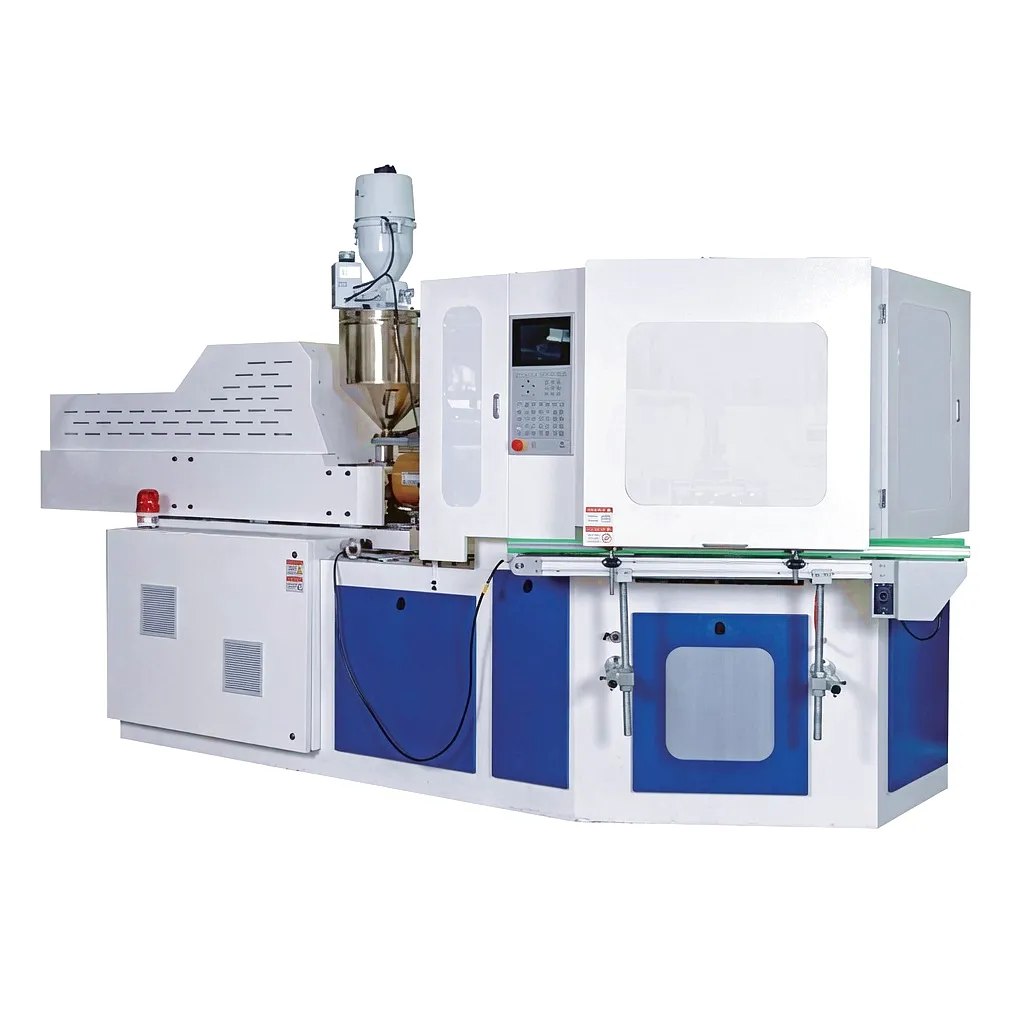
 The packaging landscape across the United Kingdom has seen a quiet but decisive shift over the past decade. As brand owners, contract manufacturers, and NHS supply chain managers demand ever-tighter tolerances and cleaner production environments, the injection-blow molding machine has evolved from a specialist piece of capital equipment into a production cornerstone. Unlike extrusion blow molding, the injection-blow molding (IBM) process creates hollow containers — typically bottles and vials — by first injection-molding a preform around a core rod, then blowing and cooling that preform within a final-shape mold. The result is a container with no pinch-off seam at the base, outstanding neck-finish accuracy, and a uniformity of wall thickness that alternative processes consistently struggle to match. For UK manufacturers serving sectors from pharmaceutical packaging in Macclesfield to personal care filling lines in the Midlands, these characteristics are not optional extras — they are regulatory and commercial necessities.
How an Injection-Blow Molding Machine Works
Stage 1 — Injection
Molten polymer is injected around a hollow core rod, forming a precise preform. The injection station controls melt temperature, injection speed, and pack pressure — variables that directly govern neck-finish geometry and material distribution in the finished container. Because the preform is injection-molded rather than extruded, neck threads are crisp and highly repeatable, critical for child-resistant closures and tamper-evident caps used in UK pharmaceutical distribution.
Stage 2 — Blow & Condition
The indexed core rod transfers the conditioned preform to the blow station, where pressurised air expands the preform to the cavity walls of the blow mold. The conditioning phase between stations is not idle time — it is where thermal management, a key differentiator between machine generations, homogenises wall temperature to ensure uniform stretching. Machines from Ever Power use PLC-driven zone heating to maintain preform temperature within ±1 °C across the full production run, which directly reduces scrap rates and improves batch-to-batch consistency on high-value runs.
Stage 3 — Ejection
The finished container is stripped from the core rod at the ejection station. Because there is no parison pinch-off, the base of the container is clean and stress-free — a characteristic that matters enormously for containers that must withstand sterilisation cycles, cold-chain transportation on refrigerated lorries heading to distribution centres across the M1 corridor, or the mechanical stresses of high-speed filling lines. The rotary indexing carousel (typically 3-station or 4-station depending on machine class) allows simultaneous operation at all positions, maximising output per unit of floor space.
Core Processing Materials
Injection-blow molding machines are versatile in the range of thermoplastics they can process, and material selection is a critical engineering decision that influences everything from regulatory compliance and optical clarity to chemical resistance and recyclability. The UK packaging sector is increasingly subject to Extended Producer Responsibility (EPR) regulations that reward monomaterial designs — a trend that makes the material flexibility of IBM equipment commercially significant.
PET
Polyethylene terephthalate remains the dominant material for pharmaceutical, nutraceutical, and personal care applications where optical clarity and barrier performance are paramount. IBM-grade PET delivers a glass-like surface and low oxygen transmission — important for antioxidant supplements sold through UK pharmacy chains.
HDPE
High-density polyethylene is the workhorse for industrial and household chemical containers, oral care packaging, and agricultural chemical containers. Its chemical resistance profile and HDPE’s compatibility with a wide range of pigments makes it well-suited for colour-coded pharmaceutical unit-dose containers and laboratory reagent bottles.
PP
Polypropylene offers an excellent combination of chemical inertness, steam-sterilisation tolerance (autoclave-compatible grades), and a relatively low density that reduces container weight. This makes it an increasingly preferred material for NHS hospital pharmacy dispensing containers and injection vials where autoclaving is part of the reprocessing workflow.
PVC / PE / PC
Medical-grade PVC remains in use for specific diagnostic containers; LDPE for squeeze bottles; and polycarbonate for reusable laboratory containers where dimensional stability over repeated sterilisation cycles is essential. Ever Power machines support material changeover programmes tailored to contract manufacturers who run multiple SKUs on a single line.
Technical & Performance Specification Table
The parameters below represent the typical range delivered by Ever Power’s ZQ-series injection-blow molding machines. Exact values are configuration-dependent and can be tailored to specific bottle geometries, material grades, and production throughput requirements.
Core Technical Advantages
✓ Seamless Base Geometry
The absence of a pinch-off weld line at the container base eliminates a structural weak point that extrusion blow molding inevitably creates. For pharmaceutical bottles subjected to automated filling lines operating at 400+ bottles per minute, this translates directly into fewer base failures and lower downstream rejection rates.
✓ Precision Neck Finish
Because the neck and thread area are formed by injection rather than blow molding, tolerances of ±0.05 mm are routinely achievable. This level of precision is non-negotiable when mating with specialised closures such as pump dispensers for healthcare products, child-resistant caps for UK Pharmacy-only medicines, or induction-sealed closures for food supplements.
✓ Uniform Wall Thickness
The controlled preform geometry means wall thickness variation across the container body is typically held within 5%, compared with 10–20% common in extrusion processes. Consistent walls improve the pressure resistance of carbonated beverage containers, the clarity of optical-grade PET bottles, and the integrity of amber pharmaceutical bottles protecting light-sensitive medicines.
✓ No Post-Mold Trimming
IBM produces finished parts without flash, tail, or moil that require secondary trimming. This reduces labour costs, eliminates contamination risk from trimming dust, and simplifies clean-room qualification — a particularly valuable attribute when producing containers for sterile pharmaceutical products where particulate contamination is a critical control point under MHRA guidelines.
✓ Material Efficiency
Because material distribution is precisely controlled, wall thicknesses can be minimised without compromising structural performance. A 30 mL pharmaceutical bottle produced via IBM can achieve a target weight 8–12% lower than an equivalent extrusion blow-molded container, reducing resin cost per unit — a factor of growing importance as UK packaging manufacturers face rising polymer prices and pressure to lower their carbon footprint under Plastic Packaging Tax obligations.
✓ Clean Production Environment
IBM machines can be configured for clean-room integration. Enclosed core-rod transfer, ionised-air rinse systems, and vision inspection units can be built into the machine platform. For UK manufacturers producing containers for injectable medicines, ophthalmic preparations, or in vitro diagnostic kits, this integrated cleanliness is a qualification requirement rather than an option.
Industrial Application Scenarios
The injection-blow molding machine serves an exceptionally diverse set of end markets. Each application scenario below reflects a real-world production challenge and how IBM technology addresses it.
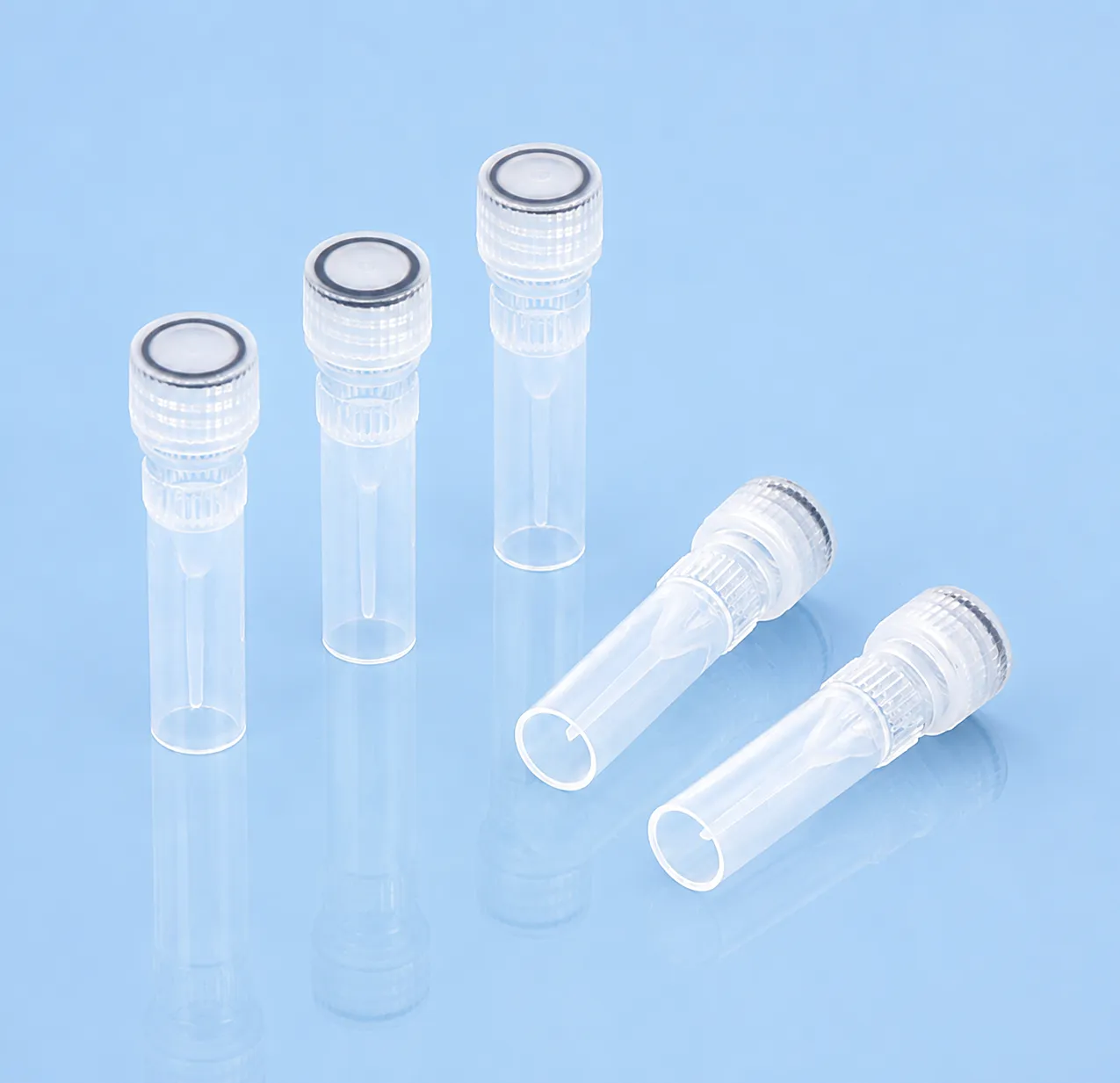 Laboratory and in vitro diagnostics packaging represents one of the most technically demanding application fields for injection-blow molding. Specimen containers directly influence diagnostic accuracy — any variation in internal surface contamination, dimensional deviation, or seal failure can cause sample degradation or analytical error, with direct consequences for patient care decisions. Vacuum blood collection tubes present a particularly stringent challenge: they must maintain a calibrated negative pressure environment for months of shelf life, resist distortion under phlebotomy needle insertion forces, and exhibit a perfectly formed neck finish to accept PTFE-laminated stoppers without leakage. IBM’s clean forming characteristics and dimensional control make it essentially irreplaceable in this segment.
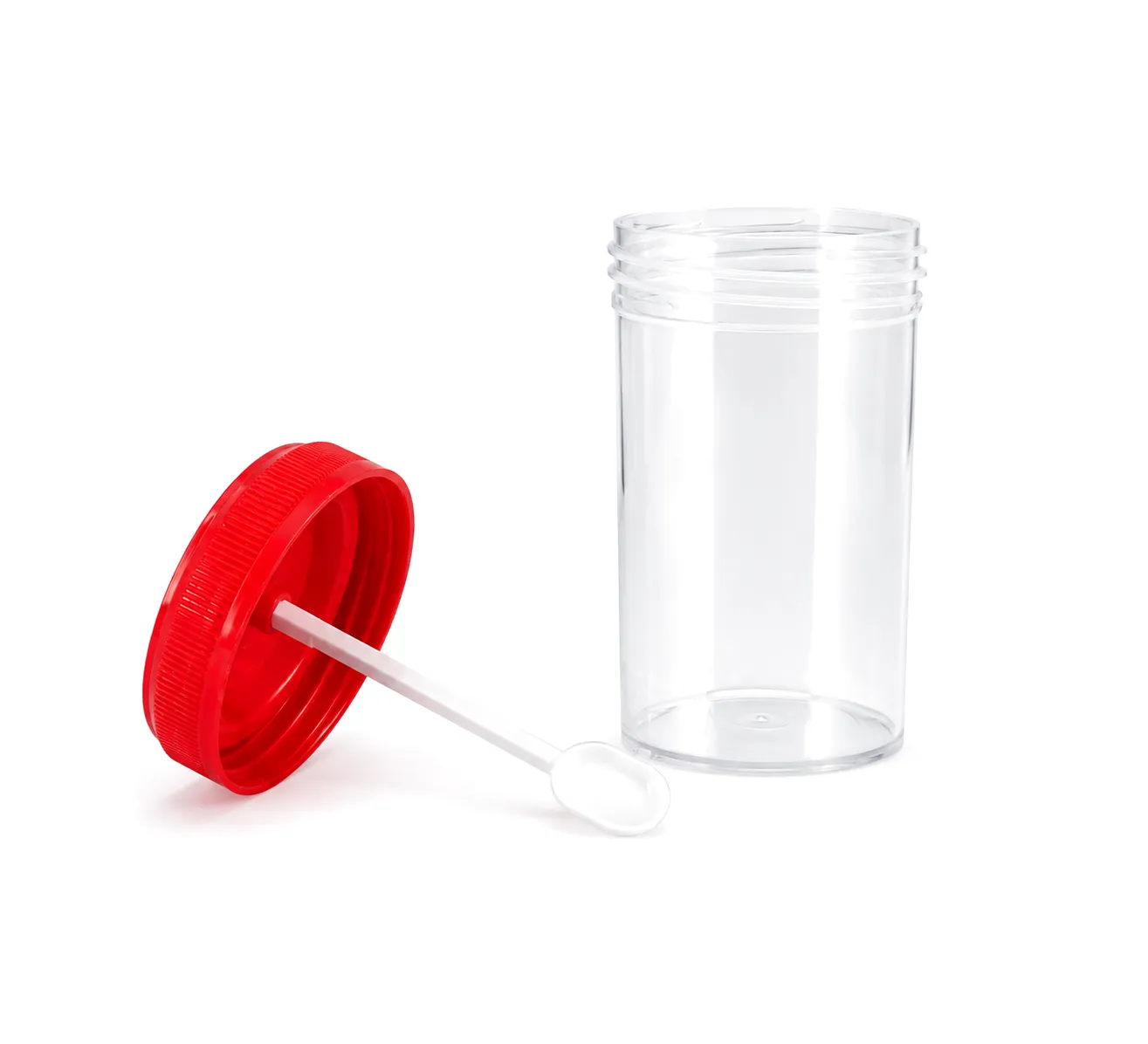 The personal care and cosmetics sector is driven by an uncompromising demand for aesthetics alongside functional performance. A luxury serum bottle targeting the mid-to-premium segment of the UK retail beauty market — whether distributed through John Lewis, Boots, or independent department stores — must have a visual clarity and surface finish indistinguishable from glass at first glance, while offering the shock resistance and light weight advantages of PET. Injection-blow molded PET achieves a haze value below 5% and a surface gloss level above 90 GU (gloss units) without any post-mold polishing, making it the material and process combination of choice for premium personal care.
Application Scenario 4: Food & Nutraceutical Packaging — Supplement Bottles, Condiment Jars & Honey Containers
The UK food supplements market, valued at over £500 million annually and growing at high single-digit rates, consumes enormous quantities of injection-blow molded HDPE and PET containers. Capsule and tablet bottles for vitamins, probiotics, and sports nutrition products require an uncompromising combination of chemical inertness (the container must not interact with the supplement formulation over a 24-month shelf life), moisture barrier performance, and torque-consistent neck threads that function correctly with tamper-evident closure systems required under UK food labelling regulations. IBM-produced supplement bottles are routinely validated under shelf-life programmes that test container integrity through temperature cycling between 5 °C and 40 °C — conditions representative of the UK food logistics chain from ambient warehouse to refrigerated transport.
Food-grade condiment containers — honey jars, syrup bottles, and flavoured oil containers — present a different but equally interesting challenge. These containers often require wide-mouth openings with extremely flat sealing surfaces to achieve the hermetic seal that food safety standards demand. IBM’s ability to mold wide-mouth containers with flat, flash-free neck faces makes it a natural fit. UK artisan food producers in Yorkshire and the Scottish Highlands, who often produce small batch runs of premium condiments, benefit from the shorter tooling lead times and lower cavity counts that smaller IBM machines support, giving them access to bottle quality that was previously only available to large-volume CPG brands.
Application Scenario 5: Industrial & Agrochemical Containers — Lubricant Bottles, Chemical Sample Vials & Pesticide Containers
 Industrial applications for injection-blow molded containers span chemical sample bottles, laboratory reagent vials, lubricant packaging, and agrochemical containers. In each of these segments, chemical compatibility is the primary design constraint. HDPE containers produced on IBM equipment maintain their structural integrity and seal performance when exposed to hydrocarbons, solvents, acids, and concentrated agricultural chemicals over the intended shelf life — typically 12 to 24 months in UK agricultural retail distribution. The uniform wall thickness IBM achieves is particularly valuable for small-volume agrochemical containers (100 mL to 500 mL range) where a thin section caused by poor material distribution could compromise pressure resistance.
UK industrial chemical distributors based in areas such as Teesside — historically one of England’s most significant chemical manufacturing regions — source IBM-produced containers both domestically and internationally. The precision neck finish of IBM containers supports the specialised dispensing valves and metering closures used for chemical concentration products, ensuring accurate dosing and preventing spillage during the application process. IBM machines configured with HDPE-optimised screws and temperature profiles can achieve consistent wall thickness in containers with difficult geometries such as wide-base, narrow-neck designs commonly used in the agricultural sector.
Ever Power Manufacturing & Customisation Capability
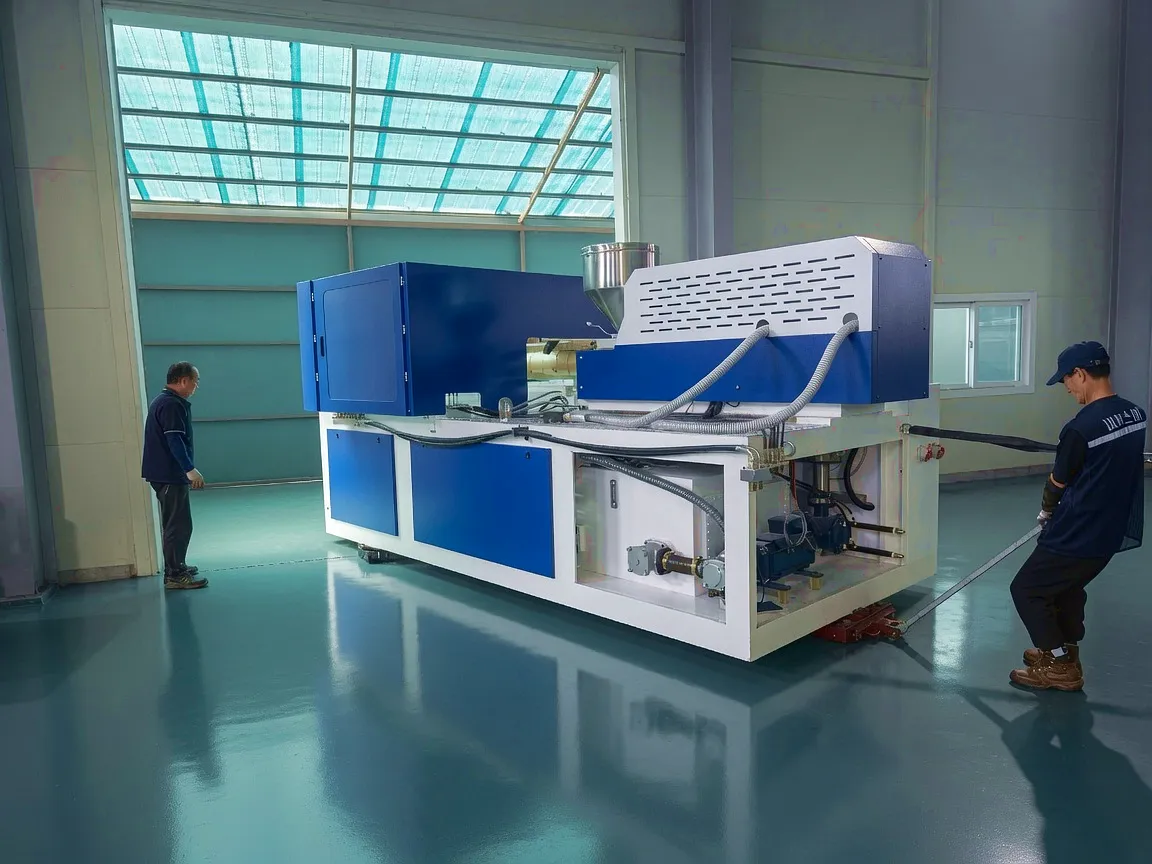
Ever Power has built its reputation as a precision manufacturer of injection-blow molding machines over more than two decades of focused engineering development. The company’s manufacturing facility operates across dedicated assembly halls, each specialised by machine class — smaller laboratory-scale units through to high-output multi-cavity production systems for large-format CPG containers. Every machine passes a complete functional test cycle running actual resin before shipment, with dimensional check data recorded and supplied to the customer as part of the commissioning package.
Customisation is a core competency at Ever Power, not an exception handled reluctantly. The engineering team works with customers at the specification stage to define optimal preform geometry, cavity layout, and mold steel selection for their target container. For UK customers entering regulated markets — pharmaceutical, food-contact, or medical device — Ever Power provides full material traceability documentation, certificate of conformity, and supports the customer’s internal change control and qualification processes. Machine HMI can be supplied in English with UK-standard electrical configurations (230 V single phase, 400 V three-phase), eliminating the re-certification burden that imported machines sometimes carry.
The supply chain supporting Ever Power’s machines is built around verified component vendors — servo drives, PLC systems, hydraulic units, and temperature controllers are all sourced from tier-1 industrial suppliers with global service networks. This means that a machine installed at a packaging facility in Birmingham or Sheffield will have a documented service path and spare parts availability that site maintenance teams can rely on. Ever Power also provides remote diagnostics connectivity, allowing engineers to support UK customers in real time without the cost and delay of in-person service visits for routine parametric issues.
IBM System & Auxiliary Equipment
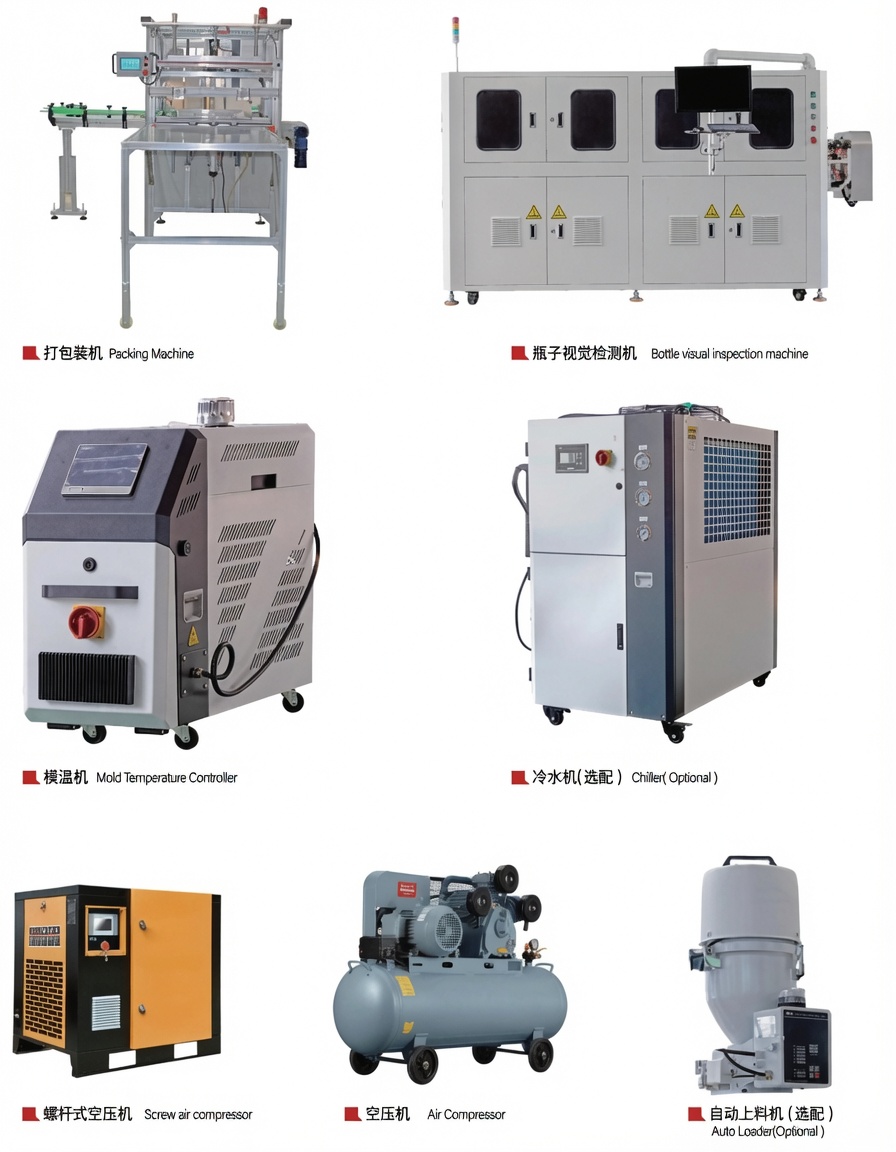
Complete IBM System Configuration
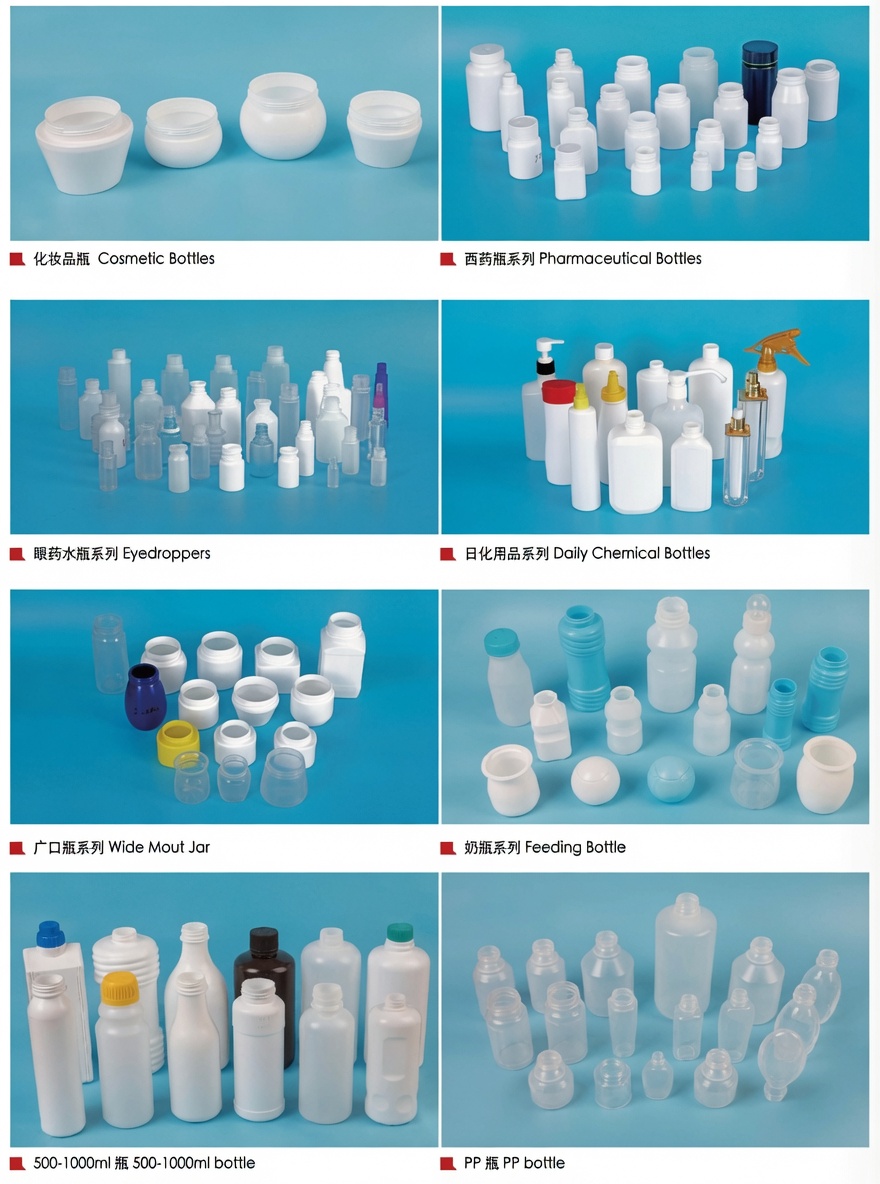
Precision Drive & Control Modules
Featured ZQ-Series Machine Models
Replacement of Uniloy UIB 70 — ZQ40
The ZQ40 is engineered as a direct performance replacement for the Uniloy UIB 70 injection-blow molding machine platform. Sharing the same rotary indexing architecture, it accepts existing mold tooling in most configurations while delivering improved energy efficiency, PLC-based control with a modern HMI touchscreen, and tighter temperature management across the preform conditioning zone. UK customers transitioning from ageing Uniloy UIB 70 equipment will find mold changeover straightforward and process parameters well-mapped to their existing production records.
Replacement of Bloma IBM45 — ZQ40
The ZQ40 also serves as the recommended replacement platform for Bloma IBM45 injection-blow molding machines currently in service across European and UK packaging facilities. The machine replicates the clamping force class and core rod geometry family of the IBM45, ensuring compatibility with existing tooling investments. Upgrades include servo-driven injection, enhanced real-time production monitoring, and remote diagnostic capability that supports proactive maintenance scheduling — reducing unplanned downtime on critical production lines.
Customer Success Story: Leeds Pharmaceutical Packaging Group
Industry: Contract Pharmaceutical Packaging | Location: Leeds, West Yorkshire, UK
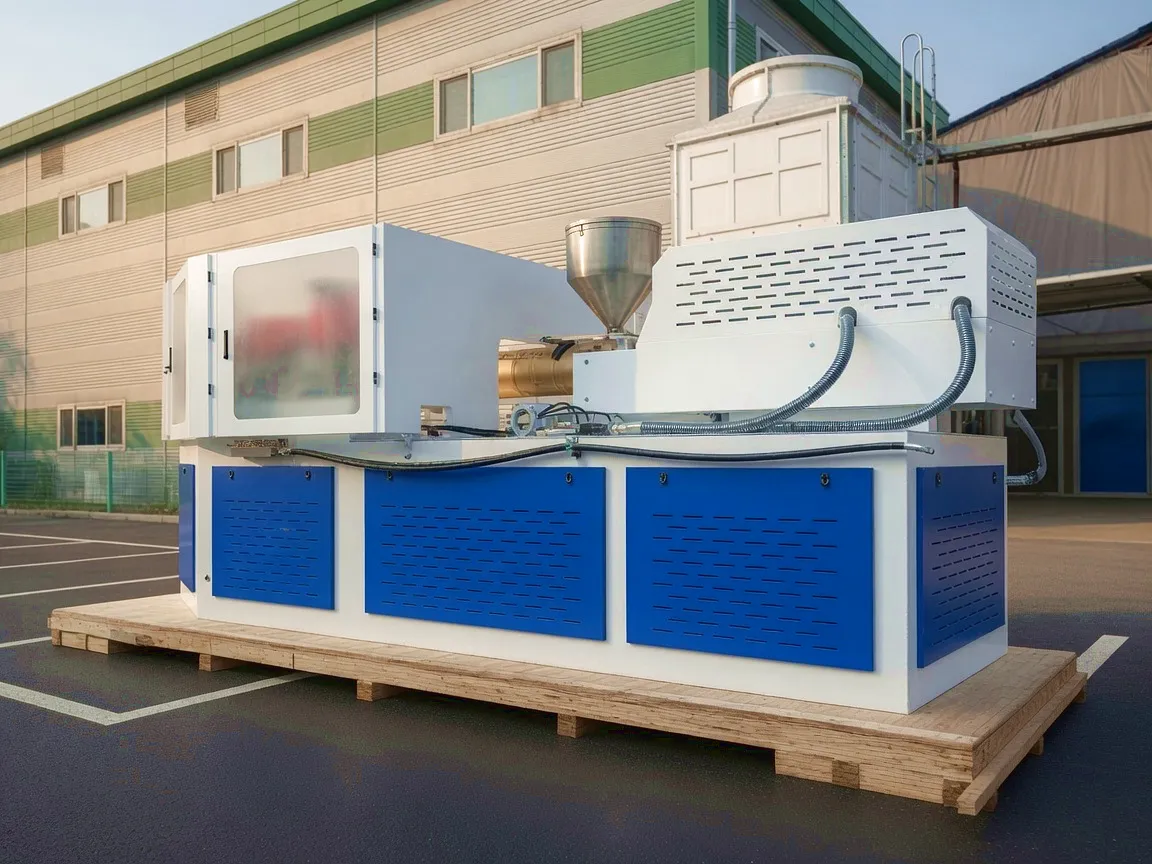
Leeds Pharmaceutical Packaging Group (LPPG) operates a GMP-certified contract packaging facility on the outskirts of Leeds, serving mid-sized pharmaceutical brands across the UK and Northern Europe. In 2023, LPPG’s operational team identified a critical capacity gap: their existing injection-blow molding machines — a mix of aging equipment from two different original manufacturers — were generating increasing scrap rates on a 60 mL oral paediatric suspension bottle that had become a high-volume SKU for a key customer. Neck thread tolerances on the existing machines had drifted, causing intermittent seal failures with the child-resistant closure the customer specified. Each batch rejection was triggering a quality hold, adding cost and delay to a supply chain already under pressure.
LPPG’s engineering director contacted Ever Power after seeing the ZQ40 specification sheet at a packaging trade exhibition in Birmingham. Following a technical review of the existing container design and closure system, Ever Power’s application engineers proposed a 4-cavity ZQ40 configuration with a preform design optimised for the suspension bottle’s bottle-neck geometry and a mold steel specification suited to the high-cycle demands of LPPG’s production schedule. Ever Power also reviewed LPPG’s existing mold drawings and confirmed that the new machine would deliver thread form accuracy to ±0.04 mm — within the tolerance band required for reliable child-resistant closure engagement.
Following a twelve-week lead time from order to delivery and a one-week on-site commissioning programme, LPPG ran their first production validation batch. Scrap rate on the 60 mL suspension bottle dropped from a running average of 4.2% on the old equipment to 0.6% on the ZQ40 — a reduction that, at LPPG’s production volumes, recovered the machine investment in under 14 months. The Leeds facility has since ordered a second ZQ40 unit to support a new solid-dosage supplement bottle contract.
What Our Customers Say
★★★★★
“The dimensional consistency on the neck thread form is genuinely outstanding. We have run over 4 million cycles on the ZQ40 since commissioning and the thread tolerance data has not drifted from the initial qualification results. For a GMP facility this is exactly the machine behaviour you need.”
— Production Manager, LPPG, Leeds
★★★★★
“Ever Power’s customisation support during the design stage was what differentiated them from other suppliers we evaluated. Their engineers understood our container geometry requirements and proposed a preform design modification that reduced our resin consumption by around 9% without compromising wall strength. That is the kind of applied knowledge you want from a machine supplier, not just a catalogue quote.”
— Technical Director, Nutraceutical Packaging, Sheffield
★★★★★
“We replaced an ageing Bloma IBM45 unit with an Ever Power ZQ40. The transition was smoother than we anticipated — our existing mold tooling fitted with only minor adjustments and the parametric mapping from our old machine process sheet transferred well. The remote diagnostics capability has also been genuinely useful; we resolved a temperature-zone issue within an hour of it appearing via a video call with Ever Power’s service team.”
— Plant Engineer, Contract Cosmetics Packaging, Manchester
Frequently Asked Questions
Ready to Specify Your Machine?
Talk to an Ever Power Application Engineer
Send your container drawings, material specification, and target output. We’ll respond with a tailored machine recommendation and indicative price.
📧 Get a Quote — [email protected]
edit by gzl