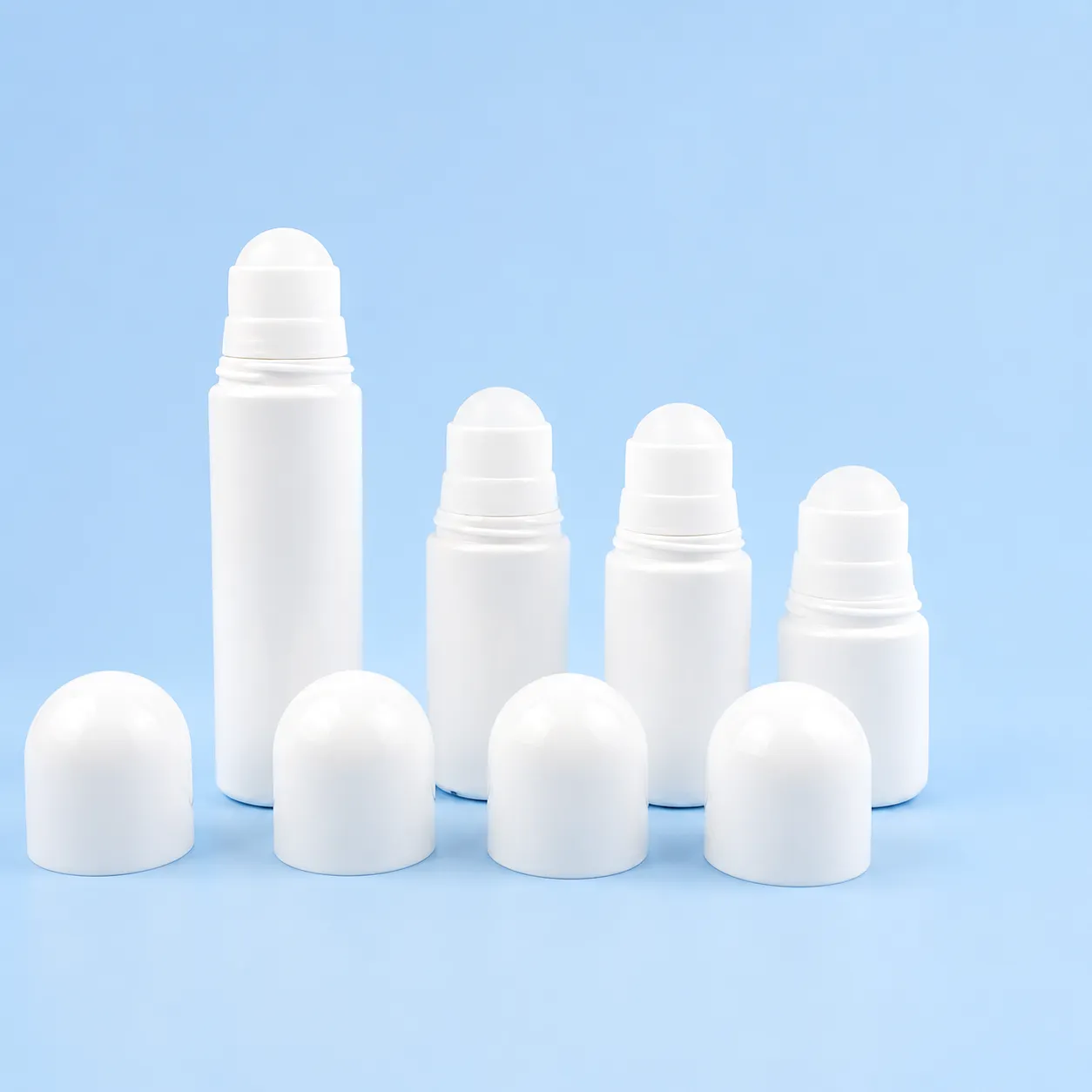
 The aromatherapy and essential oil sector has undergone a quiet but significant transformation over the past decade. Where glass dropper bottles once reigned without question, brand owners and contract manufacturers across the United Kingdom are increasingly turning to advanced polymer containers produced on injection blow molding machines. These machines offer a compelling combination of dimensional accuracy, wall-thickness consistency, and material versatility that glass simply cannot match in high-volume, cost-sensitive production runs. Facilities in Birmingham, Manchester, and along the M4 corridor — historically associated with pharmaceutical and personal care manufacturing — are now integrating IBM equipment as a direct response to tighter transport regulations, insurance pressures, and retailer demands for lightweight, shatter-resistant packaging. The shift is not about compromising on aesthetics or product safety; it is about meeting modern supply chain realities with precision-engineered polymer containers that look, feel, and perform at a premium level.
How an Injection Blow Molding Machine Actually Works
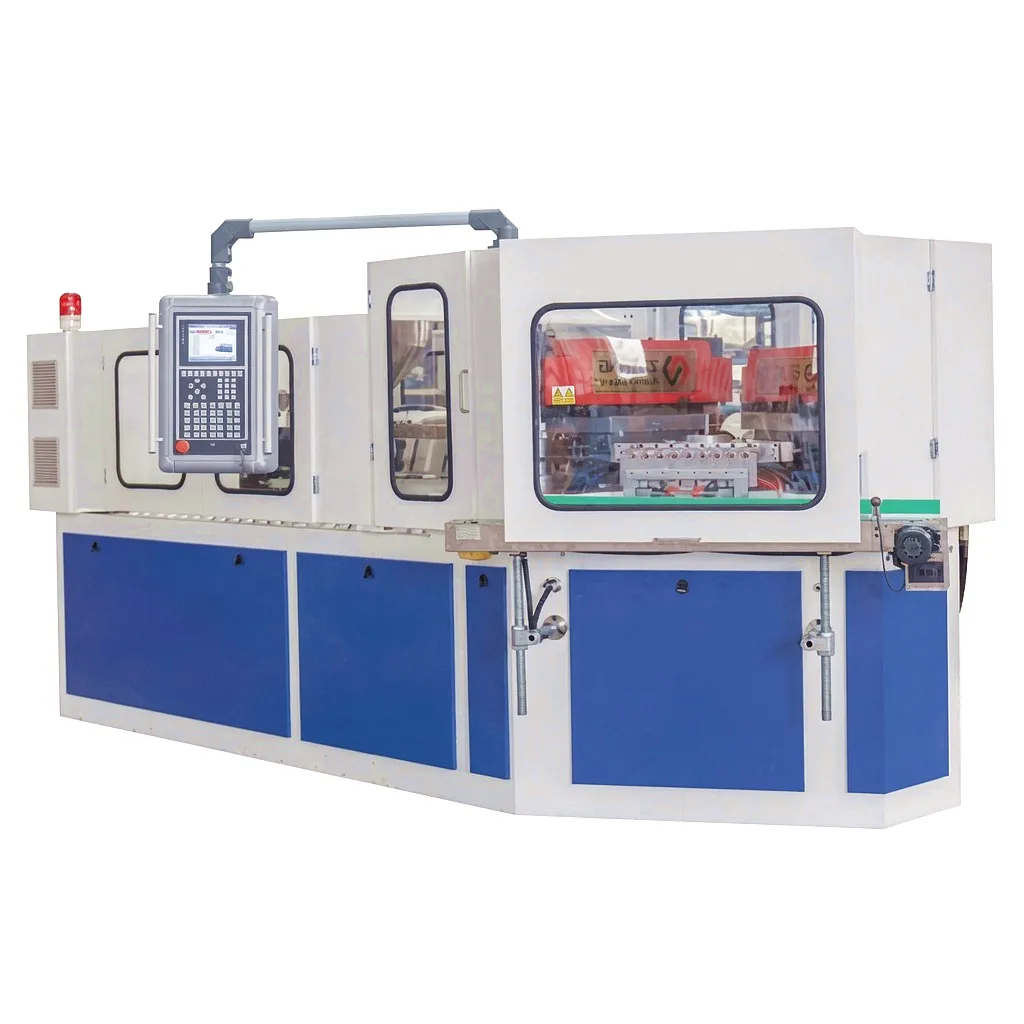
The injection blow molding process combines two well-understood polymer manufacturing disciplines into a single, integrated cycle. In the injection stage, molten polymer — most commonly PETG, pharmaceutical-grade PP, or PET — is injected under controlled pressure into a precision cavity, forming a preform around a central steel core rod. This preform is dimensionally identical every cycle, which is what allows the downstream blow stage to produce containers with genuinely consistent wall thickness. Once the preform reaches the correct thermal state, it is transferred on the core rod to the blow station, where compressed air expands the softened polymer against the blow mould walls. The result is a seamless, single-piece container with no weld lines, no parting-line seams at the base, and a thread finish that is formed during the injection stage itself — meaning cap fitment is repeatable across millions of units without secondary machining.
This three-station rotary design — injection, blow, and ejection — operates on a single rotating turntable, which eliminates the parison transfer problems associated with extrusion blow molding and removes the trimming waste inherent to stretch blow molding of preforms. For aromatherapy containers ranging from 5 ml single-use amber trial vials to 100 ml broad-shoulder diffuser bottles, the IBM process delivers the neck-finish geometry necessary to accept precision dropper assemblies, roll-on fitments, and pump dispensers without thread distortion. This is a critical performance parameter that UK fragrance houses and contract fillers cite repeatedly when specifying their container supply chain: a dropper that seats inconsistently is a quality defect at point of sale, and IBM neck tolerances — typically held within plus or minus 0.1 mm — make that problem essentially obsolete.
Materials Processed by IBM Equipment for Aromatherapy Containers
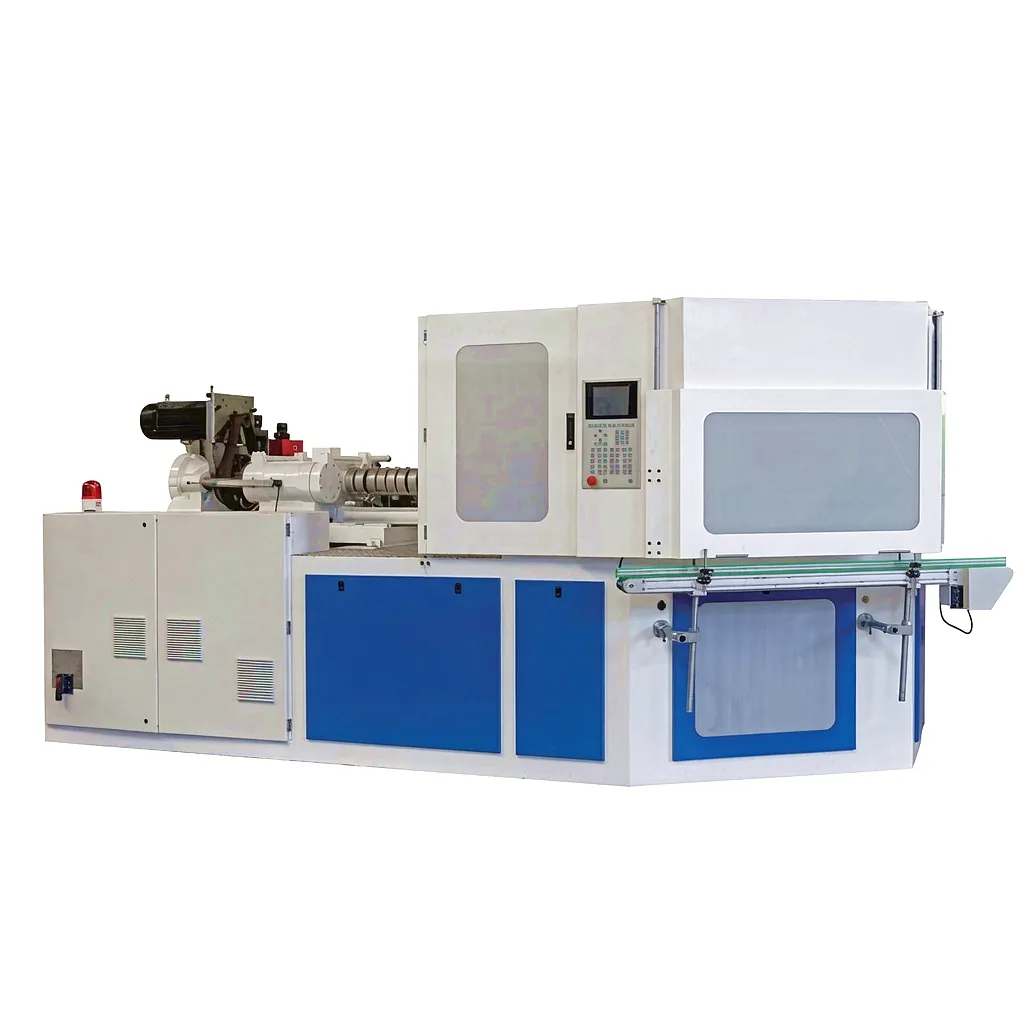 The material selection for essential oil and aromatherapy containers on an injection blow molding machine is not arbitrary — it is dictated by the chemical nature of terpene-rich essential oils, the UV sensitivity of photodegradable actives, and the regulatory environment for cosmetic and borderline-medicinal products in the UK. PETG (polyethylene terephthalate glycol-modified) has become the dominant choice for amber and tinted containers that replace dark glass. Its clarity in natural form, combined with the ability to incorporate UV-absorbing masterbatches, creates a container that genuinely mimics the protective properties of amber glass while reducing breakage to zero. PETG also exhibits excellent chemical resistance to citrus terpenes, eucalyptol, and most carrier oils, making it suitable for direct contact with undiluted essential oils.
Pharmaceutical-grade PP is increasingly specified by UK aromatherapy brands whose products cross into the borderline-medicinal category under MHRA oversight. The injection blow molding process is particularly well-suited to PP because the injection stage allows precise control of the parison wall distribution — something that extrusion blow molding struggles with in PP due to that material’s narrow processing window. The result is a PP aromatherapy container with wall uniformity that passes the compression and drop tests required for cosmetic product safety assessments under UK Regulation (EC) 1223/2009 as retained post-Brexit.
Technical Performance Parameters
The table below summarises the key technical specifications for injection blow molding machines supplied by Ever Power for the aromatherapy and essential oil packaging sector. These values represent standard production configurations; custom tooling, extended cavitation, and material-specific parameter sets are available on request.
Application Scenario: Essential Oil and Aromatherapy Packaging
Dropper Bottles · Roll-On Vessels · Reed Diffuser Containers · Aromatherapy Sprays

Essential oil and aromatherapy products represent one of the fastest-growing personal care categories in the UK, with the sector generating over £400 million annually across retail, direct-to-consumer, and professional spa channels. The packaging requirements for this category are genuinely demanding: containers must provide UV protection for photosensitive actives, deliver absolute chemical inertness against aggressive terpene and aldehyde compounds, accommodate precision fitments such as dropper inserts and roll-on balls, and do all of this while presenting a premium aesthetic at retail. Historically, deep-amber glass dominated these requirements by default. The injection blow molding machine has changed that equation by making it commercially viable to produce polymer containers that meet or exceed every one of those performance criteria — and add shatter resistance, weight reduction, and air freight compliance as bonus attributes that glass cannot offer.
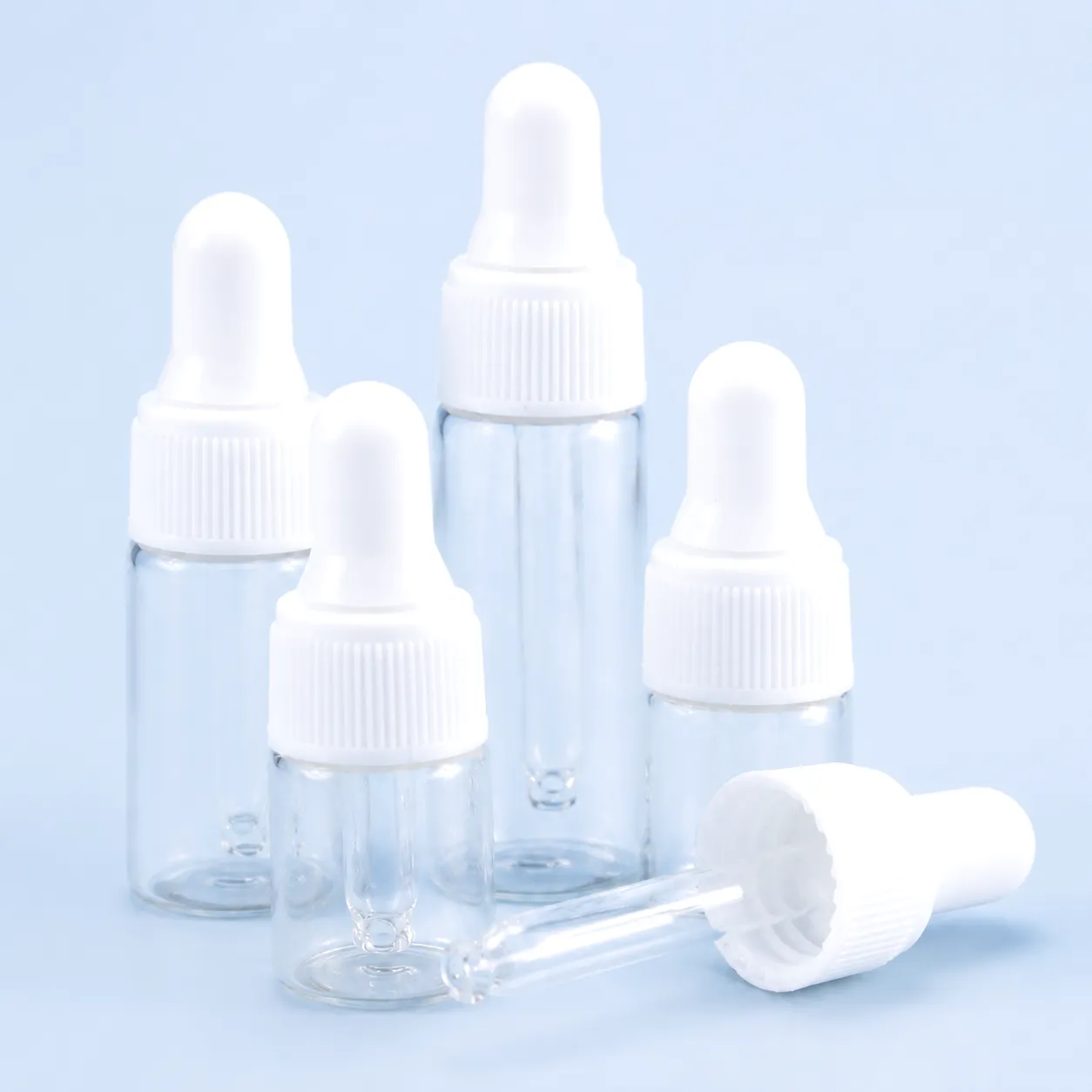
PETG dropper bottles produced on IBM equipment are the direct functional equivalent of amber glass in polymer form. The IBM process allows for the incorporation of UV-absorbing colorants into the base resin, creating containers with optical density at wavelengths below 400 nm — the range that degrades most essential oil actives. Neck tolerances of plus or minus 0.1 mm ensure that European Pharmacopoeia-standard dropper inserts seat with a force consistent enough to prevent both over-tightening (which splits the neck) and under-seating (which allows vapour loss). UK suppliers of lavender, frankincense, and citrus single-note oils have adopted PETG IBM bottles at volumes ranging from 50,000 to 2 million units per year, citing insurance cost reductions from eliminating breakage claims in warehouse and last-mile delivery operations. Brands based in London, Bristol, and Edinburgh have found that amber-tinted PETG IBM bottles pass blind consumer perception tests against glass equivalents in over 90% of evaluations when assessed from a standard retail shelf distance.
The roll-on format is one of the most demanding geometries for any blow molding process because the neck must present a perfectly circular orifice — typically 8.5 mm or 10 mm diameter — into which a stainless steel or glass ball and its retaining collar seat without play. IBM-produced PP roll-on bodies meet this requirement by forming the neck finish in the injection cavity, where steel tooling holds tolerances far tighter than any post-blow trimming or reaming operation. UK aromatherapy producers targeting the pulse-point application market — headache sticks, sleep rollers, and reflexology blends — consistently specify PP IBM containers because the material’s semi-rigidity provides the tactile feedback consumers associate with premium natural products. The IBM process also enables the production of elongated, tapered roll-on profiles that differentiate a brand on-shelf, geometries that would require complex post-moulding assembly in glass production but emerge in a single cycle from the IBM machine.
Reed diffuser containers present a unique challenge: they must hold a low-viscosity fragrance carrier oil for months in an open-neck configuration, meaning material compatibility with dipropylene glycol, isopropyl myristate, and ethanol-based carriers is non-negotiable. PET and PETG IBM containers, with their low oxygen transmission rates and excellent resistance to these carriers, have become the material of choice for UK home fragrance brands producing 100 ml to 500 ml reed diffuser vessels. The IBM process allows the production of wide-bodied, narrow-neck profiles with the dimensional control necessary to ensure that reed fitment collars — which must rest precisely on the container shoulder — seat without rocking or leaking. Birmingham home fragrance manufacturers in particular have adopted IBM-produced PET diffuser vessels at scale, driven by logistics savings from reduced weight and the elimination of transit breakage that added up to 3–5% product loss on glass equivalents in standard UK palletised distribution.
Pillow mists, room sprays, and personal aromatherapy misters occupy the 50 ml to 250 ml volume range and are among the most commercially dynamic SKUs in the UK wellness retail channel. The neck specification for spray pump fitments — typically 24/410 or 28/410 standard closures — demands the consistency that IBM tooling delivers better than any other blow molding method. Oval, rectangular, and compound-curve profiles that suit the narrow margins of a bedroom side-table have been successfully produced on IBM equipment with undercut features formed directly in the blow stage without secondary operations. A Sheffield contract manufacturer producing private-label aromatherapy ranges for UK high street pharmacy chains transitioned to IBM-produced PET mist bottles and reported a 22% reduction in per-unit packaging cost compared to their previous glass supply chain, while simultaneously improving fill-line efficiency because the consistent bottle weight eliminated spray-pump pre-torque adjustments between batches.
Further Industrial Application Scenarios Across UK Manufacturing
While the aromatherapy and essential oil sector represents a growing volume segment for injection blow molding machines in the UK, the underlying technology serves a much wider range of packaging applications across industries concentrated in England’s traditional manufacturing heartlands and Scotland’s growing food and beverage sector. Understanding these adjacent applications helps procurement teams and production engineers evaluate whether IBM technology is the right fit for their specific container geometry, material requirement, and annual volume.
NHS supply-chain pharmaceutical manufacturers concentrated in Nottingham and Stoke-on-Trent produce oral liquid medications in IBM-produced PP and HDPE containers meeting BS EN ISO 15747 container standards. The IBM process ensures the sterile-cleanable interior geometry and precise volumetric consistency required for accurate dose delivery.
Luxury skincare brands operating in London and Harrogate produce anti-ageing serums, retinol treatments, and vitamin C concentrates in IBM-manufactured PET airless containers. The process allows the integration of peristaltic pump-compatible neck geometries that protect oxygen-sensitive formulations without secondary assembly steps.
Nutraceutical contract manufacturers in Leeds and Cardiff producing collagen powders, probiotic capsules, and omega-3 softgels rely on IBM-produced HDPE containers with child-resistant closures formed during the IBM neck-forming stage. Moisture-vapour transmission rates achievable in HDPE IBM containers comply with European Pharmacopoeia container requirements.
Artisan condiment producers in Yorkshire and the West Midlands have adopted IBM PET containers for hot sauce, truffle oil, and natural vanilla extract packaging. The process delivers the narrow-neck, controlled-pour geometry these products require, with FDA- and FSA-grade material certifications available for food-contact applications across the UK market.
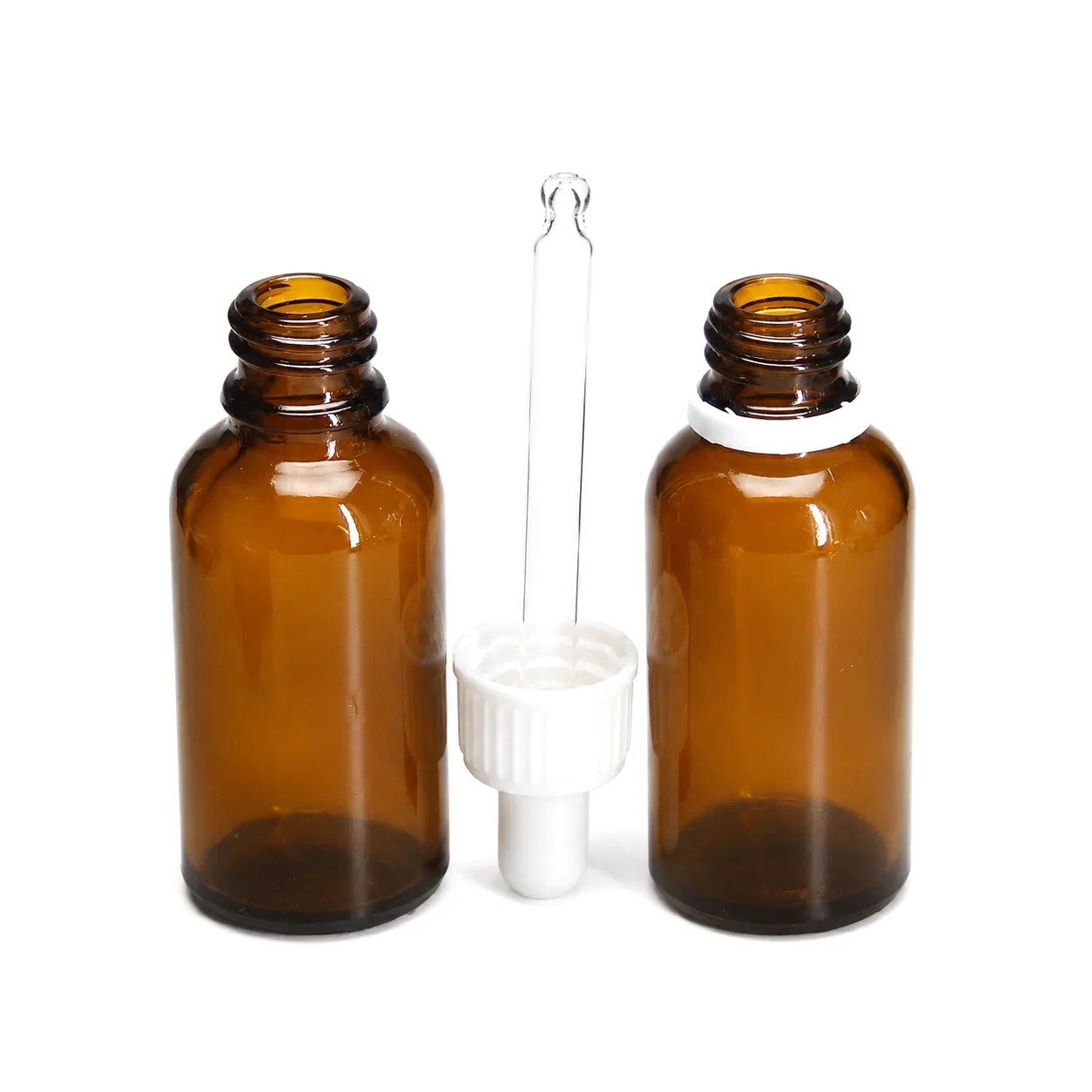 What unifies these diverse application scenarios is a shared set of performance requirements that the injection blow molding machine addresses comprehensively. Neck-finish accuracy is consistently cited as the differentiating factor: whether the end use is a pharmaceutical dropper, an essential oil roller, or a premium hot sauce bottle, the tolerance on the thread form and neck roundness determines whether the closure system works reliably through the product’s retail life. The IBM process is alone among blow molding methods in forming the neck finish during the injection stage under steel tool control, rather than relying on the blow-air distribution to form thread geometry — and this distinction translates directly into field reliability for the UK packaging industry.
Core Technical Advantages of IBM Technology
Unlike extrusion blow molding, the IBM process produces no parison tail, no base weld flash, and no neck flash requiring trimming. Material utilisation approaches 99.8%, which at UK polymer resin prices translates to measurable cost savings on any run exceeding 50,000 units.
Modern IBM machines equipped with servo-hydraulic drive systems consume 30–40% less energy per thousand units than equivalent conventional hydraulic presses. For UK manufacturers facing elevated industrial electricity tariffs under current energy market conditions, this operating cost difference materially affects total cost of ownership calculations across a typical 8–10 year machine lifespan.
Thread form, roundness, and ovality are all determined in the injection cavity under controlled steel-tool conditions. This means neck dimensions on the first shot of a production run are identical to neck dimensions on the 500,000th shot — a capability that eliminates closure fitment adjustment requirements across a production day and is particularly valued by UK automated filling and capping lines.
A single IBM platform processes PETG, PET, PP, HDPE, and PC with barrel and screw changes managed within a single shift, giving contract manufacturers the flexibility to run different material specifications for different customers on the same machine footprint. This versatility is commercially critical for UK toll-manufacturing operations that serve multiple brand owners from a single facility.
Featured IBM Machine Models
Direct replacements for incumbent SUMA models — with improved energy performance, superior neck tolerance, and full UK after-sales support.
Manufacturing Strength: Ever Power Precision IBM Production
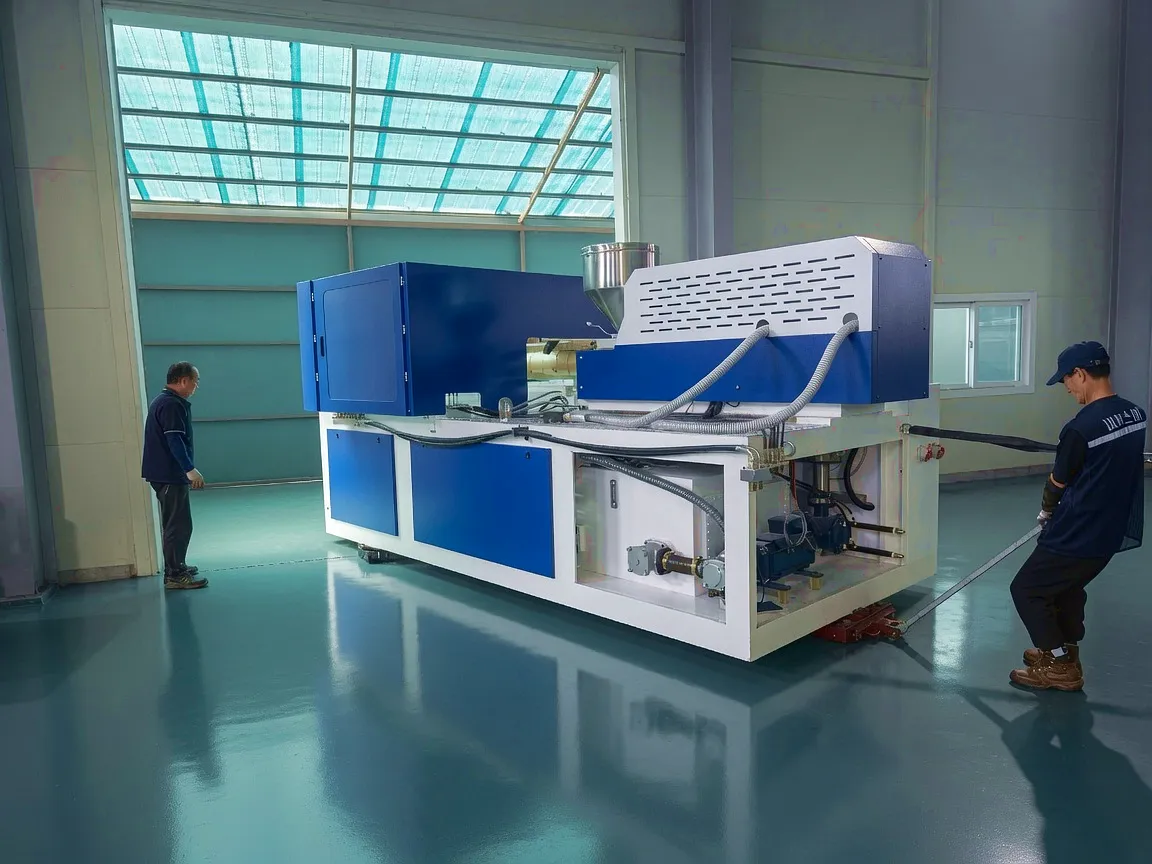
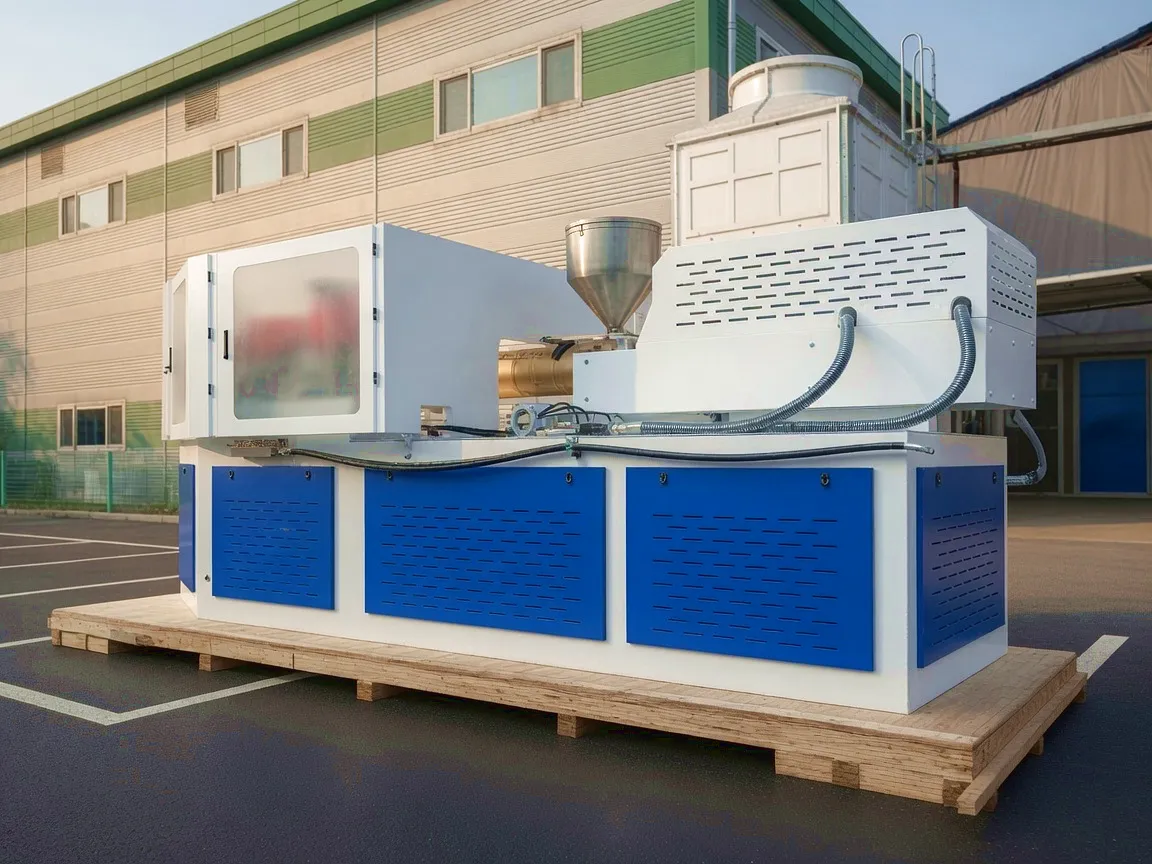
Ever Power has been engineering injection blow molding machines for over two decades, building a manufacturing capability that combines deep mechanical engineering knowledge with the kind of precision toolmaking standards required to meet the dimensional tolerances of pharmaceutical and personal care container production. The Ever Power factory operates a vertically integrated production model in which injection mould tooling, blow mould sets, and core rod assemblies are all machined in-house on CNC machining centres with measurement traceability to ISO 10360 CMM standards. This in-house toolmaking capability is the cornerstone of Ever Power’s customisation offer: when a UK aromatherapy brand needs an asymmetric 30 ml oval dropper body with a 19 mm neck accepting a proprietary press-fit dropper assembly, Ever Power’s engineering team can develop, prototype, and validate that mould set on a timeline that contract toolmakers in Europe or North America cannot match.
The customisation capabilities at Ever Power span every dimension of the IBM machine specification: cavity count, core rod diameter, blow-mould geometry, container shoulder and base profile, neck thread form, and the integration of in-mould labelling or surface texture features. For UK buyers, Ever Power provides full CE-marking documentation, Declaration of Conformity against the EU Machinery Directive as applicable in Great Britain under the UKCA framework, and comprehensive machine manuals in English. The technical support team includes English-speaking application engineers who have worked with UK packaging converters and brand owners to resolve container-specific optimisation questions — a commercial differentiator for buyers who have experienced the communication barriers of purchasing capital equipment internationally.
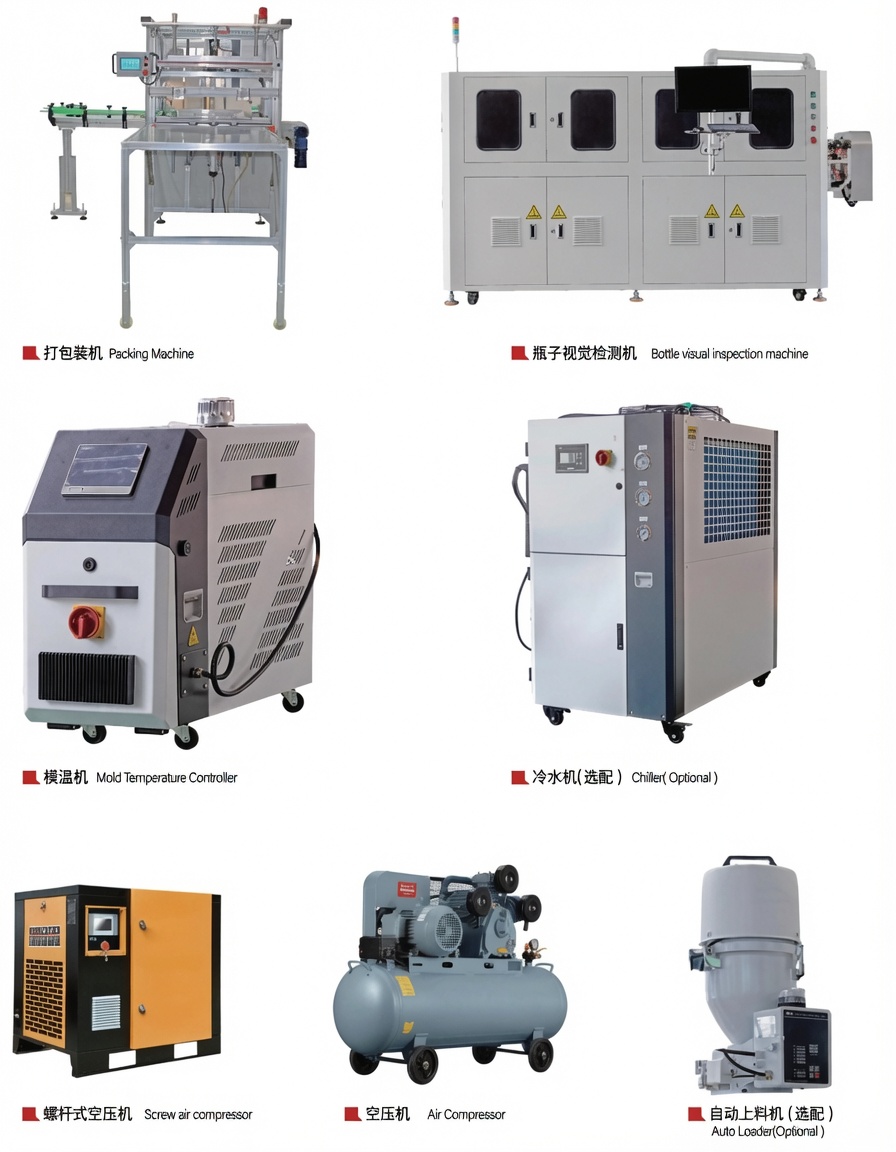
Our engineering team will review your container geometry, annual volume, and material specification to recommend the optimal IBM configuration and tooling package — and provide a detailed cost-per-thousand-units analysis.
Customer Success Story: Bath-Based Aromatherapy Contract Manufacturer
 Botanical Vessel Solutions Ltd, a contract packaging manufacturer based in Bath, had been supplying amber glass dropper bottles and roll-on containers to five independent UK aromatherapy brands for eleven years. In 2023, a combination of pressures — a 28% increase in glass procurement costs following European energy-price volatility, a third consecutive year of transit breakage claims exceeding their insurer’s acceptable threshold, and a new retail client with specific requirements for lightweight packaging compatible with IATA air-cargo restrictions — prompted the business to evaluate an IBM conversion for their 10 ml, 30 ml, and 50 ml dropper bottle lines.
After evaluating three IBM equipment suppliers, Botanical Vessel Solutions specified two ZQ60 units from Ever Power, configured with 4-cavity amber PETG tooling for their 10 ml and 30 ml dropper bodies and 2-cavity tooling for a 50 ml wide-shoulder bottle used by one of their brands for carrier oil blends. The IBM conversion project, including installation, commissioning, and operator training by Ever Power’s English-speaking application team, was completed over a single production-shutdown fortnight, allowing the facility to be back at full capacity within two weeks of the machines being delivered to their facility near Bath’s ring road industrial estate.
Within the first six months of IBM operation, Botanical Vessel Solutions reported a 31% reduction in packaging material cost per thousand units across the three dropper bottle sizes, transit breakage claims dropped to zero for the PETG IBM containers, and the air-cargo-compliant PETG bottles unlocked a new direct-to-consumer export business for one of their brand clients shipping to North America. The consistent neck tolerances from the Ever Power ZQ60 machines also allowed Botanical Vessel Solutions to introduce automated capping on their fill line for the first time, eliminating a two-person manual capping station that had been the bottleneck in their 10 ml production runs. By the end of the first year, the capital investment in the two IBM machines had a calculated payback period of 28 months — ahead of the 36-month projection presented during the evaluation stage.
What UK Buyers Say About Ever Power IBM Machines
“The neck tolerance consistency on the ZQ60 is genuinely remarkable. We run 19/410 dropper fitments across three essential oil brands and since switching to Ever Power machines we have not had a single fitment rejection on an entire production run. That reliability has let us remove an inspection step from our packaging line entirely.”
“Ever Power’s engineering team designed a custom 35 ml asymmetric bottle profile for our brand that our previous toolmaker said was not achievable in IBM. They turned around an approved sample set in seven weeks and the production mould has been running without issue for nine months. The customisation capability sets them apart from any other IBM supplier we evaluated.”
“We budgeted 36 months to recover the IBM investment based on our glass packaging cost basis. We achieved payback in 26 months — driven by energy savings on the servo-hydraulic drive system and the complete elimination of the glass breakage losses that had been invisible in our P&L for years. The Ever Power after-sales response time has been excellent whenever we have needed process parameter guidance.”
Frequently Asked Questions
Common questions from UK packaging manufacturers, essential oil brand owners, and contract fillers evaluating IBM technology.
Whether you are converting from glass, upgrading an existing IBM platform, or specifying a container production capability for a new UK facility, Ever Power’s engineering team will provide a project-specific technical and commercial proposal.
✉ Get Your Project Quote — [email protected]