How an Injection-Blow Molding Machine Works
Station 1 — Injection
Molten thermoplastic resin — typically HDPE, PP, or PET — is injected under high pressure into a preform mold mounted around a core rod. This step determines the neck finish geometry, wall uniformity, and thread accuracy with extreme precision. The core rod remains inside the preform throughout, providing dimensional stability and preventing premature cooling deformation.
Station 2 — Conditioning
The preform, still on its core rod, rotates to a thermal conditioning station where its temperature is precisely controlled via ceramic heaters and infrared sensors. This ensures the material reaches the exact blow temperature profile required — warmer at the body, cooler at the neck — so that the final bottle wall thickness distribution meets specification without stress whitening or hot spots.
Station 3 — Blow Molding
Compressed air expands the conditioned preform against the cavity walls of the blow mold. Because the neck was already formed perfectly at the injection station, only the body and base are shaped in this phase. This two-stage approach is what gives injection-blow molded containers their hallmark — a flash-free, dimensionally stable neck finish that requires no trimming, making them ideal for pharmaceutical, agrochemical, and cosmetic packaging where sealing integrity is non-negotiable.
Station 4 — Ejection
Finished containers are stripped cleanly from the core rod and ejected directly onto a conveyor or take-out device. There is no flash, no trimming gate, and no secondary operation required. The containers exit the machine ready for inspection, filling, or labelling. The entire rotary cycle — injection through ejection — runs continuously, making the injection-blow molding machine one of the highest-output, lowest-waste platforms available in modern container manufacturing.
Core Materials Processed
HDPE
High-density polyethylene is the dominant resin for agrochemical, industrial, and household chemical containers. Its excellent chemical resistance, rigidity, and compatibility with HDPE recycling streams make it the preferred choice for UK agricultural packaging and crop protection supply chains.
PP (Polypropylene)
Polypropylene delivers exceptional heat resistance up to approximately 135°C, making it ideal for containers that undergo hot-fill processes or steam sterilisation cycles. Pharmaceutical manufacturers in Cambridge and Birmingham regularly specify PP for tablet packaging and liquid medication bottles where autoclave-compatible packaging is required.
PET
Polyethylene terephthalate is the material of choice when optical clarity and carbon footprint targets must be balanced together. PET containers produced on an injection-blow molding machine show near-glass transparency and outstanding barrier properties, making them a natural fit for premium personal care brands launching through UK retail channels such as Boots and Superdrug.
LDPE & LLDPE
Low-density and linear low-density polyethylenes are processed for squeezable bottles — eye drops, nasal sprays, and topical creams — where the container wall must flex under hand pressure to deliver the product. Their soft feel, FDA and EU food-contact compliance, and compatibility with clean-room manufacturing make them a staple in OTC healthcare packaging produced throughout the UK.
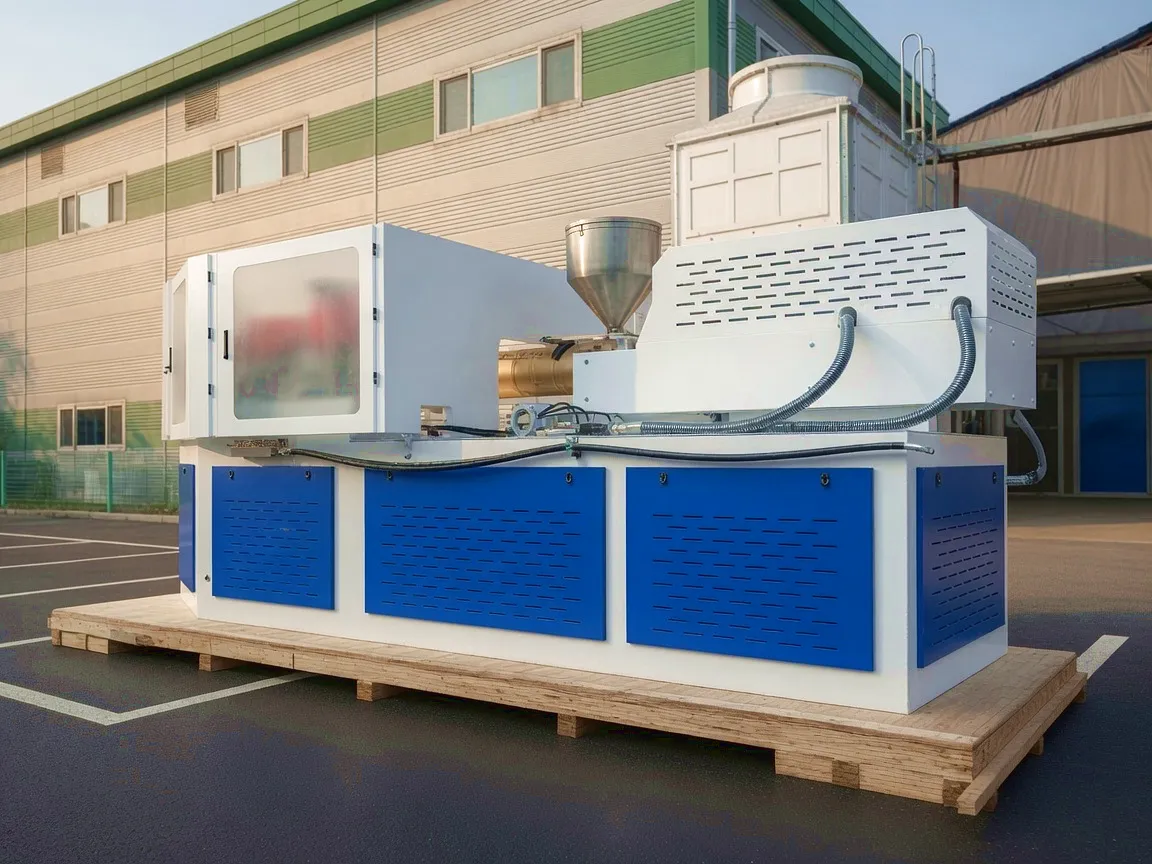
Core Technical Advantages
✅
Flash-Free Neck Finish
The neck thread and closure seat are formed entirely in the injection station. No subsequent trimming or reaming is needed, which means zero flash contamination risk — a critical requirement for pharmaceutical and food-grade packaging production under UK MHRA and FSA guidelines.
✅
Tight Dimensional Tolerances
Typical injection-blow molding machines maintain finish tolerances of +/-0.1 mm on neck outer diameter and +/-0.05 mm on thread pitch. These tolerances support automated capping lines running at 200–400 closures per minute without capping torque failures or misalignments — a direct productivity benefit for UK packaging co-packers.
✅
Low Material Waste
Because there is no parison tail and no trim skeleton to regrind, scrap rates on well-tuned injection-blow molding equipment typically fall below 0.5%. At production volumes of one million containers per month, this difference in material efficiency represents a measurable cost advantage over extrusion blow molding alternatives.
✅
Wide Container Range
Modern injection-blow molding machines handle container volumes from 1 ml dropper vials to 5-litre jerricans on the same platform through tooling changeovers. This flexibility gives mid-sized UK manufacturers the ability to serve multiple sectors — from pharmacy to agri-inputs — on a single capital investment.
✅
Energy Efficiency
Servo-hydraulic and all-electric drive variants of the injection-blow molding machine deliver energy consumption reductions of 20–40% compared with older hydraulic-only machines. For UK manufacturers facing elevated industrial electricity tariffs, this directly supports sustainability reporting targets under the UK’s Net Zero Industrial Strategy commitments.
✅
Hygienic, Clean-Room Capable
Because the process is closed and the preform never touches an open conveyor between injection and blow, contamination risk is minimal. Clean-room-configured injection-blow molding machines meet ISO Class 7 and 8 cleanroom standards, making them suitable for sterile pharmaceutical manufacturing and ophthalmic packaging without additional protective enclosures.
Technical Performance Parameters
| Parameter | Small / Lab Scale | Mid-Range Production | High-Output Industrial |
|---|---|---|---|
| Container Volume Range | 1 ml – 250 ml | 50 ml – 1,500 ml | 250 ml – 5,000 ml |
| Number of Cavities | 2 – 6 | 4 – 12 | 8 – 24 |
| Output Rate (bottles/hr) | 600 – 2,400 | 2,000 – 6,000 | 5,000 – 18,000+ |
| Injection Pressure (bar) | 800 – 1,200 | 1,200 – 1,800 | 1,500 – 2,200 |
| Blow Pressure (bar) | 6 – 12 | 8 – 16 | 10 – 20 |
| Neck Finish Tolerance (mm) | +/- 0.10 | +/- 0.08 | +/- 0.05 |
| Compatible Resins | HDPE, PP, LDPE | HDPE, PP, PET, LDPE | All standard & engineering resins |
| Installed Power (kW) | 15 – 30 | 30 – 75 | 75 – 200+ |
| Scrap Rate (typical) | < 1.5% | < 0.8% | < 0.5% |
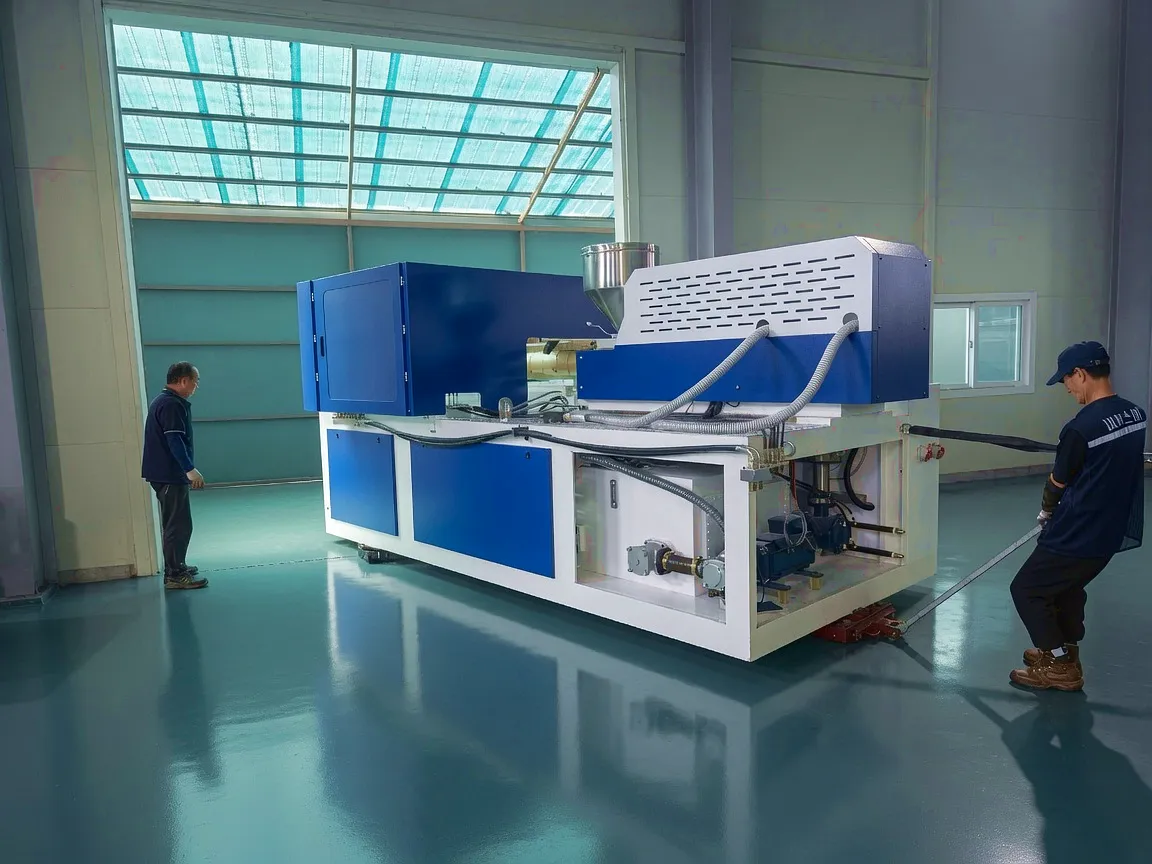
Application Scenario: Agriculture & Crop Protection — Pesticide, Herbicide, Fungicide & Liquid Fertiliser Containers
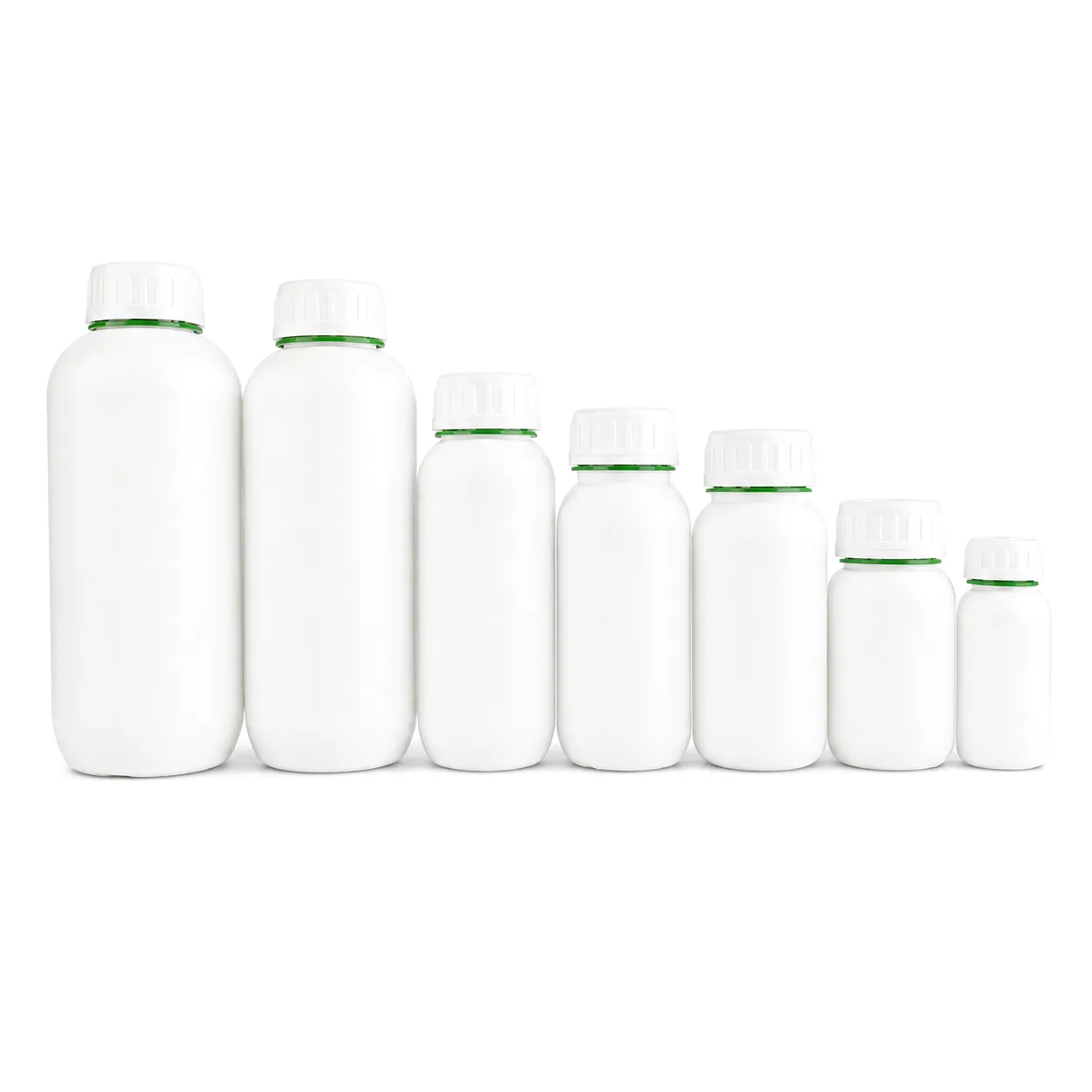 The agricultural sector in the United Kingdom represents one of the most demanding environments for container packaging. Whether the contents are organophosphate-based pesticide concentrates, selective herbicides for cereal crops, broad-spectrum fungicides destined for East Anglian wheat farms, or soluble liquid fertilisers supplied to Scottish vegetable growers, the containers must perform across a wide range of chemical compatibility, shelf-life stability, and supply-chain robustness requirements. Injection-blow molding machines are ideally positioned to meet every one of these requirements, not by compromise, but by design.
🌿
Pesticide Concentrate Bottles
250 ml – 5 L
🌿
Herbicide Bottles
HDPE, HDPE-F
🌿
Fungicide Containers
Barrier & UN-rated options
🌿
Liquid Fertiliser Bottles
1 L – 5 L, HDPE & PP
🌿
RTU Spray Containers
Ready-to-use, 500 ml – 2 L
The supply chain context for UK crop protection packaging is particularly demanding. Agrochemical distributors supplying farm merchants across Yorkshire, Lincolnshire, and the Fens operate on seasonal demand curves, often ordering millions of containers in compressed windows before the spring and autumn application seasons. An injection-blow molding machine’s ability to run 24/7 with minimal operator intervention, combined with typical uptime rates exceeding 95%, gives contract packaging manufacturers the production certainty to fulfil these concentrated orders reliably. Ready-to-use spray containers in the 500 ml to 2-litre range represent a growing segment, particularly as garden centres and amenity horticulture buyers prefer consumer-facing packaging with premium clarity and ergonomic grip features that injection-blow molding delivers naturally.
Further Industrial Application Scenarios
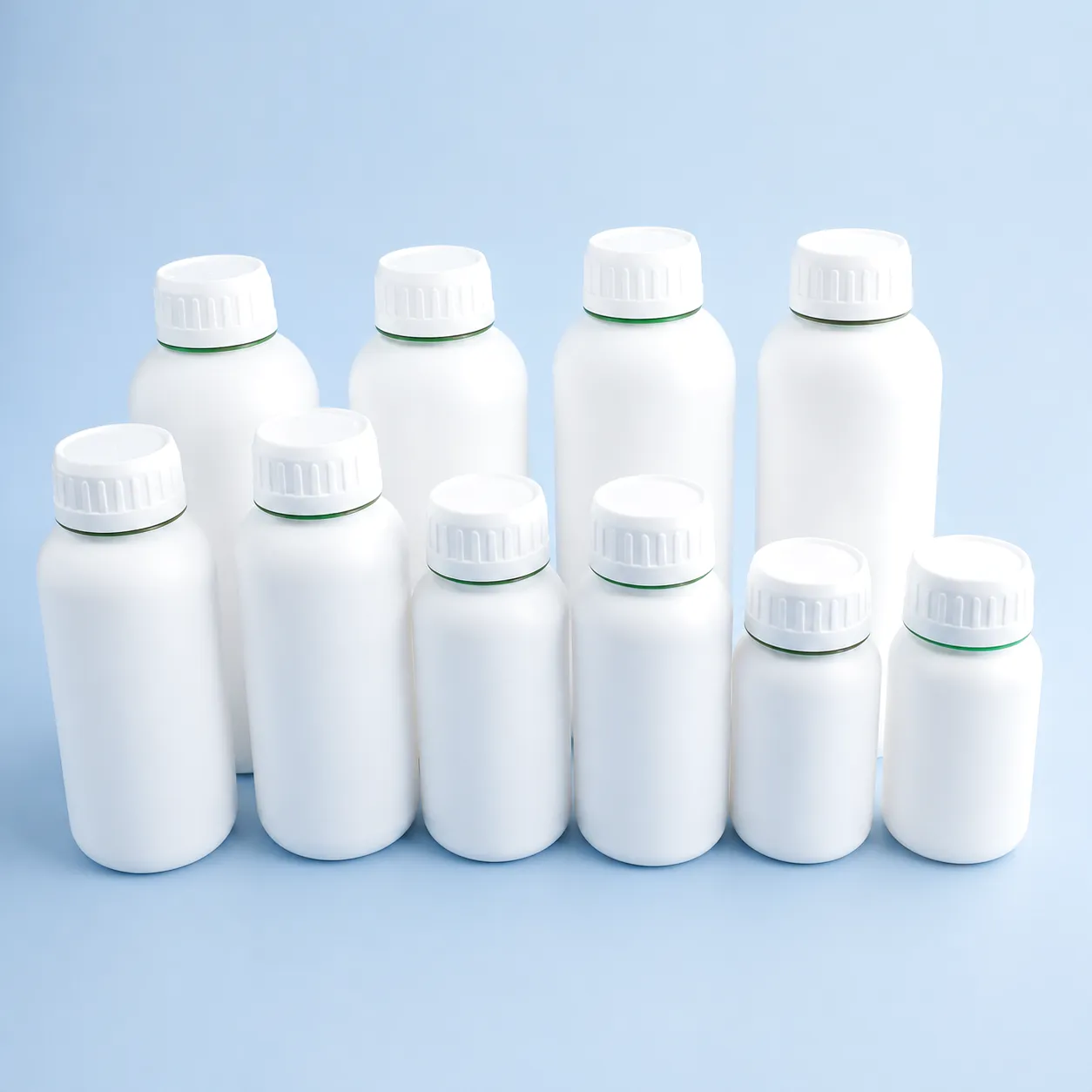 The pharmaceutical packaging industry, centred around production clusters in Stevenage, Macclesfield, and the Cambridge Biomedical Campus, places injection-blow molding at the heart of its primary packaging strategies. Containers for liquid oral medicines, tablet counts, ophthalmic drops, and nasal spray vials are routinely manufactured on injection-blow molding equipment because the process eliminates the micro-flash particles that pose contamination risks in solid-dosage and sterile-liquid products. Every bottle leaving an injection-blow molding machine has a consistent, measurable neck finish that interfaces reproducibly with the child-resistant closures and tamper-evident bands demanded by UK licensing authorities. Compliance with BS EN ISO 15223-1 and the UK Medicines Act is supported inherently by the process — not retrofitted through additional inspection or finishing steps. For contract pharmaceutical packaging manufacturers on behalf of major UK brands, this translates to simplified QA procedures and reduced cost-of-quality across large production runs.
Personal Care & Cosmetics Packaging
British personal care brands — whether independent formulators in Bristol or large-scale manufacturers supplying supermarket own-label ranges — need containers that communicate quality at the point of purchase while performing reliably in warm, humid bathroom environments. PET and PP containers produced on an injection-blow molding machine deliver the optical clarity, consistent gloss surface, and smooth, defect-free finish that shelf presence demands. Shampoo bottles, conditioner bottles, body wash containers, and lotion dispensers produced through IBM show negligible wall thickness variation across the body, giving a premium hand-feel that resonates with UK consumers trading up to higher-value beauty products. The dimensional consistency of IBM containers also means that pump inserts and lotion dispensers clip in without rattle or misalignment — a small detail that matters enormously in premium gifting lines sold through retailers such as John Lewis and Harvey Nichols.
Household & Industrial Chemical Packaging
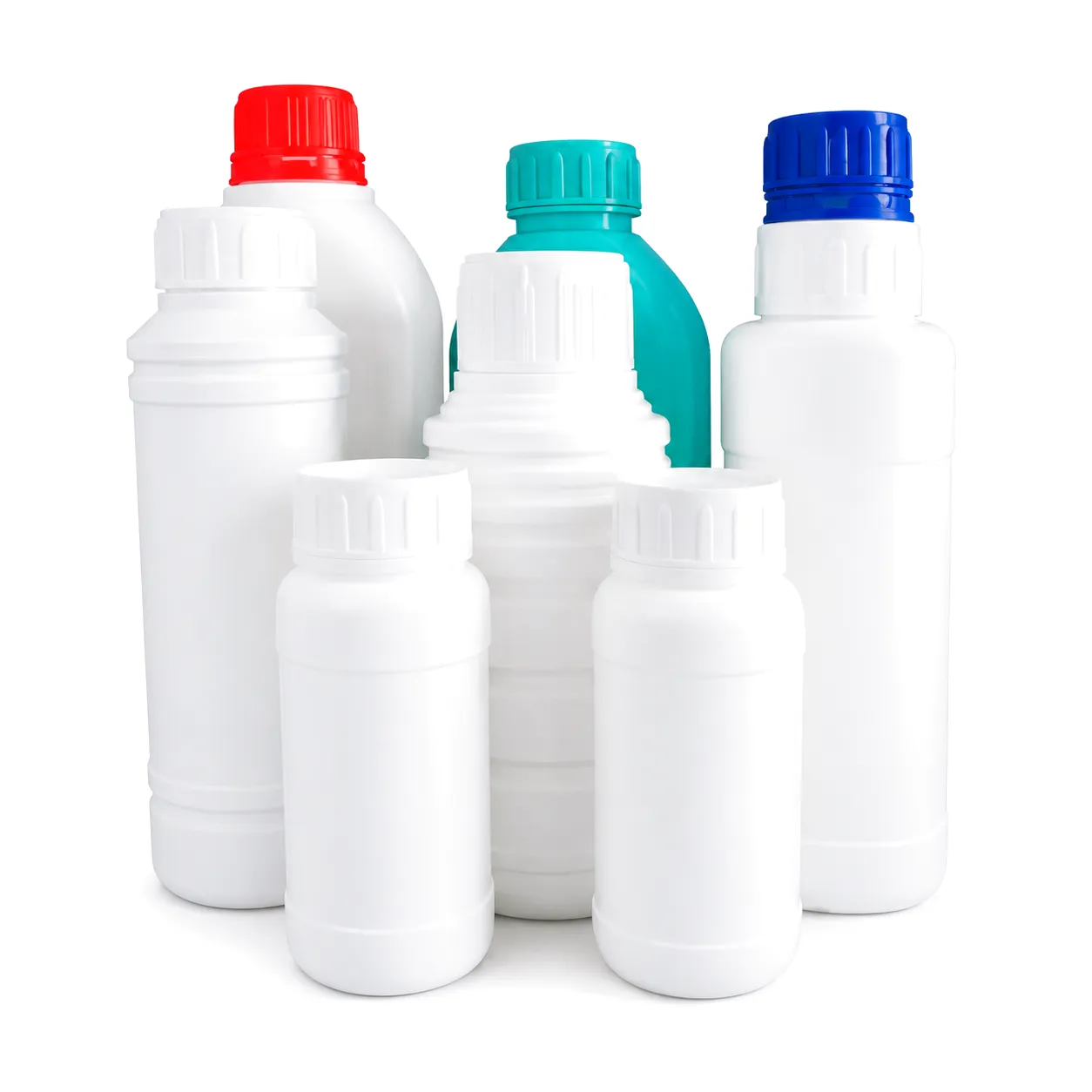 The UK household chemicals market — encompassing everything from dilutable disinfectants and bleach-based cleaners to automotive fluids and DIY wood treatments — relies heavily on HDPE containers produced on injection-blow molding lines for good reason. Chemical compatibility data shows HDPE injection-blow molded containers maintaining wall integrity for extended periods against strongly alkaline and acidic products at ambient storage temperatures, meeting the transport and storage requirements of the ADR and IMDG codes relevant to dangerous goods shipped through UK ports including Felixstowe and Southampton. Manufacturers in Birmingham and Warwickshire’s chemical manufacturing corridor have adopted injection-blow molding as a preferred platform for household chemical containers up to 2 litres, citing the reduction in floor space compared with extrusion blow molding lines of equivalent output as a direct benefit in brownfield manufacturing sites common across the West Midlands.
Featured Products from Ever Power
Our ZQ-series injection-blow molding machines are engineered as proven Uniloy replacements with enhanced precision, energy efficiency, and simplified maintenance — available for immediate supply to UK and European buyers.
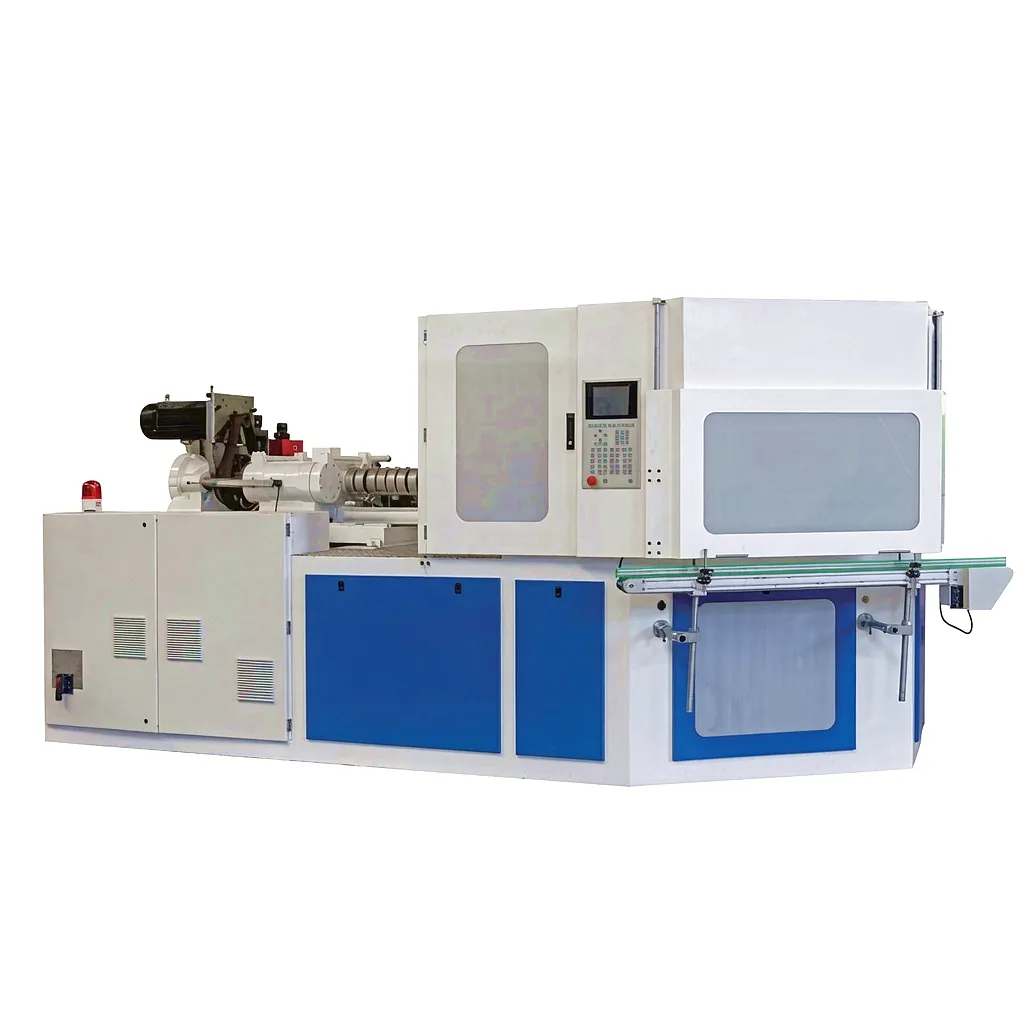
ZQ80 — Replacement of Uniloy UIB 120
The ZQ80 is a high-output injection-blow molding machine engineered as a direct functional replacement for the Uniloy UIB 120 platform. Featuring an enhanced servo-hydraulic drive system, improved thermal conditioning station, and a refined rotary indexing mechanism, it delivers measurable gains in output consistency and energy efficiency while accepting tooling configurations compatible with Uniloy UIB 120 production setups. Ideal for large-scale HDPE and PP container production for agrochemical and industrial markets.
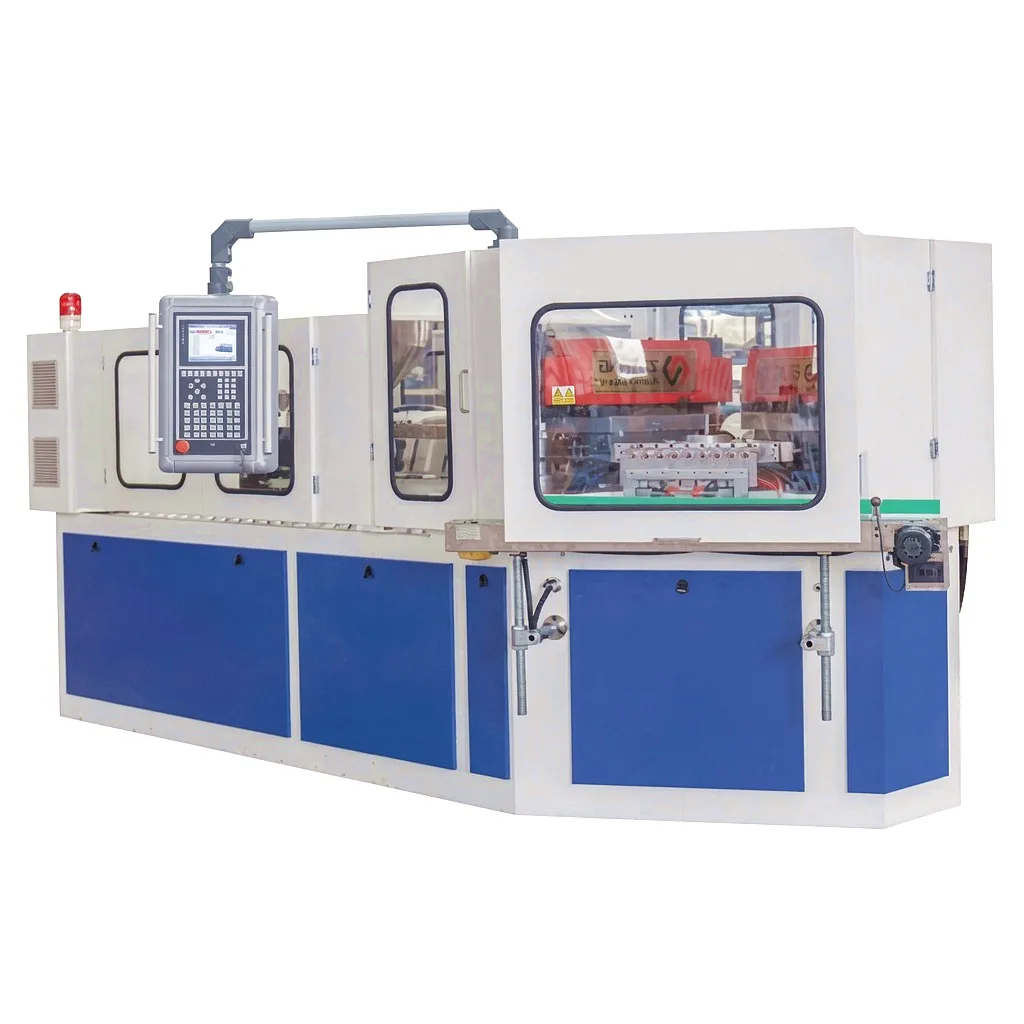
ZQ60 — Replacement of Uniloy UIB 90
The ZQ60 addresses the needs of mid-volume manufacturers seeking a compact, versatile injection-blow molding machine to replace or upgrade legacy Uniloy UIB 90 installations. Its flexible cavity configuration accommodates container sizes from 30 ml pharmaceutical vials to 1-litre agrochemical bottles, with rapid tooling changeover that minimises downtime between production runs. The machine’s footprint and utility connections are designed to integrate into existing packaging hall layouts without requiring major civil modifications — a practical advantage for established UK production facilities.
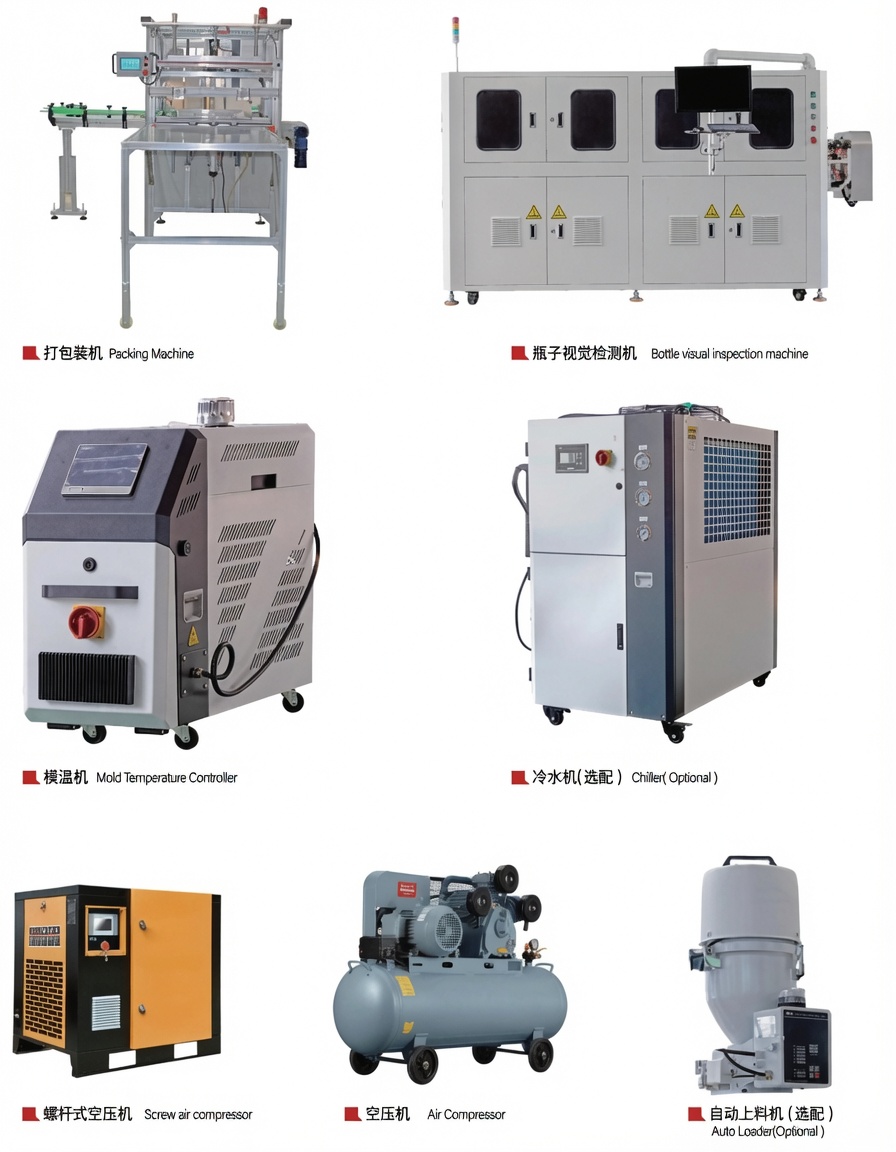
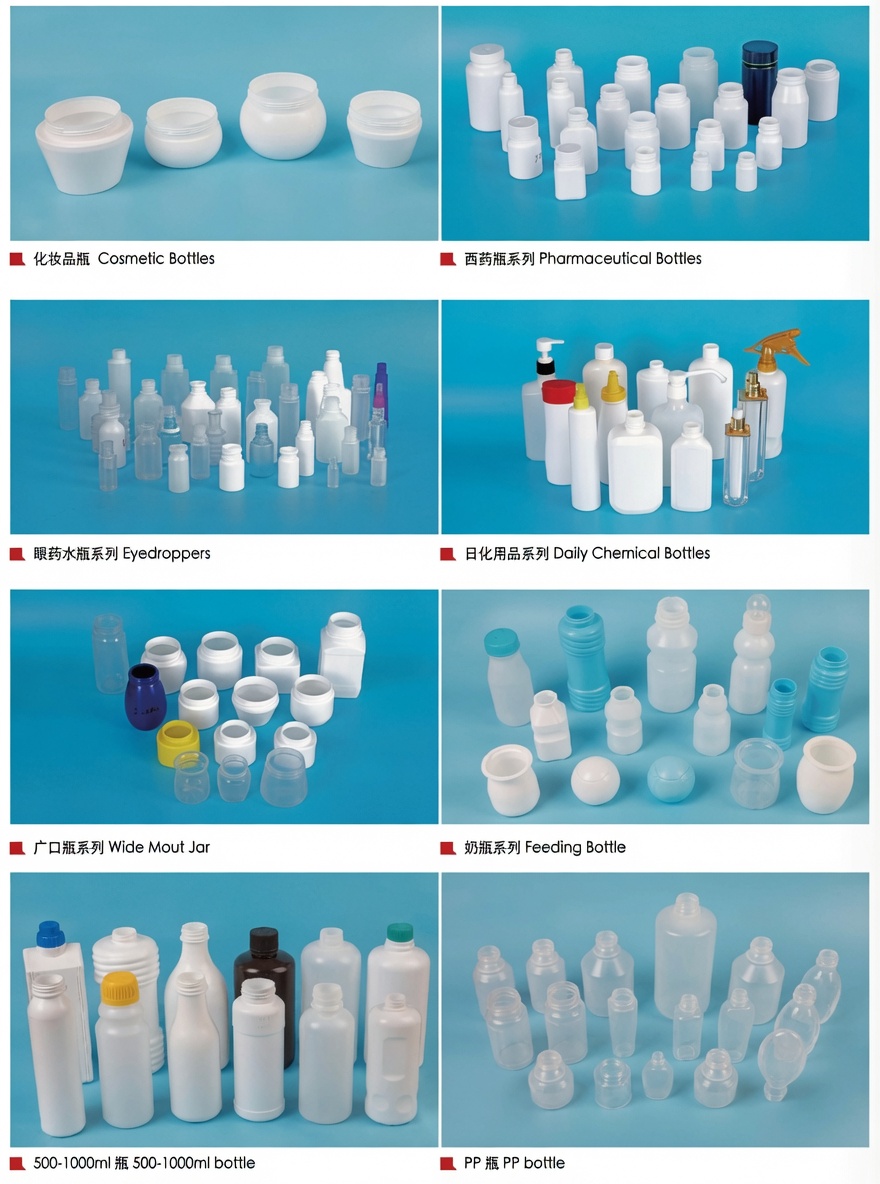
Ever Power: Precision Manufacturing & Deep Customisation Capability
Ever Power operates a dedicated injection-blow molding machine manufacturing facility equipped with CNC machining centres, CMM-verified quality control, and a full suite of mechanical assembly and commissioning workshops. Every machine leaving our facility undergoes factory acceptance testing (FAT) at specified production speeds before shipment.
🔧
Bespoke Tooling Design
Ever Power’s in-house mould engineering team develops custom preform and blow mould tooling from customer-supplied container drawings or sample bottles. We support rapid prototyping through 3D-printed preform simulation and accelerated mould steel sampling, reducing tooling development lead times significantly compared with traditional routes.
⚙
Machine Parameter Customisation
Beyond standard configurations, Ever Power offers application-specific machine tuning — adjusted clamp force, modified blow timing profiles, clean-room-rated component specifications, and custom PLC programming for integration with downstream vision inspection, checkweighers, and conveyor management systems already installed in customer facilities.
🚚
Supply Chain Assurance for UK
Ever Power maintains documented shipping partnerships with major freight forwarders handling FCL and LCL container movements to Felixstowe, Southampton, and Tilbury, with typical transit times of 25–35 days from factory. Spare parts packages are prepared concurrently with machine production, so critical wear parts arrive with the machine and are ready for planned preventive maintenance from day one.
📄
CE Marking & UK Conformity
All Ever Power injection-blow molding machines supplied to the UK and European markets are CE marked to Machinery Directive 2006/42/EC standards and can be supplied with UKCA conformity documentation for direct deployment in UK manufacturing environments, simplifying compliance for purchasing and engineering teams.
Ready to discuss your injection-blow molding machine requirements?
Share your container specifications, production volumes, and resin type with the Ever Power technical team for a detailed proposal.
Customer Success Story: Crop Protection Packaging Manufacturer, Lincolnshire
A contract packaging manufacturer based in Lincolnshire, supplying major agrochemical brands for distribution across England and Wales, had been running two ageing extrusion blow molding lines producing HDPE herbicide and fungicide containers in the 500 ml to 2-litre range. The operation was facing increasing reject rates on neck finish dimensions — consistently running at 2.8% — driven by parison variation and die wear on the older EBM equipment. Every rejected pallet represented regrind material, re-processing cost, and delayed shipments to farm merchant customers in Yorkshire and the Fens during peak spring demand.
The production director approached Ever Power through a UK industrial equipment broker after seeing the ZQ80 demonstrated at a plastics processing exhibition. Following a factory visit and a three-day trial run producing their 1-litre HDPE herbicide container at Ever Power’s test facility, the customer placed an order for two ZQ80 injection-blow molding machines, with custom tooling developed to match their existing closure specifications without requiring any changes to their capping line setup.
Installation and commissioning were completed within eight working days of machine delivery at their Sleaford facility. Within the first quarter of full production, the customer reported a reduction in neck finish rejects from 2.8% to 0.3%, an output improvement of 22% on the same container format, and a measurable reduction in energy consumption per thousand containers produced. The freed-up production capacity enabled them to take on an additional agrochemical labelling contract that had previously been beyond their throughput ceiling.
What Customers Say About Ever Power
★★★★★
“The neck finish consistency on the ZQ80 is something we genuinely could not achieve with our previous line. We run child-resistant closures on all our herbicide bottles, and the torque readings from our capping line have stabilised to a point where we had to actually recalibrate the capper downward because the bottles were so consistent. Ever Power’s application engineers stayed on site for the first week of production and sorted every teething issue on the spot.”
— Production Director, Agrochemical Packaging Manufacturer, Sleaford, Lincolnshire
★★★★★
“We specified the ZQ60 for a pharmaceutical dropper vial line after benchmarking it against two European alternatives. The dimensional output data at FAT was convincing, and the pricing was significantly more competitive. Ever Power provided full CE documentation and a comprehensive spare parts package that our maintenance team appreciated. Eighteen months in, we haven’t had a single unplanned stoppage attributable to the machine itself.”
— Engineering Manager, Contract Pharmaceutical Packaging, Macclesfield, Cheshire
★★★★★
“The tooling customisation capability at Ever Power set them apart from the competition. We supplied CAD drawings for a non-standard HDPE shampoo bottle with an asymmetric shoulder and a recessed label panel, and their team delivered matched preform and blow tooling that ran first-time within specification. The container surface finish was exactly what our brand team needed for our retail launch through a major UK health and beauty chain. We’re already planning a second machine order.”
— Operations Director, Personal Care Packaging Manufacturer, Bristol
Frequently Asked Questions
Partner with Ever Power for Your Next IBM Project
From container specification through to factory acceptance testing, spare parts supply, and after-sales technical support — Ever Power is your full-service injection-blow molding machine partner for the UK and European markets.
edit by gzl