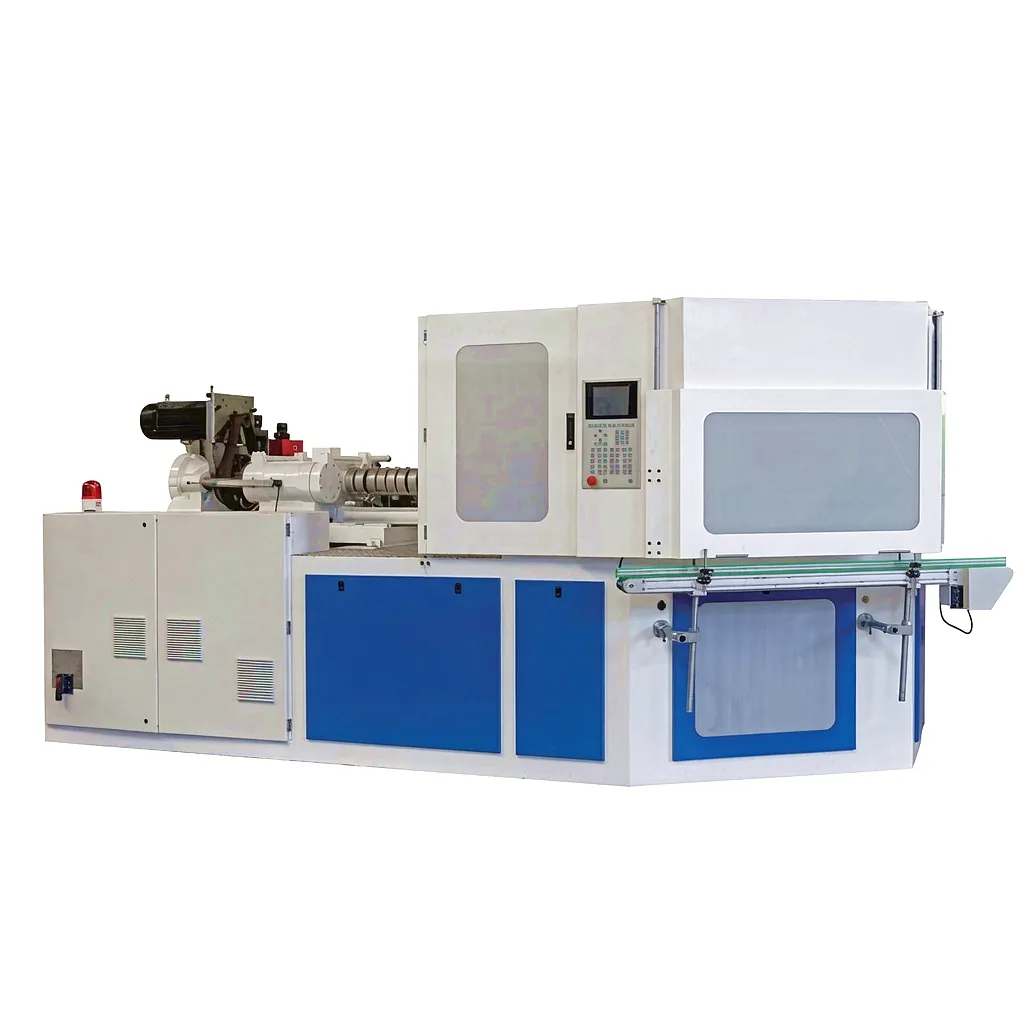
 The global landscape of precision plastic packaging has been transformed by injection-blow molding machines over the past three decades. Unlike conventional blow molding or injection molding performed in isolation, injection-blow molding (IBM) brings together two distinct polymer-forming disciplines into one seamless, highly controlled cycle. The result is a container that carries dimensional accuracy down to fractions of a millimetre — a property that British manufacturers serving pharmaceutical, agrochemical, and personal care sectors have come to regard as non-negotiable.
How an Injection-Blow Molding Machine Actually Works
Injection Stage
Molten polymer is injected under high pressure around a precision-ground steel core rod seated inside the injection mould. This forms the preform — a thick-walled, closed-base tube with a fully formed neck thread and sealing surface. Neck geometry, thread pitch, and wall thickness are all set at this stage with tolerances typically within ±0.05 mm. The injection station is temperature-zoned individually across the barrel, hot runner, and nozzle to maintain melt uniformity.
Transfer & Conditioning
The preform, still carried on the core rod, rotates to the blow station on the indexing table. During transfer, the preform temperature is carefully managed — it must retain sufficient heat to remain deformable without sagging. On three-station machines, a conditioning station allows targeted infrared reheating of specific zones, enabling differential wall distribution in the final bottle. This is particularly relevant when producing containers with shoulders of varying thickness, such as agrochemical concentrate bottles where top-load strength is critical.
Blow & Ejection
Compressed air at pressures ranging from 6 to 20 bar is introduced through the core rod, expanding the preform outward against the chilled blow mould walls. Cooling channels within the mould drop the container temperature below its glass transition point rapidly, setting the final geometry. The core rod then retracts, and the finished bottle — with no flash, no gate mark on the base, and a dimensionally accurate neck — is ejected cleanly. Cycle time from injection to ejection typically runs between 8 and 18 seconds depending on container volume and wall thickness.
Core Materials Processed by Injection-Blow Molding Machines
PET (Polyethylene Terephthalate)
The dominant resin in pharmaceutical and beverage packaging. PET delivers outstanding optical clarity, excellent barrier properties against moisture and oxygen, and chemical compatibility with most aqueous solutions. Intrinsic viscosity (IV) between 0.72 and 0.84 dL/g is typical for IBM applications, with drying to below 50 ppm moisture content mandatory before processing to avoid hydrolytic degradation.
HDPE (High-Density Polyethylene)
The material of choice for agrochemical containers, motor oil, and industrial chemical packaging. HDPE offers superior chemical resistance across a broad pH range, acceptable ESCR (Environmental Stress Crack Resistance), and compatibility with UN-rated hazardous-goods packaging regulations. Melt flow index between 0.3 and 0.8 g/10 min is preferred for IBM to balance flowability with mould-filling pressure.
PP (Polypropylene)
PP is processed less commonly in IBM than PET or HDPE but is gaining ground in hot-fill applications — particularly relevant for UK food manufacturers in Yorkshire and Lancashire who fill sauces, dressings, and condiments at elevated temperatures. PP’s heat deflection temperature above 100°C makes it suitable for containers that must maintain dimensional stability through the filling process without distortion.
PETG & Specialty Copolymers
Glycol-modified PET (PETG) delivers higher impact resistance and broader thermoforming ranges than standard PET, making it attractive for medical device components and high-clarity cosmetic packaging. PETG processes cleanly in IBM equipment without a drying step as demanding as standard PET, and its amorphous nature produces containers of exceptional optical quality — a property valued by premium fragrance brands operating out of London and Edinburgh.
Application Scenarios: Where Injection-Blow Molding Machines Deliver
Across the UK and global supply chains, IBM machines produce containers that protect, preserve, and present some of the most demanding products in industrial, agricultural, and consumer markets.
Agrochemical, Herbicide, Fungicide & Liquid Fertiliser Containers
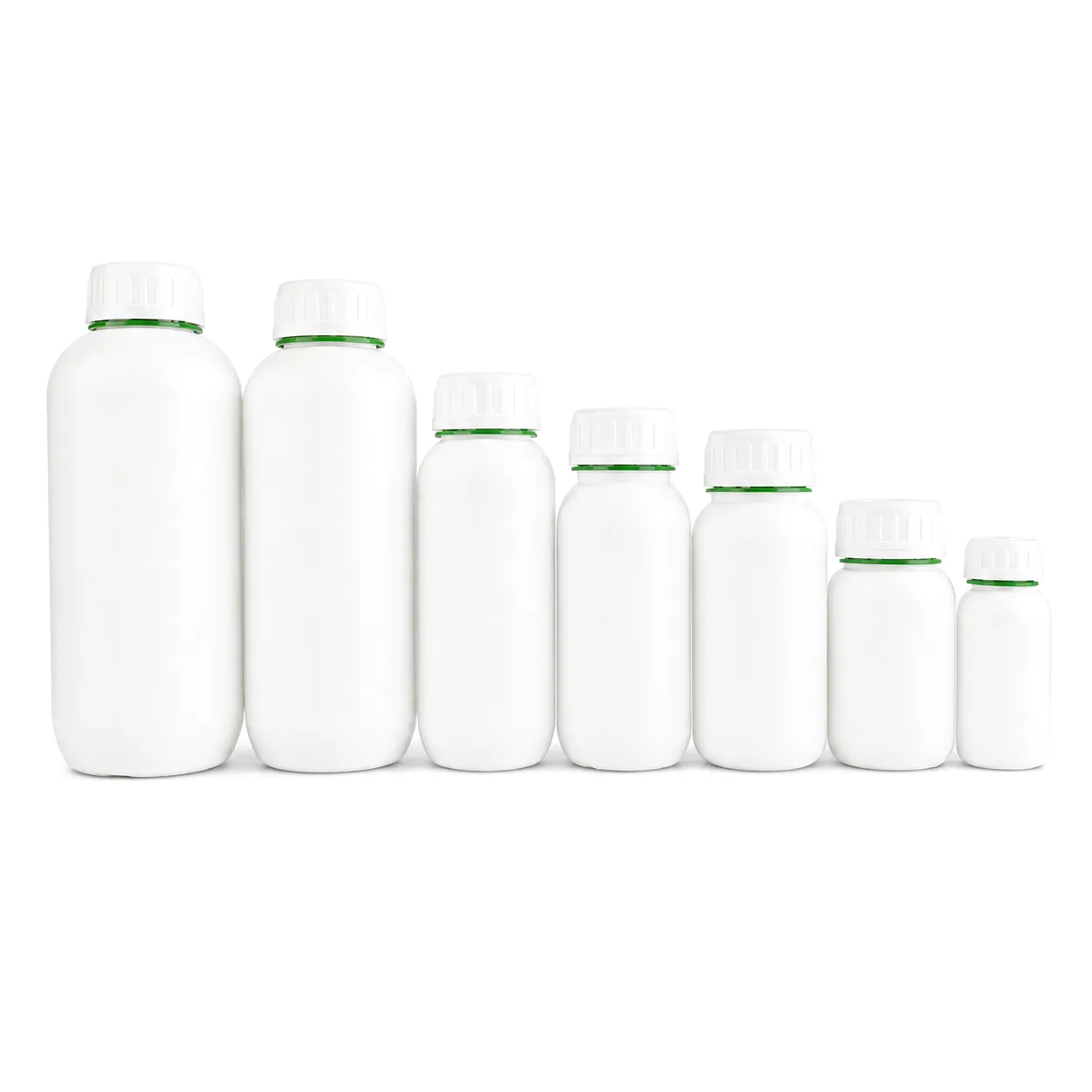 Agriculture & crop protection is one of the single largest end-use sectors for injection-blow molding machines globally, and the UK is no exception. The British agrochemical supply chain — heavily concentrated across Lincolnshire, East Anglia, and the Fens — demands packaging that meets not only the physical and chemical requirements of the products inside but also the regulatory standards set by the Health & Safety Executive (HSE) and the Chemical Business Association. Containers produced for pesticide concentrates, herbicide formulations, and systemic fungicides must pass compatibility testing, demonstrate low permeability to prevent vapour loss, and meet UN certification requirements for transport of hazardous goods.
Injection-blow molding machines produce HDPE bottles in the 250 ml to 5-litre range that satisfy all these requirements simultaneously. The lack of a weld line — a direct consequence of the IBM process — eliminates the primary weak point in conventional extrusion-blown containers, dramatically reducing the risk of stress-crack failure when bottles are stored in farm buildings subject to temperature cycling. The precisely formed neck finish also enables the use of induction-heat sealed closures, which are mandatory for child-resistant packaging of certain restricted pesticide concentrates under UK CLP regulations.
Key Products Manufactured:
Herbicide Bottles
Fungicide Containers
Liquid Fertiliser Bottles
RTU Spray Containers
Pharmaceutical & Healthcare Packaging
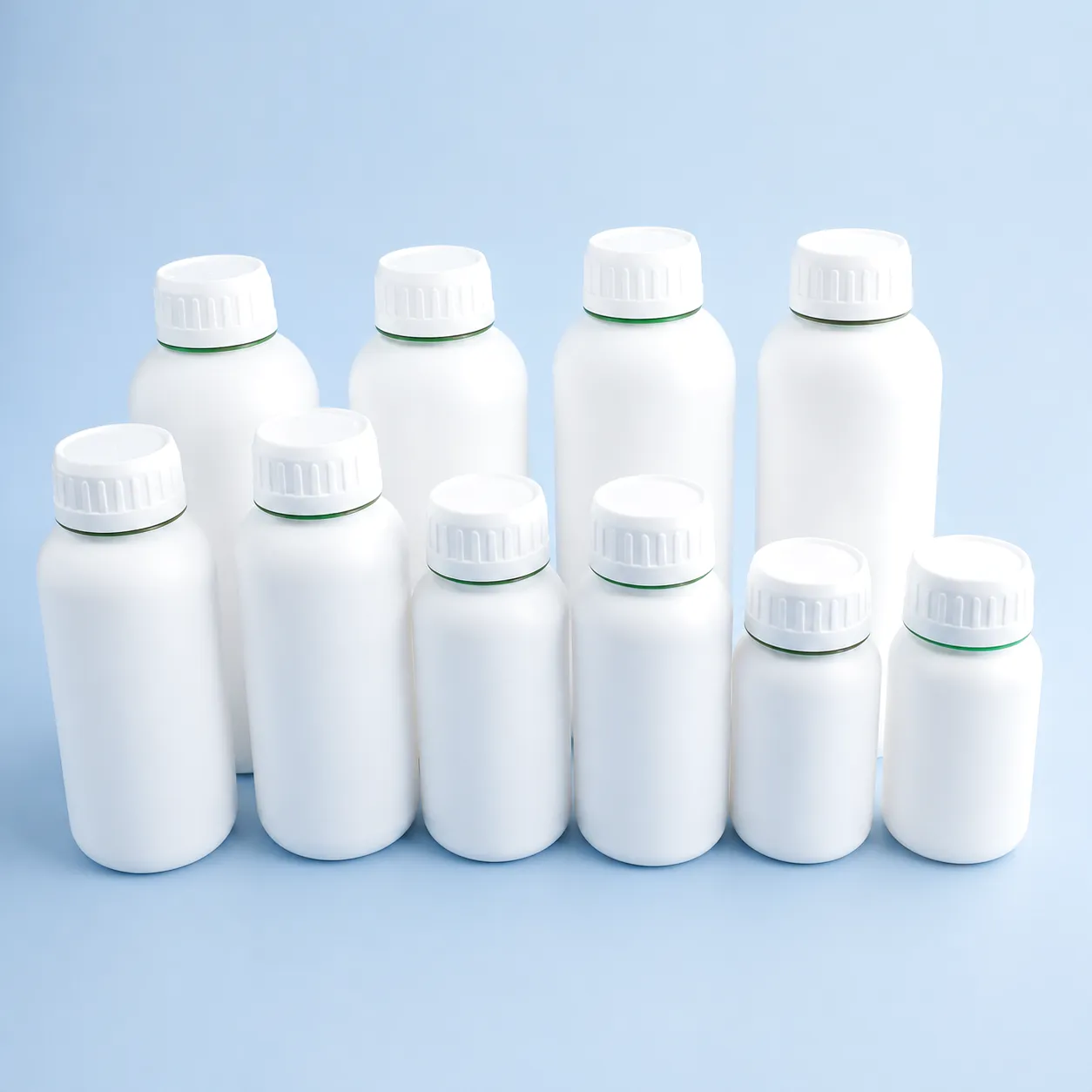 Britain’s pharmaceutical manufacturing sector — anchored by clusters in the Cheshire science corridor, the M4 corridor near Reading, and the East of Scotland life sciences belt — places extraordinary demands on primary packaging. Prescription medicines, over-the-counter preparations, and medical device components require containers that meet Medicines and Healthcare products Regulatory Agency (MHRA) standards for materials, sterility, and dimensional reproducibility. Injection-blow molding machines manufacturing PET and PETG containers offer the reproducibility that pharmaceutical validation demands: bottle-to-bottle weight variation under 0.5%, neck dimension tolerance within 0.1 mm, and surface finish consistent enough for automated vision inspection systems to classify conforming and non-conforming units at production speeds.
Oral solid dose packaging — amber HDPE bottles for tablets and capsules — is a staple output of IBM equipment across mid-sized British packaging converters. The IBM process enables the production of ribbed grip surfaces, tamper-evident neck finishes, and child-resistant closure compatibility, all within the single forming cycle and without secondary operations that would introduce contamination risk in a pharmaceutical cleanroom environment. Hospitals trust tablets dispensed in IBM-produced amber bottles because the photoprotective properties of the amber pigment system are consistent across the entire wall — not thinner at the shoulder as might occur with extrusion-blow formed equivalents.
Core Technical Advantages of Injection-Blow Molding Machines
△
No Flash, No Trim
IBM produces containers without weld lines, parting-line flash, or gate marks. This eliminates secondary deflashing operations entirely, reducing labour costs and cycle time for UK production facilities where labour rates make post-processing economically unfavourable.
✓
Precision Neck Geometry
The neck and thread form are created at the injection stage where dimensional control is at its tightest. Thread diameter tolerances of ±0.08 mm are routinely achievable, enabling consistent torque-removal values for closures — a performance parameter critical in pharmaceutical and pesticide packaging where over-tight or under-tight closures create safety and usability issues.
◆
Material Efficiency
Because there is no flash to recycle and runner systems in IBM are considerably smaller than conventional injection moulding, material utilisation rates of 96–99% are achievable. For PET processing, this is especially significant given the cost fluctuations in virgin resin markets driven by crude oil pricing and the UK’s post-Brexit supply chain adjustments.
▲
Optical Clarity
IBM-formed PET and PETG containers in the amorphous state achieve haze values below 3% — approaching glass-like transparency. This clarity level is commercially significant for perfumery, premium cosmetic serums, and high-value nutraceutical products where consumer perception of product quality is directly linked to container appearance. The absence of orientation-induced haze patterns (common in stretch-blow moulded containers) gives IBM bottles a uniform visual quality.
Manufacturing Excellence — Our Production Facilities
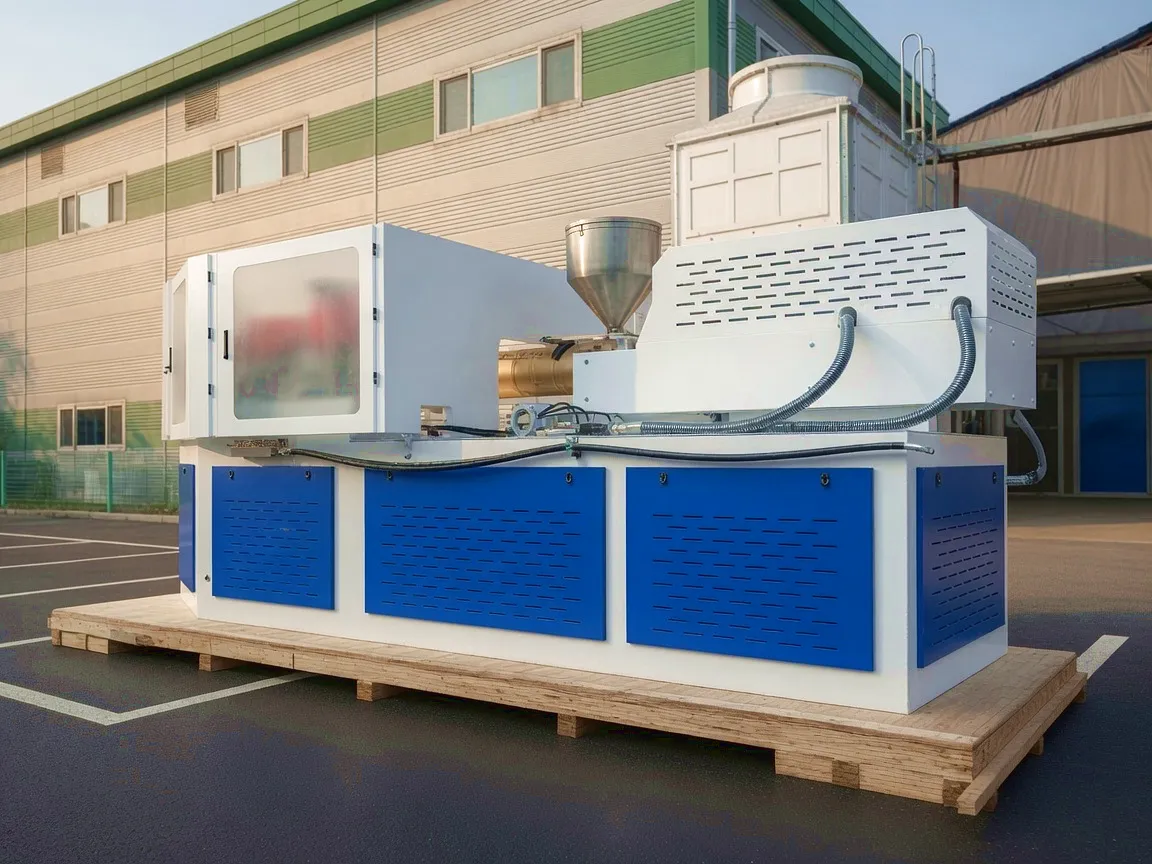
Product Technical & Performance Parameters
The table below reflects representative technical parameters for injection-blow molding machine configurations commonly supplied to UK and European converters. Specific figures vary by machine model, tooling configuration, and container specification.
| Parameter | Standard Range | High-Performance Range | Notes |
|---|---|---|---|
| Container Volume Range | 5 ml – 1,000 ml | 1 ml – 3,000 ml | Subject to mould cavity design |
| Injection Pressure | 80 – 160 MPa | Up to 220 MPa | Higher pressures for thin-wall preforms |
| Blow Air Pressure | 6 – 10 bar | 10 – 20 bar | PET requires higher blow pressures |
| Cycle Time | 10 – 18 sec | 8 – 12 sec | Varies with container volume and cooling |
| Neck Dimension Tolerance | ±0.1 mm | ±0.05 mm | Pharma grade tooling required |
| Number of Cavities | 2 – 6 | Up to 12 | Higher cavities for small containers |
| Materials Processed | PET, HDPE, PP | + PETG, PVC, LDPE | Resin-specific barrel required |
| Wall Thickness Tolerance | ±0.15 mm | ±0.08 mm | Critical for high-clarity applications |
| Installed Power Consumption | 15 – 45 kW | 45 – 120 kW | All-electric drives reduce energy 30–40% |
| Machine Weight | 3,500 – 8,000 kg | 8,000 – 22,000 kg | Foundation loading to be verified |
| Clamping Force | 60 – 120 tonnes | 120 – 300 tonnes | Determined by projected area of cavities |
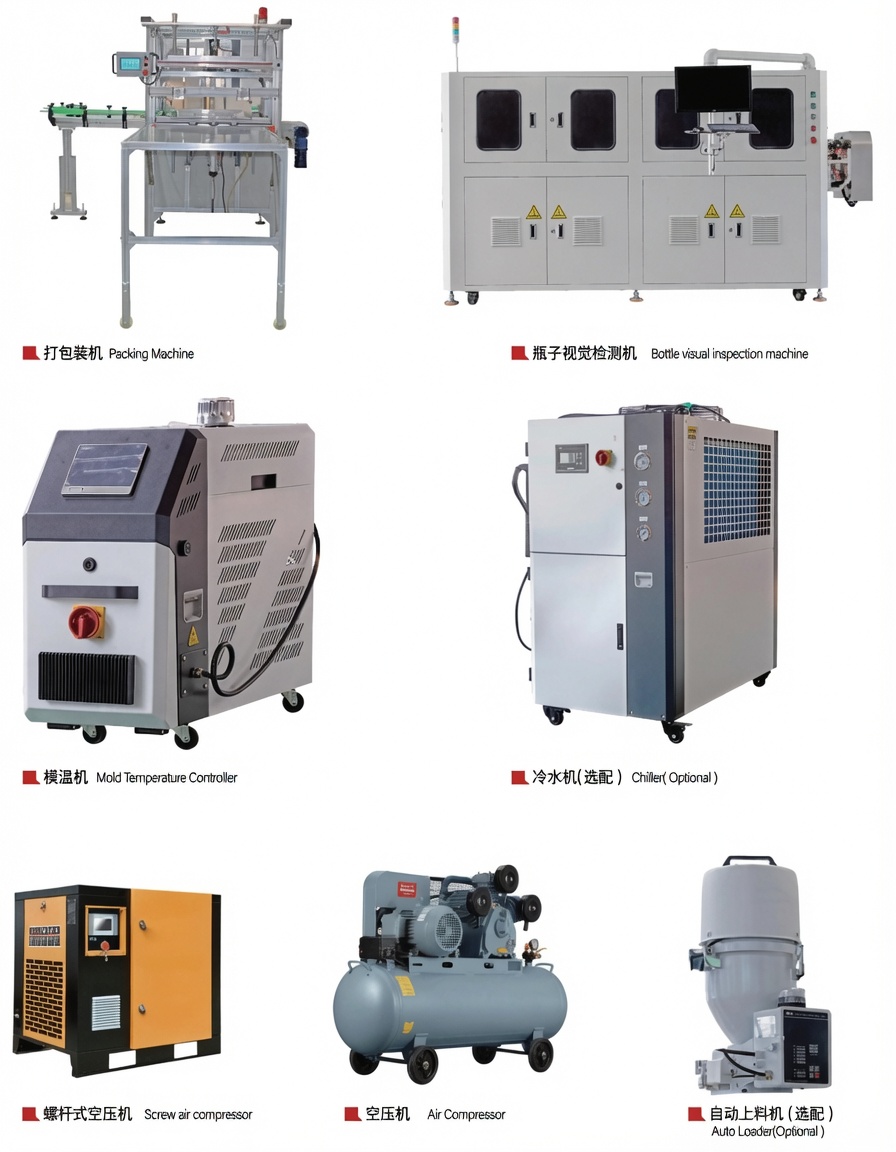
Auxiliary Equipment & Complete System Solutions
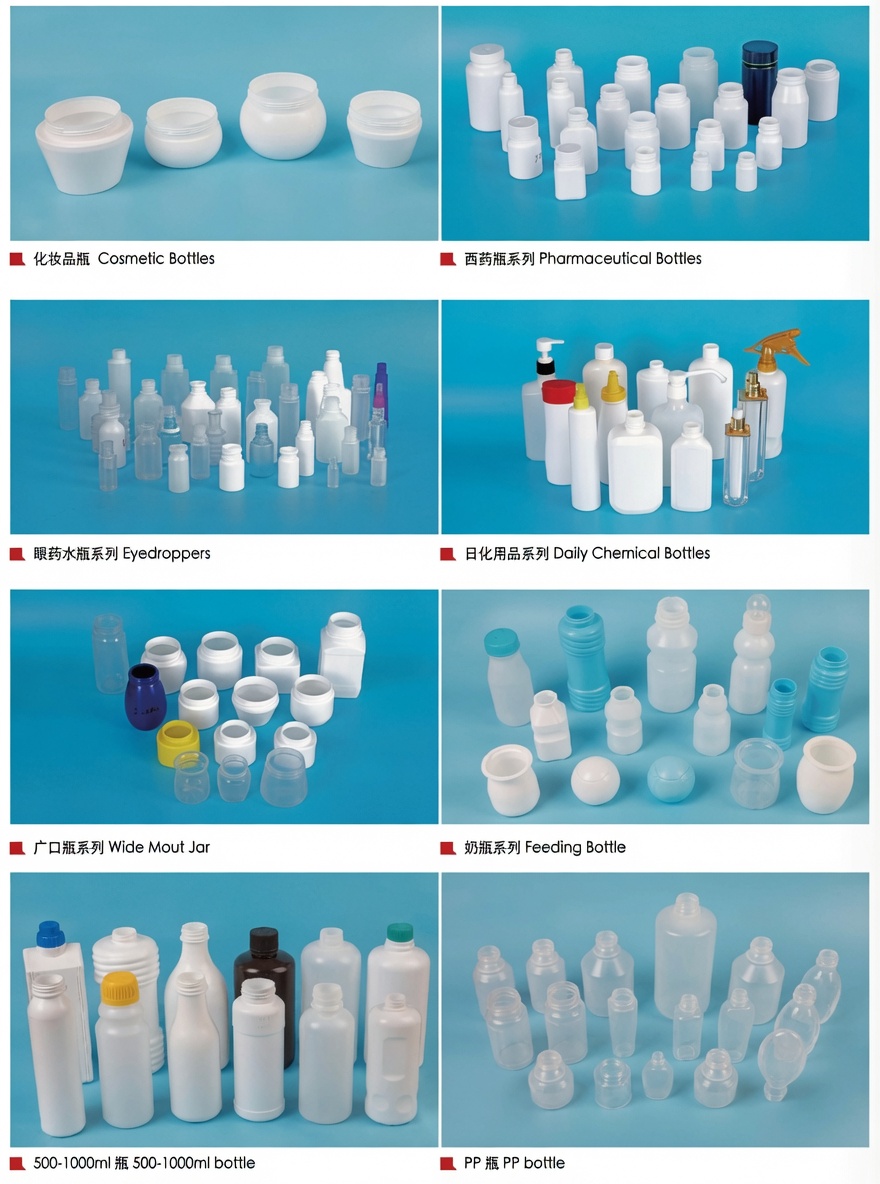
Further Application Scenarios Across UK Industries
Personal Care & Cosmetics
PETG and PET IBM containers serve the UK’s dynamic beauty industry centred around London, Manchester, and Birmingham. Shampoo bottles, serum vials, lotion dispensers, and nail polish containers all benefit from the optical clarity and surface gloss that IBM delivers. Premium fragrance brands operating under strict glass-equivalent clarity standards increasingly specify IBM-formed PET as a cost-effective, shatter-resistant alternative to glass for their secondary and travel packaging lines.
Food & Condiment Packaging
Yorkshire food manufacturers and Scottish distillers rely on IBM-formed PP and HDPE containers for hot-fill sauces, vinegar, salad dressings, and specialty condiments. The process consistency of IBM allows manufacturers to produce containers with wall geometry precisely tuned to accommodate the thermal contraction that occurs when a hot-filled product cools inside the sealed container, preventing base distortion and label wrinkle — problems that erode shelf appeal in UK supermarket retail environments.
Industrial Chemicals & Lubricants
Sheffield’s metalworking and engineering hub, alongside automotive supply chain clusters in the West Midlands, generates substantial demand for HDPE containers holding cutting oils, coolants, rust inhibitors, and brake fluids. IBM machines producing high-density polyethylene bottles in the 250 ml to 4-litre range supply this market with containers that meet ADR transport regulations and exhibit sufficient chemical resistance to avoid stress cracking under sustained contact with aliphatic hydrocarbon base oils.
Veterinary & Animal Health
The UK veterinary pharmaceutical sector — regulated by the Veterinary Medicines Directorate (VMD) — specifies container requirements as rigorous as those in human medicine. IBM-produced HDPE and PET containers for anthelmintics, vaccines, and pour-on parasiticides are gaining adoption in operations concentrated around rural Wales, the Scottish Borders, and the South West of England. These containers require traceable production data, dimensional qualification, and compatibility testing, all of which an IBM process with modern statistical process control capability can deliver.
 The UK nutraceutical market — one of Europe’s largest by per-capita consumption — sits at the intersection of pharmaceutical packaging standards and consumer product branding expectations. Supplement brands based in London, Bristol, and Edinburgh routinely specify amber HDPE or clear PET IBM bottles for omega-3 capsules, vitamin D tablets, probiotic powders, and collagen peptides. The combination of photoprotection (amber pigment), moisture barrier (HDPE crystallinity), and tamper-evidence (induction-sealed with child-resistant closure) that IBM makes achievable within a single container format is commercially decisive in this market, where product integrity from manufacturer to consumer is a brand promise as much as a regulatory obligation.
Ever Power: Precision Manufacturing & Complete Customisation
Ever Power has established itself as a manufacturer of injection-blow molding machines that consistently outperform industry benchmarks on dimensional accuracy, energy efficiency, and long-term reliability. With a production facility covering more than 18,000 square metres, a workforce of over 300 engineers and technicians, and a machining capability that encompasses five-axis CNC machining centres, precision surface grinding, and coordinate measuring machines (CMM) traceable to international standards, Ever Power brings to each project a manufacturing depth that few competitors can match.
Custom Machine Configuration
Every injection-blow molding machine built by Ever Power begins with an engineering consultation that captures container specification, resin type, production throughput, and facility constraints. Clamping force, number of stations, cavity layout, core rod design, and control system integration are all configured to the customer’s exact requirement — not adapted from a standard catalogue offering.
Tooling & Mould Design
Ever Power’s in-house mould design and fabrication team works in close collaboration with customers’ packaging engineers to develop preform and blow tooling that achieves the required container performance without unnecessary material consumption. Mould steel selection, cooling channel geometry, and surface finish standards are engineered for the specific resin and production environment, ensuring mould life consistently exceeds 2 million cycles before maintenance intervention.
Global Supply Chain & UK Support
Ever Power maintains a supply chain of certified component manufacturers for hydraulic and pneumatic components, servo drives, PLC systems, and barrel liner alloys that ensures build quality is never compromised by availability constraints. For UK customers, Ever Power provides pre-shipment factory acceptance testing (FAT) witnessed by the customer’s own engineers, CE marking documentation, and a network of service agents with coverage from Glasgow to Southampton.
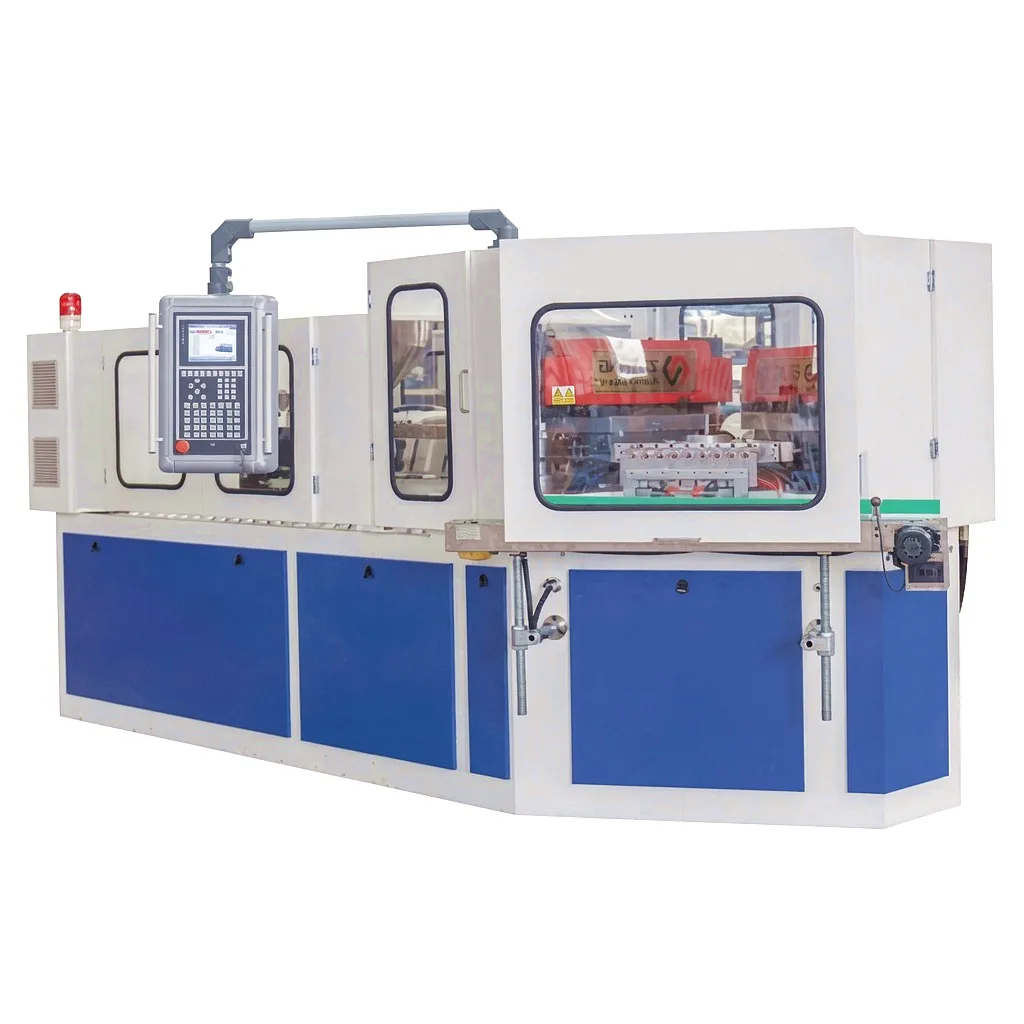
Featured Injection-Blow Molding Machine Models
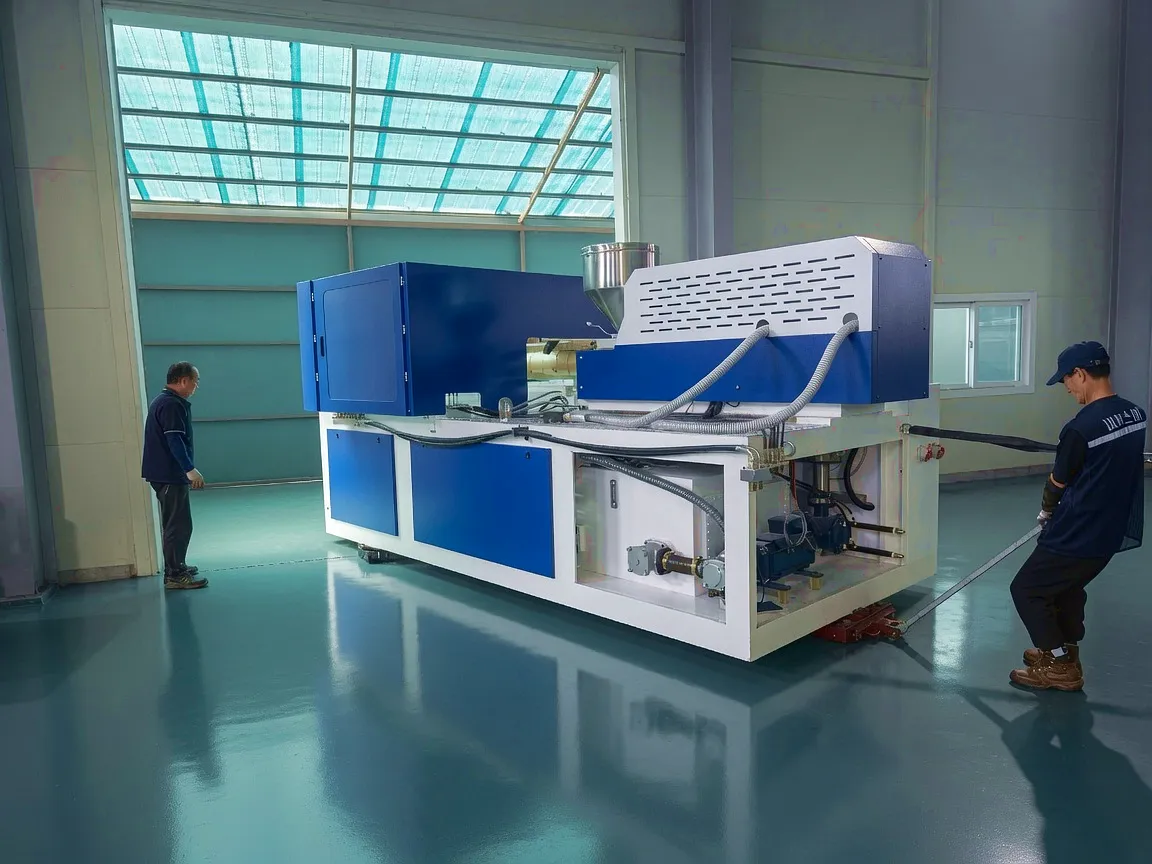
Ever Power’s ZQ series machines are engineered as direct, performance-superior replacements for Uniloy UIB series equipment, with full tooling compatibility and improved energy efficiency.
Customer Success Story: Bridging Agrochemical Packaging Demands in Lincolnshire
AgroPack Solutions Ltd., a mid-sized packaging converter operating from a facility near Boston, Lincolnshire, approached Ever Power in early 2024 facing a critical production challenge. Their existing extrusion-blow moulding line — producing HDPE pesticide concentrate bottles in the 500 ml and 1-litre format — was generating unacceptably high flash scrap rates of approximately 8.5%, and the weld-line failures on finished containers were being flagged by their principal agrochemical customer as a potential UN certification compliance risk. The customer required a solution that would bring wall thickness variation below 0.15 mm, eliminate weld-line weakness, and improve neck thread consistency to enable the introduction of induction-sealed child-resistant closures.
Ever Power’s engineering team conducted a two-day assessment at the Lincolnshire site, reviewing the container specification sheet, the closure compatibility test results, and the HSE hazardous goods classification for the pesticide concentrates involved. The recommendation was the ZQ80 injection-blow molding machine, configured with a four-cavity HDPE tooling set optimised for the 500 ml and 1-litre containers. The machine was specified with servo-electric injection drive, enhanced barrel temperature zoning, and a core rod cooling circuit designed to shorten the demoulding cycle for HDPE by approximately 12%.
Within fourteen weeks of order placement, the ZQ80 was delivered to AgroPack’s Lincolnshire facility, installed with support from Ever Power’s commissioning team, and brought into production qualification over a five-day process validation programme. Finished container wall-thickness variation measured during validation averaged 0.09 mm — well within the 0.15 mm requirement. Flash scrap dropped to under 0.4% of output. The neck thread dimensions qualified against the induction seal closure torque specification on the first trial run. AgroPack’s principal agrochemical customer accepted the container qualification data and proceeded with commercial volume orders within six weeks of machine commissioning. Total line output increased by 22% compared with the previous extrusion-blow setup, with energy consumption per thousand bottles falling by 31% due to the servo-drive efficiency of the ZQ80.
What Our Customers Say
⭐⭐⭐⭐⭐
“The ZQ80 has completely transformed our agrochemical container production. Neck thread consistency is exceptional — we have not had a single closure torque failure since commissioning. Ever Power’s engineering team was responsive at every stage, and the FAT process gave us real confidence before the machine left their factory.”
— Production Director, AgroPack Solutions Ltd., Boston, Lincolnshire
⭐⭐⭐⭐⭐
“We evaluated four IBM machine suppliers before selecting Ever Power for our ZQ60 installation at our Sheffield plant. Their customisation depth was the deciding factor — they were the only supplier willing to engineer the barrel and screw geometry specifically around our PETG serum bottle specification. The optical quality of the finished bottles has impressed our cosmetics client beyond expectation.”
— Technical Manager, Precision Pack UK Ltd., Sheffield
⭐⭐⭐⭐⭐
“Ever Power’s after-sales support is genuinely world-class. When we had a hydraulic pressure irregularity on our machine three months after installation, their remote diagnostics team identified the root cause within two hours and a replacement component was on a courier to our Birmingham facility the same afternoon. Downtime was under 18 hours on a production line that runs six days a week. That kind of supply chain response is what makes the relationship worth maintaining.”
— Operations Manager, Midlands Packaging Group, Birmingham
Frequently Asked Questions
Answers to the questions UK buyers and engineers ask most
How much does a new injection-blow molding machine cost for a UK-based packaging operation, and what factors affect the total price?
The cost of an injection-blow molding machine for a UK buyer typically ranges from £120,000 to £650,000 for the base machine, depending on clamping force, number of cavities, drive technology (hydraulic versus servo-electric), and control system specification. Tooling adds significantly — a four-cavity HDPE set for a 500 ml container can cost between £25,000 and £70,000 depending on steel grade, cavity count, and neck finish complexity. Total installed cost, including auxiliary equipment, commissioning, and CE compliance documentation, generally lands between £180,000 and £900,000. To receive an accurate quote tailored to your specific container requirement and production volume, contact Ever Power directly at [email protected].
What type of containers can an injection-blow molding machine produce for the UK agrochemical and agricultural sector?
An injection-blow molding machine processing HDPE can produce the full range of containers used in UK agrochemical distribution: pesticide concentrate bottles from 250 ml to 5 litres, herbicide bottles, systemic fungicide containers, liquid fertiliser bottles in the 1 to 4-litre range, and ready-to-use (RTU) trigger-spray containers. All of these can be produced with UN-rated wall thickness and closure compatibility for hazardous goods transport, and the IBM neck precision enables child-resistant and induction-sealed closure systems required under UK CLP pesticide labelling regulations.
Which injection-blow molding machine supplier in the UK or internationally can provide a certified replacement for a Uniloy UIB 90 or UIB 120 machine with existing tooling compatibility?
Ever Power’s ZQ60 and ZQ80 injection-blow molding machines are purpose-engineered as direct replacements for the Uniloy UIB 90 and UIB 120 respectively. Both machines offer full tooling compatibility with existing Uniloy UIB tooling libraries, meaning packaging converters can protect their existing mould investment while upgrading to modern servo-drive technology, improved temperature control, and current PLC-based control systems. Machines are CE-marked and supplied with full documentation packages for UK installation. Technical comparison data and compatibility confirmation are available on request.
How long does it typically take to receive and commission an injection-blow molding machine when ordering from an overseas supplier for a UK manufacturing site?
Lead times from order placement to machine delivery at a UK site currently range from 12 to 20 weeks depending on machine configuration complexity, tooling lead time, and shipping mode chosen. Ever Power’s standard delivery process includes factory acceptance testing (FAT) at the manufacturing facility, witnessed by the customer’s engineering representative, followed by sea freight with full containerisation to a UK port. Customs clearance, inland haulage, and on-site installation are coordinated by Ever Power’s UK logistics partners, with a commissioning and training programme of three to five days included in the supply agreement.
Where in the UK are injection-blow molding machines most commonly used, and which industries in Sheffield, Birmingham, or Lincolnshire are the main buyers?
IBM machines are deployed across the UK in packaging converter operations and in-house container production facilities. The highest concentrations are in the East Midlands and Lincolnshire (agrochemical and food packaging), the West Midlands including Birmingham (automotive chemical, personal care, and pharmaceutical), Sheffield and South Yorkshire (industrial chemical containers for the metalworking and engineering sectors), and the M4 corridor near Reading and Bristol (pharmaceutical and nutraceutical packaging aligned with the life sciences cluster). Scotland’s Central Belt also has growing demand, particularly from distilleries, food manufacturers, and animal health product companies.
What is the difference between injection-blow molding and extrusion-blow molding, and why should a UK pharmaceutical or agrochemical company prefer IBM?
Extrusion-blow molding forms a molten tube (parison) that is captured in a mould and blown to shape, inevitably producing a weld seam at the pinch point and requiring deflashing. Injection-blow molding injects the preform around a core rod so there is never a weld seam, and the neck is formed under injection pressure so its geometry is set before the blow stage. For pharmaceutical companies, the elimination of the weld seam removes the principal failure mode of container integrity. For agrochemical producers, it means UN-rated containers can achieve consistent top-load strength without depending on the quality of the pinch-off seal. IBM also produces cleaner containers with no flash contamination risk — significant in pharmaceutical cleanroom environments.
How do I get an accurate price quote for an injection-blow molding machine tailored to my specific UK production requirement and container specification?
The most reliable route to an accurate quotation is to provide Ever Power with your container specification drawing (or sample bottle), resin type, annual production volume, number of SKUs, and information about your available floor space and utilities (electrical supply, compressed air, water cooling). With this information, Ever Power’s applications engineering team can configure the correct machine specification and provide a detailed quotation typically within five to seven working days. Contact the team directly at [email protected] to begin the process.
Ready to discuss your injection-blow molding machine requirement?
Ever Power’s team is ready to configure the right machine for your UK operation — agricultural, pharmaceutical, personal care, or industrial.