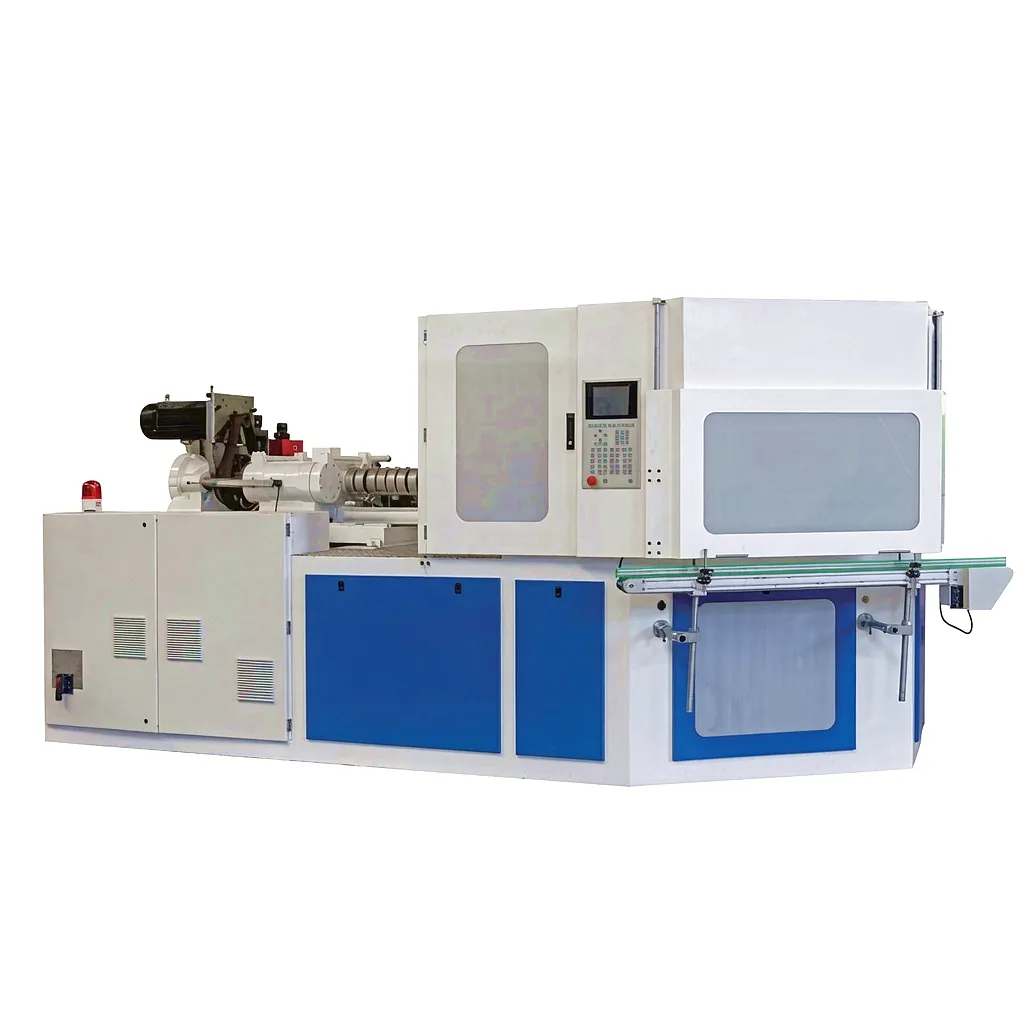
 The injection-blow molding machine represents one of the most significant advances in plastics processing engineering over the past four decades. Combining the dimensional precision of injection molding with the hollow-body capability of blow molding, this technology produces bottles, vials, containers, and complex hollow forms with wall-thickness consistency and surface clarity that no other single process can match. For British manufacturers competing in regulated markets — from pharmaceutical packaging in Sheffield to agrochemical containers in the East Midlands — the performance standards demanded by buyers have risen sharply. Procurement teams in Birmingham and Coventry now specify injection-blow molded components as a baseline expectation rather than a premium option, because the economics of rejection rates, rework costs, and supply chain reliability all point in the same direction. Understanding where and how the injection-blow molding machine creates the most value is essential for any production manager considering a capital equipment upgrade, a contract manufacturer pitching a new customer, or an engineer specifying machinery for a greenfield facility.
How the Injection-Blow Molding Machine Works
Polymer pellets are melted in a plasticating screw and injected under pressure into a precision injection mold, forming a parison — a hollow preform with a fully finished neck and thread. Unlike extrusion blow molding, the injected parison carries extremely accurate wall-thickness distribution from the outset, which carries through to the final article. The neck geometry, including thread form, sealing surface, and tamper-evident lug positions, is set at this stage and is never deformed in subsequent operations.
The preform, still retained on its core rod and at the precise temperature for blow molding, rotates or indexes to the blow station. Temperature homogeneity across the parison wall at this transfer moment is what separates a well-engineered injection-blow molding machine from a mediocre one. Tight control of the conditioning dwell time, combined with precise tooling geometry, ensures that the polymer is in its ideal biaxial stretchability window when blow air is introduced.
Compressed air inflates the parison against the cavity walls of the blow mold. The core rod constrains the interior geometry while the blow mold defines the exterior. Because the neck and thread were already formed in the injection stage and do not participate in the blow deformation, these critical features retain their dimensions with tolerances commonly tighter than ±0.1 mm — a standard virtually unachievable by any competing hollow-body process.
The finished part is stripped from the core rod at the ejection station. Unlike extrusion blow molding, there is no pinch-off weld line and no trimming of flash, so every part exits the machine fully finished and inspection-ready. Scrap rates on a correctly set-up injection-blow molding machine are routinely below 0.5% in steady-state production — a figure that directly impacts the cost-per-unit economics across large production runs and makes the process highly attractive for high-value pharmaceutical and personal care applications.
Core Materials Processed
The injection-blow molding machine is inherently a thermoplastic process, and its ability to handle a wide spectrum of polymer grades is one of the reasons it has secured such a strong position in British manufacturing. Material selection governs container clarity, chemical resistance, mechanical performance, regulatory compliance, and recyclability — and the machine’s temperature-controlled barrel, screw geometry, and tooling must be matched to each polymer’s rheological window.
Outstanding clarity and barrier properties. Primary material for pharmaceutical vials, cosmetic bottles, and food-grade containers across the UK market.
Excellent chemical resistance for agrochemical, industrial chemical, and household products. Widely specified by UK agrochemical packagers in the East Midlands and Yorkshire.
Suitable for hot-fill applications and sterilisable packaging. Growing adoption in UK medical device packaging and food-contact applications requiring high temperature tolerance.
Bio-PET and PLA grades are gaining traction in UK sustainability-driven packaging briefs. Ever Power machines support these materials with dedicated screw configurations and drying systems.
Application Scenario: Agriculture & Crop Protection — Pesticide, Herbicide, Fungicide, and Liquid Fertiliser Containers
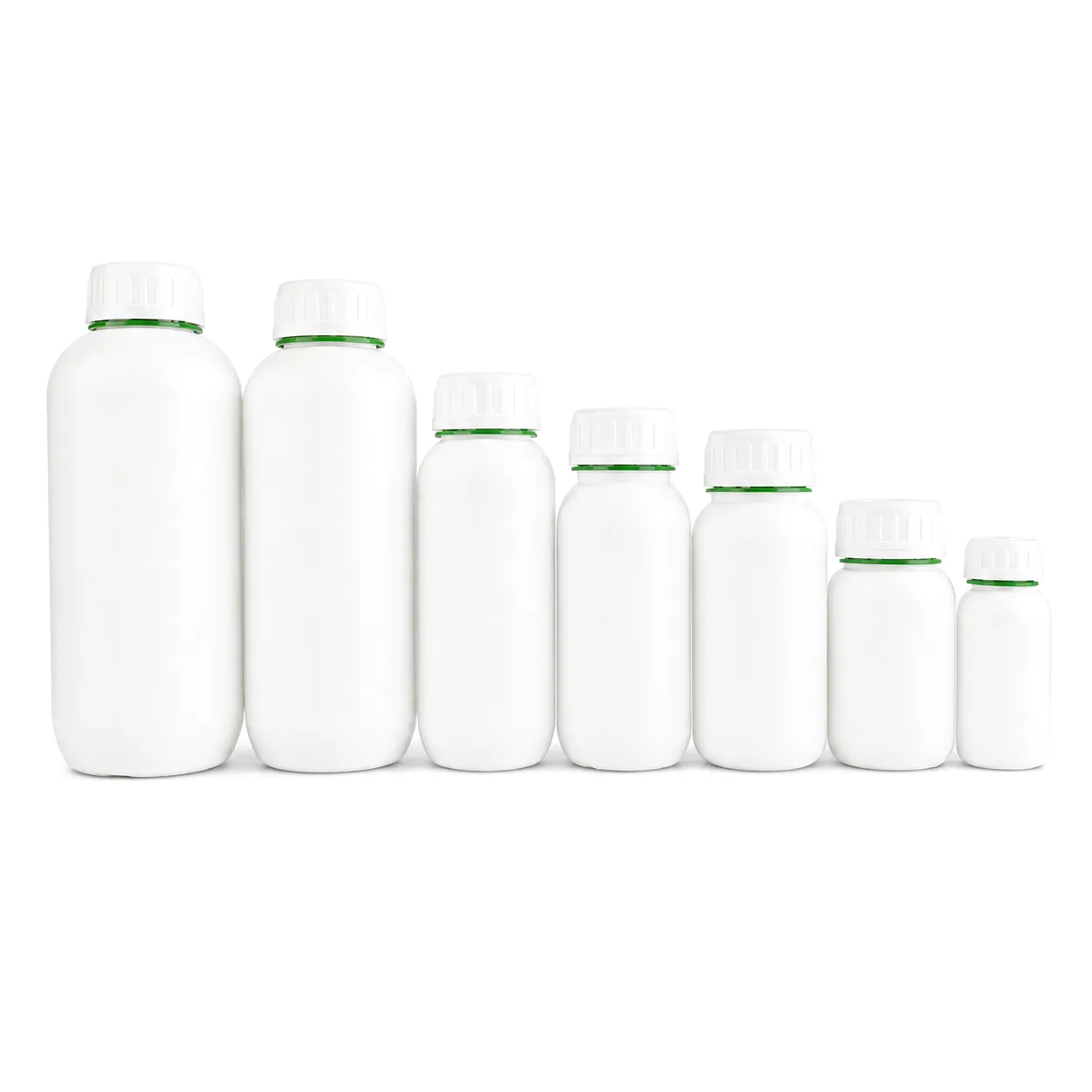 The United Kingdom’s agricultural sector remains one of the more technically demanding markets for chemical packaging in Europe. Stringent regulatory frameworks — including the Control of Pesticides Regulations and the Biocidal Products Regulation as retained in UK law post-2020 — set extremely tight requirements for container integrity, chemical compatibility, seal quality, and labelling surface finish. Against this backdrop, the injection-blow molding machine has become the production platform of choice for agrochemical container manufacturers serving farming cooperatives, distributors, and retailers from the Scottish Highlands to the fields of East Anglia.
Herbicide Bottles
Fungicide Containers
Liquid Fertiliser Bottles
RTU Spray Containers
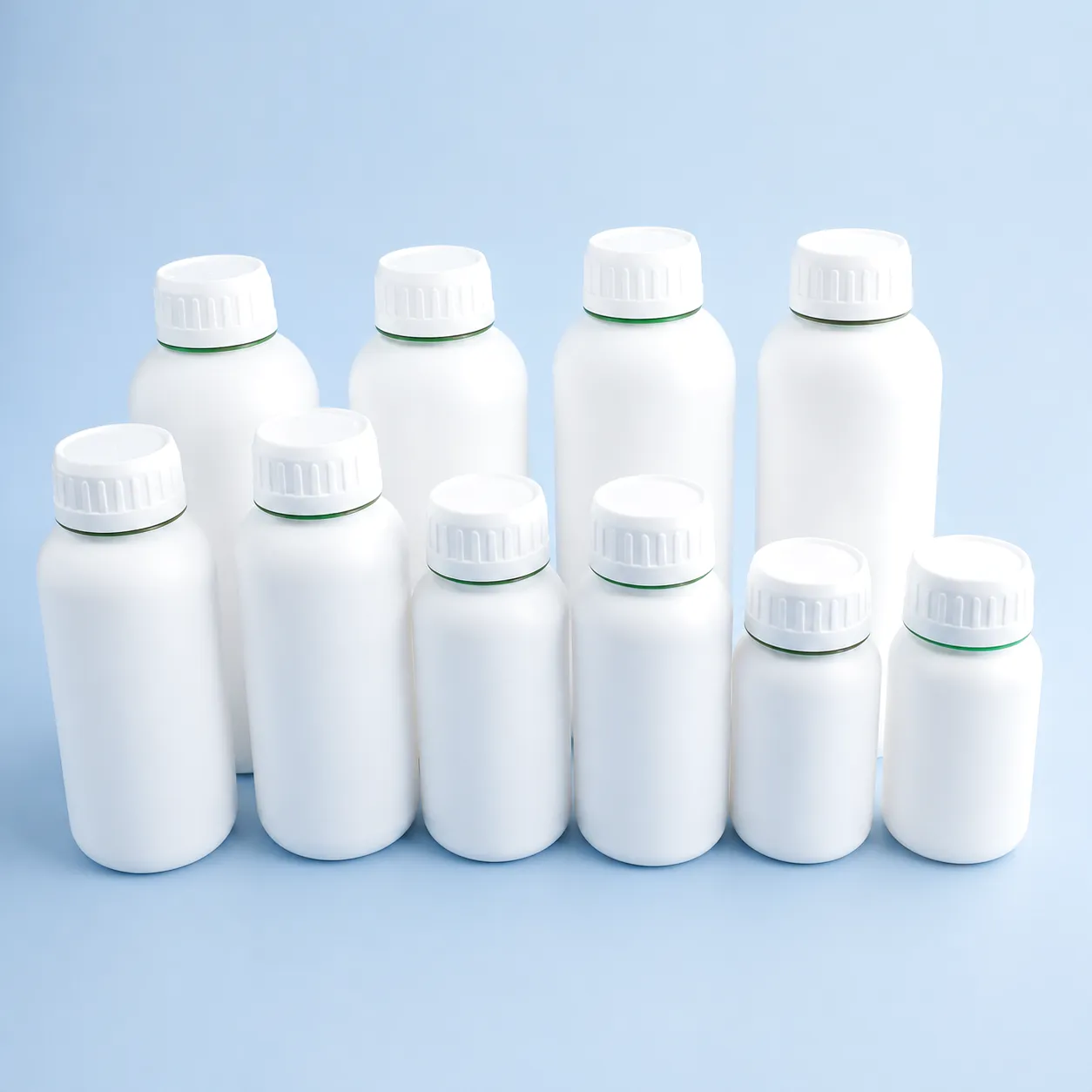 For liquid fertiliser bottles in the 1 to 5 litre range, the market in the UK has moved decisively toward HDPE containers with a natural or translucent white finish and a panel geometry that allows level visibility. This is an area where the injection-blow molding machine’s ability to achieve thin, uniform side walls with consistent panel geometry gives it a clear edge over alternatives. Agricultural chemical manufacturers supplying the UK retail garden sector — a significant and growing channel concentrated around distribution hubs in Peterborough, Northampton, and Swindon — need containers with a labelling surface that is flat, clean, and dimensionally consistent enough for high-speed pressure-sensitive label application. Injection-blow molded containers deliver this as a process output rather than as a secondary finishing step.
Additional High-Value Application Sectors
 The medical device packaging sector in the UK has seen accelerating specification of injection-blow molded containers since the adoption of the UK Medical Devices Regulations 2002 (as amended) and the ongoing alignment with MDR 2017 for market access purposes. Sample collection containers, reagent bottles, diagnostic kit component vials, and point-of-care test device housings represent a category where dimensional repeatability is not merely a quality metric but a patient safety requirement. A reagent bottle whose neck thread varies by more than 0.15 mm will not seal reliably against an automated dispenser, creating the risk of reagent contamination that could affect diagnostic accuracy.
Core Technical Advantages of the Injection-Blow Molding Machine
Parts exit the machine fully finished. No secondary trimming, deflashing, or cleaning operations are required, reducing labour, contamination risk, and conversion cost per unit.
The injection-formed neck is never deformed during blow. Thread and sealing surface tolerances are repeatable across millions of cycles, enabling reliable automated capping and sealed closure performance.
Continuous molecular structure throughout the container body eliminates the stress concentration points that cause weld-line failure in extrusion-blow alternatives — critical for chemical resistance, drop performance, and UN hazardous goods certification.
Steady-state scrap rates below 0.5% are achievable across a correctly optimised injection-blow molding machine, dramatically reducing material waste relative to alternative hollow-body processes.
PET containers produced on injection-blow molding machines achieve transparency levels competitive with glass. The rapid quench of the mold surface suppresses crystallinity in PET, producing water-clear articles essential for pharmaceutical and premium personal care applications.
PET, HDPE, PP, PS, and emerging bio-based polymers can all be processed with appropriate tooling and barrel configuration, giving manufacturers the flexibility to serve multiple market segments from a single equipment platform.
Technical & Performance Parameters
Ever Power: Precision Manufacturing & Global Supply Chain
Ever Power has established itself over two decades as a specialist manufacturer of injection-blow molding machines for the global B2B market, with a particular strength in serving European customers whose regulatory environment demands documented process performance rather than simply machine specifications. Ever Power’s manufacturing facility operates a vertically integrated model: machining centres, heat-treatment equipment, injection mold testing stations, and assembly halls are all within a single controlled environment, which eliminates the supplier-chain quality risks that affect equipment assembled from distributed subcontracted components. Every machine undergoes a comprehensive factory acceptance test, including dimensional verification of all tooling interfaces, full-cycle production trials, and documentation of cycle time, part weight consistency, and neck dimension Cpk against a pre-agreed performance specification before despatch.
Ever Power’s customisation capabilities extend far beyond colour or branding. Engineering teams routinely modify clamping force, plasticating capacity, station geometry, and control architecture to accommodate customer-specific requirements. For a UK pharmaceutical customer specifying a clean-room-compatible machine for installation in a Grade D processing area, Ever Power engineers the drive enclosure, cable management, and surface finishes to comply with contamination-control requirements before a single line of documentation is submitted to the customer’s validation team. For an agrochemical container producer seeking to run HDPE grades with post-consumer recycled content, Ever Power selects and validates appropriate screw geometries and barrel wear packages that maintain consistent melt quality on variable-viscosity regrind streams.
Supply chain reliability for UK customers is a topic Ever Power takes seriously. Standard spare parts are held in a European logistics hub with next-day despatch to UK addresses via established freight routes. Field service engineers are available for installation and commissioning, with remote diagnostic connectivity available on all current-generation machines allowing Ever Power’s service team to review live machine data in support of remote fault finding and process optimisation. For UK customers operating on tight production schedules, this level of after-sales infrastructure is not a peripheral consideration but a core part of the total cost of ownership equation.
- Factory acceptance test with documented Cpk data
- European spare parts hub — next-day UK delivery
- Clean-room and hazardous-area machine variants
- rPET and bio-polymer validated configurations
- Remote diagnostic and service connectivity
- CE marking and full technical documentation
- Dedicated project engineering for custom briefs
Standard configurations: 12–16 weeks from order confirmation. Custom engineering projects: schedule confirmed at quotation stage. Tooling lead times quoted separately based on cavity count and geometry complexity.
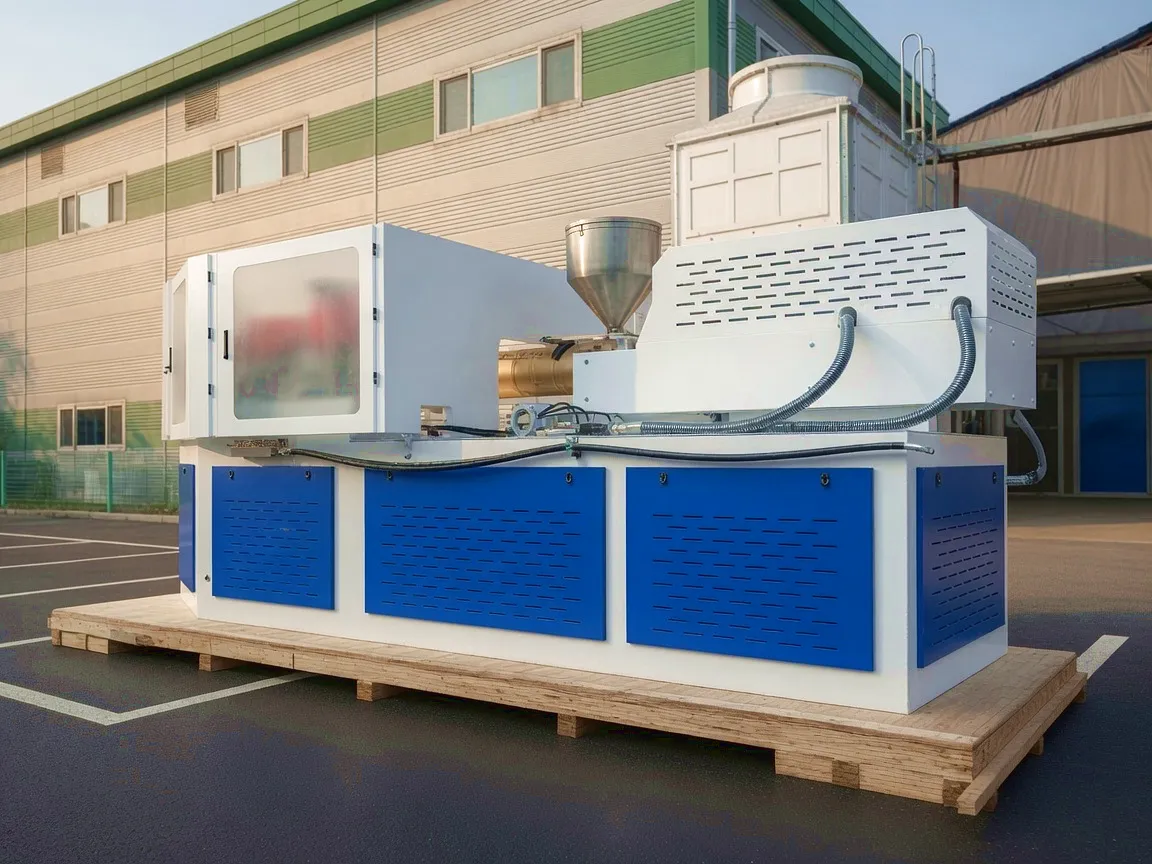
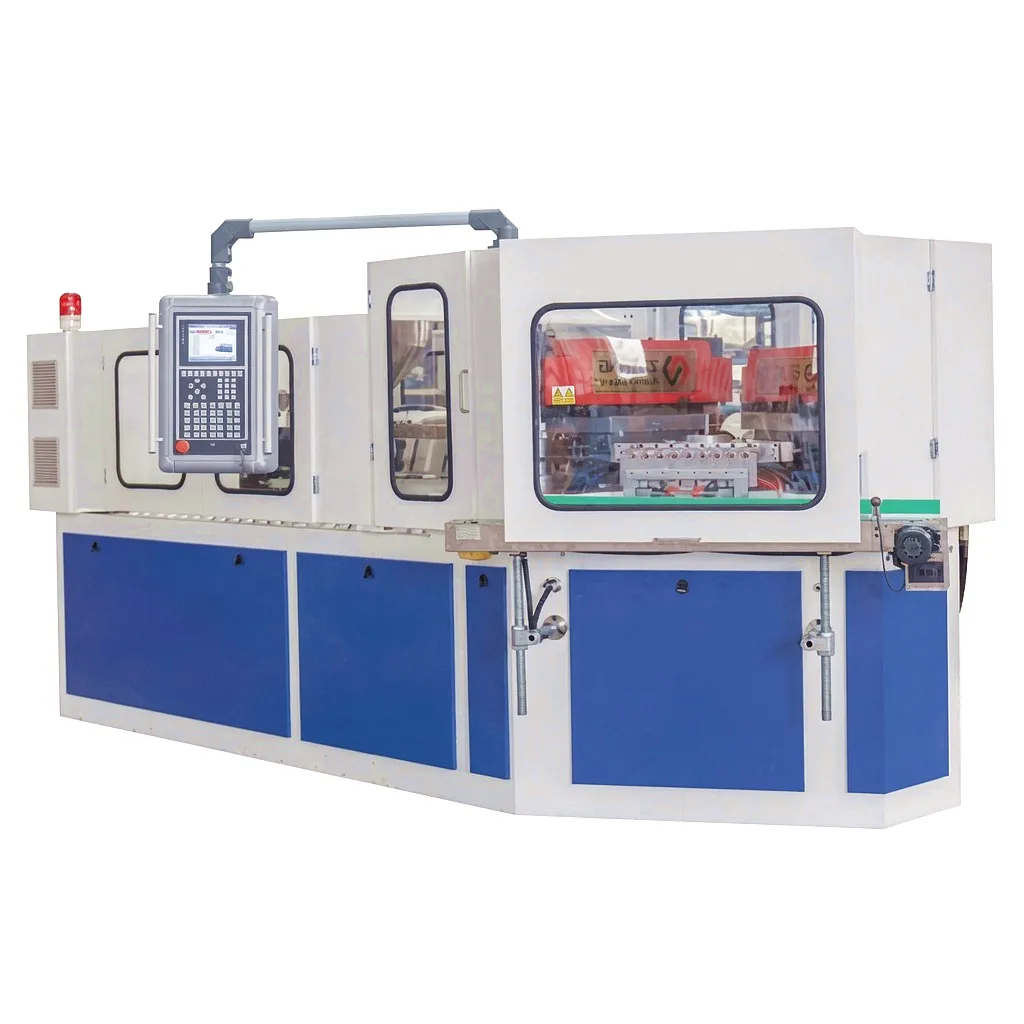
Featured Injection-Blow Molding Machines
Complete System & Auxiliary Equipment
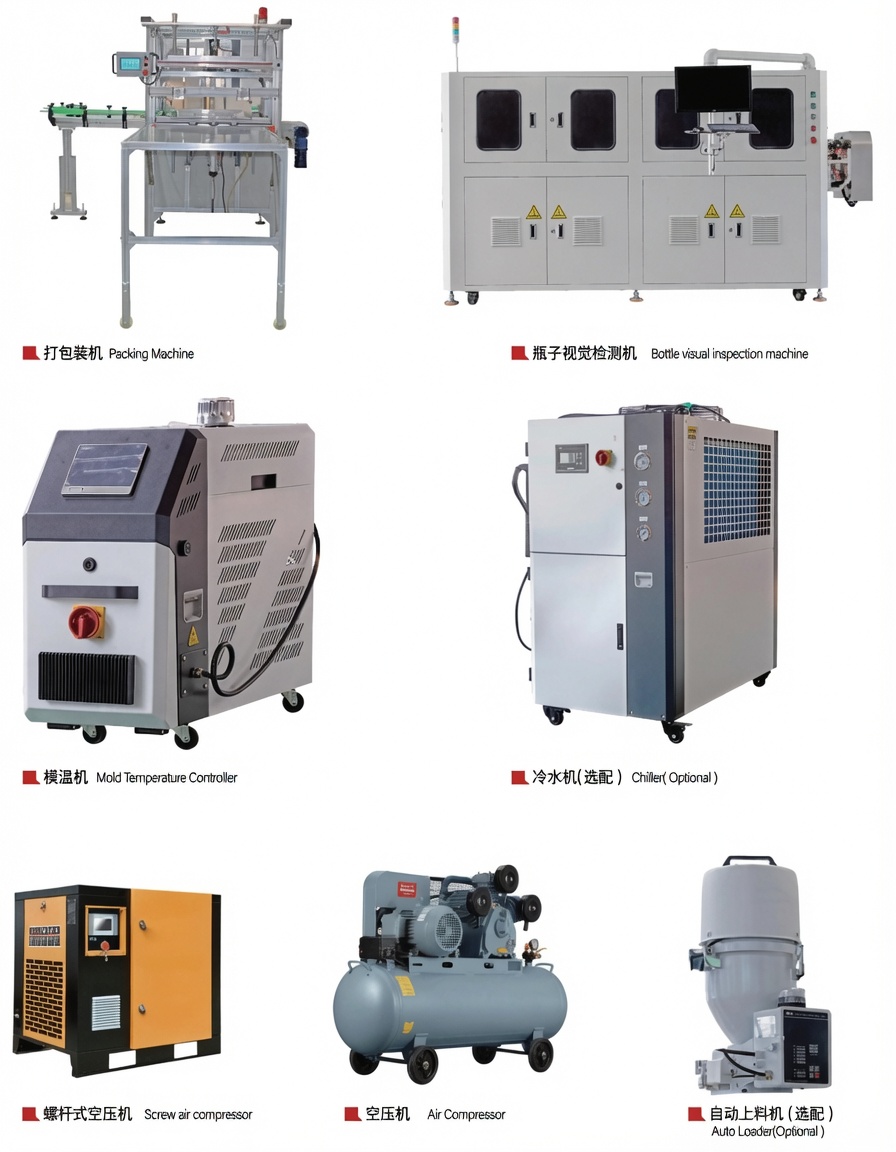
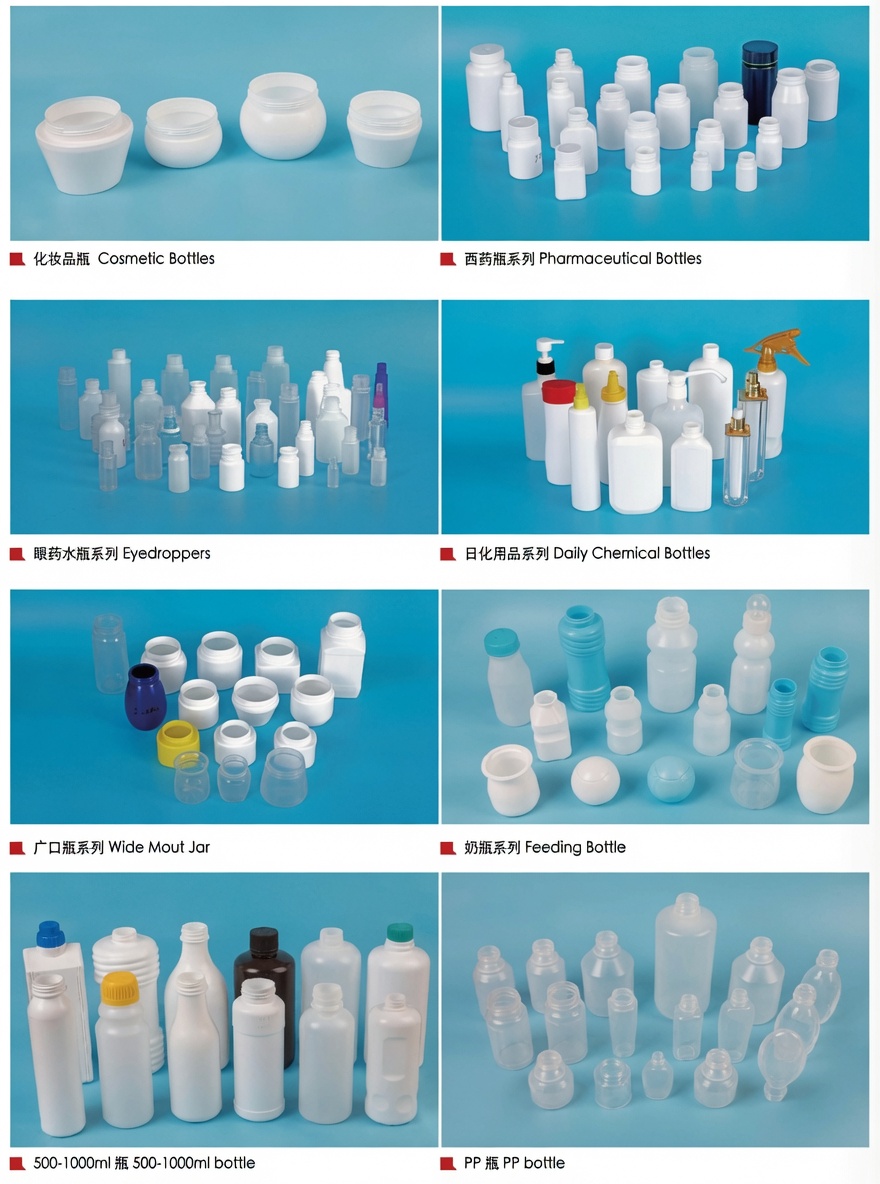
Ever Power supplies injection-blow molding machines as part of complete turnkey production systems, including material drying and conveying systems, temperature control units, chilled water circuits, air compressors, conveyors, and vision inspection systems. UK customers benefit from Ever Power’s established relationships with European auxiliary equipment suppliers, allowing single-source procurement and integrated system commissioning.
Customer Success Story: Agrochemical Packaging, East Midlands, UK
A mid-sized contract packaging business in Nottingham specialising in agrochemical and industrial chemical filling had been operating a fleet of legacy extrusion blow molding machines. When the client began losing contracts to competitors offering injection-blow molded containers — specifically because of the neck-dimension consistency required by trigger-spray fitments and induction-seal closures — they approached Ever Power through their UK distribution contact for a capacity evaluation.
After a detailed production audit, Ever Power proposed a pair of ZQ80 machines configured for HDPE and a secondary material set for PP, with a shared tooling system designed to cover the client’s twelve active SKUs in volumes from 500 ml to 2 litres. Ever Power’s engineering team provided full DFM (design for manufacture) support for the client’s existing container specifications, identifying and resolving two neck-finish designs that would have caused intermittent seal failures on their existing filling line before tooling was ever cut. This upstream engineering engagement — at no additional charge — removed a significant project risk that the client had not anticipated.
Commissioning was completed within fourteen days of machine delivery, with Ever Power’s field service engineer on-site throughout. Within six weeks of entering production, the Nottingham facility was running at 96% overall equipment effectiveness (OEE) against the contracted output schedule, with a neck-dimension Cpk of 1.85 documented across all twelve tooling sets. The client recovered two lost contracts within three months and has since expanded to a third ZQ80 to meet increased demand from UK agricultural retailers distributing spring season crop protection products.
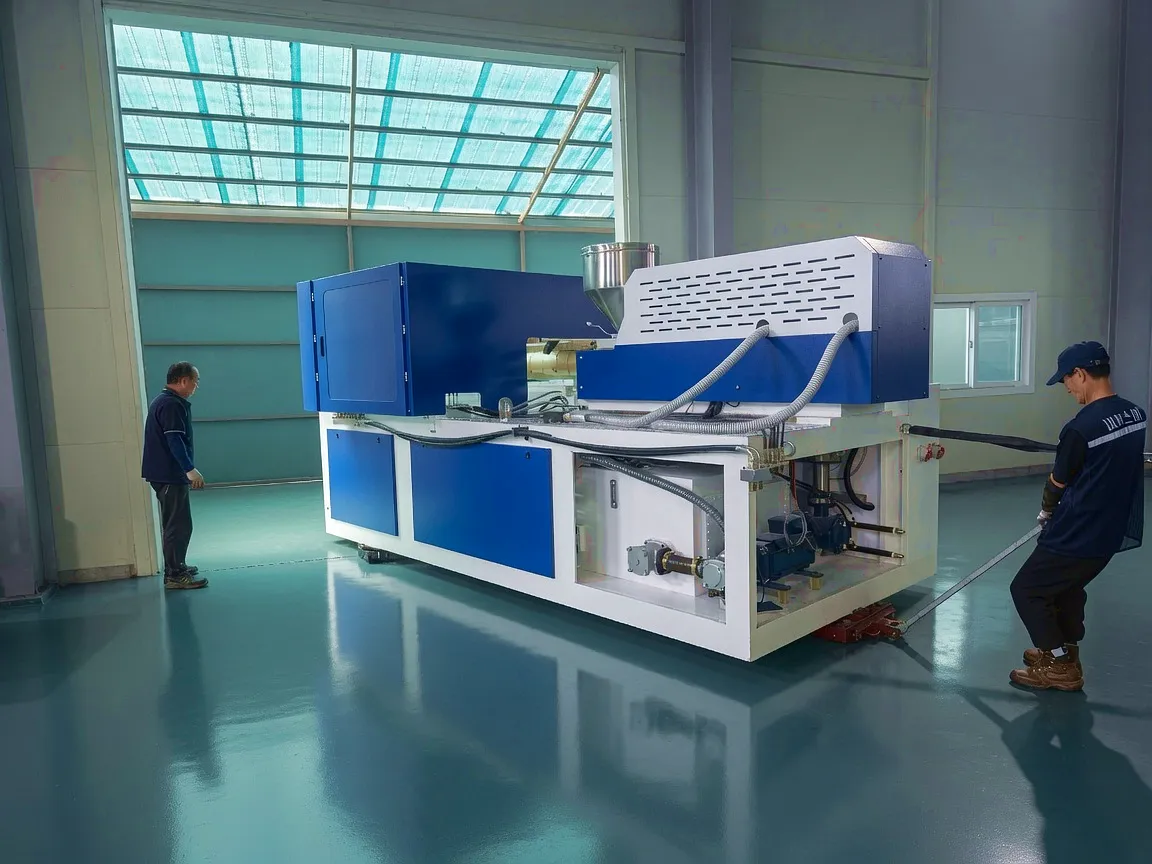
“The neck dimension consistency on the ZQ80 is genuinely in a different class from what we were getting on our old extrusion line. We went from averaging one failed seal audit per week to zero in the first two months. Our agricultural chemical customer has since expanded the contract on the strength of that audit performance.”
“Ever Power’s DFM support ahead of tooling cut saved us a significant project risk. Their engineers spotted a neck-finish incompatibility that our own packaging team had missed entirely. That kind of pre-sales engineering engagement tells you a great deal about how a supplier operates.”
“Parts availability from Ever Power’s European hub has been excellent — we’ve never waited more than 48 hours for a replacement component, which on a 24-hour production facility is the difference between a maintenance event and a production loss. The remote diagnostics feature has allowed Ever Power’s service team to guide our technicians through a process issue remotely in less than two hours.”
Frequently Asked Questions
Contact Ever Power’s UK-experienced sales team for a technical consultation, compatibility check, and detailed quotation tailored to your production requirements.