Blow Moulding Process Comparison: IBM vs EBM vs ISBM vs Extrusion
Understanding the fundamental differences between blow moulding technologies is essential for UK pharmaceutical producers making capital equipment decisions.
For pharmaceutical packaging specifically, the IBM blow moulding machine offers a decisive edge that the other three methods cannot match simultaneously. The injection blow moulding process produces a preform in a closed cavity under controlled temperature and pressure — there is no exposed parison, no contamination window, and no need for post-mould trimming that could introduce particulate matter. This is why regulatory frameworks such as EU GMP Annex 1 and the MHRA’s guidance on sterile medicinal products consistently favour injection blow moulding for small-format pharmaceutical containers including eye drops, topical medications, oral liquids, and inhalation solution bottles. The closed-loop nature of the IBM process also means that no residual flash or seam weld is generated, a critical advantage when container integrity is subject to pharmacopoeia leakage testing under Ph. Eur. and USP standards.
Working Principle of the IBM Blow Moulding Machine
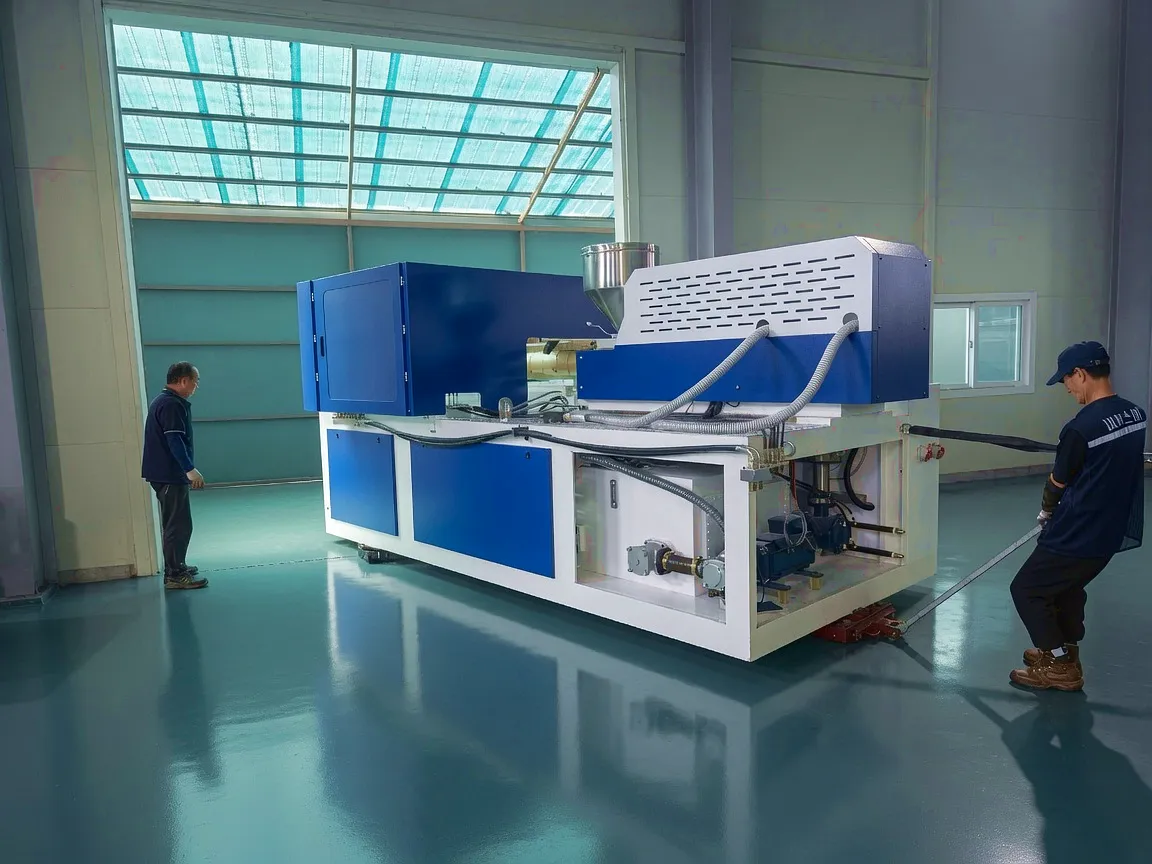
Polymer is injected onto the core rod at controlled temperature. Preform geometry and neck finish are formed to final dimensions. No secondary neck machining required.
Compressed air inflates the preform within the blow cavity. Container body geometry, wall thickness, and base configuration are finalised with dimensional repeatability of ±0.05 mm.
Finished container is stripped from the core rod under controlled mechanical release. No trimming, no flash removal. Container exits clean and ready for pharmaceutical filling lines.
Wall Thickness Uniformity Control and Preheating Temperature Curves
Wall thickness uniformity in pharmaceutical containers is not merely an aesthetic concern — it governs oxygen and moisture transmission rates (OTR and WVTR), mechanical drop resistance, and the integrity of the container-closure system under USP and Ph. Eur. testing protocols. In an IBM blow moulding machine, wall thickness is principally controlled at the preform design and injection stages, rather than through downstream manipulation. Because the preform is fully enclosed on the core rod when blowing occurs, there is no opportunity for localised thinning caused by gravity-driven parison sag — a common failure mode in extrusion blow moulding that demands costly wall thickness programming systems. IBM containers consistently achieve wall thickness coefficients of variation (CV) below 5%, compared to 10–18% in extrusion blow moulding. For pharmaceutical vials in the 5 mL to 500 mL range, this level of consistency directly reduces the frequency of container failures during automated inspection, reducing scrap rates and improving OEE on filling lines.
The preheating temperature profile of the injection unit is central to achieving consistent preform quality. For HDPE pharmaceutical containers, barrel temperature zones are typically set in a rising profile: rear zone 160–175°C, middle zone 195–210°C, front zone 215–230°C, with nozzle temperature maintained at 220–235°C. These values create a melt with a consistent viscosity index that fills the injection cavity without hesitation marks or cold slugs. The mould itself is cooled via a precision water-circuit to 8–15°C, allowing the preform to solidify rapidly without internal stress concentration. Deviating from these temperature windows — even by ±5°C in the critical front zone — can produce gate blush, incomplete fill, or haze in transparent LDPE containers used for ophthalmic preparations, making temperature control instrumentation a non-negotiable performance feature in pharmaceutical IBM equipment.
160–175°C
195–210°C
215–230°C
220–235°C
8–15°C
Below 5%
10–18%
±0.05 mm
Core Materials Used in Pharmaceutical IBM Blow Moulding
Product Technical & Performance Specifications
Representative IBM blow moulding machine parameters for pharmaceutical container production
Mould Design and Bottle Profile Optimisation for Pharmaceutical Containers
One-Step Blow Moulding for Pharmaceutical Packaging: Industrial Application Scenarios
IBM blow moulding machines serve a wide range of pharmaceutical sub-sectors across the UK, from contract packaging in Merseyside to OTC healthcare product manufacturing in the East Midlands.
LDPE eye-drop containers in the 5–15 mL range represent one of the most demanding IBM applications. Container clarity must allow visual inspection of the liquid, the squeeze flexibility must deliver a controlled micro-dose of 35–50 µL per drop, and the tip orifice geometry must be moulded to within ±0.05 mm to ensure consistent drop size. IBM blow moulding machines producing ophthalmic containers at facilities such as those serving Boots Opticians supply chains in Nottingham use cleanroom-rated equipment with HEPA-filtered blow air systems to maintain particulate count below ISO Class 7 (ISO 14644-1). The container-closure system, including the moulded tip and separately supplied LDPE dropper tip or PP dispensing nozzle, must pass sterile barrier testing under EN ISO 11607-1.
HDPE bottles in the 50–500 mL range for antibiotics in suspension, paediatric syrups, and antacid suspensions represent the highest volume IBM pharmaceutical application in the UK. Production facilities operating for NHS supply contracts — particularly those serving distribution hubs in Manchester and Bristol — require IBM equipment capable of sustained output at 15,000–40,000 bottles per shift. The IBM blow moulding machine’s ability to produce these containers with child-resistant closure (CRC) compatible neck finishes directly from the mould, without secondary trimming, makes it the preferred technology for pharmaceutical producers operating under the DUMBBELL agreement’s packaging regulations. Tamper-evident neck bands can also be moulded-in during the IBM process in certain tooling configurations.
LDPE or PP squeeze bottles for nasal saline sprays, decongestants, and anti-allergy formulations require the combination of squeezability and chemical inertness that IBM containers deliver. The injection blow moulding process achieves the thin wall sections needed for comfortable patient handling — typically 0.35–0.65 mm body wall — while maintaining the structural rigidity necessary to survive filling-line transport, shelf display, and patient drop incidents. UK manufacturers producing seasonal allergy preparations for pharmacy multiples including Lloyds Pharmacy and Superdrug require rapid format changes between 10 mL and 30 mL container variants, making flexible IBM tooling with quick-change core rod assemblies a key commercial differentiator in this application.
COC/COP and PET IBM containers are deployed for diagnostic reagents, urine sample collection bottles, enzyme solutions, and culture media across the UK clinical and life sciences sector, concentrated around science parks in Cambridge, Oxford, and the Golden Triangle corridor. These containers demand optical clarity to allow colorimetric analysis of contents without removing the cap, extremely low extractables to avoid assay interference, and dimensional precision at the thread to seal against automated pipetting and cap-removal systems. IBM blow moulding machines producing these containers operate under pharmaceutical-grade GMP conditions with full process documentation and batch traceability, supporting the audit trails required for CE-marked IVD containers under the UK MDR 2002 (SI 2002/618) framework.
HDPE and PP IBM containers for antiseptic washes, medicated shampoos, wound irrigation solutions, and prescription topical creams are produced at scale for both hospital supply chains and OTC retail pharmacy channels across Yorkshire and the Humber and the North West. These containers often require multiple colour variants for product differentiation within dosage ranges, and IBM tooling with interchangeable blow cavities allows rapid colour changeovers from natural HDPE through coloured masterbatch formulations. The robustness of the IBM process means that even heavily pigmented HDPE maintains its dimensional stability and chemical resistance profile, with colour masterbatch concentrations up to 3% by weight having no measurable impact on container wall thickness distribution or oxygen transmission performance.
The veterinary pharmaceutical sector — concentrated in agricultural counties such as Lincolnshire, Herefordshire, and the Scottish Borders — requires IBM-produced HDPE bottles for dewormers, vaccines in suspension, antiseptic wound preparations, and nutritional supplements. These containers are subject to MHRA Veterinary Medicines Directorate (VMD) requirements and must demonstrate equivalence with human pharmaceutical container performance under compatibility testing. IBM blow moulding machines serving veterinary pharmaceutical clients typically produce multi-cavity 100 mL to 1,000 mL containers with screw closures engineered to operate after repeated opening and closing cycles — a critical durability requirement for farm-use veterinary preparations used over extended treatment programmes.
Core Technical Advantages of the IBM Blow Moulding Machine
Why leading UK pharmaceutical manufacturers specify injection blow moulding for primary container production.
No parison trimming or flash removal eliminates the primary particulate contamination risk associated with EBM. Particularly critical for ophthalmic and parenteral adjacent applications where particulate limits are enforced under Ph. Eur. 2.9.19.
Neck finish OD tolerance of ±0.03 mm, achieved directly from the injection mould, ensures consistent closure torque values critical for CRC compliance and tamper-evidence performance across millions of production cycles without tool degradation impacting specification.
The IBM process requires no open parison formation, minimising environmental exposure of molten polymer. Compatible with GMP cleanroom deployment under EU GMP Annex 1, with HEPA blow air options supporting ISO Class 7 and 8 environments.
Servo-driven hybrid IBM machines reduce energy consumption to 15–95 kW depending on output size, delivering 30–40% savings compared with traditional full-hydraulic IBM equipment — a significant operational cost reduction for continuous production environments in the UK, where industrial electricity costs exceed 25p/kWh.
A single IBM machine platform can process HDPE, LDPE, PP, and COC with screw changes and temperature profile adjustment, enabling pharmaceutical packagers to serve multiple product categories and clients from a single equipment investment without separate dedicated production lines.
With cycle times as low as 4 seconds on smaller vials and cavity counts up to 18 per station, IBM blow moulding machines achieve outputs of 10,000–40,000 containers per hour in pharmaceutical configurations — delivering class-leading production density per square metre of factory floor space.
Common Faults and Troubleshooting in IBM Blow Moulding
Energy Consumption Optimisation and Retrofit Upgrades
Ever Power IBM Machine Models for Pharmaceutical Packaging
Two proven European-specification injection blow moulding machines engineered for pharmaceutical container production.
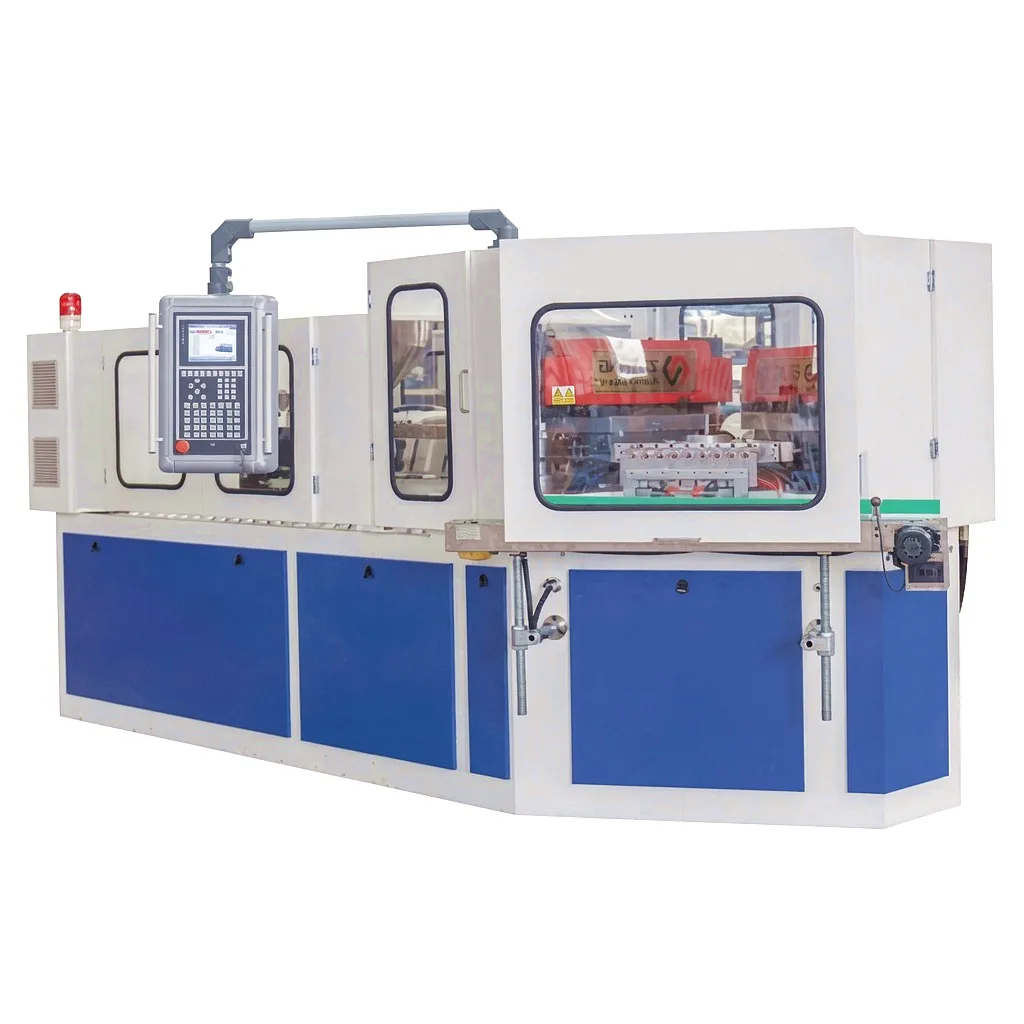
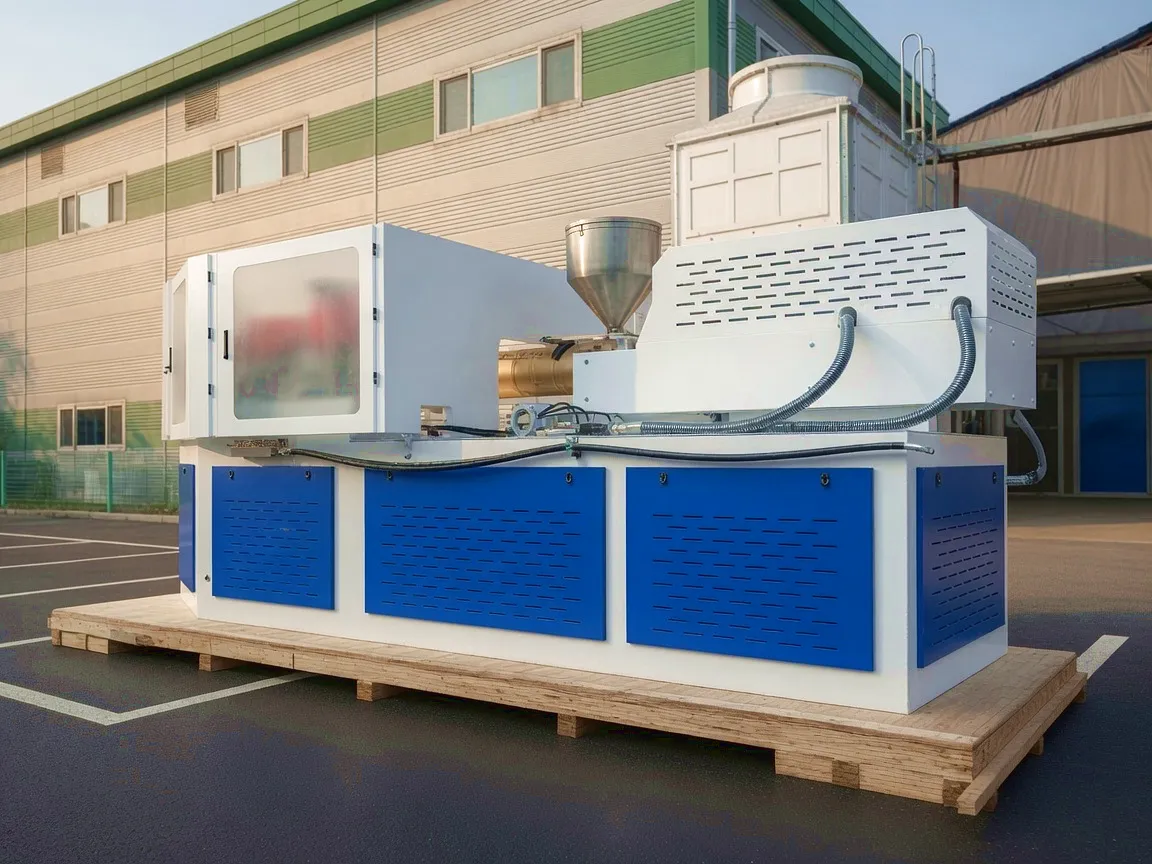
The ZQ60 represents Ever Power’s high-output pharmaceutical IBM solution, with a 60-tonne injection clamping force configuration suited to multi-cavity pharmaceutical tooling producing HDPE oral liquid bottles, PP vials, and LDPE ophthalmic containers up to 250 mL. Incorporating European-standard servo-drive architecture, the ZQ60 achieves 30–40% energy savings over conventional hydraulic IBM equipment. Its precision index table — servo-actuated to ±0.02 mm positioning accuracy — ensures cavity alignment consistency across millions of cycles without recalibration, making it the equipment of choice for pharmaceutical manufacturers seeking validation-stable, long-term production platforms.
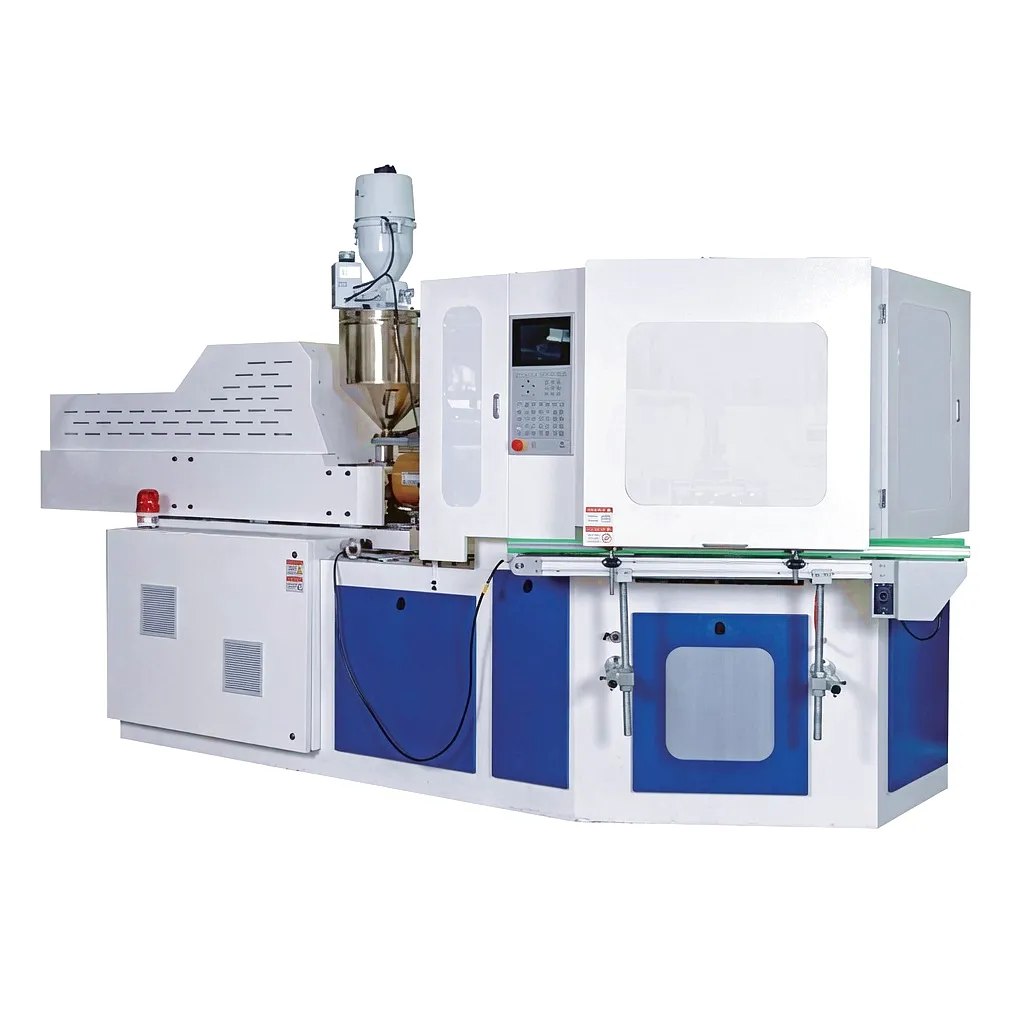
The ZQ40 offers 40-tonne injection clamping in a compact European-standard footprint, making it the ideal first pharmaceutical IBM investment for UK-based contract packaging organisations and emerging pharma manufacturers with limited floor space. Designed for container volumes from 5 mL to 150 mL, the ZQ40 excels in eye-drop bottle production, nasal spray containers, and small oral dose vials. Its quick-change core rod system reduces tooling changeover time to under 45 minutes, enabling contract packers to run multiple client container formats across a single daily shift — directly improving equipment utilisation rates and commercial margin on short-to-medium pharmaceutical production runs.
Ever Power: Precision Manufacturing and Custom IBM Solutions
Your strategic manufacturing partner for pharmaceutical IBM equipment — from concept to commissioning, backed by a global supply chain.
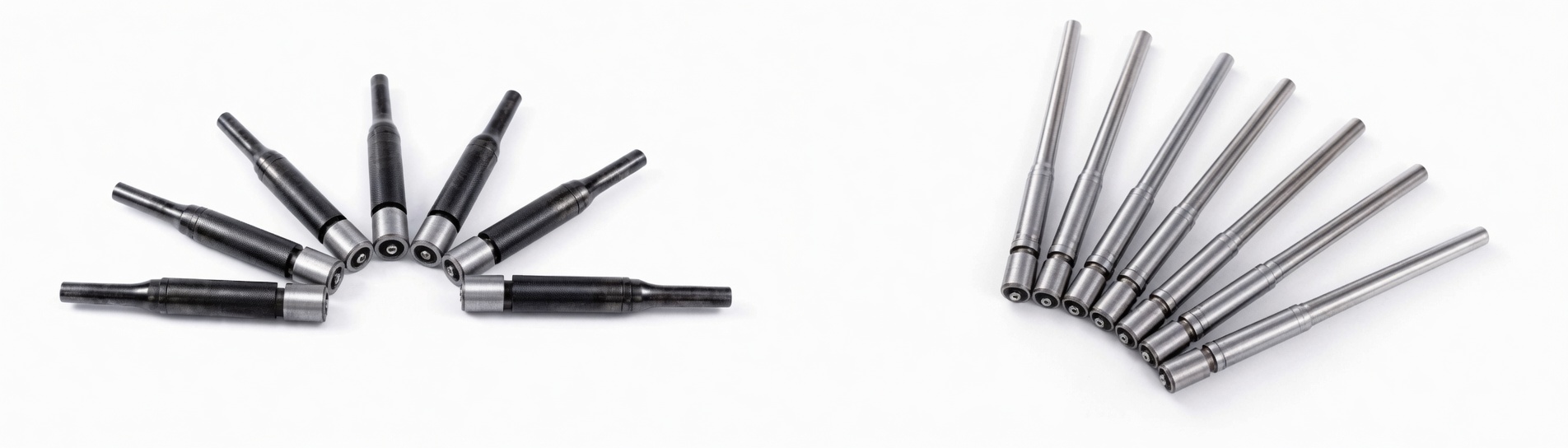
Ever Power’s dedicated IBM manufacturing facility operates CNC machining centres, EDM wire cutting, and CMM inspection equipment to produce injection mould cavities, core rods, and blow moulds to tolerances of ±0.005 mm — the foundation of pharmaceutical container dimensional consistency.
Ever Power engineers work directly with pharmaceutical packaging teams to customise cavity count, core rod geometry, neck finish dimensions, barrel screw design, and control system integration — producing bespoke IBM solutions that match your container specifications, regulatory requirements, and production line integration needs precisely.
Ever Power maintains a dedicated European logistics programme with sea-freight groupage services to major UK ports including Felixstowe and Southampton, with confirmed 12–14 week delivery windows. UK-based installation supervision, commissioning, and operator training packages are available, including validation documentation support for IQ/OQ/PQ protocols required under pharmaceutical GMP.
Ever Power’s vertically integrated supply chain — covering steel procurement, precision machining, hydraulic and servo-drive assembly, and electrical integration — provides lead-time certainty and component quality traceability that independently sourced multi-vendor supply chains cannot match, backing every pharmaceutical IBM machine delivery with a 24-month parts warranty.
Customer Success Story: Pharmaceutical Contract Packer, Sheffield
Contract Pharmaceutical Packaging
NHS Supply Chain
 A Sheffield-based pharmaceutical contract packaging company operating three filling lines for NHS-branded oral liquid antibiotics and paediatric analgesic suspensions was facing increasing container rejection rates on their ageing all-hydraulic IBM equipment, originally installed in 2009. Neck thread variation on their 100 mL antibiotic bottles was exceeding ±0.08 mm — above the tolerance threshold for their child-resistant closure supplier — and wall thickness coefficient of variation had crept to 11.4%, producing batch failure rates of 2.7% on automated vision inspection. The production team had already exhausted the adjustment range of their existing machine’s temperature and pressure controls, and a growing NHS contract requiring 2.4 million bottles per annum required a reliable, compliant solution.
After engaging Ever Power’s application engineering team, a customised ZQ60 IBM blow moulding machine was specified with an 8-cavity pharmaceutical-grade HDPE toolset, S136H stainless injection cavities, servo-driven index table, and an integrated PID temperature control system with six independently regulated barrel zones. Ever Power conducted factory acceptance testing using the Sheffield facility’s approved HDPE pharmaceutical resin grade and closure system specification, producing a validation-ready process window documentation package (DQ/IQ/OQ) before machine dispatch via Felixstowe port to Sheffield’s Tinsley industrial zone. Site commissioning was completed in seven working days, with the production team trained to GMP operational standards by Ever Power’s commissioning engineers.
Within the first month of production, neck thread variation was measured at ±0.025 mm — well within CRC tolerance — wall thickness CV fell to 3.8%, and batch failure rate on automated inspection dropped to 0.31%, a 10-fold improvement on the previous system. The servo-drive architecture also reduced shift electricity consumption from 88 kWh to 54 kWh per shift, delivering annual energy cost savings exceeding £14,000 at the facility’s contracted electricity rate. The Sheffield contract packer has since expanded its NHS supply contract volume by 40%, enabled by the IBM machine’s improved output consistency and the additional production capacity headroom provided by the reduced rejection rate.
Customer Reviews
“The ZQ60 has transformed our pharmaceutical packaging operation. Neck thread consistency is exceptional — we’ve had zero CRC-related batch failures since commissioning. Ever Power’s validation documentation package saved us approximately three weeks of internal qualification work, which was critical to meeting our NHS contract deadline.”
“We specified the ZQ40 for our ophthalmic container line following a competitive evaluation of three IBM suppliers. Ever Power’s customisation depth was genuinely different — they matched the core rod geometry to our existing approved container drawings without compromise, and the factory acceptance testing process was rigorous and professionally documented. Wall thickness CV below 4% from day one.”
“Energy savings alone justified the ZQ60 investment within 26 months at our Birmingham facility. But the business case was really made by the reduction in container scrap and the improved audit confidence during our MHRA facility inspection — the inspector specifically commented on our IBM process documentation. Ever Power’s support during the inspection preparation phase was outstanding.”
Frequently Asked Questions — IBM Blow Moulding Machines for UK Pharmaceutical Packaging
Answers to the most common questions from UK pharmaceutical packaging procurement and engineering teams.
Pharmaceutical-specification IBM blow moulding machines typically range from £65,000 to £280,000 (ex-works) depending on clamping force, cavity count, servo-drive specification, and control system complexity. UK landed cost including sea-freight to Felixstowe or Southampton and domestic delivery adds approximately 8–12%. Ever Power’s ZQ40 and ZQ60 models offer competitive price-to-capability ratios for pharmaceutical applications. To receive a detailed quote specific to your container volume range, material, and output requirements, contact [email protected] directly.
Ever Power provides a full pharmaceutical validation documentation package covering Design Qualification (DQ), Installation Qualification (IQ), and Operational Qualification (OQ) as standard deliverables with ZQ40 and ZQ60 pharmaceutical IBM orders. Process Qualification (PQ) support, including production of qualification containers during factory acceptance testing, is available as an add-on service. This documentation is structured to meet EU GMP Annex 15 and MHRA guidance on qualification and validation, and is directly usable by UK pharmaceutical manufacturers in preparation for MHRA facility inspections.
Standard IBM machine manufacturing lead time at Ever Power is 10–14 weeks from order confirmation and deposit receipt, with an additional 4–6 weeks for sea-freight transit and UK customs clearance via Felixstowe or Southampton. Pharmaceutical-specification machines with custom tooling may require 14–18 weeks manufacturing lead time. Domestic freight from port to a Manchester facility typically adds 2–3 working days. Ever Power provides ETA tracking and shipping documentation (commercial invoice, packing list, CE declaration) suitable for UK customs clearance.
For pharmaceutical eye drop bottles in LDPE at 5–15 mL, IBM (injection blow moulding) is the preferred process over ISBM (injection stretch-blow moulding) for two critical reasons. IBM produces a closed-process container with no parison stretch phase, giving tighter control of the LDPE squeeze characteristic needed for consistent drop dosing. ISBM is optimised for biaxially oriented materials like PET where the stretch improves clarity and barrier properties — advantages that are not typically the primary selection criteria for LDPE ophthalmic containers. IBM also achieves the required orifice tip geometry directly from the mould without requiring secondary assembly of a dropper component in many container designs, simplifying the container-closure system.
Ever Power offers pharmaceutical IBM machine quotations through its dedicated export sales channel at [email protected]. Provide your container specification (volume, material, neck finish standard, cavity count preference), target annual output, and site location, and Ever Power’s application engineering team will respond with a customised technical proposal and indicative pricing within 48 business hours. Comparative quotations covering machine specification, tooling, validation documentation, commissioning, and freight to your UK facility are provided as standard.
The upgrade trigger points are typically: container rejection rates above 1.5% on automated inspection systems; neck finish dimensional failures impacting child-resistant closure compliance; regulatory pressure from MHRA to demonstrate improved container consistency; or the introduction of a new product requiring tighter OTR/WVTR performance than EBM can reliably achieve. For UK facilities serving NHS supply contracts with minimum annual volumes of 500,000 containers, the cost-per-container economics of IBM — combining lower scrap rates, no flash trimming labour, and reduced quality control burden — typically deliver full payback on the IBM equipment investment within 24–36 months compared with continuing EBM production.
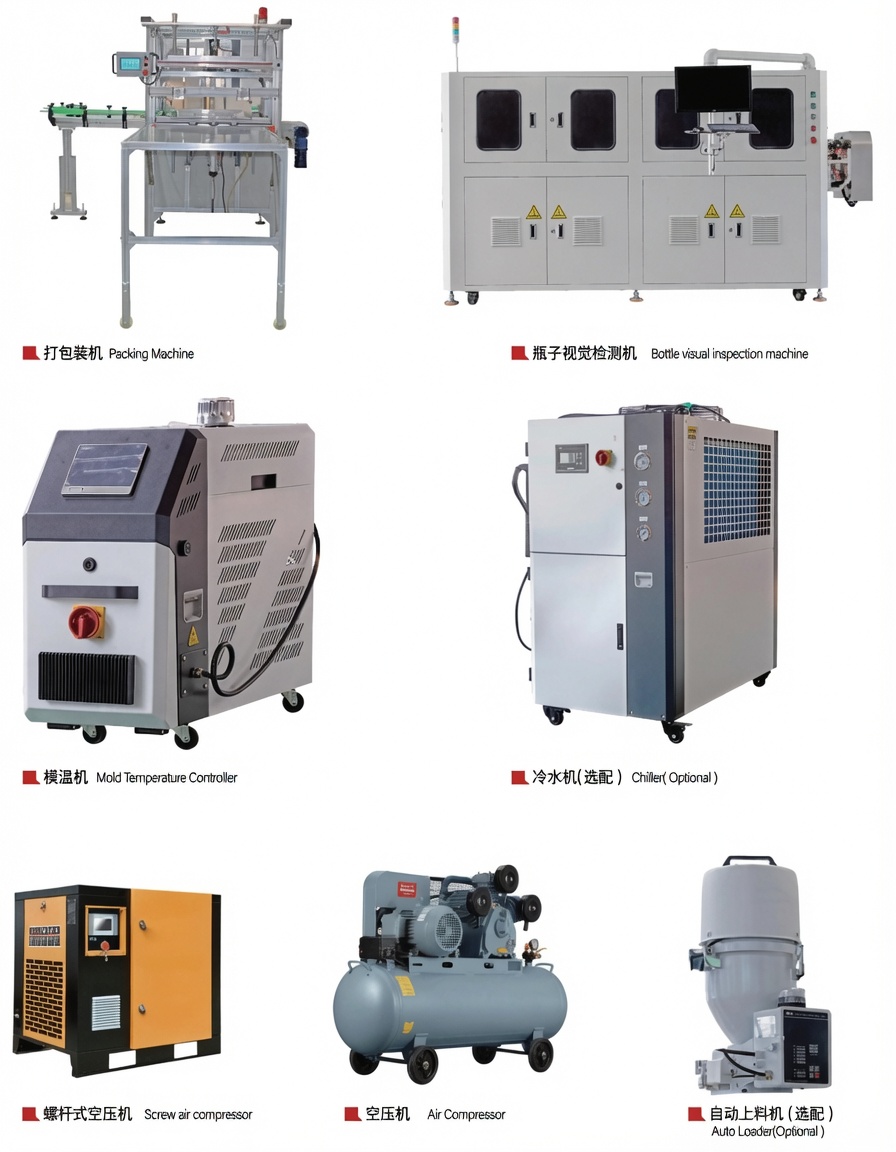
IBM Machine System & Auxiliary Equipment
Ever Power · IBM Blow Moulding Machines
Precision injection blow moulding solutions for UK pharmaceutical manufacturers. Serving Birmingham, Sheffield, Manchester, Nottingham and beyond.
Get a Quote: [email protected]
edit by gzl