Blow Molding Process Comparison: IBM vs ISBM vs EBM vs Extrusion
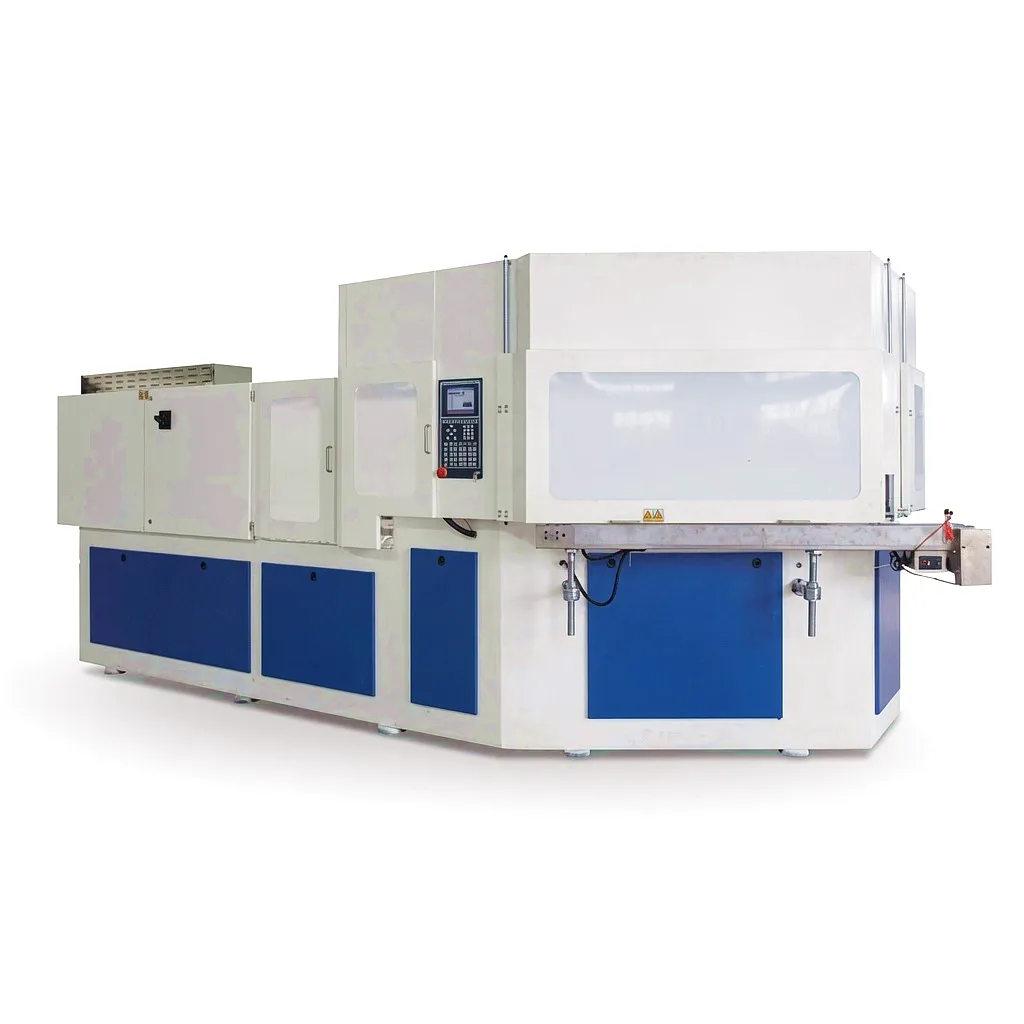
Understanding why the injection blow molding process is selected over competing technologies requires a clear-eyed examination of what each method actually delivers in production. British packaging engineers — particularly those supplying the NHS supply chain, major supermarkets such as Tesco and Sainsbury’s, or contract pharmaceutical manufacturers based in areas like the Cheshire Science Corridor — consistently return to IBM when container accuracy, neck-thread integrity, and cleanliness are paramount. Each technology has its own cost-performance envelope, and selecting the wrong one can result in costly material waste, regulatory rejection, or downstream filling-line incompatibility.
| Technology | Process Stages | Neck Accuracy | Flash / Waste | Ideal Container Volume | Primary Markets |
|---|---|---|---|---|---|
| IBM (Injection Blow) | Inject preform → blow → eject (single machine, rotating table) | Excellent (±0.05 mm) | None | 5 ml – 1 L | Pharma, cosmetics, labs |
| ISBM (Injection Stretch Blow) | Inject preform → reheat → stretch + blow (1 or 2 stage) | Very good (±0.1 mm) | Minimal | 100 ml – 10 L | Beverages, CSD bottles |
| EBM (Extrusion Blow) | Extrude parison → clamp mold → blow → trim flash | Moderate (±0.5 mm) | Significant | 250 ml – 220 L | Detergents, automotive, drums |
| Extrusion (general) | Continuous extrude → accumulate → secondary forming | Low | High | Large industrial parts | Pipes, profiles, bulk tanks |
Table 1: Comparative overview of primary blow molding processes. IBM’s zero-flash output and neck precision make it the regulatory-preferred choice for healthcare and cosmetics applications across the UK and EU.
How the IBM Process Works: Stage-by-Stage Engineering Principle
Wall Thickness Uniformity Control and Preheating Temperature Management
Wall Thickness Control
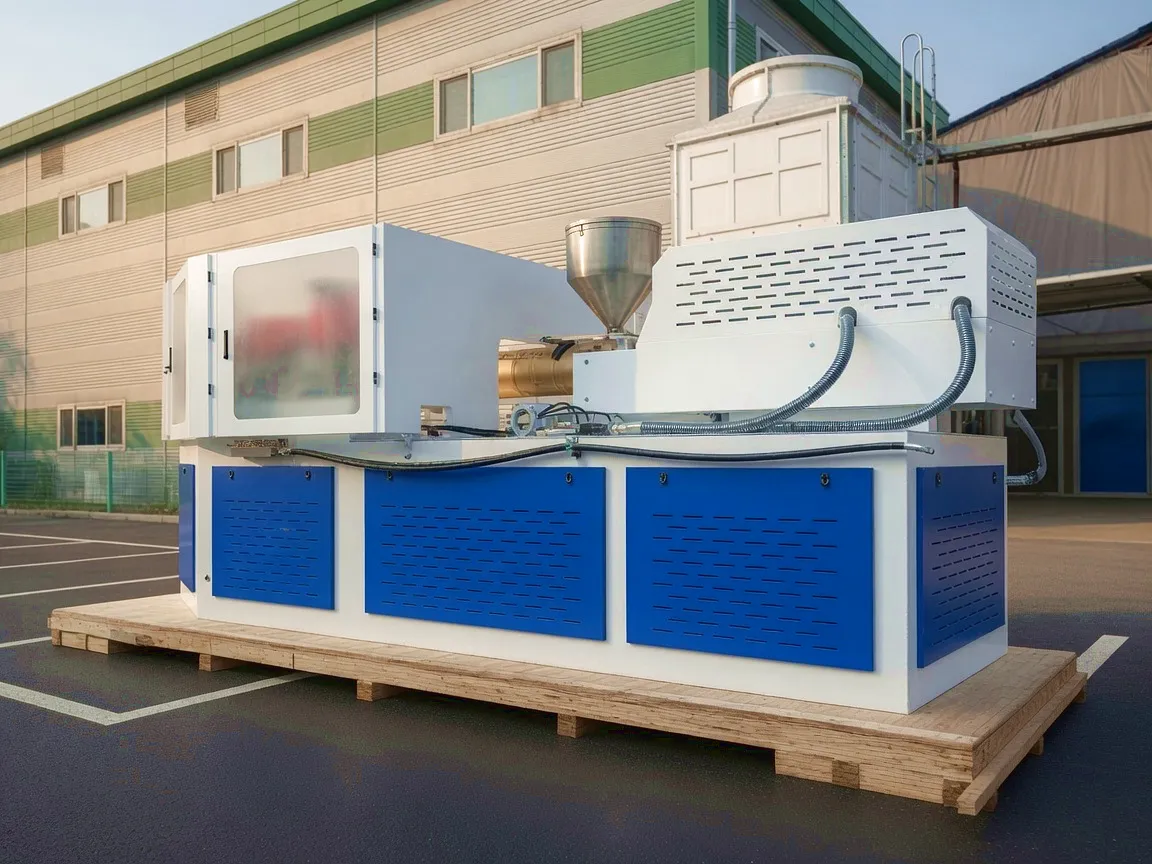
IBM machines achieve wall thickness uniformity through precision-machined core rods whose annular gap with the injection cavity determines nominal wall distribution. On well-tuned Ever Power IBM machines, wall-to-wall variation across a 50 ml pharmaceutical vial is maintained within ±0.08 mm. The critical variables that influence uniformity include injection fill speed profile (typically programmed in 8–12 velocity segments across the shot), melt temperature (175–240°C for PP, 255–290°C for PET), and the alignment tolerance of the core rod between stations — ideally held to within 0.02 mm of true centre. Thermal imaging of the preform surface immediately before blow is used on advanced Ever Power lines to detect hot spots that would generate thin zones, automatically triggering an alarm or rejecting the part from the line before filling. This real-time monitoring dramatically reduces the incidence of thin-wall failures that would otherwise only surface during final inspection or, worse, during the customer’s filling process in Leeds or Bristol.
Preheating Temperature Curve
In the IBM injection stage, barrel temperature profiling typically follows a rising gradient from the feed throat to the nozzle: for PP this is commonly 170°C (feed) → 200°C (transition) → 220°C (metering) → 215°C (nozzle), with a slight nozzle drop to prevent drool. For PET, the profile runs 255°C → 270°C → 280°C → 275°C. The importance of this gradient cannot be overstated: an overly high metering zone temperature for PET generates acetaldehyde (AA), a compound regulated in food-contact applications, while an insufficiently hot zone leads to unmelted PET pellets and visible gate contamination. Ever Power IBM machines incorporate independently controlled heating zones with thermocouple-grade accuracy of ±1°C across all barrel segments. Mold cooling water is independently circulated at 8–12°C through injection and blow mold channels, with separate flow-rate monitoring to ensure balanced thermal removal from both mold halves.
Core Materials Processed on IBM Blow Molding Machines
The range of thermoplastics compatible with the IBM process gives it remarkable versatility across UK industrial sectors. The selection of processing material directly determines the mechanical, chemical, and regulatory performance of the finished container, and Ever Power machine configurations are calibrated for each resin family.
Mold Design and Bottle Geometry Optimisation
Core Technical Advantages of IBM Blow Molding Machines
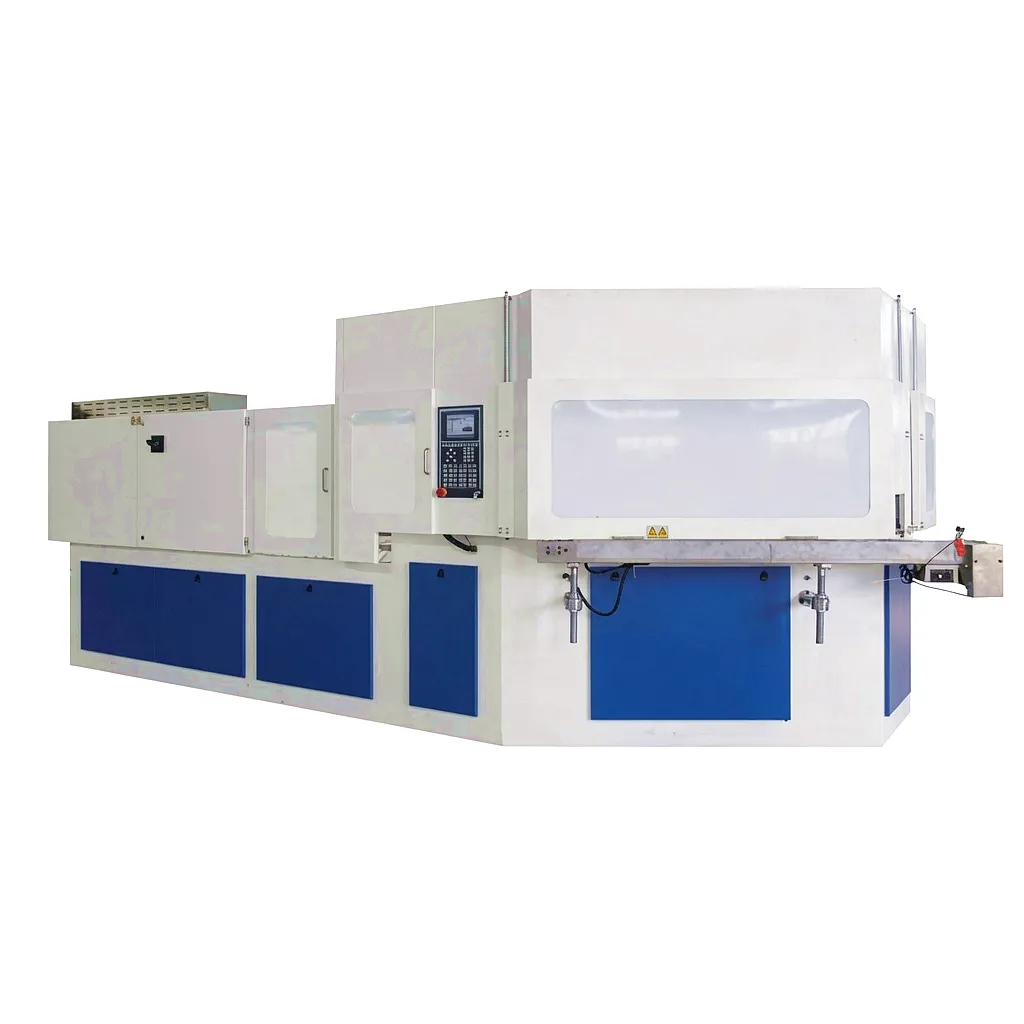
When production engineers in Birmingham, Sheffield, or Manchester evaluate IBM blow molding machines for a new packaging line, the decision framework ultimately rests on six measurable performance pillars that distinguish IBM from competing technologies and from lower-specification machines within the IBM category itself.
IBM is the only mainstream blow molding technology that produces bottles with no parting-line flash, eliminating trimming operations entirely. This is mandated in pharmaceutical GMP environments and reduces material waste, labour cost, and the risk of particulate contamination in cleanroom filling lines used across the UK biotech corridor.
Because the neck of the container is formed by the injection mold — not the blow mold — IBM bottles achieve neck thread tolerances tighter than ±0.05 mm. This ensures reliable, repeatable torque compatibility with child-resistant closures (CRC), tamper-evident caps, and dispensing pump fitments used throughout the UK over-the-counter medicines market.
IBM consolidates multiple production steps — preform injection, conditioning, blow, and ejection — into a single machine cycle lasting as little as 4 seconds per station on compact vial molds. This eliminates the preform storage, handling, and reheat energy expenditure of two-stage ISBM, reducing total conversion costs by 12–25% for small container applications.
Ever Power IBM platforms support tooling configurations ranging from single-cavity prototyping to 12-cavity production molds in a single machine cycle, enabling manufacturers to scale output without floor space penalty. Each cavity is individually addressable for process monitoring, allowing cavity-by-cavity statistical quality data capture for ISO 15378 pharmaceutical container compliance.
Regulatory pressure under the UK Plastics Packaging Tax (PPT) — which applies a levy on packaging containing less than 30% recycled content since April 2022 — has driven urgent demand for IBM machines capable of processing post-consumer rPET and rPP. Ever Power IBM lines are compatible with rPET blends up to 50% PCR content, with specialised screw geometries to handle the lower viscosity and greater moisture sensitivity of recycled feedstocks.
Ever Power IBM machines feature Siemens or Mitsubishi PLC platforms with touchscreen HMI, enabling process recipe storage, remote diagnostics via Ethernet, and OEE (Overall Equipment Effectiveness) data logging. UK manufacturers operating 24/7 shifts in sectors like personal care or food packaging can monitor real-time production KPIs and respond to parameter drift before a reject rate escalates.
IBM Machine Technical and Performance Parameter Reference Table
| Parameter | ZQ110 IBM Machine | ZQ135 IBM Machine | Unit / Notes |
|---|---|---|---|
| Clamp Force | 110 kN | 135 kN | Blow station clamping |
| Injection Volume | Up to 120 cm³ | Up to 160 cm³ | Per cycle, maximum shot |
| Max Container Volume | 500 ml | 1,000 ml | PP/HDPE/PET containers |
| Screw Diameter | 40 mm | 45 mm | L/D ratio 22:1 standard |
| Injection Pressure | up to 150 MPa | up to 160 MPa | Hydraulic injection system |
| Blow Pressure | 6–8 bar | 6–10 bar | Adjustable via HMI |
| Heating Zones (Barrel) | 5 | 5 | ±1°C PID accuracy |
| Mold Cooling Water Temp | 8–15°C | 8–15°C | Chiller-fed independent circuits |
| Wall Thickness Tolerance | ±0.08 mm | ±0.08 mm | Measured on finished container |
| Max Cavities per Mold | up to 8 | up to 12 | Application-dependent |
| Compatible Materials | PP, HDPE, PET, PC, PVC | PP, HDPE, PET, PC, PVC | rPET blend up to 50% PCR |
| Motor Drive | Servo-hydraulic | Servo-hydraulic | Optional all-electric configuration |
| Installed Power | ~15 kW | ~22 kW | Servo drive enables 20–35% energy saving vs. fixed-displacement pump |
| Neck Finish Tolerance | ±0.05 mm | ±0.05 mm | Critical for CRC closure compatibility |
Table 2: IBM machine technical parameters for Ever Power ZQ110 and ZQ135 models. Specifications subject to mold design and material selection. Contact Ever Power for application-specific configuration.
Application Scenarios for IBM Machines in UK Industry
The injection blow molding process finds deployment across a remarkably wide range of British manufacturing sectors. The following application profiles illustrate the diversity of container types, production volumes, and regulatory environments that IBM machines serve across the country — from Scotland’s burgeoning life sciences corridor to the South East’s fragrance and personal care cluster.
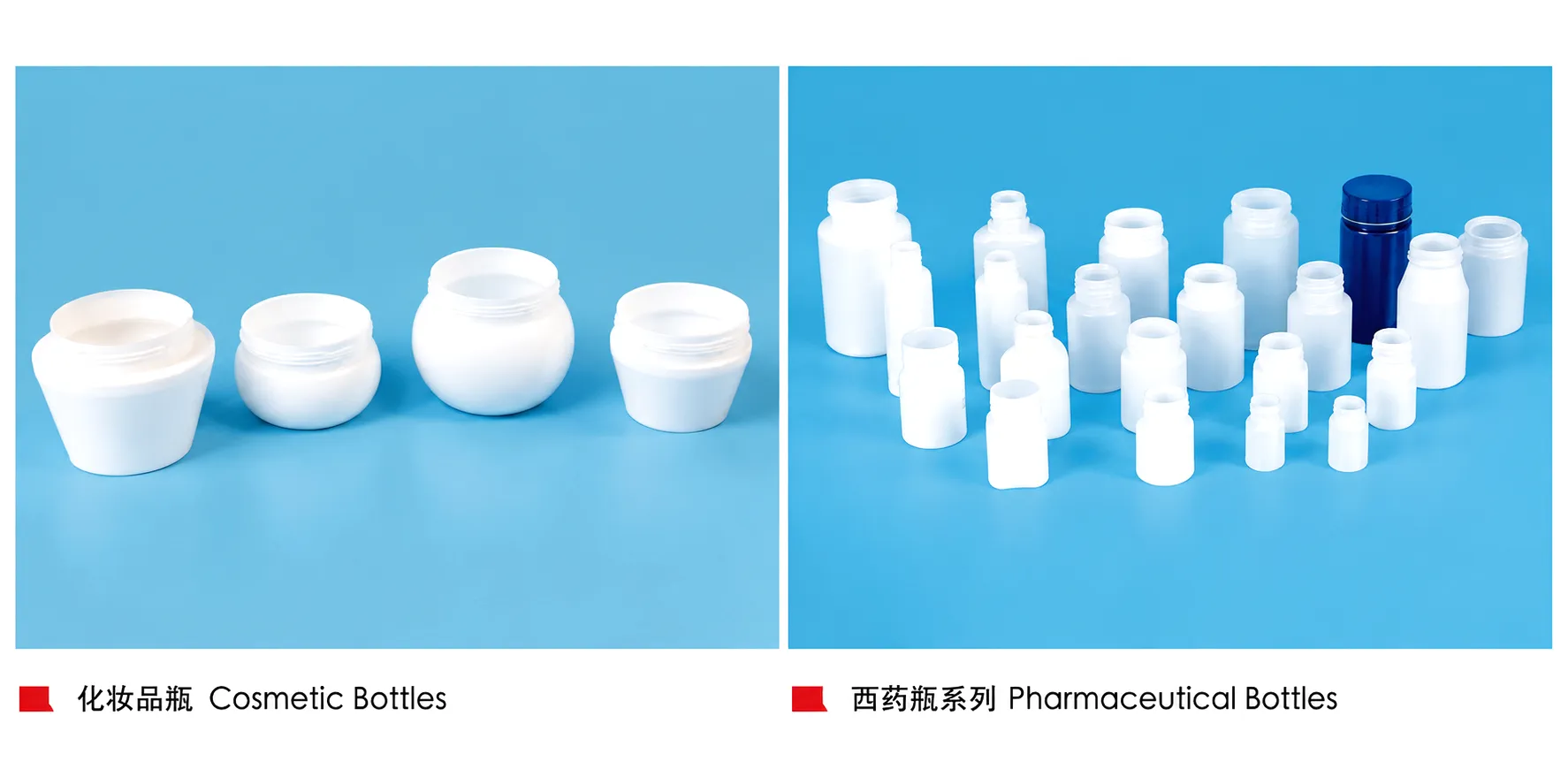
NHS-approved pharmaceutical packaging lines in Nottingham, Northampton, and the wider East Midlands depend on IBM machines to produce PP and HDPE liquid medicine bottles in the 5–250 ml range. The neck precision inherent in IBM guarantees accurate child-resistant closure (CRC) engagement, while the flash-free body surface meets cleanroom ISO Class 7 and ISO Class 8 requirements. GMP batch traceability is integrated directly into the Ever Power PLC via cavity-specific cycle counters and reject logging.
The UK beauty sector — centred on brands headquartered in London but manufacturing in Merseyside and West Yorkshire — makes heavy use of IBM machines for shampoo bottles, perfume bases, lotion dispensers, and lip serum vials. The aesthetic surface quality achievable with mirror-polished BeCu core rods and H13 blow mold cavities produces optically brilliant containers without secondary coating. Custom oval, polygonal, and fluted geometries are routinely achieved on Ever Power multi-cavity IBM tools.
PET IBM machines producing wide-mouth food jars, condiment bottles, and supplement containers serve British food manufacturers supplying major retail channels including Asda, Morrisons, and Waitrose. The superior clarity of IBM PET — with a haze value typically below 3% — makes it the premium alternative to glass for premium condiments and health food products. Containers produced for food contact in the UK must comply with UK-retained Regulation (EC) 10/2011, and Ever Power IBM platforms are configured and documented to support this compliance pathway.
Scientific reagent bottles — PC and PP vials in the 5–100 ml range — produced for life science distributors in Cambridge, Oxford, and Edinburgh’s BioQuarter demand the tightest dimensional tolerances achievable in plastic molding. IBM delivers neck concentricity better than 0.1 mm TIR, ensuring consistent seal engagement with luer-lock and threaded closures used in laboratory and diagnostic flow paths. These containers are often produced in low annual volumes of 50,000–500,000 units, a production scale where IBM’s low tooling changeover time relative to ISBM delivers clear economic advantage.
IBM Machine Fault Diagnosis and Troubleshooting Guide
Production stoppages on an IBM machine are costly — particularly on NHS-supply or supermarket-supply lines where uptime commitments are contractually mandated. The following fault reference covers the most common IBM machine faults encountered by UK operators and the systematic corrective actions that Ever Power’s technical support team recommends.
| Fault Symptom | Probable Cause | Recommended Corrective Action |
|---|---|---|
| Thin wall on one side of bottle | Core rod misalignment or uneven preform temperature | Check core rod centring at injection station. Inspect barrel temperature profile uniformity. Verify cooling channel flow balance. |
| Short shot / incomplete preform | Insufficient shot volume, back pressure, or melt temperature | Increase injection speed or shot size by 3–5%. Check screw back pressure setting. Raise nozzle temperature by 5°C increments. |
| Haze or cloudiness in PET bottle | Moisture in resin (>50 ppm), crystallisation during blow, or excessive AA generation | Extend drying time to achieve <30 ppm moisture. Increase blow cycle speed. Lower metering zone temperature by 5°C. |
| Neck thread deformation or gate sink | Insufficient hold pressure time or early mold open signal | Extend hold time by 0.5 s increments. Increase pack pressure. Verify injection mold cooling water flow rate. |
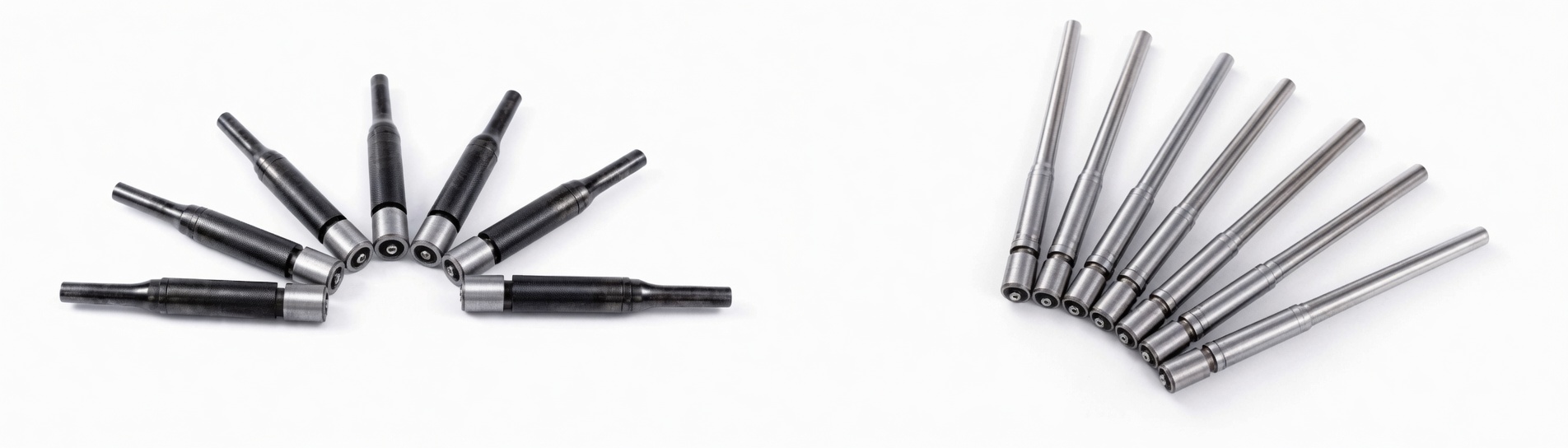
| Bottle sticking on core rod | Core rod temperature too high, undercut geometry, or worn stripper plate | Verify core rod cooling circuit integrity. Inspect core rod surface for wear. Replace stripper plate inserts if clearance exceeds 0.1 mm. |
| Blow station flash marks on body | Blow mold parting line wear or insufficient clamp force | Re-qualify blow mold parting surface. Increase clamp pressure to upper specification. Inspect for mold insert registration pins. |
Energy Consumption Optimisation and Retrofit for UK IBM Lines
Ever Power: Precision IBM Manufacturing and Customisation Capability
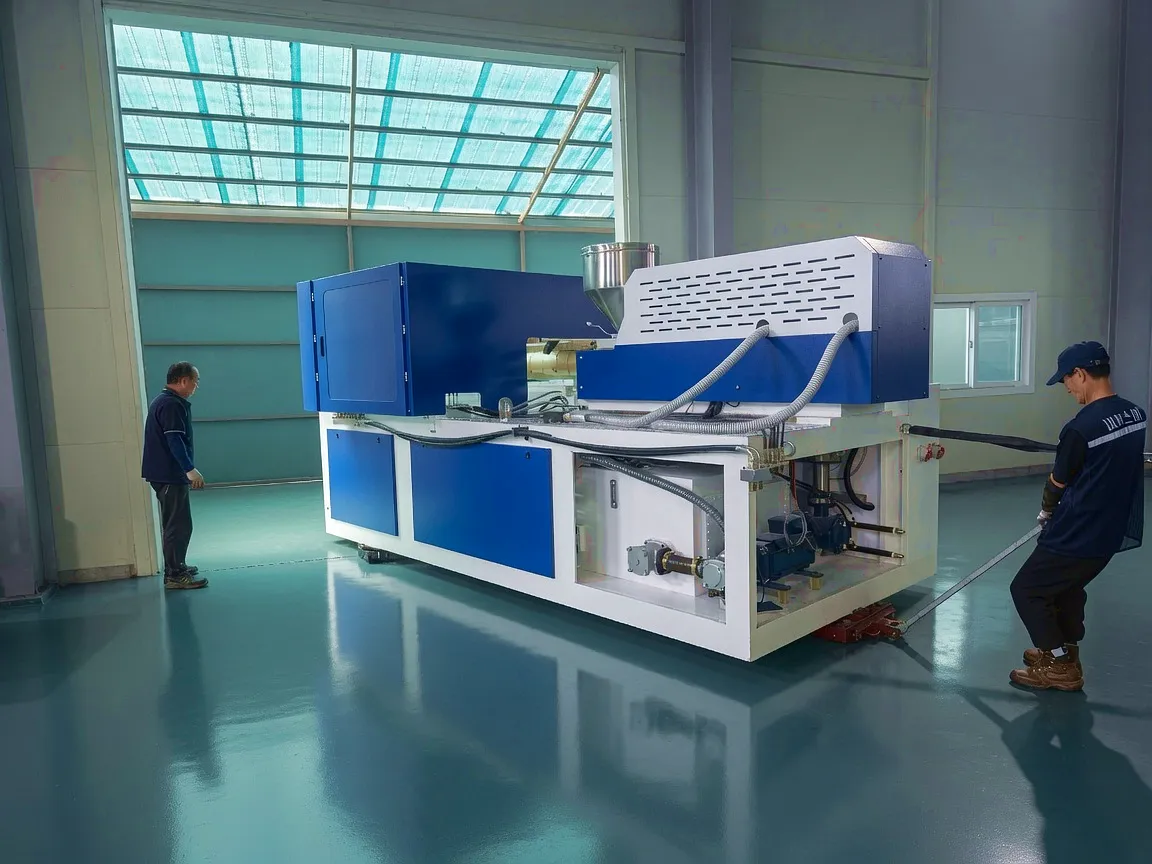
Ever Power’s manufacturing facility operates dedicated IBM assembly lines equipped with five-axis CNC machining centres, precision coordinate measuring machines (CMM), and Zoller presetter systems for tool qualification. Our production engineering team spans injection mold design, blow mold manufacture, core rod precision grinding, and machine integration — all under one roof — eliminating the coordination complexity that often undermines project timelines when IBM machine, tooling, and process support are sourced from different suppliers.
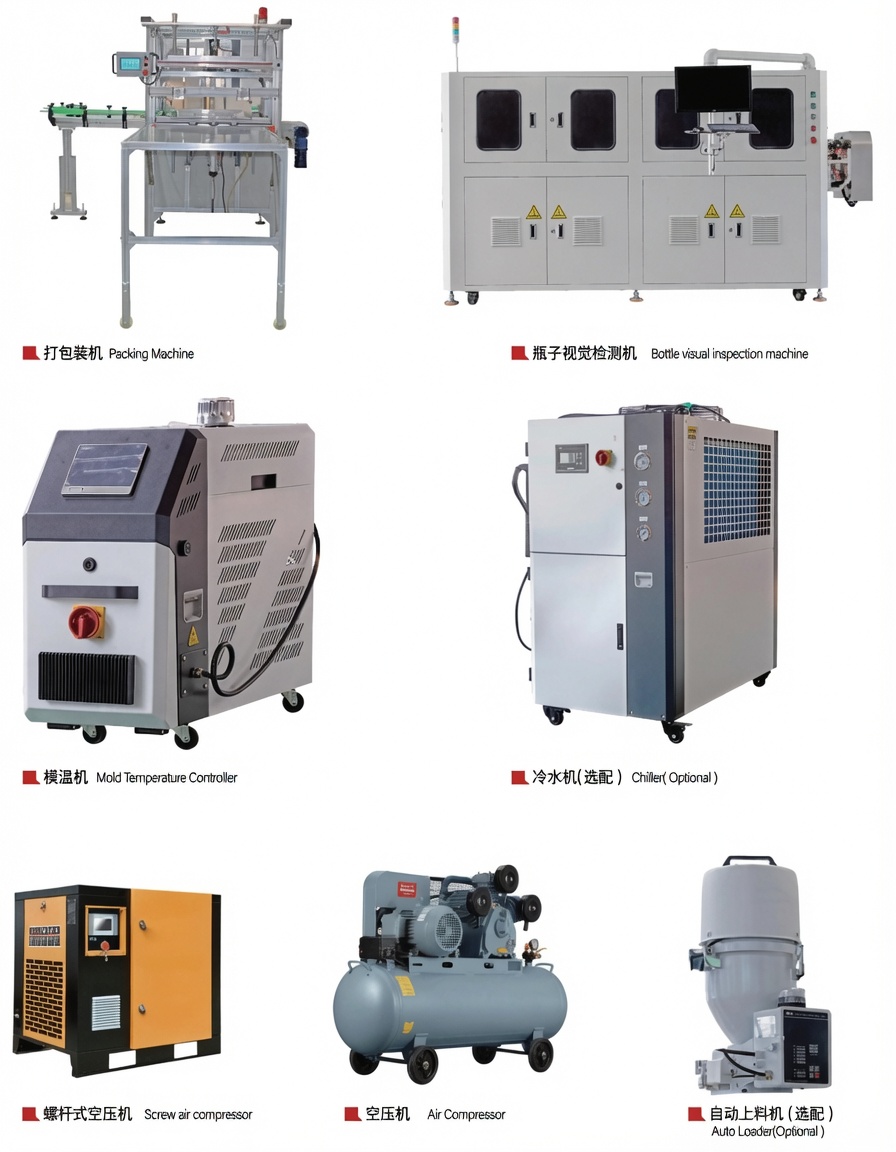
Customisation is at the heart of what Ever Power delivers to the UK market. Standard IBM frame configurations serve as the foundation, but virtually every machine parameter can be engineered to customer specification: custom cavity count, modified index table diameter for non-standard bottle heights, application-specific screw geometry for POM or PEEK processing, integration of vision inspection systems with IPC-DPMM camera networks, and custom HMI dashboards meeting UK pharmaceutical GMP screen qualification (GAMP 5 category) requirements. Our supply chain is anchored by Tier 1 partnerships with European hydraulic component suppliers and Siemens / Mitsubishi PLC integrators, ensuring that spare parts and control modules are available for dispatch to UK customers through our logistics partner network within 48–72 hours of a warranty or service order being raised.
Ever Power IBM machines destined for European and UK customers undergo full factory acceptance testing (FAT) prior to shipment, including witnessed production trials at rated cavitation and speed, dimensional verification of sample containers against the agreed quality plan, and calibration records for all instrumented process variables. Documentation packages are supplied to BS EN ISO 9001 standard, with optional supplements for MHRA pharmaceutical manufacturing site qualification activities.
Featured IBM Machine Models from Ever Power
Ever Power’s injection blow molding range is anchored by two flagship platforms that address the full breadth of small-to-medium container production requirements in UK pharmaceutical, cosmetics, and food packaging sectors.
Customer Success: Sheffield Pharmaceutical Packaging Manufacturer
A mid-sized pharmaceutical packaging contract manufacturer based in Sheffield — supplying liquid medicine containers to several NHS foundation trusts and independent pharmacy chains across the Yorkshire and Humber region — was operating a pair of ageing fixed-hydraulic IBM machines from the mid-2000s. Production output had fallen steadily as the machines experienced increasing unplanned downtime, and the energy cost associated with their continuous fixed-displacement pumps had become a significant line item in the factory’s overheads.
After an initial inquiry to Ever Power’s sales team, a technical site visit was arranged within two weeks. The Ever Power field application engineer assessed the customer’s bottle range — primarily 100 ml and 200 ml PP oral liquid medicine bottles in 6-cavity tooling — and recommended the ZQ110 IBM machine configured with servo-hydraulic drive and an integrated cavity-level reject monitoring system. Two ZQ110 units were ordered, with a 16-week delivery and installation schedule that aligned with the customer’s planned factory maintenance window in January 2025.
Following installation and a three-day process qualification commissioning event conducted jointly by the customer’s process team and Ever Power engineers, the new IBM lines achieved a validated OEE of 89% in the first production month — compared with the 68% OEE average recorded on the replaced machines in their final year. Container rejection rates fell from 1.8% to 0.3% of output. Energy metering confirmed a 28% reduction in electrical consumption per 1,000 bottles produced. The customer’s production manager estimated payback on the capital investment within 26 months based on combined energy savings and reduced rework costs.
The two ZQ110 machines have since run continuously on two-shift patterns, maintaining OEE above 87%, and the customer has placed an inquiry for a third unit to support new NHS contract capacity coming online in 2026. Spare parts have been dispatched from Ever Power’s European logistics hub to Sheffield within 48 hours on the two occasions where a routine wear component required replacement, with zero extended downtime events recorded in the first twelve months of operation.
What Our UK Customers Say
The ZQ110 has transformed our pharmaceutical vial line. Neck tolerances are consistently within spec — we have not had a single closure torque failure since installation. The Ever Power commissioning team were knowledgeable and resolved every issue during qualification. For a regulated manufacturing environment like ours, the documentation package they supplied was exactly what our QA team needed for MHRA site records.
We selected the ZQ135 for our food jar range specifically because of its 12-cavity tooling capability. Ever Power’s customisation team worked with us to develop the injection mold geometry for our 500 ml oval PET jar — a geometry we struggled to produce consistently on our previous machine. The wall thickness uniformity is noticeably improved, and our downstream filling-line rejection rate has dropped significantly. We are particularly impressed by how responsive the technical support has been post-sale.
Ever Power understood our brief from the first conversation. We needed an IBM machine capable of processing 30% rPET content for our personal care range — driven by our UK Plastics Packaging Tax liability — and the ZQ110 they configured has handled the recycled resin without any of the processing problems we experienced when testing on our incumbent machine. The energy metering data shows genuine savings, and the machine has run fault-free for eight months so far. We will certainly return to Ever Power for our next capacity expansion.
Frequently Asked Questions — IBM Blow Molding Machines for UK Manufacturers
Ready to Specify Your IBM Machine?
Contact Ever Power’s UK sales team for application engineering support, pricing, and lead time confirmation. We respond to all enquiries within one business day.