Essential Plastics Manufacturing Guide
Injection-Blow Molding Machine:
Applications, Technology & Industrial Insight
A deep-dive technical resource for UK manufacturers, packaging engineers and procurement specialists seeking high-precision hollow-body container solutions.
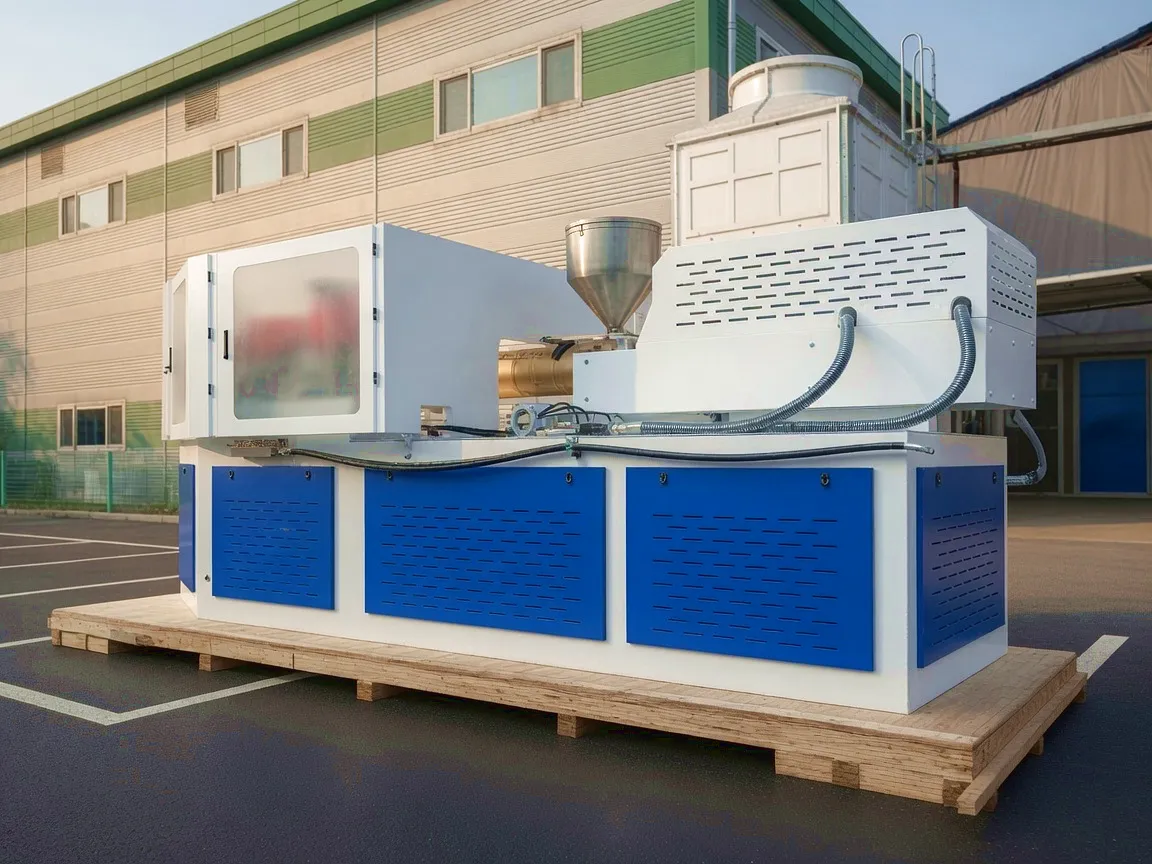
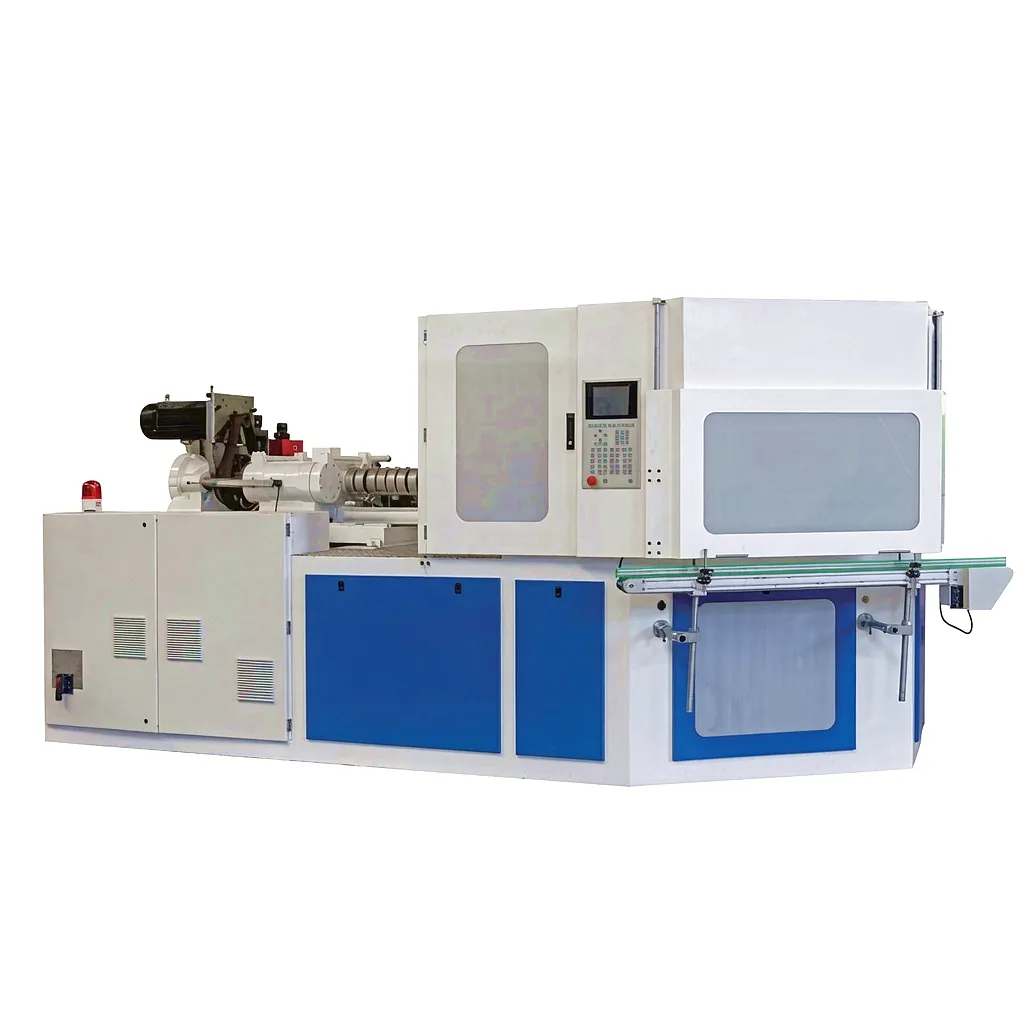 The injection-blow molding machine occupies a uniquely precise corner of the plastics manufacturing world. Unlike extrusion blow molding or injection stretch blow molding, this process merges two distinct operations — injection molding and blow molding — into a seamless, one-stage workflow that yields hollow containers of exceptional dimensional accuracy. Industries ranging from pharmaceutical packaging in Sheffield to personal care product manufacturing in Birmingham have long depended on this technology to meet the demanding tolerances required by regulatory bodies and consumer expectations alike. The result is a container with consistent wall thickness, superior neck finish quality, and virtually zero flash — characteristics that define premium packaging at scale.
At its most fundamental level, an injection-blow molding machine works by first injecting molten thermoplastic resin around a core pin to form a preform — essentially a thick-walled test-tube shaped precursor. That preform is then transferred, while still hot and pliable, to a blow mold station where compressed air expands it into the final container shape. The core pin remains inside throughout, ensuring the neck finish and inner dimensions maintain exacting tolerances that are simply not achievable through other molding routes. For UK manufacturers operating under NHS supply chain standards or British Pharmacopoeia compliance requirements, this precision is not a luxury — it is a baseline requirement.
How the Injection-Blow Molding Process Actually Works
01
Injection Station
Thermoplastic resin — most commonly PP, PE, PET, or PETG — is heated to its melt temperature and injected under high pressure around a hardened steel core pin seated inside a split injection mold. The resulting preform captures all the neck thread geometry and shoulder profile with sub-millimetre accuracy, establishing the container’s most critical dimensional features before blow-forming begins.
02
Blow Station
The preform, still thermally conditioned and carried on its core pin, rotates or indexes to the blow mold. High-pressure air — typically between 6 and 10 bar — is introduced through the pin, inflating the preform outward against the chilled cavity walls of the blow mold. The rapid cooling locks the material into the precise shape of the cavity, capturing fine surface details including embossed branding, textured grips, and complex curves that competing processes struggle to reproduce reliably.
03
Eject Station
The finished container is stripped from the core pin at the ejection station with no secondary trimming required. Unlike extrusion processes that leave pinch-line flash requiring post-mold trimming, injection-blow produces a clean, finished article in a single cycle. In modern machines this happens in 8 to 25 seconds depending on container volume, resin grade, and wall thickness — a throughput advantage that translates directly into cost efficiency for UK manufacturers competing in international markets.
The elegance of injection-blow molding lies in what it removes from the equation. There is no parison programming, no neck trimming, and no variation in neck finish from cycle to cycle. For high-volume pharmaceutical container production in regions like the East Midlands pharmaceutical manufacturing corridor, these eliminations represent significant savings in quality control labour, material waste, and rejection rates. Processors handling child-resistant closure specifications or tamper-evident neck profiles find the injection-blow route far more consistent than alternative hollow-body methods, which typically require post-mold neck reaming or secondary trimming operations to meet GMP standards.
Core Materials Processed in Injection-Blow Molding Machines
PP
Polypropylene (PP)
The workhorse material for pharmaceutical and personal care containers. Excellent chemical resistance, autoclavable grades available, and processing temperatures of 200–240 degrees C. Ideal for tablet bottles, syrup containers, and nasal spray bodies supplied into NHS procurement frameworks.
HDPE
High-Density Polyethylene (HDPE)
Favoured for agrochemical and household chemical containers where solvent and stress-crack resistance is paramount. UK agrochemical manufacturers in East Anglia and the South West rely on HDPE injection-blow containers for herbicide, pesticide, and fertiliser concentrate packaging meeting UN specification requirements.
PETG
PETG — Glycol-Modified PET
Glass-clear appearance with superior impact resistance compared to standard PET. PETG is the material of choice for cosmetic serums, dropper bottles, and aromatherapy containers where visual premium is a brand priority. Its UV stability and compatibility with essential oil formulations make it a leading substitute for traditional amber glass packaging in the UK wellness and aromatherapy sector.
PET
Polyethylene Terephthalate (PET)
Used where clarity and moderate barrier properties are needed simultaneously. PET injection-blow containers are common in the food supplement and nutraceutical sectors across Yorkshire and the North West, where compact-format vitamin and supplement bottles must meet both food-grade regulations and retail shelf-appeal criteria.
Material selection in injection-blow molding is never simply a matter of mechanical specification — it is a multi-variable decision that intersects with regulatory compliance, compatibility with fill product chemistry, end-of-life recyclability requirements under UK Packaging and Packaging Waste Regulations, and the aesthetic expectations of the end consumer. Ever Power’s engineering team works closely with customers from initial resin selection through to mold qualification, ensuring that material choices are validated against the full production environment before any capital commitment is made.
Technical Performance Parameters
The table below reflects the performance envelope typical of industrial-grade injection-blow molding machines at the mid-to-high specification level. Individual machine configurations will vary; Ever Power offers tailored specifications matched to your specific container volume, resin type, and production throughput targets.
| Parameter | Specification Range | Technical Notes |
|---|
| Container Volume Range | 5 ml to 2,000 ml | Standard 3-station rotary design; extended range available on custom builds |
| Clamp Force | 60 kN to 1,800 kN | Hydraulic or full-electric toggle systems; matched to mold cavity count and resin viscosity |
| Injection Pressure | 80 MPa to 200 MPa | Adjustable by zone; servo-controlled injection for consistent shot weights below +/- 0.3% |
| Blow Air Pressure | 4 bar to 12 bar | Programmable via PLC; independent regulation per cavity available on multi-cavity tooling |
| Cycle Time | 8 sec to 25 sec | Dependent on container volume and wall thickness; PP thin-wall cycles toward 8 sec end |
| Plasticising Capacity | 20 g/s to 280 g/s | Bimetallic screw barrel standard; barrier-screw options for PETG and PET processing |
| Number of Stations | 3 (standard) to 4 | 4-station design adds an optional conditioning or in-mold labelling station |
| Neck Finish Accuracy | +/- 0.05 mm | Enables direct compatibility with standard closures (28 mm PCO, 20 mm, 24 mm) without secondary trimming |
| Energy Consumption | 15 kW to 120 kW | Servo-hydraulic and all-electric models achieve 30–45% energy reduction vs conventional hydraulic builds |
| Compatible Resins | PP, HDPE, LDPE, PET, PETG, PVC | Corrosion-resistant barrel and screw options extend compatibility to halogenated resins |
| Control System | Siemens / Mitsubishi PLC with 10-inch HMI touchscreen | Remote diagnostics, Industry 4.0 OPC-UA connectivity, multi-language interface including English |
Core Technical Advantages
Six performance pillars that set the injection-blow molding machine apart in high-volume hollow container manufacturing.
🎯
Precision Neck Finish
The core pin controls the neck form throughout both injection and blow phases, delivering thread accuracy within 0.05 mm. This eliminates the trimming and reaming steps that add cost, labour time, and scrap generation in extrusion blow alternatives — a meaningful competitive factor for high-speed pharmaceutical packaging lines in Nottingham or Leicester.
⚖
Uniform Wall Distribution
Because material flow from the injection phase is pre-conditioned around a pin before blowing, wall thickness variation is inherently lower than in extrusion processes. Typical wall-thickness consistency runs at plus or minus 0.08 mm across all cavity positions on a multi-cavity tool, which is critical for containers carrying active pharmaceutical ingredients where headspace calculations depend on container volume precision.
📏
Zero Flash — No Secondary Operations
Injection-blow produces a clean, complete article with no external flash or weld lines to address downstream. This directly reduces per-unit labour cost, eliminates a category of quality defect, and simplifies the downstream production line. For cosmetic packaging manufacturers in London’s health and beauty supply chain, this cleanliness translates to lower rework rates and higher fill-line efficiency.
⚡
High Cavitation Efficiency
Modern injection-blow machines support multi-cavity tooling — typically 2, 4, 6, or 8 cavities — without proportional increases in machine footprint. A 6-cavity injection-blow mold on a mid-range machine can produce output rates equivalent to three separate single-cavity blow machines, with better part-to-part consistency and substantially lower energy per unit than parallel single-cavity operation.
♿
Design Flexibility & Branding Detail
The injection phase allows intricate shoulder geometries, textured surfaces, and embossed logos to be captured at the neck and upper body of the container with a fidelity no other blow process can match. Combined with the optical clarity achievable in PETG, this makes injection-blow the preferred route for prestige personal care and aromatherapy packaging where brand identity is carried directly on the container surface.
🌎
Material Efficiency & Sustainability
With no sprue trimming, no flash regrind, and tightly controlled shot weights, injection-blow generates significantly lower scrap rates than extrusion-based processes. This aligns favourably with the UK Plastics Pact commitments adopted by major FMCG and pharmaceutical businesses, reducing per-unit material usage while simultaneously lowering the carbon intensity of the production operation.
Industrial Application Scenarios
Injection-blow molding machines serve a remarkably broad range of sectors. Below are the primary application verticals where this technology delivers measurable production and quality advantages.
Featured Application — Aromatherapy & Essential Oils
Essential Oil Dropper Bottles, Roll-On Containers & Diffuser Liquid Vessels
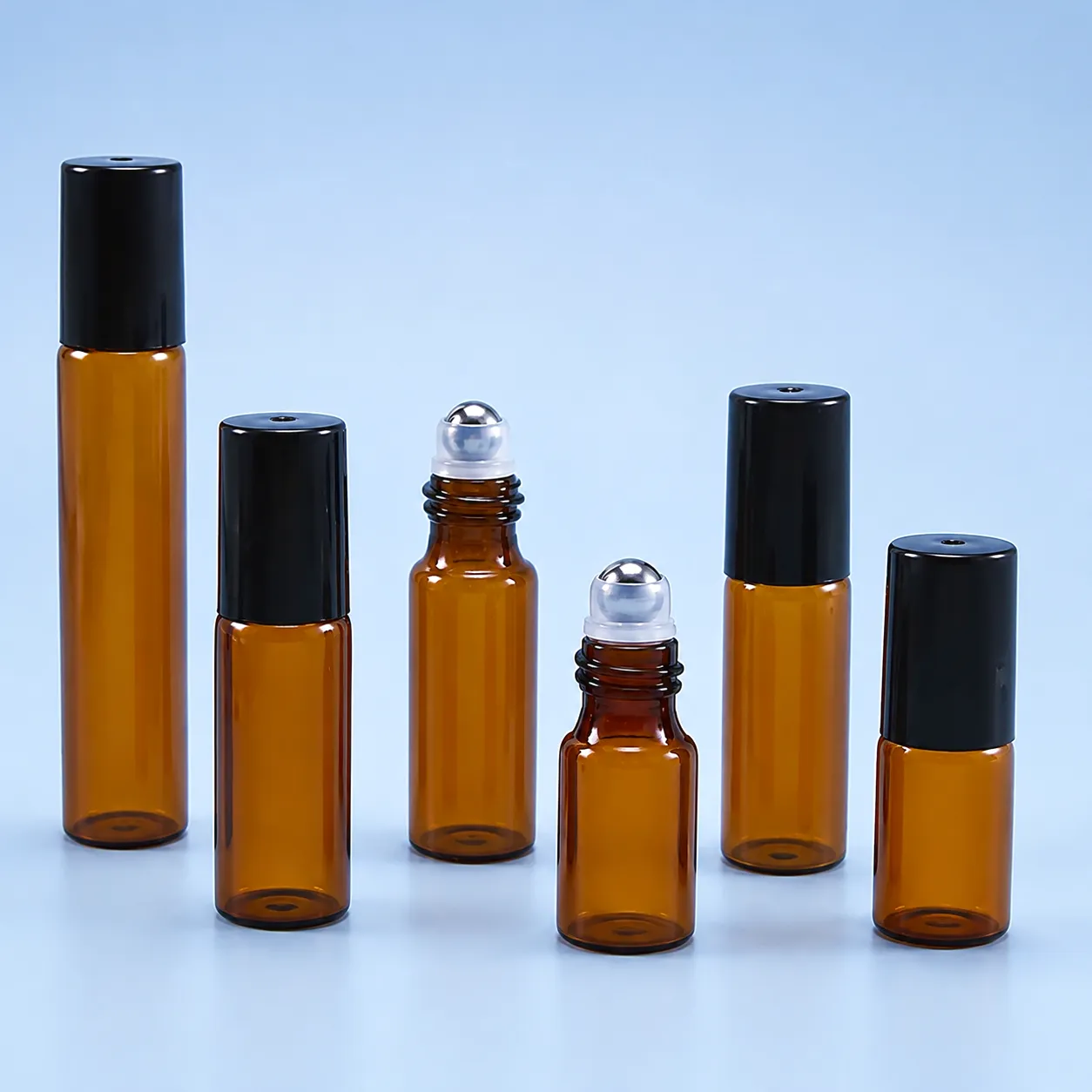 The essential oil and aromatherapy sector has historically been dominated by dark amber and cobalt glass packaging — a tradition rooted in UV protection and chemical compatibility with terpene-rich formulations. That picture is shifting with genuine momentum, particularly in the UK wellness market where retail buyers at major chains including Holland & Barrett, Boots, and independent health stores increasingly demand packaging that is lighter, shatter-proof, and compatible with aviation shipping regulations that restrict glass above certain volumes. High-barrier PETG and pharmaceutical-grade PP processed through injection-blow molding machines address every one of these commercial pressures without sacrificing the premium aesthetic that wellness consumers expect.
Dropper bottles produced on injection-blow equipment — typically ranging from 5 ml to 100 ml — offer a glass-like clarity in PETG with the dimensional precision at the dropper neck that glass-mould production simply cannot achieve at comparable cost. The controlled orifice diameter at the dropper insert seat is a direct function of the injection-blow neck finish accuracy, and for essential oil blends where dose precision matters (as in certified aromatherapy practice governed by the Aromatherapy Council UK), this repeatability is of genuine functional importance. Roll-on bottles, which require a precision ball-seat neck profile to hold the stainless or glass roller ball correctly, are another format where the injection-blow process excels — the core pin ensures that the neck bore and seating shoulder are formed simultaneously and identically across every cavity in a multi-cavity tool.
Primary Products
- PETG dropper bottles (5 ml–100 ml) — amber-effect and clear variants
- Roll-on applicator bottles with ball-seat neck
- Diffuser reed liquid containers
- Single-note and blend mixing vessels
- Aromatherapy mist spray bottles
Why IBM Over Glass
- Aviation-compatible — no liquid glass restrictions
- Zero breakage in transit and at point of use
- 30–60% weight reduction per unit
- Embossed branding and textured grip surfaces
- Recyclable monomaterial PP or PETG stream
UK Market Context
- UK aromatherapy retail value exceeds GBP 160 million annually
- Yorkshire-based wellness brands pioneering IBM packaging shift
- Aromatherapy Council UK quality verification schemes
- Growing DTC subscription box sector driving small-batch flexibility
The transition from glass to PETG IBM containers is not without formulation work — some essential oil chemistries require compatibility testing with plasticiser-free PETG grades to verify there is no leaching or sorption over the intended product shelf life. Ever Power’s technical team provides material and container compatibility data sheets covering the most commonly processed essential oil carrier bases, helping UK formulators and brand owners reduce the validation timeline when converting existing product lines to IBM packaging.
Pharmaceutical Containers — Tablet Bottles, Syrup Bottles & Nasal Spray Bodies
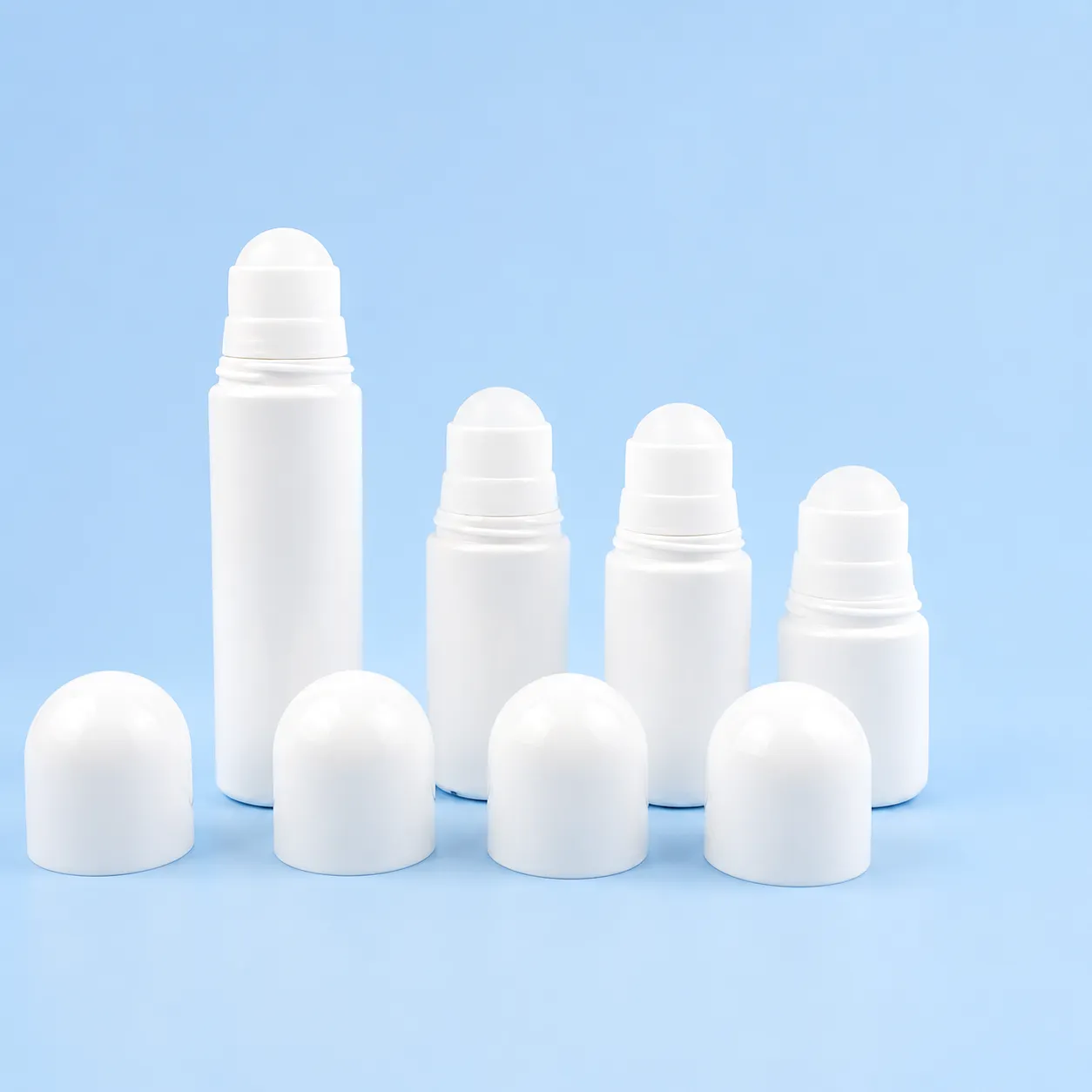 The pharmaceutical packaging sector imposes some of the tightest specification tolerances in any manufacturing industry, and injection-blow molding machines are the preferred production platform for primary pharmaceutical containers across the UK. Sheffield’s established pharmaceutical manufacturing ecosystem — including API synthesis, formulation, and secondary packaging operations — relies heavily on injection-blow PP containers for oral solid dose and liquid dose products distributed through NHS supply chains. The controlled neck finish of the injection-blow process ensures consistent sealing performance with child-resistant closures (CRC) and tamper-evident ring systems, both of which are statutory requirements under UK Medicinal Products legislation.
Validation documentation requirements under EMA and MHRA guidelines make process consistency a financial as well as quality concern — any process variation that causes OOS (out of specification) container test failures triggers costly investigation and potential supply disruption. The inherent consistency of the injection-blow process, with shot-weight variation below 0.3% and neck finish variation within validated tolerances over production runs of millions of units, makes it ideally suited to GMP environments where annual product review data must demonstrate ongoing process control.
Personal Care & Cosmetics — Serum Bottles, Lotion Dispensers & Pump Containers
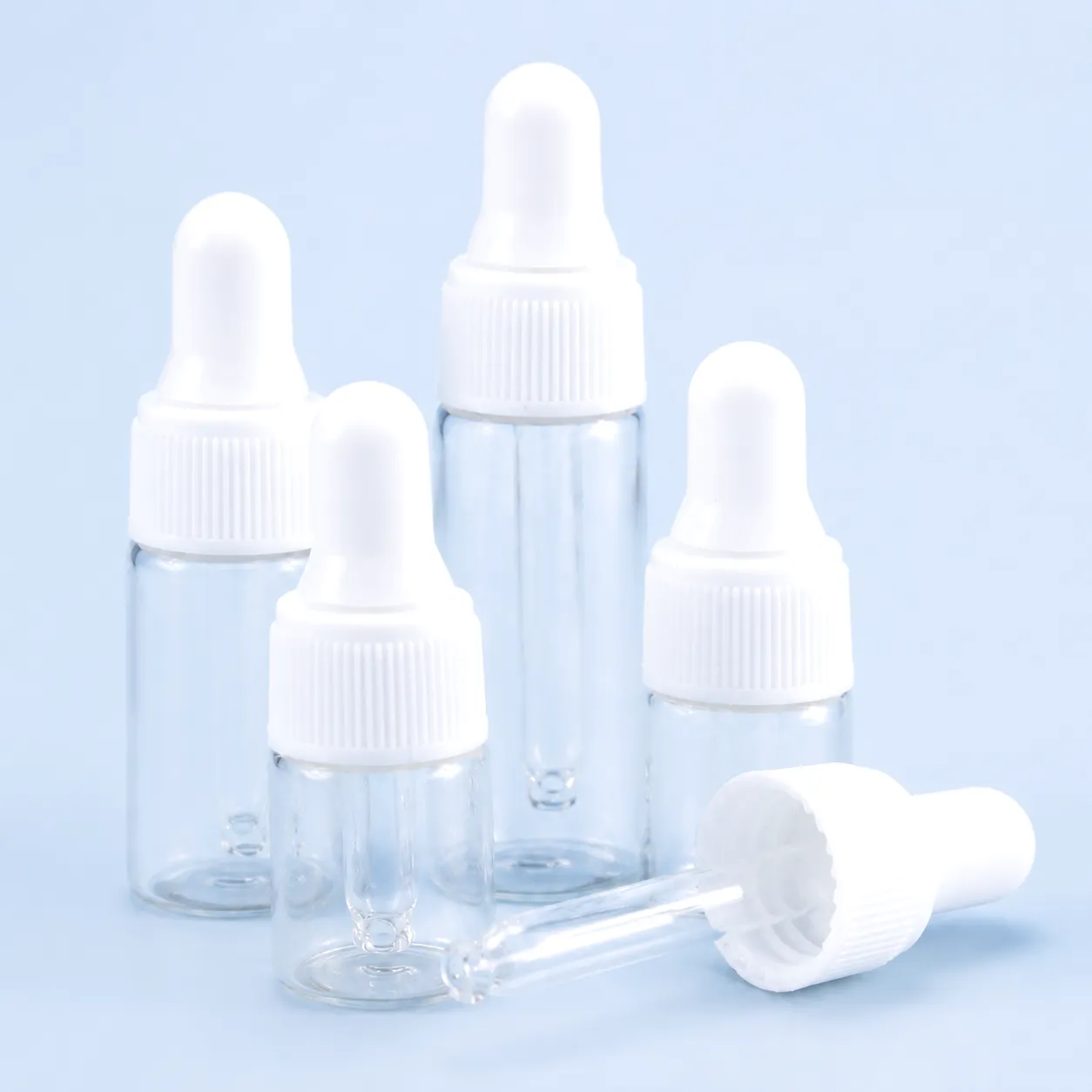 Birmingham’s thriving cosmetic manufacturing and contract filling sector represents one of the most demanding environments for container quality in UK industry. Lotion, serum, and treatment product brands require containers that communicate premium positioning through precise geometry, optical clarity, and surface finish quality — all of which are natural strengths of the injection-blow molding process. Complex shoulder profiles, narrow waist geometries, and pump-neck formats that require tight bore tolerances for friction-fit pump inserts are all achievable on modern injection-blow equipment without secondary machining or assembly.
The ability to process PETG in injection-blow equipment gives cosmetic brand owners access to glass-equivalent clarity at polymer price points and with the freedom to create geometry that glass mould-making budgets often preclude. Brands targeting the UK premium skincare segment — where retail price points above GBP 30 per unit demand corresponding packaging investment — are increasingly specifying PETG injection-blow containers as the standard format for launch SKUs, with the flexibility to translate tooling investment across a range of fill volumes using family tooling approaches supported by modern injection-blow machine platforms.
Food Supplements, Nutraceuticals & Honey Jar Production
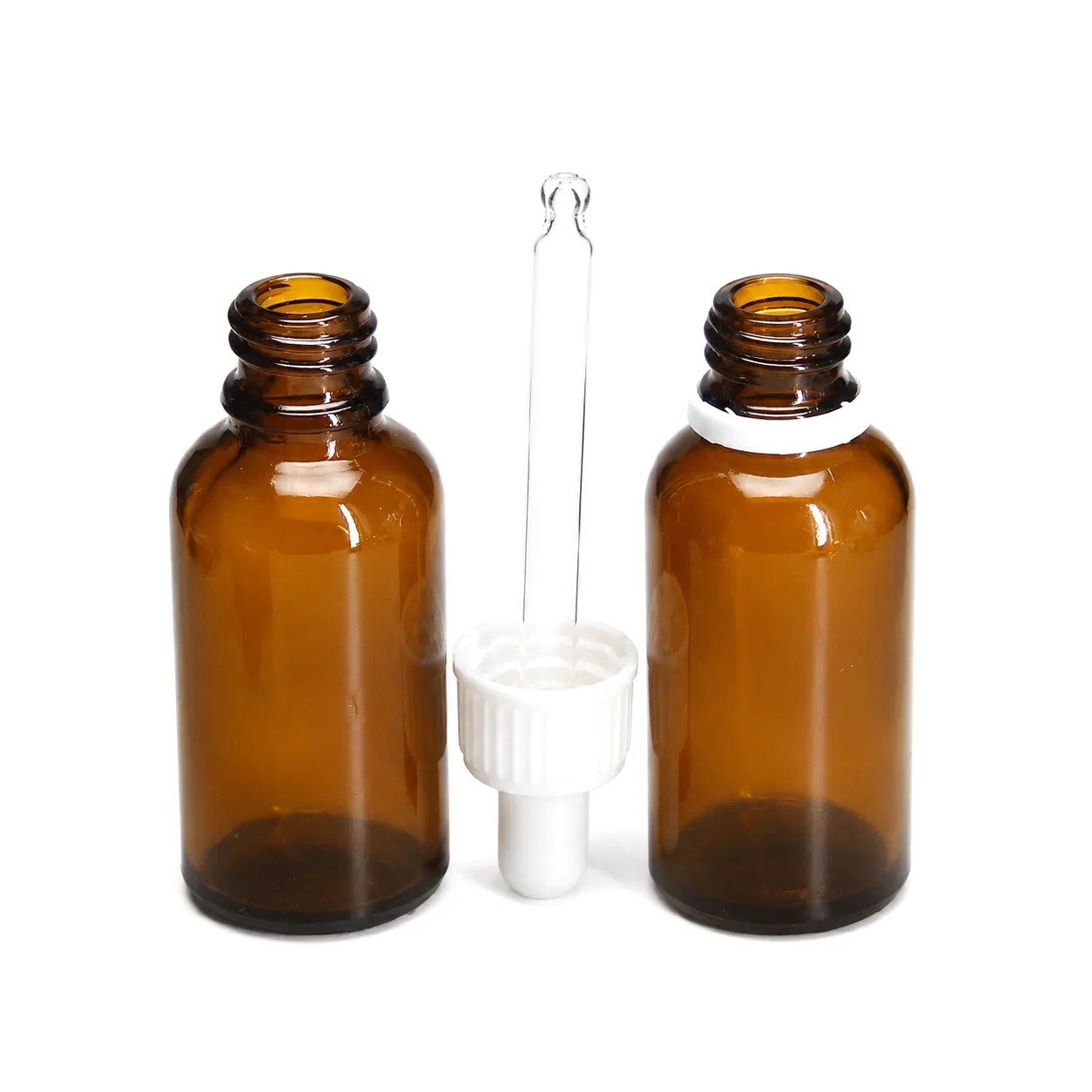 The food supplement market across Yorkshire, the Midlands, and the greater London logistics hub represents a major consumption segment for small-to-mid-volume injection-blow containers. Vitamin and mineral supplement brands selling through e-commerce channels require containers that present well on screen, protect sensitive capsule and powder formulations from moisture ingress, and accept standard 38 mm or 45 mm closures without the tolerance stack-up risk that comes with extrusion-blow neck variability. Injection-blow PP and HDPE containers for this sector are produced in volumes from 50,000 to 5 million units per annum, with the process flexibility to switch container sizes between production runs through tooling changes rather than machine investments.
Honey packaging represents a specific niche where the wide-mouth jar format of injection-blow containers finds particular traction in UK artisan food production. Transparent PP jars with smooth side walls and consistent base geometry photograph well for online retail — a commercially critical attribute in the UK direct-to-consumer food market where product images drive conversion rates on Amazon UK and independent brand websites. The absence of weld lines and the smooth internal surface achievable in injection-blow PP also facilitates complete product evacuation and simplified filling on automated fill lines.
Manufacturing Partner
Ever Power — Precision Manufacturing & Customisation Capability
Ever Power has spent years at the intersection of precision mechanical engineering and polymer processing equipment design, developing injection-blow molding machines that serve customers across pharmaceutical, personal care, agrochemical, and food packaging sectors globally. Our manufacturing facility operates to standards demanded by customers in regulated industries — ISO-compliant production documentation, in-process dimensional measurement, and full FAT (Factory Acceptance Testing) protocols are embedded into every machine delivery programme, not offered as optional extras.
Customisation is a core competency at Ever Power, not a peripheral service. From machine clamp force and plasticising capacity selection through to bespoke mold tooling design for unconventional container geometries, our engineering team supports the entire development journey. UK customers benefit from English-language technical documentation, CE-marked machine builds compliant with UK Machinery Directive standards, and dedicated after-sales support teams familiar with the regulatory and operational context of British manufacturing.
15+
Years specialising in injection-blow molding machine engineering
CE
Certified machines meeting UK/EU Machinery Directive requirements
100%
FAT-tested prior to shipment with full dimensional and cycle data
⚙
Custom Mold Design
In-house tool design and manufacture for non-standard geometries, unusual neck finishes, and proprietary branding features
📐
Material Validation
Compatibility testing data for pharmaceutical and food-contact resins; support for migrating from glass or extrusion blow formats
📌
After-Sales & Spare Parts
Dedicated spare parts inventory, remote diagnostics, and English-language engineering support for UK-based customers
📦
Logistics & Installation
Sea freight, road haulage, and supervised installation; familiar with UK port of entry procedures and import documentation requirements
Auxiliary Equipment & Complete Production Line Solutions
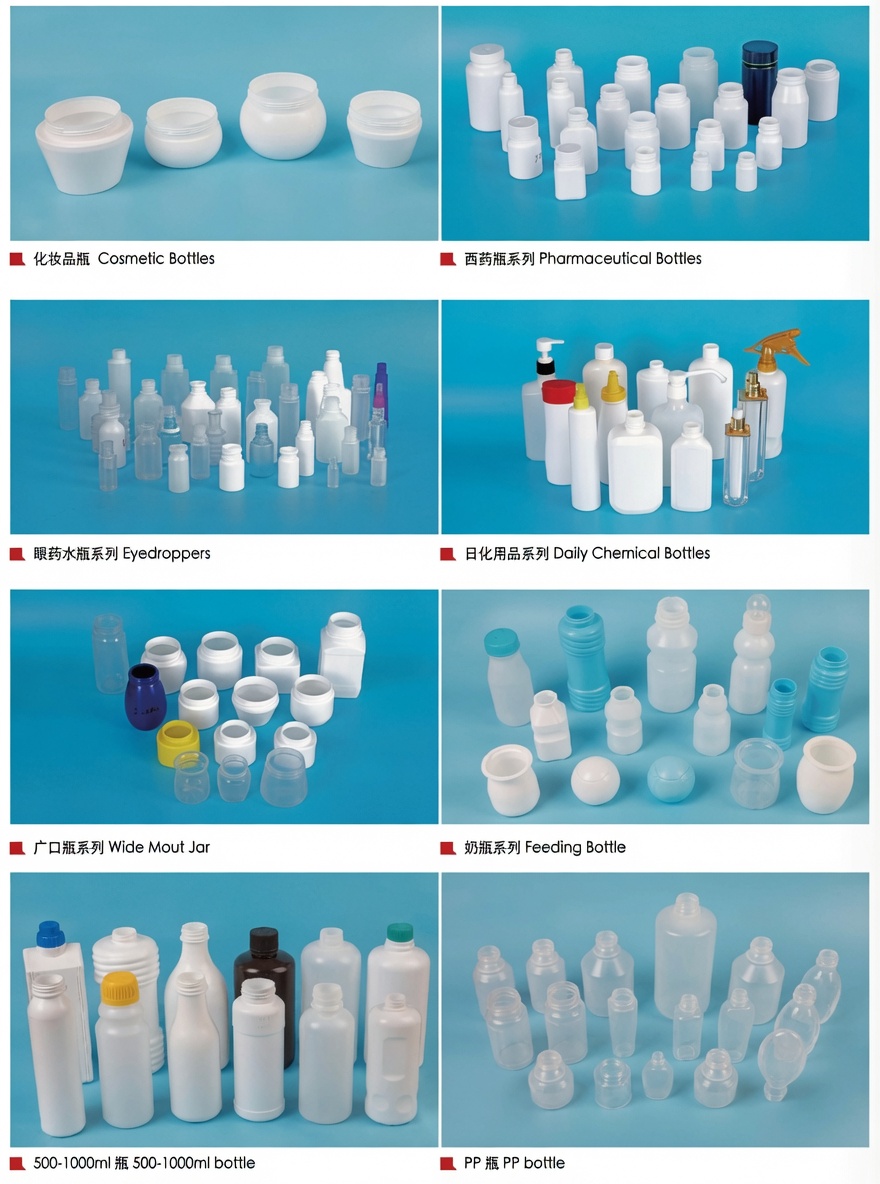
Ever Power supplies complete turnkey solutions integrating auxiliary equipment — including hopper dryers, mold temperature controllers, chiller units, and downstream inspection systems — alongside the core injection-blow molding machine. The images below show the range of auxiliary and ancillary equipment available as part of integrated production line packages.
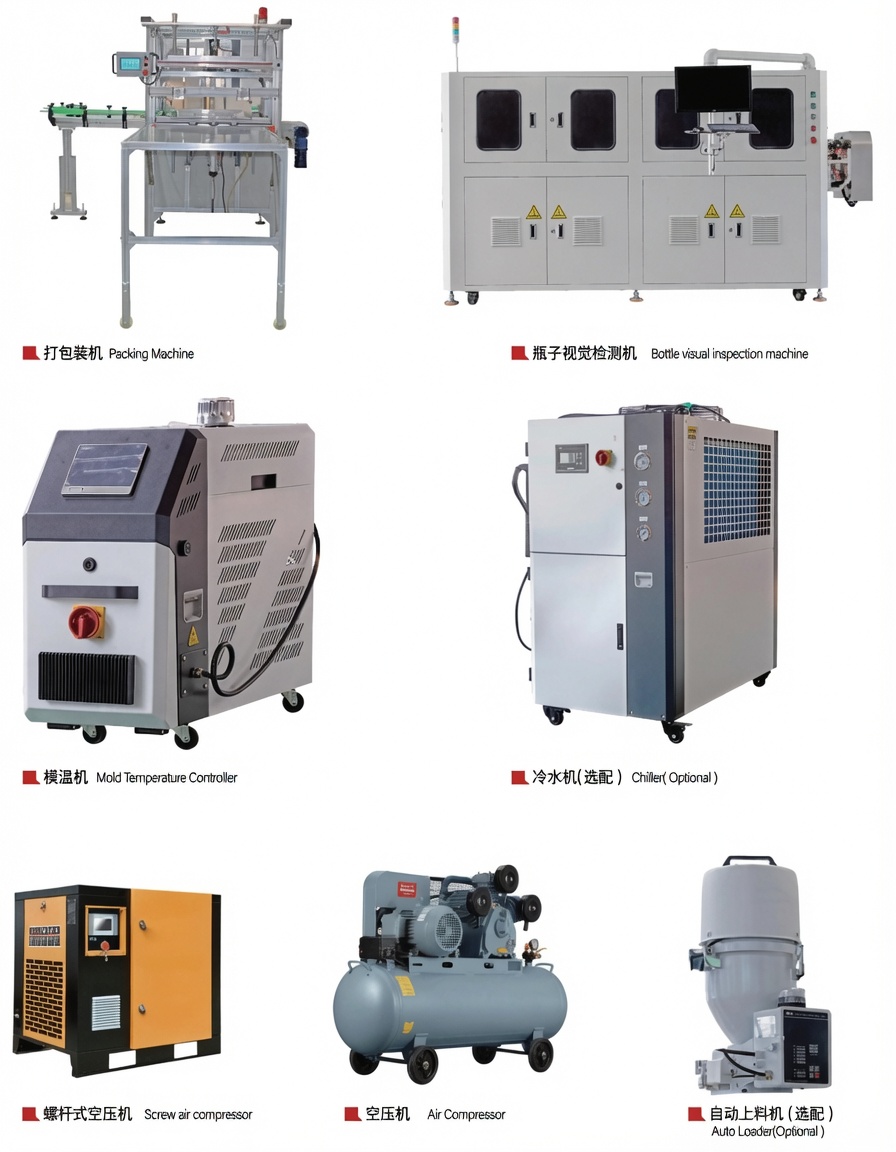
Ancillary Support Equipment
Hopper dryers, mold temperature controllers, conveyor systems, and vision inspection equipment
Integrated Line Components
Chiller units, robotic pick-and-place, leak testing, and packing automation for high-output production environments
Featured Machine Models from Ever Power
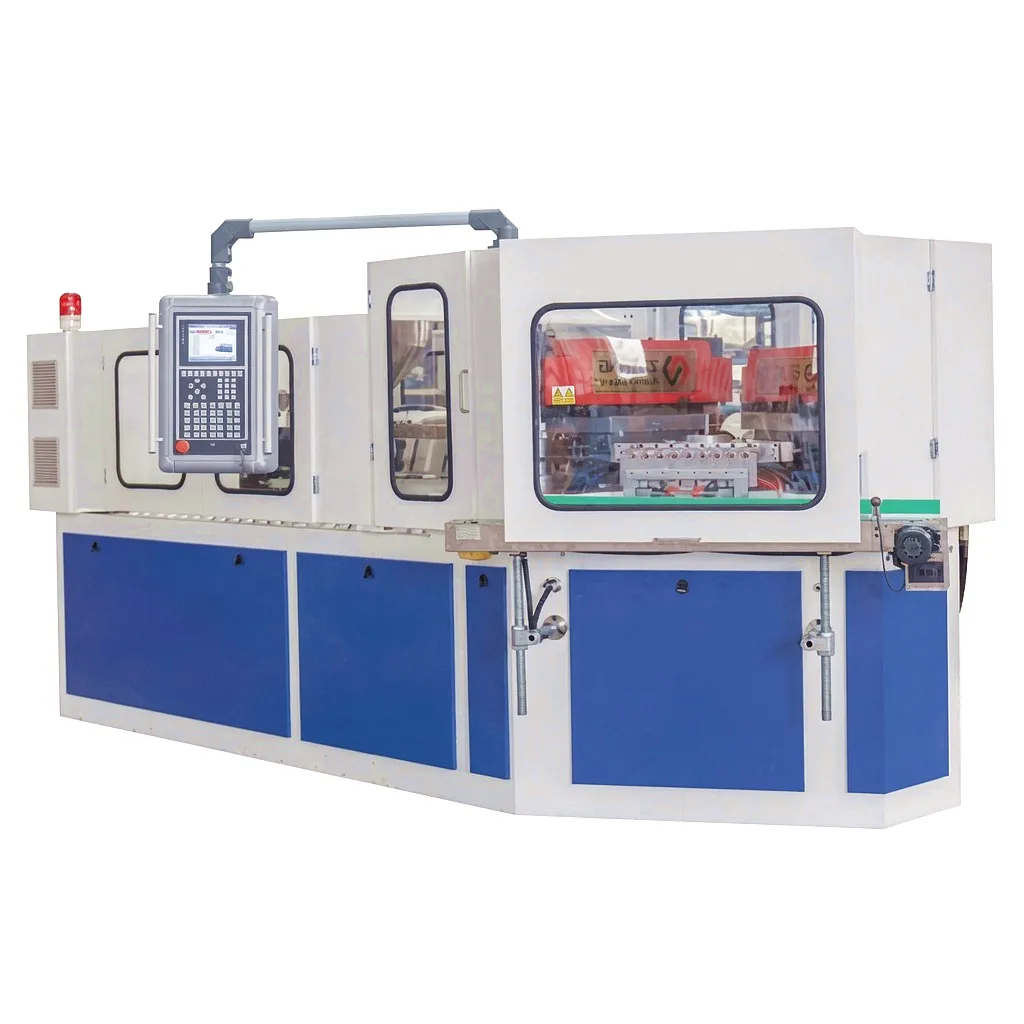
The ZQ-series injection-blow molding machines from Ever Power are engineered as direct performance-equivalent replacements for leading European machine brands, with full tooling compatibility and CE certification for UK and EU market deployment.
SUMA 85iB Replacement
ZQ80 Injection-Blow Molding Machine
The ZQ80 is a high-performance, 3-station injection-blow molding machine engineered as a drop-in capability replacement for the SUMA 85iB platform. Featuring servo-driven injection with precise shot-weight control, full mold compatibility with existing SUMA 85iB tooling, and a Siemens PLC control architecture, the ZQ80 offers European machine performance benchmarks at highly competitive capital cost. Suited to pharmaceutical, personal care, and nutraceutical container production in the 10 ml to 800 ml range.
View ZQ80 — Replacement of SUMA 85iB →
SUMA 65iB Replacement
ZQ60 Injection-Blow Molding Machine
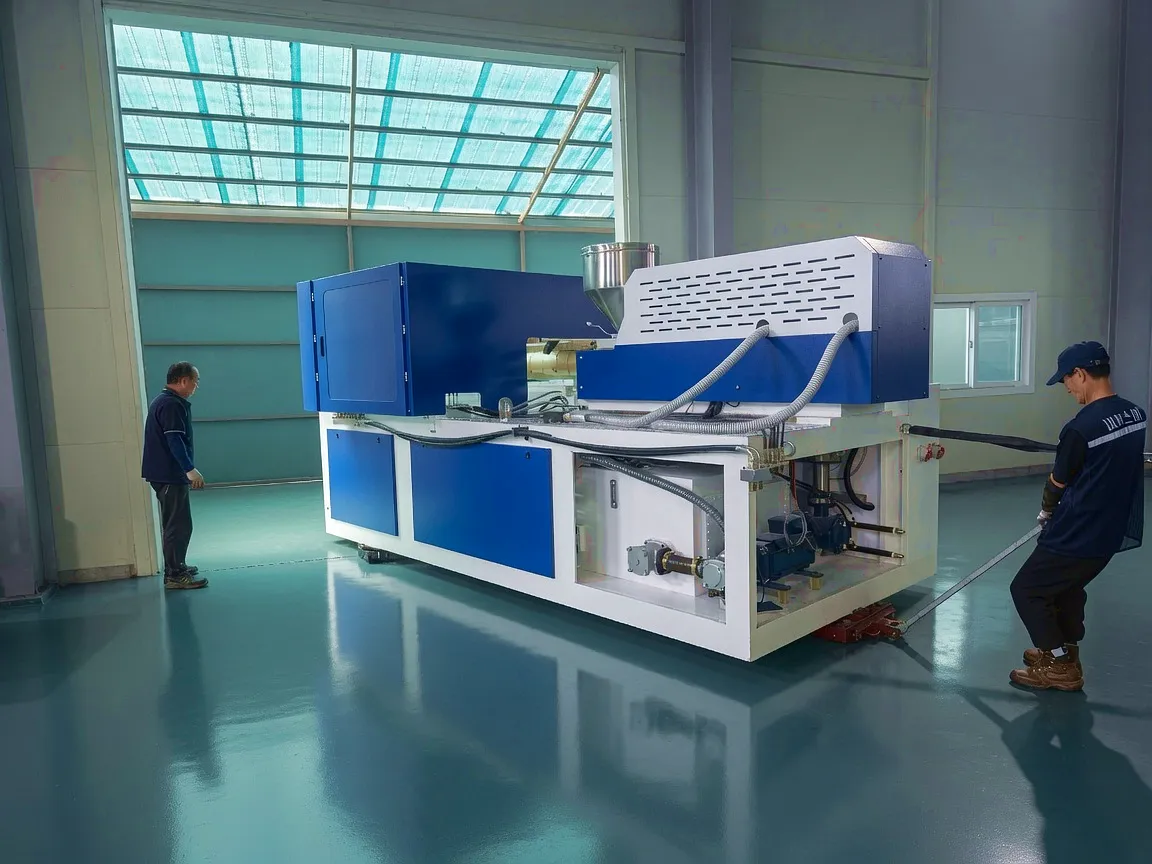
The ZQ60 delivers the precision and reliability profile of mid-range European injection-blow equipment at a capital cost that opens the format to smaller-volume UK producers and contract packaging operations. Designed as a full functional replacement for the SUMA 65iB, the ZQ60 accepts existing SUMA 65iB tooling sets, substantially reducing the investment threshold for operators seeking to extend injection-blow capacity without full machine and tooling replacement. Particularly well-suited to aromatherapy, cosmetics, and small-format pharmaceutical container production in the 5 ml to 500 ml range.
View ZQ60 — Replacement of SUMA 65iB →
Customer Success Story — Yorkshire Wellness Packaging, Leeds
Location
Leeds, West Yorkshire
Sector
Wellness & Aromatherapy Packaging
Outcome
34% unit cost reduction
A mid-sized wellness and aromatherapy brand based in Leeds was sourcing its complete range of PETG dropper bottles, roll-on applicator bottles, and reed diffuser liquid vessels from a European glass supplier, with all logistics routed through a freight forwarding agent operating through Immingham on the Humber Estuary. The combined effect of post-Brexit customs delays, glass breakage rates of approximately 2.3% in transit, and the premium cost of small-run glass mold production had been eroding the brand’s margin across its fastest-growing SKU range for two consecutive financial years.
After an initial technical consultation with Ever Power’s engineering team, the brand committed to a project to convert its top-eight container formats from amber glass to PETG injection-blow containers produced in-house on an Ever Power ZQ60. The conversion project involved PETG grade selection and compatibility verification against the brand’s carrier oil base formulations, new mold tooling design for seven of the eight containers (one format was adapted from an existing SUMA 65iB-compatible tool available through Ever Power’s tooling library), and a production trial programme at Ever Power’s facility before shipment and SAT (Site Acceptance Testing) in Leeds.
From commissioning to first commercial production run took eleven weeks — significantly shorter than the brand’s previous glass lead time for new mold designs. In the twelve months following full production launch, the brand recorded a 34% reduction in per-unit packaging cost across the converted range, zero transit breakage incidents, and a 22% increase in the number of unique SKU formats available to its retail buyers, driven by the lower incremental cost of new injection-blow tooling compared to glass mold commissioning. The Leeds operation now runs the ZQ60 on two-shift patterns four days per week, supporting both their own brand production and a small contract filling programme for two other Yorkshire-based wellness companies.
What Our Customers Say
★★★★★
“The neck finish consistency on the ZQ60 is genuinely remarkable. We converted from glass dropper bottles twelve months ago and our roll-on bottle rejection rate at the closure assembly station has dropped from roughly 1.8% to under 0.2%. Ever Power’s tooling team designed the roll-on ball seat profile to our exact insert dimensions, and it was right first time. That kind of precision from a new supplier relationship is not common.”
Sarah T., Production Manager
Aromatherapy Packaging Brand, Leeds
★★★★★
“We had concerns about how Ever Power would handle the regulatory documentation requirements for our pharmaceutical container validation programme. Those concerns were unfounded. The FAT package was comprehensive, the IQ/OQ documentation templates were already aligned to our internal validation SOPs, and the technical support during our PQ runs was responsive and knowledgeable. The ZQ80 has been running at 98.3% OEE for four months since commissioning.”
James K., Engineering Director
Pharmaceutical Packaging Contract Manufacturer, Sheffield
★★★★★
“The price-performance ratio of Ever Power’s ZQ-series machines is quite simply the best available in this sector at this specification level. We evaluated four machine suppliers before selecting the ZQ80, and the combination of SUMA 85iB tooling compatibility, Siemens PLC architecture, and the service and parts commitment was the deciding factor. Twelve months in, machine availability has not dropped below 97% and spare parts have arrived within the lead times quoted at the time of purchase.”
Marcus B., Operations Director
Cosmetics Packaging Manufacturer, Birmingham
Frequently Asked Questions
Common questions from UK manufacturers, packaging engineers and procurement teams considering injection-blow molding equipment.
Q
How much does an injection-blow molding machine typically cost for a UK pharmaceutical packaging operation, and what is the price range for different machine sizes?
Entry-level injection-blow molding machines suitable for small-format pharmaceutical containers typically start at around USD 60,000 to USD 100,000 for a basic 3-station single-cavity configuration. Mid-range machines with multi-cavity tooling capability, servo injection, and full PLC control — the type most commonly specified for pharmaceutical GMP environments in the UK — sit in the USD 120,000 to USD 300,000 bracket. High-output machines with 6 or 8 cavity tooling, all-electric drives, and full Industry 4.0 connectivity typically range from USD 280,000 upward. Ever Power’s ZQ-series machines are priced competitively within the mid-range band. Contact
[email protected] for a specific quote matched to your container specification and production volume requirements.
Q
What is the difference between injection-blow molding and injection stretch blow molding, and which process should a UK cosmetics packaging manufacturer choose?
Injection-blow molding produces containers in a two-stage process — injection then blow — without axial stretching of the preform. Injection stretch blow molding (ISBM) adds a longitudinal stretch rod that extends the preform axially before radial air blowing, which biaxially orients the polymer chains and produces significantly higher tensile strength, improved gas barrier properties, and better optical clarity in PET. For cosmetics packaging in smaller volumes (under 500 ml) where neck finish precision, complex shoulder geometry, and PETG or PP compatibility are priorities, standard injection-blow is typically the better choice. For large-format, high-clarity PET bottles where barrier and carbonation retention matter — less relevant for cosmetics but important in beverage and pharmaceutical liquid dose — ISBM is the preferred process. UK cosmetics manufacturers most frequently select injection-blow for serums, dropper formats, and roller bottles.
Q
Where can I find a reliable injection-blow molding machine supplier who can ship to Birmingham or Sheffield in the UK and provide English-language technical support?
Ever Power supplies injection-blow molding machines to UK customers including operations in Birmingham, Sheffield, Leeds, Manchester, and London, with machines shipped via sea freight to major UK ports including Felixstowe, Southampton, and Tilbury. All machines are delivered with full English-language documentation, CE certification, and a dedicated English-speaking after-sales engineering contact. Ever Power’s UK technical support team can provide remote diagnostics, telephone support, and coordinates in-person service visits through UK-based engineering partners. To discuss logistics, installation, and commissioning support for your specific UK location, contact
[email protected].
Q
How long does it typically take to get a custom injection-blow molding machine with bespoke tooling from Ever Power, and what does the ordering process involve for a UK buyer?
Standard machine lead time from order confirmation to Factory Acceptance Testing is typically 10 to 14 weeks for machines in the ZQ60 to ZQ80 specification range. Custom tooling designed from new container drawings adds 4 to 6 weeks to the tooling manufacturing element, though this often runs in parallel with machine manufacture rather than sequentially. For UK buyers, add approximately 4 to 6 weeks for sea freight transit, port clearance, and delivery to site from FAT sign-off. Total project duration from order to first production run is typically 18 to 22 weeks for a custom machine and tooling programme. Ever Power provides a detailed project schedule at the proposal stage, with milestone reporting throughout manufacture.
Q
Which resins are compatible with injection-blow molding machines, and can the process handle PETG for producing glass-clear aromatherapy dropper bottles sold in the UK wellness market?
Injection-blow molding machines are compatible with a wide range of thermoplastic resins including PP, HDPE, LDPE, PET, PETG, and PVC. PETG is fully compatible and is in fact one of the most frequently specified materials for aromatherapy and wellness packaging applications in the UK market, owing to its glass-like optical clarity, excellent compatibility with essential oil carrier bases, and recyclability under the PET/PETG mono-material stream. Processing PETG on an injection-blow machine requires a correctly specified barrel and screw — barrier screw geometries are typically recommended — along with accurate dew-point drying to below 0.002% moisture content before processing. Ever Power’s ZQ60 and ZQ80 machines are both available with PETG-optimised screw and barrel configurations.
Q
Who should I contact to get a competitive quote for an injection-blow molding machine for my small to mid-sized packaging operation based in the North of England?
Contact Ever Power’s sales team directly at
[email protected]. To accelerate the quotation process, it is helpful to include in your initial enquiry the following information: your target container volume range (in ml), the resin you intend to process, the neck finish specification (thread size and standard if known), your estimated annual production volume, and any existing tooling you wish to evaluate for compatibility. Ever Power responds to UK enquiries within one working day and can typically provide a budgetary specification and indicative pricing within three working days of receiving the above information.
Ready to Discuss Your Injection-Blow Molding Requirements?
Whether you are evaluating your first injection-blow machine purchase, replacing ageing equipment, or scaling an established operation, Ever Power’s engineering team is ready to help. Reach out for a no-obligation technical consultation and quotation.
📧 Get a Quote — [email protected]
edit by gzl