Industrial Packaging Technology
Injection-Blow Molding Machine: Applications, Technology & Industry Insights
A deep-dive into how injection-blow molding machines are reshaping UK packaging manufacturing — from automotive chemicals to pharmaceutical-grade containers.
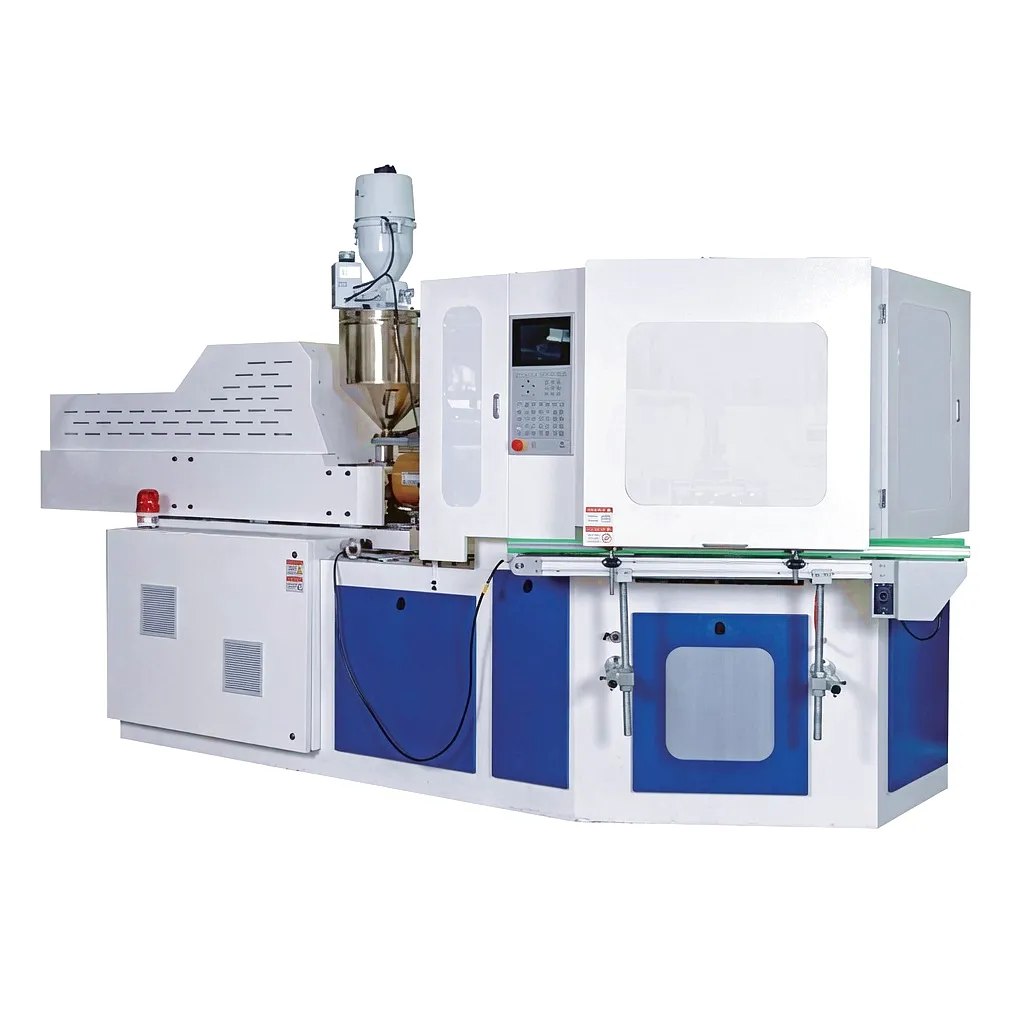 Walk through any modern UK packaging facility — whether in Birmingham’s Black Country manufacturing corridor, Sheffield’s advanced materials sector, or the sprawling industrial estates of the East Midlands — and you will encounter one truth repeated in every production line: the quality of a container begins long before it is filled. The injection-blow molding machine sits at the exact centre of that truth. This technology combines two discrete polymer processing stages — injection and blow molding — into a single continuous process, producing hollow plastic containers with a precision and consistency that no other single-stage method can match. Where older blow molding technologies left manufacturers tolerating variable wall thickness, uneven neck finishes, and unpredictable material distribution, the injection-blow molding machine eliminates those weaknesses by shaping the preform under high-cavity injection pressure before expanding it into the final container form under controlled blow pressure. The result is dimensional accuracy at the micron level, uniform wall distribution that resists chemical permeation, and neck-finish geometry that accepts tamper-evident closures without secondary calibration.
How an Injection-Blow Molding Machine Works
The process unfolds across three rotary stations, each performing a distinct function within the same machine cycle. At the injection station, molten polymer — typically HDPE, PP, PET, or PETG — is injected under pressures ranging from 80 to 180 MPa into a core-rod-and-cavity assembly. This creates a preform: a thick-walled tube with the neck finish already formed to its final, exact dimensions. Because the neck is shaped under injection pressure rather than blow pressure, it achieves tolerances as tight as ±0.05 mm, a level of accuracy critical for pharmaceutical child-resistant closures and automotive precision-seal caps alike.
The indexed core rod — still carrying the preform at a controlled temperature — rotates to the blow station, where compressed air at 6 to 20 bar inflates the still-soft preform against a cooled split-blow mold. Wall thickness distribution is governed entirely by the preform geometry and the thermodynamic state of the polymer at the moment of inflation, giving process engineers a parametric lever that no extrusion blow process can replicate. The container is then indexed to the ejection station, stripped from the core rod, and conveyed downstream, often directly to an in-line leak tester or dimensional vision system.
What makes this sequence commercially powerful is its single-heat efficiency: the polymer is never fully cooled between injection and blowing, which not only saves energy but preserves the crystalline orientation structure that gives the final container its mechanical and barrier properties. Cycle times on modern injection-blow molding machines range from 6 to 18 seconds depending on container weight and cooling requirement, making them competitive with extrusion blow for mid-volume runs while dramatically outperforming on quality consistency.
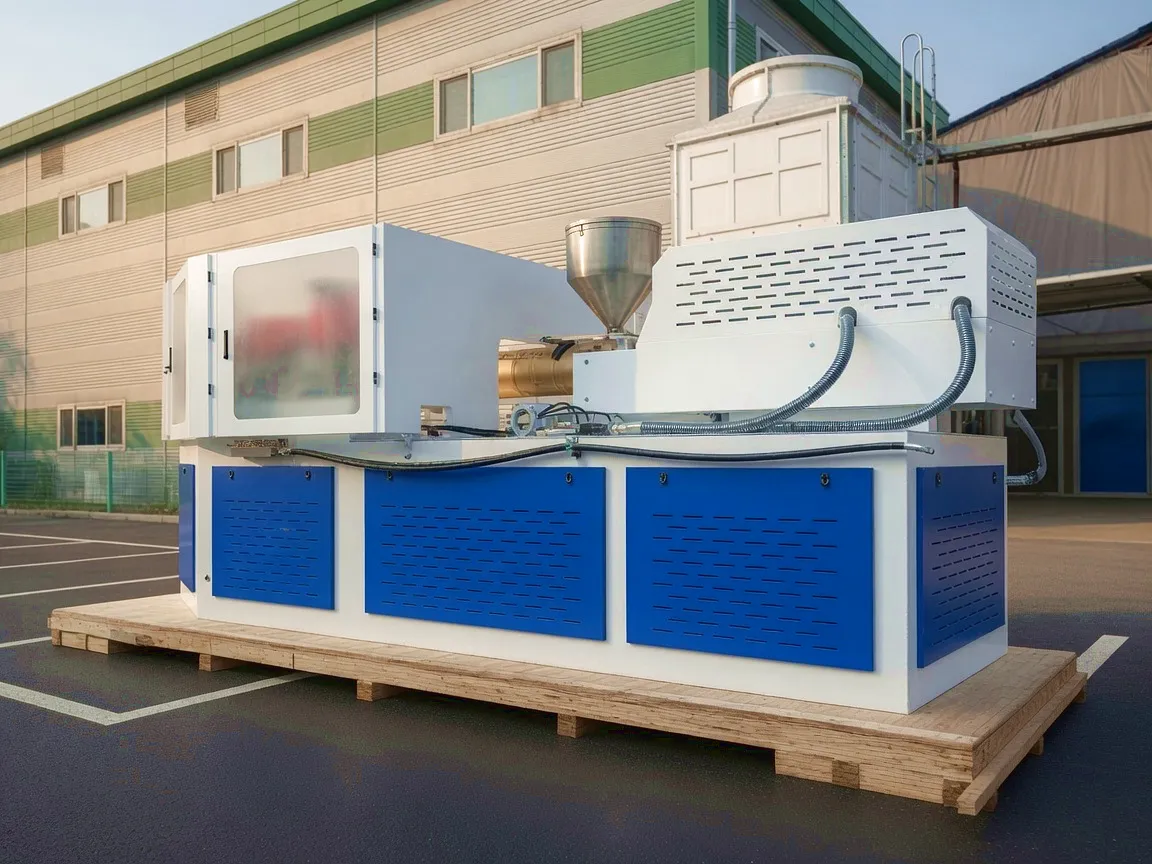
Core Materials Processed
HDPE (High-Density Polyethylene) dominates automotive chemical and agrochemical container production due to its outstanding resistance to hydrocarbons, alcohols, and polar solvents. Wall thicknesses of 0.8–3.5 mm are achievable with the injection-blow molding process, giving designers latitude to balance material cost against structural requirement without compromising barrier performance.
PP (Polypropylene) offers a superior temperature range — up to 110°C continuous — making it the preferred material for engine coolant and transmission fluid containers that may encounter underbonnet heat during transport and storage. PET and PETG are chosen where optical clarity, gloss surface finish, and high-strength lightweight structure are primary requirements, particularly in personal care and beverage packaging.
Tooling & Mold Materials
Blow molds are machined from P20 or H13 tool steel with surface hardness of 48–52 HRC for long-run pharmaceutical and food-grade applications. Aluminium-alloy molds are selected for development runs and short-run specialty containers, offering faster thermal cycling and lower tooling lead times without sacrificing dimensional repeatability during the limited production volumes they serve.
Core rods are typically manufactured from beryllium-copper alloy for its exceptional thermal conductivity — critical for rapid, uniform cooling of the preform interior — or from hardened stainless steel in medical-grade tooling where contamination control is paramount. Surface treatments including electroless nickel plating and titanium nitride PVD coating extend mold service life well beyond 3 million cycles.
Technical Advantages That Drive Adoption
Neck Finish Precision
Tolerances of ±0.05 mm on thread diameter and height, eliminating closure mismatch and secondary calibration operations.
Uniform Wall Distribution
Preform-controlled wall geometry delivers ±8% thickness variation versus ±25% typical in extrusion blow — critical for chemical barrier and top-load performance.
No Flash or Weld Lines
The absence of parting-line flash eliminates trimming scrap and the structural weak points that weld lines create — paramount in pharmaceutical leak-tight containers.
Single-Heat Energy Efficiency
Processing polymer in a single thermal cycle reduces energy consumption by 18–30% versus reheat stretch-blow processes — aligning with UK net-zero manufacturing commitments.
Scrap-Free Operation
No runner trimming, no sprue regrinds entering the production stream — clean material flow from pellet to container reduces contamination risk and material cost per unit.
Multi-Cavity Scalability
Available in 2- to 12-cavity configurations, injection-blow molding machines scale output linearly with minimal footprint increase — suitable for both specialty contract fillers and large-volume brand owners.
Technical & Performance Parameter Table
| Parameter | Typical Range / Value | Notes |
|---|---|---|
| Container Volume Range | 1 mL – 5,000 mL | Standard IBM range; larger volumes via custom tooling |
| Injection Pressure | 80 – 180 MPa | Servo-hydraulic or all-electric drive systems |
| Blow Pressure | 6 – 20 bar | Regulated via proportional valve; PID controlled |
| Neck Finish Tolerance | ±0.05 mm | Thread OD and height; injection-formed (not blown) |
| Wall Thickness Variation | ±8% (IBM) vs. ±25% (EBM) | Preform geometry governs distribution |
| Cavity Count | 2 – 12 cavities | Symmetric mold layouts for balanced injection fill |
| Cycle Time | 6 – 18 sec | Dependent on container weight and cooling geometry |
| Compatible Polymers | HDPE, PP, PET, PETG, PVC, EVOH co-extrusion | Material change tooling kits available |
| Mold Tool Life | 1 – 5 million+ cycles | H13 steel with TiN coating; Al tools: 300K–500K cycles |
| Energy Saving vs. Reheat SBM | 18 – 30% | Single-heat-process advantage; reduced kWh per 1,000 parts |
| Scrap Flash | Zero flash / zero weld lines | Eliminates trimming operations and material regrind |
| Mold Material Options | P20, H13 steel; 7075 aluminium alloy | Steel for long runs; aluminium for development and short runs |
Industrial Application Scenarios
Where injection-blow molding machines deliver a decisive competitive edge across UK manufacturing sectors.
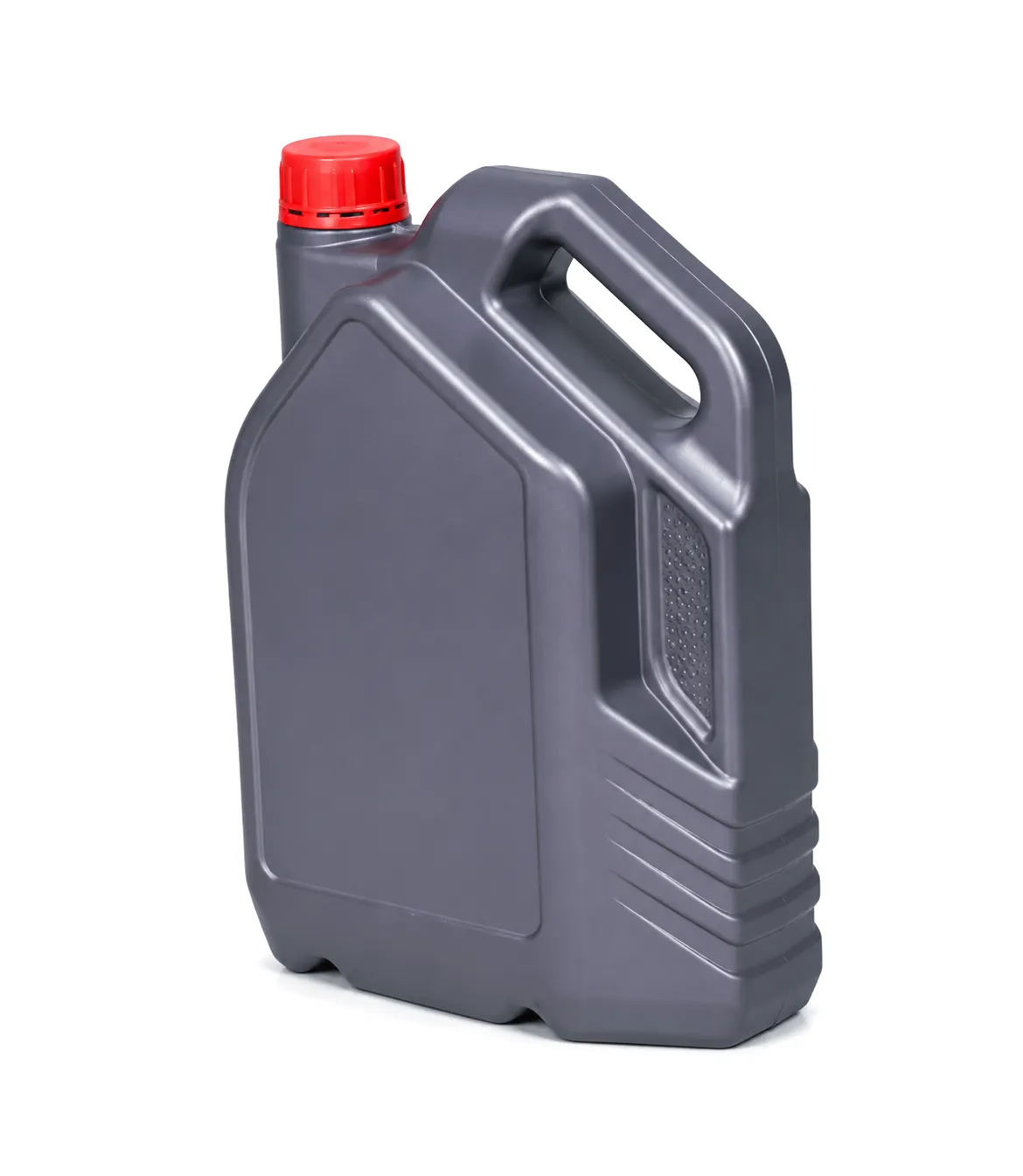 Automotive chemical packaging sits at the demanding intersection of chemical resistance, regulatory compliance, and shelf-life integrity. Containers for engine oil, brake fluid, engine coolant (antifreeze), power steering fluid, and transmission fluid must withstand prolonged contact with some of the most chemically aggressive substances found in any consumer supply chain — from highly hygroscopic glycol-ether brake fluids that attack most standard-grade polymers to extreme-pressure gear oils containing sulphur-phosphorous additive packages that can cause stress cracking in poorly formulated HDPE grades.
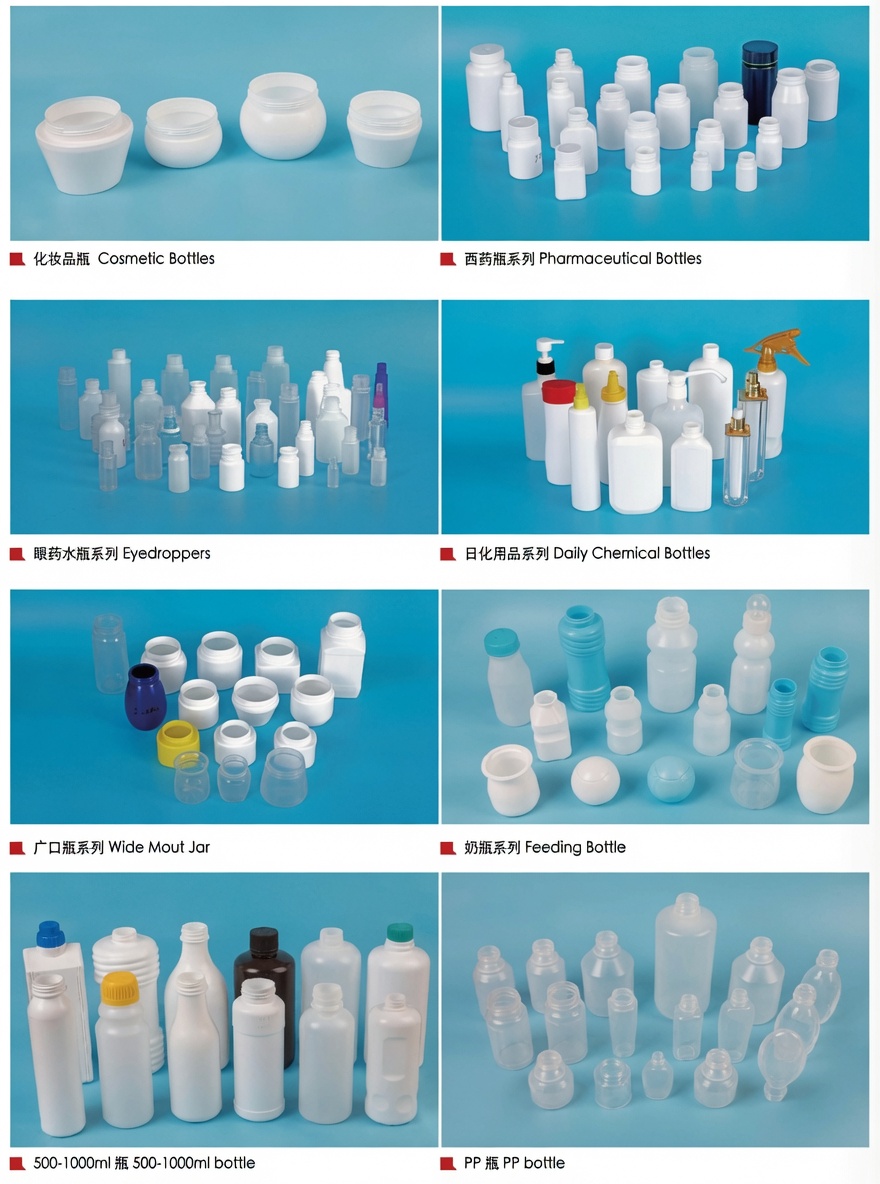
Application Scenario 2: Pharmaceutical & Healthcare — Oral Liquid, Nasal Spray, Eye Drop & Tablet Packaging
Pharmaceutical containers: oral liquid bottles · nasal spray reservoirs · ophthalmic dropper bottles · child-resistant closure (CRC) tablet bottles · multi-dose inhaler spacer components. All produced to MHRA-compliant ISO 15378 standards on IBM platforms.
Application Scenario 3: Personal Care & Cosmetics — Shampoo, Body Lotion, Perfume & Airless Pump Bottles
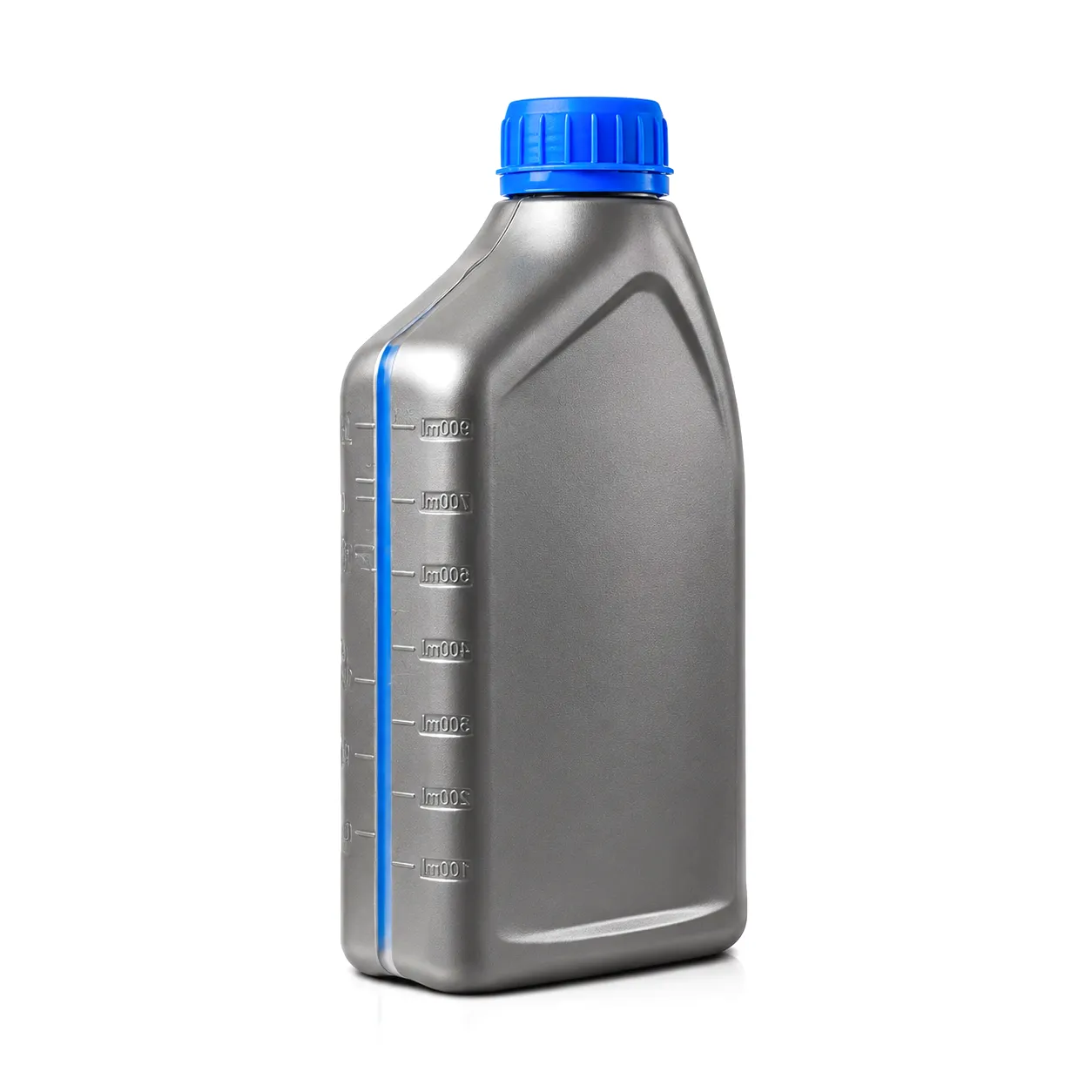 The personal care packaging market in the UK — anchored in health and beauty manufacturing clusters in West Yorkshire, the Thames Valley, and Greater London’s contract-fill ecosystem — demands containers that combine consumer aesthetic appeal with robust functional performance. Injection-blow molding machines are particularly suited to this sector because they produce containers with the optical clarity and high-gloss surface finish that PET offers without the haze or surface imperfections that can appear in extrusion-blown PET. A haircare brand launching a clear shampoo bottle with precise volume graduation markings needs wall thickness consistency that makes graduation legible without external label intervention. An airless pump bottle for high-value skin serum requires a cylindrical body with inner-surface concentricity tolerances tighter than ±0.15 mm so that the follower piston travels without hang-up or bypass leakage. These requirements point directly to the injection-blow molding machine as the preferred technology.
The ability to produce containers in PETG — which offers the clarity of PET with improved impact resistance and easier decoration adhesion — is an additional capability that injection-blow molding machines provide over stretch blow alternatives when the product does not require biaxial orientation for gas barrier. For fragrance and premium skincare lines targeting the luxury retail segment, PETG containers produced on IBM equipment deliver the weighty, glass-like hand-feel and visual depth that brand developers specify, at a significantly lower production cost than genuine glass.
Application Scenario 4: Food & Beverage — Condiments, Honey, Sauces, Flavoured Syrups & Nutraceutical Supplements
Food-contact applications represent one of the largest volume segments for injection-blow molding machine production globally, and the UK market is no exception. Honey jars, sauce squeeze bottles, salad dressing containers, ketchup dispensing bottles, flavoured syrup bottles for the coffee-shop trade, and tablet-format nutraceutical supplement containers all rely on the precision and clean-process credentials of IBM technology. The HDPE and PET containers produced for the food sector must comply with UK Food Safety Act requirements and, post-Brexit, maintain alignment with EC 10/2011 food contact materials legislation as adopted into Great Britain law — a dual compliance requirement that IBM clean-process manufacturing meets without additional complexity.
In the Yorkshire food manufacturing region — home to some of the UK’s largest sauce and condiment producers — injection-blow molding machine capacity has expanded significantly over the past decade to meet the demand for portion-control squeeze bottles with precise dispensing orifice geometry. The orifice diameter and inner-land length are both determined by the injection-formed neck finish, meaning IBM technology produces consistent dispensing flow characteristics across every container in a production run — a quality attribute that matters enormously when a restaurant chain or contract-catering operator specifies a condiment container to portion-control food costs.
Application Scenario 5: Household Chemicals & Agrochemicals — Trigger-Spray Bases, Pesticide Bottles & Garden Chemical Containers
 Household chemical and garden product packaging places unique demands on container geometry. Trigger-spray bottle bases must have precisely dimensioned dip-tube channels and neck threads that mate reliably with trigger-spray actuators across millions of actuation cycles in consumer hands. Pesticide containers must satisfy the UK Health and Safety Executive’s (HSE) Control of Pesticides Regulations and must incorporate child-resistant closures with thread geometries manufactured to tolerances that child-resistant specification testing protocols require. In both categories, the injection-blow molding machine’s inherent ability to produce injection-formed neck finishes without blow-induced geometry relaxation makes it the preferred technology over extrusion blow for containers destined for precision-closure applications.
Sheffield’s advanced manufacturing sector, which encompasses both household product contract filling and agricultural chemistry distribution, has increasingly specified injection-blow molding machine capacity for high-volume own-label product lines where closure performance and container-weight reduction can both be achieved simultaneously. The ability to produce an HDPE pesticide container with 15–20% less material than an equivalent extrusion-blown container — by exploiting the more uniform wall distribution that IBM preform engineering enables — delivers material cost savings that, at volumes of several million units per year, justify the higher tooling investment of injection-blow molding machine mold sets.
Ever Power — Precision Manufacturing & Custom IBM Solutions
Factory Capability · Customisation · Supply Chain
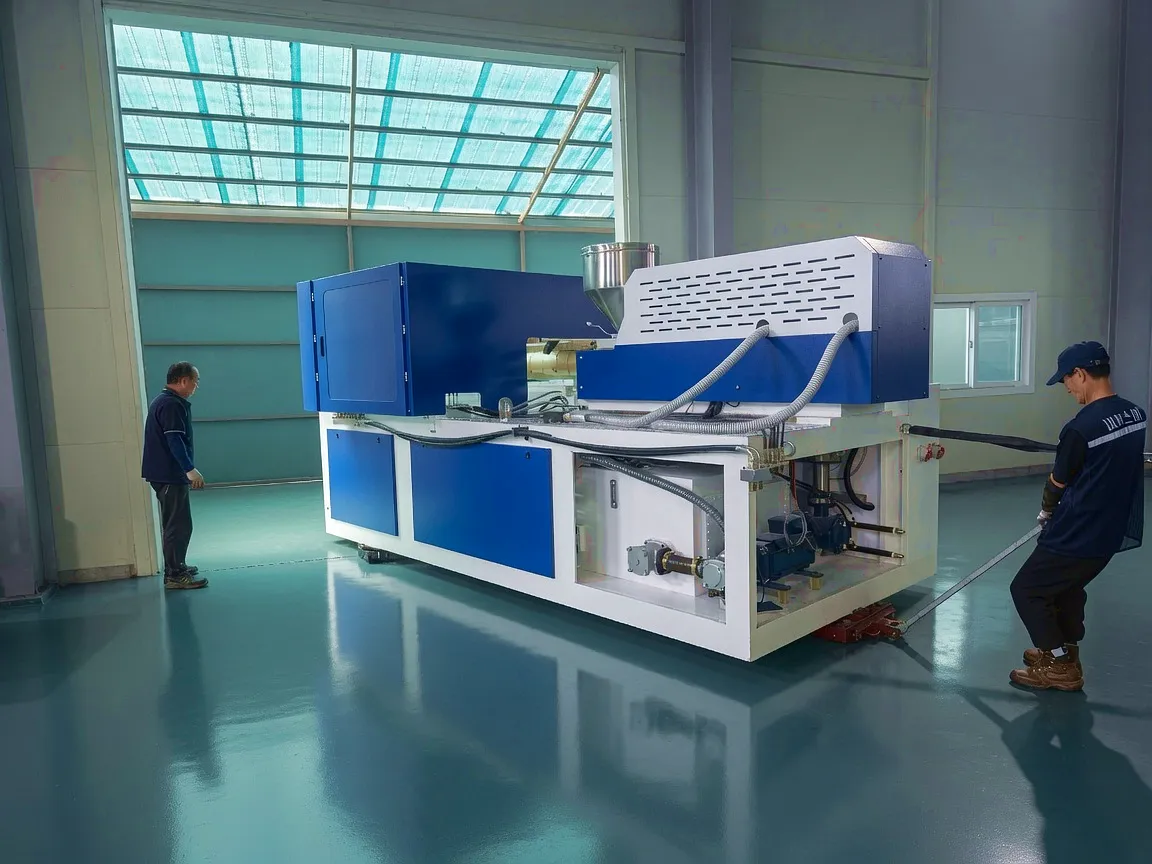
Ever Power stands as a vertically integrated manufacturer of injection-blow molding machines with production facilities equipped to the highest standards of precision engineering. The company’s in-house design and tooling teams work directly with customer packaging engineers from initial concept through validated production qualification — a process that shortens the gap between container specification and production-ready approval, particularly for UK clients operating under compressed new-product-launch timelines. Ever Power’s engineering capability spans structural FEA simulation of container designs, preform geometry optimisation, and full material compatibility assessment against customer-specified fill chemistries before any tooling steel is cut.
The company’s customisation capabilities extend from cavity-count configuration and polymer processing range to servo-drive architecture selection, automation integration points, and clean-room-compatible machine construction for pharmaceutical and medical-device clients. Every injection-blow molding machine leaving Ever Power’s production facility undergoes a factory acceptance test (FAT) protocol that validates dimensional output, cycle repeatability, and process parameter stability under full production conditions — not just under optimised demo-run conditions. UK customers routinely conduct remote-participation FATs via live video link, with full data packages transmitted in ISO 9001-compliant format for engineering records.
Supply chain reliability is a non-negotiable for UK manufacturers who cannot absorb extended lead times. Ever Power maintains a strategic inventory of critical mechanical and electronic components — servo drives, proportional valves, hot-runner controllers, and core-rod assemblies — enabling replacement-part dispatch within 24–48 hours internationally, and supported by a global network of certified service engineers for on-site intervention when remote diagnosis cannot resolve an issue. For contract packaging operations in the West Midlands, Yorkshire, or the industrial heartlands of the North West, this supply chain architecture provides the business continuity assurance that equipment investment decisions require.
Customisation
Cavity count · Polymer range · Drive system · Clean-room build · Automation interfaces
Quality Assurance
ISO 9001 · FAT protocols · Full data packages · Vision system integration
Supply Chain
24–48 hr parts dispatch · Global service engineers · Strategic component inventory
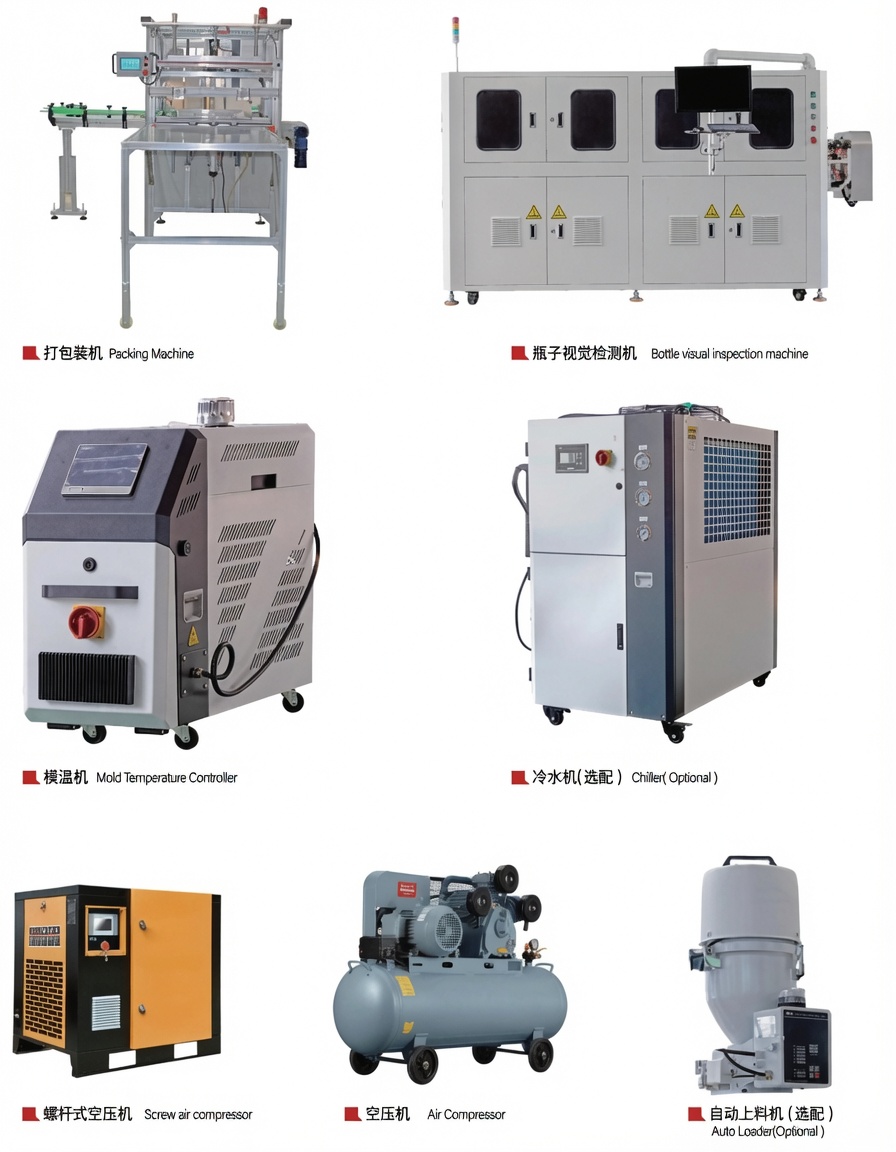
Featured Products from Ever Power
Customer Success Story
Birmingham, UK · Automotive Chemicals Sector
A mid-sized automotive lubricant contract packaging operation based in Solihull, Birmingham — supplying own-label engine oil and brake fluid containers to three national automotive aftermarket retail chains — approached Ever Power with a pressing problem: their existing extrusion blow molding line was generating a closure mismatch rate of 1.2% across the 28 mm PCO neck finish, causing random leaks during their clients’ filling operations and triggering two product recall investigations within eighteen months. The operation was running four cavities of extrusion blow capacity at approximately 280,000 units per month and needed a solution that could absorb the same volume while eliminating the neck-finish inconsistency driving their defect rate.
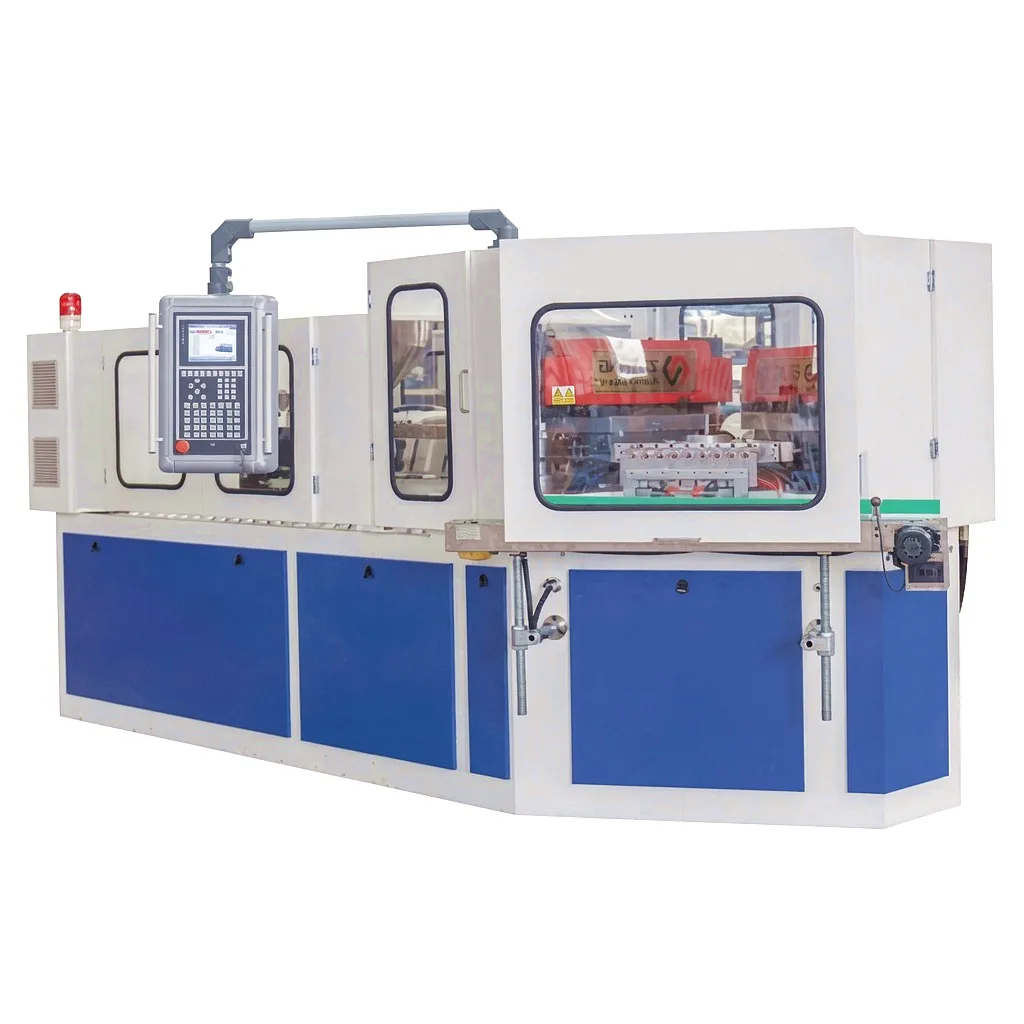
Ever Power’s engineering team conducted a three-day process analysis at the Birmingham facility, mapping the existing container specification against injection-blow molding machine capability and proposing a ZQ60 configuration with a 6-cavity HDPE tool covering the 946 mL and 1-litre format simultaneously through a dual-format mold set. The project progressed from initial enquiry to FAT completion in 14 weeks — notably including a two-week tooling design revision cycle that incorporated the customer’s label-panel geometry requirements and the specific thread-form of their tamper-evident closure supplier.
Production qualification was completed across a 72-hour validation run producing 38,000 containers. Thread-form measurement across the full 6-cavity set returned a maximum thread OD variation of ±0.03 mm across all positions — comfortably within the ±0.05 mm specification. The closure mismatch defect rate dropped to zero during the qualification run and has remained below 0.02% across the following eight months of production. Material consumption per 1-litre container fell by 6.2 grams compared to the extrusion-blown equivalent, delivering a material saving of approximately £47,000 per year at the volumes being run. The Birmingham operation subsequently ordered a second ZQ60 unit to expand into personal care contract packaging, citing Ever Power’s responsive post-installation support and the clear process-data transparency the machine’s HMI provides to their quality team.
★★★★★
“The neck-finish consistency we get from the ZQ60 is in a completely different league to what we had before. Our closure supplier actually contacted us to ask what we had changed on the container, because their capping torque data became so much more consistent. Zero leaks in eight months of production — that tells you everything.”
— Production Director, Automotive Lubricant Contract Packager, Solihull, Birmingham
★★★★★
“Ever Power’s engineering team spent proper time understanding our container spec and our closure supplier’s requirements before they touched the tooling design. That upfront process meant the validation run was genuinely a validation — not a redesign exercise. The 14-week delivery from enquiry to FAT is better than we get from most domestic toolmakers for the mold alone.”
— Technical Manager, Packaging Operations, West Midlands
★★★★★
“We run the ZQ60 on brake fluid and coolant containers back-to-back with a format change between them. The mold-swap procedure takes our team under 40 minutes, which is better than Ever Power’s quoted changeover time. The material saving versus our old EBM process funded most of the machine’s annual cost in year one. We have already placed an order for the second unit.”
— Operations Manager, Automotive Chemicals Division, Birmingham Manufacturing Group
Frequently Asked Questions
Ever Power Industrial Equipment
Ready to Specify Your Injection-Blow Molding Machine?
Tell our engineering team your container specification, polymer requirement, and annual volume. We will respond with a technical proposal and price within 48 hours.
edit by gzl