Healthcare & Pharmaceutical Packaging
Injection Blow Molding Technology and Its Applications in Healthcare & Ophthalmic Packaging
Precision-engineered sterile containers for eye drops, nasal sprays & surgical irrigation — meeting UK pharmacopoeial standards with closed-mould IBM technology
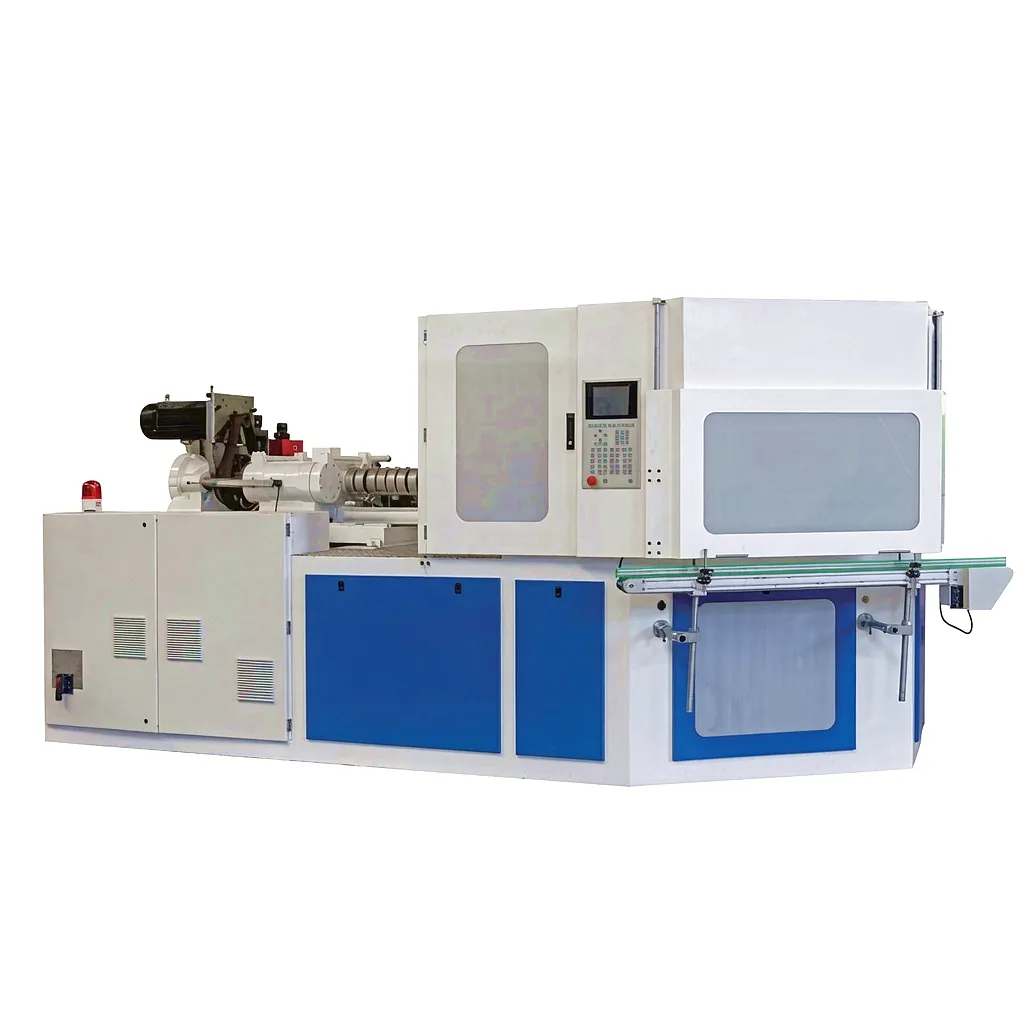 Healthcare packaging represents the most demanding frontier for injection blow molding machines. When a product comes into direct contact with the ocular surface or nasal mucosa, the margin for error is essentially zero. Across the United Kingdom — from the pharmaceutical manufacturing clusters near Macclesfield to the medtech corridors around Cambridge — facilities are turning to IBM technology not merely to improve throughput, but to meet the exacting requirements of the British Pharmacopoeia (BP) and the European Pharmacopoeia (Ph. Eur.) with consistent, verifiable results.
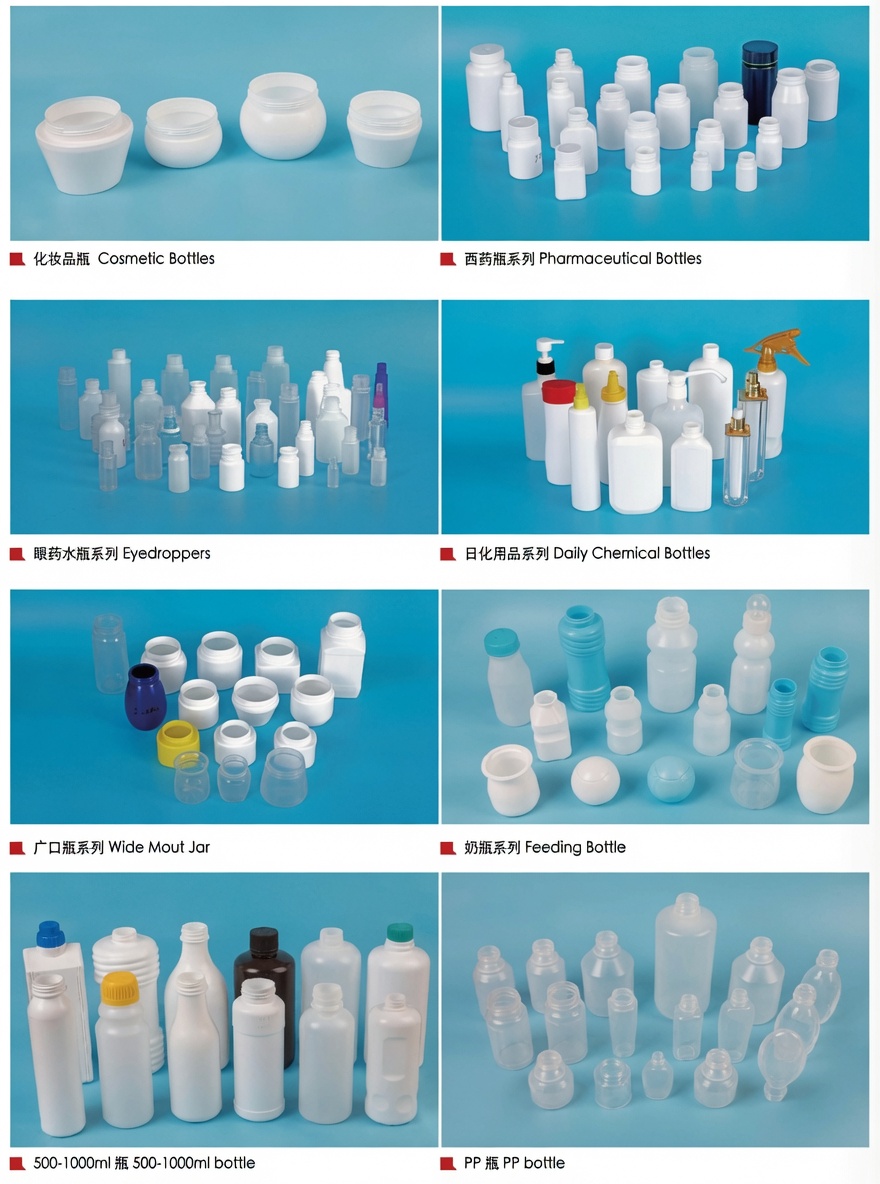
An injection blow molding machine produces hollow containers in a single integrated process: polymer melt is injected over a core rod to form a preform, the preform is transferred and inflated within a blow mould, then ejected as a finished container. Because the neck finish is formed in the injection stage rather than trimmed post-process, dimensional accuracy at the orifice — the most critical interface between container and closure — is reproducibly tight. This closed-mould characteristic means the internal container surface is never exposed to ambient air or operator contact during forming, a quality attribute of enormous importance in ophthalmic and nasal packaging.
The global ophthalmic drug delivery container market continues to expand, driven by ageing demographics, growing prescribing rates for dry-eye therapies, and the post-pandemic acceleration of single-use packaging strategies. UK contract manufacturers and brand owners alike are evaluating injection blow molding machines as the cornerstone of compliant, efficient production — and this article examines exactly why IBM has become the process of choice for eye-drop bottles, nasal spray containers, sterile saline rinse bottles, multi-dose dispensing droppers, and eyewash vessels.
Ready to Spec Your Production Line?
Ever Power IBM Engineers Are Standing By
How an Injection Blow Molding Machine Actually Works
Process Engineering & Cycle Mechanics
Injection Stage
Polymer pellets — commonly LDPE, HDPE, or polypropylene — are metered, melted, and injected over a temperature-controlled core rod at pressures typically ranging from 80 MPa to 140 MPa. The preform geometry is defined here, including the critically important neck finish. Because closure torque, drip-tip diameter, and thread form are all established at this stage, there is no secondary trimming or reaming operation that could introduce dimensional scatter or particle debris.
Blow Stage
The indexed core rod, still carrying the warm preform, rotates into the blow station. Conditioned air — usually at pressures between 0.5 MPa and 1.0 MPa — inflates the preform against the precision blow mould cavity wall. Mould temperature, air pressure ramp profile, and blow time are all independently controlled via the machine’s PLC system. For ophthalmic containers where wall thickness uniformity directly influences chemical extractables and drop-dose accuracy, this level of parametric control is not optional.
Ejection Stage
The finished container is stripped from the core rod at the ejection station and conveyed directly to downstream inspection or accumulation equipment. There is no flash, no weld line from a split preform, and no open neck that could become a contamination pathway. The three-station rotary arrangement means all three operations run simultaneously — injection, blow, and eject — making the process highly efficient on a parts-per-hour basis while maintaining stringent cleanliness standards.
Core Materials Used in Healthcare IBM Production
Polymer Selection & Regulatory Compliance
💎
LDPE
Low-density polyethylene remains the dominant material for ophthalmic dropper bottles in the UK market. Its combination of flexibility, low extractable profile, and outstanding drop-delivery consistency when squeezed makes it the pharmacopoeial default. LDPE processed on a well-calibrated injection blow molding machine can meet EU 3.1.3 and USP <661> container requirements with ease, provided mould temperatures and cycle times are optimised per grade.
⚙️
HDPE
High-density polyethylene is selected for nasal spray bottles and saline rinse containers where a stiffer side wall and slightly higher barrier performance are required. HDPE containers produced via IBM exhibit excellent chemical resistance against the aqueous preservative systems common in multi-dose nasal formulations, and their necks can be formed with the precision thread geometries required to accept metered-dose pump fitments reliably — a key functional requirement for UK-market products.
🔬
Polypropylene (PP)
Polypropylene is used where gamma sterilisation or autoclave compatibility is required — notably for eyewash cups and irrigating vessel formats used in hospital settings. PP’s relatively higher melt temperature demands precise plasticating barrel control on the injection blow molding machine, but the resulting container offers excellent heat resistance and can be produced with coloured pigment systems that are compliant with food-contact and medical-device colourant regulations in the UK.
🔫
COC / COP
Cyclic olefin copolymers and cyclic olefin polymers represent the premium tier in ophthalmic primary packaging. Their near-zero moisture vapour transmission rate, exceptional optical clarity, and ultra-low extractable profile make them highly attractive for sensitive biological or preservative-free ophthalmic formulations. Processing these materials on an injection blow molding machine requires precise barrel temperature profiling and careful mould-surface temperature management to prevent flow defects in the thin-wall sections typical of single-dose pipette containers.
Material selection for healthcare IBM is never undertaken in isolation. The combination of resin grade, mould geometry, process parameters, and downstream sterilisation method must be validated as a package under the UK’s post-Brexit regulatory framework — which, while closely aligned with EU MDR and EU GMP Annex 1, is administered through the MHRA and requires UK-specific technical documentation. Manufacturers based in industrial centres like Northampton or Swindon — both of which host significant pharmaceutical packaging converters — appreciate Ever Power’s willingness to provide resin-specific processing data and mould design recommendations that accelerate this validation work.
The interaction between polymer chemistry, container geometry, and filling line compatibility is where deep process knowledge matters most. An eye-drop bottle neck that deforms under the torque of an automated capping head, or a nasal spray bottle whose thread fails to seal against the pump ferrule, represents not just a quality escape but a potential patient safety event. Ever Power’s engineering team works through these interface requirements at the quotation stage, ensuring that the injection blow molding machine specification, mould design, and validated operating window are coherently integrated before production commences.
Technical Advantages of IBM Over Alternative Processes
Why IBM Outperforms EBM & ISBM in Pharma Packaging
✓ No Flash, No Weld Lines
Extrusion blow molding introduces a pinch-off seam at the container base that must be trimmed and that can generate particulate. IBM produces a container without any weld line or pinch-off, eliminating a particle source that would be very difficult to validate away in a pharmaceutical production context. This attribute alone often makes IBM the required process for ophthalmic containers under GMP review.
✓ Precision Neck Formation
The injection moulded neck finish sets IBM apart from stretch-blow processes where neck geometry is constrained by preform wall thickness. For a dropper-tip orifice controlling the volume of a single ophthalmic dose — typically 30 to 50 microlitres — a tolerance of ±0.05 mm on the orifice diameter is the difference between therapeutic efficacy and under or over-dosing. IBM’s inherent process physics deliver this precision routinely, without reliance on post-mould measurement and selection.
✓ Closed-Mould Cleanliness
Unlike extrusion processes where a parison hangs in open air before the mould closes, the IBM preform is never exposed to the environment between injection and blowing. This inherent cleanliness advantage is compelling in GMP environments, and IBM machines can be configured for cleanroom integration — with stainless steel guarding, HEPA-filtered mould-area enclosures, and IPC-compatible extraction — to meet the requirements of Annex 1 revised aseptic production guidelines.
✓ Material Efficiency
IBM generates no trim scrap or flash material requiring regrind. Every gram of polymer injected becomes part of a sellable container. For pharmaceutical-grade LDPE or COC resin, which carries a significant cost premium over commodity packaging materials, this zero-scrap characteristic is commercially meaningful. In a period of persistent supply chain pressure affecting UK manufacturers, reducing polymer waste also strengthens sustainability reporting under the Environment Act 2021 extended producer responsibility framework.
✓ High Cavitation Scalability
IBM moulds for ophthalmic dropper bottles can be configured in high cavitation tooling — typically from 2 to 16 cavities per shot — allowing a single injection blow molding machine to meet the volume demands of a high-throughput filling line without proportionally increasing floor space. This scalability is particularly relevant for UK contract manufacturers in the Midlands serving both NHS procurement contracts and export markets, where batch sizes are large and changeover time must be minimised.
✓ Rapid Validation Pathway
Because IBM produces a single, consistent container in a single integrated cycle, process validation follows a straightforward IQ/OQ/PQ structure. There are no upstream preform variables to qualify separately, and no split specification between preform maker and blower as found in ISBM supply chains. For UK manufacturers racing to market with a new ophthalmic formulation, this reduction in validation complexity can represent several months of accelerated timeline — a compelling commercial argument even before considering per-unit cost.
Technical Performance Specification Table
Injection Blow Molding Machine — Healthcare Grade Parameters
| Parameter | ZQ80 IBM | ZQ110 IBM | Healthcare Significance |
|---|---|---|---|
| Clamping Force | 80 kN | 110 kN | Ensures complete mould closure; prevents flash and particulate |
| Injection Pressure | Up to 120 MPa | Up to 140 MPa | Supports high-viscosity medical-grade resins (COC, PP) |
| Blow Air Pressure | 0.4 – 0.8 MPa | 0.5 – 1.0 MPa | Controls wall thickness distribution; critical for dose accuracy |
| Neck Finish Tolerance | ±0.05 mm | ±0.05 mm | Ensures closure compatibility and seal integrity |
| Container Volume Range | 2 mL – 250 mL | 5 mL – 500 mL | Covers ophthalmic (5–15 mL) and nasal/saline (50–500 mL) |
| Max Cavitation | Up to 6 cavities | Up to 12 cavities | Matches filling line output; reduces per-unit cost |
| Compatible Resins | LDPE, HDPE, PP | LDPE, HDPE, PP, COC/COP | Flexibility across pharma-grade polymer specifications |
| PLC Control System | Siemens / Omron | Siemens / Omron | Parameter logging for GMP batch records and audit trails |
| Cycle Time (typical) | 6 – 12 sec | 8 – 16 sec | Throughput planning for NHS supply and export batch sizing |
| Machine Footprint | 2.1 m x 1.4 m | 2.6 m x 1.7 m | Suitable for cleanroom or restricted-floor-area GMP bays |
| Barrel Temperature Zones | 4 zones | 5 zones | Independent zone control critical for COC / COP processing |
Application Scenario 1: Ophthalmic Eye-Drop Bottles
Industry: Healthcare & Medical Devices | Sector: Ophthalmic Drug Delivery
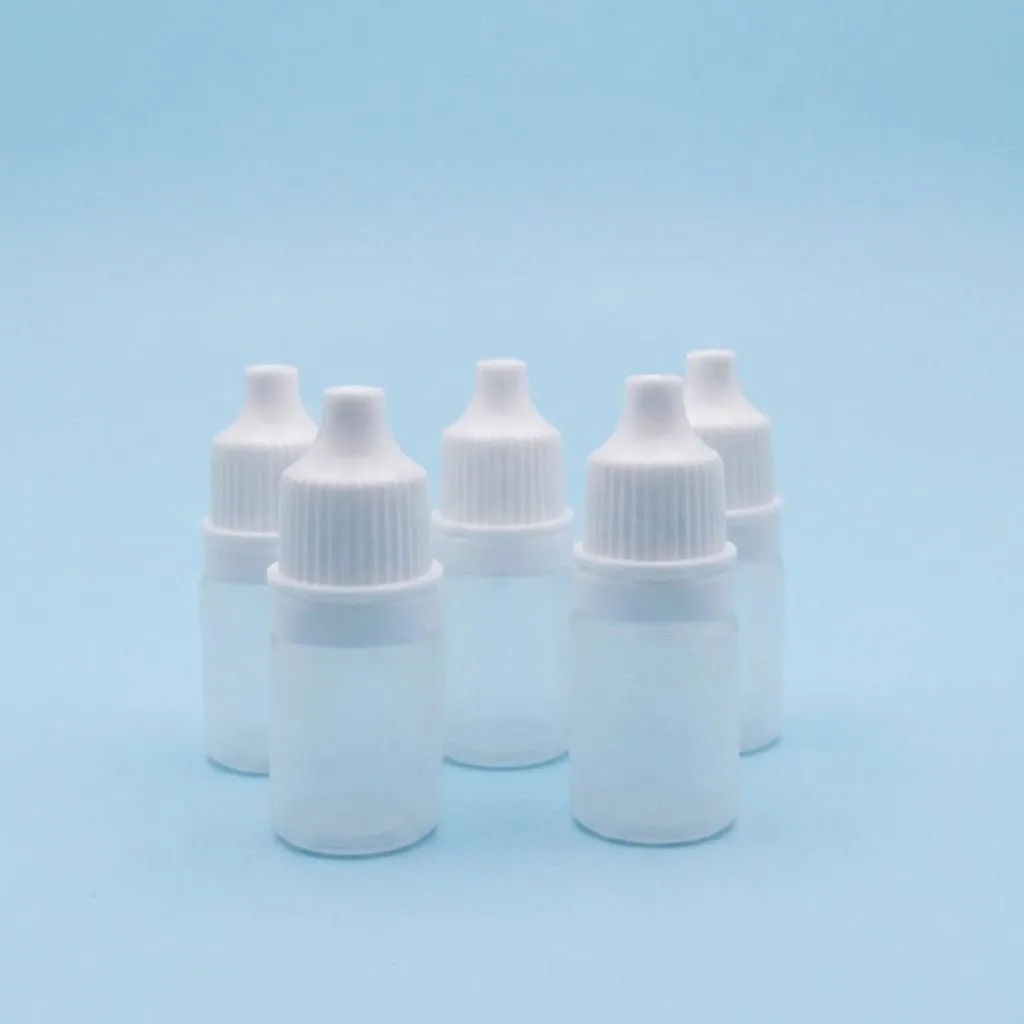
The ophthalmic dropper bottle is perhaps the single most technically demanding container produced by any IBM process. The British Pharmacopoeia specifies that ophthalmic preparations must be sterile, that containers must be made from materials that do not cause irritation and that do not yield sufficient extractables to affect the stability or safety of the preparation, and that the drop-delivery system must dispense a volume within a defined specification band. For a standard therapeutic eye-drop formulation, the accepted volume per drop is between 30 and 50 microlitres, and consistent delivery depends entirely on the precise geometry of the dropper tip orifice formed during injection moulding.
IBM delivers this precision because the dropper-tip geometry is defined by the core rod and injection cavity — hardened steel surfaces machined to sub-micron tolerances — rather than by a secondary trimming or tip-forming operation. Multi-dose eye-drop bottles in the UK market typically carry preservative systems such as benzalkonium chloride or purite, and the LDPE body must not adsorb these actives to a degree that compromises product efficacy over shelf life. Again, IBM’s ability to process well-characterised pharmaceutical-grade LDPE with no regrind contamination is a quality advantage that MHRA inspectors respond to positively during GMP assessments.
Single-dose ophthalmic units — small plastic vials, often called unit-dose pipettes or minims — represent a volume-sensitive application where IBM is progressively displacing BFS (blow-fill-seal) and form-fill-seal formats. The driver is commercial: IBM containers are pre-formed and can be filled on conventional ophthalmic filling lines already present in facilities across the South East and East Midlands, whereas BFS requires a dedicated, expensive, and energy-intensive machine. Ever Power’s ZQ80 injection blow molding machine can be configured for 2 mL to 5 mL dropper bottle production with two to six cavity tooling, making it an appropriately scaled asset for both dedicated ophthalmic manufacturers and multi-product contract packagers.
Application Scenario 2: Nasal Spray Containers
Industry: Healthcare & ENT Medicine | Sector: Nasal Drug Delivery Systems
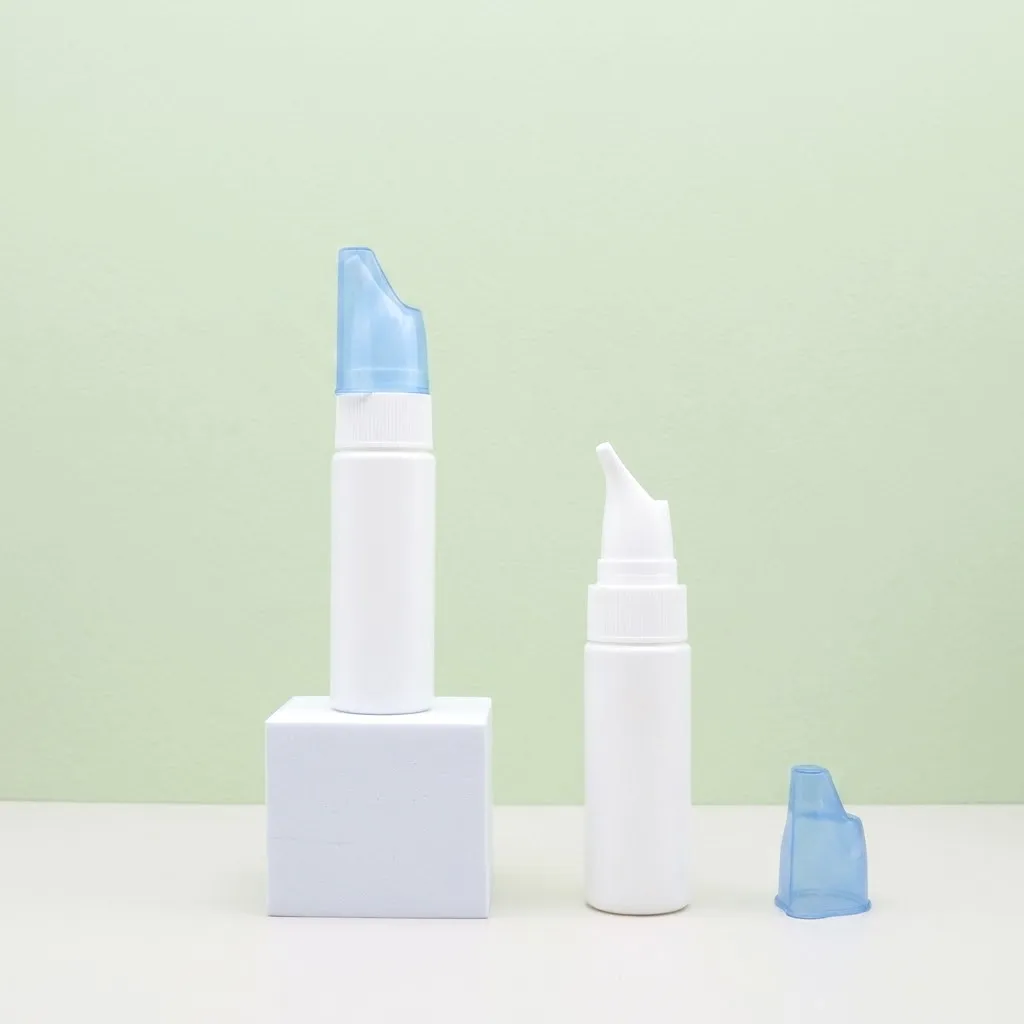
The nasal cavity presents a uniquely challenging environment for drug delivery — and therefore for packaging engineers. Nasal spray pumps must fit onto bottle necks with thread geometries that deliver specific breakaway and re-torque values to ensure tamper evidence is maintained without making the product difficult for elderly or arthritic patients to operate. This functional requirement for dimensional precision at the neck finish is exactly what IBM is engineered to provide, and it explains why the majority of multi-dose nasal spray bottles used in the UK — for everything from corticosteroid hay fever treatments to saline decongestants sold in pharmacies from Manchester to Exeter — are produced on injection blow molding machines.
The bottle body itself must exhibit enough flexibility to allow the pump actuator to prime and deliver a metered spray without requiring excessive squeezing force, while being rigid enough to maintain dimensional integrity through automated filling and capping at speeds that may exceed 200 units per minute on a high-speed pharmaceutical line. HDPE formulations in the density range of 0.945 to 0.965 g/cm³ typically provide the right balance of squeeze response and dimensional stability for this application. An IBM machine operating with a validated HDPE grade and a thermally stabilised mould provides the consistency of wall thickness that is a prerequisite for this mechanical performance — a consistency that is simply not achievable with extrusion blow moulding on the same container format.
Supply chains for nasal packaging in the UK frequently involve components manufactured in continental Europe or Asia, with finishing and filling occurring at UK-based contract facilities in Bedfordshire, Merseyside, or County Durham. Having an IBM machine specification and process that matches validated global supplier capabilities is an important logistical consideration, and Ever Power’s engineering team routinely supports customers in building multi-site process equivalence packages that align UK production with global manufacturing platforms.
Application Scenario 3: Sterile Saline Irrigation Bottles
Industry: Healthcare & Surgical | Sector: Sterile Irrigation & Wound Care
Sterile saline rinse and irrigation bottles represent the highest-volume segment of the ophthalmic and wound-care packaging market by unit weight, even if they are produced in somewhat lower unit counts than eye-drop bottles. A typical 100 mL or 250 mL sterile saline bottle for wound irrigation or eye washing must meet the mechanical demands of shipping and handling, the biological demands of terminal sterilisation, and the regulatory demands of the UK Medical Devices Regulations. IBM in HDPE or PP delivers on all three counts. The containers are formed with no weld lines that could fail under autoclave temperature and pressure, and the neck finish is compatible with the luer-slip or directional nozzle fitments used in clinical and community care settings.
Manufacturing these containers in the UK — rather than importing from Eastern Europe or South-East Asia — has become increasingly strategic for NHS supply chain managers, particularly following the supply disruptions that affected sterile saline availability in the period 2020–2022. Facilities in Sheffield — a city with a long heritage in precision manufacturing and a growing medtech presence at Sheffield’s Advanced Manufacturing Innovation District — are among those that have assessed domestic IBM production as a supply resilience measure. The ZQ110 injection blow molding machine, with its higher clamping force and extended volume range, is particularly well suited to this 100–500 mL format, offering a throughput that can serve both NHS supply and export distribution.
Application Scenario 4: Multi-Dose Dropper Dispensers
Industry: Healthcare & Pharmacy | Sector: Precision Dose Delivery
The multi-dose dropper dispenser combines a body container — typically LDPE or HDPE — with a tip insert and overcap assembly. In the UK market, these are used for ocular vitamins, lubricating eye drops, and preservative-free single-application formats where the patient self-administers over a period of weeks. The functional performance of the dispenser depends on the entire primary package — body, tip, and cap — operating as a system, and the tolerances that govern this system are almost entirely set by the body neck finish. An IBM machine producing the body to a consistently tight tolerance on neck internal diameter, neck thread pitch, and seating face geometry eliminates the single largest source of closure-system failure in dropper packaging.
UK pharmacies — whether in London’s medical quarter near Harley Street, in the large retail pharmacy chains across Birmingham, or in community dispensaries in rural Wales — rely on this closure integrity to prevent product degradation and patient misuse. The consistent dimensional output of IBM means that closure systems validated on the machine can be transferred between multiple production sites without re-validation of the torque specification, a significant advantage for product marketing authorisation holders managing international supply chains.
Application Scenario 5: Eyewash Cup Containers
Industry: Occupational Health & Safety | Sector: Emergency Eye Care
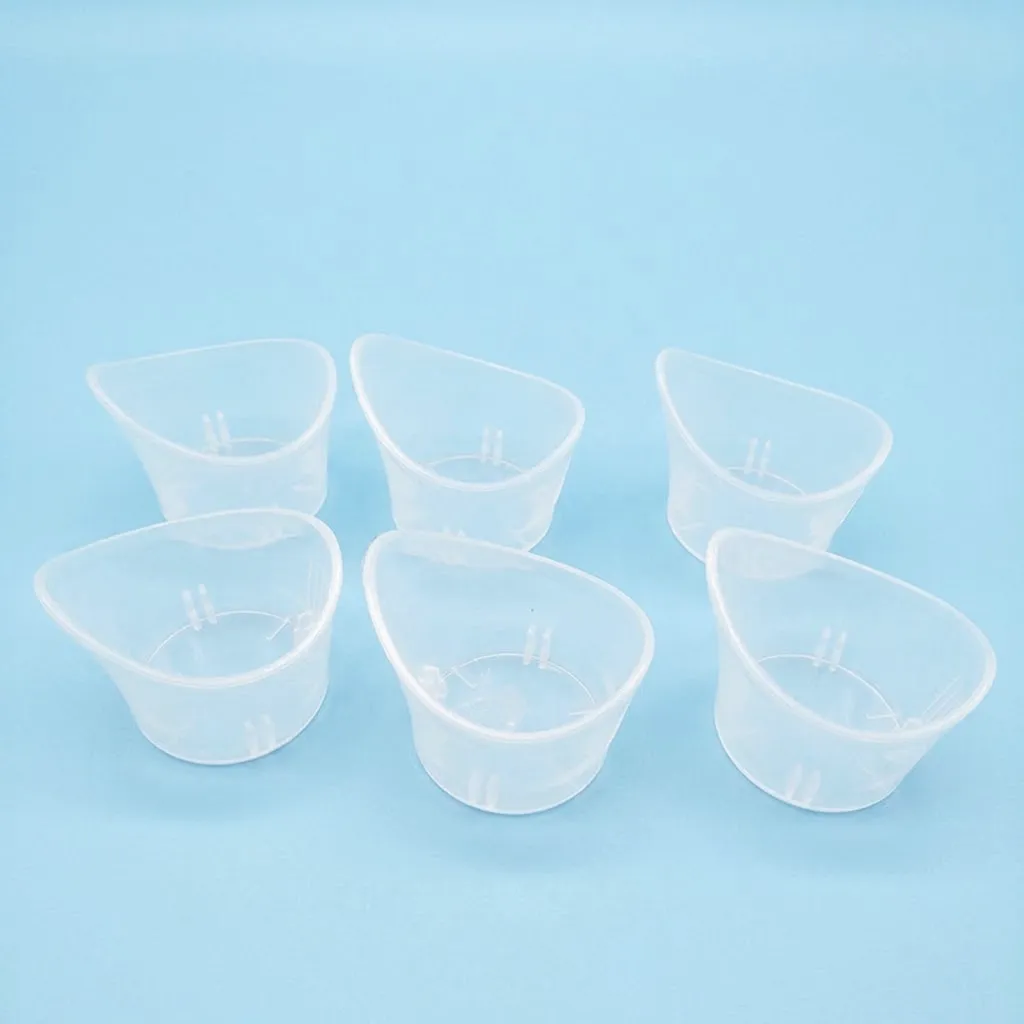
Eyewash stations in the UK are governed by the Health and Safety at Work etc. Act 1974 and the Control of Substances Hazardous to Health (COSHH) regulations, which mandate immediate access to eye irrigation facilities where chemical or particulate hazards are present. The plastic eyewash cup — filled with sterile isotonic saline and sealed to maintain sterility — is produced in substantial quantities for both factory first-aid kits and healthcare facilities. IBM in polypropylene or HDPE offers the structural rigidity and chemical inertness required, and the open-form nature of the cup geometry is well-suited to the blow mould geometry of a medium-frame injection blow molding machine.
Industrial regions with concentrations of chemical manufacturing — Teesside in the North-East, the Humber estuary chemical corridor, and the petrochemical facilities of south Lincolnshire — represent substantial demand centres for compliant eyewash cup supply. Because the eyewash container is a regulated medical device under the UK MDR 2002, the traceability and process consistency offered by IBM production with full batch documentation aligns perfectly with the technical file requirements of these regulations, making IBM the manufacturing process of choice for producers targeting the UK industrial health and safety market.
Complete IBM Production Line & Auxiliary Equipment
Turnkey Solutions for GMP Healthcare Packaging
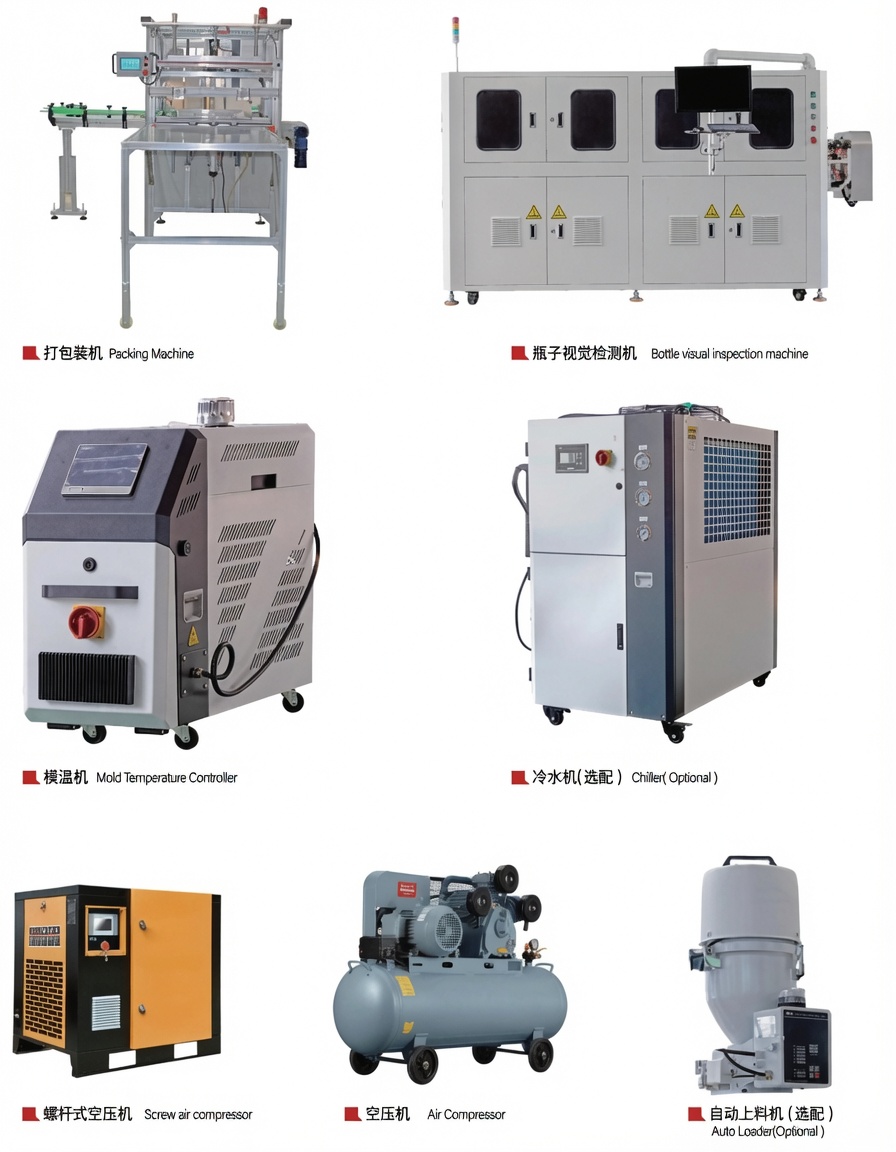
Plasticating & Conveying Units
Mould Cooling & Control Systems
Ever Power IBM Machines for Healthcare Packaging
Two Purpose-Engineered Models for Pharmaceutical & Medical Device Production
Pharmaceutical Grade
ZQ80 Injection Blow Molding Machine
The ZQ80 Injection Blow Molding Machine is engineered for compact healthcare packaging formats — ophthalmic dropper bottles from 2 mL to 100 mL, single-dose nasal saline units, and preservative-free eye-drop vials. The 80 kN clamping force, combined with a four-zone thermally stabilised barrel, delivers the process consistency that pharmaceutical quality systems demand. Mould configurations of up to six cavities make it ideal for medium-batch speciality pharmaceutical and contract packaging operations across the UK.
High-Volume GMP
ZQ110 Injection Blow Molding Machine
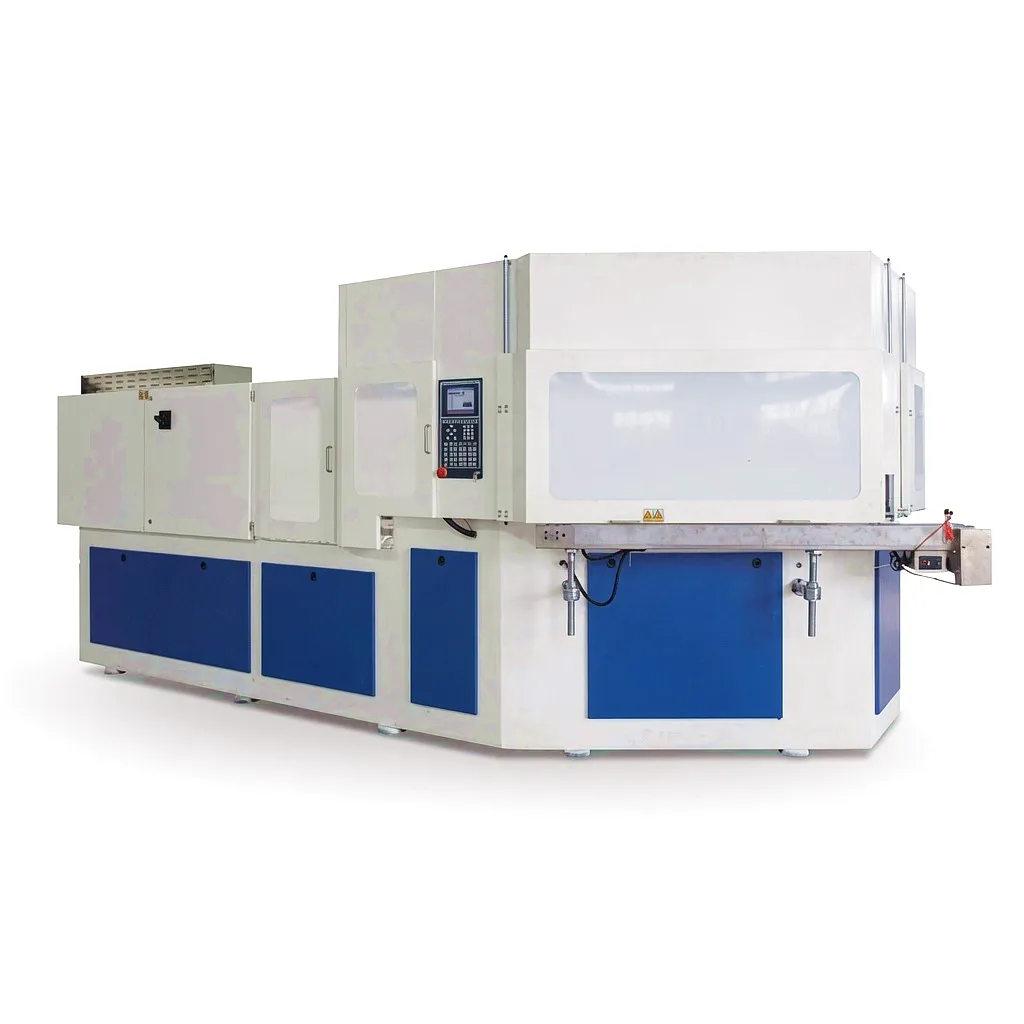
The ZQ110 Injection Blow Molding Machine addresses the volume and format demands of high-throughput pharmaceutical and medical device packaging lines. With a 110 kN clamping force, five-zone barrel, and up to 12-cavity tooling, it supports sterile saline irrigation bottle production in the 100–500 mL range, multi-dose nasal spray containers, and hospital eyewash vessels — all to BP/Ph.Eur material standards. Its larger footprint accommodates integrated robot-arm ejection and in-line vision inspection, making it the preferred choice for NHS supply contracts and large-scale contract manufacturing organisations across the UK.
Ever Power: Precision Manufacturing for Global Healthcare Packaging
Customisation | Certified Manufacturing | Supply Chain Assurance
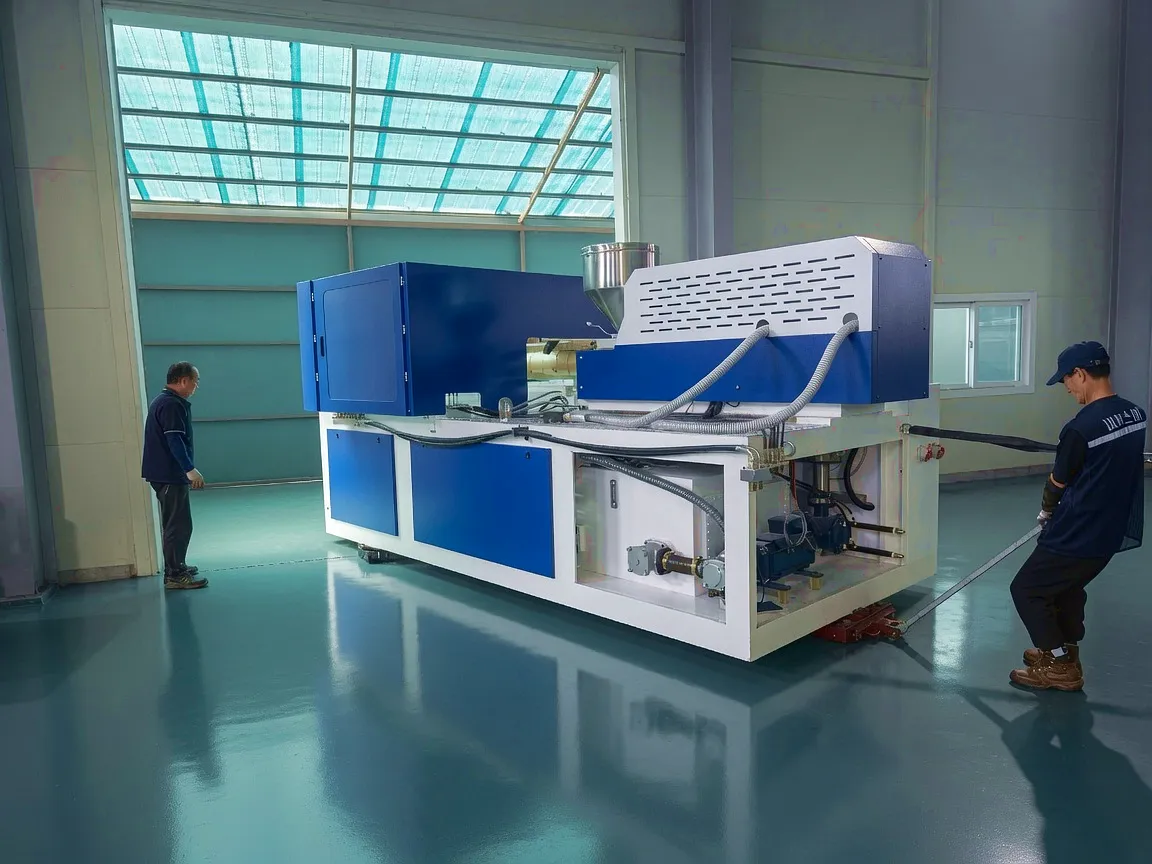
Ever Power operates a precision manufacturing facility dedicated to injection blow molding machines for demanding industrial and healthcare packaging applications. The engineering philosophy at Ever Power is built around the understanding that a machine sold to a pharmaceutical manufacturer is not simply a piece of capital equipment — it is a validated process asset, and its design must facilitate the validation activities that will govern its entire productive life. This orientation shapes every aspect of Ever Power’s product development and customisation capability.
Customisation at Ever Power encompasses the full range of attributes that matter to healthcare IBM operators: PLC platform selection (Siemens S7, Omron, or Allen-Bradley, depending on the customer’s existing infrastructure), cleanroom guarding and HEPA enclosure configuration, barrel and mould temperature control granularity, ejection mechanism design, integration interfaces for downstream vision inspection and robotic palletising, and energy recovery specification aligned with the customer’s sustainability reporting obligations under the UK’s Environment Act 2021. The Ever Power engineering team also works with customers to develop resin-specific processing windows that can be submitted as part of a MHRA change notification or a new marketing authorisation application — reducing the administrative burden on the customer’s quality team while ensuring that the IBM machine is integral to, rather than separate from, the regulatory documentation package.
Commission Your IBM Line Today
Custom-configured for your resin, container format & GMP environment
Customer Success Story: Northampton Contract Pharma Achieves MHRA Compliance
Location: Northampton, East Midlands, UK | Industry: Ophthalmic Pharmaceutical Packaging
The Challenge
A contract pharmaceutical manufacturer based in Northampton — operating a 6,500 m² facility producing topical and ophthalmic preparations for NHS supply and several branded UK dermatology and ophthalmology product ranges — had been purchasing LDPE eye-drop bottles from a European supplier for seven years. Following post-Brexit reclassification of the bottle as a primary container under the UK MDR 2002, the company’s quality assurance team determined that the existing container procurement model — without a validated process specification under UK control — carried unacceptable regulatory risk for MHRA inspection. The company began evaluating in-house IBM production as a strategy to bring the entire container quality loop under UK GMP, with full batch documentation and MHRA-audit-ready process records.
The Ever Power Solution
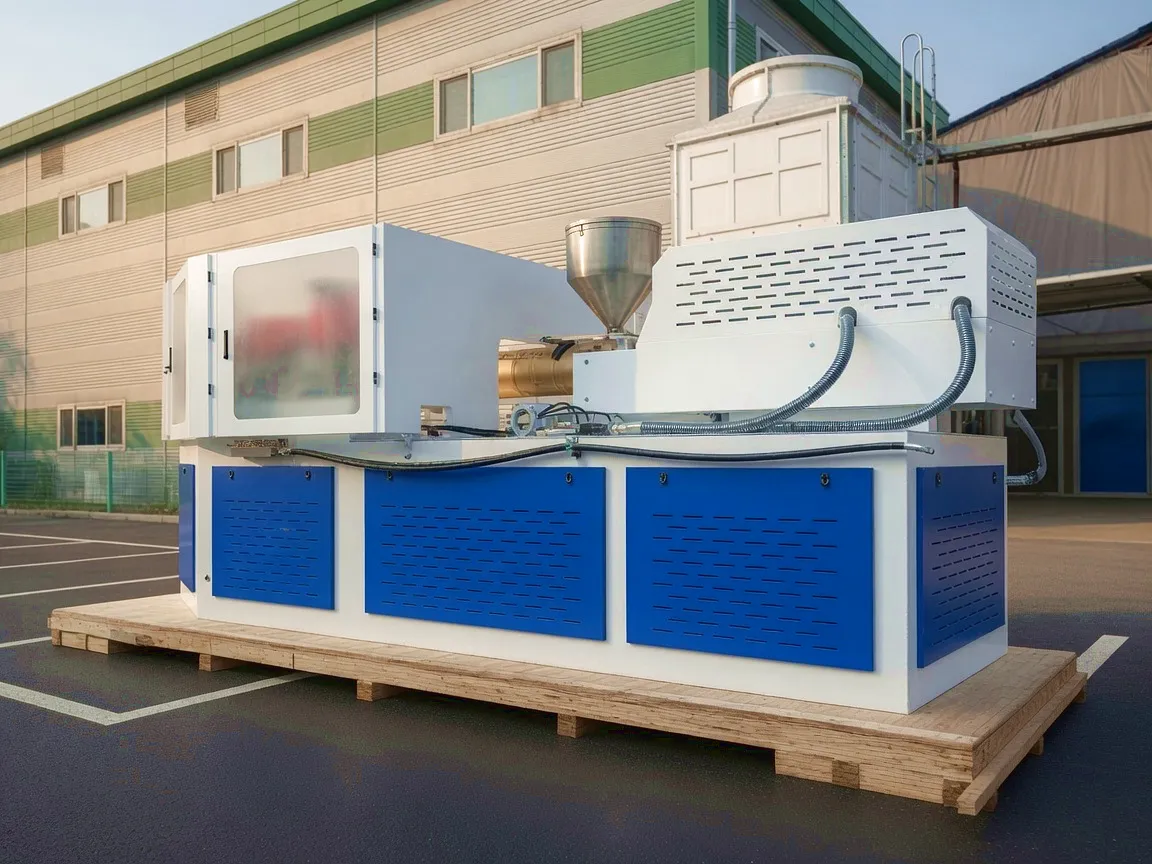
After a four-week technical assessment involving Ever Power’s application engineering team, the Northampton facility specified a ZQ80 injection blow molding machine configured with a Siemens S7 PLC for seamless integration with their existing MES (Manufacturing Execution System), an external HEPA-filtered mould-area enclosure meeting ISO Class 7 at the point of container ejection, and a custom 4-cavity mould designed to produce their primary 10 mL LDPE eye-drop dropper bottle to their previously validated closure torque and orifice diameter specifications.
Ever Power’s engineering team provided a complete machine Installation Qualification (IQ) and Operational Qualification (OQ) protocol package as part of the delivery documentation, tailored to the customer’s UK validation master plan. Process parameters — barrel zone temperatures, injection pressure profiles, blow time, and mould cooling — were documented as a validated operating window in the format required by MHRA’s GMP Chapter 4. The factory acceptance test was completed at Ever Power’s production facility, with the customer’s QA and Engineering Directors attending in person, reducing commissioning time at the Northampton site to under two weeks.
Measurable Outcomes
What Our UK Customers Say
“The Ever Power ZQ80 has transformed our ophthalmic container quality system. The orifice diameter consistency we are achieving exceeds what we could verify with our previous supplier’s CoA documentation. The MHRA inspection team specifically commented favourably on our IBM batch record structure — that documentation package came directly from the machine’s PLC logging system as configured by Ever Power.”
— Quality Director
Ophthalmic Contract Manufacturer, Northampton, East Midlands
“We commissioned a ZQ110 for nasal spray bottle production in our Sheffield facility and were genuinely impressed by Ever Power’s level of pre-delivery customisation. The integration with our Siemens-based line control was seamless, and the validated operating window they supplied gave us a head-start on our process PQ that saved at minimum six weeks of in-house development time. The machine throughput on our 30 mL HDPE nasal bottle is consistently running at 95% OEE — significantly better than projected.”
— Engineering Manager
Pharmaceutical Primary Packaging Manufacturer, Sheffield, South Yorkshire
“As a Birmingham-based medical device packager supplying NHS Trusts and a number of branded eye-care product ranges, our procurement requirement was straightforward: a machine that would keep us compliant and keep us competitive. Ever Power’s custom HEPA mould-bay enclosure option and their willingness to provide resin-specific processing data in BP-aligned format were the deciding factors. Eighteen months in, the container rejection rate from our filling line is below 0.03% — a tenfold improvement on what we were seeing with our previous equipment.”
— Operations Director
Medical Device Packaging Manufacturer, Birmingham, West Midlands
Frequently Asked Questions
Healthcare IBM Machines — UK Buyers Ask
How much does an injection blow molding machine cost for ophthalmic pharmaceutical packaging production in the UK, and what factors affect the price?
The price of an injection blow molding machine configured for ophthalmic and pharmaceutical packaging in the UK depends on frame size (clamping force), cavitation level, control platform, cleanroom integration options, and mould specification. Entry-level pharmaceutical IBM machines typically begin at a price point that reflects their precision engineering pedigree — significantly above commodity packaging machinery. Ever Power’s team will provide a detailed quotation aligned to your specific container format and GMP requirements. Contact [email protected] with your container specification to receive a customised offer.
Which UK cities or industrial regions currently have the highest concentration of injection blow molding machine operators producing ophthalmic and nasal spray containers?
The East Midlands — particularly Northamptonshire, Leicestershire, and Nottinghamshire — together with the North West (Cheshire, Greater Manchester) and the Yorkshire corridor (Leeds, Sheffield, Huddersfield) represent the highest concentrations of pharmaceutical packaging converters with IBM capability in the UK. Contract organisations in these areas serve both NHS supply agreements and branded export product portfolios, making them the primary market for new IBM investment decisions. Secondary clusters exist in the South East, particularly in the Crawley and Guildford areas, serving London-adjacent pharmaceutical and medtech firms.
What is the typical lead time to receive and commission a custom injection blow molding machine from Ever Power at a UK pharmaceutical site, and what support is provided during installation?
Standard lead time for a custom-configured pharmaceutical IBM machine from Ever Power — including mould fabrication, PLC programming, and factory acceptance testing — typically falls within a 16–22 week window from confirmed order. UK-based delivery logistics are coordinated directly with the customer’s engineering team, and Ever Power’s installation engineers travel to the UK site for commissioning, PLC hand-over, and operator training. IQ/OQ protocol packages are provided as part of the standard delivery documentation, reducing validation timeline at the customer site.
How does an injection blow molding machine compare to extrusion blow molding when producing LDPE eye-drop bottles that need to meet MHRA GMP requirements in a UK cleanroom?
IBM consistently outperforms EBM for MHRA-regulated ophthalmic production in four key ways: it produces no flash or pinch-off seam (eliminating a particulate source); the neck finish is injection moulded to tighter tolerances than any EBM trim process; the internal container surface is never exposed to ambient air between forming stages; and the process generates no regrind material that could introduce degraded polymer into the product stream. MHRA GMP inspectors reviewing Chapter 3 (Premises and Equipment) are familiar with these distinctions, and IBM is the process associated with the stronger GMP profile for ophthalmic primary containers.
Where can a UK buyer get a supplier quote for an injection blow molding machine capable of producing sterile saline irrigation bottles in polypropylene at volumes suitable for NHS supply contracts?
Ever Power is the supplier to contact directly. The ZQ110 injection blow molding machine is specifically suited to the 100–500 mL PP format required for sterile saline irrigation, with a validated operating window for polypropylene already established. To receive a supplier quote tailored to NHS supply contract volumes and the GMP documentation requirements of a UK regulated pharmaceutical manufacturer, contact [email protected] with your production volume requirement, container specification, and commissioning timeline.
What resin types does an Ever Power injection blow molding machine support when producing COC or COP containers for preservative-free single-dose ophthalmic vials?
The ZQ110 model supports COC and COP processing through its five-zone independently controlled barrel and its high-precision mould temperature management system. COC and COP resins require tighter barrel temperature management than polyolefins — typically operating in a narrower window around the polymer’s specific glass transition temperature — and mould surface temperature must be kept within a narrow band to prevent cosmetic defects in the transparent thin-wall vial body. Ever Power’s application team provides resin-specific processing datasheets for the major COC/COP resin families (Topas, Zeonex, Zeonor) as part of the machine delivery package.
Ready to Build Your Healthcare IBM Line?
Get Expert Guidance from Ever Power’s IBM Engineering Team
From ophthalmic dropper bottles to sterile saline irrigation containers — we configure, validate, and commission IBM solutions for UK GMP environments.
[email protected] | Response within 48 hours
© Ever Power | isbm-equipment.com | edit by gzl