Laboratory & IVD Diagnostics | UK Manufacturing Insight
Injection-Blow Molding Machine Applications in UK Laboratory and IVD Diagnostics Packaging
From vacuum blood collection tubes to cryovials, injection blow molding delivers the precision dimensional control, chemical inertness, and cleanroom-compatible manufacturing that diagnostic specimen containers demand — serving laboratories across Birmingham, Sheffield, Manchester, and the entire UK healthcare supply chain.
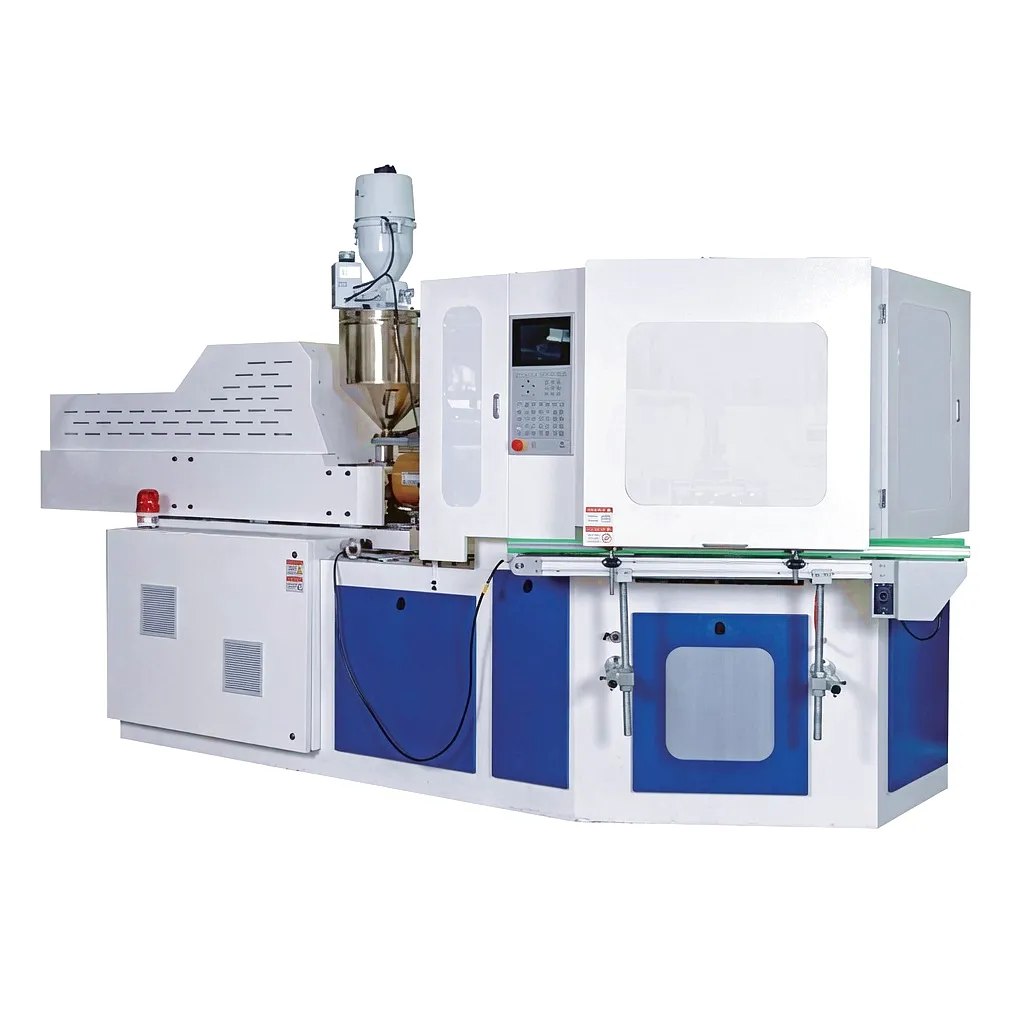 In the United Kingdom, laboratory diagnostics and in-vitro diagnostics packaging operate under one of the most stringent compliance frameworks in the world. Clinical specimen containers — whether EDTA vacuum blood collection tubes, urine collection vessels, cryovials for biobank storage, or sputum specimen bottles — must meet exacting dimensional tolerances, maintain absolute chemical neutrality, and pass validation requirements that satisfy both UKCA marking and ISO 13485 quality management standards. The injection blow molding machine has become the cornerstone manufacturing platform for this category of packaging, precisely because its single-stage process eliminates inter-process contamination risk and guarantees neck-finish geometry that interfaces reliably with automated laboratory analysers and robotic specimen-handling systems. Across NHS-affiliated manufacturers in Yorkshire, specialist diagnostic packaging producers near the Midlands, and contract manufacturers in the North West corridor, the injection blow molding process underpins billions of specimen containers produced each year — containers whose accuracy can determine the trajectory of a patient’s medical care.
The fundamental reason this process dominates IVD packaging production lies in an engineering characteristic that separates it from every competing container-forming technology: the preform is injection-moulded with absolute dimensional fidelity, transferred on its core rod without ever releasing the part, and then blown and cooled in a sequence that preserves molecular orientation without introducing weld lines, seams, or flash that would create contamination harbourage points. For a cryovial holding a patient tissue biopsy at minus-196 degrees Celsius in liquid nitrogen, or a vacuum blood tube whose internal vacuum must remain stable for eighteen months on a UK distributor’s shelf in Manchester or Leeds, the structural integrity and dimensional consistency delivered by a modern injection blow molding machine is not simply a preference — it is a clinical necessity.
How the Injection Blow Molding Machine Works: The Core Manufacturing Principle
Injection Stage
Polymer melt is injected around a precision core rod under controlled pressure into a closed mould cavity. This produces a preform — a thick-walled tube with a fully formed, dimensionally exact neck finish. For IVD containers, the neck thread or snap-fit geometry is formed here with micron-level accuracy, because the neck defines the vacuum seal interface or stopper retention for blood tubes.
Transfer Stage
The preform remains on its core rod — never released — and the injection-blow molding machine rotates or indexes the station to position the preform inside a blow mould. Because the part never touches a conveyor, gripper, or re-heating oven between stages, there is zero contamination opportunity and zero thermal inconsistency. This is fundamentally different from two-stage stretch-blow processes and is the key quality advantage for cleanroom diagnostic container manufacturing.
Blow & Cool Stage
Compressed air inflates the preform against the blow mould wall. Controlled cooling rapidly sets the polymer in its final shape. Wall thickness uniformity, optical clarity of PP or PET containers, and the critical internal volume accuracy — which for EDTA blood tubes can have a tolerance of plus or minus 0.05 mL — are all determined in this stage. Immediate ejection follows, with containers ready for downstream cleanroom packaging without secondary conditioning.
Core Materials Used in IVD Container Manufacturing
Primary
Polypropylene (PP)
Medical-grade PP is the dominant material for blood collection tubes and urine containers. Its chemical resistance to biological fluids, compatibility with gamma sterilisation up to 25 kGy, autoclave resistance to 121°C, and near-zero moisture vapour transmission make it the default choice for EDTA and serum-separator tubes manufactured to EN ISO 6710 standards. PP’s crystallisation characteristics also permit the formation of thin, translucent container walls that allow fill-level inspection in clinical settings.
Cryogenic
High-Density Polyethylene (HDPE)
For cryovials and specimen containers intended for storage at minus-80°C or in liquid nitrogen vapour phase, HDPE grades with controlled molecular weight distribution deliver the low-temperature impact resistance and dimensional stability that PP cannot match at cryogenic extremes. UK biobank operators in Cambridge and Edinburgh specify HDPE injection blow molded cryovials to ensure thread integrity does not fail during the thermal cycling inherent in long-term specimen archiving programmes.
Optical Clarity
PET & Co-Polyester (PETg)
Where optical clarity is paramount — such as urine analysis containers used in automated urine chemistry analysers that perform photometric readings through the container wall — PET and PETg grades processed on injection blow molding machines deliver glass-like transparency, low haze values below 2%, and the dimensional consistency to maintain analyser calibration integrity across millions of containers per production run.
Specialist
Polystyrene (PS) & COC
Cyclic olefin copolymers (COC) and polystyrene grades find application in reagent bottles and assay containers where ultra-low protein adsorption and extractables profiles must meet USP Class VI or ISO 10993 biocompatibility criteria. COC in particular is gaining traction for point-of-care diagnostic cartridge sub-containers in Midlands-based diagnostic device manufacturers looking to replace glass for safety and logistics handling reasons.
Product Advantages: Why Injection Blow Molding Machines Lead in IVD Container Production
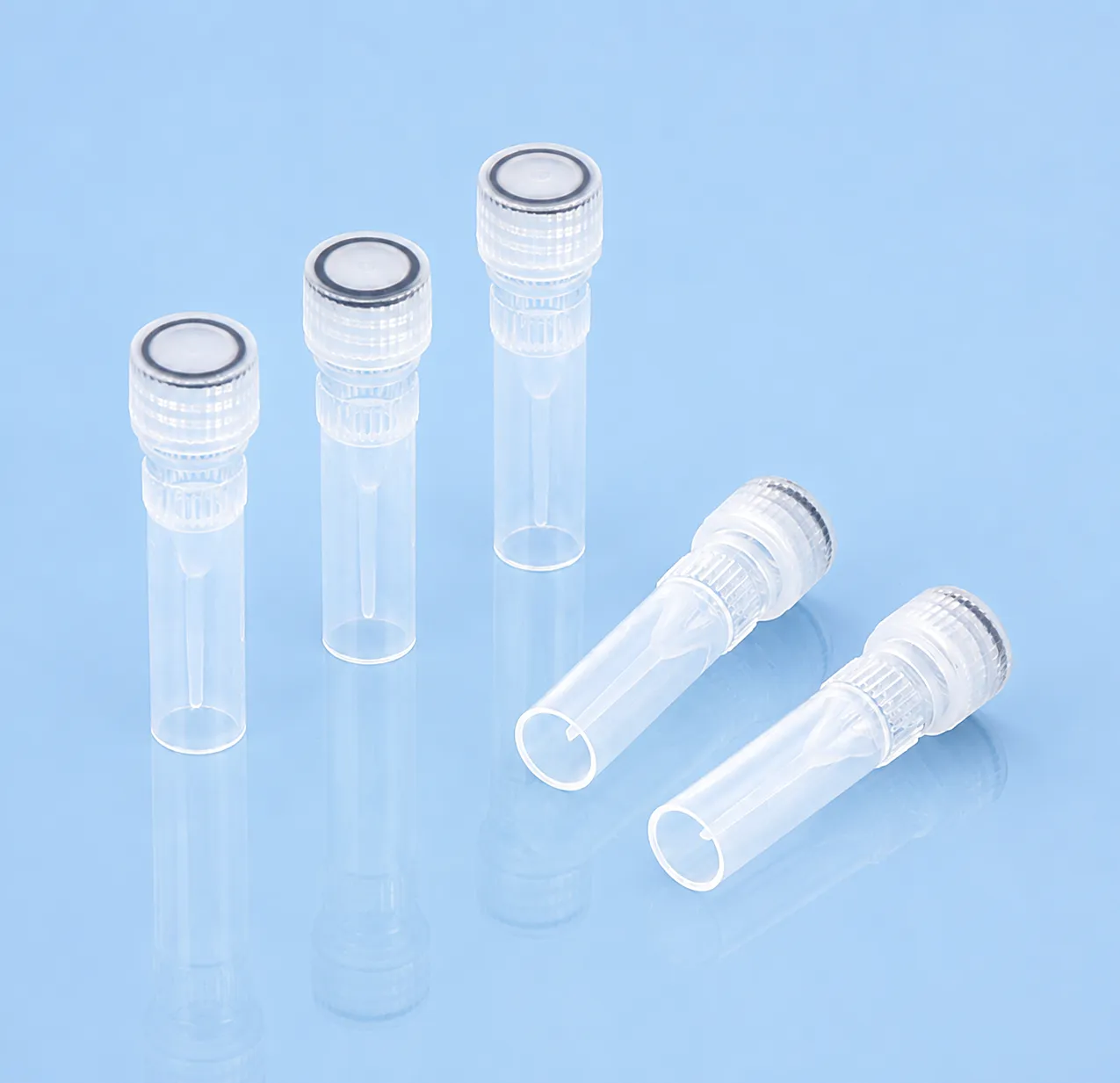 No other container-forming technology matches the specific combination of attributes that an injection blow molding machine delivers when the end product must function reliably inside a modern clinical laboratory. The single-station mould integrity means there is no weld line anywhere on the container body — a critical safety feature, because weld lines in blood collection tubes can fracture under centrifuge forces of 1,500 to 2,500 RPM, causing sample contamination or catastrophic tube failure. The injection blow molding machine eliminates this failure mode entirely, because the container body is formed in a continuous, seamless molecular structure from a single injected preform.
Neck-finish precision represents another irreplaceable advantage. In automated laboratory analyser environments — the kind deployed by NHS Trust laboratories in Birmingham, Sheffield, and Manchester — the specimen tube travels on robotic track systems that grip, transport, and position containers with positional tolerances measured in fractions of a millimetre. A neck-finish diameter variation of even 0.3 mm beyond specification can cause analyser gripping failures, resulting in tube drops, sample spillage, and expensive instrument downtime. The injection blow molding machine produces neck finishes where the outside diameter tolerance is routinely held within plus or minus 0.10 mm across a production run of several million containers, because the neck geometry is defined entirely by the injection mould, not by the blow cycle.
Zero Contamination by Design
Single-stage process with no inter-stage part release eliminates contamination windows. Critical for cleanroom-manufactured IVD containers validated under ISO 13485 and BS EN 828.
Micron-Level Dimensional Accuracy
Neck OD tolerance to +/- 0.10 mm. Body volume tolerance to +/- 0.05 mL. Essential for analyser compatibility and vacuum retention in blood collection tubes.
High Throughput, Low Scrap
Modern machines produce 12,000–48,000 containers per hour with scrap rates below 0.3% in steady-state production — reducing cost-per-unit and supporting UK manufacturers’ cost competitiveness in NHS supply tenders.
No Weld Lines — No Centrifuge Failure
Seamless container bodies withstand centrifuge forces up to 3,000 RCF without cracking. Eliminates the primary failure mode associated with extrusion blow moulded specimen tubes.
Cleanroom-Compatible Process
Enclosed mould environment and direct-to-packaging output supports ISO 7 and ISO 8 cleanroom deployment, meeting the environmental requirements for EU MDR Class I and Class IIa diagnostic packaging under UK regulatory frameworks.
Colour Coding & Additive Integration
Masterbatch colour integration in the injection phase produces consistent tube-cap colour coding (gold for SST, lavender for EDTA, red for plain) compliant with CLSI GP34-A3 colour standards adopted across UK NHS Trusts.
Technical Performance Parameters: Injection Blow Molding Machine Specification Table
| Parameter | Specification Range | IVD Application Relevance |
|---|---|---|
| Container Volume Range | 1 mL – 120 mL | Covers full range from 2 mL cryovials to 100 mL urine specimen jars |
| Neck OD Tolerance | +/- 0.08 mm – +/- 0.12 mm | Stopper retention and analyser gripper compatibility |
| Body Volume Tolerance | +/- 0.03 mL – +/- 0.08 mL | Vacuum calibration accuracy for blood collection tubes |
| Wall Thickness Uniformity | Variation < 8% across body | Centrifuge integrity at 1,500–3,000 RCF; photometric measurement consistency |
| Injection Pressure | 800 – 2,200 bar | Enables high-precision neck-finish moulding in medical PP/PET grades |
| Blow Pressure | 5 – 12 bar | Controls wall distribution and optical clarity in PET/PETg diagnostic containers |
| Cycle Time (per cavity) | 3.2 – 8.5 seconds | Determines throughput for NHS supply volume commitments |
| Cavity Count (per machine) | 4 – 32 cavities | Scalable output from R&D validation batches to full production volumes |
| Throughput Range | 8,000 – 48,000 pcs/hr | Full blood tube production capacity for regional NHS Trust supply contracts |
| Compatible Materials | PP, HDPE, PET, PETg, PS, COC | Full IVD container material spectrum from blood tubes to cryovials |
| Temperature Control Zones | 6 – 18 independent zones | Precise thermal profile control for crystallinity and optical property management |
| Scrap Rate (steady state) | < 0.3% | Waste reduction critical for NHS tender cost competitiveness |
| Clamping Force | 25 – 280 kN | Sized to container wall area; smaller clamping force for micro-vials, higher for large specimen jars |
| Surface Finish (Ra) | Ra < 0.4 µm (interior) | Low protein adsorption — critical for COC/PP reagent bottles and assay containers |
Application Scenarios: Where Injection Blow Molding Machines Serve UK IVD and Laboratory Markets
Each scenario below represents a distinct product category where the injection blow molding machine’s unique process attributes deliver measurable clinical and manufacturing performance advantages.
💧 Vacuum Blood Collection Tubes (EDTA & Serum-Separator Types)
 Vacuum blood collection tubes are arguably the single highest-volume IVD container category where the injection blow molding machine’s capabilities are most critical. An EDTA tube used for full blood count analysis must maintain its precisely calibrated internal vacuum across a shelf life of 18 to 24 months — the vacuum draws a controlled volume of blood from the venipuncture site to achieve the correct blood-to-anticoagulant ratio that prevents clotting without diluting the sample. This vacuum retention depends entirely on two variables: the dimensional accuracy of the tube body (determining true internal volume) and the sealing integrity of the neck-finish interface with the rubber stopper. Both are controlled by the injection blow molding machine with precision that no alternative container-forming technology can replicate at industrial throughput.
NHS phlebotomy departments across England alone consume in excess of 200 million blood collection tubes annually, with major procurement frameworks managed through NHS Supply Chain operating from distribution centres in Alfreton, Derbyshire. UK manufacturers supplying into this tender framework operate injection blow molding machines running medical-grade PP at cycle times of 4.5 to 6 seconds, producing 16 or 24 tubes per cycle in matched multi-cavity tooling validated to ISO 6710 specimen container standards. The resulting tubes undergo 100% vacuum testing before packaging and are supplied to NHS Trusts across Birmingham, Manchester, Sheffield, Bristol, and London under framework agreements with guaranteed dimensional conformance data packages.
🌌 Urine Specimen Collection Containers & Mid-Stream Urine Pots
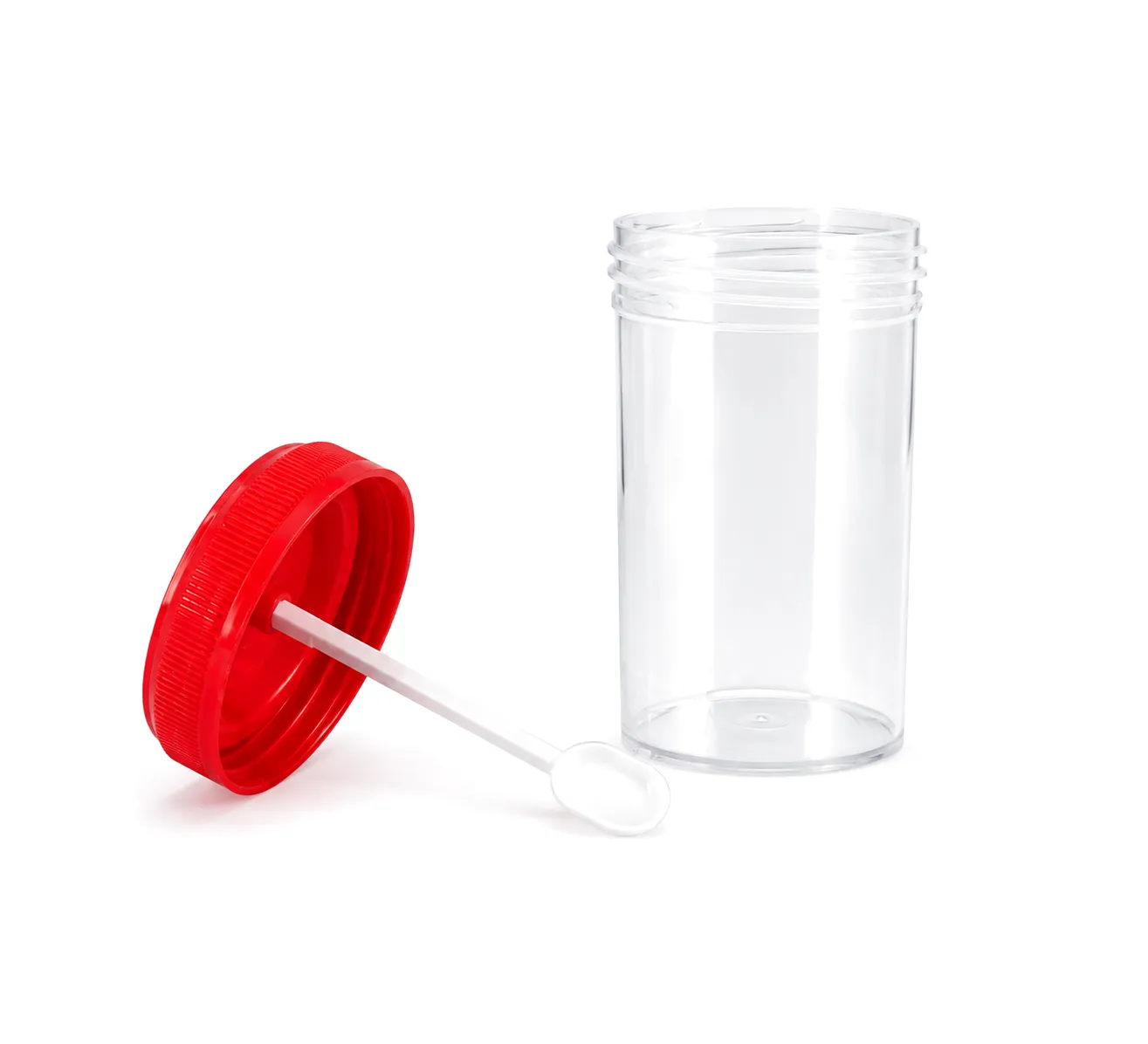
Urine analysis is one of the most frequently performed diagnostic procedures in UK clinical settings, with GP surgeries, hospital outpatient departments, and walk-in centres across the country processing tens of millions of urine specimens annually. The specimen container used for midstream urine collection — a wide-mouth, tamper-evident pot typically in the 60 mL to 100 mL range — demands a combination of manufacturing attributes that positions the injection blow molding machine as the optimal production platform. The container’s thread must engage reliably with its cap to provide a leak-proof seal during patient handling and transport to the laboratory, while the container body must maintain sufficient rigidity to withstand handling by patients of all dexterity levels without collapsing or deforming. PET processed on an injection blow molding machine delivers precisely this profile: a container whose neck thread is injection-formed to precise engagement depth and pitch, whose body wall rigidity is defined by controlled blow ratio and cooling parameters, and whose optical clarity enables urine colour assessment as part of clinical evaluation before formal laboratory analysis.
For the growing segment of automated urine chemistry analysers — instruments widely deployed by pathology laboratories in NHS Trusts in Leeds, Liverpool, and Newcastle — the injection blow molding machine’s ability to maintain container outer diameter and height tolerances within 0.15 mm is the difference between reliable automated specimen loading and costly manual intervention. Analyser manufacturers validate their instruments against specific container dimensional envelopes, and NHS laboratories specify container suppliers who can demonstrate dimensional conformance across batch-to-batch production runs measured in millions of containers. This is exactly the production capability that modern injection blow molding machines provide when tooled and validated for this application.
❄ Cryovials for Biobank and Research Specimen Storage
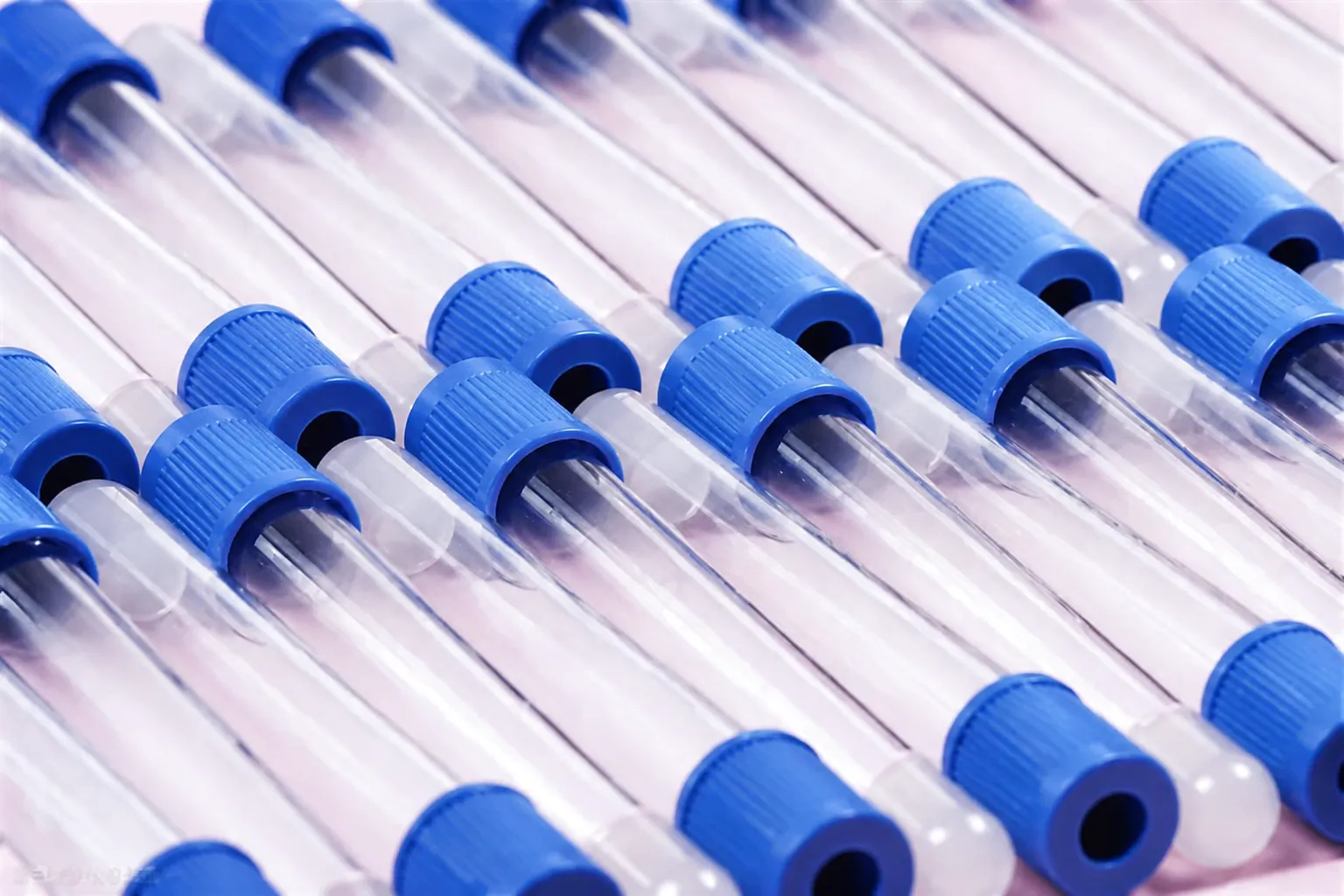 UK Biobank — the world’s largest prospective epidemiological study, operating from Manchester and storing biological samples from over 500,000 participants — along with major research biorepositories at institutions including the Wellcome Sanger Institute in Hinxton, Cambridgeshire, and biobanks operated by the Francis Crick Institute in London, collectively store hundreds of millions of biological specimens. The cryovial — a 1 mL, 1.8 mL, or 2 mL screw-neck container manufactured from medical-grade HDPE or HDPE blend — is the universal unit of storage for this entire infrastructure. The dimensional requirements of these containers are exceptional: the thread geometry must maintain leak-proof engagement after repeated cycles of freezing to minus-196 degrees Celsius in liquid nitrogen and recovery to ambient temperature, a thermal shock that subjects the polymer to a temperature swing of more than 216 degrees Celsius in the space of a few seconds during each retrieval event.
The injection blow molding machine addresses this application precisely because the neck-finish of the cryovial — the most mechanically stressed component — is formed entirely in the injection stage, creating a molecular structure with consistent crystallinity and no internal stress concentrations. Multi-layer HDPE grades with controlled density distribution can be processed to produce thread forms that maintain their engagement torque specification across thousands of thermal cycling events. UK-based cryovial manufacturers validated for biobank supply demonstrate this performance through accelerated ageing and thermal cycling protocols per ASTM F1886, with the injection blow molding process enabling the dimensional repeatability needed to pass these validations across production runs of several tens of millions of containers.
🛑 Sputum Specimen Containers for Respiratory Diagnostics
The UK’s post-pandemic healthcare landscape has placed significant emphasis on respiratory diagnostics capacity, with tuberculosis case notifications, community-acquired pneumonia workup, and COPD exacerbation investigation all generating demand for sputum specimen containers across primary care and secondary care settings. Sputum containers — typically wide-mouth, wide-thread PP containers in 30 mL to 60 mL volumes — present a design challenge that the injection blow molding machine resolves efficiently: the wide-mouth neck finish requires precisely formed threads that resist cross-threading during patient self-collection, while the container body must be rigid enough to withstand multiple inversion and vortex-mixing steps during laboratory processing without deforming in a way that would unbalance the container on an automated analyser carousel.
Medical-grade PP processed on an injection blow molding machine delivers the combination of thread accuracy and body rigidity this application demands. Container manufacturers supplying NHS microbiology laboratories in Sheffield Teaching Hospitals, Manchester University NHS Foundation Trust, and University Hospitals Birmingham run these containers in 12-cavity injection blow molding tooling, achieving cycle times under 7 seconds and output rates exceeding 20,000 containers per hour. Positive-pressure biosafety closure systems — where the cap design provides an additional secondary seal against aerosol release during laboratory opening — can be accommodated by precise neck-finish geometry repeatability that only the injection blow molding process delivers at this throughput scale.
🔩 Faecal Specimen Collection Bottles for Microbiology & Bowel Cancer Screening
The NHS Bowel Cancer Screening Programme, operating across England, Wales, Scotland, and Northern Ireland, distributes faecal immunochemical test (FIT) kits to millions of eligible participants annually. The FIT test container — a small-volume specimen bottle with an integrated probe-cap assembly — demands a level of dimensional consistency in both the container body and the neck finish that only the injection blow molding process delivers reliably at the programme’s required scale. The probe-cap mechanism, which allows patients to collect a small faecal specimen without direct contact, relies on the neck-finish geometry of the container being manufactured within the tightest possible diameter tolerance so that the integrated probe cap engages with defined and consistent insertion force across every container in the batch.
Additionally, the FIT container body must maintain precise internal volume calibration, because the buffer solution pre-loaded inside the container must be present in the exact quantity specified to dilute the specimen sample to the correct concentration for haemoglobin measurement by the ELISA or lateral flow reader. Injection blow molding machines running clear PP achieve the internal volume tolerances of plus or minus 0.03 mL that FIT kit assembly validation protocols demand. UK manufacturers supplying the NHS bowel cancer screening programme from facilities in the West Midlands and Yorkshire have invested in injection blow molding lines precisely because this process is the only one that can deliver FIT container dimensional specifications at the tens-of-millions-of-units annual scale that the programme requires.
Manufacturing Excellence: Ever Power Production Facilities
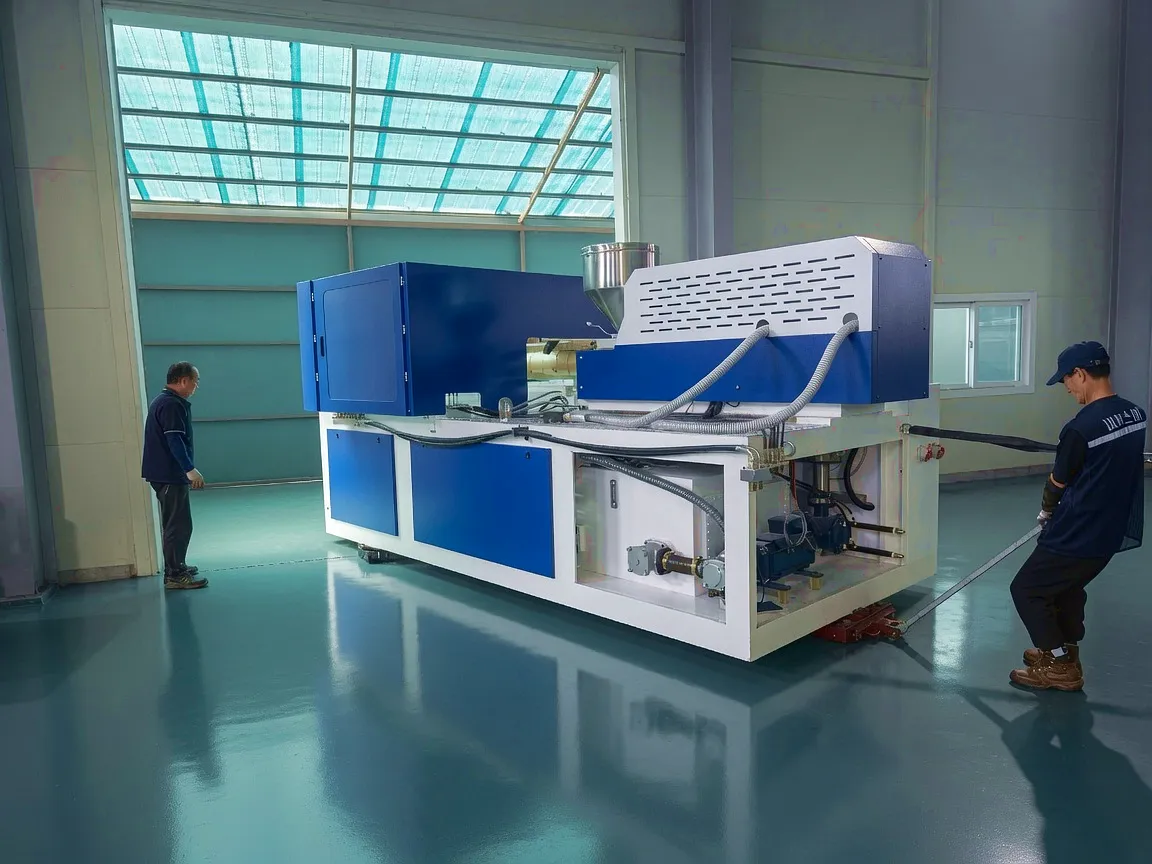
Precision assembly and quality inspection line
Advanced CNC machining and mould fabrication centre
Manufacturer Profile
Ever Power: Custom Injection Blow Molding Machine Manufacturing for UK IVD Packaging
Ever Power has developed deep engineering competency in the design and manufacture of injection blow molding machines specifically configured for medical and diagnostic container production. What distinguishes Ever Power’s approach is the extent to which the company’s engineering team engages at the tooling and process design stage with customers’ container specifications, rather than supplying a standard machine and leaving the process optimisation to the customer. For UK diagnostic packaging manufacturers who must validate their production lines under ISO 13485 and meet MHRA requirements for medical device manufacturing, this upstream engineering involvement dramatically reduces the time and cost of process validation and IQ/OQ/PQ qualification sequences.
The company’s customisation capabilities span the full specification envelope of an injection blow molding machine. Cavity count, core rod geometry, injection barrel configuration, temperature control zone architecture, blow air pressure sequencing, and ejection system design are all open to customer-specific configuration rather than being fixed parameters within a standard catalogue offering. For a UK manufacturer needing to produce a 2 mL cryovial with a specific HDPE grade that requires a precise thermal profile across the injection barrel to achieve the correct melt flow index window, Ever Power’s engineering team designs the temperature zone segmentation and screw geometry configuration specifically for that material and wall thickness target. This level of customisation is what separates a productive long-term manufacturing investment from a machine that requires constant process adjustment to maintain specification.
Custom Tooling Design
Mould design from customer container drawing through to validated tool in 10–14 weeks. Matched cavity tolerancing to +/- 0.05 mm on critical neck dimensions.
Process Validation Support
IQ/OQ/PQ documentation packages prepared to ISO 13485 format. On-site commissioning support available for UK installations with engineer deployment from China.
Material Process Expertise
Material-specific screw geometry and temperature zone configurations for PP, HDPE, PET, PETg, and COC medical grades, including additive masterbatch integration systems.
Global Supply Chain & UK Logistics
Sea freight and air freight shipment options to UK ports. Customs clearance documentation, CE/UKCA marking assistance, and spare parts DDP delivery available.
Auxiliary Equipment & System Integration
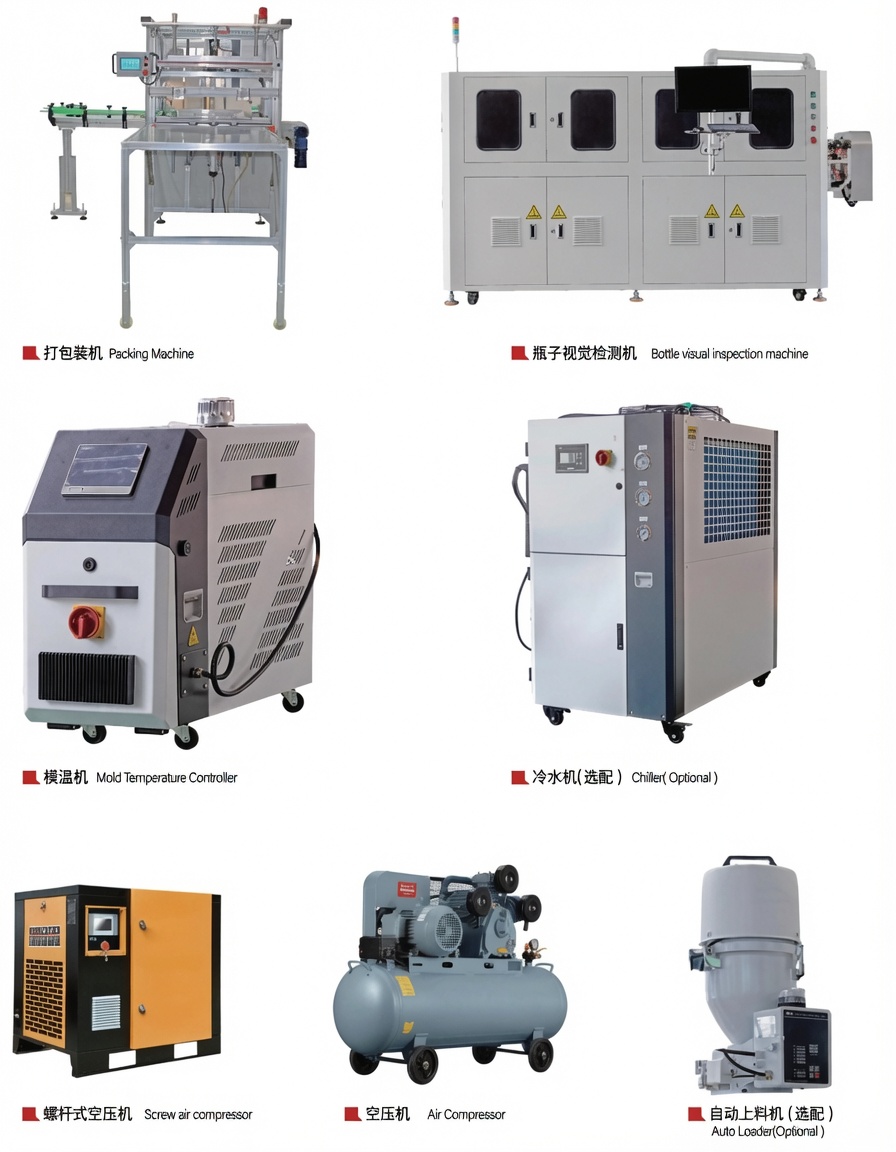
Ever Power supplies injection blow molding machines as complete production systems, integrating auxiliary equipment including material drying units calibrated to the moisture uptake characteristics of medical PP and PET grades, closed-loop process water chillers designed for the precise temperature stability that container dimensional consistency demands, and air filtration systems appropriate for cleanroom-adjacent machine installations. For UK diagnostic container manufacturers configuring new cleanroom production bays, Ever Power’s system integration capability means a single point of supply and technical responsibility for the complete production installation — simplifying the vendor management and installation qualification process that ISO 13485 quality systems require.
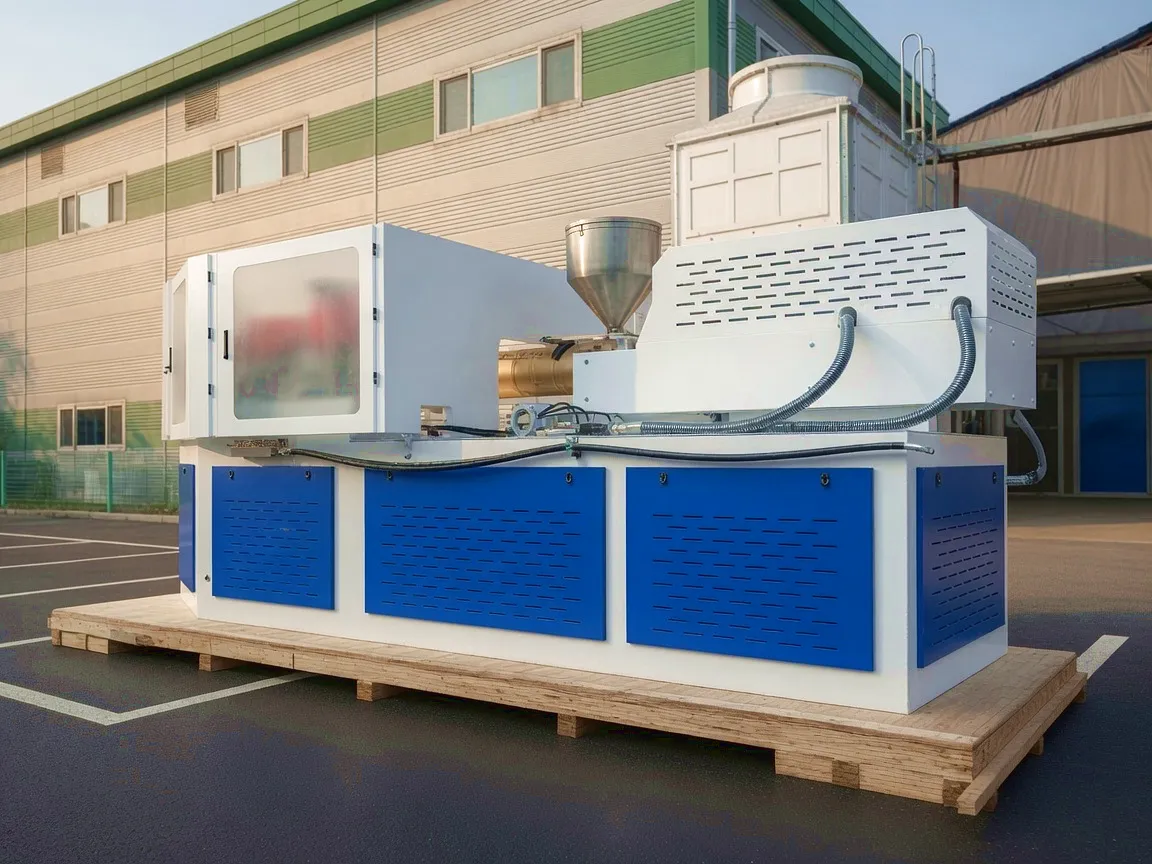
Featured Injection Blow Molding Machines
Ever Power’s ZQ40 series offers proven European-standard replacement performance for legacy machines at significantly reduced capital cost, with full process equivalence validation support for UK manufacturers transitioning from end-of-life equipment.
Replacement of Uniloy UIB 70 Injection Blow Molding Machine – ZQ40
The ZQ40 is engineered as a direct process-equivalent replacement for the Uniloy UIB 70 platform — one of the most widely installed injection blow molding machines in UK pharmaceutical and diagnostic container production facilities. Ever Power’s ZQ40 replicates the UIB 70’s cavity layout, core rod geometry envelope, and production output profile while delivering modern servo-electric drive efficiency, updated HMI controls, and reduced spare-parts lead times compared to the legacy Uniloy platform. UK manufacturers operating ageing UIB 70 machines benefit from a validated process transfer pathway without the capital cost of a complete line redesign.
Replacement of Bloma IBM45 Injection Blow Molding Machine – ZQ40
The ZQ40 configured as a Bloma IBM45 replacement addresses a specific segment of UK and European diagnostic container manufacturers who built their production infrastructure around the IBM45 platform and now face increasing challenges with spare-parts availability and technical service access for ageing machines. Ever Power’s engineering team has mapped the Bloma IBM45’s critical process parameters — injection pressure profiles, core rod spacing, blow station geometry, and ejection timing — and reproduced these in the ZQ40 configuration to enable process qualification transfer rather than full revalidation. This translates directly into reduced changeover risk and faster return-to-production for UK manufacturers whose NHS supply contracts cannot accommodate extended production downtime.
Customer Success: Sheffield Diagnostic Container Manufacturer Achieves NHS Contract Scale
Sheffield, UK
Location
IVD Packaging
Sector
+38%
Throughput Increase
< 0.2%
Scrap Rate Achieved
Ardent Diagnostics Ltd, a Sheffield-based manufacturer specialising in urine collection containers and blood specimen tubes for NHS and private laboratory supply, was operating a fleet of legacy injection blow molding machines approaching end of productive life. Increasing downtime, extended spare-parts procurement lead times from European suppliers post-2021, and the inability to access original equipment engineers for in-person service visits had pushed the facility’s overall equipment effectiveness below the threshold required to maintain output volume commitments under two NHS Supply Chain framework agreements covering urine specimen jars and EDTA blood tubes. The management team needed a replacement machine that could replicate the validated process parameters of their existing production while offering modern process control, lower energy consumption, and accessible spare-parts supply.
After evaluating several equipment suppliers, Ardent Diagnostics Ltd selected an Ever Power ZQ40 injection blow molding machine configured as a process-equivalent replacement for their existing platform. Ever Power’s pre-commissioning engineering review identified the critical dimensional parameters — neck OD tolerance for their 9 mm and 13 mm blood tube formats, body volume calibration for their 3 mL and 5 mL EDTA tubes, and ejection timing optimisation for their 80 mL urine jars — and built these parameters into the ZQ40’s process recipe library before machine dispatch. On-site commissioning at the Sheffield facility took seven working days, including OQ and PQ sample production and dimensional measurement, after which Ardent ran the machine at full production for a 30-day performance qualification period. The result was a steady-state output increase of 38% compared to the legacy machine at equivalent material consumption, a scrap rate below 0.2%, and neck-finish OD data that met the NHS-specified dimensional conformance package requirements across the entire PQ production run. The company has since placed a second ZQ40 order to expand capacity ahead of an additional NHS framework contract award.
What UK Manufacturers Say About Ever Power
“The neck OD data from our ZQ40 PQ run was the tightest we have ever seen on an injection blow molding machine at this output rate. Across 480,000 EDTA tubes, the standard deviation on neck outside diameter was 0.031 mm — well inside our NHS conformance package requirement. Ever Power’s pre-commissioning parameter mapping was the reason we hit that on the first production run, not after three rounds of process adjustment.”
— Production Director, Blood Tube Manufacturer, Sheffield
“We were sceptical about switching from a European OEM machine to a Chinese manufacturer, but the Ever Power engineering team completely changed our perception. They understood the specific PP grade we were running for our urine pots, had already solved the crystallisation issue we were experiencing in the neck finish, and had the solution built into the barrel temperature profile before the machine arrived. The scrap reduction alone paid for a significant portion of the machine cost in the first year of operation.”
— Process Engineering Manager, Diagnostic Container Facility, West Midlands
“Ever Power’s customisation capability was what closed the decision for us. We produce three different cryovial formats on a single machine, and the core rod change and mould swap procedure on the ZQ40 takes 40 minutes with two operators — compared to over three hours on our previous machine. That changeover time saving is transformational for a facility running six different container SKUs across a 5-day production week. The spare-parts availability from Ever Power’s UK logistics partner has also been excellent, with critical wear parts available on a 48-hour delivery basis.”
— Operations Manager, Biobank Container Manufacturer, Cambridge
Frequently Asked Questions
edit by gzl | isbm-equipment.com | Ever Power — Injection Blow Molding Machine Specialists for UK Laboratory & IVD Diagnostics Packaging