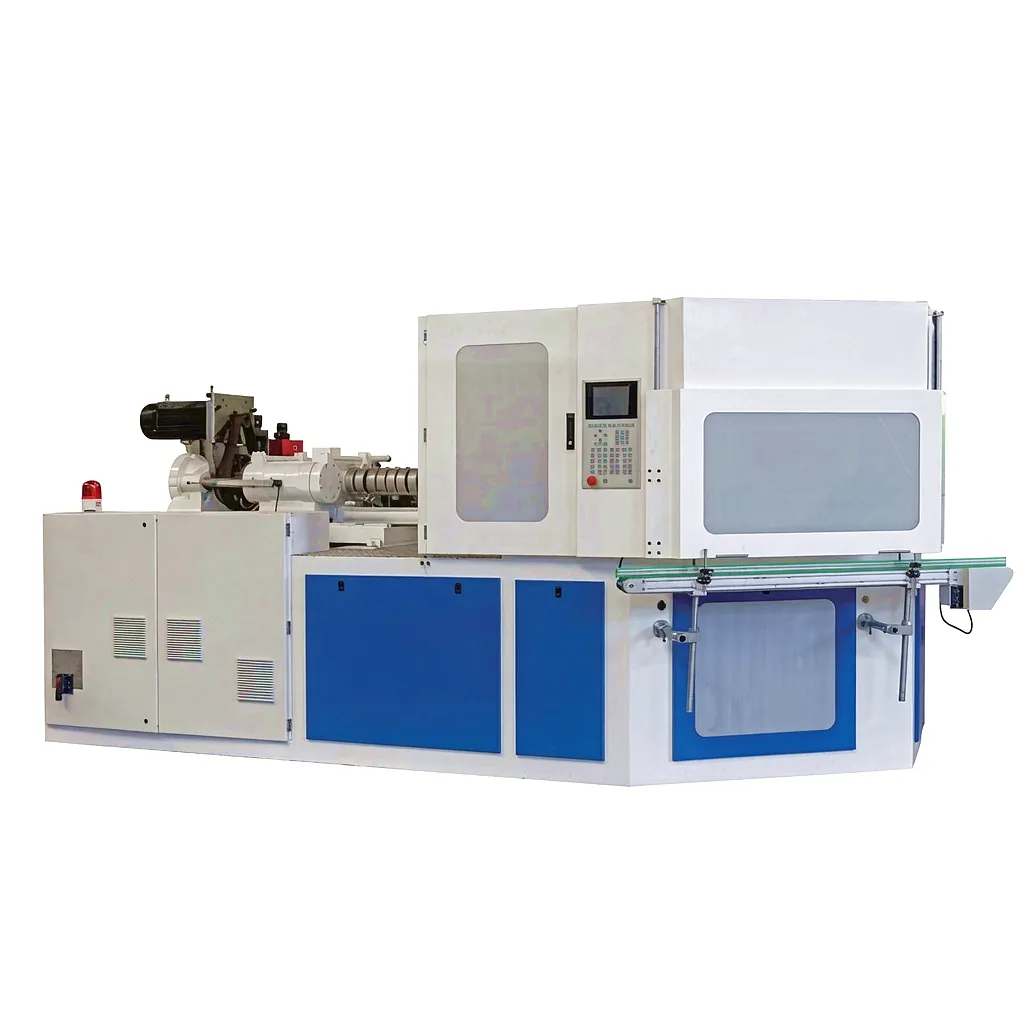
 The healthcare and ophthalmic packaging sector represents one of the most demanding environments in which an injection blow molding machine is expected to perform. Products that come into direct contact with the human eye, nasal mucosa, or open wounds are governed by pharmacopoeial standards covering particulate matter, extractables, sterility, and container integrity — a set of requirements that no other consumer packaging category can rival. For manufacturers serving NHS-licensed pharmaceutical companies, specialist ophthalmic suppliers in the Home Counties, and medical device brands exporting from Scotland and Wales, selecting the right production technology is a business-critical decision with long-term regulatory consequences.
The injection blow molding process — commonly abbreviated as IBM — offers a unique combination of closed-mould forming, precision neck-finish geometry, and material clarity that positions it above conventional extrusion blow molding for pharmaceutical and ophthalmic applications. The process involves three tightly coordinated stages: injection moulding of a parison (preform) onto a core rod, transfer of that preform to a blow station where pressurised air expands it to its final shape, and ejection at a third station that allows continuous rotation without interruption. The closed nature of the process dramatically reduces contamination risk during wall formation — a property that regulators and quality assurance teams across Birmingham, Sheffield, and Manchester value highly when validating production lines for sterile or near-sterile packaging.
How the Injection Blow Molding Machine Works
Molten polymer — typically HDPE, LDPE, PP, or PET — is injected under high pressure into a precision-machined injection mould around a core rod. The geometry of the neck finish, including thread form and sealing surface, is set at this stage and does not change during blowing. This single-step neck creation is the defining advantage of IBM over extrusion blow molding for pharmaceutical closures.
The preform, still on the core rod and at controlled temperature, rotates to the blow station. High-pressure air (typically 6–12 bar) is introduced through the core rod, inflating the preform against the blow cavity walls. The temperature gradient between core and cavity governs wall thickness distribution, optical clarity, and drop impact resistance. For eye drop bottles demanding consistent wall uniformity of +/-0.05 mm, this control is non-negotiable.
At the third station, finished bottles are stripped from the core rod and transferred to downstream conveyors. The rotary indexing mechanism operates continuously, with no interruption between cycles. In medical-grade IBM machines equipped with cleanroom-compatible enclosures, the ejection zone can be purged with filtered air, maintaining ISO Class 7 or 8 environmental equivalence at the point of bottle formation — a requirement appearing with increasing frequency in UK MHRA licence applications.
Healthcare & Ophthalmic Products — Eye Drops, Nasal Sprays & Sterile Wash Bottles
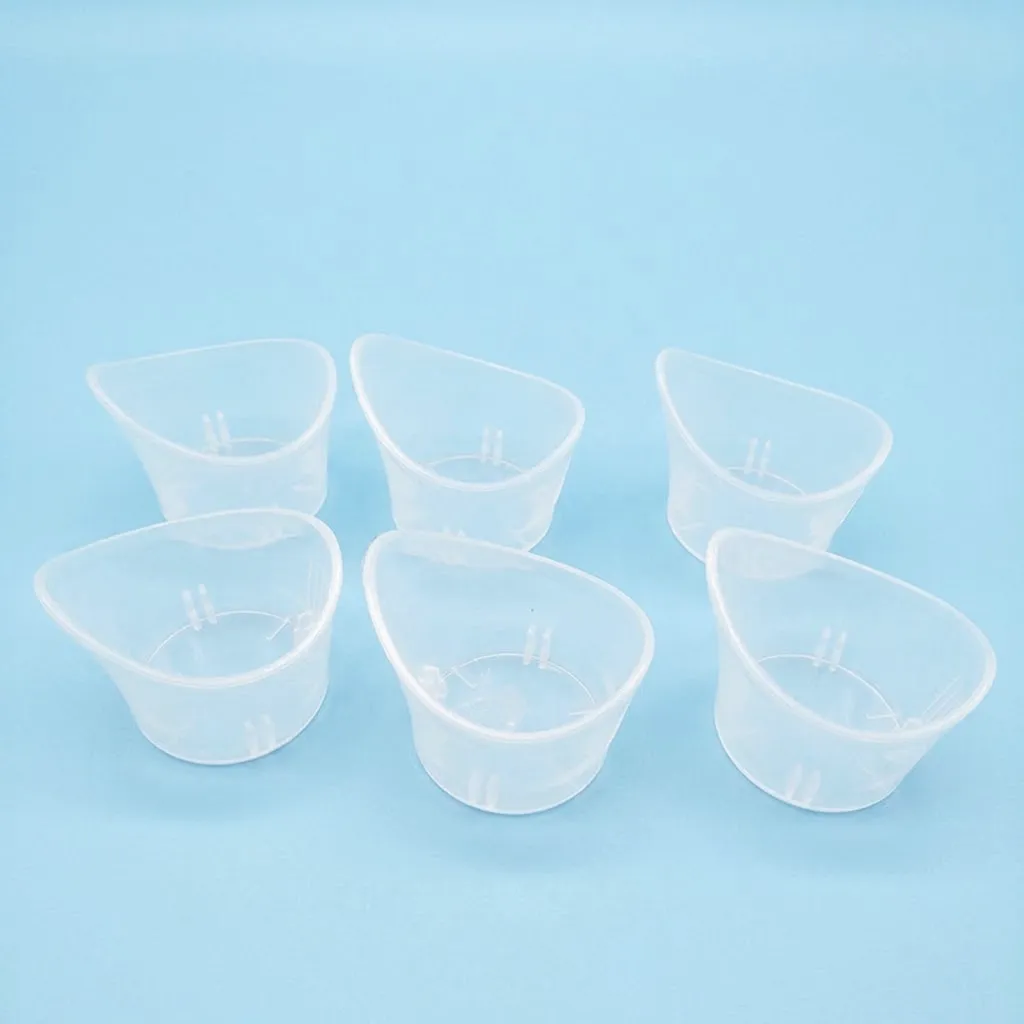
Healthcare packaging sits at the apex of what an injection blow molding machine is capable of delivering. Eye drop bottles, nasal spray containers, and sterile irrigation vessels are not simply cosmetic items — they are primary pharmaceutical packaging that interacts directly with sensitive biological tissue. In the United Kingdom, such containers must comply with the European Pharmacopoeia (as adopted into British standards post-Brexit transition), MHRA Good Manufacturing Practice guidelines, and increasingly stringent NHS procurement criteria that mandate traceability and batch validation documentation.
The IBM process is widely recognised within UK pharmaceutical manufacturing circles — including facilities in the Cambridge biomedical cluster, Nottingham’s pharmaceutical zone, and specialist contract manufacturers around Swindon — as the preferred production route for these container types. The closed-mould forming characteristic, in which the bottle wall never contacts open air during formation, substantially reduces the particulate and bioburden risk that regulators track through environmental monitoring programmes. Unlike extrusion blow moulding, IBM produces no flash and requires no trimming operations, which eliminates a secondary contamination vector that quality assurance managers in aseptic environments must otherwise control.
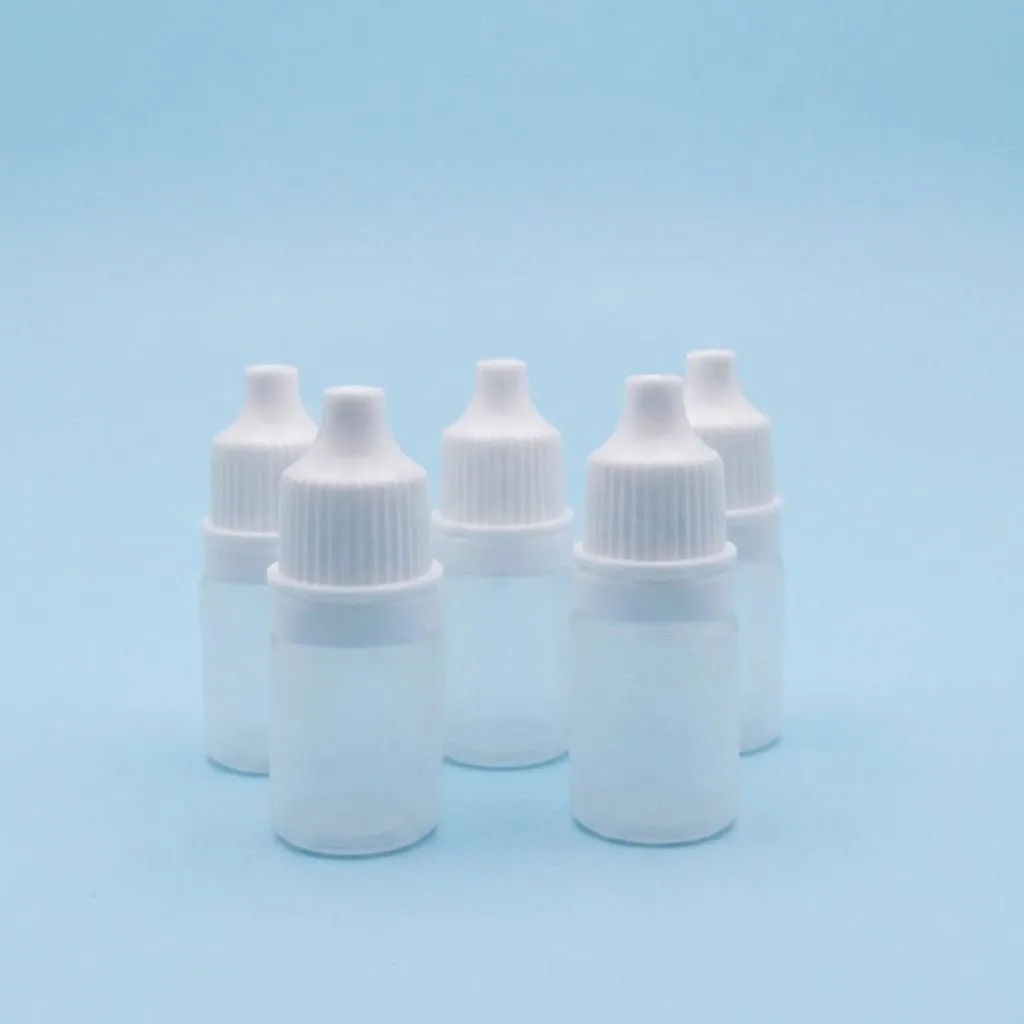
The dimensional consistency of IBM-produced ophthalmic containers is another practical advantage. A typical eye drop bottle must accept a precisely calibrated dropper tip or nozzle assembly, where an outer diameter deviation of more than 0.1 mm can compromise the leak-tightness that prevents contamination of the remaining product after first opening. IBM tooling, maintained to tolerances of +/-0.02 mm, produces neck finishes that fit these closures with zero hand-sorting or secondary gauging. For contract packaging organisations operating high-volume lines for branded ophthalmic products in the UK, this translates directly to reduced downtime and lower reject rates per 100,000 units.
Core Materials Processed by Injection Blow Molding Machines for Healthcare Packaging
Material selection in pharmaceutical IBM is governed by chemical compatibility, extractables and leachables (E&L) profiles, optical requirements, and regulatory status under European Pharmacopoeia 3.1 and 3.2 (plastics). Ever Power’s injection blow molding machines are engineered to process all of the following resins reliably and repeatably at production speeds that satisfy UK contract manufacturing schedules.
The workhorse resins for ophthalmic packaging. LDPE offers the squeezability that patients need to dispense a single calibrated drop, while HDPE delivers barrier properties. Both are classified under Ph. Eur. 3.1.4 and widely accepted by MHRA for direct contact with ophthalmic preparations. IBM processing of LDPE typically runs at melt temperatures of 180–220 degrees C with relatively low injection pressures compared to PET.
PET IBM delivers outstanding optical clarity — transmission values above 88% in visible light — making it the material of choice for products where visible particulate inspection is required by batch release protocols. Nasal spray pump bottles for branded decongestants in the UK market are frequently specified in PET IBM, processed at 270–290 degrees C with screw designs optimised for drying-free throughput when using pre-dried resin fed directly into temperature-controlled barrels.
PP occupies a specific niche in healthcare IBM: its autoclavable nature makes it suitable for containers that undergo terminal steam sterilisation before aseptic fill. Eye wash vessels for occupational health in UK industrial sites — from manufacturing plants in Leeds to chemical processing facilities in Teesside — frequently call for PP IBM bottles that can withstand 121-degree steam cycles without deformation. PP IBM processing requires precise barrel temperature profiling and tight core-rod temperature management to prevent shrinkage non-uniformity.
Cyclic olefin copolymers and polymers are premium specialty materials now being trialled in advanced ophthalmic IBM programmes. Their near-zero moisture vapour transmission rate and exceptional chemical inertness against active pharmaceutical ingredients make them attractive for sensitive formulations, including biologics-based eye preparations. While not yet mainstream, IBM tooling engineers at Ever Power have already developed trial programmes for COC IBM on modified ZQ-series platforms, a capability rarely available outside East Asian original equipment manufacturers.
Why UK Pharmaceutical Manufacturers Choose IBM Over Alternative Processes
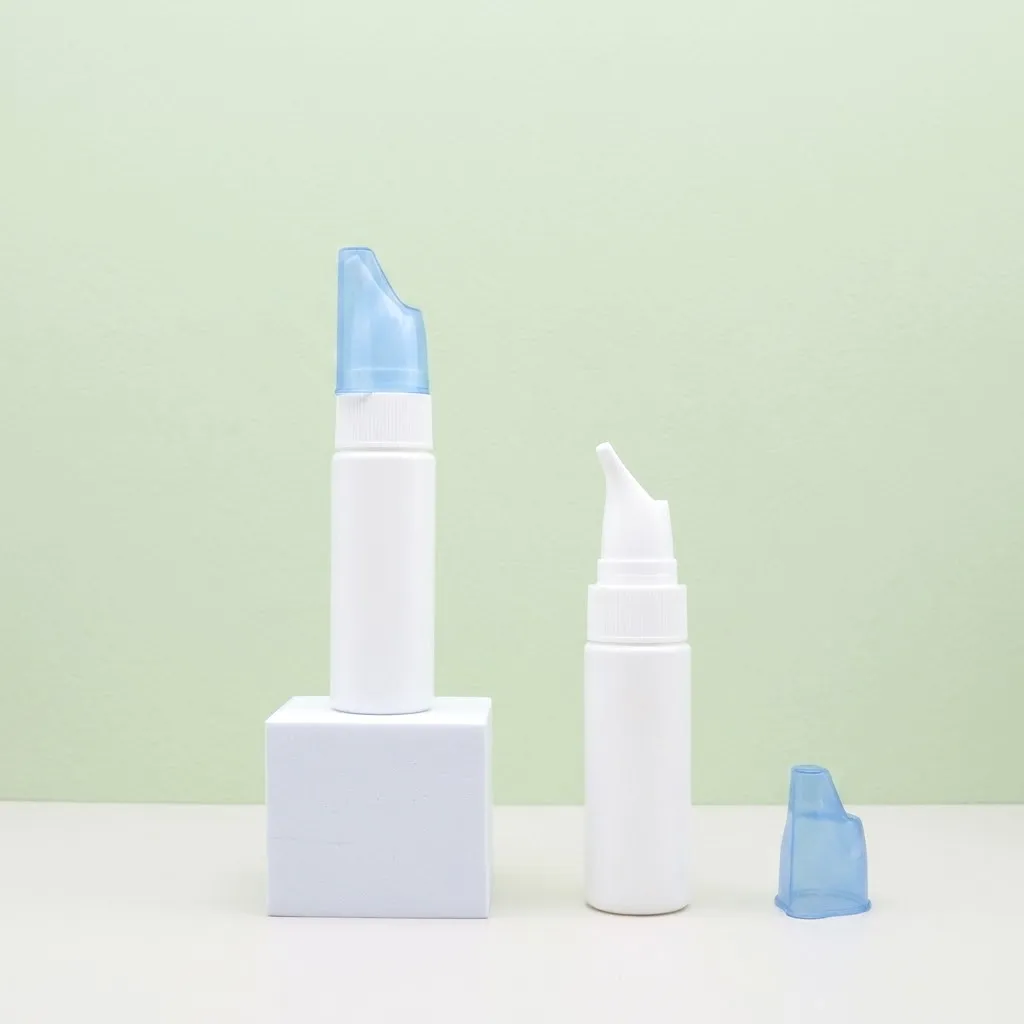 The British pharmaceutical manufacturing sector is one of the most significant in Europe, generating approximately 25 billion GBP in output annually. With major production sites concentrated in the South East, East of England, and Yorkshire, UK manufacturers operate under intense cost-per-unit pressure whilst simultaneously navigating some of the world’s most demanding packaging validation protocols. The injection blow molding machine sits at an intersection of economy and compliance that alternative processes struggle to reach.
Extrusion blow molding, the principal competitor to IBM in hollow container production, introduces flash lines and requires trim operations that add both capital cost and contamination risk in controlled environments. Stretch blow molding of PET offers excellent bottle aesthetics for over-the-counter nasal sprays, but the two-stage preform-to-bottle logistics model introduces preform storage and conditioning requirements that add supply chain complexity for smaller UK contract manufacturers. IBM consolidates injection and blowing into a single-machine cell that delivers validated, flash-free containers at cycle times of 6–15 seconds per rotation, depending on cavitation and material.
Qualification engineers at NHS-licensed facilities appreciate that IBM process parameters — injection temperature, blow pressure, cycle time, and mould temperature — are relatively few in number and highly reproducible. Installation Qualification, Operational Qualification, and Performance Qualification (IQ/OQ/PQ) protocols for IBM platforms are well-established in the industry, and Ever Power’s engineering support team provides comprehensive documentation packages that align with GAMP 5 guidance, a standard increasingly cited in MHRA inspection reports for new equipment introductions across the UK.
Injection Blow Molding Machine — Key Performance Parameters
Specifications cover the EP-ZQ series machines; custom configurations available on request for pharmaceutical and ophthalmic line requirements.
| Parameter | ZQ80 | ZQ110 | Notes |
|---|---|---|---|
| Clamping Force | 80 kN | 110 kN | Higher clamping for larger ophthalmic bottle formats |
| Max. Shot Weight (HDPE) | Up to 160 g | Up to 260 g | Suitable for multi-cavity eye drop and nasal spray runs |
| Bottle Volume Range | 5 ml – 500 ml | 5 ml – 1000 ml | Covers unit-dose drops to 500 ml wash bottles |
| Injection Pressure (max.) | 160 MPa | 160 MPa | Consistent neck formation across all cavities |
| Blow Pressure | 6 – 10 bar | 6 – 12 bar | Adjustable per material and wall thickness target |
| Cycle Time | 6 – 12 s | 8 – 15 s | Material- and geometry-dependent |
| Barrel Temperature Zones | 5 zones | 5 zones | Independent PID control per zone, +/-0.5 deg C |
| Max. Cavitation | Up to 6 cavities | Up to 8 cavities | Small ophthalmic bottles; larger volumes reduce cavitation |
| Materials Processed | LDPE, HDPE, PP, PET | LDPE, HDPE, PP, PET, COC | COC on ZQ110 with optional modified screw |
| Control System | Siemens PLC + HMI | Siemens PLC + HMI | 21 CFR Part 11-compatible audit trail option |
| Wall Thickness Tolerance | +/- 0.05 mm | +/- 0.05 mm | Critical for consistent drop volume and squeeze force |
| Machine Footprint (approx.) | 3.2 m x 1.4 m | 3.8 m x 1.6 m | Compact for cleanroom integration |
Why Injection Blow Molding Machines Outperform Competing Technologies
The IBM process produces no parting-line flash and requires no secondary trimming, eliminating a contamination risk that is incompatible with controlled pharmaceutical environments and reducing per-unit labour cost by 8–15% compared to extrusion blow moulding lines of equivalent output.
Because the neck finish is formed by injection moulding rather than blowing, dimensional variability is governed by metal tooling tolerances rather than parison wall distribution. For ophthalmic closures requiring a sealing bead or precise thread-root depth, IBM produces consistent dimensions across 100% of bottles — a validated attribute that reduces seal integrity test failures at the filling line.
The compact three-station rotary configuration allows IBM machines to fit within cleanroom modules of as little as 25 m2. For UK contract manufacturers operating in converted pharmaceutical production suites in Oxford or Bristol, the footprint advantage over separate injection and blow stations is significant, reducing both capital fit-out cost and HVAC energy consumption per bottle produced.
IBM tooling is designed as a self-contained mould set that slides onto the machine platen. Changeover between an eye drop mould and a nasal spray mould on the ZQ-series platform can be completed within 45–90 minutes by a trained technician, making IBM viable for multi-SKU pharmaceutical contract manufacturing operations where rapid changeover is a key commercial differentiator.
IBM-produced PET and COC containers achieve light transmission values that support 100% inline visible particulate inspection, a requirement that is becoming standard in UK aseptic filling operations. The absence of external regrind introduction and the sealed parison formation environment keep gel and black-spot counts well within Ph. Eur. 2.9.20 limits for visible particles in parenterals and ophthalmic preparations.
Ever Power supplies CE-marked ZQ-series machines with complete mechanical drawings, electrical schematics, and IQ/OQ template documentation, reducing the qualification timeline for UK pharmaceutical customers by an estimated 30–40% compared to machines supplied with only basic manuals. MHRA-experienced project managers within the Ever Power technical support team have assisted customers in Cambridge and Slough through first-time IBM validations for ophthalmic primary packaging.
Ever Power — Precision IBM Manufacturing & Customisation
With over two decades of injection blow molding machine development and an R&D centre dedicated to pharmaceutical tooling, Ever Power is the partner UK manufacturers turn to when standard machines are not enough.
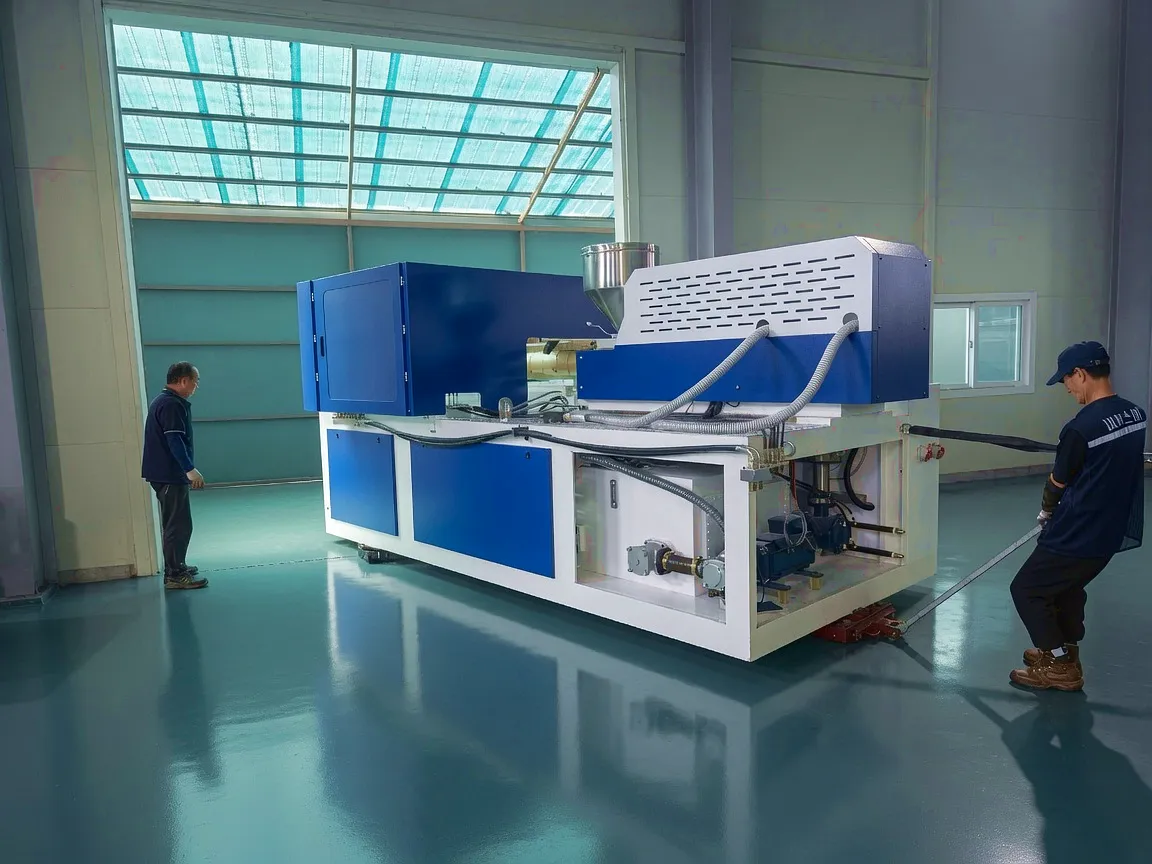
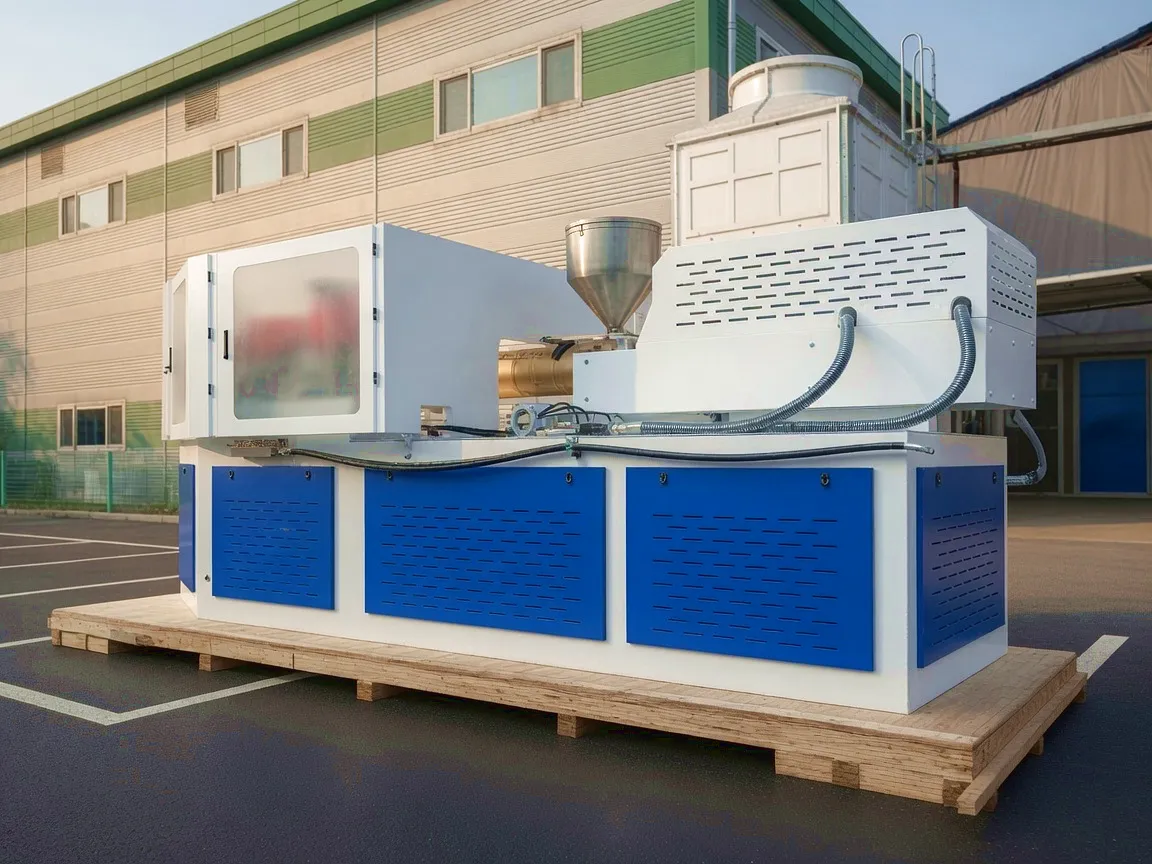
Ever Power’s manufacturing facility operates a dedicated IBM production hall of 8,000 m2, equipped with high-precision CNC machining centres for mould and tooling manufacture, hardness testing, CMM dimensional verification, and a fully equipped trial production cell where customer moulds are validated before despatch. The customisation capability extends from simple label-cavity modifications through to completely custom machine configurations with alternative barrel sizes, extended core-rod sets for asymmetric container profiles, and integrated servo-driven parison temperature management for specialty materials.
For UK customers, Ever Power maintains a dedicated export logistics programme with standard CIF (Liverpool, Felixstowe, Southampton) shipping terms, pre-clearance documentation support, and a UK-based technical representative who can coordinate installation, commissioning, and operator training at your facility. Lead times for standard ZQ-series machines with pharmaceutical tooling average 10–14 weeks from order confirmation, with expedited options available for customers with contracted filling-line commissioning dates.
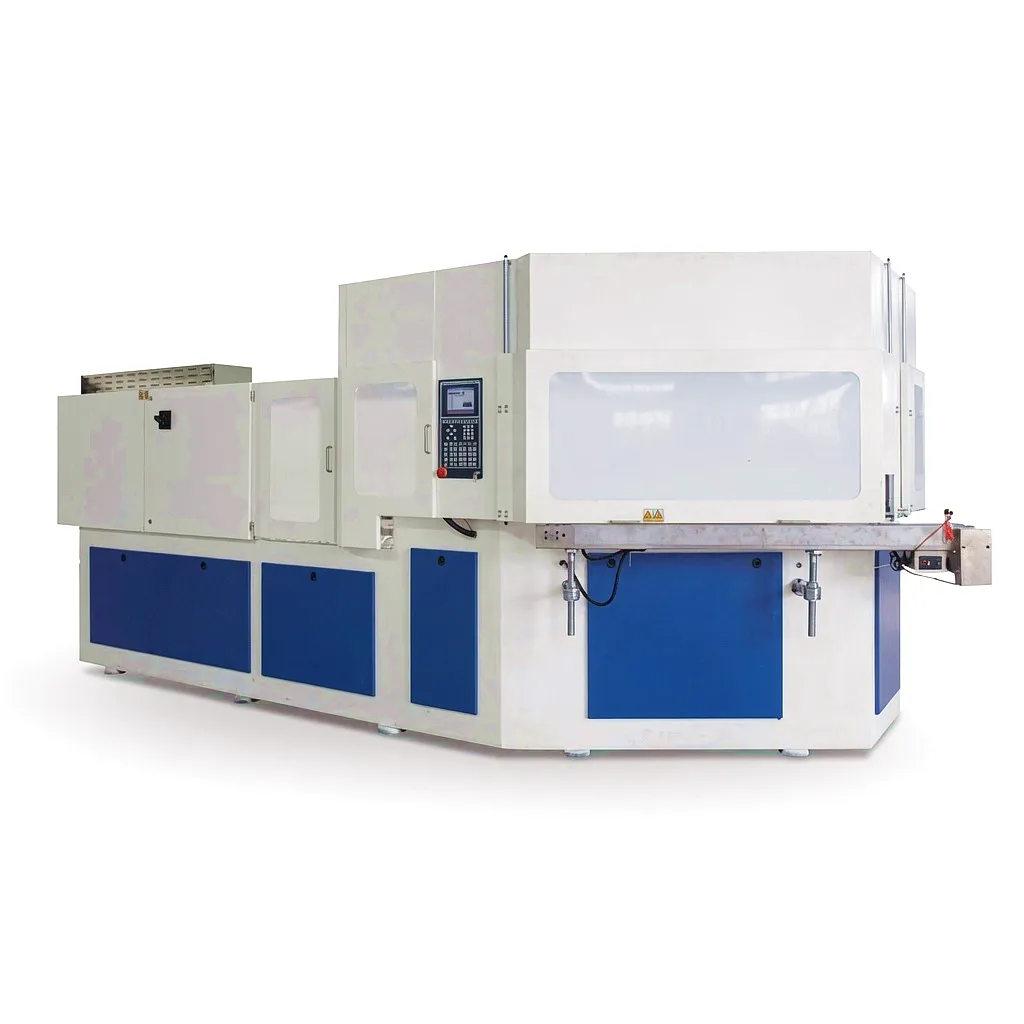
Featured Injection Blow Molding Machines for Healthcare & Ophthalmic Packaging
Complete IBM Line Equipment Portfolio
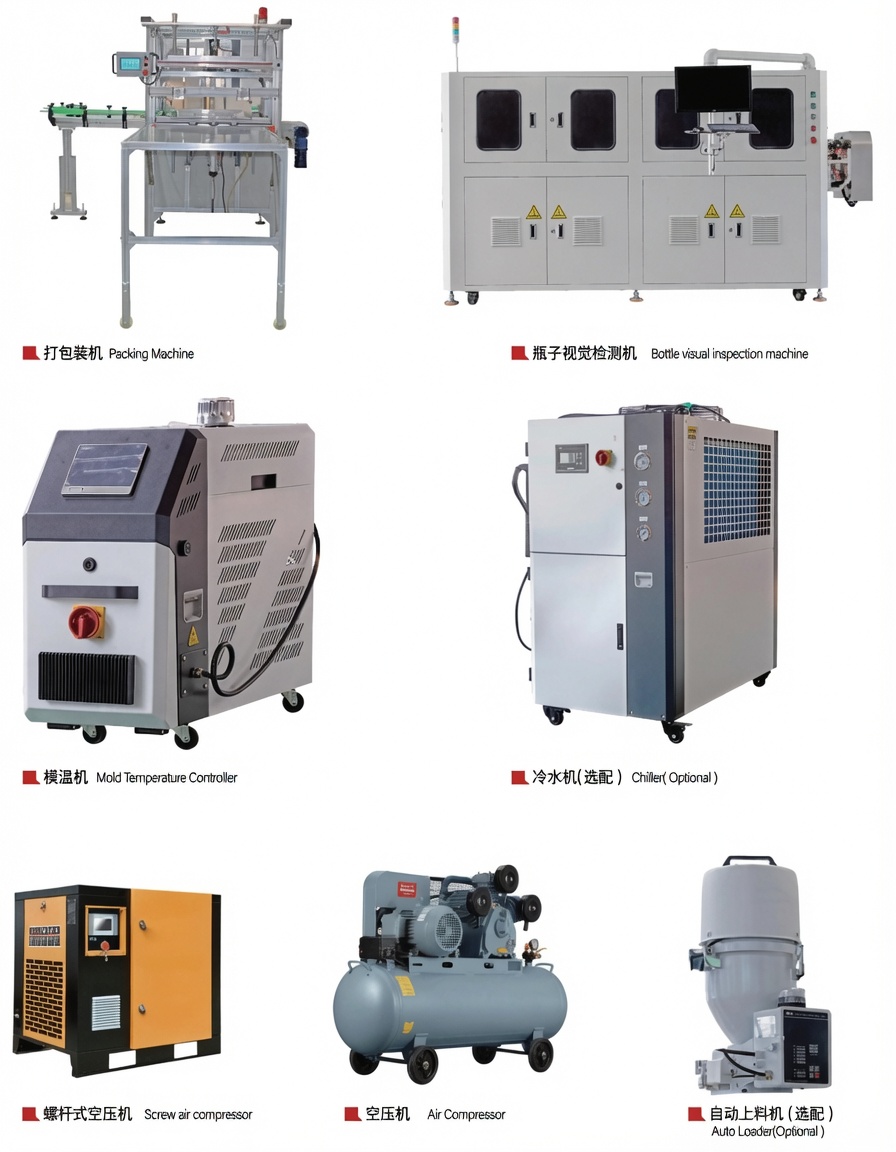
A standalone injection blow molding machine is only the beginning of a complete pharmaceutical packaging line. Ever Power supplies the full auxiliary equipment ecosystem needed to take resin pellets through to validated, batch-coded containers ready for aseptic filling. For UK customers, this turnkey supply capability eliminates the risk of component incompatibility that arises when sourcing from multiple vendors — a risk that can delay IQ/OQ completion by months.
Dehumidifying hopper dryers with dew-point monitoring for PET and COC resins, preventing hydrolytic degradation during processing.
Closed-loop water chillers maintaining mould temperature within +/-0.5 degrees C for consistent wall distribution in ophthalmic bottle production.
Oil-free rotary screw compressors supplying 10 bar filtered blow air, meeting pharmaceutical-grade air quality standards at the point of use.
Servo-driven belt conveyors with inline vision inspection for neck geometry, wall haze, and label orientation integrated at the ejection zone.
Automatic pressure-decay leak testers for 100% inline closure integrity verification before downstream filling or packaging operations.
Beyond Ophthalmic: Other UK Industry Applications for IBM Technology
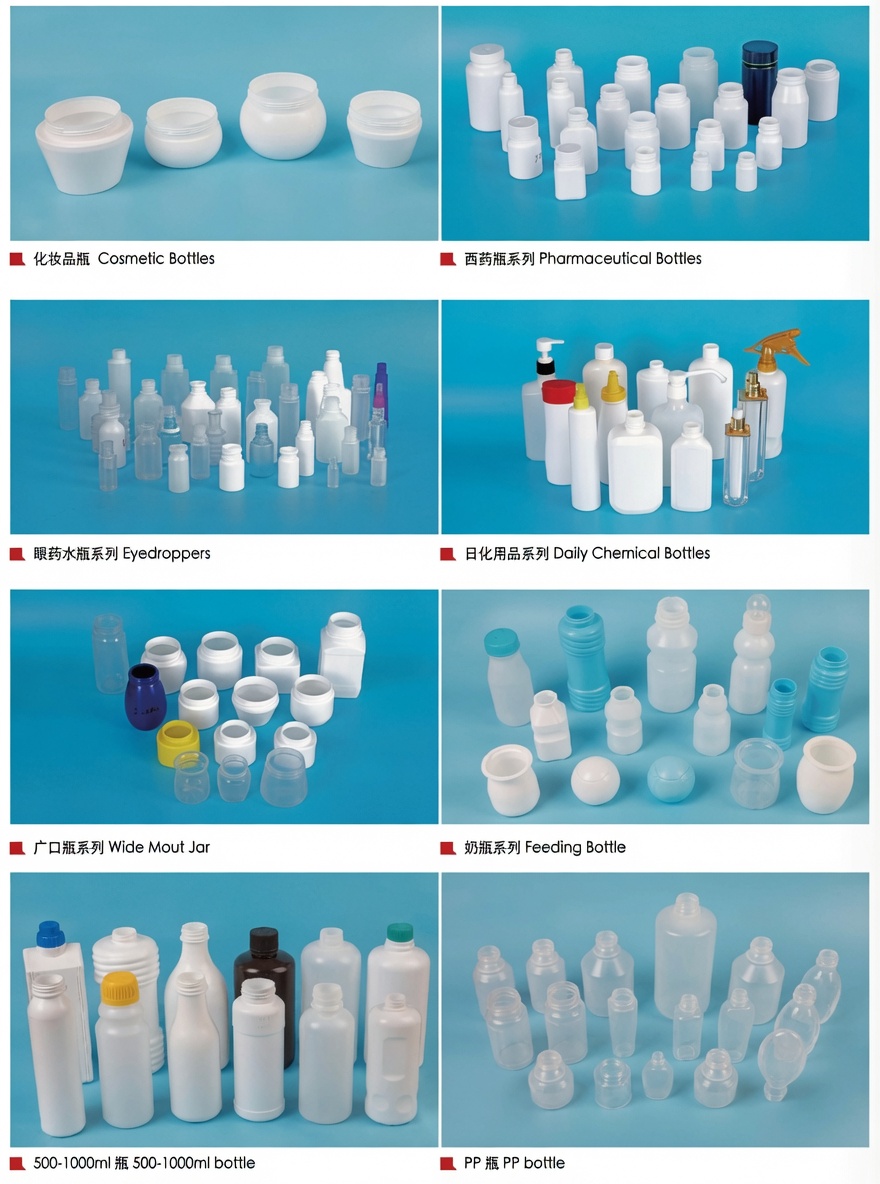
While the healthcare and ophthalmic sector commands the most stringent performance criteria, injection blow molding machines serve a diverse range of industries across the UK. Personal care manufacturers in the Midlands producing travel-size shampoos, conditioners, and body wash containers rely on IBM for its ability to deliver optical clarity and precise dosing orifices in polyolefin and PET. The BPA-free consumer movement has been a significant growth driver for IBM in the UK baby care market, where HDPE IBM bottles for gripe water, vitamin drops, and saline nose drops carry specific claims that require documented material compliance statements aligned with REACH legislation.
The agrochemical sector — with significant blending and packaging operations in East Anglia and the Humber estuary region — uses IBM for small-volume concentrate packaging where HDPE chemical resistance and precision neck threads for safety-closure fitment are essential. In the veterinary pharmaceutical market, centred on Newmarket and the East Midlands, IBM-produced LDPE containers are the standard for ophthalmic preparations for livestock, replicating the same process rigour applied in human pharmaceutical packaging. Ever Power’s tooling library includes approved designs for CRC (Child Resistant Closure) neck finishes, special fitment rings for veterinary pipette systems, and tamper-evident flange profiles that snap into branded outer packaging used in UK farming co-operatives.
Case Study: Nottingham Ophthalmic Contract Manufacturer
Meridian Pharma Packaging Ltd, a contract packaging organisation based in Nottingham’s Beeston industrial corridor, had operated extrusion blow molding lines for eye drop and nasal spray containers since 2014. By 2023, MHRA inspectors had flagged repeated concerns about particulate levels at batch release — specifically, flash particle contamination traced to the trimming stations on two of their three EBM lines. Facing the prospect of batch rejections, Meridian’s technical director initiated a full process review, concluding that a transition to injection blow molding was the only pathway to consistent pharmacopoeial particulate compliance.
The challenge was threefold: identify an IBM supplier capable of delivering equipment to NHS and MHRA documentation standards, complete machine installation within a 16-week window dictated by a major branded ophthalmic customer’s supply contract, and qualify the line under GAMP 5 guidance without disrupting the facility’s existing production schedule.
Ever Power proposed a twin-machine installation: a ZQ80 configured for multi-cavity LDPE eye drop bottles in the 10 ml–30 ml range, and a ZQ110 designated for 250 ml and 500 ml PP irrigation wash vessels for hospital pharmacy supply. Both machines were supplied with full IQ/OQ template packs, calibration certificate sets for all measurement instruments, and a custom Siemens HMI interface with batch record logging that met Meridian’s 21 CFR Part 11-equivalent audit trail requirements under their MHRA GMP licence.
Ever Power’s engineering team coordinated with Meridian’s facilities contractor in Nottingham to pre-design the utilities connections (3-phase power, chilled water, compressed air) before machine arrival, reducing the on-site installation time from the industry-typical 10 days to 6 days. An Ever Power validation specialist was on site for OQ execution, processing three full production batches of LDPE eye drop bottles with documented particulate, dimensional, and closure integrity results. The ZQ80 OQ batch produced zero particulate failures against Ph. Eur. 2.9.20 visible particle limits across 12,000 bottles sampled.
Total timeline from order to completed OQ: 14 weeks, two weeks ahead of the customer’s contractual deadline.
“The neck dimension consistency on the ZQ80 is in a different category to anything we ran on our EBM lines. We put 10,000 bottles through a statistical sample and the Cpk on the outer diameter was 1.82 — our dropper supplier stopped asking for incoming inspection within a month.”
“Ever Power delivered the IQ documentation package before the machines arrived on site. That alone saved us three weeks of internal writing time. The Siemens HMI with audit trail was configured exactly as we specified, and the MHRA inspector was satisfied with the electronic batch records at our first post-installation GMP inspection.”
“We were initially hesitant about sourcing capital equipment outside the EU, but Ever Power’s CIF Felixstowe terms and UK customs pre-clearance support made the whole logistics process straightforward. The machines cleared customs in 4 days and were on site in Nottingham within the week. The spare-parts kit they included in the initial order was comprehensive — we’ve had the ZQ80 running for 11 months without a single unplanned stoppage.”
Frequently Asked Questions About Injection Blow Molding Machines in the UK
Contact Ever Power’s IBM specialists today for a tailored quotation, technical consultation, or IQ/OQ documentation preview for your UK pharmaceutical or ophthalmic packaging project.
edit by gzl