Global Market Momentum: The Numbers Driving Investment
Key growth indicators across emerging blow molding markets · 2024–2030 forecast window
Southeast Asia’s packaged goods market is expanding at 8.4% CAGR through 2030, anchored by Indonesia, Vietnam, and Thailand. IBM machine installations in the region are forecast to grow in step, with pharmaceutical bottles and personal care containers leading the demand curve as domestic brands displace imports.
Sub-Saharan Africa’s plastic processing machinery investment is projected to reach USD 2.1 billion by 2029. Nigeria, Kenya, South Africa, and Ghana are the primary destinations. IBM machines capable of running locally sourced rPET and HDPE — without expensive resin pretreatment — are commanding a significant share of new factory build-outs.
Brazil, Mexico, Colombia, and Argentina are reshaping their beverage and agrochemical packaging supply chains. The nearshoring wave post-2023 has accelerated domestic production investment, with IBM machines favoured for small-batch flexibility — a critical advantage where SKU proliferation outpaces volume growth in category after category.
Why IBM Technology Is the Right Fit for Emerging Manufacturing Environments
Blow Molding Process Comparison: IBM vs. ISBM vs. EBM vs. Extrusion
Southeast Asia: Pharmaceutical & Beverage Packaging as the Primary Growth Engine
Vietnam, Indonesia, Thailand, the Philippines, and Malaysia collectively form one of the most dynamic packaging machinery markets on earth. The common thread is demographics: a combined population exceeding 550 million people with median ages below 32, rising urban incomes, and consumption habits shifting toward packaged and branded goods at a pace that domestic bottle production capacity has not yet matched. IBM machines are being deployed here in three primary verticals: pharmaceutical oral liquids and syrups (where the hermetic neck seal IBM produces is a regulatory requirement in many ASEAN markets), personal care — shampoo, body wash, and lotion where PP-IBM delivers the combination of chemical resistance and label clarity that brand owners require — and a fast-growing segment in nutraceutical and supplement bottles, which need small-run flexibility as new SKUs are constantly introduced.
The region’s infrastructure challenge is power quality. Industrial zones in Vietnam’s Binh Duong province, Indonesia’s Bekasi corridor, and Philippine export processing zones all experience voltage fluctuation events that can disrupt injection unit controls and, critically, barrel temperature uniformity in IBM machines not designed with appropriate compensation systems. Ever Power’s IBM units incorporate servo-driven injection with closed-loop melt pressure feedback, which desensitises melt temperature uniformity to ±1.5°C even under ±10% line voltage variation — a specification that competitors quoting older hydraulic designs cannot match in this operating environment. The practical result is a consistent parison weight shot to shot, which translates directly into consistent bottle weight and wall thickness, reducing the likelihood of failed pressure tests that result in rejected batches at the customer’s quality gate.
- Pharmaceutical syrups & oral liquids (PP/PE)
- Personal care & cosmetics (PP, HDPE)
- Nutraceuticals & supplements (PET, PP)
- Agrochemical concentrates (HDPE)
- Flavoured beverages & RTD (PET)
Thailand’s packaging sector is particularly instructive. Bangkok’s industrial estates — Amata Nakorn and Eastern Seaboard — house hundreds of contract manufacturers producing bottles for export to Japan, South Korea, and Europe. These facilities operate to exacting quality standards, and IBM machines have become the default platform for any small-container application below 500 mL because the zero-flash output eliminates the manual trimming headcount that Thai manufacturers regard as a direct labour cost risk. IBM machines also support rapid mould changeover — a key requirement in Thailand’s highly promotional FMCG market, where bottle designs change seasonally — and Ever Power’s quick-change mandrel system reduces core rod swap time to under 25 minutes, enabling two-shift production without extended downtime during changeover.
Sub-Saharan Africa: Localisation Policy and the Rise of Domestic Bottle Production
Lagos and Kano-based manufacturers are investing in IBM lines to produce sachet water caps, mineral water bottles (250–750 mL), and flavoured drink containers. HDPE and PP grades are preferred for local resin availability reasons.
Nairobi’s pharmaceutical contract manufacturers use IBM to produce syrup bottles and ophthalmic dropper containers, leveraging the process’s inherent cleanliness and flash-free output to meet Kenya’s Pharmacy and Poisons Board packaging standards.
Johannesburg and Durban-based manufacturers supply personal care and homecare bottles across the SADC region. IBM is preferred over EBM here because brand owners demand pinhole-free containers with tight tolerances for automated filling lines.
Accra-area agricultural input distributors are moving to in-house IBM bottle production for herbicide and pesticide containers, where HDPE chemical resistance and precise thread specifications for sealed cap systems are non-negotiable requirements.
Latin America: Nearshoring, SKU Proliferation, and the Case for Flexible IBM Capacity
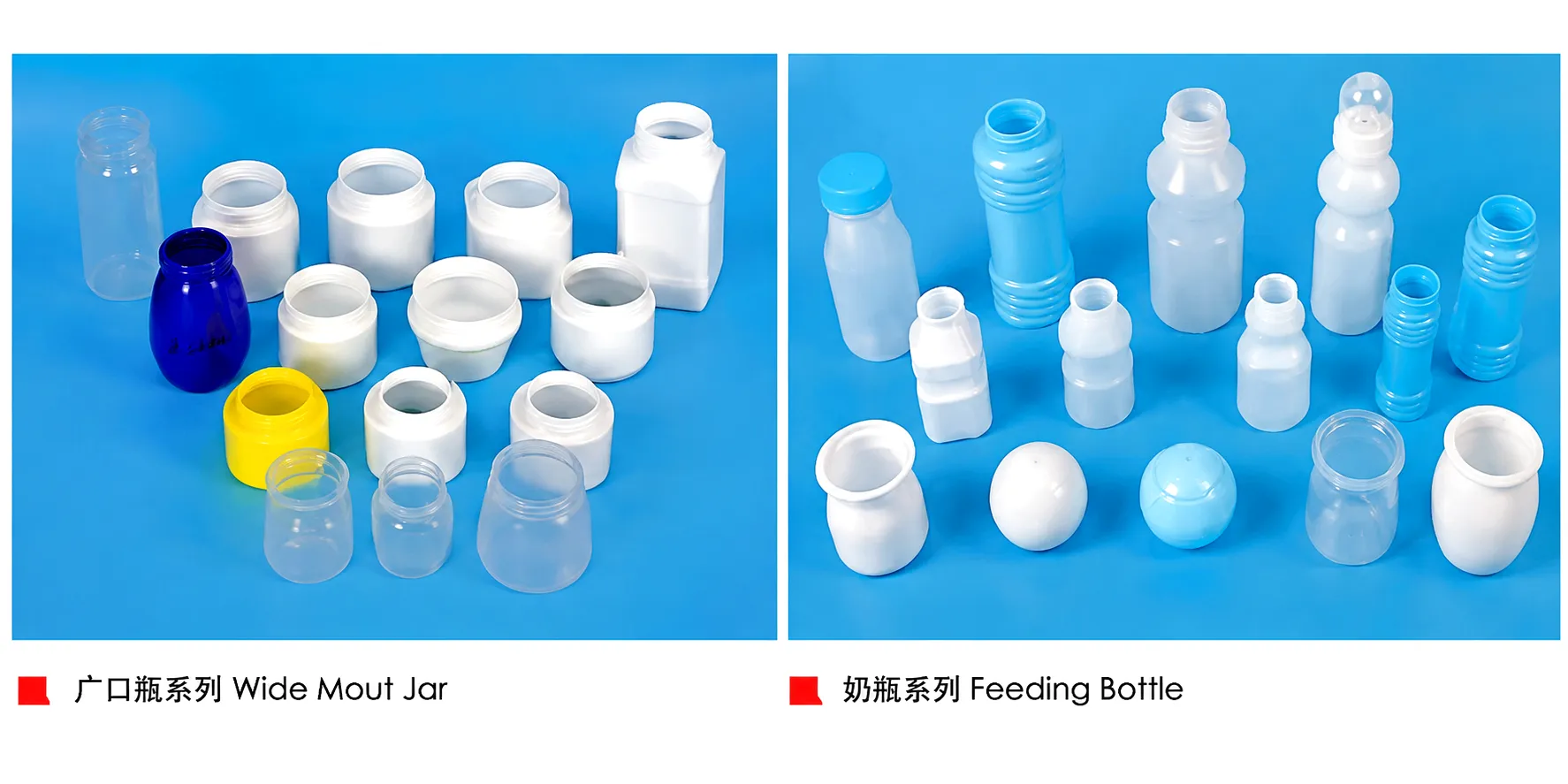
Latin America’s appeal as an IBM machine market rests on a combination of structural trends that are unlikely to reverse in the medium term. Brazil — with its domestic market of over 200 million consumers, diversified industrial base, and sophisticated food, beverage, and pharmaceutical manufacturing sectors — is the anchor. São Paulo and its surrounding industrial belt in the ABC Paulista region are home to hundreds of packaging manufacturers who produce bottles for brands ranging from multinationals to high-growth domestic consumer goods companies. IBM machines have found a particularly strong position in Brazilian pharmaceutical packaging, where ANVISA regulations on container integrity closely mirror European pharmacopoeia standards, making flash-free injection blow moulded containers the compliance-preferred solution for oral liquid medicines, nutritional supplements, and ophthalmic products.
Mexico is the second major market, and the nearshoring narrative is real and measurable here. As US companies restructure supply chains to reduce dependence on trans-Pacific sourcing, they are investing in or qualifying Mexican partners for packaging supply. Monterrey and Guadalajara have seen significant new packaging plant capacity announcements since 2022, with IBM lines among the preferred technologies for personal care, beverage, and nutraceutical applications aimed at supplying the US market under USMCA preferential terms. Colombia — with Bogotá and Medellín as dual industrial hubs — presents a particularly interesting case: the country’s burgeoning cosmetics manufacturing sector, which exports extensively to Ecuador, Peru, and Central America, has shifted strongly toward IBM for small-format containers between 30 mL and 200 mL because the process produces the optical clarity and surface gloss that prestige cosmetics brand owners require.
IBM Machine Technical & Performance Specifications
Reference parameters for mid-capacity injection blow molding machines suitable for emerging market deployment
Ever Power IBM Machine Range for Emerging Markets
Two flagship models engineered for the operational realities of Southeast Asia, Africa, and Latin America
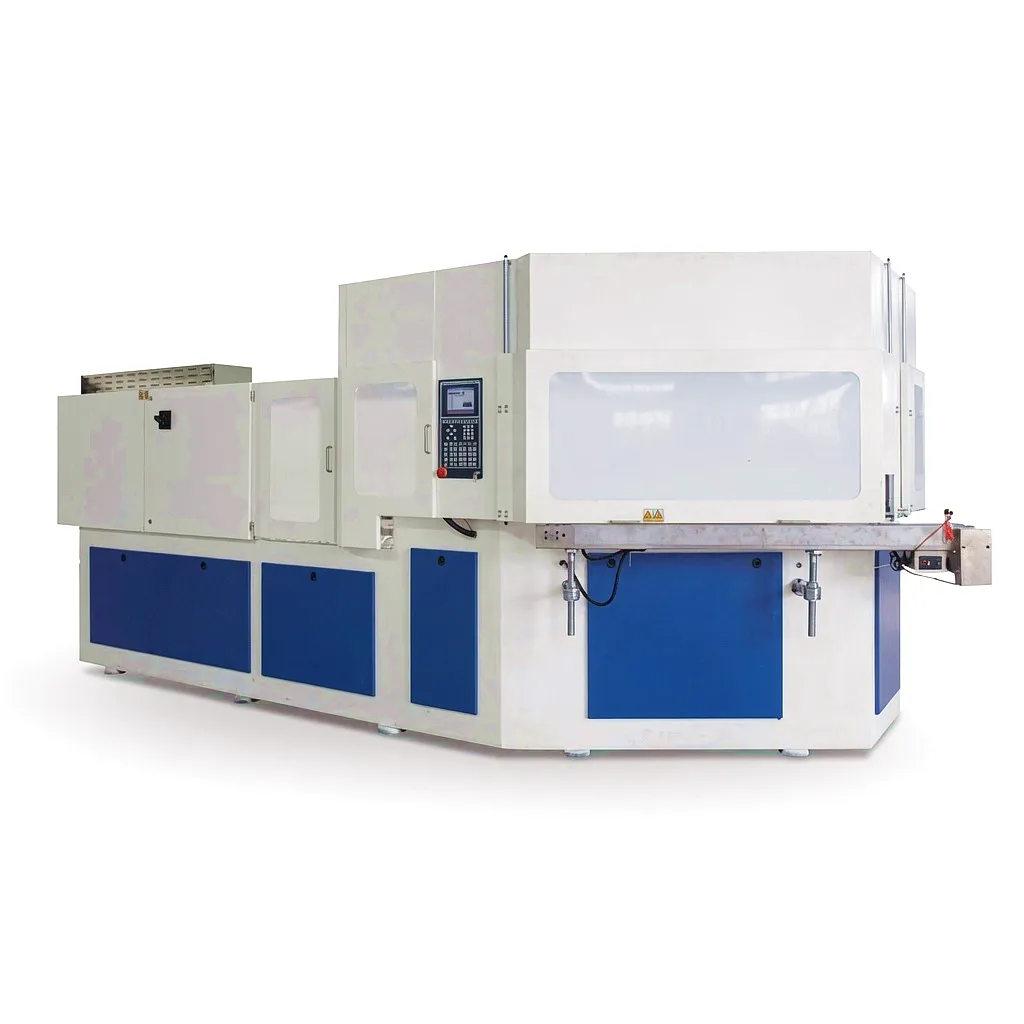
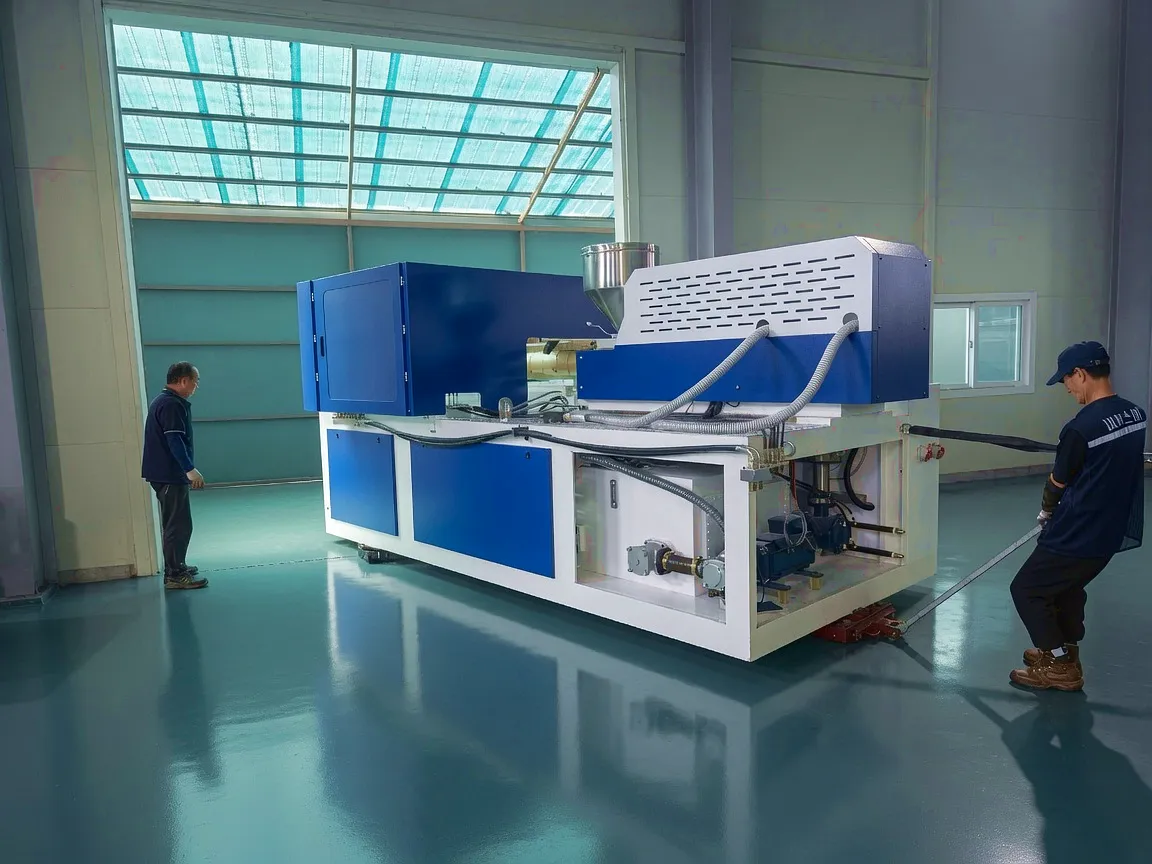
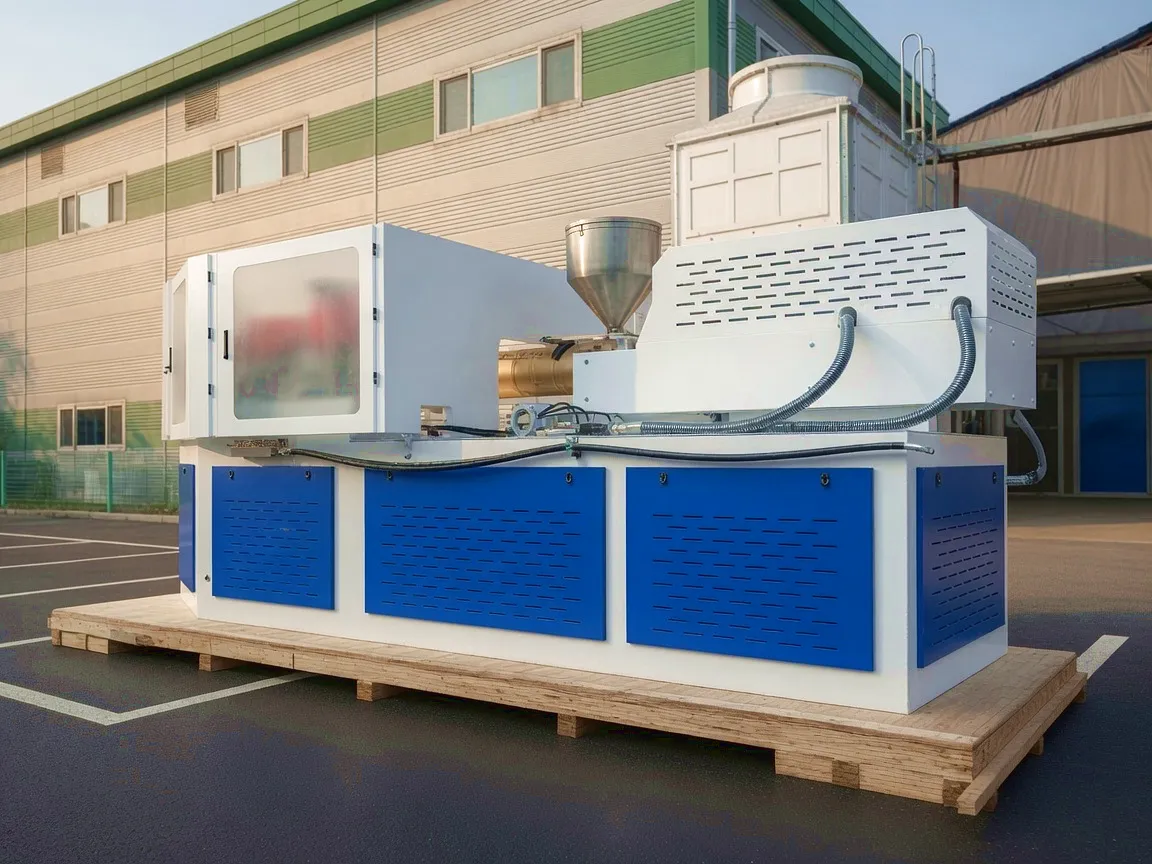
ZQ110 Injection Blow Molding Machine
The ZQ110 is Ever Power’s benchmark mid-capacity IBM machine for manufacturers entering in-house bottle production. With a 110 kN clamping force, servo-electric drive, and a 5 mL–500 mL container range, it is purpose-matched for pharmaceutical syrup bottles, personal care containers, and nutraceutical jars across ASEAN, African, and LatAm first-run installations. The compact 3.5 m footprint and 50 Hz/60 Hz switchable supply make it uniquely deployment-ready for emerging-market electrical infrastructure.
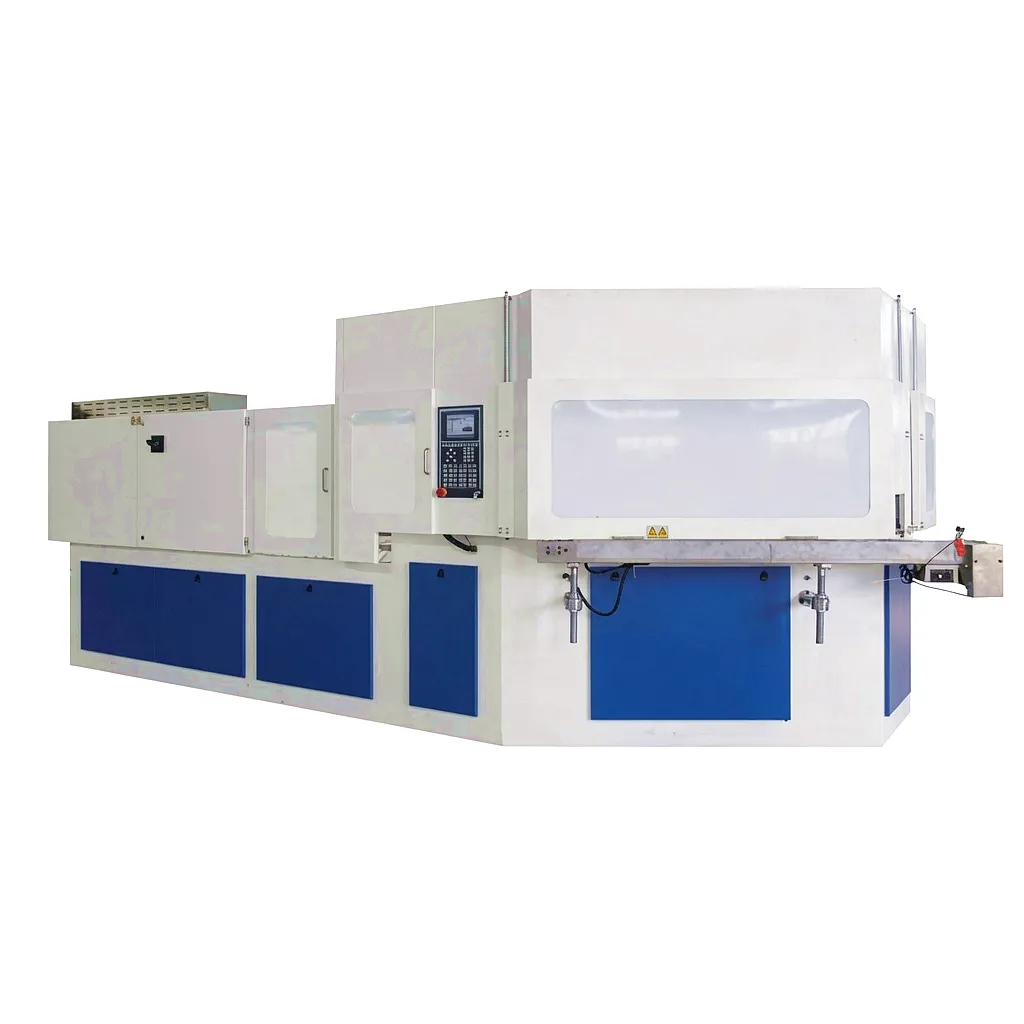
ZQ135 Injection Blow Molding Machine
The ZQ135 steps up to 135 kN clamping force and accommodates containers up to 1,000 mL, making it the preferred choice for beverage bottle production and larger agrochemical or homecare containers where throughput demands exceed what the ZQ110 can deliver alone. Its adaptive injection profile controller is particularly valued in African and Latin American markets where MFI variation in locally sourced resin grades can otherwise produce inconsistent part weight and wall distribution across a production shift.
Wall Thickness Uniformity, Preheating Curves, and Mould Design for Tropical Climates
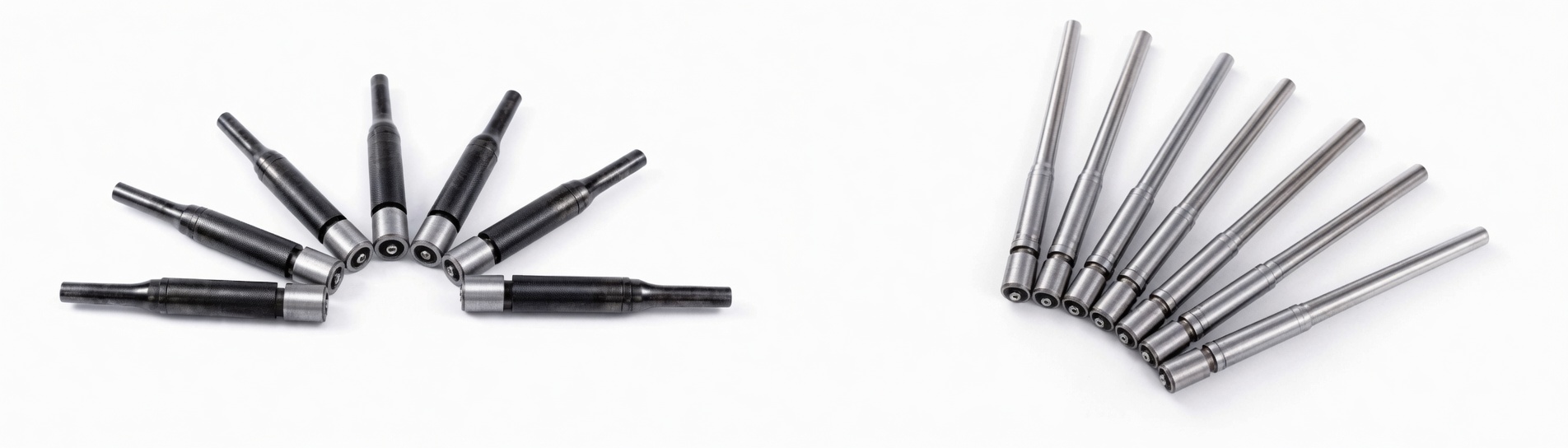
In IBM, wall thickness uniformity is not achieved through a single parameter but through the interplay of parison formation conditions, blowing air pressure, core rod geometry, and mould cooling efficiency. In high-ambient-temperature environments — which characterise nearly all emerging-market production facilities that are not centrally climate-controlled — mould cooling is the variable most likely to degrade. When ambient temperature rises from 22°C (a typical European factory) to 36°C (a common Thai or Nigerian shopfloor), the differential between mould surface and ambient that drives heat extraction from the parison is reduced significantly. If cooling circuit capacity has not been oversized to compensate, cycle time must be extended, or bottle sidewall uniformity degrades as the bottle exits the mould before the polymer has fully solidified into its final dimensional geometry.
Ever Power specifies cooling channel cross-sections 25% larger than standard in moulds destined for tropical-market installations. Combined with a maximum recommended coolant inlet temperature of 10°C (requiring a dedicated chiller unit), this maintains mould surface temperature at 15–20°C even at 38°C ambient, preserving full cycle-time performance and dimensional consistency across all production shifts.
IBM machines produce the parison via injection rather than extrusion, so the thermal profile of the melt is controlled through barrel zone temperatures rather than a preheating oven. For PP, a typical zone profile is: Zone 1 (feed) 180°C, Zone 2 (compression) 210°C, Zone 3 (metering) 220°C, nozzle 215°C. These values shift by ±10–15°C depending on MFI grade, and Ever Power’s HMI stores up to 50 material-specific process recipes, enabling operators to switch grades by recalling a stored programme rather than manually adjusting individual zone setpoints — critical in markets where operator technical experience may be limited.
Mould design for IBM must account for the rheological properties of the resin being used. When specifying moulds for African or Southeast Asian customers using locally sourced HDPE or PP, Ever Power’s tooling team conducts mould flow simulation using the actual MFI range of the local resin before finalising cavity geometry. Gate dimensions, blowing station air-inlet position, and core rod taper angle are each adjusted to optimise parison distribution within the blow cavity, ensuring uniform wall thickness even when resin grades are not as consistent as European or Japanese commodity grades.
Common Faults in Emerging-Market Operations: Troubleshooting IBM Machines
Energy Consumption, Grid Resilience, and Sustainability in Emerging Market IBM Deployments
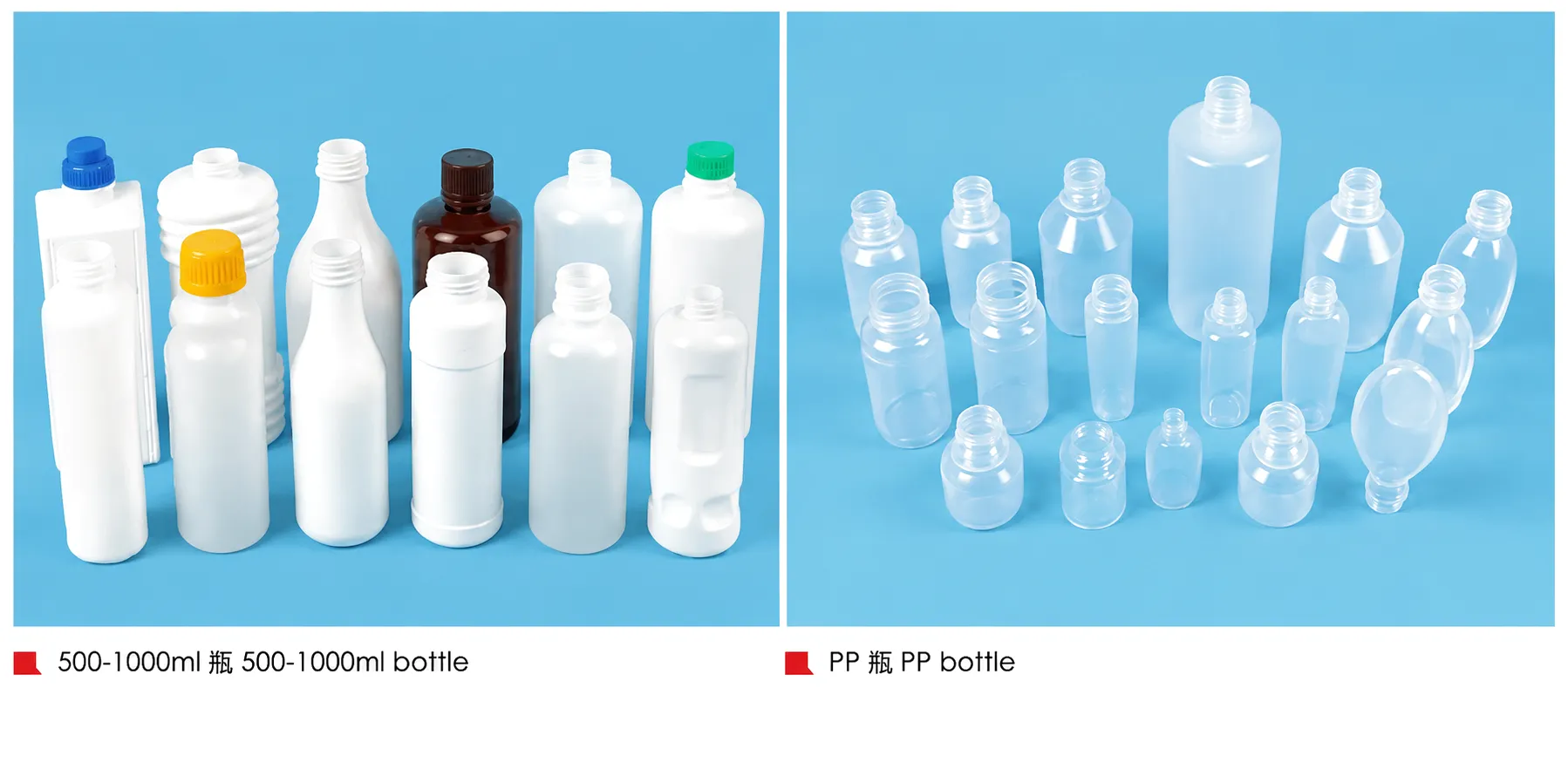
Ever Power: Manufacturing Capability and Global IBM Customisation Service
Ever Power’s manufacturing facility operates across 28,000 square metres of production floor area, with dedicated machining, assembly, testing, and quality control bays operating under ISO 9001:2015 accreditation. For IBM machines destined for emerging markets — Southeast Asia, Africa, and Latin America — the factory’s customisation capability goes well beyond standard configuration options. Ever Power engineers work with buyers at the application-definition stage to specify the correct cavity count, mould material grade, cooling circuit capacity, and control language for the deployment context. Machines destined for Nigeria or Ghana are validated against the declared local grid characteristics before shipment, with documentation confirming tested performance at ±15% voltage variation. Machines for high-humidity ASEAN environments ship with tropical-specification cable insulation, conformal-coated control boards, and sealed electrical enclosures rated to IP54 as standard rather than as an upgrade option.
The customisation scope extends to mould supply, where Ever Power’s in-house toolroom manufactures IBM moulds to customer-provided bottle designs or to designs developed by Ever Power’s application engineering team using mould flow simulation. Lead times for custom moulds run to 35–55 days depending on cavity count and material specification — competitive with equivalent Chinese toolrooms but backed by the accuracy assurance that comes from machining, inspection, and trialling in the same facility as the IBM machine itself. Spare parts stocking programmes, training packages for on-site operators, and annual preventive maintenance visits by Ever Power field engineers are all available as part of an after-sales service agreement designed to deliver production uptime above 95% across the machine’s operational life.
Customer Success: Pharmaceutical Packaging Manufacturer, Birmingham, UK — Export Line for Southeast Asian Markets
A Birmingham-based contract pharmaceutical packaging manufacturer supplying licensed medicine makers across Thailand, Malaysia, and Vietnam required a step change in its blow moulding capacity. The company had been producing pharmaceutical syrup bottles on two aging hydraulic IBM machines that were consuming approximately 18 kW per unit and producing shot weight variation of ±4.5%, leading to batch rejections at their Thai customers’ incoming quality inspection. With increasing volume commitments to two Bangkoke-area generic pharmaceutical manufacturers, the Birmingham team approached Ever Power for a replacement solution that could be validated against EU GMP packaging guidelines — the compliance framework their Thai customers also operated under, given their aspirations to export to European markets.
Ever Power specified a pair of ZQ110 IBM machines with pharmaceutical-grade PP processing configuration, three-zone barrel temperature control validated to ±1.5°C, and custom P20-steel moulds designed to replicate the company’s existing 125 mL and 250 mL syrup bottle dimensions while improving sidewall thickness uniformity from ±0.12 mm to ±0.04 mm. Installation was managed by Ever Power’s UK logistics partner — routing equipment through Tilbury docks and delivering under DDU terms to the Birmingham facility — with commissioning and operator training completed in five working days. Within six weeks of commissioning, the company reported zero batch rejections at Thai customer QC gates on a run of 240,000 125 mL bottles, a complete resolution of the defect rate that had previously accounted for approximately 8% of production output being scrapped or downgraded. Energy consumption per machine dropped from 18 kW to 11 kW — a saving of 14,000 kWh per machine per year, material enough at UK industrial electricity rates to meaningfully improve the margin on export orders.
The case is representative of how UK-based manufacturers serving Asian markets are using IBM technology not simply as a production tool but as a quality compliance lever — producing containers whose dimensional consistency satisfies overseas customers’ quality systems and, in some cases, enables those customers to pursue their own export certification into stricter regulatory markets. For the Birmingham company, the investment in the two ZQ110 machines has been extended into a third unit ordered twelve months after the first pair, covering a new 60 mL ophthalmic container product line destined for the Malaysian and Vietnamese markets.
“Shot weight consistency on the ZQ110 has been remarkable — we went from ±4.5% variation on our old machines to under ±0.5% within the first week of running. Our Thai customers stopped flagging batch rejections entirely within the first month. The machine is also noticeably quieter and cooler to work near, which matters on our production floor.”
“Ever Power’s application team designed our 125 mL and 250 mL syrup moulds using mould flow simulation with our actual resin grade. The wall thickness data from the first production run matched the simulation predictions almost exactly. That level of upfront engineering is what you want when you’re qualifying containers for pharmaceutical use — you can’t afford to be iterating on mould design after the fact.”
“We ordered a third ZQ110 twelve months after the first two because the payback was faster than projected. The energy saving alone — about 7,000 kWh per machine per year against our two old units — funded a significant portion of the third machine’s cost over the first eighteen months. Ever Power’s commissioning support was efficient, and the HMI’s stored process recipes mean our operators can run multiple resin grades and bottle sizes without needing constant engineering oversight.”
Frequently Asked Questions: IBM Machines for Emerging Markets
Mid-capacity IBM machines suitable for pharmaceutical syrup and ophthalmic bottle production in ASEAN markets typically range from USD 28,000 to USD 65,000 for the machine unit, with custom mould tooling adding USD 8,000–18,000 per cavity configuration. Total installed cost including ancillaries, chiller, and commissioning in markets like Thailand or Vietnam generally falls between USD 45,000 and USD 90,000. Contact Ever Power at [email protected] for a project-specific quotation that accounts for your container range, volume targets, and local utility conditions.
Ever Power supplies IBM machines to West African markets including Nigeria and Ghana via export arrangements that include DDU or CIF delivery terms to Lagos or Tema ports, commissioning support by factory-trained field engineers, and spare parts stocking programmes configured for the declared production volumes. UK-based trading contacts can request export documentation, CE marking confirmations, and import-specification test reports from the Ever Power sales team. All service visits are scheduled through the central technical support desk accessible to buyers regardless of geography.
IBM (injection blow molding) uses a single-stage process to produce bottles up to approximately 2 L with no preform storage step, making it ideal for small to mid-volume pharmaceutical, personal care, and nutraceutical containers. ISBM (injection stretch blow molding) is the dominant technology for high-volume PET mineral water and carbonated soft drink bottles, typically above 330 mL and in production volumes exceeding 8,000 bottles per hour. Brazilian beverage manufacturers producing flavoured drinks, juices, or supplement waters at volumes below 5,000 bottles per hour, or those requiring PP or HDPE rather than PET, will generally find IBM the more cost-effective and flexible choice.
IBM machines for African deployment should be specified with a minimum of ±15% line voltage tolerance (i.e., stable operation from 323 V to 478 V on a nominal 400 V three-phase supply). Ever Power’s ZQ110 and ZQ135 IBM machines include servo drives with active DC bus voltage regulation and PID barrel temperature control with voltage compensation, maintaining melt temperature uniformity to ±1.5°C even during voltage fluctuation events. Automatic restart sequencing with barrel purge on unplanned power interruption prevents resin degradation and is a standard feature on all Ever Power IBM models sold into Sub-Saharan African markets.
Ever Power provides project-specific quotations for IBM machines destined for Latin American personal care and cosmetics manufacturers. To receive an accurate quote, contact the sales team at [email protected] with the following information: target container volumes (mL), resin types (PP, HDPE, or PET), required output rate (bottles per hour), number of cavity configurations required, and installation location. Export pricing to Colombia and Mexico includes CIF Bogotá/Buenaventura or CIF Veracruz/Manzanillo delivery options, and customs tariff classification support documentation is available on request.
Commissioning of a single IBM machine in a prepared factory — with utility connections (three-phase power, compressed air at 8–10 bar, and cooling water supply) in place — typically takes 4–6 working days including operational testing with the customer’s intended resin and mould combination. Ever Power provides on-site operator training covering process parameter setting, material changeover procedure, routine maintenance checks, and basic fault diagnosis. Remote support via video call is available for the first 90 days post-commissioning, and training materials are supplied in English with Vietnamese or Bahasa Indonesia summaries available on request.
Speak with Ever Power’s application engineering team about the right IBM machine configuration for your market, resin, and container range. Get a detailed quote within 48 hours.