Industrial Insight · UK Market Edition
Injection-Blow Molding Machine: Application Scenarios Across UK Industry
From laboratory diagnostics to personal care packaging — how IBM technology is reshaping precision manufacturing across British industry.
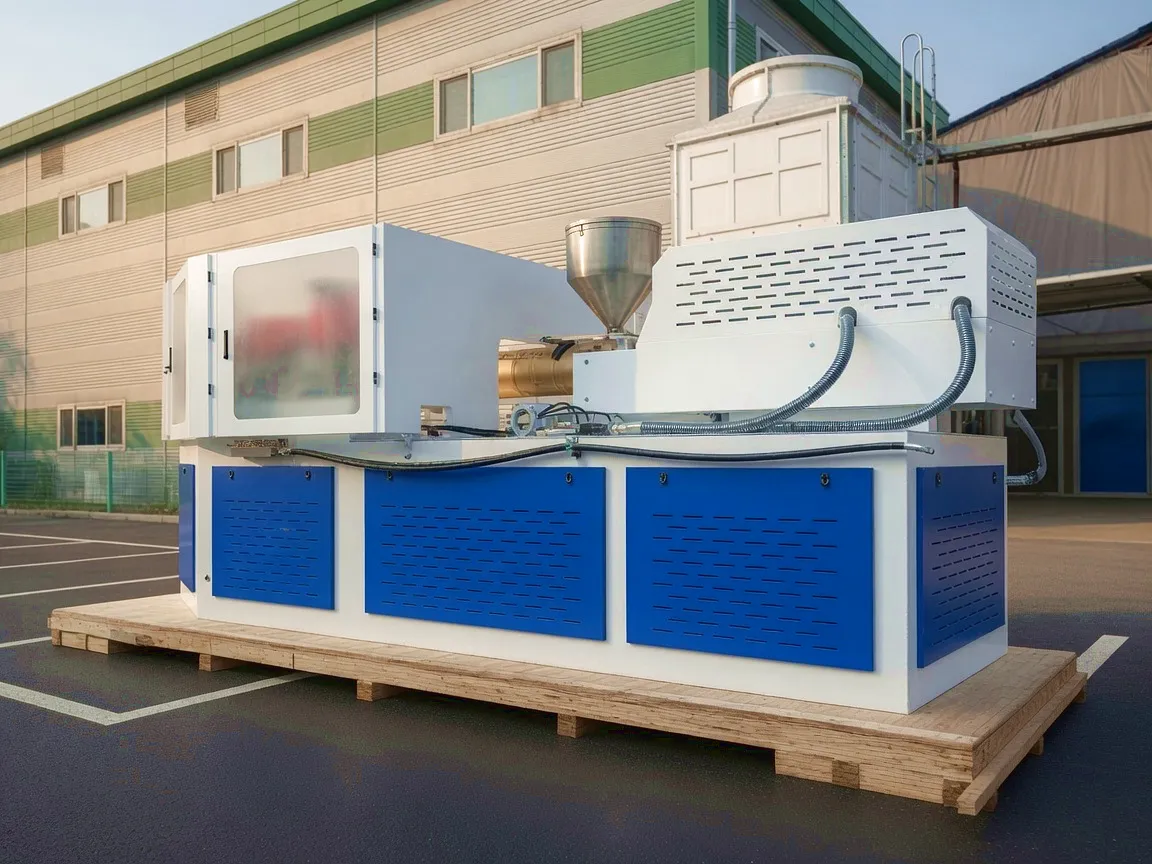 Across the United Kingdom’s advanced manufacturing sector — from the pharmaceutical corridors of Cambridge to the precision engineering hubs of Birmingham and Sheffield — the injection-blow molding machine has emerged as one of the most indispensable assets in container production. Unlike extrusion-blow or stretch-blow processes, IBM combines injection molding precision with blow molding speed in a single integrated cycle, delivering containers with unmatched wall-thickness consistency, superior neck finish accuracy, and exceptional material distribution. This combination is not merely a technical curiosity; it is a production imperative in industries where regulatory compliance, sterility, and dimensional repeatability carry genuine commercial weight.
How the Injection-Blow Molding Process Works
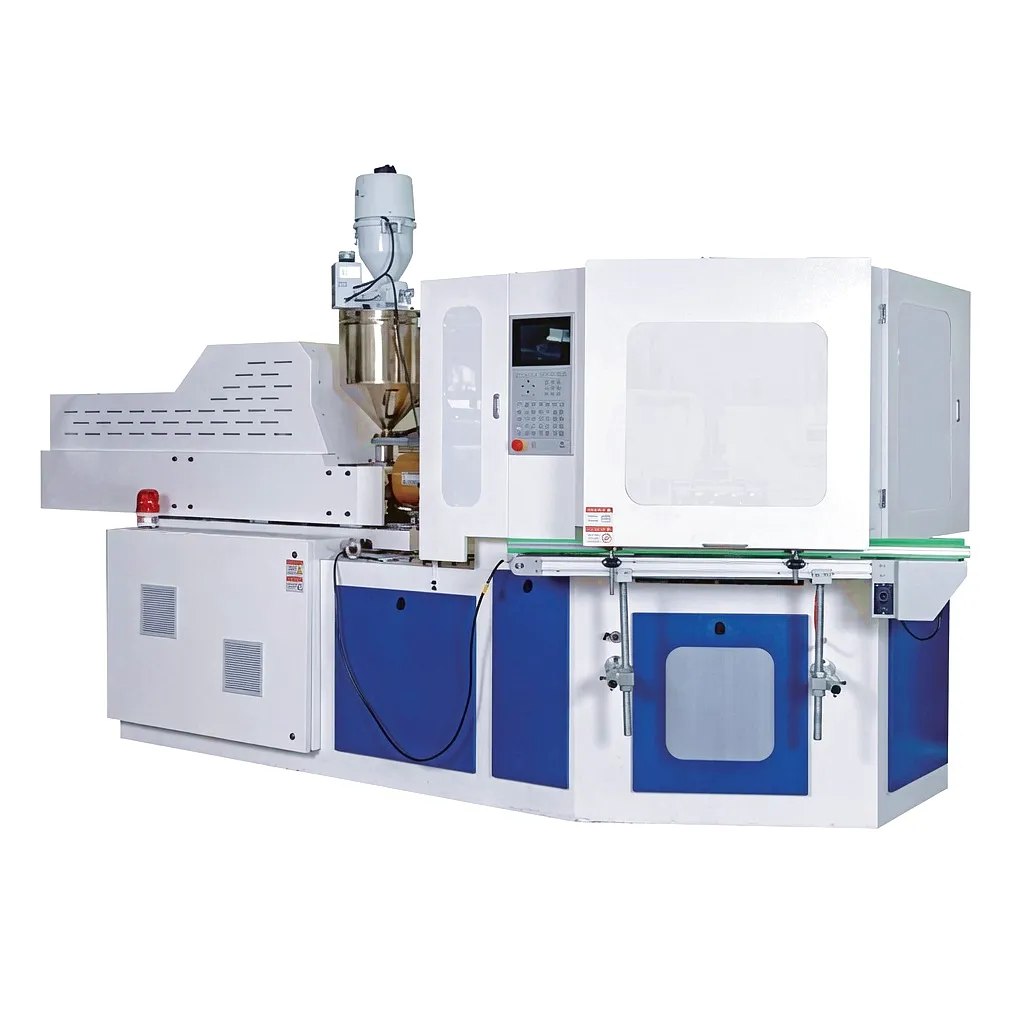 The injection-blow molding machine operates through three mechanically synchronised stations mounted on a rotating indexing table. At the injection station, a thermoplastic resin — pre-dried to a precise moisture content — is injected under high pressure into a closed mould around a hardened steel core rod. The mould defines the neck finish geometry with micron-level precision, which is critical for threading, sealing surfaces, and tamper-evident features. The core rod retains the parison at an elevated temperature as the table indexes to the blow station.
At the blow station, the parison is enclosed within the blow cavity and pressurised air — typically between 6 and 12 bar — is introduced through the core rod. The parison expands outward against the cooled cavity wall, replicating the final container shape with uniform wall thickness across the shoulder, sidewall, and base. Because the parison has never been removed from the core rod, there is no opportunity for contamination, distortion, or flash formation on the finished container. The third station serves as the stripping station, where the cooled, finished container is mechanically ejected from the core rod and directed to downstream inspection and packaging equipment.
This integrated single-stage process distinguishes IBM from reheat stretch-blow molding (RSBM), where preforms are produced separately and reheated prior to blowing. IBM’s uninterrupted thermal cycle dramatically reduces the risk of crystallinity variation and ensures each container in a production run is dimensionally identical to the last. For British contract manufacturers supplying pharmaceutical clients across London, the East Midlands, and the North West, this repeatability translates directly into reduced rejection rates and lower validation costs under MHRA audit.
Core Materials Used in IBM Production
PET (Polyethylene Terephthalate)
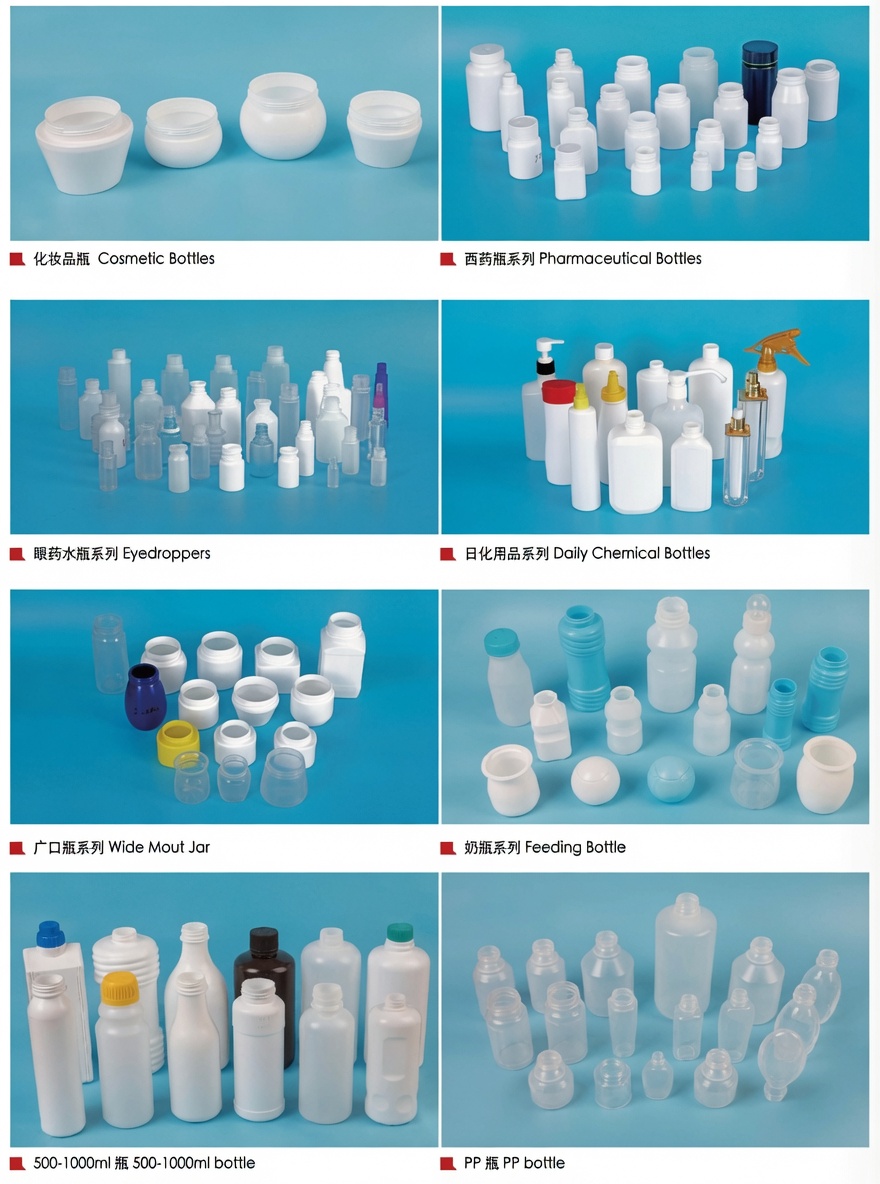
The dominant resin for pharmaceutical syrups, nutraceuticals, and personal care applications. PET offers outstanding clarity, excellent chemical resistance to aqueous solutions, and a moisture vapour transmission rate suitable for extended shelf-life products. UK pharmaceutical manufacturers favour PET for amber-tinted medicine bottles under British Pharmacopoeia specifications.
PP (Polypropylene)
Widely used in laboratory specimen containers, reagent bottles, and food-grade packaging. PP’s thermal stability allows autoclave sterilisation at 121°C, a requirement for many clinical diagnostic containers. Its excellent hinge fatigue resistance and broad chemical compatibility make it the preferred choice for snap-cap diagnostic tubes across NHS-supply chains.
HDPE (High-Density Polyethylene)
HDPE’s stress-crack resistance and moisture barrier properties make it the go-to material for agrochemical bottles, vitamin supplement containers, and industrial chemical packaging. Its stiffness-to-weight ratio is particularly valued by UK FMCG brands seeking to reduce packaging weight without compromising structural integrity during distribution through major retail and e-commerce networks.
PETG (Glycol-Modified PET)
PETG combines the optical clarity of PET with improved impact resistance and ease of processing at lower mould temperatures. It is increasingly adopted by UK cosmetic brands — particularly in London and the Home Counties — for high-end serum bottles, dropper vials, and airless pump containers where aesthetics and material purity carry premium value.
Application Scenario 1: Laboratory & In-Vitro Diagnostics (IVD) — Blood Collection Tubes, Urine Specimen Containers & Cryovials
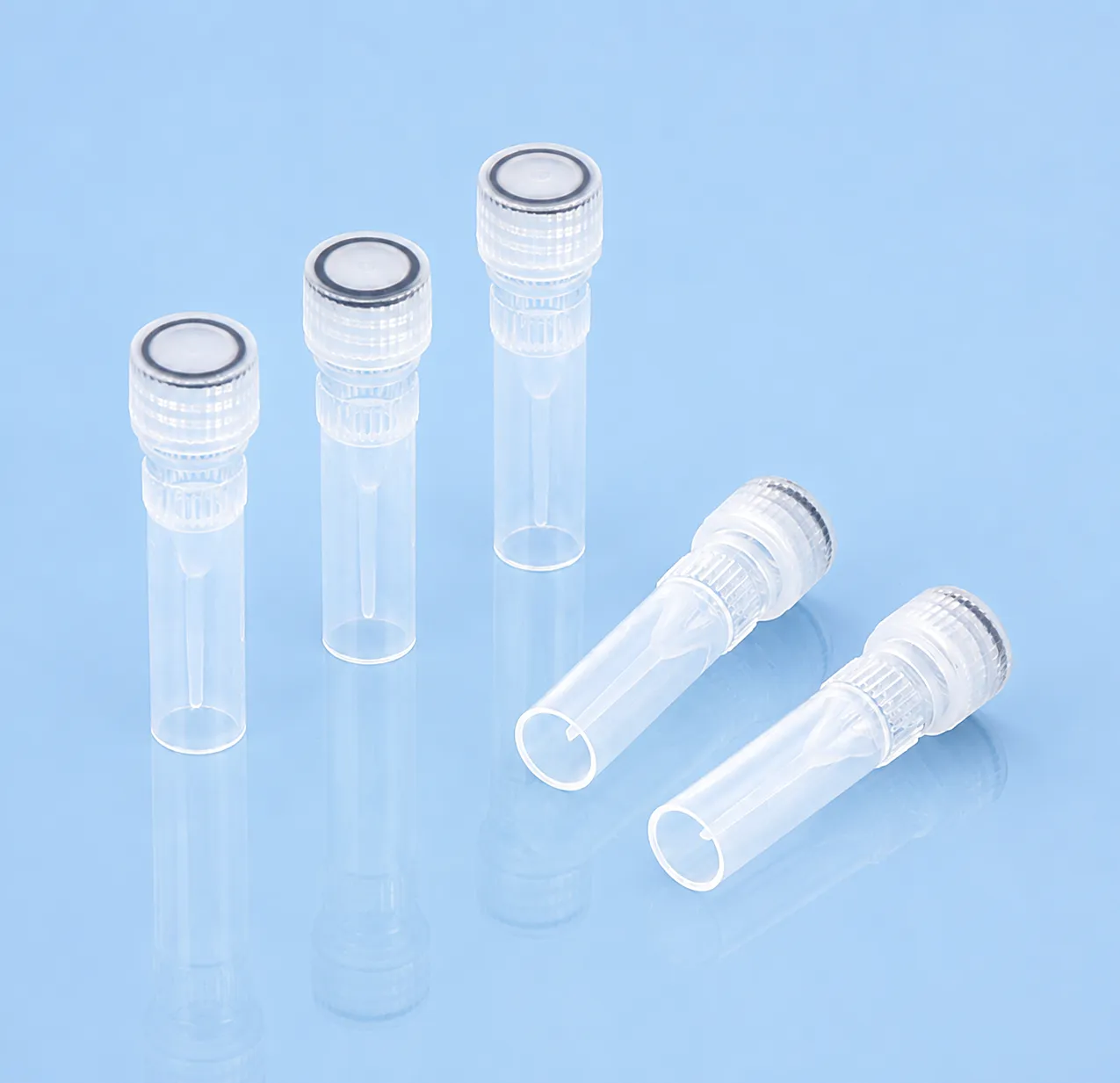 The laboratory and in-vitro diagnostics sector represents one of the most technically demanding application domains for the injection-blow molding machine. Specimen containers used in clinical environments are not simply passive vessels — they are active participants in the diagnostic chain, and any deviation in their internal surface chemistry, dimensional tolerance, or closure integrity can directly corrupt analytical results. This is particularly true for vacuum blood collection tubes, where internal volume accuracy determines anticoagulant-to-blood ratios for EDTA and citrate formulations used in haematology and coagulation testing.
IBM’s single-stage formation process is uniquely suited to IVD container production because it eliminates the risk of contamination that arises when preforms are separately produced, stored, and reheated. The internal surface of an IBM-produced tube is formed directly against the temperature-controlled core rod, creating a smooth, residue-free bore that minimises analyte adsorption — a critical property when trace biomarkers are being measured at picogram-per-millilitre concentrations. UK clinical laboratories operating under CPA accreditation, and those supplying NHS pathology networks from Cambridge to Leeds, depend on these dimensional and surface properties to maintain assay reproducibility across automated analyser platforms.
Cryovials present a particularly stringent challenge. These containers must maintain dimensional stability through freeze-thaw cycles from ambient temperature to -196°C in liquid nitrogen biobanks, while preserving a hermetic seal that prevents cross-contamination between adjacent specimens. IBM-produced cryovials in PP or PETG achieve wall thickness uniformity of ±0.05 mm or better, which is essential for consistent thread engagement with screw caps and for structural integrity under thermal shock. Biobanking facilities across the UK Golden Triangle — Oxford, Cambridge, and London — are increasingly specifying IBM-produced cryovials as part of their sample management protocols.
Key IVD container types produced via IBM:
Urine Specimen Containers
Cryovials
Sputum Specimen Containers
Stool Sample Bottles
Application Scenario 2: Pharmaceutical Packaging — Oral Liquid Medicines, Eye Drops & Nasal Spray Bottles
British pharmaceutical manufacturers operating under the Medicines and Healthcare products Regulatory Agency (MHRA) framework face some of the most demanding packaging specifications in the global industry. Primary packaging that contacts a medicinal product is classified as a drug substance in its own right, meaning that dimensional compliance, extractables and leachables profiles, and barrier properties must all be validated and documented as part of the product dossier. The injection-blow molding machine addresses these requirements with a level of process control that conventional blow molding cannot match.
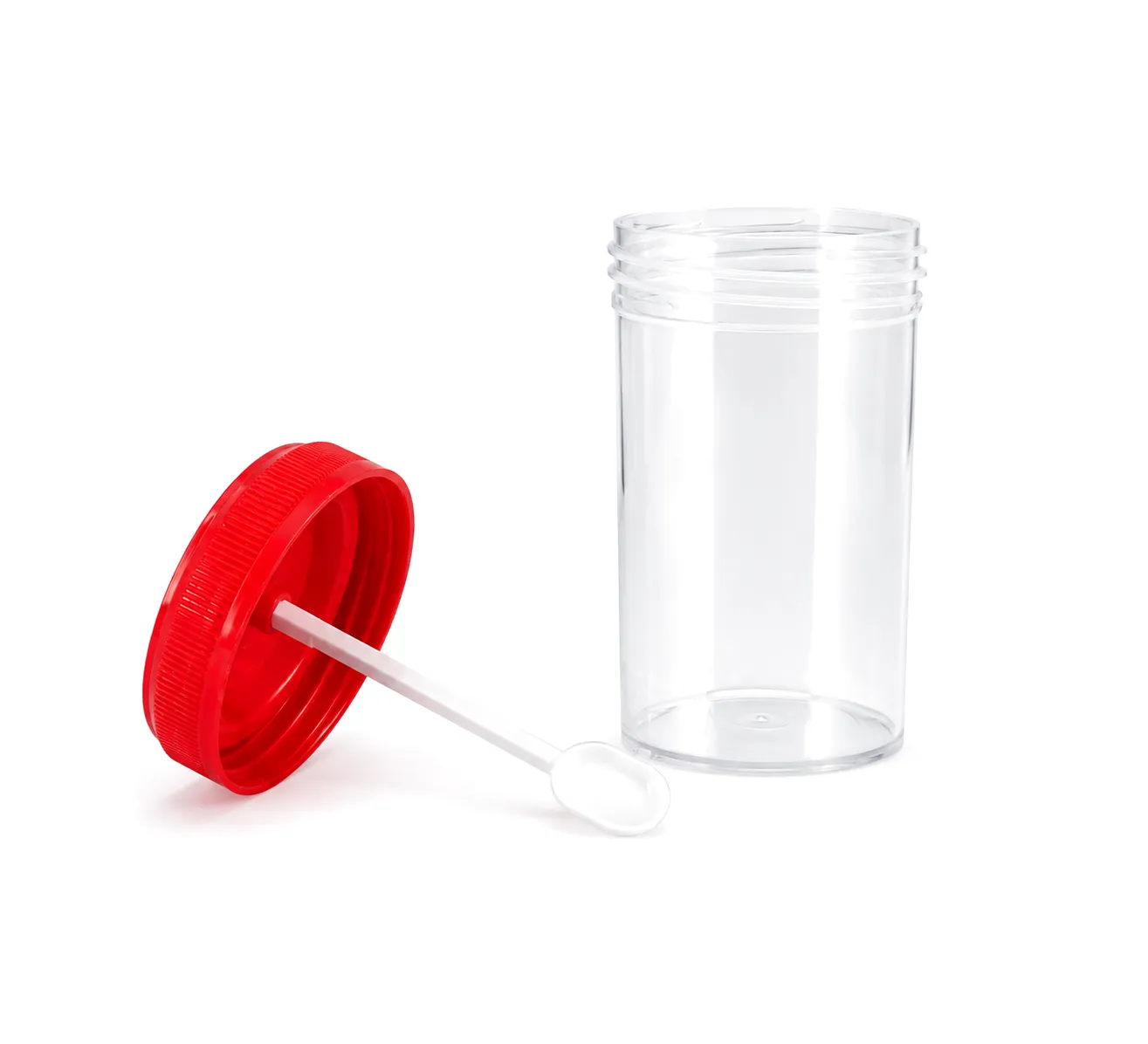 Oral liquid medicine bottles — cough syrups, antibiotic suspensions, and paediatric formulations — are among the highest-volume pharmaceutical containers produced via IBM in the UK. These bottles require a precisely controlled neck finish to accept child-resistant closures that comply with ISO 8317 specifications, a regulatory requirement for pharmaceutical products dispensed through NHS pharmacies and retail chemists throughout England, Scotland, Wales, and Northern Ireland. IBM’s injection-moulded neck geometry achieves thread pitch tolerances of ±0.1 mm, ensuring consistent closure application torque and tamper-evidence performance across production runs of millions of units.
Ophthalmic packaging — eye drop bottles and single-dose vials — represents an even more technically exacting segment. These containers must be produced under ISO Class 8 or better cleanroom conditions, with internal surfaces free of particles larger than 10 microns. The controlled environment that IBM process provides is particularly valued here. The single-stage nature of IBM eliminates the conveying and storage phase where contamination risk is highest in two-stage processes. UK ophthalmic manufacturers in the East Midlands and along the M4 corridor have adopted IBM lines specifically to satisfy FDA 21 CFR Part 211 requirements for US market access alongside domestic MHRA compliance.
Nasal spray pump bottles present a third pharmaceutical packaging category where IBM excels. The dimensional precision of the IBM neck finish is critical because metered-dose nasal spray actuators depend on consistent orifice geometry to deliver reproducible dose volumes. Variation in neck diameter or ovality translates directly into actuator misalignment and dose inaccuracy — an unacceptable outcome for pharmaceutical products approved at specific milligram doses. Several major contract pharmaceutical manufacturers based in the North West of England supply nasal spray lines to both NHS and export markets, and they specify IBM-produced bottles precisely for this dimensional control advantage.
Application Scenario 3: Personal Care & Cosmetics — Serum Vials, Dropper Bottles & Airless Pump Containers
The UK personal care and cosmetics industry — worth over £11 billion annually and anchored by a cluster of innovative brands in London, the South East, and the creative manufacturing districts of Yorkshire — has embraced injection-blow molding technology for its ability to deliver premium packaging aesthetics without sacrificing manufacturing efficiency. In the luxury skincare segment particularly, packaging is a brand differentiator of equal weight to product formulation, and the visual and tactile qualities achievable with IBM-produced bottles have elevated the process from functional necessity to strategic asset.
 PETG and PET serum bottles produced via IBM achieve optical clarity values in excess of 90% transmittance with haze levels below 2%, creating a glass-like visual impression that supports the premium positioning of facial serums, vitamin C concentrates, and retinol treatments. Unlike glass, IBM-produced PETG bottles are shatter-resistant, lightweight, and can be produced with complex geometric profiles — tapered waists, panelled sidewalls, and sculpted shoulders — that would require expensive post-moulding operations or specialised glass-blowing if produced conventionally. UK indie beauty brands and established personal care companies alike are drawing on this design flexibility to create distinctive packaging architectures.
Airless pump containers are a growing category where IBM technology offers particular value. These containers require a rigid outer body with highly precise internal geometry to accommodate the piston mechanism that displaces product without air ingress. Variations in internal diameter of more than 0.3 mm can cause piston misalignment, vacuum failure, and incomplete product dispensing — issues that generate costly consumer complaints and brand damage. IBM’s controlled cavity geometry ensures that each container body meets the tolerance requirements of airless pump assembly, enabling reliable, low-waste dispensing of premium formulations including hyaluronic acid serums and peptide-based treatments favoured by UK consumers.
Application Scenario 4: Food & Beverage — Condiment Bottles, Honey Jars & Baby Food Containers
The food and beverage sector represents one of the highest-volume markets for IBM-produced containers in the United Kingdom. British consumers purchase over 350,000 tonnes of condiments, sauces, and speciality food products annually, and a substantial proportion of the primary packaging for these products flows from injection-blow molding production lines. The sector’s preference for IBM over extrusion-blow or stretch-blow processes is driven by three interrelated factors: the integrity of the neck finish for dispensing closures, the dimensional consistency required for automated filling line compatibility, and the clean internal surface that BRC Global Standard for Packaging and Packaging Materials mandates for food contact applications.
Honey jars are a signature IBM application in the UK food sector. The high viscosity of honey — particularly raw and artisanal honey varieties from Yorkshire, Scottish heather, and Cornish producers — demands a wide-mouth container with a precisely moulded rim that ensures leak-free engagement with metal or PE press-on lids. IBM’s injection-moulded neck formation provides the ovality control (typically less than 0.2 mm) that is critical to lid seating performance across the temperature range experienced during warm filling, cooling, and cold chain distribution to retail warehouses in Northampton, Swindon, and Lutterworth. The smooth internal contour of IBM jars also facilitates complete product evacuation, reducing waste for both the processor and the end consumer.
Baby food containers represent a particularly compliance-intensive segment within food packaging. Containers must meet EU Regulation 10/2011 on plastic materials in food contact (retained in UK law post-Brexit as the UK Plastic Materials in Contact with Food Regulations) as well as additional migration limits for specific monomers such as acrylonitrile and vinyl chloride. IBM-produced PP jars and feeding bottles offer a verified compliance pathway because the process avoids the weld lines and internal stress concentrations associated with extrusion-blow molding, which can create localised weak points subject to stress cracking when exposed to the alkaline detergents used in NHS-specification baby bottle sterilisers.
Technical Performance Parameters: IBM Machine Specification Table
Core Technical Advantages of the Injection-Blow Molding Machine
No Flash, No Trim Waste
IBM produces containers with no weld lines or flash, eliminating the trimming operations required in extrusion-blow molding and reducing material waste by 8–15% in comparable production runs.
Precise Neck Geometry
The injection-moulded neck is dimensionally superior to blow-formed necks, with thread pitch tolerance of ±0.1 mm and ovality below 0.2 mm — meeting the most demanding closure and dispensing system requirements.
Single-Stage Clean Processing
No intermediate preform storage means zero contamination window. This is the defining advantage for pharmaceutical, ophthalmic, and IVD packaging where cleanroom integrity must be maintained throughout the container formation process.
Consistent Wall Distribution
IBM achieves wall thickness uniformity of ±0.05 mm, supporting consistent product weight, barrier performance, and structural integrity — properties that reduce failure rates in high-speed downstream filling operations.
Multi-Resin Compatibility
A single IBM platform can process PET, PP, HDPE, and PETG with mould and process parameter changes, providing manufacturers with the flexibility to address multiple market segments from one production asset.
Low Operational Footprint
Servo-driven IBM machines integrate injection, blowing, and ejection in a compact frame, reducing factory floor space requirements by up to 40% compared with equivalent two-stage production lines — a significant advantage for UK manufacturers operating in constrained urban manufacturing facilities.
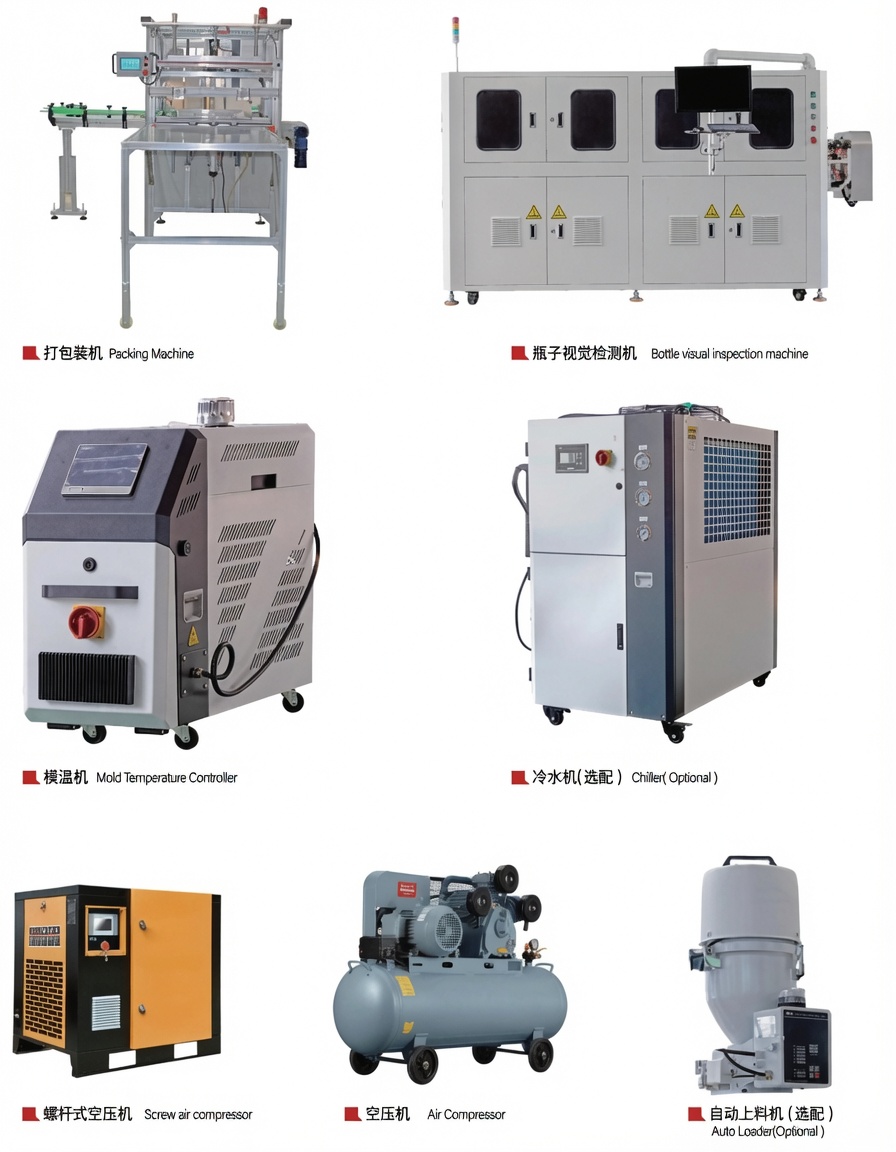
Featured Injection-Blow Molding Machine Models
Replacement of Uniloy UIB 70 Injection Blow Molding Machine – ZQ40
A precision-engineered IBM solution designed as a direct replacement for the Uniloy UIB 70 platform. The ZQ40 delivers equivalent output capacity with enhanced servo-drive energy efficiency, improved process repeatability, and full compatibility with existing Uniloy UIB 70 moulds — enabling a cost-effective upgrade path for UK manufacturers seeking to modernise their injection-blow production assets without retooling investment.
Replacement of Bloma IBM45 Injection Blow Molding Machine – ZQ40
Engineered to replace the Bloma IBM45 with a modern, high-efficiency servo-driven IBM platform. The ZQ40 variant maintains dimensional compatibility with IBM45 tooling while delivering improved cycle stability, reduced energy consumption, and an upgraded PLC control architecture that supports Industry 4.0 data integration — an increasingly important specification for UK pharmaceutical and cosmetic manufacturers pursuing smart factory certification.
Ever Power — Precision Manufacturing & Customisation Capability
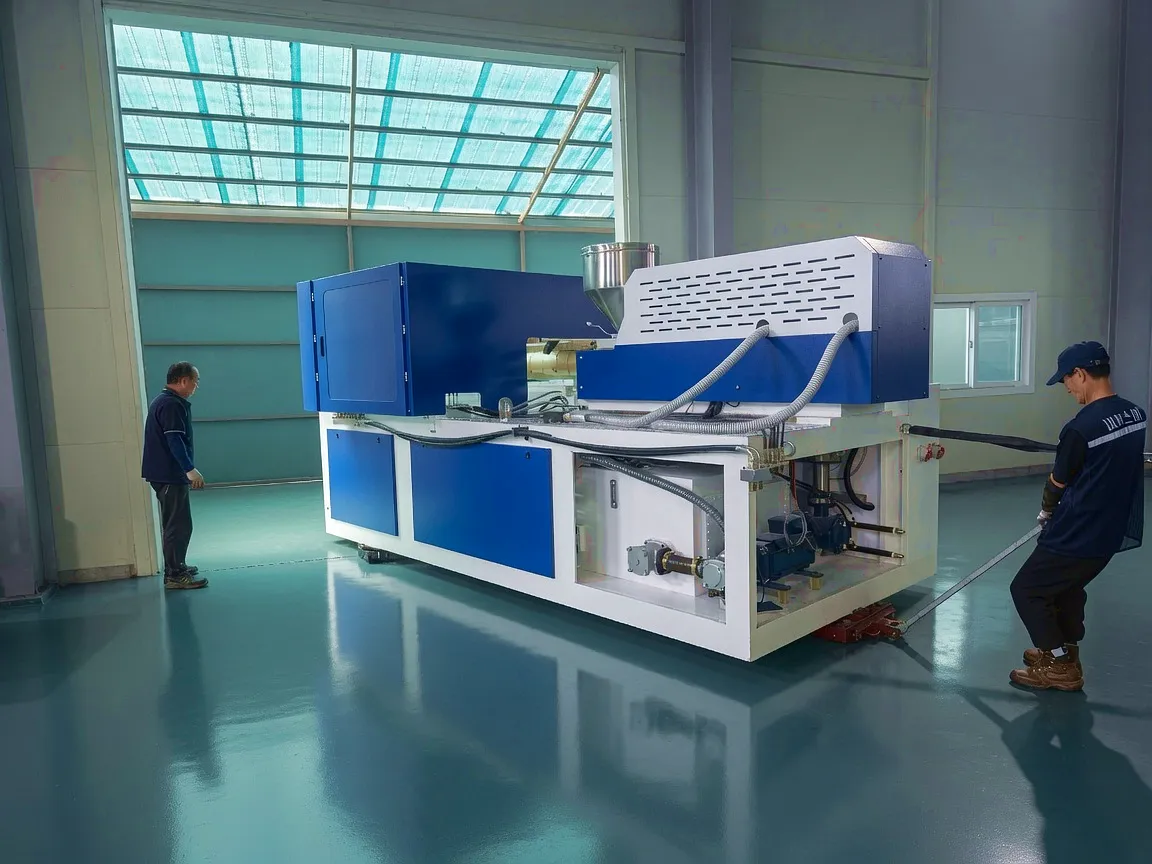
Ever Power operates a purpose-built injection-blow molding machine manufacturing facility encompassing over 18,000 square metres of production floor space, equipped with five-axis CNC machining centres, co-ordinate measuring machines (CMM), and fully calibrated mould trial stations. Every machine leaves the facility after a minimum 72-hour production trial using customer-specified resin grades and test moulds, with dimensional verification data provided as part of the factory acceptance test documentation. This manufacturing rigour is not incidental — it is the foundation upon which Ever Power’s reputation among European and UK capital equipment buyers has been built over more than a decade of export-focused production.
Ever Power’s customisation capabilities extend across every aspect of the IBM machine platform. Customers can specify clamping force, injection unit capacity, mould cavity count, core rod diameter, indexing table station count, control system language, safety guarding specification, and electrical standard — with IEC/CE certification available as standard for all UK-destined machines. Where customers require integration with third-party downstream equipment — vision inspection systems, leak-testing stations, conveyor systems, or robotic container handling — Ever Power’s engineering team provides mechanical interface drawings and electrical interlock specifications to facilitate seamless integration. This level of systems engineering support is a genuine differentiator for UK packaging manufacturers navigating the complexity of building turnkey production lines.
Supply chain resilience is a consideration that has moved to the forefront of UK manufacturing strategy in recent years. Ever Power maintains buffer stock of critical lead-time components — including hydraulic and servo pump assemblies, PLC modules, and heating barrel sets — specifically to support UK and European customer requirements. Spare parts shipment from the Ever Power logistics hub typically reaches UK destinations via express air freight within 72–96 hours, with a dedicated after-sales engineering team available to support remote diagnostics and on-site commissioning throughout Great Britain and Northern Ireland.
Frequently Asked Questions — Injection-Blow Molding Machine UK
Schema markup (FAQPage + Speakable JSON-LD) is provided separately — see below this article block.