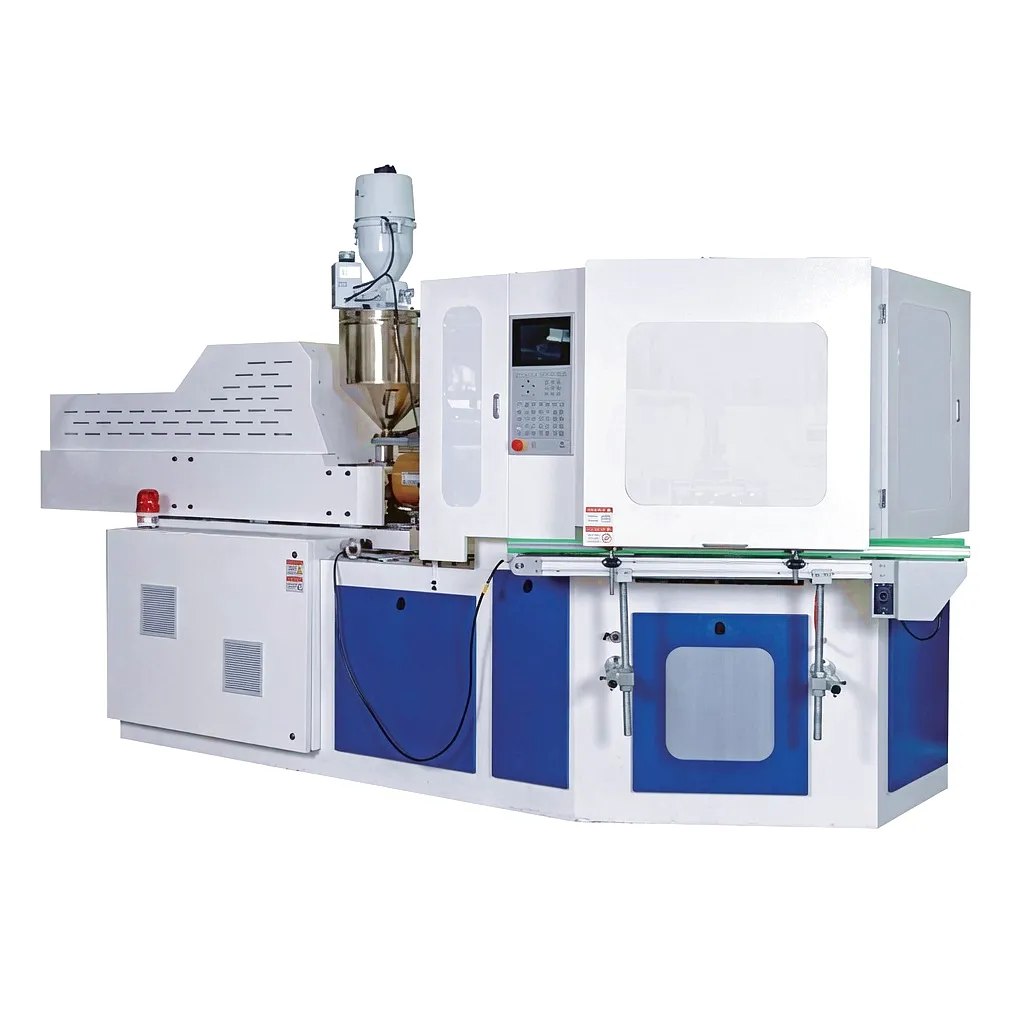
 The pharmaceutical packaging industry in the United Kingdom operates under some of the most demanding regulatory frameworks in the world. From the Medicines and Healthcare products Regulatory Agency (MHRA) guidelines to the requirements of EU GMP Annex 1 (which the UK continues to align with post-Brexit), every container that holds a medicinal product must meet exacting standards for dimensional consistency, chemical inertness, barrier integrity, and patient safety. Injection-blow molding machines have emerged as the technology of choice for manufacturers seeking to satisfy these requirements at volume while keeping production costs competitive in an increasingly global market.
How an Injection-Blow Molding Machine Actually Works
Injection Stage
Molten thermoplastic resin — most commonly HDPE, PP, or PET — is injected under high pressure into a cavity surrounding a steel core rod. The result is a precisely formed parison (preform) that carries the exact neck geometry required for the final container. Because the neck is formed at this stage, dimensional accuracy at the thread form is consistently within micron-level tolerances, making subsequent application of child-resistant closures highly reliable.
Transfer Stage
The core rod, still carrying the conditioned preform, rotates on a precision indexing mechanism to the blow station. The temperature of the parison is carefully managed during transfer — typically maintained in a narrow window of 10–20 °C — to ensure the material remains in its optimal stretch-blow zone. This thermal management is critical in pharmaceutical applications where wall uniformity directly affects container stress-crack resistance and long-term barrier performance.
Blow Stage
High-pressure air (typically 8–12 bar) is injected through the core rod, expanding the preform against the cooled blow mold cavity. The rapid cooling — achieved by temperature-controlled mold channels carrying chilled water — locks the container into its final shape within seconds. The resulting container has a smooth, seamless interior surface free of parting-line flash, which is a mandatory characteristic for pharmaceutical-grade containers that must shed residual powder cleanly during filling operations.
Ejection Stage
Once the blow cycle is complete, the core rod indexes to the ejection station where the finished container is stripped cleanly from the rod and conveyed directly to downstream inspection or filling equipment. In cleanroom-compatible machine configurations — essential for Class D or Class C pharmaceutical environments — the ejection station can be enclosed in a positive-pressure filtered air zone, preventing contamination of the container interior from the moment it leaves the mold.
Core Materials Used in Pharmaceutical Injection-Blow Molding
Application Scenarios in Pharmaceutical Packaging
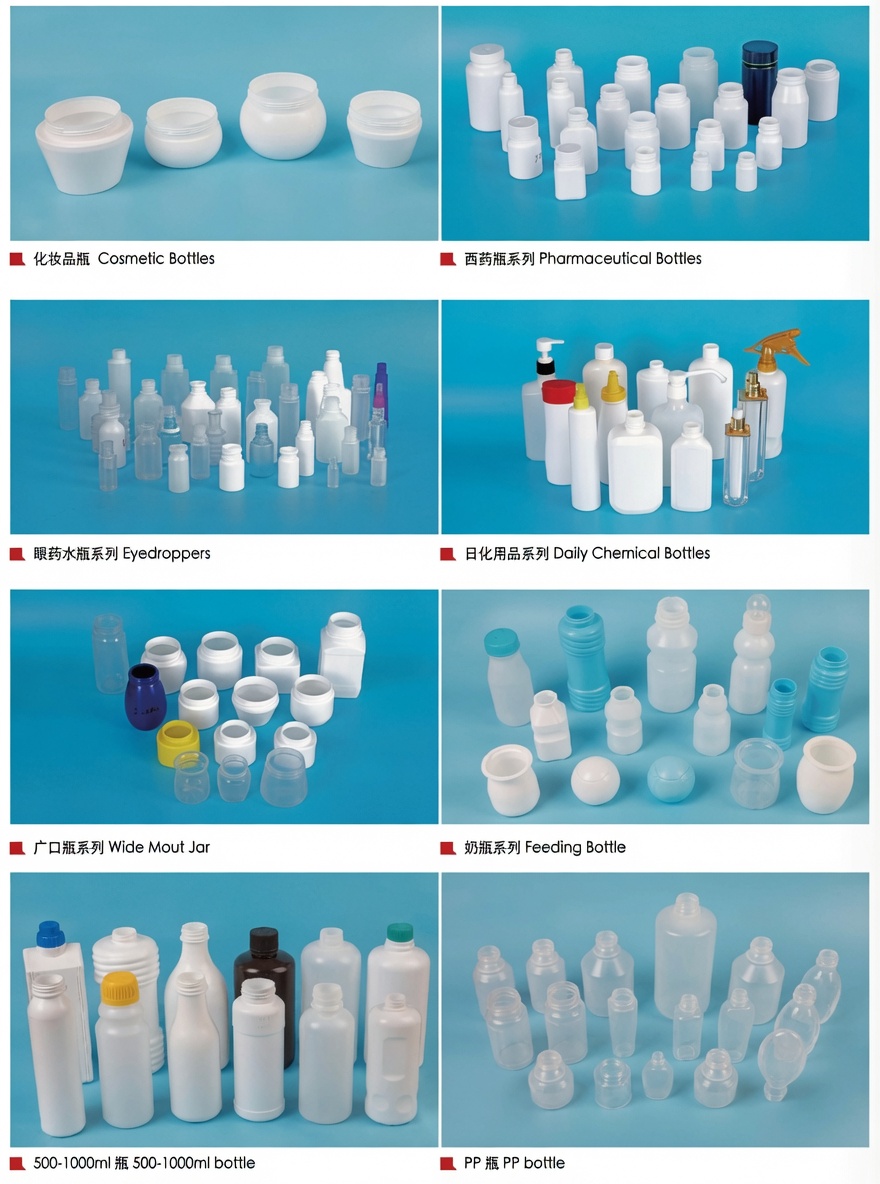
Three critical packaging formats that define pharmaceutical-grade injection-blow molding in the UK market
Oral Solid Drug Bottles for Tablets and Capsules
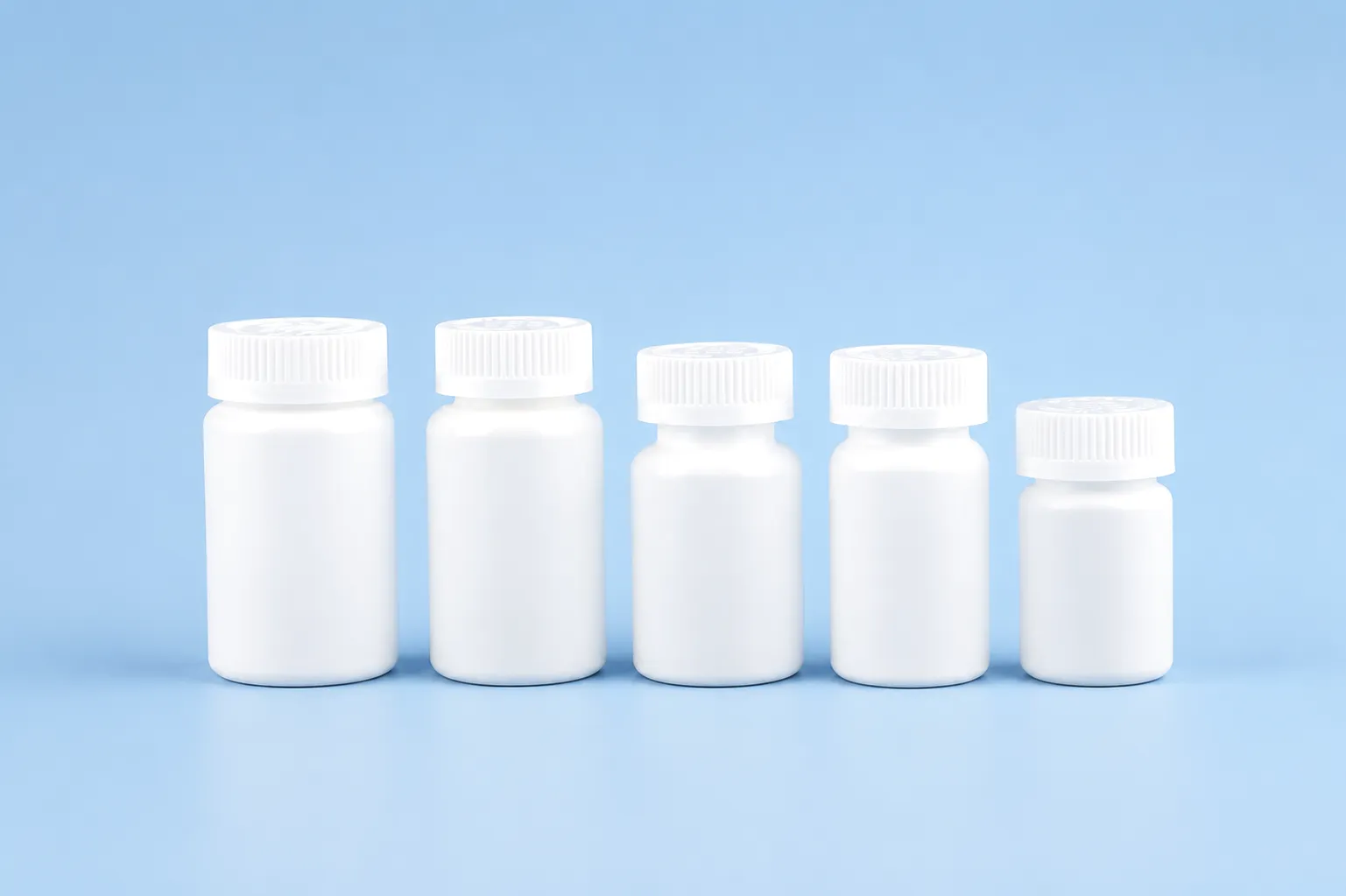
 Oral solid-dose (OSD) bottles represent the single largest volume pharmaceutical container segment produced on injection-blow molding equipment in the United Kingdom. A typical NHS dispensary or high-street pharmacy relies on a consistent stream of 30cc, 60cc, 90cc, 150cc, and 250cc HDPE bottles that must stack uniformly in automated counting-and-filling lines running at speeds of 200 to 400 bottles per minute. The injection-blow molding machine delivers the neck finish consistency — typically 33mm or 38mm nominal thread forms to ISBT or DIN standards — that makes this speed feasible without jamming or leakage.
The sealed interior surface finish achievable on injection-blow molding equipment is particularly important for solid-dose applications. Unlike extrusion-blown containers, which can carry microscopic weld-line irregularities capable of retaining tablet dust and promoting cross-contamination between batches, injection-blown bottles have a homogeneous inner wall. This characteristic dramatically simplifies cleaning validation protocols in UK GMP environments and reduces the risk of non-conformance findings during MHRA inspections — a commercial benefit that contract manufacturers in Barnard Castle and Wrexham particularly value when they handle multiple product changeovers per shift.
Container design for OSD applications has grown considerably more sophisticated in recent years, driven by patient-centric packaging initiatives. Wide-mouth jars for large-format effervescent tablets, desiccant-integrated caps that dispense silica gel directly into the headspace, and bottles with audible-click child-resistant closures are all achievable within the same injection-blow molding tooling philosophy, giving pharmaceutical manufacturers the flexibility to address multiple product lines with a single primary equipment investment.
Child-Resistant Closure Bottles: Safety by Design
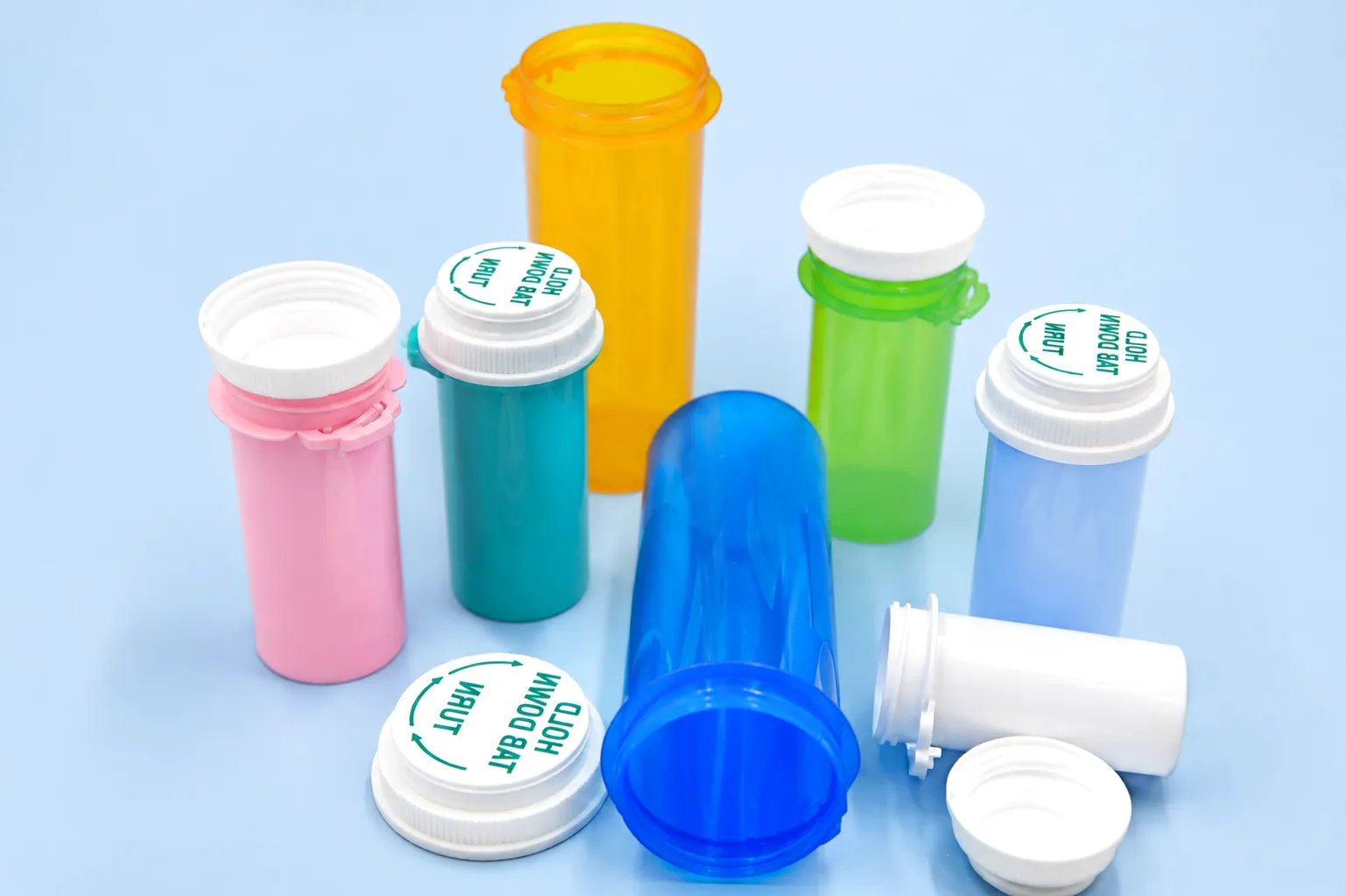
Beyond the classic PT cap, the injection-blow molding format also supports snap-on child-resistant closures for unit-dose blister-bottle combinations, as well as palm-and-turn mechanisms designed for arthritic patients as specified in BS 8404. The flexibility to accommodate these different closure types from a single bottle platform — by changing only the cap tooling rather than the primary container — represents a meaningful cost advantage for manufacturers managing a diverse paediatric and elderly-patient product portfolio.
Amber Medicine Bottles: Light Protection for Photosensitive Formulations
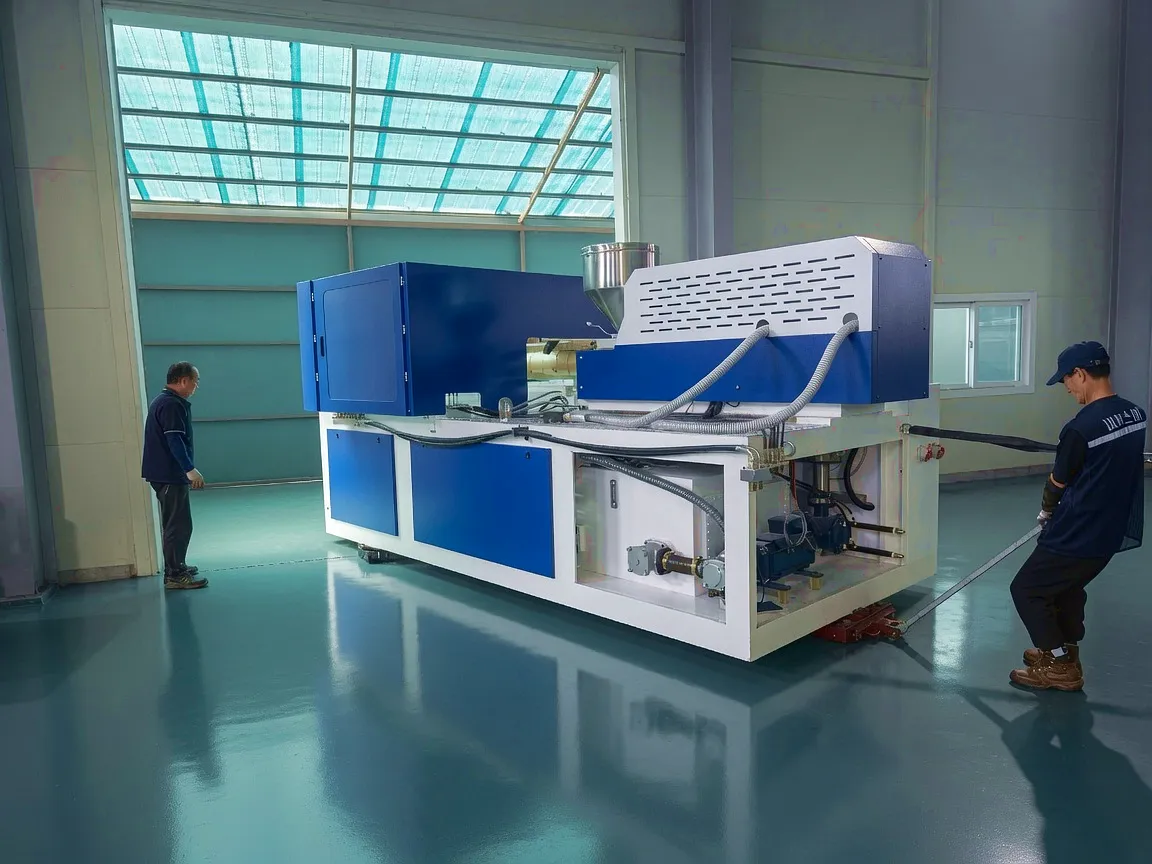 A significant proportion of pharmaceutical products — including many vitamins, antibiotics, antiseptic solutions, and herbal extracts — degrade measurably when exposed to wavelengths between 290 nm and 450 nm (the UV-visible boundary). For these products, amber packaging that transmits less than 10% of incident radiation at wavelengths below 470 nm (as specified in Ph. Eur. chapter 3.2.1) is not a cosmetic feature but a stability-critical component. Injection-blow molding machines equipped with precise pigment-dispersion feed systems can hold amber colourant loading to within ±0.05% per batch — a level of consistency that is difficult to achieve in extrusion processes where pigment agglomeration in the melt can generate visible colour streaks and localised thin spots in the UV-blocking layer.
In practice, UK pharmacies dispensing liquid formulations in amber bottles — cough linctuses, oral suspensions, mouthwashes — require containers that also meet rigorous dimensional standards for label-application machinery and carton-packing automation. An amber HDPE or amber PET bottle produced on an injection-blow molding machine carries tolerances of ±0.2 mm on outer diameter across its full production run, which means label registering and shrink-sleeve application can proceed at high speed without manual adjustment. This matters enormously to large-scale dispensing operations at NHS supply-chain depots serving hospitals across Manchester, Leeds, and Edinburgh.
The design possibilities for amber bottles in the injection-blow molding format extend beyond simple round profiles. Oval cross-sections with recessed label panels, ergonomic grip indentations, and integrated neck rings for tamper-evident banding are all feasible within standard tooling lead times of eight to twelve weeks. For veterinary pharmaceutical applications — an important niche in rural England and Scotland — amber wide-mouth bottles with dropper-tip inserts can be produced on the same machine platform with only a tooling change, maximising return on capital investment for contract manufacturers running multi-segment portfolios.
Core Technical Advantages of Injection-Blow Molding for Pharma Packaging
✓
Zero Flash, Seamless Interior
The absence of a parting-line on the container interior eliminates a potential contamination site and simplifies cleaning validation. GMP-compliant facilities save significant time on batch records and audit preparation as a result.
✓
Neck Precision Under ±0.1 mm
Injection-formed necks achieve thread tolerances tighter than any blow-only process, making child-resistant closure pass rates consistently above 99.5% — a critical metric for UK market compliance under BS EN ISO 8317 protocols.
✓
Material Versatility
HDPE, PP, PET, PETG, and PVC (for veterinary applications) can be processed on the same machine frame with screw and barrel changes, enabling multi-material production scheduling within a single facility footprint.
✓
High Output Efficiency
Multi-cavity tooling (4, 6, 8, or 12 cavities per station) delivers per-cavity cycle times of 8–18 seconds depending on bottle volume, yielding output rates of 1,800–9,600 bottles/hour — sufficient to serve large NHS framework tender volumes without third-party subcontracting.
✓
Low Scrap and Material Waste
Because the injection-blow process produces no flash trim or sprue regrind beyond the injection runner (which recycles cleanly), typical material utilisation rates exceed 98.5% — lowering raw material cost per thousand bottles and reducing the compliance burden associated with pharmaceutical-grade regrind handling.
✓
Cleanroom-Compatible Design
Modern injection-blow molding machines are available with enclosed mold zones, laminar-flow HEPA filtration over the ejection conveyor, and stainless-steel contact surfaces — meeting the environmental requirements of EU GMP Annex 1 Grade C and Grade D classified areas without structural facility modifications.
Product Technical and Performance Parameters
| Parameter | Specification Range | Pharma Significance |
|---|---|---|
| Machine Model Range | ZQ40 / ZQ60 (European Series) | Designed for EU CE-compliant pharmaceutical environments |
| Container Volume Range | 5 ml – 1,000 ml | Covers unit-dose to bulk dispensary packs |
| Cavitation | 2, 4, 6, 8, 12 cavities | Scalable output: 1,800 – 9,600 bottles/h |
| Compatible Resins | HDPE, PP, PET, PETG, PVC | Ph. Eur. 3.2.1 and 3.2.2 compliant grades accepted |
| Barrel Temperature Range | 170 °C – 260 °C | PID-controlled ±1 °C zone accuracy |
| Blow Pressure | 6 – 12 bar | Adjustable for wall-thickness distribution control |
| Neck Tolerance (OD) | ±0.10 mm | Ensures consistent child-resistant closure torque values |
| Wall Thickness Uniformity | ±0.05 mm on sidewall | Critical for amber UV-barrier consistency |
| Cycle Time | 8 – 18 sec/cycle | Dependent on volume and resin type |
| Installed Power | 18 – 55 kW (servo-driven) | 35% energy saving vs. hydraulic alternatives |
| Machine Footprint | 2.8 m x 1.4 m – 4.2 m x 1.8 m | Suitable for retrofitting into existing cleanroom bays |
| Control System | Siemens S7 PLC + 10″ HMI touchscreen | Audit-trail compliant with 21 CFR Part 11 / GAMP 5 |
| Tooling Lead Time | 8 – 12 weeks (standard); 14 – 18 weeks (bespoke) | Supports new product introduction timelines |
| Certifications | CE, ISO 9001, ISO 13485 optional | Satisfies MHRA supplier qualification requirements |
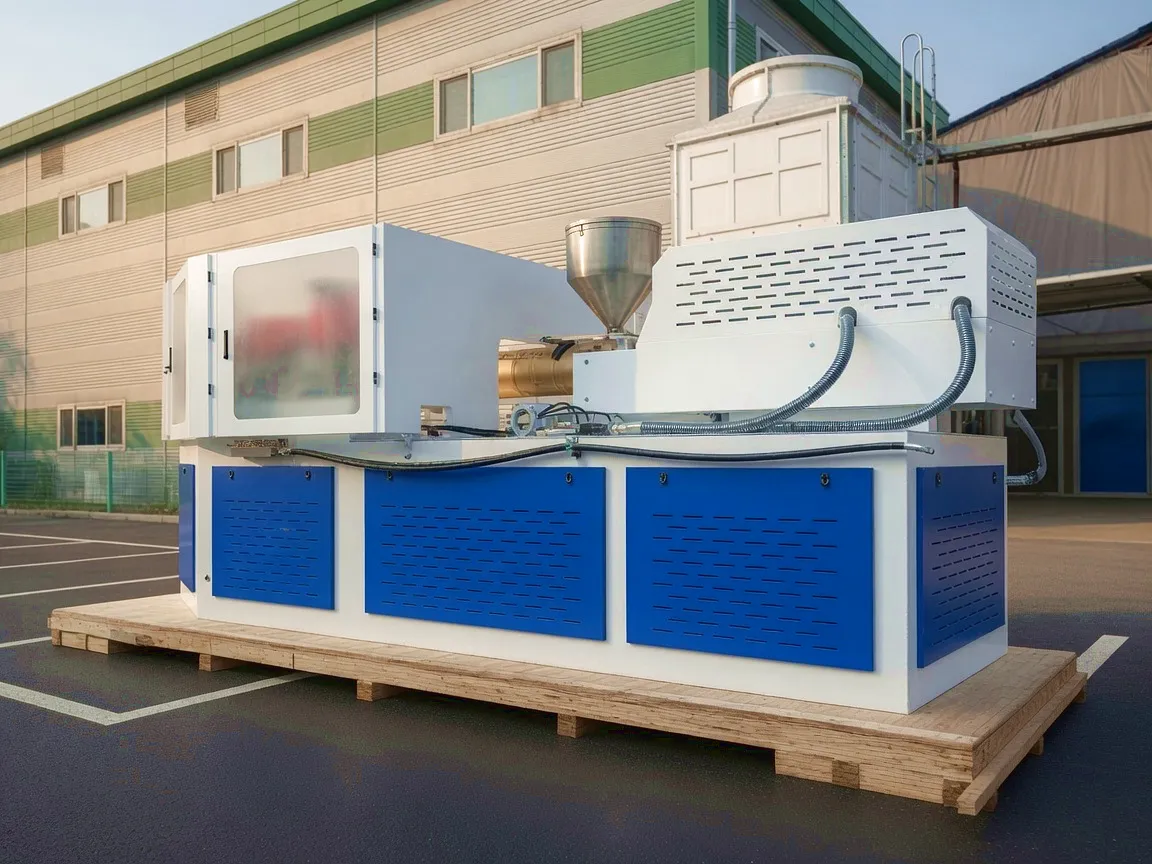
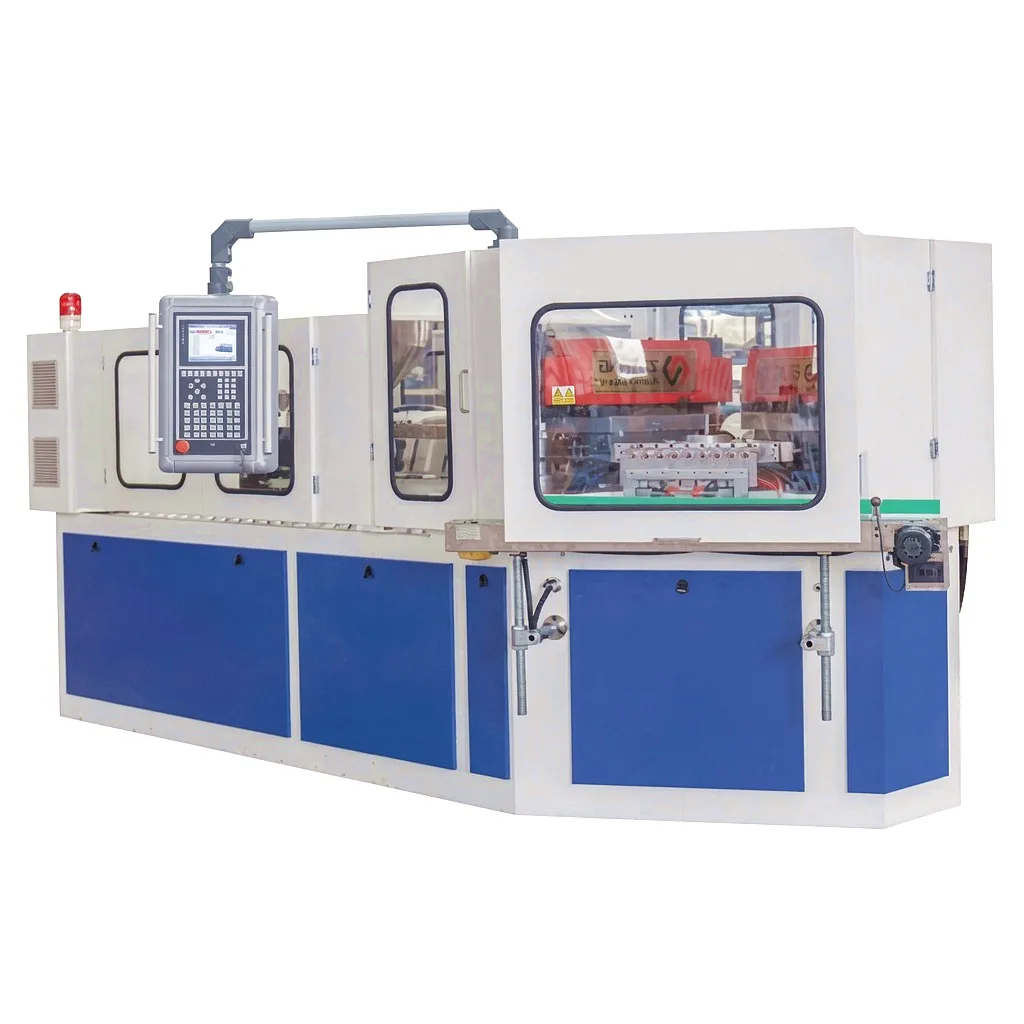
Featured Ever Power Injection-Blow Molding Machines
Two flagship European-standard models from the Ever Power ZQ series, engineered specifically for pharmaceutical-grade bottle production in the UK and EU markets.
Auxiliary Equipment and Integrated Production Systems
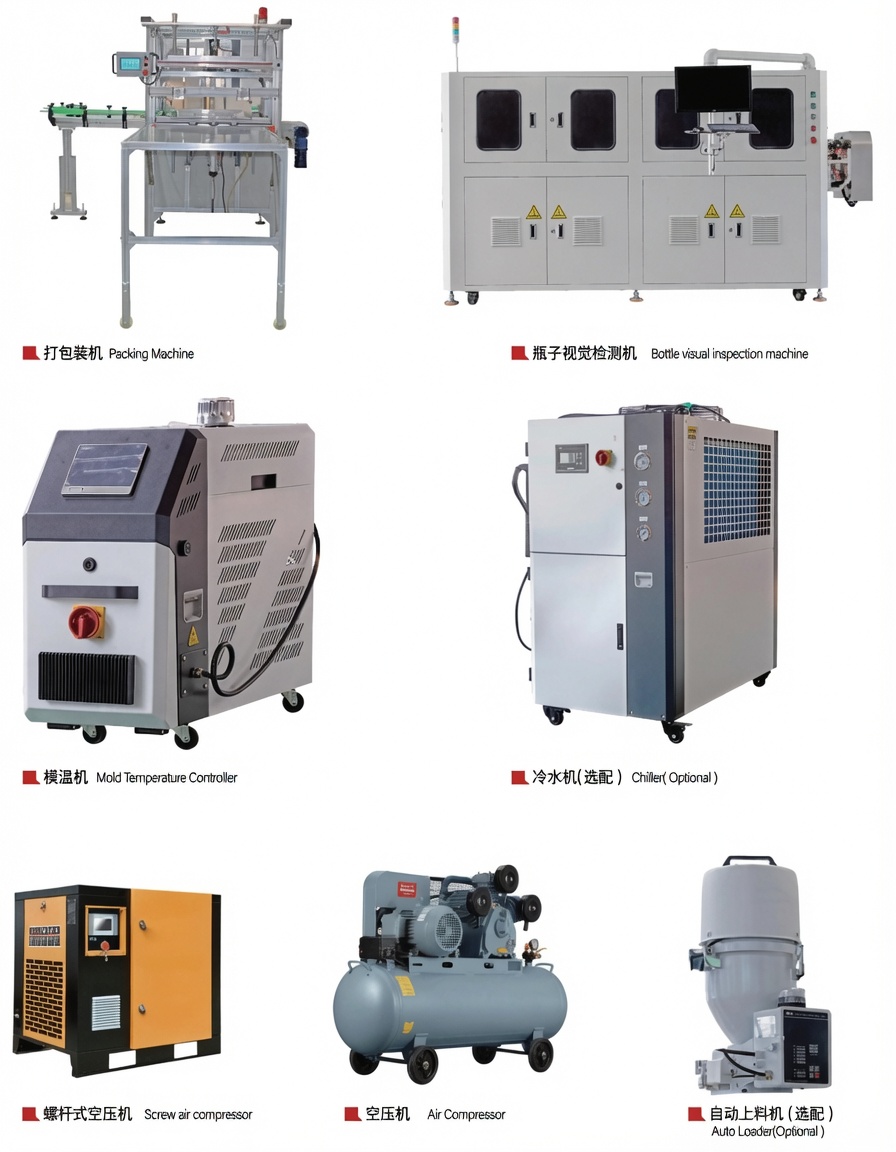
A fully productive injection-blow molding installation in a pharmaceutical facility is more than the core machine — it is an integrated production ecosystem. Temperature-controlled resin drying systems (desiccant-wheel dryers delivering dew points of -40 °C) prevent moisture absorption that would degrade the optical clarity of PET amber bottles or introduce voids in HDPE container walls. Colour-masterbatch dosing units with gravimetric accuracy of ±0.01% ensure that amber pigment loading remains consistent across multi-shift production runs, maintaining compliance with Ph. Eur. light-transmission specifications without the need for offline batch sampling.
Inline vision inspection systems — typically camera-based with AI-powered defect classification — check every bottle at the ejection conveyor for dimensional compliance, surface defects, and contamination. Integration with the machine PLC allows automatic rejection of non-conforming containers without operator intervention, supporting the documentation requirements of UK pharmaceutical GMP batch records. Ever Power machines are pre-wired for integration with these downstream systems, with open Ethernet/IP communication ports and standardised conveyor-mounting interfaces.
Ever Power: Manufacturing Strength and Customisation Capability
Engineering pharmaceutical packaging excellence since day one — with the flexibility to match every specification requirement.
🏭
Advanced Manufacturing Facility
Ever Power operates a purpose-built engineering facility housing CNC machining centres, precision EDM equipment, and coordinate measuring machines (CMMs) capable of certifying tooling to sub-micron accuracy. Core rod sets, injection cavities, and blow moulds are machined in-house and surface-treated with PVD coatings rated for 10 million cycles — ensuring tooling longevity that supports the economics of long pharmaceutical production runs.
⚙
Deep Customisation Capability
The Ever Power engineering team works directly with pharmaceutical packaging technologists from the initial container design stage, providing DFM (Design for Manufacturability) feedback, FEA structural analysis of container geometry, and prototype sample bottles within 4–6 weeks of design freeze. Customisation options include specialised neck finishes for CRC closures, in-mould colouring for amber or cobalt-blue bottles, surface texture for grip enhancement, and integration of RFID-compatible rim inserts for track-and-trace applications.
🚚
Supply Chain and Logistics Support
Ever Power maintains partnerships with UK-based pre-clearance freight agents and has established bonded warehouse facilities supporting rapid delivery to pharmaceutical sites in England, Scotland, and Wales. Machine installation teams travel to site with full commissioning documentation, and remote-diagnostic connectivity via the machine PLC means that UK customers receive real-time technical support without waiting for international engineering travel. Spare-parts consignments for the ZQ series are typically dispatched ex-works within 48 hours of order confirmation.
📋
GMP Validation Documentation Package
Every Ever Power machine shipped for pharmaceutical end-use comes with a full factory acceptance test (FAT) report, installation qualification (IQ) protocol template, operational qualification (OQ) protocol template, and a 21 CFR Part 11 compatibility statement. These documents significantly accelerate site validation projects and reduce the workload on UK pharmaceutical manufacturers who must qualify new equipment under MHRA GMP guidelines before commercial production can begin.
Ready to specify your next pharmaceutical packaging line?
Our pharmaceutical packaging engineers will review your container specification and provide a detailed machine recommendation within 48 hours.
Customer Success Story: Nottingham Contract Pharmaceutical Packer
Nottinghamshire, UK — Contract Pharmaceutical Packaging
A contract packaging organisation headquartered near Nottingham — serving both branded pharmaceutical manufacturers and NHS supply-chain tender winners — had been running a fleet of aging extrusion blow molding equipment that was generating rejection rates of 3.2% on child-resistant closure torque testing and 1.8% on dimensional out-of-specification findings. With a major NHS framework tender renewal approaching, the commercial risk of a non-compliance event during a third-party audit had become unacceptable to the management team.
After a competitive evaluation process that included site visits to reference facilities in Belgium and the Czech Republic, the company selected two Ever Power ZQ60 injection-blow molding machines for installation in their Grade D classified production hall. Ever Power provided a comprehensive customisation specification: 8-cavity tooling for 60 ml HDPE bottles (their highest-volume line), amber PET tooling for 100 ml and 150 ml antibiotic suspension bottles, and a shared 4-cavity wide-mouth jar tooling set for 250 ml effervescent tablet containers. All three tooling sets were validated on the machines at Ever Power’s facility prior to shipment, with FAT reports and first-article inspection certificates included in the documentation pack.
Installation and commissioning were completed in eleven days — two days ahead of the contracted schedule — and the IQ/OQ documentation was accepted by the site’s QA department without queries, allowing PQ runs to commence immediately. Within six weeks of the first commercial production batch, the rejection rate on CRC torque testing had fallen from 3.2% to 0.18%, and dimensional non-conformances were effectively zero across a monitored sample of 48,000 bottles. The energy consumption of the new machines was 28% lower than the equipment they replaced, a meaningful reduction in site operating costs at a time of significant industrial energy pricing pressure in the East Midlands.
The company successfully renewed their NHS framework contract the following quarter, with the auditing body specifically noting the improved process capability data for container dimensional conformance. The site operations director commented that the ability to run three different product formats from a single machine platform — simply by swapping tooling sets — had also improved scheduling flexibility in a way that reduced overtime labour costs significantly during peak demand periods.
What Our UK Customers Say
★★★★★
“The neck dimensional consistency of the ZQ60 has been genuinely transformative for our CRC application line. We went from spending significant time investigating torque failures to essentially zero CRC-related rework. The Ever Power engineering team understood our GMP documentation requirements without having to be educated about them — that was a first for us when dealing with overseas equipment suppliers.”
Head of Technical Operations — Contract Pharma Packer, Nottingham
★★★★★
“We produce amber PET bottles for oral antibiotic suspensions across two NHS trust supply agreements, and the light-transmission consistency we achieve on the Ever Power equipment has completely eliminated the batch failures we used to see with our previous extrusion line. The customisation process — where Ever Power worked with us to get the amber masterbatch loading right first time — saved us at least two months of internal development work.”
Quality Assurance Director — Pharmaceutical Packager, Birmingham
★★★★★
“Switching to the ZQ40 for our paediatric product range was a straightforward decision after seeing the prototype bottles. The child-resistant closure pass rate in BS EN ISO 8317 testing was 99.8% straight off the new tooling — no iterative adjustments needed. Ever Power also provided the 21 CFR Part 11 compliance statement we needed for our US export documentation within 24 hours of the request. Service like that makes a real difference when you are operating against tight regulatory deadlines.”
Production Manager — Paediatric Medicines Manufacturer, Sheffield
Frequently Asked Questions
Voice-search optimised answers to the questions UK pharmaceutical packaging buyers ask most often.
Start Your Pharmaceutical Packaging Project with Ever Power
From container concept to validated production line — our pharmaceutical packaging engineers are ready to support your UK project from day one.
✉ Contact Ever Power — [email protected]
edit by gzl