EVER POWER · TECHNICAL REFERENCE · UK EDITION
IBM Injection Blow Moulding Machines: Complete Technical Guide for UK Industrial Plastics Manufacturers
A practitioner-level resource covering working principles, material science, process comparisons, energy optimisation, and UK market applications — from pharmaceutical packaging in Swindon to agrochemical container lines in Yorkshire.
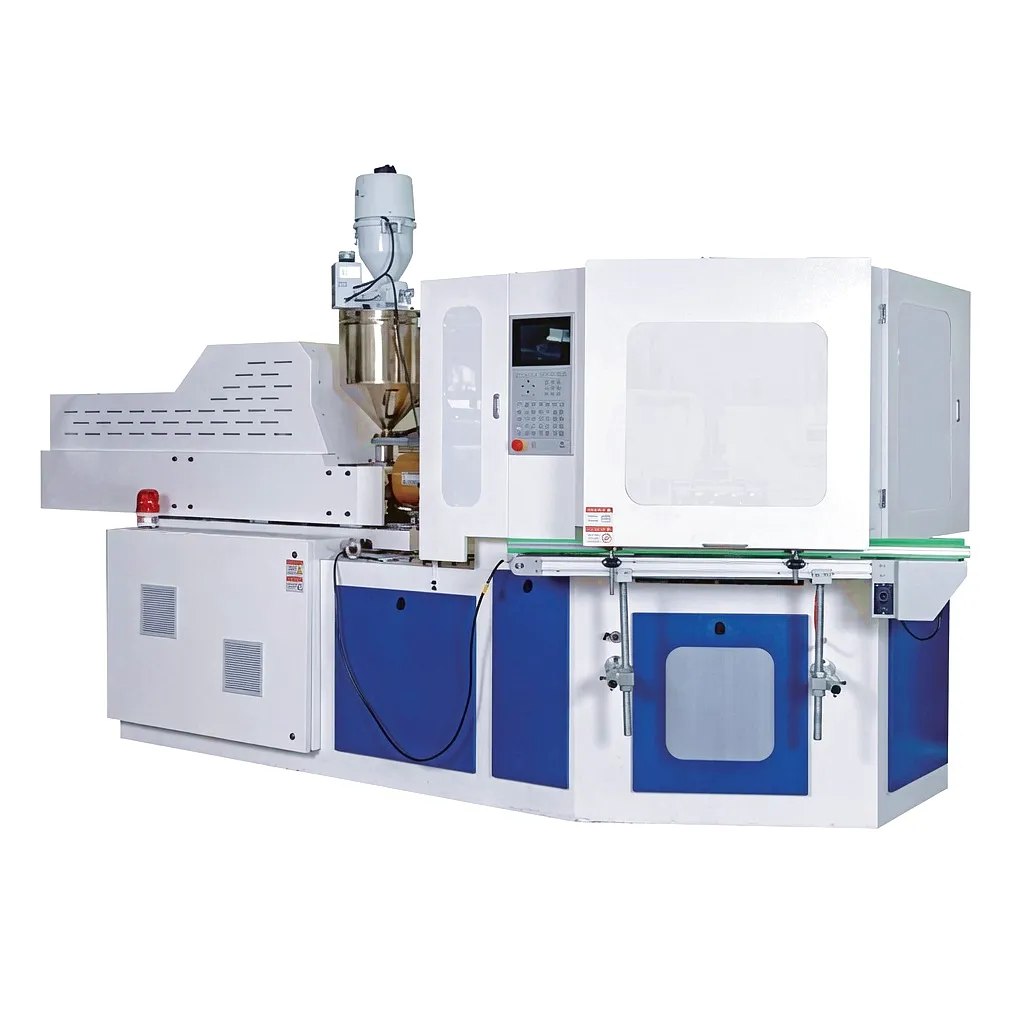
How the Injection Blow Moulding Process Works: Step-by-Step Cycle for Industrial Container Production
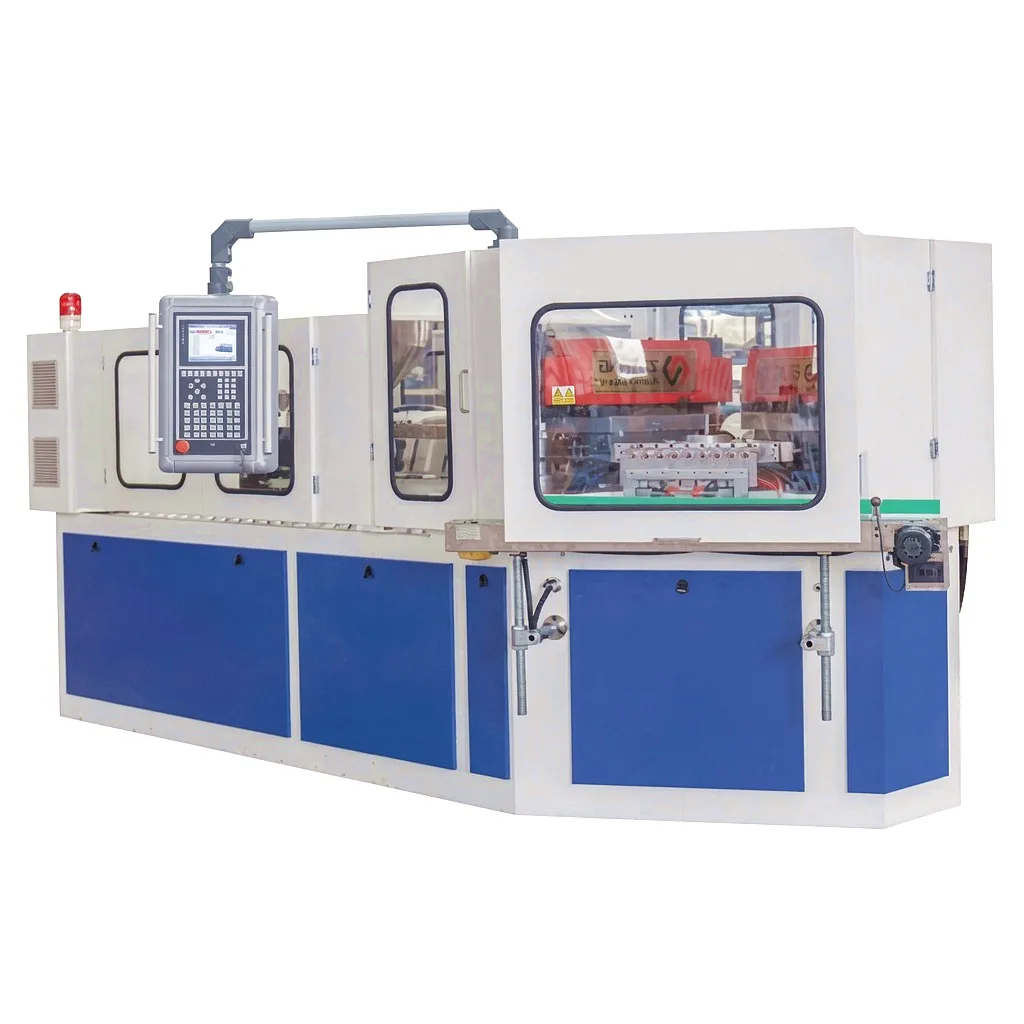
Blow Moulding Process Comparison: IBM vs ISBM vs EBM vs Extrusion Blow Moulding
Each hollow-container forming technology carries distinct tooling costs, material compatibility windows, achievable geometry ranges, and scrap rates. The table below maps the principal variables across the four mainstream routes used in UK manufacturing — from pharmaceutical-grade to agrochemical and personal care packaging lines.
| Parameter | IBM | ISBM | EBM | Extrusion BM |
|---|---|---|---|---|
| Neck Finish Precision | Excellent — no flash | Good — minor trim | Fair — requires trim | Poor — heavy flash |
| Wall Thickness Tolerance | ± 0.05 mm typical | ± 0.08 mm typical | ± 0.12 mm typical | ± 0.15–0.30 mm |
| Scrap / Flash Level | Near zero | Low | Moderate | High |
| Handle / Complex Geometry | Limited | Limited | Excellent | Excellent |
| Typical Volume Range (ml) | 5 – 1,000 | 50 – 3,000 | 100 – 10,000 | 50 – 220,000 |
| Suitable Resins | PP, HDPE, PET, PVC | PET, PP | HDPE, PP, PVC | HDPE, PP, LDPE |
| Tooling Cost | High — precision cores | Medium-High | Medium | Low-Medium |
Wall Thickness Uniformity Control and Preform Preheat Temperature Curves in IBM Production
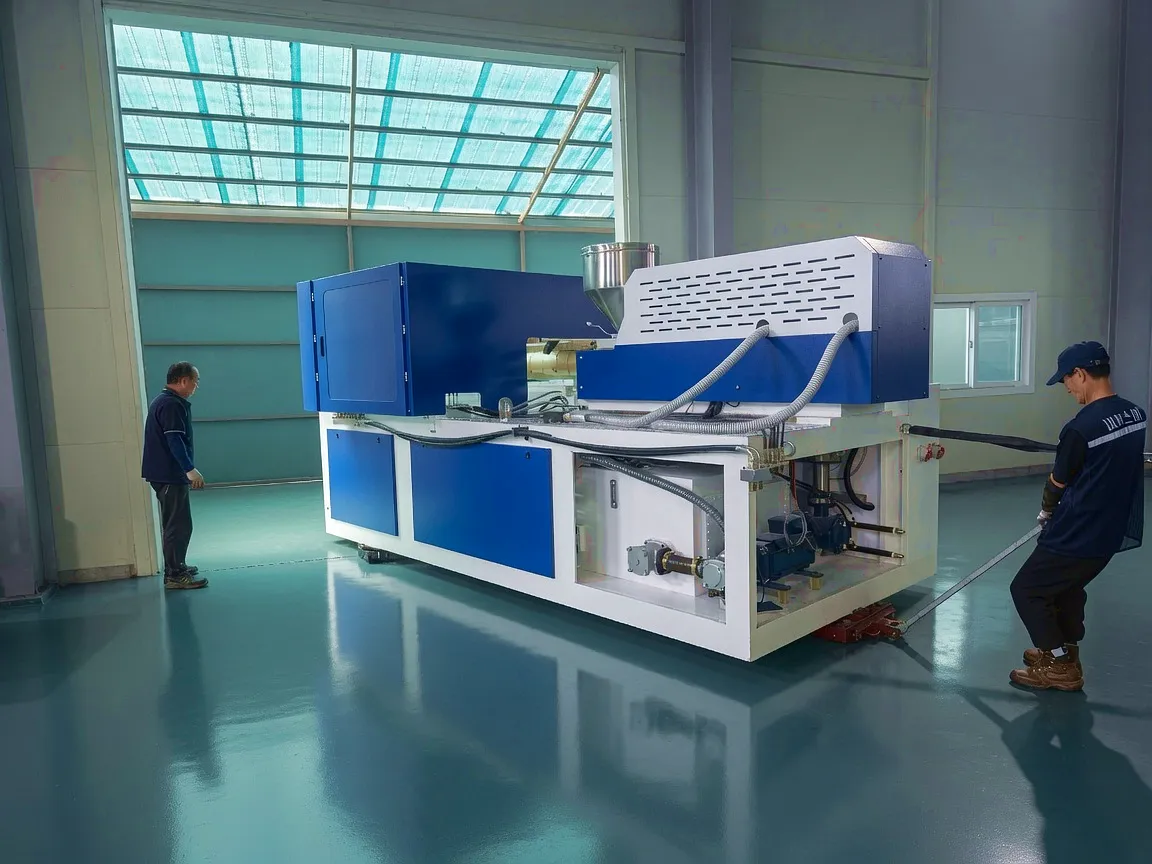
Mould Design Principles and Container Geometry Optimisation for IBM Tooling
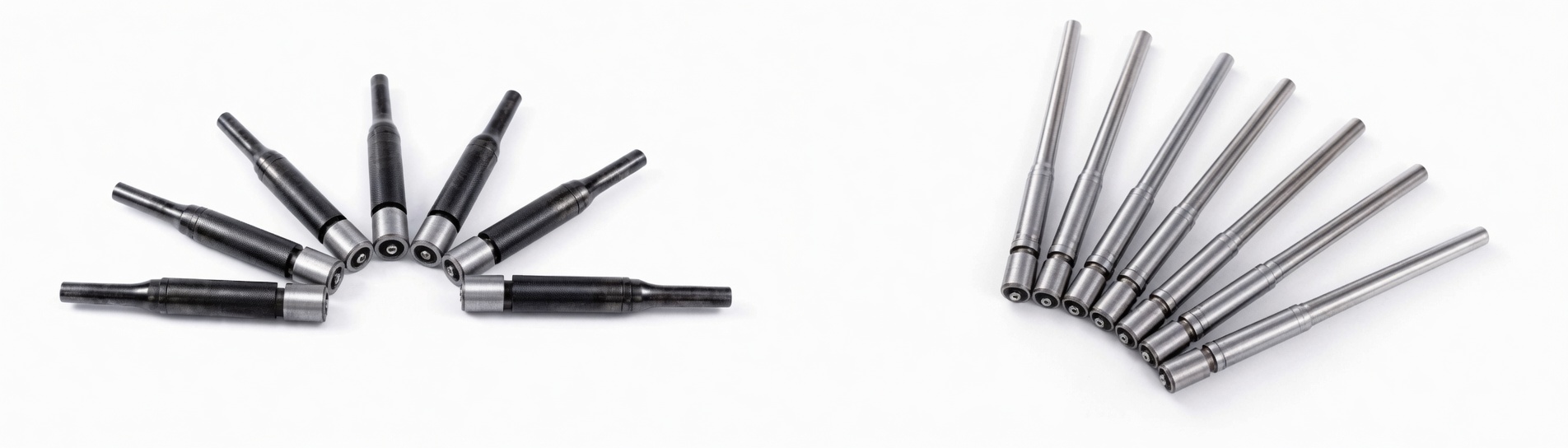
IBM tooling encompasses three matched assemblies: the injection mould (cavity blocks and neck-ring), the core rod mandrel, and the blow cavity. Core rods are precision-ground to H6/h5 fit tolerances on their shank, with surface roughness Ra values below 0.4 µm on the blow segment to prevent preform adhesion. Blow cavities are typically machined from pre-hardened P20 or H13 tool steel and finish-polished to the container’s external surface specification. In pharmaceutical applications where containers must meet USP Class VI or EU 3.1 pharmacopoeia requirements, cavity surfaces are chrome-plated or treated with physical vapour deposition coatings to prevent resin staining and simplify cleanroom validation protocols. Container geometry optimisation centres on the blow-up ratio (BUR), defined as the maximum container diameter divided by the preform diameter. A BUR between 2.0 and 3.5 is generally achievable without thinning or whitening for PP and HDPE. Above BUR 4.0, the process requires pre-stretch or secondary heating, which conventional single-stage IBM cannot provide — this is where ISBM gains its advantage for tall, narrow containers. For short wide-mouth bottles — the dominant format in UK healthcare, veterinary, and laboratory supply chains — IBM remains the preferred platform precisely because BUR stays comfortably between 1.5 and 2.5, and the neck geometry is formed once and undisturbed. Venting of blow cavities is a frequently overlooked design variable: inadequate vent land depth (should be 0.008–0.012 mm) causes surface blemishes and extended blow times, while excessive depth generates visible vent marks on the container shoulder that customer QC teams routinely reject on cosmetic grounds.
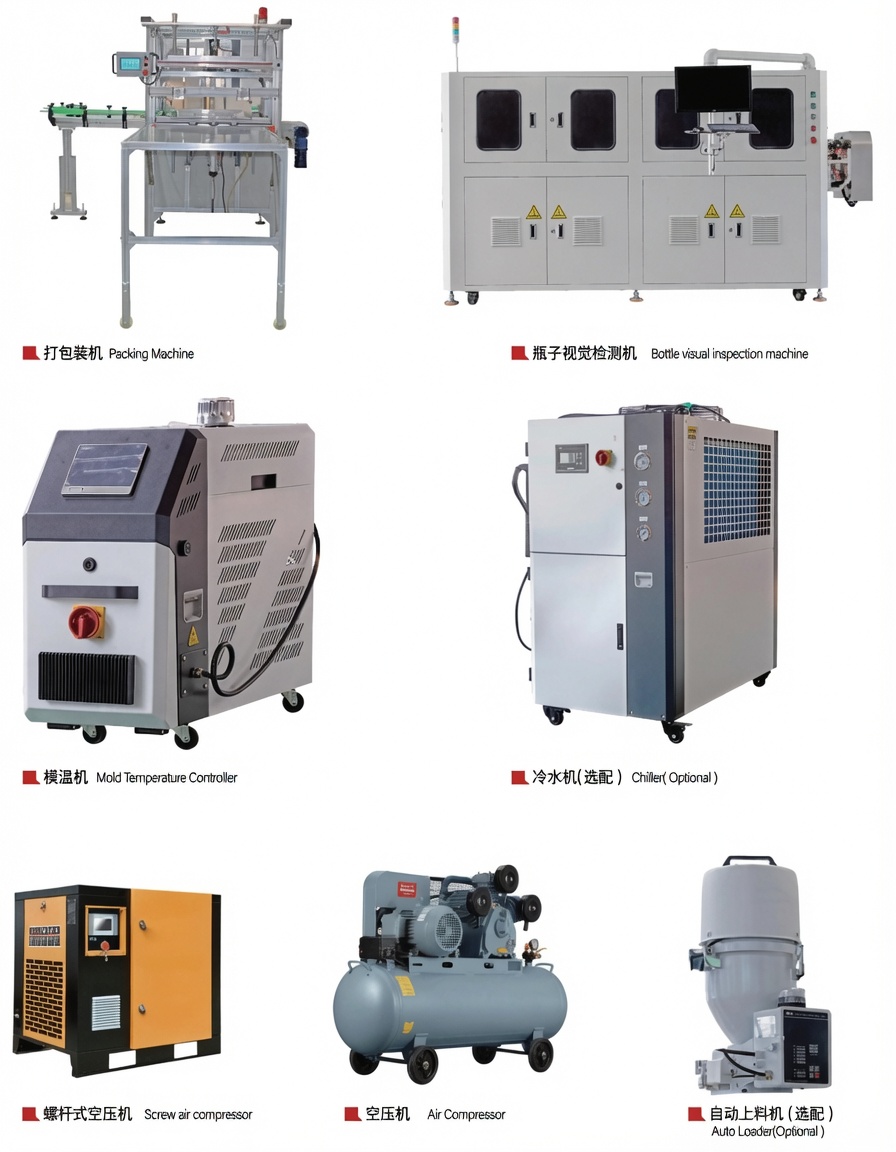
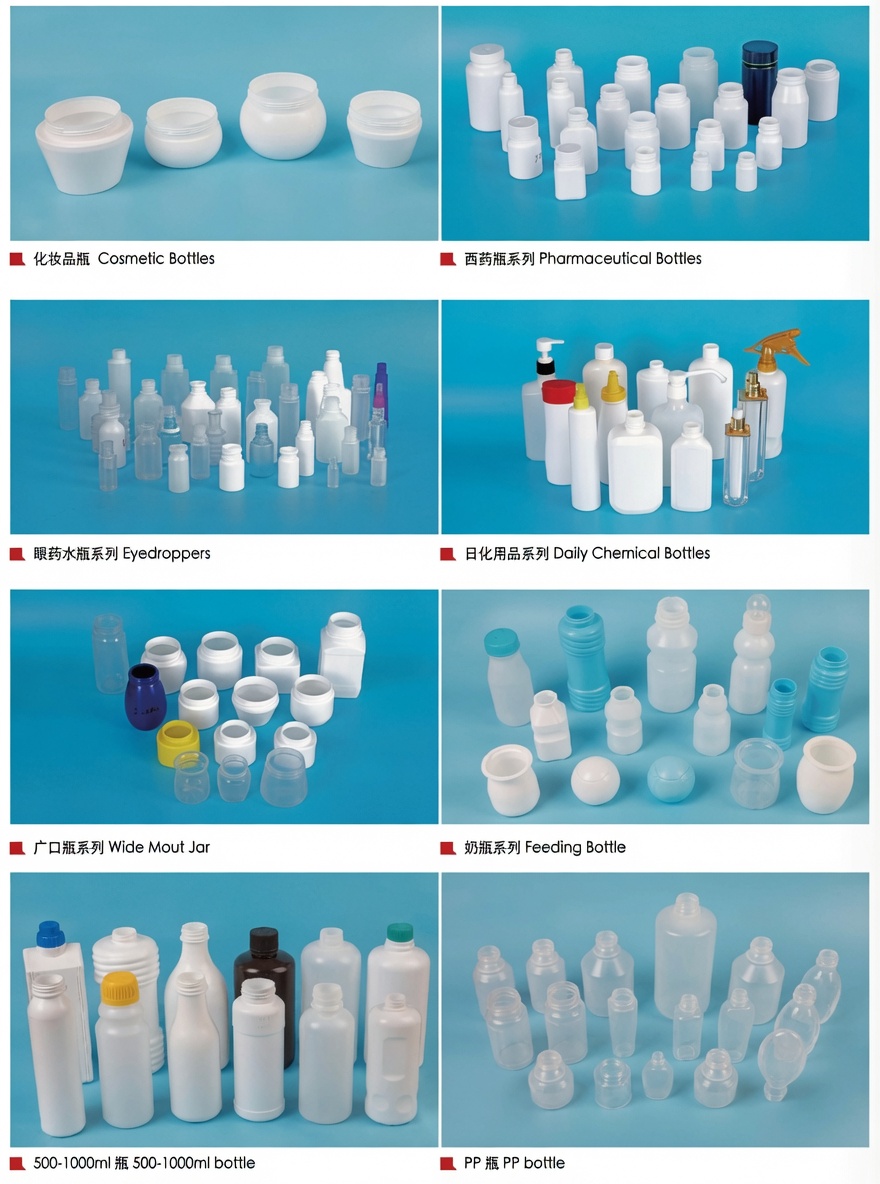
IBM Machine Technical Performance Parameters: Industry Reference Specification Table
| Parameter | Typical Range / Value | Technical Notes |
|---|---|---|
| Clamp Force | 40 – 200 kN | Scales with cavity count and mould projected area |
| Shot Weight (PP) | 10 – 250 g per station | Multi-cavity total multiplied accordingly |
| Screw L/D Ratio | 20:1 – 24:1 | Longer ratios improve melt homogeneity |
| Injection Pressure | 100 – 180 MPa | Hydraulic or servo-hydraulic; electric models lower |
| Blow Air Pressure | 6 – 12 bar | Regulated via proportional valve; staged ramps recommended |
| Cycle Time (3-station) | 4 – 18 s | Dependent on wall thickness and resin |
| Barrel Temperature Zones | 4 – 8 independent zones | PID control, ± 1 °C accuracy typical |
| Core Rod / Cavity Steel | H13 / P20 / S136 | HRC 50–54 for production tooling |
| Wall Thickness Tolerance | ± 0.05 – ± 0.10 mm | Measured per ASTM D2911 |
| Drive Type | Hydraulic / Servo-electric | Servo offers 30–50% energy saving vs fixed pump |
| Installed Power | 22 – 90 kW | Dependent on tonnage and drive type |
| Container Volume Range | 5 – 1,000 ml | Standard IBM; special tooling can extend lower limit |
Core Materials Used in IBM Machine Construction, Barrel Systems, and Precision Tooling
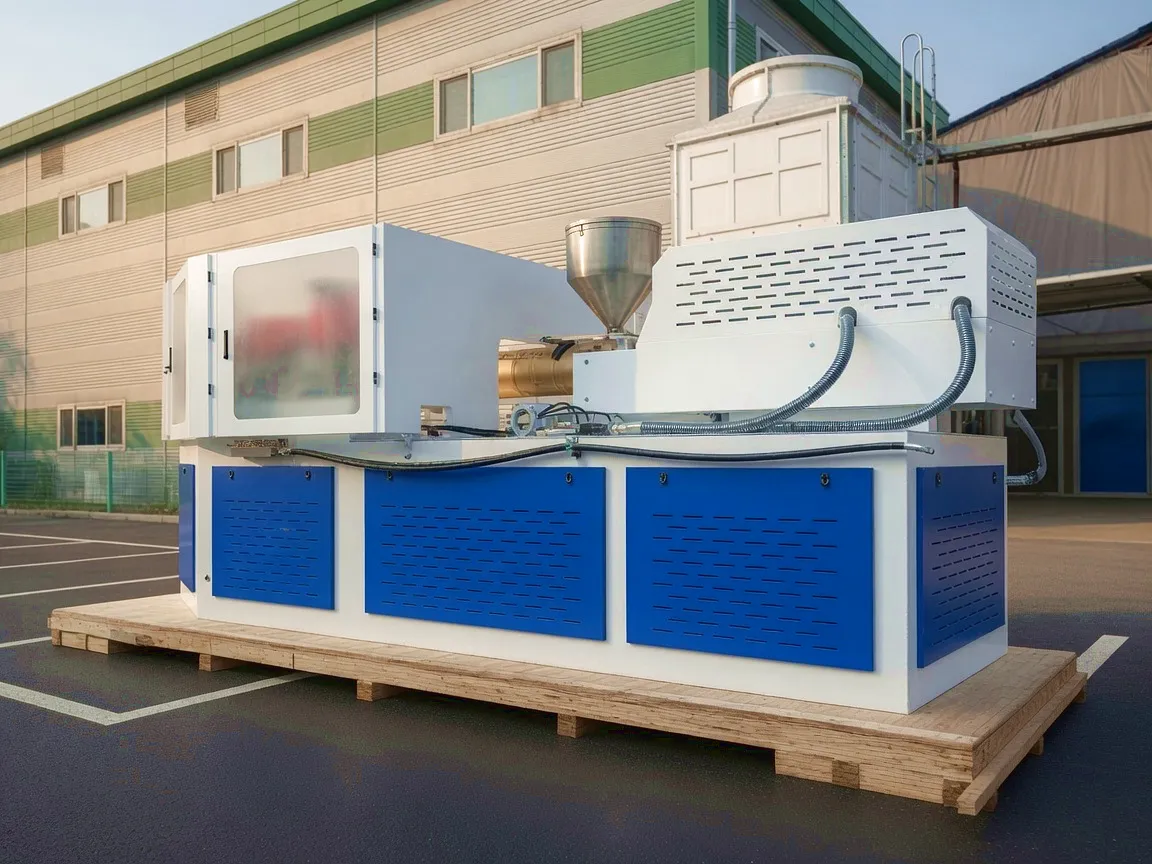
Core Technical Advantages of Injection Blow Moulding Machines for High-Volume Industrial Production
Flash-Free Neck Finish
The neck ring retains grip from injection through ejection. Threads and sealing surfaces are formed once and never re-contacted by tooling, eliminating secondary deflashing operations and the contamination risk they carry in cleanroom and food-contact environments.
Tight Wall Tolerance
Preform injection sets wall distribution with the precision of injection moulding — typically ± 0.05 mm on the blown wall — rather than the extrudate sag variables that affect EBM and extrusion blow routes, translating directly to better closure performance and lower gram-weight on each container.
Near-Zero Material Waste
Shot weight is metered by injection rather than extruded continuously, limiting scrap to sprue vestiges. On optimised tooling, material yield exceeds 99%, reducing raw material cost and simplifying regrind management — a meaningful sustainability metric for UK Plastics Pact reporting.
Multi-Resin Flexibility
A single IBM platform can run PP, HDPE, PET, and rigid PVC by adjusting barrel temperature profiles and screw geometry. This flexibility has real commercial value for contract manufacturers in Birmingham and Sheffield serving multiple industry sectors from a single production floor.
Compact Footprint
Compared to an equivalent-capacity two-stage ISBM line, a rotary IBM machine occupies 30–45% less floor area — a material advantage in UK manufacturing premises where factory space on industrial estates around Coventry and Leeds commands premium rental rates.
Cleanroom Compatibility
The closed-mould environment and absence of parting-line flash generate fewer airborne polymer particles than EBM alternatives, enabling IBM machines to be deployed in ISO Class 7 environments without supplementary enclosures in pharmaceutical fill-finish operations.
Industrial Application Scenarios: Where IBM Machines Deliver Measurable Value Across UK Manufacturing Sectors
Pharmaceutical and Nutraceutical Packaging — Cambridge and Oxford Clusters
Contract packaging organisations operating under MHRA GMP frameworks across the M4 corridor and East of England rely on IBM machines to produce tablet bottles, oral liquid containers, and eye-drop vials meeting USP and BP monograph requirements. The precise neck finish eliminates secondary inspection stations dedicated to thread gauging, reducing line labour cost and eliminating a rejection category that commonly accounts for 0.5–1.5% of EBM output.
Personal Care and Cosmetic Containers — West Midlands Manufacturing Cluster
One of the largest consumer goods manufacturing clusters in the West Midlands relies on IBM machines running HDPE and PP to produce shampoo bottles, lotion dispensers, and fragrance secondary containers in cavities of 4 to 24 per rotation. These lines typically run round-the-clock on three-shift patterns, making cycle time stability and predictive maintenance capability commercially critical for maintaining annual output commitments.
Agrochemical Containers — East Anglia and Yorkshire Production Sites
The agricultural chemicals sector in East Anglia and Yorkshire generates sustained demand for UN-approved HDPE containers in the 100–500 ml range. IBM-produced containers in this segment must meet UN 3H1 performance criteria covering drop, stacking, and hydraulic pressure resistance — requirements that the uniform wall distribution of the IBM process meets more consistently than extrusion alternatives, particularly on containers below 250 ml.
Veterinary Pharmaceutical Containers — Northampton and Bury St Edmunds
Veterinary pharmaceutical manufacturers concentrated around Bury St Edmunds and Northampton account for a steady share of IBM output, particularly for amber PET and brown HDPE containers combining UV barrier performance with precisely gauged child-resistant closure interfaces governed by VMD Good Veterinary Practice framework requirements.
Energy Consumption Optimisation and Retrofit Strategies for IBM Equipment in UK Plastics Processing
With UK industrial electricity prices remaining elevated and Carbon Reduction Commitment obligations applying to many mid-size plastics processors, energy optimisation on IBM machines has shifted from a cost-saving exercise to a compliance priority. The largest single energy draw on a hydraulic IBM machine is the fixed-displacement pump motor, which on legacy machines runs continuously at rated speed regardless of instantaneous demand. Retrofitting a variable-frequency drive (VFD) to this circuit typically reduces pump motor energy by 25–40%, with payback periods commonly under 18 months at current UK grid tariffs. Barrel heating represents the second major input: replacing resistive band heaters with ceramic or infrared alternatives — combined with insulating barrel jackets — can cut heating energy by 20–30% without any process parameter change. Servo-driven toggle clamping mechanisms consume energy only during active motion rather than maintaining hydraulic pressure continuously, bringing total machine energy per 1,000 parts down 30–50% versus 15-year-old fixed-pump equivalents. Compressed air for the blow circuit is another optimisation area: pressure-recovery exhaust manifolds allow blow air to be recirculated through a secondary low-pressure actuation circuit, reducing compressor duty by 12–18%. For UK processors planning capital reinvestment, full expensing under the 2023 Budget enables 100% first-year tax relief on qualifying energy-efficient plant, making the full-electric IBM machine a tax-efficient investment alongside its operational savings — an argument that carries weight in procurement conversations with finance directors across Sheffield and the wider Yorkshire manufacturing base.
Common Fault Diagnosis and Troubleshooting Guide for Injection Blow Moulding Machine Operators
| Fault Symptom | Likely Cause | Corrective Action |
|---|---|---|
| Wall thinning at shoulder | Core rod too hot; blow entry pressure too high | Reduce core rod temp 5–10 °C; add staged blow ramp via proportional valve |
| Neck thread distortion | Neck ring cooling insufficient; ejector force excessive | Increase coolant flow to neck ring; reduce ejector speed and check timing |
| Preform sticking on core rod | Core rod surface damaged or polish degraded | Re-polish or re-chrome core rod; inspect mould release application |
| Haze / stress whitening | Blow temp below Tg; BUR too high for current preform | Raise barrel zones 5–7 by 5 °C; review tooling if BUR exceeds 3.5 |
| Short shot at injection | Shot size undercut; blocked gate; back pressure too low | Increase shot 2–3%; check gate with thermocouple; raise back pressure |
| Flash at parting line | Worn parting surfaces; clamp force insufficient | Re-lap parting surfaces; verify clamp tonnage matches projected area |
Ever Power Featured IBM Machine Models for UK and European Plastics Processors
ZQ80 Injection Blow Molding Machine
The ZQ80 is a mid-tonnage rotary IBM platform with 80 kN clamp force, suited to pharmaceutical bottles, personal care containers, and laboratory consumables in the 10–500 ml range. Its servo-driven clamping, 6-zone barrel temperature control, and compact rotary table make it a production workhorse for European packaging converters who need consistent output with minimal footprint — delivering reliable output across three-shift pharmaceutical container lines without sacrificing process flexibility.
ZQ110 Injection Blow Molding Machine
The ZQ110 steps up to 110 kN clamp force, extending cavity count to 12 per station on standard tooling and accommodating containers up to 1,000 ml. Its higher tonnage makes it particularly well matched to HDPE agrochemical bottles and veterinary containers where wall thickness and top-load strength are performance-critical. An optional servo-electric drive version is available for customers seeking maximum energy efficiency compliance under UK environmental reporting frameworks.
Ever Power Manufacturing Capabilities: Precision IBM Machines with Full Customisation for Global Industrial Standards
Customer Success Story: Pharmaceutical Container Production in Nottingham’s Life Sciences Manufacturing Sector
A contract packaging company based in Nottingham — serving NHS supply chain distributors and private healthcare clients across the East Midlands — was operating two ageing extrusion blow moulding machines to produce HDPE tablet bottles and oral solution containers. The operation faced mounting pressure from three simultaneous directions: customer audits were flagging unacceptable thread variation on child-resistant closure interfaces; scrap rates were running at 4.8% against a contractual maximum of 2%; and energy costs had risen to the point where the lines were generating a loss on small-batch pharmaceutical contracts. After a site survey and process feasibility review conducted jointly with Ever Power’s technical team, the decision was taken to replace both EBM lines with a single ZQ110 injection blow moulding machine configured for a six-cavity PP toolset covering three container sizes — 60 ml, 150 ml, and 250 ml — on rapid-changeover tooling. Installation was completed during a planned August shutdown, and commissioning was carried out by an Ever Power engineer who remained on-site for the first two weeks of production qualification under MHRA GMP conditions. Within three production months, thread variation on CRC interfaces had fallen to within ± 0.03 mm — well below the customer’s audit limit — scrap rates had dropped to 0.9%, and energy consumption per thousand containers was 38% lower than the combined EBM baseline. The freed floor space was subsequently used to install a vision inspection system, enabling the business to offer 100%-inspected pharmaceutical container lines and unlocking a new tier of NHS supply contracts previously unavailable to them.
“The thread consistency on our CRC bottles improved beyond what we projected. We went from failing one in every twelve audited batches to zero fails across the first quarter after installation. Ever Power’s engineer didn’t just run through a commissioning checklist — he actually diagnosed and adjusted the process in real time based on what he was seeing on our specific resin grade.”
— Production Manager, Pharmaceutical Contract Packaging, Nottingham
“We specified a custom core rod in S136 stainless for our PVC cosmetic containers and Ever Power delivered tooling confirmed Ra below 0.3 µm by our own metrology lab. Changeover from PP to PVC is now under 45 minutes with the colour-coded tooling system their engineers designed for our specific product mix.”
— Technical Director, Personal Care Packaging Manufacturer, Birmingham
“The VFD retrofit Ever Power recommended for our existing hydraulic IBM line paid back in 14 months — tracked through our metering system. Remote diagnostics has already saved two emergency engineer visits. Their team can pull live process data and talk us through corrections without anyone travelling, which genuinely matters when you’re running three shifts and a breakdown costs you overnight output.”
— Engineering Manager, Agrochemical Container Producer, East Yorkshire