Опис
📧 Get a Quote — [email protected]
UK & EU enquiries welcome · Fast response within 24 hours
What Is the EP-ZQ40 Injection Blow Moulding Machine?
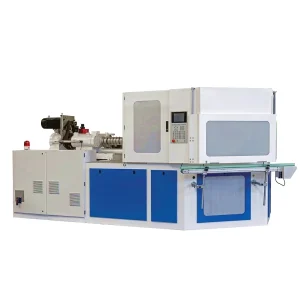
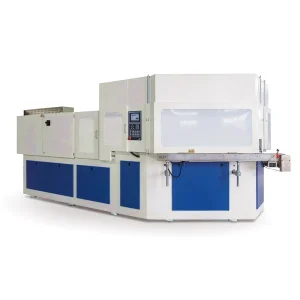
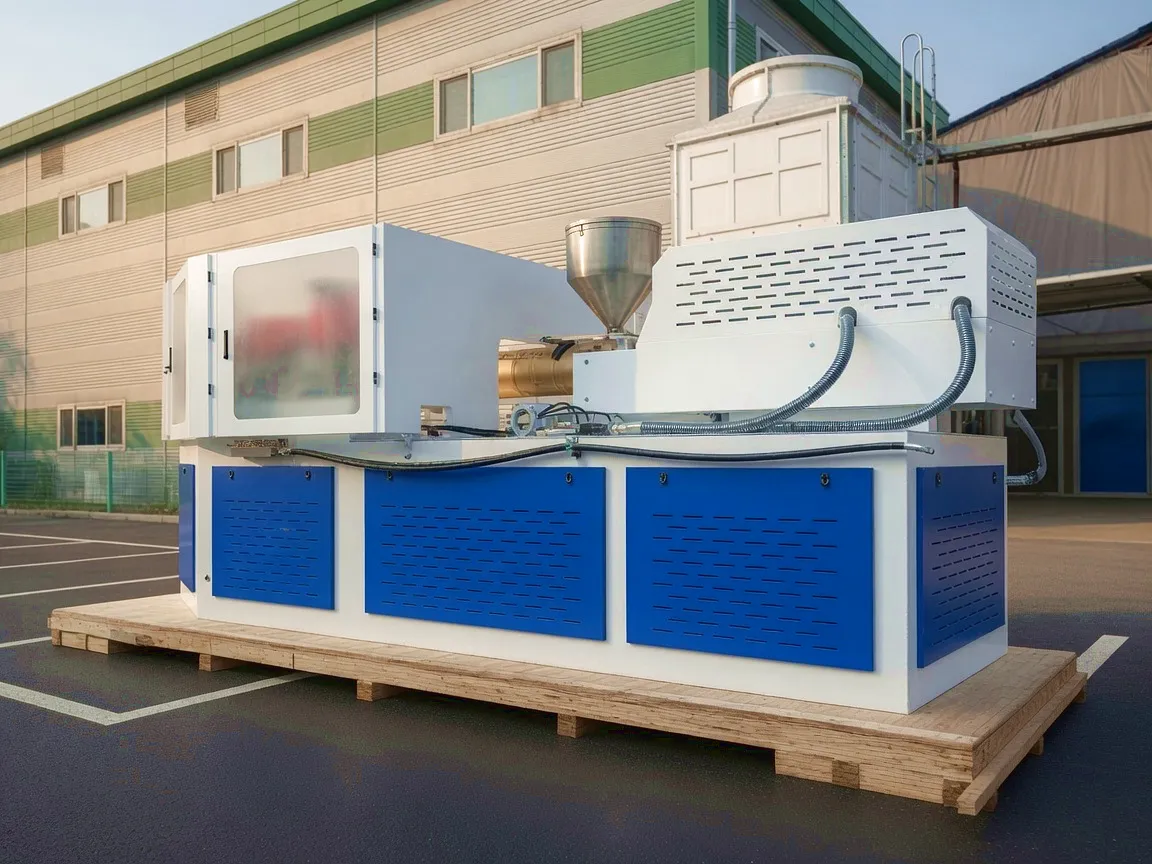
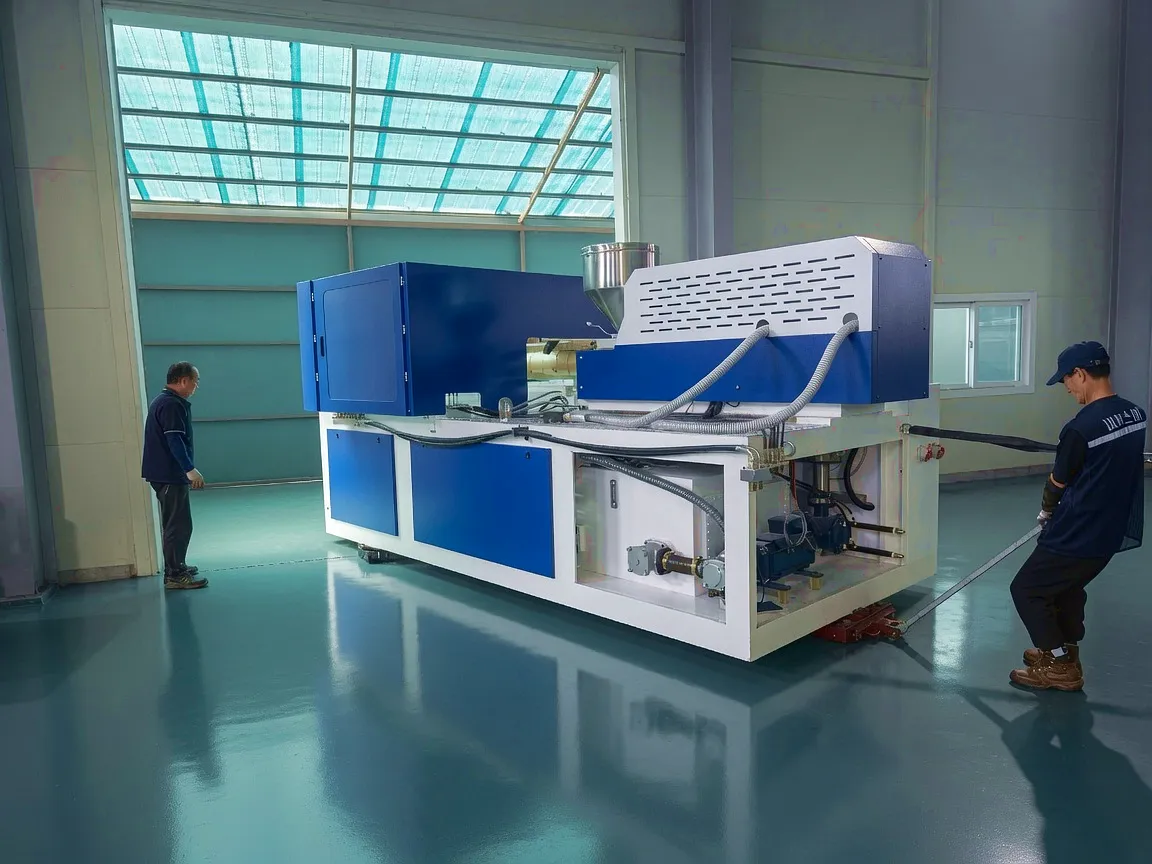
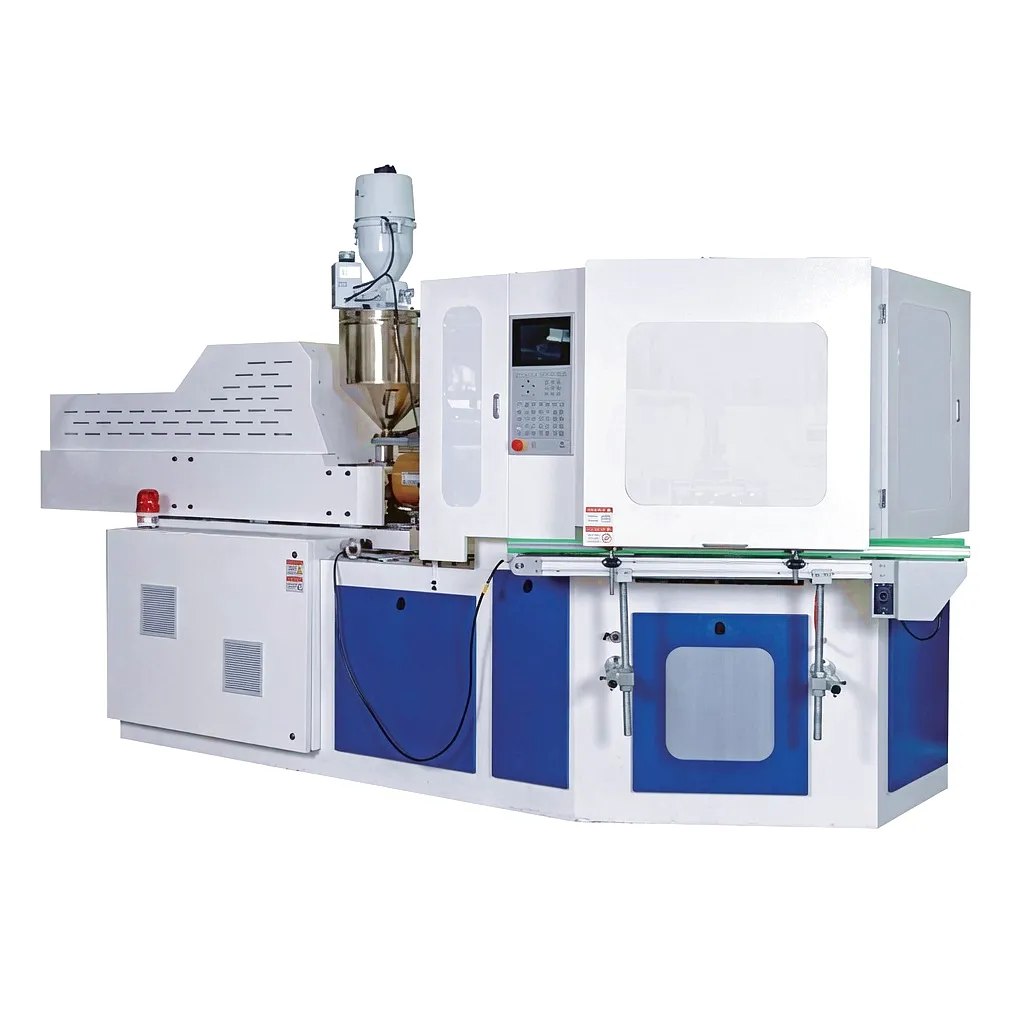 The EP-ZQ40 is a high-performance one-step injection blow moulding machine built entirely around full European structural standards. Designed specifically for manufacturers who demand precision, consistency, and lower energy costs, this machine integrates the injection, blowing, and stripping processes into a single seamless cycle. Unlike conventional two-step systems, the one-step injection blow moulding process eliminates the need for preform reheating, reducing both production time and material stress — making it ideally suited to pharmaceutical bottles, cosmetic packaging, medical dropper containers, and food-grade vessels.
The ZQ40 injection blow moulding machine delivers a mould capacity range from 1 ml to 1,500 ml with maximum cavitation of nine cavities at the 10 ml format. Its unique pressurised clamping structure means the booster cylinder stays entirely out of the mould-open and mould-close movement, cutting energy consumption by 10–20% compared with equivalent machines in the industry. For British and European plastics processors seeking a robust, low-maintenance IBM machine with CE-compatible engineering, the EP-ZQ40 stands as a compelling production solution.
Core Engineering Advantages
Full European-Style Structure
The clamping force is 20–30% greater than comparable machines in the same performance class, providing superior mould integrity across extended production runs and high-cavitation formats.
Energy Savings of 10–20%
The unique pressurised clamping structure removes the booster cylinder from the mould-open/close cycle entirely. This architectural decision directly lowers hydraulic energy demand compared to industry peers, reducing utility costs across 24/7 production environments.
Servo-Driven Rotation System
Standard servo motor rotation provides precise, repeatable indexing with minimal mechanical complexity. Operators benefit from straightforward maintenance routines, faster changeover times, and consistent positioning accuracy across multi-cavity moulds.
Wide Container Range
From 1 ml dropper vials to 1,500 ml bottles, the ZQ40 injection blow moulding machine covers the full spectrum of small-format rigid container production. Maximum bottle diameter reaches 120 mm, with a bottle height up to 220 mm — handling the majority of primary packaging formats in pharmaceutical and cosmetic sectors.
Dual Screw Diameter Options
With 40 mm and 45 mm screw diameters available and an injection weight range of 190–260 g, the ZQ40 accommodates varied material and output requirements. The 22:1 L/D ratio ensures thorough plasticisation, particularly important for HDPE, PP, and engineering-grade resins.
Fast Dry Cycle of 3.5 Seconds
A dry cycle of 3.5 seconds reflects the ZQ40’s optimised hydraulic and mechanical motion sequencing. For high-output facilities running multi-shift operations, this speed advantage translates directly into greater annual container throughput and improved return on capital investment.
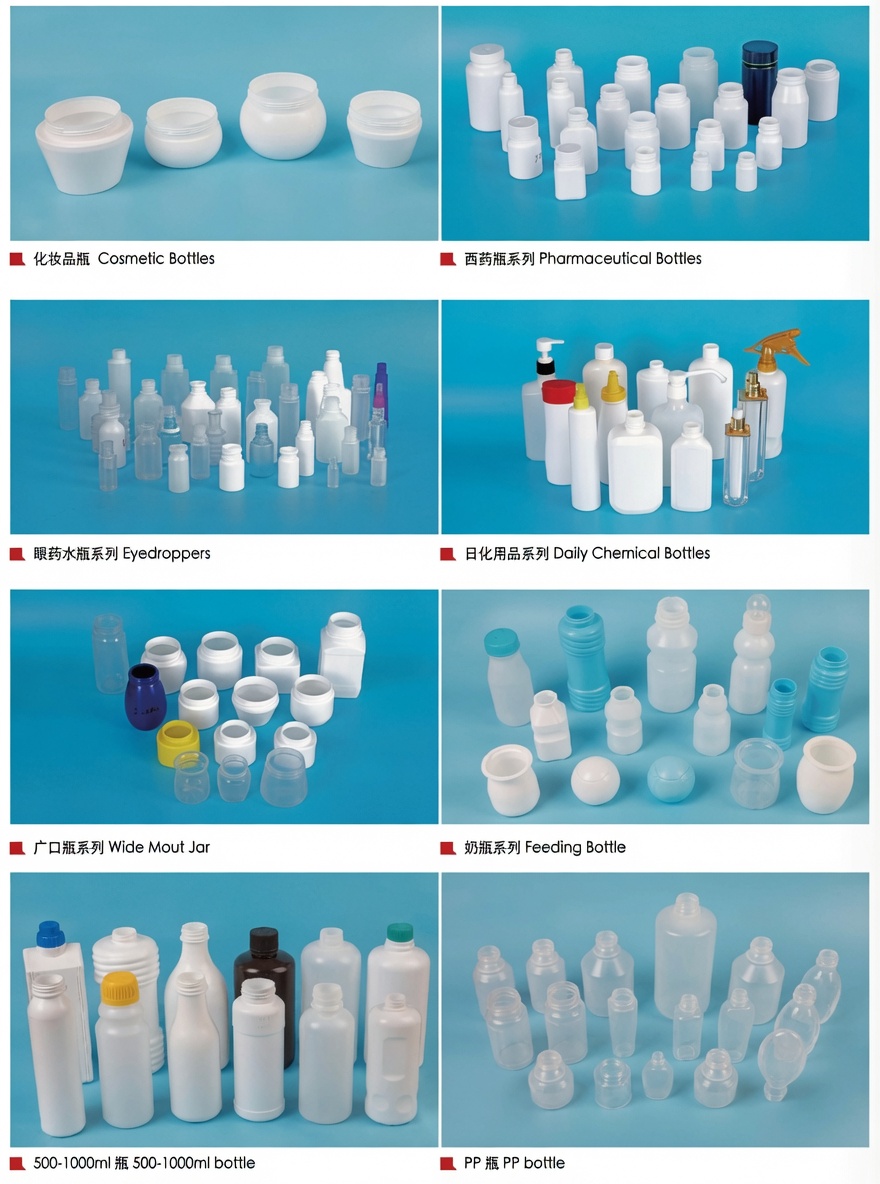
Sample Output: Containers Produced by the ZQ40 IBM Machine
How It Works, What It Processes & Where It Applies
► One-Step IBM Operating Principle
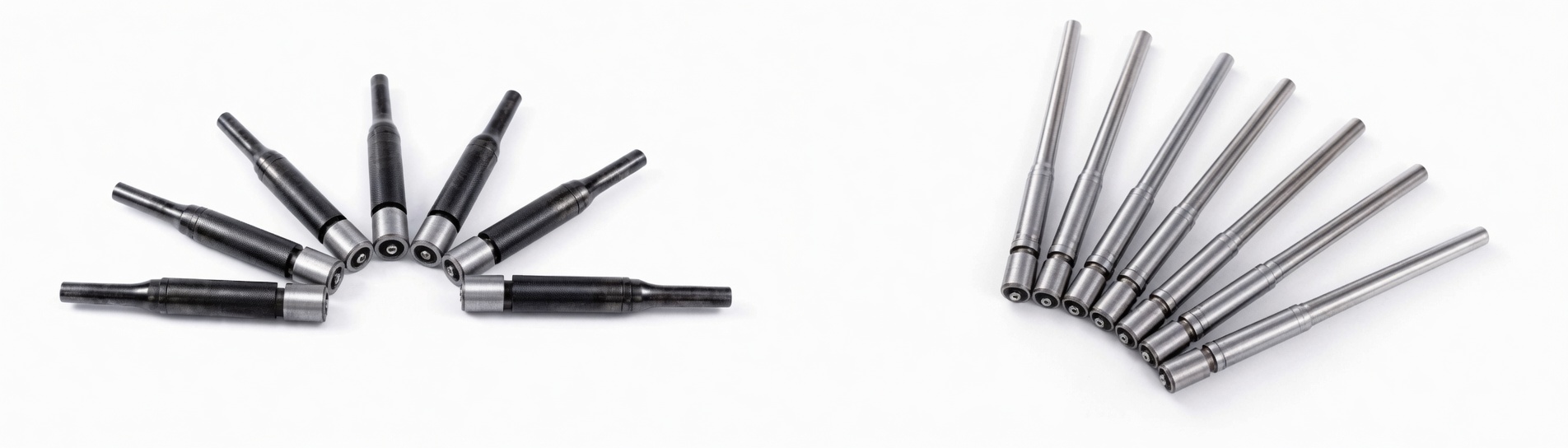
The EP-ZQ40 operates on the three-station one-step injection blow moulding principle. In station one, molten polymer is injection-moulded around a core pin to form a precise parison. The rotary table — driven by the servo system — indexes the parison to station two, where compressed air inflates it against the blow mould cavity walls to achieve final bottle geometry. Station three performs the stripping operation, ejecting the finished container while the injection station simultaneously begins the next parison. The entire cycle runs without intermediate reheating, preserving material homogeneity and eliminating surface contamination risks that are common in two-step ISBM processes. This makes the ZQ40 injection blow moulding machine particularly well suited to GMP pharmaceutical environments across the UK and European Union.
► Compatible Resin Materials
The ZQ40 is compatible with a broad range of thermoplastic resins used in rigid container manufacturing. The 40/45 mm dual-diameter screw configuration and 22:1 L/D ratio allow stable processing of HDPE (high-density polyethylene), PP (polypropylene), LDPE, PET (polyethylene terephthalate), and PC (polycarbonate) grades. The three-plus-N barrel heating zones accommodate materials with varying thermal sensitivity, including medical-grade and food-contact resins commonly specified by UK manufacturers under BS EN and EU food packaging regulations.
PP
PET
LDPE
PC
► Industry Application Scenarios
The EP-ZQ40 injection blow moulding machine serves a wide cross-section of UK and international industries where precision small-format containers are essential. Pharmaceutical companies producing oral liquid bottles, eye drop vials, and nasal spray containers rely on the cleanliness and dimensional accuracy inherent to one-step IBM. Cosmetic brands in London, Birmingham, and Manchester source bottles for lotions, serums, and fragrance bases. Food and beverage producers use the ZQ40 for sauce containers and beverage caps. Personal care and household chemical manufacturers equally benefit from the machine’s ability to produce HDPE containers with tight neck tolerances that interface reliably with dispensing pumps and child-resistant closures.
Technical Specifications — EP-ZQ40
Note: Parameters are for reference only. Due to ongoing equipment improvements, the company reserves the right to modify specifications.
| Category | Item | Unit | ZQ40 |
|---|---|---|---|
| Injection System | Screw Diameter | mm | 40 / 45 |
| Screw L/D | % | 22:1 | |
| Injection Weight | g | 190 / 260 | |
| Heating Power | KW | 7.5 | |
| Number of Barrel Zones | — | 3+N | |
| Injection Stroke | mm | 120 | |
| Clamping System | Clamping Force of Injection | KN | 400 |
| Opening Stroke for Injection | mm | 165 | |
| Clamping Force of Blowing | KN | 60 | |
| Opening Stroke for Blowing | mm | 140 | |
| Lifting Height of Rotary Table | mm | 70 | |
| Mould | Max. Platen Size (L x W) | mm | 480 x 340 |
| Mould Thickness | mm | 180 | |
| Max. Bottle Diameter | mm | 120 | |
| Bottle Height | mm | 220 | |
| Suitable Bottle Volume | ml | 1 – 1500 | |
| Stripping Stroke | mm | 220 | |
| Hydraulic System | Hydraulic Pressure | MPa | 14 |
| Motor Power | KW | 11 | |
| Dry Cycle | S | 3.5 | |
| Total Power | KW | 20 | |
| Other Parameters | Operating Power | % | 52 – 70 |
| Min. Air Pressure (Compressed Air) | MPa | 0.7 – 1.2 | |
| Compressed Air Capacity | M3/min | 0.7 | |
| Water Flow Rate | M3/h | 3.5 | |
| Cooling Water Pressure | MPa | 0.3 – 0.4 | |
| Dimension (L x W x H) | M | 3.5 x 1.3 x 1.7 | |
| Net Weight | Ton | 3.8 |
Mould Cavitation Reference — ZQ40
For reference only. Actual cavitation subject to mould design and container geometry.
| Approx. Volume | 10 ml | 30 ml | 60 ml | 100 ml | 250 ml | 500 ml | 1000 ml |
|---|---|---|---|---|---|---|---|
| Max. Cavitation | 9 | 8 | 6 | 4 | 3 | 2 | 1 |
Auxiliary Equipment for Complete Production Lines
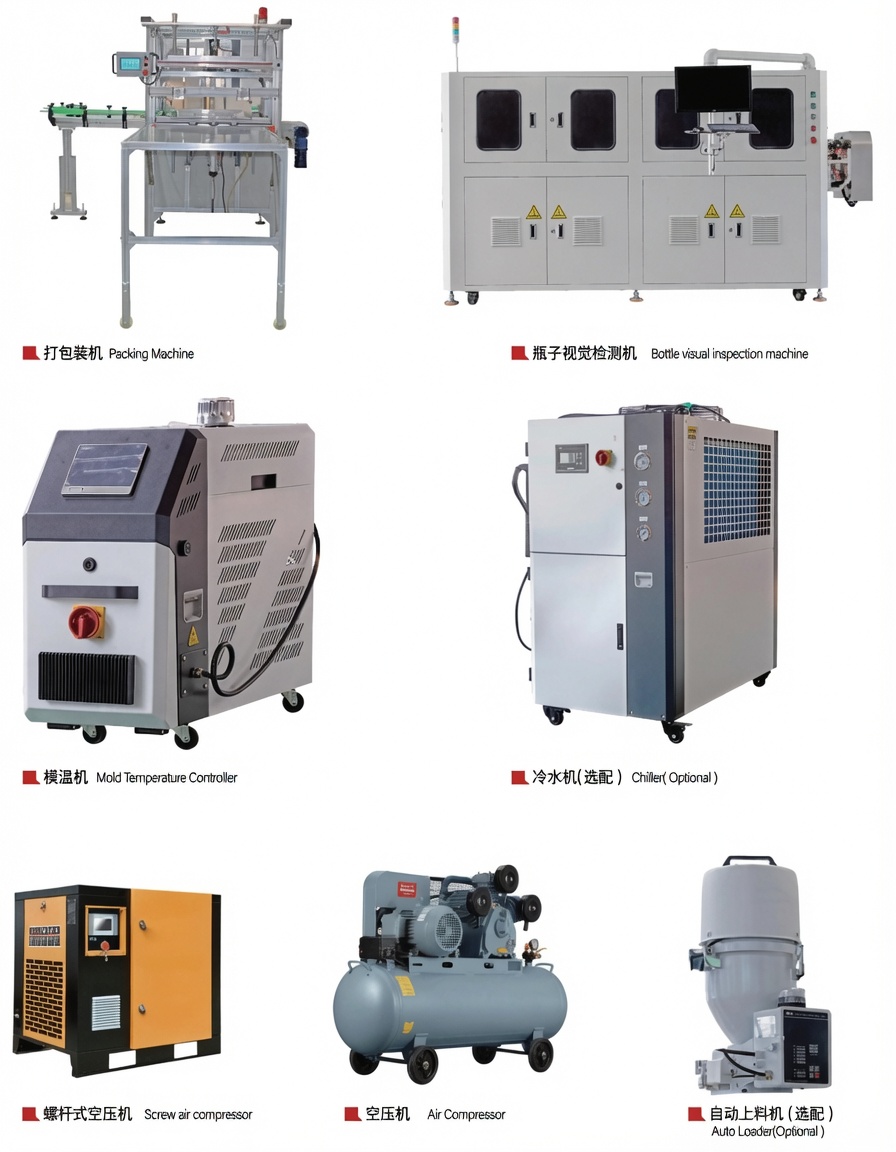
A complete injection blow moulding production line requires precisely matched peripheral equipment to deliver consistent output quality. The EP-ZQ40 is fully compatible with our range of auxiliary systems including material dryers, auto-loaders, chiller units, compressed air dryers, and conveyor systems. Each auxiliary component is specified and supplied to align with the ZQ40’s throughput ratings and utility connection points, ensuring UK customers receive a production-ready installation.
Customer Success Story
A real-world deployment of the EP-ZQ40 injection blow moulding machine
 Challenge: High Rejection Rate & Contamination Risk in Oral Liquid Bottle Production
A mid-sized pharmaceutical contract packager based in the East Midlands was operating two legacy two-step ISBM machines for their oral liquid bottle range (30–100 ml HDPE). The reheating stage was producing inconsistent wall distribution on the 30 ml format, with a rejection rate approaching 4.8%. GMP auditors had flagged the intermediate preform storage area as a potential contamination point under their EU-GMP compliance review ahead of a key export programme to Germany and the Netherlands.
Solution: EP-ZQ40 One-Step IBM Machine — No Preform Reheating, No Intermediate Storage
Following a technical review conducted in Q1 2024, the customer installed one EP-ZQ40 injection blow moulding machine configured with a six-cavity 60 ml mould and a four-cavity 100 ml mould. The one-step process removed the reheating stage entirely, eliminating the contamination risk identified in the GMP audit. Wall distribution uniformity on the 30 ml format improved to within ±3% tolerance, and the overall rejection rate fell below 0.9% within the first three months of production. Energy monitoring showed a 17% reduction in electricity consumption per thousand bottles compared with the previous two-step line, partly attributable to the ZQ40’s pressurised clamping architecture.
What Our Customers Say
“We have been running the ZQ40 injection blow moulding machine for pharmaceutical HDPE bottles since early 2024. The consistency across cavities is far better than our previous equipment, and the energy bills have come down noticeably. The technical support team responded to our setup queries within hours.”
East Midlands, United Kingdom
“We supply cosmetic bottles to luxury brands in London and Paris. The ZQ40 handles our 50 ml and 100 ml PP containers with exceptional neck finish quality. No flash, no seam lines at the parting surface. Our customers have noticed the improvement in premium appearance. We are very satisfied with this IBM machine.”
West Yorkshire, United Kingdom
“The machine arrived on schedule and the commissioning engineer was excellent. We are producing 250 ml HDPE sauce bottles at four cavities and the dry cycle time keeps our line running efficiently. Compared to the price quote we received from a European supplier, the EP-ZQ40 offered better value without compromising on build quality.”
Greater Manchester, United Kingdom
Manufacturing Facility & Custom Machine Solutions
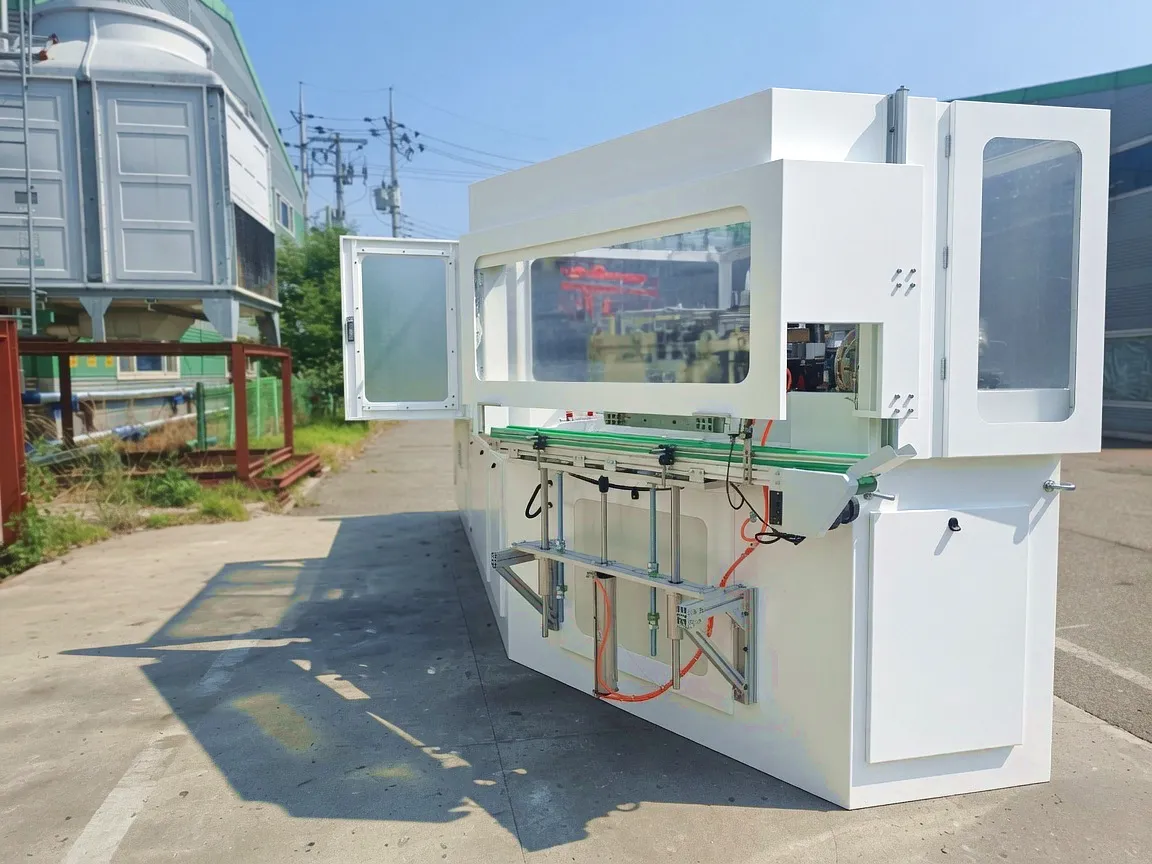
Our state-of-the-art manufacturing campus spans over 20,000 square metres of dedicated production space, housing CNC machining centres, precision assembly lines, hydraulic test benches, and quality verification labs. Every EP-ZQ40 injection blow moulding machine passes a rigorous pre-delivery inspection protocol covering dimensional checks, hydraulic pressure tests, electrical safety verification, and trial production runs before shipment to UK and European customers.
Beyond standard machine supply, we provide comprehensive customisation services tailored to your specific container designs, resin specifications, and production targets. Custom mould design, non-standard platen configurations, upgraded control systems with English-language HMI interfaces, and specialised tooling for narrow-neck pharmaceutical formats are all within our engineering capability. Our in-house team works with UK customers from initial concept drawings through to validated production runs, making us a genuine manufacturing partner rather than a simple equipment supplier.
Related One-Step IBM Machines
If the ZQ40 injection blow moulding machine does not precisely match your output requirements, explore our extended range of European-standard one-step IBM machines below:
BPET-94V3
Three-station one-step injection blow moulding machine for small-format PET and HDPE containers. Ideal for pharmaceutical vials, dropper bottles, and cosmetic applications requiring high cavity output.
BPET-125V4
Four-station one-step injection blow moulding machine designed for higher-volume operations. Accommodates larger bottle formats and higher cavitation counts, suitable for food, beverage, and personal care production lines.
Frequently Asked Questions
Ready to Discuss Your IBM Machine Requirements?
Our engineering team works directly with UK and European buyers to select the right injection blow moulding machine, configure the correct mould specification, and arrange delivery and commissioning. Contact us today for a no-obligation consultation and price quote.
edit by gzl