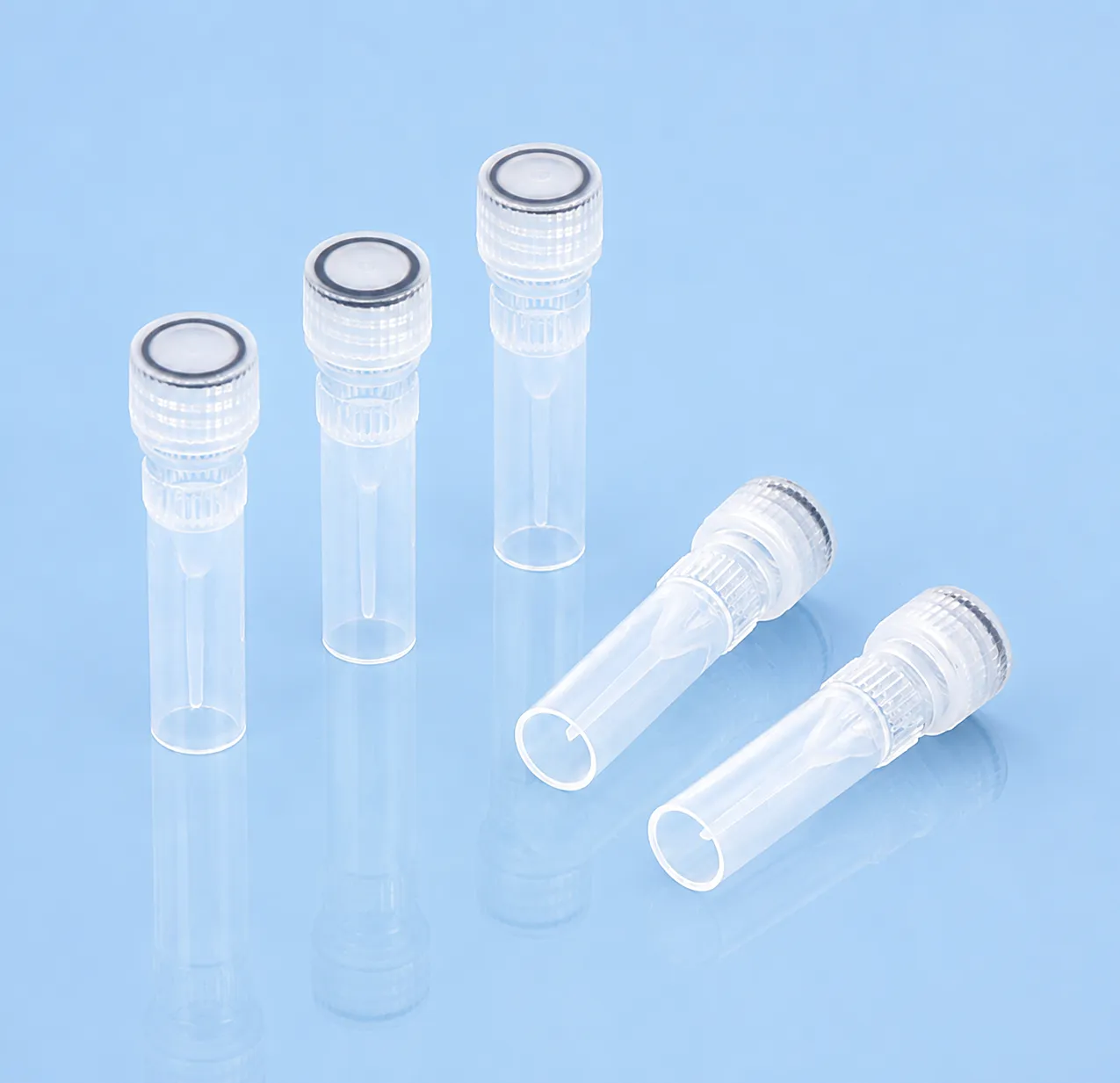
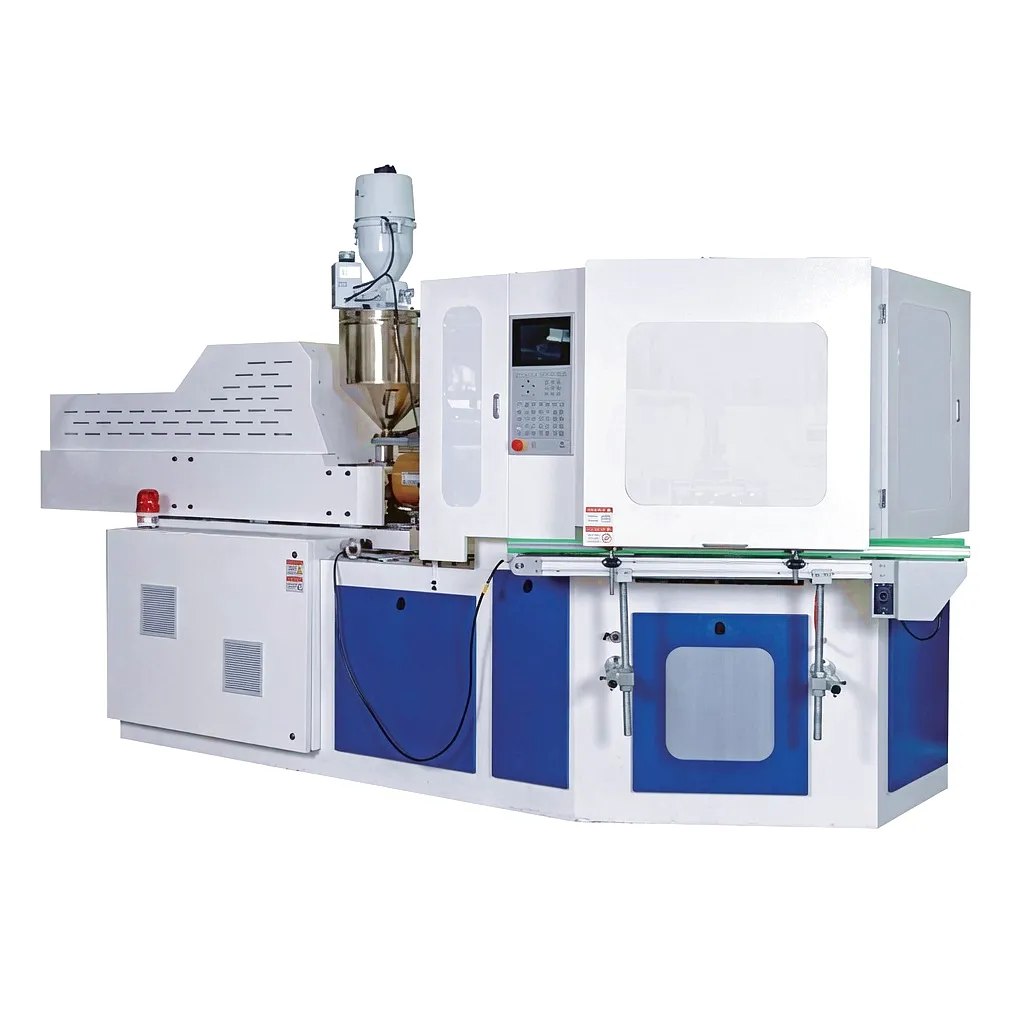
 The global laboratory diagnostics sector has undergone a structural shift over the past decade, driven by the explosion in point-of-care testing, genomics, and high-throughput clinical pathology. At the centre of this transformation sits an underappreciated production technology: injection-blow molding. An injection-blow molding machine combines the dimensional precision of injection molding with the hollow-body forming capability of blow molding, producing specimen containers with wall thicknesses, neck tolerances, and internal surface finishes that no alternative process can reliably replicate. For UK manufacturers serving NHS pathology networks, private diagnostics chains, and export markets across Europe and the Middle East, the ability to produce vacuum blood collection tubes, urine specimen containers, cryovials, and stool collection bottles at clinical accuracy is not a feature — it is a minimum standard. This article explores every dimension of how a modern injection-blow molding machine operates in the IVD packaging context, and why Ever Power’s ZQ-series platforms are becoming the equipment of choice for precision manufacturers in Birmingham, Swindon, Milton Keynes, and beyond.
How an Injection-Blow Molding Machine Works — The Three-Station Principle
Molten polymer is injected around a hardened steel core rod at precise temperatures and pressures to form a hollow parison. The parison carries the finished neck geometry — thread form, flange dimensions, and vacuum groove profile — exactly as engineered. This is the critical differentiator from extrusion-blow molding: the neck is formed under injection pressure, not blow pressure, giving tolerances below ±0.05 mm on critical datum surfaces. For a vacuum blood collection tube, the neck flange must seat a rubber stopper with consistent withdrawal force across the entire production run — a requirement that injection blow consistently meets where other processes struggle.
The parison, still carried on the core rod and still at the correct orientation temperature, is indexed into the blow mould. Filtered, dehumidified air is injected through the core rod at controlled pressure — typically 6 to 10 bar for medical-grade containers — expanding the parison wall outward until it contacts and takes the shape of the cooled blow mould cavity. Because the neck remains clamped and unchanged from the injection station, wall thickness distribution is determined purely by the blow ratio and the parison temperature profile, both of which are independently programmable on modern IBM platforms. The result is a container body with uniform wall thickness, excellent optical clarity, and no weld lines or parting-line witness marks that could harbour contamination.
The finished container is stripped from the core rod and discharged — in high-speed medical production, directly onto a conveyor or into a downstream assembly cell for cap application, vacuum drawing, labelling, or tray packing. Because there is no cut-off trim, flash, or gate vestige on the container body, downstream handling is cleaner and simpler than with extrusion-blow alternatives. The three stations operate simultaneously in a rotary or reciprocating indexing arrangement, meaning one complete container is ejected every cycle — cycle times for medical-grade PET or PP tubes on an Ever Power ZQ40 platform typically range from 8 to 14 seconds depending on wall thickness and container volume.
Application Scenario: Laboratory & In Vitro Diagnostics (IVD)
Manufacturing Vacuum Blood Collection Tubes, Urine Specimen Containers, Cryovials, Sputum Containers & Stool Collection Bottles
 Laboratory and in vitro diagnostics packaging represents the highest-precision application segment for any injection-blow molding machine. When a phlebotomist draws a blood sample into a vacuum tube in a Sheffield hospital ward and seals it for transport to a central pathology laboratory, they are trusting an entire chain of engineered tolerances that begins at the molding machine. The internal vacuum must be maintained at a precisely calculated sub-atmospheric pressure — between 0.5 and 0.8 bar below ambient depending on draw volume — and the rubber stopper reseat force must fall within a window narrow enough to guarantee the stopper doesn’t blow free during pneumatic tube transport, yet wide enough to be removable by a laboratory robot without jamming. These are not aspirational specifications. They are contractual requirements between tube manufacturers and NHS procurement frameworks, and non-conforming tubes trigger recalls and patient safety notifications.
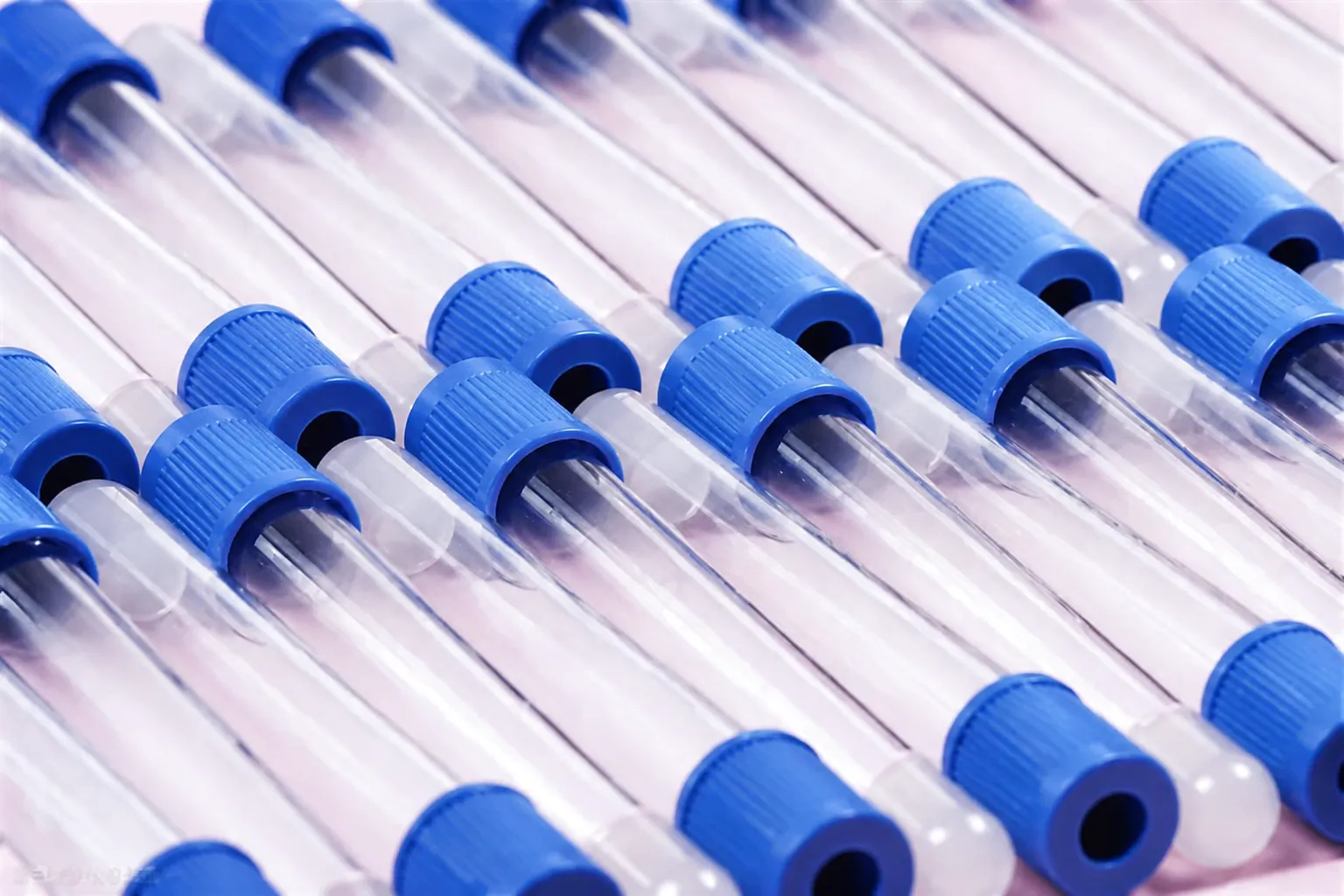
The highest-volume IVD container worldwide. IBM-produced PET tubes achieve the wall uniformity needed for spectrophotometric transparency while maintaining the vacuum retention demanded by clinical protocols. EDTA and clot-activator variants differ only in chemical pre-treatment applied downstream; the tube geometry is identical, enabling multi-product runs on a single IBM toolset.
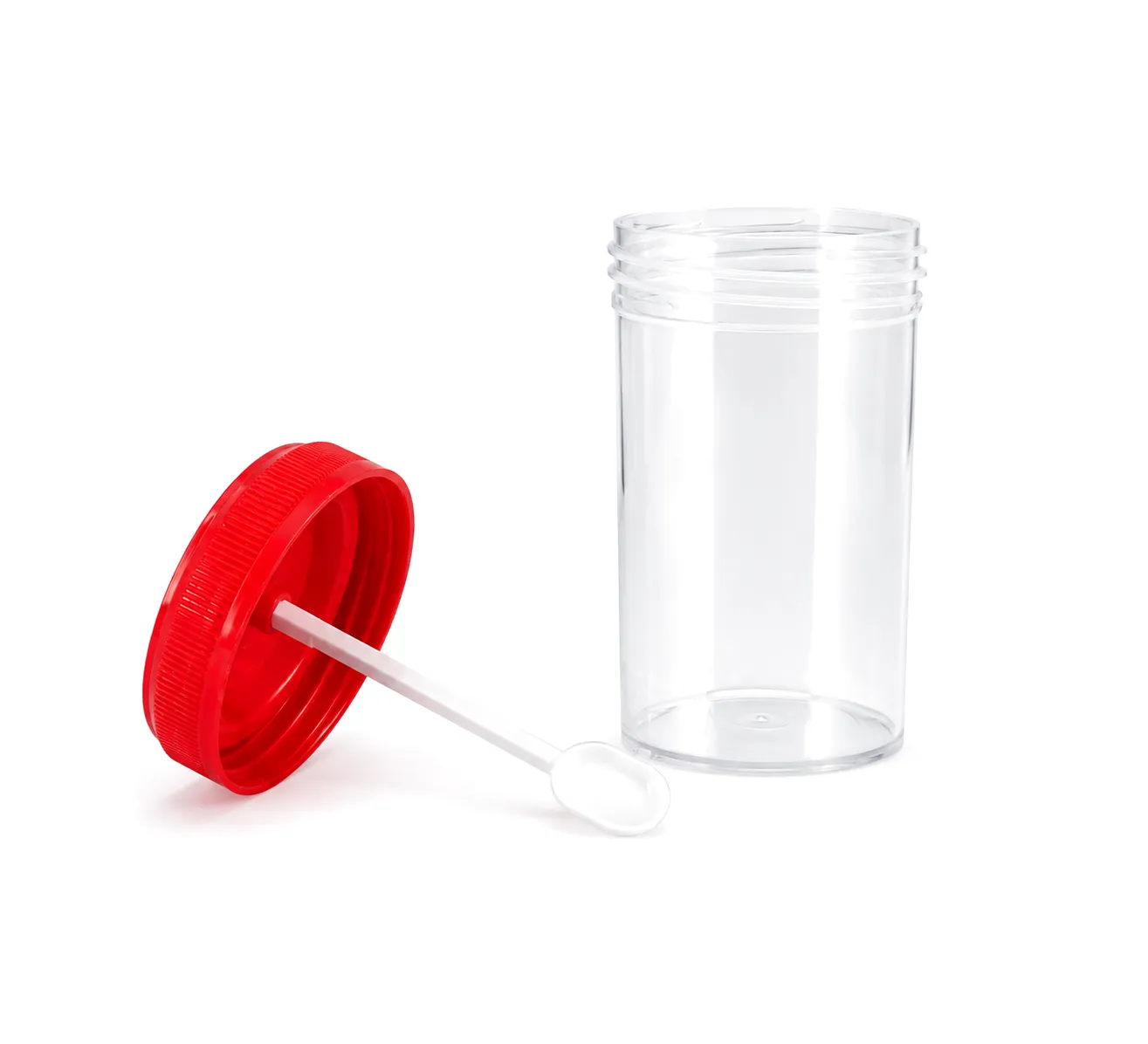
Mid-stream catch and paediatric urine containers require a wide-mouth neck with fine thread engagement for a tamper-evident closure, plus a container body clear enough for volume graduation reading by both nurse and automated analyser. IBM-produced PP containers offer chemical resistance to urinary pH extremes, dimensional consistency for leak-proof stopper fit, and the optical clarity needed for direct visual inspection without transfer.
Used in biobanking, cell therapy, and vaccine storage, cryovials must survive repeated excursions to minus 196 degrees Celsius in liquid nitrogen without embrittlement, delamination, or label separation. IBM-processed PETG or medical-grade polypropylene for cryovials delivers the combination of low-temperature ductility and precise neck-thread geometry that allows robotic biobank systems to identify, retrieve, and re-seal samples at throughputs exceeding 1,000 vials per hour.
Respiratory pathogen screening (including TB culture and post-COVID respiratory panels) demands sputum containers with a wide-mouth architecture, a tamper-evident skirt closure, and sufficient container rigidity to withstand pre-analytical vortex mixing. Stool collection bottles for FIT (faecal immunochemical test) cancer screening programmes — a major NHS initiative with annual volumes in the tens of millions — share similar neck geometries and use IBM-produced containers because of the consistent internal volume and the ability to incorporate a pre-attached spatula closure in a single-cavity tool.
Core Materials Processed on IBM Equipment for IVD Applications
The dominant material for vacuum blood collection tubes worldwide. Medical-grade PET offers exceptional optical clarity (haze value below 2% at 2 mm wall), low extractable content, compatibility with gamma and EtO sterilisation, and moisture barrier performance that supports long shelf-life vacuum retention. IBM processes PET in its amorphous form (IV 0.72–0.80 dL/g), requiring careful melt temperature control at 275–290°C and precise screw geometry to avoid acetaldehyde generation, which Ever Power’s ZQ-series addresses through its staged-temperature barrel design and low-shear screw profile.
Preferred for urine containers, stool collection vials, and any application requiring chemical resistance to alkaline or acidic specimen matrices. Medical PP grades (MFI 3–10 g/10 min at 230°C) process well on IBM equipment, though the narrow parison orientation window requires precise temperature zoning across the core rod. Copolymer PP formulations extend low-temperature ductility to minus 20°C, suitable for cold-chain specimen transport. PP containers can be autoclave-sterilised at 121°C where required, a feature PET cannot match — making PP the material of choice for reusable laboratory vessels and any single-use container sterilised in-house before filling.
PETG extends the optical clarity and processability of PET into cryogenic temperature ranges where standard PET would embrittle. The glycol modification disrupts crystallinity, maintaining ductility at minus 196°C while retaining the excellent surface quality and dimensional stability needed for robotic biobank handling. IBM processing of PETG follows similar parameters to PET but with a slightly reduced blow pressure (5–8 bar) and longer mould cooling time due to the lower thermal conductivity. Ever Power tooling for PETG cryovials incorporates conformal-cooled blow mould inserts to achieve cycle times competitive with standard PET production.
Core Technical Advantages of IBM in IVD Packaging Production
Injection-formed neck geometry with tolerances below ±0.05 mm on critical seating surfaces — impossible to achieve with extrusion-blow methods. Critical for stopper retention force and robotic cap application.
IBM produces containers in a fully enclosed, top-down-airflow compatible machine envelope with no flash, no trim scrap, and no open parison exposure. This architecture directly supports ISO 7 and ISO 8 clean-room installation, essential for primary IVD packaging manufacture.
IBM process stability delivers Cpk values above 1.67 for neck diameter, body wall thickness, and container height — the metrics that ISO 13485 process validation packages are built around. This eliminates AQL-based destructive testing of finished containers and reduces QC overhead substantially.
Unlike extrusion-blow and injection-stretch-blow molding alternatives, IBM generates zero post-mold trim scrap and produces containers with no weld lines, knit lines, or pinch-off marks. For IVD containers where internal surface cleanliness is a critical quality attribute, the absence of mechanical surface discontinuities is a fundamental process advantage.
Reheating is eliminated between injection and blow stations because the parison transfers at forming temperature. This reduces energy consumption by 18–28% compared with two-stage ISBM processes, lowers thermal degradation risk for sensitive polymers, and eliminates the second-stage heating equipment footprint — a significant advantage for clean-room space efficiency.
A single IBM platform can carry multiple cavity sizes simultaneously (e.g., 2 mL, 4 mL, 6 mL, and 9 mL blood tube toolsets) and changeover between product sizes in under 45 minutes with prepared tooling. For a UK manufacturer serving NHS pathology with 15+ tube size variants, this operational flexibility significantly lowers capital cost per product line.
IBM Machine Performance & Technical Specification Table — IVD Applications
| Parameter | ZQ40 IBM Platform | IVD Application Requirement | Notes |
|---|---|---|---|
| Injection capacity | Up to 120 g (PET) | Typically 5–35 g per cavity | Multi-cavity configurations available |
| Clamping force | 400 kN | Min. 180 kN for 4-cavity blood tube | Servo-hydraulic for energy efficiency |
| Neck diameter tolerance | ±0.05 mm | ±0.08 mm max. (ISO 6710) | Exceeds ISO 6710 standard for blood tubes |
| Wall thickness uniformity | CV < 3% | CV < 5% for optical clarity | Measured by ultrasound scanner inline |
| Cycle time (blood tube, 4-cavity) | 8–12 seconds | Under 15 seconds for commercial viability | Material and wall thickness dependent |
| Barrel temperature range | 180–310 degrees C | PET: 275–290 °C; PP: 200–230 °C | 5-zone independent PID control |
| Blow air pressure | 4–12 bar adjustable | 6–10 bar (PET blood tube) | Low-pressure blow for PP cryovials |
| Control system | Siemens S7 PLC + HMI touchscreen | 21 CFR Part 11 compliant data logging | Recipe storage for 200+ product variants |
| Supported materials | PET, PETG, PP, HDPE, PC, COC/COP | Medical grade, USP Class VI certified | COC/COP for moisture-sensitive reagent vials |
| Power consumption (avg.) | 12–18 kW/h (servo-hybrid) | UK energy cost benchmark: £2.80–£4.20/h | 28% lower than equivalent hydraulic machines |
IBM Equipment in the UK IVD Manufacturing Landscape
 The United Kingdom’s diagnostics manufacturing sector is disproportionately concentrated in a handful of regional clusters. Swindon and the Thames Valley corridor have historically hosted major pathology consumables operations, drawn by proximity to NHS South West and the Blenheim Chalcot life-sciences estate. The East Midlands, particularly Nottingham and Leicester, carries a deep heritage in medical plastics processing that traces back to the pharmaceutical packaging boom of the 1980s. More recently, the Glasgow–Edinburgh life-sciences corridor has attracted inward investment in IVD manufacturing, supported by Scottish Enterprise development funding and proximity to NHS Greater Glasgow and Clyde — one of the highest-volume pathology procurement authorities in Europe. Each of these clusters places specific demands on equipment supply chains: short lead times for spare parts, UK-based technical service coverage, and the ability to supply documentation in formats accepted by UK regulatory submissions. Ever Power’s established logistics network and UK distributor partnerships ensure that ZQ-series machine consumables — core rods, blow mould inserts, plasticising screws, barrel liners — are available for next-working-day delivery to Birmingham, Sheffield, Manchester, and London operations.
The post-Brexit regulatory environment has added a layer of complexity to IVD container procurement that is worth addressing directly. Under the UK Medical Devices Regulations 2002 (as amended) and the evolving UK MDR reform programme, primary specimen containers that contact the patient sample are classified as medical devices and require UKCA marking before placement on the GB market. Manufacturers must demonstrate process validation under ISO 13485, maintain a Quality Management System auditable by a UK-approved body, and hold technical documentation that maps process parameters to finished product performance. An injection-blow molding machine with the data-logging architecture of the ZQ40 — recording cycle-by-cycle temperature, pressure, and timing data against batch and product identifiers — is not just a production asset. It is a regulatory infrastructure asset, generating the manufacturing records that form the backbone of the UKCA technical file.
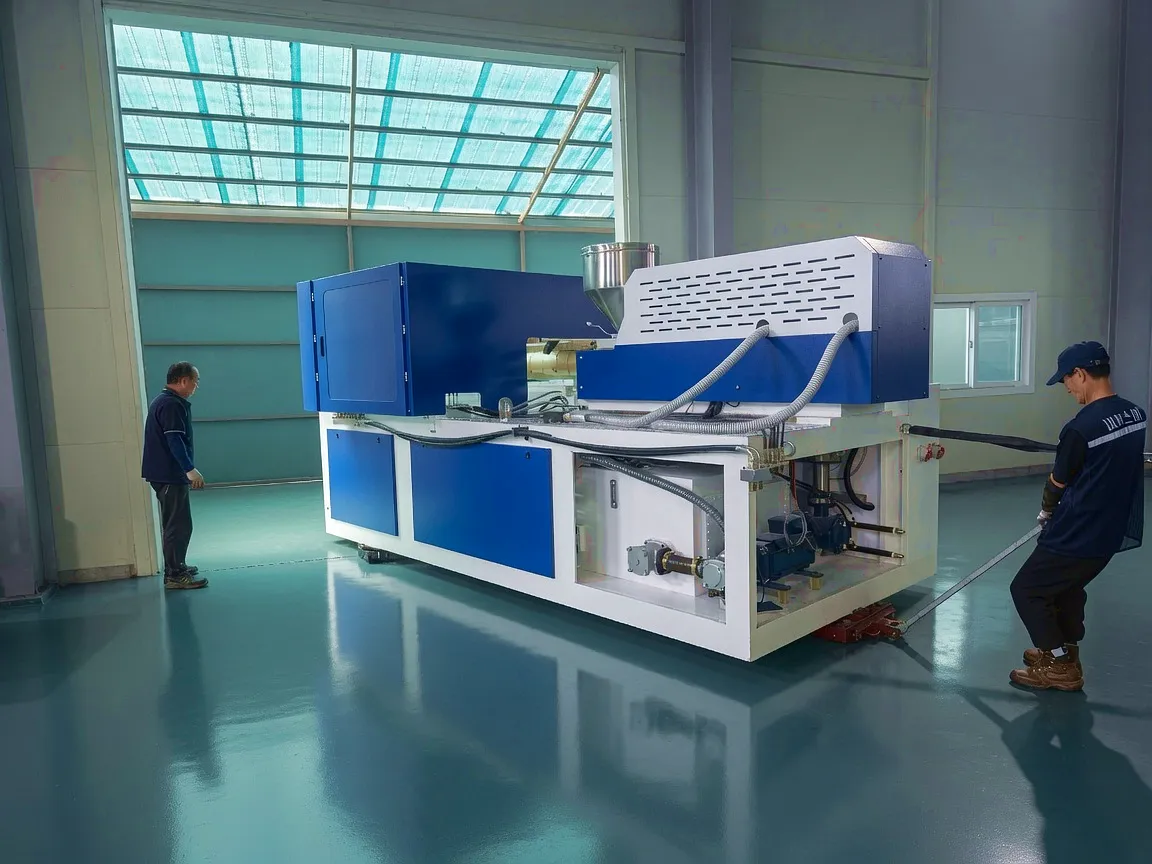
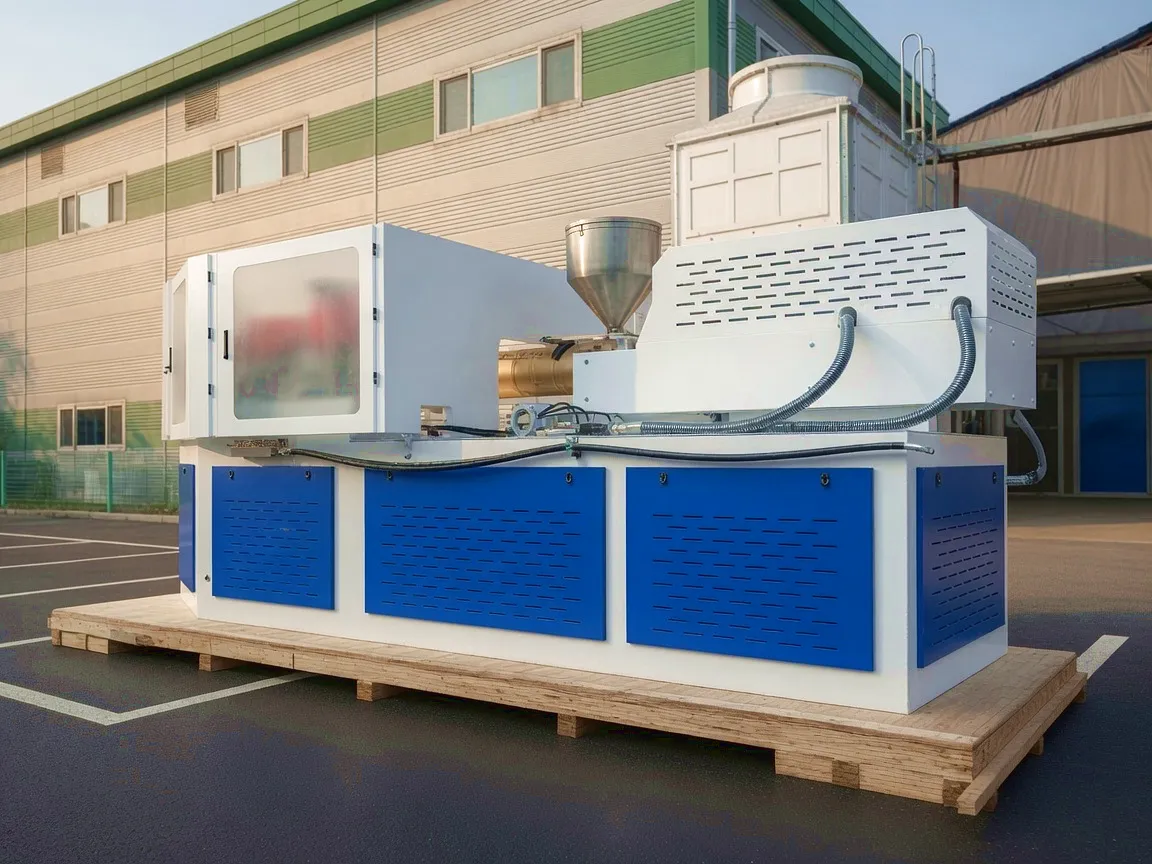
Ever Power Manufacturing Facility — Precision IBM Production
Ever Power — Customisation, Precision Manufacturing & Supply Chain Excellence
 Ever Power’s IBM manufacturing operation occupies a purpose-built 18,000 square metre facility with ISO 9001-certified production lines dedicated exclusively to pharmaceutical and IVD-grade injection-blow molding machines. The engineering team includes former senior technologists from Jomar, Uniloy, and Bekum, with accumulated project experience spanning vacuum blood tube lines, cryovial production systems, and multi-format pharmaceutical bottle machines. This depth of domain knowledge is not incidental — it defines how Ever Power approaches customisation. When a UK manufacturer approaches Ever Power with a request for a blood tube production line capable of running both EDTA-K2 and serum separator tube formats on the same toolset platform, Ever Power’s application engineers do not adapt a generic machine catalogue to the requirement. They build the solution from the clamp-force calculation upward, specifying core rod material, nitrogen cooling bore diameter, parison temperature profile, and downstream integration architecture as a unified engineering package.
Core rods, blow mould inserts, and injection stacks manufactured in-house on 5-axis CNC centres with surface finish Ra 0.2 um or better on all product-contact surfaces. Tool steel selection includes H13, P20, and S136 stainless for corrosive polymer compatibility.
IQ/OQ/PQ documentation packages prepared in compliance with GAMP 5 and ISO 13485 frameworks. Factory Acceptance Testing (FAT) and Site Acceptance Testing (SAT) protocols included. Documentation formatted to support UKCA technical file compilation.
Ex-works lead time for standard ZQ40 configurations: 8–10 weeks. UK-destined shipments move under DDP (Delivered Duty Paid) terms with Rolls-on/Rolls-off container optimisation. Typical vessel transit from Ningbo to Felixstowe: 28–32 days. Spare-part consignments available via air freight with 48-hour UK doorstep delivery.
Auxiliary Equipment & Integrated Production Line Solutions
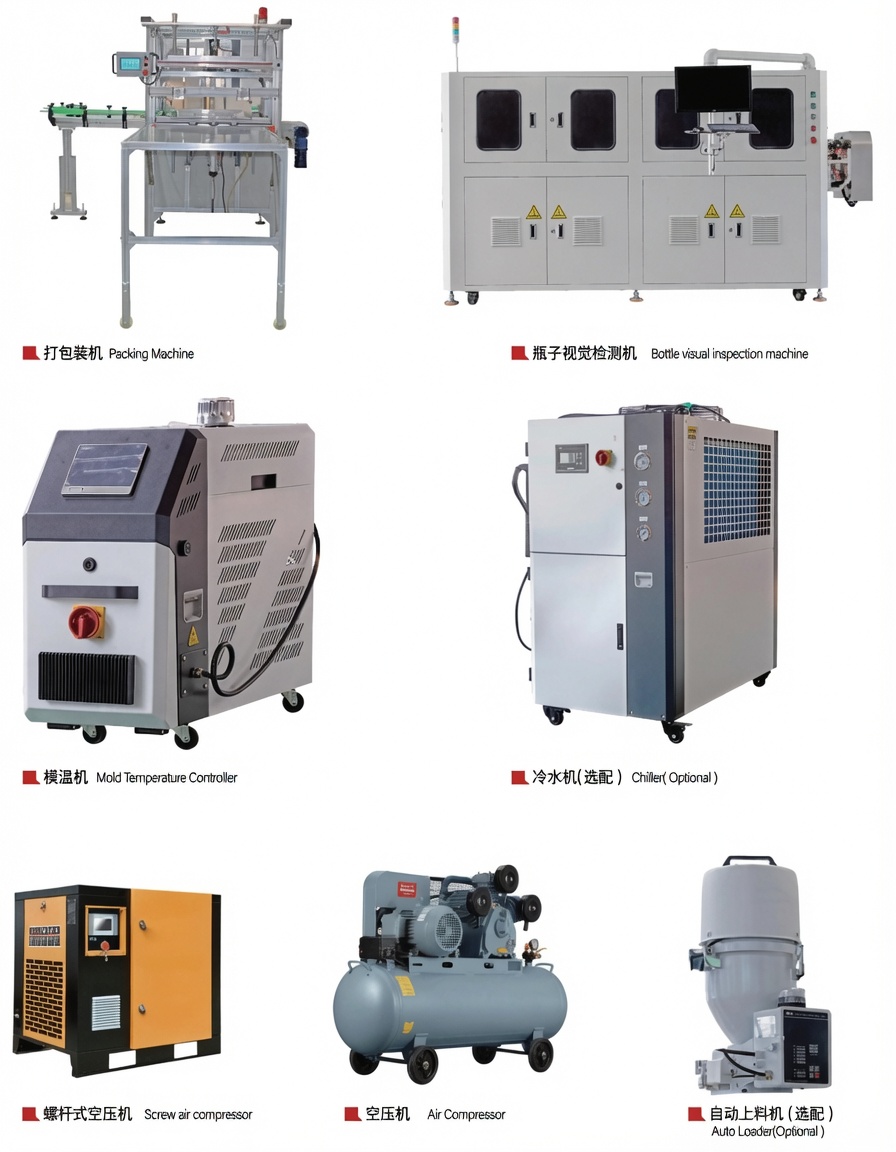
Desiccant-wheel drying systems achieving dew point below minus 40 degrees C, essential for processing hygroscopic medical PET to moisture content below 50 ppm before injection.
Dedicated closed-loop chiller maintaining blow mould temperature within plus or minus 0.5 degrees C — critical for cycle-to-cycle dimensional consistency in blood tube neck geometry.
100% inline camera inspection for neck diameter, container height, wall optical clarity, and label registration — rejecting non-conforming containers before they reach the capping or vacuum-drawing station.
Featured IBM Machine Models — Replacement & Upgrade Solutions
Customer Success Story — Swindon IVD Manufacturer Scales Blood Tube Production with ZQ40
MedVial Solutions Ltd, a Swindon-based manufacturer supplying vacuum blood collection tubes to NHS trusts across the South West and South East of England, operated two ageing Uniloy UIB 70 machines that had reached end-of-support status. Maintaining UKCA certification for their 4 mL EDTA-K2 and 9 mL serum separator tube lines was becoming increasingly costly due to spare-part availability and control system obsolescence. Following a detailed evaluation process that included factory visits to Ever Power’s facility and a comparative production trial, MedVial Solutions committed to a two-machine ZQ40 installation in Q3 of the previous financial year.
The installation was planned to maintain continuous tube supply to NHS procurement commitments, with the two ZQ40 units commissioned on a phased schedule: the first machine handling 4 mL EDTA tube production while the second Uniloy remained operational for 9 mL SST production, then swapping once the 4 mL validation was complete. Ever Power’s application team remained on-site in Swindon for 12 days across both commissioning phases, supporting IQ execution, OQ test runs, and the initial PQ protocol under the supervision of MedVial Solutions’ internal QA manager.
The outcome exceeded the project business case on three of four KPIs. Neck diameter Cpk improved from 1.41 on the legacy Uniloy platform to 1.89 on the ZQ40, eliminating a persistent stopper-insertion force out-of-specification failure mode that had generated two CAPA investigations in the previous 18 months. Machine energy consumption fell by 24% on the 4 mL line, a figure tracked and verified against UK energy tariff data over a 90-day baseline period. Changeover time between 4 mL and 6 mL toolsets dropped from 4.5 hours to under 50 minutes using Ever Power’s rapid-release core rod clamp system. The only KPI that required re-baselining was cycle time for the 9 mL SST tube: the ZQ40’s higher blow pressure capability initially produced a marginally faster cycle than the legacy Uniloy, which required a short process study to confirm wall thickness uniformity was maintained at the accelerated rate — a finding that ultimately resulted in a 9% improvement in annual output versus the original forecast.
What UK Customers Say About Ever Power IBM Equipment
“The neck diameter consistency on the ZQ40 transformed our stopper-insertion process. We eliminated two operators from our inline force-measurement station because the container-to-container variation is simply not there anymore. The UKCA documentation package Ever Power provided was ready to submit as-is to our notified body — something no other supplier we evaluated could offer.”
“We had a tight brief for cryovial production — PETG, minus 196 degree liquid nitrogen compatibility, robotic biobank pick-and-place on the neck thread. Ever Power’s application engineers understood the brief without lengthy specification iterations. The custom core rod cooling arrangement they designed solved our cycle time problem at the same time. Commissioning in Nottingham went smoothly and we were in validated production within four weeks of machine delivery.”
“Our FIT test stool collection bottle programme for NHS England required a container geometry change mid-production year — the new spatula closure required a neck thread modification. Ever Power turned around revised injection tooling in six weeks and supplied the engineering drawing package for our ISO 13485 change control record. That kind of responsiveness from a supplier on the other side of the world is genuinely impressive and speaks to how seriously they take long-term partnerships.”
Frequently Asked Questions — IBM Machines for IVD & Laboratory Packaging
A new Ever Power ZQ40 injection-blow molding machine configured for 4-cavity blood tube production typically carries an ex-works price in the range of £85,000 to £140,000 GBP depending on cavity count, material specification, and auxiliary equipment included. This compares favourably with a refurbished Uniloy UIB 70, which typically enters the UK second-hand market at £35,000 to £60,000 but carries significant ongoing maintenance liability, limited spare-part availability, and the regulatory documentation gap that makes UKCA validation more expensive. To receive a tailored quote for your specific blood tube specification, contact [email protected] with your tube dimensions, cavity count requirement, and annual volume target.
Ever Power is among a small number of global IBM equipment manufacturers that supply a complete IQ/OQ/PQ documentation package as standard with the ZQ40 platform. The documentation is prepared in GAMP 5 format and cross-referenced to ISO 13485 clause requirements, covering all critical process parameters relevant to cryovial manufacture — barrel temperature zones, blow air pressure, mould cooling temperature, cycle timing, and ejection force. For Birmingham-based clean-room installations, Ever Power’s UK commissioning partners can perform on-site FAT witness and SAT execution within the clean-room environment. Please contact [email protected] to discuss your validation timeline and clean-room classification requirements.
Standard lead time from order confirmation to factory shipment for a ZQ40 is 8 to 10 weeks. Ocean freight from Ningbo to Felixstowe or Southampton runs 28 to 32 days. With UK import clearance, onward road haulage to Sheffield, and installation typically adds 5 to 7 working days. Total door-to-running time is therefore approximately 14 to 16 weeks from order. Regarding import duty: injection-blow molding machines for plastics fall under UK Global Tariff commodity code 8477.10.00, which carries a 0% MFN duty rate for trade with China under current UK Global Tariff schedules. VAT at 20% is payable on import and recoverable through the normal VAT return for registered businesses. Ever Power offers DDP (Delivered Duty Paid) terms that eliminate the importer’s customs clearance liability entirely.
For NHS pathology urine and sputum containers, the dominant materials processed on IBM equipment are medical-grade isotactic polypropylene (PP) and, where optical clarity is a primary requirement, amorphous PET or PETG. PP copolymer grades offer the best combination of chemical resistance to biological specimen matrices, autoclave compatibility, and low extractable content. For sputum containers intended for TB culture work, where the container may contact formaldehyde-based transport media, high-density polyethylene (HDPE) is occasionally specified. Ever Power ZQ40 machines are configured to process PET, PETG, PP, HDPE, and COC/COP through barrel and screw changes, enabling multi-polymer flexibility from a single machine platform.
FIT test stool collection container toolsets are a specialist application that Ever Power’s tooling division has designed for multiple UK manufacturers. The critical tooling parameters are the spatula-attachment interface in the closure — whether integrated into the injection mould as a single-cavity insert or supplied as a separate downstream assembly. To receive a detailed tooling quotation, submit your container drawing or CAD file together with your annual volume requirement, target cycle time, and cavity count preference to [email protected]. Ever Power’s tooling engineering team will respond with a preliminary design concept and pricing within 5 working days.
IBM and ISBM address different ends of the container performance spectrum. IBM excels at short, thick-walled containers with complex neck geometries — the classic blood collection tube profile — where the absence of a stretch rod means the process is simpler, the tooling is lower cost, and the neck geometry control is maximally precise. ISBM adds biaxial molecular orientation through the stretch rod action, producing higher-strength, thinner-walled containers with superior pressure resistance — characteristics most relevant to carbonated beverage bottles rather than blood tubes. For a UK IVD manufacturer entering blood tube production, IBM is almost invariably the correct process choice: lower tooling investment, simpler validation, and better dimensional compliance to ISO 6710 neck geometry specifications than any ISBM configuration can routinely deliver.
Whether you are specifying a new blood tube production line, replacing a legacy Uniloy or Bloma machine, or developing a custom cryovial container, Ever Power’s engineering team is ready to support your project from concept to validated production.
✉ Get a Quote — [email protected]
edit by gzl