Industrial Packaging Technology
Injection-Blow Molding Machine: Industrial Applications, Technical Specifications & UK Market Insights
A comprehensive engineering guide for manufacturers, procurement engineers, and packaging specialists across the United Kingdom and global markets.
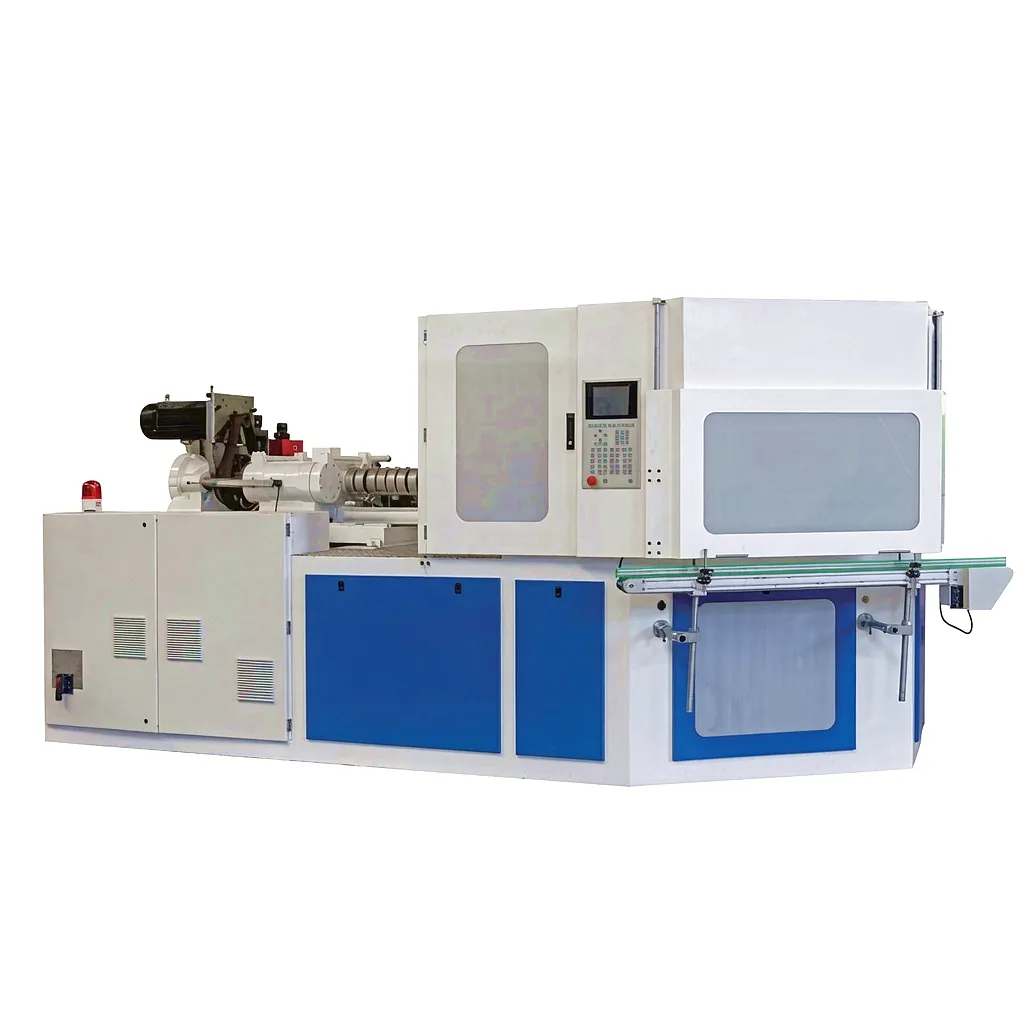 The modern manufacturing landscape across Britain — from the precision-engineering corridors of Birmingham to the specialised polymer processing clusters near Sheffield — has embraced injection-blow molding machines as a cornerstone of hollow container production. These machines occupy a unique and highly capable niche between injection molding and blow molding, combining the dimensional accuracy of injection molding with the hollow-forming capability of blow molding in a single, continuous process cycle. The result is containers with exceptional neck-finish precision, minimal material waste, and no secondary trimming operations. As UK manufacturers face increasing pressure to reduce waste, shorten lead times, and achieve tighter tolerances for pharmaceutical, cosmetic, and food-grade packaging, the injection-blow molding machine has become an indispensable production asset.
How the Injection-Blow Molding Process Works
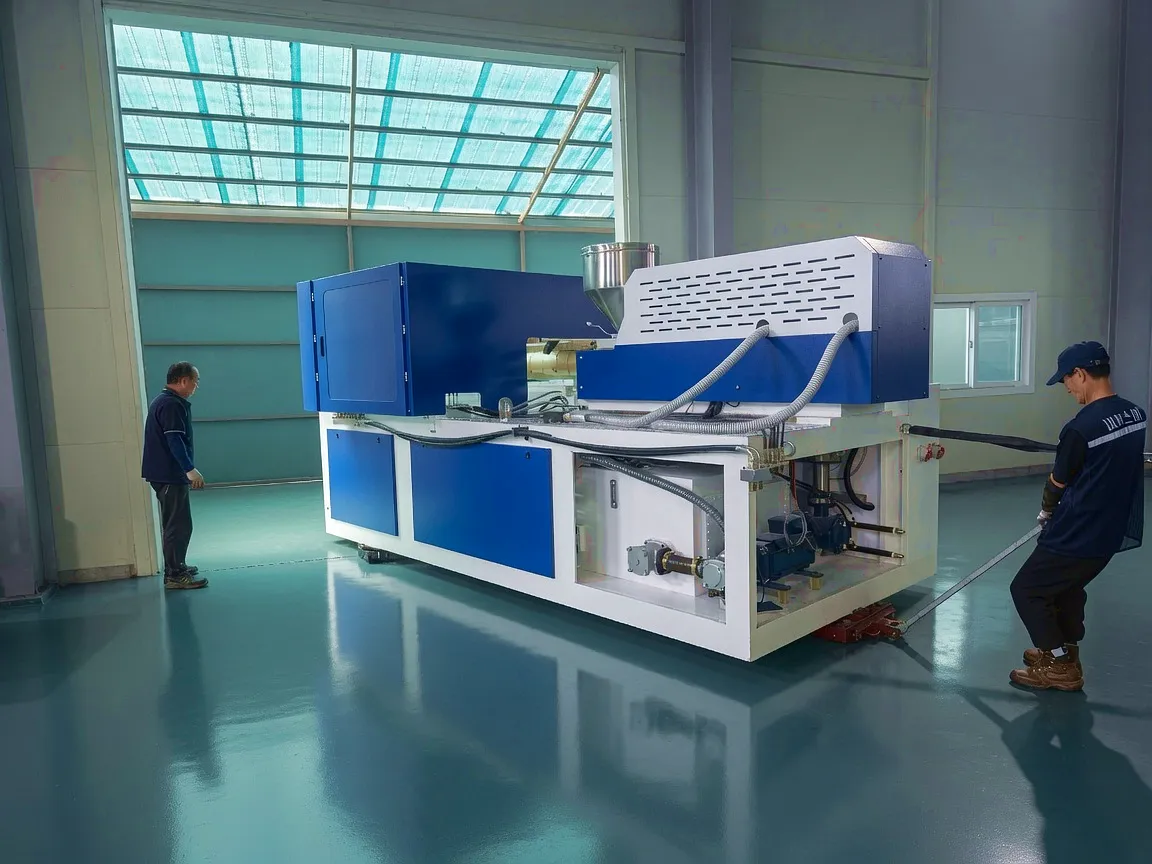 The mechanics underpinning a modern injection-blow molding machine are elegantly sequential. Everything begins at the injection station, where a polymer melt — whether polypropylene, polyethylene, PET, or PETG — is injected under high pressure around a pre-positioned core rod that defines the internal geometry of the container’s neck and body. This injection stage is where the process derives its dimensional advantage: because the preform is formed under the controlled conditions of a closed injection mold, the thread geometry, ovality, and neck height can be held to tolerances well within ±0.1 mm. UK pharmaceutical manufacturers, in particular, frequently cite this thread accuracy as their primary reason for specifying injection-blow molding machines over alternative container-forming processes, since even minor thread deviations can compromise the seal integrity of child-resistant closures.
After the preform has been formed and partially cooled, the rotating index table — a defining structural feature of IBM machines — advances the core rod assembly to the blow station. Here, pressurised air is introduced through the core rod itself, expanding the still-warm preform outward against the cooled blow mold cavity walls. The thermal gradient between the warm preform and the cooled mold drives rapid surface solidification, locking in the container’s final dimensions and surface finish simultaneously. In machines operating with servo-driven rotary tables, the index time between stations can be as short as 0.4 seconds, contributing significantly to high overall output rates. The ejection station then strips the finished container from the core rod, sending it directly to downstream conveyors or collection systems — free of any post-process finishing requirements.
Core Materials Processed by Injection-Blow Molding Machines
Material selection in injection-blow molding directly governs container transparency, chemical resistance, barrier performance, and regulatory compliance. The following polymers represent the dominant materials processed across UK production facilities.
Polypropylene (PP)
The workhorse resin for pharmaceutical and personal care containers. PP offers excellent chemical resistance to alcohol-based solutions, outstanding hinge fatigue life for dispensing closures, and compliance with EU and UK food-contact regulations. Its relatively high processing temperature — typically 220–280°C melt temperature — requires injection-blow molding machines with robust barrel heating systems and precise temperature zoning.
PETG (Polyethylene Terephthalate Glycol)
PETG has gained exceptional traction in the UK aromatherapy, essential oils, and premium cosmetics sectors as a crystal-clear, shatter-resistant alternative to glass. Its optical clarity approaches that of glass (light transmission above 90%), while its density of roughly 1.27 g/cm³ and inherent toughness make it far safer for retail environments and travel formats. Injection-blow molding machines processing PETG benefit from relatively low melt temperatures (220–250°C) compared to standard PET, reducing cycle energy consumption.
Low-Density Polyethylene (LDPE & HDPE)
LDPE and HDPE dominate in squeezable eye-drop bottles, nasal spray containers, and topical medication packaging. Their excellent moisture-barrier properties and chemical inertness toward aqueous pharmaceutical formulations make them the default choice where container squeeze-force compliance to pharmacopoeial standards is tested. HDPE, in particular, with its higher density and more linear molecular structure, provides excellent top-load strength for stacking during distribution through UK pharmaceutical wholesale networks.
Pharmaceutical-Grade PVC
While phased out in some consumer packaging applications due to sustainability pressures, pharmaceutical-grade PVC retains its specification in certain inhaler mouthpiece inserts and diagnostic device housings processed on injection-blow molding machines. Its dimensional stability at room temperature and relatively low melt-processing window (160–190°C) make it compatible with lower-specification IBM machines used in contract manufacturing environments common around Nottingham and Leicester’s medical device sub-contracting clusters.
Product Technical & Performance Parameter Table
The table below represents typical performance parameters for industrial-grade injection-blow molding machines in the EP ZQ series as deployed in UK manufacturing environments.
| Parameter | ZQ60 Series | ZQ80 Series | Unit / Notes |
|---|---|---|---|
| Clamp Force | 60 | 80 | Tonnes |
| Max. Container Volume | 500 | 1,000 | ml |
| Injection Weight | up to 120 | up to 200 | g (PP / PETG) |
| Screw Diameter | 45 | 55 | mm |
| L/D Ratio | 20:1 | 22:1 | Screw length/diameter ratio |
| Melt Temperature Range | 160 – 280 | 160 – 290 | °C (material-dependent) |
| Blow Pressure | 0.6 – 1.0 | 0.6 – 1.2 | MPa |
| Index Table Cavities | 2 – 6 | 2 – 8 | Cavities per station |
| Cycle Time | 8 – 18 | 10 – 22 | seconds (volume/material dependent) |
| Drive System | Servo-hydraulic | Full servo-electric | — |
| Compatible Materials | PP, HDPE, LDPE, PVC | PP, HDPE, PETG, PVC, PET | — |
| Installed Power | 22 – 30 | 30 – 45 | kW |
| Machine Footprint | 3.2 x 1.8 | 4.0 x 2.2 | m (L x W) |
| Neck Finish Tolerance | ±0.08 | ±0.05 | mm |
| Control System | PLC + HMI touchscreen | PLC + 10-inch HMI + remote diagnostics | — |
Application Scenario — Aromatherapy & Wellness
Essential Oils & Aromatherapy: Dropper Bottles, Roll-On Vials & Diffuser Containers
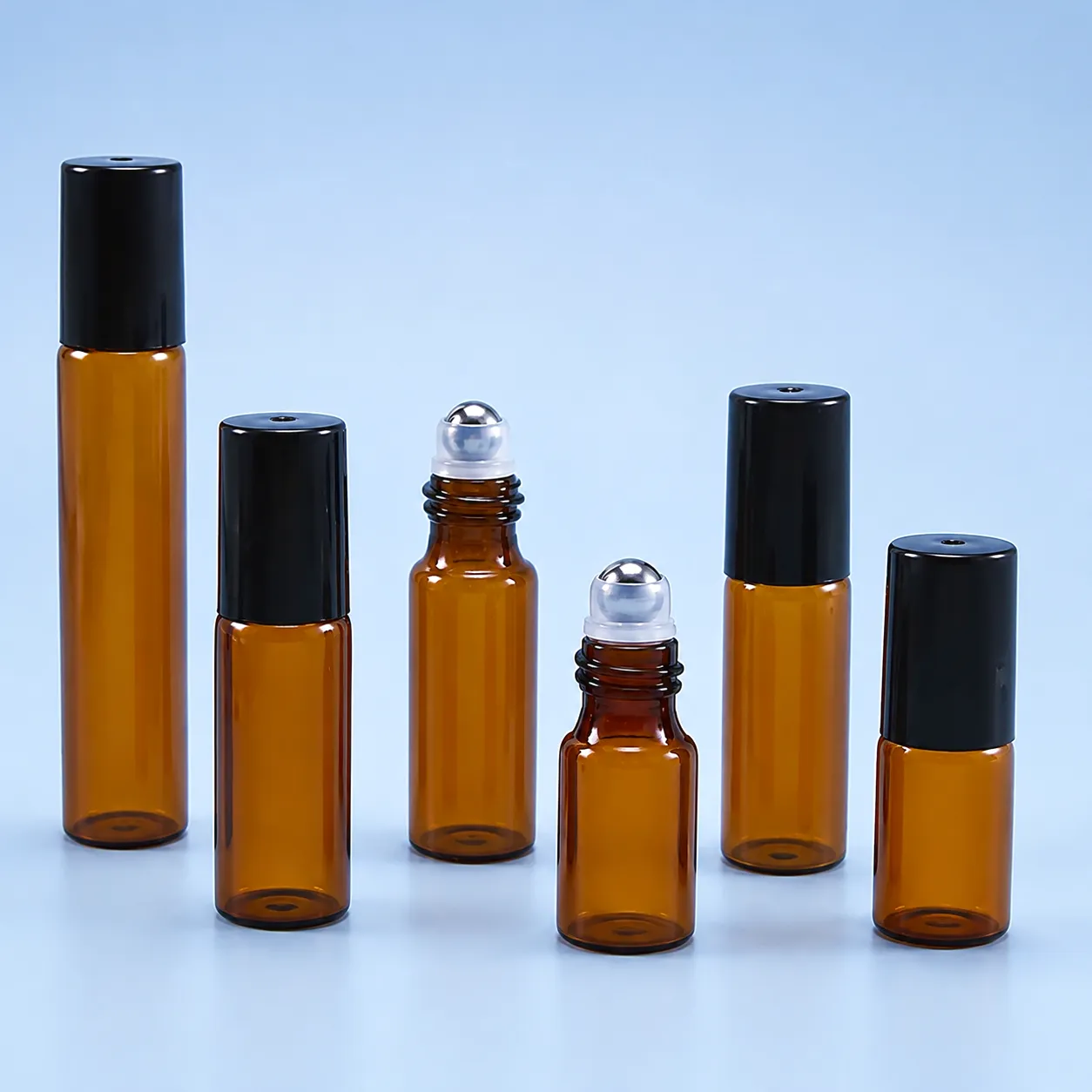
The essential oils and aromatherapy sector presents one of the most technically demanding and commercially exciting application landscapes for injection-blow molding machines. Traditionally, this industry relied almost exclusively on borosilicate dark glass — amber, cobalt blue, and violet — to protect photosensitive botanical extracts from UV degradation. That paradigm is shifting decisively. High-barrier PETG and pharmaceutical-grade PP containers manufactured on modern injection-blow molding machines now replicate the visual weight and premium feel of glass while delivering significant practical advantages for product distribution, retail display, and consumer use. UK-based essential oil brands operating out of commercial hubs in Manchester, Bristol, and Edinburgh are increasingly specifying IBM containers for their 5 ml to 100 ml range, driven by requirements that glass simply cannot meet.
Dropper bottles for single-essential-oil blends and carrier oil combinations require exceptional thread precision to ensure the dropper-insert assemblies — European Dropper Insert (EDI) or child-resistant variants — seat correctly with a leak-free, airtight fit. The injection-blow molding machine’s inherent ability to hold neck-finish tolerances of ±0.05 to ±0.08 mm means that dropper inserts from standard pharmaceutical suppliers click home with consistent torque retention, eliminating the batch-to-batch variability that plagues containers produced by alternative forming methods. Roll-on bottles — a ubiquitous format for pre-diluted essential oil blends, pulse-point fragrances, and sports recovery balms — present an additional geometric challenge: the rolled ball seat must be perfectly spherical and dimensionally stable for the stainless steel or high-density polyethylene ball to rotate freely while preventing leakage.
Aromatherapy diffuser liquid containers — typically 10 ml to 500 ml rectangular or round bottles with wide-mouth or narrow-neck configurations depending on the diffuser mechanism — benefit enormously from IBM’s flash-free output. In reed diffuser packaging, where the outer container is a retail-display item visible to the consumer throughout the product’s life, surface finish quality directly influences brand perception. The IBM process produces container surfaces with a gloss level comparable to injection-molded components, far superior to the matte, slightly rippled surface finish typical of extrusion blow molded alternatives. UK aromatherapy brands exporting to EU markets post-Brexit must also navigate CLP (Classification, Labelling and Packaging) labelling requirements, which demand containers of consistent wall thickness to support adhesive label retention — another dimension of quality that IBM machines deliver reliably.
PETG Dropper Bottles
5 ml – 100 ml, dark-tinted or clear, UV-resistant coating option, child-resistant EDI compatible
Roll-On Vials
5 ml – 30 ml, precision ball-seat geometry, PP or PETG, steel or HDPE roller ball
Diffuser Liquid Containers
10 ml – 500 ml, high-gloss surface, consistent wall thickness for label retention
Aromatherapy Spray Bottles
30 ml – 200 ml, pump-head compatible neck finish, mixed-oil blend containers
Pharmaceutical Packaging: Eye Drops, Nasal Sprays & Oral Liquid Bottles
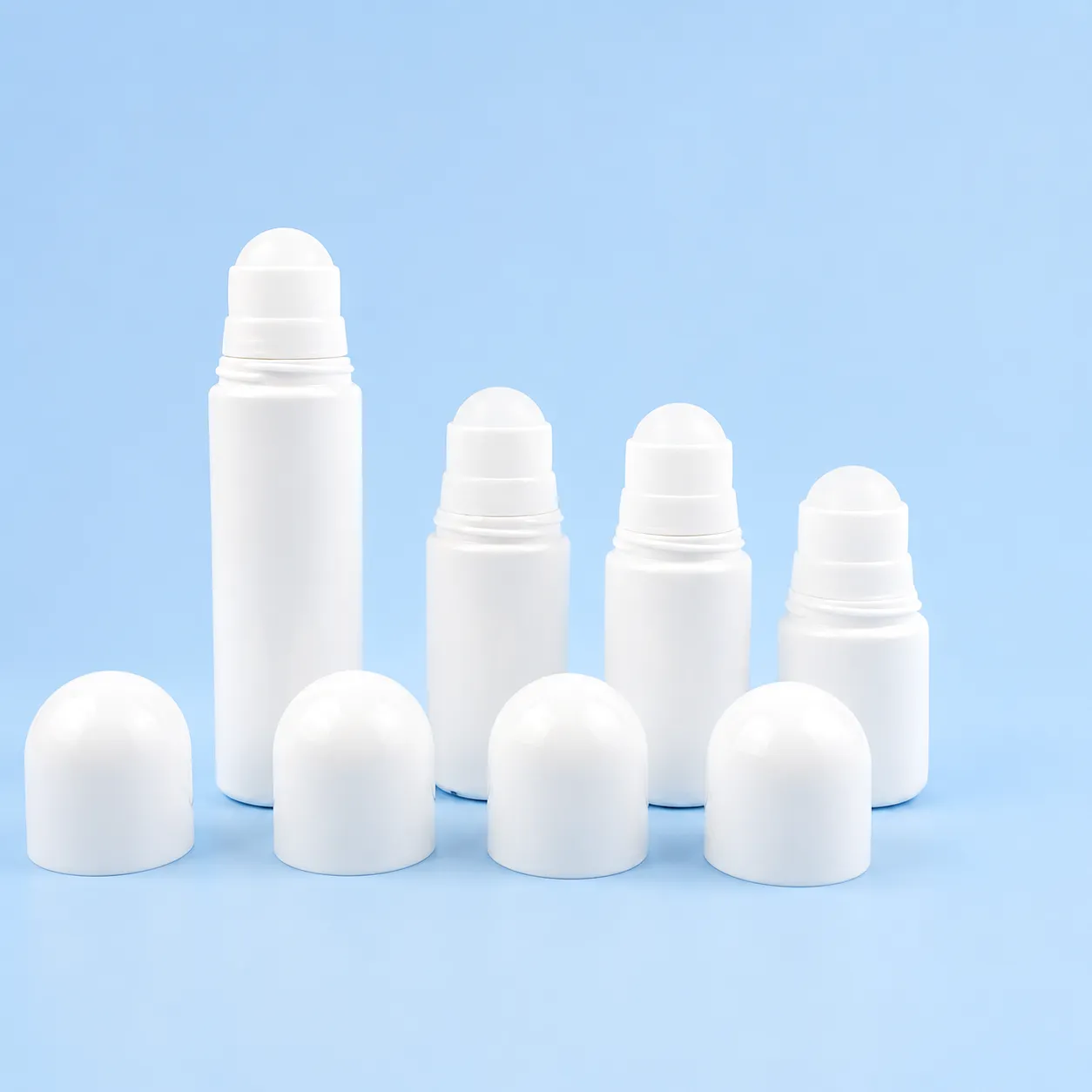
The UK pharmaceutical manufacturing sector — centred on major production hubs in Sandwich, Kent, Liverpool, and the established pharmaceutical corridor extending through the East Midlands — represents perhaps the highest-value and most technically rigorous application segment for injection-blow molding machines. Regulatory frameworks under the UK Medicines and Healthcare products Regulatory Agency (MHRA) impose stringent requirements on container closure integrity, extractables and leachables profiles, and dimensional consistency across production batches. Injection-blow molding machines meet these demands through their inherent process architecture: since the preform is fully enclosed within the injection mold before blowing, contamination pathways present in open-parison extrusion processes are eliminated entirely.
Eye-drop containers — formally ophthalmic primary packaging — illustrate the IBM machine’s technical supremacy with particular clarity. The containers must sustain squeeze-force testing to pharmacopoeial standards, deliver defined drop volumes within ±10% of nominal when inverted and squeezed at prescribed force levels, and pass closure torque tests that confirm thread engagement with the tip-cap. LDPE IBM containers achieve all three performance criteria simultaneously. Because the neck thread is formed in the injection mold — not blown or trimmed — its geometry is reproducible across millions of cycles without dimensional drift. UK contract pharmaceutical packagers serving NHS supply chains have widely adopted IBM-produced LDPE eye-drop bottles as their standard primary packaging format for both branded and generic ophthalmic products.
Nasal spray containers impose slightly different geometry requirements: a long, narrow neck finish compatible with pump actuation units, a body volume typically between 15 ml and 150 ml, and wall thickness uniformity critical for consistent pump priming behaviour. IBM machines producing nasal spray bottles for UK NHS formulary products typically run multi-cavity tooling — four to eight cavities per index rotation — to achieve production volumes compatible with NHS tender quantities while maintaining the tight tolerances that ensure pump-fitment consistency. Oral liquid medicine bottles — the familiar amber cylindrical format dispensed by UK pharmacies for liquid antibiotics, cough medicines, and paediatric preparations — have been produced on IBM machines for decades, benefiting from the process’s ability to form heavy-wall bottles with precise volume calibration marks formed directly into the mold.
Cosmetics & Personal Care: Shampoo, Lotion & Skincare Containers
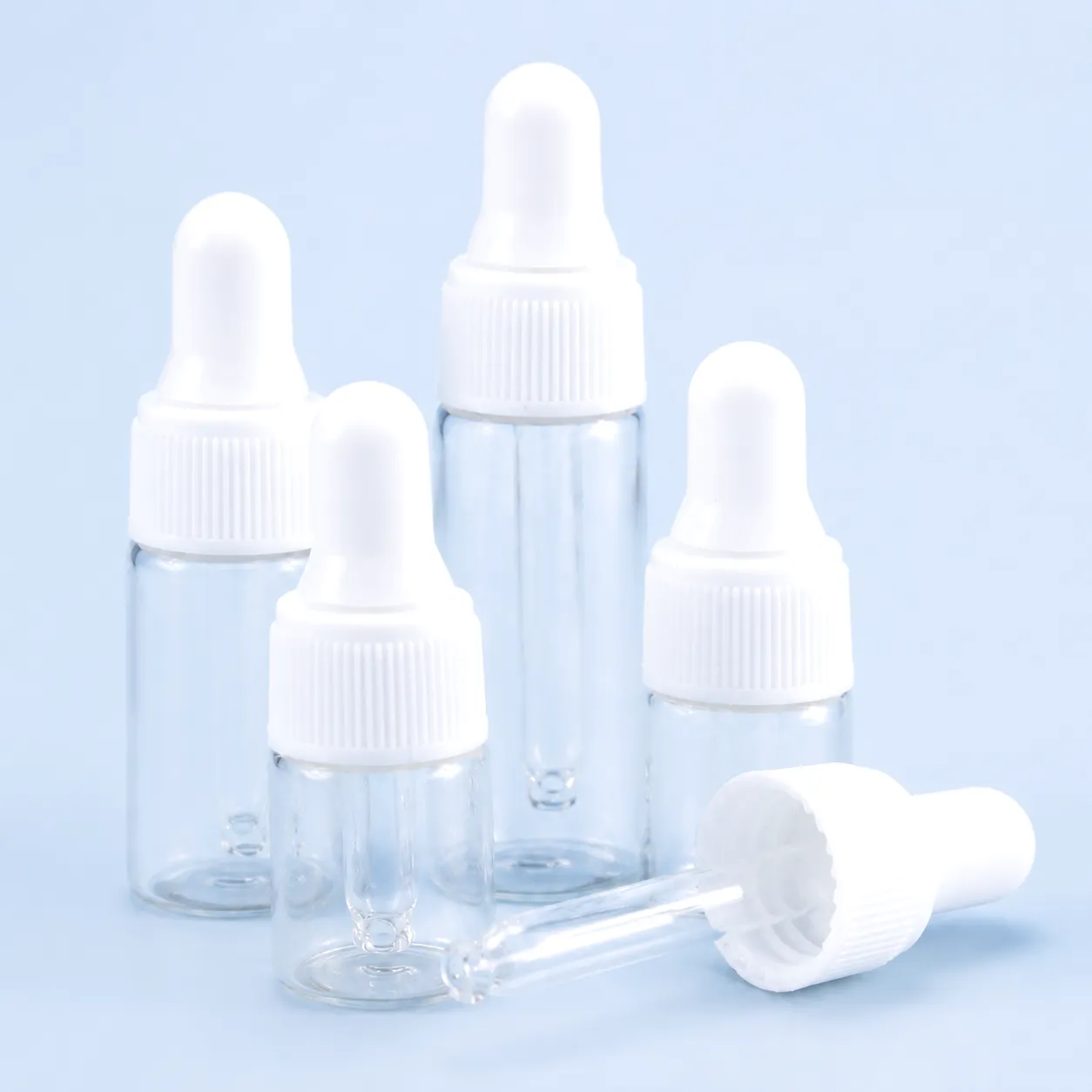
The UK cosmetics market — valued in the multi-billion sterling range and dominated by brands headquartered in London but manufactured across contract facilities in the West Midlands and Greater Manchester — presents a rich and diverse application environment for injection-blow molding machines. Cosmetics packaging must balance multiple competing requirements: visual luxury, tactile quality, compatibility with viscous liquid formulations, and sustainable design credentials increasingly demanded by UK retailers operating under Environmental Social Governance commitments. IBM-produced containers in PP and PETG address all of these requirements simultaneously, offering surface finishes that accept hot-stamp foiling, UV coating, screen-printing, and sleeve-labelling with equal fidelity.
Shampoo and conditioner bottles in the 100 ml to 500 ml range — a volume segment where IBM machines compete most effectively with extrusion blow molded alternatives — benefit substantially from the IBM process’s flash-free output and consistent wall-thickness distribution. When shampoo brands specify angled shoulder geometries, ergonomic grip waist profiles, or distinctive base embossing, the IBM mold tooling can reproduce these features with a level of surface-detail reproduction unavailable in extrusion-based processes. Skincare brands producing premium serums, facial oils, and treatment creams in 30 ml to 200 ml PETG pump bottles increasingly specify IBM containers to achieve the glass-like aesthetic demanded at mid-to-premium price points. The IBM machine’s precise neck-thread formation ensures that airless pump heads — which require exceptionally tight tolerances to maintain their vacuum-based dispensing mechanism — function correctly across the full container volume.
Food & Beverage: Condiments, Sauces & Specialty Drinks
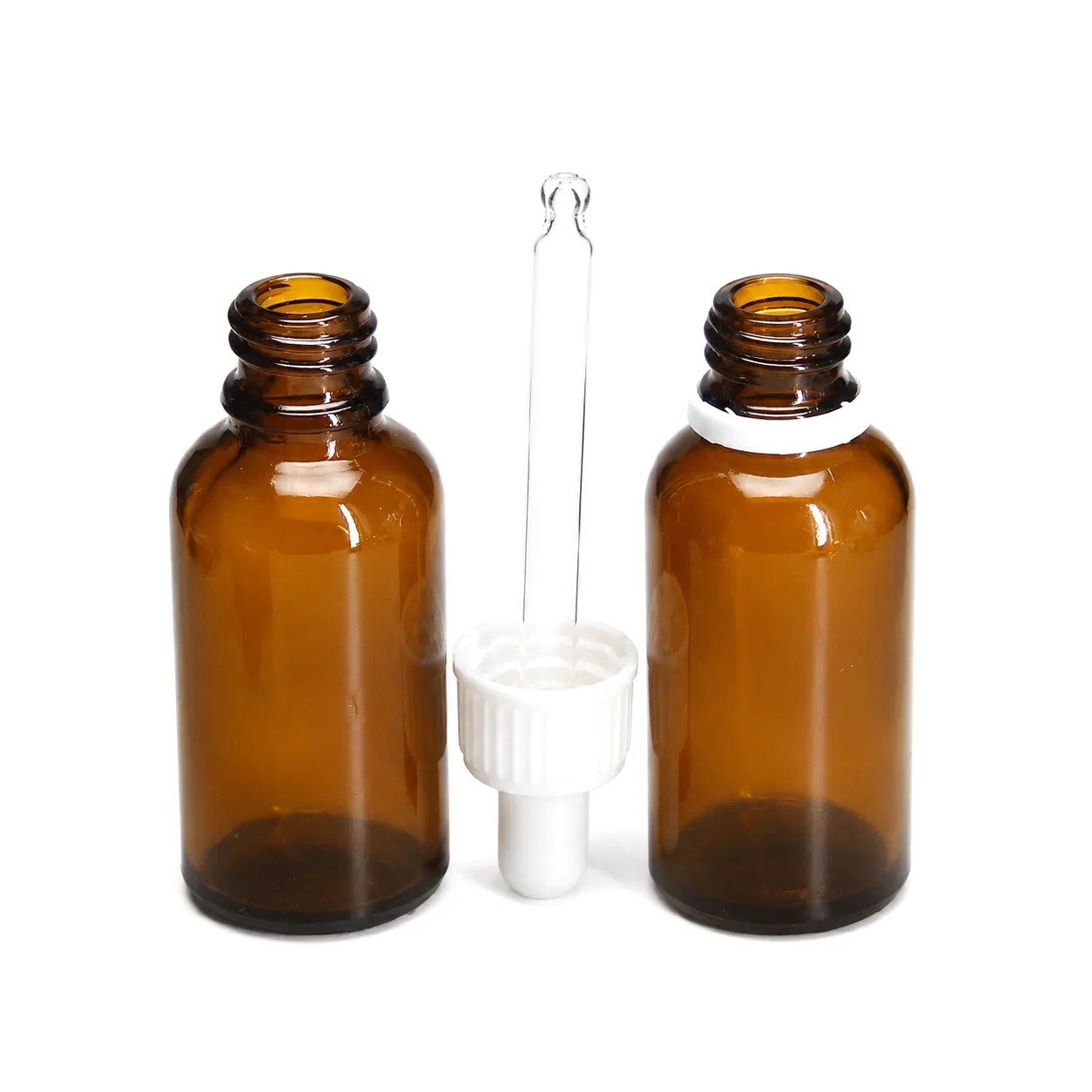
Food-contact applications represent a rapidly expanding frontier for injection-blow molding machines operating with food-grade PP and HDPE resins. UK food manufacturers in condiment production — particularly the cluster of speciality sauce and condiment producers concentrated around the Yorkshire and Humber food manufacturing zone — are replacing glass hot-fill containers with IBM-produced PP alternatives that withstand fill temperatures up to 95°C without distortion, pass food-contact migration testing under UK retained EU regulation (EC) No 10/2011, and deliver the precise volume closure integrity required for tamper-evident membrane-sealed products. The IBM process’s complete absence of flash or moil waste is particularly valued in food environments, where even minor plastic particulate contamination carries severe regulatory and reputational consequences.
Specialty beverage containers for fortified waters, nutraceutical shots, and health-supplement liquids in the 30 ml to 250 ml volume range represent another high-growth IBM application within the UK market. These containers must satisfy both food-safety and aesthetic criteria: the premium visual profile demanded by functional beverage brands sold through Holland & Barrett, Boots, and premium supermarket chains requires the glass-smooth surfaces and optical clarity achievable only with PETG IBM containers. Injection-blow molding machines equipped with three-station index tables can simultaneously form the preform, blow the container, and eject at rates producing 2,000 to 6,000 containers per hour on a four-cavity tool configuration, providing production economics that support the high-volume yet SKU-diverse requirements of UK food and beverage brand owners.
Core Technical Advantages of Modern Injection-Blow Molding Machines
The following advantages represent consistent differentiators observed across IBM machine deployments in the UK and global manufacturing base.
✓ Zero Flash & No Trimming Required
IBM containers emerge from the machine complete and finished. There is no moil to remove, no pinch weld to grind, and no secondary trimming station needed — dramatically reducing downstream labour costs and eliminating a potential source of particulate contamination in pharmaceutical environments.
✓ Exceptional Neck-Finish Precision
Thread dimensions, neck height, and ovality are formed in the injection mold and remain geometrically stable throughout blowing and cooling. This precision — routinely achieving ±0.05 mm on critical dimensions — enables reliable fitment with pharmacopoeial-grade closure systems and precision dispensing accessories.
✓ Minimal Material Waste
Because the preform is precisely shot-controlled in the injection unit and there is no extrusion of surplus material, material utilisation efficiency in IBM production typically exceeds 98%, significantly outperforming extrusion blow molding processes that generate 10–20% regrind from flash and moil removal.
✓ Multi-Material Compatibility
A single IBM machine platform — with appropriate screw geometry, barrel liner, and tooling specifications — can be configured for PP, HDPE, LDPE, PETG, and PVC within a normal shift changeover timeframe. This versatility supports contract manufacturers serving multiple industries from a single production asset.
✓ Energy Efficiency with Servo Drives
Modern full-servo IBM machines consume 30–50% less electrical energy than hydraulic-only equivalents of comparable output. In the context of UK industrial energy costs — which rank among the highest in Europe — this energy reduction translates directly into meaningful improvements in per-unit production economics and carbon-footprint reporting.
✓ Compact Clean-Room Integration
The small footprint of IBM machines — particularly single-stage platforms — and their inherently enclosed processing environment make them well-suited to ISO Class 7 and Class 8 pharmaceutical clean-room installations, a consideration of particular relevance to UK MHRA-licensed pharmaceutical manufacturers operating production environments to GMP standards.
Manufacturing Partner
Ever Power: Precision Manufacturing & Custom IBM Machine Solutions
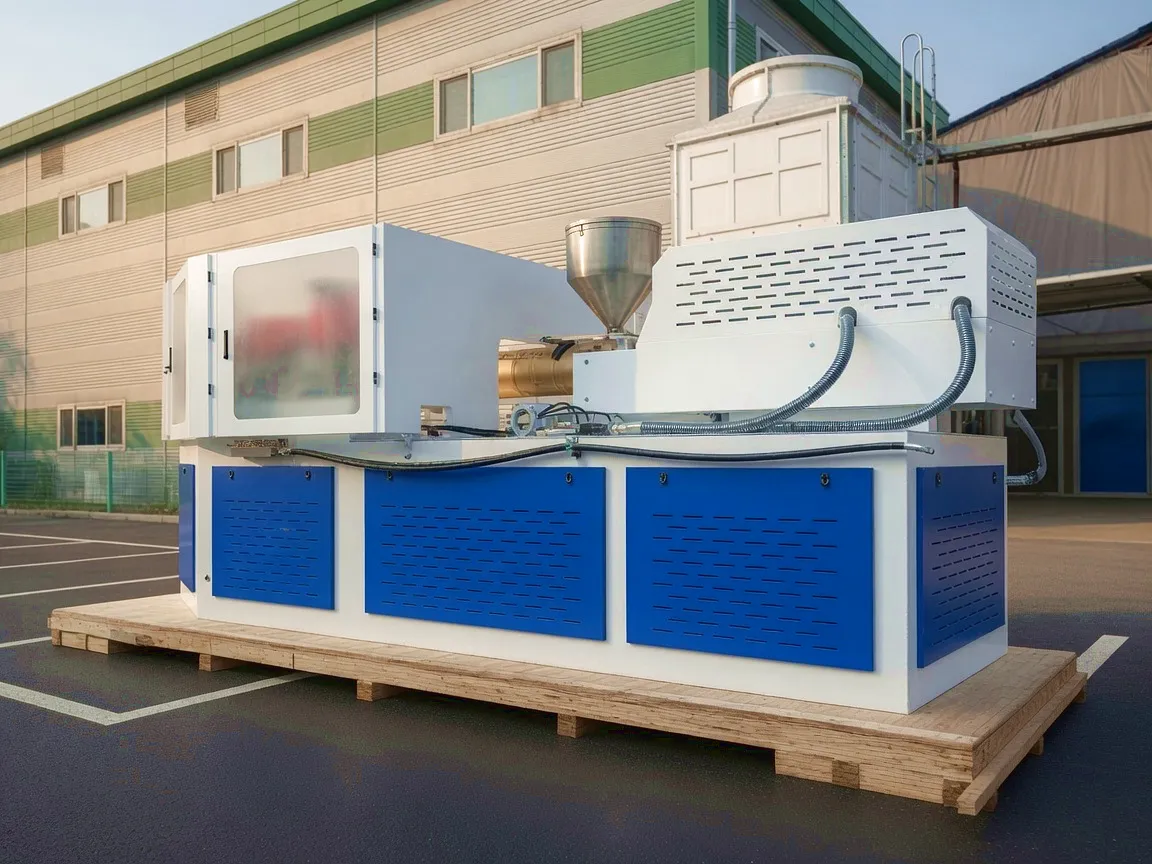 Ever Power has established itself as a precision manufacturer and global supplier of injection-blow molding machines through a combination of advanced process engineering, deep polymer-processing expertise, and a genuinely flexible approach to customisation that distinguishes it clearly from the commodity equipment market. Operating from a modern manufacturing facility equipped with CNC machining centres, precision heat-treatment furnaces, and dedicated quality assurance laboratories, Ever Power designs and builds IBM machines from the ground up rather than assembling imported sub-components — a supply chain architecture that provides complete quality traceability at every level of the machine’s mechanical, hydraulic, and electrical systems.
The customisation capabilities offered by Ever Power go substantially beyond cosmetic modifications. UK clients have the option to specify bespoke mold tooling designed around proprietary container geometries, non-standard neck-finish configurations for specialised closure systems, customised control-system parameters matching existing plant automation infrastructure, and machine configurations optimised for cleanroom integration under MHRA GMP guidelines. Ever Power’s application engineering team works closely with customers’ packaging development engineers during the pre-order phase to validate container designs in simulation before committing to mold steel — a risk-mitigation service that has proven particularly valuable for UK pharmaceutical clients developing novel primary packaging configurations that require regulatory submission documentation.
Supply chain reliability is a domain in which Ever Power has invested substantially. Key mechanical sub-assemblies — barrel and screw units, index table drive systems, mold platens — are manufactured in-house against documented process control procedures. Electrical and control components are sourced from tier-1 European and Asian industrial electronics suppliers with documented supply continuity agreements. For UK clients importing equipment, Ever Power provides comprehensive CE marking documentation, UKCA compliance support, full-voltage adaptation for 415V/50Hz three-phase supply, and commissioning by factory-trained service engineers. Spare parts inventory commitments, extended warranty provisions, and remote diagnostic access via secure VPN connection complete a support proposition that reduces total-cost-of-ownership substantially compared to lower-specification alternatives.
Ready to discuss your custom injection-blow molding machine requirements?
Featured Injection-Blow Molding Machine Models
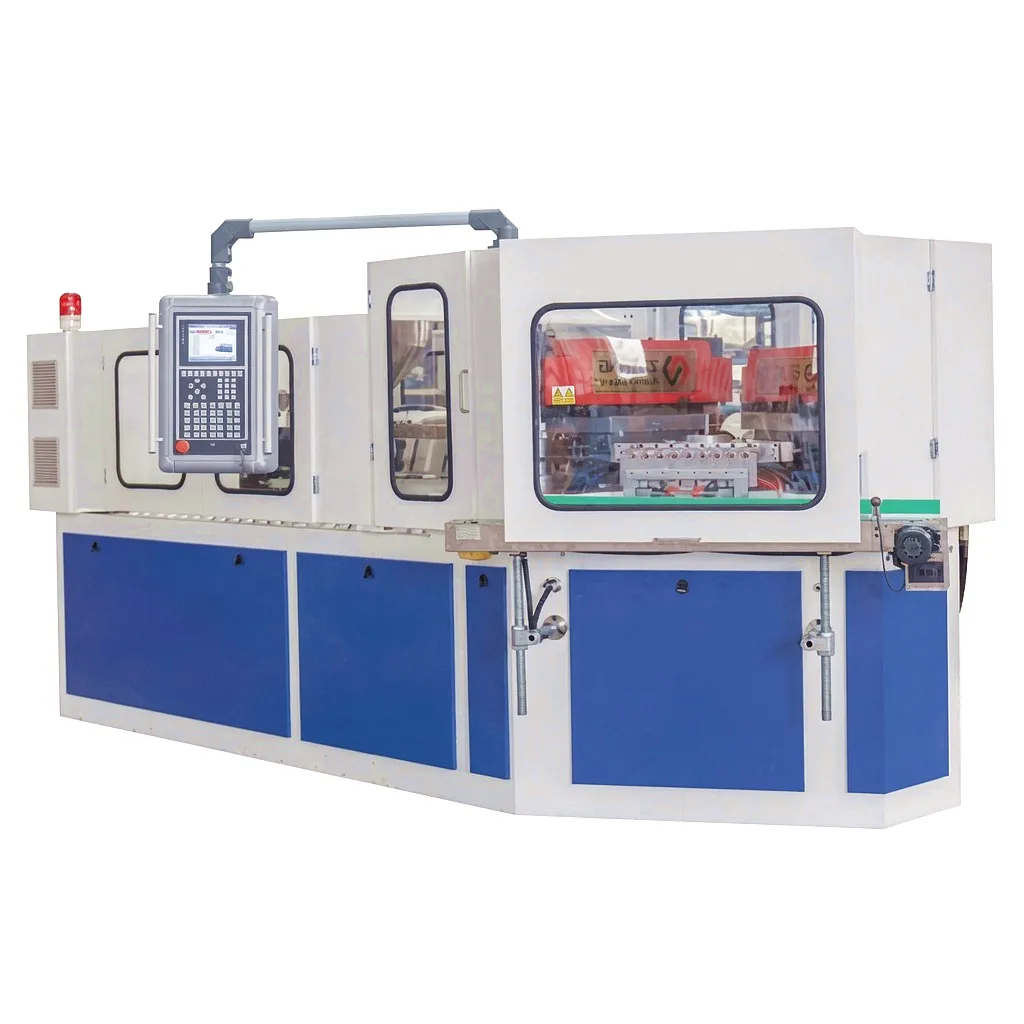
Ever Power offers a complete range of injection-blow molding machines engineered as direct functional replacements for legacy SUMA, Jomar, and Uniloy platforms. Two flagship models from the ZQ series are highlighted below.
Customer Success Story: Aromatherapy & Wellness Manufacturer, Bristol
A specialist wellness product manufacturer based in Bristol — producing a range of certified organic essential oil blends, aromatherapy roll-ons, and natural fragrance diffuser liquids for the UK health retail market — faced a significant packaging challenge in 2023. Their entire product range was packaged in imported borosilicate amber glass, with breakage rates during UK courier distribution running at approximately 3.2% of shipped units. Insurance costs, replacement logistics, and customer satisfaction degradation from broken-glass incidents were measurably impacting their margins on an otherwise highly profitable direct-to-consumer product line sold through their own website and through Holland & Barrett outlets across England and Wales.
After evaluating multiple container alternatives, their packaging development manager engaged Ever Power to assess whether a transition to injection-blow molded PETG containers would preserve the premium visual quality their brand required while eliminating fragility. Ever Power’s application engineers visited the Bristol facility to audit the complete packaging workflow — from filling and capping through labelling, boxing, and courier dispatch. Based on this audit, the team recommended a custom PETG formulation with UV-stabiliser additive package to replicate the UV-protection function of amber glass, combined with a custom amber-tint colouration compounded into the PETG resin to maintain the visual brand language associated with organic, natural wellness products.
Ever Power designed and manufactured a six-cavity IBM mold set producing three dropper-bottle sizes simultaneously — 10 ml, 30 ml, and 50 ml — with the client’s proprietary organic-oval body profile and European Dropper Insert (EDI) neck finish. The ZQ60 machine supplied by Ever Power was configured for the client’s specific cleanroom-adjacent production space in Bristol, with CE documentation supporting UKCA compliance. Within two production runs after commissioning, breakage during distribution had decreased to below 0.1%, customer reviews on Amazon UK and the client’s own platform showed measurably improved satisfaction scores related to packaging, and the elimination of glass-specific courier packaging inserts reduced per-unit packaging material costs by approximately 18%.
★★★★★
“The PETG dropper bottles produced on the Ever Power ZQ60 are genuinely indistinguishable from premium glass in the hand. The neck-finish precision was critical for us — our EDI dropper inserts click in identically on every single bottle. We have not had a single container-related complaint since switching over, and our distribution breakage has effectively reached zero.”
— Packaging Development Manager, Organic Aromatherapy Brand, Bristol
★★★★★
“Ever Power’s willingness to customise the amber-tint PETG compound to match our brand colour specification exactly was what set them apart from every other machine supplier we evaluated. The ZQ60 commissioning team was on-site in Bristol within four weeks of delivery, and the machine was producing on-spec containers within the first two days. Exceptional technical support throughout.”
— Operations Director, Wellness Packaging Contract Manufacturer, Bristol
★★★★★
“We specified the ZQ60 as a direct SUMA 65iB replacement after our original machine reached end-of-life. The tooling compatibility was seamless — our existing mold sets ran without modification on the first day. Production speed improved by approximately 12% under comparable operating conditions, and the servo drive system has cut our energy consumption meaningfully, which matters in the current UK energy pricing environment.”
— Production Manager, Personal Care Contract Packager, Manchester
Frequently Asked Questions
What is the typical price range for a new injection-blow molding machine suitable for a UK pharmaceutical packaging operation?
Capital cost for pharmaceutical-grade IBM machines typically ranges from GBP 80,000 to GBP 300,000 depending on clamping force, cavity count, control system specification, and CE/UKCA compliance documentation level. Contact Ever Power at [email protected] for a detailed quotation tailored to your specific container volume, material, and compliance requirements.
Which injection-blow molding machine supplier in the UK can provide UKCA-compliant equipment with on-site commissioning support?
Ever Power supplies UKCA-compliant injection-blow molding machines to UK manufacturers with complete CE and UKCA documentation packages, 415V/50Hz power configuration, and on-site commissioning by factory-trained engineers. Delivery and commissioning lead times for standard ZQ-series machines are typically 12 to 18 weeks from order confirmation.
How does an injection-blow molding machine compare to extrusion blow molding when producing small pharmaceutical containers in Birmingham manufacturing facilities?
IBM machines produce containers without flash or moil, with superior neck-finish tolerances and no post-process trimming — critical advantages for pharmaceutical packaging in Birmingham and across the UK’s regulated manufacturing sector. Extrusion blow molding is lower cost for large containers but cannot match IBM’s dimensional precision or contamination-control characteristics for volumes below 500 ml.
Where can I get a competitive quote for a custom injection-blow molding machine for PETG essential oil bottles from a UK-serving supplier?
Ever Power provides competitive quotations for custom IBM machines and mold tooling for PETG essential oil containers. Send your container drawings, volume requirements, and annual production targets to [email protected] to receive a tailored technical and commercial proposal within 48 business hours.
How long does it take to change mold tooling on an injection-blow molding machine when switching between container sizes in a Sheffield contract packaging environment?
On a well-maintained IBM machine with standardised mold-height settings, a complete mold change — including preform mold, blow mold, and core rod set — typically requires 2 to 4 hours with a trained two-person tooling team. Ever Power machines use quick-release platen systems that reduce changeover time by approximately 30% compared to conventional bolt-pattern fixings.
What materials can an injection-blow molding machine process for producing BPA-free children’s medicine bottles that comply with UK MHRA regulations?
IBM machines process BPA-free HDPE, LDPE, and PP — all of which are fully compliant with UK MHRA primary packaging requirements for children’s oral liquid medicines. Ever Power can supply material processing recommendations and configure barrel/screw geometry to optimise processing of specific BPA-free resin grades from approved UK-market polymer suppliers.
Who should I contact when looking for an injection-blow molding machine that can replace an ageing SUMA 65iB or SUMA 85iB in our Manchester cosmetics manufacturing facility?
Ever Power’s ZQ60 and ZQ80 series machines are engineered as direct replacements for SUMA 65iB and SUMA 85iB platforms respectively. Both maintain complete mold-tooling compatibility with your existing SUMA toolset. Contact Ever Power’s UK sales support team at [email protected] with your machine serial number and current mold specifications for a direct technical compatibility assessment.
Start Your Project
Discuss Your Custom IBM Machine Requirements with Ever Power
Serving pharmaceutical, cosmetics, food, and aromatherapy manufacturers across the United Kingdom and globally.
edit by gzl