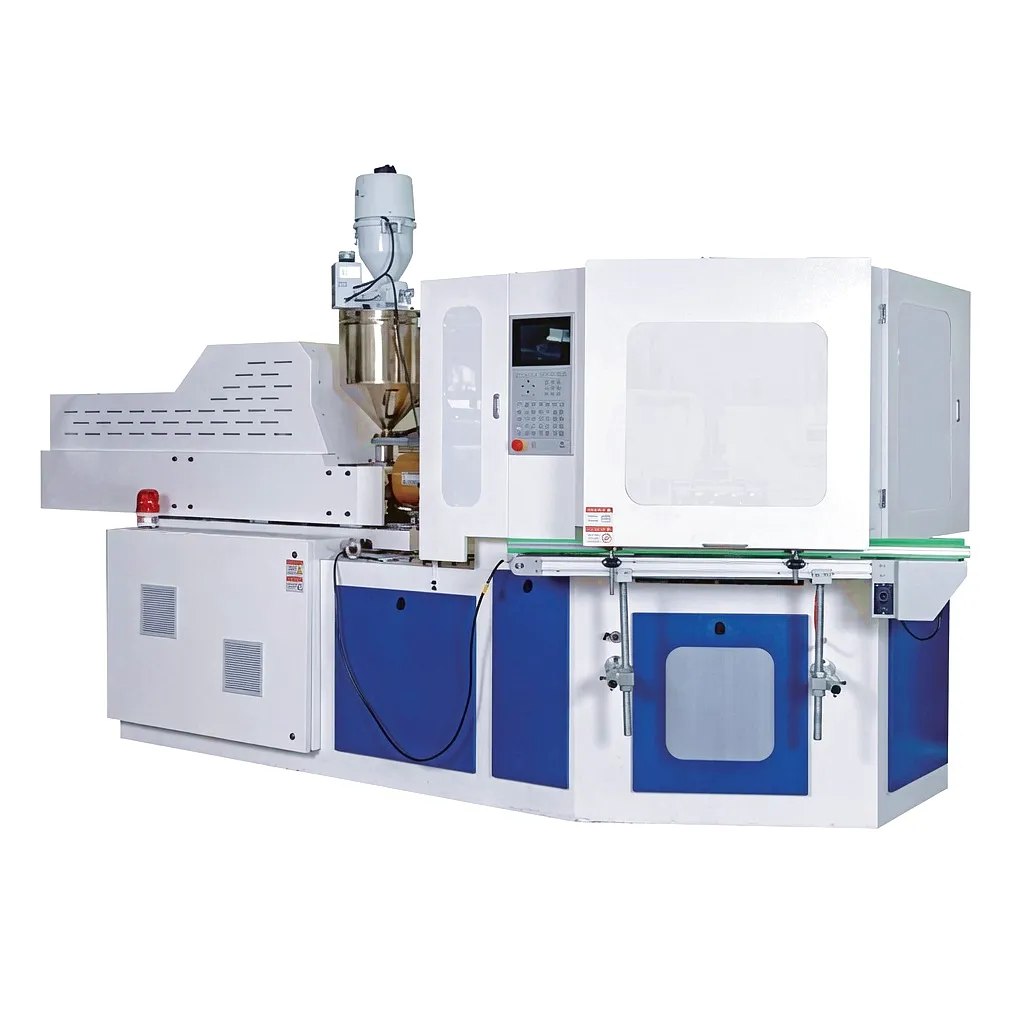
 Walk the packaging lines of any serious pharmaceutical facility in Birmingham or Sheffield and one truth becomes obvious very quickly — the container is never just packaging. For oral solid dose tablets sealed in amber bottles, for paediatric syrups dispensed through child-resistant closures, for injectable preparations held in glass-clear PETG vials, the vessel carries the same regulatory weight as the medicine inside it. That reality is what makes the injection blow molding machine one of the most strategically important pieces of capital equipment a British pharma manufacturer can invest in today.
How the Injection Blow Molding Process Works
Core Working Principle & Cycle Stages
Molten polymer — HDPE, PP, PET, PETG, or COC — is injected around a precision-ground core rod at controlled melt temperatures between 190°C and 280°C depending on resin grade. The resulting preform carries an already-formed neck finish.
The core rod indexes to the blow cavity, where compressed air at 6–10 bar inflates the preform body against the chilled mould walls. Cooling is fast and uniform, locking in dimensional stability. Cycle times typically range from 8 to 22 seconds per shot.
The finished container is stripped from the core rod at the ejection station with zero flash to trim. Bottles arrive on the conveyor clean, dimensionally exact, and ready for immediate inspection, filling, or labelling — eliminating the secondary trimming operation inherent in extrusion processes.
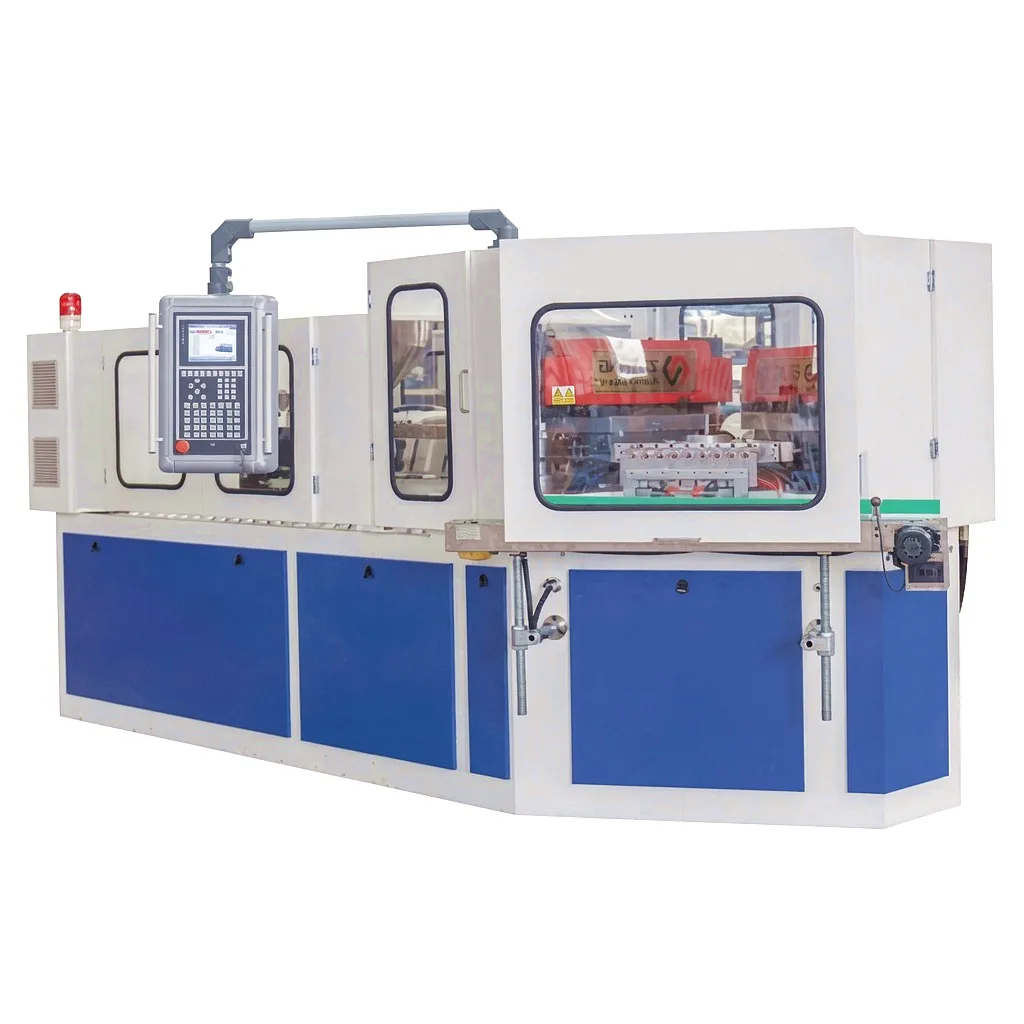
The three-station rotary design means all three operations occur simultaneously on every machine cycle, maintaining maximum output without idle time. This mechanical elegance is particularly valuable in pharmaceutical environments where clean-room access and validated production windows are strictly controlled. Ever Power’s IBM platforms carry servo-driven indexing to minimise rotational vibration, and the clamping system uses toggle-reinforced platens to maintain cavity pressure uniformity across all cavities — a critical parameter when producing pharmaceutical primary packaging under ISO Class 7 conditions.
Materials for Pharmaceutical Container Production
Core Material Science & Resin Selection
UV protection critical for photosensitive APIs. Carbon black or iron oxide pigments introduced at the masterbatch stage during injection. Standard for pharmacist-dispensed bottles in UK community pharmacies.
Autoclave-sterilisable at 121°C. Preferred for multidose nasal sprays, ophthalmic dropper bottles, and inhalers. High chemical resistance to surfactant-based formulations.
Cyclic olefin copolymers for parenteral vials where glass-like optical clarity and near-zero moisture vapour transmission are mandatory. Growing adoption in Cambridge biotech pipelines and Scottish biologics facilities.
Excellent clarity and impact resistance. Widely used for OTC liquid preparations and nutraceutical supplement bottles where shelf-appeal and product visibility both matter to UK retail buyers.
Pharmaceutical Packaging Application Scenarios
Primary Container Solutions for UK Pharma
Oral Solid Dose Pharmaceutical Bottles
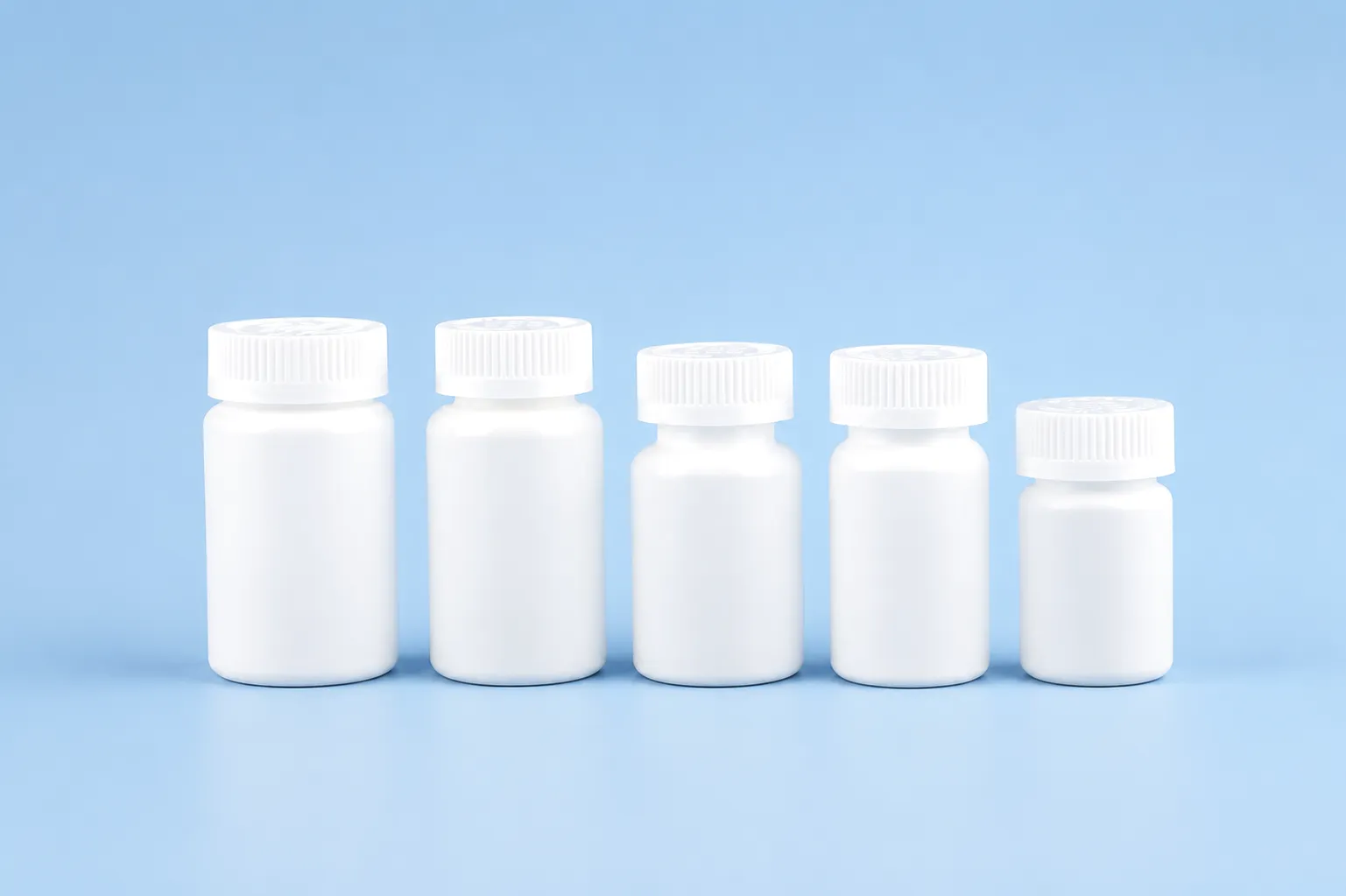 The oral solid dose (OSD) category accounts for the largest share of prescription medicine dispensed through NHS pharmacy networks across England, Scotland, Wales, and Northern Ireland. Tablets, hard-shell capsules, soft gels, and powder sachets in counted quantities all require a container that combines regulatory compliance, tamper evidence, moisture protection, and a child-resistant closure system — all within a package that a community pharmacist in Leeds or Manchester can label, dispense, and hand to a patient in seconds.
The injection blow molding machine produces OSD bottles from HDPE in neck finishes ranging from 28mm to 45mm, in volumes from 30 ml to 1,000 ml, with wall thickness held to ±0.05 mm across the entire production run. That dimensional consistency means every single bottle in a batch seats a child-resistant push-and-turn closure to the same torque specification — a requirement that becomes non-negotiable when producing medicines for vulnerable patients. Desiccant-integrated caps and molecular sieve cartridges can be incorporated into the container design at the closure stage, extending shelf life for hygroscopic APIs without adding complexity to the filling line.
High-cavitation IBM tools — 6-cavity and 8-cavity configurations are standard on Ever Power’s ZQ series — drive output rates to 15,000–25,000 bottles per hour on a single machine, which is sufficient to supply a regional generic pharmaceutical distributor serving the English Midlands without the logistics risk of relying on a single European container supplier.
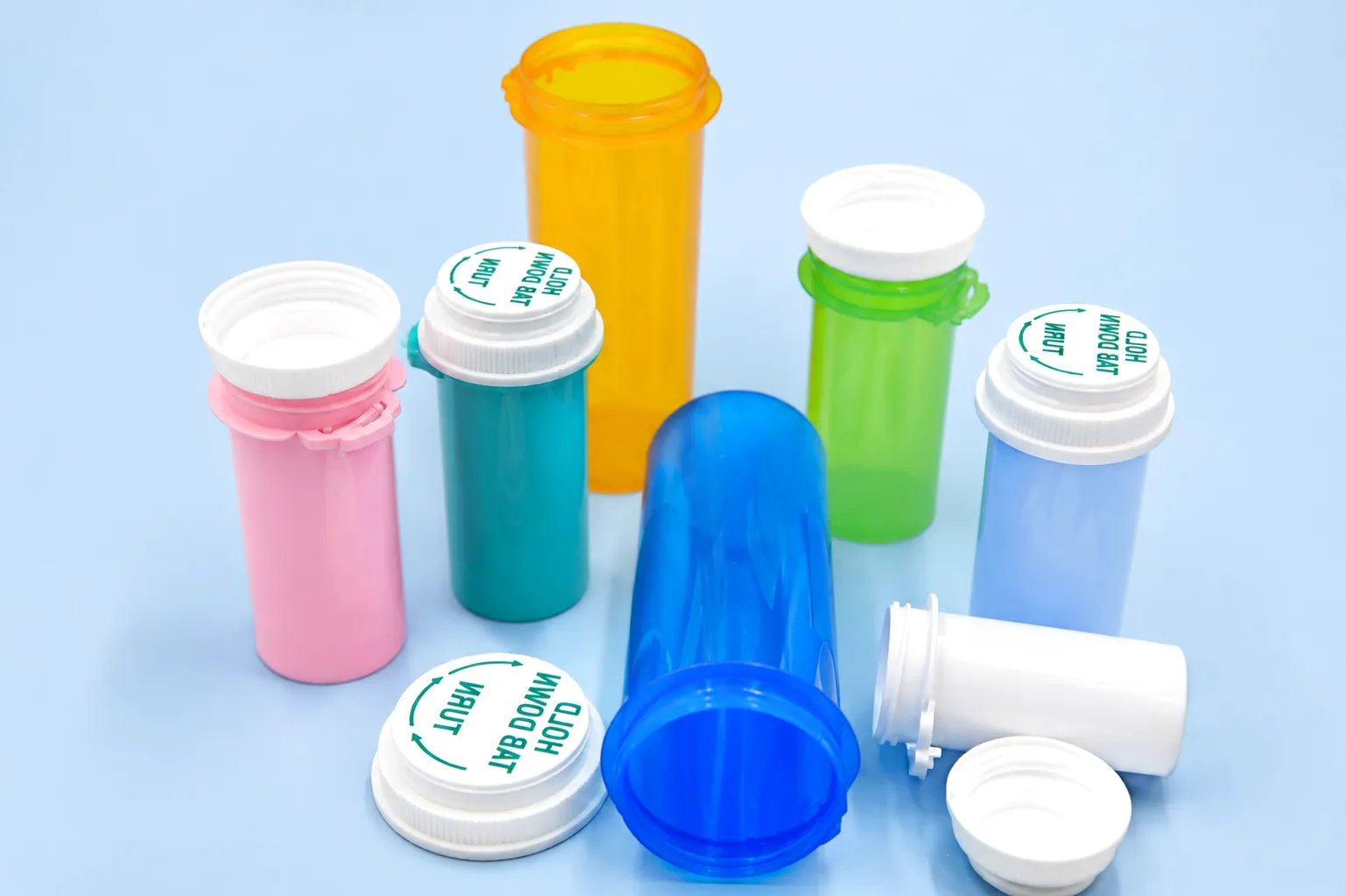 A significant category of licensed medicines — from nitrofurantoin tablets used to treat urinary tract infections to certain antibiotic capsules and photosensitive vitamins — must be stored in light-protective primary packaging from the point of manufacture to the moment the patient opens the container. The British Pharmacopoeia specifies light-transmission requirements for pharmaceutical-grade amber containers, and verifying compliance requires UV-visible spectrophotometry testing as part of the batch release protocol.
Extended Application Areas Across UK Industries
Beyond Pharma: Wider IBM Machine Deployment
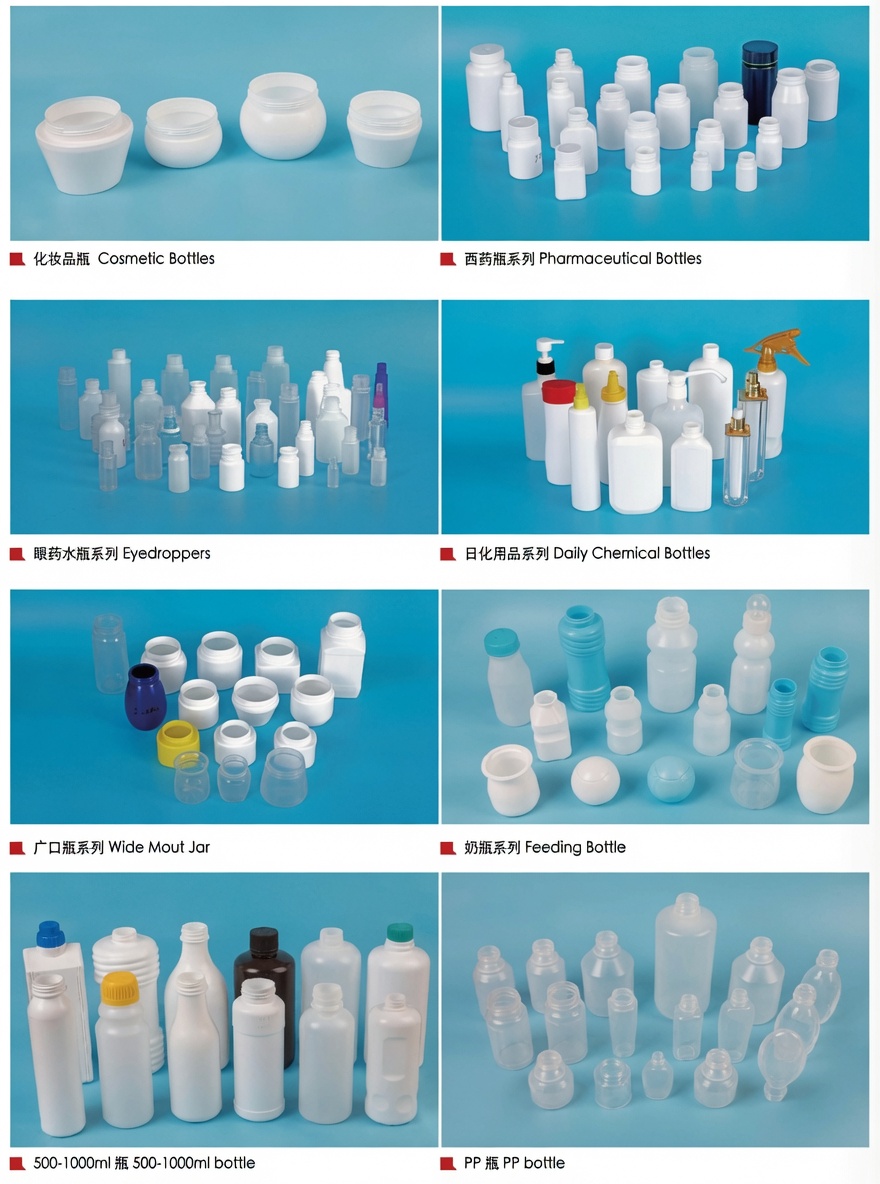
Shampoo, conditioner, body lotion, and skincare serum bottles produced in the cosmetics parks of the English South East rely on IBM for the same dimensional precision that pharma demands. Oval and asymmetric cross-sections, soft-touch matte finishes, and pearlescent pigments are all achievable within the IBM process.
The UK supplement market — vitamin D for the chronically sunlight-deprived British population, omega-3 fish oils, and probiotic capsule packs — consumes vast quantities of injection-blown HDPE and PP bottles. Food-contact compliance with EC No 10/2011 is standard across Ever Power’s pharmaceutical-grade tooling.
Laboratory reagent bottles, electronic cleaning solutions, and agricultural chemical concentrates all exploit the chemical inertness of high-density polyethylene or fluorinated HDPE produced on IBM platforms. Manufacturers in Sheffield’s advanced materials sector increasingly source these containers domestically.
Technical Performance Parameters
IBM Machine Specification Reference Table
| Parameter | ZQ40 Series | ZQ60 Series | Pharma Requirement |
|---|---|---|---|
| Clamp Force | 40 kN | 60 kN | Min. 35 kN for 4+ cavity |
| Injection Volume (max) | 40 cm3 | 60 cm3 | Match container volume |
| Container Volume Range | 5 ml to 250 ml | 20 ml to 500 ml | 30–500 ml (OSD) |
| Neck Finish Range | 18 mm to 38 mm | 20 mm to 45 mm | 28–38 mm (CR closures) |
| Wall Thickness Tolerance | ±0.05 mm | ±0.05 mm | ±0.08 mm (Ph. Eur.) |
| Cycle Time | 8 to 18 s | 10 to 22 s | Batch-dependent |
| Compatible Resins | HDPE, PP, PET, PETG | HDPE, PP, PET, PETG, COC | Ph. Eur. 3.2.1 compliant |
| Cavity Configuration | 2 / 4 / 6 cavity | 4 / 6 / 8 cavity | 6 cavity typical for OSD |
| Drive System | Servo-hydraulic | All-electric servo | Clean room compatible |
| Control System | Siemens PLC HMI | Siemens PLC HMI | 21 CFR Part 11 capable |
| Electrical Supply | 380 V / 50 Hz / 3-phase | 380 V / 50 Hz / 3-phase | UK 415 V adapter optional |
Core Technical Advantages of IBM Technology
Why Pharmaceutical Manufacturers Choose Injection Blow Molding
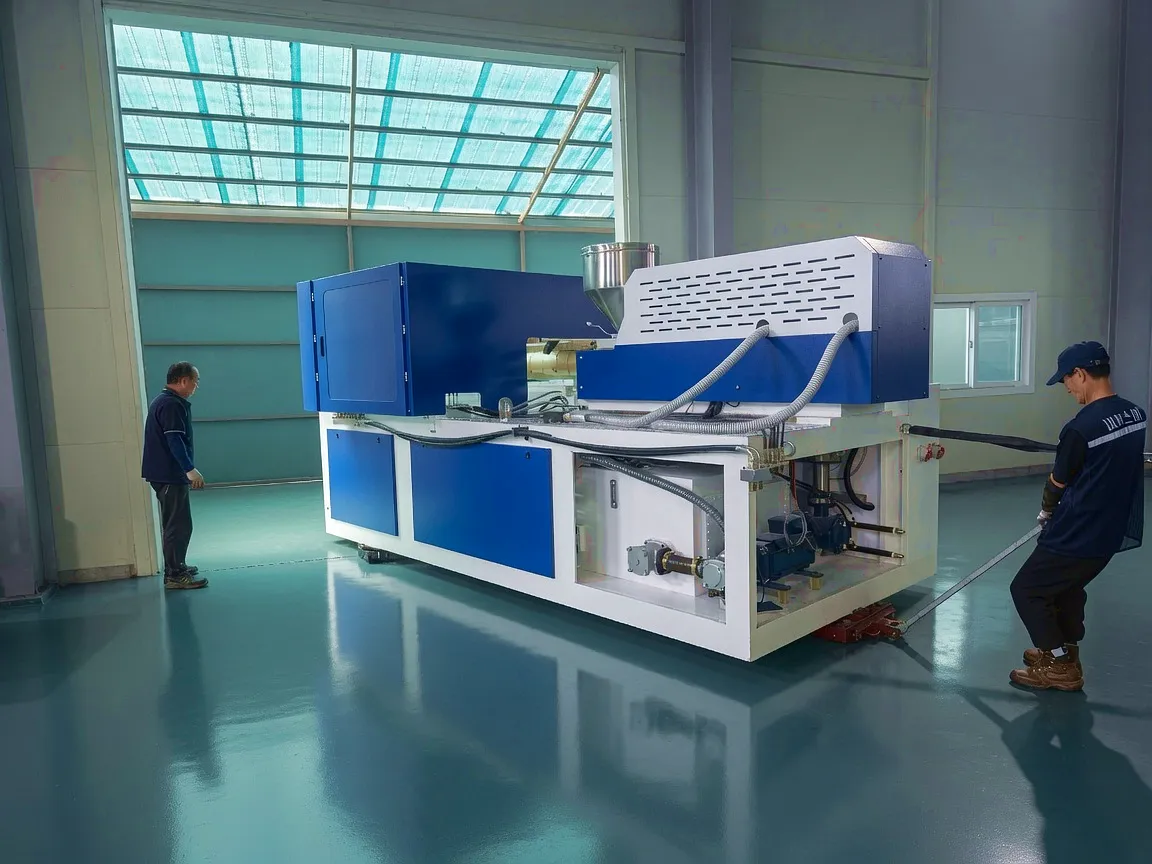
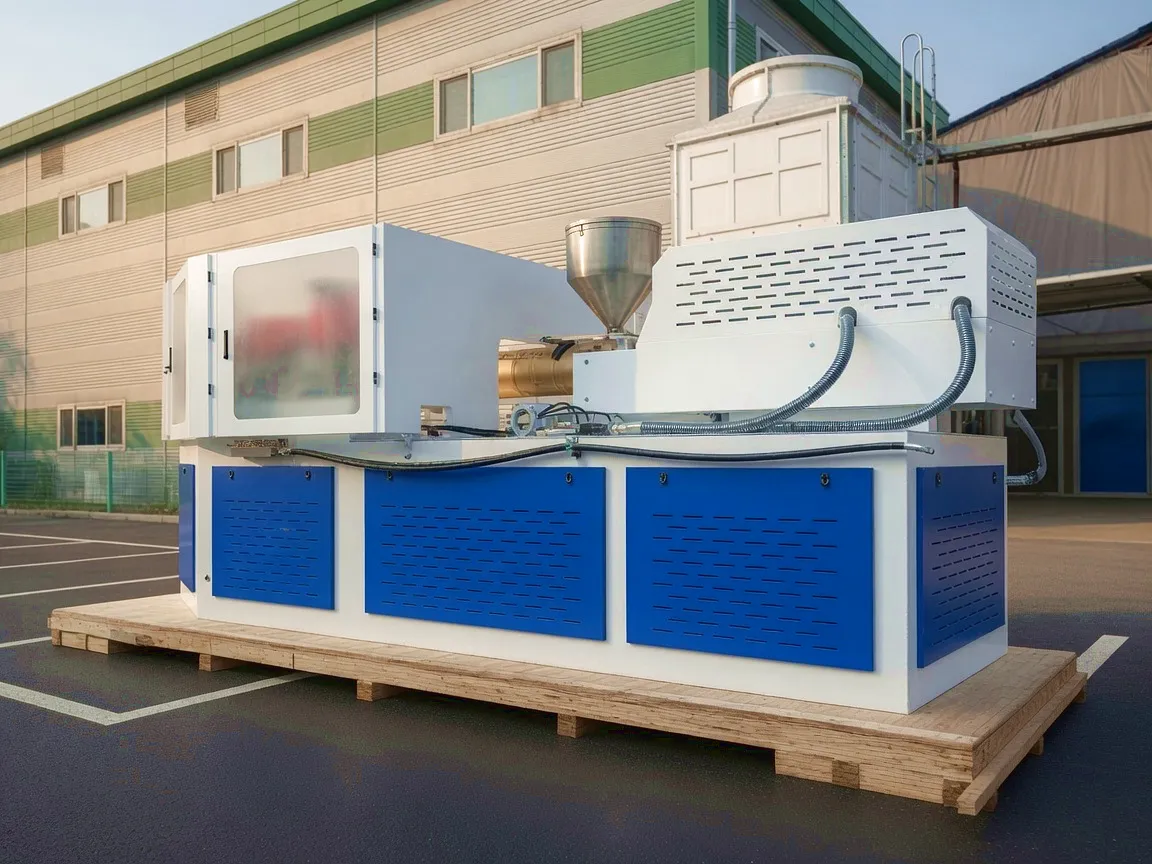
Complete IBM Production Systems
Auxiliary Equipment & Integration
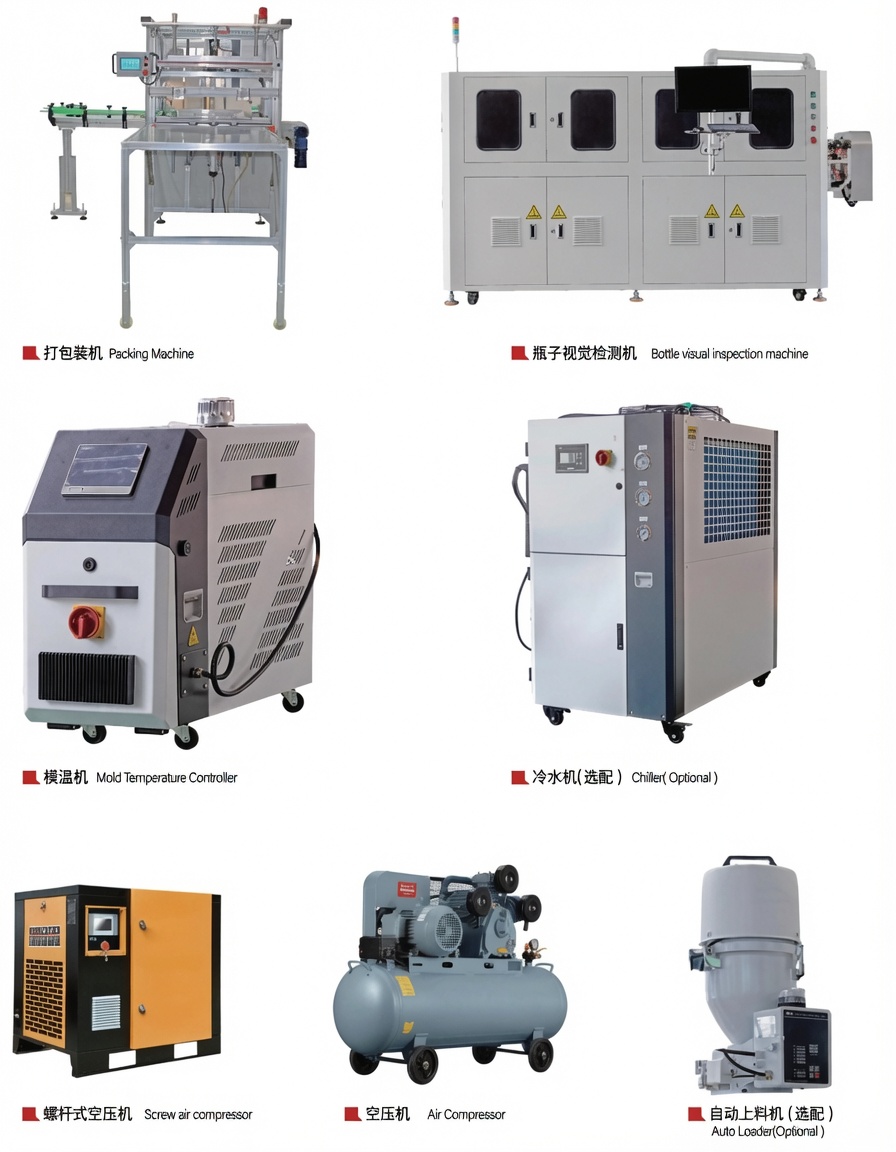
A complete pharmaceutical IBM production cell integrates the blow molding machine with a suite of auxiliary equipment: a gravimetric blending unit for precise masterbatch dosing, a desiccant hopper dryer for moisture-sensitive resins like PET and PETG, a chilled water unit maintaining mould temperature at 8–12°C, and an inline vision system performing 100% inspection for dimensional conformance and particulate contamination.
Ever Power supplies complete turnkey lines including conveyor transfer systems, orientation units for downstream labelling, and accumulation tables compatible with filling line integration protocols used by UK contract packaging organisations. The electrical cabinet is pre-wired to CE marking standards for European market export, with optional adaptation to UK UKCA marking for domestic installation post-2024 transition.
Featured IBM Machine Models
European-Standard Platform Series
Nottingham Generics Producer Cuts Container Lead Times by 62%
Midlands Pharmaceutical Contract Manufacturer — Oral Solid Dose Division
A well-established contract pharmaceutical manufacturer operating from a licensed facility in Nottingham had been sourcing HDPE OSD bottles from a container supplier in the Netherlands for the better part of eight years. The arrangement worked reliably until post-Brexit customs processing added an average of nine additional days to each container delivery — an increase that pushed the manufacturer’s raw material buffer stock requirements to unmanageable levels, tying up warehouse space that had been allocated for finished goods staging.
The procurement and engineering teams evaluated three IBM platform options over a six-month capital expenditure review, ultimately selecting a pair of Ever Power ZQ60 machines configured for 6-cavity amber HDPE and natural HDPE operation. The deciding factors were Ever Power’s willingness to deliver a fully validated 21 CFR Part 11 compliant control package, the availability of custom 30 mm CR neck tooling matching the existing closure specification without requiring a closure change, and a comprehensive IQ/OQ documentation package prepared by Ever Power’s validation engineering team in advance of the FAT.
The two ZQ60 units went into production within eleven weeks of delivery to the Nottingham site. Container lead time reduced from an average of 23 days (ex-Netherlands supplier) to 8.7 days from resin delivery to finished bottle release — a 62% reduction. Annual container procurement cost decreased by 28% when inbound freight, import duties, and buffer stock financing were factored into the comparison. The facility has since expanded its IBM capacity with a third ZQ60 unit dedicated to PETG bottles for a new liquid oral dosage product line.
Customer Reviews
“The neck finish consistency on the ZQ60 is genuinely impressive. We validated 30 mm CR closures across a 48-hour production run and measured thread height variation of less than 0.04 mm across 14,000 bottles. Our previous container supplier could not have delivered that specification regardless of price. The Ever Power validation package made our MHRA dossier submission straightforward.”
“We had a specific amber HDPE container with an unusual panel geometry — a gently concave label panel with radius corners that no previous supplier could produce without visible flow marks. Ever Power’s application engineer worked through three iterations of core rod geometry adjustments and delivered a mould that produces clean, consistent panels in every cycle. That level of customisation commitment is rare at this price point.”
“Ever Power’s remote diagnostics system identified a barrel temperature drift issue on one of our ZQ40 machines within 20 minutes of an alarm triggering at 2 AM. Their support team had an adjusted heating zone profile uploaded remotely before our night shift technician had even located the machine manual. That kind of responsive after-sales service is exactly what a GMP facility needs when production downtime directly costs batch release windows.”
Frequently Asked Questions
Voice-Search Ready Answers for UK Pharmaceutical Buyers