Ever Power | ISBM Technology Insights — United Kingdom Edition
How to Successfully Use Recycled PET (rPET) in Single-Stage ISBM Processes
A Technical Deep-Dive for UK Packaging Manufacturers, Procurement Engineers & Sustainability Leads
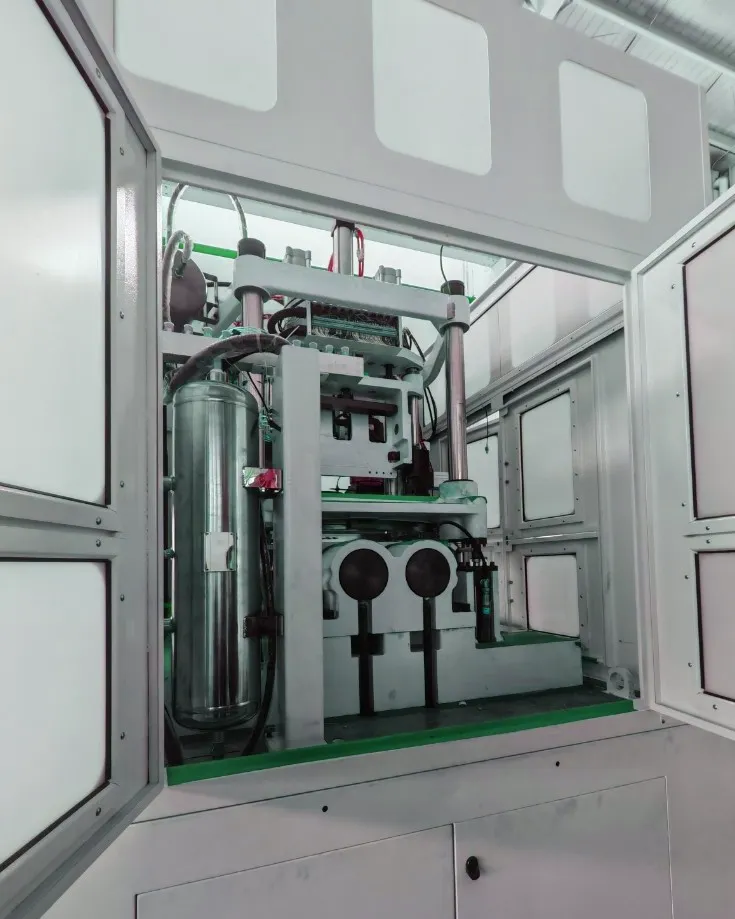 The push toward a circular economy has fundamentally reshaped how packaging manufacturers across the United Kingdom approach raw material selection. Recycled PET — widely known as rPET — has moved from a niche environmental consideration to a mainstream commercial imperative. For facilities running single-stage ISBM machines (injection stretch blow moulding), integrating rPET into daily production is not simply a matter of swapping resins. It demands a precise understanding of material behaviour, machine configuration, and process control. This guide walks through every critical stage of that journey, combining hands-on engineering insight with practical recommendations developed over years of real-world single-stage ISBM deployment across UK and European production floors.
Understanding rPET: What Makes It Fundamentally Different From Virgin Resin
Recycled PET arrives at the injection hopper with a fundamentally different molecular history compared to virgin resin. During its previous service life — typically as food packaging, beverage bottles, or consumer goods containers — the polymer chains have undergone hydrolytic and thermal degradation. The intrinsic viscosity (IV) of post-consumer rPET pellets commonly ranges between 0.68 and 0.78 dl/g, compared to the more stable 0.80–0.84 dl/g typical of virgin food-grade PET. This reduction in IV directly affects melt strength, preform clarity, and ultimately the mechanical performance of the finished blown container. The moisture content challenge is particularly acute with recycled material: rPET is hygroscopic and, if not dried to below 30 ppm before processing, will undergo hydrolysis in the barrel, further degrading IV and producing acetaldehyde — a contaminant that is completely unacceptable in food and beverage applications.
rPET vs. Virgin PET — Key Property Differences
- IV typically 0.68–0.78 dl/g (vs. 0.80–0.84 virgin)
- Higher residual moisture — requires extended drying protocol
- Possible colour shift: yellowish or grey tint in clear applications
- Potential particulate contaminants (label adhesive, PVC traces)
- Broader Tg distribution due to prior chain scission
- Reduced thermal stability at standard barrel temperature settings
- Narrower stretch blow processing window (+/- 5°C vs +/- 10–15°C for virgin)
Why the Single-Stage ISBM Process Is Ideally Suited to rPET
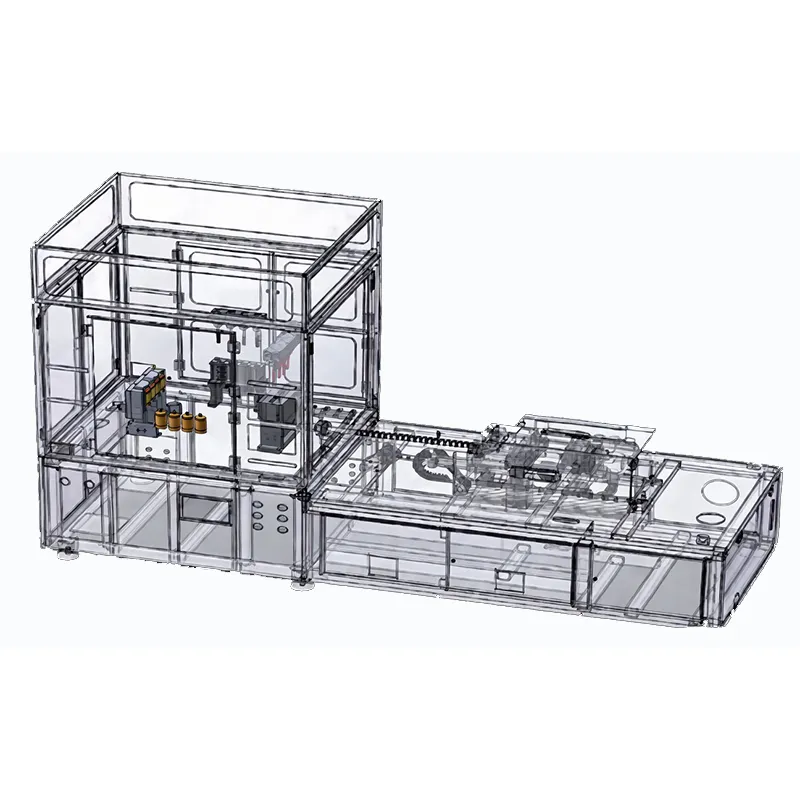
In a single-stage ISBM machine, injection moulding, conditioning, stretch blowing, and ejection all happen within one integrated thermal cycle — the preform never cools to ambient temperature before being blown into its final container geometry. This thermal continuity is a decisive advantage when working with rPET. Because the material retains residual heat from the injection station, the blowing station operates with a polymer that is already partially oriented and thermally stabilised, reducing the energy required to reach orientation temperature and minimising additional thermal stress on an already-degraded rPET chain structure. In contrast, two-stage reheat blow moulding systems require fully cooled preforms to be reheated, applying a second substantial thermal history to rPET — compounding chain degradation and increasing the risk of crystallisation-induced haze that renders containers commercially unacceptable.
①
Drying & Material Prep
rPET dried to <30 ppm at 165–175°C for 5–6 hrs. Dew-point dryer with –40°C monitoring. IV rebuilder added if IV <0.70 dl/g.
②
Injection Moulding
rPET melted at 265–280°C in low-shear barrel. Slightly reduced barrel temps vs. virgin to limit acetaldehyde generation and preserve remaining IV.
③
Thermal Conditioning
Preform temperature profile precision-adjusted zone by zone. Critical for rPET — narrower processing window demands PID-controlled IR cavity sensors throughout.
④
Stretch Blow Moulding
Stretch rod + high-pressure air (35–42 bar) simultaneously orient and blow. Biaxial orientation improves gas barrier in rPET container walls.
The integrated thermal management system within a correctly configured single-stage ISBM machine allows operators to fine-tune preform temperature zone by zone before it enters the blow station. For rPET, this zonal control is an operational necessity rather than a luxury. The lower IV of recycled resin means the material has reduced resistance to crystallisation at intermediate temperatures. By ensuring the preform exits the conditioning station at the correct orientation temperature window — typically 95–108°C for rPET, slightly lower than the 100–115°C commonly used for virgin PET — operators achieve reliable biaxial orientation without triggering visible stress whitening or premature crystallisation in the container body. This precision is simply not achievable in two-stage processes where reheating uniformity depends on oven lamp power balance across a rotating spindle chain.
Five Critical Processing Challenges — and How Modern ISBM Equipment Resolves Them
⚠ IV Degradation Control
Modern single-stage ISBM machines with low-shear screw geometry and staged barrel temperatures minimise additional IV drop during processing. Target: keep IV loss below 0.03 dl/g per processing pass to maintain adequate container wall strength.
⚠ Moisture & Acetaldehyde Management
Integrated dryer systems with dew-point monitoring to –40°C ensure moisture stays below 30 ppm. Acetaldehyde (AA) scavenger masterbatch can be dosed automatically via gravimetric blending units mounted directly on the machine hopper throat.
⚠ Colour Haze & Clarity
Yellowish tinting and haze in rPET arise from chromophore formation during prior thermal processing. Optical brighteners or colourant masterbatch can compensate. For clear applications, specifying food-grade rPET from certified UK or European recyclers with tightly controlled input streams is non-negotiable.
⚠ Contamination Filtration
Melt filtration systems — continuous or discontinuous screen changers at 100–200 μm mesh — are fitted downstream of the barrel. These remove particulate contaminants present in post-consumer rPET before the melt reaches injection cavities, protecting tooling investment and ensuring consistent container quality run after run.
⚠ Processing Window Narrowing
rPET’s narrower blow temperature window demands closed-loop feedback and high-resolution infrared cavity sensors. Single-stage ISBM machines with PID-controlled zone heating and real-time cavity pressure monitoring deliver the consistency needed to run recycled content reliably at commercial production rates without constant manual intervention.
Technical Specifications: rPET-Compatible Single-Stage ISBM Machine Parameters
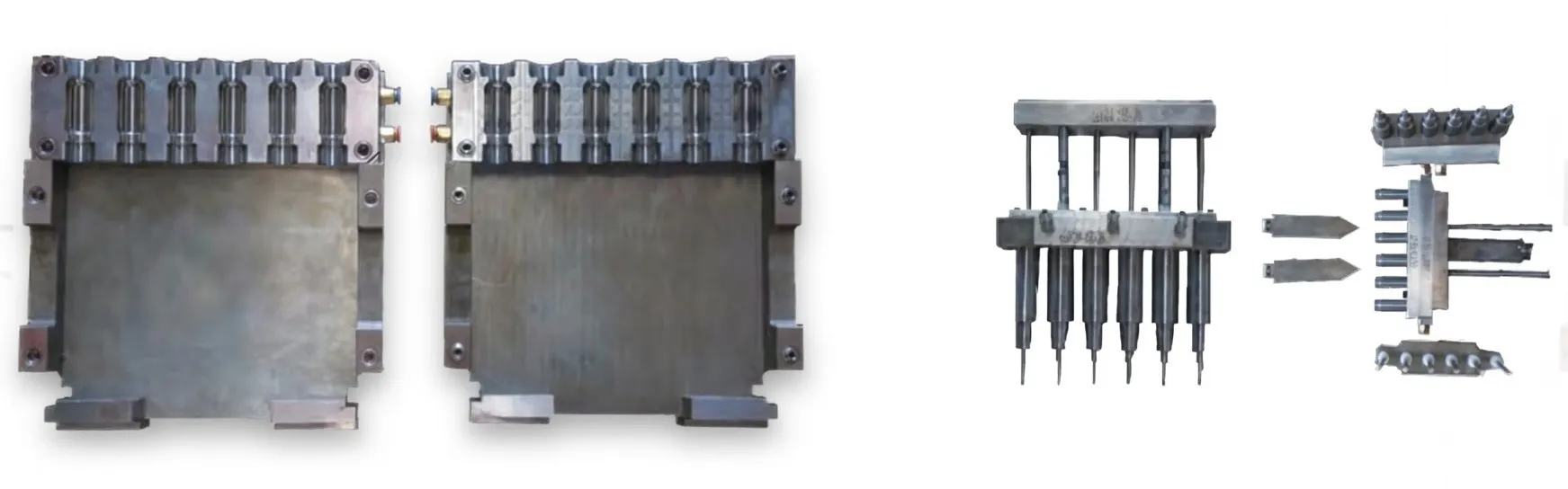
Selecting the right machine configuration is critical when transitioning to rPET production. The table below provides a comprehensive reference covering the key technical parameters relevant to single-stage ISBM operations using recycled content material. These figures have been derived from practical deployment data across production facilities in the UK and Europe, and represent performance benchmarks that ever-advancing ISBM equipment — including the Ever Power range — must consistently meet to deliver commercially acceptable results. Understanding where and why rPET demands different settings from virgin PET is the foundation of a successful recycled material programme.
| Parameter | Virgin PET Setting | rPET Recommended | Notes |
|---|---|---|---|
| Drying Temperature / Time | 160°C / 4 hrs | 165–175°C / 5–6 hrs | Dehumidifying dryer; dew point ≤ –40°C confirmed before each run |
| Barrel Temperature (Zones 1–3) | 270–290°C | 265–280°C | Reduced setting limits AA formation and additional chain scission |
| Injection Pressure | 80–120 MPa | 75–110 MPa | Lower IV reduces viscosity; reduce pressure accordingly to prevent flashing |
| Preform Blow Temperature | 100–115°C | 95–108°C | Narrower window; IR sensing per cavity strongly recommended |
| Blow Pressure | 32–38 bar | 35–42 bar | Slightly higher to compensate for reduced melt strength of rPET |
| Stretch Ratio (Axial) | 2.5–3.5:1 | 2.0–3.0:1 | Reduced ratio avoids stress whitening from chain-scission degradation |
| Intrinsic Viscosity (Input, min.) | 0.80–0.84 dl/g | 0.70–0.78 dl/g | IV rebuilder or chain extender masterbatch if below 0.70 dl/g |
| rPET Blend Ratio (Typical) | N/A | 25–100% | Start at 25–30%, increase incrementally as process stability confirms |
| Melt Filter Mesh | Optional | 100–200 μm (required) | Continuous or discontinuous screen changer depending on contamination load |
| Screw L/D Ratio | 20–24:1 | 22–26:1 | Longer L/D improves homogenisation of variable-IV rPET pellet batches |
| Cycle Time vs. Virgin PET | Baseline | +3–8% longer | Extended conditioning dwell accounts for narrower blow window |
| Recommended Mould Steel | P20 / Aluminium | H13 / S136 | Higher wear resistance essential for extended rPET production run life |
Core Technical Advantages of Single-Stage ISBM for rPET Applications
Beyond the thermal continuity argument, single-stage ISBM machines deliver a range of mechanical and process advantages that translate directly into better outcomes when running recycled materials. These benefits matter at the boardroom level as much as on the production floor. As Extended Producer Responsibility (EPR) legislation tightens in the UK, as virgin resin prices fluctuate with global feedstock markets, and as major retail buyers from Tesco to John Lewis tighten sustainability scorecards, the ability to run rPET reliably at scale has shifted from being a competitive differentiator to a basic commercial requirement for UK packaging converters.
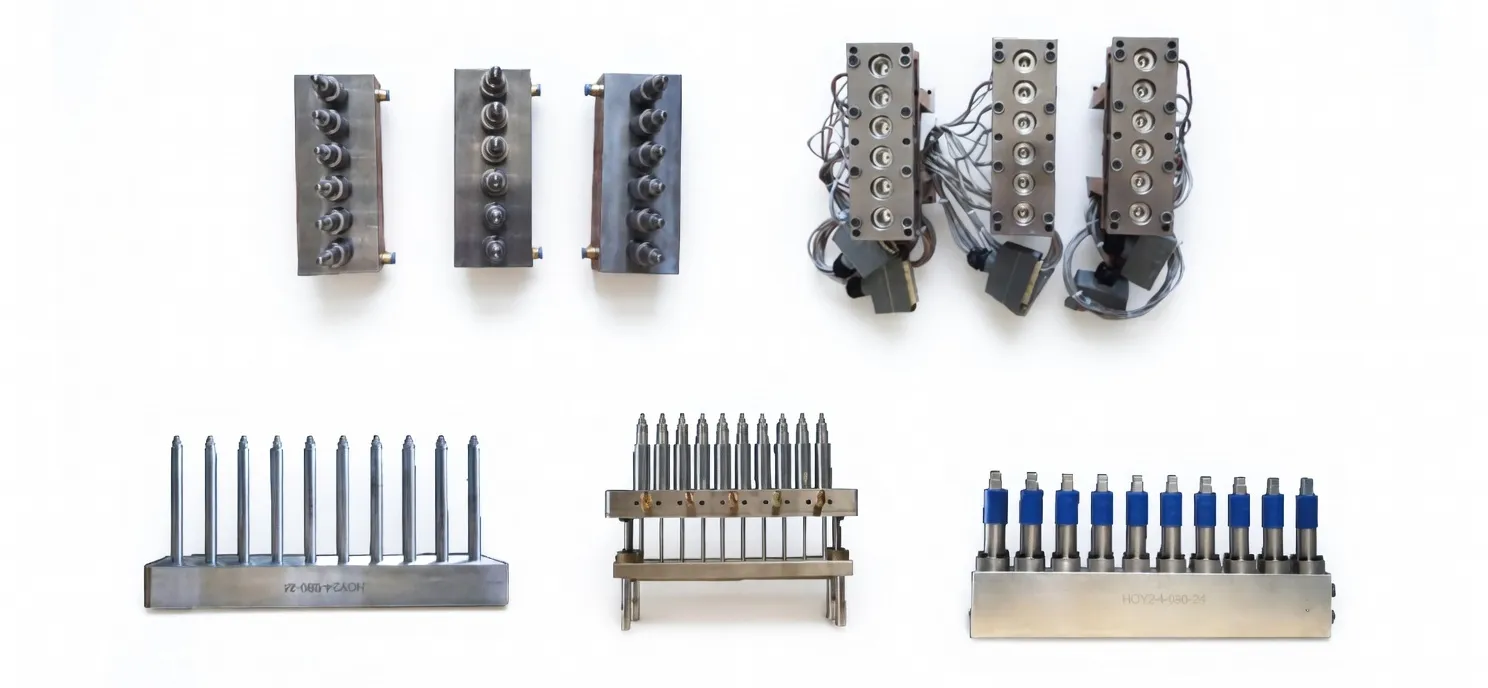
Minimal Thermal Stress on rPET Chains
The single thermal cycle eliminates the reheating stage entirely. Chain degradation is restricted to one heat exposure, preserving IV and barrier performance of recycled material far more effectively than two-stage alternatives. This single-stage advantage enables higher rPET percentages — including 50% or 100% content — without visible quality compromise in the final container, something that is simply not feasible on conventional reheat systems using post-consumer rPET.
Compact Footprint — Ideal for UK Factory Floors
Integrating all stages within one machine eliminates preform transport, intermediate storage racks, and separate reloading equipment. For UK manufacturers operating in urban industrial estates around Birmingham’s Tyseley district, Sheffield’s lower Don Valley, or Manchester’s Trafford Park — where factory floor space commands a premium — this compact integration can meaningfully reduce both capital infrastructure costs and day-to-day material handling complexity while maintaining reliable output rates.
Closed-Loop Process Control — Lower Scrap on rPET
Advanced control architectures with real-time cavity pressure monitoring, per-station temperature sensing, and automated alarm-based rejection systems give operators a level of process visibility that makes rPET variability manageable rather than catastrophic. This translates to scrap rates below 2% on 50% rPET content — a significant economic improvement over the 8–12% scrap commonly seen on legacy reheat systems attempting comparable recycled content levels in UK plastics converting operations.
Wide-Mouth & Complex Geometry Capability
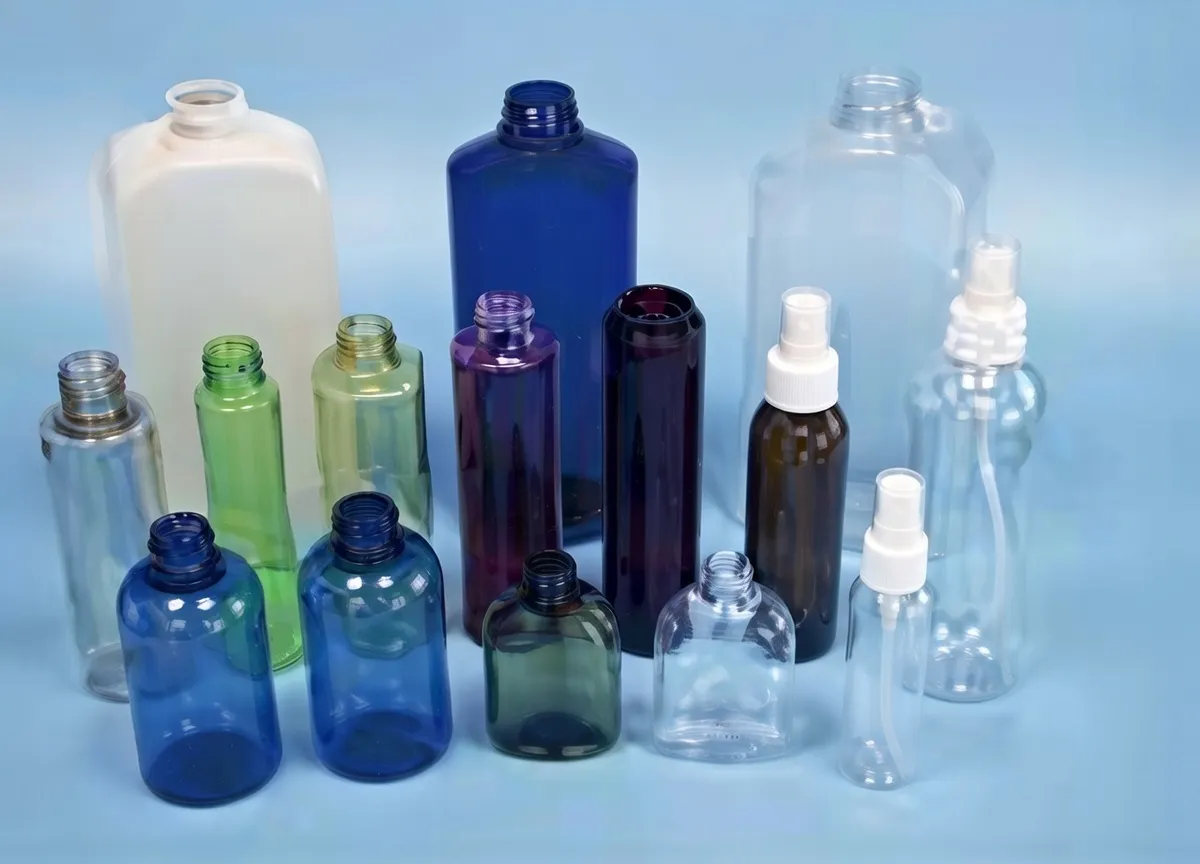
From narrow-neck pharmaceutical vials to wide-mouth food jars and handled bottles, single-stage ISBM machines accommodate complex moulded geometries that are challenging or impractical in two-stage reheat systems. Wide-neck containers — increasingly demanded by food service and condiment packaging customers in Leeds, Liverpool, and the East Midlands food manufacturing belt — benefit directly from the direct-from-injection blow capability that preserves neck orientation and thread integrity in rPET material with no additional handling risk.
Measurable Energy Efficiency Gains
By eliminating the separate preform reheat oven, single-stage ISBM machines consume notably less electrical energy per thousand containers produced compared to two-stage systems. Energy savings of 15–25% per cycle are routinely documented. In the current UK industrial energy environment — where tariffs remain elevated and manufacturers face pressure to report and reduce Scope 2 emissions under SECR regulations — this operational efficiency directly improves both cost margin and sustainability reporting metrics simultaneously.
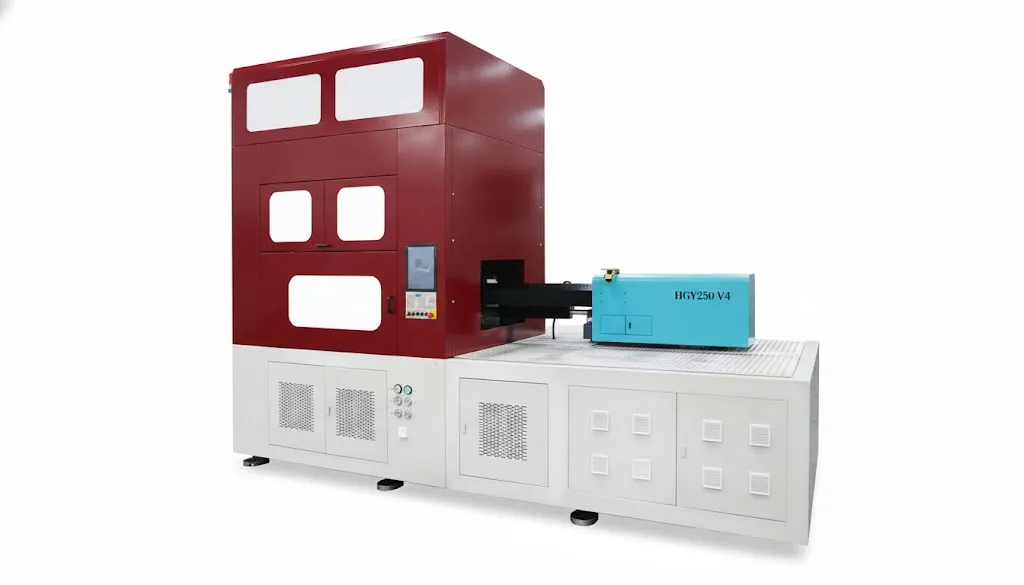
Ever Power HGY250 Series — Purpose-Configured for High rPET Content Single-Stage ISBM Production
Industrial Application Scenarios: Where rPET ISBM Creates Commercial Value Across the UK
Demand for rPET-blown containers spans virtually every corner of British manufacturing and consumer goods supply chains. The versatility of single-stage ISBM technology means it serves industries as diverse as personal care, food manufacturing, pharmaceuticals, and household products — each with distinct requirements on material purity, container geometry, regulatory compliance, and line throughput. The common thread across all these sectors is the same: brands and retailers are pushing hard on recycled content commitments, and the packaging machinery that can reliably deliver those commitments at scale wins the business.
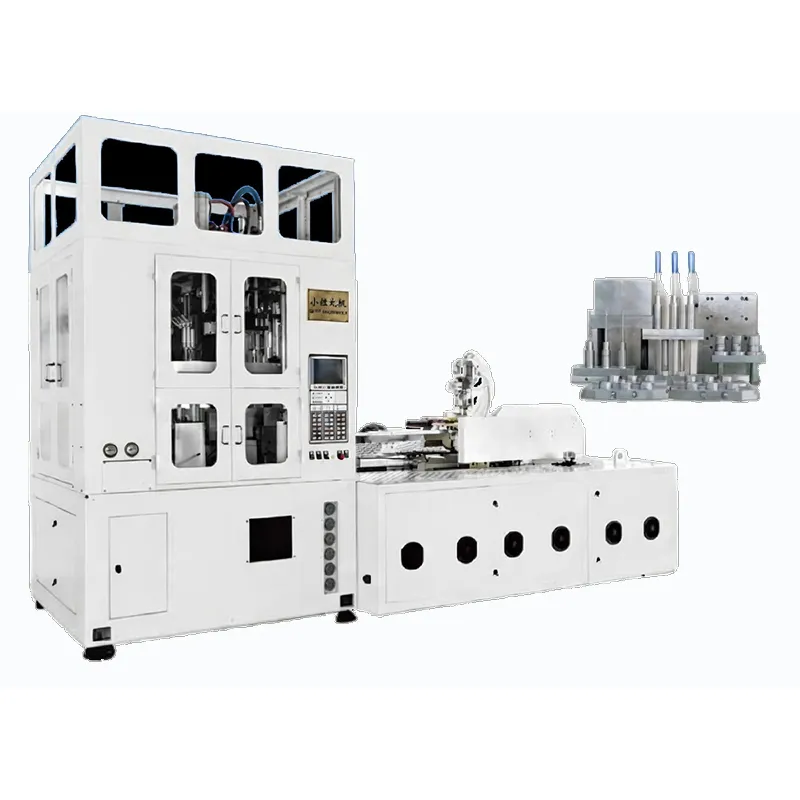
Manufacturing Excellence
Ever Power: Precision-Engineered ISBM Machines Built for rPET Success
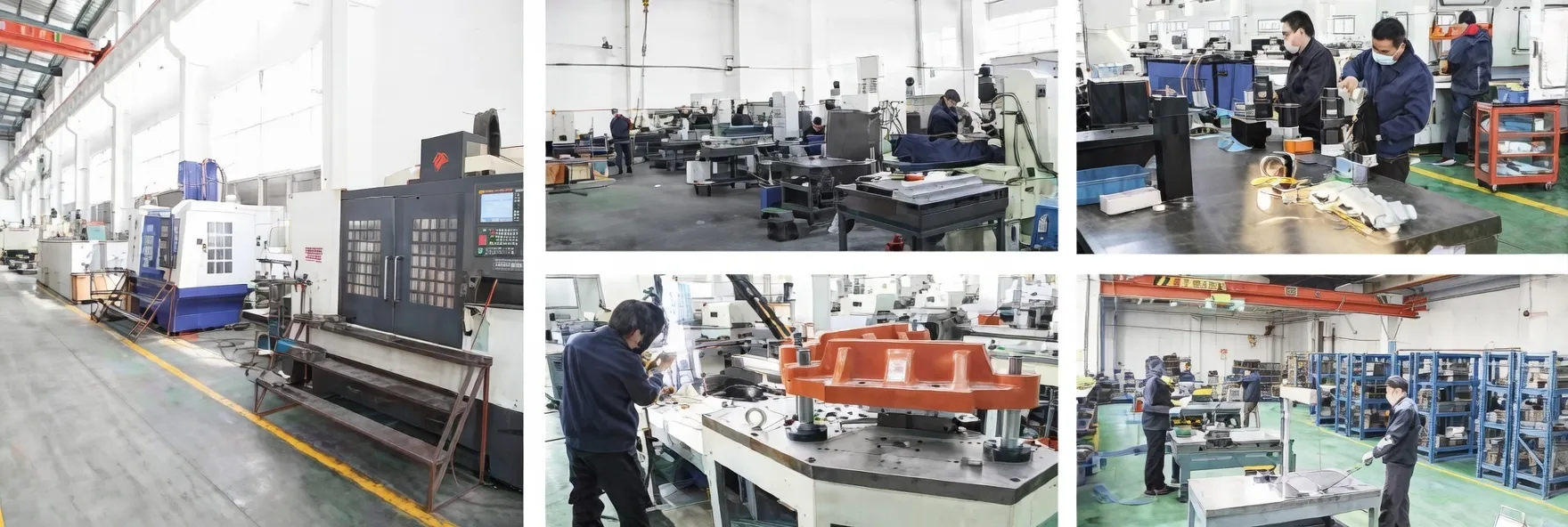
Ever Power has spent over a decade refining the engineering behind single-stage ISBM machinery specifically for the challenges that recycled material processing demands. Our production facilities operate with a precision manufacturing culture: every machine undergoes individual calibration and validated performance testing before leaving the factory floor. For UK packaging manufacturers and European procurement teams concerned about supply chain reliability, Ever Power provides dedicated technical account management, UK-compatible electrical specifications (230/400V, 50Hz), CE certification as standard, and rapid spare parts dispatch via established European bonded freight routes.
Our customisation capabilities extend well beyond standard catalogue configurations. Ever Power engineers work directly with client technical teams to design bespoke mould tooling in H13 and S136 tool steels optimised for specific container geometries, configure multi-cavity layouts for target output rates, and integrate customer-specified auxiliary equipment — including dehumidifying dryers, gravimetric blenders, AA scavenger dosing systems, and melt filtration units — into fully validated, turnkey rPET production lines. Whether you are establishing a new recycled content bottle line at a Sheffield plastics conversion facility or upgrading an existing operation in Birmingham, Ever Power provides the complete engineering partnership from initial feasibility through to production sign-off and operator qualification.
10+
Years ISBM Expertise
50+
Countries Served
CE
Certified Standard
100%
rPET-Ready Models
UK
On-Site Service Support
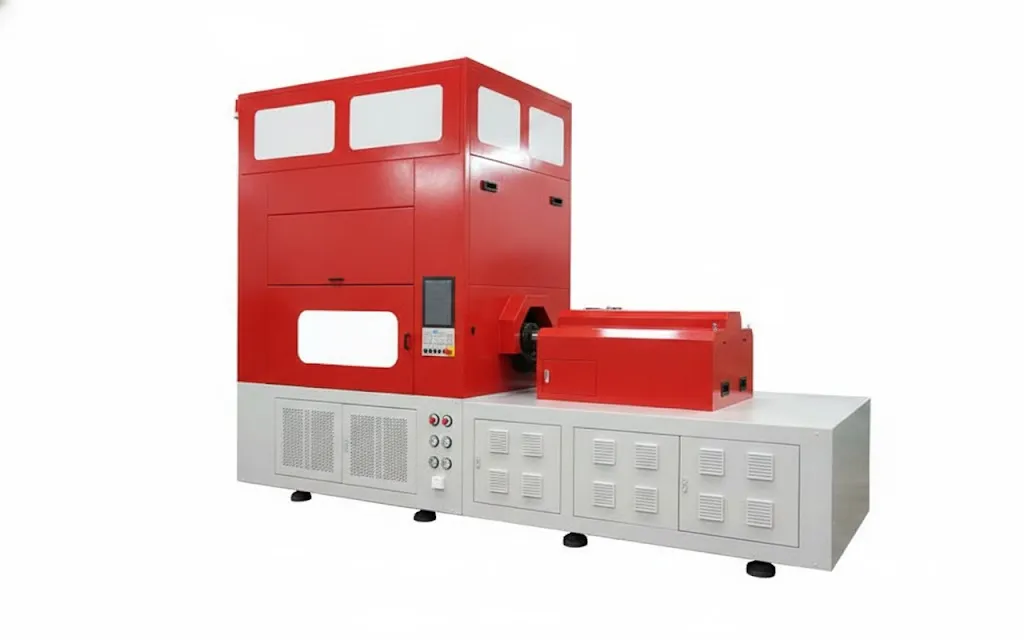
Customer Success Story: rPET Transition at a Sheffield Plastics Manufacturer
Case Study
Greenfield Plastics, Sheffield, South Yorkshire
Sector: Personal care & household product packaging
Machine: Ever Power EP-ISBM Series, 4-cavity configuration
50%
rPET Achieved
22%
Energy Saving
<2%
Scrap Rate
Greenfield Plastics, a mid-sized contract packaging manufacturer based in Sheffield’s lower Don Valley manufacturing corridor, engaged Ever Power in early 2023 facing a challenge familiar to packaging converters across the UK. Two of their largest personal care customers had set firm supplier mandates requiring a minimum 30% post-consumer recycled content in all rigid plastic primary packaging by the end of 2024. Their existing two-stage reheat blow moulding equipment could not reliably process rPET above 20% content without prohibitive scrap rates and colour inconsistency that both brand customers rejected under their quality audit processes.
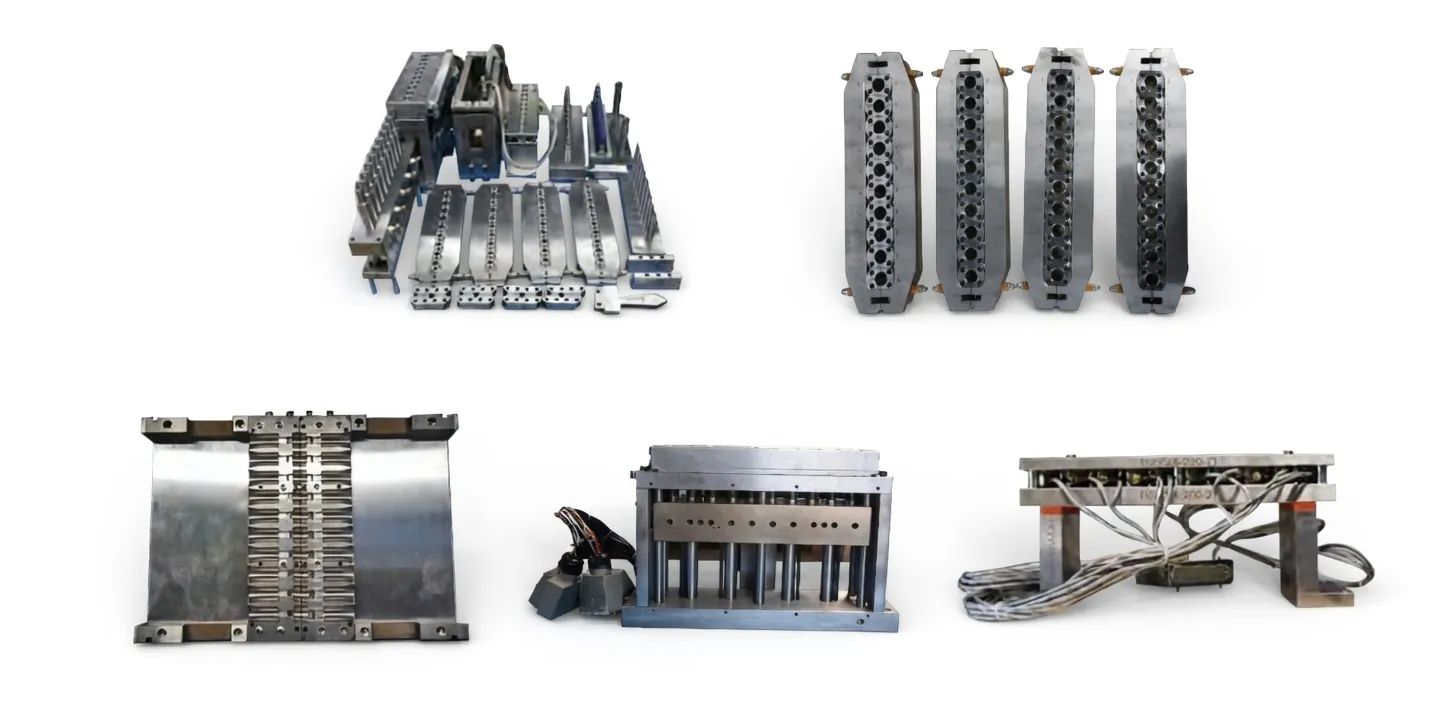
After a detailed site consultation with the Ever Power technical team — including a full review of Greenfield’s container specification portfolio, production volume requirements, and available floor space in their Sheffield facility — the company commissioned a 4-cavity single-stage ISBM machine configured specifically for 250ml–1L personal care bottles in a 50/50 virgin/rPET blend. The machine was delivered complete with an integrated dehumidifying dryer, a gravimetric blender pre-configured for their specific certified rPET pellet source, and custom S136 mould tool steel cavities designed for their proprietary container profile. Commissioning was completed in 11 weeks from machine delivery — within the contractual 12-week programme.
Within three months of full production launch, Greenfield reported a steady-state scrap rate below 2% on 50% rPET — dramatically below the 8–12% they had experienced on legacy equipment attempting just 20% recycled content. The integrated single-stage thermal pathway maintained IV degradation well within acceptable bounds (IV output consistently above 0.72 dl/g throughout production runs), and bottle clarity met the visual quality standards of both customer brand technical teams without optical brightener intervention. The site production manager credited the machine’s closed-loop preform temperature control as the single most decisive feature enabling that performance level. Ever Power’s engineering team provided a two-week on-site commissioning support secondment from the Sheffield installation and has maintained remote diagnostic access since production launch, enabling fast resolution of any process variation queries without requiring an engineer on-site.
What UK Customers Say About Ever Power Single-Stage ISBM Machines
★★★★★
“We were sceptical that any machine could run 50% rPET at the throughput rates we needed without constant process intervention. Ever Power’s single-stage ISBM machine proved us wrong within the first production week. The preform conditioning control is genuinely in a different class — it is the reason we hit our recycled content commitment on time.”
James Harrington
Production Director, Sheffield, South Yorkshire
★★★★★
“The customisation from Ever Power was exceptional. We had a very specific wide-mouth cosmetics jar geometry, and their tooling team produced cavity tooling that hit dimensional tolerance on the first trial run. The rPET compatibility was designed in from mould steel selection upward — zero retrofitting required and zero tooling rework after installation.”
Rachel Pemberton
Packaging Engineering Manager, Birmingham, West Midlands
★★★★★
“As a contract packer supplying own-label products for two of the UK’s largest supermarket chains, we face very rigid sustainability audit requirements. Ever Power helped us achieve verified 50% post-consumer rPET content on our household cleaning bottle range. Price was competitive, delivery was on schedule, and the after-sales technical support has been genuinely outstanding.”
David Thornton
Operations Manager, Manchester, Greater Manchester
Frequently Asked Questions About rPET in Single-Stage ISBM Machines
Ready to Run rPET Successfully on a Single-Stage ISBM Machine?
Talk to the Ever Power team about your container specification, rPET content targets, production volume requirements, and UK site details. We provide detailed technical and commercial proposals tailored to your operation.
edit by gzl