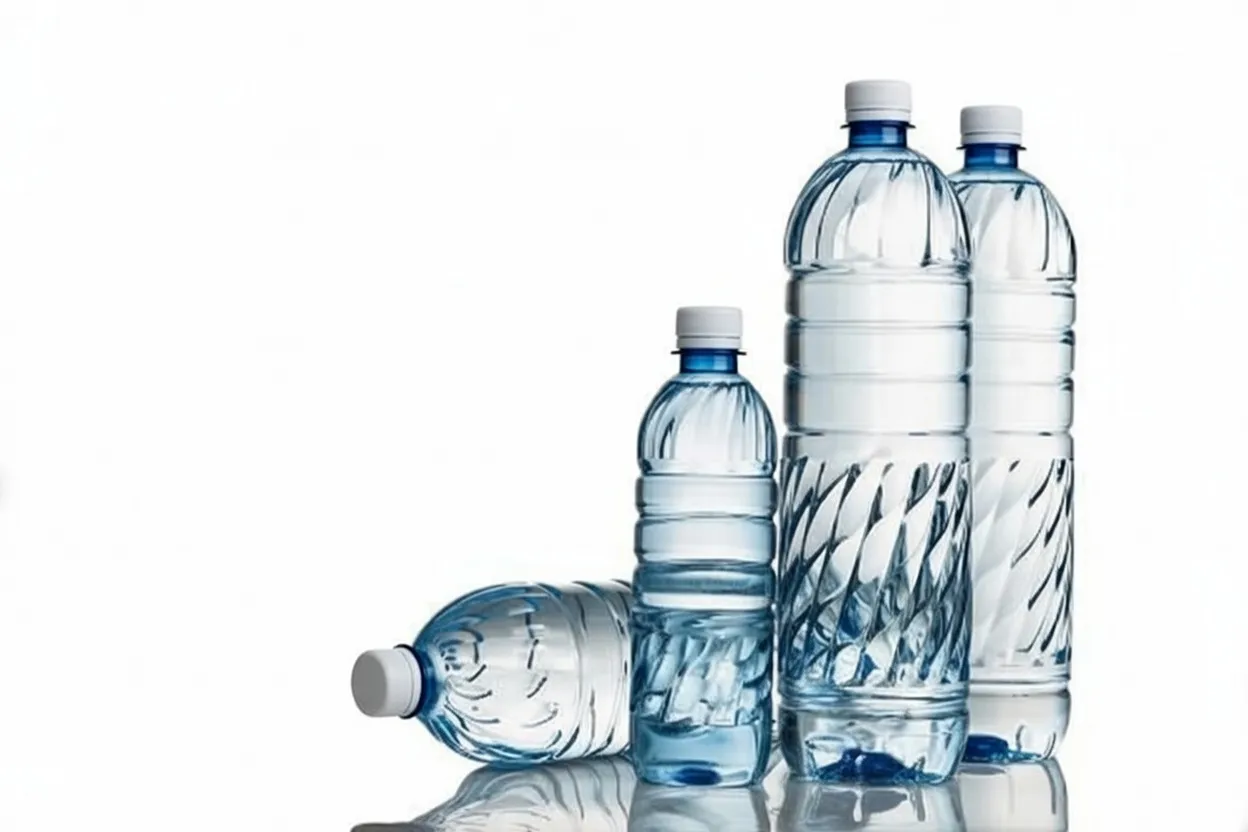
 Engineering precision in beverage packaging requires a profound understanding of polymer thermodynamics and mechanical synchronization, especially when addressing the rigorous demands of the British hydration market. The modern bottling landscape relies heavily on the capability to produce flawless, crystal-clear polyethylene terephthalate containers that visually communicate the purity of the natural spring water inside. Traditional manufacturing paradigms often separate the creation of the preform from the final shaping process, introducing multiple vectors for surface contamination, logistical inefficiencies, and thermal energy waste. By integrating the entire transformation process into a unified, high-speed automated cell, manufacturers can fundamentally alter their operational economics. This highly synchronized approach retains the latent thermal energy generated during the initial melting phase, bypassing the need for energy-intensive reheating ovens that characterize older methodologies. Such architectural machine design directly addresses the stringent carbon reduction targets mandated across industrial sectors throughout the United Kingdom, offering a highly sustainable pathway for high-volume liquid packaging facilities operating in environmentally sensitive regions like the Scottish Highlands or the Welsh valleys.
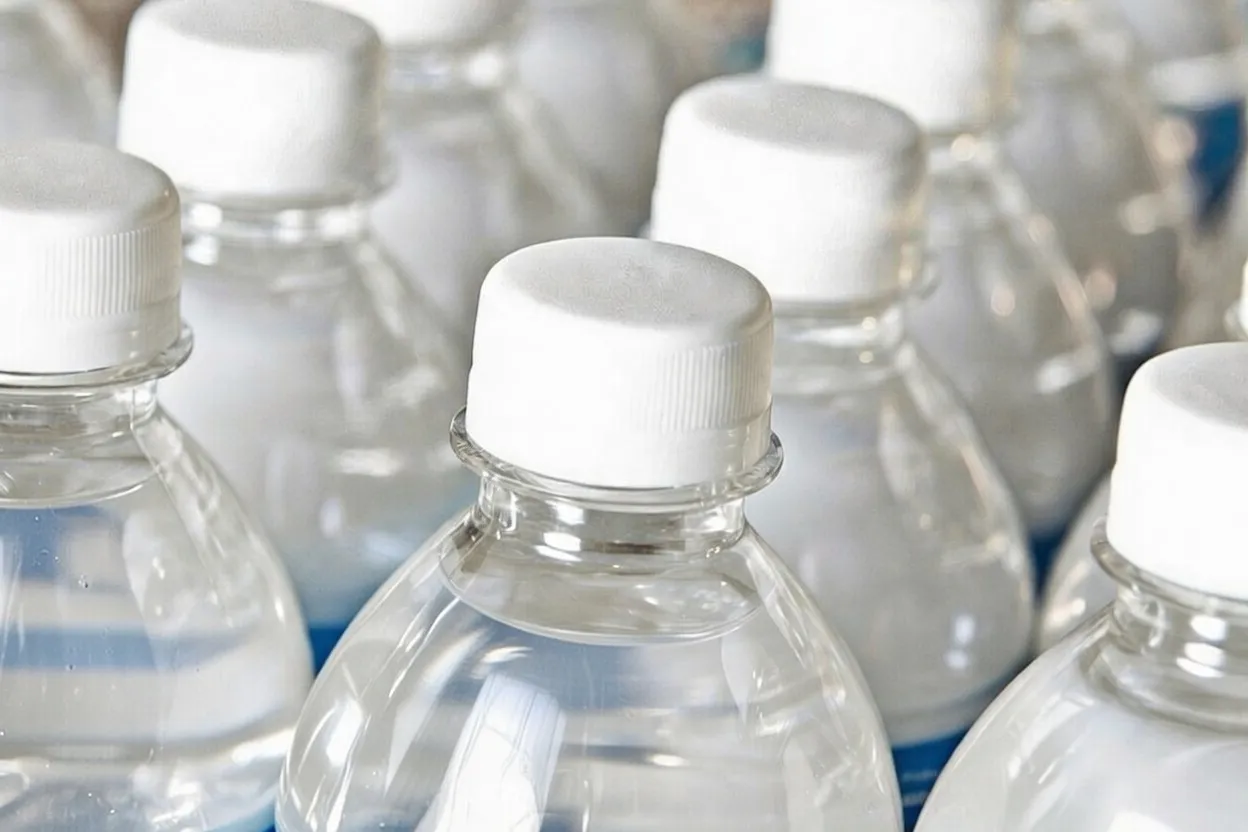
The demand for blemish-free cosmetic appearance in premium beverage retail segments cannot be overstated. When utilizing legacy two-stage systems, preforms are typically ejected into bulk storage bins, subjected to tumbling, mechanical sorting, and transportation vibrations before they even reach the blowing phase. This extensive handling inevitably introduces micro-scratches and scuff marks on the polymer surface, which expand and become highly visible upon the final biaxial orientation. A single-stage processing environment eliminates this detrimental handling entirely. The preform is securely held by its neck ring from the moment of injection through the thermal conditioning station and directly into the blowing cavity. This continuous, touch-free transfer guarantees a glass-like finish, elevating the brand perception on supermarket shelves. The integration of advanced servo-driven hydraulics and highly precise hot runner systems ensures that even at maximum production capacities, the intrinsic viscosity of the polymer is maintained, preventing the formation of acetaldehyde that could compromise the delicate taste profile of natural artisan water.
Core Principles, Material Compatibility, and Operational Scenarios
The operational architecture of this equipment revolves around a sophisticated four-station indexing table that orchestrates the seamless transition of the polymer through its critical phase changes. The primary station involves the precise plastification of the resin, where a highly engineered barrier flight screw ensures a homogenous melt without inducing excessive shear stress. This melt is injected into the preform cavities via a thermally balanced hot runner network, utilizing pneumatic valve gates to eliminate stringing and ensure an immaculate gate vestige. Moving to the second station, the preform undergoes rigorous thermal conditioning. Unlike simplistic cooling, this station applies a differential temperature profile along the longitudinal axis of the preform. This deliberate thermal manipulation allows operators to dictate specific material thickness distribution during the subsequent orientation phase, which is absolutely critical for lightweighting initiatives without compromising the top-load strength required for warehouse stacking and palletized distribution across extensive logistics networks.
Arriving at the third station, the conditioned preform is subjected to simultaneous axial elongation via a mechanical stretch rod and radial expansion through the introduction of high-pressure air. This biaxial stretching induces strain crystallization within the macromolecular structure of the polymer, exponentially enhancing its mechanical rigidity and creating an impermeable barrier against gas permeation. The fourth station handles the gentle ejection of the completed container, synchronizing with downstream automated inspection and filling lines. Regarding material science, the system is explicitly designed to process varied grades of polyethylene terephthalate, including highly demanding post-consumer recycled blends. Adapting to the strict legislative landscape regarding plastic packaging taxes, the injection profiling can seamlessly manage the fluctuating intrinsic viscosity often associated with high-percentage rPET mixtures, ensuring consistent clarity, mechanical resilience, and dimensional stability regardless of the recycled content ratio.
| Technical Parameter | Specification Target | Operational Benefit |
|---|---|---|
| Production Output Capacity | Up to 12,000 BPH (Bottles Per Hour) | Meets peak seasonal consumer hydration demands efficiently |
| Suitable Container Volumes | 250ml to 2500ml | Highly flexible for varied supermarket SKU requirements |
| Supported Materials | Virgin PET, up to 100% rPET, Bio-PET | Aligns with strict domestic sustainability and taxation laws |
| Injection Cavitation | Customizable multi-cavity hot runner systems | Optimizes cycle times and maximizes yield per square meter |
| Power Consumption Index | Significantly lower kWh per kg processed | Drastic reduction in factory energy overheads and carbon emissions |
Strategic Product Advantages for Bottling Facilities
 A paramount advantage embedded within this highly sophisticated manufacturing architecture is the drastic reduction in spatial footprint required on the factory floor. Industrial real estate, particularly in highly developed logistics hubs near major metropolitan centers, commands an extraordinary premium. Implementing a consolidated processing unit eradicates the necessity for sprawling intermediate storage silos, extensive preform unscrambling conveyors, and dedicated reheating oven arrays that legacy systems demand. This compact configuration allows plant managers to maximize the revenue generated per square meter of their facility, often opening up space to install additional downstream packaging equipment or expand warehousing capabilities without requiring costly structural extensions to the building itself. The streamlined layout also drastically simplifies the cleanroom enclosures necessary for sensitive hygiene environments, reducing the volume of filtered air required to maintain aseptic or highly controlled ambient conditions.
Operational economics are further transformed by the inherent energy efficiency of the hot-to-hot processing methodology. Because the injected preform retains the vast majority of its latent plastification heat as it indexes to the blowing station, the system entirely circumvents the massive electrical loads associated with infrared reheating banks used in cold-preform blowing. This translates into an immediate and highly measurable reduction in the kilowatt-hour consumption per container produced. Coupled with advanced servo-motor technology driving the hydraulic clamping and injection mechanisms, the energy draw is restricted precisely to the mechanical work being performed at any given millisecond of the cycle, eliminating the constant energy drain of continuous-running hydraulic pumps. This specific energetic profile provides beverage manufacturers with a formidable competitive edge in an era of fluctuating utility costs and intense scrutiny over corporate environmental footprints.
Diverse Application Scenarios in Fluid Packaging
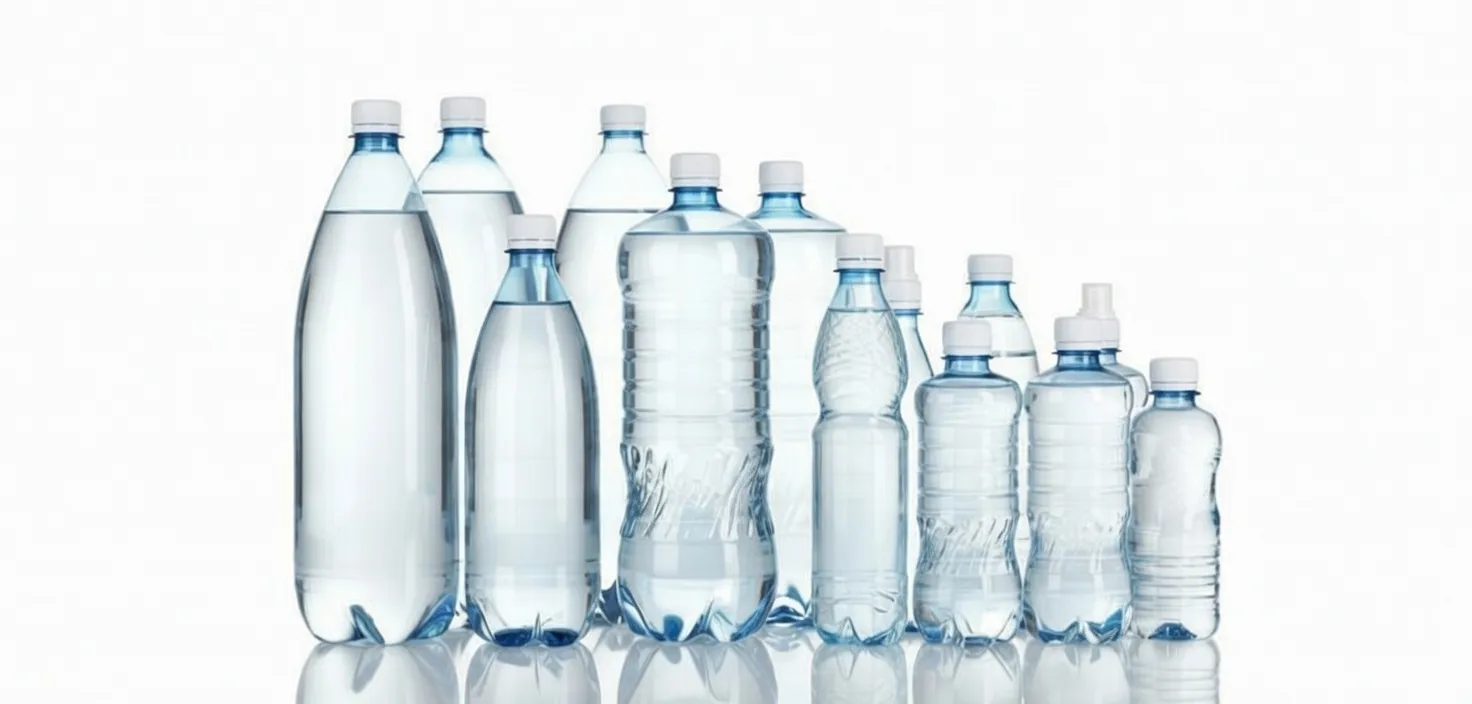
The versatility of this automated manufacturing cell extends across the entire spectrum of the liquid hydration sector. For still natural spring water sourced from pristine geological formations, the equipment excels at creating ultra-lightweight, geometrically complex containers that utilize unique ribbing structures to maintain lateral crush resistance while minimizing polymer weight. The ability to precisely control material distribution ensures that the base of the container remains robust enough to withstand the rigors of automated shrink-wrapping and multi-tier pallet stacking without collapsing. When transitioning production schedules to carbonated or softly sparkling variants, the system can be rapidly reconfigured with heavy-duty mold sets designed to create thicker sidewalls and specialized petaloid bases engineered to withstand internal pressure expansion, preventing the base from rolling out or the container from distorting during high-temperature summer transport scenarios.
Beyond traditional hydration products, this platform is extraordinarily adept at producing specialized packaging for functional, vitamin-enhanced, and flavored water segments. These high-value liquids often require distinctive, bespoke packaging shapes to differentiate themselves in a saturated retail environment. The precision injection phase allows for intricate neck thread configurations required for specialized sports caps or tamper-evident closures, while the stretch blow phase faithfully replicates deeply engraved brand logos and complex aesthetic textures embedded in the mold walls. The rapid tooling changeover capabilities mean that a single production line can seamlessly pivot from producing high-volume 500ml on-the-go sports bottles during the morning shift to bulk 2-liter family hydration packs in the afternoon, providing factory planners with unparalleled agility to respond to dynamic retail supply chain fluctuations without incurring prohibitive downtime.
Ever Power: Bespoke Factory Customization & Engineering Excellence
 Selecting capital equipment for continuous high-speed manufacturing goes far beyond purchasing a standard catalog item; it requires an intensive partnership focused on bespoke engineering solutions. Ever Power distinguishes itself through a profoundly customizable approach to machinery design, acknowledging that no two bottling facilities possess identical operational constraints or exact production goals. The factory’s comprehensive in-house tooling division allows for the complete design, computational fluid dynamics simulation, and precision machining of custom mold sets. This ensures that a client’s specific container geometry, whether designed for ergonomic grip, maximized label panel area, or optimized volumetric packing efficiency, is perfectly translated from digital concept to tangible reality. This vertical integration drastically reduces the lead time from initial order to final commissioning, providing a rapid return on investment and allowing brands to launch new packaging formats ahead of their competition.
The structural and electrical frameworks of Ever Power systems are rigorously customized to comply with localized compliance standards, seamlessly adapting to specific voltage requirements, safety interlock protocols, and communication architectures necessary for integration into existing digital factory environments. Advanced programmable logic controllers can be interfaced directly with overarching manufacturing execution systems, providing real-time telemetry on cycle speeds, injection pressures, thermal profiles, and energy consumption. This data transparency empowers plant managers to conduct predictive maintenance, minimizing unplanned downtime and ensuring the equipment operates at peak overall equipment effectiveness. The robust application of high-grade hardened steel in the clamping unit and wear-resistant coatings on the plasticizing screw guarantee decades of reliable service, even when running highly abrasive recycled polymer blends continuously over multiple shifts.
Client Success Profile: Revolutionizing Bottling in the Scottish Highlands
Navigating the complexities of high-volume water production presents unique challenges, as clearly demonstrated by a leading natural spring water enterprise nestled in the heart of the Scottish Highlands. The facility was previously reliant on a decentralized two-stage production model, purchasing pre-formed polymer tubes from a remote supplier and reheating them on-site. This fragmented supply chain subjected the company to exorbitant transportation costs, severe weather-related delivery delays, and most critically, unacceptably high reject rates due to deep scuffing on the container surfaces caused by bulk transit. The brand’s reputation for pristine, untouched Highland purity was being visually contradicted by cloudy, scratched packaging on supermarket shelves. To rectify this operational bottleneck and protect their market positioning, the executive team initiated a comprehensive technological upgrade, transitioning their primary output lines to the integrated Ever Power single-stage architecture.
The deployment of the new equipment yielded immediate and profoundly measurable operational transformations. By processing raw resin pellets directly into finished, retail-ready containers within a single, continuous machine cycle, the facility entirely eliminated the preform transportation logistics. This shift not only eradicated the surface scratching issues, restoring a flawless, glass-like clarity to their premium product lines, but it also resulted in a massive 38 percent reduction in baseline energy consumption per unit produced, owing to the elimination of the reheating ovens. Furthermore, the intelligent thermal profiling capabilities of the machine allowed the engineering team to optimize the material distribution, reducing the overall plastic weight of their core 500ml container by 2.5 grams without sacrificing critical top-load structural integrity, resulting in monumental annual material cost savings and aligning perfectly with their corporate sustainability mandates regarding plastic reduction.
“The transition to this integrated manufacturing architecture completely resolved our persistent aesthetic quality control issues. The continuous handling eliminates preform collision, and the visual clarity of our premium range is now absolutely unparalleled in the retail sector.”
— Operations Manager, Highland Spring Water Co.
“We faced intense pressure regarding energy overheads and space limitations. Consolidating our lines into a single processing unit drastically cut our kilowatt-hour usage per bottle and freed up vital warehouse real estate for dispatch operations.”
— Production Director, Scottish Beverage Logistics
“The ability to seamlessly incorporate post-consumer recycled blends while maintaining absolute dimensional stability has allowed us to comfortably exceed all domestic plastic packaging tax compliance metrics without compromising product safety.”
— Chief Executive Officer, Celtic Artisan Hydration
Frequently Asked Questions (FAQ)
How much does a high-capacity 1-step injection stretch blow molding machine cost for UK water suppliers?
The exact price point fluctuates significantly based on the specific cavitation requirements, the level of automated downstream integration, and any bespoke tooling required for unique container geometries. Generally, beverage plant operators can anticipate a capital investment that reflects the advanced servo-hydraulics, precision hot runner systems, and specialized thermal conditioning units engineered into the platform. It is highly recommended to request a comprehensive, detailed quote tailored to your facility’s exact volumetric output goals, resin processing requirements, and electrical compliance configurations to receive an accurate financial projection.
Which regional suppliers offer reliable customized tooling and maintenance services across Great Britain?
Securing consistent technical support and rapid tooling deployment is critical for maximizing continuous operational uptime. Ever Power operates an extensive engineering network explicitly structured to support comprehensive domestic installations. Our dedicated service infrastructure guarantees rapid deployment of custom-engineered injection molds, specialized stretch rods, and critical operational spare parts directly to your regional manufacturing site. From initial machine calibration and operator training to advanced troubleshooting and preventative maintenance protocols, our dedicated technicians ensure seamless, uninterrupted production workflows regardless of your facility’s geographical location.
What specific power consumption savings can bottling factories expect when switching processing technologies?
Transitioning from traditional dual-stage setups to an integrated single-stage architectural platform typically results in an immediate and highly substantial reduction in total factory power utilization. By completely circumventing the intense electrical demands of the infrared heating arrays required to soften cold preforms, facilities often observe a decrease in their overall energy footprint ranging between thirty to forty percent per finished unit. This dramatic enhancement in thermodynamic efficiency translates directly into vast reductions in monthly utility expenditures, simultaneously accelerating the return on investment phase while achieving highly ambitious corporate carbon neutrality milestones.
Where can I get a direct technical consultation and accurate price quote for custom factory implementation?
Initiating a comprehensive project evaluation for your specific liquid packaging requirements is highly straightforward. Industry professionals, procurement officers, and engineering directors are encouraged to directly connect with our specialized technical sales division. By reaching out to [email protected], our senior application engineers will promptly engage with your team to deeply analyze your proposed factory floor layouts, targeted output metrics, and specific material handling challenges, subsequently providing a highly detailed, customized financial proposal and an optimized machinery configuration strategy designed precisely for your enterprise.
edit by gzl