Industry Deep Dive · UK B2B Manufacturing
Injection Blow Molding Machine Applications in Laboratory & IVD Diagnostics: Blood Collection Tubes, Urine Specimen Containers and Cryovials
Precision container manufacturing for the life sciences sector — from Birmingham medical device parks to Sheffield’s advanced materials clusters
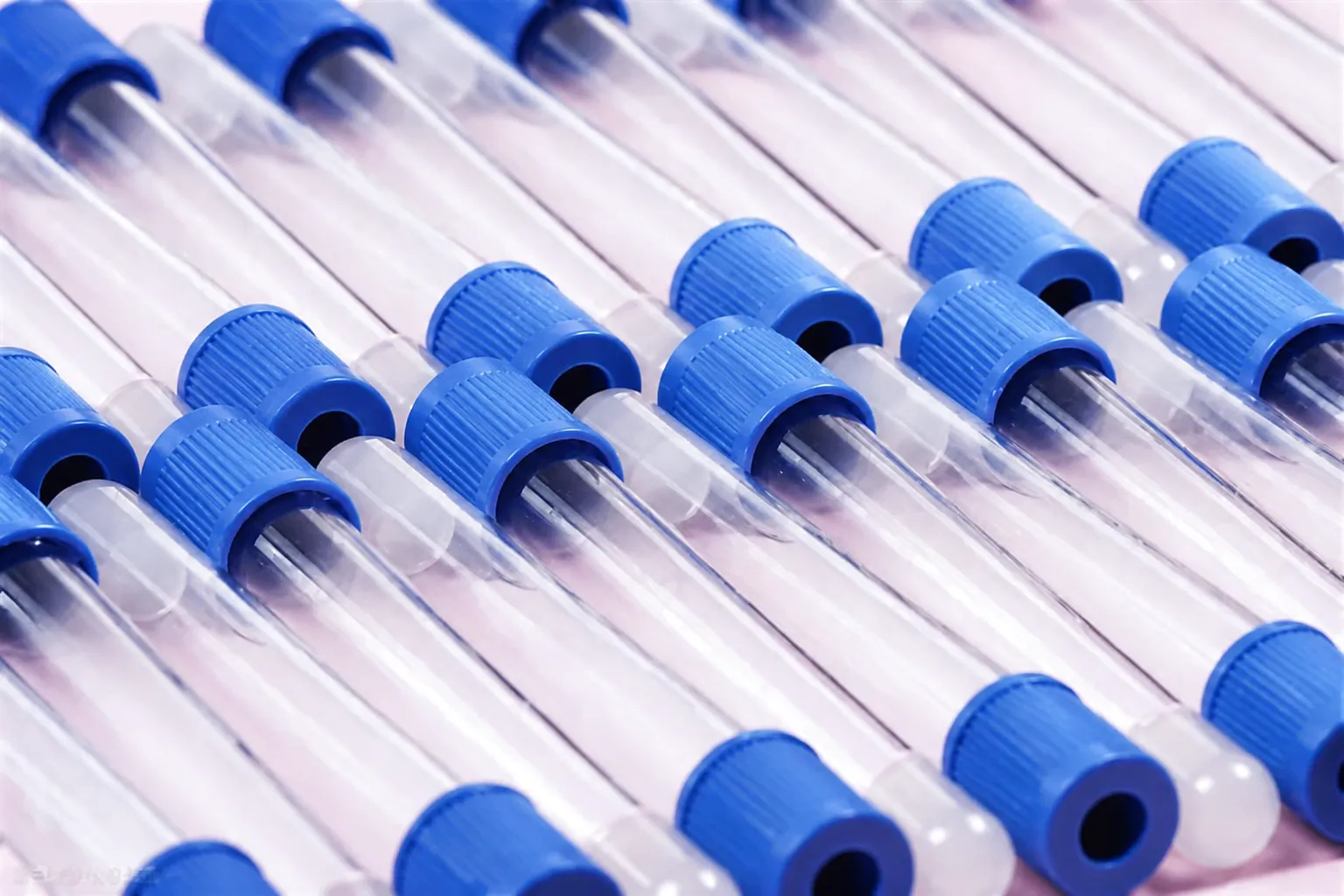
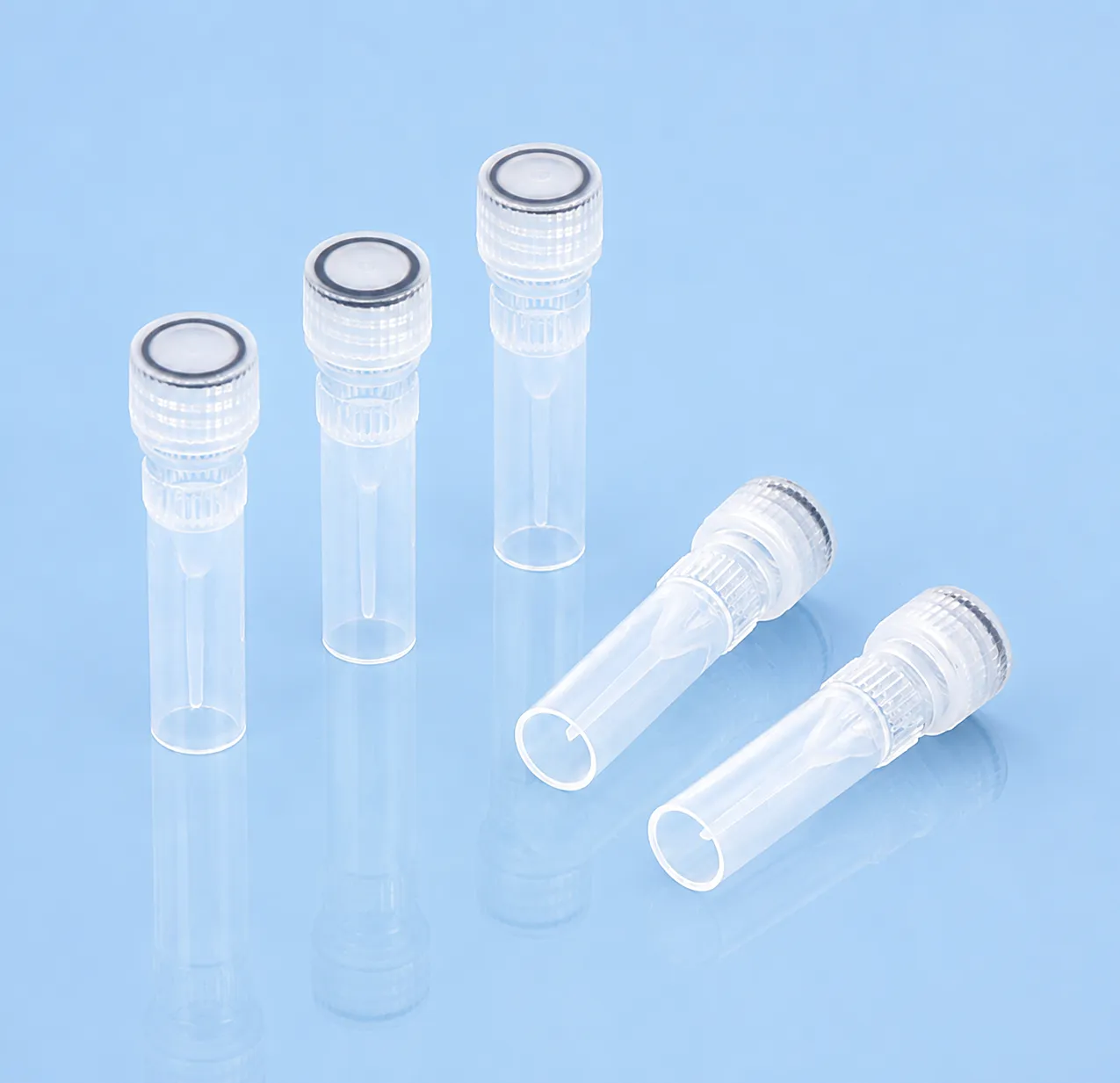
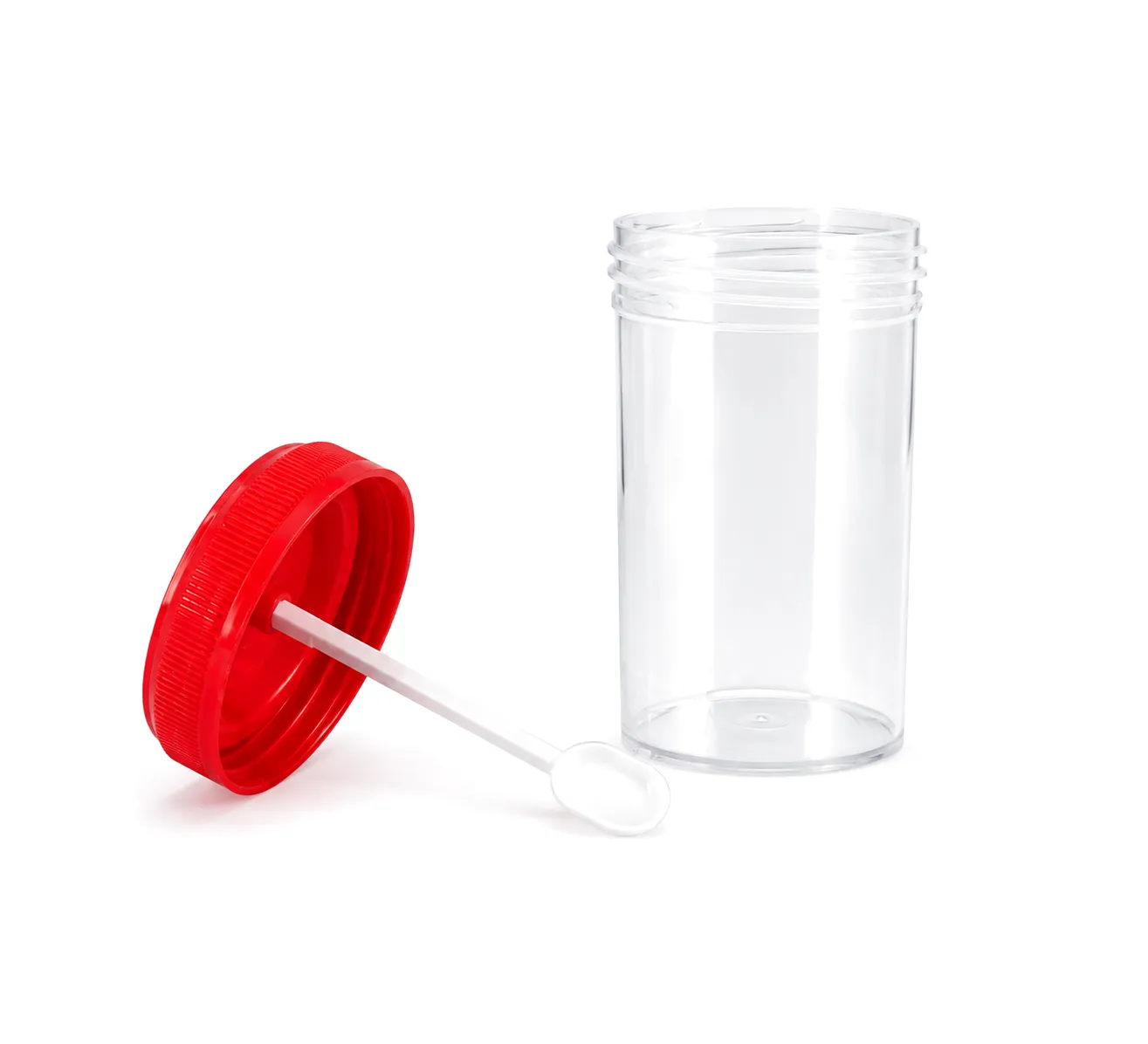 Few manufacturing domains place higher demands on forming precision than laboratory and in-vitro diagnostics packaging. A vacuum blood collection tube that varies even 0.15 mm in neck diameter can compromise the seal integrity of its rubber stopper, leading to specimen haemolysis or partial vacuum loss — outcomes that cascade directly into misdiagnosis. Urine specimen containers need ultra-smooth internal surfaces to prevent bacterial adhesion and reduce background contamination in urinalysis strips. Cryovials destined for biobanks in Cambridgeshire or NHS tissue repositories in Leeds must endure repeated freeze–thaw cycles from ambient temperatures down to -196 °C in liquid nitrogen without crazing, cracking or leaching. What unifies the production of all these items is the injection blow molding machine — a platform that combines the dimensional fidelity of injection molding with the hollow-body efficiency of blow forming in a single, continuous, contamination-free cycle. As the UK life sciences sector continues its post-Brexit expansion with new diagnostics manufacturing incentives in the Midlands and North West, the injection blow molding machine has moved from specialist tooling curiosity to mission-critical production asset for IVD packaging converters.
How the Injection Blow Molding Machine Works — Cycle by Cycle Precision
Stage 1 — Injection of the Parison
Molten polymer — typically polypropylene (PP), polyethylene terephthalate (PET), or high-density polyethylene (HDPE) — is precision-injected around a hardened steel core rod. The resulting parison already carries the exact geometry of the container’s neck thread and base. Because neck dimensions are set during this stage rather than stretched during blowing, thread tolerances as tight as ±0.08 mm are routinely achieved, which is mandatory for IVD stopper-fit validation under ISO 6710 and EN 14820 standards prevalent in NHS procurement specifications.
Stage 2 — Blow Forming
The core rod, still carrying the warm parison, rotates into the blow mould. High-pressure air — typically in the range of 6 to 10 bar — expands the parison against the cavity walls. Because the core rod supports the internal geometry throughout, wall thickness distribution is far more uniform than in extrusion blow molding. For cryovials requiring even wall distribution to withstand thermal shock, the coefficient of variation in wall thickness achieved on a modern injection blow molding machine is typically below 8% — a metric that extrusion alternatives struggle to match consistently.
Stage 3 — Ejection & Cleanliness
The finished container ejects without trim flash or secondary operations. This is critical in IVD manufacturing where every downstream handling step introduces contamination risk. The absence of a pinch-off seam — the defining quality advantage of IBM over extrusion blow molding — means internal surface roughness values (Ra) of 0.4 µm or lower are achievable without post-processing, satisfying cleanroom protocols under ISO 14644-1 Class 7 or Class 8 environments increasingly common in UK diagnostics manufacturing facilities around Stevenage and Abingdon.
Materials Processed by Injection Blow Molding Machines in IVD Packaging
Polypropylene (PP)
The dominant material for vacuum blood collection tubes and urine containers. PP offers excellent chemical resistance to EDTA, sodium citrate and serum separator gel additives, along with sufficient rigidity to maintain vacuum integrity for up to 24 months. Medical-grade PP with MFI values of 8–15 g/10 min is routinely processed on injection blow molding machines at barrel temperatures of 210–250 °C. UK pharmaceutical converters favour PP for its compliance with European Pharmacopoeia 3.2.2 (polypropylene for containers) and its suitability for gamma sterilisation at 25 kGy doses.
PET (Polyethylene Terephthalate)
PET is selected when optical clarity is paramount — sputum containers, faecal specimen bottles and certain serology tubes require the physician or biobank technician to observe contents without opening. Injection blow molding machines process PET at 270–290 °C with careful drying to below 0.005% moisture content to prevent hydrolytic degradation and haze formation. Amorphous PET (aPET) processed on IBM machines produces containers with haze values below 2% (ASTM D1003), meeting the clarity requirements of point-of-care diagnostics kits distributed through UK NHS Supply Chain frameworks.
HDPE for Cryogenic Applications
High-density polyethylene grades specifically formulated for cryogenic service are processed on injection blow molding machines for cryovial production. HDPE cryovial bodies must maintain impact resistance at -196 °C while offering chemical compatibility with DMSO-based cryoprotectants used in stem cell banking and reproductive medicine labs across the UK. The IBM process gives cryovials the uniform wall structure needed to survive rapid immersion in liquid nitrogen without stress whitening. Some UK biobank operators in Cambridge and Oxford now specify IBM-produced cryovials over injection-moulded alternatives precisely because the blown wall structure shows superior resistance to microcracking during thermal cycling.
Polystyrene & COC for Specialty IVD Formats
Cyclic olefin copolymer (COC) and general-purpose polystyrene are processed on injection blow molding machines for niche IVD applications where water vapour transmission rate (WVTR) must be near-zero. COC in particular — brands such as Topas or Zeonex — is gaining traction among UK in-vitro diagnostics companies developing molecular diagnostic test cartridges and point-of-care lateral flow device housings. Its near-zero moisture absorption, birefringence control and high clarity make it ideal where optical detection elements are integrated into the container geometry itself.
Application Scenarios: Laboratory & In-Vitro Diagnostics (IVD) Packaging
Industry: Laboratory & IVD · Sector: Life Sciences Manufacturing
Core Technical Advantages of Injection Blow Molding Machines for IVD Container Production
➤ Flash-Free & Trim-Free Output
The IBM cycle produces containers without the tail flash characteristic of extrusion blow molding or the gate vestige of injection moulding. For medical containers entering cleanroom packaging environments, the elimination of secondary trimming operations removes both a contamination source and a quality risk (trim debris). This is directly relevant to UK MHRA requirements for medical device production environments.
➤ Validated Neck Precision for Closure Systems
Since the neck geometry is formed during the injection phase rather than stretched during blowing, dimensional consistency is exceptional. Process Cpk values above 1.5 for critical neck dimensions (OD, thread pitch, sealing surface) allow IVD manufacturers to qualify rubber stopper, screw cap and snap-fit closure systems with confidence and reduce qualification batch sizes demanded by notified bodies.
➤ Cleanroom-Compatible Process Architecture
IBM machines are more easily enclosed within Class 7 or Class 8 cleanroom environments than extrusion blow molding lines because the compact rotary station design generates lower particulate levels. This has made injection blow molding machines the preferred choice for new IVD manufacturing facilities being built or expanded across the UK Midlands under Innovate UK’s Life Sciences Manufacturing Challenge Fund.
➤ High-Cavitation Efficiency
Modern injection blow molding machines can run tooling with 6, 8, 12 or even 16 cavities simultaneously, achieving production rates of 5,000 to 20,000 containers per hour for standard blood tube geometries. This output density allows UK contract manufacturers to serve large NHS framework tender volumes from compact footprints — a practical advantage in high-rent industrial estates in the South East and the technology parks around Guildford and Basingstoke.
➤ Biaxial Orientation for Cryogenic Performance
The blow stage imparts a degree of biaxial molecular orientation to the container sidewall that measurably improves low-temperature impact strength, barrier properties and stress-crack resistance. For cryovial applications and freeze–thaw cycling containers, this orientation advantage of injection blow molding over injection moulding alone translates directly into product performance differentiation that IVD customers can document and include in their design dossiers submitted to UK Approved Bodies.
Injection Blow Molding Machine — Technical & Performance Specification Table
The table below summarises representative performance parameters for injection blow molding machines configured for IVD and laboratory container production. Values reflect typical operating conditions for medical-grade PP, PET and HDPE processing.
| Parameter | Specification / Range | IVD Significance |
|---|---|---|
| Container Volume Range | 1 mL – 250 mL | Covers full IVD tube range from paediatric micro-tubes to 100 mL urine containers |
| Neck OD Tolerance | ±0.05 mm – ±0.10 mm | Ensures reliable rubber stopper seating and vacuum retention per ISO 6710 |
| Wall Thickness CV | <8% (typical: 4–6%) | Critical for cryovial thermal shock resistance and barrier uniformity |
| Cavity Count (standard) | 2 – 16 cavities | Scales output from R&D trials to NHS framework volumes |
| Production Rate (typical, 8-cavity) | 6,000 – 14,000 pcs/hr | Satisfies large-volume tender supply requirements without multi-line investment |
| Injection Temperature Range | PP: 210–250 °C | PET: 270–290 °C | HDPE: 180–230 °C | Multi-material capability from single platform |
| Blow Air Pressure | 6 – 10 bar | Adjustable per resin and container geometry for optimal biaxial orientation |
| Internal Surface Ra | ≤0.4 µm (no post-processing) | Reduces biofilm initiation; satisfies cleanroom ISO 14644-1 Class 7/8 |
| Neck OD Process Cpk | ≥1.67 (validated) | Supports MHRA IQ/OQ/PQ qualification under EN ISO 13485 |
| Cryogenic Service Range | -196 °C – +121 °C (HDPE / PP grades) | Covers LN2 biobanking and autoclave sterilisation in a single container design |
| Changeover Time (tool) | 30 – 90 min (modern quick-change design) | Enables agile switching between tube types for contract manufacturers serving multiple IVD clients |
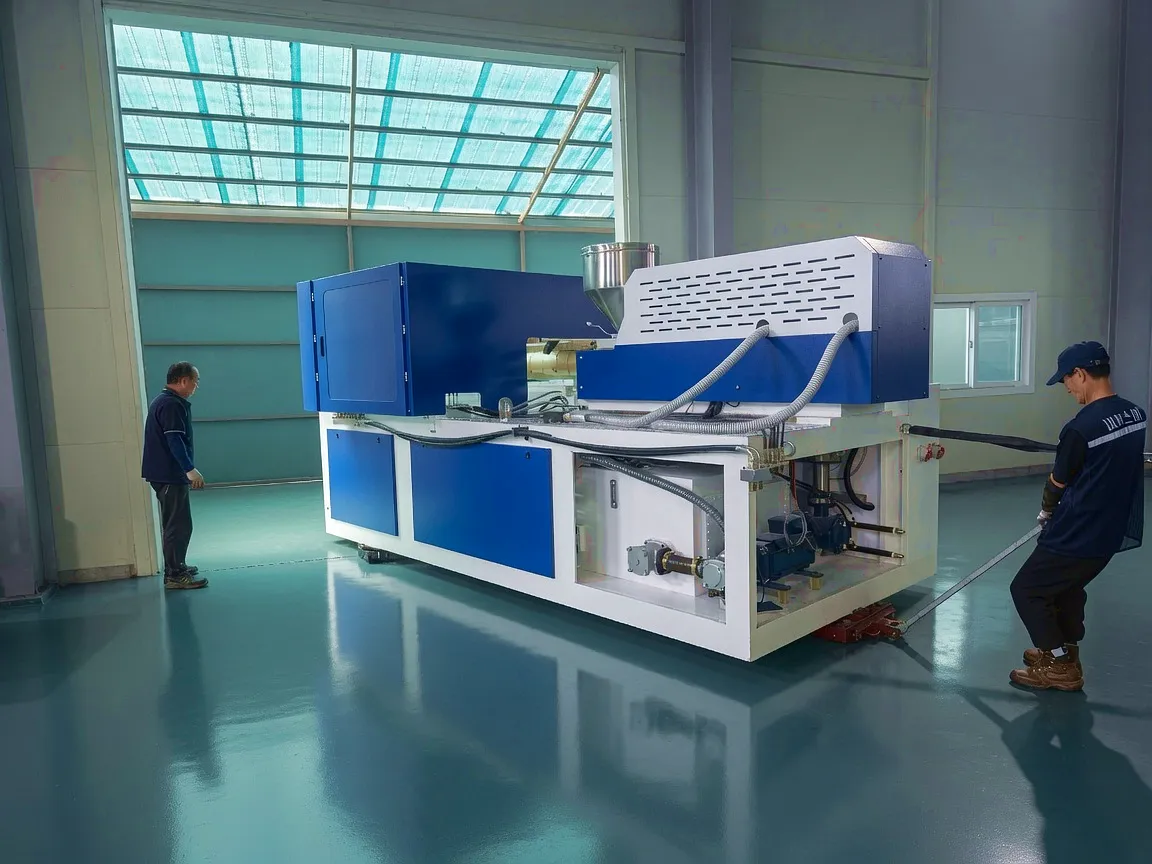
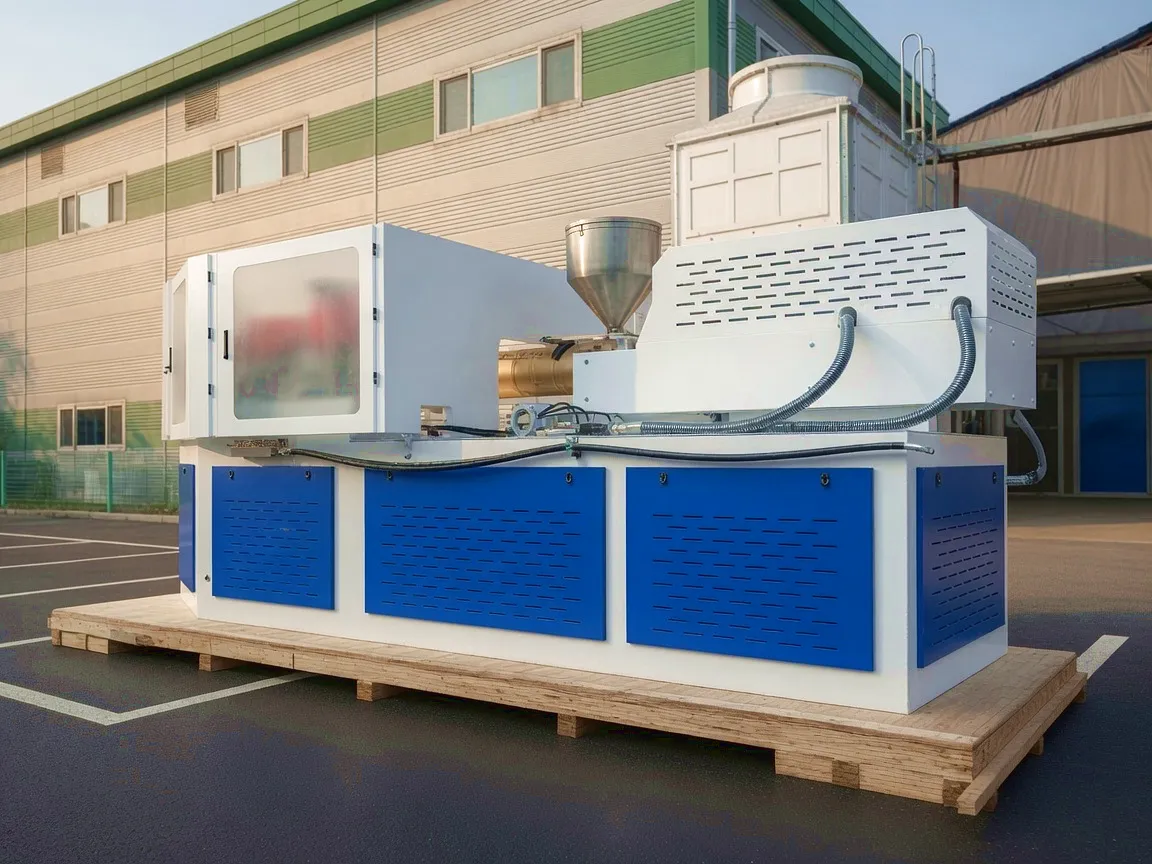
Ever Power: Precision Manufacturing & Customisation for IVD Container Production
Supply Chain Reliability
Ever Power maintains strategic spare parts inventories for wear components across all machine series, with DHL Express international logistics partnerships ensuring 48–72 hour parts delivery to UK customer sites in Birmingham, Sheffield, Manchester and London. Remote diagnostics via the machine’s Ethernet interface further reduces unplanned downtime.
Medical Grade Process Validation
Factory acceptance testing (FAT) at Ever Power’s facility includes dimensional verification across full cavity sets, leak testing to EN ISO 6710, and optional gamma sterilisation compatibility testing. Customers receive calibrated data files suitable for direct inclusion in MHRA technical files and CE/UKCA marking dossiers.
After-Sales & Field Support
Ever Power’s UK technical support partners can provide on-site commissioning, operator training and first-year preventive maintenance services. Long-term service agreements with guaranteed response times of 4–8 business hours are available, designed specifically for production environments where downtime translates into supply chain shortfalls against NHS framework commitments.
Featured Injection Blow Molding Machines from Ever Power
Customer Success Story: NHS Pathology Supply Chain, Nottingham
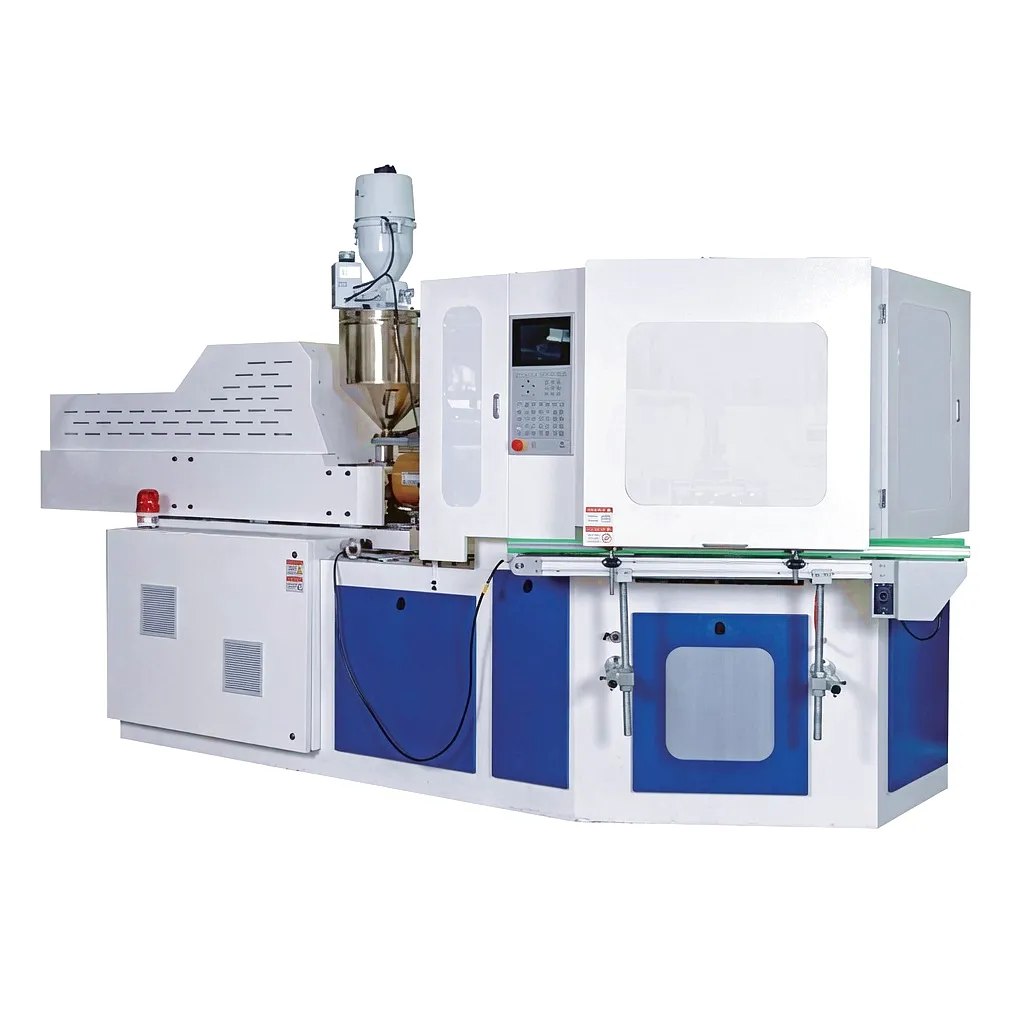 A contract packaging manufacturer based on the Riverside Business Park in Nottingham had operated a pair of extrusion blow moulding lines producing urine specimen containers and blood tube pre-forms for NHS East Midlands pathology laboratories for nearly fourteen years. When their incumbent equipment reached end-of-service life, the quality team identified a persistent problem: approximately 1.8% of urine containers were being rejected at the automated capping station due to inconsistent neck geometry — a defect rate that inflated scrap costs and occasionally disrupted container supply to GP surgeries and walk-in centres across Nottinghamshire and Derbyshire. The operations director, after attending the Medical Plastics Conference in Telford, approached Ever Power following a demonstration of the ZQ40 injection blow molding machine.
Ever Power’s application engineering team visited Nottingham within five working days of initial contact to review the existing line layout, measure the tooling envelope and assess resin compatibility. A custom tooling configuration was proposed with 8 cavities matched to the specific PP grade already approved in the manufacturer’s MHRA material file — avoiding requalification costs. The Ever Power ZQ40 IBM machine was ordered following a 3-day factory acceptance test in which the Nottingham quality team witnessed dimensional verification across 500 consecutive cycle outputs. Installation and commissioning were completed in 11 working days, with the machine achieving operational production sign-off on day 12.
Within six weeks of full production, the capping rejection rate had fallen from 1.8% to below 0.15% — a 91% reduction. The injection blow molding machine’s consistent neck OD performance eliminated the root cause entirely. Annual scrap savings covered 23% of the capital cost of the ZQ40 in the first year alone. The manufacturer subsequently ordered a second ZQ40 injection blow molding machine — this time configured for PET cryovial production — to capture a new NHS Biobank supply contract awarded through a Crown Commercial Services framework.
Customer Reviews
★★★★★
“The neck OD consistency on the Ever Power ZQ40 is genuinely remarkable. We were seeing capping rejections at 1.8% on our old EBM line, and within six weeks of switching to the injection blow molding machine, that figure dropped below 0.2%. Our MHRA validation team was able to confirm process Cpk values above 1.7 on the very first production batch — that is the kind of data that makes MHRA submissions straightforward.”
Operations Director, Diagnostics Packaging Manufacturer — Nottingham, UK
★★★★★
“We specified the Ever Power injection blow molding machine for our cryovial programme after benchmarking four suppliers. What set them apart was the engineering depth of their customisation — they redesigned the core rod cooling circuit specifically for our cryovial wall thickness target, and the resulting wall CV came in at 4.3% across the full cavity set. For a biobank application going into liquid nitrogen service, that level of precision is not optional, it is essential.”
Technical Director, Cell Therapy CDMO — Stevenage Life Sciences Campus, UK
★★★★★
“The support we received from Ever Power during the tooling qualification phase was unlike anything we have experienced with other IBM machine suppliers. They provided a full IQ documentation package, participated in our OQ protocol review calls, and their field engineer was on-site in Birmingham for four days during commissioning. For a regulated IVD manufacturing environment, having that level of technical partnership from your machine supplier is genuinely valuable and we would not hesitate to recommend Ever Power.”
Quality Manager, IVD Container Division — Birmingham Medical Devices Park, UK
Frequently Asked Questions — Injection Blow Molding Machines for IVD & Laboratory Container Manufacturing (UK)
How much does an injection blow molding machine suitable for UK medical and IVD container production typically cost, and what is the price range for a custom-configured ZQ40 from Ever Power?
The price of an injection blow molding machine for medical and IVD applications varies considerably depending on cavity count, automation level and tooling configuration. Entry-level 4-cavity IBM machines for laboratory container production typically start in the region of £90,000–£140,000, while high-cavity fully automated systems with integrated vision inspection and cleanroom-ready enclosures can reach £250,000–£400,000 or more. Custom-configured Ever Power ZQ40 units for IVD applications are priced based on your specific container geometry, resin type and production rate requirements. The best way to receive a precise, obligation-free quote is to contact the Ever Power sales team directly at [email protected] with your container specifications.
Which polymer materials can UK IVD packaging manufacturers process on an injection blow molding machine when producing EDTA blood collection tubes and cryovials?
UK IVD manufacturers can process a range of medical-grade thermoplastics on injection blow molding machines. Polypropylene (PP) is the standard choice for EDTA, sodium citrate and gel-separator blood tubes due to its chemical compatibility with anticoagulant additives and compliance with European Pharmacopoeia 3.2.2. PET is selected for transparent specimen containers and sputum bottles where visual content inspection is required. HDPE — specifically cryogenic-service grades — is used for cryovials operating at -196 °C. COC (cyclic olefin copolymer) is emerging for specialist optical diagnostic containers. Modern injection blow molding machines can process all these materials, though machine barrel and screw configurations should be specified for the target resin when ordering. Ever Power’s technical team can advise on the optimal configuration for your material portfolio.
Where can I find a reputable injection blow molding machine supplier in the UK who can provide MHRA-compatible validation documentation and IQ/OQ/PQ support for a regulated IVD manufacturing environment?
For UK IVD manufacturers operating under MHRA oversight and EN ISO 13485 quality management systems, finding a machine supplier who understands the regulatory documentation requirements is as important as the machine specification itself. Ever Power supplies injection blow molding machines with comprehensive IQ documentation packages, process validation data files, and material compatibility certifications suitable for inclusion in MHRA technical files and UKCA marking dossiers. The company works with UK-based field support partners to provide on-site OQ and PQ assistance, with experience supporting IVD manufacturers in Birmingham, Stevenage, Nottingham, Oxford and other UK life sciences clusters. To discuss your validation requirements, contact the Ever Power technical sales team at [email protected].
What production output rate can a UK laboratory container manufacturer realistically expect from a multi-cavity injection blow molding machine when running standard 4 mL EDTA blood tubes continuously?
For a standard 4 mL EDTA blood tube geometry produced in PP on an 8-cavity injection blow molding machine, realistic sustained output rates are typically in the range of 8,000 to 12,000 containers per hour, assuming a cycle time of approximately 2.5 to 4 seconds per rotation depending on wall thickness and cooling requirements. A 16-cavity configuration on a larger IBM machine can approach 18,000–22,000 pieces per hour for miniaturised paediatric tubes. These output rates represent a significant advantage over single-stage alternatives for contract manufacturers serving large NHS framework supply agreements or high-volume export tenders. Exact achievable rates depend on the specific container design, mould cooling efficiency and resin grade; Ever Power can provide validated cycle time estimates for your specific application.
How does an injection blow molding machine differ from an extrusion blow molding machine when producing specimen containers for NHS pathology laboratories in cities like Birmingham or Sheffield?
The fundamental distinction is in how the preform or parison is created. An extrusion blow molding machine continuously extrudes a tube of molten polymer that is then pinched and blown — a process that inherently produces flash (excess material at the pinch point) and leaves a seam weld at the container base. This seam can be a source of stress concentration, biofilm initiation and dimensional variability at the neck. An injection blow molding machine instead injection-moulds a precise parison around a steel core rod, then blows it — producing no flash, no seam at the base and a finished neck that is formed rather than stretched. For NHS pathology laboratory specimen containers, the IBM advantage translates directly into lower capping rejection rates, longer vacuum retention in blood tubes, and reduced microbiological background contamination in urine cultures — outcomes that NHS pathology quality leads in Birmingham, Sheffield and across the UK have documented in peer-reviewed procurement reviews.
When should a UK-based IVD packaging manufacturer consider replacing a legacy Bloma IBM45 or Uniloy UIB 70 injection blow molding machine, and what replacement options are available at competitive prices?
The typical decision triggers for replacing a legacy IBM machine like the Bloma IBM45 or Uniloy UIB 70 include rising maintenance costs (particularly hydraulic system repairs), increasing spare parts lead times as OEM support diminishes, failure to meet modern energy efficiency requirements, and the need for updated process control documentation for regulatory submissions. Ever Power’s ZQ40 injection blow molding machine is specifically designed as a drop-in replacement for both the Bloma IBM45 and Uniloy UIB 70, with compatible tooling interfaces in many configurations, modern servo-electric drives (reducing energy consumption by 25–35% versus hydraulic originals), and updated PLC/HMI systems generating digital process records suitable for 21 CFR Part 11 or EU Annex 11-aligned data integrity requirements. Replacement pricing is competitive; contact [email protected] for a tailored quote based on your current machine configuration and production requirements.
edit by gzl