The beverage manufacturing landscape across the United Kingdom is experiencing a profound technological evolution, driven by the intersecting demands for uncompromising container quality, rapid production scaling, and stringent environmental compliance. Navigating this highly competitive sector requires equipment that transcends conventional limitations, particularly when supplying pure mineral water, carbonated soft drinks, and premium juices to British retail networks. Operating as an application engineer immersed in complex packaging systems for over eighteen years, I have analyzed countless production bottlenecks directly stemming from fragmented manufacturing lines. Traditional dual-phase operations inherently introduce risks of preform contamination during storage and transit, while simultaneously demanding excessive energy for reheating processes. The deployment of an integrated one-stage stretch blow molding machine fundamentally eradicates these inefficiencies by orchestrating the entire journey from raw polyethylene terephthalate resin to the finalized, optically flawless beverage bottle within a single, continuous thermodynamic cycle. This seamless architectural approach not only guarantees pristine hygiene levels essential for the UK food and beverage regulations but also aligns perfectly with modern sustainability mandates, including strategies to navigate the UK Plastic Packaging Tax through precise material distribution and aggressive lightweighting capabilities.
Transforming operational paradigms requires machinery that delivers consistent, repeatable perfection at ultra-high speeds. The specialized one-stage stretch blow molding machine is meticulously engineered to process tens of thousands of bottles per hour, satisfying the immense volume requirements of tier-one beverage brands without sacrificing dimensional stability or cosmetic brilliance. The elimination of intermediary bulk preform handling prevents surface scuffing, ensuring that every mineral water bottle emerges with crystal-clear transparency that appeals directly to quality-conscious consumers. By consolidating injection and blowing into a unified platform, bottling facilities can drastically reduce their active floor space footprint, streamline their operational logistics, and achieve an unprecedented level of control over the morphological properties of the PET container, securing a commanding competitive edge in the fast-paced European packaging market.
Thermodynamic Principles And Advanced Material Processing
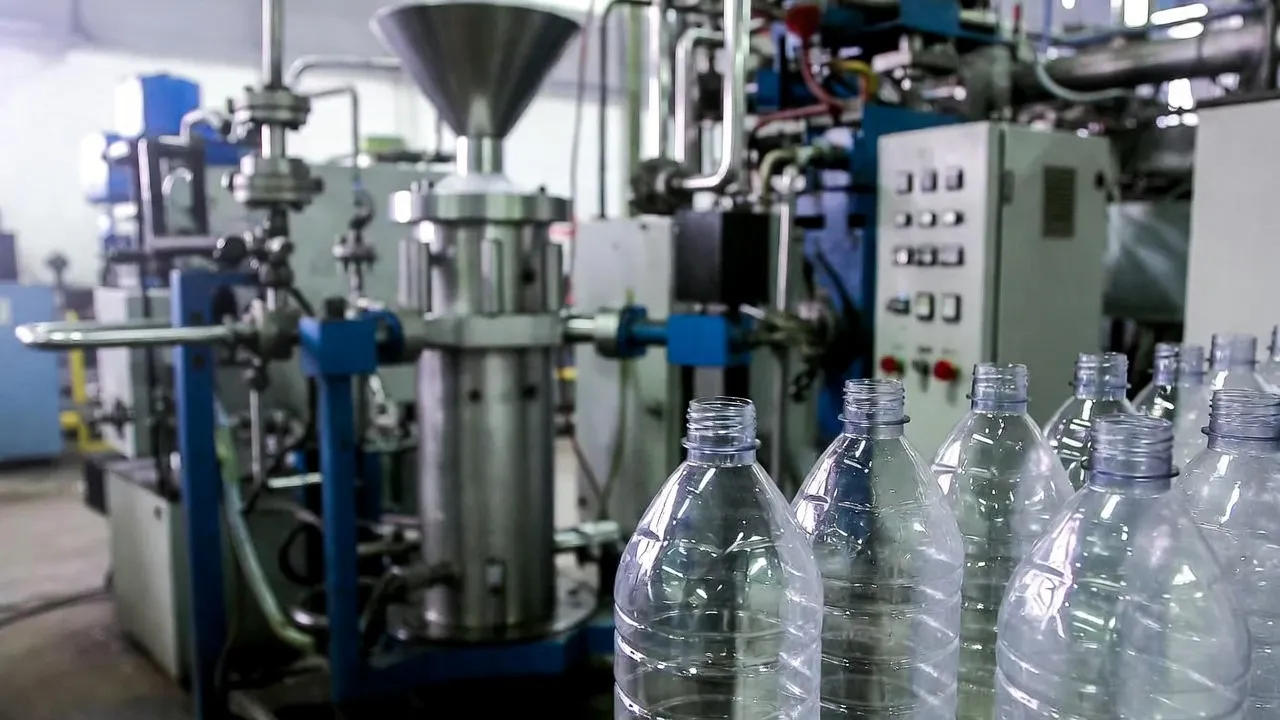
The mechanical superiority of the one-stage stretch blow molding machine is deeply anchored in its masterful manipulation of polymer thermodynamics. The operational cycle initiates within the precision injection station, where carefully dried PET granules are plasticized and injected into highly polished preform cavities utilizing advanced hot runner systems and precise valve gates. This critical phase dictates the intrinsic viscosity and structural foundation of the eventual beverage bottle. Instead of allowing the preform to cool to an ambient state, the integrated system capitalizes on the residual latent heat, seamlessly transferring the semi-molten plastic to a sophisticated thermal conditioning station. Here, custom-profiled heating and cooling circuits meticulously equalize the temperature gradient across the preform’s wall thickness, an absolute prerequisite for achieving uniform molecular orientation and preventing undesirable crystallization or visual haze in the final product.
Progressing directly into the biaxial orientation phase, the conditioned preform enters the blow mold where servo-driven stretch rods descend with microscopic precision. This axial elongation is instantaneously synchronized with the introduction of high-pressure compressed air, forcing the polymer to expand radially against the chilled internal contours of the mold cavity. This simultaneous stretching aligns the polymer chains, dramatically amplifying the mechanical tensile strength, impact resistance, and vital gas barrier properties of the mineral water bottle. The immediate proximity of these processing stations allows the machinery to easily accommodate complex material formulations, including high percentages of food-grade recycled polyethylene terephthalate (RPET), directly supporting the aggressive circular economy initiatives and regulatory frameworks currently shaping the packaging industry throughout the United Kingdom.
Technical Specifications And Performance Metrics
Deploying industrial-grade machinery necessitates a thorough understanding of its operational bandwidth. The following matrix delineates the core engineering parameters of our flagship high-speed one-stage stretch blow molding machine, configured specifically for the intense output demands of the European beverage sector. These metrics reflect the system’s capability to sustain relentless production cycles while maintaining microscopic tolerances across every single beverage bottle generated.
| System Parameter | Performance Specification |
|---|---|
| Applicable Materials | PET, RPET, Bio-PET, Specialty Copolyesters |
| Maximum Production Capacity | Up to 24,000 Bottles Per Hour (Application Dependent) |
| Injection Clamping Force | Ranging from 400 kN to 1,500 kN |
| Blow Molding Cavity Options | 4, 6, 8, 12, or 16 Cavity Configurations |
| Maximum Container Volume | From 50 ml up to 2,500 ml (Standard Configurations) |
| Energy Consumption Optimization | Integrated Air Recovery & Latent Heat Utilization |
Diverse Application Scenarios In Commercial Bottling
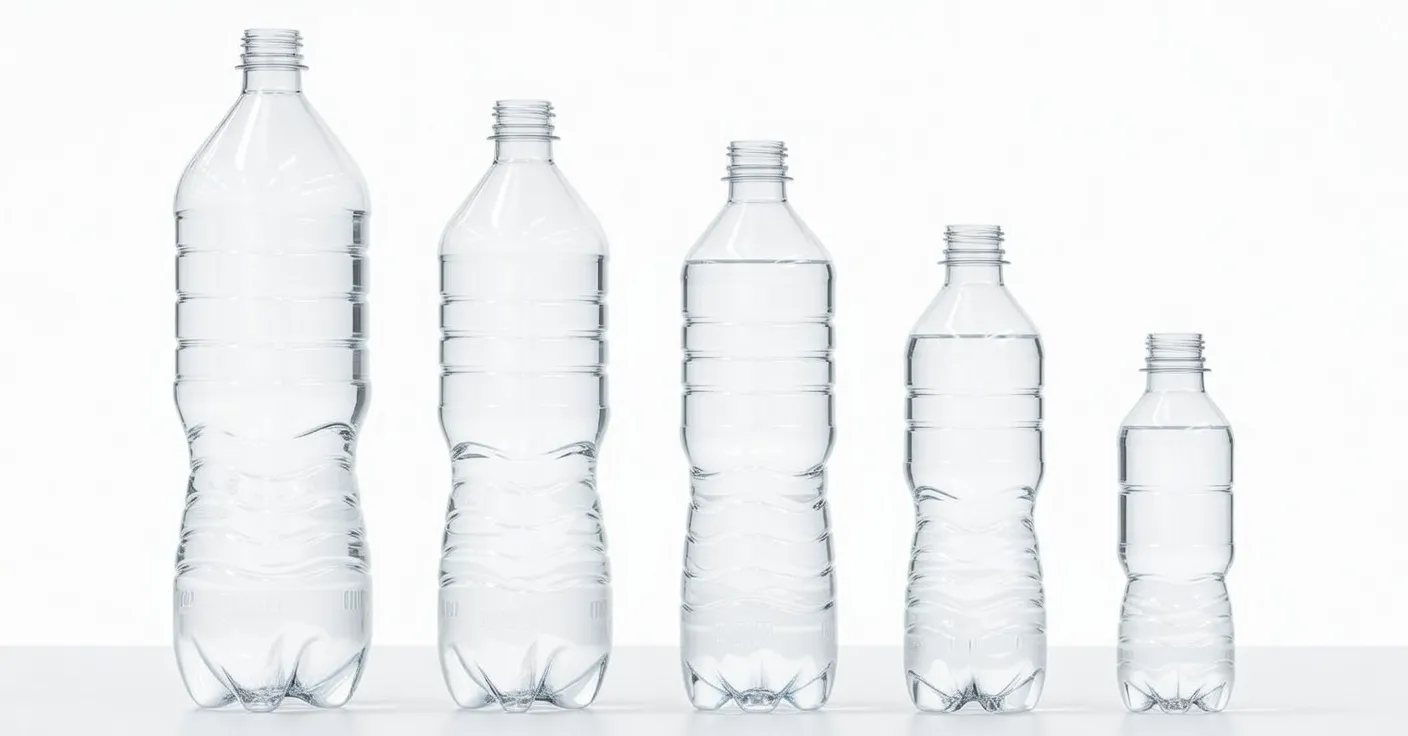
The architectural flexibility of the one-stage stretch blow molding machine empowers manufacturers to traverse multiple segments of the liquid packaging market with a single, agile equipment investment. Within the high-volume sector of still and carbonated mineral water production, the technology demonstrates exceptional prowess in extreme lightweighting. Operators can successfully produce visually flawless, highly rigid 500ml water containers weighing as little as 12 grams. The precise control over polymer distribution ensures that the base and shoulder regions maintain essential structural integrity to withstand high-speed filling line pressures and rigorous palletization stresses during transit across regional distribution networks.
Shifting the focus to carbonated soft drinks, the engineering requirements pivot toward managing internal pressures and maintaining carbon dioxide retention over prolonged shelf lives. The machine seamlessly adapts to mold complex petaloid bases designed to resist stress cracking and expansion under internal gas pressure. The high degree of biaxial orientation achieved during the synchronized stretch-blow phase actively enhances the gas barrier properties of the PET matrix, locking in the essential carbonation that defines the consumer experience. For specialized applications such as hot-fill fruit juices or isotonic sports drinks, the system can be configured to execute heat-setting protocols, allowing the polymer chains to relax and crystallize under controlled conditions, thereby generating a beverage bottle capable of withstanding elevated filling temperatures without catastrophic thermal deformation or shrinkage.
Unmatched Engineering Advantages And ROI Optimization
Evaluating capital equipment strictly through the lens of long-term operational expenditure reveals the profound economic advantages embedded within our one-stage stretch blow molding machine architecture. The most glaring triumph lies in its aggressive energy conservation profile. Traditional two-stage processes suffer from massive thermal inefficiencies, requiring intense electrical expenditure to heat cooled preforms back to their glass transition temperature. Our integrated system entirely circumvents this phase, actively harnessing the residual heat from the injection mold, which translates to a reduction in baseline power consumption by upwards of thirty-five percent. This dramatic decrease in kilowatt-hour usage fundamentally alters the profitability margins of a mineral water bottling plant, providing a rapid return on investment while simultaneously satisfying corporate carbon reduction pledges.
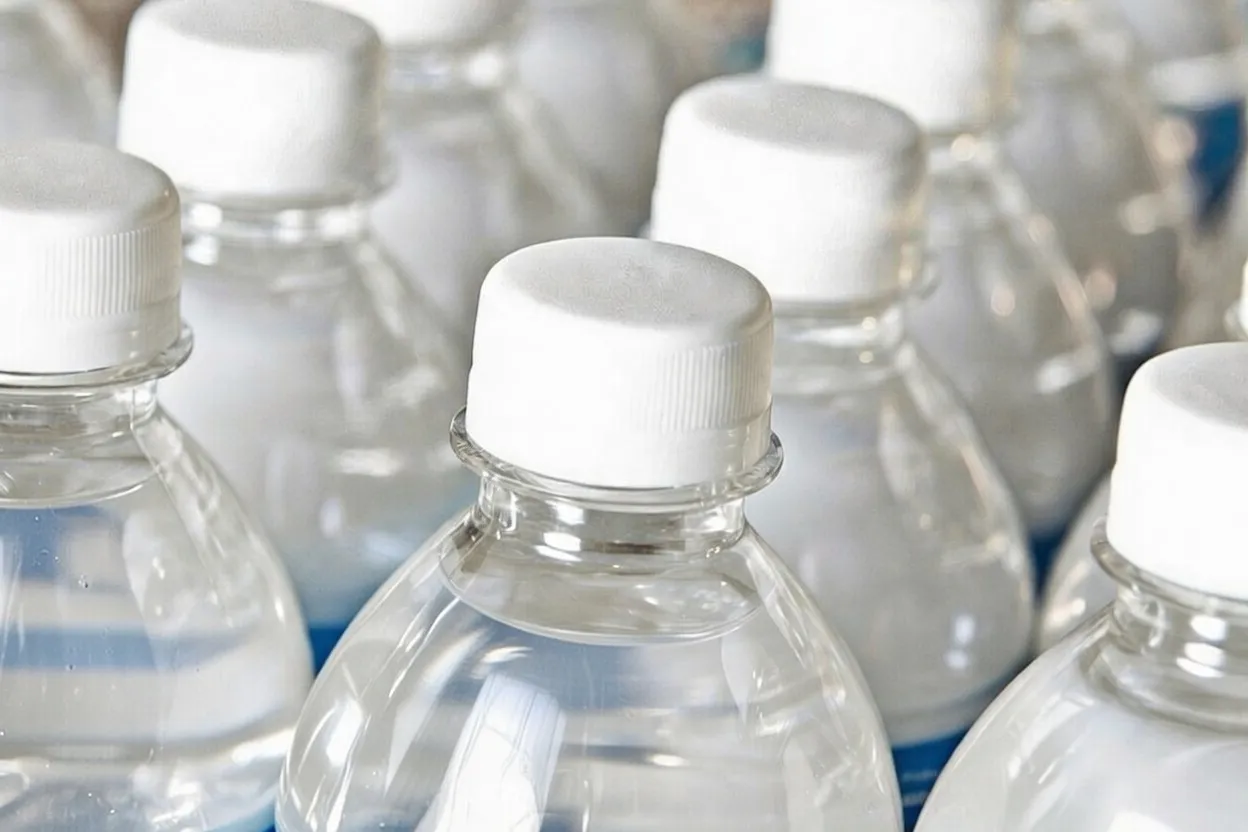
Beyond thermodynamic efficiency, the spatial economy offered by this technology is unparalleled. By merging the injection, conditioning, blowing, and ejection processes into a single localized chassis, bottling facilities can reclaim massive tracts of factory floor space previously occupied by sprawling preform injection machines, immense storage silos, and complex unscrambling conveyors. This consolidated footprint allows for the streamlined integration of the equipment directly adjacent to the liquid filling and capping stations, facilitating pristine aseptic production lines. Furthermore, the completely automated transfer mechanisms guarantee that the exterior surfaces of the preforms never collide or abrade against one another, completely eradicating the scuff marks and micro-scratches that frequently plague dual-stage outputs. The resulting beverage bottle boasts a brilliant, jewel-like optical clarity that commands premium positioning on retail shelves.
UK Customer Success Story: Transforming Bottled Water Manufacturing
A prominent, high-volume mineral water producer situated in the Scottish Highlands encountered severe operational friction when attempting to scale their output to meet lucrative contracts with major London-based supermarket syndicates. Their legacy dual-machine infrastructure was plagued by inconsistent preform quality due to extended storage durations, resulting in unacceptable defect rates and exorbitant energy costs that eroded their competitive pricing model. Transitioning their primary production lines to our advanced one-stage stretch blow molding machine catalyzed an immediate and measurable revolution in their manufacturing capabilities. The seamless transition from resin to finished bottle eliminated their reliance on third-party preform suppliers, protecting them from supply chain volatilities and drastically lowering their overall logistics expenditure.
The precision engineering of the new platform empowered the Scottish facility to execute an aggressive lightweighting program, safely reducing the material weight of their flagship 500ml container by fifteen percent without compromising vertical top-load strength during palletization. This critical reduction in polymer usage directly aligned with the stringent frameworks of the UK Plastic Packaging Tax, turning a potential liability into a verified financial advantage. The equipment’s continuous reliability enabled them to run uninterrupted twenty-four-hour shifts, successfully meeting peak seasonal demands with pristine, scratch-free bottles that perfectly reflected the natural purity of their highland source water.
“Deploying this integrated machinery fundamentally reshaped our operational economics. The sheer visual clarity of our mineral water bottles has drastically improved our brand perception across national retail chains, and the energy savings have been instantly recognizable on our balance sheets.”
— Operations Director, Highland Pure Springs, Scotland
“The exactness of the material distribution achieved by the servo-driven stretching mechanics is phenomenal. We have virtually eliminated instances of base blowout or neck deformation during high-speed filling, optimizing our total line efficiency.”
— Quality Assurance Lead, AquaBritannia Manufacturing, Wales
“Managing the system via the highly intuitive human-machine interface allows our operators to execute lightning-fast mold changeovers. This flexibility is vital for us to swiftly pivot between different beverage bottle designs required by our diverse beverage portfolio.”
— Plant Manager, London Fizz & Beverage Co., England
The Ever Power Customization And Support Ecosystem
Translating a unique brand identity into a tangible, high-performance container requires an engineering partner possessing absolute mastery over mold design and polymer behavior. At the nucleus of our operational philosophy is the Ever Power customization suite, a specialized division dedicated to tailoring the one-stage stretch blow molding machine to your exact production parameters. We understand that a beverage bottle is not merely a vessel, but a critical marketing asset. Our specialized design engineers utilize advanced finite element analysis (FEA) software to simulate stress loads, internal pressures, and thermal dynamics on bespoke bottle designs before a single piece of aerospace-grade aluminum is ever milled in our state-of-the-art CNC machining centers. This rigorous digital prototyping guarantees that complex geometries, intricate brand embossing, and custom neck finishes perform flawlessly in real-world high-speed filling environments.
The Ever Power commitment extends far beyond the delivery of heavy machinery; we actively cultivate a comprehensive, localized support architecture specifically tailored for our partners operating within the United Kingdom. From rigorous site acceptance testing (SAT) conducted directly on your factory floor to extensive hands-on training for your operational staff, we ensure a seamless integration process. Our dedicated network of service technicians and fully stocked spare parts depots located strategically across Britain guarantee rapid response times, effectively neutralizing the threat of extended machine downtime. Selecting an Ever Power tailored solution means securing a resilient, future-proof manufacturing asset backed by unparalleled industrial expertise.
Frequently Asked Technical Questions
Addressing detailed inquiries regarding equipment integration, material compatibility, and financial planning for British manufacturing facilities.
How much does a high-speed one-stage stretch blow molding machine cost for a UK mineral water supplier?
Where can I find specialized technical support and spare parts for my bottling equipment in the United Kingdom?
Which specific PET resins and recycled materials are compatible with this advanced machine for carbonated beverage production?
What is the expected delivery and installation timeframe when ordering a customized system for a London-based factory?
How can our beverage plant achieve compliance with the UK Plastic Packaging Tax using this specific molding technology?
edit by gzl