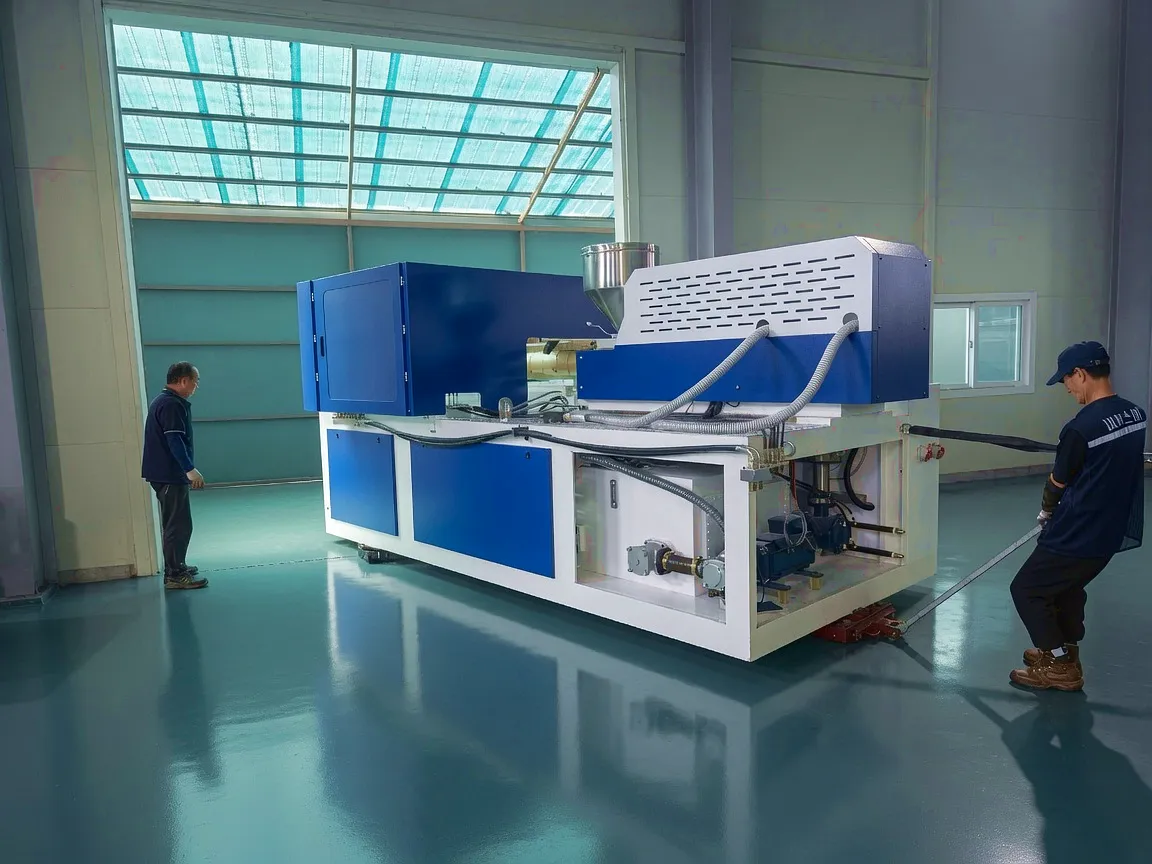
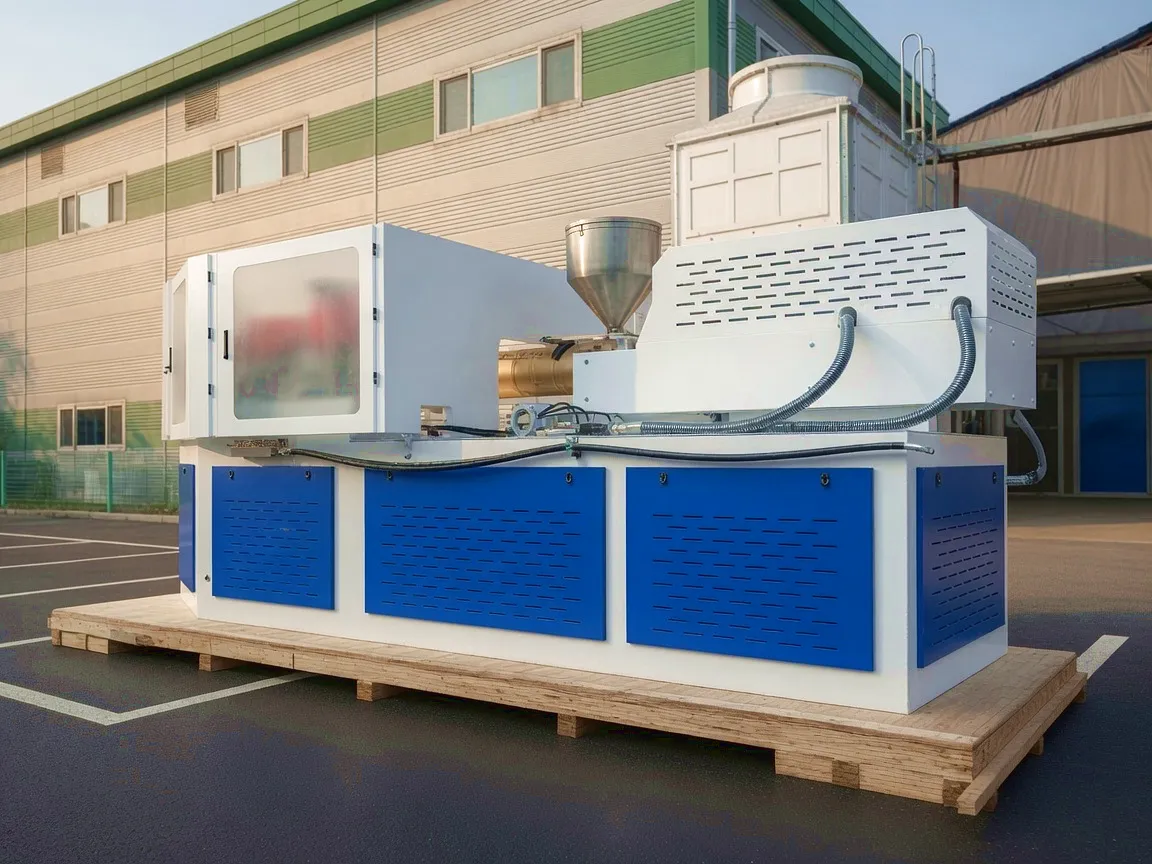
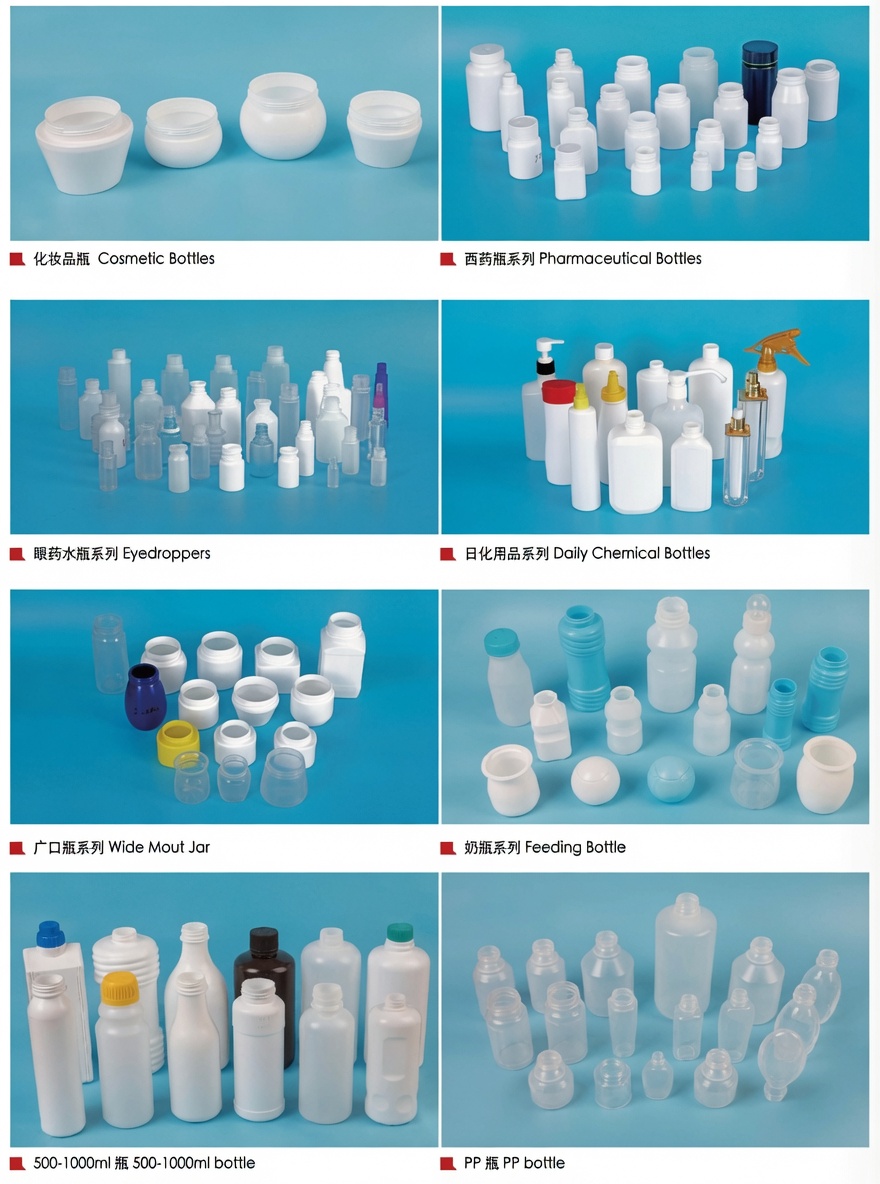
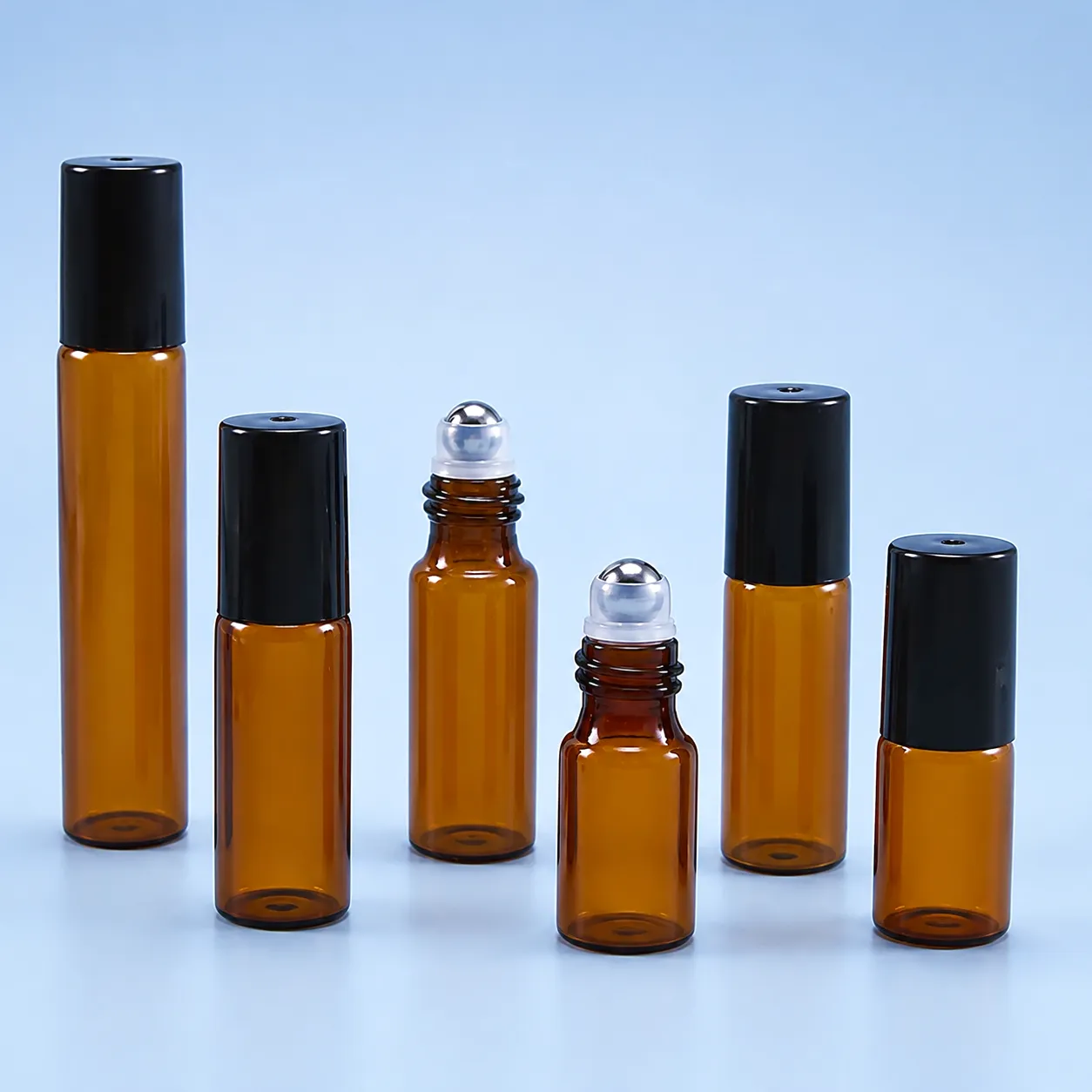
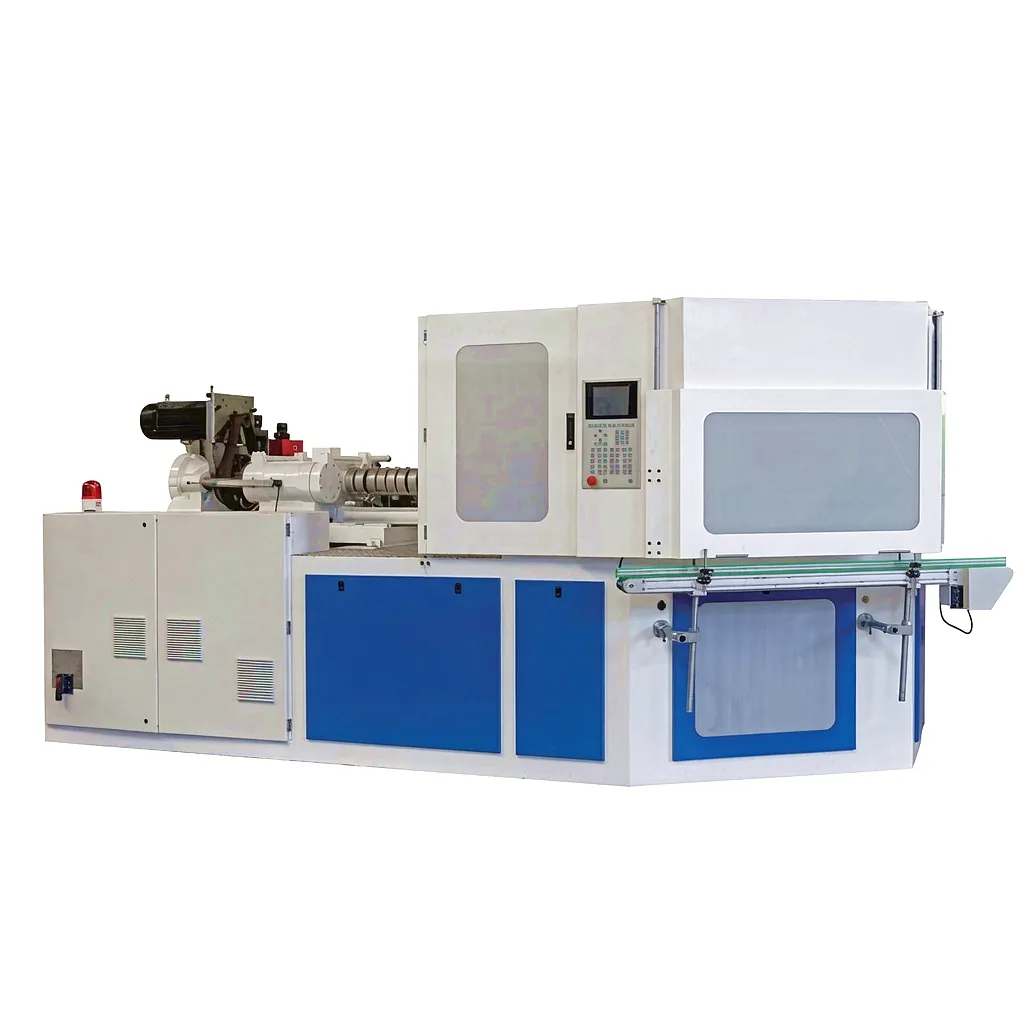
 The injection-blow molding machine has become one of the most important pieces of capital equipment in modern precision packaging production. Unlike conventional blow molding, this process integrates two operations — injection molding and blow molding — into a single, continuous cycle, producing hollow plastic containers with wall consistency, dimensional accuracy, and neck-finish precision that single-stage extrusion-blow processes simply cannot match. Across the United Kingdom, manufacturers in Birmingham, Sheffield, Manchester, and the broader Midlands corridor are increasingly specifying injection-blow molding machines as core production assets, driven by demand from the cosmetics, pharmaceutical, food-grade, agrochemical, and aromatherapy sectors.
The UK packaging landscape has undergone considerable transformation since Brexit reshaped supply chains and domestic manufacturers sought to onshore critical production capabilities. Investment in high-precision container-forming equipment — particularly the injection-blow molding machine — has accelerated, with operators in the West Midlands and Yorkshire reporting lead-time improvements after reducing their dependence on imported pre-forms and third-party blow moulders. This article provides a thorough technical examination of how injection-blow molding machines operate, which materials they process, where they are deployed across industry, and why Ever Power’s purpose-built equipment range represents a compelling choice for UK businesses seeking reliable, customisable, and cost-effective solutions.
How the Injection-Blow Molding Process Works
①
Injection Phase
Molten polymer resin — typically PET, PP, or HDPE — is injected under high pressure into a precision-machined core rod inside the injection mold. This step forms what is called a “parison” or preform: a thick-walled tube that already incorporates the container’s finished neck and thread geometry. Because the neck is formed at this stage rather than during blowing, thread tolerances are far tighter than those achievable in extrusion-blow processes, which is why pharmaceutical and cosmetic customers consistently prefer injection-blow molding machines for closure-sensitive applications.
②
Transfer & Conditioning Phase
The preform — still on its core rod and at precisely controlled temperature — rotates on the machine’s indexing system to the blow station. In modern injection-blow molding machines, this transfer is achieved by a rotating turret or shuttle mechanism that maintains the thermal profile of the preform with remarkable consistency, typically held within ±2°C of target. Temperature uniformity at this stage is critical: uneven heating produces containers with localised wall thinning, pinhole stress points, or distorted sidewalls that will fail quality inspection in regulated industries.
③
Blow & Eject Phase
At the blow station, compressed air — typically at 6–10 bar — inflates the preform against the cooled blow mold cavity, stretching the polymer biaxially and forming the final container shape. The blow mold is precision-machined to mirror the container’s outer profile, embossed branding, and any surface texture detail. Once the blown container has cooled and set, it is stripped from the core rod at the ejection station and conveyed for downstream inspection, leak testing, and packaging. The entire three-stage cycle on a high-performance injection-blow molding machine takes as little as 7–12 seconds per shot.
Core Materials Processed by Injection-Blow Molding Machines
PET (Polyethylene Terephthalate)
The most widely processed resin in injection-blow molding machines. PET delivers exceptional optical clarity, high tensile strength, good barrier properties against moisture and gas permeation, and compatibility with a broad range of pharmaceutical and food-grade contents. It is the preferred choice for dropper bottles, nasal sprays, and clear cosmetic containers.
PETG (Glycol-Modified PET)
PETG shares the clarity of standard PET while offering improved impact resistance and reduced brittleness at lower processing temperatures. It is especially relevant in aromatherapy and essential oil packaging, where manufacturers are transitioning away from fragile dark-glass dropper bottles in favour of shatter-resistant, travel-safe containers that meet airline and courier regulations.
PP (Polypropylene)
Medical-grade PP is favoured for injectable vials, inhalation device components, and ophthalmic packaging where autoclave sterilisation compatibility is mandatory. PP processed on an injection-blow molding machine retains its dimensional stability under repeated thermal cycles and demonstrates low extractables, a requirement enforced under UK Pharmacopoeia (BP) and EU GMP Annex 1 guidelines for sterile pharmaceutical manufacturing.
HDPE (High-Density Polyethylene)
HDPE’s outstanding chemical resistance makes it the material of choice for agrochemical containers, industrial cleaning product bottles, and certain personal care packaging. Injection-blow molding machines process HDPE to produce containers with consistent wall thicknesses and superior neck-finish precision, critical for child-resistant and tamper-evident closures that are mandatory under UK Consumer Protection regulations.
Technical Performance Parameters
| Parameter | ZQ60 (SUMA 65iB Replacement) | ZQ80 (SUMA 85ib Replacement) | Unit |
|---|
| Clamping Force | 600 | 850 | kN |
| Injection Volume (max) | 180 | 260 | cm³ |
| Blow Air Pressure | 6–10 | 6–10 | bar |
| Cycle Time (3-station) | 7–12 | 8–14 | seconds |
| Mold Temperature Control | ±2 | ±2 | °C |
| Container Volume Range | 5–500 | 5–1000 | ml |
| Compatible Resins | PET, PETG, PP, HDPE, PC, PVC (on request) | — |
| Neck Diameter Range | 10–50 | 14–70 | mm |
| Drive System | Servo-hydraulic / All-electric option | — |
| Machine Weight (approx.) | 4,200 | 5,800 | kg |
| Control System | PLC with 10″ HMI touchscreen, Industry 4.0 ready | — |
Core Technical Advantages of Modern Injection-Blow Molding Machines
🎯
Neck-Finish Precision
Because the neck and thread geometry is formed during the injection phase — not the blow phase — injection-blow molding machines achieve thread tolerances that are routinely within ±0.05 mm. This level of precision is non-negotiable in pharmaceutical closures, where cap torque failures can mean product recalls under Medicines and Healthcare products Regulatory Agency (MHRA) guidelines.
⚙
No Flash, No Trim Waste
Extrusion-blow molding generates significant pinch-off flash at the container base and neck, requiring trimming equipment and generating regrind waste. Injection-blow molding machines produce finished containers with no flash by design — the process has no pinch point. This directly reduces scrap rates, raw material consumption, and downstream labour costs.
⛓
Uniform Wall Thickness
Wall thickness variation across the body of a blown container directly correlates to structural integrity and optical performance. Injection-blow molding machines consistently achieve sidewall thickness uniformity within ±0.1 mm across all cavities, a standard that supports both the clarity customers expect from cosmetic bottles and the drop-test performance demanded by UK retail and logistics partners handling goods distributed through Royal Mail and DPD networks.
📈
High Output Efficiency
Multi-cavity tooling on modern injection-blow molding machines allows simultaneous production of 2, 4, 6, or even 8 containers per cycle. Combined with cycle times of 7–14 seconds, this yields output rates of 1,500–3,500 containers per hour depending on container size. For a Birmingham-based personal care manufacturer producing a 50 ml bottle at scale, this translates directly into a competitive cost-per-unit that supports domestic price competitiveness against imported packaging.
Industrial Application Scenarios
The injection-blow molding machine serves an exceptionally broad range of end-use sectors. Each application below places distinct demands on the equipment — from material selection and container geometry through to surface finish, optical properties, and compliance certification. What follows is a detailed examination of the most commercially significant application areas for UK and global manufacturers.
Application Scenario 01
Essential Oils & Aromatherapy — Dropper Bottles, Roll-On Vials and Diffuser Containers
 The essential oils and aromatherapy sector has historically relied on dark borosilicate glass containers — amber, cobalt blue, and violet variants — to protect photosensitive compounds from UV degradation. While glass remains the benchmark for premium single-origin oils sold in high-street wellness boutiques across London, Bristol, and Edinburgh, the broader market is undergoing a rapid material transition driven by practical pressures that glass cannot resolve. Airline regulations restricting liquid carry-ons, the growing popularity of wellness subscription boxes distributed through courier networks, and the rise of online-first aromatherapy brands all favour lighter, shatter-proof containers produced on injection-blow molding machines.
The key products being manufactured on injection-blow molding machines for this sector include PETG dropper bottles in the 5 ml to 100 ml range, roll-on (rollette) bottles fitted with stainless steel or glass ball applicators in standard 10 ml dimensions, diffuser reed bottles typically ranging from 50 ml to 200 ml, single-note and blend oil mixing bottles, and aromatherapy misting spray bottles with fine-atomisation pump heads. The PETG resin preferred for these applications offers near-glass optical clarity, strong chemical resistance to terpene compounds such as limonene and linalool, and a glass-transition temperature high enough to remain stable during warm-weather distribution — a practical concern for products sold through postal networks operating in summer conditions across the UK.
An injection-blow molding machine configured for essential oil packaging must achieve dimensional tolerances tight enough to ensure leak-proof fitment of dropper inserts and ball mechanisms — components typically sourced in 18/400 and 18DIN neck finishes that have essentially zero tolerance for ovality or flash at the thread. Beyond technical precision, the marketing pressure within the aromatherapy industry to present products as premium, artisanal, and brand-distinctive creates commercial demand for customised container profiles: faceted bodies, shoulder moulded text, and unusual aspect ratios that require bespoke tooling. Ever Power’s injection-blow molding machines support this through rapid-change tooling systems that minimise downtime when switching between SKUs.
● 5–100 ml PETG/PP Dropper Bottles
● 10 ml Roll-On (Rollette) Vials
● 50–200 ml Reed Diffuser Bottles
● Aromatherapy Spray Mist Bottles
Application Scenario 02
Pharmaceutical Packaging — Ophthalmic Bottles, Nasal Spray Vials and Oral Liquid Containers
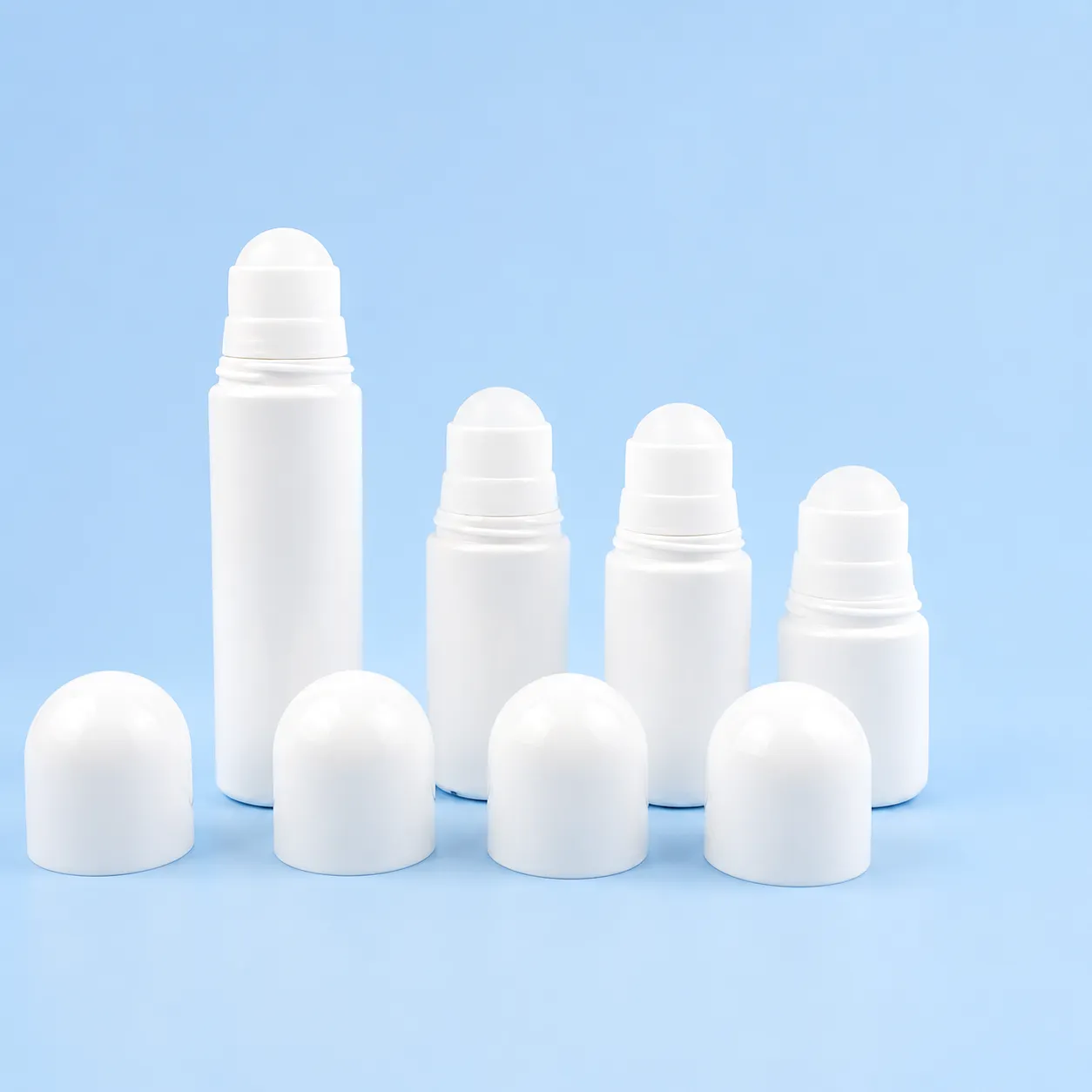 The UK pharmaceutical manufacturing sector — centred on science parks in Cambridge, Stevenage, Cheshire, and the Glasgow Bioscience Cluster — represents one of the most technically demanding markets for injection-blow molding machine operators. The requirements are rigorous: containers must comply with UK Pharmacopoeia standards, demonstrate extractable and leachable profiles compatible with active pharmaceutical ingredients (APIs), and carry documented traceability across the entire manufacturing chain. These conditions are not optional. They are enforced by the MHRA, and non-compliance can result in batch recalls or manufacturing site suspension.
Injection-blow molding machines are the preferred production technology for several categories of pharmaceutical containers. Ophthalmic bottles (typically 5–30 ml, medical-grade low-density polyethylene or PP) require exceptionally clean inner surfaces without micro-burrs, flash fragments, or lubricant residues that could contaminate sterile eye drops. Nasal spray vials demand consistent neck geometry for pump fitment. Oral liquid medicine bottles — syrups, suspensions, paediatric solutions — require child-resistant (CR) closures that rely on precise thread profiles only achievable through the injection phase of the IBM process. Injection-blow molding machines configured with cleanroom-compatible enclosures, HEPA filtration, and validated cleaning protocols are increasingly specified by UK pharma packaging contractors operating under ISO 8 cleanroom conditions.
From a technical standpoint, the key advantage of injection-blow molding machines over competing processes in pharmaceutical packaging is the complete elimination of weld lines and parting line seams in the container body. These structural features, inherent to extrusion-blow and injection-stretch-blow processes, create potential stress concentration zones that can compromise container integrity under autoclaving conditions or during long-term stability testing. The seamless inner surface of IBM containers also simplifies cleaning validation — a significant benefit for co-packaging facilities in Sheffield and Nottingham that handle multiple product families on shared equipment.
Application Scenario 03
Cosmetics & Personal Care — Lotion Bottles, Serum Vials and Shampoo Containers
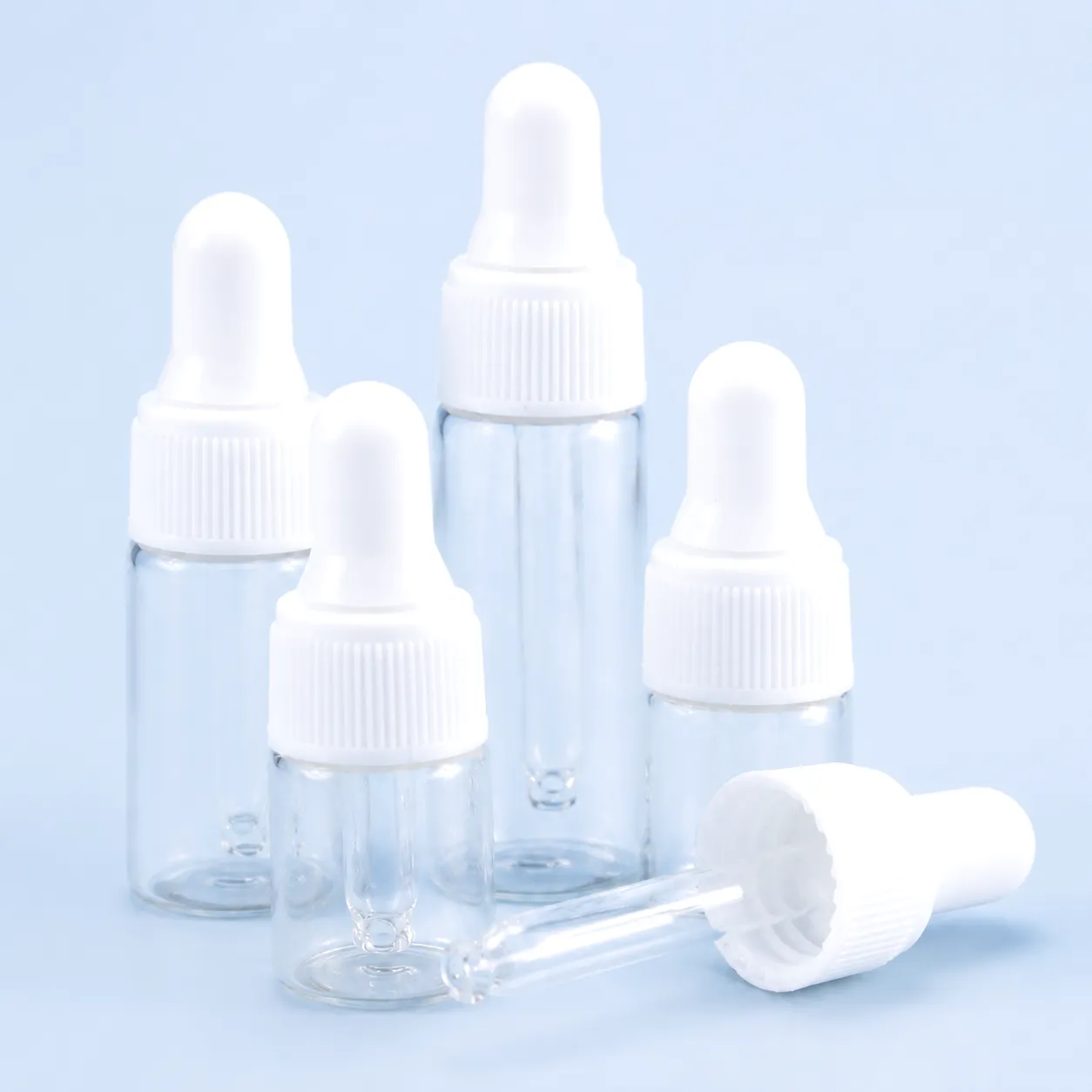 The cosmetics and personal care market in the United Kingdom generates over £11 billion in annual retail sales and has consistently rewarded brands that combine premium packaging aesthetics with functional precision. For the packaging manufacturers and contract moulders serving brands based in London, Manchester, and the south-east, the injection-blow molding machine delivers a compelling combination of visual quality and manufacturing consistency. PET and PETG containers produced on IBM equipment offer the crystal clarity, light-refracting properties, and surface gloss that consumers associate with high-end skincare and haircare products — qualities that directly influence purchasing decisions at shelf level.
Applications within this sector are diverse. Serum vials and essence bottles in the 15–50 ml range represent a growing segment, driven by the popularity of Korean-inspired multi-step skincare routines that have become mainstream in the UK market. Shampoo, conditioner, and body lotion bottles from 100 ml to 500 ml are produced in high volumes for supermarket own-label ranges as well as independent beauty brands. Face mist spray bottles, foundation mixing containers, and refillable pump dispensers all benefit from the consistent neck-thread geometry that injection-blow molding machines guarantee — ensuring compatible pump and closure fitment across mixed-sourcing supply chains. An additional commercial advantage is the ability to mould-in surface detail: logo debossing, product name text, and decorative ribbing can all be incorporated into the blow mould at no unit-cost premium, unlike label application or sleeve labelling, which add downstream processing steps.
Application Scenario 04
Food & Beverage — Sauces, Condiments, Juice Bottles and Nutritional Supplement Containers
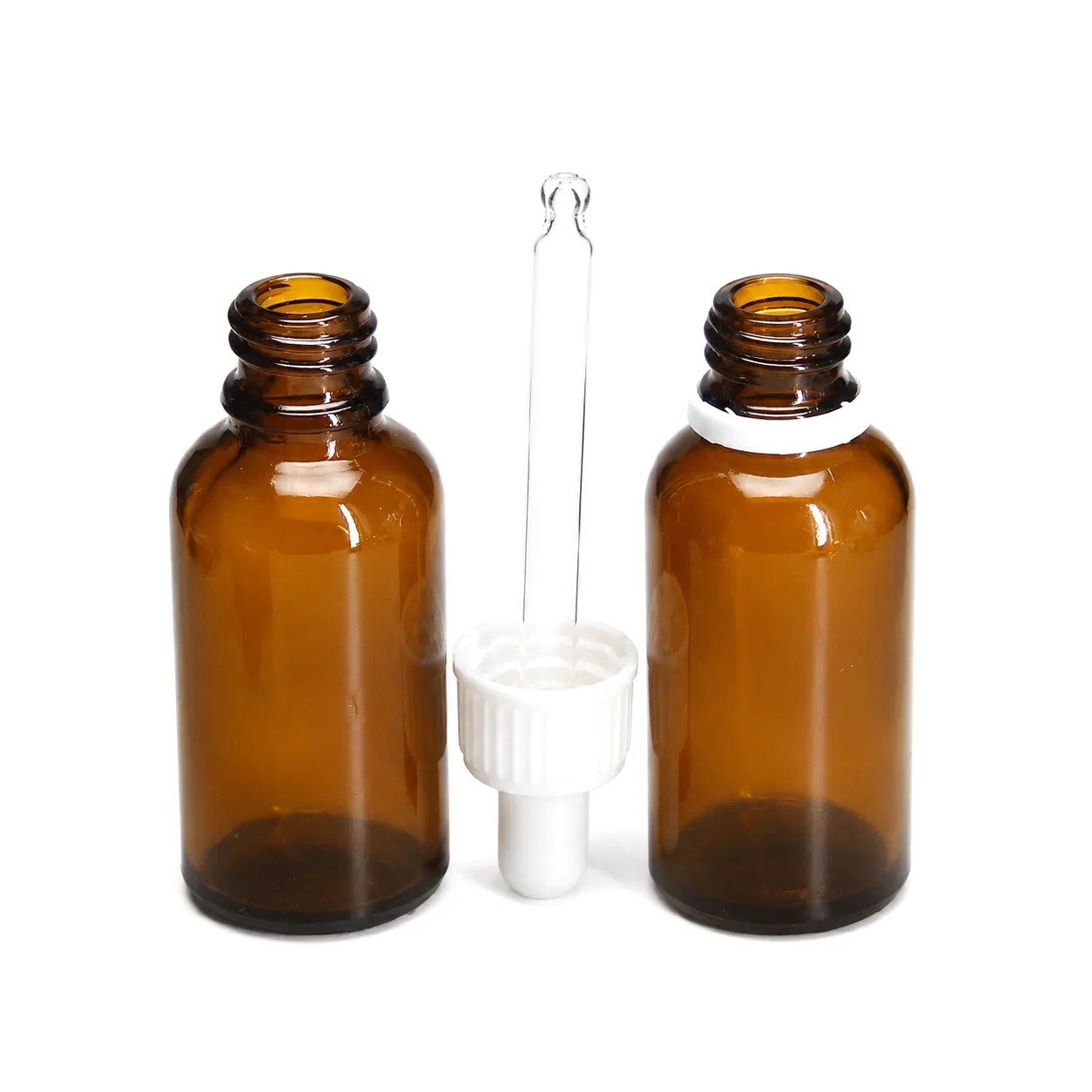 Food-contact applications impose a demanding set of requirements on any container-forming process: the material and process must be compliant with UK Food Standards Agency regulations and the UK version of EU Regulation 10/2011 on plastic materials intended for food contact. Injection-blow molding machines processing food-grade PET or HDPE resins satisfy these requirements through a combination of material purity — certified food-contact grades from approved resin suppliers — and process cleanliness. Because IBM produces containers in a single, enclosed cycle with no secondary trimming or contact with contaminated tooling surfaces, the risk of particulate contamination is significantly lower than in multi-stage extrusion processes.
Within the UK food and beverage sector, injection-blow molding machines serve a number of specific markets. Artisan hot sauce brands — a growing category particularly strong in London, Bristol, and Belfast — require small-run production (5,000–50,000 units) of bespoke bottle profiles. Nutritional supplement brands, a sector experiencing double-digit growth through online retail channels, rely on HDPE containers produced on injection-blow molding machines for protein powder scoops, vitamin capsule bottles, and sports nutrition packaging where child-resistant closures and desiccant compatibility are standard requirements. The ability of injection-blow molding machines to produce tamper-evident neck finishes in-process — without secondary induction sealing — also represents a time and cost saving that benefits food manufacturers operating on compressed production schedules within UK contract packing facilities.
Ever Power Manufacturing Facility
Ever Power: Precision Manufacturing & Custom Engineering
Ever Power stands as one of the most capable injection-blow molding machine manufacturers available to UK buyers seeking precision, flexibility, and supply-chain reliability from a single source. The company’s manufacturing base combines CNC-machined mold tooling workshops, precision assembly lines with laser-calibrated alignment, full electrical and hydraulic commissioning rigs, and a dedicated quality assurance laboratory where every machine undergoes production-condition testing before shipping. This infrastructure supports a level of customisation that sets Ever Power apart from catalogue-only equipment suppliers whose products cannot be adapted to specific container profiles or regional certification requirements.
⚙
Bespoke Tooling Design
Custom core rod and blow-mold configurations designed in-house for your specific container dimensions. Ever Power’s engineering team works from customer CAD data, 3D scans of existing containers, or concept sketches to develop tooling that accurately replicates required profiles.
🔧
Multi-Resin Compatibility
Ever Power injection-blow molding machines are configured to run PET, PETG, PP, HDPE, PC, and speciality biopolymers as standard. Material change validation procedures and purge protocols are documented and provided with each machine delivery to support compliance with pharmaceutical and food-grade quality systems.
🌎
UK Export & After-Sales
Machines are shipped to UK ports fully crated with comprehensive commissioning documentation and electrical schematics in English. Ever Power provides remote installation support via live video link, a 12-month parts warranty, and a dedicated spare-parts service with DDP delivery to UK customer facilities.
📋
Certification Documentation
Ever Power provides CE-equivalent documentation, material compliance certificates, factory acceptance test (FAT) reports, and IQ/OQ qualification support documentation to assist UK pharmaceutical and food-grade customers in completing site qualification under GMP and FSSC 22000 frameworks.
Auxiliary Equipment & System Integration
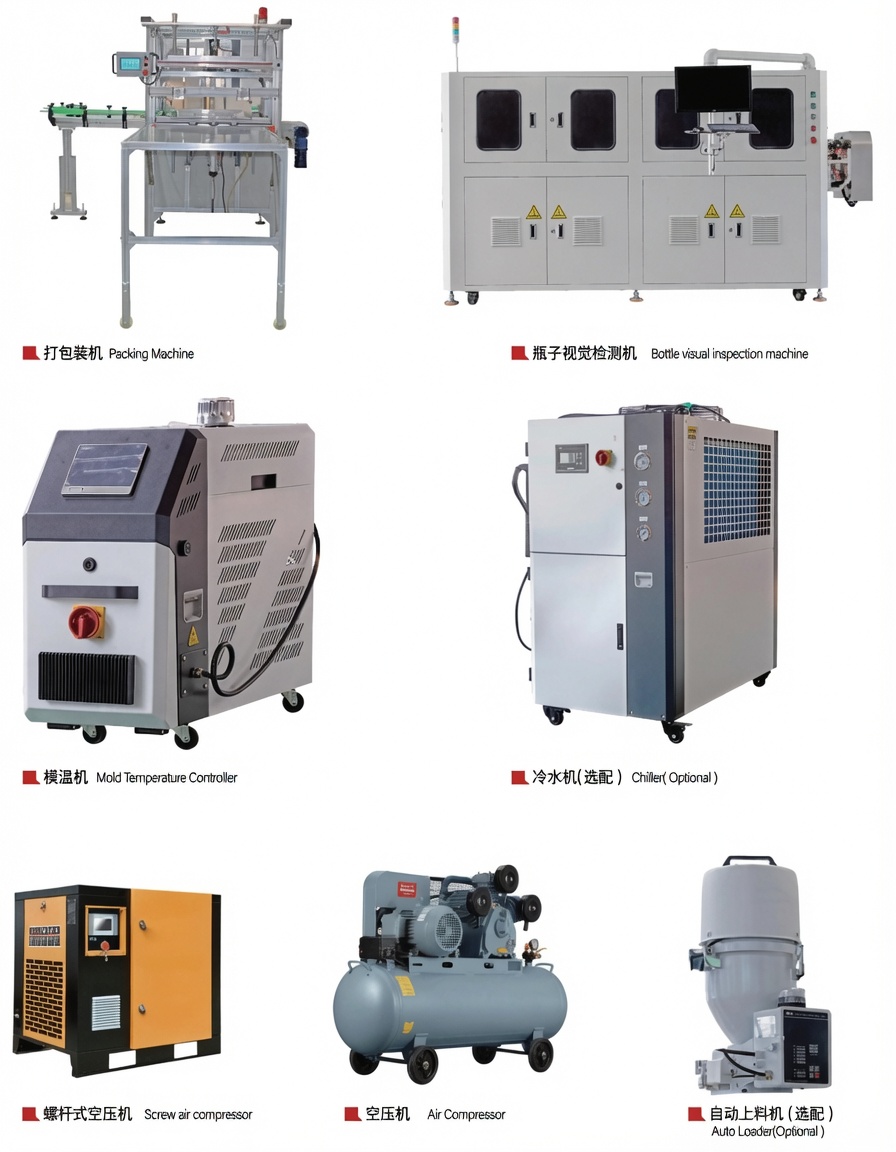
Ever Power’s injection-blow molding machines are designed to integrate seamlessly with a full range of auxiliary equipment, including resin drying and conveying systems, chilled-water mold temperature controllers, compressed air dryers, and downstream container inspection, counting, and boxing automation. The machine’s PLC control architecture provides standardised digital I/O connectivity, making integration with OEM auxiliary equipment straightforward for UK systems integrators and end-users commissioning complete production cells.
Featured Products
Replacement of SUMA 85ib — ZQ80
The ZQ80 is a high-performance injection-blow molding machine engineered as a direct drop-in replacement for the SUMA 85ib, offering 850 kN clamping force, an advanced servo-hydraulic drive system, and a 10-inch HMI touchscreen. It is ideally suited for medium-to-large volume container production including pharmaceutical bottles, cosmetic packaging, and food-grade containers up to 1,000 ml. UK operators benefit from English-language documentation, CE-equivalent certification, and a full spare-parts programme.
View ZQ80 Product Page →
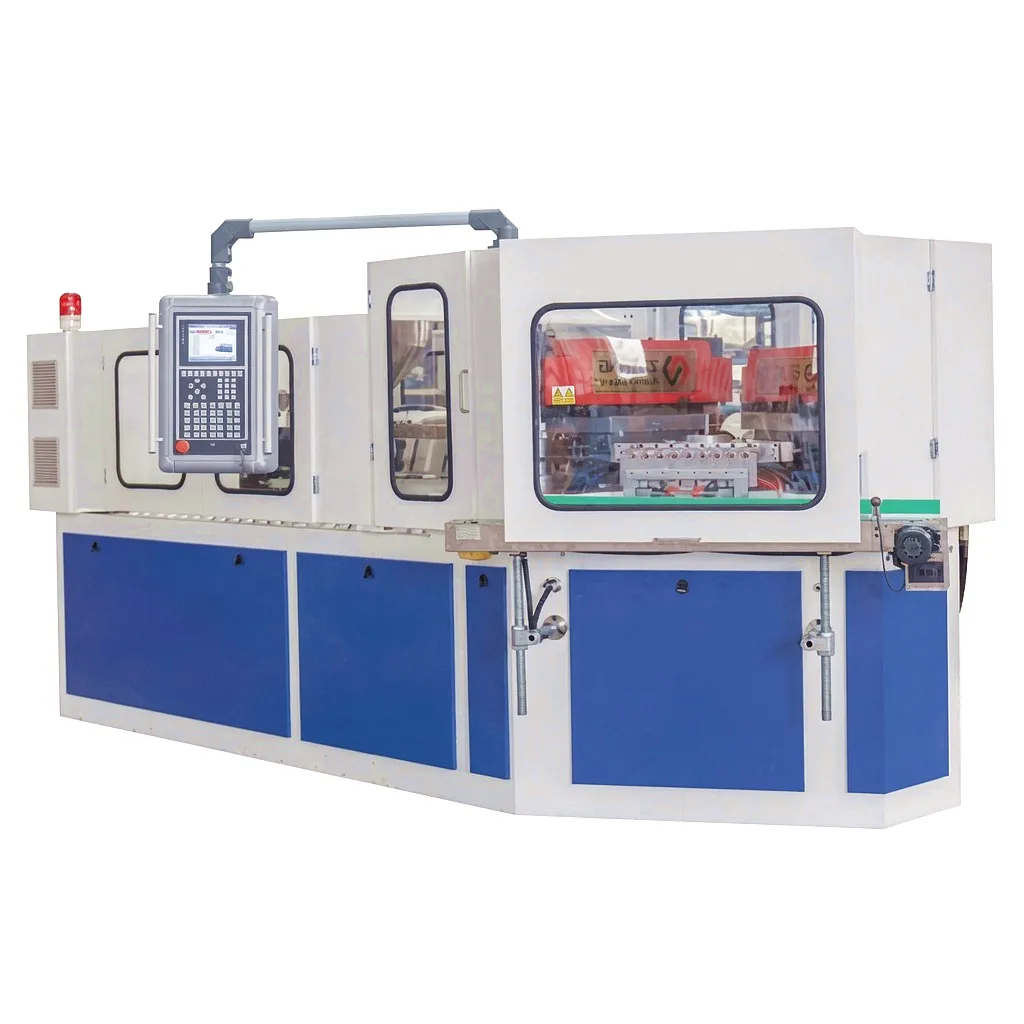
Replacement of SUMA 65iB — ZQ60
The ZQ60 delivers 600 kN clamping force in a compact footprint, making it an outstanding choice for injection-blow molding of containers from 5 ml to 500 ml across personal care, aromatherapy, nutraceutical, and veterinary pharmaceutical applications. Engineered as a cost-effective and precision-matched replacement for the SUMA 65iB, the ZQ60 processes PET, PETG, PP, and HDPE resins with full Industry 4.0 data logging capabilities. Its compact design is well-suited to the production environments found across UK packaging operations where floor space comes at a premium.
View ZQ60 Product Page →
Customer Success Story: Midlands Contract Packager Scales Aromatherapy Production
📍 Birmingham, West Midlands
🏭 Aromatherapy & Wellness Packaging
Verdant Packaging Solutions, a contract mould-and-fill operator based in the Aston district of Birmingham, had operated a legacy extrusion-blow moulding line for fourteen years before beginning a strategic review of their container quality capability in early 2023. The trigger was a growing client base within the UK’s independent aromatherapy and wellness sector — a market segment characterised by small batch sizes, high SKU diversity, and intense quality expectations around container clarity, dropper-insert fitment, and shelf presentation.
The existing extrusion-blow line produced consistent results for larger containers but struggled with the 10–50 ml dropper and rollette formats increasingly demanded by their aromatherapy brand clients. Flash trimming on the 18 mm dropper necks required a secondary hand-labour operation, thread profiles were variable enough to generate occasional leakage complaints from end-customers, and the visual quality of the containers — while acceptable in commodity applications — fell short of the glass-clear standard expected at the £18–35 retail price points of premium essential oil products.
After evaluating three injection-blow molding machine suppliers over a six-month period, Verdant’s production director selected Ever Power’s ZQ60 — the Replacement of SUMA 65iB Injection Blow Molding Machine – ZQ60. The decision was driven by Ever Power’s willingness to develop custom tooling for three specific container formats — a 10 ml rollette, a 30 ml dropper, and a 50 ml face mist bottle — before the purchase order was signed, with documented FAT results provided to validate performance claims. Installation was completed in eight days at Verdant’s Aston facility, and Ever Power’s engineering team provided five days of on-site commissioning support via a UK-based integration partner.
Within the first quarter of operation, Verdant reported a 94% reduction in neck-related quality rejects, elimination of the flash-trimming labour operation, and a 22% improvement in throughput on the 30 ml dropper format compared to their previous extrusion line. Three aromatherapy brand clients extended their contracts following the quality upgrade, and Verdant secured two new accounts specifically because they could now offer injection-blow molded containers as a premium service tier. The ZQ60’s compact footprint — accommodating neatly within the 90-square-metre cell previously occupied by the extrusion line — was a practical advantage that Verdant’s operations manager described as critical to the business case approval.
★★★★★
“The neck-thread consistency on the ZQ60 completely eliminated the leakage complaints we had been managing for years. We have now run over 400,000 dropper bottles without a single closure-fit reject. The PETG clarity is genuinely glass-like — our brand clients have commented that the containers have elevated their product presentation.”
— Production Director, Verdant Packaging Solutions, Birmingham
★★★★★
“Ever Power’s team worked closely with us to develop the 50 ml mist bottle tooling before we committed to the purchase. That level of pre-sale engineering collaboration is rare. The cycle times we achieved in production matched the FAT results precisely — no surprises. Commissioning was smooth and the after-sales parts response has been excellent.”
— Operations Manager, Verdant Packaging Solutions, Birmingham
★★★★★
“Switching from extrusion-blow to the Ever Power ZQ60 has genuinely changed the kind of packaging work we can go after. We are now quoting on pharmaceutical dropper contracts we would never have tendered for previously. The machine’s output consistency means our QC team spend their time on value-added work rather than sorting rejects.”
— Quality Manager, Verdant Packaging Solutions, Birmingham
Frequently Asked Questions
How much does an injection-blow molding machine typically cost for a UK manufacturer looking to produce pharmaceutical dropper bottles?
The price of an injection-blow molding machine varies considerably depending on clamping force, cavity count, drive system type, and included tooling. Entry-level machines suitable for single-cavity production of small pharmaceutical containers typically range from USD 45,000 to USD 80,000, while larger multi-cavity machines with servo drives and full automation integration can exceed USD 200,000. For UK buyers, customs duties and shipping logistics add to the landed cost. Ever Power’s sales team can prepare a detailed cost quotation specific to your container specifications — contact
[email protected] to request a formal price breakdown.
What is the difference between an injection-blow molding machine and an injection-stretch-blow molding machine, and which one should I choose for PET bottle production in my Sheffield factory?
The key difference lies in whether a stretching rod is used during the blow phase. Injection-blow molding machines (IBM) inflate a preform radially without axial stretching, producing containers typically below 500 ml with exceptional neck precision — ideal for pharmaceutical, cosmetic, and essential oil applications. Injection-stretch-blow molding machines (ISBM) add a stretching rod that elongates the preform axially before radial blowing, producing biaxially oriented PET containers such as carbonated drink bottles and large mineral water bottles. For Sheffield manufacturers producing small precision containers, an IBM machine is generally the correct choice.
Where can I find a reliable injection-blow molding machine supplier that can provide customised tooling and spare parts delivery to my manufacturing site in Birmingham or the West Midlands?
Ever Power supplies injection-blow molding machines to UK customers with DDP delivery to your site, English-language documentation, and a comprehensive UK-compatible spare-parts service. Tooling is custom-developed in-house based on your container specifications, with FAT results provided before shipment. Contact us at
[email protected] to discuss your specific production requirements and receive a quote for delivery to Birmingham, the West Midlands, or any UK location.
How long does it typically take to get a custom-tooled injection-blow molding machine delivered and commissioned at a UK packaging facility after placing an order?
Lead times for custom-tooled injection-blow molding machines vary depending on tooling complexity and current production schedules. Standard machines with existing tooling configurations typically ship within 60–75 days. Custom-tooled machines with new core rod and blow-mold development typically require 90–120 days from order confirmation to factory acceptance test completion. Shipping to UK ports adds approximately 25–35 days, and on-site commissioning typically takes 5–8 working days. Total project duration from order to first production output is commonly 4–6 months.
What materials can an injection-blow molding machine process, and which resin is best for producing MHRA-compliant pharmaceutical packaging in a UK GMP environment?
Modern injection-blow molding machines process PET, PETG, PP, HDPE, PC, and certain biopolymer resins. For MHRA-compliant pharmaceutical packaging in a UK GMP environment, medical-grade PP and low-density polyethylene (LDPE) are the most commonly specified resins for ophthalmic containers and injectable vials, while food-grade and pharmaceutical-grade PET is standard for oral liquid bottles. Ever Power machines can be configured for cleanroom-compatible production and support IQ/OQ validation documentation requirements.
Who should I contact to get a competitive quote for an injection-blow molding machine that produces essential oil dropper bottles for a UK aromatherapy brand?
For a competitive quote on an injection-blow molding machine configured for essential oil dropper bottle production — including PETG material processing, custom 18 mm or 18DIN neck tooling, and rollette container formats — contact Ever Power’s sales team directly at
[email protected]. Provide your target container sizes, annual production volume estimate, and any existing container drawings or samples to receive an accurate quotation with tooling specifications and lead-time confirmation.
Ready to Specify Your Injection-Blow Molding Machine?
Contact Ever Power today to discuss your production requirements, container specifications, and tooling options. Our engineering team will prepare a tailored proposal and provide factory acceptance test documentation for your quality approval process.
📧 Get a Quote — [email protected]
edit by gzl