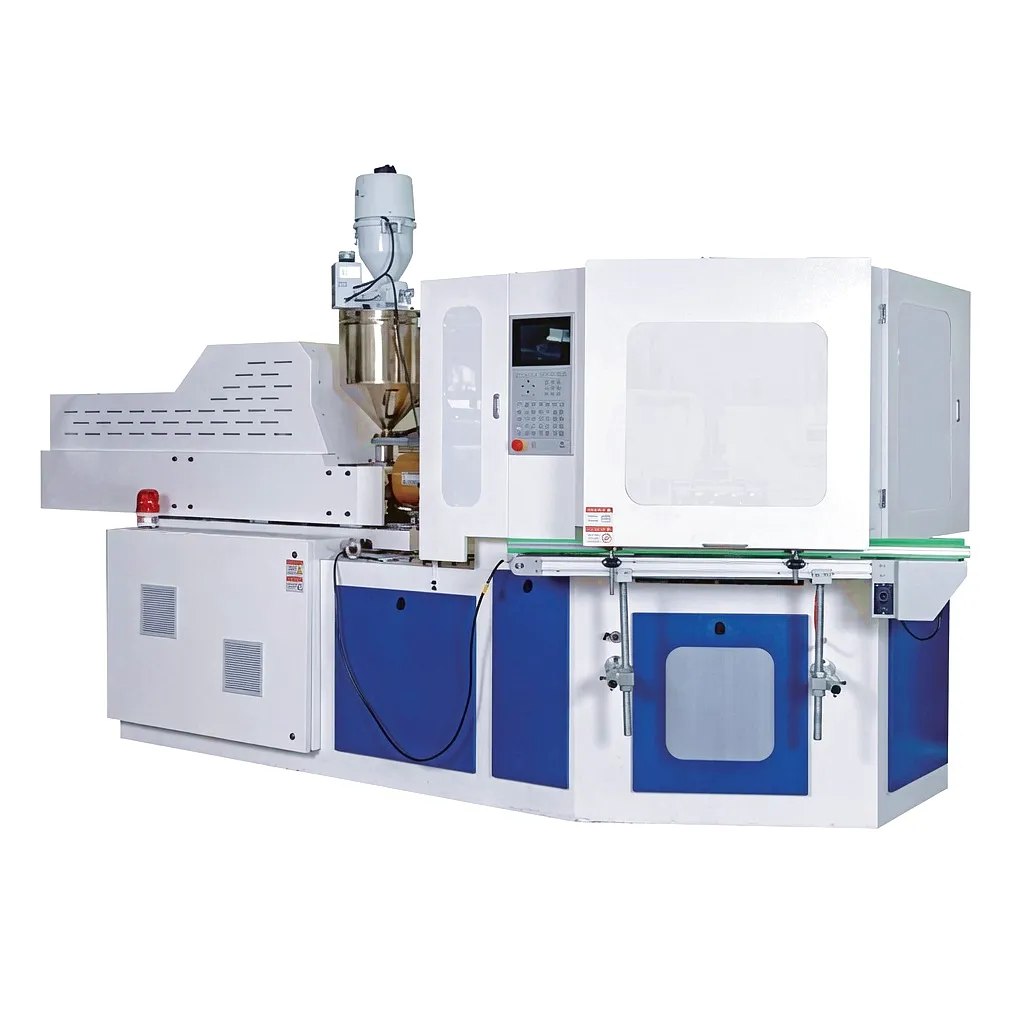
 The global personal care market has never placed greater demands on packaging technology. As brands in Birmingham, Manchester, and across the broader UK manufacturing belt strive to deliver attractive, leak-proof, and cost-efficient containers for shampoo, conditioner, and body wash products, the injection-blow molding machine has emerged as a cornerstone of modern production lines. Unlike conventional blow molding techniques, the injection-blow molding process combines precise polymer injection with controlled blow expansion in a single integrated cycle, producing containers with wall thickness uniformity, optical clarity, and neck-finish accuracy that bulk extrusion methods simply cannot match.
For UK contract manufacturers and brand owners operating in the fast-moving consumer goods sector, the economics are equally compelling. A well-configured injection-blow molding machine eliminates secondary trimming operations, reduces scrap rates below 2%, and enables rapid mould changeovers between bottle sizes — critical advantages when SKU proliferation is the market norm. This deep-dive article explores every dimension of this technology, from material selection and working principles through to real-world application data, technical specifications, and the definitive case for working with Ever Power as your preferred equipment partner.
How an Injection-Blow Molding Machine Works: The Core Principle
The injection-blow molding machine operates through a three-station rotary sequence that distinguishes it fundamentally from single-stage and two-stage stretch blow molding alternatives. In the injection station, molten thermoplastic resin is injected around a precision core rod mounted on a rotating indexing head, forming a hollow preform that already carries the container’s finished neck geometry — threads, sealing surfaces, and all. This is the defining advantage of the injection-blow approach: the neck finish is formed under controlled injection pressure rather than blown open, which guarantees dimensional consistency to tolerances within ±0.05 mm across millions of production cycles.
Once the preform solidifies around the core rod and the rotary table indexes to the blow station, compressed air — typically at 0.6 to 1.2 MPa — expands the still-warm preform body outward against the cooled blow cavity walls. The temperature differential between the retained core rod heat and the chilled cavity induces controlled biaxial orientation in the polymer, enhancing barrier properties and impact resistance compared with purely amorphous containers. At the ejection station, the finished container is stripped from the core rod and conveyed downstream. The entire cycle repeats continuously, with no trimming flash, no gate vestige on the body, and no residual stress concentrations at the base — a combination that makes the injection-blow molding machine the reference standard for small-to-medium volume personal care containers below approximately 2 litres.
Polymer melt injected around core rod; neck geometry formed with ±0.05 mm accuracy.
Compressed air at 0.6–1.2 MPa expands preform; biaxial orientation boosts barrier & strength.
Flash-free containers stripped directly; no secondary trimming, scrap below 2%.
Core Materials Processed by Injection-Blow Molding Machines
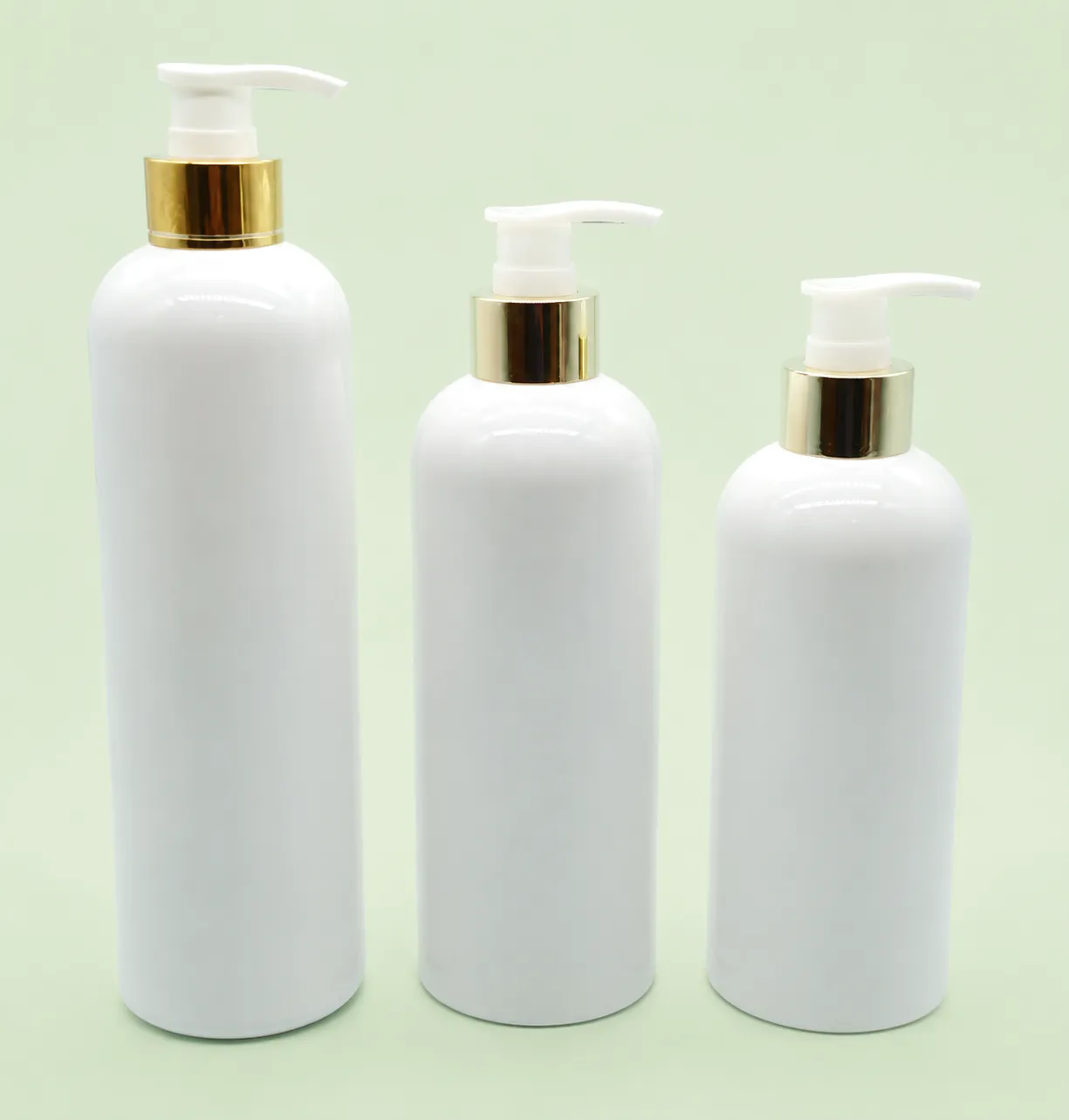
Material selection is the single most consequential decision in any injection-blow molding project, directly determining optical clarity, chemical compatibility with personal care formulations, regulatory compliance, and recyclability — a factor of growing commercial importance across UK supermarket supply chains that have made sustainability pledges central to their procurement policies.
Polyethylene Terephthalate (PET) dominates shampoo, conditioner, and body wash packaging due to its outstanding transparency, excellent chemical resistance to surfactants and conditioning agents, and well-established recycling infrastructure under the UK’s REDcycle and Recycle Now frameworks. PET processed through an injection-blow molding machine achieves haze values below 3%, enabling brands to showcase product colour as a shelf-differentiator. High-Density Polyethylene (HDPE) offers superior resistance to caustic formulations and is typically specified for 2-in-1 shampoo-conditioner blends where surfactant concentrations are elevated. Polypropylene (PP) brings heat resistance up to 100°C, making it suitable for hot-fill body scrub formats and refill pouch systems used by brands serving the Sheffield and Leeds premium wellness market.
Thermoplastic Elastomers (TPE) and Cyclic Olefin Copolymers (COC) represent specialty choices for dermatological and medical-adjacent personal care products, offering bioinert surfaces and ultra-low extractable profiles that satisfy the increasingly rigorous demands of UK Trading Standards and EU Cosmetics Regulation cross-referencing. The injection-blow molding machine’s precise temperature zoning — typically segmented across six or more heating bands — allows these engineering resins to be processed within the narrow melt windows that extrusion blow molding cannot reliably maintain.
Clarity <3% haze · Chemical resistant · Recyclable · Shampoo & conditioner primary choice
High-caustic resistance · 2-in-1 shampoo formats · Cost-effective for bulk volumes
100°C heat resistance · Hot-fill body scrubs · Refill systems · Opaque & translucent grades
Ultra-low extractables · Medical-adjacent cosmetics · Dermatological & premium skincare
Key Technical Advantages of the Injection-Blow Molding Machine
Thread dimensions, sealing surfaces, and ovality are all formed under injection pressure — not blow air — guaranteeing ±0.05 mm repeatability. Pump dispensers, disc-cap closures, and flip-tops seat correctly every time, eliminating costly line stoppages caused by mismatched neck finishes.
Extrusion blow molding always generates a pinch-off flash parting line requiring downstream trimming conveyors, labour, and re-granulation circuits. The injection-blow molding machine produces finished containers with no flash, reducing downstream equipment investment and eliminating the contamination risk that trimmed flash reintroduces to the material stream.
Material waste in a well-maintained injection-blow molding machine installation runs below 2% of throughput. For UK converters managing tight resin cost budgets against escalating energy tariffs, this translates directly to competitive pricing without compromising margin, especially when processing premium PET or COC resins.
Quick-release mould clamping systems on modern injection-blow molding machines allow a full cavity set exchange in under 45 minutes. This agility is essential for UK contract manufacturers managing dozens of SKUs across multiple brand owners from a single production bay in Leicester or Coventry.
The controlled preform geometry ensures circumferential wall variation below ±0.08 mm, preventing thin spots that cause squeeze-induced cracking on filling lines running at 300 to 600 containers per minute. Consistent wall thickness also means predictable stack compression loads — critical for logistics warehouses serving UK supermarket distribution centres.
All-electric servo-driven injection-blow molding machines consume 30–45% less electricity than hydraulic equivalents. In the context of UK industrial energy pricing — which has ranked among the highest in the G7 since 2022 — this advantage delivers payback on the servo upgrade premium within 18 to 30 months of continuous operation.
Product Technical & Performance Specifications
The table below provides representative technical parameters for injection-blow molding machines in the configuration range most suited to personal care container production. Specific values will vary depending on cavity count, bottle volume, and resin grade; Ever Power’s engineering team is available to issue a customised specification sheet on request.
| Parameter | ZQ40 (European) | ZQ60 (European) | Industry Typical Range |
|---|---|---|---|
| Max Container Volume | 500 ml | 1,000 ml | 10 ml – 2,000 ml |
| Clamping Force | 40 kN | 60 kN | 20 – 200 kN |
| Injection Unit Capacity | 115 cm³ | 230 cm³ | 50 – 500 cm³ |
| Blow Air Pressure | 0.6 – 1.0 MPa | 0.6 – 1.2 MPa | 0.4 – 1.5 MPa |
| Cycle Time (2-cavity) | 4.5 – 7 s | 6 – 10 s | 3 – 15 s |
| Neck Finish Tolerance | ±0.05 mm | ±0.05 mm | ±0.03 – ±0.10 mm |
| Wall Thickness Variation | <±0.08 mm | <±0.08 mm | <±0.12 mm |
| Compatible Resins | PET, PP, HDPE, COC | PET, PP, HDPE, COC | PET, PP, HDPE, PVC, COC, TPE |
| Heating Zones | 6 | 8 | 4 – 12 |
| Drive System | Full Servo-Electric | Full Servo-Electric | Hydraulic / Hybrid / Full Servo |
| Energy Saving vs Hydraulic | 30 – 45% | 30 – 45% | 20 – 50% |
| Mould Changeover Time | <45 min | <45 min | 30 – 90 min |
Application Scenarios: Where the Injection-Blow Molding Machine Excels
Application Scenario 1: High-Volume Shampoo Bottle Production
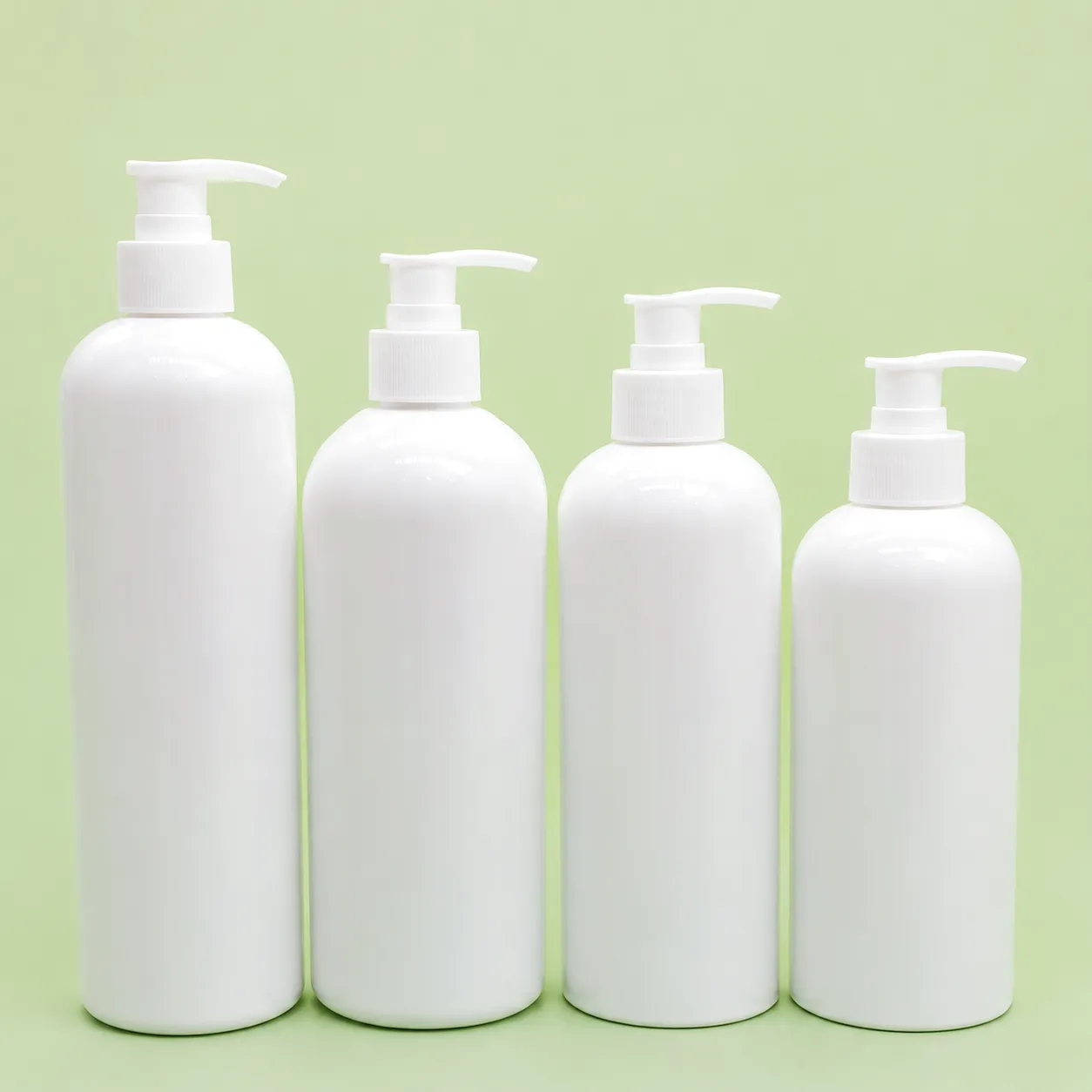
Shampoo bottles represent the single highest-volume SKU in the UK personal care packaging market, with consumption across retail, hotel, and hospitality channels running into hundreds of millions of units annually. The injection-blow molding machine has become the preferred production platform for this category because it delivers the combination of attributes that brand owners demand: crystal-clear PET bodies that showcase the product’s viscosity and colour at the point of sale, thread-perfect pump-head interfaces that eliminate the customer-frustration leak incidents that generate negative online reviews, and per-unit costs that remain competitive even against the enormous volumes produced by extrusion blow moulders serving commodity private-label markets.
For established UK contract fillers operating out of Derbyshire and Cheshire with supermarket supply agreements, the ability to run 250 ml, 400 ml, and 750 ml bottle moulds on the same injection-blow molding machine — switching between sizes in under an hour — is commercially transformative. Seasonal NPD launches that once required weeks of lead time for dedicated equipment booking can now be accommodated within the standard production schedule, reducing time-to-shelf and protecting promotional window commitments made to retail buyers.
Application Scenario 2: Premium Conditioner & Treatment Containers
Hair conditioner formulations present a distinct packaging challenge compared with shampoos. Higher viscosities and the presence of quaternary ammonium compounds, silicone derivatives, and fatty alcohols demand chemical compatibility profiles that PET and PP handle comfortably but that certain alternative polymers do not. The injection-blow molding machine’s temperature precision allows the processing of chemically inert PET grades at the narrower melt windows — typically 265–280°C — that maximise intrinsic viscosity retention and therefore barrier integrity against silicone migration through the container wall.
Premium hair treatment brands headquartered in London but manufactured in the Midlands often specify asymmetric bottle geometries — shoulder angles, waist contours, and base engravings — as brand equity differentiators. The injection-blow molding machine accommodates this design complexity because the preform geometry is machined into the core rod and cavity steel with CNC precision, rather than defined by the parison programming algorithms of extrusion equipment. The result is a container that faithfully reproduces the industrial designer’s intent in every cavity, across every production shift, with no operator skill dependency.
📌 UK Market Note: Independent premium hair care brands in the Glasgow and Edinburgh markets have increasingly specified injection-blow molding for launches in the 100–200 ml travel and mini format segment, where dimensional precision at reduced scale is difficult to achieve with extrusion alternatives.
Application Scenario 3: Body Wash & Shower Gel Containers
The body wash segment has seen dramatic packaging evolution over the past decade, driven by sustainability pressures from UK retailers — particularly the major grocery multiples — who have committed to eliminating non-recyclable packaging by 2025–2030. Injection-blow molded PET containers fit naturally into this transition: they are accepted by UK kerbside collection schemes in virtually every local authority area, they carry clear material identification codes (Code 1 for PET), and their wall uniformity enables light-weighting without sacrificing the structural integrity that filling and capping lines require.
Refillable body wash formats — growing strongly in the Bristol and Brighton eco-conscious consumer markets — place additional demands on containers. They must withstand repeated handling, multiple fill cycles, and exposure to both the original brand formula and whatever domestic refill product the consumer introduces. Injection-blow molding machines producing thick-walled PP containers in the 300–800 ml range have demonstrated excellent cycle life in refill programme trials conducted in partnership with major UK waste reduction charities, with containers retaining seal integrity and dimensional stability across 15 or more fill cycles — a performance benchmark that positions the format favourably against alternative packaging models.
Application Scenario 4: Cosmetics & Skincare Packaging
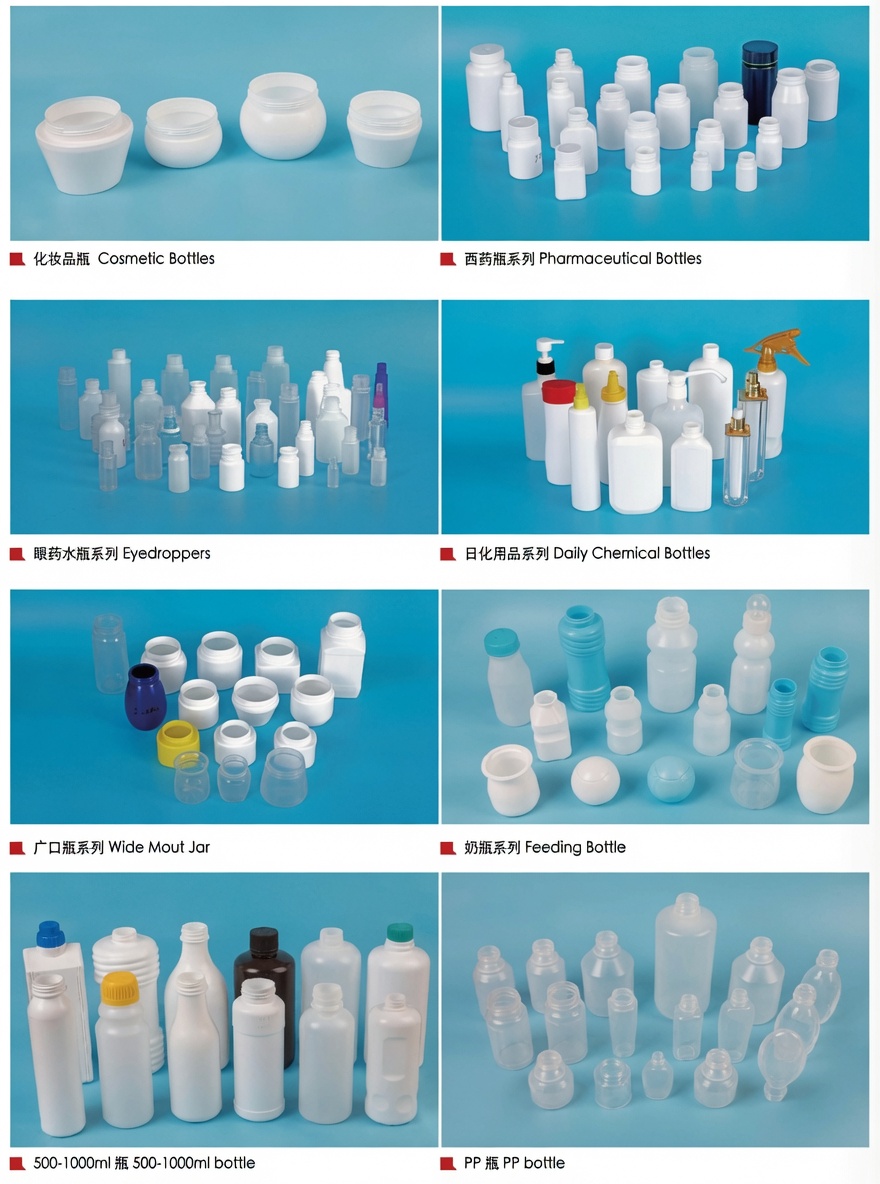
Beyond the shower and bath category, the injection-blow molding machine is the platform of choice for a wide range of cosmetics packaging applications where the interplay of aesthetics, barrier performance, and precision closure interface drives specification decisions. Facial cleanser bottles, toner dispensers, serum droppers, micellar water containers, and liquid foundation bottles all benefit from the dimensional consistency that only the injection-blow process reliably delivers at commercial scale.
The COC and transparent PP grades that can be processed on modern injection-blow molding machines offer a further advantage in the prestige skincare segment: they are free of the bisphenol-A and phthalate plasticisers that increasingly informed consumers associate with endocrine disruption risks, and they carry the bioinert surface characteristics that dermatologically tested formulations require to pass stability testing. For UK brands pursuing cosmetic safety certification under the Cosmetics Products Regulation (UK) post-Brexit framework, the material traceability documentation that Ever Power provides with every machine delivery simplifies regulatory dossier preparation considerably.
Application Scenario 5: Hotel, Travel & Airline Amenity Formats
The UK hospitality sector’s procurement of personal care amenity bottles — for hotels across London, Edinburgh, Bath, and the Cotswolds resort corridor — generates substantial demand for injection-blow molded containers in the 30 ml, 40 ml, and 50 ml size range. At this scale, the neck finish precision advantage of the injection-blow molding machine is even more pronounced: miniature flip-top and snap-cap closures leave virtually no tolerance for thread or seating deviation without risk of in-room leakage — the bane of hotel housekeeping operations.
Airline amenity kits present still more demanding specifications, with containers required to pass IATA drop tests, maintain seal integrity at cabin pressure differentials, and fit within defined kit envelope dimensions to within ±1 mm — all while carrying premium cosmetic brand identities that justify first and business class passenger expectations. The injection-blow molding machine’s combination of precision preform geometry and controllable blow pressure makes it uniquely capable of producing the shallow-draft, wide-base mini-bottle formats that lie within these constraints.
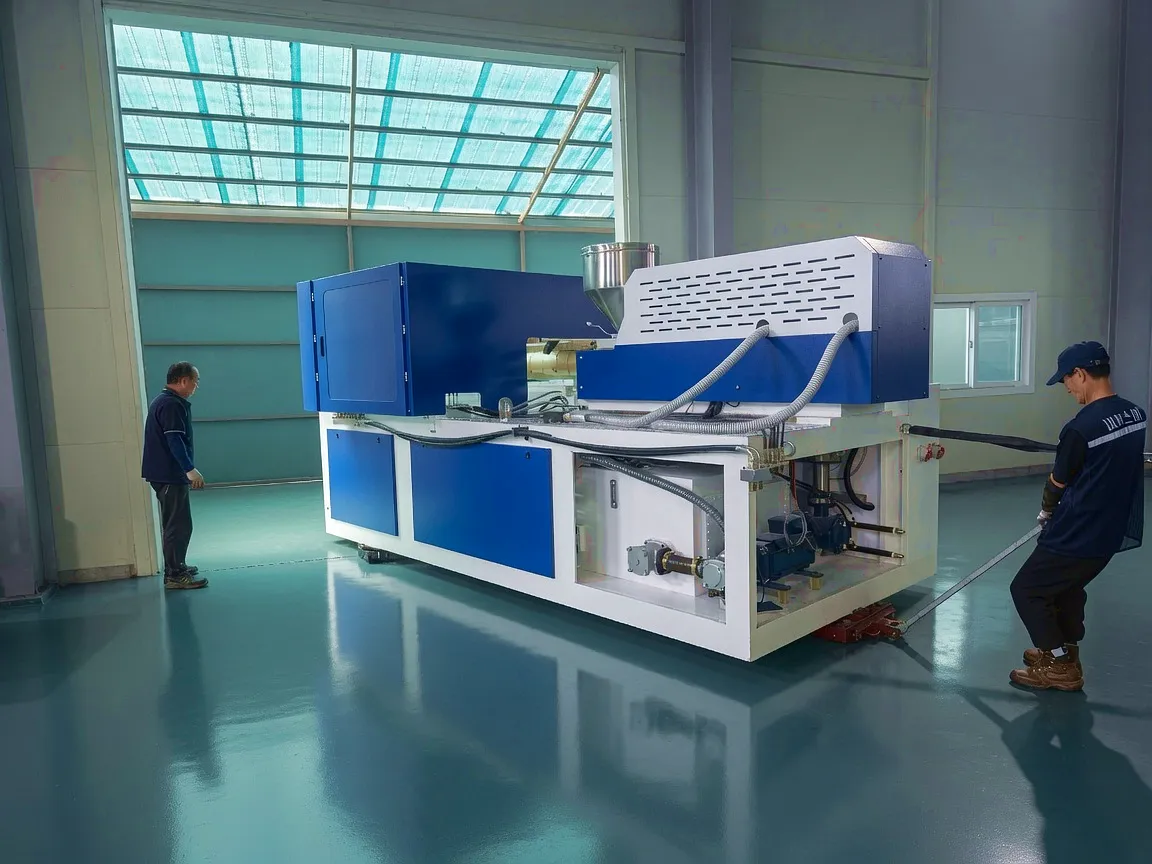
Ever Power’s manufacturing facility — precision engineering at scale for global injection-blow molding machine supply
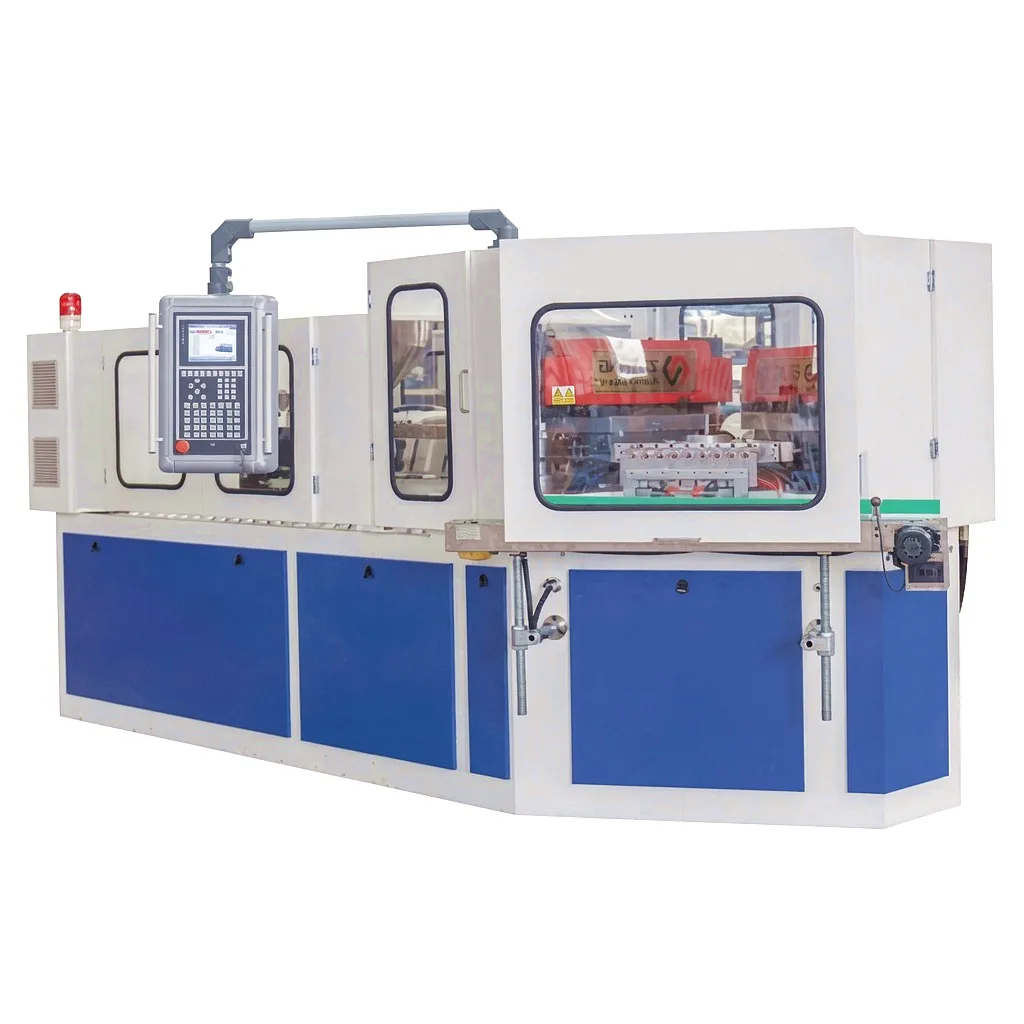
Featured Products: Ever Power European Series Injection-Blow Molding Machines
Auxiliary Equipment & Complete Line Integration
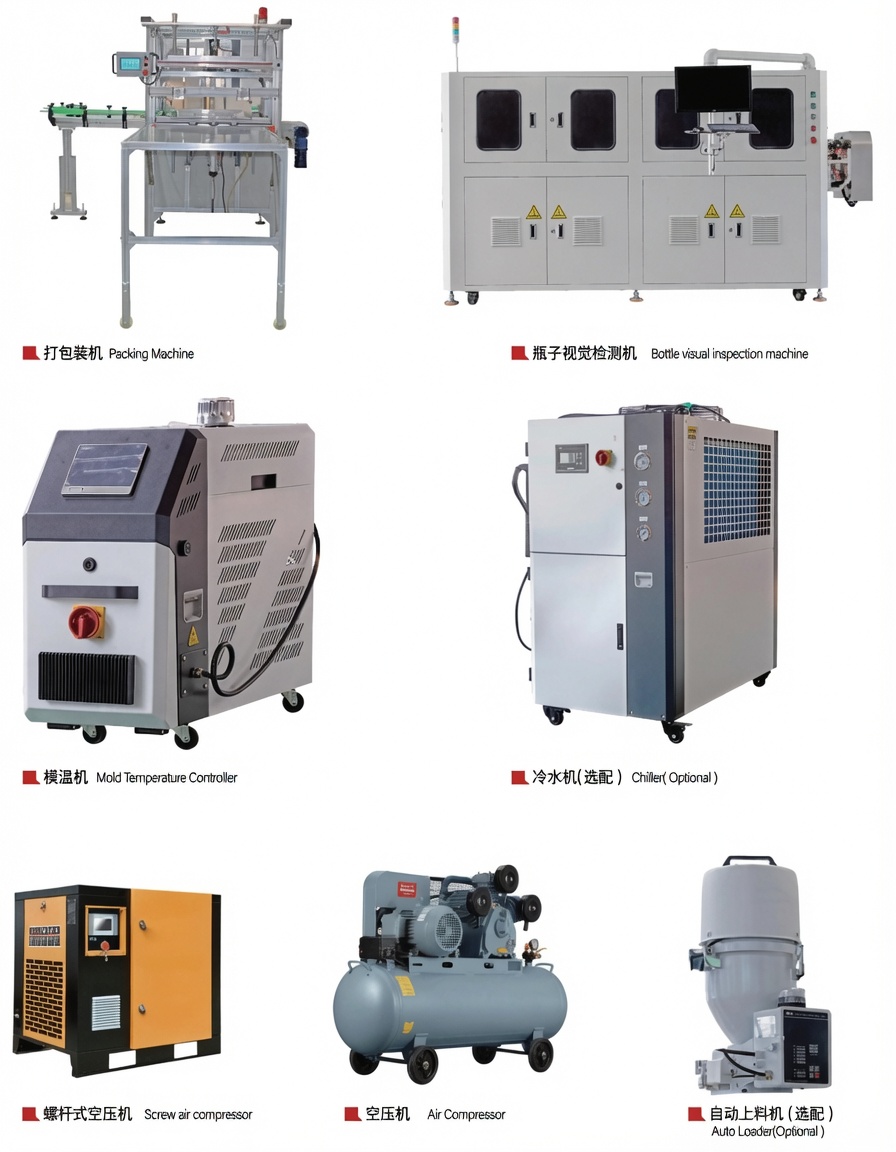
Ever Power supplies complete auxiliary packages — material dryers, chilled water units, conveyor systems, and vision inspection stations — engineered to integrate seamlessly with each injection-blow molding machine. Turnkey line commissioning is available for UK installations, with on-site support from our European service network.
Customer Success Story
Manchester, Greater Manchester — Contract Personal Care Packaging Manufacturer
NorthBright Packaging Solutions, a contract manufacturer operating from a 12,000 m² facility in Trafford Park, Manchester, approached Ever Power in the second quarter of 2023 facing a critical capacity constraint. Their existing extrusion blow molding line — running three shifts — could not meet the combined bottle demand of two new supermarket private-label contracts they had secured for 300 ml shampoo and 400 ml body wash containers. The contracts required dimensional consistency across PET and HDPE grades within tolerances that their existing equipment could not reliably achieve, and they had lost two trial production batches to pump-head leakage failures traced to neck diameter ovality.
Ever Power’s application engineering team visited the Trafford Park site and conducted a two-day process audit before recommending a dual ZQ60 injection-blow molding machine installation supported by integrated drying and chilling auxiliaries. The configuration was engineered to run both the PET shampoo and the HDPE body wash containers across shared cavity tooling with a planned changeover time under 40 minutes, achieving an effective blended cycle output of approximately 1,400 containers per hour across both machines. A material traceability software interface was integrated with NorthBright’s existing ERP system, meeting the supply chain documentation requirements of both retail customers.
Following commissioning in October 2023, NorthBright achieved zero neck-finish rejection failures across the first 90 days of production — a decisive improvement that secured both retail contracts beyond their initial trial volumes. Scrap rates across both machines settled at 1.6%, substantially below the 4.8% average NorthBright had recorded on their legacy extrusion line. The energy monitoring data showed a 38% reduction in electricity consumption per thousand containers produced, a saving that management attributed directly to the ZQ60’s full servo-electric drive architecture. By the first quarter of 2024, NorthBright had placed a further order for two additional ZQ60 machines to expand into the cosmetics segment — a direct consequence of the performance confidence the initial installation had generated.
What Our Customers Say
“The neck finish consistency on the ZQ60 is genuinely remarkable. We had persistent pump-head seal failures on our old equipment — within the first month on Ever Power’s machine, we had zero leakage rejections. The technical support during commissioning was thorough and professional, and the team clearly understood our product requirements rather than just the machine spec.”
“The energy saving versus our previous hydraulic blow moulders has been measurable and significant — closer to 40% per unit produced once we normalised for output volume. In the current UK energy environment that is a meaningful operating cost reduction. Ever Power’s willingness to customise the mould configuration to our specific bottle geometry without a long lead time delay was equally impressive.”
“We evaluated three injection-blow molding machine suppliers before selecting Ever Power. What differentiated them was the depth of the pre-sales engineering analysis — they came to site, reviewed our actual production data, and specified the machine configuration around our real constraints. The scrap rate reduction alone — from nearly 5% to under 2% — more than justified the investment within the first year of operation.”
Frequently Asked Questions
Ready to Upgrade Your Personal Care Packaging Line?
Talk to Ever Power’s engineering team about the right injection-blow molding machine configuration for your bottle specification, production volume, and UK factory constraints.
edit by gzl