Blow Moulding Process Comparison: IBM vs ISBM vs EBM vs Extrusion
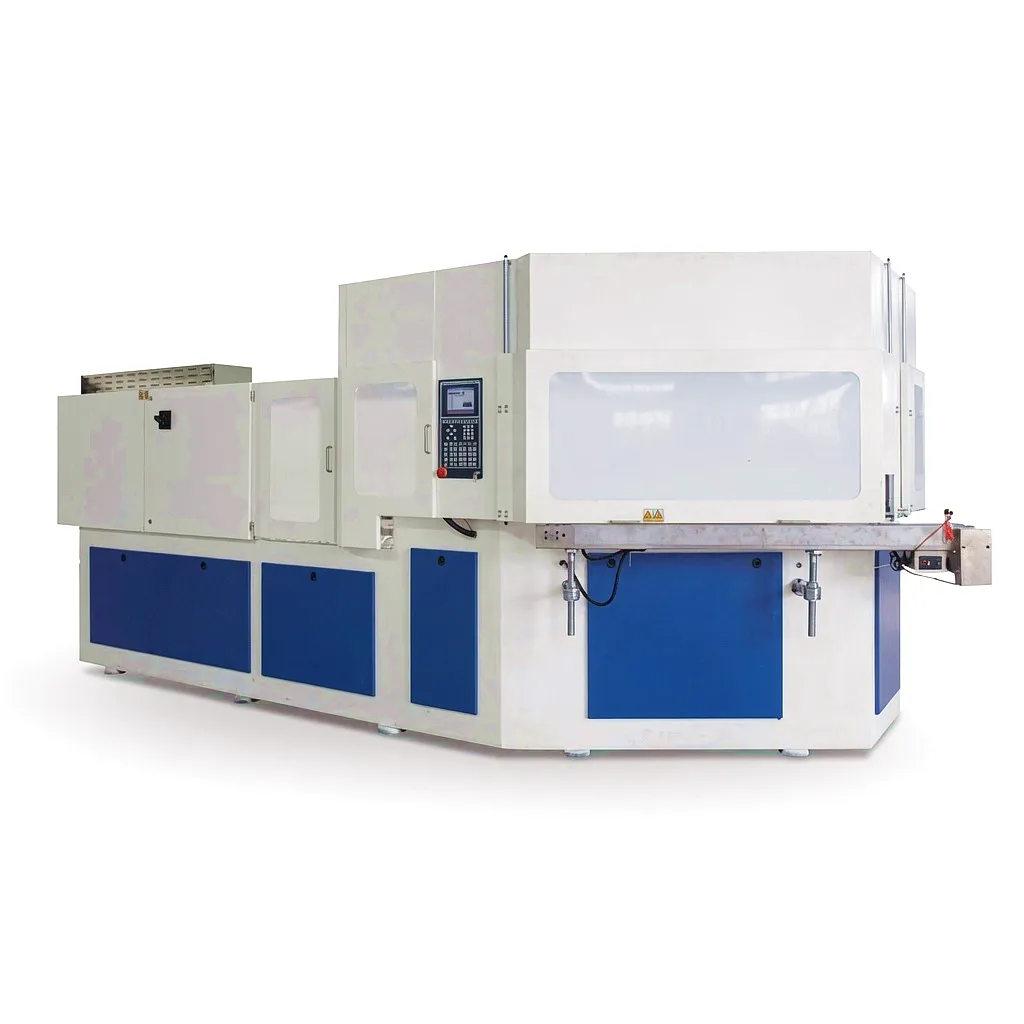
Choosing the right blow moulding technology is one of the most consequential decisions a packaging engineer can make, and the answer depends heavily on product geometry, resin type, production volume, and the finish quality required. The four primary processes — Injection Blow Moulding (IBM), Injection Stretch Blow Moulding (ISBM), Extrusion Blow Moulding (EBM), and standard Extrusion — each occupy a distinct niche in the manufacturing landscape. IBM technology stands apart because the preform is injection-moulded directly around a hardened core pin, ensuring the neck finish is formed under injection pressure rather than blown into shape. This means the thread profile, sealing surface, and transfer bead are all dimensionally locked before the blow stage even begins. For UK pharmaceutical manufacturers operating under MHRA packaging guidelines, this process certainty is invaluable.
The data above makes it clear that when bottle neck precision, zero flash waste, and compatibility with engineering-grade resins are the primary criteria, injection blow moulding machines occupy a class of their own. For UK manufacturers supplying regulated industries, the absence of post-moulding trimming operations alone represents a significant reduction in quality risk, labour cost, and production cycle time.
How an Injection Blow Moulding Machine Works: The Three-Station Cycle
Wall Thickness Uniformity Control and Preform Temperature Profiling
Parison / Preform Wall Distribution
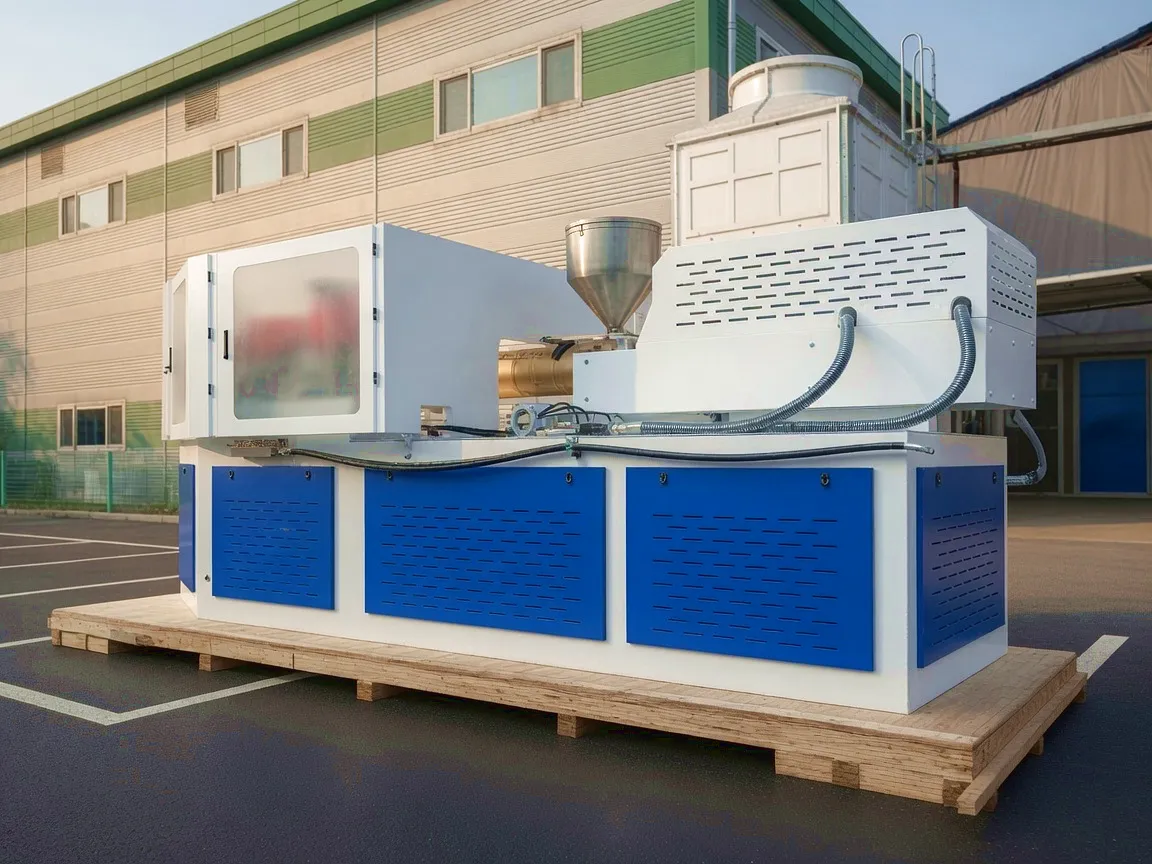
In injection blow moulding, wall thickness distribution is governed at the injection stage rather than during the blow phase. The core pin’s taper geometry, land length, and surface finish collectively determine how the molten resin distributes across the preform wall. Ever Power engineers the core pin profile in CAD simulation software that predicts polymer flow front behaviour under the specific melt viscosity and injection speed profile for each resin grade. Adjustments to the injection velocity profile — particularly the fill-to-pack transition — allow wall thickness variation across the preform height to be controlled within ±0.05 mm across a standard 30 ml to 500 ml bottle range. This level of control directly translates into the 18% bottle weight reduction headline that UK packaging engineers are increasingly citing in their lightweighting programmes.
Preheat Temperature Curves by Resin
The barrel heating profile on an IBM machine is segmented — typically across four to six independently controlled zones from the feed throat to the nozzle. For HDPE (melt temperature range 200–240°C), the profile rises progressively from a cooled feed zone at approximately 50°C to a nozzle temperature of 230°C, with the intermediate zones stepped at 190°C, 210°C, and 225°C. Polypropylene requires a flatter, slightly lower profile peaking at 220–235°C, while PET in IBM applications — less common but increasingly specified for high-clarity cosmetic bottles — demands a tightly controlled profile between 255°C and 275°C with moisture content in the pellet below 0.005% before processing. Ever Power’s IBM machines feature PID-controlled resistance band heaters with ±1°C zone accuracy, and the HMI displays real-time temperature deviations against recipe setpoints, triggering process hold commands before any out-of-specification material reaches the mould cavity.
Mould Design Principles and Bottle Profile Optimisation
Core Machine Materials: What IBM Equipment Is Built From
Machine Frame
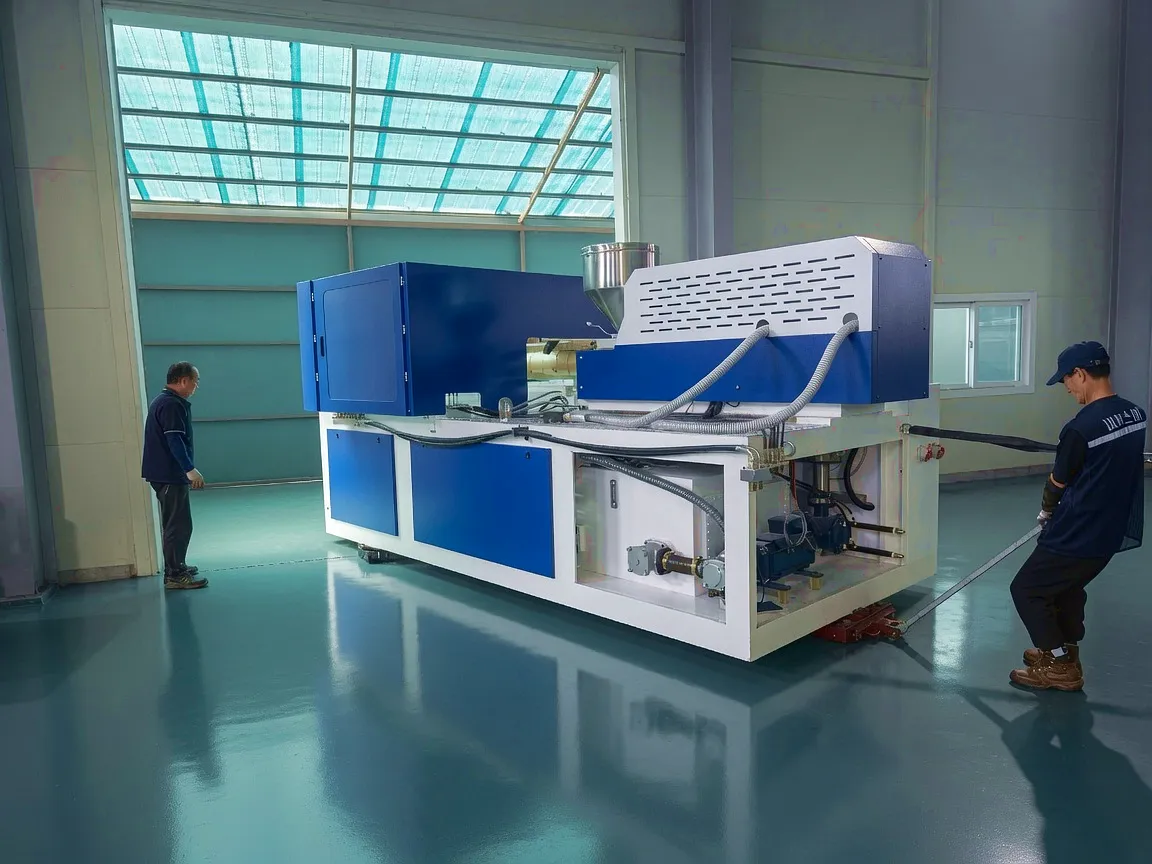
Welded structural steel with vibration-dampening cast iron platen surfaces. Annealed after welding to eliminate residual stress. Surface ground to within 0.02 mm flatness.
Plasticising Screw & Barrel
Bimetallic barrel with 1.2379 tool steel liner, nitrided screw in 38CrMoAl. Barrel hardness HRC 65+. Screw flight surface hardness HV 900+ for extended service life with abrasive or glass-filled resins.
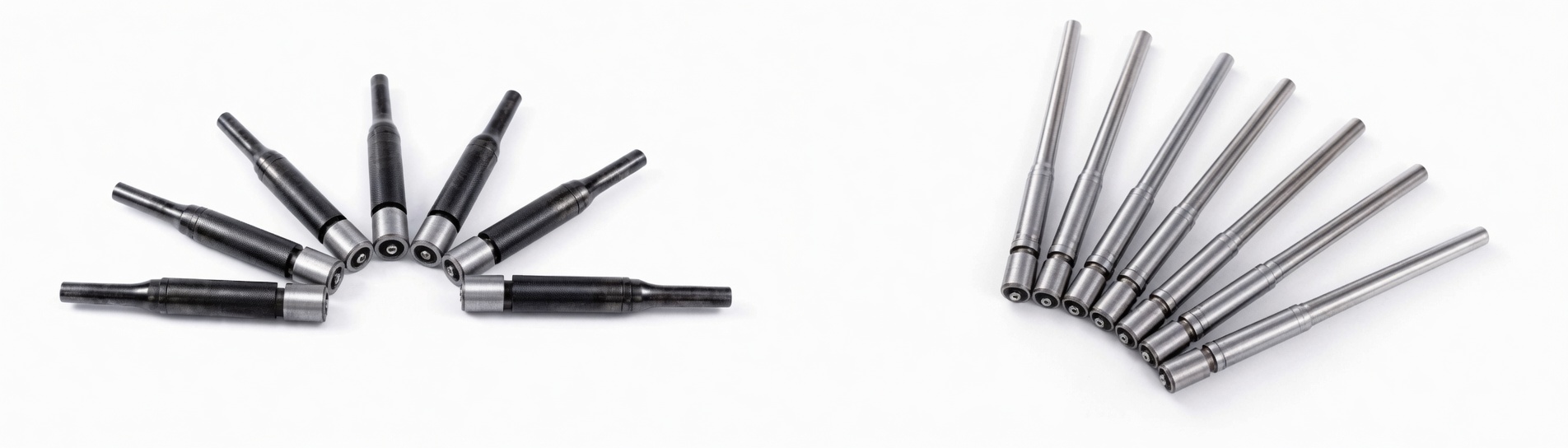
Core Pins
P20 or H13 tool steel, mirror-polished to Ra 0.05 µm. Chrome-plated in high-wear applications. Dimensional tolerance on pin OD: ±0.005 mm for neck finish consistency.
Hydraulic Components
Bosch Rexroth or equivalent proportional valve systems. 316 stainless steel manifolds in food/pharma-grade configurations. System pressure to 200 bar, response time <15 ms for clamping and ejection sequences.
Control Architecture
Siemens S7-1500 PLC with 15″ TFT colour HMI. Ethernet/IP connectivity for SCADA integration. Recipe management for up to 500 stored product formulations. Remote diagnostics via secure VPN tunnel.
IBM Machine Technical Performance Parameters
The following table consolidates the principal technical parameters for Ever Power’s IBM machine range, covering both the ZQ110 and ZQ135 series. These figures are indicative of standard configurations; custom specifications are available for specialist applications including clean-room-compatible builds for UK pharmaceutical clients, multi-cavity tools for high-speed health and beauty production, and food-contact-certified material-contact surfaces for beverage packaging operations.
Core Technical Advantages of IBM Technology in Modern UK Production Environments
Zero Flash — No Trim Required
Because the preform is fully enclosed within the injection mould, there is no pinched parison and no excess polymer escaping the cavity perimeter. The finished bottle arrives at the stripping station as a dimensionally complete, production-ready article requiring no downstream trimming, deflashing, or granulation of scrap. For UK manufacturers operating lean production lines, the elimination of flash scrap can reduce consumable resin cost by 3–8% and remove an entire post-processing station from the factory floor, freeing space and labour for value-adding operations.
Precision Neck Finish Integrity
The injection-moulded neck is formed against a hardened cavity under controlled pressure and temperature, producing thread profiles, sealing beads, and transfer rings with tolerances that meet — and often exceed — ISBT international bottle standards. For UK cosmetic brands supplying the Boots, Superdrug, and Holland & Barrett retail channels, closure leakage failures during shelf display are a significant commercial risk. IBM-produced necks routinely achieve closure torque consistency within ±0.5 Nm across an entire production batch, dramatically reducing the risk of consumer-visible leakage or breakage on-shelf.
Multi-Resin Compatibility
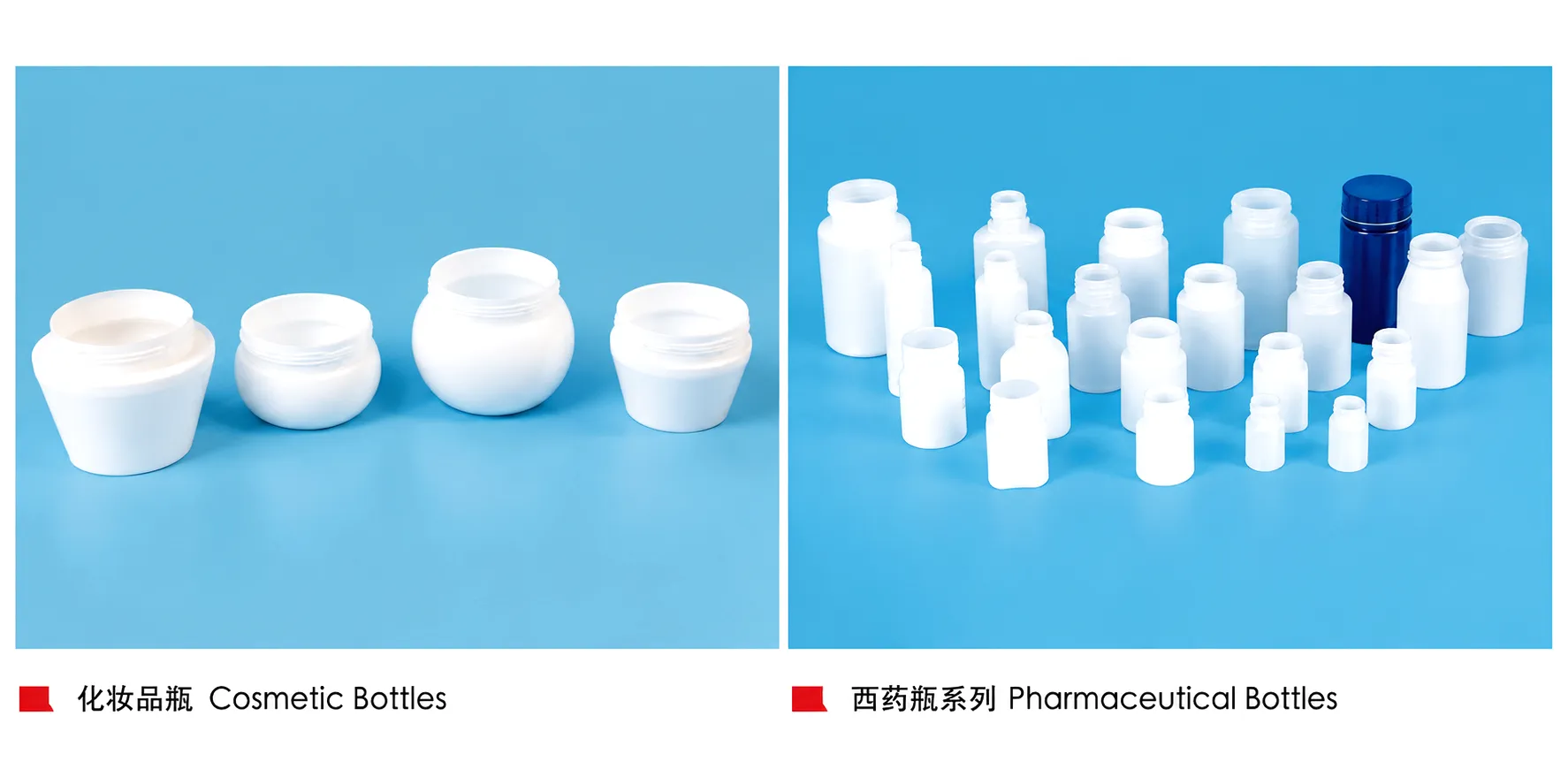
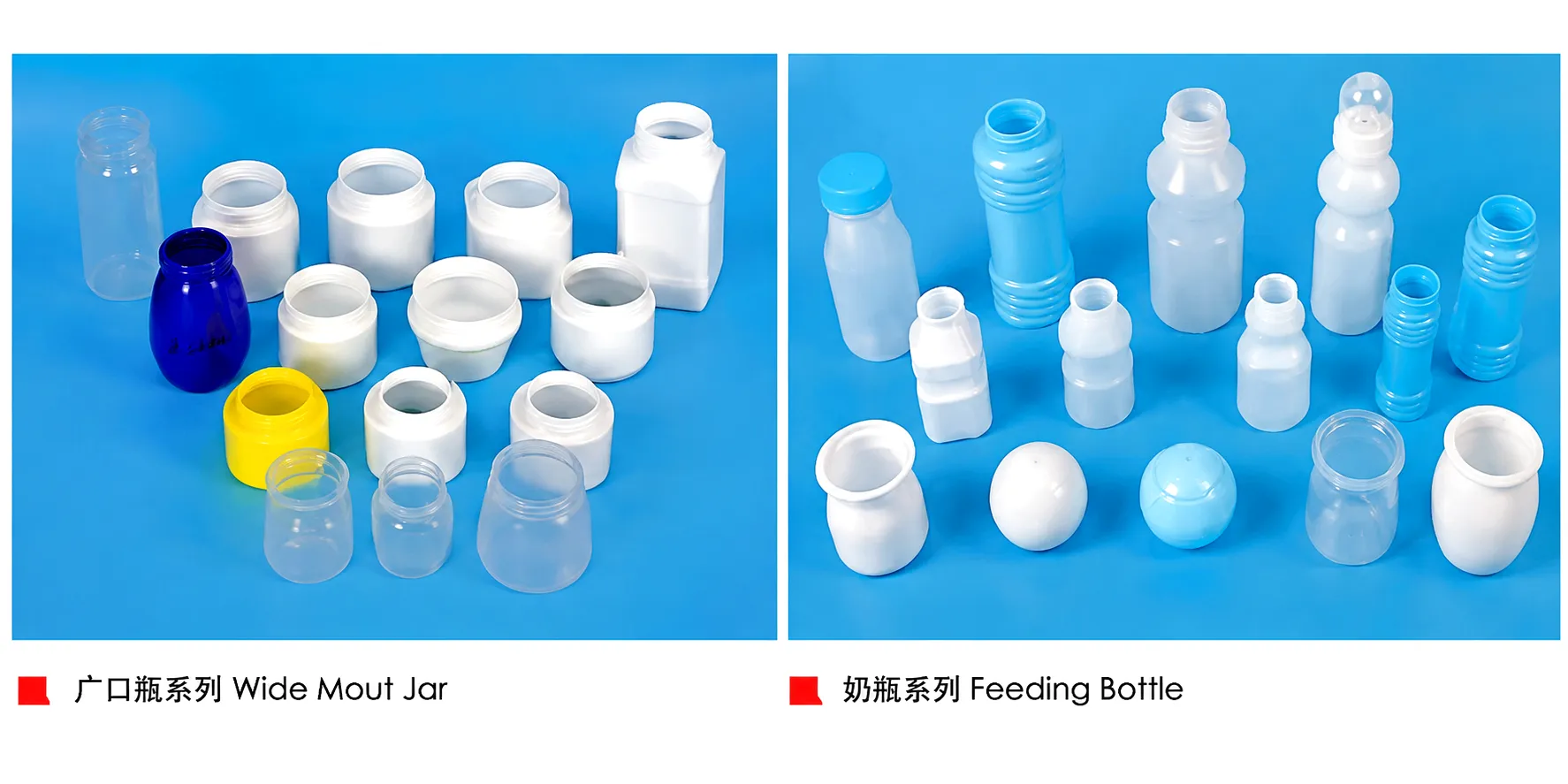
IBM machines can process a wide spectrum of thermoplastics — HDPE for pharmaceutical dropper bottles, polypropylene for hot-fill food containers, PET for premium cosmetic packaging, and polycarbonate for autoclavable medical devices. Each resin family simply requires a matched screw profile and temperature curve, both of which can be stored as named recipes on the HMI and recalled in minutes during product changeover. This flexibility makes IBM technology the ideal choice for contract packaging manufacturers across Sheffield and the East Midlands who serve multiple industry sectors from a single production cell.
Energy Efficiency at Scale
Ever Power’s ZQ series IBM machines are equipped with servo-hydraulic drive systems that match pump output precisely to instantaneous demand, consuming energy only when mechanical work is being performed. During clamp-closed dwell periods — which can represent 40–60% of total cycle time — the servo motor idles, consuming a fraction of the power drawn by a conventional fixed-displacement vane pump. In field-monitored UK installations, this architecture has delivered measured energy reductions of 38–45% compared to machines of equivalent clamping force fitted with traditional hydraulic systems, translating directly to lower electricity costs and reduced CO₂ reporting liability under SECR (Streamlined Energy and Carbon Reporting) obligations.
Energy Consumption Optimisation and Retrofit Upgrade Pathways
For UK manufacturers operating older IBM machinery — particularly units with fixed-speed hydraulic power packs and resistance-heated barrels only — there exists a compelling business case for a staged energy retrofit programme. Ever Power’s retrofit engineering team has developed a modular upgrade framework that can be applied to machines from a wide range of original equipment manufacturers, allowing existing tools and production knowledge to be retained while the machine’s energy and control architecture is brought to current best-practice standards.
Servo-Hydraulic Retrofit
Replace fixed-displacement vane pump with variable-speed servo-hydraulic unit. Typical payback: 14–22 months on a two-shift UK production schedule. Energy saving: 35–45%. Requires no modification to existing mould tooling or hydraulic circuit.
Insulated Barrel Jackets
Ceramic-fibre barrel insulation blankets reduce radiated heat loss from the plasticising barrel by 50–70%. Particularly effective in unheated factory environments common across northern England industrial estates. Installation is a single-shift task with no production loss beyond planned downtime.
Chiller Heat Recovery
The heat extracted from the mould cooling circuit can be recovered via a plate heat exchanger and redirected to space heating or pre-heating incoming compressed air. For a medium-scale UK packaging facility running four IBM machines simultaneously, recovered thermal energy can offset 15–25 kW of gas heating demand — a meaningful contribution to carbon reduction targets.
IBM Machine Fault Diagnosis and Troubleshooting Guide
Operational faults on injection blow moulding machines often manifest subtly before they become critical. The following troubleshooting reference addresses the most commonly reported issues encountered in UK production facilities, with probable root causes and corrective actions that can be implemented by a trained machine operator or toolroom technician without requiring manufacturer callout.
Industrial Application Scenarios for IBM Blow Moulding Machines Across UK Industries
IBM Machine Auxiliary Equipment and Full Production Line Integration
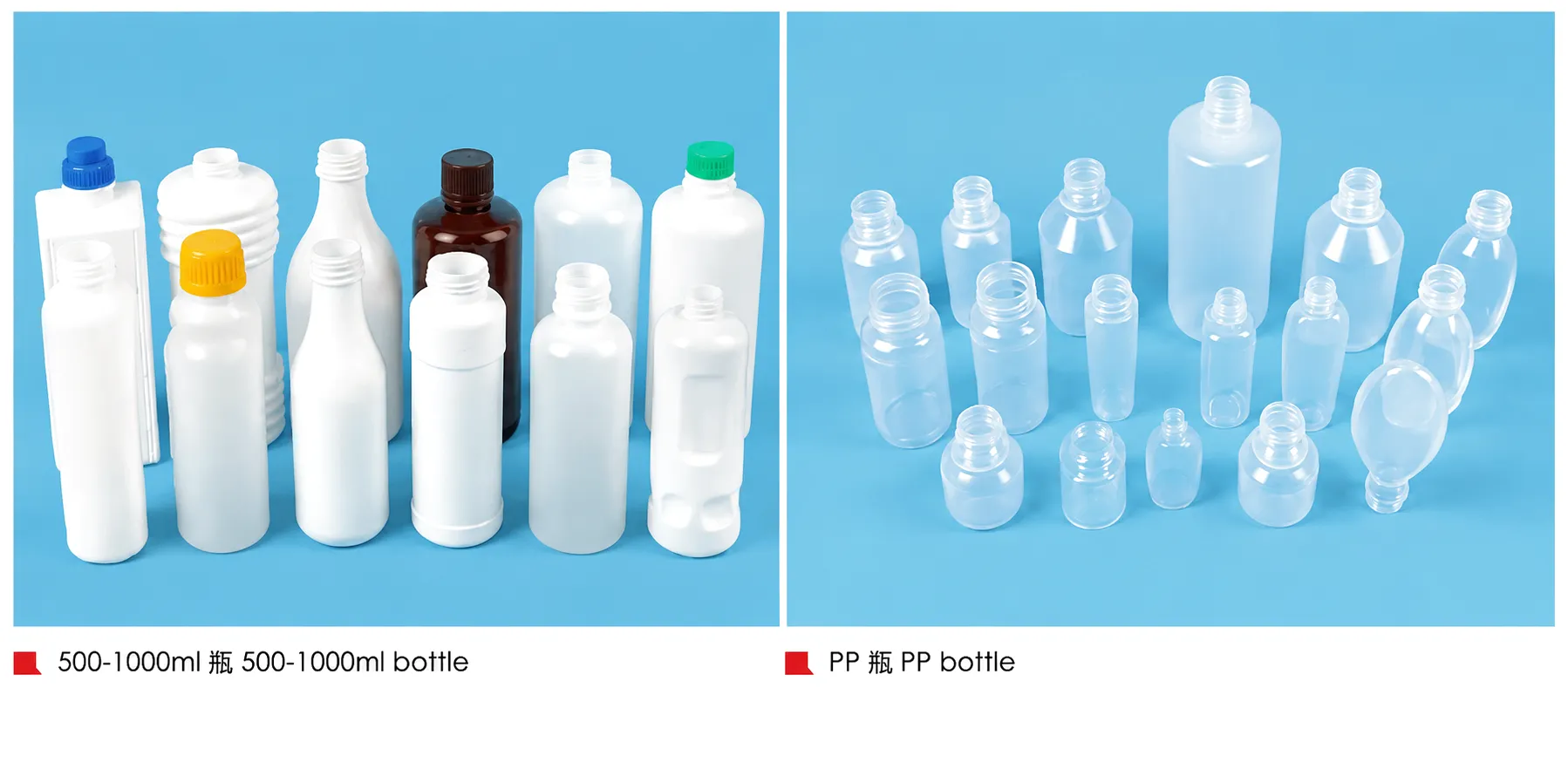
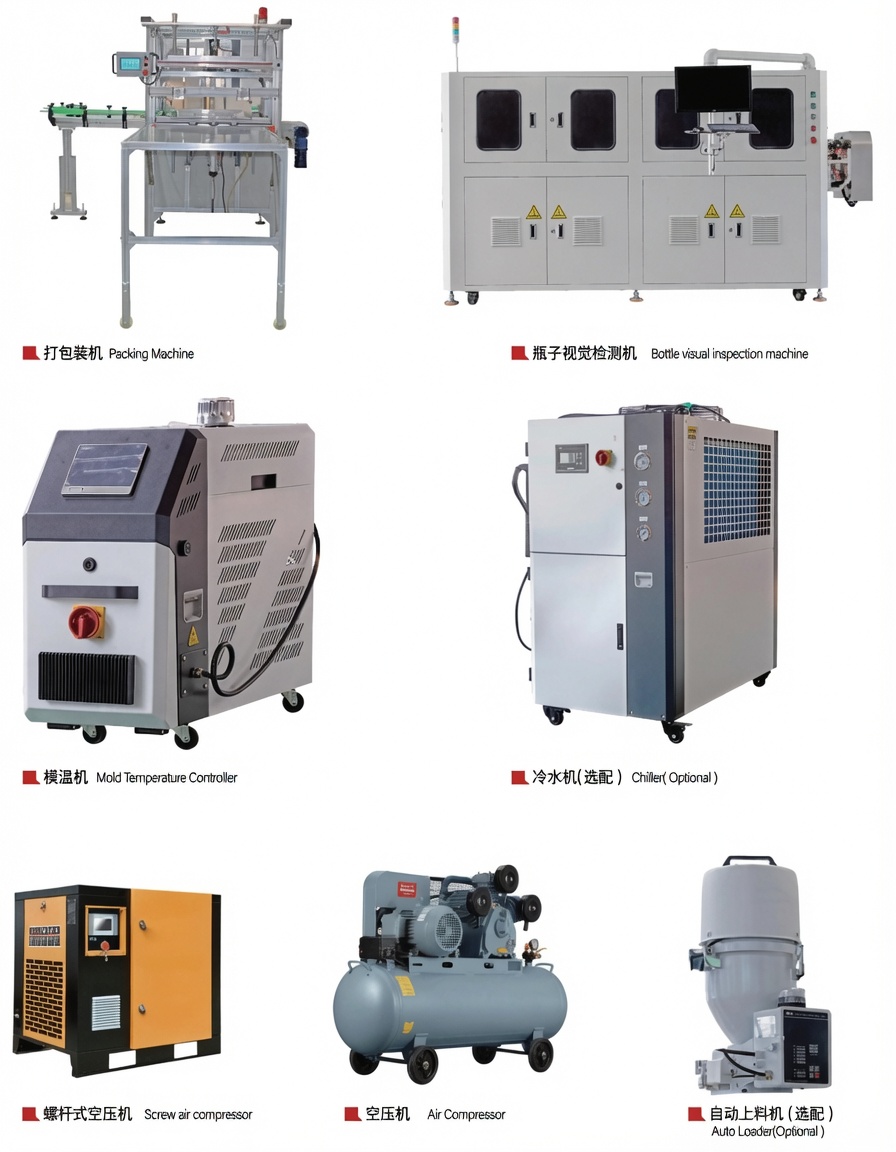
A production-ready IBM installation requires more than the core moulding machine. Upstream and downstream auxiliary systems — material conveying, drying, temperature control, quality vision inspection, and conveyor integration — are equally critical to achieving consistent output quality at commercial throughput rates. Ever Power supplies complete auxiliary packages engineered for compatibility with the ZQ series machines, ensuring all subsystems are matched in capacity, control protocol, and physical interface. The images below show representative auxiliary equipment configurations as deployed in UK packaging facilities.
Ever Power IBM Machine Models: Engineered for UK Manufacturing Demands
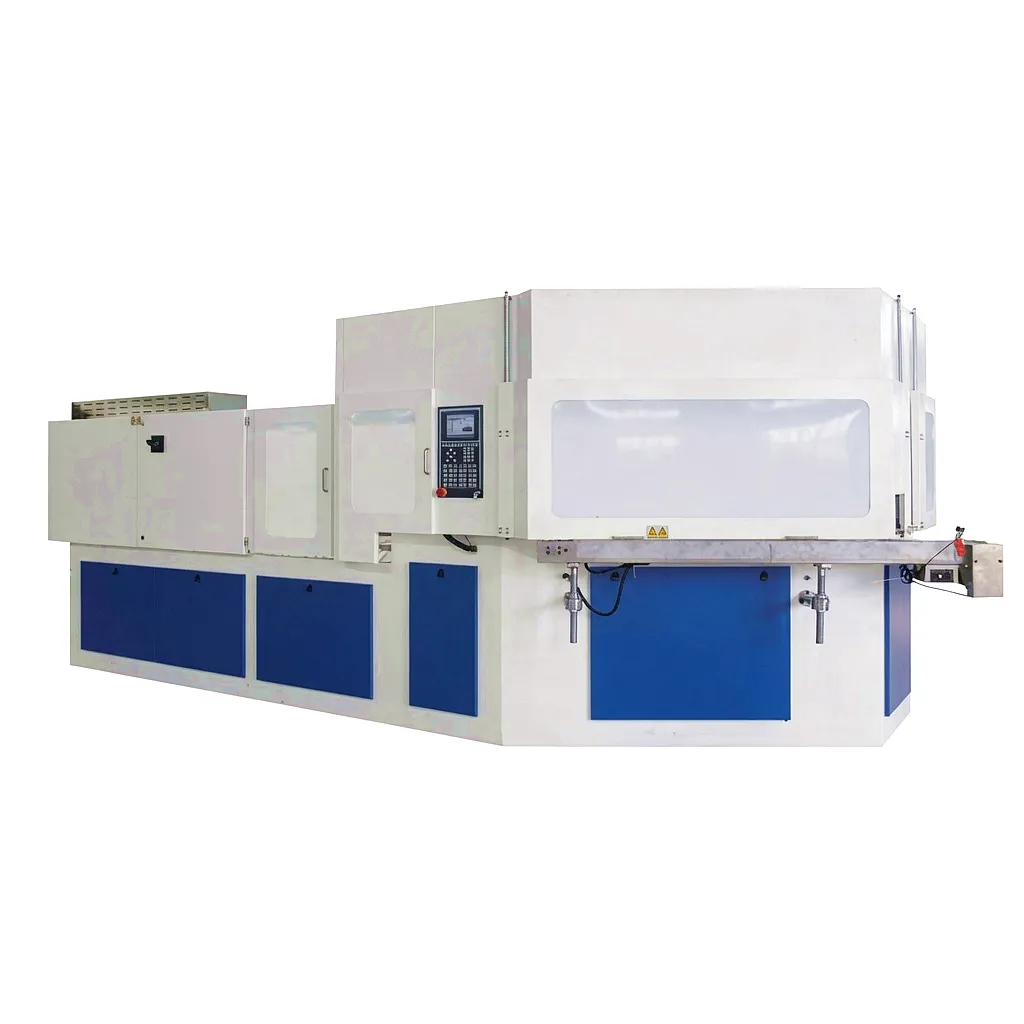
Ever Power Manufacturing Capabilities and Custom IBM Machine Engineering
Request a Custom IBM Machine Quotation from Ever Power
Whether you are evaluating your first IBM machine installation or replacing an ageing platform in an established UK packaging facility, Ever Power’s technical sales team can provide a detailed quotation covering machine specification, tooling options, auxiliary equipment packages, delivery lead time, and after-sales service arrangements. Our team has direct experience with the UK’s packaging regulatory landscape, CE machinery directive compliance, and the logistical requirements of delivering and commissioning heavy equipment at UK industrial sites.
Customer Success Story: 18% Bottle Weight Reduction at a Leeds Pharmaceutical Packaging Contract Manufacturer
Background: A contract pharmaceutical packaging manufacturer based in Leeds, West Yorkshire, had been producing 100 ml HDPE dropper bottles on a ten-year-old fixed-pump IBM machine of an incumbent brand. The facility supplied three major UK generic pharmaceutical companies and was under increasing pressure from its clients’ procurement teams to reduce bottle weight — and therefore material cost — without compromising the neck thread accuracy required for compatibility with their standard dropper closure system. The incumbent machine’s hydraulic system was also generating excessive heat in the plant, contributing to air conditioning costs throughout Yorkshire’s warmer summer months and causing occasional cycle time variability when oil viscosity increased.
Solution Implemented: After an application review with Ever Power’s engineering team, the facility invested in two ZQ110 IBM machines configured for three-cavity HDPE tooling. Ever Power’s tooling engineers developed a revised core pin geometry — reducing the pin taper angle by 1.5° and extending the land length by 4 mm — which allowed a 0.12 mm reduction in the nominal sidewall thickness specification while maintaining the minimum top-load strength required by the clients’ filling line conveyor systems. The revised preform injection profile, programmed into the ZQ110’s recipe management system, was validated using Moldflow simulation output before the first production trial, eliminating two weeks of iterative trial-and-error trialling. The servo-hydraulic drive on both machines was measured at commissioning to consume 38% less energy than the replaced fixed-pump unit on an equivalent cycle count basis.
Results Achieved: Within eight weeks of commissioning, the Leeds facility was running stable production on the new machines at a mean bottle weight of 8.24 g — a reduction of 18.2% against the previous 10.07 g target weight. Neck thread Cpk values, measured over a 10,000-bottle continuous run, came in at 1.68 against a client specification minimum of 1.33. Annual resin savings across the two machines were calculated at approximately £47,000 at then-current HDPE spot pricing, with energy cost reduction adding a further £9,400 per year. The facility’s operations manager noted that the plant’s peak summer cooling demand had measurably reduced with the old hydraulic heat source removed from the production floor.
★★★★★
“The dimensional consistency we’re achieving on the neck finish with the ZQ110 is genuinely beyond what we thought was achievable on a machine in this price bracket. We’ve had zero closure torque complaints from our pharmaceutical clients in twelve months of production — that’s a first for this product line.”
Operations Manager — Pharmaceutical Contract Packager, Leeds
★★★★★
“Ever Power’s customisation service was exactly what we needed. We brought our existing mould tooling specification to them and they engineered the machine around it — we didn’t lose a single penny of tooling investment. The commissioning engineer stayed on-site for four days until we were running at full speed. Excellent support from start to finish.”
Production Director — Personal Care Packaging Manufacturer, Birmingham
★★★★★
“We benchmarked three IBM machine suppliers before choosing Ever Power’s ZQ135, and the energy consumption data was the deciding factor. Our electricity costs at our Sheffield site are significant, and the servo-hydraulic system has delivered exactly the savings we were promised — our energy monitoring confirms 41% reduction versus the old machine. The remote diagnostics via VPN also means our engineer can troubleshoot in minutes rather than waiting days for a site visit.”
Engineering Manager — Industrial Chemical Packaging, Sheffield
Frequently Asked Questions About IBM Blow Moulding Machines in the UK
© Ever Power Industrial Equipment — IBM Blow Moulding Machine Technical Resource | UK Enquiries: [email protected] | edit by gzl