Injection Blow Moulding Technology · UK Industrial Guide
IBM Blow Molding Machine: Complete Technical Guide for UK Packaging & Pharmaceutical Manufacturers
A deep-dive engineering resource covering working principles, material selection, process parameters, troubleshooting and energy optimisation — for procurement engineers and production managers across the United Kingdom.
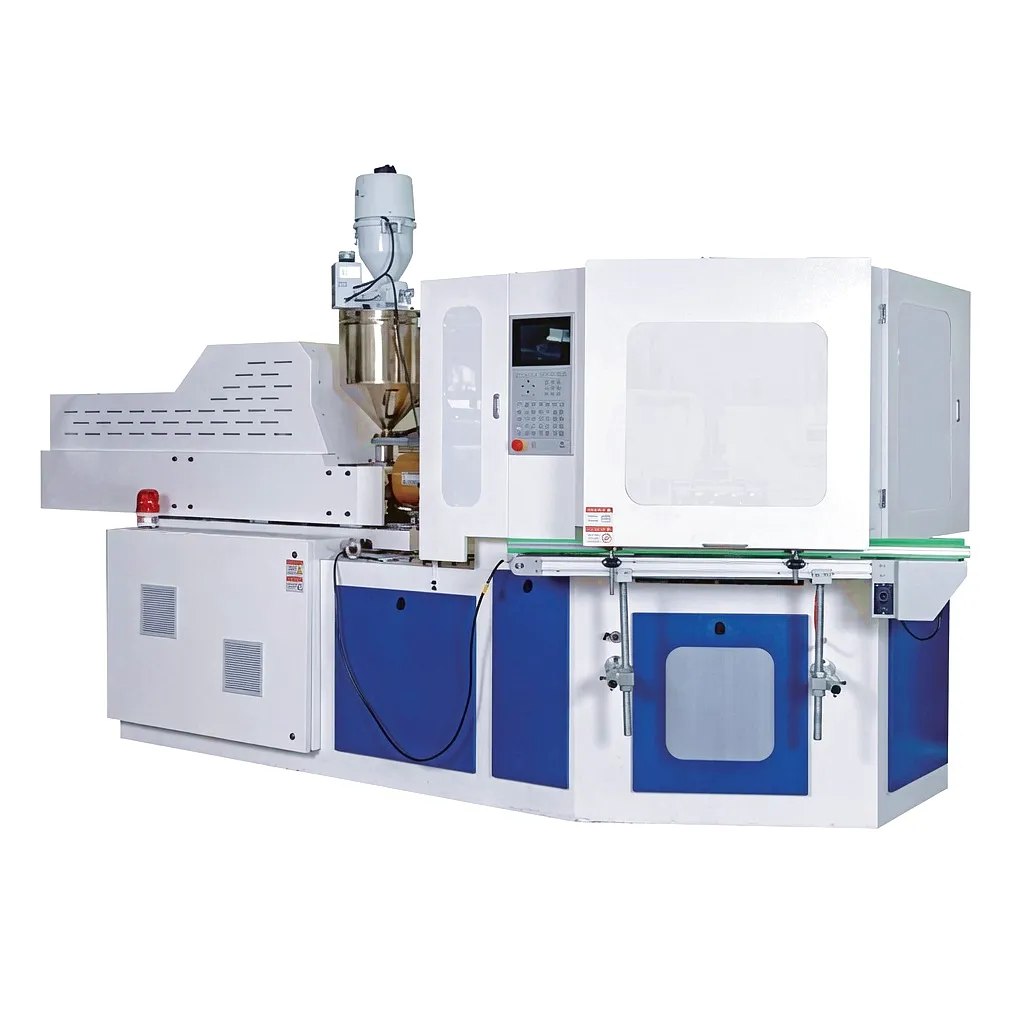 The injection blow molding machine — universally abbreviated as the IBM machine in industrial circles — represents one of the most precise and repeatable container-forming technologies available to today’s packaging, pharmaceutical, and personal care manufacturers. Unlike extrusion-based processes that generate a continuous parison and sever it after inflation, the IBM process begins with a fully injected, dimensionally accurate preform. This preform is transferred on a core rod to a blow station where carefully controlled air pressure expands it against a cooled cavity, producing a hollow vessel with no weld line, no flash, and extremely tight dimensional tolerances at the neck finish — a feature absolutely critical for threaded pharmaceutical closures and tamper-evident caps used widely across production lines in Birmingham, Manchester, and Sheffield.
For UK manufacturers navigating post-Brexit supply chain consolidation, investing in high-performance IBM blow molding equipment offers significant advantages in vertical integration: eliminating dependence on imported preforms, reducing logistics lead times, and maintaining quality consistency under British Standards and EU CE marking frameworks simultaneously. The rising demand for lightweight, recyclable PET and HDPE containers across UK retail and NHS pharmaceutical channels has made the IBM machine a focal point for capital expenditure planning in 2025 and beyond.
This technical guide walks through the engineering fundamentals, material science, process parameters, fault-finding procedures, and commercial considerations that every plant engineer and procurement director should understand before specifying or purchasing an injection blow molding machine. Whether your facility is based in the West Midlands automotive-adjacent packaging sector, a Scottish distillery needing precision glass-replacement PET bottles, or a London-area cosmetics contract manufacturer, the principles covered here apply directly to your production challenge.
Blow Moulding Process Technologies Compared: IBM, ISBM, EBM and Extrusion
Understanding where injection blow molding sits within the broader landscape of blow moulding technologies is essential before selecting capital equipment. The four dominant processes each serve different container geometries, material types, output volumes, and tolerance requirements — and choosing the wrong process architecture can result in years of suboptimal production costs.
| Parameter | IBM (Injection Blow) | ISBM (Stretch Blow) | EBM (Extrusion Blow) | Extrusion Direct |
|---|
| Preform Type | Injection-moulded on core rod | Separate injection preform | Extruded parison | Continuous extrudate |
| Neck Finish Accuracy | ±0.05 mm (excellent) | ±0.08 mm (very good) | ±0.20 mm (fair) | ±0.30 mm (poor) |
| Flash / Waste | None | None | Significant pinch-off flash | High flash |
| Wall Thickness Uniformity | Very high (core rod control) | High (biaxial orientation) | Moderate | Variable |
| Typical Volume Range | 2 ml – 1,000 ml | 50 ml – 5,000 ml | 50 ml – 30 L | 100 ml – 1,000 L |
| Primary Materials | HDPE, PP, PET, PETG | PET, PEN | HDPE, PP, PVC, PA | LDPE, HDPE, PP |
| Tooling Cost | Medium–High | High | Medium | Low–Medium |
| Best Application | Pharma, cosmetics, narrow-neck | Beverage, wide-mouth PET | Automotive, industrial drums | Large containers, tanks |
The IBM process excels in applications where neck finish geometry is non-negotiable — such as pharmaceutical dosing bottles where a mis-threaded closure could compromise child-resistant packaging compliance under UK Medicines and Healthcare products Regulatory Agency (MHRA) regulations. The core rod carries the preform through injection, blow, and eject stations on a rotating indexing platen, meaning no handling transfer occurs between process stages and dimensional integrity is maintained throughout the cycle. This integrated approach fundamentally differentiates IBM from two-stage ISBM processes and is the primary reason the technology commands a premium in regulated manufacturing environments.
How the IBM Blow Molding Machine Works: Three-Station Rotary Principle
①
Injection Station
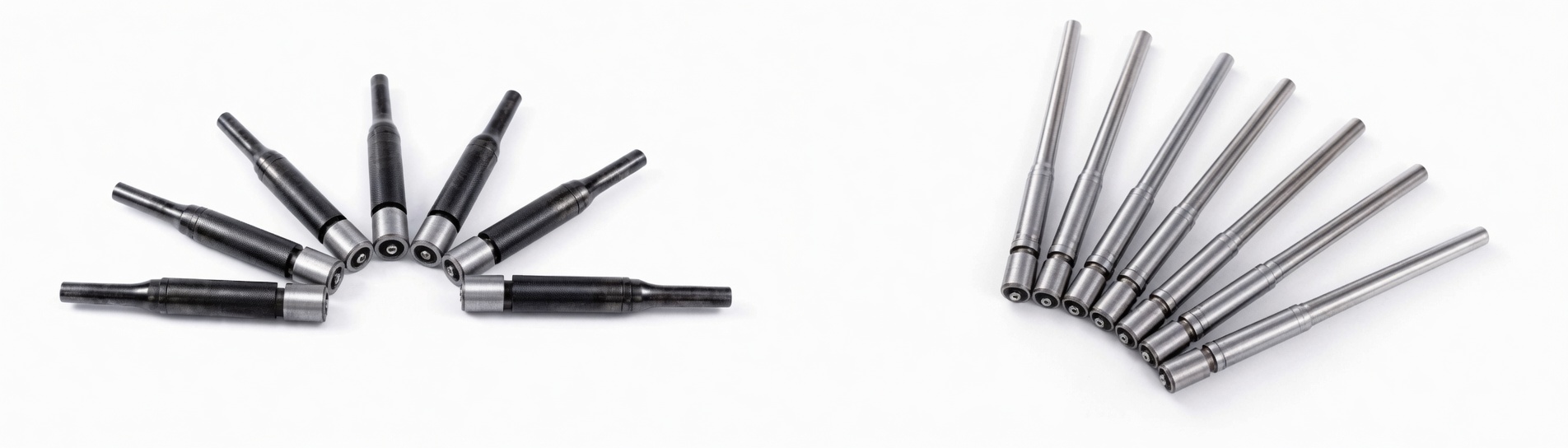
Molten resin is injected into a precision injection cavity around a hardened steel core rod. The core rod defines the internal diameter, neck thread profile, and base geometry of every container. Injection temperature for HDPE typically ranges from 190°C to 220°C; for PP, 200°C to 240°C. The preform cools on the core rod for approximately 60–70% of the total cycle time to achieve dimensional stability before indexing.
②
Blow Station
The preform-laden core rod indexes into a split blow mould cavity. Compressed air — typically at 0.5 to 1.0 MPa for HDPE and up to 1.5 MPa for PP — enters through the core rod tip, inflating the softened preform outward to contact the chilled mould walls. Mould temperature is held between 5°C and 20°C via a closed-loop chilled water circuit to ensure rapid solidification and consistent surface gloss. Blow cycle duration is typically 2–6 seconds depending on wall thickness and resin grade.
③
Eject Station
The finished container is stripped from the core rod by the ejection mechanism — typically a stripper plate or sleeve arrangement that contacts only the base flange to avoid marking the bottle body. On modern IBM machines, output conveyors carry containers directly to downstream vision inspection systems, leak testing equipment, or labelling lines. Total cycle time for a 60 ml HDPE pharmaceutical bottle typically runs between 8 and 14 seconds depending on cavitation and resin.
Wall Thickness Uniformity and Preform Temperature Management
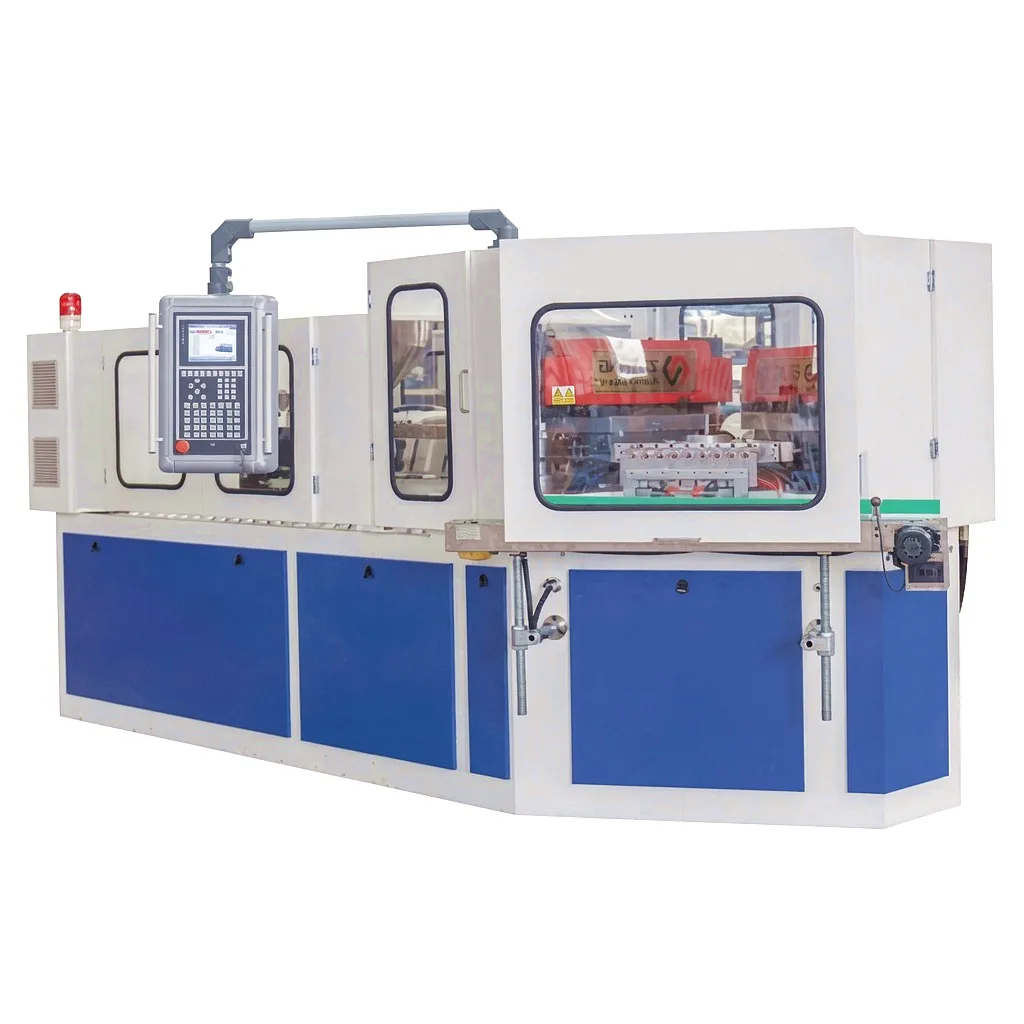 Wall thickness uniformity is arguably the most commercially important quality characteristic in IBM-produced containers, directly affecting material consumption cost, structural performance under drop testing, and compliance with pharmaceutical container specifications such as the European Pharmacopoeia 10.0 standards referenced across UK hospital procurement contracts. In the IBM process, wall thickness control originates at the injection station, where the annular gap between the core rod outer diameter and the injection cavity inner diameter determines the preform wall. Because this gap is machined to micron tolerances and supported rigidly on both sides, IBM inherently delivers superior wall uniformity compared to extrusion blow moulding where parison sag and die swell create inherent variation.
The preform temperature profile as it enters the blow station has an outsized influence on the final wall distribution. If the preform retains too much heat — typically above 90°C surface temperature for HDPE — the material flows excessively toward the base during blow, creating thin sidewalls and a heavy base: an inefficient material distribution that increases container weight. Conversely, if the preform is too cool — below 70°C for standard HDPE grades — incomplete expansion occurs, leaving a waisted profile and potential stress whitening. High-performance IBM machines from Ever Power incorporate segmented barrel heating zones with ±1°C PID control, ensuring the melt temperature entering the injection cavity remains within a ±3°C window across all cavities simultaneously — a critical requirement on multi-cavity tooling producing 4, 6, or 8 bottles per cycle.
For polypropylene (PP) processing, which is common in food-grade and medical packaging produced at facilities across Yorkshire and the East Midlands, the process window is narrower because PP has a sharper crystallisation temperature gradient. Modern IBM blow molding machines address this through hot runner manifold technology that maintains resin at process temperature all the way to the gate without the frozen sprue that plagues cold runner systems, reducing resin waste by 8–12% and improving gate-to-gate fill balance by up to 15%.
Core Materials Processed by IBM Machines: PET, HDPE, PP and Specialist Grades
The IBM blow molding machine’s compatibility with a broad range of thermoplastic resins makes it the preferred platform for contract manufacturers who need to serve multiple end markets from a single production cell. Understanding the processing characteristics of each material is essential for setting correct machine parameters and achieving consistent output quality.
HDPE
High-density polyethylene remains the workhorse resin for IBM pharmaceutical and chemical packaging. Melt index typically 0.3–0.8 g/10 min; processing at 190–225°C. Excellent chemical resistance, HDPE meets FDA 21 CFR and UK BRC food safety requirements. Natural HDPE transmits approximately 80% of UV light — pigmentation or UV-stabiliser masterbatches are standard for light-sensitive API products.
PP
Polypropylene suits autoclave-sterilisable medical containers and hot-fill food jars. Processing range 200–240°C; the sharper crystallisation curve demands precise mould temperature control. Random copolymer PP grades deliver superior optical clarity compared to homopolymer grades and are favoured by UK cosmetics brands targeting transparent packaging aesthetics in premium retail segments.
PET / PETG
PET in IBM is less common than in ISBM but appears in speciality narrow-neck pharmaceutical vials and perfume bottles where optical clarity is paramount. PETG — the glycol-modified copolymer — processes at lower temperatures (210–225°C), requires no drying to the same aggressive level as PET, and produces containers with exceptional gloss and impact resistance, making it favoured in Scottish premium spirits ancillary packaging.
LLDPE & TPE
Linear low-density polyethylene offers enhanced flexibility for squeeze-type dispensing bottles — eye drop containers and nasal spray bottles are classic IBM outputs in this material. Thermoplastic elastomers (TPE) can be processed on specially configured IBM machines for soft-touch single-use healthcare applicators, a growing market segment driven by NHS infection control protocols and the transition away from glass.
IBM Machine Technical Performance Parameters
The table below represents typical performance parameters for modern servo-driven IBM blow molding machines across the light-to-medium production range. Ever Power’s ZQ-series IBM machines are benchmarked against these specifications; individual configurations vary based on cavitation, resin type, and container geometry.
| Parameter | Specification / Range | Notes |
|---|
| Container Volume Range | 2 ml – 1,000 ml | Subject to tooling configuration |
| Number of Cavities | 1 – 12 (standard up to 6) | Higher cavitation requires larger clamp tonnage |
| Injection Clamp Force | 80 – 350 kN | Servo-electric preferred for energy savings |
| Screw Diameter | 28 – 60 mm | L/D ratio typically 22:1 to 24:1 |
| Injection Pressure (max) | Up to 160 MPa | Depends on resin viscosity and cavity geometry |
| Blow Air Pressure | 0.5 – 1.5 MPa | HDPE 0.5–0.8 MPa; PP up to 1.5 MPa |
| Neck Finish Tolerance | ±0.05 mm | 28-400, 24-410, 20-410 GPI finishes standard |
| Cycle Time (60 ml HDPE) | 8 – 14 s | Chiller water temp and wall thickness dependent |
| Barrel Temperature Zones | 4 – 6 zones | PID control ±1°C per zone |
| Mould Temperature (blow) | 5°C – 20°C | Chilled water circuit; key for surface gloss |
| Drive System | All-electric servo / hybrid | Eliminates hydraulic oil contamination risk |
| Connected Load (typical) | 15 – 55 kW | All-electric saves 30–50% vs hydraulic equivalent |
| Machine Weight (approx.) | 2,500 – 12,000 kg | Varies by clamp force and extruder size |
| Control System | Siemens / Beckhoff PLC + HMI touchscreen | Industry 4.0 OPC-UA data output available |
| CE Certification | CE / UKCA compliant | Meets UK Machinery Directive equivalents |
Mould Design and Container Geometry Optimisation
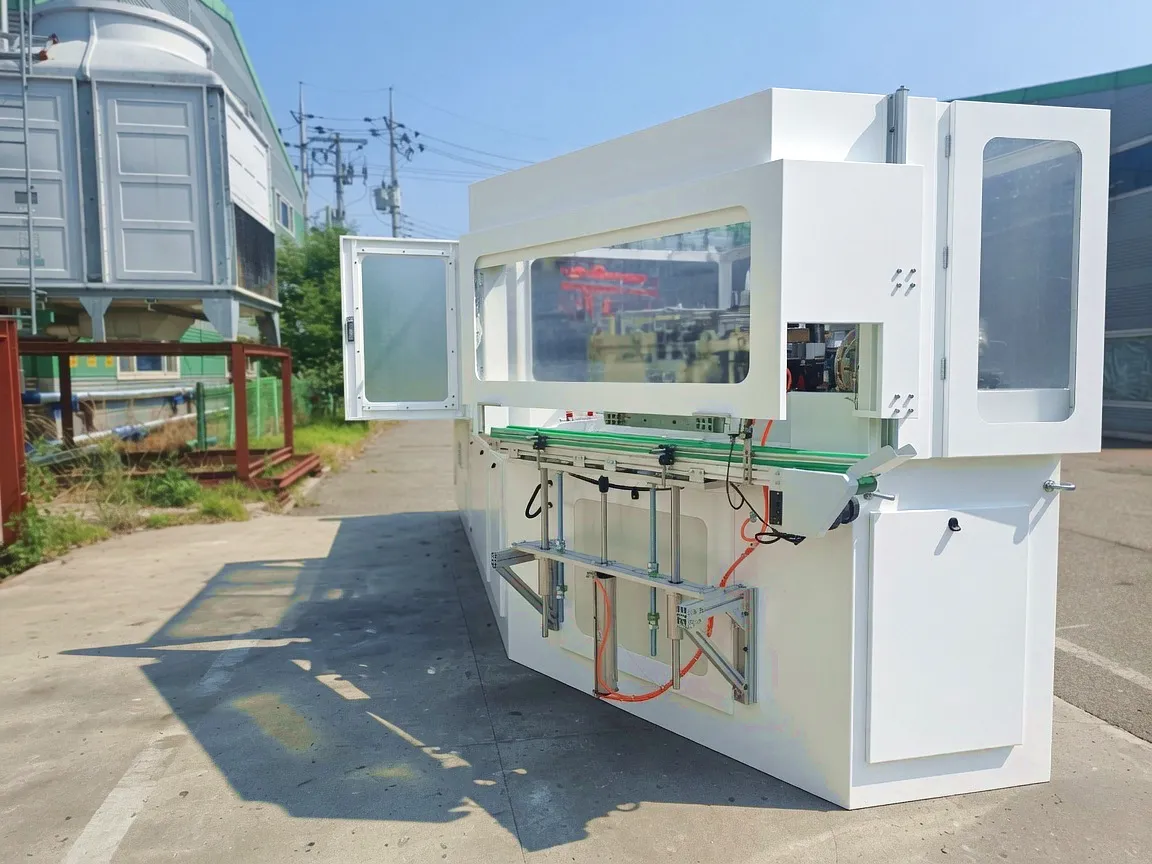 Mould design for IBM machines requires a fundamentally different approach to that used for extrusion blow moulding. Because the preform is already formed when it arrives at the blow station, the blow mould cavity needs to accommodate only radial expansion — there is no axial stretching as in ISBM. This means the blow mould cavity depth closely mirrors the preform length, and the designer’s primary concern is achieving uniform radial expansion from the core rod tip to the neck finish without creating thinning stress concentrations at shoulder radii or container base-corners.
Cavity material selection for IBM blow moulds typically favours aluminium alloy (7075-T6 grade) for its thermal conductivity advantage — aluminium conducts heat approximately four times faster than P20 tool steel, enabling shorter cooling cycles and higher throughput. However, for containers with textured surfaces, embossed branding panels, or complex base geometry, hardened tool steel (H13 at HRC 48–52) is preferred for wear resistance. Beryllium copper inserts at corner radii improve local heat extraction in areas prone to thermal bottlenecking.
Container shape optimisation for IBM production follows a set of design-for-manufacture principles. Draft angles on vertical sidewalls should be a minimum of 0.5° per side; shoulder radii no less than 3.0 mm; and base push-up height no greater than 15% of container height to maintain structural integrity during blow. For pharmaceutical containers, the neck finish geometry must conform precisely to GPI (Glass Packaging Institute) thread standards to ensure interchangeability with standard closure lines — a key logistics consideration for contract packers serving multiple pharmaceutical clients across the UK.
Why IBM Blow Molding Machines Outperform: Core Technical Advantages
◉
Zero Flash, Zero Trim
The IBM process produces no pinch-off weld lines and no flash requiring post-mould trimming. This eliminates a secondary trimming operation, removes operator handling steps that introduce contamination risk, and reduces regrind generation — particularly valuable in pharmaceutical environments where regrind percentages are strictly limited or forbidden under GMP guidelines applicable to NHS-approved packaging suppliers.
◉
Precision Neck Finish
The injection-moulded neck finish provides dimensional accuracy that alternative processes cannot match. Thread lead angles, pitch diameters, and T-dimension tolerances within ±0.05 mm are routinely achieved, ensuring smooth and consistent application torque on automated capping lines. This is a direct operational advantage for high-speed packaging lines running at 200–600 containers per minute at facilities in the East Midlands and South East England.
◉
Energy Efficiency
All-electric servo-driven IBM machines consume 30–50% less energy than equivalent hydraulic-drive platforms. With UK industrial electricity pricing remaining significantly above EU average levels post-2022, the total cost of ownership advantage of servo-electric IBM equipment has become a primary purchase justification for finance directors at packaging groups across Greater London, the Midlands, and Yorkshire.
◉
Clean Room Compatible
All-electric IBM machines generate no hydraulic mist or oil particulate, making them directly compatible with ISO Class 7 and Class 8 clean room environments. This is a decisive factor for pharmaceutical packaging manufacturers supplying NHS hospital pharmacy pre-packs and unit-dose OTC medicines, where particulate count limits are enforced under EU GMP Annex 1 standards as adopted into UK MHRA guidance.
◉
Rapid Tooling Change
Modern IBM machines with quick-release tooling systems support mould changeover in under 45 minutes, compared to 3–6 hours on older hydraulic clamping designs. For contract manufacturers running multiple SKUs on shared capacity — common in the Birmingham and Sheffield contract packaging sector — this agility dramatically reduces changeover losses and improves OEE (Overall Equipment Effectiveness) scores.
◉
Industry 4.0 Connectivity
Modern IBM blow molding machines support OPC-UA data output, enabling real-time integration with MES and ERP platforms. Cavity pressure profiles, barrel temperature logs, and shot weight data streams feed predictive maintenance algorithms — reducing unplanned downtime by an estimated 18–25% based on production data from European pharmaceutical packaging groups operating comparable equipment.
Industrial Application Scenarios for IBM Blow Molding Machines in the UK Market
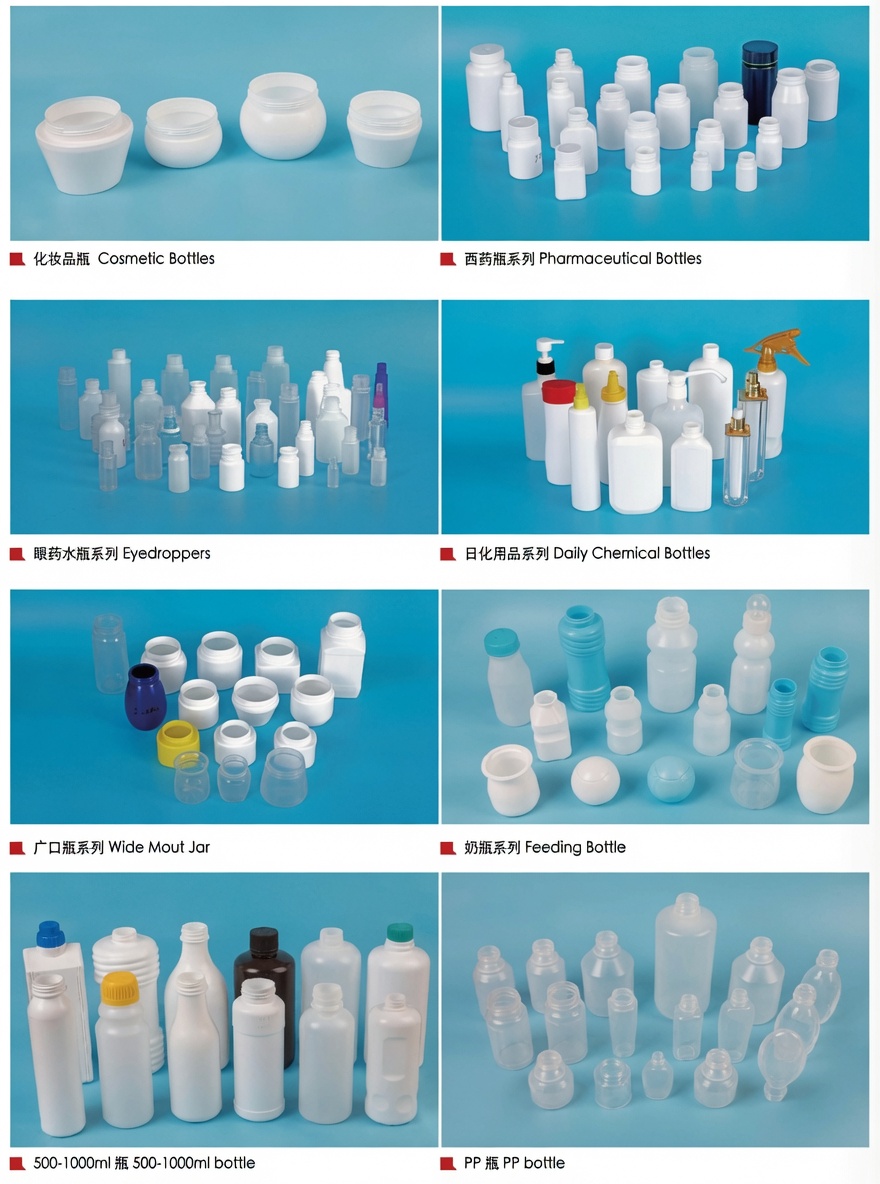
Pharmaceutical Packaging — Bottles, Vials, and Dosing Containers: The pharmaceutical sector drives approximately 40% of global IBM machine sales, and the UK is no exception. Oral solid dose (OSD) tablets, liquid medicines, and topical preparations are packed in IBM-produced HDPE bottles at manufacturing plants operated by major contract pharmaceutical organisations (CPOs) across Cheshire, Hertfordshire, and County Durham. The precision neck finish of IBM containers ensures child-resistant closure (CRC) systems engage consistently — a regulatory requirement under the UK Medicines Act 1968 (as amended) and EU Directive 2001/83/EC for prescription medicines sold through UK pharmacy chains.
Cosmetics and Personal Care — Lotion Pumps, Serum Bottles, and Shampoo Dispensers: The UK cosmetics manufacturing sector, concentrated around London, Bath, and Nottingham, relies heavily on IBM-produced PP and PETG containers for premium skincare and fragrance ranges. The ability to produce optically clear containers with consistent wall thickness — critical for display aesthetics on high-street retail shelves — positions IBM as the preferred technology for prestige brands. Contract cosmetics manufacturers in the Midlands operate IBM machines producing 8–12 million units per annum for private-label grocery and pharmacy retail chains.
Food and Beverage — Condiment Jars, Sauce Dispensers, and Single-Serve Containers: In food-contact applications, IBM-produced PP containers satisfy British Retail Consortium (BRC) Global Standard requirements for food packaging, with the no-flash design eliminating contamination points that trimmed parisons create. Yorkshire and East Midlands food manufacturers use IBM machines to produce spice jars, salad dressing bottles, and premium condiment containers, where the neck finish accuracy ensures reliable seal integrity on induction-sealed aluminium foil liners.
Agrochemical and Industrial Chemical Containers — Pesticide Bottles and Reagent Vials: Chemical-resistant HDPE containers produced on IBM machines serve the UK agricultural sector — a significant market given that UK crop protection product manufacturers in Lincolnshire, East Anglia, and the North West rely on precisely dimensioned narrow-mouth bottles for concentrated active ingredient formulations. HDPE’s resistance to a broad range of organic solvents, acids, and bases makes it the material of choice, while the IBM process ensures that neck thread geometry is maintained through the chemical exposure lifecycle of the container.
Medical Devices and Diagnostics — Sample Containers and Reagent Bottles: The in-vitro diagnostics (IVD) sector represents a growing application for IBM-produced containers. Blood collection tube racks, urine sample containers, and PCR reagent vials produced in HDPE and PP for NHS pathology laboratories and private diagnostics companies operate on IBM machines installed in cleanroom-adjacent environments. The absence of flash or trim debris in IBM containers is critical here, as particulate contamination in sample containers can invalidate diagnostic results — a compliance issue with direct patient safety implications under UKAS accreditation schemes applied to UK medical laboratories.
Veterinary and Animal Health — Dosing Bottles and Oral Drenches: The UK veterinary pharmaceuticals sector, serviced by manufacturers and contract packers in Yorkshire and the South West, uses IBM blow molding machines to produce HDPE dosing bottles for livestock treatments. The robust neck finish and pressure-resistant wall structure of IBM containers is essential for withstanding the mechanical stress of pump dosing guns used on farms across Scotland, Wales, and Northern England.
IBM Machine Troubleshooting: Common Faults and Engineering Solutions
Production engineers operating injection blow molding machines will inevitably encounter process faults that require systematic diagnosis. The following covers the most frequently reported issues on IBM lines and the engineering corrective actions proven effective in production environments.
| Fault Symptom | Root Cause | Corrective Action |
|---|
| Thin base / thick sidewalls | Preform too hot at blow station; excessive core rod temperature | Reduce injection barrel temperature; extend in-mould cooling time; verify chiller output at core rod circuit |
| Sink marks on container body | Insufficient packing pressure; gate freeze-off too early | Increase injection hold pressure; extend hold time; check gate diameter for blockage |
| Poor neck thread definition | Injection cavity erosion; insufficient injection pressure | Inspect cavity for wear; increase injection peak pressure; check for resin degradation (streaks, yellowing) |
| Bubbles / voids in wall | Moisture in resin; insufficient drying | Check hopper dryer temperature and dew point; HDPE requires drying at 70–80°C for 2–4 hours; PET requires 160–170°C for 4–6 hours |
| Whitening / stress marks | Preform too cool at blow; blow pressure too high | Reduce cooling time in injection station; lower blow pressure incrementally; check preform surface temp with IR pyrometer |
| Uneven container weight across cavities | Hot runner imbalance; gate variation between cavities | Balance hot runner manifold temperature zone by zone; measure individual cavity shot weights; replace worn gate inserts |
| Excessive cycle time | Chiller underperformance; over-conservative cooling timers | Service chiller compressor; verify water flow rate through mould circuits (min 5 L/min per circuit); optimise cooling timer with progressive reduction trials |
| Container sticking on core rod | Insufficient draft angle; core rod temperature too low | Increase core rod temperature setpoint by 5–10°C; verify draft angles are minimum 0.5° per side; polish core rod surface to Ra 0.4 µm or better |
Energy Optimisation and Sustainability in IBM Blow Moulding Operations
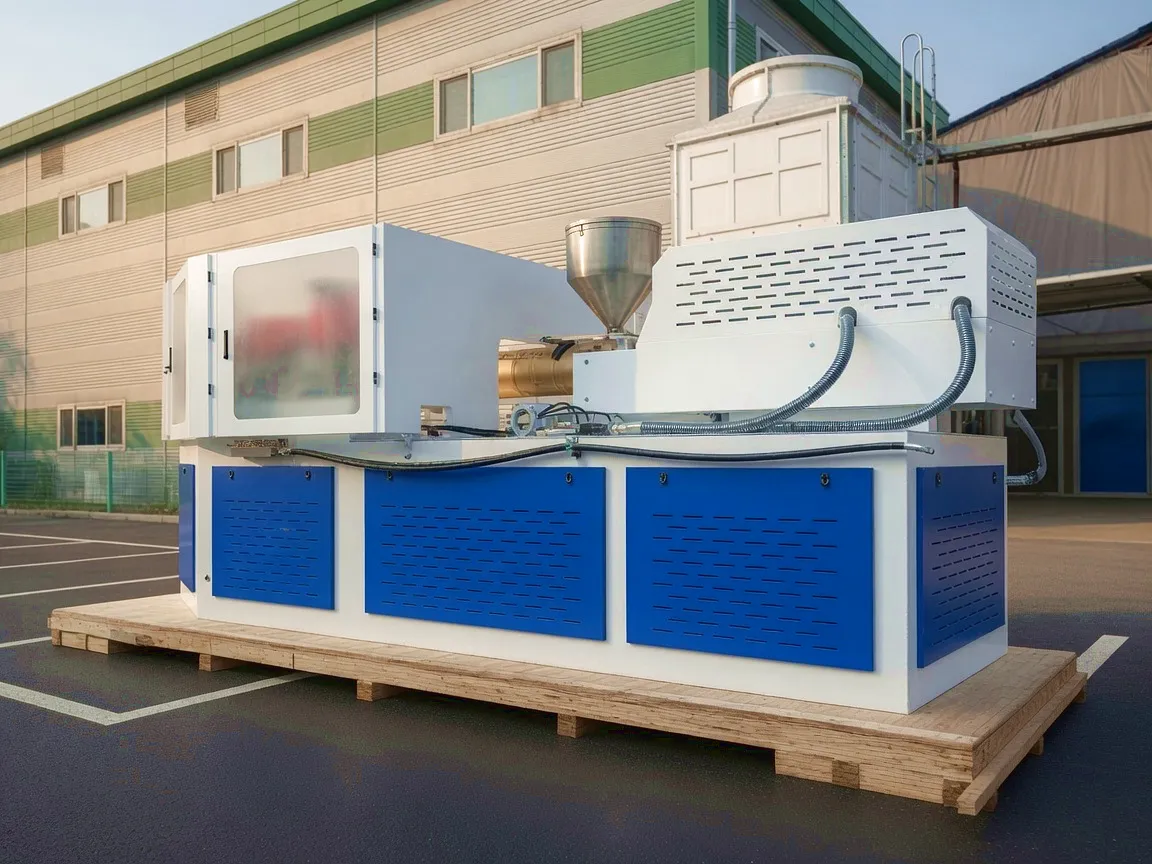
Energy cost is a major operational variable for UK plastic container manufacturers, with industrial electricity tariffs in England, Scotland, and Wales having risen substantially through 2022–2024. Optimising IBM machine energy consumption is therefore not merely an environmental governance priority — it is a core commercial competitiveness driver. A comprehensive energy audit of an IBM production cell typically identifies five primary optimisation opportunities.
Converting from hydraulic to all-electric servo drive delivers the single largest energy reduction, typically 30–50% of connected load. The servo motor draws power only during active movement phases, whereas a hydraulic pump operates at near-full load continuously. For a typical 4-cavity IBM machine running 20 hours per day, 250 days per year, this equates to an annual electricity saving of 35,000–55,000 kWh at UK industrial tariff rates — a payback calculation that has made servo-electric IBM machines the default specification for new UK installations since approximately 2020.
Secondary energy opportunities include: chiller optimisation (running chilled water at the highest temperature that still meets cycle time and surface gloss targets, rather than at an arbitrary setpoint); barrel insulation jacketing (reduces heat loss from barrel zones by 15–20%); variable speed drives on the granule conveying system and auxiliary fans; and intelligent standby modes that reduce barrel and hot runner temperatures during planned production breaks. IBM machines equipped with energy monitoring modules display kWh-per-1,000-containers metrics in real time on the HMI, enabling operators to compare energy performance across shifts and SKUs.
Ever Power IBM Machine Models — ZQ80 and ZQ110 Series
Compact Series
ZQ80 Injection Blow Molding Machine
The ZQ80 targets small-to-medium volume pharmaceutical, cosmetics, and food-supplement packaging production. Servo-electric drive system, 4-cavity standard tooling capacity, container range 10–500 ml. Compact footprint suits British contract packaging facilities with constrained floor area. Quick-release tooling and touch-screen PLC control reduce operator training time.
View ZQ80 Details →
Mid-Range Series
ZQ110 Injection Blow Molding Machine
The ZQ110 steps up clamp force and screw diameter for higher-cavitation configurations (up to 6 cavities standard) and larger container sizes up to 1,000 ml. Servo-hydraulic hybrid option available for ultra-high-speed cycling. Suited to medium-volume pharmaceutical batch production and high-output cosmetics lines requiring 24/7 reliability. Integrated energy monitoring with per-shot kWh data.
View ZQ110 Details →
Ever Power: Precision Manufacturing and Custom IBM Machine Solutions
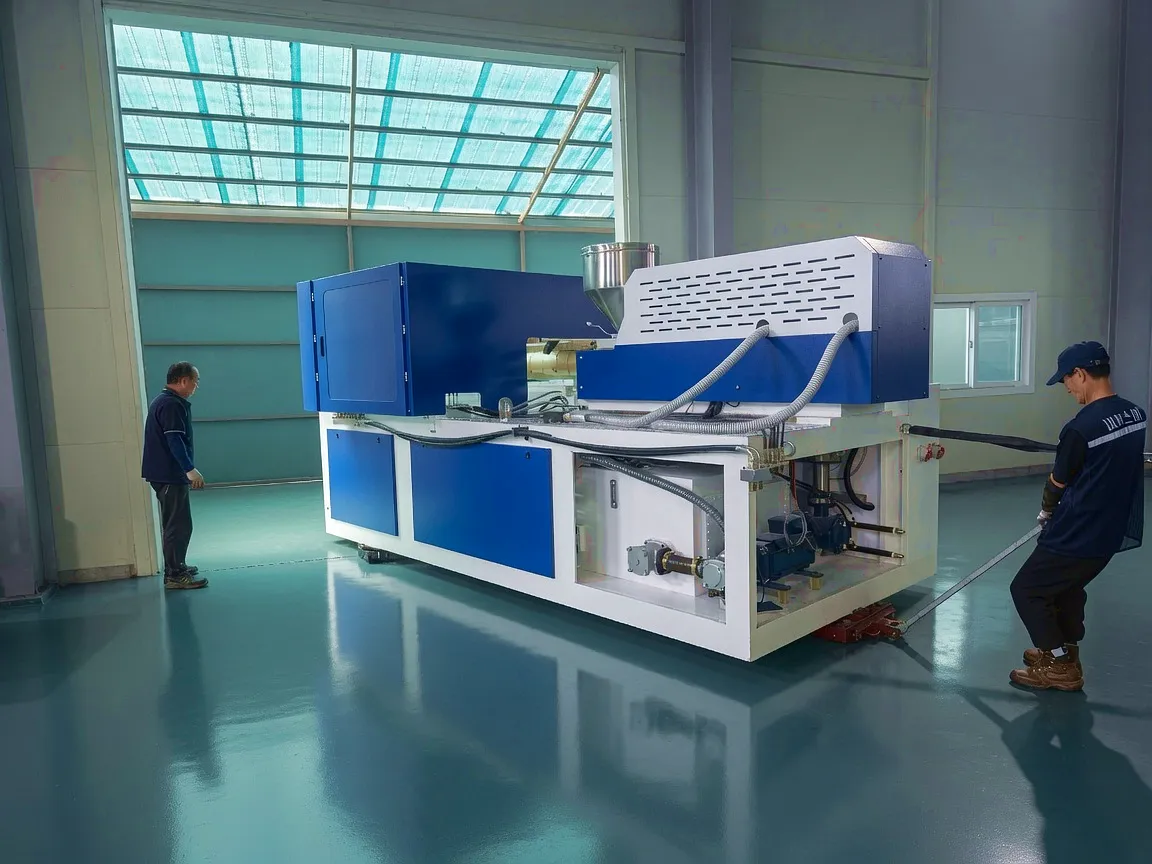
Ever Power has built its reputation as a specialist IBM blow molding machine manufacturer through a decade-long commitment to precision engineering, rigorous quality control, and a deeply flexible customisation capability that sets it apart from large-volume generalist equipment manufacturers. The Ever Power production facility operates across a dedicated manufacturing campus with machining centres, assembly halls, and in-house testing bays equipped to run full production trials before machines ship to customer sites anywhere in the UK or globally.
Customisation at Ever Power begins at the requirements capture stage, where applications engineers work directly with customers to define container geometry, production volume, material grade, and downstream integration requirements. The company’s in-house mould design team uses 3D CAD and Moldflow simulation to optimise injection cavity and core rod geometry before any steel is cut, dramatically reducing tooling trial iterations. This approach delivers first-article approval in 8–12 weeks for standard container geometries — a timeline that aligns with typical UK pharmaceutical packaging qualification schedules.
Ever Power’s supply chain advantage comes from vertically integrated manufacturing that encompasses precision machined components, servo drive integration, electrical panel assembly, and PLC programming — all under one roof. This eliminates the multi-vendor coordination risk that often delays commissioning at customer sites. For UK-based buyers, Ever Power provides CE and UKCA documentation packages, electrical drawings to British Standard formats, and remote commissioning support through encrypted VPN access to the machine’s PLC — reducing the cost and logistics challenge of international technical service.
For production engineers at growing UK packaging businesses who need a partner that can design and deliver a production-ready IBM machine to a defined performance guarantee, Ever Power represents a technically differentiated supply relationship rather than a transactional equipment purchase.
Customer Success Story: Sheffield Pharmaceutical Contract Packer Achieves 34% Throughput Uplift
Meridian Packaging Solutions Ltd, a contract pharmaceutical packager based in Sheffield’s Lower Don Valley industrial corridor, was operating two ageing hydraulic IBM machines producing 60 ml HDPE oral liquid bottles for a major NHS supply framework tender. The existing machines were consuming 48 kW per shift, experiencing frequent hydraulic seal failures (averaging 3.2 unplanned stoppages per week), and were unable to meet the dimensional consistency required for a new CRC child-resistant closure system that the NHS tender now specified.
After evaluating four IBM equipment suppliers through a structured procurement process, Meridian selected Ever Power based on the technical depth of the application engineering consultation, the documented performance data from comparable pharmaceutical installations, and the competitive total-cost-of-ownership figures supported by Ever Power’s servo-electric energy modelling. Two ZQ110 injection blow molding machines were ordered with 6-cavity tooling configured for the 60 ml HDPE bottle and a secondary 120 ml format used on a liquid paracetamol product line.
Commissioning completed in eleven weeks from factory sign-off. During the first three months of production, Meridian’s quality team recorded a neck finish first-pass yield rate of 99.7% against a previous benchmark of 96.1% on the hydraulic machines. Total energy consumption per 1,000 bottles fell from 4.8 kWh (hydraulic average) to 2.9 kWh on the Ever Power servo-electric platform — a 40% reduction that generated annual savings of approximately GBP 28,400 at then-current Sheffield industrial electricity tariff rates. Unplanned stoppages attributable to machine faults reduced to an average of 0.4 per week in the first quarter of operation. The combined effect of higher first-pass yield, lower energy cost, and reduced downtime enabled Meridian to achieve a 34% overall throughput uplift on the relevant container lines — a performance level that supported their successful renewal of the NHS supply framework contract for a further three-year term.
★★★★★
“The neck finish consistency on the ZQ110 is genuinely on a different level to anything we ran before. Our capping line rejection rate dropped from 2.1% to under 0.3% within the first month. That alone paid back a significant chunk of the machine investment within the first year of operation.”
— Production Director, Meridian Packaging Solutions Ltd, Sheffield
★★★★★
“Ever Power’s application team understood our regulatory requirements from day one. The CE and UKCA documentation package was complete and correctly formatted — no back-and-forth requests that would have delayed our MHRA line qualification. The remote PLC support during start-up was genuinely impressive and saved us at least two engineer travel trips from the factory.”
— Engineering Manager, Meridian Packaging Solutions Ltd, Sheffield
★★★★★
“We specified a custom 120 ml format mid-project. Ever Power redesigned the core rod geometry and had updated tooling drawings back to us within five working days. The flexibility and speed of response is not something we experienced with any of the other suppliers we evaluated. It’s an organisation that clearly has its manufacturing under tight control.”
— Supply Chain Director, Meridian Packaging Solutions Ltd, Sheffield
Ever Power IBM machine complete production line with auxiliary handling and inspection equipment
Frequently Asked Questions: IBM Blow Molding Machines in the UK
How much does an IBM injection blow molding machine cost in the UK, and what price should I budget for a pharmaceutical-grade configuration?
Entry-level IBM machines suitable for single-cavity pharmaceutical vial production typically start around GBP 45,000–75,000 ex-works, while a fully configured 6-cavity servo-electric IBM machine with hot runner tooling, chiller, and downstream vision inspection can reach GBP 180,000–280,000 delivered and commissioned in the UK. Customs duties and shipping from manufacturing sites in Asia should be included in the landed cost calculation. For pharmaceutical GMP-qualified installations, add 10–15% for IQ/OQ documentation packages. Ever Power provides formal quotations for all configurations — contact
[email protected] for a tailored proposal.
Which plastic materials can an IBM blow molding machine process, and is HDPE or PP better for manufacturing pharmaceutical bottles destined for UK NHS supply contracts?
IBM machines process HDPE, PP, LDPE, LLDPE, PET, PETG, and some grades of TPE. For NHS pharmaceutical supply, HDPE (specifically pharmaceutical-grade resins such as Lyondellbasell Hostalen or similar pharmacopoeial-compliant grades) is the dominant choice due to its excellent chemical resistance, long track record in MHRA-approved packaging systems, and cost efficiency. PP is preferred when autoclave sterilisation, higher temperature resistance, or optical clarity (random copolymer grades) are required. Your material selection should be validated against the specific API compatibility data and UK pharmaceutical packaging guidelines before commitment to tooling.
Where can I find a reliable IBM blow molding machine supplier who offers after-sales service and spare parts support in the UK or with fast European logistics?
Ever Power supplies IBM machines globally with dedicated after-sales support channels for UK customers, including remote PLC diagnostics via encrypted VPN, stocked spare parts kits dispatched from European logistics hubs to any UK address within 3–5 working days, and access to a network of UK-based service engineers for on-site support. The company’s engineering team provides commissioning supervision either in-person or via video-guided protocols, with documentation in English aligned to British Standards electrical and mechanical formats. Contact
[email protected] for service coverage details.
What is the difference between IBM and ISBM blow molding machines, and which one should a Birmingham cosmetics manufacturer choose for producing 100 ml PP lotion bottles?
IBM (injection blow moulding) produces the preform and blows the final container in a single integrated rotary machine on the same core rod, delivering very precise neck finish geometry with no flash — ideal for small containers up to approximately 1,000 ml. ISBM (injection stretch blow moulding) is a two-stage process that biaxially stretches the preform, producing superior top-load strength and clarity in larger PET bottles but with less precise neck dimensions and more complex line integration. For a 100 ml PP lotion bottle in cosmetics, IBM is the correct choice: it delivers the optical surface quality, thread accuracy for pump dispensers, and zero-flash cleanliness expected by UK cosmetics retailers. ISBM would be over-specified for this application and offers no meaningful advantage at this container size in PP.
How long does it take to receive and commission an IBM injection blow molding machine ordered from a manufacturer outside the UK, including delivery, installation, and MHRA-compliant qualification documentation?
Standard lead time from purchase order to factory acceptance testing (FAT) for an Ever Power IBM machine is 10–14 weeks, depending on cavitation and tooling complexity. Sea freight from the factory to a UK port adds 4–6 weeks; air freight option reduces this to 10–14 days for urgent projects. Site commissioning typically requires 5–10 working days on-site. IQ/OQ documentation packages (Installation Qualification / Operational Qualification) prepared to MHRA GMP Annex 15 format are available as a formal deliverable and can be provided in draft for customer review ahead of machine delivery, reducing total validation timeline.
What is the typical energy consumption of a modern servo-electric IBM blow molding machine compared to a hydraulic model, and how does this affect operating costs for a Sheffield packaging plant running two shifts per day?
A 4-cavity hydraulic IBM machine in the 60 ml HDPE pharmaceutical bottle class typically consumes 38–48 kW continuously. A servo-electric equivalent running the same container on the same cycle time draws 18–26 kW peak (and significantly less during cooling phases). Running two 10-hour shifts per day for 250 production days per year, the energy saving at UK industrial tariff rates of approximately 22–26 p/kWh generates annual savings of GBP 19,000–30,000 per machine — making the servo-electric premium typically recouped within 2.5–4 years through energy savings alone, before factoring in reduced maintenance costs from eliminating hydraulic oil changes and seal replacements.
Who should I contact to get a technical quote for a custom IBM blow molding machine designed to produce a unique container shape for a veterinary pharmaceutical client based in the North of England?
For custom IBM machine specifications, including bespoke container geometries for veterinary pharmaceutical applications, contact Ever Power’s applications engineering team directly at
[email protected]. Provide your container drawing or sketch (DXF/PDF/STEP), target material grade, production volume per annum, neck finish standard, and any clean room or regulatory documentation requirements. The technical team will respond with a preliminary feasibility assessment within 48 hours and a formal quotation within 5–7 working days.
© Ever Power · IBM Blow Molding Machine Specialist · United Kingdom · [email protected] · edit by gzl