How Single-Stage Injection Stretch Blow Molding Works: A Step-by-Step Guide
The complete engineering breakdown of ISBM machine technology — from raw polymer pellet to precision container — and how Ever Power delivers world-class single-stage injection stretch blow molding machines to manufacturers across the UK and globally.
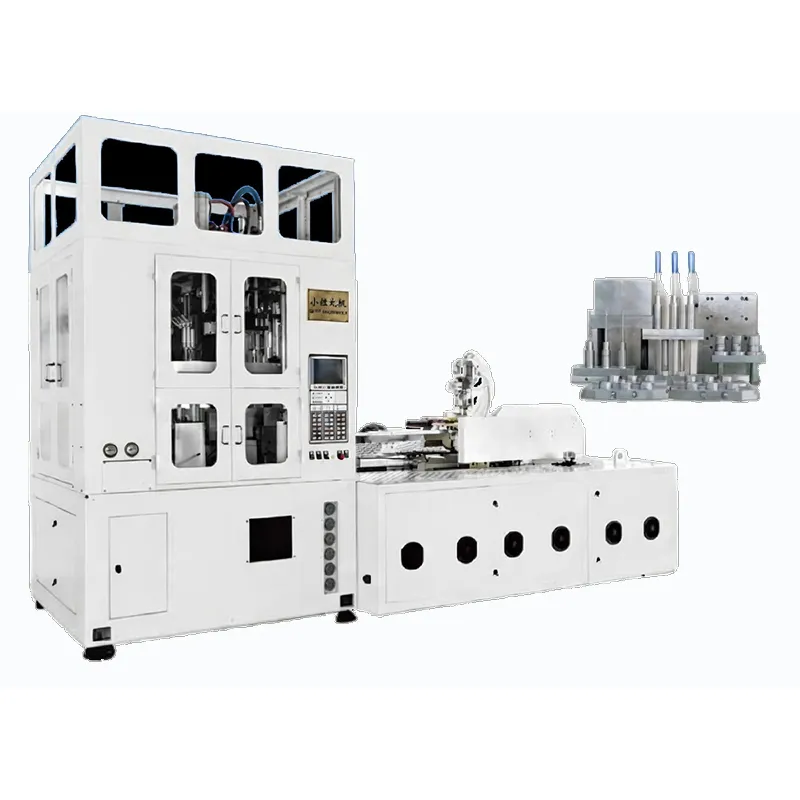 The plastic container manufacturing industry has undergone a quiet but consequential transformation over the past two decades. Among the most impactful advances in polymer processing is the ISBM machine — a single-stage injection stretch blow molding system that consolidates what was once a multi-step production chain into one seamless, thermally efficient cycle. For packaging engineers, procurement specialists, and operations directors across the UK’s food and beverage, pharmaceutical, personal care, and industrial sectors, understanding exactly how this technology functions has become a genuine competitive advantage rather than simply technical background reading.
From the advanced manufacturing corridors of Birmingham and the precision engineering heritage of Sheffield to the pharmaceutical supply chains centred around Nottingham and Coventry, and the fast-scaling craft and functional beverage producers of Leeds and Manchester, single-stage injection stretch blow molding machines are being adopted at an accelerating pace. Their appeal is not purely mechanical — it lies in the convergence of reduced energy consumption, lower contamination exposure, superior container optical clarity, and a dramatically compressed production footprint. Whether you are evaluating a first in-house bottling investment or upgrading an ageing two-stage line, the fundamentals of the ISBM process are worth understanding in depth before any capital commitment is made.
What Is an ISBM Machine?
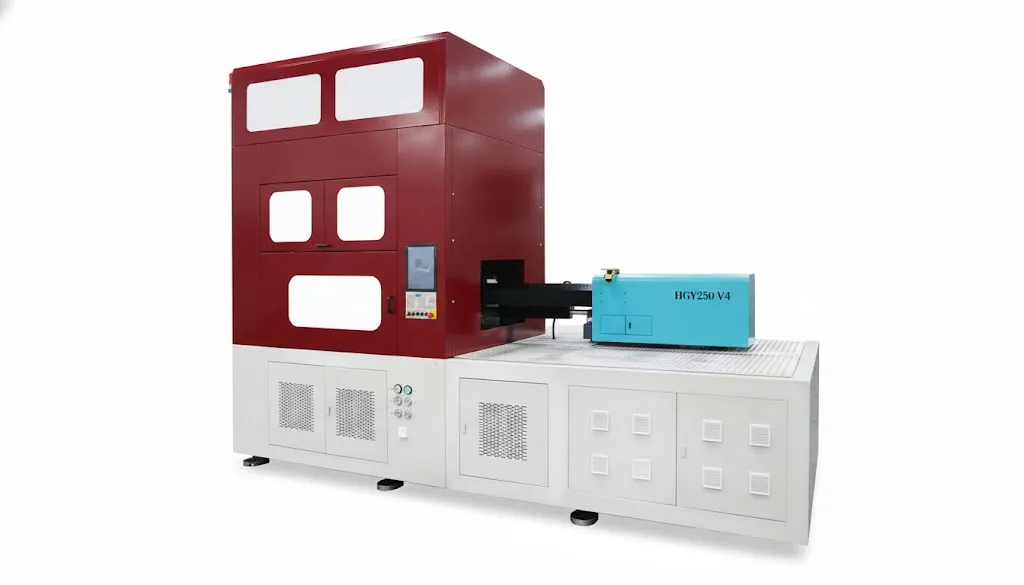
Injection Stretch Blow Molding — universally abbreviated as ISBM — is a manufacturing process that produces hollow plastic containers from raw polymer granules within a single, uninterrupted machine cycle. The term “single-stage” or “one-step” directly reflects the defining engineering characteristic: the entire production sequence, from plasticisation of the raw resin to the finished, ready-to-fill container, occurs without the preform ever leaving the machine’s thermal envelope or being handled between separate pieces of equipment.
The fundamental distinction between a single-stage ISBM machine and a two-stage system lies in how the preform’s thermal energy is managed throughout the process. In a two-stage setup, injection-moulded preforms are cooled to ambient temperature, stored in bulk, then individually reheated in a standalone stretch blow moulding machine hours or days later. This creates an additional energy burden and introduces thermal history variables — residual stress patterns, crystallinity variations — that can affect wall thickness distribution, optical haze, and long-term container integrity. In the one-step blow molding process, the preform retains carefully controlled residual heat from the injection stage, proceeding directly to stretch blow within the same machine frame. The temperature is precisely managed rather than recovered from ambient, and the result is a more predictable, more consistent, and more energy-efficient production outcome.
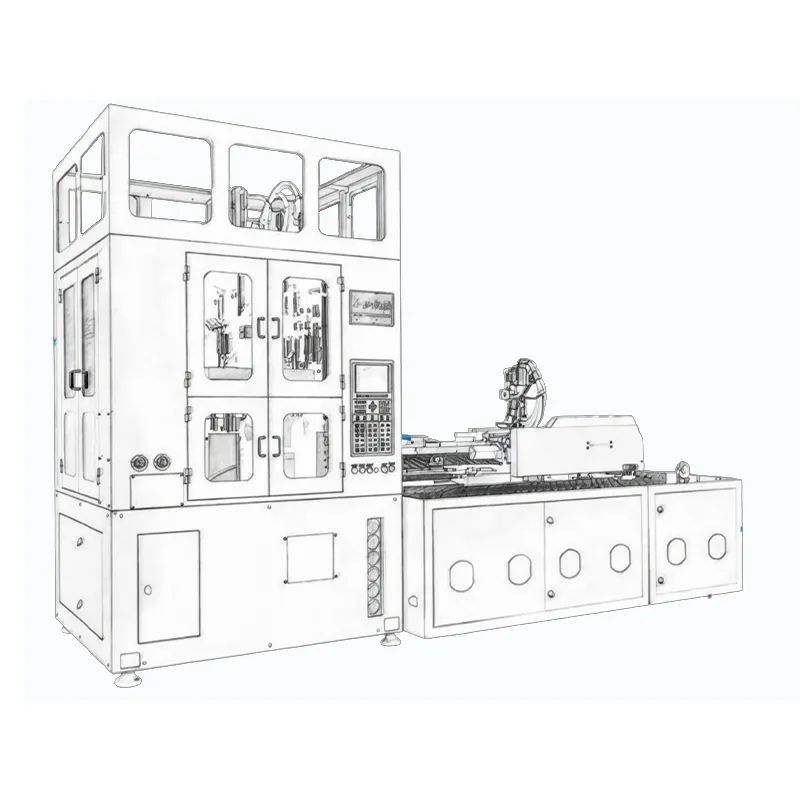
The Four-Stage ISBM Process: Step by Step
Each stage within a single-stage injection stretch blow molding machine is mechanically distinct but operationally continuous — the part never leaves the machine between steps.
Injection Moulding
Raw polymer granules — most commonly PET — are loaded into the ISBM machine’s hopper and conveyed by a reciprocating screw into the heated barrel, where they are plasticised under controlled temperature profiles between 260°C and 285°C for standard food-grade PET. The molten polymer is then injected under high pressure into a precision-engineered injection mould, forming the preform: a thick-walled, test-tube-shaped precursor that contains all the material for the finished container. The mould cavity defines the neck finish geometry exactly — a critical dimension since the neck remains essentially unchanged through all subsequent stages and must meet the closure torque specification of the downstream capping line. On modern ISBM machines, cavity pressure is monitored in real time via piezoelectric transducers, with closed-loop PLC control dynamically adjusting hold pressure and pack duration to deliver shot-to-shot consistency across all cavities simultaneously.
Thermal Conditioning
Immediately following injection and partial cooling, the preform — still retained on its core rod — is transferred to the conditioning station. This is where single-stage ISBM technology demonstrates one of its most significant advantages: because the preform has never been allowed to cool to ambient temperature, the conditioning station is not tasked with recovering heat from a cold part. Instead, independently PID-controlled infrared heater arrays work to homogenise the preform’s thermal profile, correcting the gradients introduced during the injection cooling phase to produce a uniform temperature distribution across the full wall thickness. For standard PET, the target conditioning temperature is typically between 95°C and 115°C, with the precise setpoint depending on preform wall thickness, the stretch ratios required, and the specific PET grade in use. This precise thermal conditioning is what ultimately governs the quality of molecular orientation achieved in the next stage, directly determining the container’s mechanical strength, CO2 barrier performance, and long-term optical clarity — parameters that matter greatly to UK beverage manufacturers and pharmaceutical packagers alike.
Stretch Blow Moulding
With the preform conditioned to its ideal processing temperature, the ISBM machine transfers it to the blow mould station. The blow mould closes and a mechanical stretch rod descends axially, elongating the preform at a precisely controlled rod speed of 1.0 to 1.5 m/s while simultaneously high-pressure blow air — typically pre-blow at 8–12 bar followed by main blow at 25–40 bar — is introduced through the core, expanding the material radially against the cooled blow mould cavity walls. This simultaneous axial and hoop orientation of the polymer molecular chains, known as biaxial orientation, is the mechanism that delivers the superior mechanical and optical properties that distinguish ISBM-produced containers from those made by extrusion blow moulding or other single-axis processes. Stretch ratios are engineered during the mould design phase — typically 2.5–3.5:1 axially and 2.5–4.0:1 radially for standard PET beverage applications — and getting these ratios right is both precise science and accumulated craft. Ever Power’s mould design team spends significant time optimising these parameters for each specific bottle geometry and application requirement.
Ejection & Inline Inspection
Once blow moulding is complete, internal cooling channels within the mould tool — fed by chilled water circulating at 8–12°C — rapidly extract heat from the container, fixing its molecular orientation and freezing its final geometry before ejection. The finished container is released onto a conveyor system for downstream processing. Modern ISBM machines increasingly integrate inline vision inspection systems at the ejection station, where high-resolution cameras and dedicated algorithm packages evaluate each container in real time for dimensional compliance, neck ovality tolerance, sidewall clarity, and base panel geometry before the bottle proceeds downstream. In pharmaceutical GMP environments — of particular relevance to UK manufacturers producing containers for NHS supply chain products or MHRA-regulated oral liquid medicines — 100% inline inspection with automated rejection is often a regulatory requirement rather than simply a quality preference. The combination of tight dimensional control inherent in the single-stage ISBM process with inline verification creates a robust quality assurance architecture that two-stage systems with open preform handling simply cannot replicate.
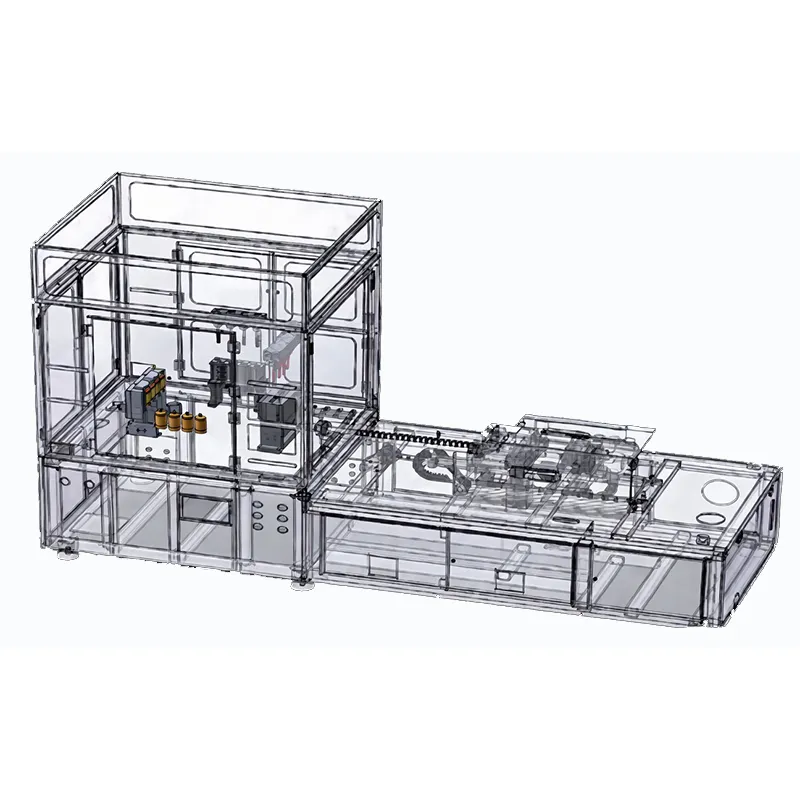
Compatible Resins & Core Processing Materials
Material compatibility is a primary specification parameter when selecting an ISBM machine for any production application. While PET remains the dominant resin processed on single-stage injection stretch blow molding machines globally and across the UK market, modern ISBM machines can be engineered to handle a broader range of thermoplastics — each presenting distinct processing windows, stretch ratio requirements, and blow pressure profiles that must be factored into both the machine specification and the mould design. Understanding these differences is important for any operation that may wish to produce multiple product formats or serve regulated categories from a single platform.
PET — Polyethylene Terephthalate
The dominant resin for ISBM processing worldwide. PET’s exceptional optical clarity, low gas permeability (critical for carbonated beverages), high strength-to-weight ratio, broad food-contact approvals under UK and retained EU legislation, and established UK recycling infrastructure make it the default choice for the majority of beverage, condiment, and pharmaceutical container applications. PET grades for ISBM are characterised by intrinsic viscosity (IV) values, typically 0.72–0.84 dl/g for packaging.
PP — Polypropylene
Selected for hot-fill applications where containers are filled at temperatures above 65°C — common in UK sauce, condiment, and ambient food manufacturing. PP also suits cosmetics packaging requiring elevated chemical resistance to surfactants and solvents. Processing on an ISBM machine requires higher barrel temperatures and adjusted stretch parameters versus PET, typically necessitating specific screw geometry and modified conditioning profiles.
HDPE — High-Density Polyethylene
Industrial chemical containers, agricultural packaging, and applications demanding superior chemical resistance to solvents, acids, and industrial fluids. HDPE on an ISBM machine produces containers with strong impact resistance and UN transport certification potential. Widely used in the UK’s specialty chemicals sector — including Sheffield’s established chemical manufacturing base — and the agrochemical packaging cluster across the East Midlands.
PC & PEN — Specialty Polymers
Polycarbonate (PC) delivers exceptional optical clarity and impact strength for reusable water dispensing containers and specialist medical packaging. Polyethylene Naphthalate (PEN) provides barrier performance significantly superior to standard PET — of growing interest for UK craft beer producers and oxygen-sensitive nutraceutical manufacturers where shelf life extension is a commercial priority. Both require dedicated ISBM machine tooling.
Why Single-Stage ISBM Consistently Outperforms the Alternatives
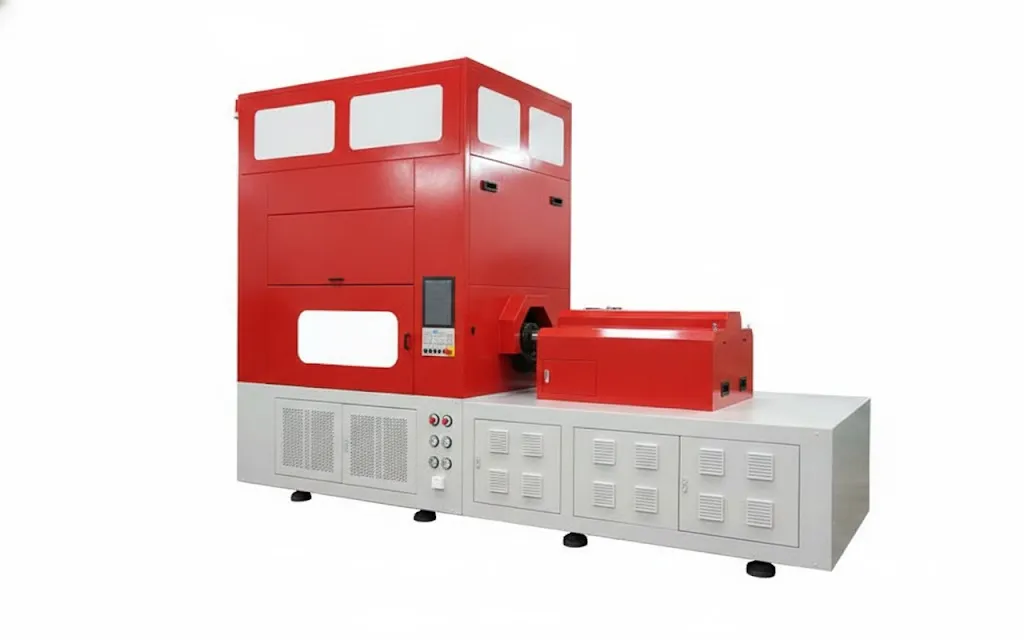
The advantages of the ISBM machine over two-stage and extrusion blow molding alternatives are well-documented in engineering literature, but their relative weight varies considerably by application. Understanding which benefits are most material to your specific production context — whether that is a pharmaceutical packer in Nottingham operating under MHRA oversight or a high-volume beverage manufacturer near Leeds running three shifts — is the basis of a well-calibrated equipment investment decision.
Energy Efficiency
The ISBM machine eliminates the reheating cycle that accounts for a disproportionate share of a two-stage system’s power consumption. UK manufacturers report energy savings of 25–40% versus equivalent two-stage volumes — a significant operational benefit given rising industrial energy tariffs and corporate net-zero commitments.
Superior Optical Clarity
Controlled thermal history in the single-stage ISBM process yields containers with consistently lower haze values than equivalents produced via reheating. This makes ISBM-produced PET bottles the preferred choice for premium spirits, nutraceutical supplements, pharmaceutical suspensions, and any application where the visual appearance of the product directly influences consumer perception and purchase decisions.
Compact Footprint
A single-stage ISBM machine replaces two separate capital equipment items, plus the conveyor links, preform storage racks, and logistics management that a two-stage installation requires. For UK manufacturers operating in standard industrial unit premises — particularly on the densely occupied industrial estates around Birmingham and Coventry — this spatial efficiency translates directly into reduced property overhead.
Contamination Control
In two-stage systems, preforms are stored in open or semi-open conditions between processing stages — a contamination exposure window that is unacceptable in pharmaceutical GMP environments and food-contact applications under UK Food Standards Agency guidance. The enclosed, continuous nature of the ISBM machine process eliminates this vulnerability entirely, simplifying GMP compliance for pharmaceutical and infant nutrition packaging manufacturers.
Neck Finish Accuracy
Neck dimensions on containers produced by an ISBM machine achieve tolerances typically within ±0.05 mm because the injection mould defines the neck geometry precisely — before any stretching occurs. This level of accuracy is critical for automated high-speed capping lines and for pharmaceutical containers where closure integrity is a formal requirement under MHRA guidance.
Material Efficiency
Biaxial molecular orientation allows ISBM-produced containers to achieve specified mechanical performance benchmarks with thinner wall sections than other manufacturing methods. Reduced wall thickness means less resin per container — a direct material cost saving that compounds at volume, and a measurable sustainability advantage as rPET costs and UK packaging taxation continue to evolve.
Ever Power ISBM Machine Gallery
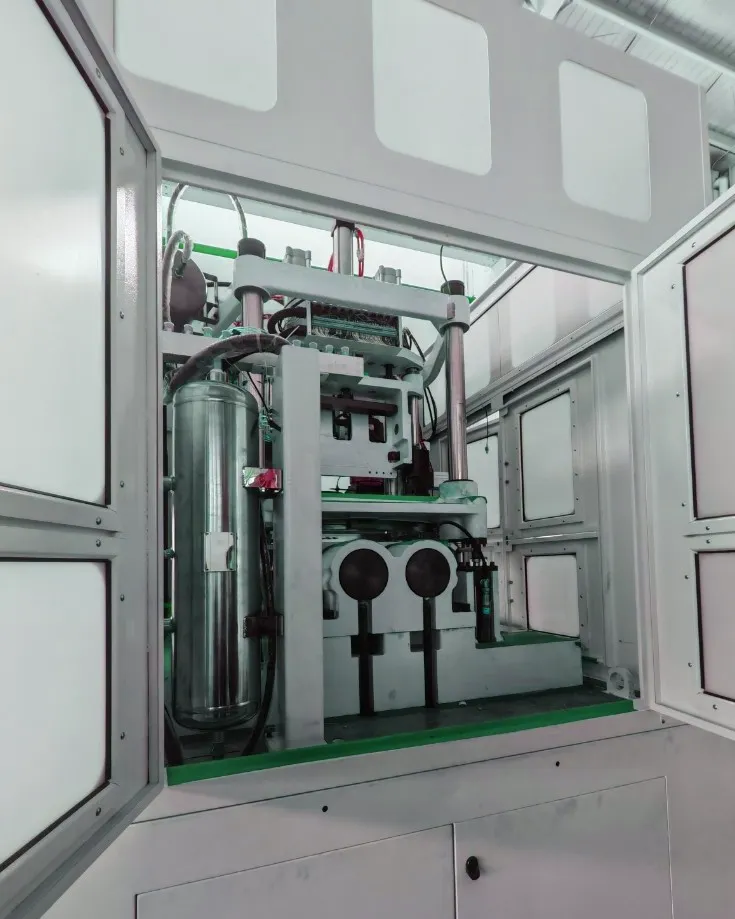
Technical Performance & Specification Parameters
The table below presents the standard performance and specification parameters for Ever Power’s range of ISBM machines. These values span the commercial range of single-stage injection stretch blow molding machines available; specific parameters for any individual model or custom configuration are confirmed within the technical proposal documentation. UK buyers evaluating capital equipment are encouraged to assess these parameters in the context of their specific production throughput targets, bottle format specifications, and applicable regulatory compliance requirements rather than making procurement decisions on headline figures alone.
| Parameter | Specification Range | Application Notes |
|---|---|---|
| Bottle Volume Range | 50 ml – 5,000 ml | Extended tooling available on request |
| Number of Cavities | 1 – 6 cavities | Higher cavities for mass production volumes |
| Output Rate | 500 – 6,000 bottles/hr | Dependent on cavity count and bottle size |
| Neck Diameter | 18 mm – 63 mm | Custom neck finishes manufactured to spec |
| Preform Weight | 8 g – 120 g | Varies by resin density and bottle format |
| Blowing Pressure | 20 bar – 40 bar | Dynamically adjustable via PLC HMI |
| Stretch Rod Speed | 1.0 m/s – 1.5 m/s | Servo-controlled on advanced ISBM models |
| Mould Clamping Force | 50 kN – 300 kN | Scaled to cavity count and bottle dimensions |
| Heating Zones | 4 – 8 independent zones | Individually PID-controlled per zone |
| Power Consumption | 15 kW – 45 kW | All-electric drive on premium configurations |
| Machine Weight | 2,200 kg – 8,500 kg | Verify floor loading spec pre-installation |
| Compatible Resins | PET, PP, HDPE, PC, PEN | Specify resin at order stage for correct screw config |
| Control System | Siemens / Mitsubishi PLC | HMI touchscreen with recipe storage as standard |
| Cooling Water Temperature | 8°C – 12°C | Chiller unit recommended for UK climate conditions |
| Bottle Height Range | 80 mm – 400 mm | Extended tooling available on request |
| Certification | CE Marked | Compliant with UK & EU Machinery Directive |
Industrial Application Scenarios Across the UK
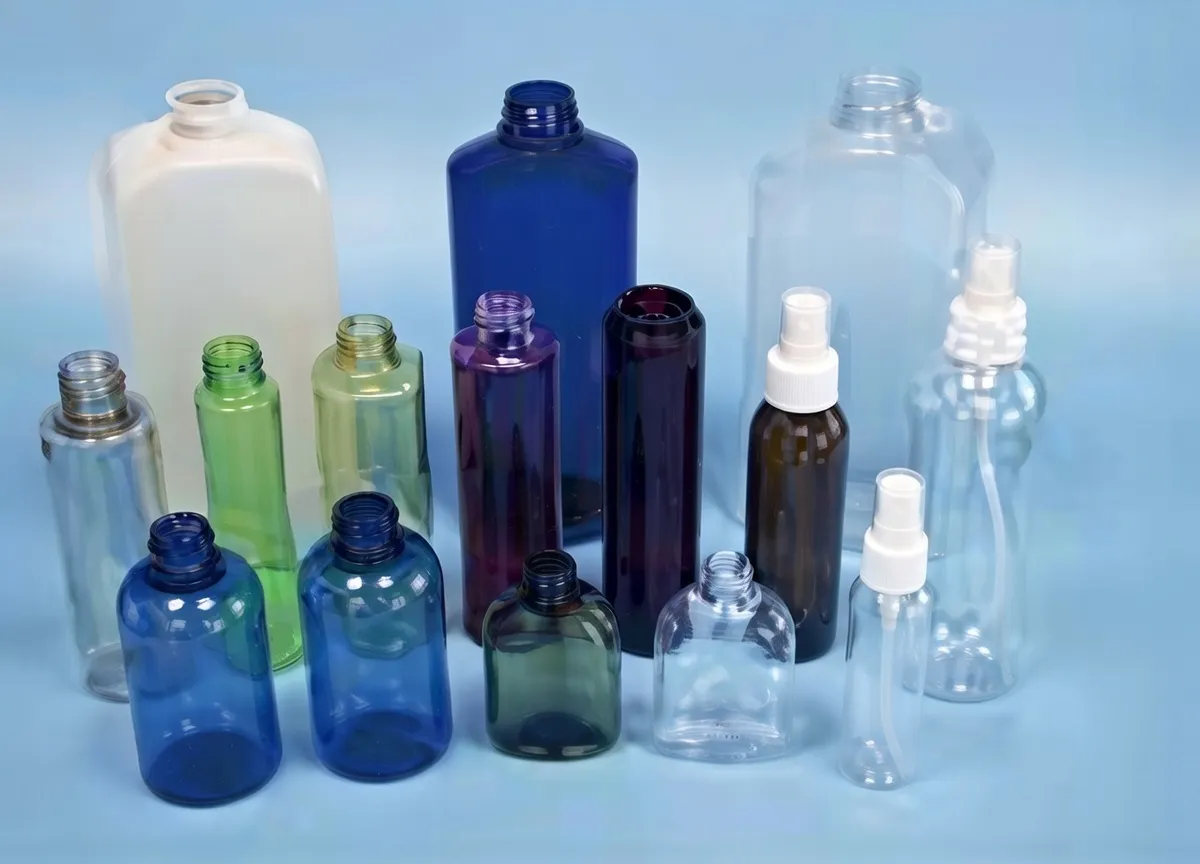
The ISBM machine finds application across a remarkably broad spectrum of end markets, and the UK’s diverse industrial base provides a compelling context in which to examine those uses. From food and beverage manufacturers in the Midlands to precision-focused pharmaceutical producers operating under MHRA oversight, the ability to produce high-quality, consistent plastic containers in-house at the point of fill represents a genuine operational advantage in virtually every sector that handles liquid or solid product in a sealed container.
Key Machine Components & Precision Accessories
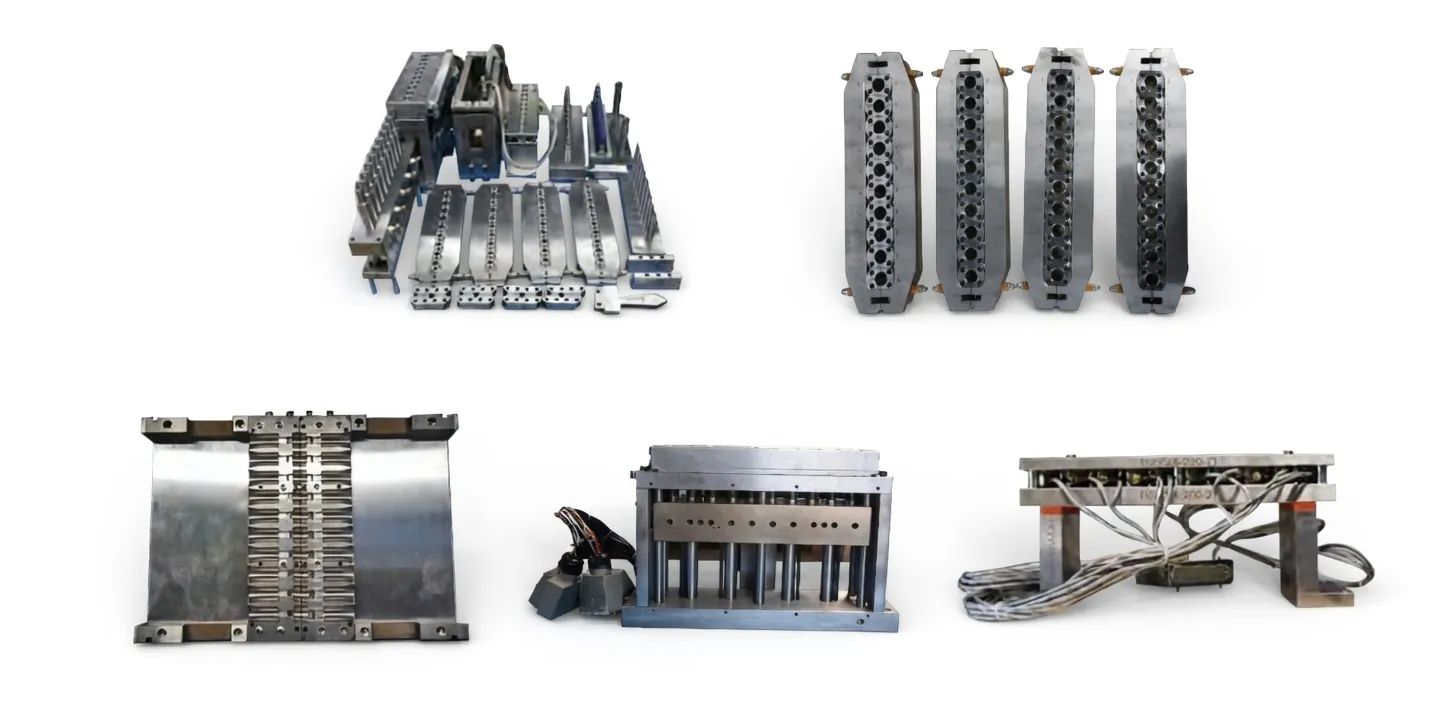
Injection Unit & Screw Assembly
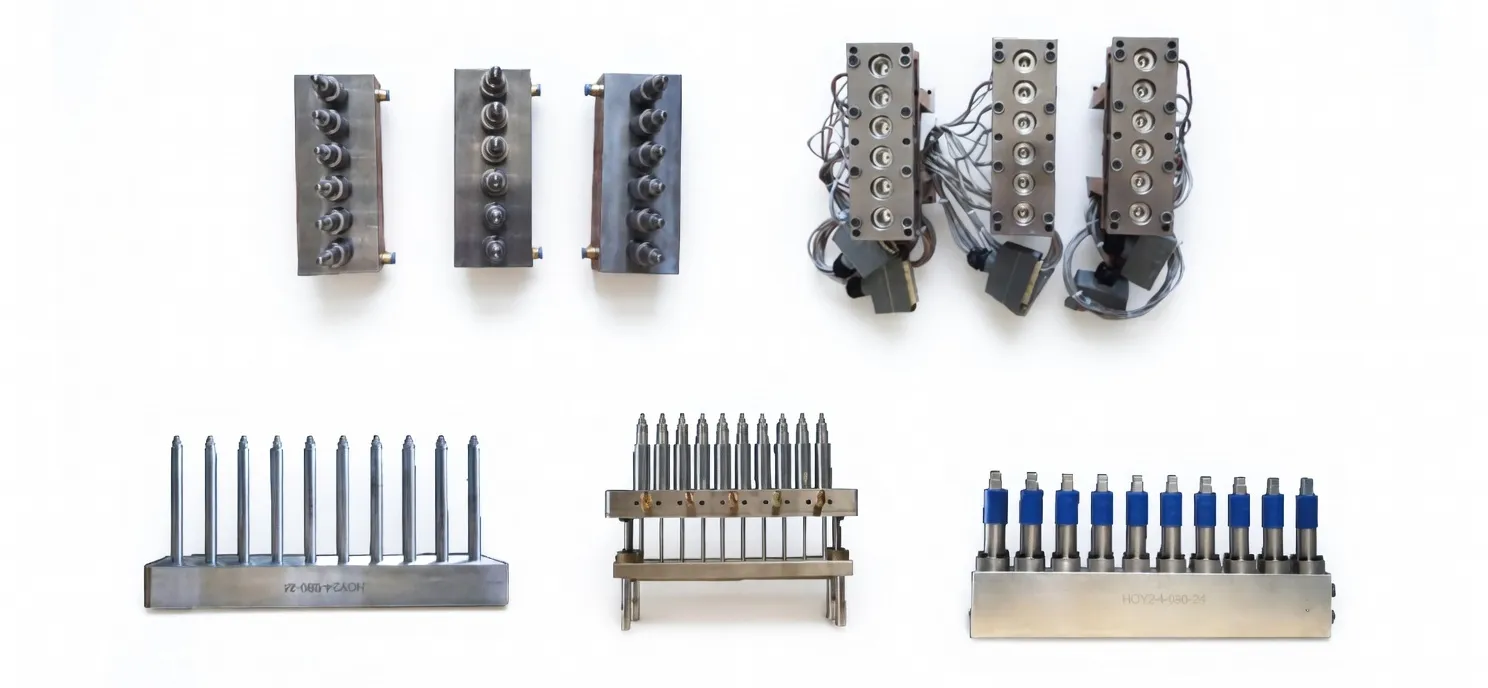
Blow Mould Tooling
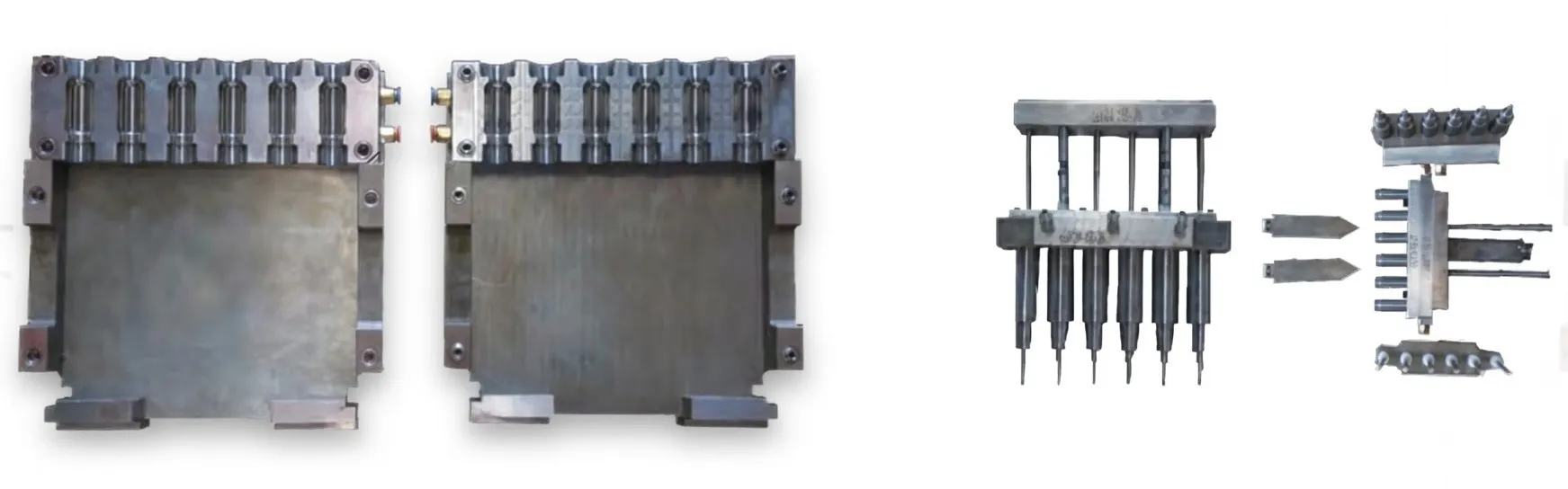
Conditioning & Heating System
Ever Power: Precision ISBM Machine Manufacturing & Custom Engineering
Ever Power has built its reputation on a single working principle: that every ISBM machine should be engineered around the customer’s specific production requirements, not const
edit by gzl