How an Injection-Blow Molding Machine Works
Stage 1 — Injection
Polymer resin is plasticised in a reciprocating screw barrel, then injected at precise pressure into a core-rod-mounted injection cavity. The resulting preform carries a fully formed neck thread and a measured wall thickness. Temperature control at this stage — typically between 200 °C and 280 °C depending on resin grade — dictates downstream clarity and structural uniformity.
Stage 2 — Transfer
The preform, still on the core rod, rotates on the indexing head to the blow station. Because the preform never leaves the mandrel, neck geometry is locked in — a critical advantage for pharmaceutical and food-grade applications where thread tolerances are measured in tenths of a millimetre. This seamless transfer eliminates the reheating step required in two-stage stretch-blow machines, reducing energy consumption and cycle time.
Stage 3 — Blow
Compressed air — generally between 5 and 10 bar — inflates the preform against a cooled blow mould. The container takes its final shape in seconds. Mould temperature management, usually achieved via water channels running at 5 °C to 15 °C, sets the surface finish and dimensional stability. When the mould opens, the finished bottle ejects cleanly with no flash and no post-trim operations required, which is one reason UK packaging lines favour this process for high-volume runs.
Stage 4 — Eject & Index
As the finished container is stripped from the core rod at the ejection station, the indexing head simultaneously presents fresh resin into the injection cavity for the next cycle. This continuous rotary operation means all three productive stations are active in parallel, achieving high output rates while keeping floor-space requirements modest — an important consideration for UK facilities where factory footprints in cities like Birmingham or Leicester come at a premium.
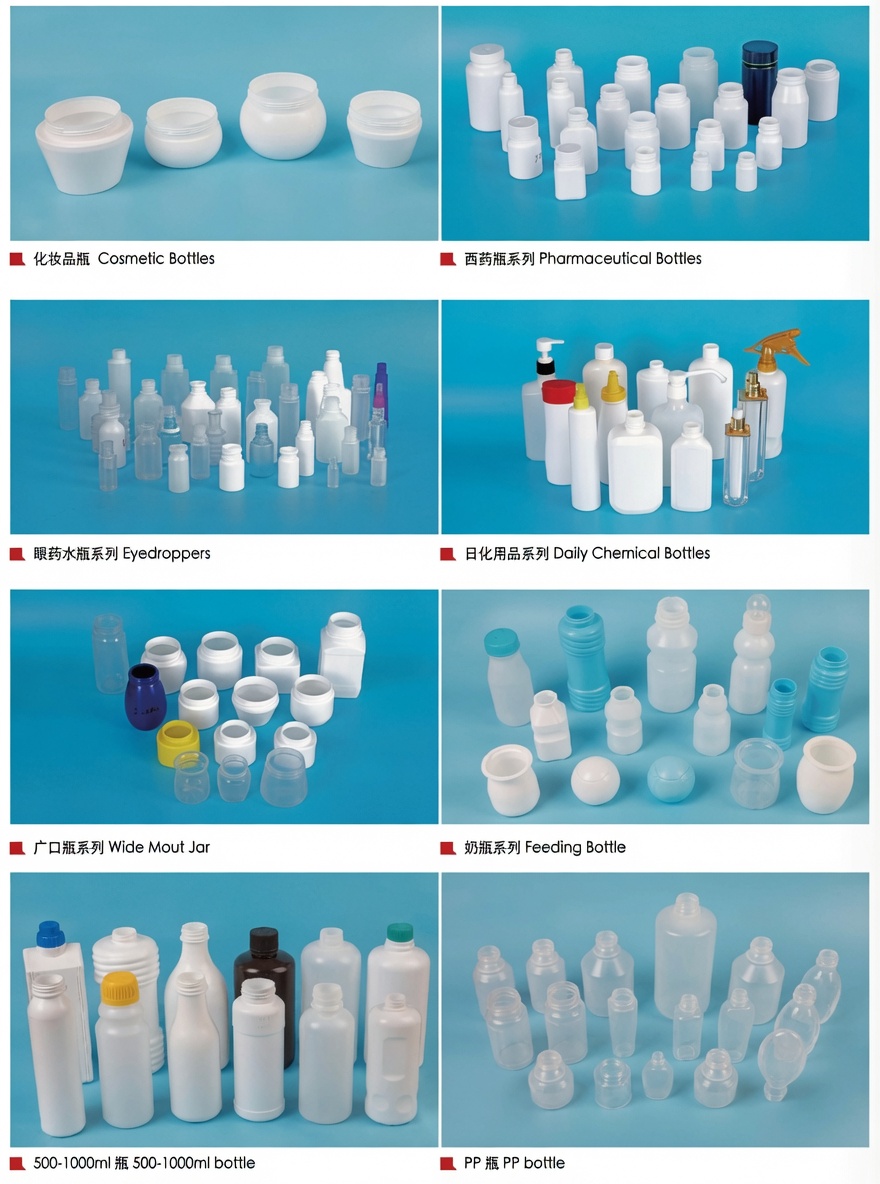
Core Materials Processed by Injection-Blow Molding Machines
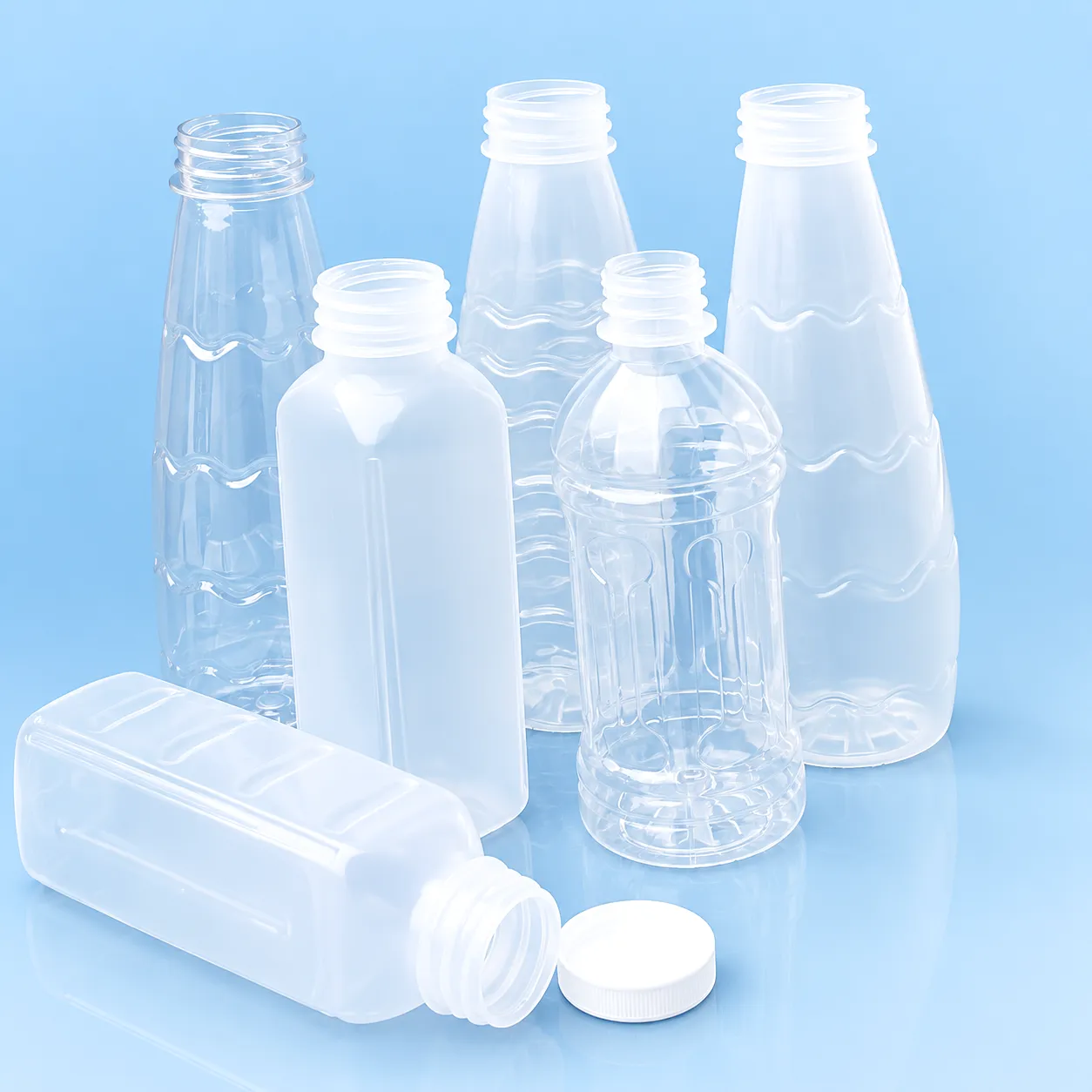
Application Scenario: Food and Beverage Packaging
Hot-Fill Juice Bottles · Sports Drink Containers · Condiment Packaging
Hot-Fill Juice Bottles
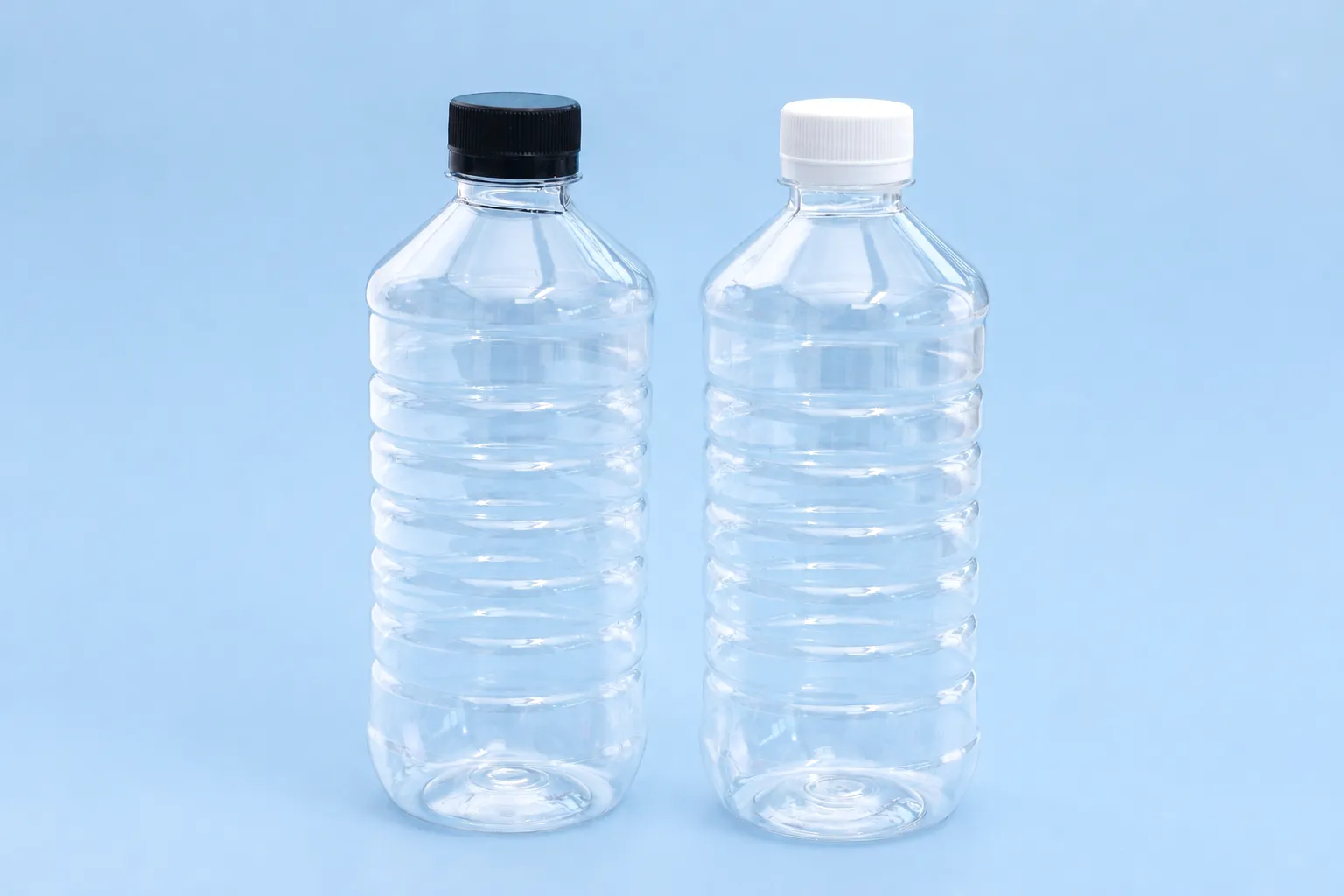
Sports Drink Containers
The UK’s sports nutrition market has expanded significantly over the past decade, fuelled by a consumer base that consumes isotonic drinks, protein shakes, and energy beverages at gyms, stadiums, and outdoor events from Wembley in London to the Etihad Campus in Manchester. Sports drink containers present specific engineering challenges: the bottle must be lightweight enough to reduce material costs and consumer fatigue, yet stiff enough to resist the squeeze force of handling during athletic activity. The gripping panel geometry, squeeze-tube taper, and sport-cap thread diameter must all fall within tight dimensional bands to interface correctly with sports caps and flip-top closures.
Injection-blow molding machines address these requirements through programmable wall-thickness distribution. By varying the injection-speed profile during preform formation and controlling core-rod temperature zones, engineers can deliberately thin the body panels to achieve flex characteristics suited to squeeze-to-drink formats, while maintaining thicker material at the base and shoulder where structural loading is greatest. HDPE and polypropylene are the preferred resins for this application class, with HDPE offering a slightly softer hand feel and PP delivering higher stiffness at equivalent wall thickness. Ever Power’s machines allow resin switching through colour-coded barrel configurations and purging routines that take under 25 minutes on the production floor.
Condiment and Sauce Containers
Condiment packaging in the UK spans everything from tomato ketchup and brown sauce bottles destined for major grocery multiples, to artisanal chilli sauce and specialty vinegar containers produced by regional food makers in Yorkshire, the Midlands, and Scotland. The injection-blow molding machine shines in this segment for several interconnected reasons. Condiment bottles often feature narrow, precisely threaded necks to accept flip-top or disc-top closures, and they need walls robust enough to withstand warehouse stacking and transit vibration throughout the UK’s extensive logistics network — including the Channel Tunnel freight routes linking UK suppliers to European retail customers.
Polypropylene injection-blow molded bottles tolerate the elevated fill temperatures common in hot-fill ketchup and sauce lines, while offering the crystal clarity that premium brands demand to showcase the natural colour of their products. Because the injection-blow molding process produces containers in one self-contained cycle without external material handling between preform and blow stages, contamination risk is minimal — an important consideration under UK Food Safety Act requirements and BRC Global Standards for packaging materials. Facilities supplying condiment brands in Sheffield and Wolverhampton have standardised on injection-blow molding machines precisely because the zero-flash output eliminates the need for manual trimming workers whose costs under UK National Living Wage legislation add meaningfully to unit economics.
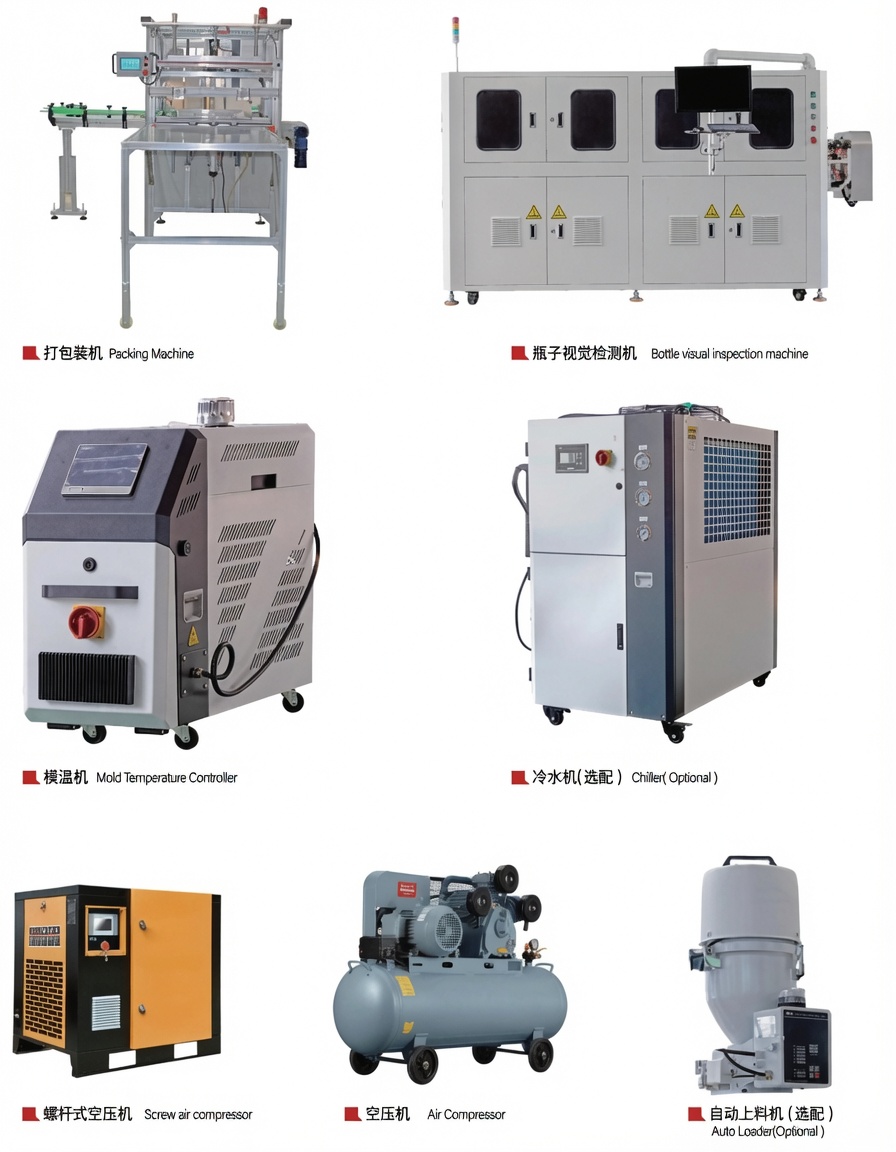
Auxiliary Equipment — Chiller & Conveyor Systems
Complete Line Integration — Hopper Dryer & Air Systems
Further Industrial Application Scenarios
Pharmaceutical Bottles & Vials
Injection-blow molding machines used in pharmaceutical packaging must satisfy the Medicines and Healthcare products Regulatory Agency (MHRA) guidelines on container integrity and polymer extractables. HDPE and COP containers produced on Ever Power machines feature pharmaceutical-grade resin compatibility, with cavity surface finishes suitable for direct product contact. Neck tolerances within ±0.05 mm ensure child-resistant closure mechanisms engage with the specified breakaway torque every time — critical for oral solid dose and liquid medicine packaging lines operating across the UK’s primary pharmaceutical clusters in Cambridge, Cheshire, and the Thames Valley corridor.
Personal Care & Cosmetics Packaging
Shampoo, conditioner, body lotion, and hand sanitiser containers represent a large slice of UK personal care packaging production centred around brands headquartered in London and the South East. Injection-blow molding machines excel here because they can produce containers with decorative panel geometry, compound curves, and embossed logos in the same cycle as the structural forming, without secondary trimming. PET and HDPE are both processable, with PET offering a glass-like clarity that luxury personal care brands favour and HDPE providing the HDPE providing the squeeze-softness preferred for pump-dispenser bottles.
Agrochemical & Lubricant Containers
Agricultural regions across East Anglia, Lincolnshire, and the Scottish Lowlands demand chemical-grade bottles for pesticides, herbicides, and liquid fertilisers. The injection-blow molding machine produces HDPE containers with the environmental stress-crack resistance (ESCR) rating required for prolonged storage of aromatic solvents and concentrated agro-actives. Lubricant manufacturers in the East Midlands similarly specify injection-blow molded HDPE for motor oil and hydraulic fluid bottles, where the absence of a base seam — inherent in the IBM process — prevents capillary wicking and leakage under storage pressure.
Dairy & Liquid Food Packaging
Milk, cream, flavoured milk drinks, and UHT products packaged in HDPE bottles are common throughout UK dairy supply chains serving supermarkets from Tesco and Asda to regional dairy co-operatives in the North West and Wales. Injection-blow molding machines provide a seamless-neck, flash-free container with an integrated handle option on larger formats (1 litre and above). The absence of a pinch line at the bottle base eliminates the stress concentration point that can cause field failures in HDPE blow-molded dairy containers, reducing in-transit losses for UK ambient dairy logistics operators.
Product Technical and Performance Parameters
Core Technical Advantages of the Injection-Blow Molding Machine
Seamless Neck Precision
Because the neck is formed during injection and never re-touched, thread geometry is perfectly reproducible across multi-million-piece production runs. This eliminates the closure leak failures that plague extrusion blow molded bottles in UK food safety audits.
Zero Flash, No Trim Waste
The injection-blow process inherently produces flash-free containers. There is no pinch-off weld, no tail, and no parting-line flash requiring post-mould trimming — cutting labour, secondary equipment investment, and regrind resin quality loss from a UK packaging line.
Single-Stage Energy Efficiency
By combining injection and blow in one heat cycle, the injection-blow molding machine avoids the reheating energy costs of two-stage SBM processes. For a 10-cavity machine running 22 hours per day, this can translate to energy savings of 15,000 kWh or more annually — meaningful against UK commercial electricity tariffs.
Superior Wall Thickness Control
Programmable injection profiles and core-rod temperature zoning allow wall thickness distribution to be optimised for each container geometry. Shoulder, body, and base can each receive precisely calculated material allocation — reducing weight without compromising drop-impact performance to the standard required by UK retail logistics.
Clean-Room Compatible Design
Ever Power’s European-series injection-blow molding machines are available with enclosed guarding, lubrication-free guide systems, and stainless-steel contact surfaces for Class C and D pharmaceutical environment installation. This makes them suitable for UK pharma primary packaging lines without additional enclosure investment.
Fast Mould-Change System
Ever Power’s quick-release mould clamp system allows a full mould changeover — injection tooling, blow tooling, and core rods — to be completed in under 45 minutes, compared to the industry average of two to three hours. For UK contract packaging operations running frequent SKU changes, this directly reduces non-productive downtime and improves OEE.
Ever Power Manufacturing Base
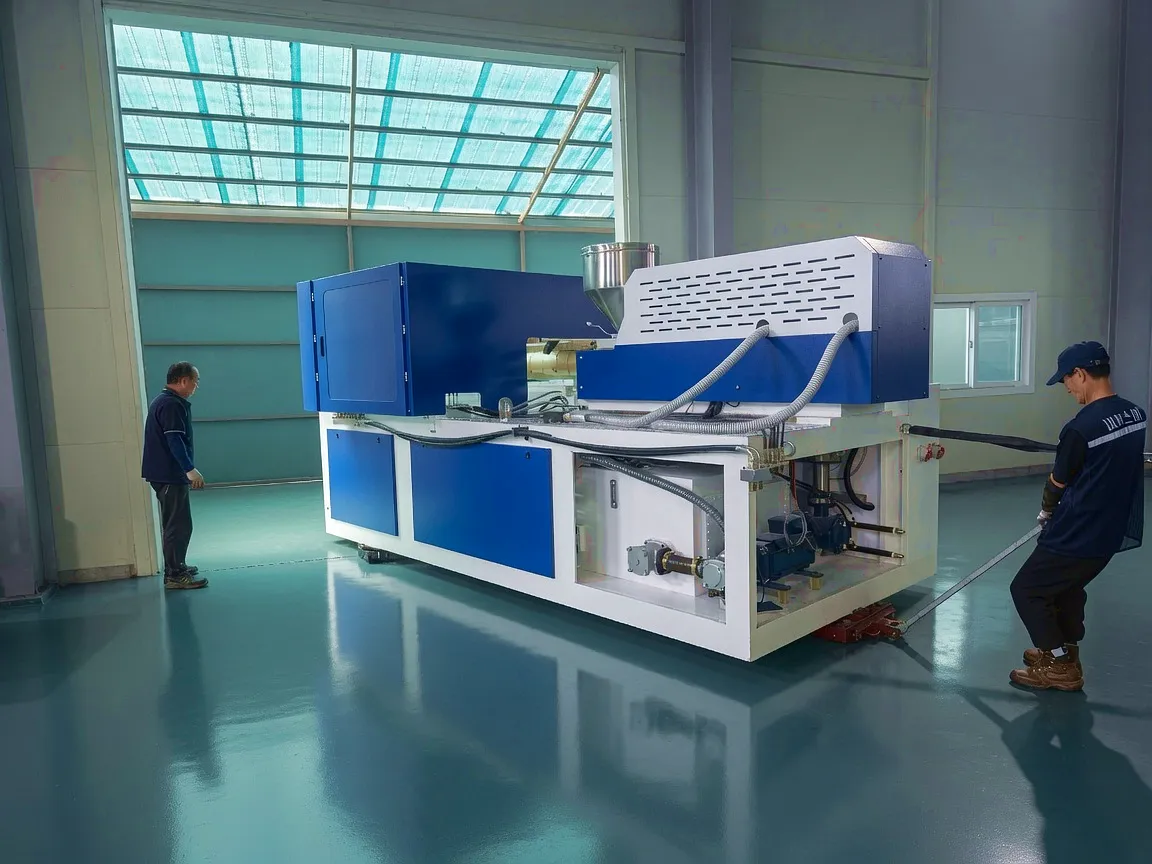
Assembly Workshop — Precision Machining Bay
Ever Power: Precision Manufacturing & Custom Injection-Blow Molding Solutions
Customisation · Advanced Manufacturing · UK Export Supply Chain
Deep Customisation Capability
Ever Power engineers work directly with UK customer technical teams to develop bespoke mould configurations, non-standard neck finishes, and multi-layer preform architectures. From 5 ml pharmaceutical vials to 1,000 ml sports-drink bottles, every cavity layout is modelled in 3D CAD and flow-simulated before the first steel is cut. This eliminates the costly trial-and-error mould sampling rounds that add weeks to traditional supplier timelines.
Advanced Manufacturing Processes
Ever Power’s manufacturing floor operates CNC machining centres with ±0.003 mm positioning accuracy for core-rod and cavity surfaces. Barrel nitriding, screw surface coating, and 200-hour run-in testing are standard on every machine before despatch. UK customers receive full documentation packs — material certificates, dimensional inspection reports, and factory acceptance test records — to support CE marking conformity and MHRA equipment qualification processes.
UK-Optimised Supply Chain
Ever Power ships injection-blow molding machines to the UK via dedicated breakbulk and groupage freight services with established customs brokerage partners in Felixstowe, Southampton, and Tilbury. Lead times for standard European-series machines run 45 to 65 days ex-works, with express service available at 30 days for select configurations. Spare parts — plasticising screws, core rods, seals, and control components — are warehoused by Ever Power’s UK logistics partner for next-day delivery to customer sites anywhere in Great Britain.
Featured Injection-Blow Molding Machine Models
Two proven European-series machines serving UK food, beverage, pharmaceutical, and personal care sectors
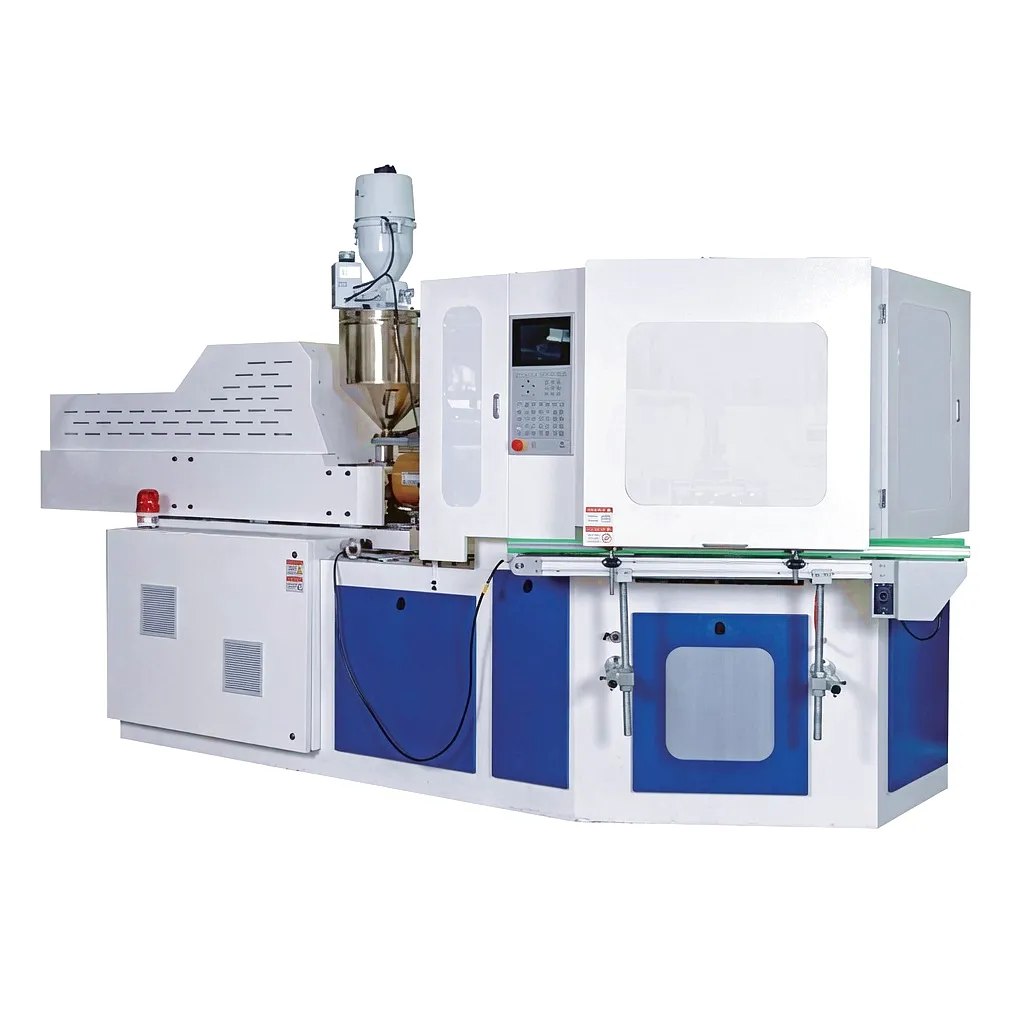
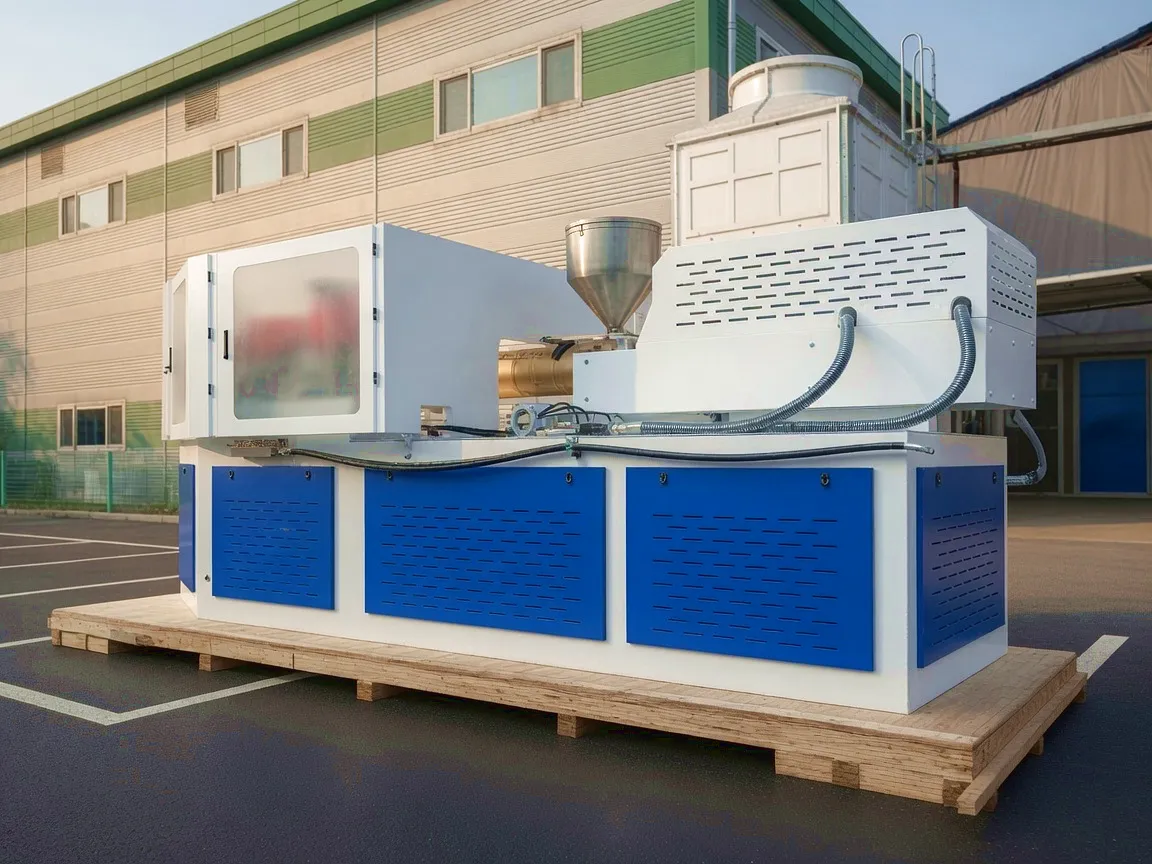
ZQ40 Injection-Blow Molding Machine (European)
The ZQ40 is the compact workhorse of Ever Power’s European range. With a 40 kN clamping force and container volumes from 5 ml to 250 ml, it is engineered for pharmaceutical vial lines, personal care bottle production, and condiment packaging operations that require exceptional neck-thread precision within a modest floor-space envelope. Its servo-driven plasticising system and Siemens PLC control deliver repeatable shot weights within 0.3% deviation across extended production runs.
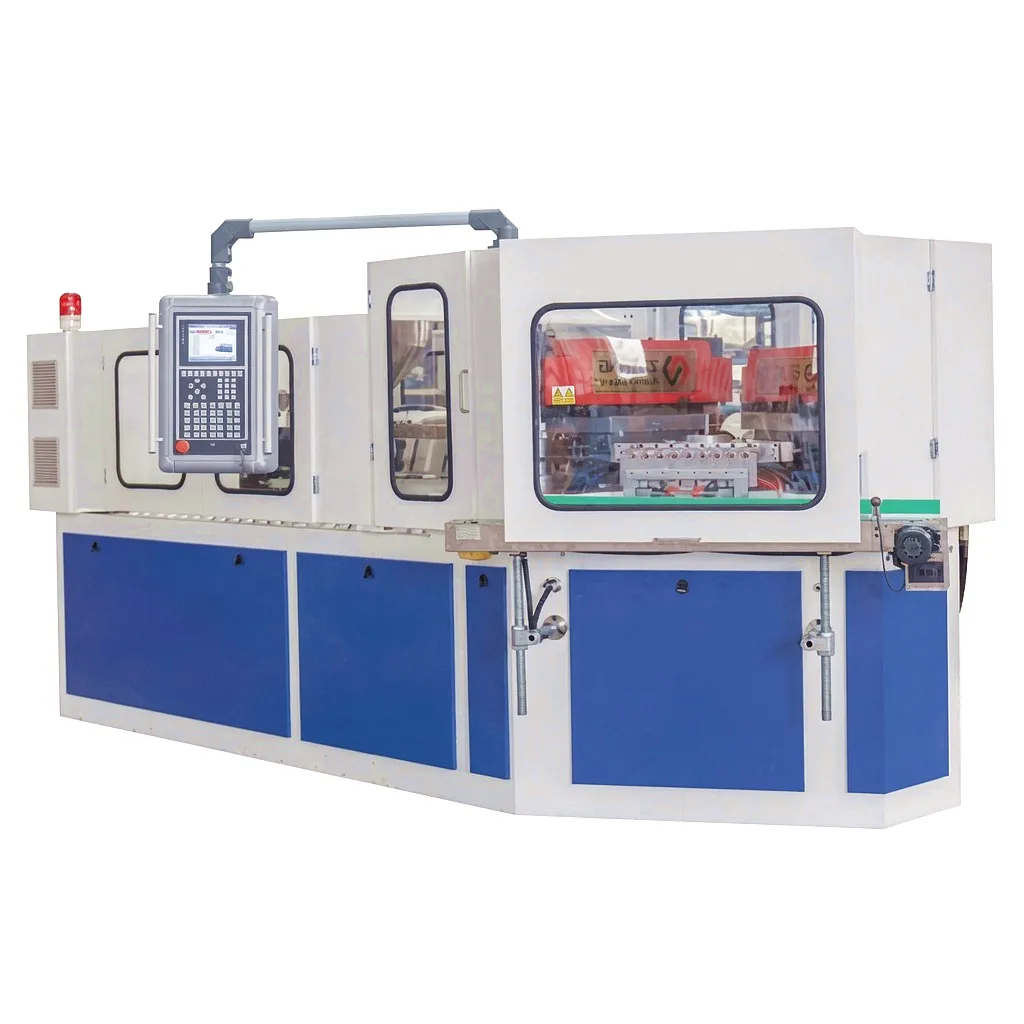
ZQ60 Injection-Blow Molding Machine (European)
The ZQ60 steps up clamping force to 60 kN and expands the container range to 500 ml, making it ideal for sports drink, juice, and liquid food bottle production. With up to 8 cavities and a 15 kW servo motor platform, it achieves the output rates demanded by high-volume UK beverage lines while maintaining the dimensional consistency that food-grade filling and capping equipment requires. The machine’s extended barrel length accommodates PET barrier-screw configurations for carbonated-beverage applications.
Customer Success Story
Yorkshire, UK — Food & Beverage Packaging
Harrogate Premium Drinks Co. — Scaling Juice Bottle Production with Ever Power ZQ60
Harrogate Premium Drinks Co., a family-owned beverage producer based in Harrogate, North Yorkshire, had been supplying ambient and refrigerated juice ranges to regional UK supermarkets for over twelve years using a third-party contract packing arrangement. As their SKU portfolio grew to 22 flavours in 250 ml, 500 ml, and 750 ml sizes, the limitations of outsourced bottling — minimum order quantities, inflexible scheduling, and recurring closure-leak rejections — became unsustainable.
In the spring of 2024, Harrogate Premium Drinks Co. approached Ever Power after evaluating five European and Asian injection-blow molding machine suppliers. Their technical director, with 18 years of packaging machinery experience, identified Ever Power’s ZQ60 as the optimal fit based on its mould-change speed, Siemens PLC interface, and the availability of next-day spare-part delivery through Ever Power’s UK logistics partner. The evaluation process included a factory acceptance test at Ever Power’s production base, where the ZQ60 ran a 6-cavity 500 ml PET juice-bottle mould for eight continuous hours, producing 11,400 bottles with a closure leak-test reject rate of 0.003% — well within Harrogate’s 0.01% specification.
Installation at the Harrogate facility was completed in three days by Ever Power’s commissioning engineer, working alongside the site’s electrical and mechanical maintenance team. Within six weeks of the machine entering full production, Harrogate Premium Drinks Co. reported a 31% reduction in packaging unit cost compared to their previous contract-packing arrangement, and the complete elimination of closure-leak complaints from their three major retail customers. The ability to run short colour-specific promotional batches — something their contract packer could not accommodate under 20,000-unit minimums — opened new private-label revenue streams within six months of go-live.
Ever Power’s post-installation support included a 12-month on-site preventive maintenance visit schedule and remote PLC monitoring access, allowing Ever Power’s engineering team to review production cycle data and flag parameter drift before it translated into quality issues. The technical partnership allowed Harrogate’s small maintenance team to build competency on the machine rapidly, without the ongoing dependency on the original equipment supplier that is common in the UK food manufacturing sector.
Customer Reviews
“The ZQ60’s neck-thread accuracy is genuinely exceptional — we ran 2.4 million bottles last quarter with zero closure torque failures on the audit line. Ever Power’s PLC interface is intuitive enough that our shift engineers reconfigured the blow-pressure profile for a new PP condiment bottle entirely in-house.”
— Technical Director, Harrogate Premium Drinks Co., Yorkshire
“We compared three suppliers on mould-change time and Ever Power won by a wide margin — 38 minutes for a full 6-cavity swap. That alone recovered nearly 90 minutes of production per shift on our short-run flavour schedule. The customisation support during tooling design was thorough and the CAD review caught a gate-vestige issue before we ever cut steel.”
— Operations Manager, Midlands Contract Packaging, Birmingham
“What I valued most was Ever Power’s pre-shipment documentation package. The material certs, dimensional reports, and FAT records meant our MHRA equipment qualification was completed in under three weeks — the fastest we have managed on any new primary packaging machine. The post-installation remote monitoring access has also been invaluable for our lean maintenance team.”
— Quality Assurance Lead, Pharmaceutical Packaging Facility, Cambridge
Frequently Asked Questions
Common questions from UK procurement teams, packaging engineers, and plant managers
Ready to Specify Your Injection-Blow Molding Machine?
Send your container dimensions, annual volume, and resin preference to the Ever Power team — receive a full technical proposal within 72 hours.
[email protected] | Ever Power — isbm-equipment.com
edit by gzl