Understanding Blow Moulding Processes: IBM, ISBM, EBM, and Extrusion Compared
The plastics packaging industry encompasses four principal hollow-container forming technologies, each shaped by different material physics and end-product requirements. Grasping how injection blow molding fits within that landscape is the first step toward specifying the right equipment for a given application. Extrusion blow molding (EBM) extrudes a continuous tubular parison between split moulds, then inflates it — fast and economical for large, asymmetric parts like automotive ducts or industrial containers, but inherently prone to flash waste and wall-thickness variation because the melt is unsupported during extrusion. Injection stretch blow molding (ISBM) injects a preform, conditions it, then simultaneously stretches it axially with a stretch rod while blowing radially, producing the biaxially oriented PET bottles ubiquitous in carbonated-drink production. Stretch blow moulding alone (SBM) reheats externally produced PET preforms before orientation — preferred in very high-volume CSD lines. IBM, by contrast, injects directly onto a core pin, transfers the thermally conditioned preform (still on the pin) to a blow station, inflates it, then ejects the finished part. No external preform supplier, no flash waste, and no secondary orientation mean IBM suits narrow-neck pharmaceutical vials, medical dropper bottles, and cosmetic jars requiring near-zero particulate counts and precise wall geometry. The table below summarises the key process variables that distinguish these four routes.
Working Principle of an IBM Machine: Three-Station Rotary Cycle
Wall Thickness Uniformity and Preheating Temperature Curves
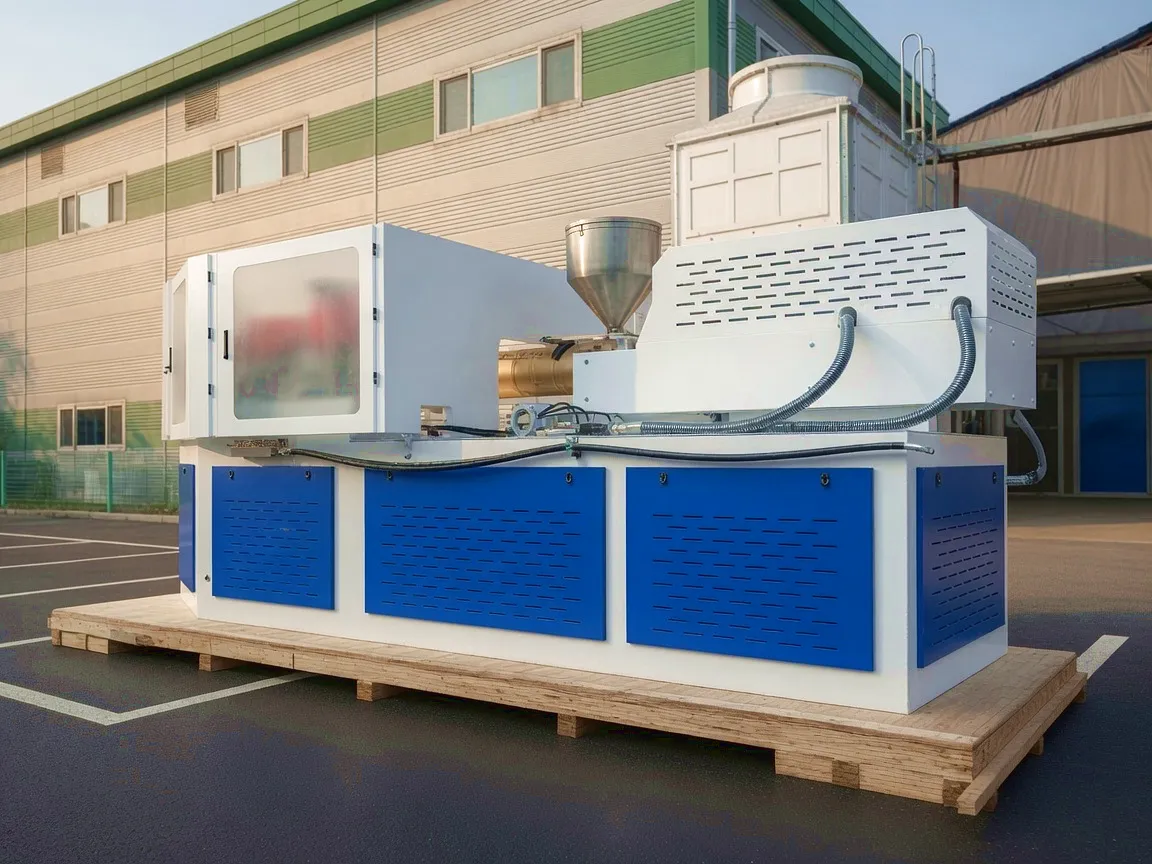
Wall-thickness uniformity in IBM is principally governed at the injection station rather than corrected after the fact — a fundamental advantage over EBM where parison programming only partially compensates for sag and draw-down. The core pin acts as the inner mandrel throughout both injection and blow stages, meaning the annular gap between pin and cavity physically enforces the minimum wall thickness. Engineers calibrate this gap on a per-zone basis by adjusting core pin taper profiles, cavity bore geometry, and gate placement. Temperature profiling along the barrel and across the mould cavity is equally critical. A typical PP IBM process uses a five-zone barrel profile rising from 180 °C at the feed throat to 230 °C at the nozzle, with the injection mould held at 10–25 °C to quench the neck before indexing. For PET, barrel temperatures rise to 270–285 °C and the mould cooling circuits maintain 5–15 °C to preserve clarity. An undercooled preform carries insufficient heat gradient into the blow stage and collapses unevenly; an overcooled one resists radial expansion, generating elevated blow pressure demands and potential stress-whitening. The optimal preheating temperature curve is a balance: body zones 5–15 °C above the polymer’s vicat softening point to allow easy blow expansion, neck zones 20–35 °C below to preserve thread-finish accuracy.
Core Materials Used in IBM Machine Construction and Container Production
Machine Frame & Platens
Nodular cast iron or welded structural steel fabrications are stress-relieved and precision-machined to ensure platen parallelism within 0.02 mm/m. High-strength steel tie bars (42CrMo4, yield strength ≥ 900 MPa) maintain clamping force uniformity across long production runs.
Injection Barrel & Screw
Nitride-hardened bimetallic barrels (Xaloy 800 series or equivalent, hardness HRC 60–65 on the bore liner) resist abrasion from glass-fibre–filled compounds. Screws are manufactured from W302 hot-work tool steel with flame-sprayed tungsten carbide flights for longevity above 15,000 operating hours.
Moulds & Core Pins
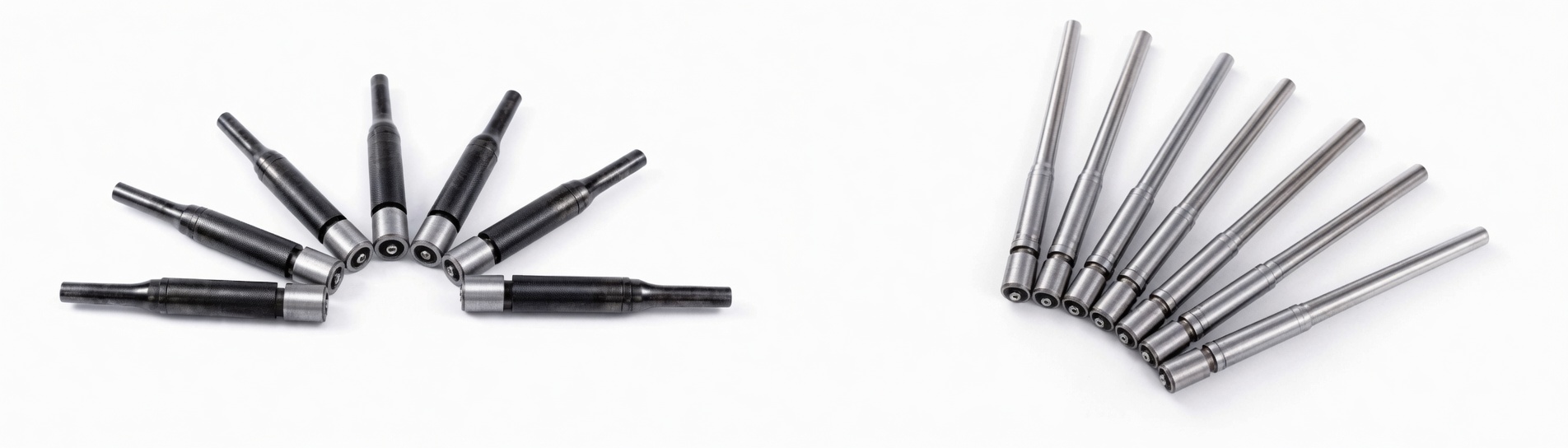
Injection mould cavities are machined from P20 (pre-hardened) or H13 (hardened to HRC 48–52) tool steel; blow moulds from 7075-T6 aluminium alloy for rapid heat transfer. Core pins are manufactured from S136 stainless tool steel, mirror-polished to Ra 0.1 µm for pharmaceutical surfaces and hard-chrome coated for extended pin life.
Processed Resins
PP (homopolymer and random copolymer) dominates pharmaceutical and cosmetic IBM applications for its chemical resistance and hinge-crack performance. HDPE is favoured for personal-care and household-chemical bottles. Crystal-clear PET grades (IV 0.72–0.84 dL/g) are selected for premium cosmetic containers where optical brilliance is mandatory.
IBM Machine Technical and Performance Parameters
The following parameter table reflects representative data for mid-range to large-frame three-station IBM blow molding machines, encompassing the type of equipment routinely specified by UK pharmaceutical, cosmetics, and food-contact packaging manufacturers. Individual machine specifications vary by model, cavity number, and resin processed — Ever Power applications engineers provide model-specific data on request.
| Parameter | Unit | Typical Range | Notes |
|---|---|---|---|
| Clamping force | kN | 110 – 350 | Scale with cavity count and part projected area |
| Injection pressure | MPa | 80 – 180 | Higher values for thin-wall PET preforms |
| Screw diameter | mm | 30 – 90 | L/D ratio typically 20:1 – 24:1 |
| Blow pressure | MPa (bar) | 0.6 – 1.2 (6 – 12) | Regulated per resin and container volume |
| Melt temperature (PP) | °C | 200 – 250 | 5-zone barrel profile |
| Melt temperature (PET) | °C | 270 – 285 | Tight control prevents acetaldehyde generation |
| Mould cooling temperature | °C | 5 – 25 | Chiller-supplied, ±0.5 °C stability |
| Wall-thickness tolerance | mm | ± 0.05 – 0.10 | Best-in-class for narrow-neck pharmaceutical bottles |
| Container volume range | ml | 5 – 1,000 | Custom moulds up to 2 L available |
| Number of cavities | — | 2 – 12 (per station) | Even cavity numbers only; typically 2, 4, 6, 8 |
| Cycle time | s | 6 – 25 | Depends on resin, wall thickness, cooling |
| Motor power (main drive) | kW | 11 – 37 | Servo or variable-frequency drive reduces consumption 30–40% |
| Hydraulic system pressure | MPa | 12 – 16 | Proportional valve control on clamping and injection |
| Machine weight (typical) | kg | 3,500 – 12,000 | Varies by clamping tonnage and cavity count |
Product Advantages of the Injection Blow Molding Machine
Zero Flash, Zero Trim Waste
Because the preform is injection-moulded onto a supported core pin, there is no parison drop, no pinch-off seam, and no flash requiring post-mould trimming. Material yield can reach 99.5% of shot weight, a compelling advantage for expensive pharmaceutical-grade resins and a direct contributor to reduced material cost per container.
Superior Neck-Finish Precision
The thread finish and sealing surface are formed entirely in the injection mould at high cavity pressure, producing tolerances of ±0.05 mm on thread crest diameter. This is especially significant for tamper-evident closures in pharmaceutical packaging, where an off-spec neck can compromise seal integrity and regulatory compliance with UK MHRA guidelines.
Single-Step Clean Production
Resin pellets enter at one end; finished, sealed-neck containers exit at the other — with no secondary operations, no preform warehouse, and no risk of external contamination between preform manufacture and blow. This single-step process aligns naturally with clean-room and GMP production environments required for UK pharmaceutical and nutraceutical packaging.
Excellent Surface Clarity
The core-pin injection mechanism allows the inner surface of the container to replicate the polished pin surface with haze values below 3% on crystal-PP and PET containers. For cosmetic perfume-bottle applications in Birmingham’s glass-substitute sector or for eye-drop bottles requiring optical inspection windows, this surface clarity is not a preference but a functional requirement.
Rapid Changeover Architecture
Three-station rotary designs accommodate quick-change mould sets clamped through T-slot platens, enabling cavity set swaps in under 90 minutes for trained operators. For UK contract packaging houses running short batches across multiple SKUs — particularly common in Leicester’s contract pharmaceutical filling sector — this changeover speed directly impacts machine utilisation and batch scheduling flexibility.
Energy Efficiency and Servo Integration
Modern servo-hydraulic and all-electric IBM platforms consume 30–45% less energy than fixed-displacement hydraulic equivalents. Energy recovery through regenerative servo drives during deceleration phases further reduces net consumption. For UK manufacturing sites obligated under the Energy Savings Opportunity Scheme (ESOS), this energy performance data feeds directly into mandatory audits.
Mould Design and Bottle Geometry Optimisation
Troubleshooting Common IBM Machine Faults
Process faults in IBM production are invariably diagnostic: each defect signature traces to a specific station, parameter, or tooling dimension. The table below maps the most frequently encountered faults to their root causes and corrective actions.
| Defect | Primary Cause | Corrective Action |
|---|---|---|
| Short-shot / incomplete preform | Low melt temperature or insufficient shot size | Increase barrel zone 4–5 temp by 5 °C; increase shot weight 2–3 g and verify back pressure |
| Container wall thinning at base | Preform base overcooled; insufficient blow dwell | Reduce mould cooling flow at base zone; extend blow dwell by 0.3–0.5 s |
| Haze / stress-whitening in body | Preform temperature too low entering blow station | Reduce preform cooling time by 0.5 s steps; verify index dwell time; check pin temperature |
| Off-centre neck thread | Uneven clamp-up across injection mould halves | Re-align injection mould on platens; check tie-bar elongation balance; inspect neck insert seating |
| Blow failure (partial inflation) | Blocked core pin air channel or low shop air pressure | Remove and purge core pin bore; verify compressed air line pressure ≥ 0.7 MPa at blow manifold |
| Sink marks on container body | Hold pressure too short or pack pressure too low | Increase hold pressure 5 MPa; extend hold time 0.2 s increments until sinks eliminate |
| Black specks / degradation marks | Melt residence time too long; dead spots in manifold | Purge barrel with compatible purging compound; inspect nozzle and runner dead-zone geometry |
Energy Consumption Optimisation and Green Retrofit Pathways
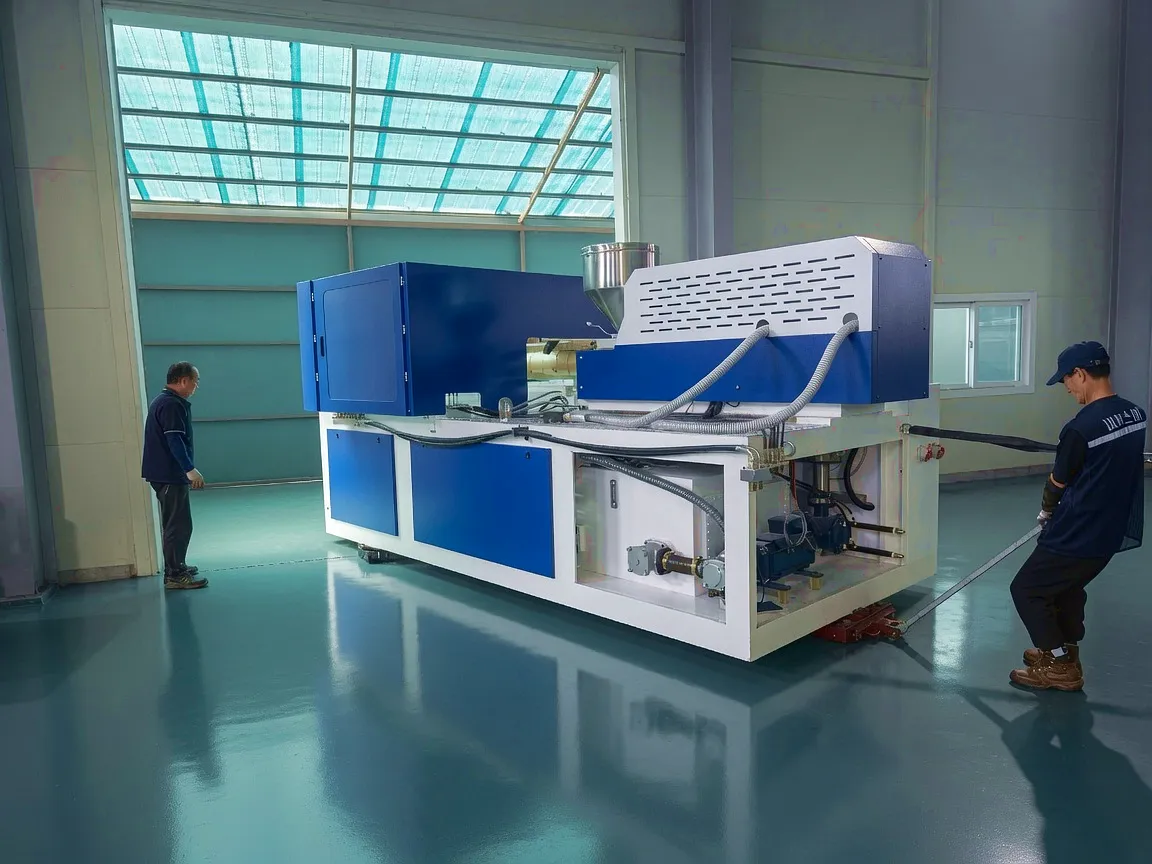
Industrial Application Scenarios for IBM Blow Molding Machines in the UK
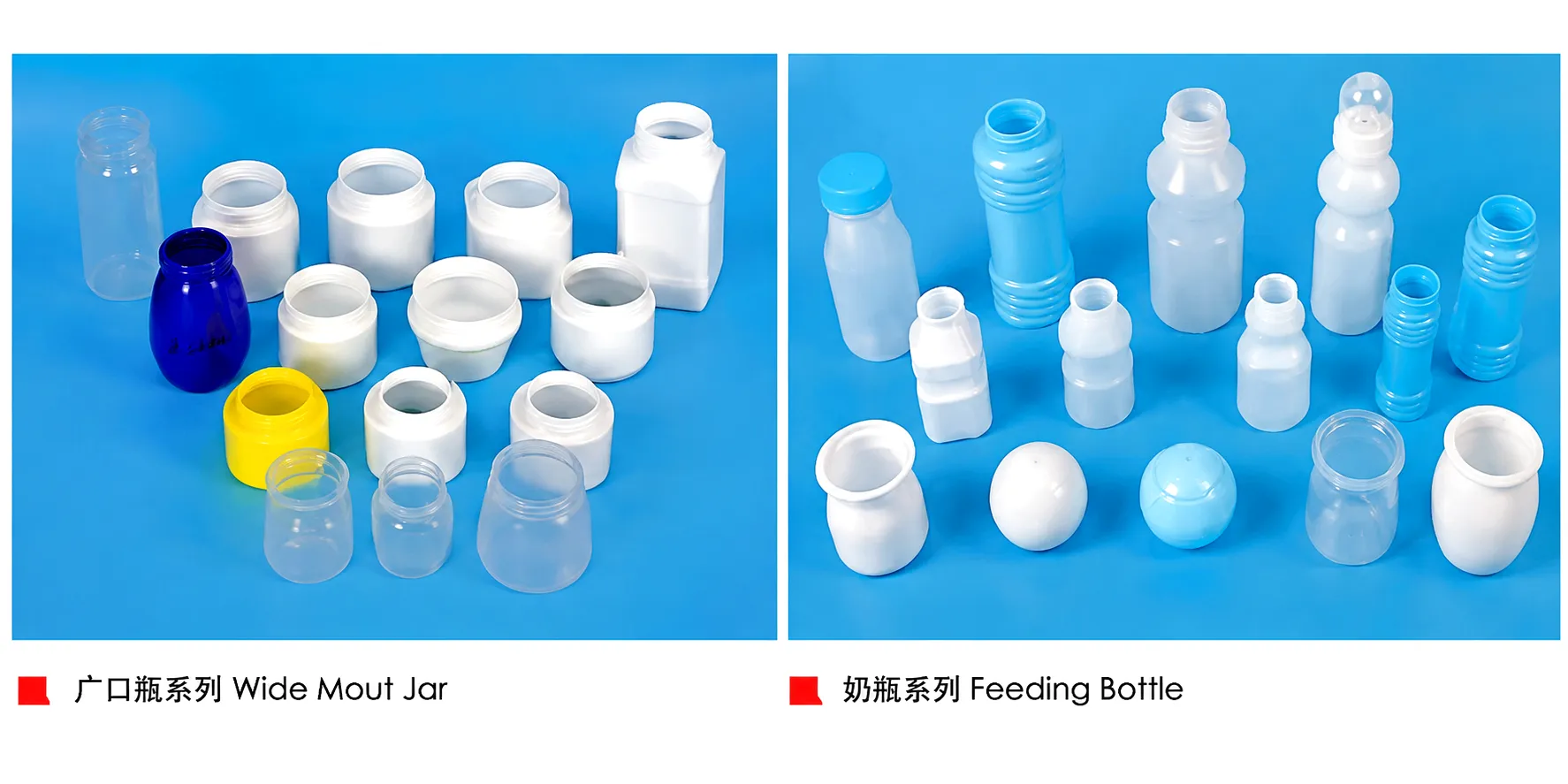
Featured Ever Power IBM Machine Models
Ever Power’s IBM product range covers the core clamping force brackets most demanded by UK packaging manufacturers, with both models below available for rapid delivery and supported by UK-region installation and commissioning engineers.
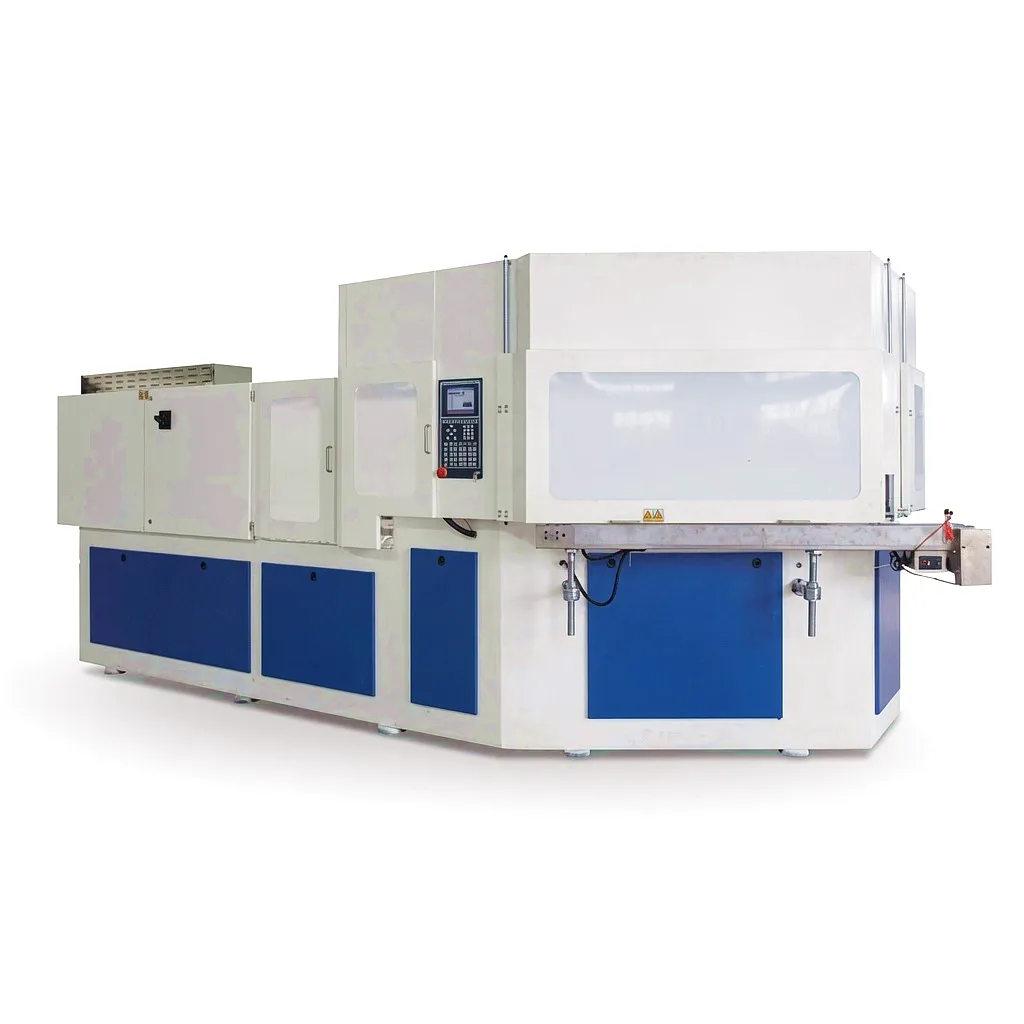
ZQ110 Injection Blow Molding Machine
The ZQ110 delivers 110 kN clamping force in a compact three-station frame, ideally suited for pharmaceutical vials, cosmetic dropper bottles, and personal-care containers from 5 ml to 250 ml. Its servo-hydraulic drive reduces energy consumption versus fixed-pump predecessors, and the PLC-controlled process display with recipe memory supports multi-SKU operation common in UK contract packaging environments. Available with 2- to 6-cavity injection tooling.
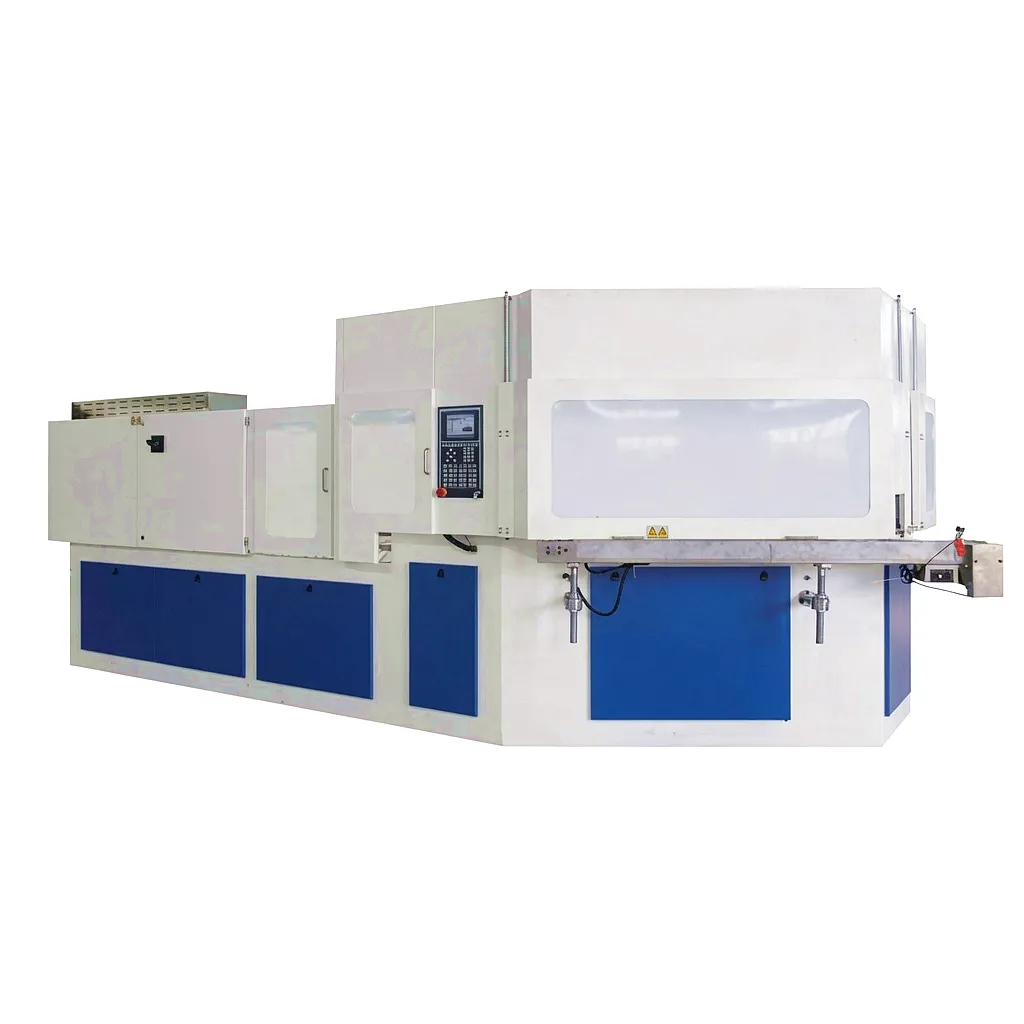
ZQ135 Injection Blow Molding Machine
The ZQ135 scales to 135 kN clamping force, opening up larger-volume container formats (up to 1,000 ml) and higher cavity configurations (up to 8 cavities) that improve cost-per-unit economics on high-volume production runs. An enhanced barrel plasticising unit handles PET, PP, and HDPE with equal reliability, and the upgraded HMI supports Industry 4.0 connectivity through OPC-UA for integration with UK factory SCADA systems. Preferred by food and agrochemical manufacturers in the North of England seeking throughput above 6,000 containers per hour.
Ever Power: Precision Manufacturing and Custom IBM Machine Solutions
Ever Power operates a dedicated injection blow molding machine manufacturing facility equipped with CNC machining centres, precision grinding lines, and automated assembly stations. The factory’s design-to-delivery process covers the complete IBM equipment cycle: customer requirement analysis, injection mould and blow mould tooling design (with DFM review and CFD cooling analysis), machine assembly, factory acceptance testing (FAT) with resin supplied by the client or Ever Power’s material partners, and full documentation packages conforming to CE marking requirements for EU and UK markets.
Customisation at Ever Power extends beyond cosmetic changes. The engineering team routinely delivers: non-standard cavity configurations (odd-count cavities for legacy mould sets), adapted indexing mechanisms for non-standard part geometries, clean-room-ready enclosure systems with HEPA filtration and positive-pressure purge, explosion-proof electrical configurations for chemical-plant environments, and custom PLC programme development for integration with existing plant automation (Siemens S7, Allen-Bradley ControlLogix, Mitsubishi FX series). UK pharmaceutical customers in Staffordshire have specified IBM machines with IQ/OQ/PQ validation documentation packs; Ever Power’s quality management team produces these to GAMP 5 framework guidelines at no additional charge for orders above a defined threshold.
Supply chain reliability is underpinned by a bonded spare-parts warehouse, ensuring that high-wear components — screw tips, non-return valves, core pins, blow manifold seals — are dispatched within 48 hours of order confirmation to UK addresses via DHL Express. Long-lead capital components (tie bars, hydraulic cylinders, servo drives) are held as buffer stock to maintain lead times of 8–12 weeks for complete machines — shorter than most European IBM competitors.
Customer Success Story: Leeds Pharmaceutical Packaging Manufacturer
Verdura Packaging Solutions Ltd, Leeds, West Yorkshire — Pharmaceutical Bottle Production
Verdura Packaging Solutions Ltd, a West Yorkshire contract packaging manufacturer supplying solid-dosage pharmaceutical products to NHS supply-chain distributors and branded generics producers, was operating a pair of ageing fixed-displacement hydraulic IBM machines from a European manufacturer. The machines, installed in 2014, were producing 30 ml PP child-resistant tablet bottles at a cycle time of 19 seconds and suffering increasing downtime due to hydraulic seal failures and an obsolete mould-temperature controller platform. Energy consumption per 1,000 bottles stood at approximately 2.4 kWh — a figure that had become commercially untenable as their site’s electricity contract moved to a higher tariff bracket.
After a competitive tender process involving three IBM equipment suppliers, Verdura selected two Ever Power ZQ110 units, commissioning them in Q3 of the preceding production year. The selection was driven by Ever Power’s willingness to supply bespoke 6-cavity injection tooling matched to Verdura’s existing neck-finish standard (410/20 CRC thread form) and to provide a complete IQ/OQ/PQ validation documentation pack — a non-negotiable requirement for their MHRA-licensed site. Ever Power’s commissioning team spent four days on-site in Leeds, training Verdura’s process technicians on parameter optimisation and validation protocols, and achieving FAT sign-off within the contracted window.
Within the first production quarter, cycle time had been optimised to 14.5 seconds on 30 ml PP bottles — a 24% throughput improvement over the legacy machines. Energy consumption per 1,000 containers dropped to 1.58 kWh, representing a 34% energy saving that contributed directly to Verdura’s ESOS Phase 3 reporting obligations. Wall-thickness uniformity measurements across a 500-container sample showed Cpk values of 1.52 on the body section — well above the customer’s internal acceptance threshold of 1.33. Mould changeover time, supported by Ever Power’s T-slot quick-change system and pre-aligned tooling carts supplied with the order, reduced from 3.5 hours to under 75 minutes, enabling Verdura to run an additional two SKUs per weekly shift schedule without overtime expenditure.
“The ZQ110’s neck-finish consistency is genuinely remarkable — we’ve been running 410/20 CRC bottles for eight months with zero rejections on the sealing torque measurement line. Ever Power’s validation pack was comprehensive enough that our QA director approved it on first review, which doesn’t happen often. The energy savings are real and measurable, not marketing copy.”
— James Whitfield, Production Manager, Verdura Packaging Solutions Ltd, Leeds
“We compared three suppliers and chose Ever Power specifically because they agreed to custom-engineer the 6-cavity tooling to our existing neck standard. Other suppliers wanted us to change our closure specification. Their commissioning engineers clearly understood pharmaceutical IBM requirements — the cycle optimisation they delivered in four days on-site surpassed what our internal team achieved in three months with our previous machines.”
— Dr Sarah Keane, Technical Director, Verdura Packaging Solutions Ltd, Leeds
“Parts availability has been a constant frustration with our previous IBM supplier. With Ever Power, the DHL Express spare-parts service is genuinely next-day to our Leeds facility. When we had a core-pin seal failure at 11 PM on a Friday, the replacement was on site by 10 AM Saturday — that level of supply chain responsiveness is what keeps a 24/7 pharma line running profitably.”
— Mark Thornton, Maintenance Superintendent, Verdura Packaging Solutions Ltd, Leeds
IBM Machine Auxiliary Equipment and System Integration
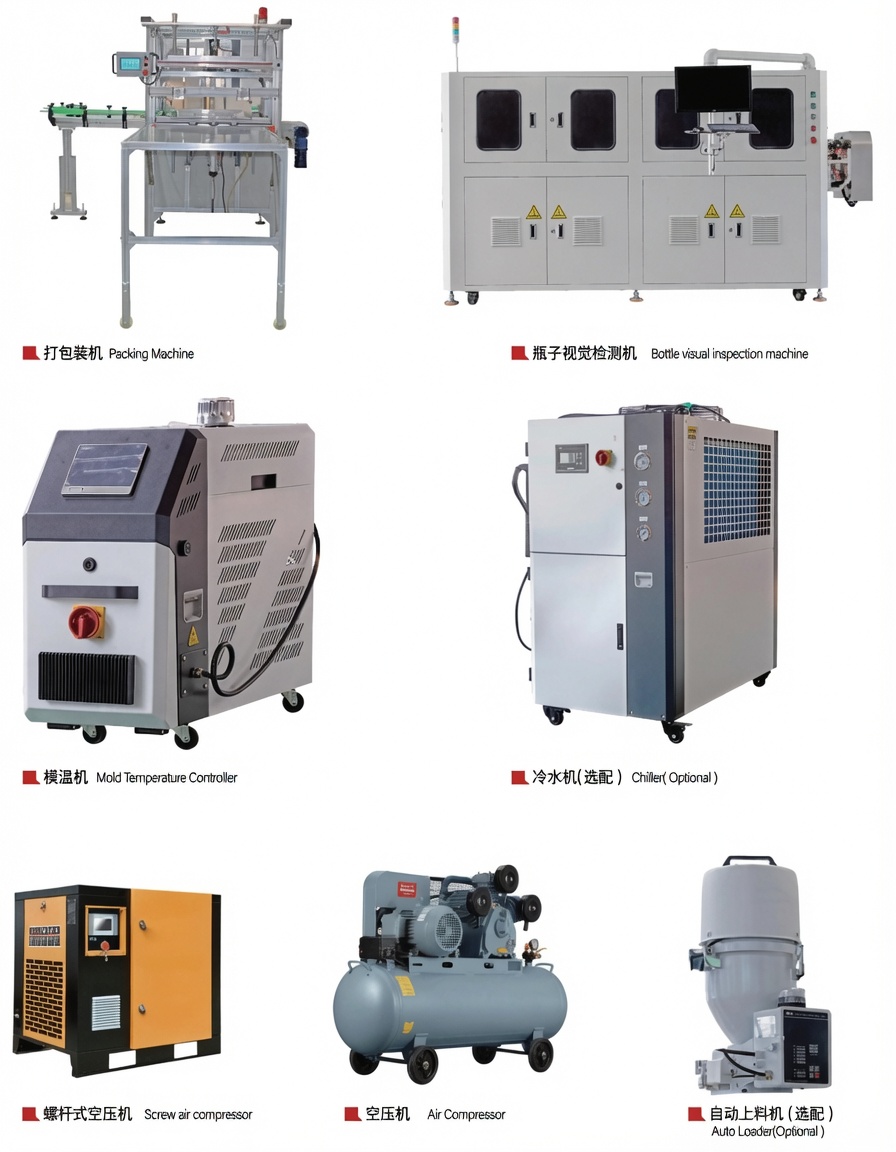
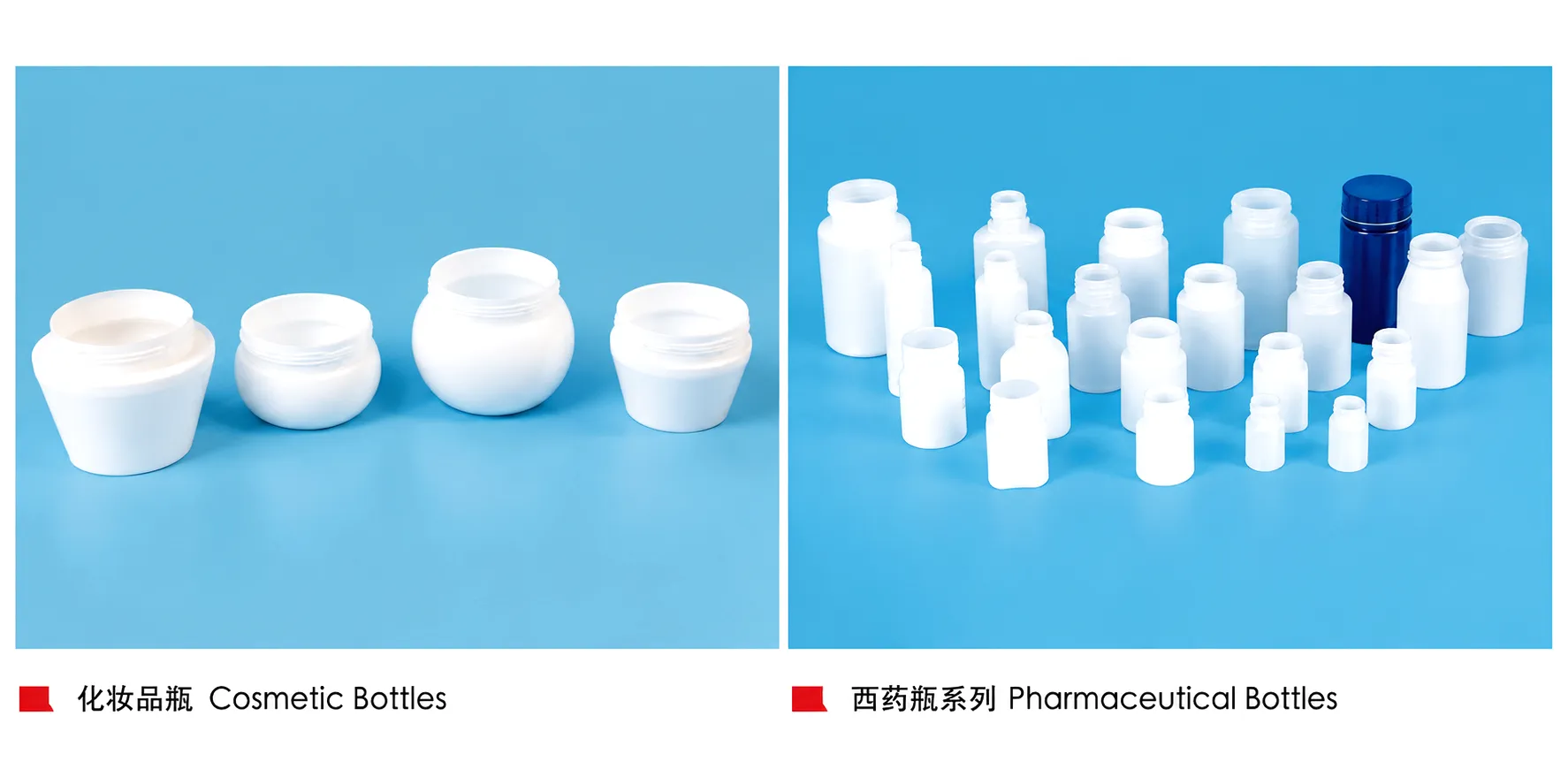
A complete IBM production system extends beyond the core machine to a carefully specified auxiliary equipment package. Material handling (gravimetric blending, dehumidifying dryers achieving dew-point < -40 °C for PET and nylon-barrier resins), temperature-controlled water circuits (mould chillers, hot-oil mould-temperature controllers for polycarbonate), downstream conveyors with online vision inspection, and bag/box or IBC conveyor integration are all specified by Ever Power engineers as part of the turnkey scope where customers require it. The images below represent typical auxiliary equipment configurations supplied alongside IBM installations.
Frequently Asked Questions About IBM Blow Molding Machines
Ready to Specify Your IBM Machine?
Contact Ever Power’s UK-specialist applications team for a technical consultation, capacity modelling, and competitive pricing.
✉ [email protected] — Get a Quote Today
edit by gzl