Buyer’s Guide · Blow Molding Equipment
How to Choose the Right Blow Molding Machine: A Complete Buyer’s Guide
An authoritative technical reference for procurement engineers, plant managers, and production directors across the United Kingdom seeking the right injection blow molding machine for their operation.
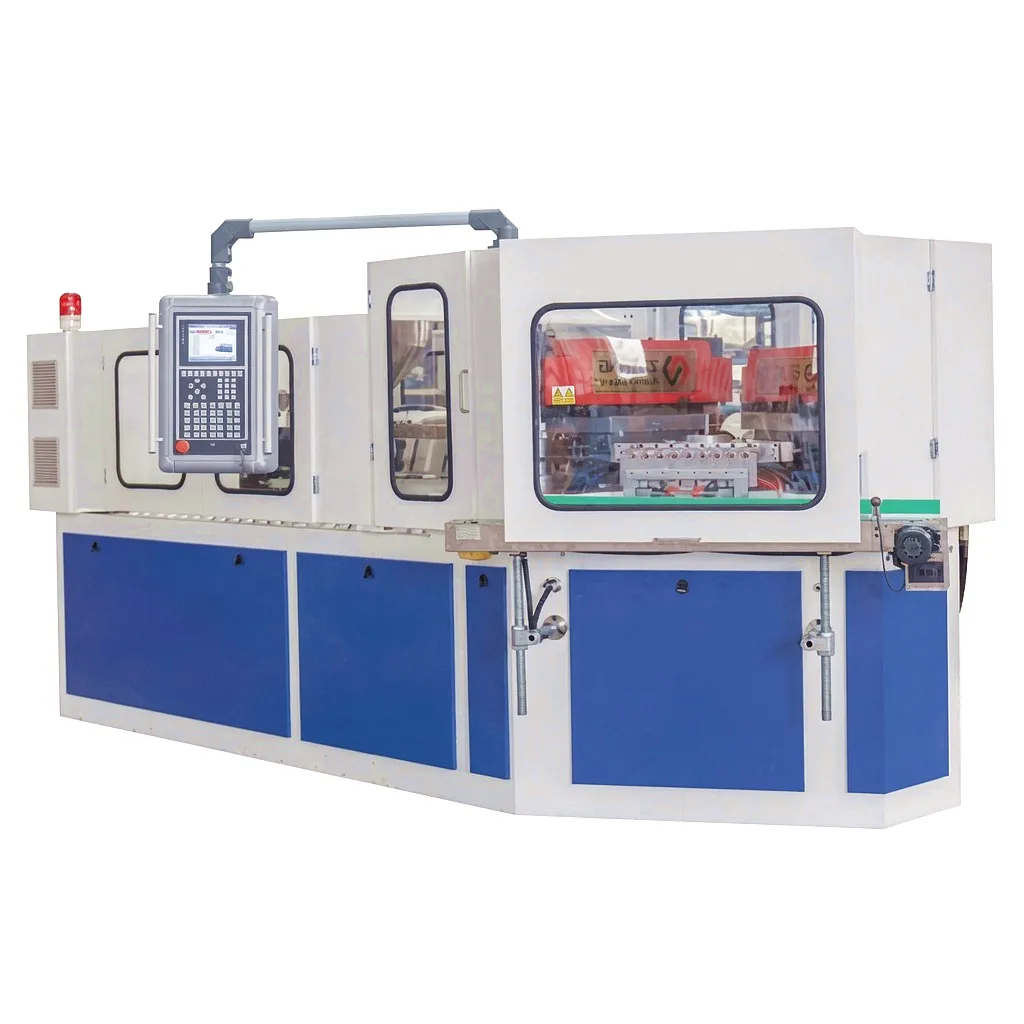
Selecting the right blow molding machine is one of the most consequential capital investment decisions a manufacturer can make. Whether you operate a personal care packaging line in Birmingham, a pharmaceutical bottle facility in Sheffield, or a beverage container plant in Manchester, the choice of molding technology will define your production economics, product quality, and operational flexibility for the next decade or more. The injection blow molding machine — commonly abbreviated IBM — represents the premium tier of blow molding technology, delivering unmatched dimensional accuracy, wall thickness consistency, and surface finish quality that conventional blow molding processes simply cannot match. This guide cuts through the marketing noise to give production engineers and procurement managers a rigorous, technically grounded framework for evaluating IBM equipment, comparing competing process technologies, understanding performance parameters, and identifying the supplier capability that will genuinely serve your operation.
The UK plastics processing sector has undergone significant modernisation since 2020, driven by sustainability mandates, rising energy costs, and growing demand for lightweight, precision-moulded containers across pharmaceutical, cosmetic, food, and industrial markets. For manufacturers upgrading legacy equipment or commissioning new lines, understanding the full technical landscape of blow molding machine types is the essential starting point — and this guide delivers exactly that.
Understanding Blow Molding Process Technologies: IBM, ISBM, EBM and Extrusion Compared
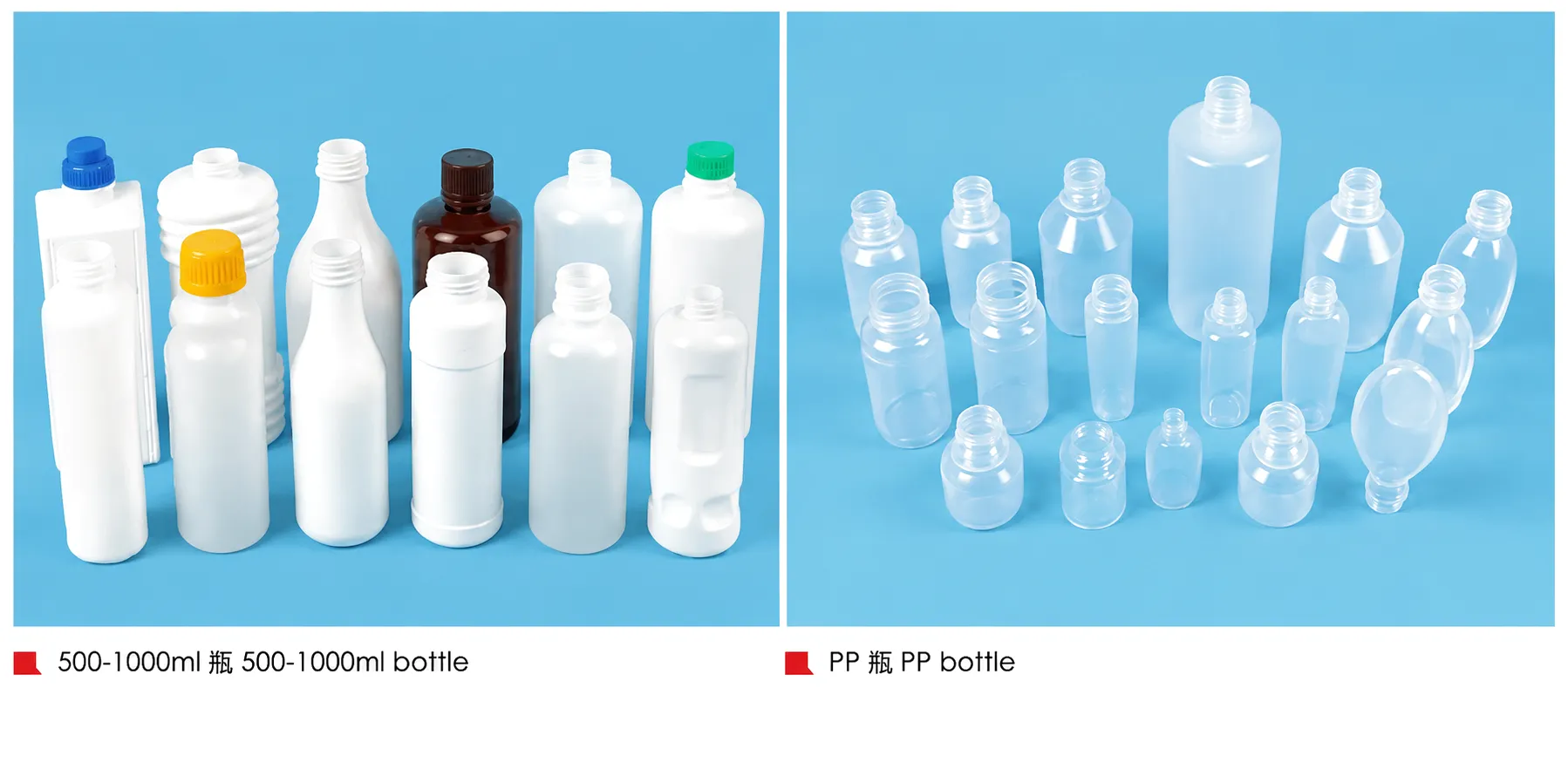
Before investing in any blow molding machine, procurement teams need a clear understanding of the four principal process technologies and where each excels. Injection Blow Molding (IBM), Injection Stretch Blow Molding (ISBM), Extrusion Blow Molding (EBM), and Reheat Stretch Blow Molding each represent a distinct engineering philosophy, and matching technology to application is the foundation of a sound capital decision. IBM remains the process of choice when dimensional precision and surface quality are paramount — pharmaceutical dosing bottles, cosmetic containers, and fine chemical packaging are classic IBM territories. ISBM adds a biaxial orientation step that dramatically improves barrier properties and mechanical strength, making it ideal for carbonated beverage bottles and oxygen-sensitive packaging. EBM offers maximum design freedom for complex geometries and handles HDPE and PP with efficiency, though wall thickness control is inherently less precise. Understanding these distinctions is not an academic exercise — the wrong technology choice can result in production line bottlenecks, scrap rates that erode margins, and containers that fail compliance requirements in regulated industries.
| Parameter | IBM | ISBM | EBM | Reheat SBM |
|---|
| Wall Thickness Control | Excellent (±0.05 mm) | Very Good (±0.08 mm) | Moderate (±0.15–0.30 mm) | Good (±0.10 mm) |
| Neck Finish Accuracy | Highest | High | Moderate | High |
| Scrap / Flash Generation | None (flashless) | Minimal | Significant flash | Minimal |
| Suitable Resins | PP, HDPE, PET, PC, PETG | PET, PP (primarily) | HDPE, LDPE, PP, PVC | PET (primarily) |
| Typical Container Volume | 5 mL – 1,000 mL | 100 mL – 5,000 mL | 50 mL – 200 L+ | 250 mL – 10,000 mL |
| Capital Investment | Medium–High | Medium–High | Medium | High |
| Energy Consumption | Low–Medium | Medium | Medium | Medium–High |
The table above crystallises the engineering trade-offs. IBM’s defining advantage is its flashless production — because the parison is injected directly onto a core pin rather than being extruded and pinched in a mould, there is no weld line, no flash trimming, and no secondary finishing step. For pharmaceutical packaging manufacturers operating under MHRA Good Manufacturing Practice requirements, this means the containers leave the machine in a validated, print-ready state. The dimensional consistency of IBM-produced containers — particularly neck finish tolerances measured in hundredths of a millimetre — is what makes them compatible with high-speed automated filling and capping lines. UK packagers supplying healthcare and personal care retailers increasingly specify IBM-produced containers precisely because their filling equipment operates at speeds that simply cannot accommodate the variation inherent in EBM production.
IBM Working Principle: Three-Station Engineering Explained
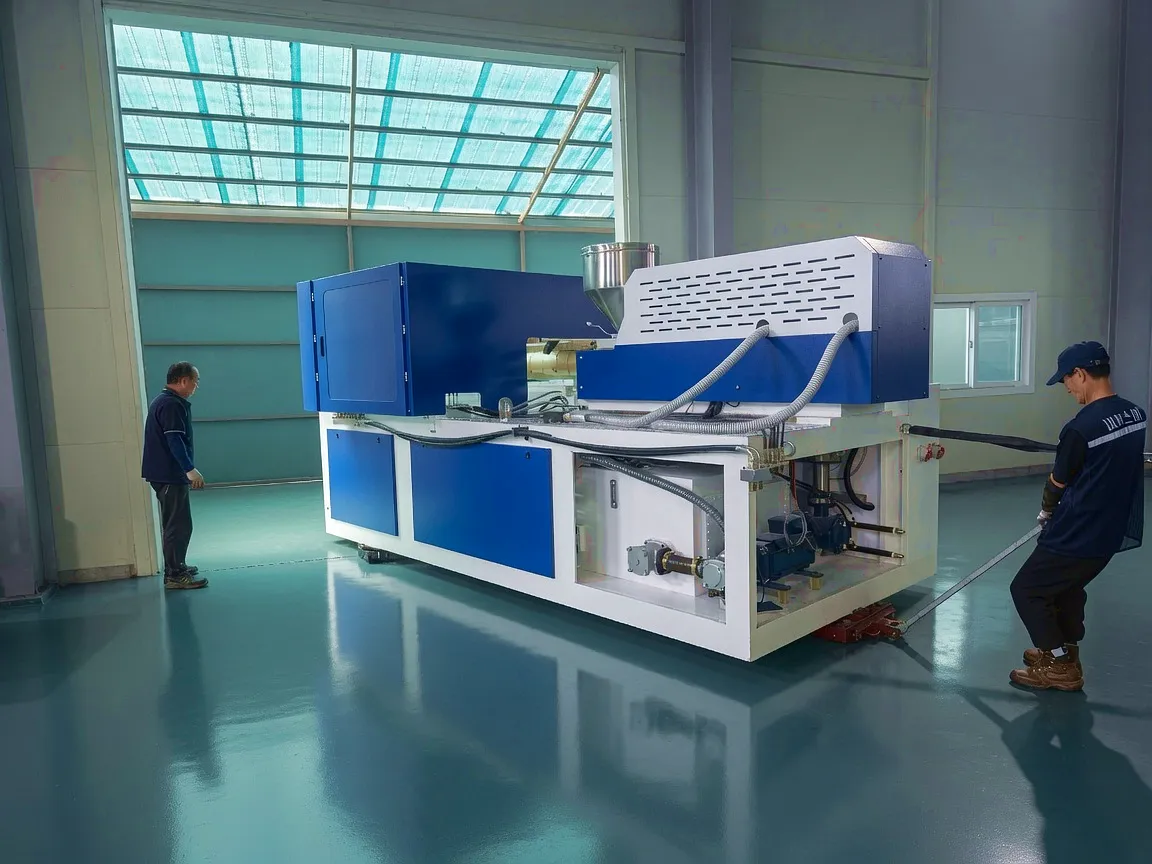
The injection blow molding machine operates on a rotary index table principle, with three or four stations performing sequential operations on each set of core pins simultaneously. Understanding this mechanical logic is essential for evaluating machine specifications and projecting production economics. Station One is the injection station, where molten polymer — plasticised in a reciprocating screw extruder barrel — is injected into a precision injection cavity around the core pins. The molten polymer conforms exactly to the injection cavity geometry, producing a preform called a parison that already incorporates the container’s finished neck dimensions. This is the critical point: unlike EBM, where neck dimensions are formed during blow moulding, IBM creates the neck finish in the injection phase, yielding the high dimensional accuracy that defines the process.
Station Two is the blow moulding station. The parisons — still on their core pins and retained at a carefully controlled temperature — index to the blow moulds, which close and seal around them. Compressed air is introduced through the core pin at pressures typically between 0.6 and 1.2 MPa, inflating the parison to conform precisely to the blow mould cavity. The timing, pressure profile, and core pin temperature at this station are the key variables that determine wall thickness distribution and surface quality. Station Three is the stripping station, where cooled, finished containers are removed from the core pins by stripper plates and discharged to a conveyor. On four-station machines, an additional conditioning station between injection and blow provides independent temperature control of the parison, enabling processors to optimise crystallinity and mechanical properties independently of cycle time constraints.
💉
Station 1 — Injection
Molten polymer injected around core pins in precision cavity. Neck finish formed to final tolerance. Barrel temperature: 160°C–280°C depending on resin.
💨
Station 2 — Blow
Blow moulds close on conditioned parisons. Air pressure (0.6–1.2 MPa) inflates to cavity shape. Wall distribution determined by parison temperature profile.
✅
Station 3 — Stripping
Cooled containers stripped from pins. No flash, no trimming. Parts exit dimensionally complete. Output rates: 2,000–18,000 containers/hour depending on cavitation.
Wall Thickness Uniformity Control and Preheating Temperature Management
Wall thickness uniformity is the primary performance metric for evaluating an injection blow molding machine’s output quality, and it is determined by a complex interplay of core pin temperature, injection cavity temperature, melt temperature, hold pressure, cooling time, and blow pressure. In well-configured IBM equipment, wall thickness variation across a container’s body should not exceed ±8% of the nominal target thickness — a standard routinely achieved by modern servo-driven machines with closed-loop temperature control. Achieving this requires precise management of the preheating temperature curve for both the injection barrel and the blow mould tooling.
For polypropylene — the most common resin in UK pharmaceutical and personal care IBM applications — the injection barrel temperature typically follows a rising profile from hopper to nozzle: Zone 1 (rear barrel) operates between 160°C and 180°C for drying and initial plasticisation; Zone 2 (mid barrel) between 200°C and 220°C; Zone 3 (front barrel) between 215°C and 235°C; and the nozzle between 220°C and 240°C. The core pin temperature is typically maintained between 10°C and 30°C using internal water cooling circuits, which quenches the inner surface of the parison and establishes the crystallisation gradient that governs final container properties. Blow mould temperatures are generally held between 5°C and 25°C to promote rapid surface cooling and part release. Deviation of more than ±2°C in any zone produces measurable changes in wall distribution, which is why modern IBM machines from reputable suppliers incorporate PID-controlled barrel heating with thermocouples at multiple points, chilled water circuits with flow monitoring, and alarm systems that flag out-of-tolerance conditions before they generate scrap.
Mould Design and Bottle Geometry Optimisation for IBM Applications
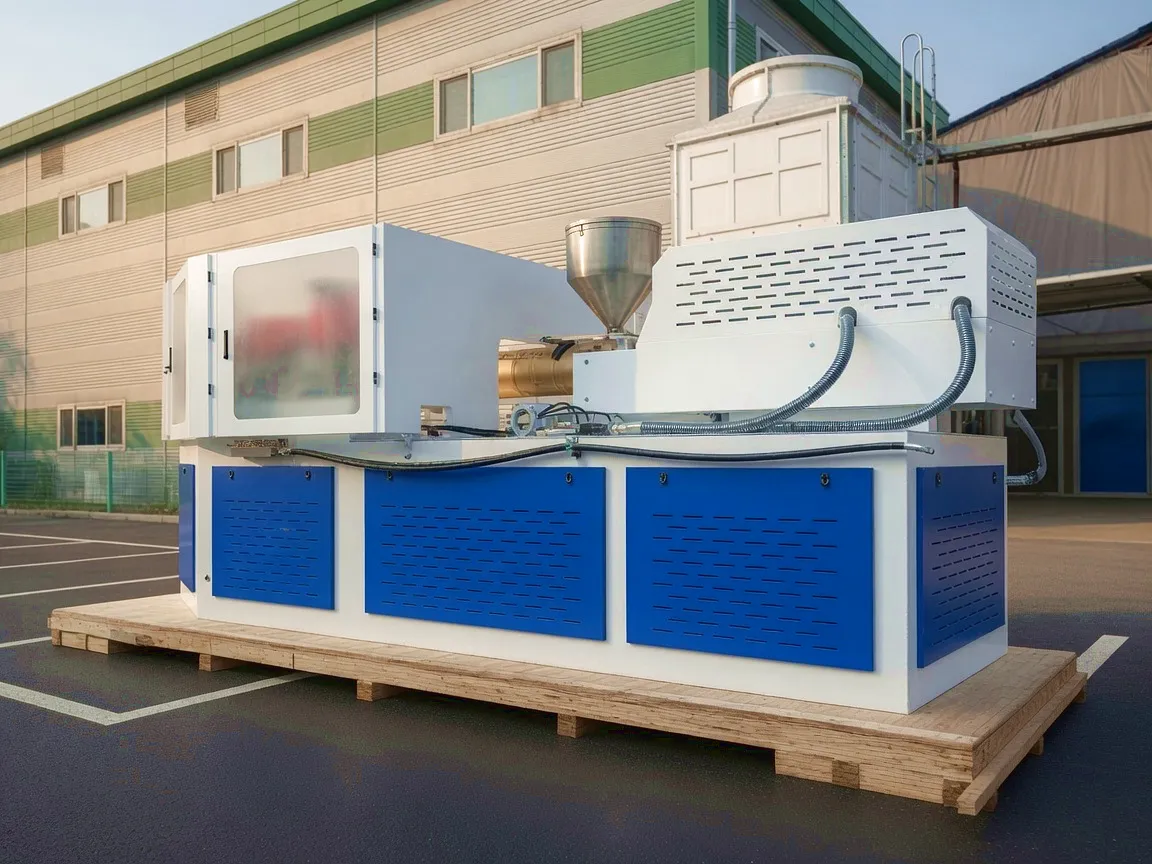
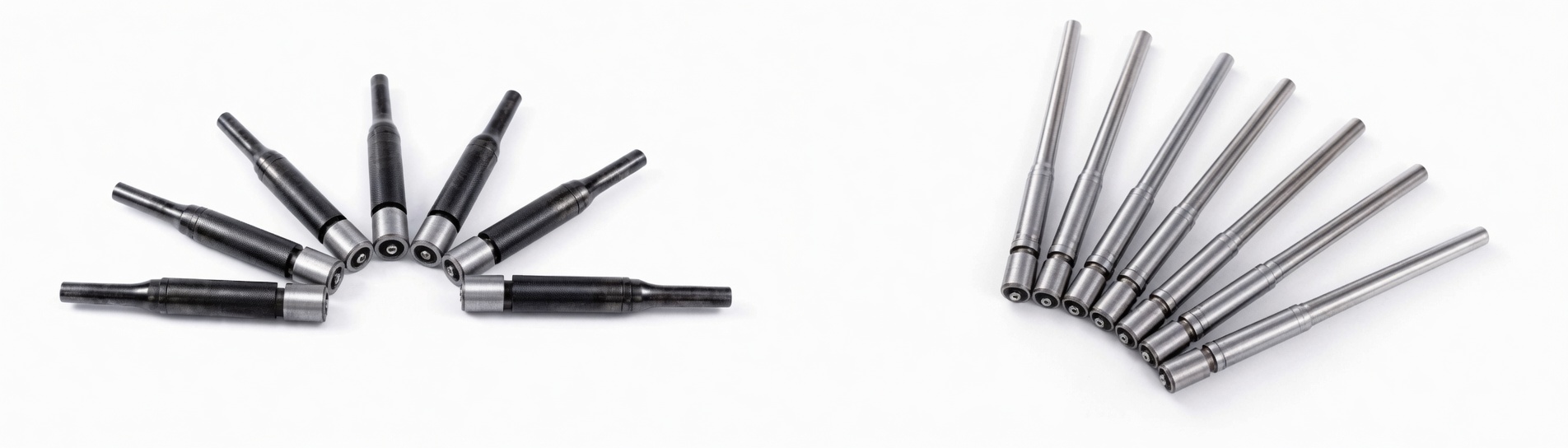
The tooling system on an injection blow molding machine comprises three primary tool sets: the injection cavity, the core pin assembly, and the blow mould cavity. Each is a precision engineering artefact, and the quality of tooling is often the determining factor in production economics over a machine’s operational life. Injection cavities for IBM are typically machined from pre-hardened P20 steel for standard applications or from H13 tool steel for high-volume, abrasive-resin applications. Surface finish requirements are stringent — injection cavities are typically polished to Ra 0.1 μm to minimise drag and ensure the parison releases cleanly during indexing. Core pins are manufactured from hardened stainless steel or beryllium copper, the latter offering thermal conductivity approximately four times higher than stainless steel, enabling faster cooling cycles and consequently higher output rates.
Blow mould cavity design for IBM is governed by different principles than injection mould design. Because the parison arrives at the blow station at a controlled temperature and uniform thickness, the blow mould’s primary function is shape definition and surface quality imparting, rather than the complex filling dynamics of injection moulding. The critical design parameters are blow-up ratio (typically 2:1 to 4:1 for IBM applications), parting line location (which must not conflict with label panels or handling surfaces), corner radii (minimum 0.5 mm to prevent wall thinning at transitions), and venting provision (0.01–0.02 mm depth peripheral vents are standard). For pharmaceutical bottles, the blow mould cavity interior is frequently treated with nickel or chrome plating to resist the abrasive effect of pigmented resins and to achieve the mirror finish required for inspection optics. UK pharmaceutical packaging converters, particularly those supplying NHS-specification containers, routinely require mould qualification documentation including cavity dimension reports, surface finish certificates, and steel hardness records.
IBM Machine Technical and Performance Specifications Table
The following specification table provides reference ranges for industrial IBM equipment in the class supplied by Ever Power. Actual values depend on specific model, cavitation, and resin type. Procurement teams should request machine-specific data sheets and, where possible, validate output quality on production-grade tooling before accepting equipment.
| Specification | Small / ZQ40 Class | Medium / ZQ60 Class | Large / Production |
|---|
| Injection Capacity (g) | 80–180 g | 200–400 g | 500–1,200 g |
| Clamping Force (kN) | 250–500 kN | 600–1,000 kN | 1,200–2,500 kN |
| Blow Air Pressure (MPa) | 0.6–1.0 MPa | 0.6–1.2 MPa | 0.8–1.6 MPa |
| Screw L:D Ratio | 20:1 | 22:1 | 24:1 |
| Cycle Time (s) | 5–12 s | 8–18 s | 12–30 s |
| Number of Cavities | 2–6 | 4–12 | 8–24 |
| Wall Thickness Tolerance | ±0.05 mm | ±0.05 mm | ±0.08 mm |
| Drive System | Servo-hydraulic | Servo-hydraulic / All-electric | Servo-hydraulic |
| Barrel Temperature Zones | 4 zones | 5–6 zones | 6–8 zones |
| Installed Power (kW) | 18–35 kW | 40–75 kW | 80–160 kW |
| Mould Material (Standard) | P20 / H13 Tool Steel | P20 / H13 / BeCu | H13 / BeCu inserts |
Key Technical Advantages of Injection Blow Molding Machines in Production Applications
Across the industries where IBM has established itself — pharmaceutical packaging in the East Midlands, personal care bottling in the South East, and specialist food-grade containers for northern England co-packers — the technology’s advantages are consistent and well-documented.
🎯
Flashless Production
No flash removal, no secondary trimming operations. Finished containers exit the machine ready for filling and labelling. Material waste is essentially zero relative to EBM, which generates 5%–15% flash by weight. For high-value resins such as medical-grade PP or USP Class VI HDPE, this difference directly impacts material cost per unit.
📐
Superior Neck Finish Accuracy
Injection-formed neck dimensions to tolerance within ±0.05 mm enable reliable high-speed capping on automated lines. This precision is particularly critical for pharmaceutical dispensing containers and personal care pump bottles where closure fit directly affects product integrity and regulatory compliance.
♻️
Multi-Resin Versatility
IBM processes PP, HDPE, PET, PC, PETG, and TPE without major tooling changes. A single machine with appropriate barrel, screw, and core pin configurations can serve pharmaceutical, cosmetic, and food packaging applications, maximising equipment utilisation across a converter’s product portfolio.
⚡
Energy Efficiency
Modern servo-driven IBM machines consume 30%–50% less energy per kilogram of processed resin than comparably sized hydraulic-only machines from a decade ago. For UK manufacturers facing elevated energy tariffs, servo motor drives on injection, clamping, and indexing axes deliver measurable cost reductions that accumulate substantially over multi-shift production schedules.
🔬
Pharmaceutical-Grade Cleanliness
The closed, one-step IBM process — with no open parison exposure to ambient contamination — is inherently compatible with clean room environments. Modern IBM machines are configurable with stainless steel guard panels, HEPA-filtered air supplies, and clean room-rated lubrication systems, making them suitable for GMP-compliant pharmaceutical manufacturing facilities across the UK.
🔧
Rapid Changeover Capability
Modern IBM machines with quick-change tooling systems achieve mould changeovers in under two hours, enabling JIT production scheduling and SKU flexibility. This is a decisive advantage for UK contract packagers handling multiple clients across pharmaceutical, cosmetic, and food categories, where production planning increasingly demands small-batch agility alongside high-volume efficiency.
Industrial Application Scenarios for Injection Blow Molding Machines
💊
Pharmaceutical Packaging — NHS-Specification Bottles
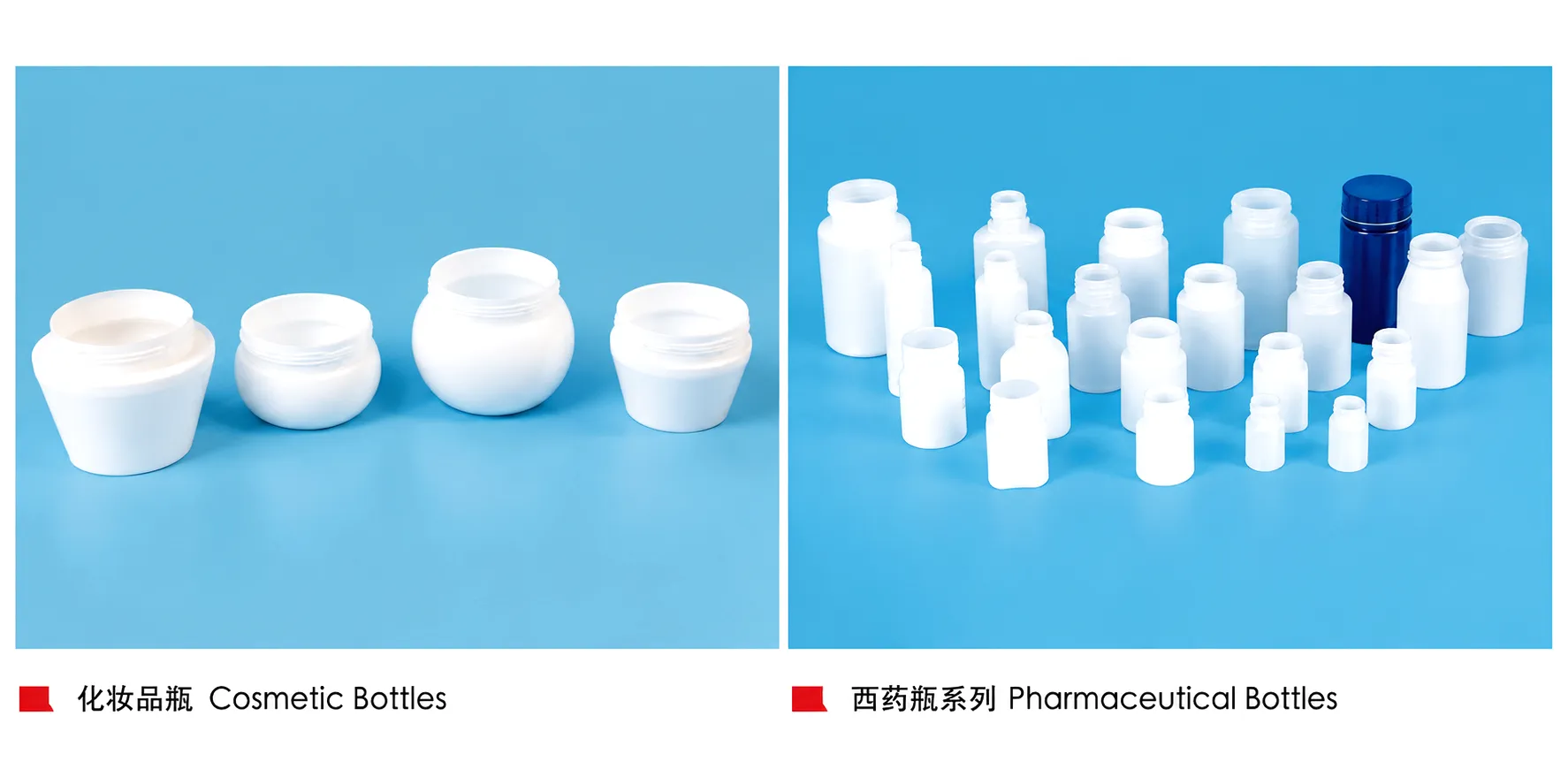
IBM is the dominant technology for pharmaceutical liquid dosage form containers — eye drops, oral suspensions, antiseptic solutions, and vitamin supplements. UK pharmaceutical packaging converters supplying the NHS distribution network, as well as contract manufacturers in the East Midlands manufacturing corridor between Leicester and Nottingham, rely on IBM for its dimensional consistency, flashless output, and compatibility with MHRA GMP documentation requirements. Typical products include 5 mL–100 mL HDPE bottles with child-resistant closures, PP oral dosing bottles with graduated markings, and amber glass-substitute PET containers for light-sensitive formulations.
🧴
Personal Care and Cosmetics — Precision Pump Bottles
The personal care and cosmetics sector in the UK — centred around West Yorkshire and Greater Manchester — sources IBM-produced containers for premium skincare serums, shampoo, conditioner, and body lotion packaging. The injection blow molding machine is the preferred choice for containers with complex shoulder geometries, narrow necks for pump fitment, and high-gloss surface requirements. Cosmetic brands supplying major UK retailers on tight lead times require neck finish accuracy that ensures pump or lotion-dispenser assemblies fit without gaps or wobble — a specification that only IBM consistently achieves at high cavitation and speed.
🍶
Food-Grade Packaging — Condiments and Specialty Liquids
Food-grade IBM applications in the UK include condiment bottles, honey containers, specialty oil dispensers, and gourmet sauce bottles sold through premium retail channels. IBM’s flashless, single-step process ensures food-contact surfaces are never exposed to ambient contamination during production. For manufacturers distributing through major UK grocery retailers who require detailed material compliance documentation — including FDA 21 CFR and EU 10/2011 food contact migration test records — IBM tooled in food-grade PP or HDPE provides the compliance framework and traceability that EBM cannot easily match.
🧪
Industrial Chemicals and Agrochemicals — Precision Dispense Containers
UK agrochemical manufacturers in the East Anglia agricultural processing cluster and industrial chemical packagers in the Sheffield area use IBM-produced HDPE containers for precision dispensing of concentrated formulations. These applications demand chemical resistance, dimensional stability under UV and thermal cycling, and accurate neck geometries that ensure tamper-evident closure fitment. IBM’s ability to produce HDPE containers with certified wall thicknesses meeting UN 3H1 transport regulations makes it the natural technology for chemical containment applications subject to Chemicals (Hazard Information and Packaging) Regulations.
IBM Machine Troubleshooting: Common Faults, Root Causes, and Corrective Actions
Even well-maintained injection blow molding machines encounter production faults. The table below covers the most frequently encountered defects in IBM production, their primary root causes, and the standard corrective actions that experienced process engineers apply. Having this reference available to shift technicians reduces troubleshooting time and minimises scrap generation during fault recovery.
| Defect | Primary Root Cause | Corrective Action |
|---|
| Uneven wall thickness | Non-uniform parison temperature; core pin misalignment; inconsistent cooling flow | Check cooling water flow rate and temperature; verify core pin concentricity; audit barrel zone temperatures against set points |
| Surface splay/silver streaks | Resin moisture; melt temperature too high; screw back-pressure too low | Verify resin pre-drying (PP: 4h at 80°C; PET: 4–6h at 120°C); reduce nozzle temperature by 5°C increments; increase back pressure |
| Short shot / incomplete parison | Injection shot weight too low; nozzle cold slug; check valve wear | Increase injection shot weight by 2%–3%; increase nozzle heat; inspect and replace check ring if worn |
| Container fails drop test | Insufficient wall thickness at base knit line; parison temperature too high at blow | Review core pin cooling efficiency; reduce parison temperature by 5°C; adjust blow pressure upward; check base mould cooling |
| Neck flash / overflow at parting | Mould parting surfaces worn; clamping force insufficient; injection hold pressure too high | Inspect mould parting surfaces; increase clamp tonnage; reduce hold pressure; check mould venting |
| Part sticking in blow mould | Mould temperature too high; insufficient cooling time; poor surface finish/venting | Reduce mould water temperature; extend cooling segment by 0.5 s increments; clean and re-polish mould cavity; check vent depth |
Energy Consumption Optimisation and Retrofit Strategies for IBM Production Lines
Energy costs represent between 8% and 18% of total operating cost on a typical IBM production line, depending on energy tariff, machine age, and product mix. For UK manufacturers facing wholesale electricity prices that have remained elevated since 2022, optimising the energy performance of injection blow molding equipment is both a financial imperative and a sustainability requirement. The most impactful single intervention available to operators of existing IBM equipment is drive system retrofit — replacing fixed-displacement hydraulic pump motors with variable-speed servo drives. This modification alone typically reduces energy consumption by 30%–45%, with payback periods of 18–36 months at current UK industrial electricity prices.
Barrel insulation is a lower-cost intervention with surprisingly significant impact. Heat loss from uninsulated injection barrels accounts for 12%–20% of total heating energy on older machines. Retrofitting insulated barrel jackets reduces this loss to under 4%, lowering both energy consumption and ambient heat output in the production environment — a meaningful factor for UK plants that rely on natural ventilation rather than mechanical HVAC in summer months. Chiller system optimisation — adjusting cooling water setpoints to the minimum temperature that achieves target cycle times, rather than running at a fixed low temperature year-round — can deliver additional energy savings of 8%–15% on the cooling circuit. Modern IBM machines from reputable suppliers incorporate all these efficiency measures as standard: servo drives on all hydraulic axes, insulated barrel assemblies, and variable-speed chiller control integrated with the machine PLC.
Ever Power Featured IBM Products: European-Standard Injection Blow Molding Machines
Ever Power’s European-series IBM machines are engineered to the dimensional and performance standards expected by UK and European pharmaceutical, cosmetic, and food packaging manufacturers. Both models below carry CE marking and are supplied with full technical documentation packages suited to GMP qualification processes.
The ZQ60 is Ever Power’s mid-range European-standard IBM platform, designed for medium-to-high volume pharmaceutical, personal care, and food packaging production. With a clamping force of 600 kN and support for cavitation up to 12 cavities, the ZQ60 delivers output rates that meet the throughput demands of dedicated container production facilities. Servo-hydraulic drive architecture, six independent barrel temperature zones, and integrated PLC process monitoring make the ZQ60 suitable for GMP-compliant pharmaceutical manufacturing. The machine’s compact footprint accommodates installation in constrained UK production facilities without compromising accessibility for mould change and maintenance operations.
View ZQ60 Specifications →
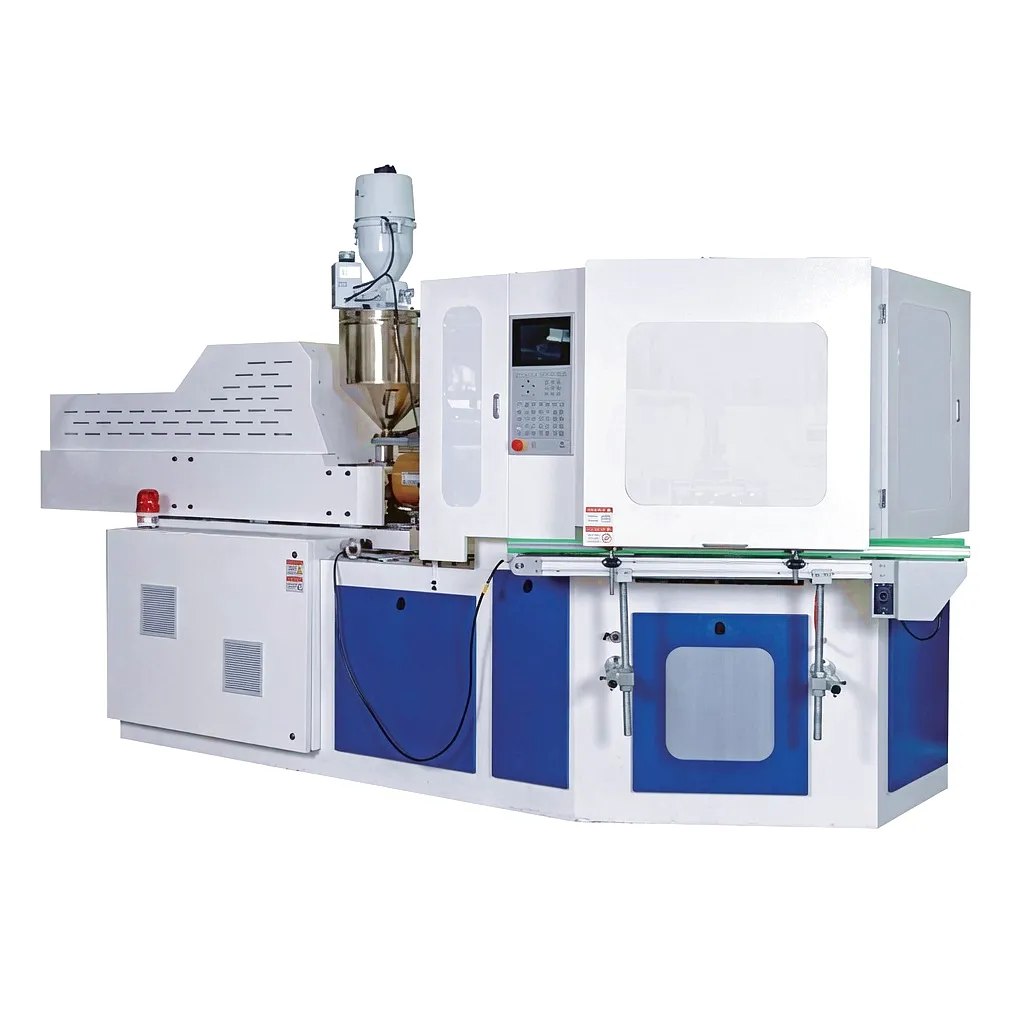
The ZQ40 is Ever Power’s entry-level European-standard injection blow molding machine, purpose-built for specialty and precision small-to-medium container applications. Operating at clamping forces up to 400 kN with 2–6 cavity configurations, the ZQ40 is the machine of choice for specialist container producers requiring the highest wall thickness accuracy and surface quality at moderate output rates. The ZQ40 is particularly well-suited to pharmaceutical dosing containers, specialist cosmetic bottles, and technical precision containers in the 5 mL–250 mL range. Its compact, accessible design makes it straightforward to commission and validate, with full IQ/OQ documentation packages available on request for GMP customers.
View ZQ40 Specifications →
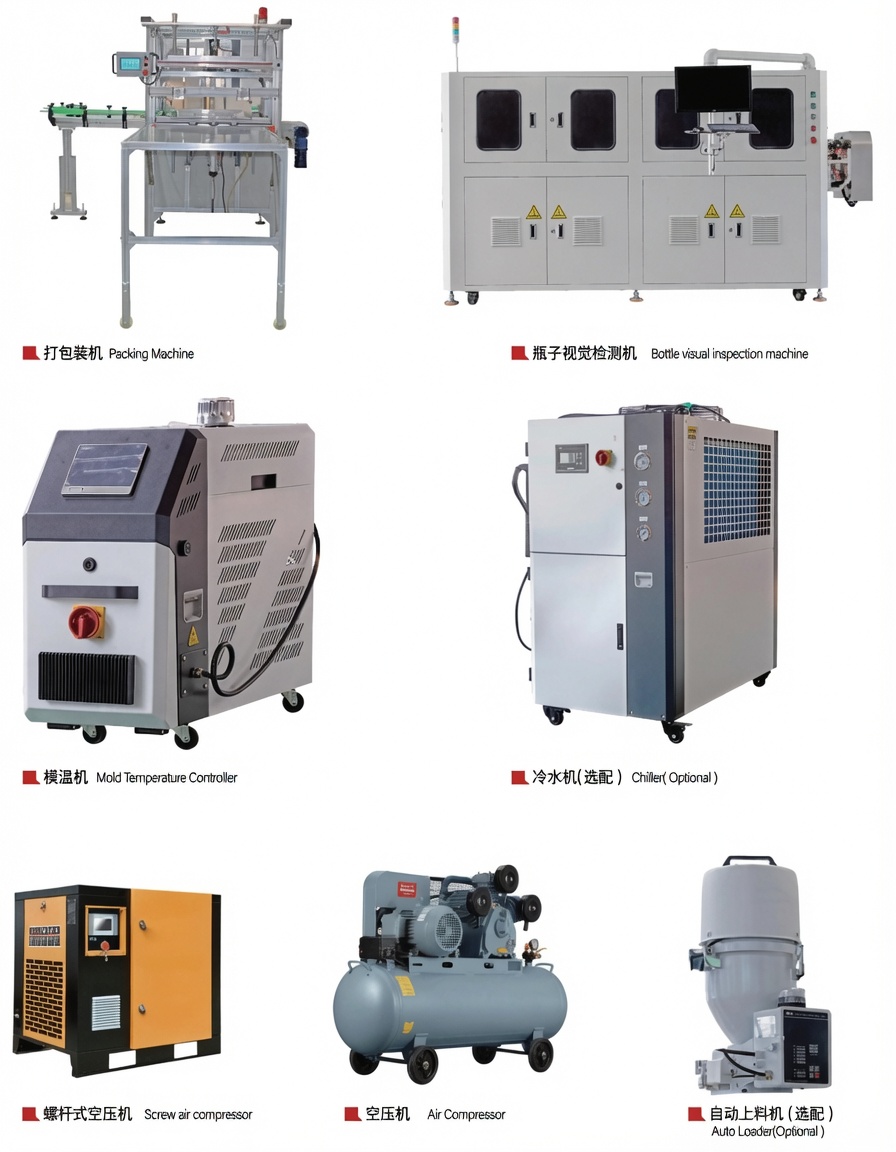
IBM Auxiliary Equipment and Complete Production Line Overview
A complete IBM production system encompasses significantly more than the blow molding machine itself. Auxiliary equipment — resin drying, temperature control units, chilled water systems, conveying, and quality inspection — is integral to achieving specification output consistently across multi-shift production schedules.
Ever Power Manufacturing Capability: Precision Engineering and Custom IBM Solutions
Ever Power’s injection blow molding machine manufacturing facility operates across a purpose-built production campus housing advanced CNC machining centres, precision coordinate measurement labs, and dedicated assembly and testing bays for IBM equipment. The manufacturing operation is built around a philosophy of in-house mastery: critical components — injection barrels, screw assemblies, core pin sets, hydraulic manifolds, and machine base structures — are machined and assembled internally rather than outsourced, enabling the quality control traceability that pharmaceutical and cosmetics customers increasingly require in their equipment qualification documentation.
Ever Power’s customisation capability is a defining differentiator. Unlike catalogue-only suppliers, Ever Power’s engineering team engages directly with customers at the specification stage to configure machines and tooling systems around specific container designs, resin grades, and production volume targets. Custom configurations routinely undertaken include non-standard cavitation counts, modified core pin geometries for complex container profiles, specialist barrel and screw configurations for engineering resins, clean room-grade machine enclosures for GMP applications, and integrated vision inspection systems for automated quality monitoring. Customers based in the UK benefit from Ever Power’s established logistics partnerships, with equipment typically delivered under DDP terms to site, with commissioning support provided by Ever Power engineers on-site in the UK.
Ever Power’s supply chain for IBM tooling operates on lead times that compare favourably with European tooling suppliers, with standard injection cavity and blow mould sets available in 8–12 weeks from drawing approval. For time-critical projects — particularly those in the NHS packaging supply chain where delivery deadlines are fixed by tender agreements — Ever Power offers expedited tooling programmes with dedicated machining allocation and weekly progress reporting. Post-commissioning support is provided through a dedicated UK technical liaison, with remote diagnostics access to machine PLCs and direct telephone support from process engineers who have direct IBM machine operating experience.
Customer Success Story: Pharmaceutical Packaging Modernisation in Sheffield
Meridian Pharma Packaging Ltd, a contract packaging manufacturer based in Sheffield’s advanced manufacturing corridor, had operated three ageing hydraulic IBM machines for over fourteen years. By 2023, the facility faced a convergence of pressures that made the status quo untenable: rising maintenance costs on the legacy machines (averaging £48,000 annually across the three units), increasing rejection rates on NHS-specification bottles due to wall thickness variation on worn tooling, and new customer requirements specifying energy consumption benchmarks that the old equipment could not meet. The company’s technical director began evaluating replacement injection blow molding machine options in early 2024, with requirements including minimum 8-cavity configuration, CE compliance, GMP-qualification documentation, and a supplier capable of delivering UK site support within 48 hours of a breakdown notification.
After a three-month evaluation process that included factory visits and production trials, Meridian Pharma selected two Ever Power ZQ60 IBM machines with custom-configured 10-cavity tooling for their primary product range — 30 mL, 60 mL, and 100 mL PP pharmaceutical liquid containers. Ever Power’s engineering team worked directly with Meridian Pharma’s process engineers to specify core pin dimensions, barrel temperatures, and blow pressure profiles validated against the company’s existing container drawings. Tooling was delivered in ten weeks from drawing approval; full commissioning and initial batch validation was completed over four days on site in Sheffield, with Ever Power engineers present throughout. The two ZQ60 machines replaced all three legacy units, achieving the same total cavitation with a 38% reduction in installed electrical load and a scrap rate below 0.8% — down from 4.2% on the old equipment.
Within six months of commissioning, Meridian Pharma reported annual energy savings of approximately £31,000 at their Sheffield rate, elimination of the flash trimming operation that had previously required two FTE operators per shift, and successful qualification of the new machines under MHRA GMP standards with full IQ/OQ documentation provided by Ever Power. The investment delivered a projected payback period of under four years, and the company subsequently contracted Ever Power to supply tooling for two additional container ranges in 2025.
★★★★★
“The wall thickness consistency we achieved with Ever Power’s ZQ60 machines was genuinely transformative for our NHS supply qualification. We went from managing rejection disputes with customers to running three consecutive qualification batches at first attempt. The technical support during commissioning was exceptional — experienced engineers who had actually operated IBM machines, not just read the manual.”
Technical Director, Meridian Pharma Packaging Ltd
Sheffield, South Yorkshire
★★★★★
“Ever Power’s customisation service was what decided the contract for us. We needed a non-standard core pin geometry for a specialist dispensing nozzle bottle, and they handled the engineering development professionally and within our timeline. The IQ/OQ documentation package was thorough enough that our QA team approved it without a single query — something we have never experienced with other equipment suppliers.”
Quality Assurance Manager, Pharmaceutical Contract Manufacturer
East Midlands, UK
★★★★★
“The energy figures on the ZQ40 we commissioned last year have exceeded the quoted specification. At our Manchester facility we are running 41% lower energy consumption per thousand units compared to the previous machine, which at current tariffs represents significant monthly savings. The machine has also been extremely reliable — we have had less than six hours unplanned downtime in eleven months of operation, and remote support from Ever Power resolved most alerts before they required a shutdown.”
Production Manager, Personal Care Packaging Converter
Greater Manchester, UK
Frequently Asked Questions About IBM Equipment for UK Manufacturers
How much does an injection blow molding machine cost for a UK pharmaceutical packaging manufacturer, and what price range should I budget for?
Capital cost for industrial IBM equipment varies considerably by machine class, cavitation, and specification level. Entry-level machines in the ZQ40 class with 2–4 cavity tooling typically fall in the range of £80,000–£150,000 ex-works, while mid-range machines such as the ZQ60 with full pharmaceutical-spec tooling packages range from £150,000–£280,000 delivered and commissioned. Total cost of ownership over a 10-year operational life — including energy, maintenance, tooling replacement, and downtime cost — is often a more decisive evaluation metric than purchase price alone. UK buyers should also factor in port clearance, DDP delivery, and local commissioning costs when comparing international supplier quotations.
What is the difference between IBM and ISBM, and which blow molding process should I choose for PET bottle production in the UK?
IBM (Injection Blow Molding) is a three-station process where the parison is injected and then blown without stretching, producing containers with excellent neck accuracy and flashless finish but without biaxial orientation. ISBM adds a stretch rod that biaxially orients the PET polymer during blowing, dramatically improving barrier properties, drop resistance, and clarity. For PET water and beverage containers, ISBM is typically the correct choice because the enhanced barrier and mechanical properties justify the additional process complexity. For pharmaceutical, cosmetic, and specialty containers where neck dimensional accuracy and material versatility matter more than barrier performance, IBM in PP or HDPE is generally preferred. If you are unsure which process best matches your container specification, request an application engineering review from Ever Power.
Where in the UK can I find a reliable IBM machine supplier who offers on-site commissioning and technical support within Birmingham or the West Midlands?
Ever Power supplies injection blow molding machines to customers throughout the UK, including Birmingham, the West Midlands manufacturing belt, Sheffield, Leeds, Manchester, and London. All machine commissioning is conducted by Ever Power-trained engineers on site at the customer’s facility, regardless of UK location. UK customers also benefit from remote PLC diagnostics support and a dedicated technical liaison for post-commissioning process support. Contact
[email protected] to discuss site visit and commissioning arrangements for your specific UK facility.
How long does it take to get a custom IBM mould from a UK supplier, and what lead times should I expect when requesting a quote for specialist tooling?
Standard injection blow mould tooling sets for IBM machines typically require 8–12 weeks from drawing approval to delivery at the customer’s UK site. Complex cavity geometries or specialist materials (beryllium copper inserts, chrome or nickel plating) may extend this to 14–16 weeks. Ever Power offers expedited tooling programmes — with dedicated machining capacity allocation — for time-critical projects, with lead times as short as 6 weeks for standard container profiles. All tooling is supplied with dimensional inspection certificates and material certification.
Which blow molding machine technology is best for producing MHRA-compliant pharmaceutical containers in the UK at competitive price per unit?
IBM is the industry standard for MHRA-compliant pharmaceutical liquid packaging containers. Its flashless, single-step production eliminates post-moulding trimming operations that introduce contamination risk and dimensional variability. IBM’s inherently high neck finish accuracy is critical for child-resistant closure fitment compliance testing under EN ISO 8317. Cost per unit on modern servo-drive IBM machines with 10–12 cavity tooling is typically competitive with alternative processes once scrap rates, closure compatibility, and qualification documentation costs are included in the total cost comparison. Request a production cost model from Ever Power’s engineering team to evaluate against your specific container and volume requirements.
How do I get a fast quote from an IBM machine supplier who can deliver and install equipment in Sheffield or Yorkshire within a reasonable timeframe?
The quickest route to a firm IBM machine quotation is to email Ever Power at
[email protected] with your container drawing or specification, target annual production volume, resin type, and site location. Ever Power’s sales engineering team typically responds with preliminary pricing and lead time confirmation within 24–48 business hours. For customers in Sheffield, Leeds, or wider Yorkshire, Ever Power can arrange a site visit to assess installation requirements and utilities capacity as part of the pre-order technical review process.
Ready to Specify Your IBM Machine?
Talk to Ever Power’s engineering team about your container specification, production volume, and site requirements. We provide detailed technical proposals and production cost models tailored to UK manufacturing operations.
📧 [email protected] — Get Your IBM Machine Quote
edit by gzl