Evaluating IBM / ISBM Equipment for Your UK Facility?
Our engineers provide free process consultation and equipment matching for your production requirements.
The Fundamental Distinction: Geometry Is Everything
Produces solid or semi-solid parts with no internal void — gears, brackets, housings, electrical enclosures, handles, medical devices, and consumer electronics casings. Tolerances of ±0.05 mm are routine. Mould costs are higher upfront, but per-unit costs drop steeply at scale above approximately 10,000 units. The process supports a vast range of engineering thermoplastics including ABS, nylon, polycarbonate, PEEK, and glass-filled grades.
Produces hollow, thin-walled containers — bottles, jerricans, fuel tanks, HDPE drums, and medical vials — where wall thickness uniformity and internal volume accuracy matter far more than external dimensional precision. Material distribution across complex curved surfaces is the core engineering challenge, and it is one that injection molding is simply not designed to solve at commercial scale. Wall thicknesses of 0.3 mm to 4 mm are typical, and output rates per cavity can reach several hundred units per hour for small pharmaceutical vials.
The overlap between the two processes is narrower than product designers often assume. Where a design requires a container with a narrow neck, a wide body, and a hollow interior — think a cosmetic bottle, a sauce container, or a pharmaceutical dropper — blow molding is not just preferable, it is practically the only commercially viable option at volumes above a few thousand units per year. Injection molding can produce thin-walled tubs and open containers (yoghurt pots, for example), but closed hollow forms with constrained openings are the exclusive domain of blow molding and its variants.
Process Comparison: Blow Molding vs Injection Molding — Technical Parameters
| Parameter | Injection Molding | Extrusion Blow Molding (EBM) | Injection Blow Molding (IBM) | Inj. Stretch Blow Molding (ISBM) |
|---|---|---|---|---|
| Part Geometry | Solid / open hollow | Large hollow, irregular | Precise hollow, narrow neck | Biaxially oriented bottles |
| Typical Wall Thickness | 0.8 mm – 6 mm | 0.5 mm – 5 mm | 0.3 mm – 3.5 mm | 0.2 mm – 0.5 mm (PET) |
| Dimensional Tolerance | ±0.05 mm – ±0.15 mm | ±0.3 mm – ±1.0 mm | ±0.1 mm – ±0.3 mm | ±0.1 mm – ±0.25 mm |
| Key Materials | ABS, PC, PA, PEEK, POM | HDPE, PP, LDPE, PVC | PP, PE, PET, PETG | PET, PLA, rPET |
| Mould Cost (Relative) | High (£8,000 – £60,000+) | Medium (£5,000 – £25,000) | Medium-High (£10,000 – £40,000) | Medium (£8,000 – £35,000) |
| Output Rate (cavities/hr) | 500 – 3,000+ | 50 – 600 | 1,200 – 6,000+ | 2,000 – 12,000+ |
| Scrap / Flash | Low (sprue, runner) | High (pinch-off flash) | None (flash-free) | Minimal |
| Neck Finish Precision | N/A (solid) | Moderate | Excellent | Excellent |
| Best Application | Structural components | Drums, tanks, automotive | Pharma vials, cosmetic bottles | PET beverage, food, spirits |
Inside Blow Molding: EBM, IBM, and ISBM Compared
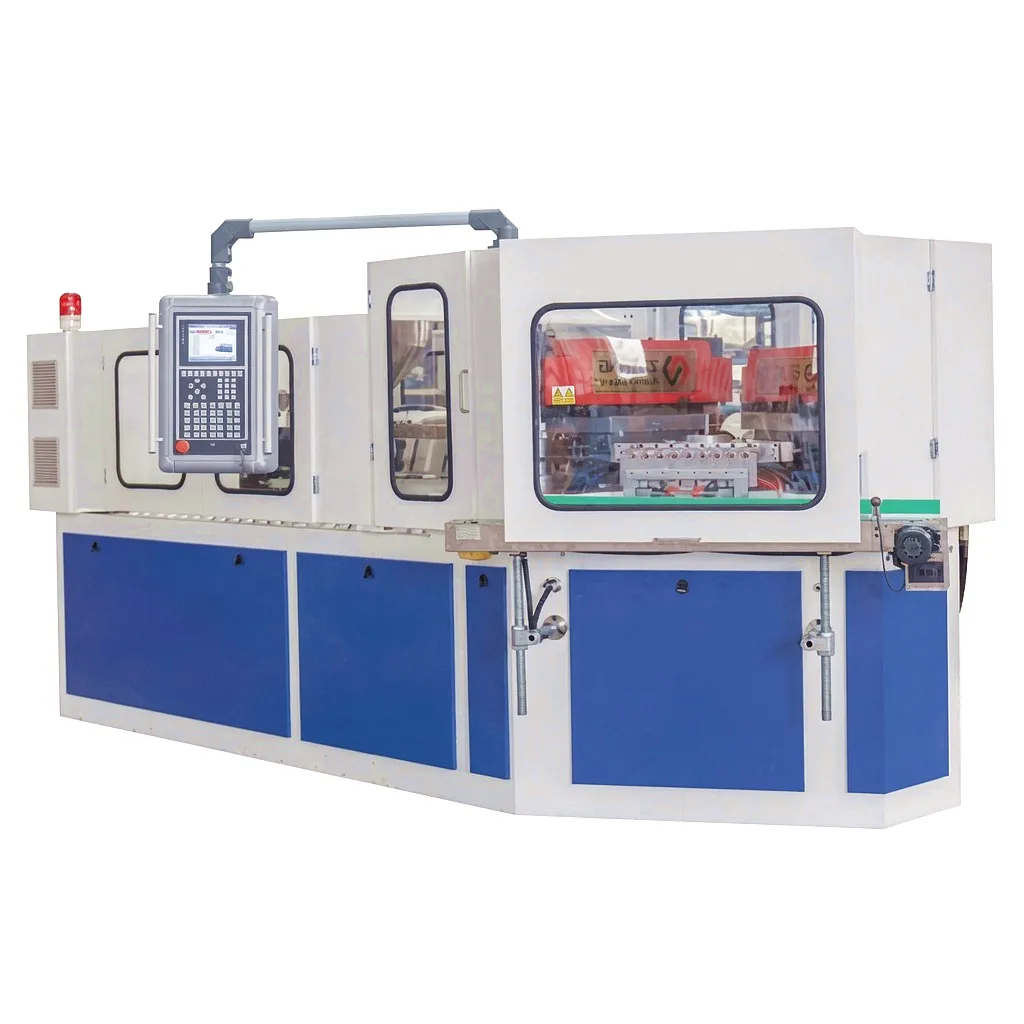
Injection Stretch Blow Molding (ISBM) adds a mechanical stretching rod to the IBM sequence, simultaneously elongating the preform axially while inflating it radially. This biaxial orientation aligns the polymer chains in two directions, substantially improving the resulting bottle’s barrier properties, tensile strength, and optical clarity compared to an unoriented equivalent. PET, the dominant material for ISBM, achieves oxygen and carbon dioxide barrier performance in the stretched state that is four to six times superior to the unstretched polymer — which is precisely why every PET beverage bottle in the UK and globally is produced by ISBM. Manchester-based beverage co-packers, Scottish whisky bottlers operating in Edinburgh and Speyside, and health drink startups across London rely on ISBM’s ability to produce visually clear, lightweight, high-strength bottles at commercial speeds exceeding 10,000 bottles per hour per production line.
Wall Thickness Uniformity and Preform Temperature Control
In both IBM and ISBM, achieving consistent wall thickness across the blown container is the central engineering challenge. Uneven wall distribution leads to weak points, poor container performance under drop impact, inconsistent fill volumes, and failed leak tests — any of which can result in product rejection at a UK retailer or failure to meet British Pharmacopoeia containment standards for pharmaceutical use.
The preform design is the primary determinant of final wall distribution. In ISBM, the preform’s wall thickness profile — typically graduated from a thicker base through a tapered body to the lightest section near the neck transfer — is engineered to account for the differential stretch ratios that different zones of the bottle will experience during blow. The axial stretch ratio (typically 2.5:1 to 3.5:1 for PET) and the hoop stretch ratio (typically 3:1 to 4:1) must multiply to a biaxial ratio within the material’s orientation window — for PET, this is between 8:1 and 12:1 combined.
< 60 °C
95 – 115 °C
105 – 120 °C
> 130 °C limit
Temperature uniformity across the preform circumference must be within ±2 °C to avoid spiral wall variation in the blown bottle. Infrared lamp arrays with individual zone control are standard on modern ISBM equipment.
Application Scenarios: When Each Process Wins
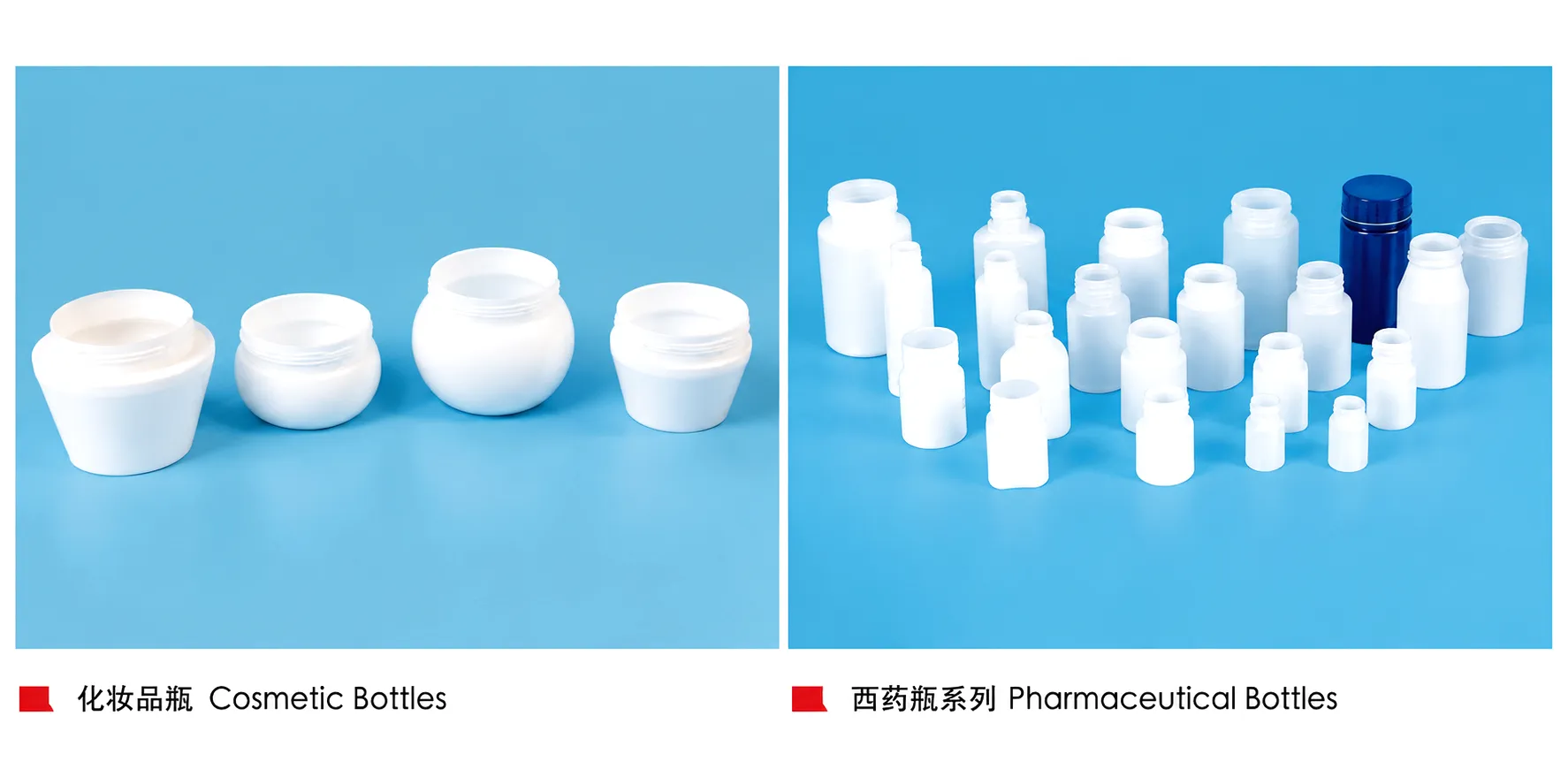
IBM is the standard for oral liquid bottles, eye drop vials, nasal spray bottles, and tablet counting containers in PP and PE. The flash-free neck finish eliminates particle generation — critical for British Pharmacopoeia compliance and GMP facility audits.
ISBM in PET dominates carbonated drink, water, juice, spirits, and condiment bottle production. UK co-packers in Manchester, Glasgow, and the East Midlands use high-cavity ISBM lines to produce 500 ml to 5 L PET bottles meeting FDA/EU food-contact standards.
Premium shampoo, lotion, and fragrance bottles — particularly those with complex asymmetric shoulder geometry — are IBM/ISBM applications. PETG provides glass-like clarity with impact resistance, supporting Leeds and Birmingham beauty brand requirements for shelf impact.
EBM in HDPE or co-extruded multilayer structures handles the UN-certified chemical containers, pesticide bottles, and lubricant packaging required by Sheffield, Teesside, and Humberside industrial distributors with chemical compatibility and stackability as primary requirements.
Mould Design and Bottle Geometry Optimisation
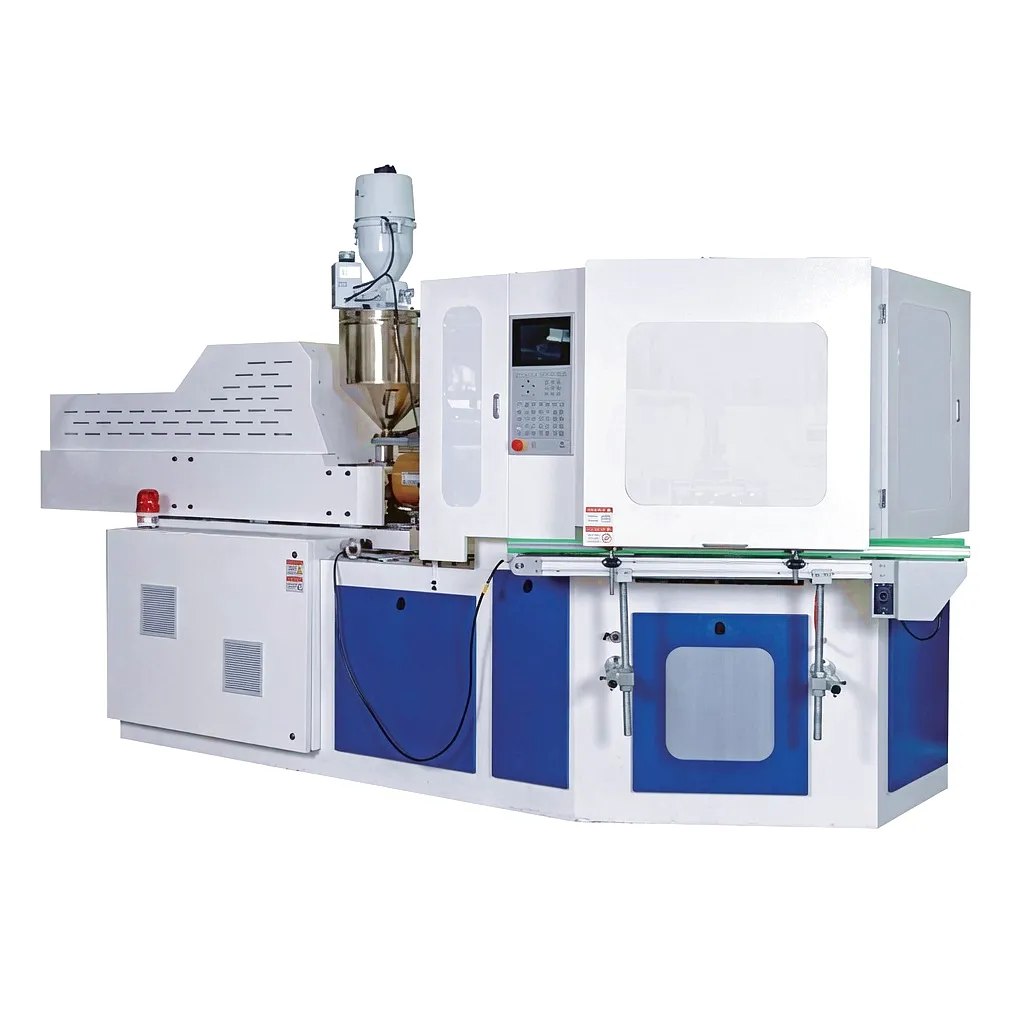
Blow mould cooling is the primary cycle time driver in both EBM and ISBM. Mould temperature must be controlled within ±1 °C across the cavity surface to prevent differential shrinkage that would create a lopsided or dimensionally inconsistent bottle. Conformal cooling channels — machined to follow the contour of the blow cavity rather than running in straight lines — can reduce cooling time by 20–35% compared to conventional straight-drilled cooling passages, directly improving machine output rate. Sheffield-based mould engineering specialists have invested significantly in conformal cooling capability for blow moulds serving UK food packaging customers, recognising the production efficiency gains available without changing the machine itself.
Common Troubleshooting: Blow Molding Process Defects and Corrective Actions
| Defect | Likely Cause | Corrective Action | Applicable Process |
|---|---|---|---|
| Uneven wall thickness | Non-uniform preform temperature; preform design mismatch | Remap heating lamp zones; revise preform wall profile | IBM, ISBM, EBM |
| Pearlescence / whitening | PET crystallisation from over-heating or stretch below Tg | Reduce heater output; verify preform temperature at blow entry | ISBM (PET) |
| Neck deformation | Excess neck zone heat; misaligned core pin transfer | Shield neck from IR lamps; check core pin concentricity | IBM, ISBM |
| Base sag / dropped base | Insufficient base cooling; over-thick base in preform | Increase base plate cooling flow; reduce base wall in preform | ISBM, EBM |
| Flash at parting line (EBM) | Worn pinch-off inserts; insufficient clamping force | Replace pinch-off blades; increase clamping pressure | EBM |
| Short shots (incomplete blow) | Insufficient blow pressure; partially blocked blow pin | Increase blow air pressure; inspect/clean blow pin orifice | All blow molding |
Energy Consumption and Sustainability Optimisation for UK Manufacturers
Energy cost is an acute concern for UK plastics manufacturers. Industrial electricity prices in Great Britain have been consistently among the highest in Western Europe, and the plastics processing sector is energy-intensive by nature. For blow molding operations, the three principal energy consumers are the plasticising screw and barrel system, the infrared preform heating array (in ISBM), and the compressed air system supplying blow pressure. Together these typically account for 70–85% of a blow molding machine’s total energy draw, making targeted efficiency improvements in these three areas the highest-return investment available.
Modern servo-hydraulic and all-electric IBM machines reduce energy consumption by 30–55% compared to conventional hydraulic machines operating at fixed pump displacement. The transition from constant-pressure hydraulics to servo-driven demand systems eliminates the continuous energy loss during mould-open and transfer dwell periods — historically the largest single waste source in hydraulic blow molding machines. For a typical UK factory running three IBM machines on a two-shift pattern, the shift from hydraulic to servo-electric drive can reduce annual electricity spend by £18,000 to £45,000 depending on machine size and local tariff, with payback periods of three to six years on the premium cost of servo equipment.
Servo-electric screw drive: −30 to −40% plasticising energy
Variable-speed compressor for blow air: −20 to −30% compressed air cost
Near-infrared (NIR) lamp arrays vs standard IR: faster heat transfer, lower dwell time
Blow air recovery systems: recapture 60–70% of blow pressure for pre-blow stage
Mould cooling circuit optimisation: reduces cycle time and cooling power simultaneously
The UK government’s Industrial Energy Transformation Fund (IETF) and the British Plastics Federation’s sustainability initiative have both highlighted blow molding as a key target sector for efficiency investment, given the sector’s scale and energy intensity. For UK manufacturers producing PET bottles, light-weighting — reducing preform weight while maintaining structural integrity through better biaxial orientation — is the single most impactful sustainability lever, as it reduces both raw material consumption and the energy required to heat and process each preform. Every gram saved per bottle multiplied across a production run of 50 million bottles per year represents a meaningful reduction in both carbon footprint and operating cost.
IBM Auxiliary Equipment and Production Systems
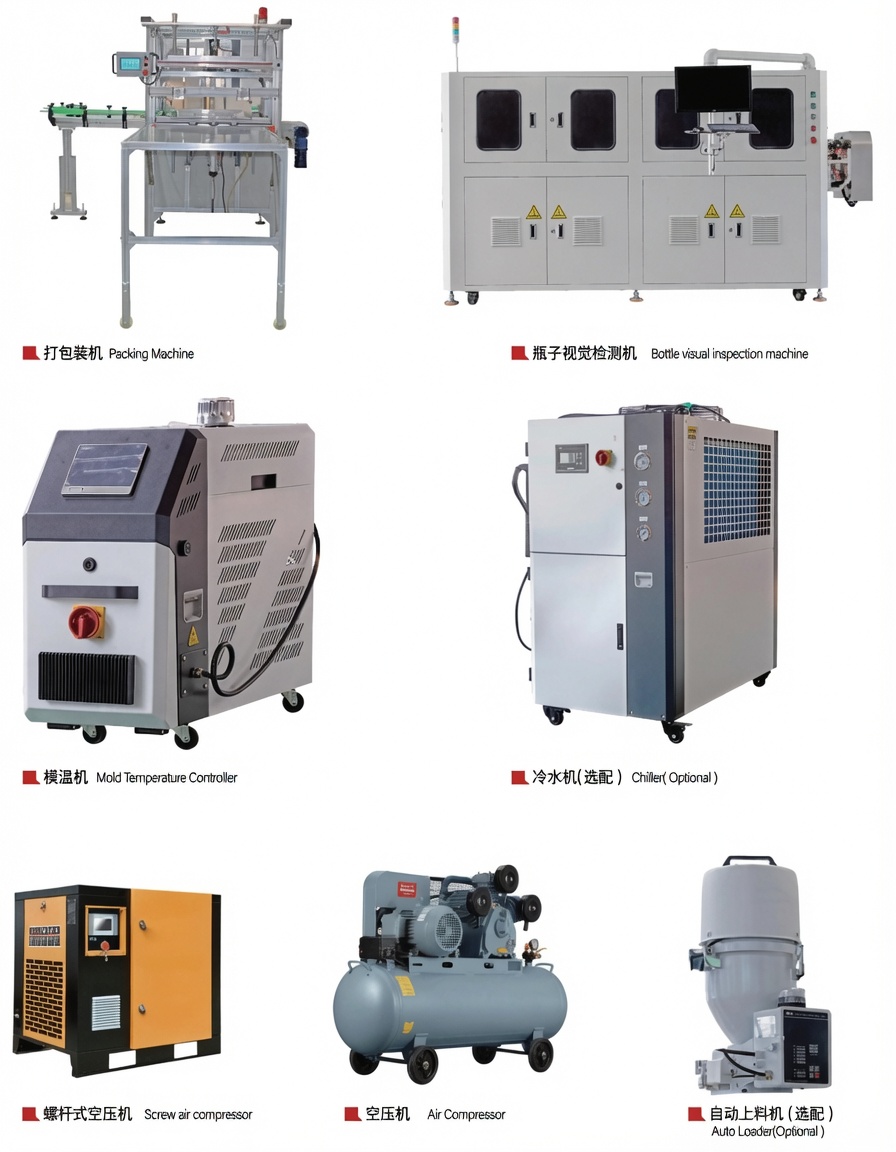
A complete IBM production system encompasses the core molding machine alongside temperature control units, chilled water circuits, compressed air dryers, material dryers (critical for PET hygroscopic resin), conveying systems, inline inspection cameras, and downstream labelling or filling integration. Getting this auxiliary equipment specification right — matched to the machine’s cycle time and throughput — is as important as the machine selection itself for achieving consistent, commercially viable output.
Ever Power Featured IBM Equipment
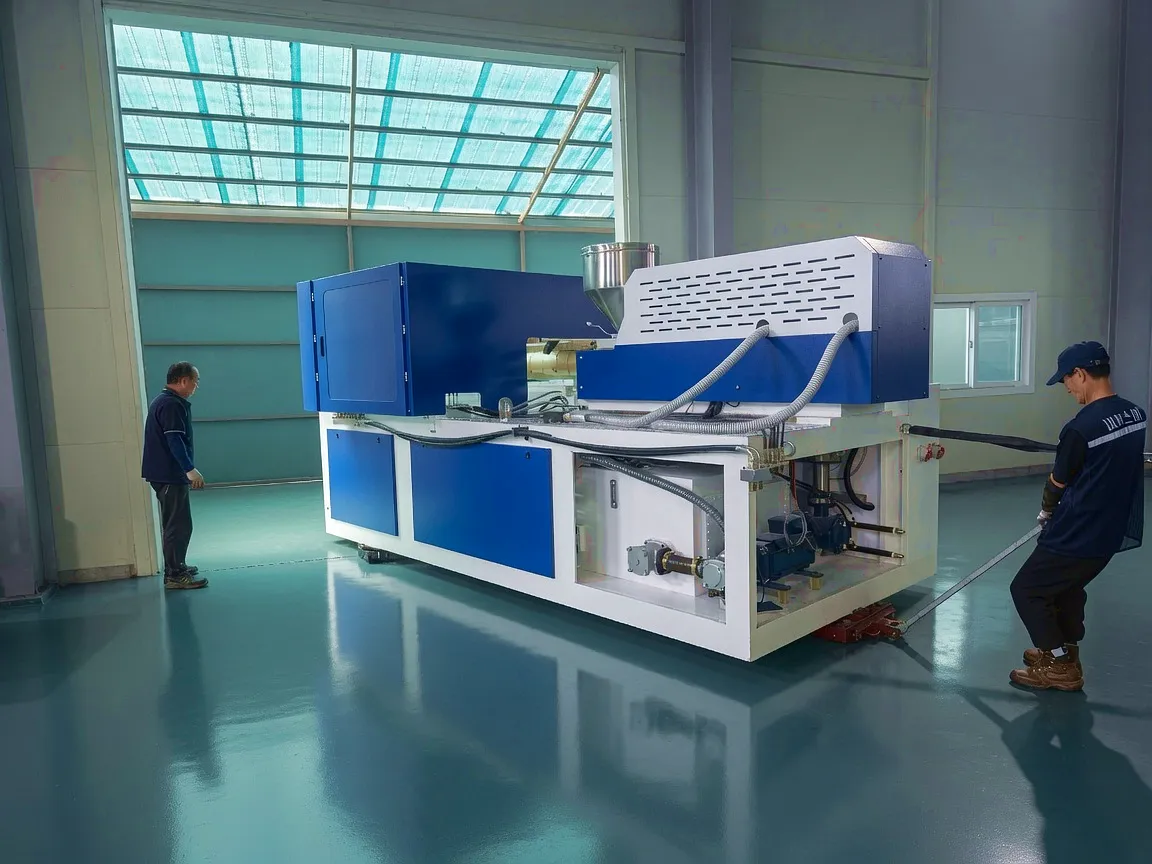
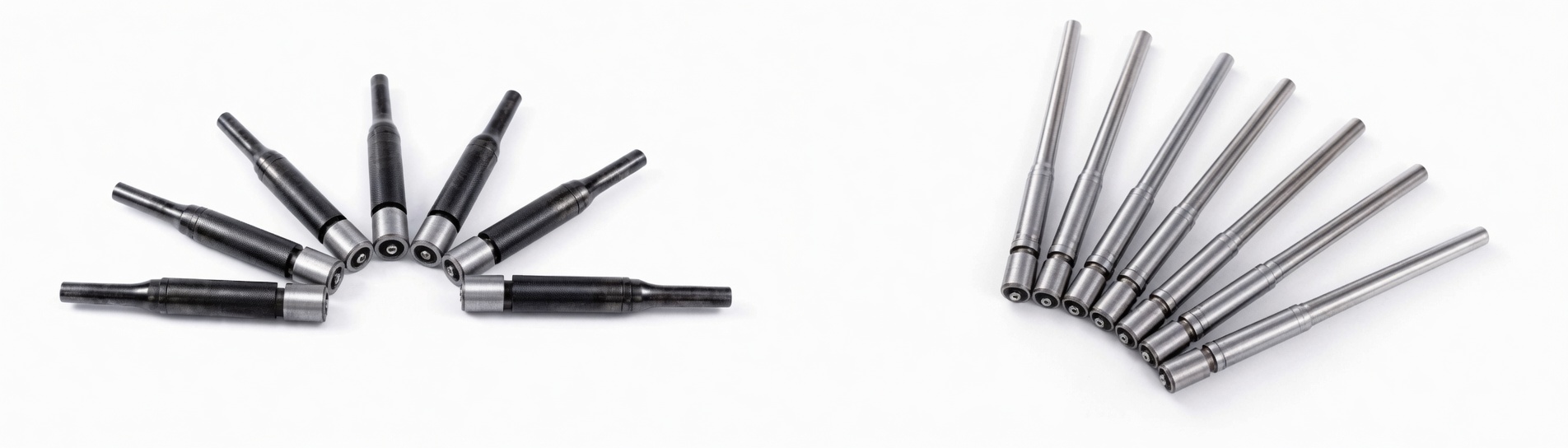
For UK manufacturers evaluating IBM equipment that meets European safety and performance standards, Ever Power’s ZQ series represents a proven choice in both pharmaceutical and consumer packaging applications. Both machines incorporate servo-hydraulic or all-electric drive options and are designed for compliance with CE marking requirements applicable to UK machinery imports post-2021.
Ever Power: Custom IBM Equipment Manufacturing and Supply Chain
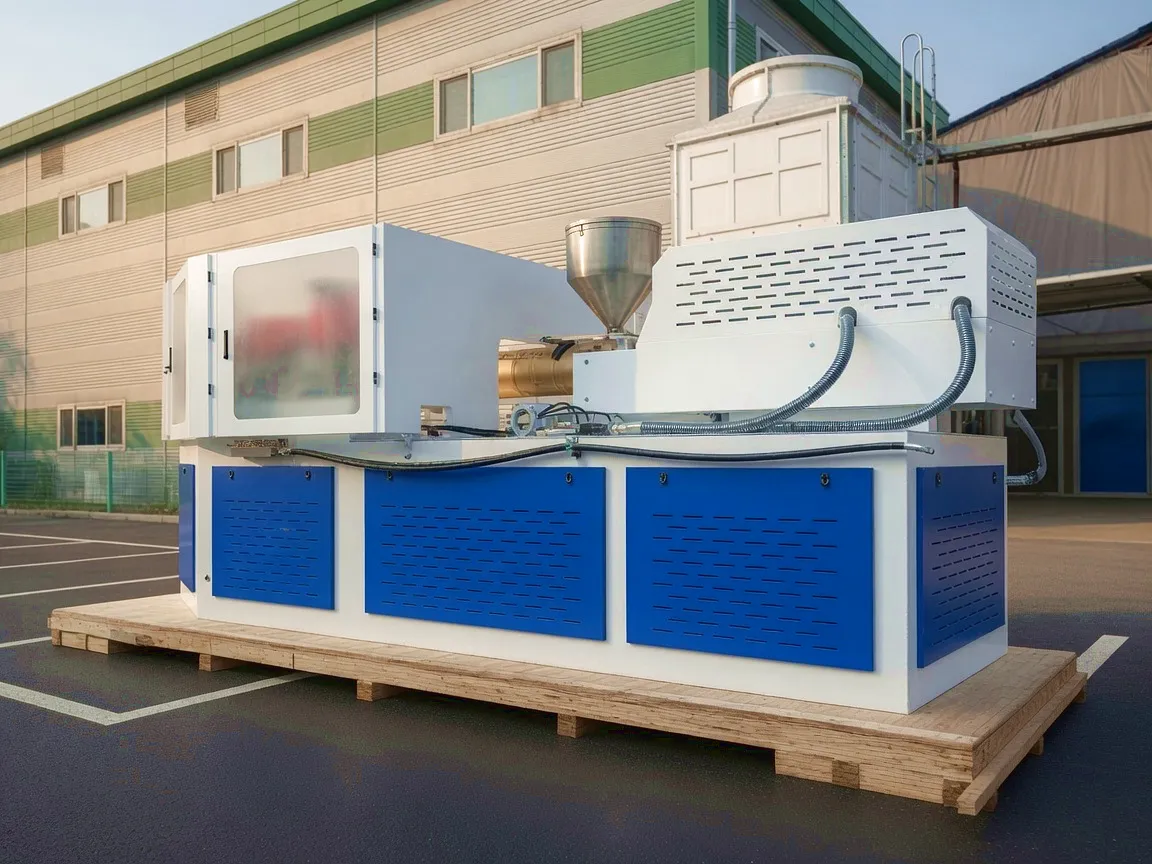
Ready to Specify a Custom IBM Machine?
Ever Power engineers provide technical consultation, preform design review, and full machine specification at no cost to qualified enquiries from UK manufacturers.
Customer Success Story: Leeds Pharmaceutical Packaging Manufacturer Upgrades IBM Capacity
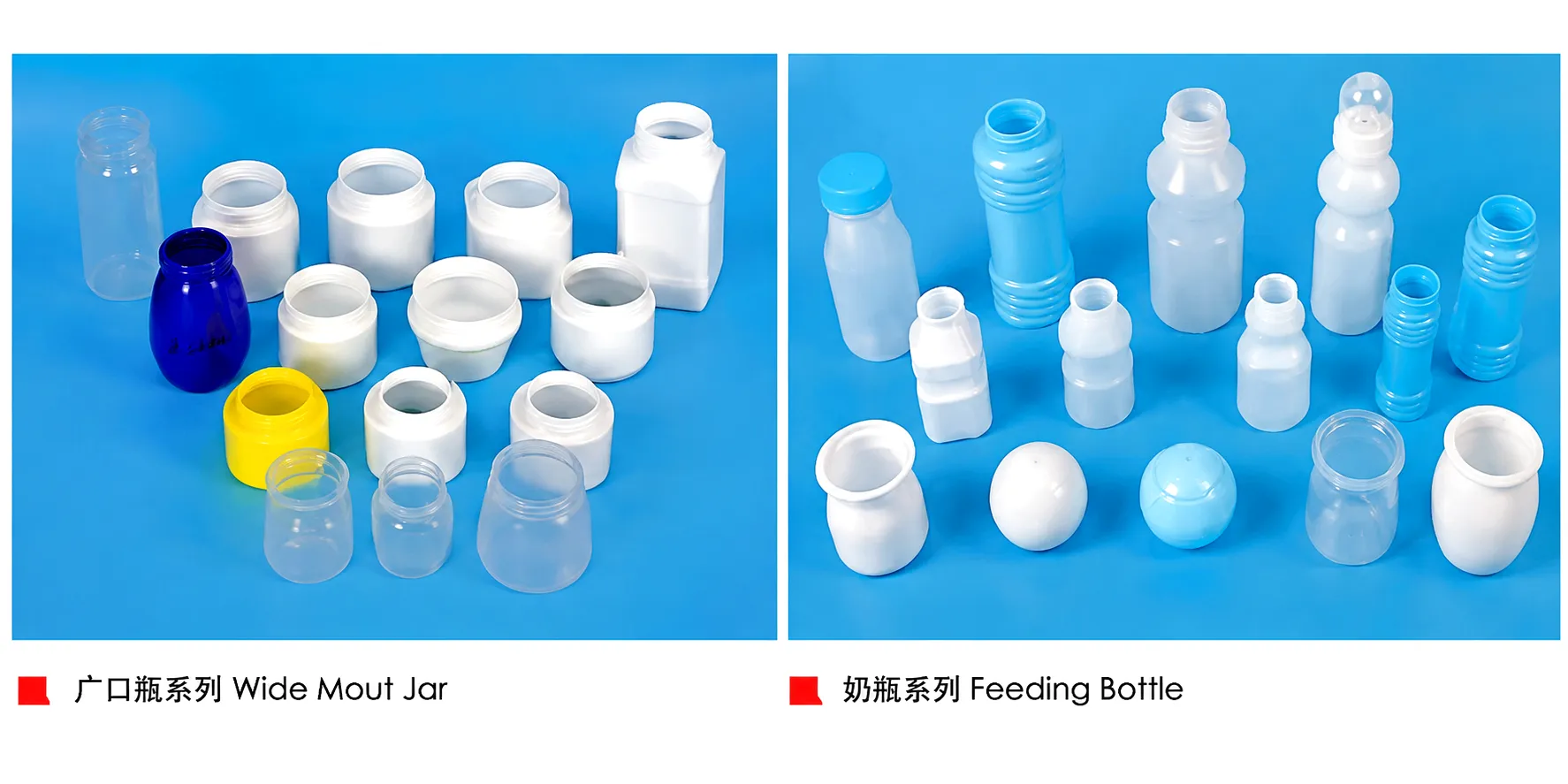
A Leeds-based contract pharmaceutical packaging company supplying oral liquid medicine bottles and nasal spray housings to NHS procurement frameworks had been operating three legacy hydraulic IBM machines — two of which were over fifteen years old — with mounting maintenance costs and escalating cycle times that were eroding their contract margins. The company secured a significant new five-year contract with a West Yorkshire pharmaceutical manufacturer and needed to increase IBM output capacity by approximately 60% while simultaneously improving neck-finish consistency to meet the more stringent dimensional specifications required by the new contract’s child-resistant closure supplier.
After a detailed technical evaluation involving site visits, preform design review, and a competitive machine trial, the Leeds facility commissioned two Ever Power ZQ60 machines alongside a full mould set designed and manufactured within Ever Power’s tooling division. The ZQ60’s servo-hydraulic drive system reduced energy consumption per unit by 38% compared to the replaced hydraulic machines, delivering an annual electricity saving that materially offset the equipment capital cost within the amortisation period. Neck finish dimensional variation — the customer’s primary quality concern — was reduced from a Cpk of 0.94 on the legacy machines to 1.68 on the ZQ60 under standard production conditions, comfortably exceeding the pharmaceutical packaging specification of Cpk > 1.33.
Commissioning was completed over a five-week period, with Ever Power commissioning engineers on-site in Leeds for the initial machine qualification and production trial runs. Remote monitoring access was established for the Ever Power technical team, enabling rapid remote support for the Leeds production and maintenance team during the first year of operation. The customer has since extended the Ever Power framework agreement to include two additional ZQ40 machines for a new cosmetic bottle production line serving a West Yorkshire personal care brand.
The ZQ60 neck finish accuracy was immediately apparent in our first production run. We’ve had zero rejects from our CRC cap supplier since commissioning — that alone justifies the investment. Ever Power’s commissioning team clearly understood pharmaceutical packaging requirements, not just the machine itself.
The energy saving on our ZQ60 machines versus our old hydraulic IBM line has been exactly as Ever Power predicted — around 38% per unit. At current UK electricity rates, that’s a meaningful contribution to our overhead reduction programme. The remote diagnostic support has been responsive and technically competent every time we’ve used it.
What set Ever Power apart in our evaluation was the willingness to co-develop the preform specification alongside the machine rather than treating these as separate supplier decisions. The integrated approach — machine plus tooling from one source — reduced our commissioning risk substantially and got us into production weeks ahead of the alternative proposals.
Process Selection Guide: How to Choose Between Blow Molding and Injection Molding
| Decision Factor | Choose Injection Molding if… | Choose Blow Molding if… |
|---|---|---|
| Part geometry | Solid, ribbed, or open-top container | Closed hollow body with internal volume |
| Dimensional tolerance | ±0.05 mm precision required | ±0.1 to ±1 mm acceptable on body |
| Annual volume | 10,000+ units where mould cost amortises | 5,000+ bottles/year; IBM suits mid-low volumes |
| Material choice | Engineering polymers: PC, PA, PEEK, POM | PET, PP, HDPE, LDPE, PETG |
| Neck / thread finish | N/A (no container neck) | IBM/ISBM for pharmaceutical; EBM for general |
| Clarity / aesthetics | PC, PMMA for optical clarity | ISBM PET/PETG for glass-like bottle clarity |
| Sustainability target | Recycled engineering polymers; bio-nylon | rPET, rHDPE, bio-PET; light-weighting available |
The decision is rarely binary in practice. Many consumer product companies use both processes simultaneously: injection-moulded closures (caps, pumps, triggers) mate with blow-moulded containers, and injection-moulded structural components are combined with blow-moulded reservoir bodies. Understanding where each process performs best — and where they complement rather than compete — is the foundation of sound manufacturing process selection for UK product developers and procurement teams.
Frequently Asked Questions
What is the main difference between blow molding and injection molding for UK plastic packaging manufacturers? +
Injection molding produces solid or open-top parts by injecting molten polymer into a closed cavity, while blow molding creates hollow containers by inflating a heated parison or preform with compressed air. For UK packaging manufacturers, the choice comes down to geometry: hollow bottles and containers need blow molding; solid components and open-top tubs use injection molding.
How much does injection blow molding equipment cost to buy or quote from a UK supplier in 2025? +
IBM machine prices vary widely based on cavity count, clamping force, and automation level. Entry-level IBM machines suitable for pharmaceutical vial production typically start at £45,000–£90,000, while high-output, multi-cavity European-standard machines can reach £200,000 or more. Tooling costs are additional, typically £10,000–£40,000 per mould set. Contact Ever Power at [email protected] for a tailored quote based on your production specification.
Which blow molding process is best for pharmaceutical bottle production at a Birmingham or Sheffield manufacturing site? +
Injection blow molding (IBM) is the preferred process for pharmaceutical bottles in PP or HDPE due to its flash-free output, precise neck finish, and elimination of pinch-off waste. For pharmaceutical applications at UK facilities in Birmingham, Sheffield, or the wider Midlands manufacturing corridor, IBM’s compatibility with GMP-compliant cleanroom environments and British Pharmacopoeia container specifications makes it the standard process choice.
Where can I find a reliable IBM machine supplier in the UK who offers customisation and after-sales service? +
Ever Power supplies IBM and ISBM equipment to UK manufacturers with full customisation capability, integrated mould design and manufacture, CE-compliant machine builds, and remote diagnostic after-sales support. UK buyers can contact [email protected] for technical consultation, equipment specification, and project timeline discussion. Ever Power maintains European distributor and service partnerships to support UK site commissioning and ongoing maintenance requirements.
How does injection stretch blow molding (ISBM) improve bottle strength and barrier performance compared with standard injection molding for UK food packaging? +
ISBM creates biaxial molecular orientation in PET during the simultaneous axial stretch and radial inflation step. This orientation multiplies the polymer chain alignment in two directions, improving tensile strength by 50–80%, CO2 barrier by up to 6x, and optical clarity significantly compared to unstretched injection-moulded PET. For UK food and beverage packaging, this translates to lighter bottles with longer shelf life and lower material cost per unit — all of which drive commercial advantage in competitive grocery supply chains.
When should a UK manufacturer consider switching from extrusion blow molding to injection blow molding for their container production line? +
The switch from EBM to IBM is worth evaluating when: neck finish precision is consistently failing quality inspection; flash waste and trimming costs are eroding per-unit margins; product volumes are in the 100,000–10,000,000 unit per year range where IBM tooling cost amortises well; or when transitioning to pharmaceutical, personal care, or premium food and beverage container products where IBM’s surface quality and dimensional consistency are commercially necessary.
What price premium should a Leeds or Manchester buyer expect to pay for a European-standard IBM machine versus a standard specification unit? +
European-standard IBM machines — incorporating CE marking, EN 60204-1 electrical safety compliance, servo-electric or servo-hydraulic drive systems, and advanced HMI control — typically carry a 20–40% premium over base specification machines from the same manufacturer. For UK buyers in Leeds, Manchester, or other major production centres, this premium is generally recovered through lower energy costs, reduced maintenance frequency, and improved uptime within two to four years of operation under standard two-shift production patterns.