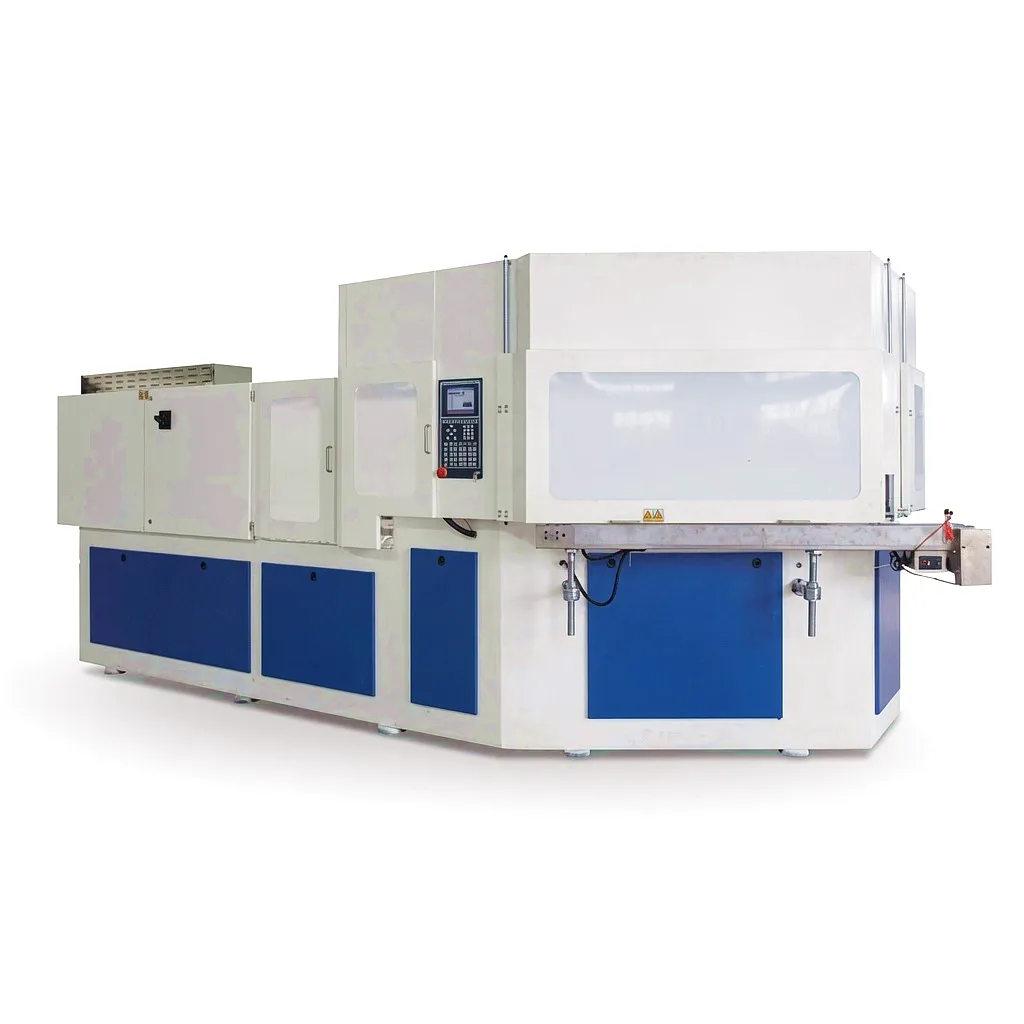
Across the UK’s manufacturing heartlands — from the precision engineering hubs of Birmingham and Sheffield to the packaging and pharmaceutical clusters of Leeds and Manchester — the demand for high-integrity, repeatable hollow container production has never been more acute. The IBM blow molding machine, or injection blow molding machine, sits at the centre of this requirement. Unlike extrusion-based systems, IBM technology combines injection moulding and blow moulding in a single, integrated cycle, delivering container bodies with exceptional dimensional consistency, uniform wall distribution, and clean, flash-free finishes. For British manufacturers competing in regulated sectors such as pharmaceutical packaging, food-grade bottling, and precision cosmetics, these attributes are not aspirational — they are contractual. This guide explores the full technical landscape of IBM blow molding: process physics, wall thickness control, mould optimisation, energy management, troubleshooting, and the capabilities that separate high-performance machinery from the average. Whether you are evaluating your first IBM machine purchase or planning a production line upgrade, the information in this article is structured to support informed, confident decision-making.
Blow Moulding Process Comparison: ISBM, IBM, EBM and Extrusion
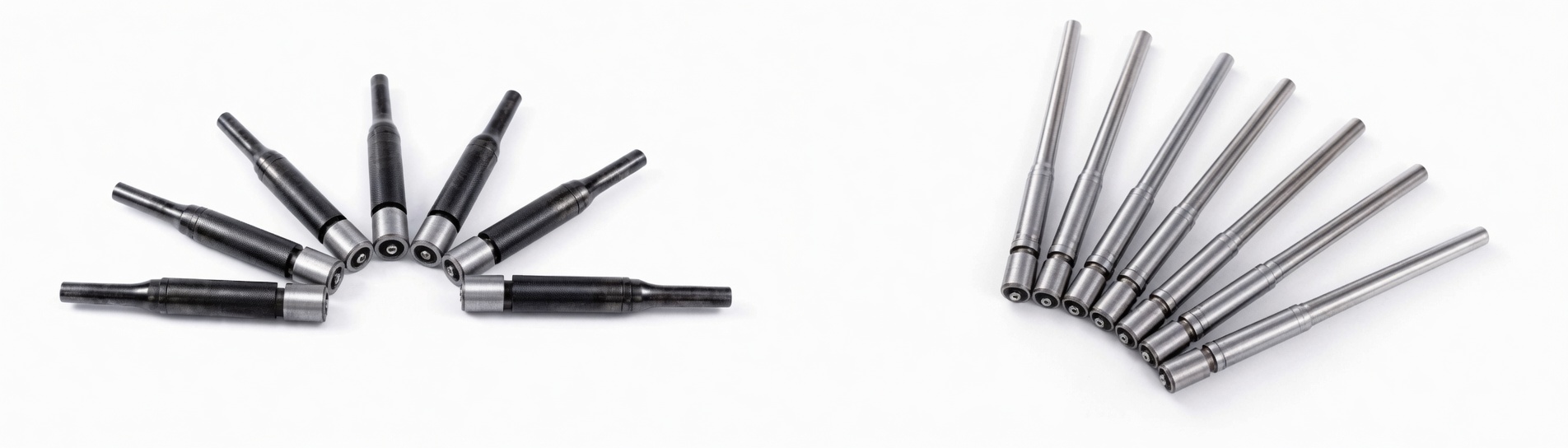
Understanding the distinctions between the four major hollow plastic forming technologies is fundamental to making the right capital investment. Each process has a defined mechanical logic, a preferred material window, and a container geometry envelope that it handles best. IBM — injection blow molding — is a two-stage process: thermoplastic resin is first injection-moulded into a parison (a preform fitted over a core rod), and that parison is then transferred — still hot — into a blow mould, where compressed air inflates it against the mould cavity walls to form the finished container. The entire cycle happens without the parison ever leaving the core rod, which is the engineering reason IBM produces containers with far superior neck finish, thread integrity, and bottom thickness consistency compared to extrusion-based routes. Scrap rates are very low because there is no flash, and the process is self-trimming. For UK pharmaceutical bottling lines in Yorkshire or medical device packaging operations near Cambridge, these properties translate directly into reduced batch rejection rates and lower quality-assurance overhead. ISBM (injection stretch blow molding) extends IBM by introducing a mechanical stretching rod that biaxially orients the polymer before blow moulding — this is the dominant technology for PET bottle production and dramatically improves tensile strength and barrier properties. EBM (extrusion blow molding) pushes a molten tube of polymer through a die and then captures and blows it between two mould halves; it excels at complex geometries and HDPE jerry cans but inherently produces flash that must be trimmed. Straight extrusion, by contrast, forms continuous profiles and is not used for sealed hollow containers at all.
| Parameter | IBM | ISBM | EBM | Extrusion |
|---|---|---|---|---|
| Typical Materials | PP, PE, PVC, PC | PET, PP | HDPE, PP, PVC | PE, PP, PVC |
| Flash / Trim Scrap | None | None | Yes — requires trimming | N/A (open profile) |
| Neck/Thread Accuracy | Excellent | Very Good | Moderate | N/A |
| Wall Thickness Control | High (injection-set) | High + biaxial orientation | Moderate (parison programming) | Die-controlled |
| Container Size Range | 2 ml – 2 L | 50 ml – 20 L | 50 ml – 1000 L | Continuous sections |
| Best Use Case | Pharma, cosmetics, small bottles | Beverage PET bottles | Industrial containers | Pipes, profiles |
| Cycle Time | 8 – 25 s | 10 – 35 s | 15 – 60 s | Continuous |
How an IBM Blow Molding Machine Works: The Core Operating Principle
Plastic granules are fed from a hopper into a heated barrel where a reciprocating screw melts and homogenises the polymer. The resulting melt is injected under pressure (typically 80–160 MPa) into the injection mould cavity around a steel core rod. The parison — a tube-shaped preform — is formed with a finished neck thread and a precisely metered body of thermoplastic material. Temperature and pressure profiles at this stage set the final wall thickness distribution.
The core rod — with the parison still in situ — rotates or indexes to the blow station. The parison’s thermal state is tightly managed during transfer; the material must remain within the thermoplastic processing window, typically 20–40°C below the melt temperature. If the material cools excessively before blowing, the wall will not expand uniformly and thin spots develop at the shoulder and base. Modern IBM machines use infrared sensors and servo-controlled rotary tables to minimise transfer time and heat loss.
Compressed air (typically 0.5–1.5 MPa) is introduced through the core rod, inflating the parison against the cooled blow mould cavity. The mould surface temperature — usually 10–25°C — rapidly sets the outer skin. Internal air pressure is maintained during the cooling dwell (typically 4–12 seconds) to prevent shrinkback. The core rod is then withdrawn, the mould opens, and the finished container is ejected with a clean, ready-to-use neck thread and a uniform, flash-free body.
Wall Thickness Uniformity Control and Preheat Temperature Curves
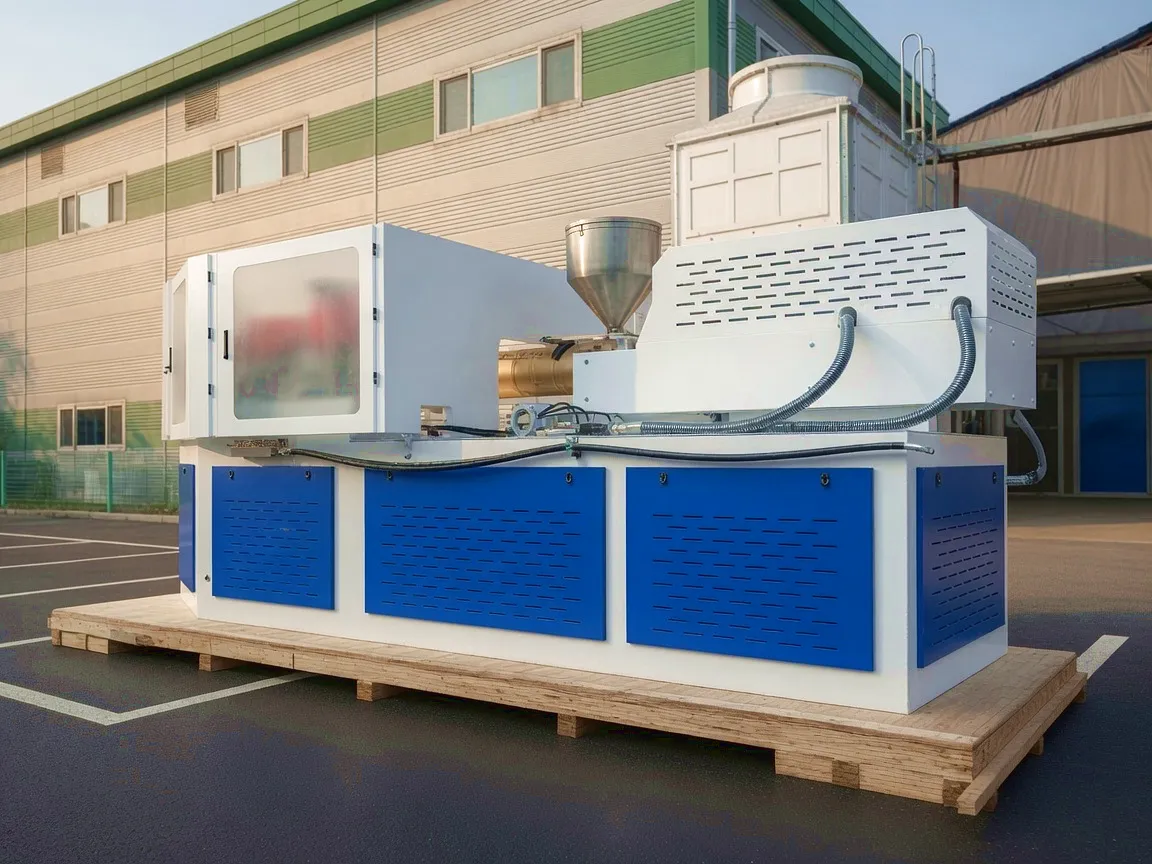
Wall thickness uniformity in injection blow molded containers is governed by three interacting variables: injection melt temperature, parison wall thickness profile, and the temperature distribution of the parison at the moment of blowing. Poor control of any one of these produces containers with thin-walled shoulders, thick bases, or asymmetric bodies — all of which are rejection criteria for pharmaceutical and food-grade filling lines across the UK. The injection barrel temperature is typically profiled in four to six zones, rising from the feed throat (around 160–180°C for PP) to the nozzle tip (210–240°C for PP, 180–220°C for PE), ensuring that the melt entering the mould is fully plasticised but not thermally degraded. The core rod itself is heated to maintain parison temperature during the transfer phase; modern IBM systems use internally circulated oil or electrical cartridge heaters in the rod with closed-loop temperature control to ±1°C. The blow mould is cooled by circulating chilled water through internal channels, with the inlet temperature set between 8°C and 18°C depending on wall thickness and material. For high-speed production lines — common in Sheffield’s precision parts manufacturing clusters — the core rod temperature profile must be tuned experimentally for each new container geometry, using ultrasonic wall thickness gauges to map the blowing result and iteratively adjust zone temperatures until uniformity is within ±0.05 mm across the container body.
| Material | Barrel Zone 1 (°C) | Nozzle Tip (°C) | Core Rod Temp. (°C) | Mould Coolant (°C) |
|---|---|---|---|---|
| PP (Polypropylene) | 160–175 | 215–240 | 60–80 | 8–18 |
| HDPE | 150–170 | 185–215 | 55–75 | 10–20 |
| PVC (Rigid) | 155–165 | 170–185 | 50–65 | 12–22 |
| PC (Polycarbonate) | 240–260 | 275–295 | 80–100 | 20–30 |
Mould Design and Bottle Geometry Optimisation
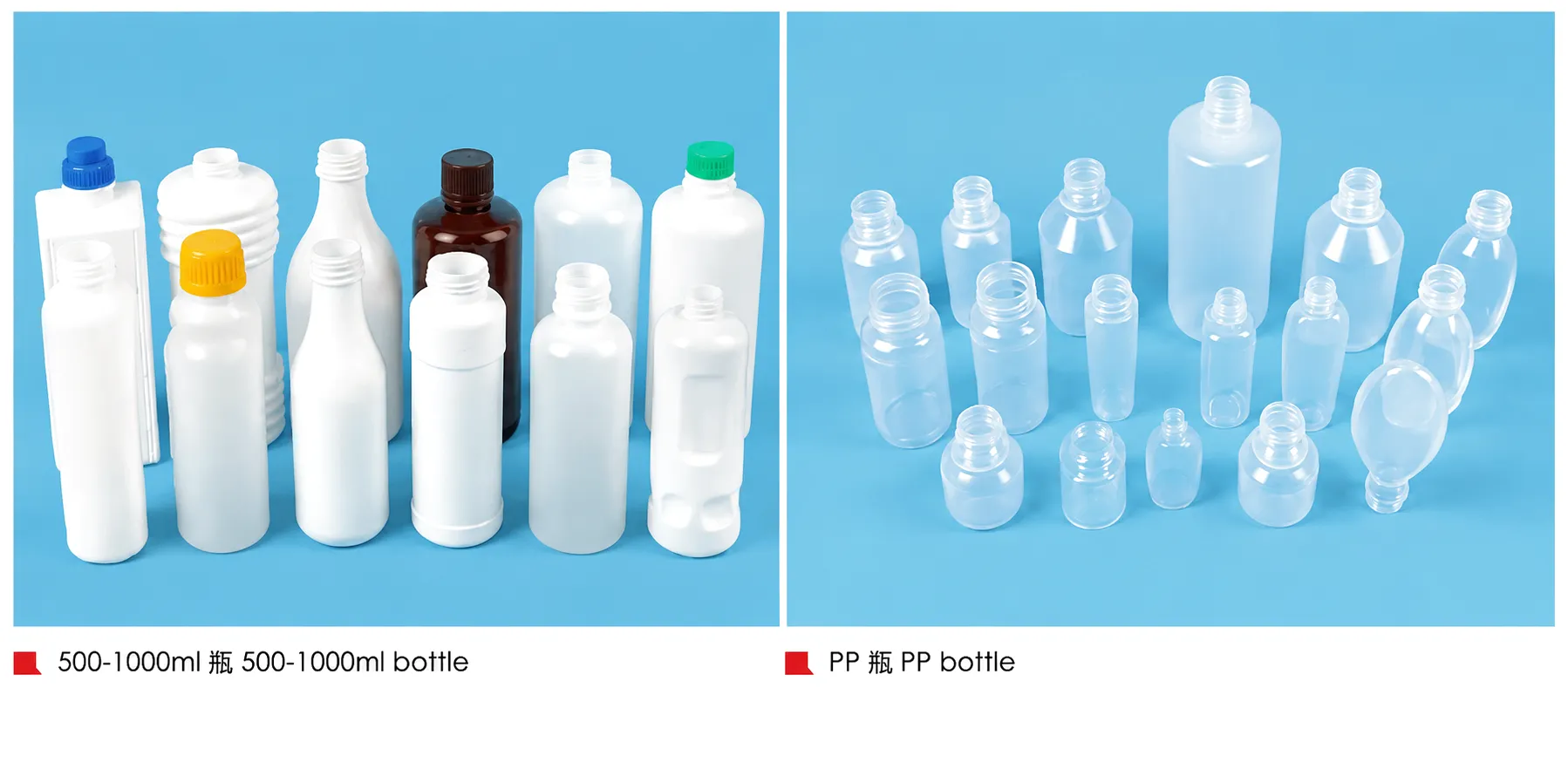
The blow mould is the single largest determinant of container geometry, dimensional stability, and surface finish quality in an IBM blow molding machine. Unlike extrusion blow moulds which simply capture a tube, IBM blow moulds must deliver precise cavity geometry, excellent thermal conductivity for rapid cooling, and consistent parting line alignment to eliminate flash and cosmetic seam lines. Moulds for IBM are typically machined from P20 tool steel or aluminium alloy (7075-T6 series), with the choice depending on production volume and material abrasiveness. For pharmaceutical packaging runs — which are common among UK contract manufacturers in the East Midlands — P20 hardened tool steel is preferred for its durability and resistance to high-cycle fatigue, while aluminium is favoured for rapid prototype tooling and shorter-run cosmetic packaging. The cavity surface finish is a key design variable: mirror polish (Ra below 0.1 µm) is required for transparent cosmetic containers, while a light bead-blast texture (Ra 0.4–0.8 µm) assists in air venting and prevents vacuum suction on container release. Internal cooling channel routing must follow the contour of the bottle body to within 5–8 mm of the cavity surface — a configuration known as conformal cooling — to achieve cycle time targets and minimise thermal gradients that cause differential shrinkage and warping.
Typically 0.5°–2° per side for smooth ejection. Insufficient draft causes scratch marks on container bodies.
Air vents of 0.02–0.05 mm depth prevent air trap defects without allowing flash formation at the vent location.
Positioned at container geometry transitions — typically shoulder–body interface — to minimise visual impact on label panels.
Conformal cooling channels reduce cycle time by 12–25% and eliminate hot spots that cause inconsistent shrinkage patterns.
Core Materials Used in IBM Blow Molding Machines
The structural and wear-resistance materials selected for an IBM blow molding machine determine its long-term precision, maintenance cycle, and suitability for regulated-industry production environments. The main machine frame is fabricated from high-rigidity cast iron or welded structural steel plate, stress-relief annealed after fabrication to eliminate residual stresses that would cause alignment drift under thermal cycling. The injection barrel liner is centrifugally cast from bimetallic alloy — a steel outer shell with an inner lining of iron-boron or nickel-chromium alloy — providing hardness of HRC 60–65 to resist abrasive wear from glass-filled or mineral-filled resin grades. The screw is manufactured from 38CrMoAlA nitrided steel, with a surface hardness after nitriding of HV 900–1050, ensuring resistance to polymer melt erosion over high-cycle production.
Cast iron / welded structural steel, stress-relief annealed, precision-ground mating surfaces
38CrMoAlA nitrided steel, HV 900–1050 surface hardness, chrome-plated finish for FDA-adjacent applications
P20 pre-hardened tool steel (HRC 28–34) for production; 7075-T6 aluminium for prototyping and short runs
H13 hot-work tool steel, vacuum hardened to HRC 48–52, precision ground to ±0.005 mm for parison dimensional accuracy
IBM Blow Molding Machine Technical and Performance Specifications
The table below presents representative performance parameters for industrial-grade IBM blow molding machines used in UK manufacturing environments. Values vary by model, cavity count, and production configuration — contact Ever Power for specifications tailored to your application.
| Parameter | Small-Format (e.g. ZQ110) | Mid-Range (e.g. ZQ135) | Unit / Note |
|---|---|---|---|
| Clamping Force | 110 | 135 | kN |
| Shot Weight (PP) | 50–180 | 80–320 | g |
| Blow Air Pressure | 0.6–1.0 | 0.6–1.2 | MPa |
| Injection Pressure | 80–140 | 90–160 | MPa |
| Screw Diameter | 36 | 45 | mm |
| Max Container Volume | 500 | 1000 | ml |
| Cycle Time | 10–18 | 12–25 | s (material dependent) |
| Heating Power (Barrel) | 6.5 | 9.2 | kW |
| Motor Power (Hydraulic) | 11 | 15 | kW |
| Wall Thickness Tolerance | ±0.05 | ±0.05 | mm |
| Machine Footprint | 2.8 x 1.2 | 3.4 x 1.5 | m |
Core Technical Advantages of IBM Blow Molding Technology
Because the parison is injection-moulded directly onto the core rod without a parting line in the body region, IBM produces containers with no flash and no secondary trimming operation. This eliminates a significant labour and scrap cost overhead, particularly relevant for UK contract packagers operating on thin margins in competitive sectors.
The container neck and thread are formed in the injection mould, not the blow mould — meaning dimensional accuracy of the opening matches injection moulding tolerances (typically ±0.05 mm), not blow moulding tolerances. For pharmaceutical child-resistant closures (CRC) and precision dispensing systems, this is a decisive performance advantage over EBM alternatives.
IBM machines process a broad polymer range: PP, PE, PVC, PC, EVA, and TPE, enabling a single platform to serve pharmaceutical, food, personal care, and industrial chemical packaging without dedicated process changeover to different machine types. Barrel and screw assemblies can be configured for specific polymer families at the point of manufacture.
With no flash to discard and parison weight precisely controlled by the injection unit, material utilisation in IBM blow molding typically exceeds 98.5% — significantly better than EBM (typically 90–95% after flash recovery and reclaim) or multi-stage ISBM processes. Over a full year of production, this translates to meaningful resin cost savings per line.
Energy Optimisation and Power-Saving Retrofits for IBM Machines
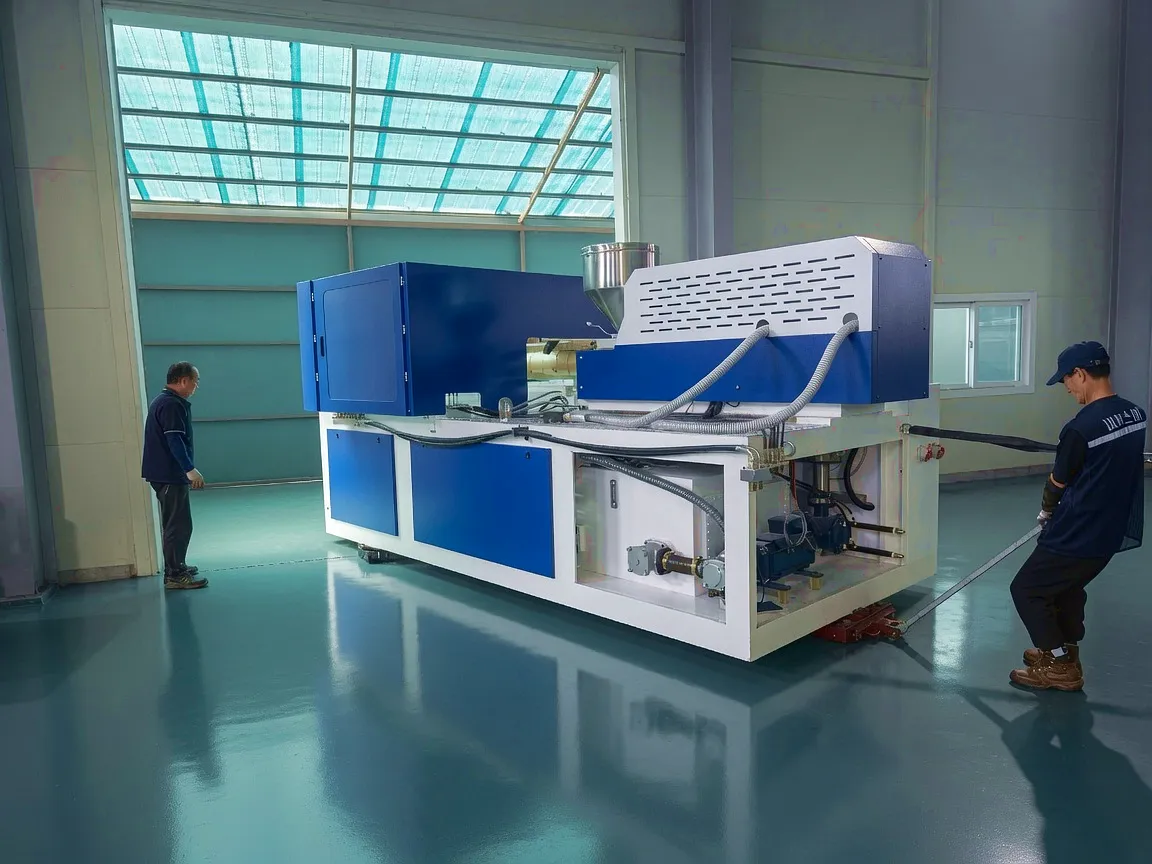
Energy consumption is a front-line operational concern for UK manufacturers facing elevated industrial electricity tariffs and increasing pressure to report scope 1 and 2 emissions under evolving sustainability frameworks. A conventional hydraulic IBM blow molding machine running a 2-litre container at 1 million units per year will consume between 35,000 and 60,000 kWh per annum in motive and thermal energy. The hydraulic drive system accounts for 55–65% of total electrical consumption, with barrel heating and cooling circuits making up the remainder. The most impactful single upgrade available on existing IBM lines is replacing the fixed-displacement hydraulic pump with a servo-driven variable-displacement unit. A servo-hydraulic system matches pump output flow exactly to the instantaneous demand of the machine’s hydraulic actuators, eliminating the throttling losses inherent in fixed-speed systems. Measured energy reductions of 30–55% on the hydraulic side are achievable — typically reducing total machine kWh/unit by 18–32% in real production. Barrel insulation wrapping with mineral wool or aerogel-based blankets reduces radiated heat loss by 15–25%, cutting the effective heating power requirement. On the cooling side, variable-frequency drives on the chiller compressors and chilled water pumps, combined with supply temperature optimisation (raising chilled water supply from 8°C to 14°C where container specifications allow), can reduce cooling energy by 20–30%. For UK companies in the West Midlands and Yorkshire manufacturing corridors pursuing ISO 50001 energy management certification, these upgrades deliver both verifiable energy reduction and documented process improvement records.
Common Faults and Troubleshooting in IBM Blow Molding Operations
| Fault | Likely Cause | Corrective Action |
|---|---|---|
| Thin wall at shoulder | Excessive parison temperature; core rod temp too high | Reduce core rod upper zone set point by 5°C; check IR sensor calibration |
| Cloudy / hazy body | Blow mould coolant too cold; melt temp too low | Raise mould coolant temp by 3–5°C; check barrel zone 3 and 4 setpoints |
| Container sag / short blow | Low blow air pressure; blocked blow pin orifice | Verify air supply at machine inlet; clean and inspect blow pin passages |
| Neck flash / thread damage | Injection mould parting surface wear; excess injection pressure | Inspect and re-lap injection mould parting faces; reduce hold pressure by 5% |
| Sink marks on body | Insufficient hold pressure / time; melt too hot | Increase hold time by 1–2 s; reduce nozzle temperature by 5–8°C |
| Sticking on core rod | Core rod surface roughness; insufficient draft; damaged chrome | Polish and re-chrome rod surface; check draft angle machining |
| Parison weight variation | Check valve wear; screw decompression issue | Replace check ring; adjust back pressure; inspect non-return valve seat |
Industrial Application Scenarios for IBM Blow Molding in the UK
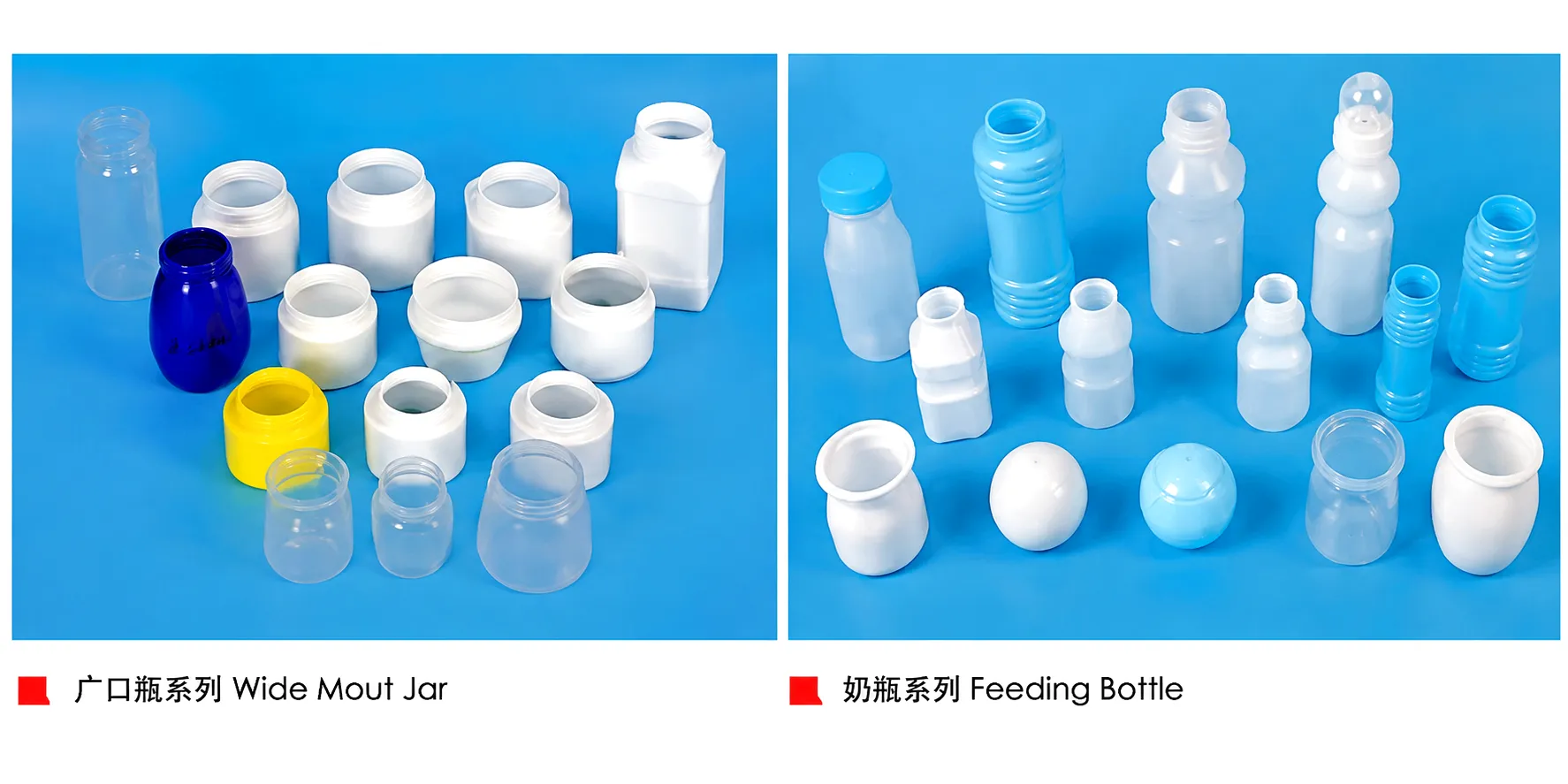
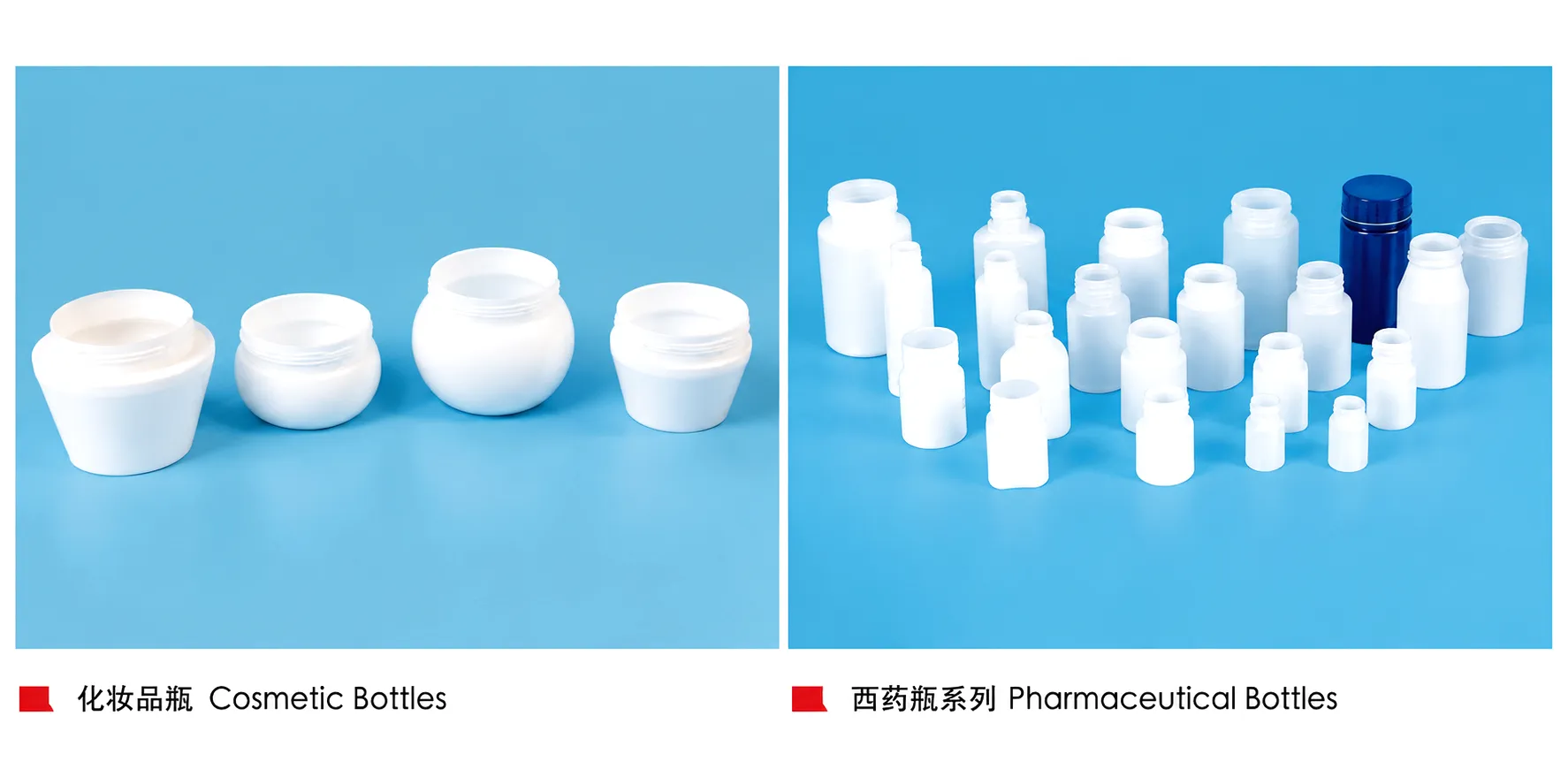
IBM blow molding machines are the technology of choice for producing HDPE and PP tablet bottles, liquid medicine containers, and multi-dose dropper bottles destined for the pharmaceutical supply chain. UK GMP-compliant facilities in Harrogate and Nottingham use IBM machines because of the superior neck accuracy required for tamper-evident closure fitment and the clean, particulate-free container bodies required by EU MDR and UK MHRA packaging specifications.
Shampoo, conditioner, lotion, and serum containers in PVC and PP are among the highest-volume applications for IBM blow molding machines in the UK consumer goods sector. Birmingham’s dense packaging supply chain infrastructure makes it a natural home for cosmetic container production, and IBM machines serve this market by enabling complex shoulder profiles, flat oval cross-sections, and translucent or tinted finishes that differentiate premium product lines on retail shelves.
Food-contact PP and HDPE containers for sauces, condiments, syrups, and dairy products are produced on IBM blow molding machines at contract packagers throughout West and South Yorkshire. The absence of flash eliminates the risk of particulate contamination — a critical compliance requirement under UK Food Safety Act regulations. IBM also enables integral handles and complex geometry containers without secondary assembly operations.
HDPE containers for cleaning agents, automotive fluids, and industrial lubricants are another core IBM blow molding application in the UK. Manufacturers in Trafford Park and Salford’s industrial estates use IBM machines to produce small-format containers (100 ml–2 L) with precise chemical-resistant closures and tight dimensional control for automated filling line compatibility. The high material utilisation rate of IBM is particularly valued in chemical packaging, where virgin HDPE resin costs are significant.
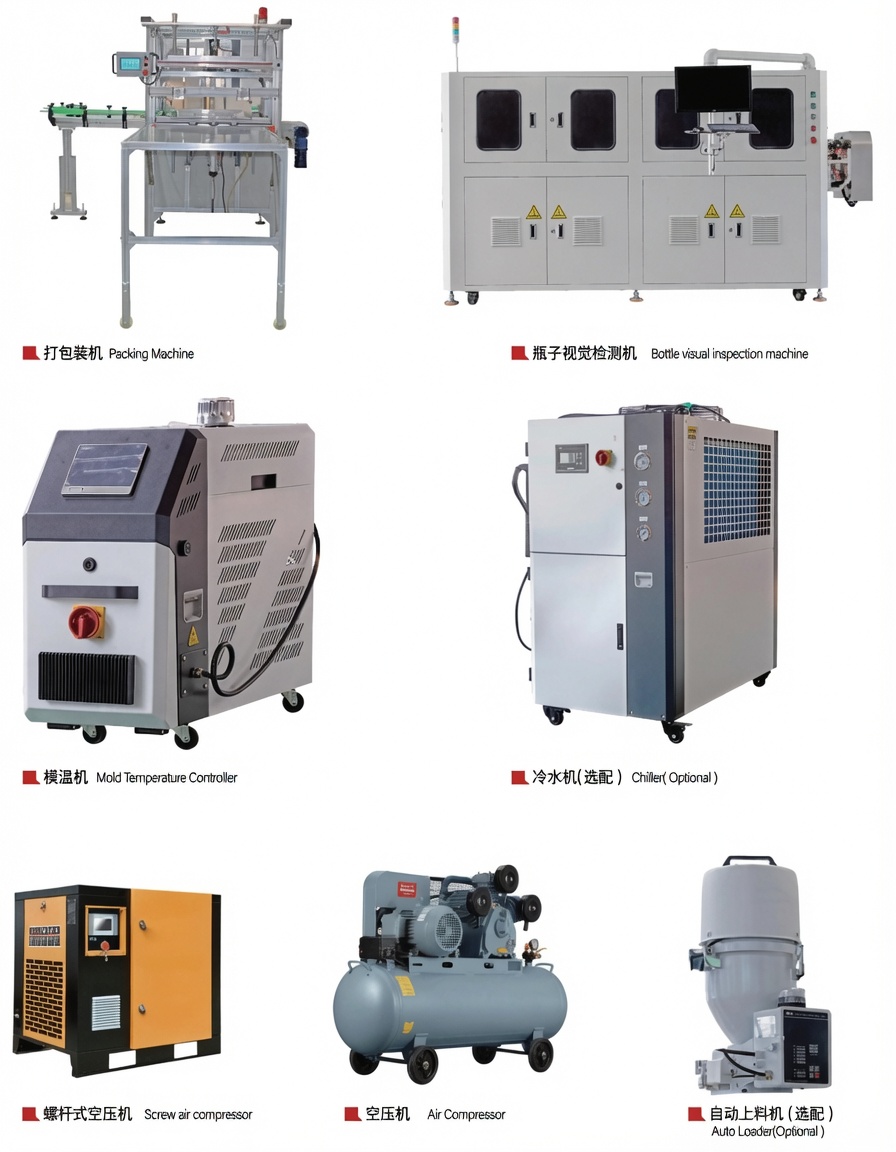
Ever Power IBM Machine Range: ZQ110 and ZQ135
The ZQ110 is a compact, high-throughput IBM blow molding machine with 110 kN clamping force, designed for pharmaceutical and cosmetic container production in the 10 ml–500 ml range. Servo-driven injection unit, PLC touch-screen control, and modular core rod configuration make it well-suited for UK contract packagers operating multiple product SKUs on a single platform.
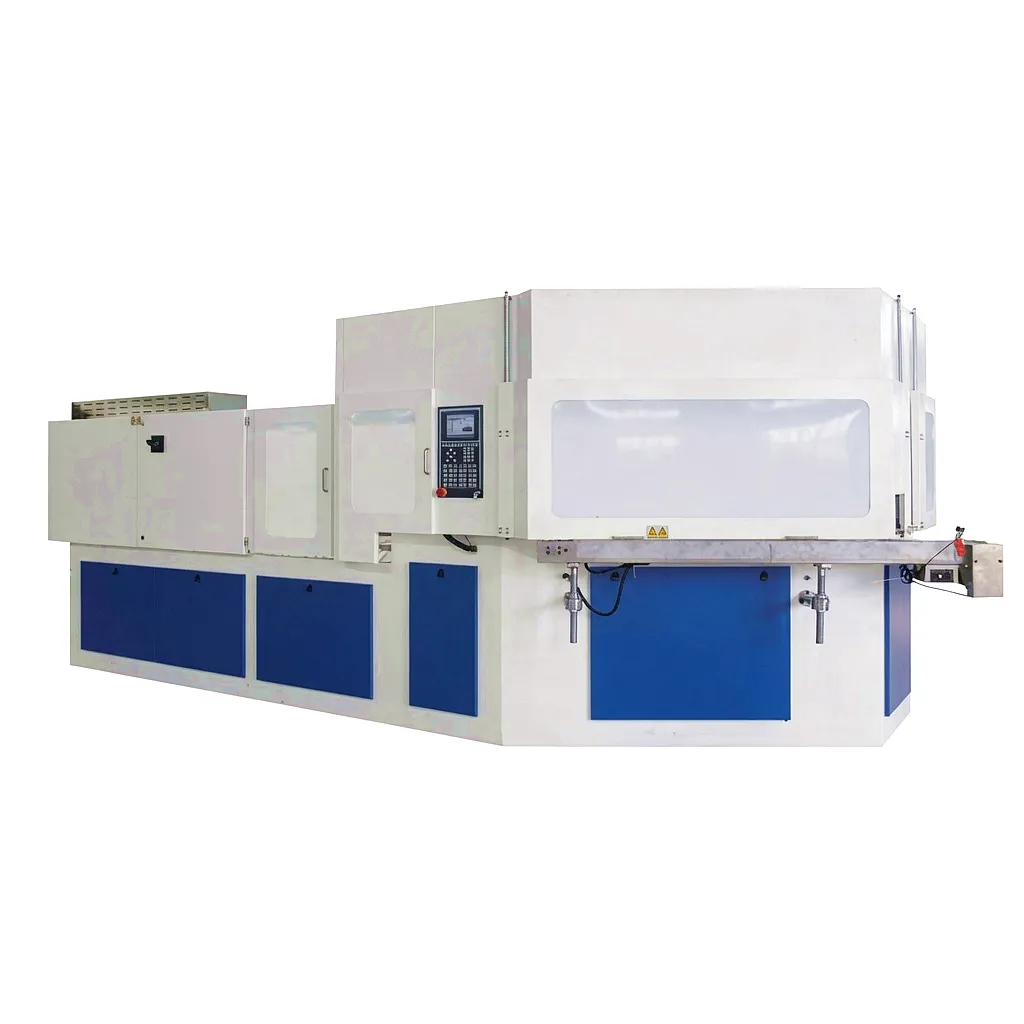
The ZQ135 offers 135 kN clamping force and an extended shot capacity up to 320 g (PP), making it the preferred platform for mid-volume food packaging, industrial chemical containers, and multi-cavity pharmaceutical production. A high-rigidity platen design and conformal-cooled mould compatibility deliver wall thickness uniformity of ±0.05 mm across all cavity positions, meeting the most demanding QC specifications in UK GMP packaging environments.
Ever Power: Precision Manufacturing and Custom IBM Solutions
Ever Power is a specialist manufacturer of injection blow molding machines with over two decades of continuous development in precision polymer processing equipment. Our manufacturing facility operates a fully integrated production floor covering CNC machining, mould tooling, hydraulic system assembly, electrical integration, and quality verification — all under one roof, with in-process inspection at every key stage. Every IBM blow molding machine we build undergoes a full production trial prior to despatch, running customer-specified materials through a validated cycle count to confirm dimensional outputs and energy consumption figures against the agreed technical specification.
Our customisation capability extends across the full machine specification: clamping force, cavity count, core rod geometry, barrel configuration, control system integration (including OPC-UA connectivity for Industry 4.0 MES environments), and CE-marked electrical safety packages for UK and European market compliance. We work directly with UK-based packaging engineers and production managers from concept to commissioning, providing CAD-based container modelling, mould flow simulation, and trial mould services to de-risk new container development projects before full-scale tooling investment.
For companies in Birmingham, Sheffield, Manchester, Leeds, and beyond, Ever Power provides dedicated UK-facing technical support, spare parts inventory, and remote diagnostic connectivity on all ZQ-series IBM blow molding machines. Our supply chain is structured to deliver standard spare parts to UK mainland addresses within five working days, with critical-wear items including screw, check ring, and core rod assemblies available from bonded stock.
Customer Success Story: Pharmaceutical Packaging Upgrade in Harrogate, North Yorkshire
A contract pharmaceutical packaging manufacturer based in Harrogate, North Yorkshire, was running a legacy EBM line producing 200 ml HDPE tablet bottles for three NHS-supply accounts. The company’s quality team was averaging 3.2% container rejection at the filling line due to inconsistent neck thread profiles — a consequence of their EBM system’s inherent limitation in controlling the neck geometry during the blow stage. Rejected containers were being sent off-site for recycling, and the rejection rework process was adding approximately £38,000 per year in labour, materials, and delayed delivery charges.
The company contacted Ever Power after reviewing the technical comparison between EBM and IBM blow molding for pharmaceutical container neck performance. After an initial technical consultation covering container geometry, production volume (approximately 4.2 million units per year), and fill line compatibility requirements, Ever Power recommended a ZQ135 IBM blow molding machine with a 4-cavity mould tooled for their specific 200 ml HDPE bottle specification. Ever Power’s engineering team produced full mould flow analysis and wall thickness simulation before committing to tooling, providing the customer with predicted uniformity data that matched the project’s MHRA submission requirements.
Following installation and a validated process qualification (PQ) run of 500,000 units, the filling line rejection rate fell to 0.18% — a 94% improvement on the previous EBM benchmark. Annual scrap and rework costs dropped by over £35,000, and the machine’s cycle time of 14.5 seconds per 4-cavity shot delivered a net output of approximately 4.8 million bottles per year — a 14% capacity increase against the previous process. The customer subsequently commissioned a second ZQ135 for a 500 ml container line serving retail pharmacy accounts across northern England, citing Ever Power’s technical support, parts availability, and CE documentation quality as decisive factors in the repeat purchase.
“The ZQ135 transformed our rejection rate overnight. The neck thread accuracy on the IBM output is on a completely different level from what we had with EBM. Ever Power’s technical team walked us through every stage of the PQ process and the documentation they provided for our MHRA file was excellent.”
“The wall thickness data from the first trial run matched the mould flow predictions from Ever Power almost exactly. For a packaging engineer, seeing that level of precision in real-world output is genuinely impressive. The machine’s energy consumption is also noticeably lower than our old hydraulic system.”
“We needed a supplier who could customise the mould tooling for our specific bottle geometry and then support us through the entire validation process. Ever Power delivered exactly that, within the agreed timeline. The parts lead time is reasonable, and the remote diagnostic connection they set up has saved us at least two engineering callout visits already.”