 Walk the floors of any packaging hall at a trade exhibition in Birmingham, or scan the machinery procurement catalogues circulated across Sheffield’s advanced manufacturing corridor, and one question surfaces with remarkable consistency: should we go with Extrusion Blow Moulding, or should we invest in a single-stage ISBM machine? On the surface, both processes make hollow plastic containers. Both use heat and pressurised air to shape thermoplastic material into bottles, jars, or other vessels. The engineering reality, however, is that these two technologies serve fundamentally different markets, deliver meaningfully different quality outcomes, and require very different capital and operational commitments. For any UK manufacturer trying to serve the beverage, pharmaceutical, cosmetics, or household chemical sectors, selecting the wrong platform can mean years of compromised margins, inflexible production scheduling, and containers that simply cannot meet modern retail or regulatory demands. This guide cuts through the technical noise to deliver a clear, authoritative comparison — one that helps plant decision-makers understand the full picture before committing capital.
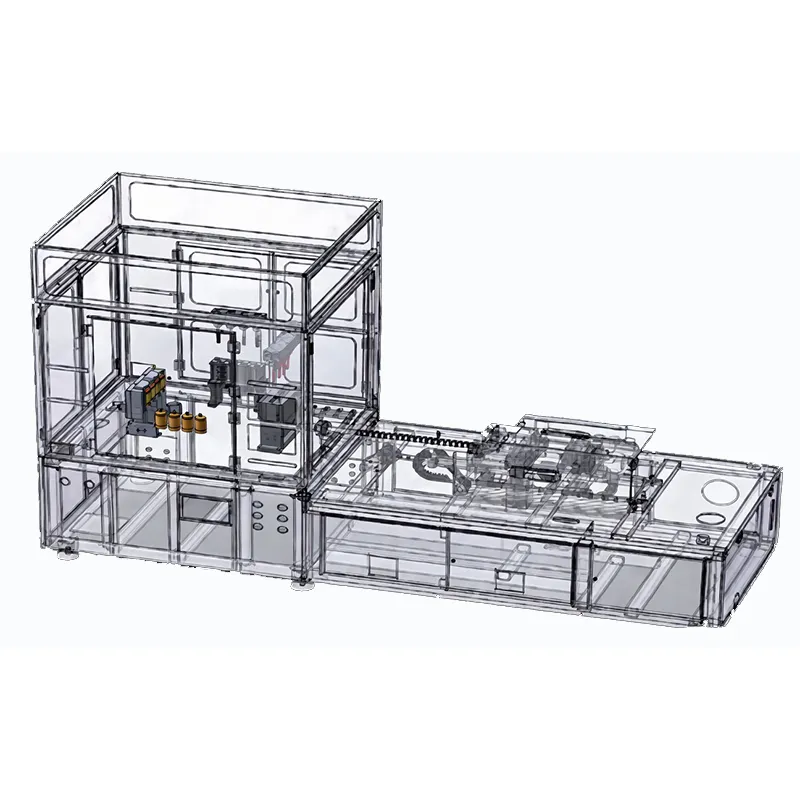
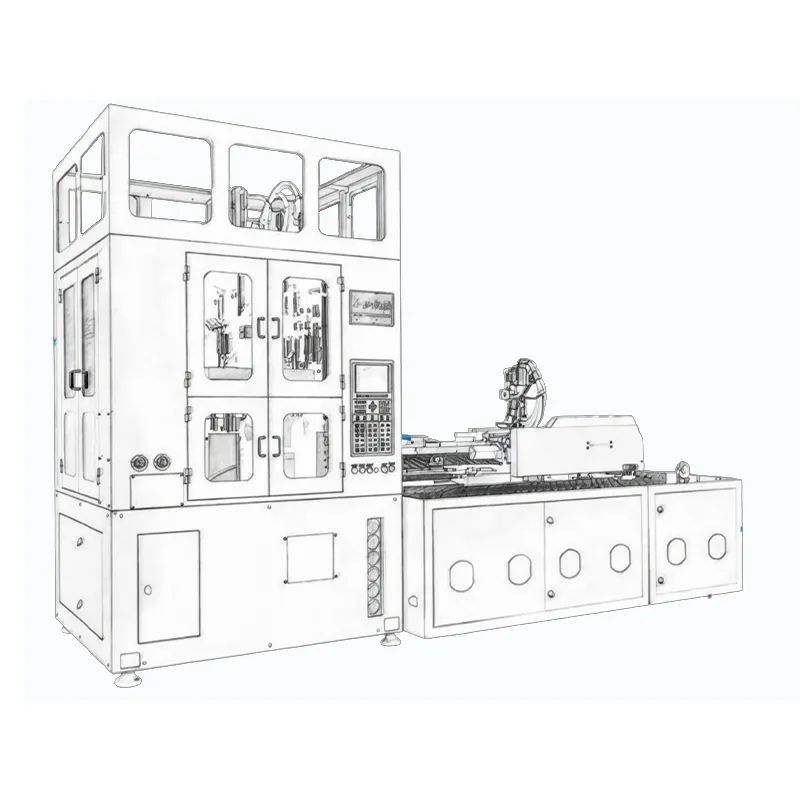
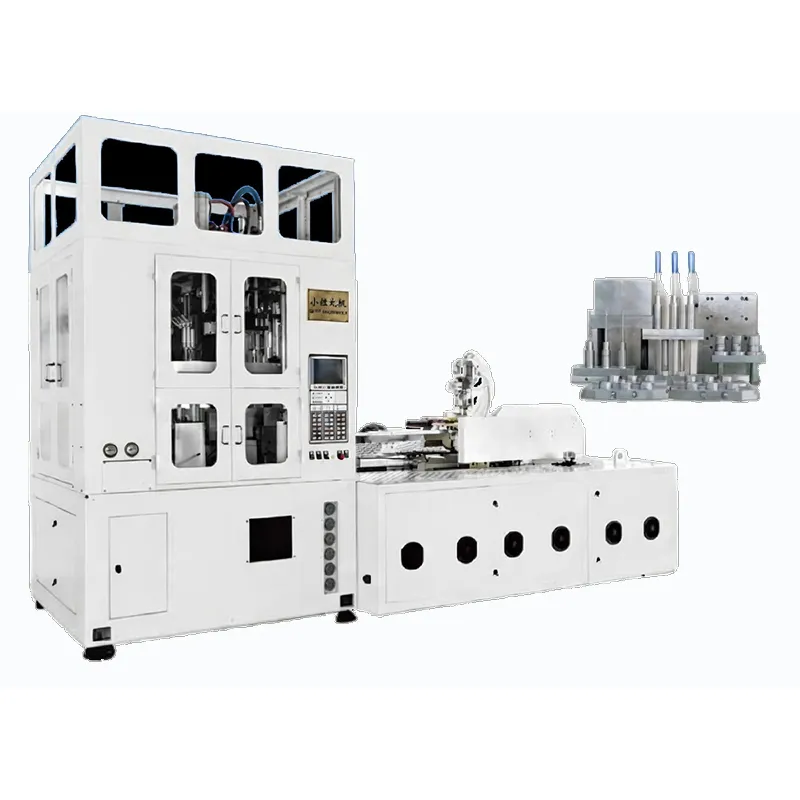
Ever Power single-stage ISBM machine — precision-engineered for UK and global packaging markets
What Is Extrusion Blow Moulding and How Does It Work?
 Extrusion Blow Moulding — almost universally abbreviated to EBM across British industry circles — is one of the oldest and most widely deployed plastic container manufacturing processes in the world. The core principle is deceptively straightforward. A thermoplastic material, most commonly High-Density Polyethylene (HDPE), Polypropylene (PP), or Polyvinyl Chloride (PVC), is melted in a screw extruder and then pushed downward through a die head to form a continuous hollow tube of molten plastic called a parison. The parison hangs freely under gravity until it reaches the target length, at which point the two halves of a split mould close around it, pinching and sealing both the bottom and the neck. Compressed air is injected through a blow pin or mandrel, inflating the parison outward against the chilled mould cavity walls. The plastic rapidly solidifies, the mould opens, the bottle is ejected, and the flash — the excess material at the pinch points — is trimmed away in a subsequent operation.
EBM is robust, fast, and well-suited to large containers such as one-litre to five-litre HDPE bottles used in automotive lubricants, agricultural chemicals, and household cleaning products. Tooling costs are generally lower than injection moulding, and the process handles irregular geometries with relative ease. However, EBM comes with limitations that have grown increasingly visible as downstream retailers and brand owners demand higher optical clarity, tighter weight tolerances, and better environmental performance. Wall thickness can vary considerably around the container circumference. Scrap rates from flash trimming routinely run between 2% and 8% of throughput. And for transparent PET applications, EBM simply cannot match the clarity levels achievable with the stretched preform technologies that define the single-stage ISBM process.
The Single-Stage ISBM Process: Injection, Conditioning, Stretch, and Blow in One Machine
Single-stage ISBM — full name Injection Stretch Blow Moulding in its one-step configuration — consolidates what would otherwise be three or four separate manufacturing operations into a single, continuous production cell. The machine begins by injecting molten thermoplastic directly into a precision preform mould. The preform that emerges is a thick-walled, test-tube-like component with a fully formed and dimensionally accurate neck thread. While still retaining its process heat — this is the critical distinction that defines the single-stage ISBM approach — the preform transfers to the conditioning station, where its temperature profile is fine-tuned zone by zone to prepare it optimally for stretch-blow. It then enters the blow mould, where a stretch rod extends it axially while high-pressure air simultaneously expands it radially against the cavity walls. The result is a biaxially oriented container with highly uniform wall thickness, exceptional optical clarity, and outstanding mechanical performance for its weight.
 The elegance of the single-stage ISBM approach is that it eliminates the reheat step entirely. In the two-stage ISBM variant, preforms are injection moulded in one location, cooled completely, shipped as intermediate products, and then reheated in a separate stretch-blow machine before final forming. Single-stage ISBM preserves the latent heat of the injection step, so no energy is wasted heating the preform from room temperature. For UK manufacturers facing some of the highest industrial energy costs in Europe, this represents a compelling operational advantage. Single-stage ISBM machines are particularly well suited to small and medium production volumes, wide container variety, and applications — such as pharmaceuticals and cosmetics — where absolute dimensional precision at the neck finish is non-negotiable.
Head-to-Head: EBM vs. Single-Stage ISBM — Six Core Differences
Process Architecture
EBM extrudes a molten parison, seals it, and blows it in a single extrusion-blow cycle. Single-stage ISBM injects a precision preform, conditions it thermally, then stretches and blows it while still carrying its injection heat. The preform’s controlled geometry is the defining architectural difference — and the source of every quality advantage that follows.
Optical Clarity
Single-stage ISBM consistently produces PET containers with haze values below 2% and light transmission above 90%, making them appropriate for luxury cosmetics, premium spirits, and branded beverages. EBM containers, particularly HDPE, are inherently translucent at best — which is why EBM is rarely specified for transparent consumer-facing packaging in competitive UK retail environments.
Wall Thickness Uniformity
Biaxial orientation in a single-stage ISBM machine produces wall thickness variation typically within ±0.05 mm across the bottle body. EBM, relying on parison distribution rather than mechanical stretching, can exhibit variation exceeding ±0.20 mm, requiring heavier nominal wall sections to guarantee minimum thickness at the thinnest points — and wasting resin in the process.
Material Efficiency
Single-stage ISBM generates near-zero process scrap. The injection-moulded preform is a near-net-shape component, and the blow step adds no flash. EBM consistently produces flash waste at pinch points that must be trimmed, granulated, and reintroduced — adding handling cost and potentially degrading virgin material with each regrind cycle, a real concern when working with food-contact or pharmaceutical-grade resin.
Neck Finish Precision
Because the neck of a single-stage ISBM container is formed by the injection mould — not the blow mould — thread pitch, ovality, and T-dimension accuracy are measurably superior. For pharmaceutical applications requiring tamper-evident closures or aerosol-compatible neck finishes, this precision cannot be replicated by standard EBM machinery and is increasingly demanded by UK MHRA-regulated filling operations.
Energy Consumption
A well-specified single-stage ISBM line operating on PET consumes approximately 0.08–0.12 kWh per kilogram of processed resin in the blow stage, leveraging retained injection heat. Two-stage and EBM processes typically consume 0.18–0.28 kWh/kg when factoring in reheating or continuous extrusion energy. At current UK industrial electricity tariffs, this gap compounds significantly across millions of production cycles annually.
Core Materials Processed on Single-Stage ISBM Equipment
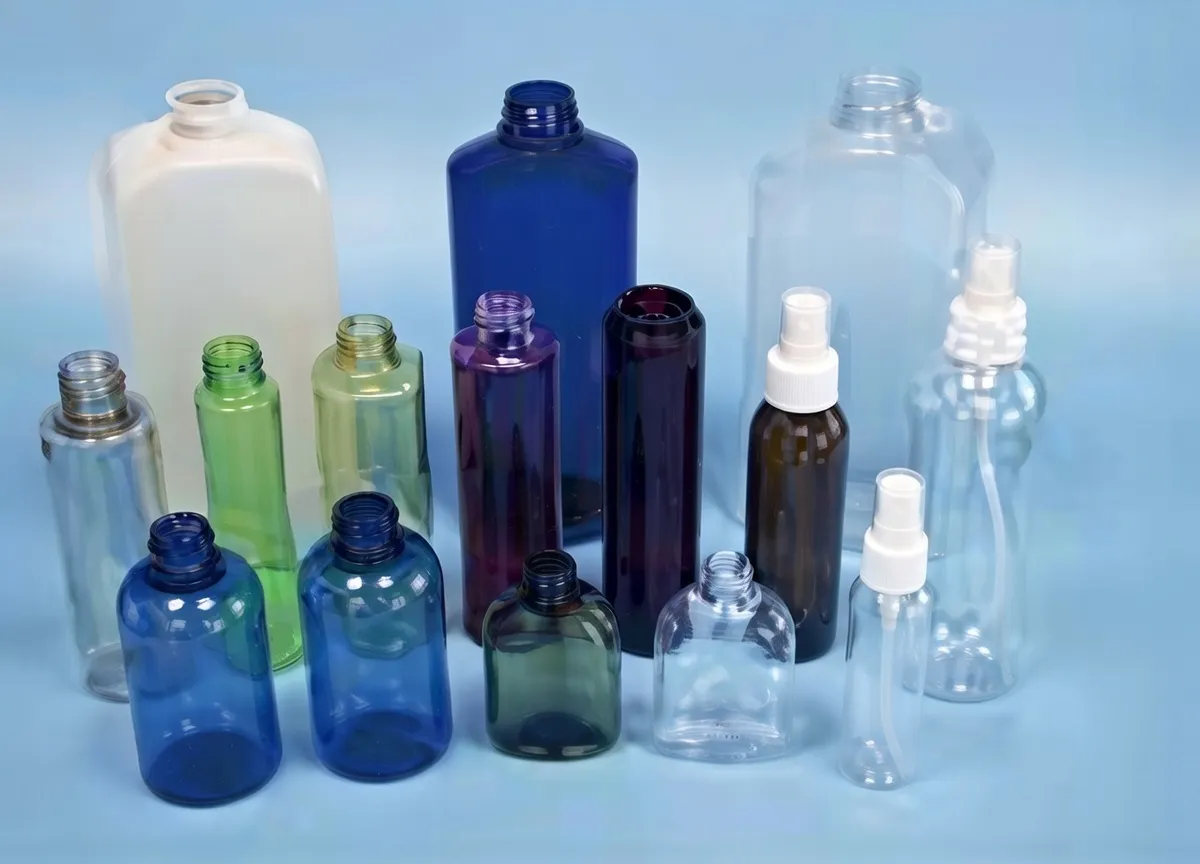
Polyethylene Terephthalate (PET)
PET is by far the dominant material processed on single-stage ISBM equipment globally, and the UK market is no different. Its intrinsic viscosity (IV) — typically 0.72–0.84 dL/g for bottle-grade resin — determines stretch behaviour and barrier properties of the finished container. The biaxial orientation induced by the ISBM stretch-blow step aligns PET’s molecular chains in two planes, significantly enhancing tensile strength up to 180 MPa along the orientation axis, reducing CO₂ permeation to approximately 0.4 cc/bottle/day for a 500 ml container, and improving drop impact resistance. Single-stage ISBM machines are particularly adept at processing PET because the conditioning station maintains preform temperature within ±2°C of the target stretch temperature — usually 95–105°C — eliminating variability that plagues reheat-blow operations where oven dwell time creates temperature gradients around the preform circumference. Recycled PET (rPET) with up to 100% post-consumer content can also be processed on correctly configured ISBM equipment, aligning with UK Extended Producer Responsibility (EPR) packaging regulations that incentivise recycled content use.
Polypropylene (PP) and Engineering-Grade Alternatives
While PET commands the highest volume share, single-stage ISBM is equally capable of processing PP — particularly for high-clarity pharmaceutical vials, medical containers, and personal care applications where chemical resistance to solvents and essential oils is a requirement. The process window for PP in ISBM is narrower than for PET; stretch temperature typically falls in the 155–175°C range, and the conditioning system must deliver highly uniform heat distribution to avoid stress whitening during stretch. High-barrier multilayer structures incorporating EVOH for oxygen-sensitive products can also be processed on certain ISBM platforms configured with co-injection capability. For UK food manufacturers in the Yorkshire Dales or East Midlands who need multi-layer bottles for shelf-stable sauces, condiments, or juices, this co-injection ISBM capability offers a significant competitive advantage that EBM cannot replicate at the same clarity and barrier performance level. PETG and co-polyesters are also readily processable on single-stage ISBM machines for specialty packaging requiring enhanced chemical resistance or non-standard forming temperatures.
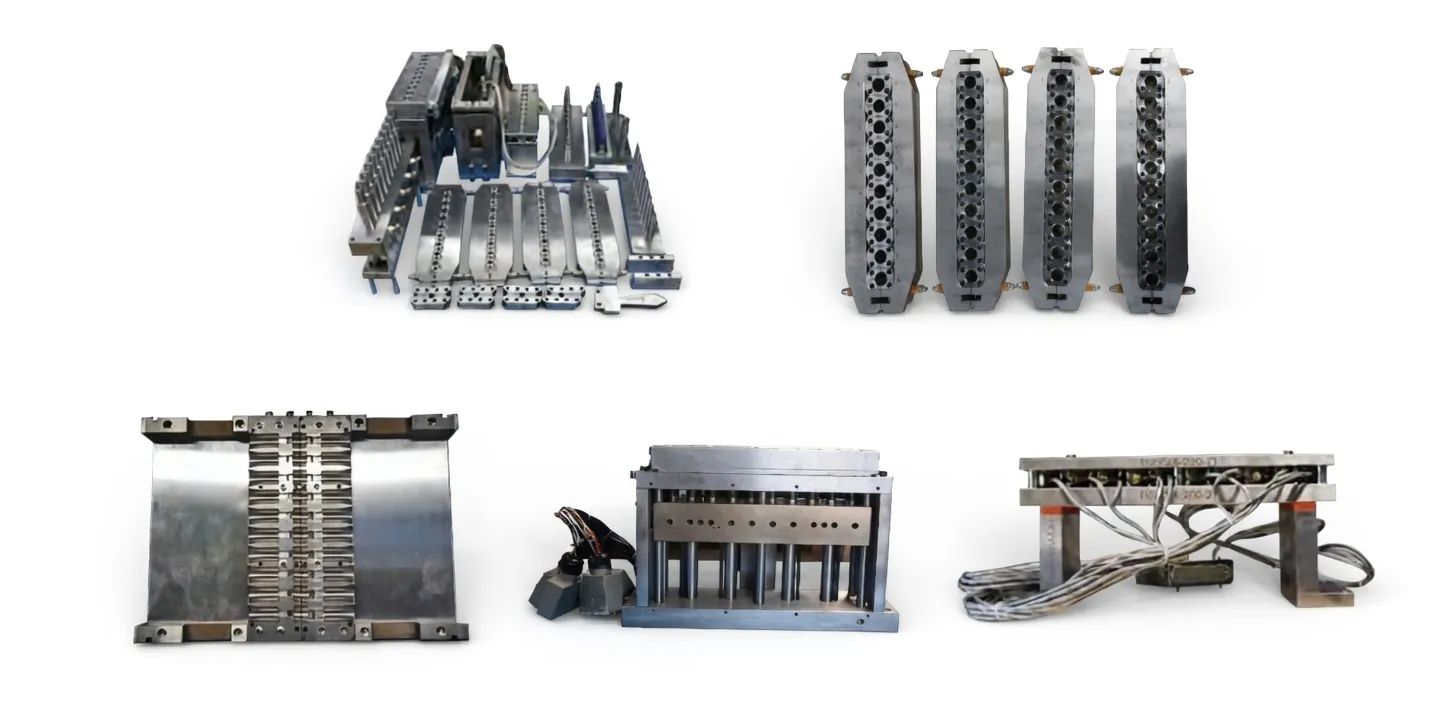
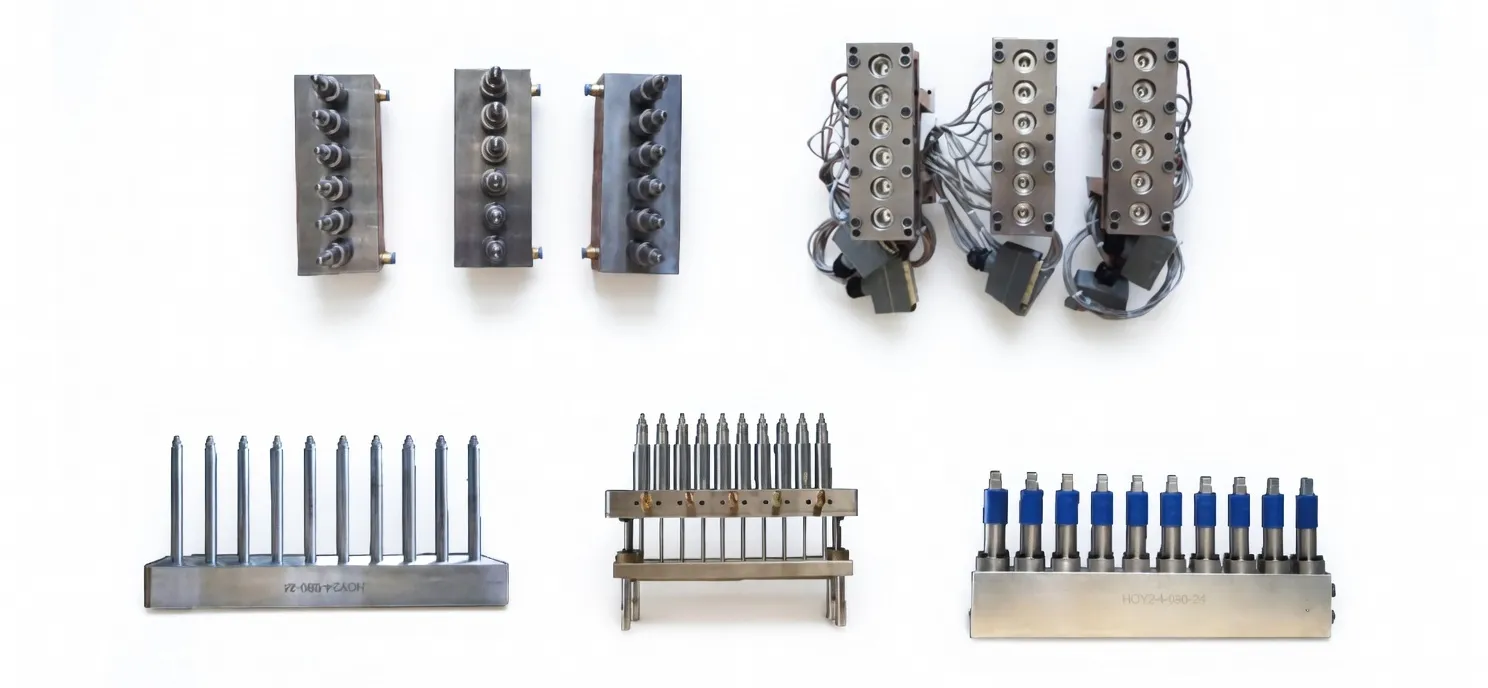
Preform injection mould
Six Core Technical Advantages of Single-Stage ISBM Over EBM
Integrated Process — No Reheating Cost
By preserving injection heat through the conditioning stage, single-stage ISBM eliminates the standalone reheat oven, its energy metering infrastructure, and the additional floor space it occupies. UK manufacturers running two 8-hour shifts report energy savings of £18,000–£35,000 per year compared with equivalent two-stage lines, depending on electricity tariff and annual throughput. Given that UK industrial electricity costs have been elevated relative to European competitors since 2021, this structural advantage becomes more valuable each year the line operates.
Superior Neck Finish Accuracy
Injection-formed neck threads on single-stage ISBM bottles consistently achieve thread pitch accuracy within ±0.05 mm and ovality below 0.15 mm. This exceeds PCO 1881 and BPF neck finish standards demanded by UK pharmaceutical and spirits packaging specifications, and ensures high-speed capping lines run without the jamming or inconsistent capping torque that misformed EBM necks can trigger. In documented field trials on UK pharmaceutical filling lines, switching to ISBM raised capping efficiency from 94% to above 99.2%, eliminating a significant source of line downtime.
Compact Footprint for UK Factory Layouts
A single-stage ISBM machine occupies between 35% and 55% less floor space than an equivalent EBM line paired with flash trimming, granulation, and materials handling equipment. In a country where industrial lease rates in manufacturing corridors such as the West Midlands or Greater Manchester consistently exceed £7–£10/sq ft per annum, the spatial efficiency of ISBM translates directly into reduced fixed overhead that compounds over the machine’s operating life of typically 15–20 years.
Rapid Mould Changeover for Multiple SKUs
Modern single-stage ISBM machines equipped with quick-change mould clamping systems can transition between bottle formats in as little as 45–90 minutes. For contract packaging operations — a sector that has grown considerably across the East Midlands, North West England, and the Yorkshire and Humber region — this agility enables multiple SKU runs per shift and reduces the stock holding pressure that long campaign runs impose. For brands with seasonal or promotional limited editions, the flexibility of ISBM can mean the difference between winning and losing a retail listing.
Lightweighting and EPR Compliance
Biaxial orientation allows single-stage ISBM bottles to carry structural loads with significantly less material than EBM equivalents. A typical 500 ml ISBM PET bottle can be produced at 10–12 g, compared with 18–22 g for a functionally comparable HDPE EBM bottle. With the UK’s Extended Producer Responsibility regulations increasing plastic packaging levies, every gram of resin eliminated from a bottle specification represents a direct reduction in compliance cost and environmental footprint — a dual commercial and regulatory argument that is increasingly difficult for procurement teams to ignore.
Broad Material and Barrier Compatibility
Single-stage ISBM platforms process not only standard PET and PP but also rPET, co-polyesters, and — in co-injection configurations — barrier materials including EVOH and nylon interlayers. This flexibility, combined with the inherent process stability of the single-stage route, positions ISBM as the technology of choice for UK brands navigating the transition to higher recycled content packaging that current EPR incentive structures reward. No EBM process can match this combination of clarity, material flexibility, and neck precision within a single production cell.
Single-Stage ISBM Machine: Technical Performance Parameter Table
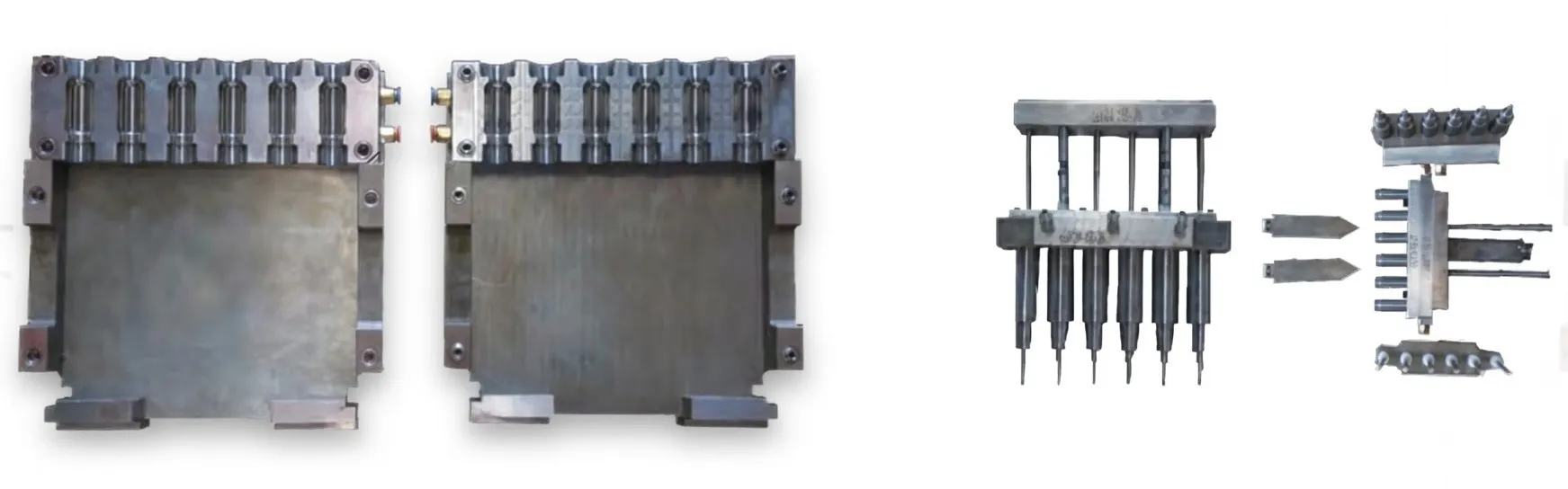
The table below presents representative technical and performance parameters for Ever Power’s single-stage ISBM machine series. Values reflect standard production configurations; custom specifications for high-cavity, multi-layer, or specialist neck-finish variants are available on request from the Ever Power engineering team.
| Parameter | Specification / Range | Notes |
|---|---|---|
| Number of Cavities | 1 – 6 (standard); up to 8 (custom) | Higher cavitation for small-volume pharma vials |
| Container Volume Range | 5 ml – 5,000 ml | Dependent on mould design and clamp tonnage |
| Output Rate | 800 – 6,500 bottles / hour | Varies with container size and cavity number |
| Cycle Time | 5 – 18 seconds | Function of wall thickness and cooling efficiency |
| Injection Pressure | 80 – 160 MPa | Servo-controlled for energy optimisation |
| Blow Pressure | 2.5 – 4.0 MPa (25 – 40 bar) | Two-stage pre-blow and main blow configuration |
| Axial Stretch Ratio | 2.0 – 3.5 : 1 | Typical for PET; PP approx. 1.5 – 2.5 : 1 |
| Radial Stretch Ratio | 2.5 – 4.5 : 1 | Optimised per bottle geometry in CAD simulation |
| Wall Thickness Tolerance | ±0.05 mm (body zone) | Verified by inline ultrasonic thickness gauging |
| Compatible Materials | PET, rPET, PP, PETG, co-polyester | EVOH / barrier multilayer available on request |
| Mould Changeover Time | 45 – 90 minutes | Quick-release clamping standard on EP-HGY series |
| Installed Power | 18 – 75 kW | Servo-hydraulic drive reduces peak draw by up to 35% |
| Machine Footprint | 2.4 m x 1.8 m to 5.6 m x 3.2 m | Compact format available for low-headroom UK factories |
| Control System | Siemens / Beckhoff PLC; 15″ touchscreen HMI | Remote diagnostics and OPC-UA integration available |
| Optical Haze (PET, 500 ml) | < 2% | Measured per ASTM D1003 on bottle body panel |
| Thread Pitch Accuracy | ±0.05 mm | PCO 1881 and BPF standard compliant |
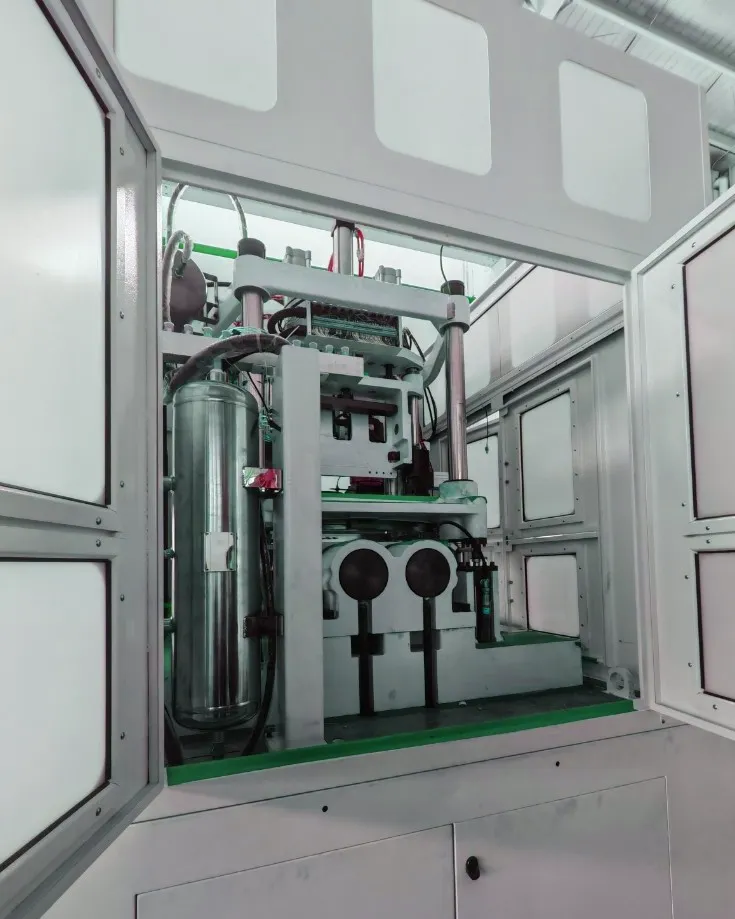
Industrial Application Scenarios: Where Single-Stage ISBM Excels
Ever Power: Custom ISBM Engineering and Manufacturing Excellence
Precision manufacturing · Global supply chain · UK-ready documentation and compliance
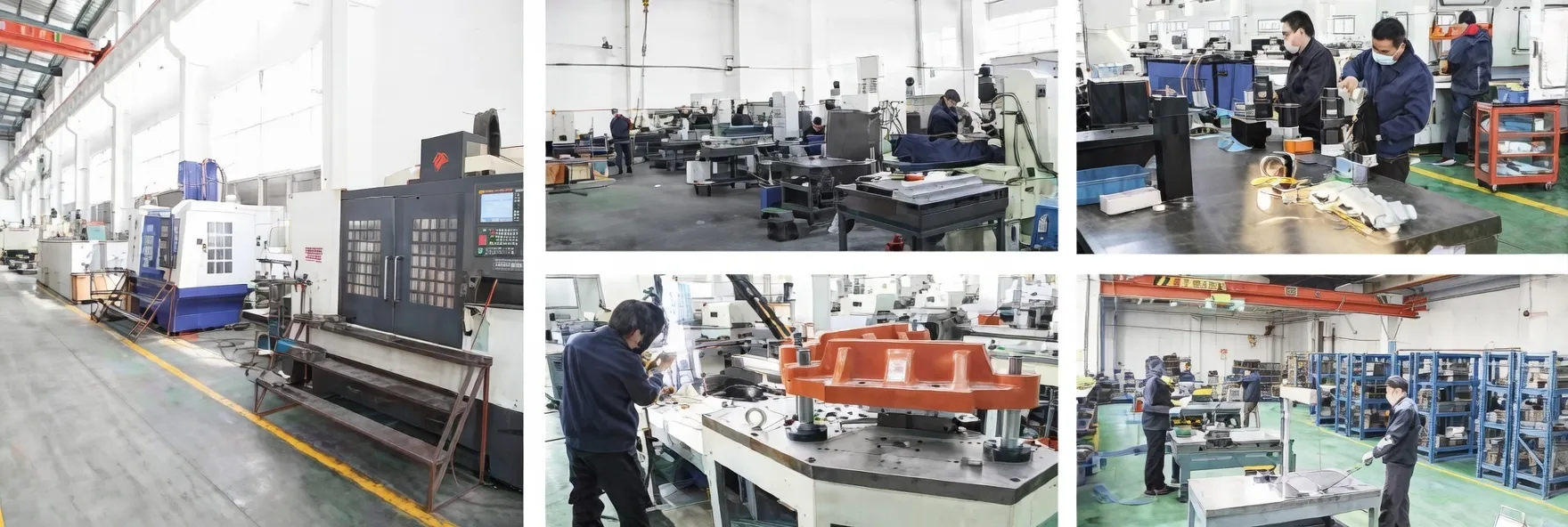
Ever Power manufacturing facility — where each single-stage ISBM machine undergoes full production trials before despatch
Custom Engineering for Every Specification
Ever Power’s engineering team offers deep customisation across every critical dimension of the single-stage ISBM platform. From non-standard neck finish configurations required by UK spirits and pharmaceutical clients, through to multi-cavity tooling for high-volume cosmetics producers, and co-injection capability for barrier packaging in the food sector, the company’s design-for-manufacture process incorporates customer-specific bottle drawings, CAD/CAM simulation of stretch ratios, and prototype validation trials before series production tooling is committed. This approach eliminates costly tool rework iterations and delivers a machine-to-bottle outcome that is predictable, validated, and ready for production qualification from day one of commissioning. No generic catalogue machine is offered as a substitute for a properly specified solution.
Supply Chain Reliability for UK Buyers
Ever Power maintains an extensive component pre-inventory programme covering critical wear items — barrel liners, screw flights, blow rod seals, and mould cooling channels — enabling UK customers to hold minimal on-site spare parts stock while benefiting from next-day air freight despatch on the vast majority of consumable and service items. Machines are shipped in full-test condition, pre-commissioned at the factory, and supported by comprehensive installation documentation tailored to meet UK electrical (BS 7671), pressure equipment (PSSR 2000), and UKCA machinery directive requirements. Remote diagnostics are provided via OPC-UA or VPN, and on-site field service is available anywhere in Great Britain within 72 hours for critical breakdowns — whether that means a visit to a facility in Sheffield, a plant in Cardiff, or a production site in the Scottish Lowlands.
Quality Assurance and Certification
Every single-stage ISBM machine leaving the Ever Power facility undergoes a Factory Acceptance Test (FAT) protocol that includes 24-hour continuous production trials at rated output, bottle dimensional audit against customer-approved drawings, energy consumption verification, and noise and vibration assessment. Quality management is governed by ISO 9001:2015 certified procedures, with traceability documentation provided in English as standard for all UK customers. Customers requiring compliance with pharmaceutical GMP environments or food-contact machinery hygiene standards receive supplementary validation documentation packages that support IQ/OQ/PQ qualification processes. Machines also carry CE marking and full UKCA conformity assessment as standard, removing certification uncertainty for UK importers post-Brexit.
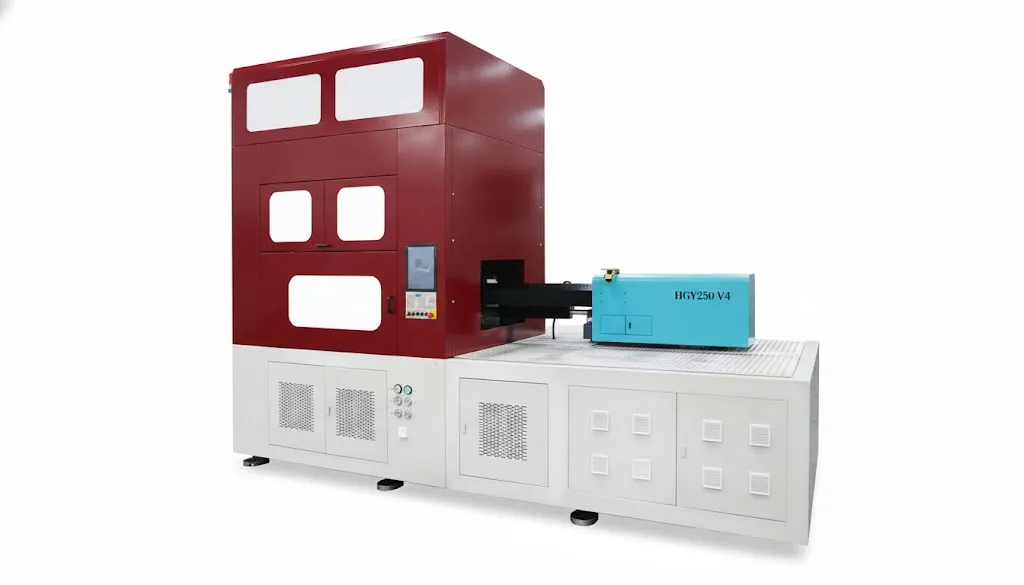
HGY250-V4 Series — high-output 4-cavity platform
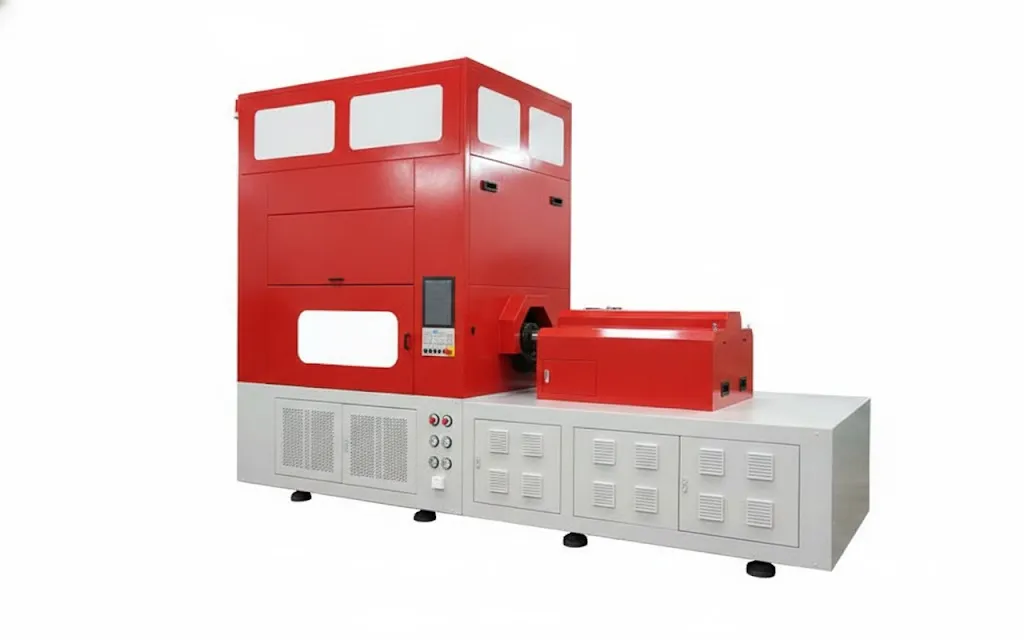
HGY250-V4B Series — compact single-stage ISBM variant
Ready to discuss a custom single-stage ISBM solution for your UK operation?
Customer Success Story: Sheffield Nutraceuticals Group
From Outsourced Moulding to In-House ISBM Production in Six Months
Sheffield Nutraceuticals Group, a mid-size sports nutrition and supplement brand with distribution across the UK and into Germany, Netherlands, and Scandinavia, had been sourcing its PET protein powder and liquid nutrition bottles from a third-party moulding contractor based in the East Midlands. The arrangement served adequately during the company’s early growth phase, but by the time annual bottle volumes crossed 4.2 million units, the lead time variability — frequently stretching to six weeks for new SKU tooling — and a 17% per-unit premium over estimated in-house production costs had become a material drag on both profitability and new product launch velocity. The company’s operations director identified the gap during a cost review in Q2, and a competitive technology tender was initiated within three months.
After an initial consultation with Ever Power, the company identified a 4-cavity single-stage ISBM machine as the appropriate platform for their volume range and bottle portfolio — primarily 250 ml, 500 ml, and 1,000 ml PET containers with a consistent 28 mm PCO neck finish across the range. Ever Power’s engineers produced stretch ratio simulations for all three formats and confirmed that a single preform mould could serve the 500 ml and 1,000 ml bottles through conditioning temperature adjustment alone, reducing the client’s tooling investment by approximately £28,000 compared with the three-separate-preform approach quoted by a competing supplier. The co-location of injection and blow functions within a single-stage ISBM cell also eliminated the intermediate preform storage and transport infrastructure the company had budgeted for.
Machine installation at the Sheffield facility was completed in four days, with operator training delivered over the following week by an Ever Power commissioning engineer. Within 90 days of production start, the quality team had signed off all three bottle variants against the brand owner’s internal specifications, and the procurement team recalculated the per-unit cost reduction at 22% versus the outsourced supply route — representing annual savings in excess of £190,000 at their then-current volumes. The rapid mould changeover capability of the single-stage ISBM platform also allowed the brand’s marketing team to execute a new 750 ml limited edition bottle for a promotional campaign within a three-week turnaround from design approval to first production samples — something the previous outsourced arrangement could not have delivered in under twelve weeks.
What UK Customers Say About Ever Power ISBM Equipment
“We switched from a two-stage EBM arrangement to an Ever Power single-stage ISBM line eighteen months ago, and the neck finish consistency has been transformative for our capping line. We were running at around 94% capping efficiency before — we’re now consistently above 99.2%. The OEE improvement alone has covered a significant portion of the machine investment, and the remote diagnostics capability saved us on what could have been a two-day shutdown when we had a PLC alarm event last spring.”
“The level of customisation Ever Power offered during the tooling design phase was genuinely impressive. Our bottle has a complex waisted profile with an asymmetric base, and their stretch simulation work predicted the final wall thickness distribution within 4% of what we measured at FAT. The process validation documentation for our GMP environment was made straightforward by the quality pack they provided — our QA team commented it was the most complete IQ documentation they’d received from any equipment supplier.”
“Energy cost was the primary driver behind our technology review, and the single-stage ISBM route delivered exactly what we had modelled. We’re producing 500 ml PET water bottles at approximately 0.09 kWh per kilogram processed — materially lower than our previous reheat line. The price-to-performance ratio was excellent compared with the two European suppliers we evaluated, and the after-sales responsiveness from the Ever Power team has been consistently strong across the first fourteen months of production.”
Frequently Asked Questions: ISBM vs EBM for UK Packaging Operations
What is the main difference between EBM and single-stage ISBM, and which process should a UK packaging manufacturer choose for producing clear PET beverage bottles?
The fundamental distinction is process architecture and the method of container formation. EBM forms containers from an extruded parison of molten resin, while single-stage ISBM starts with a precision-injected preform and uses biaxial stretching to produce the final container shape. For transparent PET beverage bottles, single-stage ISBM is the superior choice across every quality metric — delivering haze values below 2%, wall thickness uniformity within ±0.05 mm, and near-zero process scrap. UK beverage manufacturers should specify EBM only for opaque HDPE containers such as milk, motor oil, or agricultural chemicals, where clarity is irrelevant and container volumes justify EBM’s high throughput rates. For anything sold through retail or requiring consumer-facing visual appeal, single-stage ISBM is the correct technology selection.
How much does a single-stage ISBM machine cost, and what price range should procurement managers in Birmingham or Manchester expect when requesting quotes for a mid-volume production line?
Entry-level single-cavity single-stage ISBM machines typically start from approximately £45,000–£75,000 (FOB origin), depending on clamping tonnage, control system specification, and included tooling. Mid-range 4-cavity machines with Siemens PLC control, quick-change mould systems, and full UKCA compliance documentation typically fall between £120,000 and £220,000. High-performance 6- to 8-cavity platforms for continuous production environments can extend to £350,000 or beyond. Birmingham and Manchester-based procurement teams should factor shipping, installation, operator training, and initial spare parts stocking into the total cost of ownership model. Contact Ever Power at [email protected] for a project-specific quotation and detailed ROI modelling for your production volumes.
Which UK industries and manufacturing sectors are the best fit for single-stage ISBM technology, and where is this process most widely adopted across England, Wales, and Scotland?
Single-stage ISBM is most heavily deployed across four UK sectors: pharmaceutical packaging (strongest in the Cambridge–Oxford biotech belt, Huddersfield, and Swindon), cosmetics and personal care (Leeds, Bristol, London, and Nottingham), premium beverages and sports nutrition (Scotland, Yorkshire, and South East England), and specialty food and condiments (Lincolnshire, the East Midlands, and East Anglia). The process has also grown rapidly in the craft spirits sector, where distinctive transparent bottle shapes command a premium and require the optical quality and dimensional precision that single-stage ISBM uniquely provides. Contract packaging operations serving multiple brand clients — a sector with a strong presence in the North West and Midlands — increasingly specify ISBM for the multi-SKU flexibility that rapid mould changeover enables.
How long does it take to get a custom single-stage ISBM machine designed, manufactured, tested, and delivered to a factory in Sheffield or the wider South Yorkshire industrial region?
Lead times depend on customisation complexity and production scheduling at the time of order placement. Standard configurations with established mould designs are ready for Factory Acceptance Testing within 10–14 weeks from purchase order confirmation. Custom-engineered platforms requiring new preform mould design, non-standard neck finishes, or co-injection capability typically require 16–22 weeks to FAT. Sea freight to UK ports such as Felixstowe, Southampton, or Tilbury adds 4–5 weeks, after which domestic haulage to Sheffield or anywhere across South Yorkshire is typically completed within 48–72 hours of port clearance through Ever Power’s established UK logistics partners. Full installation, commissioning, and operator training is usually completed within 5–7 working days on-site.
Who are the most reliable suppliers of single-stage ISBM machines for UK pharmaceutical packaging lines, and what certifications and documentation standards should quality managers look for when comparing supplier quotes?
For UK pharmaceutical packaging environments, the non-negotiable certification baseline includes CE or UKCA marking under the Machinery Directive, ISO 9001:2015 quality management certification for the manufacturer, and FAT documentation in English. For MHRA-regulated GMP environments, IQ/OQ/PQ documentation, audit trail functionality on the control system (aligned with FDA 21 CFR Part 11 principles), and material traceability records for all product-contact components are essential. Ever Power holds ISO 9001:2015 certification, provides full English FAT and installation documentation as standard for all UK-destined machines, and has supplied validation documentation packages supporting MHRA-regulated qualification processes on multiple UK pharmaceutical project deliveries. The company’s quality team can advise on documentation scope before contract signature.
What is the typical return on investment timeframe for a single-stage ISBM machine when a UK manufacturer brings PET bottle production in-house from an outsourced supply arrangement?
ROI period varies with annual volume, current bought-in bottle cost, local labour rates, and energy pricing. As a general benchmark, UK manufacturers currently purchasing PET bottles externally at volumes exceeding two million units per year typically achieve payback within 18–36 months of commissioning a single-stage ISBM machine. At four million units per year and above, payback periods of 12–18 months are achievable when energy savings, scrap elimination, reduced logistics costs, and premium for in-house quality control are included in the calculation. Ever Power’s commercial team provides detailed ROI modelling tailored to your specific production volumes, bottle weight, current supply price, and local energy cost — this is provided as part of the quotation process. Contact [email protected] to begin the analysis.
When does it make more commercial sense to choose EBM over a single-stage ISBM machine for a UK industrial packaging application, and what factors should drive that decision?
EBM remains the logical choice when the container design involves geometries that injection moulding cannot replicate — for example, large jerry cans, incorporated handles, or heavily undercut forms. It is also generally more cost-effective for containers above three litres in volume, for opaque HDPE applications where clarity is irrelevant, and for operations requiring very high single-cavity throughput rates in a continuous production environment. Where the choice is genuinely borderline, the decision factors that typically resolve in favour of single-stage ISBM for a UK operation are: required container clarity, neck finish precision for filling line compatibility, available floor space, annual energy cost exposure, and the need for flexibility across multiple container formats. For any UK operation serving consumer goods, food, beverage, pharmaceutical, or cosmetics markets, the evidence consistently points toward single-stage ISBM as the higher-returning long-term technology investment.
Make the Right Blow Moulding Technology Decision for Your Business
Whether you are evaluating your first in-house single-stage ISBM line, comparing the ISBM process against your current EBM installation, or looking to upgrade ageing blow moulding equipment, the Ever Power engineering and commercial team is ready to provide a tailored technical and commercial assessment for your specific UK production requirements.
📩 Get Your Custom Quote: [email protected]
edit by gzl