Ever Power | Industrial Packaging Solutions
Injection-Blow Molding Machine: Applications, Technology & UK Market Guide
From pharmaceutical-grade ophthalmic vials to precision personal care packaging — discover how injection blow molding machines are reshaping manufacturing across the United Kingdom.
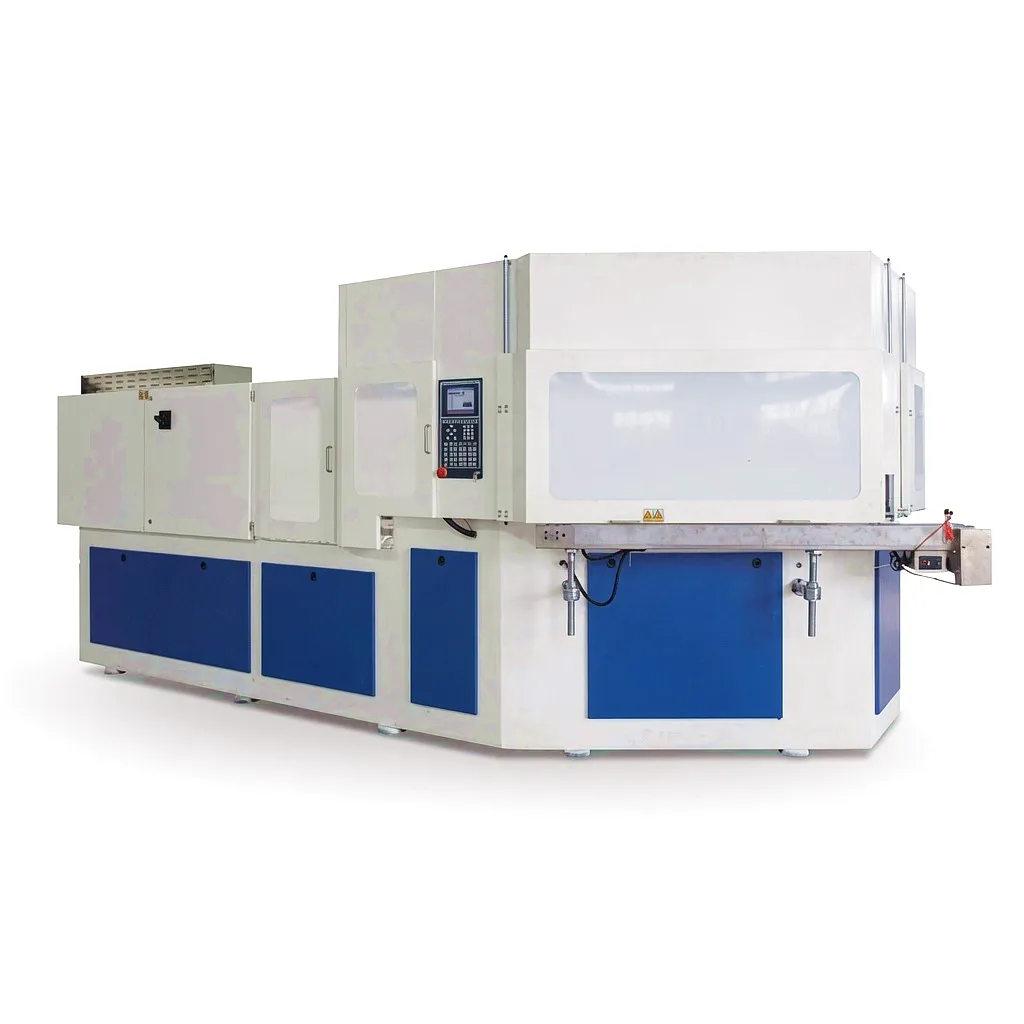
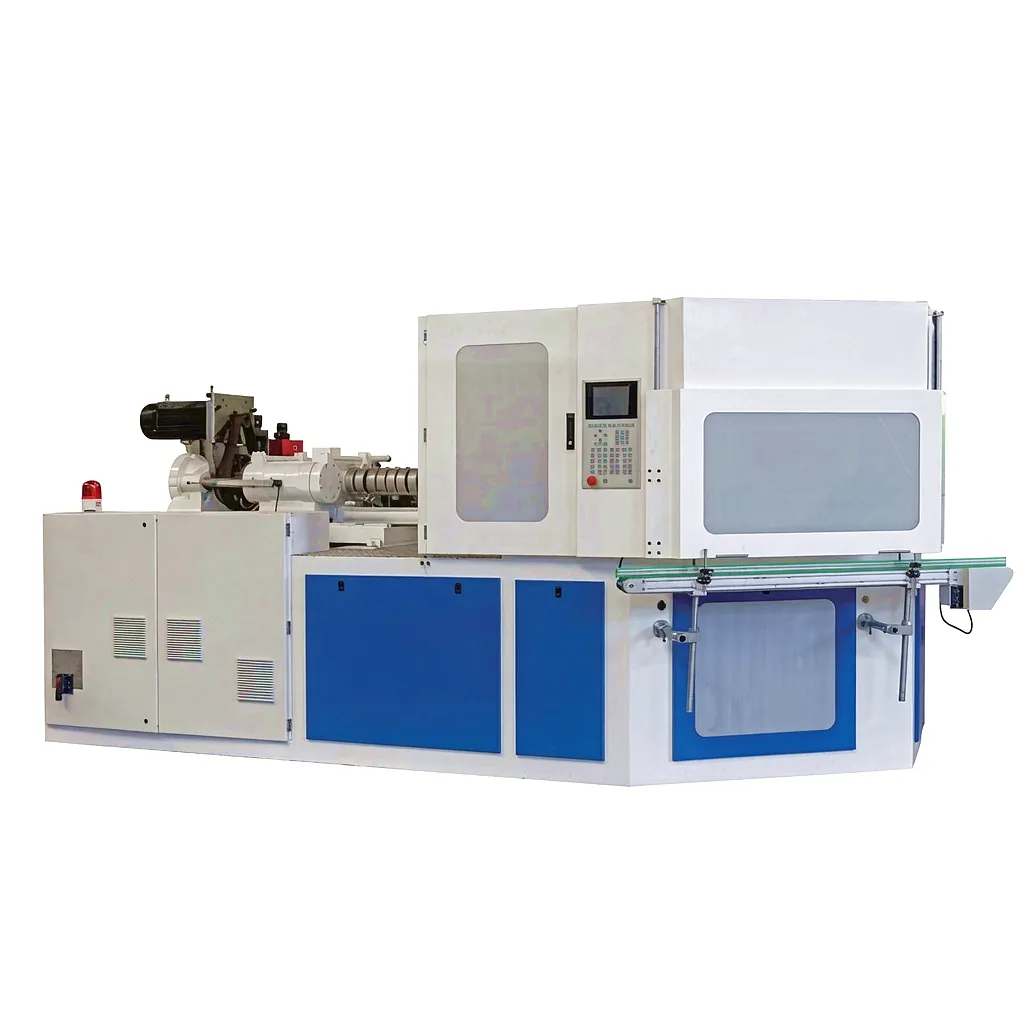 Across manufacturing hubs from Birmingham’s Jewellery Quarter to Sheffield’s advanced materials corridor and the pharmaceutical clusters of the East Midlands, a quiet revolution in container production has taken hold. The injection blow molding machine — commonly abbreviated IBM machine — has become an indispensable piece of capital equipment wherever high-precision, high-volume hollow plastic containers are required. Unlike extrusion blow molding or stretch blow molding, the IBM process combines two critical operations in a single continuous cycle: the injection of molten polymer into a preform cavity, followed immediately by inflation of that preform over a blow pin to achieve the final container geometry. This dual-stage approach produces articles of exceptional dimensional accuracy, wall-thickness consistency, and neck-finish precision — qualities that command premium value across healthcare, cosmetics, food, and industrial packaging markets.
How the Injection Blow Molding Process Works
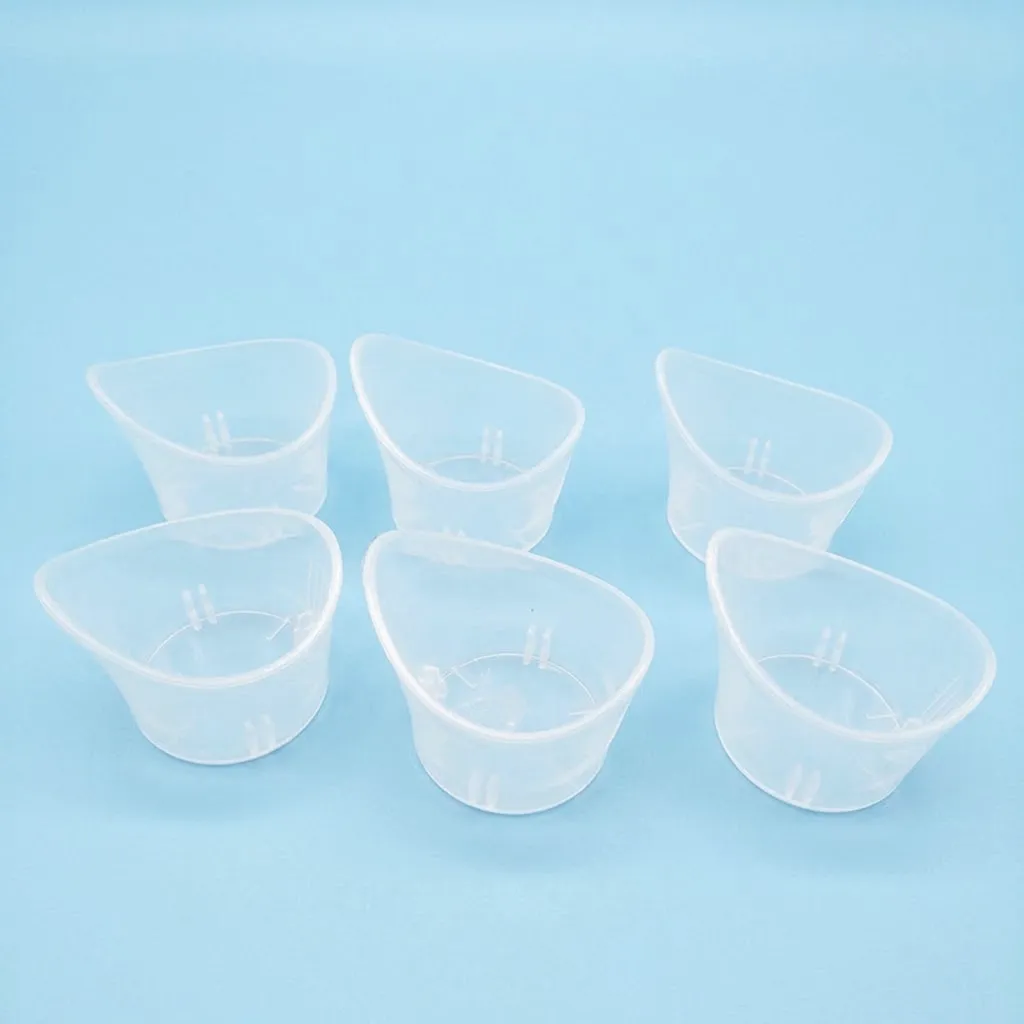 The IBM cycle begins at the injection station, where a screw-and-barrel plasticising unit melts the raw polymer resin — typically polypropylene (PP), high-density polyethylene (HDPE), polyethylene terephthalate (PET), or polystyrene (PS) — and injects it at controlled pressure and temperature into a preform mould surrounding a steel core rod. The polymer flows to fill the preform cavity, forming a thick-walled, dimensionally precise tube with a fully formed neck finish. This is one of the fundamental distinctions from extrusion blow molding: the neck threads, snap-fits, or dispensing orifices are created during injection, not after, eliminating post-trim operations and guaranteeing wall-thickness uniformity at the critical sealing zone.
Once the preform has been injected and solidified to a controlled temperature, the indexing table rotates the core rod — along with the pre-form still mounted upon it — to the blow station. At this point, blow air is introduced through the core rod at pressures typically between 0.6 and 1.2 MPa. The semi-molten preform inflates within the blow mould, adopting the precise shape of the cavity walls. Because the preform retains heat from injection (unlike the reheat stretch-blow process, which cools and reheats), the material is in optimal biaxial orientation condition, supporting consistent wall distribution without hot spots or thin sections. The blow station is also where temperature control of the mould surface plays a critical role: chilled water circuits embedded in the tooling extract heat rapidly, locking in the container geometry and enabling short cycle times.
After blow and cooling, the indexing table advances once more to the ejection station. Finished containers are released from the core rod — cleanly, with no flash, no parting-line weld, and no base pinch-off mark. This flash-free characteristic is not simply an aesthetic advantage; it is a functional requirement in pharmaceutical packaging, where any surface artefact could trap contaminants or compromise label adhesion. On a three-station machine such as Ever Power’s ZQ series, all three operations proceed simultaneously within each cycle, giving a net production rate that scales linearly with cavitation. Machines in the ZQ80 to ZQ135 range typically run four to eight cavities per station, enabling outputs of 2,000 to 10,000 containers per hour depending on container volume and material.
Core Materials Processed by Injection Blow Molding Machines
HDPE
High-density polyethylene dominates pharmaceutical dropper bottles, household chemical containers, and agrochemical packaging. Its chemical resistance, moisture barrier properties, and FDA/EU food-contact compliance make it the workhorse material for UK contract manufacturers serving the OTC healthcare sector.
Polypropylene (PP)
PP’s higher melting point and excellent chemical inertness suit it to cosmetic packaging, medical reagent bottles, and containers that require autoclave sterilisation. PP’s natural transparency (in clarified grades) also enables optical inspection of fill level without secondary labelling windows.
PET
Polyethylene terephthalate processed on injection blow equipment (as distinct from the ISBM reheat process) yields small, thick-walled bottles with excellent clarity and oxygen barrier performance. These characteristics are valued for premium personal care serums and nutraceutical packaging in the UK retail market.
PC & COC
Polycarbonate and cyclic olefin copolymer are specified for optical-quality containers and laboratory diagnostics packaging. COC in particular offers near-glass clarity, extremely low moisture absorption, and compatibility with gamma sterilisation — essential for diagnostic reagent vials manufactured by companies operating in the Cambridge life-sciences cluster.
Application Scenario 1 — Healthcare & Ophthalmic Products: Eye Drops, Nasal Sprays & Sterile Irrigation Containers
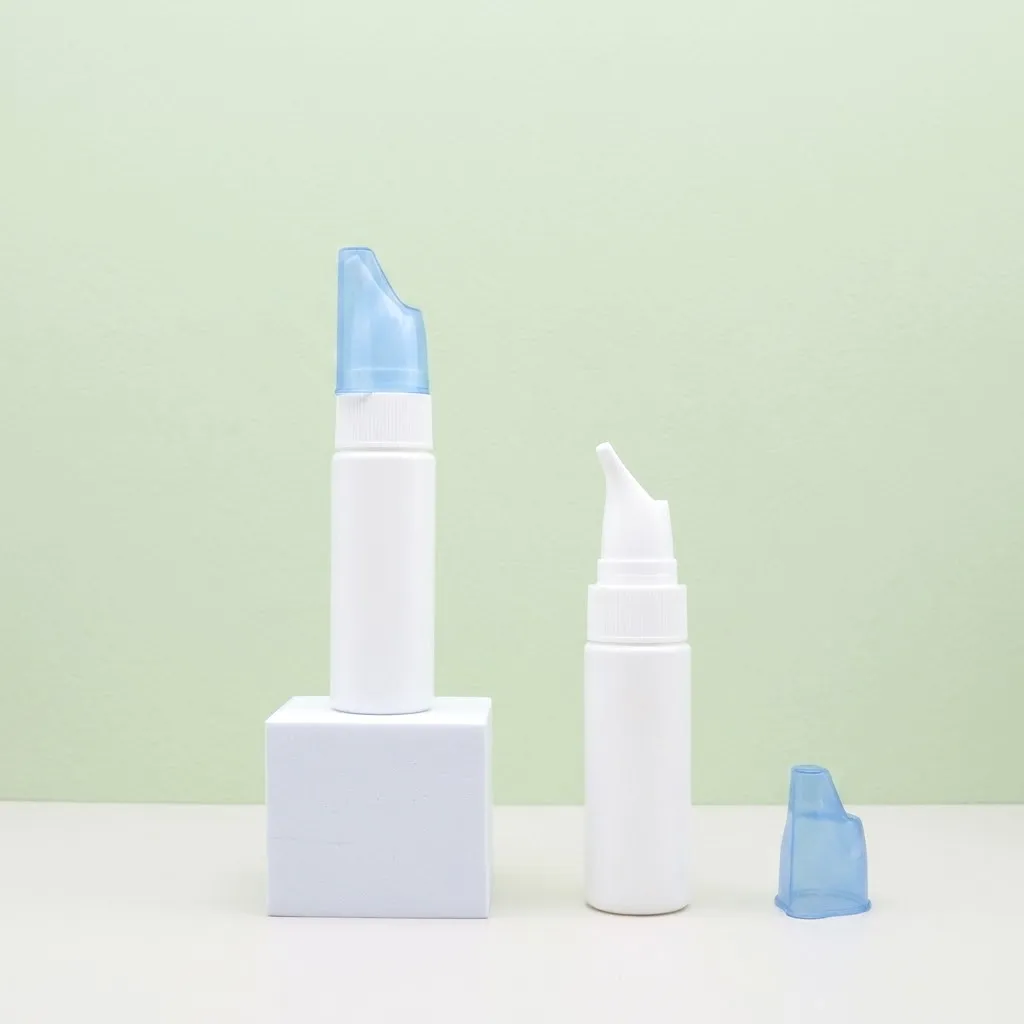 Healthcare packaging represents the highest-precision, most compliance-intensive application of injection blow molding technology. Products intended for direct contact with ocular or nasal mucous membranes must meet the full breadth of pharmacopoeial requirements covering particulates, extractables and leachables, sterility, and container closure integrity. The IBM process is uniquely suited to this application because its closed-mould formation geometry — the preform never becomes an open tube exposed to ambient air — inherently restricts contamination pathways during production.
Eye drop bottles — ranging from 5 ml single-dose vials to 15 ml multidose dispensers with tamper-evident overcaps — require neck orifice diameters held to tolerances of ±0.05 mm to guarantee consistent drop volume delivery. Any deviation in the orifice geometry directly affects the dose accuracy of a product that a patient may be using to manage glaucoma or post-surgical inflammation. Injection blow molding machines achieve this precision because the neck is formed by the injected polymer flowing into a precision-ground steel cavity; there is no secondary trimming, no weld line in the shoulder, and no variation between cavities when tooling is correctly manufactured and maintained.
Nasal spray containers present an additional challenge: the integral dip tube channel and the container body must be co-moulded in a single piece, or the container body must accept a press-fit actuator with zero dead volume at the base. IBM machines handle both configurations, with multi-cavity tooling that produces the container body and neck — including finger-flange geometry for the pump actuator — in one operation. UK pharmaceutical manufacturers based in the East Midlands and Cheshire, where a significant cluster of contract packaging organisations has developed, specify IBM machines precisely to avoid the secondary operations that would be required with extrusion blow molding.
💊 Eye Drop Bottles
5 ml–15 ml, LDPE/PP, ±0.05 mm orifice tolerance
💉 Nasal Spray Containers
10 ml–30 ml, PP, pump-actuator neck geometry
🥥 Sterile Saline Wash Bottles
100 ml–500 ml, HDPE/LDPE, autoclave-grade
💊 Multi-Dose Dropper Tubes
3 ml–10 ml, LDPE, self-sealing orifice
💉 Eye Wash Cups
PP, contoured rim, FDA-grade resin
The IBM process’s inherent flash-free production is not a cosmetic nicety in this sector — it is a validation prerequisite. MHRA inspection regimes for primary pharmaceutical packaging require documented evidence that container surfaces are free of particulate-generating artefacts. A flash-free container produced on a correctly set-up injection blow molding machine passes this requirement by design rather than by secondary inspection. Sterile saline irrigation bottles, which may range from 100 ml wound-rinse units to 500 ml eye-wash reservoir bottles, benefit additionally from the IBM process’s ability to produce containers with a bottom gate point rather than a base weld, ensuring structural integrity under squeeze-dosing conditions without crack propagation risk at the base seam.
Application Scenario 2 — Personal Care & Cosmetics: Serum Bottles, Lotion Dispensers & Fragrance Packaging
The UK beauty and personal care market — valued at over £27 billion and anchored by brands headquartered in London, Leeds, and Manchester — has consistently pushed container specification requirements toward more complex geometries, premium surface aesthetics, and increasingly stringent material sustainability credentials. Injection blow molding machines meet these demands through their ability to produce containers with undercut geometries, tapered waist profiles, and oval or rectangular cross-sections that would require secondary operations or multi-piece assembly in alternative processes.
Serum bottles for premium skincare — typically in the 15 ml to 50 ml range — benefit from the IBM process’s ability to produce heavy-wall containers with a high body-to-neck ratio and optically clear PP or PET construction. The clarity of injection-blow PET, processed correctly on a temperature-controlled IBM machine, approaches that of glass, enabling brands to showcase product colour and texture — a critical commercial attribute in the luxury skincare segment where tactile and visual packaging perception directly drives purchase decisions at retail. The neck geometry of these bottles must accommodate dropper inserts, pump mechanisms, or disc-top closures with zero tolerance for misalignment, a requirement the IBM process handles at every cavity simultaneously.
Lotion dispensers and shampoo bottles in the 100 ml to 300 ml range — standard SKUs for the UK’s growing private-label personal care sector — represent the volume production application of IBM equipment. Contract manufacturers operating in the Yorkshire and Humber region increasingly run injection blow molding machines in three-shift operations to supply own-label ranges for the major British pharmacy chains, where production volumes of 500,000 to 2 million units per SKU per annum are common. The IBM machine’s consistent cycle repeatability — often within 0.5 seconds variation across thousands of hours of production — is critical to maintaining the tight weight and volume specifications that private-label procurement contracts demand.
Application Scenario 3 — Food, Supplement & Nutraceutical Packaging
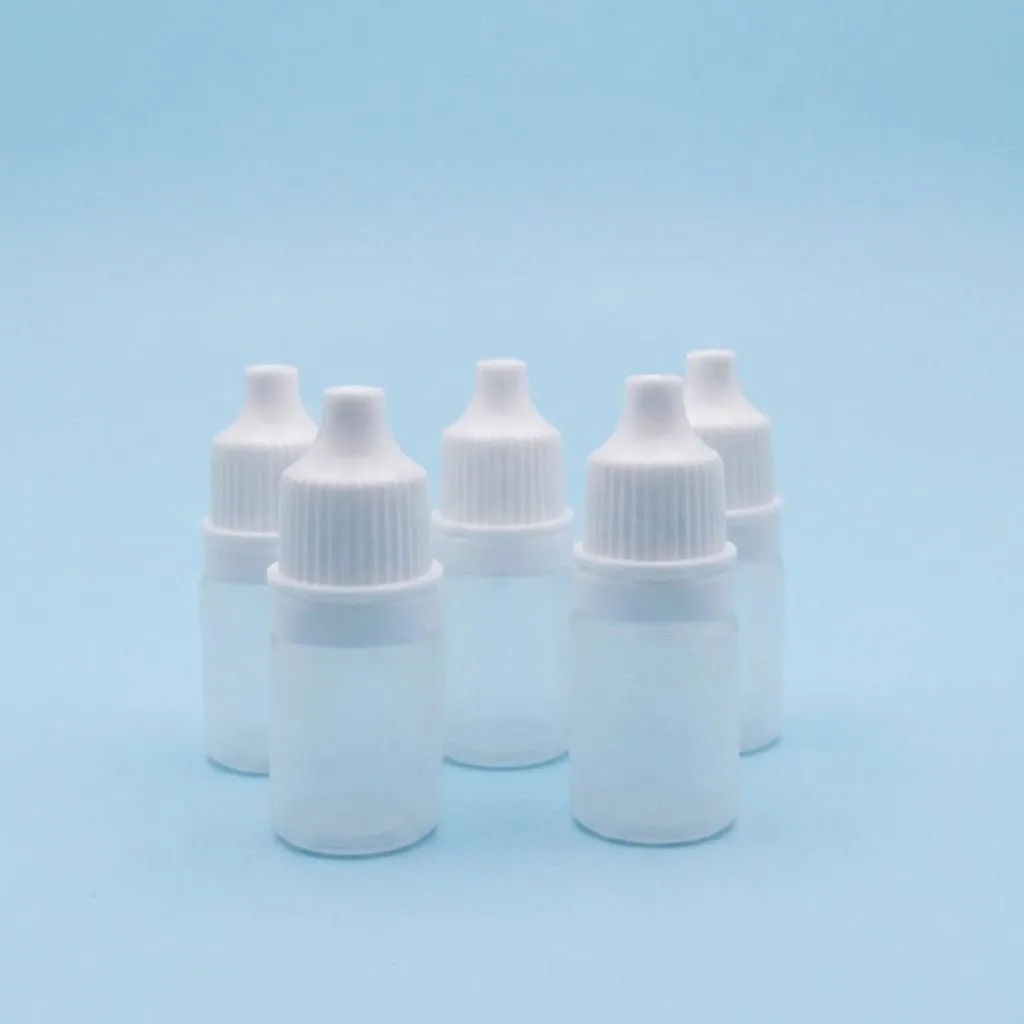 The UK nutraceutical and dietary supplement sector has expanded dramatically in the years following increased consumer health consciousness, with production concentrated in the West Midlands, Nottinghamshire, and the Scottish central belt. Supplement tablet jars, protein powder scoops, and liquid vitamin dropper bottles all represent application opportunities for injection blow molding equipment. The principal materials here are HDPE (for tablet and capsule jars) and PP (for liquid supplement droppers), both of which process at stable, well-documented conditions on IBM machines.
Child-resistant closure compatibility is a specific design requirement for supplement and OTC healthcare containers in the UK, governed by BS EN ISO 8317. The IBM process’s ability to precisely form continuous-thread neck geometries — with flank angle, helix angle, and thread root radius all controlled by tooling geometry rather than by a secondary operation — makes it the preferred production method when CRC closure suppliers specify dimensional tolerances that extrusion blow molding cannot reliably achieve. Food-grade containers for honey, sauces, and condiments, particularly the premium artisanal products now distributed through UK delicatessens and farm shops, benefit from IBM-produced containers for similar reasons: shape complexity, clarity, and brand differentiation through container geometry.
Injection Blow Molding Machine — Technical Performance Parameters
| Parameter | ZQ80 | ZQ110 | Unit |
|---|---|---|---|
| Clamping Force (Injection Station) | 800 | 1100 | kN |
| Clamping Force (Blow Station) | 400 | 550 | kN |
| Screw Diameter | 45 | 55 | mm |
| Max Injection Volume | 230 | 380 | cm³ |
| Blow Air Pressure (Max) | 1.2 | 1.2 | MPa |
| Container Volume Range | 5 – 250 | 10 – 500 | ml |
| Max Cavitation per Station | 6 | 8 | cavities |
| Cycle Time (10 ml PP) | ∼8 | ∼9 | seconds |
| Platen Dimensions (L x W) | 600 x 500 | 750 x 620 | mm |
| Motor Power (Hydraulic Unit) | 18.5 | 30 | kW |
| Neck Orifice Tolerance | ±0.05 | ±0.05 | mm |
| Compatible Materials | HDPE / PP / PET / LDPE / PS / COC / PC | — | |
| Control System | Siemens PLC / HMI Touchscreen | — | |
Core Technical Advantages of Modern Injection Blow Molding Equipment
Zero Flash, Zero Trim Waste
Unlike extrusion blow molding, the IBM process produces no flash at the container base or parting line. This eliminates trimming labour, secondary inspection, and regrind handling — reducing overall material consumption by 3% to 8% per production run.
Precision Neck-Finish Formation
Thread profiles, snap-fit rings, child-resistant lugs, and dispensing orifices are all formed during injection — not cut, trimmed, or rolled. Dimensional consistency across a 6-cavity tool is typically within ±0.03 mm, satisfying pharmaceutical and cosmetic closure-supplier specifications without additional gauging operations.
Uniform Wall Thickness Distribution
The preform carries the polymer in a homogeneous mass of controlled geometry to the blow station. The resulting blown container exhibits wall thickness variation of typically less than 0.15 mm across the body panel — critical for squeeze-dispense containers where non-uniform walls cause unpredictable flow characteristics.
Single-Machine, Multi-Operation Efficiency
By combining injection, blow, and ejection in a single indexing cycle, the IBM machine eliminates the need for preform transfer conveyors, reheat ovens, and separate blow units. Floor space requirements are 30% to 50% lower than equivalent-output two-machine ISBM setups, which is a significant consideration for UK manufacturers operating within the cost constraints of existing factory footprints.
Fast Tooling Changeover
Ever Power’s ZQ series is designed with quick-change tooling plates and standardised core-rod diameter interfaces. Mould changeover can be accomplished within 90 to 120 minutes by a trained two-person team — a meaningful advantage for UK contract manufacturers running multiple SKUs across shift patterns and seeking to minimise non-productive downtime against tight delivery schedules.
Energy-Efficient Servo-Hydraulic Drive
The ZQ series incorporates servo-hydraulic pump control, reducing energy draw during dwell and cooling phases by up to 35% compared to fixed-displacement hydraulic systems. For UK manufacturers operating under the Energy Savings Opportunity Scheme (ESOS), this efficiency data directly supports compliance reporting and investment justification to financial controllers.
Manufacturing Facility — Ever Power Production Base
Ever Power — Precision Manufacturing & Custom Injection Blow Molding Solutions
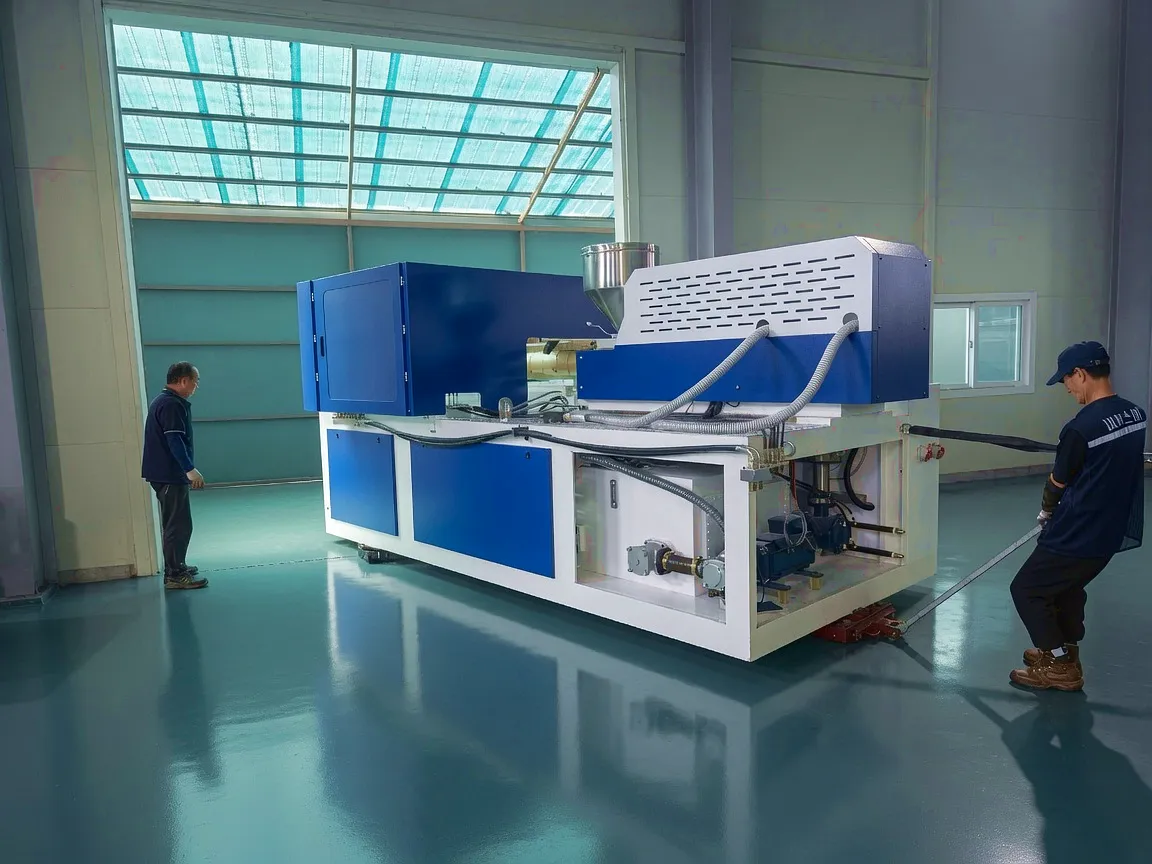
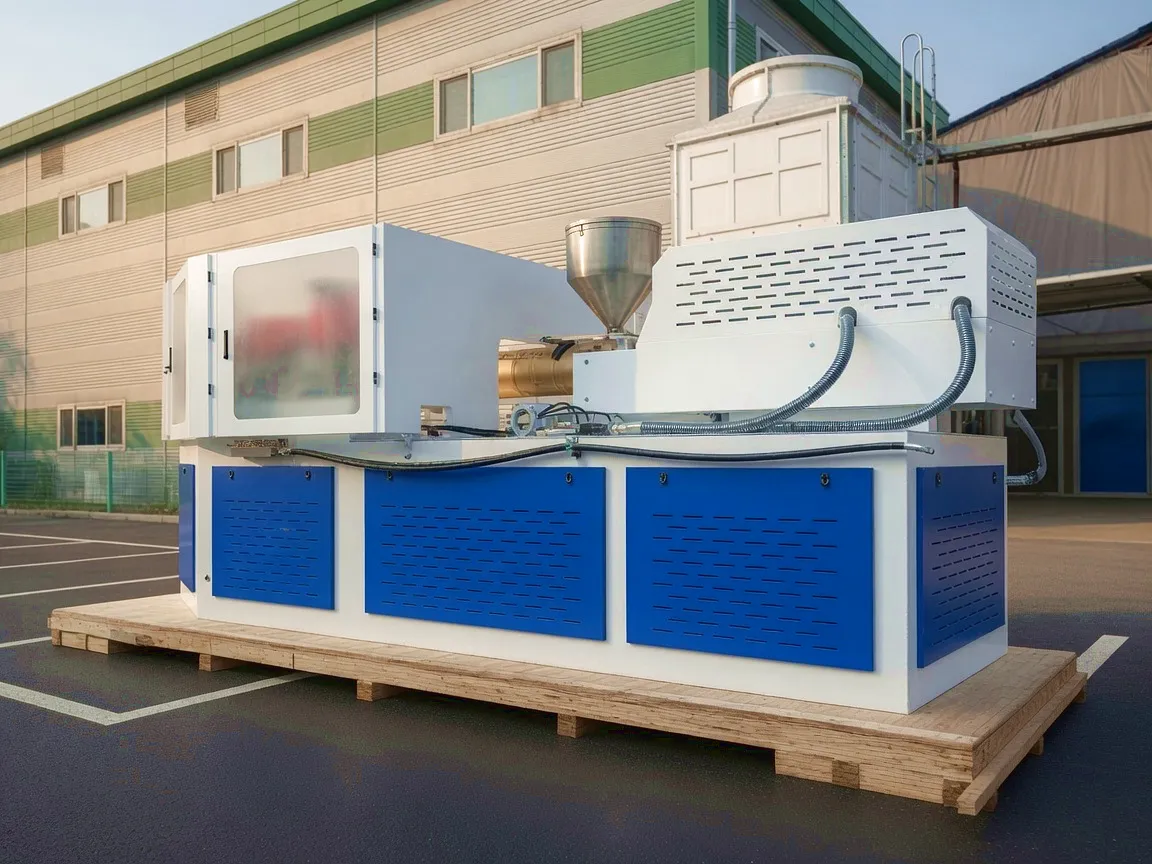
Ever Power has operated as a specialist injection blow molding machine manufacturer for more than two decades, building a reputation grounded in engineering depth rather than catalogue breadth. The manufacturing facility encompasses precision CNC machining centres, coordinate measuring machines (CMM) for tooling verification to sub-micron tolerances, and a dedicated assembly and run-off area where each machine undergoes a minimum 72-hour production trial before shipment. This rigorous pre-delivery protocol ensures that equipment arriving at a customer’s facility in Birmingham, Sheffield, or Bristol is immediately production-ready, minimising the engineering time required to achieve validated cycle parameters.
The customisation capabilities at Ever Power extend well beyond standard machine configuration. For healthcare customers requiring cleanroom-compatible machine construction, Ever Power offers stainless-steel guarding, positive-pressure air enclosures for the mould area, and documentation packages conforming to ISO 11135 and GMP Annex 1 requirements. For personal care and cosmetics customers requiring specific container neck geometries or non-standard platen configurations, the in-house tooling design team uses parametric 3D modelling to develop preform and blow-mould tools that are validated against customer closure-supplier specifications before despatch.
Supply chain reliability is a cornerstone of the Ever Power proposition. All hydraulic components are sourced from Bosch Rexroth and Parker Hannifin; electrical components from Siemens and Schneider Electric. This commitment to Tier-1 component sourcing means that UK customers — whether ordering through a domestic distributor or shipping parts directly from the Ever Power warehouse — can source maintenance items through established local supply chains. Spare parts availability, critical for achieving OEE targets in high-volume production environments, is typically guaranteed within 5 working days to UK mainland addresses.
20+
Years manufacturing IBM equipment
72h
Pre-delivery production trial per machine
±0.05mm
Neck orifice tolerance standard
5 Days
Spare parts delivery to UK mainland
Auxiliary Equipment & Complete Production Lines
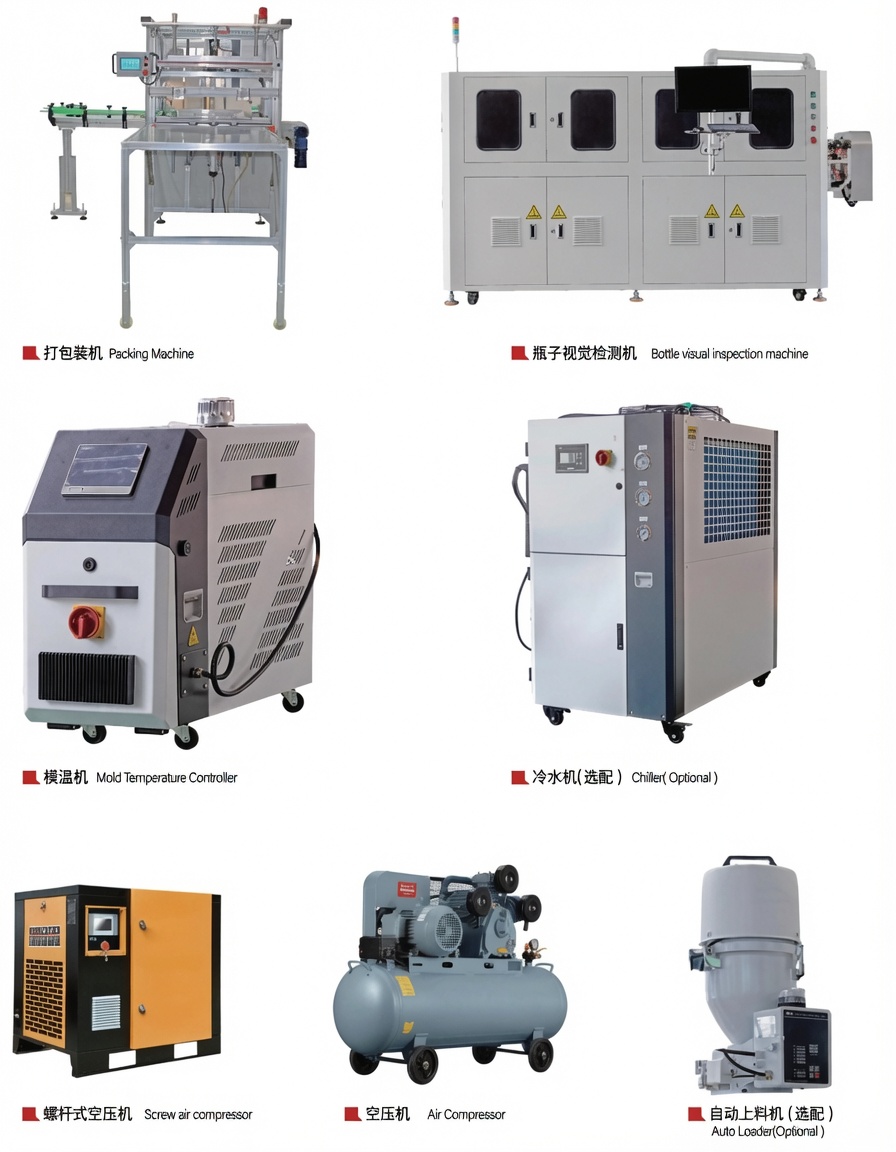
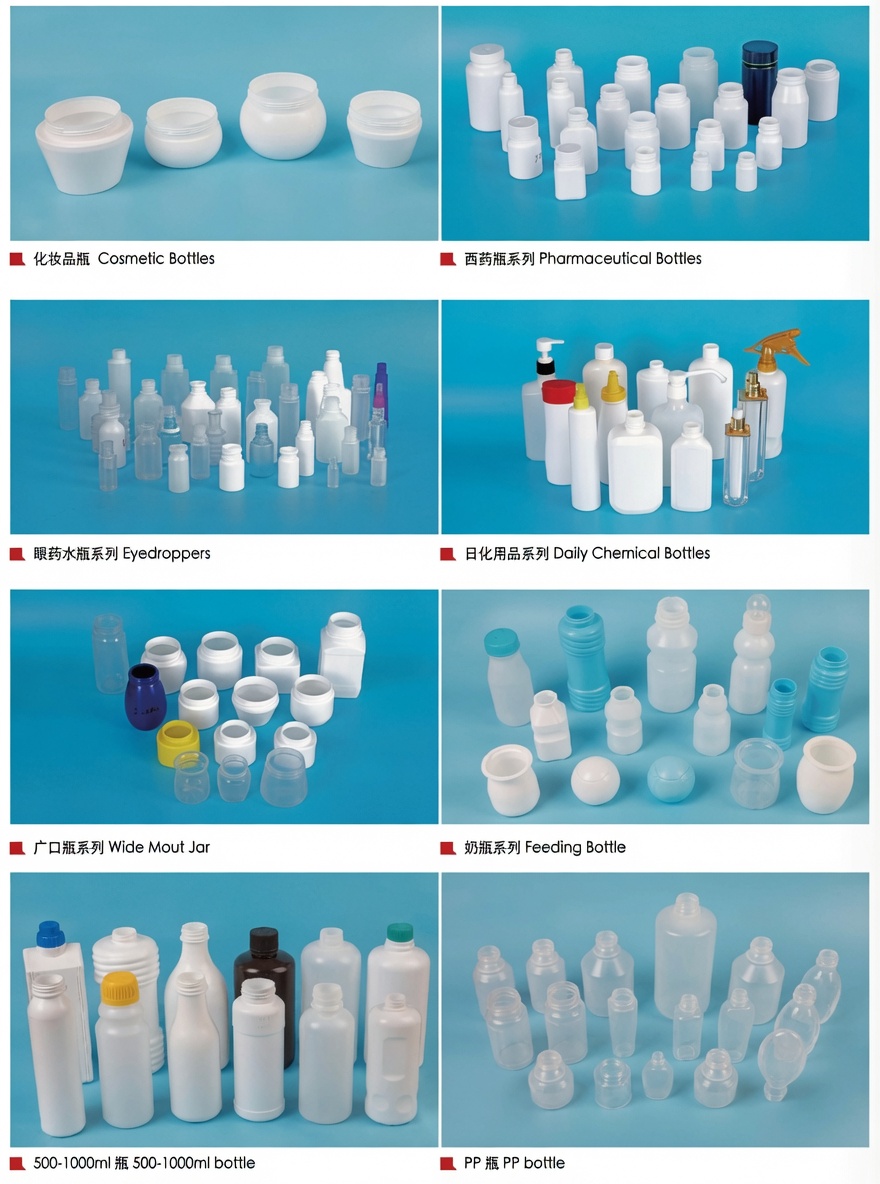
A complete IBM production line extends beyond the machine itself to encompass material drying and conveying systems, mould temperature controllers (water or oil circuits, ±0.5°C regulation), servo-driven takeaway conveyors, vision inspection systems for orifice diameter and wall-thickness verification, and automated container counting and bagging units. Ever Power coordinates the integration of all auxiliary equipment and supplies commissioning engineers to supervise installation and line-balancing on site — an important consideration for UK manufacturers where installation time directly translates to delayed production start and income loss. The provision of a single-source supply and installation package, with a unified warranty structure, also simplifies the procurement and project management process for capital expenditure teams working within British manufacturing organisations.
Featured Injection Blow Molding Machines — Ever Power ZQ Series
Customer Success Story — Nottingham Pharmaceutical Packaging Manufacturer
A contract pharmaceutical packaging company based in the Nottingham Science Park had been producing ophthalmic dropper bottles and nasal spray containers using an ageing extrusion blow molding fleet that required secondary trimming operations and increasingly frequent tooling interventions. The company supplied major UK OTC pharmaceutical brands and was under pressure to achieve MHRA GMP compliance documentation for primary packaging operations, a requirement the existing equipment could not satisfy due to flash generation and inconsistent neck-finish tolerances.
After a six-month evaluation process — during which trial samples from the Ever Power ZQ80 injection blow molding machine were submitted for extractables and leachables testing, dimensional gauging, and drop-test assessment — the company placed an order for two ZQ80 units configured with 4-cavity ophthalmic dropper tooling in LDPE and a 6-cavity nasal spray tooling set in PP. Ever Power’s customisation team worked directly with the customer’s packaging development engineers to specify preform wall distribution and core-rod temperature profiles that achieved the required orifice diameter tolerance (target: 1.80 mm ±0.04 mm) across the full production run.
Following installation, commissioning, and a twelve-week production validation period, the results were quantified: container weight variation dropped from ±4.2% (extrusion line) to ±0.8% (IBM line); secondary trimming labour was eliminated entirely (saving 3.2 FTE positions, redeployed to inspection roles); and the MHRA GMP documentation package supplied by Ever Power was accepted without amendment at the first review. Annual material savings through elimination of flash regrind amounted to approximately £38,000, based on LDPE cost at the time of the evaluation.
★★★★★
“The neck-finish consistency of the ZQ80 is genuinely unlike anything we achieved on extrusion equipment. Our closure supplier’s incoming inspection rejection rate dropped from 2.1% to 0.15% within the first quarter of production. That alone justified the investment timeline.”
— Head of Packaging Technology, Nottingham contract pharma manufacturer
★★★★★
“Ever Power’s engineering team spent three days on site during commissioning, working alongside our process validation team to build the IQ/OQ documentation package. That level of support from a machine supplier was not something we had previously experienced — it removed significant risk from our qualification timeline.”
— Validation Manager, Nottingham Science Park pharmaceutical facility
★★★★★
“We switched two production lines to the ZQ110 for our 200 ml PP supplement bottle. The cycle time is 9.2 seconds per shot on a 6-cavity tool — that gives us the output volume we need to supply three national pharmacy chains, with OEE consistently above 88% in the first eight months of operation. The servo-hydraulic system makes a real difference to our energy billing too.”
— Operations Director, West Midlands nutraceutical packaging manufacturer
Frequently Asked Questions — Injection Blow Molding Machines
Ready to Invest in Precision IBM Technology?
Speak to Ever Power’s technical sales team about your container specification. We deliver custom injection blow molding machines to pharmaceutical, personal care, food, and industrial packaging manufacturers across the UK — backed by documented GMP support and fast spare-parts availability.
edit by gzl