The injection blow moulding (IBM) machine sits at the intersection of precision polymer engineering and high-volume container production. When UK manufacturers evaluate IBM technology — whether for pharmaceutical vials in Sheffield or personal care packaging in Birmingham — the fundamental choice between a one-stage (1-step) and two-stage (2-step) ISBM process carries enormous downstream consequences for capital expenditure, throughput rate, and the surface quality of the finished bottle. Each pathway transforms a polymer resin into a hollow container through distinct mechanical sequences, and neither solution dominates across every application. Understanding the engineering distinctions between these two approaches is essential before committing to a capital purchase that will define production economics for a decade or more. This guide sets out a frank, data-grounded comparison — covering cycle times, energy consumption, tooling costs, wall-thickness uniformity, and the specific production volumes where each method delivers superior return on investment.
Quick Summary: 1-step ISBM integrates injection and blowing in a single machine cycle; 2-step ISBM separates injection of the preform and the subsequent reheat-blow stage. The correct choice depends on your annual volume, bottle geometry complexity, resin type, and the quality tolerances demanded by your end market.
How the Two Processes Actually Work
Understanding the mechanical sequence behind each method
Single-Stage Injection Stretch Blow Moulding
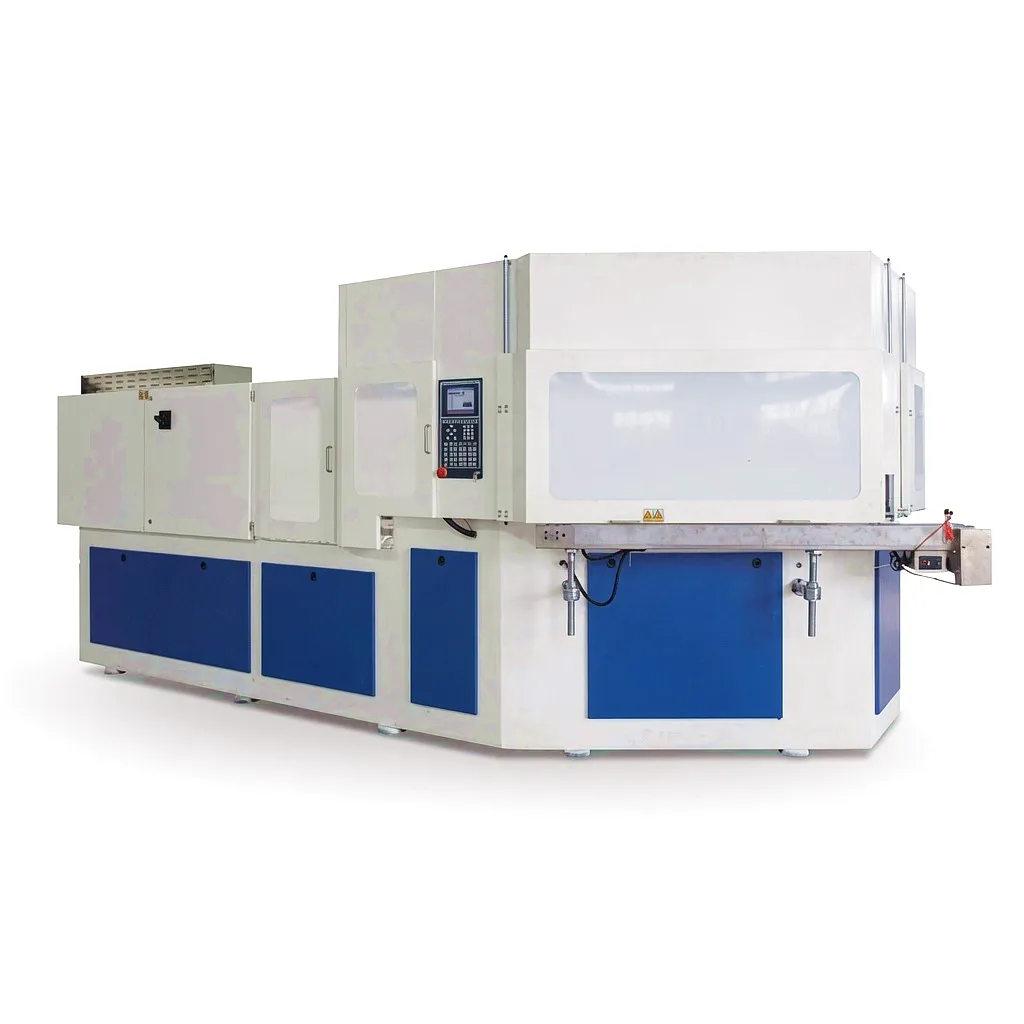
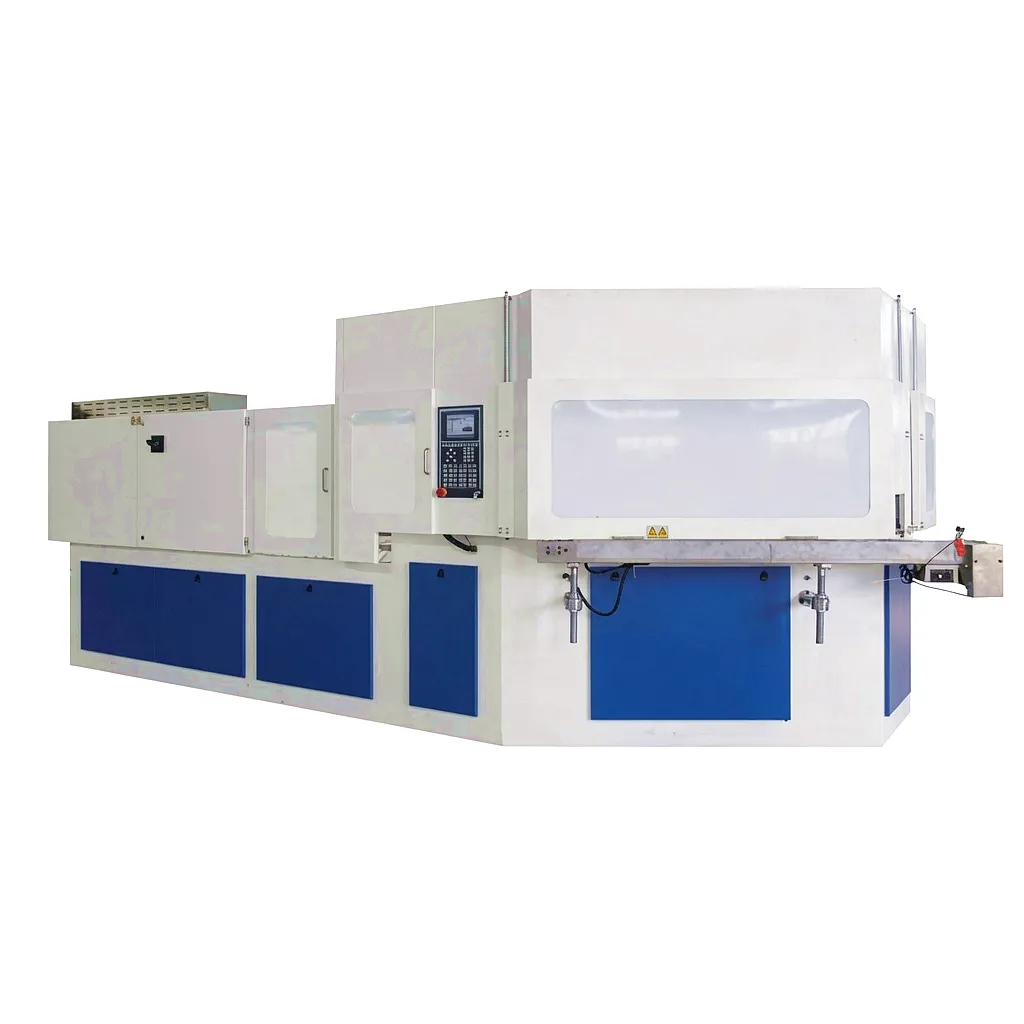
In a one-stage machine, the entire transformation from raw resin pellets to finished hollow container happens within one integrated machine without interruption. The polymer is injected into a preform cavity, immediately conditioned to the optimal stretch temperature, transferred on a rotating mandrel to the blow station, and expanded against a cooled mould — all within a single continuous cycle. The preform never reaches ambient temperature between injection and blowing, which means the thermal energy invested during injection is partially retained, reducing the reheat energy required. This thermal efficiency is one of the central economic arguments for 1-step equipment, particularly relevant given energy prices across UK industrial zones. The process is inherently suited to wide-mouth containers, pharmaceutical bottles, and complex geometries where the preform-to-bottle transfer must maintain absolute dimensional precision. Leading machines such as the ZQ110 Injection Blow Molding Machine exemplify how compact 1-step design can deliver pharmaceutical-grade output with minimal operator intervention.
Lower Energy per Unit
Wide-Mouth Ready
Two-Stage Reheat Stretch Blow Moulding
Two-stage stretch blow moulding splits the process into two discrete operations performed on separate, specialised machines. An injection moulding machine first produces preforms in large quantities; these cool completely and can be stored or transported before being fed into a dedicated reheat blow moulding machine. In the second stage, an IR-lamp oven heats the preforms to a carefully profiled temperature — typically between 90°C and 115°C for PET — after which a stretch rod and high-pressure air expand the preform into the final bottle shape. The separation of stages unlocks extremely high throughput, with modern blow machines capable of producing tens of thousands of bottles per hour. This is the dominant technology for high-volume narrow-neck containers: carbonated soft drinks, mineral water, and standard HDPE bottles are almost universally produced this way. The capital investment is concentrated in two separate capital assets, and the preform injection machine can run shifts independently, providing scheduling flexibility that one-stage lines cannot easily replicate.
Stock Preforms Possible
Narrow-Neck Optimised
IBM, ISBM, EBM and Extrusion: Process Comparison
Before evaluating 1-step versus 2-step in detail, it is worth positioning IBM within the broader landscape of blow moulding technologies. The four principal methods — injection blow moulding (IBM), injection stretch blow moulding (ISBM), extrusion blow moulding (EBM), and simple extrusion — address different bottle geometries, resin families, and volume requirements. Clarifying these distinctions prevents costly equipment mismatches at the procurement stage.
| Process | Principle | Best Resin | Typical Application | Flash / Seam | Volume Sweet Spot |
|---|---|---|---|---|---|
| IBM | Inject preform on core rod; blow without stretch | PP, HDPE, PVC, PET | Pharma vials, cosmetic bottles, wide-mouth jars | Flash-free | 10k–500k units/year |
| 1-Step ISBM | Inject, condition, stretch-blow in single machine | PET, PP | Complex shapes, small runs, dual-layer | Flash-free | 50k–2M units/year |
| 2-Step ISBM | Separate preform injection + IR reheat blow | PET (dominant) | CSD bottles, mineral water, standard PET | Flash-free | 2M–100M+ units/year |
| EBM | Extrude parison; close split mould; blow | HDPE, PP, PVC | Fuel tanks, jerry cans, industrial drums | Pinch flash present | Wide range |
| Extrusion Only | Continuous profile extrusion; no blowing | Any thermoplastic | Pipes, profiles, sheet — not bottles | N/A | Continuous |
Cost Comparison: Capital, Tooling and Operating Expenditure
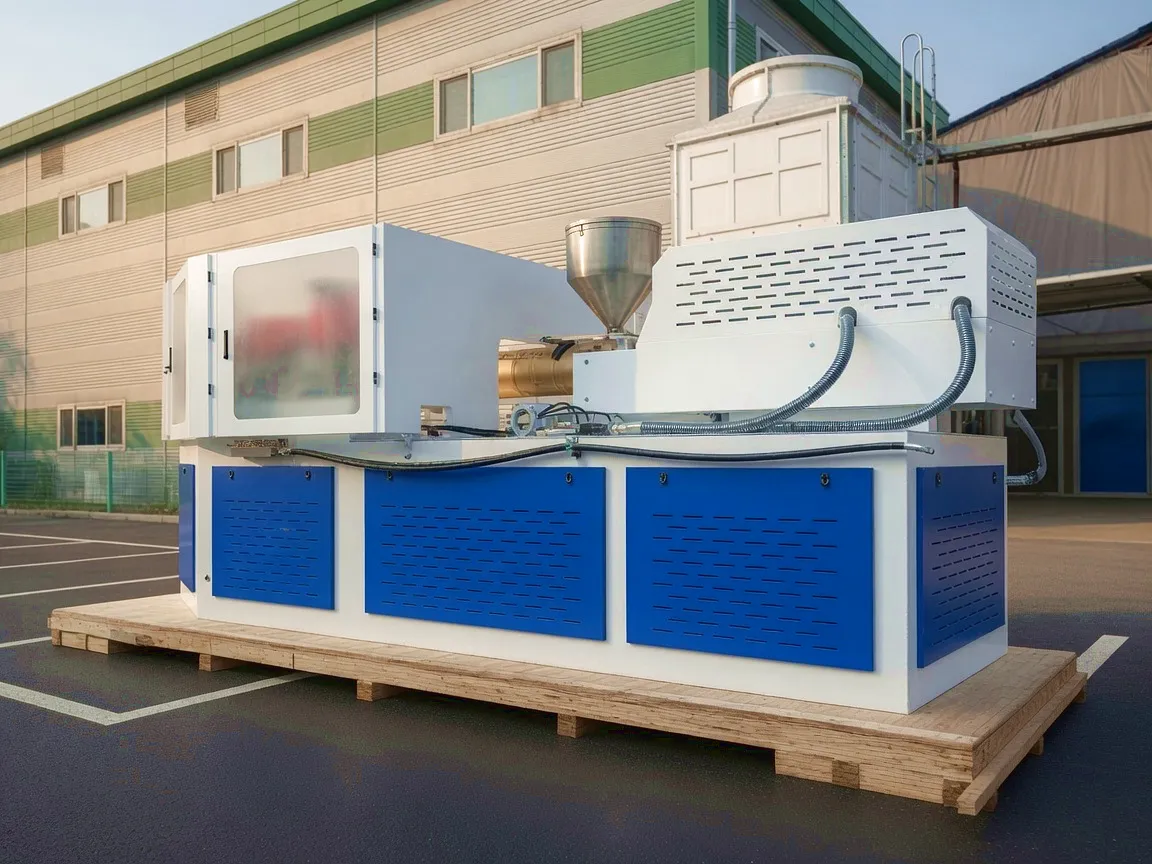
Capital cost is almost invariably the first number that appears on a procurement committee’s spreadsheet, yet it is frequently the most misleading metric when comparing 1-step and 2-step ISBM. A 1-step injection stretch blow moulding machine carries a higher machine unit price than a standalone reheat blow machine of equivalent output, because it integrates the injection plasticising unit, the preform conditioning station, the stretch-blow station, and the mould-changing infrastructure into a single frame. However, this apparently higher upfront figure must be offset against what the 2-step system requires in total: an injection moulding machine for preform production, the blow machine itself, and often a separate preform handling and storage system. When these individual capital items are totalled for a 2-step installation of comparable capacity, the gap narrows considerably — and for mid-volume UK manufacturers operating in the range of 500,000 to 3 million containers per annum, the 1-step total cost of ownership can actually prove more economical.
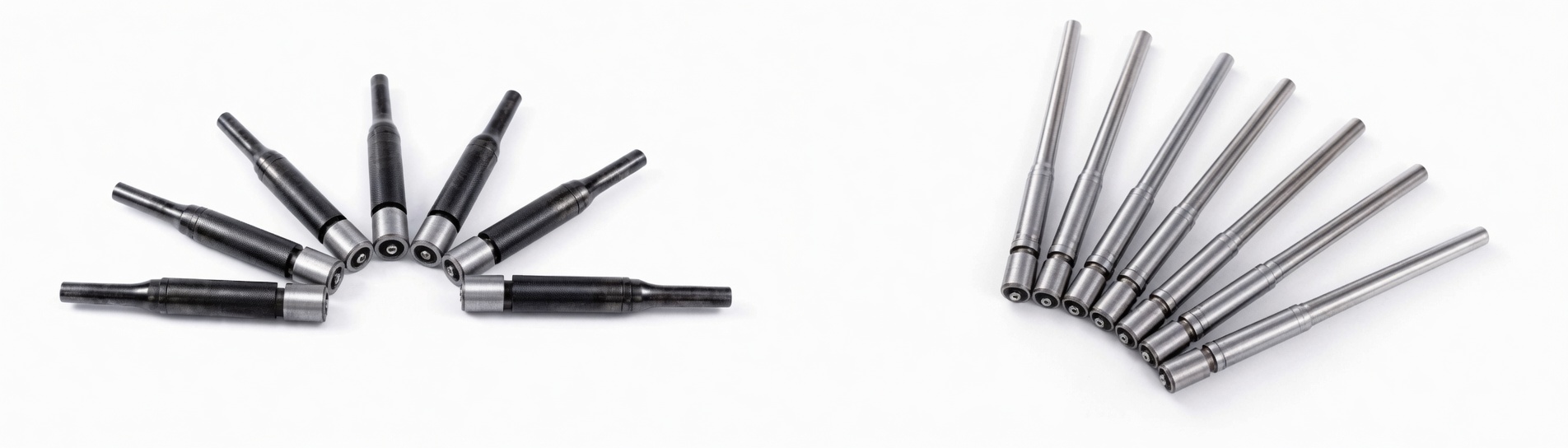
Tooling is where the two approaches diverge most sharply in practice. The IBM/1-step process requires precision core rods machined to exacting tolerances, preform moulds in hardened steel, and blow moulds — all mounted within the same tool change envelope. The 2-step process requires separate preform tooling (injection mould) and blow tooling (split blow mould), with the added complication that these two tooling assets must be dimensionally matched to one another. For manufacturers in Birmingham’s toolmaking district, where high-precision tool shops are abundant, the machining costs for either system are manageable, but the 2-step system’s dual tooling requirement adds lead time and coordination complexity that 1-step installations do not face. Per-cavity tooling cost for a 2-step PET blow mould in aluminium or stainless steel runs from £2,000 to £6,000 in the UK market; a comparable 1-step integrated toolset from £5,000 to £18,000 per position depending on cavity count.
Speed and Output: Where Each Process Excels
Cycle time is an area where the two processes operate in entirely different leagues, and the gap is not marginal. A typical 1-step ISBM machine with four blow cavities will produce in the region of 2,000 to 5,000 bottles per hour depending on wall thickness and cooling time. Scaling up through larger 8-cavity or 12-cavity 1-step machines pushes this toward 6,000 to 9,000 bottles per hour — impressive output for a mid-range production run, but still an order of magnitude below what a high-speed 2-step linear blow machine achieves. A 40-cavity 2-step machine processing standard 0.5-litre PET water bottles will comfortably deliver 30,000 to 40,000 bottles per hour, and multi-block configurations push beyond 80,000 units per hour. For UK beverage producers supplying major retail multiples — including the distribution networks serving Greater London, Manchester, and Leeds — this throughput advantage is non-negotiable.
The question, however, is not which process is faster in absolute terms, but rather which delivers the correct output rate for the specific demand profile. A 1-step machine running two or three SKUs across multiple daily changeovers will achieve dramatically higher effective utilisation than a 2-step line that sits idle between campaigns because a single SKU does not justify its minimum economic run length. UK contract packagers serving multiple brand clients — a common business model across the West Midlands and East Midlands packaging corridor — frequently find 1-step equipment more commercially rational because the changeover penalty is lower and the minimum viable run quantity is far smaller. A 2-step line generating scrap preforms during startup and shutdown represents a significant per-bottle cost that only disappears above certain volume thresholds.
Wall Thickness Uniformity, Preheating Curves and Optical Quality
Wall thickness uniformity is where the 1-step process has traditionally held a clear engineering advantage over 2-step reheat systems, particularly for bottles with non-standard geometries or tight technical specifications. The reason lies in thermal consistency. In a 1-step machine, the preform moves from the injection cavity to the conditioning station while retaining a homogeneous temperature profile — the skin may have started to cool, but the core temperature is still elevated and the resin has not yet crystallised. The conditioning station allows precise temperature equalisation using controlled heating elements before the stretch-blow stage, resulting in a wall distribution that closely follows the programmed stretch ratios rather than the somewhat unpredictable temperature gradients imposed by IR lamp banks in a reheat system.
In a 2-step reheat system, the preform must be brought from ambient temperature back to the stretch window — typically 90°C to 110°C for PET — using arrays of near-infrared lamps. Modern IR lamp ovens use multiple individually adjustable zones, and advanced machines incorporate pyrometer feedback to correct for preform temperature variation in real time. Despite these controls, the reheat step introduces a thermal gradient between the preform surface and core that must be allowed to equilibrate through a thermal conditioning dwell time. If the dwell is insufficient, the outer skin blows before the core has softened adequately, causing localised thin spots and stress concentrators that appear as optical hazing or mechanical weak points. For transparent PET bottles intended for carbonated beverages, where haze index must remain below 2% and top-load strength meets retailer specification, managing this reheat profile is a continuous process engineering challenge.
Preheat Temperature Profiles by Process
| Parameter | 1-Step ISBM (PET) | 2-Step ISBM (PET) | IBM / PP |
|---|---|---|---|
| Conditioning Temp (°C) | 95–115 (zoned) | 90–115 (IR lamps) | 140–175 (PP) |
| Thermal Source | Residual injection heat + heaters | Near-IR lamp banks | Injection heat (no reheat) |
| Temp Uniformity (±°C) | ±2–4°C | ±5–8°C (pre-equalisation) | ±3–5°C |
| Equalization Dwell | Built into index time | 5–20 seconds additional | Built into rotation |
| Wall Thickness CV% | <5% (excellent) | 5–12% (good–moderate) | <6% |
| Energy for Heating (kWh/1k units) | 0.8–1.4 | 1.4–2.6 | 0.7–1.2 |
Mould Design and Bottle Geometry Optimisation
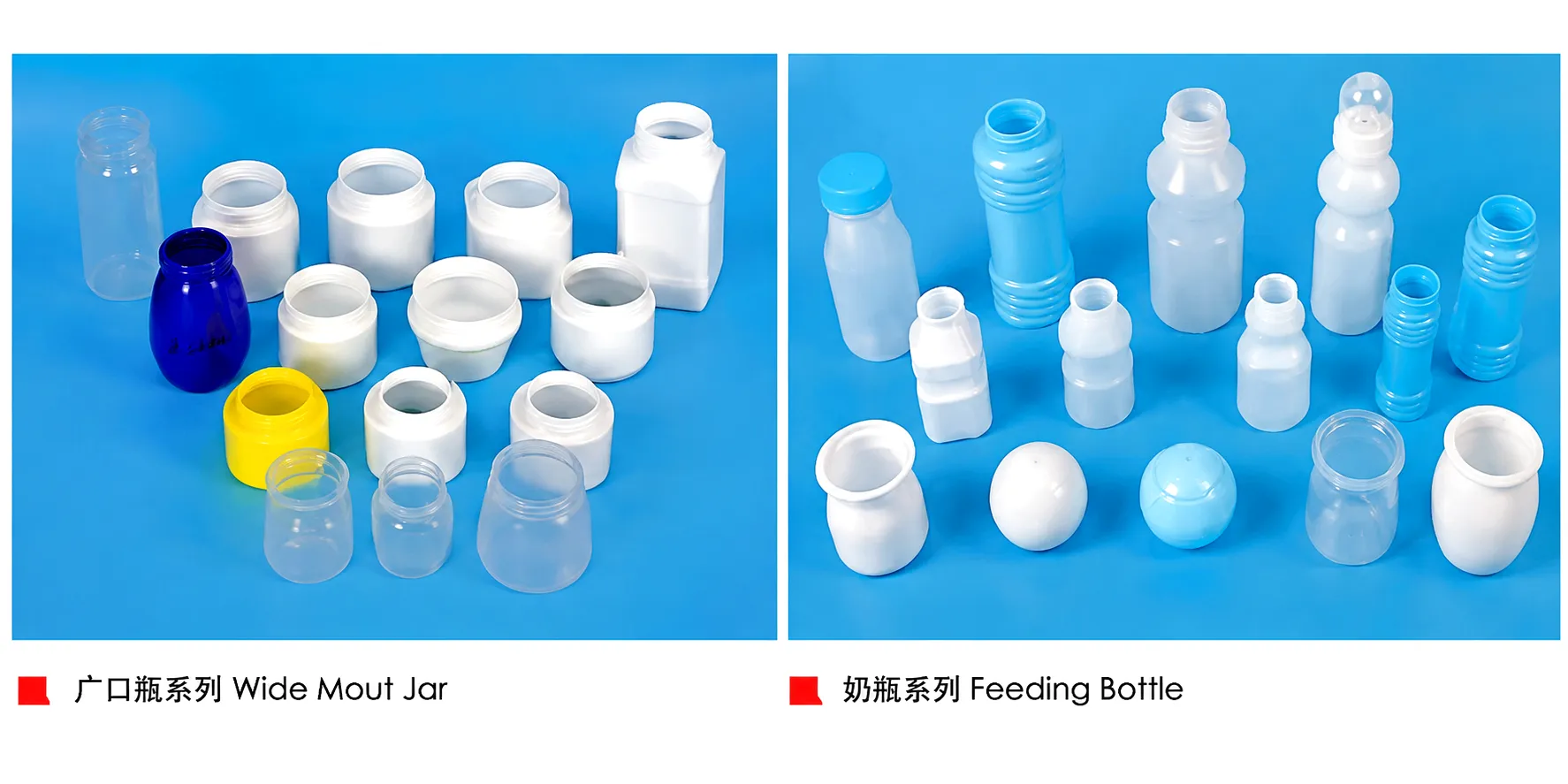
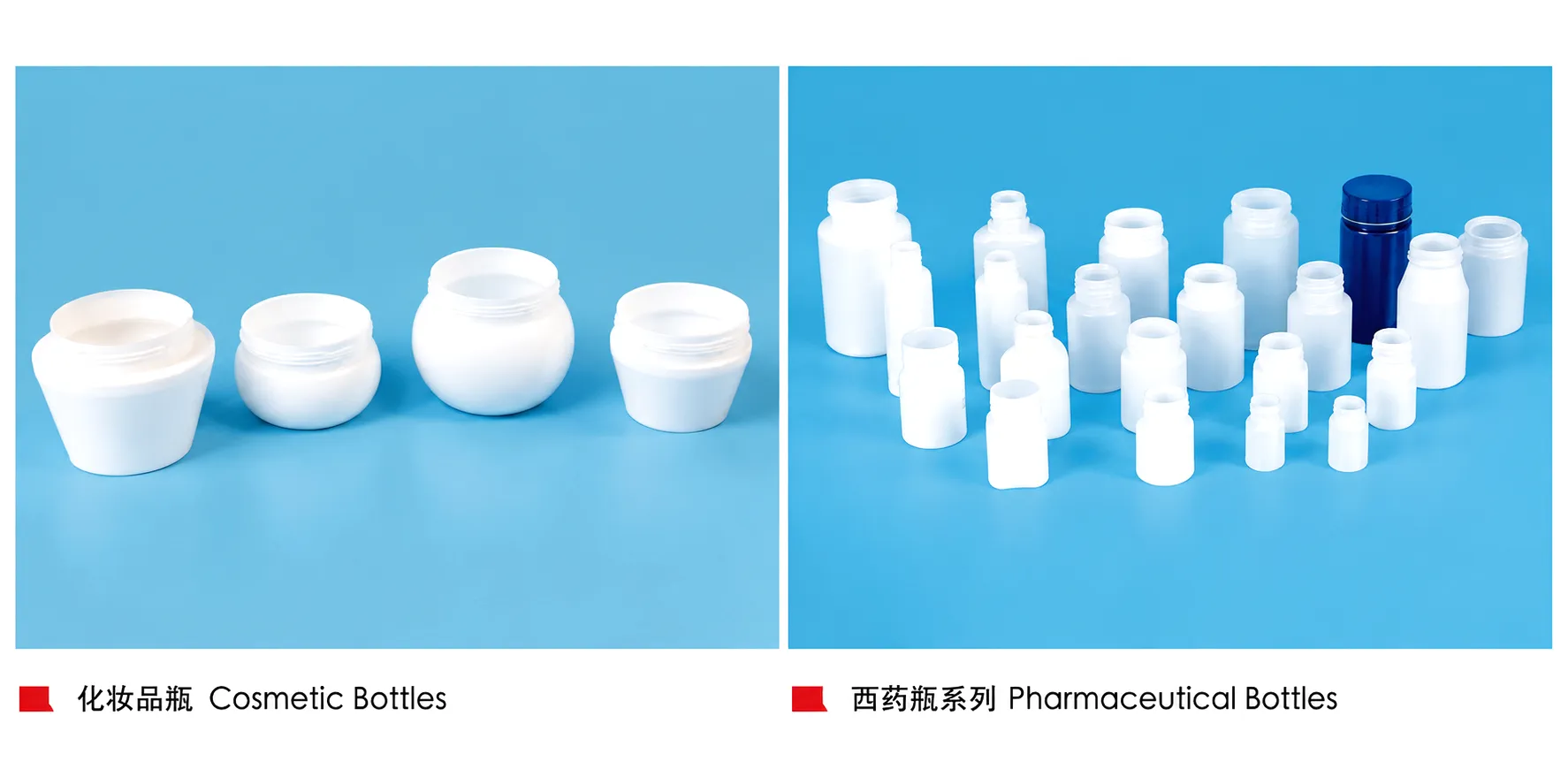
The relationship between mould design and bottle geometry is more constrained in 1-step ISBM than it appears at first consideration. Because the preform and blow mould must be mounted on the same rotating index table or linear transfer system, the blow-to-preform volume ratio — commonly called the blowing ratio — is limited by what the preform geometry can achieve given the fixed indexing pitch. For a 4-station 1-step machine, the preform and blow cavities are co-located within the same tool frame, which means the maximum body diameter of the blown bottle is constrained by the pitch circle diameter and the blow cavity depth that can be accommodated within the machine platen. This is why 1-step ISBM naturally suits small-to-medium diameter containers: pharmaceutical bottles from 5ml to 1,000ml, cosmetic jars up to 150mm diameter, and personal care containers where neck size relative to body diameter is generous. Attempting to produce very large-diameter PET bottles on a 1-step machine is technically possible but economically inefficient.
For 2-step ISBM, the separation of the preform and blow stages liberates bottle geometry from these constraints entirely. The blow mould can accommodate any diameter the preform’s material stretching capability will reach, and cavity depths can extend to suit tall, slender containers. This is why 5-litre water dispensers, wide oval shampoo bottles, and complex ergonomic grip shapes are predominantly produced on 2-step lines. The blow mould design in a 2-step system also benefits from the ability to use multiple profiled zones independently: the shoulder zone, body zone, and base zone can each be cooled at different flow rates, allowing very precise crystallisation control that contributes to top-load performance and stackability. For UK retailers who mandate that packaging pass rigorous top-load and side-impact testing before listing approval, this level of mould cooling control can be decisive.
Integrated tooling with zero preform transfer — eliminates eccentricity errors. Ideal for wide-mouth, complex neck geometry, and pharmaceutical containers with tight dimensional tolerances. Tooling lead time is shorter because only one combined tool set is required.
Decoupled blow mould design allows larger diameters, greater depth, and independent cooling zone control. Multiple mould materials — aluminium for prototyping, P20 or stainless for production — can be selected to optimise cost and thermal performance independently.
Auxiliary Systems and Line Integration
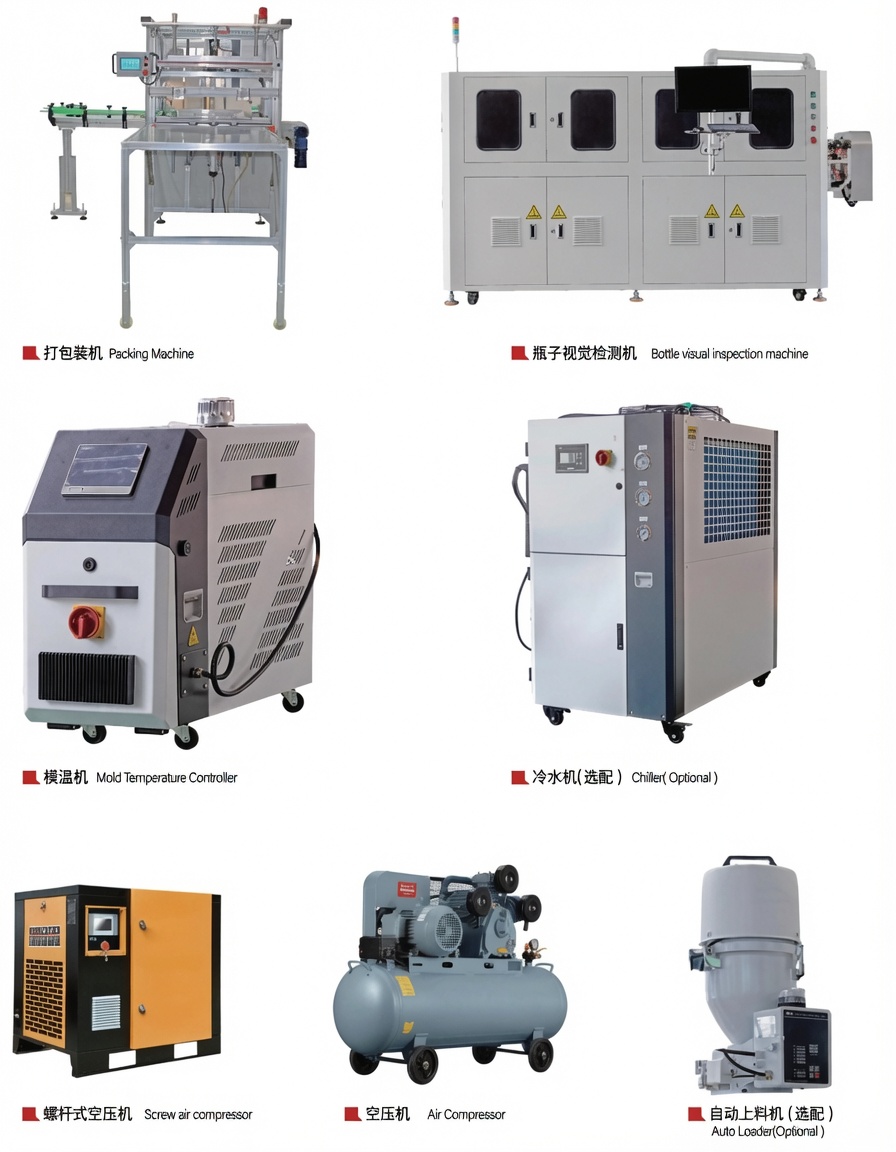
No IBM or ISBM machine operates in isolation. Complete production line performance depends on auxiliary equipment — materials handling, chilling, air compression, leak testing, and downstream orientation and labelling systems — all of which integrate differently depending on whether a 1-step or 2-step process is selected. Understanding the auxiliary requirements is essential to budgeting accurately for a complete line installation at UK manufacturing facilities.
For 1-step ISBM, the auxiliary package is comparatively lean: a central chiller serving the blow mould cooling circuit, a compressed air system delivering 30–40 bar blow pressure (considerably higher than EBM), a gravimetric blending unit for colourant and regrind addition, and a leak/headspace tester on the output conveyor. The compact footprint of a 1-step machine — typically 4m x 6m for a 4-cavity unit — fits within the existing building bays common to UK converted industrial units in areas like the Black Country and Sheffield’s Kelham Island. Two-step lines carry a heavier auxiliary burden: a large-capacity chiller for the preform injection machine plus a separate circuit for the blow machine, dedicated preform storage racking and conveying systems, and often an automated preform feeder with orientation and inspection before the blow oven. UK contract moulders pricing a new 2-step installation should budget 35–55% of the machine cost again for auxiliaries, versus 20–30% for a comparable 1-step line.
Energy Optimisation and Sustainability in ISBM Operations
Energy costs represent a persistent and growing operational burden for UK plastics processors. With industrial electricity prices in England averaging above 24p/kWh in the current market, the energy consumption difference between 1-step and 2-step ISBM translates directly into per-unit production cost and carbon intensity metrics — both of which are increasingly scrutinised by brand owner customers responding to sustainability commitments and Extended Producer Responsibility obligations.
The thermal efficiency advantage of 1-step ISBM is quantifiable. By retaining the thermal energy invested in plasticisation and injection, the 1-step process avoids the complete energy loss that occurs when a 2-step preform cools to ambient. Measurements across comparable production runs show that 1-step ISBM typically consumes 0.8–1.4 kWh per 1,000 bottles for conditioning energy, compared to 1.4–2.6 kWh per 1,000 bottles for the reheat stage in 2-step production. When multiplied across an annual production volume of 5 million bottles, this gap represents 3,000–6,000 kWh of energy — a meaningful saving that reduces both operating costs and Scope 1/2 emissions reporting burden for manufacturers aligned with the UK’s Net Zero 2050 trajectory. Servo-driven clamping units and variable-speed hydraulic power packs — standard on modern Ever Power IBM machines — reduce standby energy consumption by a further 20–35% compared to fixed-displacement hydraulic systems.
1-step vs 2-step reheat for equivalent output volume
Servo-hydraulic drive vs fixed-displacement hydraulics
Lower per-unit carbon footprint supports EPR and Scope 2 reporting
Common Faults and Troubleshooting Guide
Production fault resolution differs between the two processes partly because the failure modes are distinct. The integrated nature of 1-step ISBM means that a root cause often traces back to a single variable — injection barrel temperature, conditioning station heater failure, or blow air timing — while 2-step faults require the engineer to determine whether the origin is at the preform injection stage or the reheat-blow stage. The table below maps the most common defects to probable causes and corrective actions for both process types.
Industrial Application Scenarios: Where Each Process Belongs
Mapping the two processes to real-world application segments makes the selection decision considerably more tractable. The following categories represent the highest-frequency application environments encountered across UK manufacturing.
Pharmaceutical-grade containers for oral solid dosage, liquid medicines, and diagnostics demand absolute dimensional conformance, zero flash, and material traceability. One-step IBM/ISBM in PP or HDPE is the process of choice here, and facilities serving UK pharma clusters around Leeds Bradford and Sheffield — home to a significant secondary pharmaceutical manufacturing base — routinely specify 1-step machines capable of processing medical-grade resins with full GMP documentation. The absence of post-blow trimming operations eliminates contamination risk, and the closed-loop cavity pressure monitoring available on modern 1-step machines ensures that every bottle’s wall integrity is verified before it leaves the machine.
Standard 330ml, 500ml, and 1.5-litre PET water and CSD bottles are exclusively the domain of 2-step ISBM at commercial scale. Beverage fillers and contract manufacturers serving retail chains across the Greater London and Manchester conurbations require output rates that only multi-cavity 2-step lines can deliver. The preform stock model also suits the beverage sector: preforms can be ordered from specialist preform producers — several of whom operate in the East Midlands — and the blow machine can be sized purely for the filling line’s throughput requirement without requiring an on-site injection moulding capability.
Shampoo bottles, conditioner containers, body wash packaging, and cosmetic jars represent a segment where bottle shape is a brand differentiator. Contract moulders serving the personal care brands concentrated in Birmingham and Bristol’s consumer goods sectors use both 1-step and 2-step ISBM depending on neck diameter. Containers with 38mm necks and below are efficiently produced on 2-step lines with standard preforms; containers requiring 53mm, 63mm, or 70mm wide-mouth neck finishes move to 1-step IBM/ISBM where the process geometry is better suited and tooling costs per short run are justified.
Automotive fluid bottles, cleaning product containers, and agricultural chemical packaging produced at West Midlands industrial sites and Teesside chemical processing facilities commonly use HDPE via 1-step IBM. HDPE’s resistance to solvents, lubricants, and agrochemical formulations — combined with the IBM process’s ability to produce flash-free wide-mouth containers with child-resistant or tamper-evident neck finishes — makes this combination highly practical for regulated chemical packaging applications where container wall integrity and material certification are mandatory under UK REACH regulations.
Technical Parameters: Full Specification Table
The table below consolidates the key performance parameters across the two ISBM process variants for direct engineering reference. Values reflect production-range equipment of the type supplied by Ever Power to UK and international customers.
Ever Power IBM Product Range
Ever Power manufactures a focused range of 1-step injection blow moulding machines engineered for pharmaceutical, cosmetic, and specialty chemical applications. Two core models serve the primary volume requirements of UK and European customers.
ZQ110 Injection Blow Molding Machine
The ZQ110 is Ever Power’s compact 1-step IBM platform engineered for pharmaceutical vials, cosmetic containers, and precision single-dose packaging. With a clamping force of 110 kN and a servo-hydraulic drive system, it delivers repeatable cycle times and exceptional wall thickness uniformity — critical for UK GMP and MHRA-compliant production environments. The machine accepts PP, HDPE, and PET resins and can be configured for 2 to 6 cavities with quick-change tooling systems to support multi-SKU contract moulding operations.
ZQ135 Injection Blow Molding Machine
The ZQ135 steps up to 135 kN clamping force and accommodates larger preform volumes, making it the preferred platform for wide-mouth containers, laboratory reagent bottles, and larger pharmaceutical packaging up to 1,000ml. The expanded platen size allows up to 8-cavity tooling configurations, delivering output rates that bridge the gap between low-volume contract moulding and dedicated pharmaceutical packaging lines. It features an all-electric option for facilities with ISO cleanroom or energy certification requirements, and has been supplied to UK, German, and French packaging manufacturers.
Ever Power: Factory Capabilities and Customisation
Ever Power’s manufacturing facility operates across a purpose-built production floor equipped with precision CNC machining centres, CMM coordinate measuring equipment, and a dedicated clean-assembly bay for hydraulic and electrical sub-assembly. The factory’s quality management system operates to ISO 9001 certification, and all machines destined for pharmaceutical or regulated packaging markets are manufactured with full material traceability documentation compatible with FDA 21 CFR Part 211 and UK MHRA Good Manufacturing Practice requirements.
Customisation is a core operating capability rather than an exception. Ever Power’s applications engineering team routinely develops machine configurations that depart from standard catalogued specifications: modified platen sizes to accommodate oversized blow moulds, extended injection screw L:D ratios for highly filled or temperature-sensitive resins, dual-material injection units for co-injection preform production, and bespoke control architectures that integrate directly with customer SCADA and MES systems. UK customers have the added advantage of European-standard CE marking as standard across all Ever Power machines, with full EC Declaration of Conformity documentation provided to satisfy UK Market Access requirements post-2021. Delivery logistics to UK ports — typically Felixstowe, Southampton, or Hull — are managed through established freight forwarding partners with experience in precision machinery handling, ensuring equipment arrives ready for installation without transit-related misalignment or damage.
Ever Power’s engineering team provides free technical consultation for UK manufacturers evaluating 1-step vs 2-step ISBM. Share your bottle design, volume targets, and resin specification — we will return a detailed process recommendation and indicative quotation.
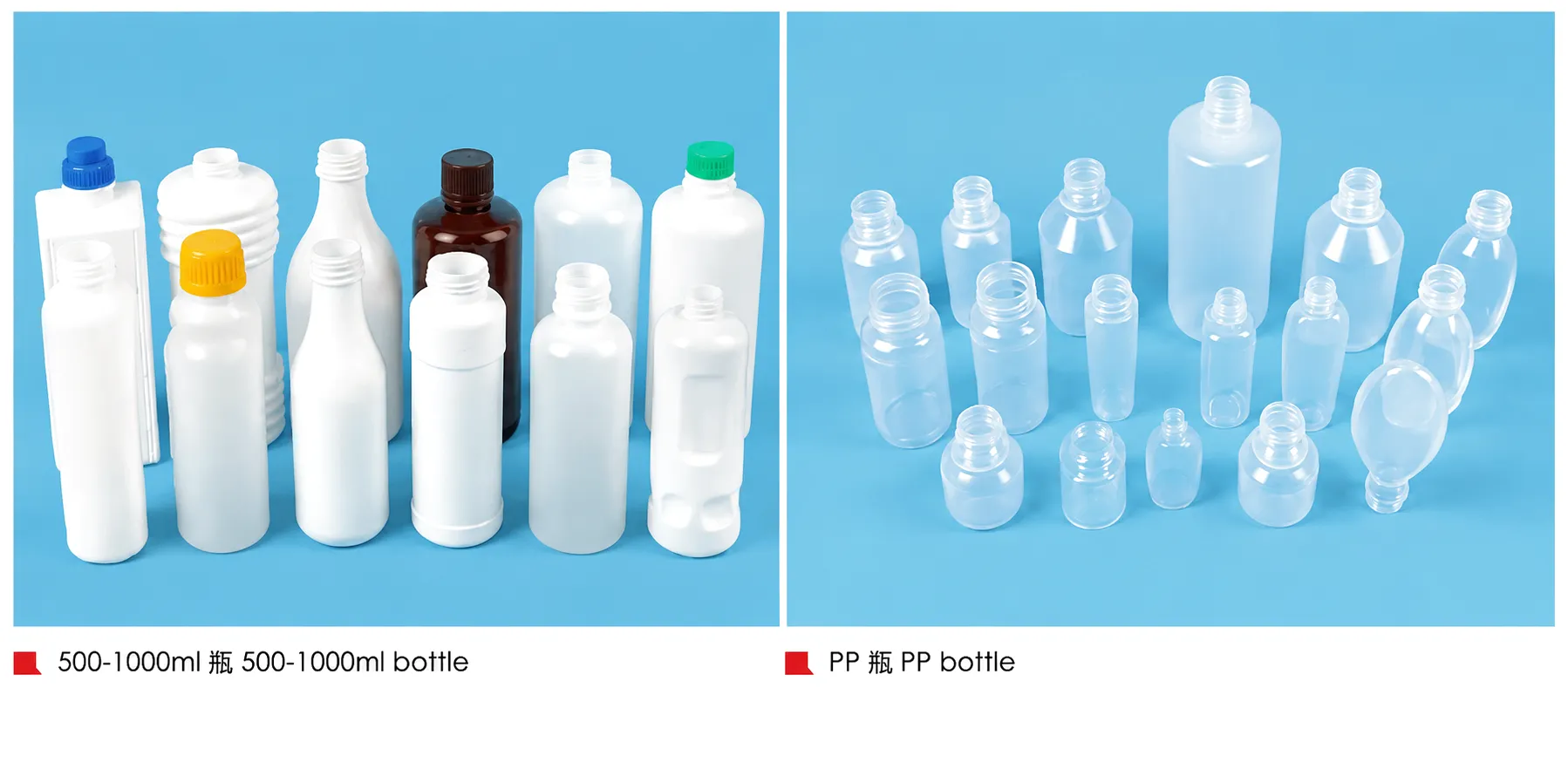
Customer Success: Pharmaceutical Packaging Upgrade in Leeds, West Yorkshire
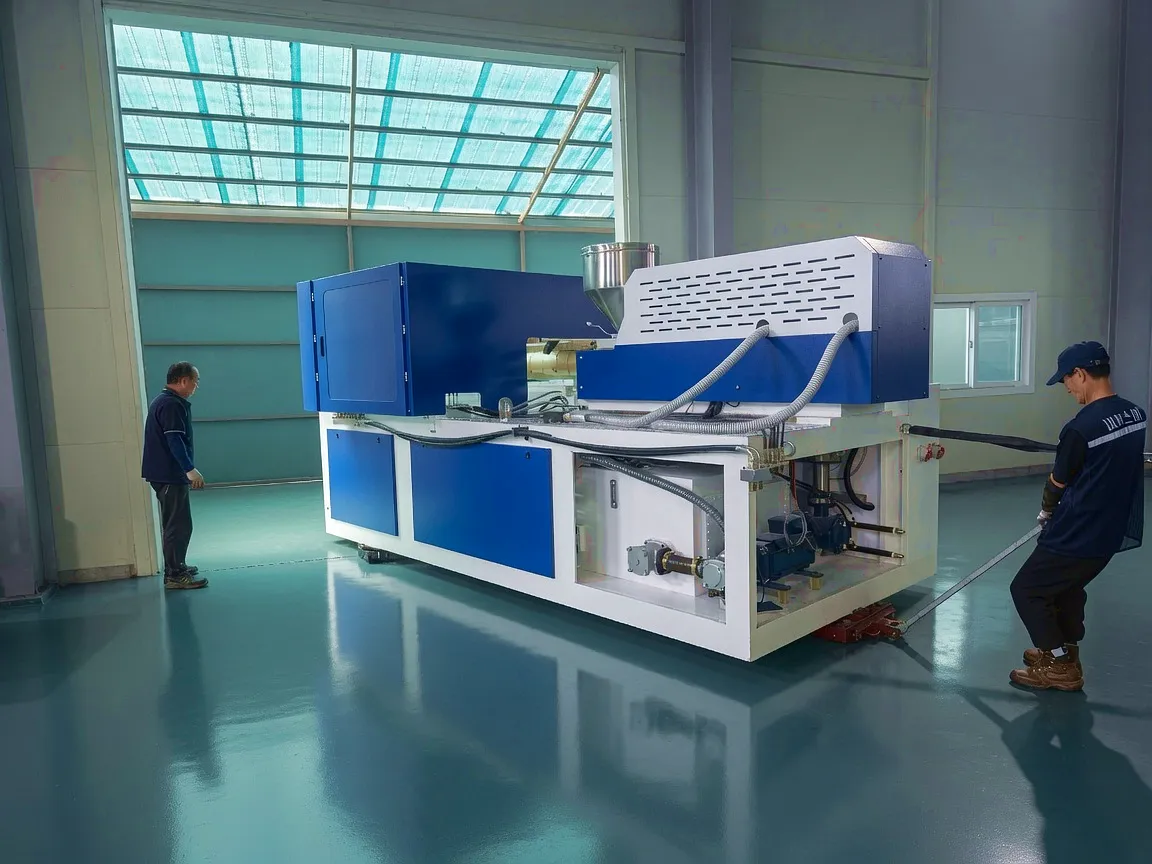 A mid-size contract pharmaceutical packaging company operating from a 4,000 sq/m facility on the outskirts of Leeds had been producing PP tablet bottles and liquid medicine containers on an ageing 1-step IBM line originally installed in the early 2010s. As MHRA compliance documentation requirements tightened and the company took on a new account supplying 30ml and 60ml oral liquid bottles for a branded OTC product, cycle time variability on the old machine was generating an unacceptable rate of out-of-specification wall thickness measurements — running at approximately 8.4% rejection across two monitored shifts. The maintenance overhead was absorbing over 60 engineer-hours per month, and energy costs on the fixed-displacement hydraulic system were consuming a disproportionate share of the facility’s electricity budget.
After evaluating options across three machine suppliers, the production director selected Ever Power’s ZQ135 Injection Blow Molding Machine with a custom 6-cavity preform toolset engineered by Ever Power’s tooling division to match their specific neck and wall specification. The installation — handled by Ever Power’s commissioning engineer working alongside the client’s maintenance team over five days at the Leeds site — replaced the old line with minimal production interruption. Following a two-week warm-up and optimisation period, the facility reported a wall thickness coefficient of variation below 3.8%, well within the ±5% internal specification, and rejection rates dropped to under 1.2%. The servo-hydraulic drive reduced measured energy consumption per 1,000 bottles from 2.1 kWh to 1.3 kWh — a reduction of approximately 38%, representing a meaningful annual saving given current UK industrial electricity tariffs.
What Our UK Customers Say
“The ZQ135 cut our wall thickness variation by more than half compared with our previous machine. For a pharmaceutical application where every bottle spec is documented and reviewed by our QA department, that level of process consistency is not optional — it is the entire value proposition. Ever Power’s customisation of the tooling preform geometry to our exact neck finish saved us months of trial tooling cost.”
“We compared the total cost of ownership for 1-step versus going down the 2-step ISBM route at our Birmingham facility. The 1-step IBM from Ever Power made clear commercial sense for our 600,000-bottle annual run — the reduced changeover time alone justifies the choice given how many SKUs we run. The team at Ever Power clearly understood the UK contract moulding model and configured the machine to suit our actual shift patterns.”
“What distinguished Ever Power from other suppliers we approached was the depth of technical knowledge around process optimisation for HDPE chemical containers. The commissioning engineer resolved a gate blush issue on our first production run that would have taken us weeks to diagnose independently — simply by adjusting the injection velocity profile in the first phase of fill. That kind of application support is what you actually need from an equipment supplier, not just a machine.”
Frequently Asked Questions
Voice-search optimised answers for UK manufacturers researching injection blow moulding equipment
Decision Matrix: Which Process Is Right for You?
Use this quick reference to align your production requirements with the correct ISBM process.
| Your Situation | Choose 1-Step IBM | Choose 2-Step ISBM |
|---|---|---|
| Annual volume < 2M bottles | ✓ | — |
| Annual volume > 5M bottles (single SKU) | — | ✓ |
| Multiple SKUs / frequent changeovers | ✓ | — |
| Standard narrow-neck PET water/CSD bottles | — | ✓ |
| Pharmaceutical / GMP environment | ✓ | — |
| Processing HDPE or PP resins | ✓ | — |
| Wide-mouth containers (>38mm neck) | ✓ | — |
| Very large containers (>2,000ml) | — | ✓ |
| Limited floor space (<60 sq/m line area) | ✓ | — |
| Option to buy preforms externally | — | ✓ |
Whether you are replacing ageing IBM equipment or specifying a new line for a greenfield UK packaging facility, Ever Power’s engineering team is ready to help you select, configure, and commission the right injection blow moulding solution. Contact us today for a no-obligation technical consultation and equipment quotation.