How the Injection-Blow Molding Process Works — A Pharma-Grade Perspective
The injection-blow molding cycle operates across three primary stations arranged on a rotating indexing head. At the first station, molten polymer — most commonly pharmaceutical-grade polypropylene (PP), high-density polyethylene (HDPE), polyethylene terephthalate (PET), or cyclic olefin copolymer (COC) — is injected around a precisely engineered core rod inside an injection mold. This forms the preform, which already carries the exact neck geometry required for thread-on or snap-fit closures. Because the neck is formed by injection rather than stretch-blow, the thread profile tolerances are tight to within fractions of a millimeter, which is essential when matching ISO-standard neck finishes used on child-resistant closures.
The indexing head then rotates the preform — still on its core rod and still at a carefully managed temperature — to the blow station. Here, low-pressure air is introduced through the core rod itself, inflating the preform against the cooled blow mold cavity walls. The contact with the chilled mold rapidly fixes the final container shape, wall thickness distribution, and surface finish. Temperature uniformity during this transfer phase is absolutely critical: any deviation causes localised thinning or inconsistent transparency in amber bottles intended to block ultraviolet wavelengths harmful to photolabile active pharmaceutical ingredients.
After blow molding, the core rod indexes to the stripping station, where the finished bottle is released without any mechanical gripping of the interior surface. The entire cycle, from injection through stripping, typically runs between 8 and 20 seconds depending on wall thickness, material viscosity, and bottle volume. At a mid-sized pharmaceutical packaging facility in the East Midlands, for example, a four-cavity injection-blow molding machine running 60 ml HDPE tablet bottles can routinely achieve output rates exceeding 3,000 units per hour, all fully compliant with dimensional specifications and ready for automated filling lines without any additional deflashing or trimming operation.
Core Materials Used in Pharmaceutical IBM Containers
 Material selection for pharmaceutical containers processed on an injection-blow molding machine is governed by a hierarchy of concerns: regulatory approval, chemical compatibility with the active pharmaceutical ingredient (API), mechanical performance during distribution, and end-user safety. Unlike industrial sectors where cost per kilogram dominates the choice, pharmaceutical packaging engineers in UK facilities must first confirm that a resin carries relevant FDA 21 CFR, EU 10/2011, or British Pharmacopoeia compliance before it even enters the specification conversation.
Application Scenarios in Pharmaceutical Packaging
Application Scenario 1 — Oral Solid Drug Bottles (Tablet & Capsule Containers)
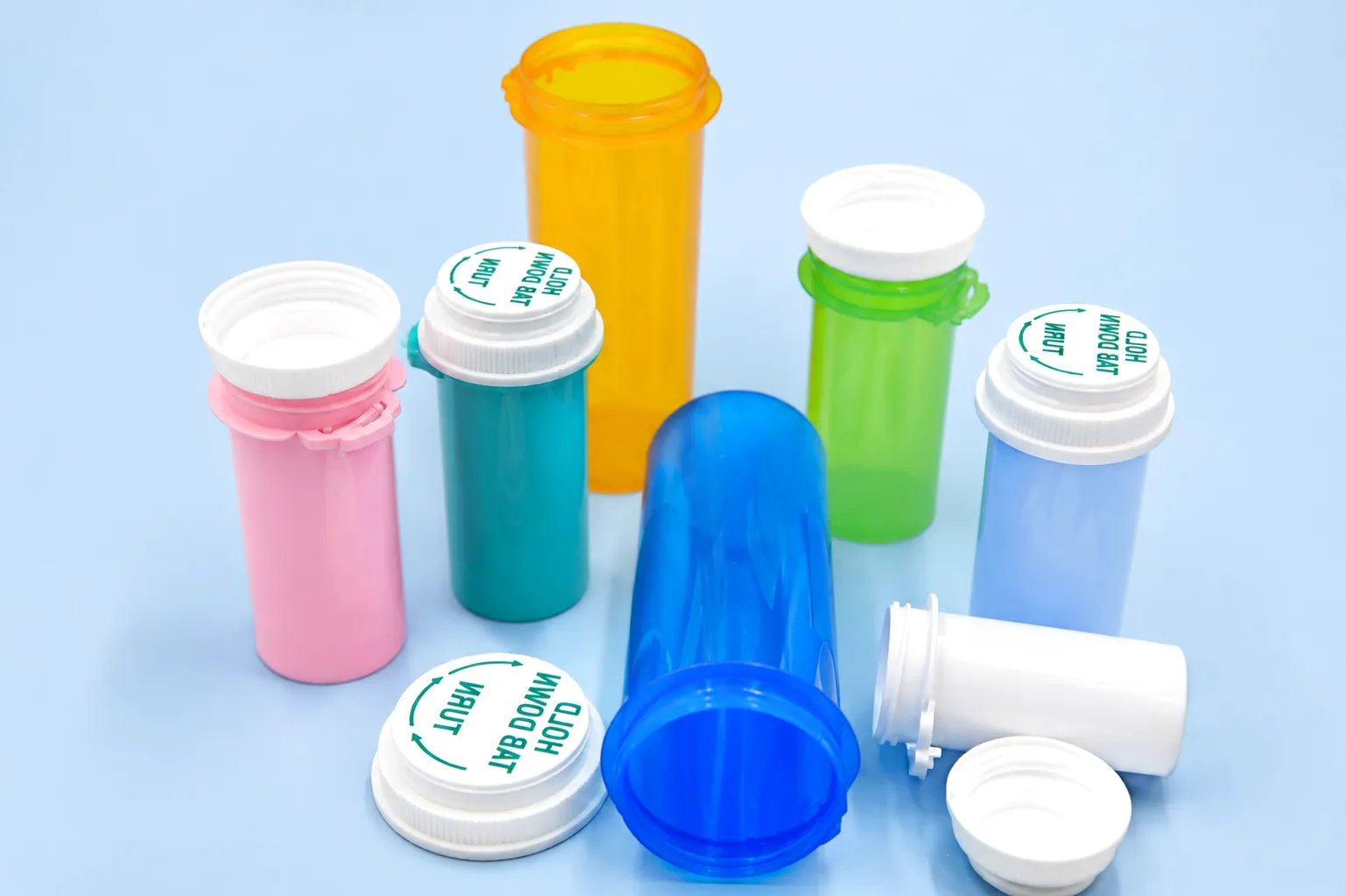 The oral solid-dose segment is the single largest volume application for injection-blow molding machines within UK pharmaceutical packaging. Tablets and hard-gel capsules represent the most commonly dispensed dosage forms across NHS England and private pharmacy chains from London to Glasgow, and the HDPE bottle is the primary retail packaging format for both prescription and over-the-counter products. The injection-blow process is ideally suited to this application because the dimensional consistency of the neck thread directly determines how reliably the cap — whether a simple screw top or a sophisticated child-resistant closure mechanism — seats, seals, and reopens across the 50,000+ cycles that a pharmacy stock bottle may theoretically endure during its product life.
Application Scenario 2 — Child-Resistant Closure Bottles (CRC Packaging)
Child-resistant packaging for pharmaceuticals in the UK is governed under the Medicines Act 1968 and subsequent Statutory Instruments, requiring that containers carrying specific controlled substances, iron-containing preparations, and aspirin products above defined strengths must meet internationally standardised child-resistance and adult-use protocols. The injection-blow molding machine is the production technology best aligned with meeting these requirements economically at scale, because the process delivers the critical neck geometry accuracy that CRC mechanisms demand.
Child-resistant closures operate on one of several mechanical principles — push-and-turn, squeeze-and-turn, or align-and-lift — and all of them depend on the bottle neck profile being correct within very tight dimensional windows. Ovality, thread depth variation, or neck-height inconsistency greater than 0.2 mm can result in a closure that either fails child-resistance testing (a regulatory catastrophe) or becomes impossible for elderly patients to open (an equally serious patient-safety and accessibility issue). Injection-blow molding machines produce necks that are genuinely rotationally symmetric with thread profiles held to tolerances the ISO 8317 and BS EN 28317 test protocols can accommodate reliably across millions of units.
Pharmaceutical packaging plants in Sheffield and Doncaster — both cities with established healthcare product manufacturing infrastructure — have found that switching from extrusion-blow-molded bottle lines to injection-blow molding machines reduced CRC assembly line rejection rates by between 15% and 35% in internal quality audits, with the largest single improvement coming from the elimination of neck oval defects that previously caused CRC caps to bind at inconsistent torque values. When those rejection improvements are multiplied across a production run of several million units quarterly, the business case for investment in injection-blow molding technology becomes compelling even before factoring in the scrap reduction from the flash-free process.
Application Scenario 3 — Amber Drug Bottles for Photosensitive API Protection
A significant share of APIs currently in active pharmaceutical product portfolios across UK manufacturers are photosensitive: they degrade, lose potency, or form harmful photo-degradation byproducts when exposed to ultraviolet or visible light in the 290–450 nm range. Vitamins B2 and B12, certain beta-blockers, several antifungal formulations, and a range of antibiotic liquid preparations all require opaque or UV-blocking packaging to maintain shelf life and pharmacopoeial assay specifications throughout their stated shelf life — typically 24 to 36 months from manufacture date under UK temperature cycling conditions.
Amber-tinted injection-blow molded bottles achieve UV protection through pigmentation of the base resin itself, not via a surface coating that could delaminate or be compromised during filling, labelling, or distribution. Amber PET and amber HDPE formulations intended for pharmaceutical use are compounded with iron-oxide or organic UV-absorber packages that are fully evaluated under ICH Q1B photostability testing guidelines. The injection-blow molding process is particularly well-suited to amber bottle production because the even distribution of molten pigmented resin around the core rod during injection ensures perfectly homogeneous colourant dispersion throughout every section of every bottle, eliminating the thin-spot light leakage that can occur in stretch-blow or extrusion-blow processes where material distribution is less controlled.
For UK pharmaceutical distributors operating ambient-temperature warehouse and distribution networks — including the multi-temperature logistics hubs serving pharmaceutical wholesale in the Greater Manchester and West Yorkshire corridors — amber injection-blow molded bottles also provide secondary mechanical protection. The body wall uniformity achieved through the IBM process means that the bottle can withstand the compressive and impact stresses of automated warehouse operations and parcel courier delivery networks without the localised stress cracking that thinner or more variable-walled alternatives develop at stress concentration points.
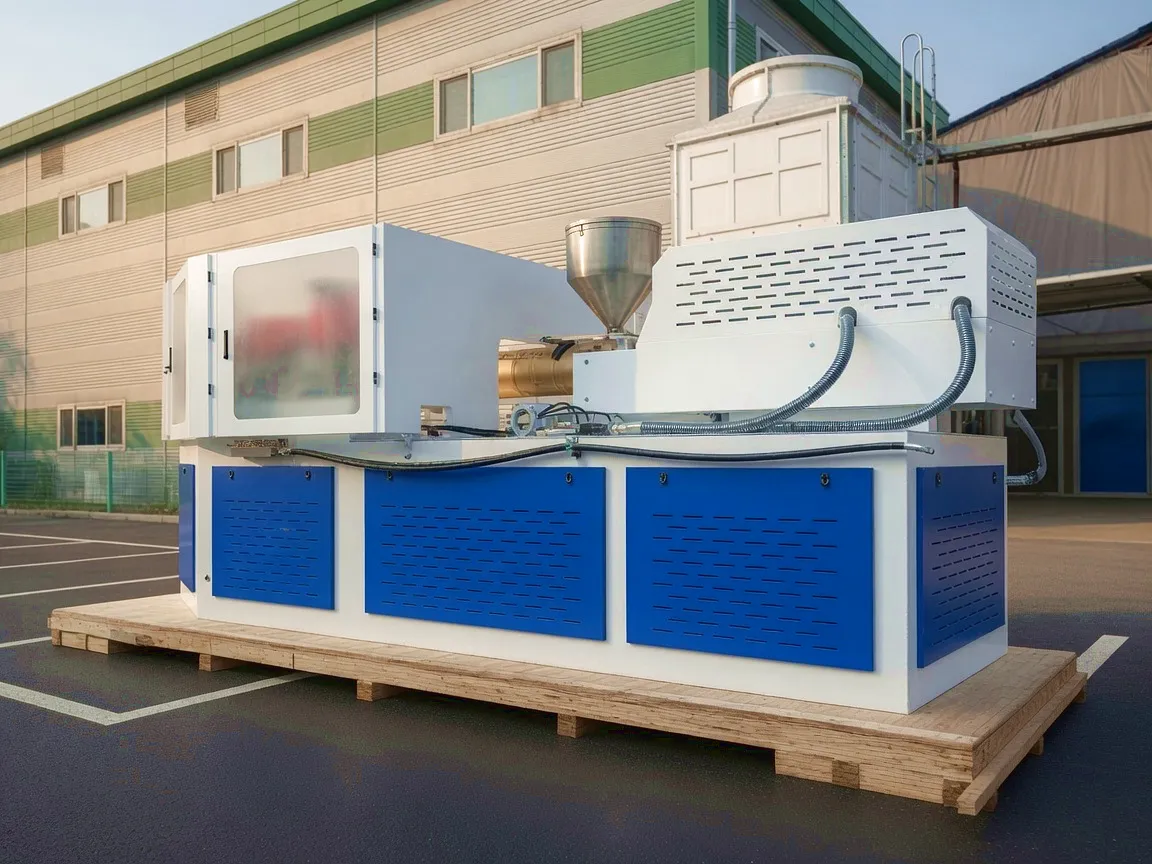
Injection-Blow Molding Machine — Technical Performance Parameter Table
| Parameter | ZQ40 IBM Machine | ZQ60 IBM Machine | Notes / Pharma Relevance |
|---|---|---|---|
| Clamping Force | 40 kN | 60 kN | Higher force supports multi-cavity pharma molds |
| Container Volume Range | 5 – 200 ml | 20 – 500 ml | Covers pediatric vials to tablet drum formats |
| Max Cavities | 4 cavities | 6 cavities | Scale output for CDMO batch economics |
| Cycle Time (typical) | 8 – 14 sec | 10 – 18 sec | Dependent on wall thickness & material grade |
| Neck Thread Tolerance | +/- 0.05 mm | +/- 0.05 mm | Critical for CRC compliance per ISO 8317 |
| Wall Thickness Variation | SD < 0.05 mm | SD < 0.05 mm | Supports amber UV transmission uniformity |
| Compatible Materials | HDPE, PP, PET, COC, PETG | HDPE, PP, PET, COC, PETG | All pharma-grade resin families supported |
| Installed Power | 11 kW | 18.5 kW | UK 3-phase 415V compatible; CE marked |
| Machine Footprint | 2.4 m x 1.2 m | 3.1 m x 1.5 m | Compact for cleanroom or GMP floor integration |
| Control System | Siemens PLC + touchscreen HMI | Siemens PLC + touchscreen HMI | 21 CFR Part 11 data audit trail capable |
| Certification | CE, ISO 9001:2015 | CE, ISO 9001:2015 | Meets UK & EU machinery directive requirements |
Product Advantages — Why Pharmaceutical Packaging Professionals Choose IBM Technology
The injection-formed neck eliminates the dimensional variation inherent in parison-extrusion processes. Every bottle exits the machine with the same thread profile, enabling CRC cap integration that passes ISO 8317 testing consistently — avoiding the regulatory hold risk that a single batch of out-of-spec necks would trigger in an MHRA-audited facility.
Unlike extrusion blow and compression blow processes, the IBM cycle produces no tail flash or pinch-off trim. This removes an entire secondary operation — deflashing and trimming — that represents not only labour cost but also a potential contamination introduction point. For GMP pharmaceutical environments where particulate control is a regulatory obligation, eliminating this step is a measurable quality improvement, not merely a convenience.
The injection-blow molding process has no runner system waste comparable to conventional injection molding, and no parison trim as in extrusion blow molding. Regrind fractions are typically below 2% of throughput weight — a significant figure for pharmaceutical-grade resins priced at 3–5 times commodity polyolefin grades. Over a 12-month production run of several million units, this material efficiency advantage adds up to a measurable contribution to cost reduction that justifies capital investment in IBM equipment.
UK pharmaceutical contract manufacturers frequently manage portfolios of 50 to 200 or more bottle SKUs. An injection-blow molding machine with quick-change mold interfaces can transition between bottle volumes and neck finishes in under two hours with trained technicians, compared to half a day or more for some competing platforms. This scheduling agility directly supports just-in-time manufacturing strategies that are increasingly demanded by NHS supply frameworks and retail pharmacy chain procurement contracts.
Pharmaceutical fill-finish environments often operate under ISO 7 or ISO 8 cleanroom classifications. The compact machine footprints of modern injection-blow molding machines — typically 2.4 m x 1.2 m for a four-cavity model — make integration into cleanroom or controlled-environment manufacturing areas feasible without prohibitive building modification costs, a consideration particularly relevant for the large number of UK pharmaceutical facilities housed in converted industrial buildings in cities like Coventry and Bristol.
Modern injection-blow molding machines equipped with Siemens PLC controls and touchscreen HMI interfaces can be configured to record and store process parameter data — temperatures, pressures, cycle counts, alarm events — in formats compatible with 21 CFR Part 11 electronic records and signature requirements. This capability is increasingly expected by UK pharmaceutical clients operating under FDA dual-registration regimes and is a differentiator that separates technically sophisticated IBM equipment from simpler alternatives.
Ever Power Manufacturing Facility & Customisation Capability
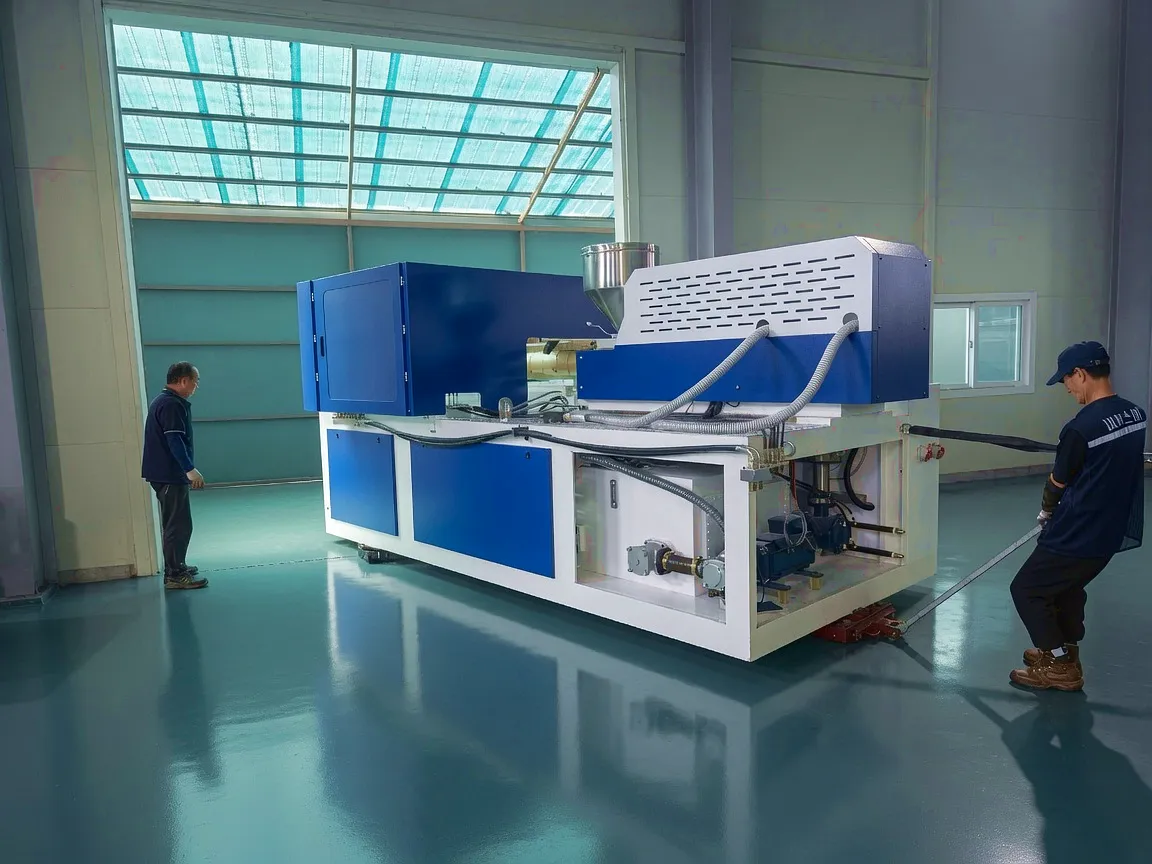
Ever Power has developed its injection-blow molding machine product line through more than a decade of focused engineering investment specifically targeting the pharmaceutical, personal care, and specialty chemical packaging sectors. The manufacturing facility encompasses dedicated CNC machining centres for core rod fabrication, precision mold machining workshops operating to surface finish standards of Ra 0.4 or better, cleanroom assembly bays for final machine build, and a full in-house testing laboratory where every machine undergoes pre-shipment acceptance trials with production resins before being cleared for delivery.
What distinguishes Ever Power’s customisation capabilities from commodity IBM machine suppliers is the depth of engineering engagement at project inception. When a UK pharmaceutical packaging client approaches Ever Power with a new bottle specification — whether that is a non-standard neck finish for a proprietary closure system, an unusually thin-wall amber PET design driven by sustainability targets, or a dual-component bottle integrating a HDPE body with a COC barrier layer — the application engineering team undertakes a systematic process simulation to verify that the proposed preform geometry, core rod design, and blow mold cavity can achieve the required container specifications within the IBM cycle constraints before any tooling is committed to manufacture. This front-end engineering process, which includes cavity-pressure simulation and material flow analysis, dramatically reduces the risk of tooling iterations and accelerates the timeline from initial enquiry to qualified production capability.
For UK clients specifically, Ever Power maintains a dedicated export support team with experience in organising CE-certification documentation, coordinating sea freight and express air freight to major UK ports and air cargo hubs including Felixstowe, Southampton, and East Midlands Airport, and providing on-site commissioning support with English-speaking technical engineers. Spare parts are stocked in the Ever Power warehouse for rapid dispatch with DHL or UPS express services, ensuring that pharmaceutical manufacturers in Birmingham, Leeds, Glasgow, and elsewhere can minimise unplanned downtime in their packaging operations.
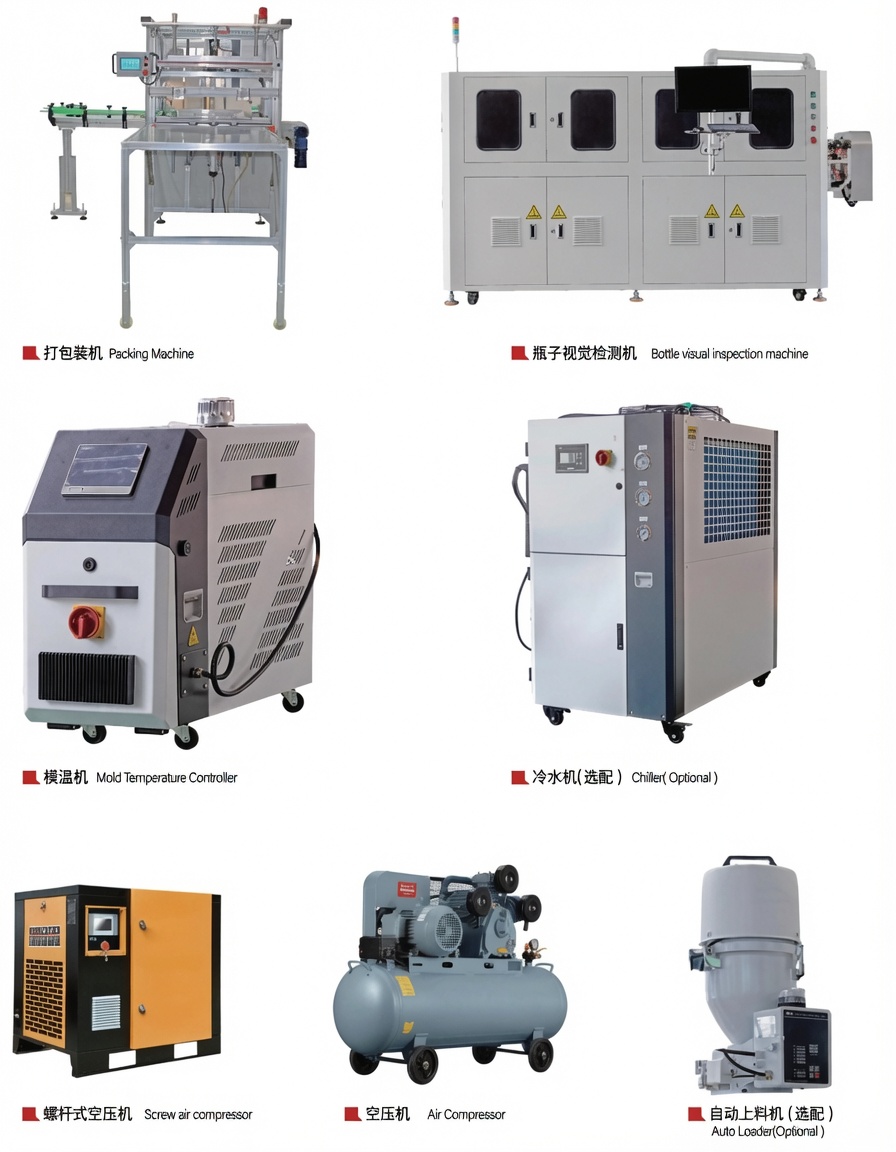
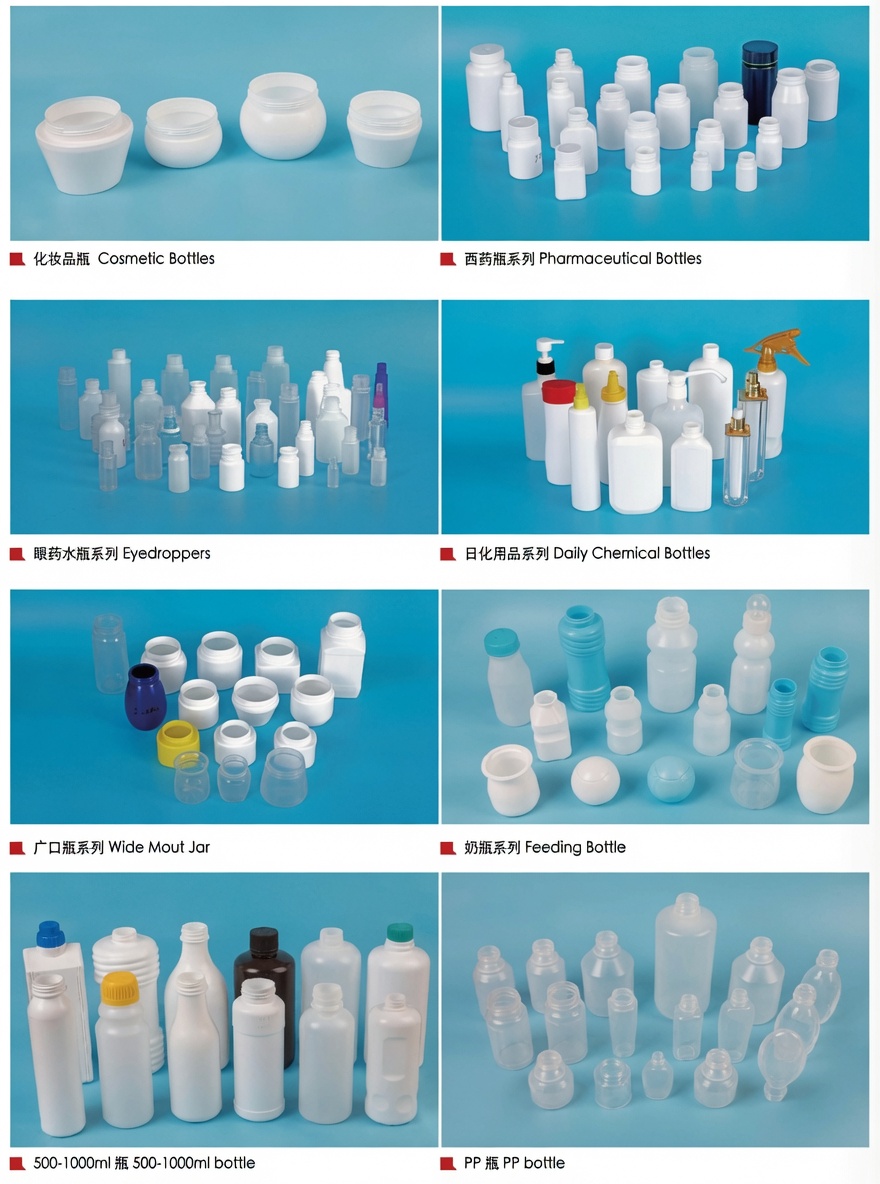
Featured Products — European-Series Injection-Blow Molding Machines
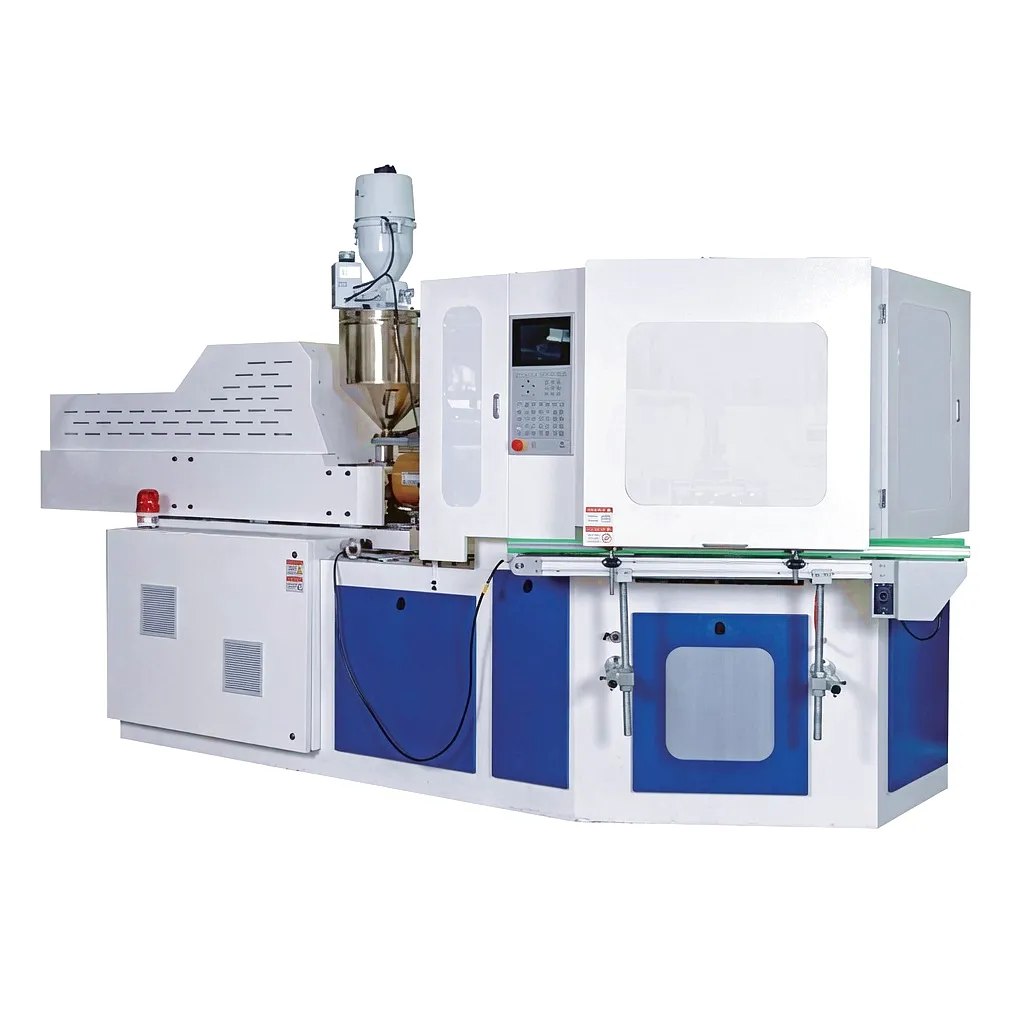
The ZQ40 is the entry-level flagship of Ever Power’s European-series IBM range, delivering 40 kN clamping force across up to 4 cavities for container volumes from 5 to 200 ml. Purpose-built for pharmaceutical, cosmetic, and specialty packaging in bottle sizes where precision and cleanability are paramount, it runs HDPE, PP, PET, and COC resins with equal stability. Cycle times of 8–14 seconds and a compact 2.4 m footprint make it the preferred choice for UK CDMOs and pharmaceutical filling lines operating within constrained GMP floor areas.
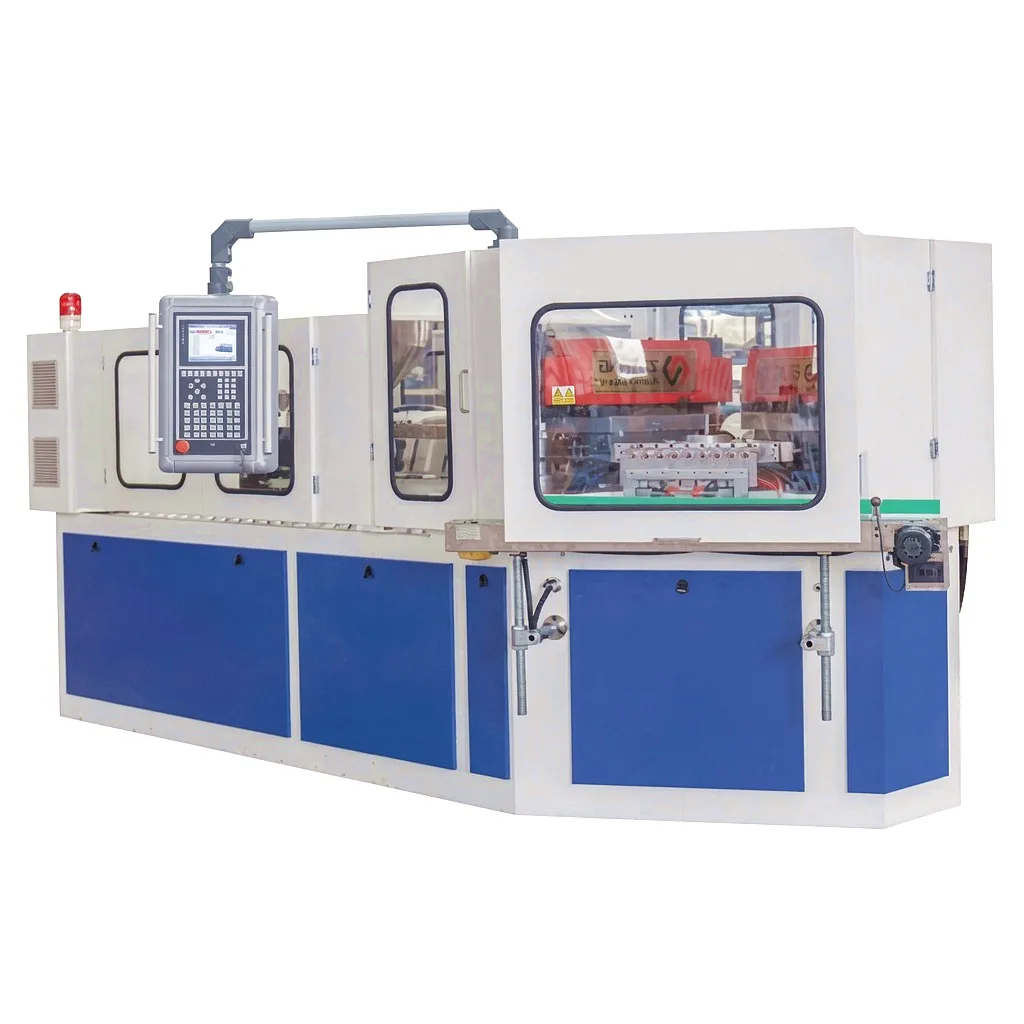
The ZQ60 scales Ever Power’s pharmaceutical-grade IBM capability to 60 kN clamping force with up to 6 cavities and a volume range extending to 500 ml, making it the natural choice for high-volume tablet bottle production, large amber PET dispensary containers, and multi-cavity CRC bottle lines. The larger servo-hydraulic unit delivers the precision temperature management and pressure consistency that amber UV-barrier bottles and thick-wall child-resistant closure bottle designs demand. Facilities in Sheffield, Nottingham, and across the broader English pharmaceutical manufacturing belt have deployed the ZQ60 platform to consolidate multiple smaller machines into single high-productivity cells.
Customer Success Story — Sheffield, South Yorkshire
Meridian Pharmapack Ltd is a contract pharmaceutical packaging organisation based on the Tinsley industrial corridor in Sheffield, operating primarily as a secondary packaging supplier to several mid-size branded pharmaceutical manufacturers and generic medicine companies across Northern England. With their existing extrusion blow molded HDPE bottle line approaching end-of-life and their client roster increasingly specifying child-resistant closure bottle formats for Schedule 2 and Schedule 4 controlled-drug formulations, Meridian’s production director identified the need for a replacement platform that could meet CRC-compliance demands without requiring a separate deflashing line.
After evaluating three alternative equipment suppliers, Meridian selected Ever Power’s ZQ60 injection-blow molding machine, commissioning two units with 4-cavity HDPE mold sets configured for 60 ml and 120 ml CRC tablet bottles. The project involved Ever Power’s application engineers working alongside Meridian’s process validation team to design core rod profiles that matched the specific CRC closure geometry required by Meridian’s closure supplier — a level of co-engineering engagement that the other suppliers evaluated had been unwilling to provide within the project budget.
Following a twelve-week installation and validation process — including IQ, OQ, and PQ protocols managed jointly by Meridian’s quality assurance team and Ever Power’s commissioning engineer — both ZQ60 machines entered routine production. Within the first three months of operation, Meridian recorded a 28% reduction in container-related quality deviations compared to their previous extrusion blow molded bottle line, attributed primarily to the elimination of neck ovality defects and the removal of the deflashing station that had been a persistent source of particulate contamination concerns. The combined output of the two ZQ60 machines, running a two-shift pattern, comfortably met Meridian’s committed volumes to their pharmaceutical clients while reducing total bottle production floor area by approximately 30% versus the legacy configuration.
Meridian’s logistics team also noted that the dimensional consistency of the injection-blow molded bottles — particularly the body roundness and base flatness — improved automated case-packing efficiency downstream, reducing jamming incidents in the robotic case-packer cell that had previously been attributed to slight dimensional variation in the extrusion-blown containers. This secondary benefit, while not originally in the project scope, contributed positively to the overall line OEE improvement that Meridian reported at their six-month internal performance review.
“The neck consistency from the ZQ60 has been transformational for our CRC assembly line. We used to run manual CRC cap audits on every pallet — now we sample at 1-in-20. The ISO 8317 compliance rate on output has been above 99.97% for six consecutive months. Ever Power’s engineering team understood our validation requirements from day one.”
“We were particularly impressed by Ever Power’s willingness to co-engineer the core rod geometry for our specific CRC closure neck profile rather than asking us to change our closure specification to suit a standard mold. That flexibility saved us approximately three months of closure re-qualification work and probably GBP 40,000 in qualification costs.”
“Spare parts availability was a major concern when we evaluated non-European machine suppliers. Ever Power resolved this by pre-positioning a curated spare parts kit in our stores at commissioning and setting up a DHL express supply agreement for critical components. We have not had an unplanned downtime event exceeding four hours in the eighteen months since commissioning — that record would not have been possible with our previous machine supplier.”
Frequently Asked Questions — Injection-Blow Molding Machines for UK Pharmaceutical Packaging
The cost of an injection-blow molding machine for pharmaceutical packaging in the UK depends primarily on clamping force, number of cavities, and the level of automation and compliance documentation required. Entry-level single-station pharmaceutical-grade IBM machines typically begin around GBP 80,000–120,000 ex-works, while fully equipped multi-cavity systems with servo-hydraulic drives, Siemens PLC controls, and IQ/OQ documentation packages can range from GBP 180,000 to GBP 350,000 or above depending on specification. Tooling — the injection and blow mold sets — is priced separately and typically adds 15–30% to the machine cost per product SKU. Ever Power recommends requesting a detailed technical quote based on your specific bottle drawings and production volume targets to obtain an accurate figure for your business case.
Injection-blow molding machines designed for pharmaceutical use can process pharmaceutical-grade HDPE, polypropylene, clear PET, amber-tinted PET (the primary material for UV-barrier drug bottles in the UK), and cyclic olefin copolymer. Amber PET formulations specifically compounded for pharmaceutical use provide greater than 99% UV attenuation below 400 nm and are fully compatible with the British Pharmacopoeia container requirements for photosensitive preparations. The resin must carry appropriate regulatory status — FDA 21 CFR, EU 10/2011, or BP compliance — before use in a UK pharmaceutical packaging context.
Ever Power’s European-series injection-blow molding machines are designed specifically to accommodate custom neck finish profiles for proprietary and standard child-resistant closure systems. The engineering team can design core rods and injection mold cavities to match your specific CRC neck finish dimensions, whether that conforms to a standard SP400, SP410, or SP415 ISO neck finish or a proprietary closure design. To receive a customisation proposal and technical feasibility assessment, contact the Ever Power pharmaceutical packaging sales team at [email protected] with your bottle drawing and closure specification.
For pharmaceutical manufacturers in Birmingham, Sheffield, and across the UK requiring child-resistant closure compatibility, the injection-blow molding process delivers consistently tighter neck thread tolerances — typically +/- 0.05 mm versus +/- 0.2 mm or worse in extrusion blow molding — because the neck is formed by injection rather than parison pinch-off. This precision dramatically reduces CRC integration failure rates and ISO 8317 compliance testing rejections. Additionally, the IBM process produces no tail flash, eliminating the deflashing operation that is both a labour cost and a GMP contamination risk point in extrusion blow molding lines.
UK pharmaceutical CDMOs should evaluate an upgrade to injection-blow molding when their product portfolio increasingly includes CRC bottle formats, amber UV-barrier containers, or bottle designs requiring consistent neck-to-body concentricity for automated filling and inspection line compatibility. Typical return on investment timelines in UK pharmaceutical packaging contexts range from 24 to 48 months when factoring in the combined savings from reduced container quality deviations, elimination of deflashing labour, reduced reject rates in CRC assembly, and improved filling line efficiency from more dimensionally consistent containers. Facilities running two or more shifts on pharmaceutical bottle production will generally reach the shorter end of this range.
Ever Power maintains a dedicated spare parts inventory for its European-series injection-blow molding machines and offers DHL and UPS express shipping to all major UK locations, with standard delivery times of 2–5 business days for most critical wear components. At commissioning, Ever Power’s service team recommends and can pre-supply a tailored first-year spare parts kit covering wear items such as injection nozzle tips, heating bands, hydraulic seals, and core rod O-rings, which is stored on-site at the customer’s facility to enable same-shift replacement for the most common planned maintenance items.
A pharmaceutical-grade injection-blow molding machine intended for deployment in a UK MHRA-licensed manufacturing facility should carry CE marking under the EU Machinery Directive (as adopted into UK law post-Brexit), be manufactured under ISO 9001:2015 quality management certification, and feature a programmable logic controller with a touchscreen HMI capable of logging process parameters in a format compatible with 21 CFR Part 11 electronic records requirements. The machine should be supplied with full IQ (Installation Qualification) and OQ (Operational Qualification) documentation templates, and the supplier should be willing to support the customer’s own PQ (Performance Qualification) protocol execution. Stainless steel or anodised aluminium contact surfaces for polymer-path components, food-grade lubrication compatibility, and cleanroom-compatible machine sealing are additional features relevant to pharmaceutical production environments in the UK.