 Walk through any UK supermarket — whether a Sainsbury’s in Leeds, a Boots on Birmingham High Street, or an Asda in Sheffield — and the personal care aisle tells the same quiet engineering story. Every shampoo bottle, every body wash container, every conditioner flask has been through a precision manufacturing process that most consumers never think about. The container that keeps the product sealed, dispensable, and visually appealing is itself the result of significant mechanical and material science — and the injection-blow molding machine sits at the heart of that story. As British personal care brands accelerate their push toward lighter packaging, recyclable materials, and more complex bottle geometries, the capabilities of the IBM machine have never been more commercially relevant to UK manufacturers.
The injection-blow molding process bridges two of the most proven polymer-forming techniques in the world: injection molding and blow molding. Unlike extrusion blow molding, which forms a parison by pushing molten plastic through a die, the IBM process begins by injection-molding a precise preform around a core rod. That preform — dimensionally accurate from the moment it is formed — is then transferred to a blow station where compressed air inflates it to the final bottle geometry. The result is a container with a precisely controlled neck finish, uniform wall thickness throughout the body, and an entirely flash-free exterior. For personal care packaging that must pass both functional and aesthetic tests on UK retail shelves, these characteristics are not minor refinements; they are production-line necessities.
How the Injection-Blow Molding Process Actually Works
Injection Stage
Molten polymer — typically HDPE, PP, PET, or PETG — is injected under high pressure around a precision steel core rod seated inside an injection mold cavity. This forms a parison-shaped preform with an already-finished neck thread, dimensional walls, and an accurately positioned base geometry. The injection-molding phase ensures that every preform is produced to the exact same specification, eliminating the variability that plagues extrusion blow operations.
Transfer & Blow Stage
While still on the core rod and at the correct processing temperature, the preform rotates — on most modern machines via an indexing turret — to the blow station. Compressed air is injected through the core rod, stretching the softened preform outward against the blow mold cavity walls. The result is a hollow container that faithfully replicates the mold geometry: every shoulder curve, every label panel, every grip contour is transferred with exceptional fidelity and consistency across the production run.
Ejection & Quality Control
The finished container is ejected in a flash-free, ready-to-fill state. Because the neck finish was formed during the injection stage — not trimmed afterward — there is no secondary deflashing, no neck-ring weld, and no post-mold trimming required. On high-speed pharmaceutical and personal care lines running in Birmingham or Wakefield contract-fill facilities, this dramatically reduces labour cost, material waste, and the risk of contamination during any post-mold handling step.
The three-station cycle — injection, blow, eject — operates continuously on a rotating core-rod carrier. Modern machines from Ever Power can index multiple core rods simultaneously, meaning the injection, blow, and eject operations all occur in parallel. This overlapping cycle design dramatically shortens the effective cycle time per part and allows continuous production rates that competing single-station technologies simply cannot match at equivalent part quality.
Core Materials Processed by Injection-Blow Molding Machines

Material selection in injection-blow molding is not arbitrary — it directly determines barrier performance, clarity, feel, recyclability, and compatibility with the product being packaged. For shampoo, conditioner, and body wash bottles destined for UK retail, the choice of polymer is also shaped by British Retail Consortium packaging standards, retailer sustainability commitments, and the requirements of WRAP’s UK Plastics Pact. An IBM machine must be mechanically and thermally optimised for the intended material; processing PET at the same barrel and nozzle temperatures as HDPE would produce unusable results. Understanding which polymer does what job best is foundational to selecting the right IBM machine specification for a production line.
High-density polyethylene (HDPE) remains the dominant material for shampoo and body wash in the UK mass market. It combines good chemical resistance with excellent processability at moderate temperatures, making it the default choice for private-label personal care produced at large filling sites in the East Midlands and West Yorkshire. HDPE IBM bottles achieve consistent wall thickness, accept direct-print labels, and are collected in almost all UK kerbside recycling streams. Where a slightly more premium feel is required — softer touch, more translucent appearance — polypropylene (PP) offers an alternative, though it requires tighter barrel temperature management to avoid degradation.
PET and PETG have become increasingly relevant in UK personal care as brand owners seek crystal-clear bottles that communicate ingredient quality and premium positioning. PETG, in particular, processes beautifully in IBM machines — it has a wider processing window than PET, produces excellent clarity without requiring stretch-blow equipment, and bonds strongly to gloss shrink-sleeve labels popular with independent cosmetics brands in Manchester and London. The IBM machine’s ability to produce near-zero haze PETG bottles without a separate reheat blow step is one of the technology’s most compelling advantages in the premium cosmetics market.
Application Scenario: Personal Care & Cosmetics Packaging — Shampoo, Conditioner & Body Wash Containers
A deep-dive into how IBM technology serves the UK personal care industry’s most demanding packaging requirements.

The personal care sector is one of the UK’s most commercially vibrant manufacturing segments, with major brands including Unilever, Reckitt, and a growing ecosystem of independent cosmetics companies all sourcing or producing containers domestically or through European supply chains. The shampoo bottle, simple as it appears on a bathroom shelf, is actually a demanding packaging format: it must maintain structural integrity through logistics handling, dispense reliably through a pump or flip-top closure, resist the surfactant chemistry of the product inside, and present attractively under LED retail lighting. The injection-blow molding machine addresses every one of these challenges simultaneously, and does so at cycle times and unit costs that make it commercially viable for runs from 50,000 to tens of millions of containers.
One of the most practically important attributes of IBM for personal care packaging is neck finish accuracy. Every shampoo bottle requires a closure — whether a screw cap, a flip-top, or a lotion pump — and that closure must engage the neck thread with consistent torque. A neck finish produced by injection molding is dimensionally controlled to tolerances that standard extrusion blow molding neck trimming cannot reliably achieve. When a UK contract filler in Coventry or Northampton is running thousands of closures per hour on an automated capping line, the thread pitch, diameter, and finish height on every bottle must fall within a very tight dimensional window. IBM machines deliver that consistency as a standard characteristic of the process — not as a premium option requiring additional inspection.
Wall thickness control is equally critical for conditioner and body wash bottles, where the product-to-packaging weight ratio directly affects both retail margin and sustainability metrics. Brand owners are under considerable pressure from UK supermarket buyers to reduce packaging weight while maintaining structural strength. IBM machines allow design engineers to specify wall thickness profiles with genuine precision — thinner in the body panels, slightly reinforced at pinch-grip zones and the shoulder junction — and to repeat that profile consistently across every shot. This capability makes the injection-blow molding machine the preferred tool for lightweight packaging development in UK product development labs.
Shampoo Bottles (250ml–1L)
HDPE or PP containers with 24/410 or 28/410 neck finishes for pump dispensing. IBM machines produce these at 2,000–4,000 bottles per hour per cavity set, with zero deflashing and consistent base planarity for stable shelf presentation. UK retail buyers specifically require bottles that stand without rocking — an IBM strength.
Conditioner & Treatment Vessels
Premium conditioners often require more complex geometry — waist-grip profiles, wider-diameter bodies, decorative shoulder flats. IBM handles these without the weld-line artifacts of rotary EBM. Products sold through salon channels in Glasgow, Edinburgh, and Bristol benefit from the premium optical clarity achievable with PETG on IBM equipment.
Body Wash & Shower Gel Containers
Body wash lines at UK sites in Merseyside and Teesside often run 24/7 at the highest throughput the filling equipment allows. IBM machines with servo-driven indexing and closed-loop temperature control maintain neck-finish consistency across multi-shift production without operator intervention — a critical factor for unmanned night-shift filling operations.
Travel & Hotel Miniature Formats
UK hotel groups sourcing 30ml and 50ml amenity bottles for properties across London, Manchester, and Edinburgh require exceptional dimensional consistency for cap engagement and carton packing. IBM machines excel at small-volume, high-precision bottle production — a format where extrusion blow molding struggles to maintain dimensional stability reliably.
Technical Performance Parameters: Injection-Blow Molding Machines
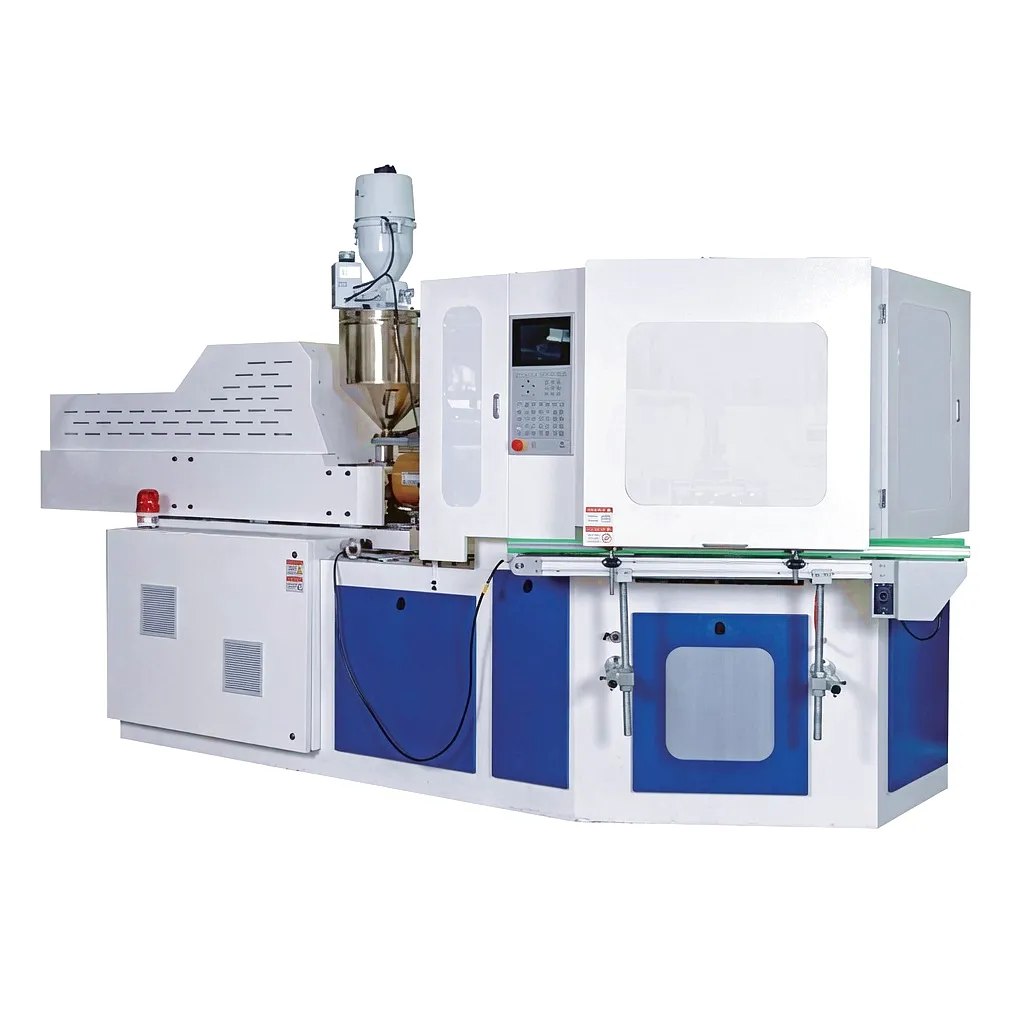
The following parameters reflect the typical specification range across Ever Power’s IBM machine range for personal care packaging applications. Individual machine configurations depend on container volume, material, required output rate, and tooling specifications. Our engineering team will work with your technical team to define the precise specification for your production line.
| Parameter | ZQ40 (European) | ZQ60 (European) | Unit / Notes |
|---|---|---|---|
| Max Container Volume | 40 ml | 60 ml | ml (scalable with tooling) |
| Clamping Force | 40 kN | 60 kN | kN (injection + blow combined) |
| Injection Pressure | Up to 180 MPa | Up to 200 MPa | MPa |
| Blow Pressure | 0.4 – 0.8 MPa | 0.4 – 1.0 MPa | MPa |
| Screw Diameter | 30 – 40 mm | 35 – 50 mm | mm (material dependent) |
| Barrel Temperature Range | 150 – 280°C | 150 – 290°C | °C (zone-controlled) |
| Compatible Materials | HDPE, PP, PET, PETG | HDPE, PP, PET, PETG, PC | Application dependent |
| Cycle Time (per set) | 6 – 15 sec | 7 – 16 sec | Seconds (material & geometry) |
| Drive System | Servo-hydraulic | Full servo-electric | – |
| Power Consumption | ~9 kW | ~14 kW | kW (average running load) |
| CE / Standards | CE Marked | CE Marked | EU Machinery Directive |
Core Technical Advantages of IBM Machines for Cosmetics Packaging
Zero Flash Production
Because the container is formed entirely within a closed mold, no excess material escapes the parting line. There is no flash to remove, no secondary trimming operation, and no contamination risk from flash particles entering the filling environment. For GMP-conscious UK personal care manufacturers, this is a significant quality assurance and compliance advantage.
Precision Neck Finish Accuracy
The neck is injection-molded, not blown or trimmed. Thread pitch, diameter, and height are controlled to tolerances of ±0.1 mm or tighter depending on mold specification. Automated capping lines at contract filling sites in Coventry and Swindon operate most efficiently when neck finish variation is eliminated from the process — IBM machines provide exactly that.
Superior Wall Thickness Uniformity
Uniform wall distribution reduces material usage per container — a directly measurable sustainability and cost benefit. An IBM machine producing a 250ml shampoo bottle can achieve wall variation of under 10% across the body panel, compared to 20–35% typical in extrusion blow molding. For UK brands with published sustainability packaging targets, this supports both lightweighting goals and recyclability certification requirements.
High Throughput Efficiency
Multi-cavity IBM tooling combined with servo-indexed turret designs delivers competitive output rates without sacrificing quality. Ever Power machines running six-cavity HDPE shampoo bottle tooling routinely achieve over 3,600 finished containers per hour — flash-free, dimensionally consistent, and ready for filling. This throughput efficiency directly translates into reduced machine hours and lower per-unit production cost for UK packaging converters.
Energy-Efficient Servo Drives
Ever Power European-specification IBM machines incorporate servo-electric or servo-hydraulic drive systems that consume power only on demand — not continuously as older fixed-displacement hydraulic systems do. For UK manufacturing sites where energy cost per unit is a direct boardroom metric, the reduction in kWh per thousand bottles is measurable and significant. The ZQ60’s full servo-electric architecture reduces energy draw by up to 40% compared with conventional hydraulic IBM machines at equivalent output.
Minimal Post-Processing Requirements
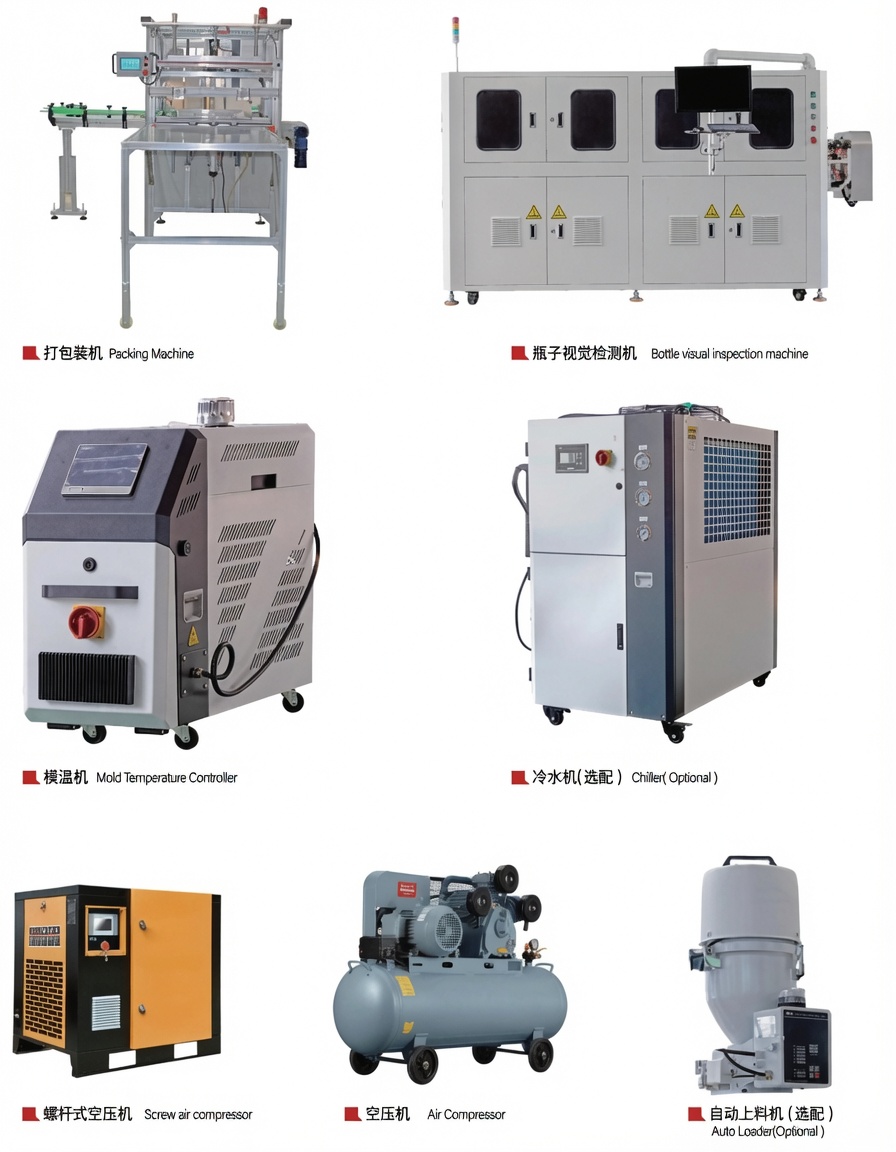
Containers exit the IBM machine ready for filling, labelling, or decoration. There is no flash removal station required, no post-mold blow neck trimmer, and no secondary leak testing driven by weld-line imperfections. For UK personal care packaging lines where floor space is at a premium — particularly in older industrial units in towns like Luton, Wolverhampton, or Derby — the compact footprint and reduced ancillary equipment requirement of IBM is a genuine operational advantage.
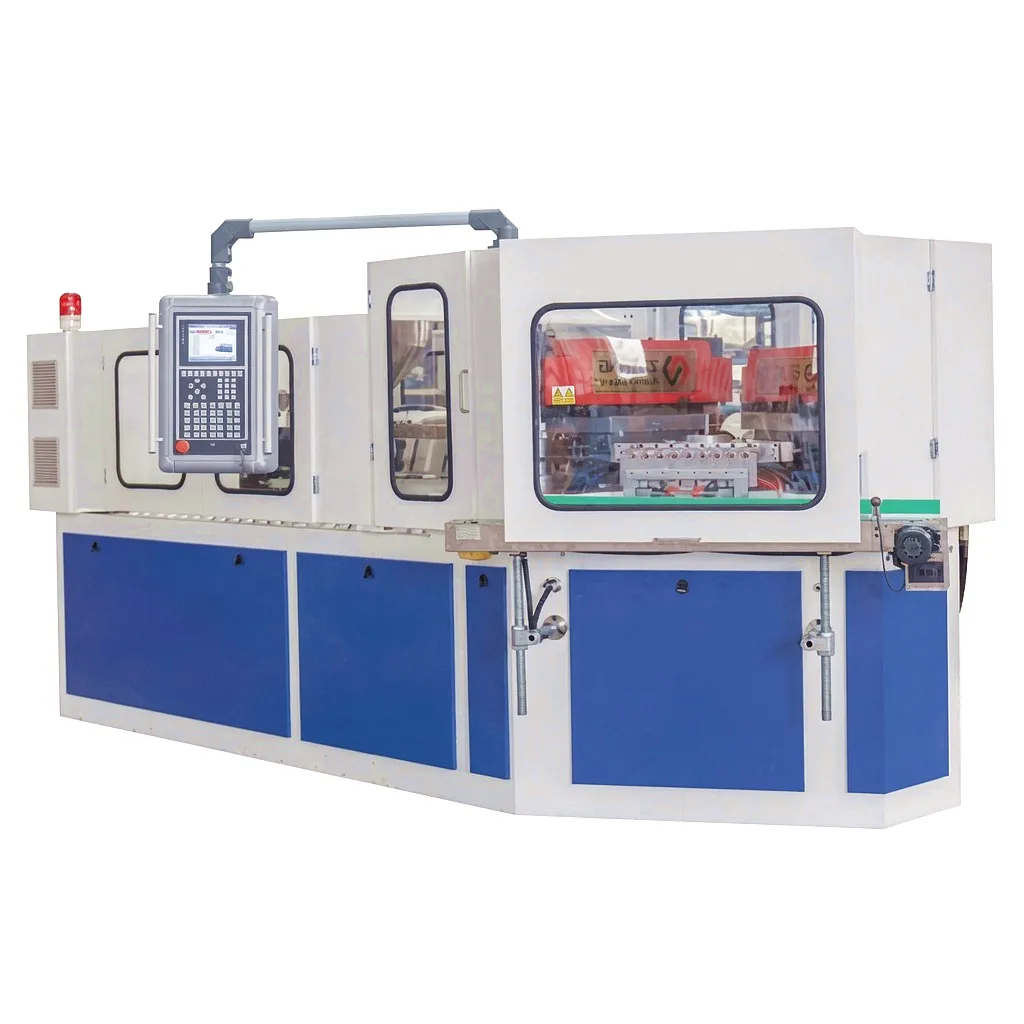
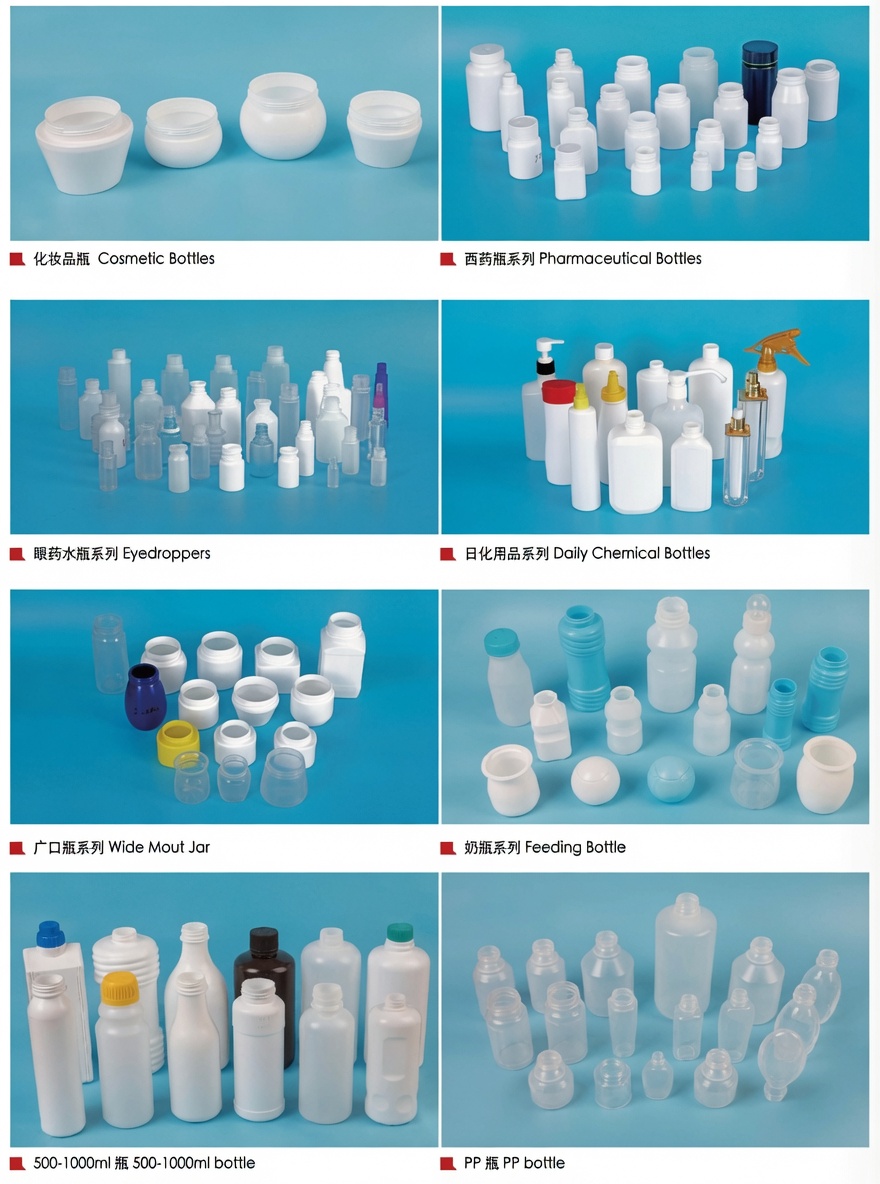
Featured Products: European-Specification IBM Machines
Sheffield Contract Packaging Operation Achieves 34% Output Increase with Ever Power ZQ60
Sheffield, South Yorkshire · Personal Care Contract Packaging · IBM Machine Upgrade Project
Meridian Packaging Solutions, a Sheffield-based contract packaging operation serving regional personal care and household brand clients across South Yorkshire and the East Midlands, approached Ever Power in mid-2024 with a specific production challenge. Their existing extrusion blow molding line was producing 250ml shampoo and 400ml body wash bottles for three UK personal care brand clients, but rejection rates from neck finish inconsistency had been running at 4.8% over the preceding twelve months — a figure that, when multiplied across annual volumes of approximately 8 million bottles, represented a significant materials write-off and production inefficiency.
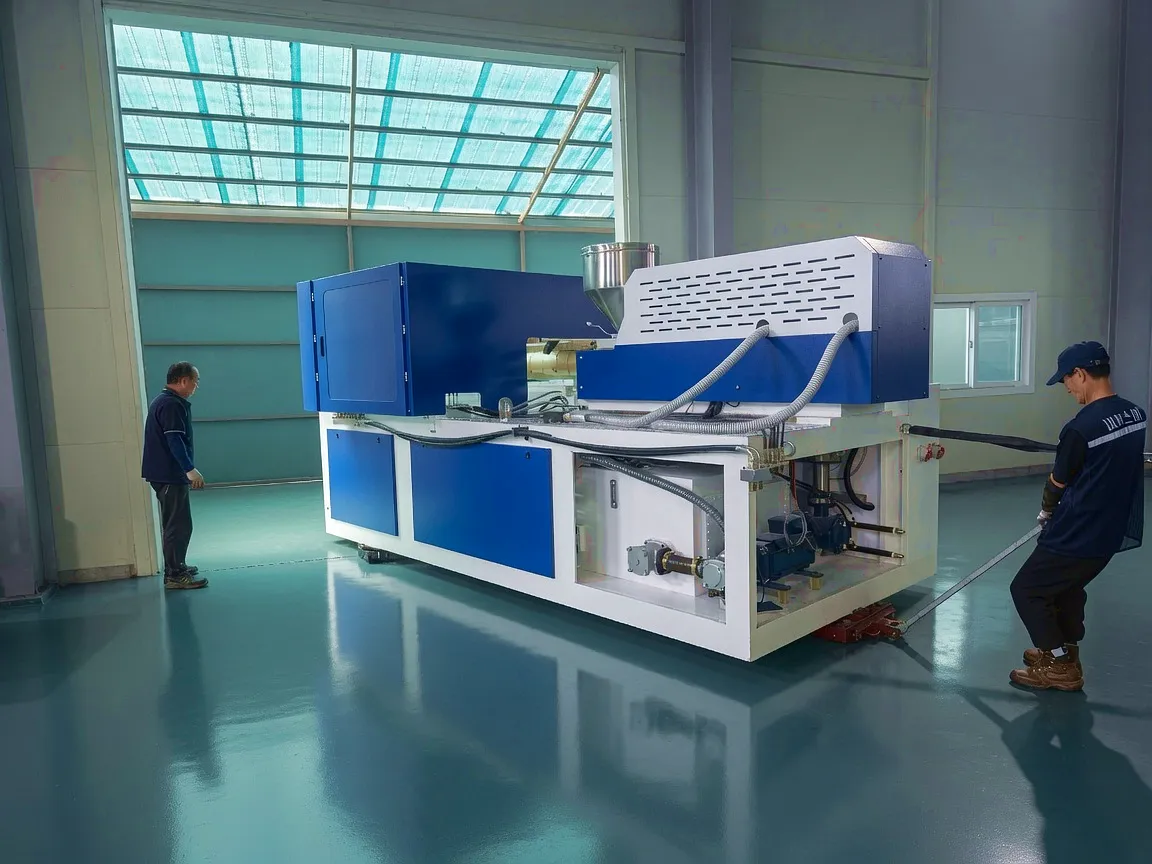
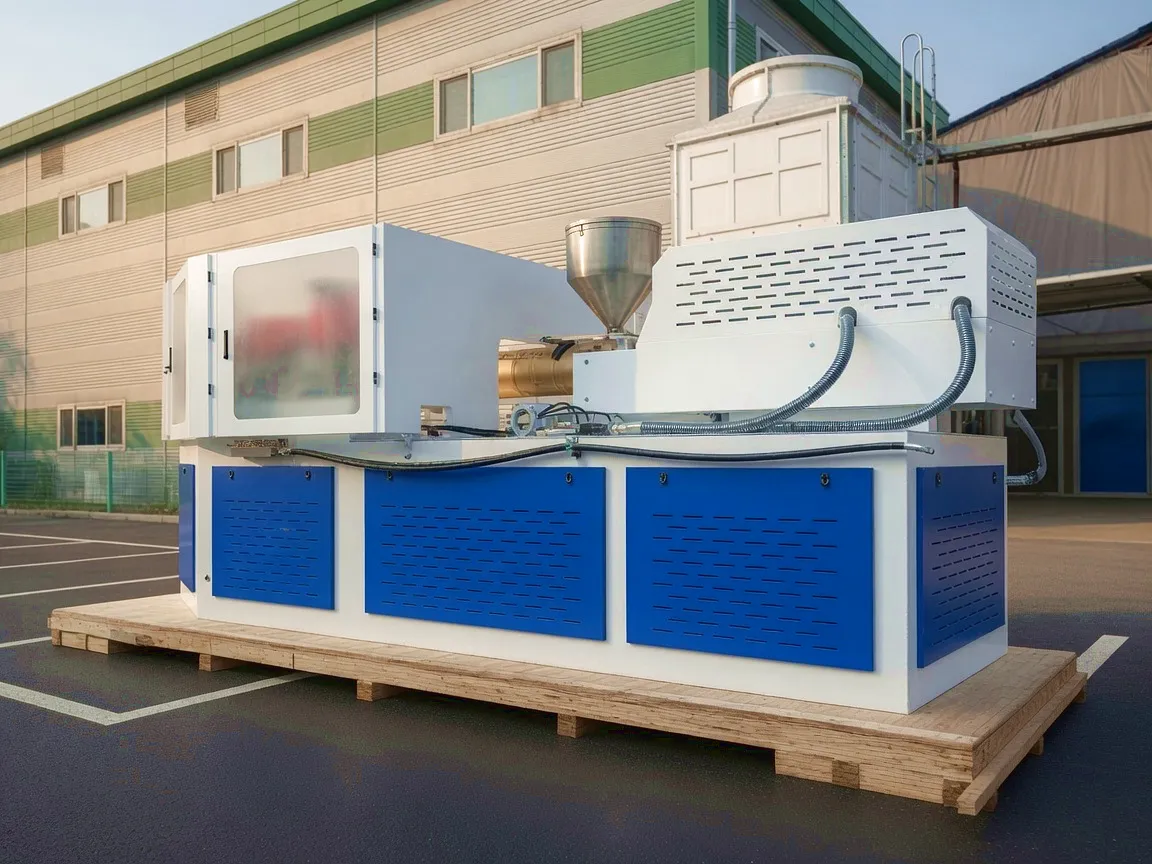
After a detailed application review with Ever Power’s technical team, Meridian commissioned a ZQ60 IBM machine with custom six-cavity HDPE tooling sized for their 250ml core format, plus interchangeable four-cavity tooling for the 400ml body wash format. The machine was configured with servo-electric drive and a 400V 50Hz panel to integrate directly with Meridian’s Sheffield site electrical supply. Within eight weeks of commissioning, Meridian reported neck finish rejection rates had fallen to below 0.3% — effectively eliminated — and overall line output had increased by 34% due to the elimination of secondary deflashing operations and associated manual handling time. Energy consumption on the IBM line was measured at 31% lower than the replaced extrusion equipment on an equivalent-bottle basis.
The Ever Power team provided remote video commissioning support over three sessions, with English-language operator training documentation supplied in advance to Meridian’s production supervisor. A spare parts package covering core rod seals, nozzle tips, and thermocouple sensors was included with the machine supply, enabling Meridian’s engineering team to perform first-level maintenance without lead time delays from overseas parts sourcing. The Sheffield operation has since ordered a second ZQ60 for a cosmetics jar lid format and reports that the IBM technology platform has become central to their contract capability positioning with new client acquisition efforts in the UK mass retail personal care sector.
“The neck finish consistency on the ZQ60 has transformed our capping line efficiency. We went from constant cap engagement issues on the automated line to essentially zero stoppages attributable to bottle neck variation. Ever Power’s tooling design team got our 28/410 thread dimension right first time.”
“We specifically chose Ever Power because they offered genuine customisation — our 400ml body wash bottle has an unusual grip profile that other IBM machine suppliers said would require modifications to their standard tooling. Ever Power’s engineers designed the core rod and blow mold to our drawing without compromise. The trial sample bottles were within tolerance from the first shot.”
“The energy saving compared with our old blow molder was an unexpected bonus. Our site energy manager was able to document the reduction formally — it contributed to our ISO 14001 annual performance review positively. Ever Power supplied all the technical data we needed for that process without us having to chase for it.”
Frequently Asked Questions about Injection-Blow Molding Machines for UK Personal Care Packaging
Ready to Upgrade Your UK Personal Care Packaging Line?
Talk to Ever Power’s IBM machine specialists about your shampoo, conditioner, or body wash container requirements. Custom tooling, CE-marked machines, and full UK market documentation support.
edit by gzl