IBM Blow Moulding Machine Applications in Personal Care & Cosmetics Packaging
A technical deep-dive into how injection blow moulding technology is reshaping cosmetics container production for UK manufacturers — from wall-thickness uniformity to energy-optimised cycles.
Understanding the Core Process: IBM vs EBM vs ISBM vs Extrusion — A Technical Comparison
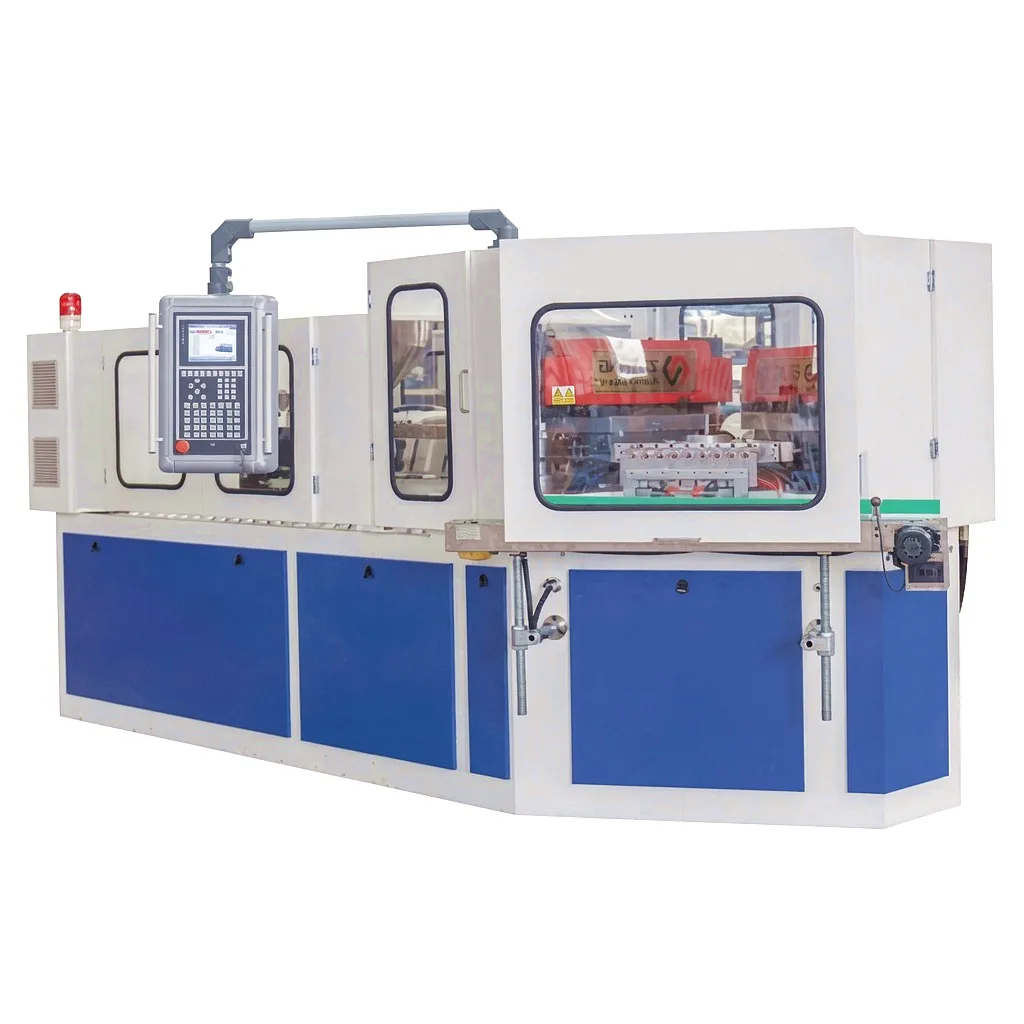
To appreciate where an IBM blow moulding machine excels in the cosmetics space, it is essential to understand how the four principal blow moulding technologies differ from one another at a process level. Each carries a distinct set of trade-offs in terms of wall uniformity, bottle neck accuracy, flash generation, tooling cost, and minimum wall thickness capability. For cosmetics containers — typically holding between 15 ml and 500 ml of shampoo, conditioner, body wash, serum, or lotion — these differences translate directly into commercial viability.
The IBM blow moulding machine occupies a unique position: because the preform is injection-moulded directly on the machine in a tightly controlled mould cavity, the material distribution entering the blow station is already predetermined with a level of accuracy that neither extrusion blow moulding nor continuous extrusion can approach. The neck finish — the thread form that engages with the cap — comes out of the injection station and is never blown, meaning it is dimensionally identical to a precision injection moulding. This attribute is particularly significant for cosmetics dispensers, pump fitments, and child-resistant closures that require tight thread engagement tolerances to function correctly.
How an IBM Blow Moulding Machine Works: Station-by-Station Process Breakdown
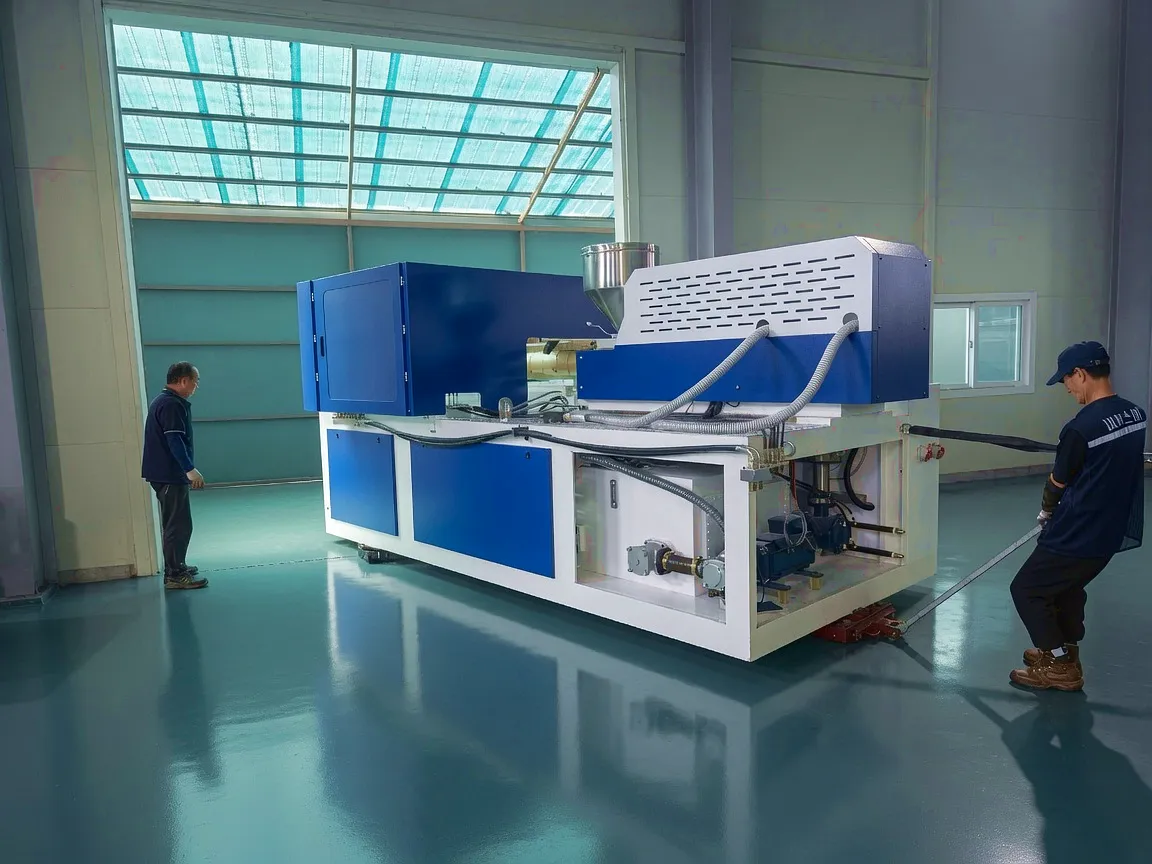
At the blow station, the blow mould closes around the preform. Pressurised air — typically at 6 bar to 12 bar depending on the container geometry and material — is introduced through the core rod tip, inflating the softened preform outward against the cooled blow mould cavity walls. Because the preform was injection-moulded with a wall thickness distribution carefully engineered to account for the differential stretching the material will undergo during blowing, the resulting container exhibits uniform wall thickness across its sidewall, shoulder, and base. The contact of the expanding plastic against the chilled cavity surface (maintained at 8°C to 15°C with temperature-controlled water circuits) quenches the container into its final shape within a dwell time of typically 2 to 5 seconds.
After the blow station, the turret advances to the ejection station, where the blow mould opens and a stripping mechanism removes the finished container from the core rod. The core rod is then ready to receive the next injection charge. This closed-loop, continuous-rotation architecture means that each station operates simultaneously: while one set of core rods is being stripped at ejection, another set is being blown, and a third is receiving injected material. This overlap produces cycle times that typically range between 6 and 18 seconds for cosmetics containers in the 30 ml to 300 ml volume range, yielding output rates of 1,200 to 12,000 bottles per hour depending on the number of cavities and the container volume.
Wall Thickness Uniformity Control and Preform Preheat Temperature Curves
Wall thickness uniformity is the single most commercially important output parameter for a cosmetics container produced on an IBM blow moulding machine. A container with non-uniform walls will buckle under the compressive loads of capping lines, distort visually under shop-lighting conditions that reveal thin zones as translucent patches, or fail drop tests that UK retail buyers now routinely specify in their packaging qualification protocols. Achieving consistent wall distribution across tens of millions of containers per year requires a precise understanding of how preform geometry, resin temperature, blow pressure, and blow timing interact.
For HDPE cosmetics containers, the injection barrel temperature profile typically runs from 170°C in the feed zone to 210°C at the nozzle. The preform exit temperature must be controlled to within ±3°C to maintain consistent blow-up behaviour across all cavities simultaneously.
Polypropylene requires a narrower processing window for IBM: the preform must enter the blow station at approximately 135°C to 155°C. Below this range the material resists biaxial deformation and creates wall thinning at the shoulder zone; above it, the preform sags and loses dimensional control at the neck.
World-class IBM blow moulding machine performance achieves wall thickness variation of less than ±0.08 mm across the container sidewall. Achieving this requires preform wall distribution modelling using finite-element simulation tools during the tooling design phase, prior to cutting any steel.
Two-stage blow pressure programmes — low-pressure pre-blow at 2–4 bar followed by high-pressure final blow at 8–12 bar — allow the operator to control how the material contacts the mould cavity during inflation, preventing premature freeze-off at thin regions before the full cavity volume is achieved.
The relationship between preform temperature gradient and container wall distribution is non-linear: a preform that is 5°C colder at its base than at its shoulder will produce a container with measurably thicker base walls and proportionally thinner shoulder walls at the same blow pressure. Modern IBM blow moulding machine controllers address this through zone-specific temperature compensation in the injection mould cool channels, combined with real-time pyrometer feedback loops that can adjust injection packing pressure on a cycle-by-cycle basis to maintain stable preform mass uniformity across all cavities. UK cosmetics brands including those supplying major retailers such as Boots and Superdrug routinely specify wall thickness capability studies as part of their packaging supplier qualification process, making the precision thermal management capability of the IBM blow moulding machine a direct commercial requirement rather than an optional engineering refinement.
Core Materials Used in IBM Blow Moulding Machine Production for Cosmetics Containers
Material selection for an IBM blow moulding machine running cosmetics containers is governed by three criteria: chemical compatibility with the formulation being packaged, processability within the thermal constraints of the injection-blow cycle, and end-of-life recyclability in the context of the UK’s Extended Producer Responsibility regulations that came into full effect in 2025. Understanding the properties and processing characteristics of each candidate resin is essential for specifying the correct machine configuration and tooling geometry.
The workhorse resin for shampoo, conditioner, and body wash containers. HDPE offers excellent chemical resistance, a broad IBM processing window (melt temperature 190°C–220°C), outstanding drop-impact performance, and full recyclability in the UK’s HDPE milk-bottle collection stream. Melt flow index of 0.3–1.0 g/10 min suits IBM preform filling dynamics.
Preferred for creams, lotions, and airless pump bottles where a premium-feel semi-rigid structure is required. PP’s higher melting point (160°C–168°C) and chemical resistance to polar active ingredients make it suitable for specialised skincare formulations. The narrower IBM blow window demands tighter machine temperature control but delivers superior surface aesthetics.
Selected for colour cosmetics, perfume accessories, and transparent serum bottles where optical clarity is a primary brand requirement. PET requires careful drying to below 0.02% moisture content before IBM processing; inadequate drying produces hydrolytic degradation that manifests as streaks or haze in the container wall. IBM-grade PET typically has an intrinsic viscosity of 0.72–0.84 dl/g.
Used for squeezable cosmetics tubes, eye-drop bottles, and flexible dispensing containers where a low-modulus, soft-touch wall characteristic is commercially specified. LDPE’s low melt viscosity and wide processing temperature range make it forgiving to process on IBM equipment, though its tendency to stress-whiten during mould release requires careful ejection force control.
Each of these resins interacts differently with the thermal profile of the core rod, which conducts heat away from the inner preform surface during the brief interval between injection and blow. Core rod temperature — typically controlled to 20°C–40°C using internal water circuits — must be matched to the resin’s crystallisation kinetics to prevent either premature crystallisation (which inhibits blowing) or excessive surface tack (which causes the preform to stick to the rod during rotation).
Mould Design and Bottle Geometry Optimisation for Cosmetics Packaging
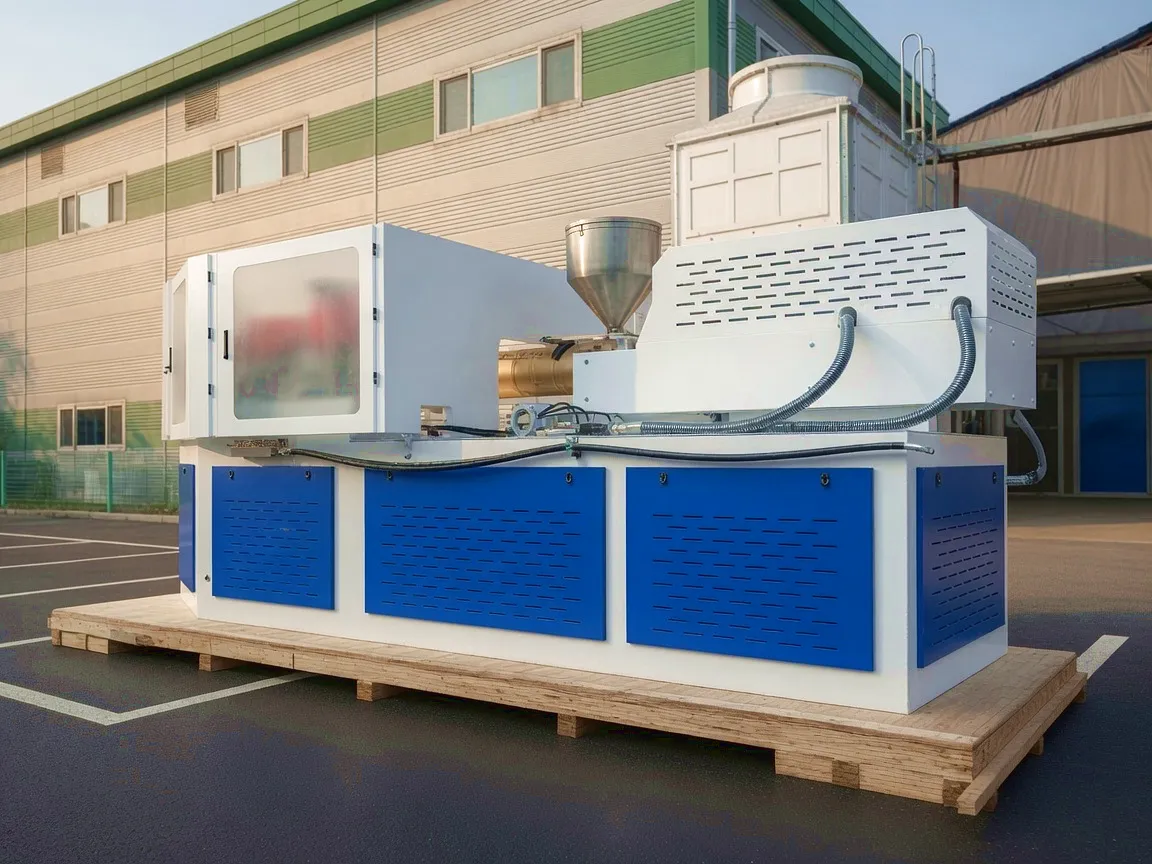
Core rod geometry for complex cosmetics bottle shapes is now routinely developed using computational fluid dynamics simulation of the plastic melt filling the preform cavity, combined with structural finite-element analysis of the container under the compressive load cases it will experience on a high-speed filling and capping line. The outputs of these simulation exercises directly inform the core rod taper angles, the preform body wall thickness distribution, and the transition radii at the shoulder and base zones. Blow mould cavity cooling channel layouts are designed to maintain cavity wall temperature within ±2°C across the contact surface, since temperature gradients across the blow mould translate directly into differential cooling rates that create residual stress patterns in the finished container — a particular concern for clear PET containers that will be inspected under polarised light by quality teams at UK personal care brands.
Surface finish of the blow mould cavity determines the visual quality of the container exterior. For premium cosmetics brands, cavity surfaces are typically polished to SPI A1 or A2 finish equivalents (Ra 0.010–0.025 micron), requiring H13 tool steel that has been hardened to 52–54 HRC and then hand-polished in a dust-controlled environment. Texturing — for grip zones or brand identity elements — is applied by photoetching or laser engraving after initial cavity polish, with typical texture depths of 0.02 mm to 0.05 mm that are shallow enough to allow demoulding without tearing the container surface.
IBM Blow Moulding Machine Technical Performance Parameters
The following table presents key technical specifications for a professional-grade IBM blow moulding machine configured for cosmetics and personal care container production. These parameters apply to European-standard multi-cavity machines designed for continuous three-shift operation in a UK manufacturing environment.
ISBM Machine Applications in Personal Care & Cosmetics Packaging: Key Industry Scenarios
Haircare represents the highest-volume application for IBM blow moulding machine production in the UK personal care sector. HDPE bottles between 250 ml and 500 ml with integral pump fitments or flip-top closures are produced in multi-cavity IBM tooling at output rates exceeding 8,000 units per hour. The precision neck finish produced by the injection station eliminates the leak failures that plague EBM-produced haircare bottles at major UK retailers.
Premium skincare brands in London and Leeds are increasingly specifying IBM-produced PP or PET containers for their serum and lotion ranges. The optical clarity of IBM PET bottles, combined with the manufacturing precision of the IBM process, allows for cosmetic-grade secondary packaging that meets the strict visual quality gate requirements of high-end department store buyers. Small volumes — 15 ml to 50 ml — are particularly well suited to IBM production at cavity counts of 8 to 12 per station.
Body wash containers in the 200 ml to 500 ml range represent one of the highest-growth segments for IBM blow moulding machine investment across UK manufacturing sites in Birmingham and Coventry. The ability to produce complex oval cross-sections with waisted grip zones in a single IBM cycle — without the secondary trimming operations required by EBM — delivers meaningful cost advantages over a seasonal production run of 2 to 5 million units.
Fragrance accessory bottles, foundation containers, and nail-care packaging produced in clear PET on IBM blow moulding machines are growing rapidly among UK independent beauty brands. The zero-flash, no-trim characteristic of the IBM process means that clear PET containers arrive off the machine with a glass-like optical quality that requires no secondary polishing or deflashing operations — a critical advantage given the labour-cost pressures facing UK contract packaging operations.
Baby care products — bath liquids, gentle shampoos, and nappy creams — require packaging that meets both UK cosmetic regulations and the specific safety requirements of infant product ranges. IBM-produced HDPE containers with precisely controlled wall thickness pass the compression and drop-test requirements of BS EN ISO 15223 without over-engineering the container weight, enabling lightweighting initiatives that directly reduce the Extended Producer Responsibility packaging levy applicable to UK manufacturers from April 2025.
The growing UK cosmeceutical market — products straddling the boundary between cosmetics and pharmaceuticals — demands packaging that meets both MHRA cosmetics notification requirements and the dimensional consistency requirements of automated dispensing systems. IBM blow moulding machine production satisfies both: the flash-free, precisely dimensioned containers produced by IBM equipment are directly compatible with pharmaceutical-grade filling and torque-capping lines without risk of in-line jams caused by flash fragments.
Technical Advantages of IBM Blow Moulding Machine Production Over Alternative Processes
The IBM process produces containers with no flash, eliminating the offline deflashing operations, labour costs, and scrap generation that characterise EBM and continuous extrusion processes. For UK manufacturers operating under tight cost-per-unit targets, this translates to a direct reduction in conversion cost per thousand containers produced.
Because the neck and thread are formed in the injection station and never blown, they achieve injection-moulding dimensional tolerances. For pump dispensers, aerosol-style closure systems, and child-resistant caps, this neck precision is a regulatory and functional requirement that only an IBM blow moulding machine can deliver reliably at production volumes.
Modern all-electric servo-driven IBM blow moulding machines consume 30%–50% less energy per thousand containers than hydraulic equivalents. Given UK industrial electricity prices in 2025, the payback period on the energy cost differential between hydraulic and servo IBM equipment has compressed to under 24 months at production rates above 4 million containers per year.
IBM tooling is inherently more compact than EBM tooling for equivalent container volumes, enabling faster mould changes that support the SKU proliferation demands of UK personal care retail cycles. Quick-change core rod modules reduce changeover time from a full shift down to 2 to 4 hours on well-maintained IBM equipment, enabling same-week colour and size changes for responsive contract packaging operations.
Common Fault Diagnosis and Troubleshooting on IBM Blow Moulding Machines
Even a well-maintained IBM blow moulding machine operating on a cosmetics container production line will periodically exhibit process faults. Understanding the diagnostic pathway from observed symptom to root cause is essential for minimising unplanned downtime and scrap generation. The following table maps the most common fault conditions observed in cosmetics IBM production to their probable causes and corrective actions.
Energy Consumption Optimisation and Retrofit Strategies for IBM Blow Moulding Operations
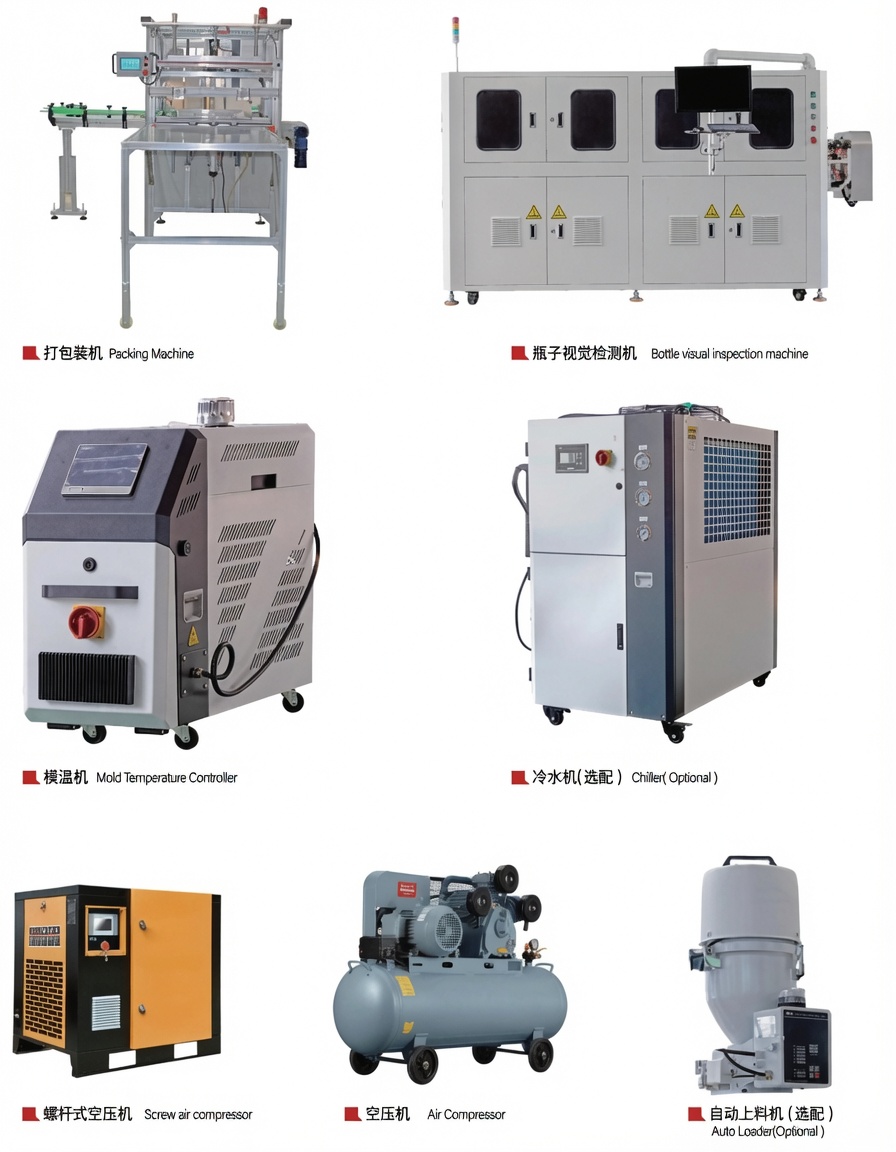
Chiller plant optimisation is the third major lever available to IBM machine operators. The chilled water system supplying the blow mould cooling circuits runs continuously and represents a significant base load in any cosmetics container manufacturing plant. Installing variable-speed compressors in the chiller plant, combined with a predictive algorithm that anticipates machine cycle demand to modulate compressor speed in advance, typically reduces chiller energy consumption by 18%–28%. For UK manufacturers pursuing the Energy Savings Opportunity Scheme (ESOS) compliance assessments required for organisations with over 250 employees, the IBM machine chiller circuit is routinely one of the top three identified energy-saving opportunities.
Featured Ever Power IBM Machines for Cosmetics Container Production
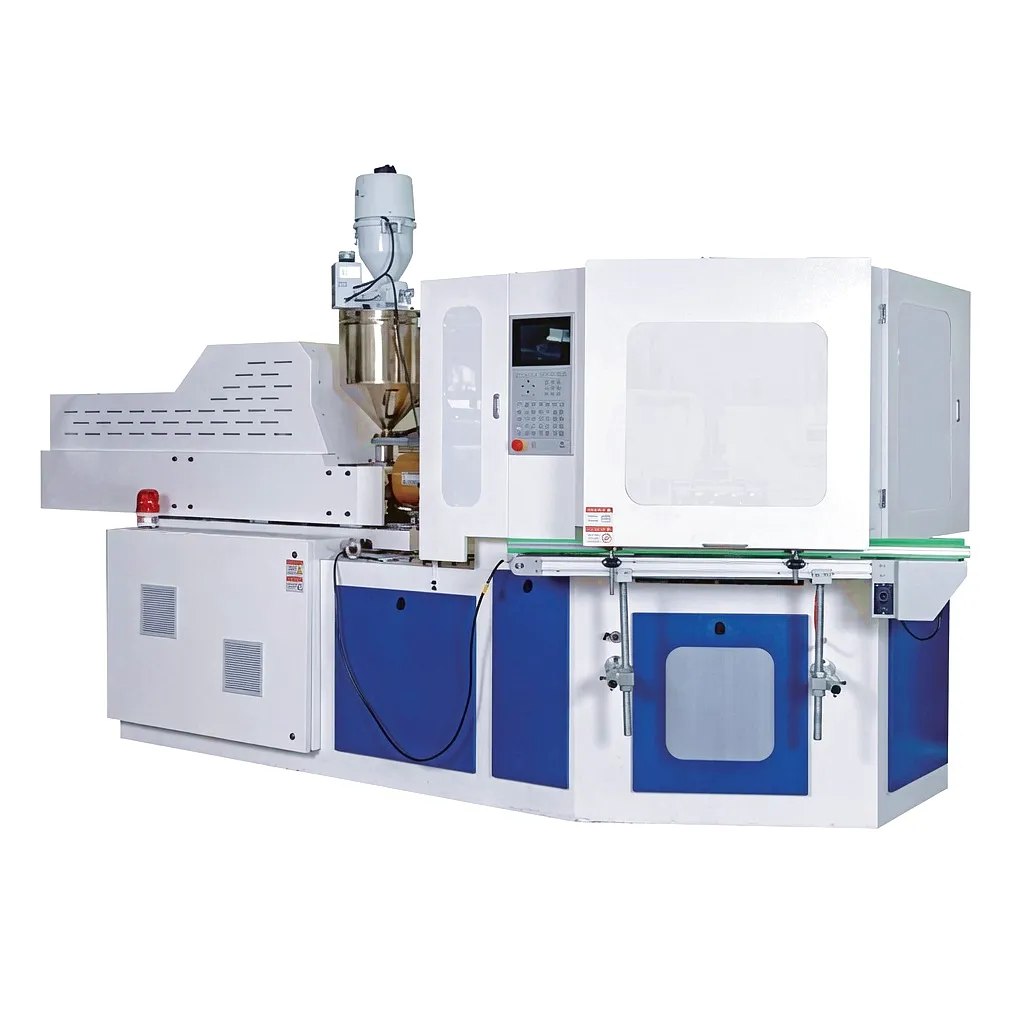
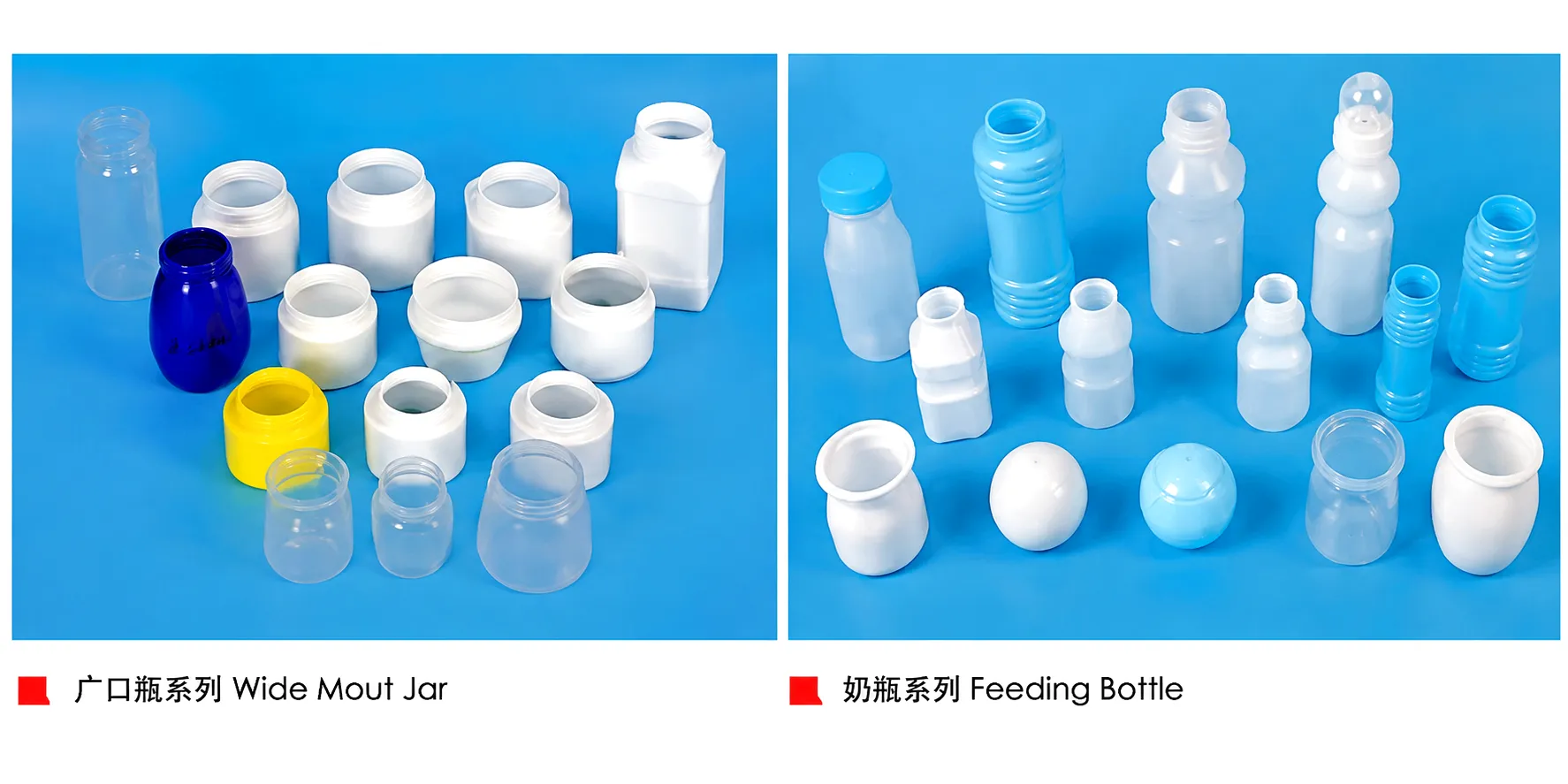
Ever Power offers a range of European-standard injection blow moulding machines optimised for personal care and cosmetics packaging production. The following two models represent the company’s core offerings for mid-to-high volume UK and European cosmetics container manufacturing:
Ever Power: Precision Manufacturing and Customisation Capability for IBM Blow Moulding Machines
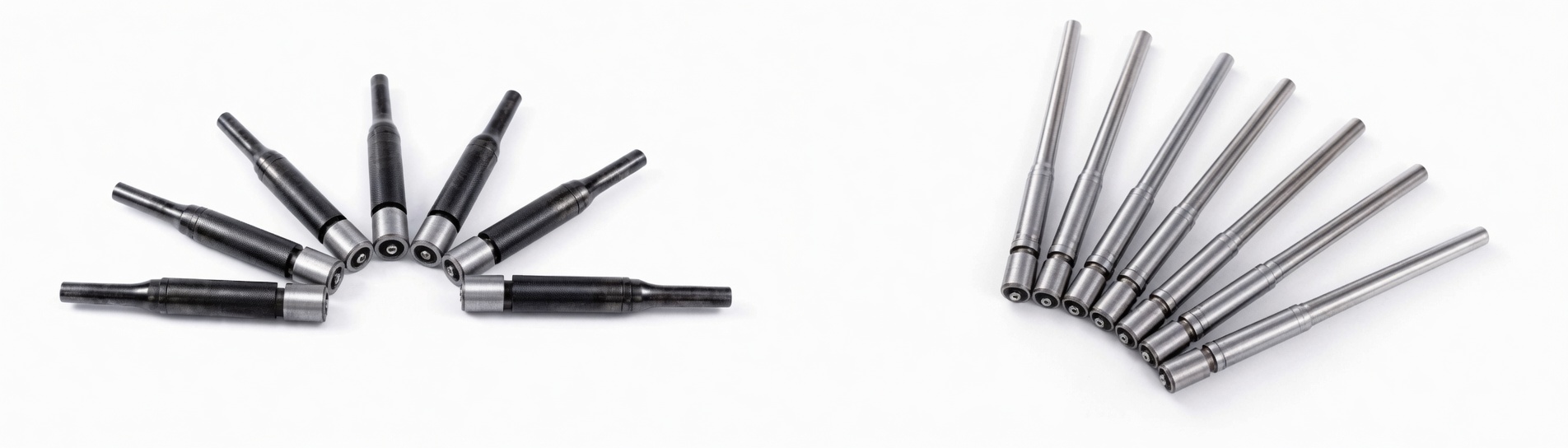
Ever Power operates an advanced IBM blow moulding machine manufacturing facility equipped with CNC machining centres, precision grinding equipment, and coordinate measuring machines (CMMs) capable of verifying component dimensional accuracy to within 0.002 mm. This manufacturing capability underpins Ever Power’s ability to produce custom IBM tooling solutions — core rod assemblies, injection preform moulds, and blow mould cavities — that are precisely engineered to the specific geometry, resin, and production-rate requirements of each customer’s cosmetics container programme.
The Ever Power customisation service begins with a design consultation that translates the customer’s container 3D model and functional specification into a complete IBM tooling design package. This includes finite-element wall distribution analysis, cooling channel simulation, and core rod thermal modelling — all completed before any steel is committed to cutting. This front-loaded engineering investment eliminates the iterative tool-and-trial cycles that inflate tooling lead times at less disciplined IBM machine manufacturers. UK packaging customers working to a product launch deadline particularly value Ever Power’s ability to commit to a validated tooling approval date at the point of purchase order, based on the completed simulation package rather than post-production guesswork.
Ever Power’s supply chain management extends beyond machine and tooling manufacture to encompass pre-shipment validation, CE-mark certification for European markets, and comprehensive commissioning support at the customer’s production site. For UK-based manufacturers, Ever Power provides on-site commissioning engineers who operate in compliance with the UK’s machinery safety regulations (UK Machinery Regulations 2008 as retained post-Brexit), ensuring that the IBM blow moulding machine is validated, documented, and CE/UKCA-marked in full compliance with UK Health and Safety Executive requirements before the first production run begins.
Customer Success Story: Birmingham-Based Personal Care Contract Manufacturer
A mid-sized contract packaging company operating a 12,000 sq ft production facility in the Aston district of Birmingham had been running three ageing hydraulic EBM machines producing shampoo and body wash bottles for a portfolio of eight UK retail brands. As their customer requirements evolved toward more complex bottle geometries, tighter neck tolerances for pump fitments, and reduced flash-related downtime, the limitations of the existing EBM platform became commercially critical: flash trimming was consuming four operator hours per shift, neck-dimension rejects on pump fitments were running at 2.3%, and machine energy cost per thousand units had risen to a level that was eroding their contract margins.
Following a production audit and technology review, the company engaged Ever Power to supply two ZQ60 IBM blow moulding machines, each fitted with 6-cavity tooling for their highest-volume 250 ml HDPE body wash bottle. Ever Power completed the tooling design, FEA wall analysis, and initial preform validation within eight weeks of purchase order, and the machines were commissioned and producing saleable containers within five weeks of delivery to the Birmingham site. The commissioning team from Ever Power worked alongside the company’s existing machine operators, providing a complete process parameter handover documentation package and a two-day on-site training programme covering fault diagnosis, tooling changeover, and preventive maintenance scheduling.
Within the first three months of production, the company reported: neck-dimension reject rate on pump fitments reduced from 2.3% to 0.18%; flash-related operator labour eliminated entirely; machine energy consumption per thousand 250 ml bottles reduced by 38% compared to the displaced hydraulic EBM machines; and overall equipment effectiveness (OEE) on the new IBM lines running at 87%, compared to 68% on the former EBM equipment. The commercial outcome was a recovery of contract margin that funded the capital repayment of both machines within 22 months of installation.
“The wall thickness consistency on the ZQ60 is genuinely exceptional — we ran a capability study across 50,000 units and the Cpk on sidewall thickness came out at 1.82. That performance level is what our pump supplier had been asking us to demonstrate for two years and we simply could not get there on EBM. Ever Power’s technical team understood exactly what we needed from day one and the tooling arrived validated.”
“The customisation capability at Ever Power is unlike anything we encountered from European competitors at the same price point. They modelled our oval body wash bottle geometry in FEA before quoting the tooling, which told us immediately that they understood the challenges of non-uniform blow-up ratios on complex shapes. The machine has been running for sixteen months without a single unplanned stoppage attributable to tooling or machine.”
“We commissioned the ZQ40 for our serum and premium skincare bottle range in clear PET and the optical quality is indistinguishable from glass at shelf level. Ever Power provided drying process parameters specific to the PET grade we use, which solved the haze problem we had struggled with on our previous machine immediately. The energy saving versus our old hydraulic IBM machine has also been substantial — our electricity bill for that production bay is down by a third.”
Frequently Asked Questions About IBM Blow Moulding Machines for UK Cosmetics Packaging
The cost of an IBM blow moulding machine configured for cosmetics container production in the UK typically ranges from £80,000 to £350,000 depending on clamp force, cavity count, drive technology (hydraulic vs all-electric servo), and ancillary equipment. Custom tooling is priced separately and typically adds £15,000 to £60,000 per tooling set depending on cavity count and bottle complexity. Ever Power’s European-specification IBM machines offer competitive pricing with full UKCA compliance — contact [email protected] for a detailed quote tailored to your specific container programme.
IBM machines blow the preform without applying a stretch rod, relying on air pressure alone to expand the preform against the cavity. ISBM machines additionally push a mechanical stretch rod axially into the preform before blowing, producing biaxial orientation in the material that increases stiffness and barrier properties — particularly valuable in PET bottles over 250 ml. For cosmetics containers below 200 ml where wall clarity and neck precision are the primary requirements, IBM is typically the correct technology choice for UK manufacturers in Birmingham, Sheffield, and the East Midlands.
Professional IBM blow moulding machines are capable of processing HDPE, PP, PET, LDPE, LLDPE, and speciality resins including TPE and certain bio-based polyolefins. The most commonly processed resins in UK cosmetics container production are HDPE (for shampoos and body washes), PP (for premium lotions and cream dispensers), and clear PET (for serum and fragrance-associated packaging). Material changeovers on IBM equipment typically require a barrel purge cycle of 15–30 minutes depending on the colour and rheological difference between the outgoing and incoming resin.
Ever Power is a specialist IBM blow moulding machine manufacturer and tooling supplier offering complete project packages to UK and European cosmetics container manufacturers. Services include container feasibility assessment, preform and blow mould design, FEA wall distribution modelling, machine supply with CE/UKCA certification, delivery to UK ports, and on-site commissioning and operator training. Contact [email protected] to discuss your specific container programme requirements.
The full timeline from purchase order to saleable container production on a new IBM blow moulding machine typically runs 16 to 26 weeks. This comprises tooling design and manufacture (8–12 weeks), machine build and factory acceptance test (concurrent, 10–14 weeks), shipping to the UK (3–5 weeks depending on logistics route), site installation and commissioning (1–2 weeks), and process validation including initial process capability study (1–2 weeks). Ever Power’s project management service coordinates all stages with a dedicated UK account contact, providing weekly progress updates throughout the tooling manufacture phase.
Switching from a hydraulic to an all-electric servo IBM blow moulding machine typically delivers energy savings of 30%–50% per unit of container output. For a UK personal care manufacturer running a hydraulic IBM machine on a two-shift, 80-hour working week at an average consumption of 45 kW, the annual energy saving on switching to a servo equivalent at 27 kW average consumption is approximately 75,000 kWh — worth approximately £17,000 per year at current UK industrial electricity rates, delivering a partial payback on the machine price differential within three to four years in most cases.
Ever Power manufactures European-specification IBM blow moulding machines that are supplied with full CE and UKCA marking, PED-compliant compressed air circuits, and documentation packages suitable for UK PSSR and PUWER compliance. The machines are engineered to integrate with standard European 415V three-phase electrical infrastructure, use metric fastener standards throughout, and are supplied with control interfaces and operator documentation in English. Spare parts and service support for UK-installed machines are managed through Ever Power’s European logistics partnership, with critical consumables held in UK-accessible stock for next-day delivery to any UK manufacturing site.
Speak with Ever Power’s applications engineering team about container feasibility, tooling design, machine specification, and pricing for your UK cosmetics packaging programme.