The Core Principles of One-Step ISBM Machines Explained
A definitive technical reference for packaging engineers, procurement directors and production managers across the UK plastics industry and global B2B marketplace.
⚙️ Full Specs & Data Tables
📦 Procurement Resource
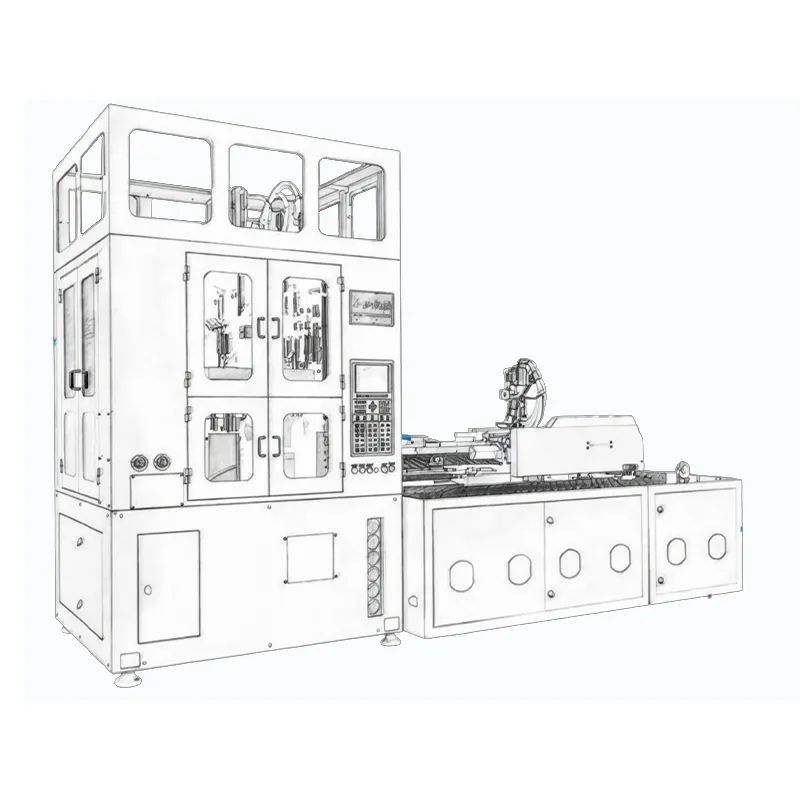 In today’s highly competitive plastics manufacturing landscape, few technologies have reshaped the packaging supply chain quite as decisively as the one-step ISBM machine. Short for Injection Stretch Blow Moulding, ISBM technology elegantly combines three historically separate production stages — injection moulding, biaxial stretching, and blow moulding — into a single, thermally continuous cycle. This integration removes the intermediate reheating steps that conventional two-stage systems depend on, yielding containers with measurably superior optical clarity, dramatically lower energy consumption per unit produced, and tighter dimensional tolerances than any alternative process can reliably deliver. For manufacturers supplying sectors from carbonated beverages and edible oils to pharmaceutical dispensing and premium cosmetics across the UK — whether in Birmingham’s busy packaging estates, Sheffield’s manufacturing corridors or Nottingham’s established pharmaceutical quarter — the one-step ISBM machine has become the definitive benchmark for precision-engineered hollow container production. Understanding how and why it works is the first step towards making a well-informed capital investment decision.
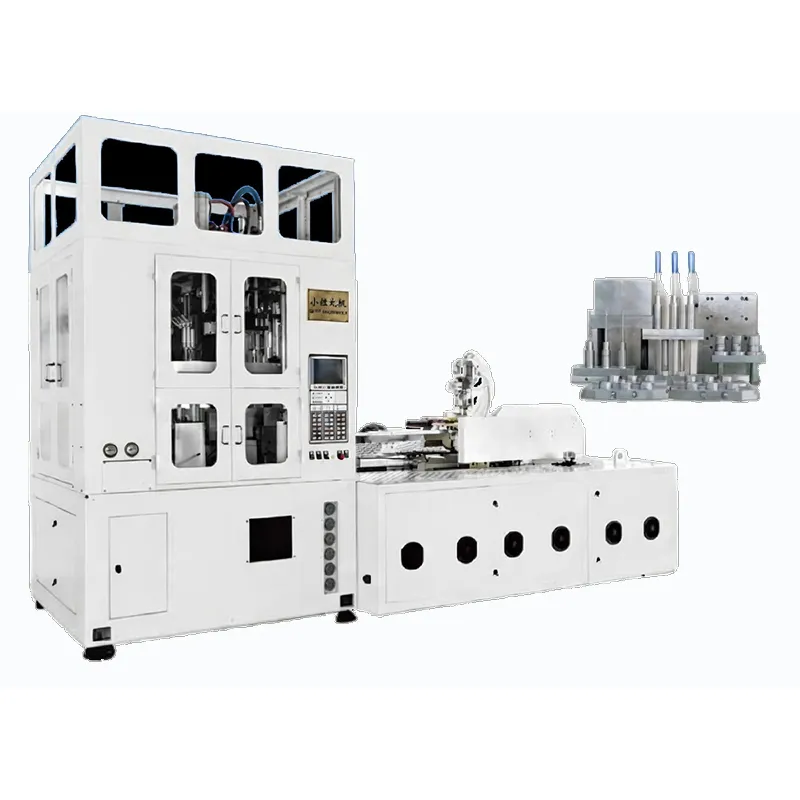
Ever Power One-Step ISBM Machine — Integrated Injection Stretch Blow Moulding System
What Is a One-Step ISBM Machine — and Why Does It Matter?
The term “one-step ISBM machine” describes a highly integrated piece of capital equipment in which raw polymer resin enters at one end and a finished, quality-inspected hollow container exits at the other — all within a single thermal processing cycle. Unlike the two-step (or two-stage) ISBM process, in which preforms are manufactured in one machine, cooled to ambient temperature, stored in bulk, transported, and then reheated before blow moulding commences in a second standalone machine, the one-step approach retains the latent heat from the injection moulding phase. This residual thermal energy is then carefully conditioned through precise temperature profiling before the preform is immediately stretch-blown to its final shape. The elimination of this energy-intensive reheating step is not merely a process simplification — it is the root cause of the measurable quality improvements and energy savings that make one-step ISBM technology so commercially compelling for UK manufacturers navigating rising energy costs and tighter sustainability commitments.
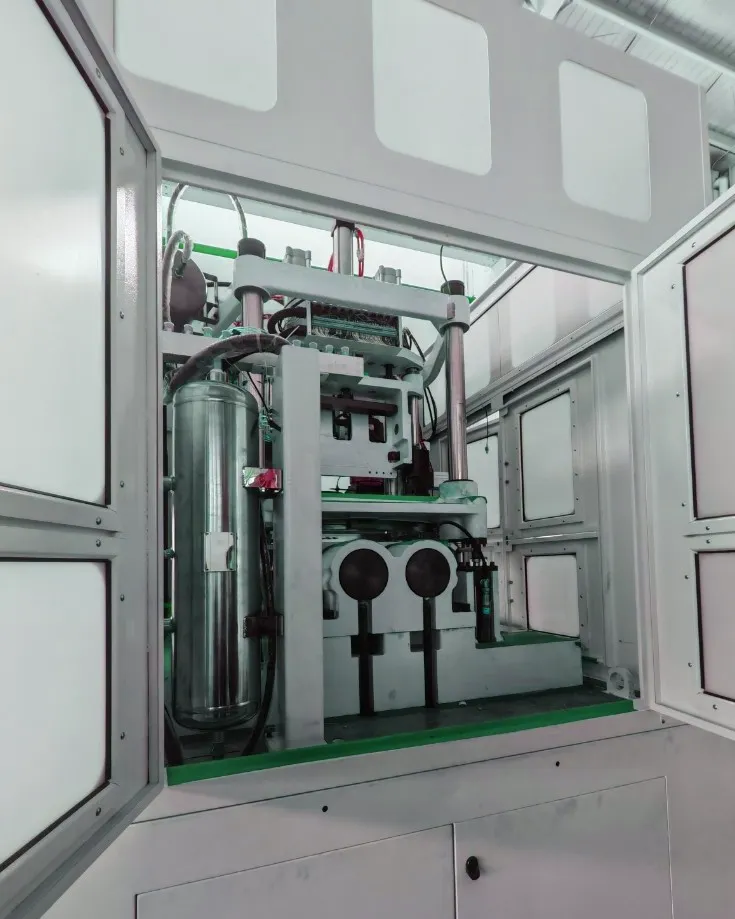
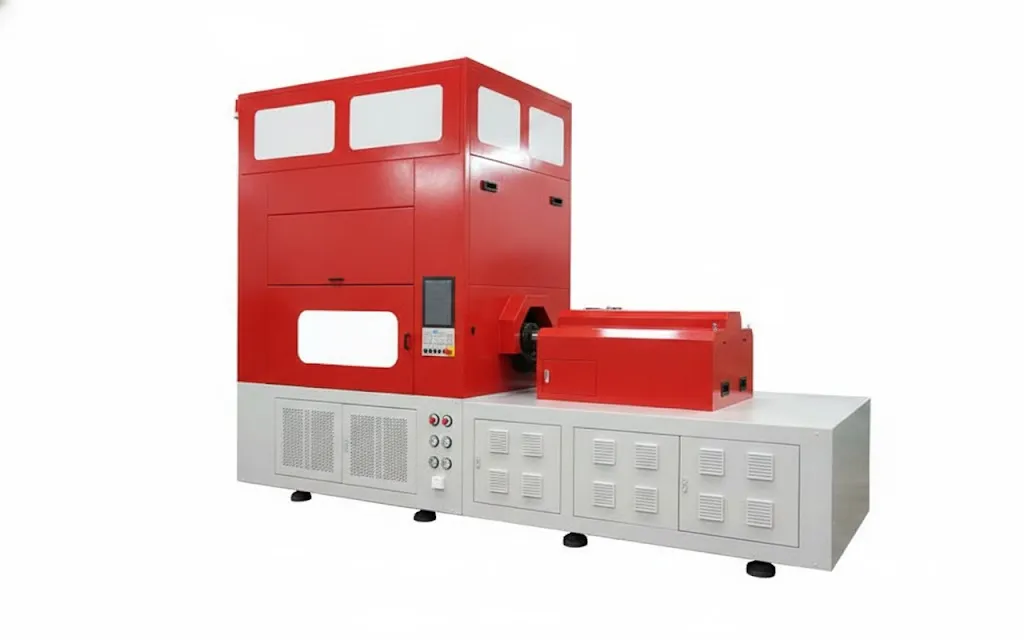
From a structural standpoint, the one-step ISBM machine is distinguished by its monolithic architecture. The injection unit, temperature conditioning station, stretch-blow station, and ejection stage are all mounted on a single, rigid machine frame. A precision rotary platen or linear transfer mechanism moves preforms between stations with micron-level positional repeatability. This compact, unified design reduces the overall equipment footprint compared to equivalent two-machine line configurations — a significant operational advantage in UK production facilities where floor space commands a premium, particularly in the converted industrial estates of the West Midlands and South Yorkshire manufacturing corridors that house so many of Britain’s packaging and chemical processing businesses.
How a One-Step ISBM Machine Works: The Four Core Processing Stages
Understanding the mechanical and thermal logic behind a one-step ISBM machine begins with recognising that the entire process is fundamentally about thermal economy and molecular precision. Every design decision — from screw geometry to mould cooling channel routing — serves to maintain the polymer at exactly the right temperature at exactly the right moment. The four processing stages described below trace the journey from raw pellets to a finished, retail-ready container within a single automated production cycle that typically lasts between 12 and 25 seconds depending on container volume and wall thickness.
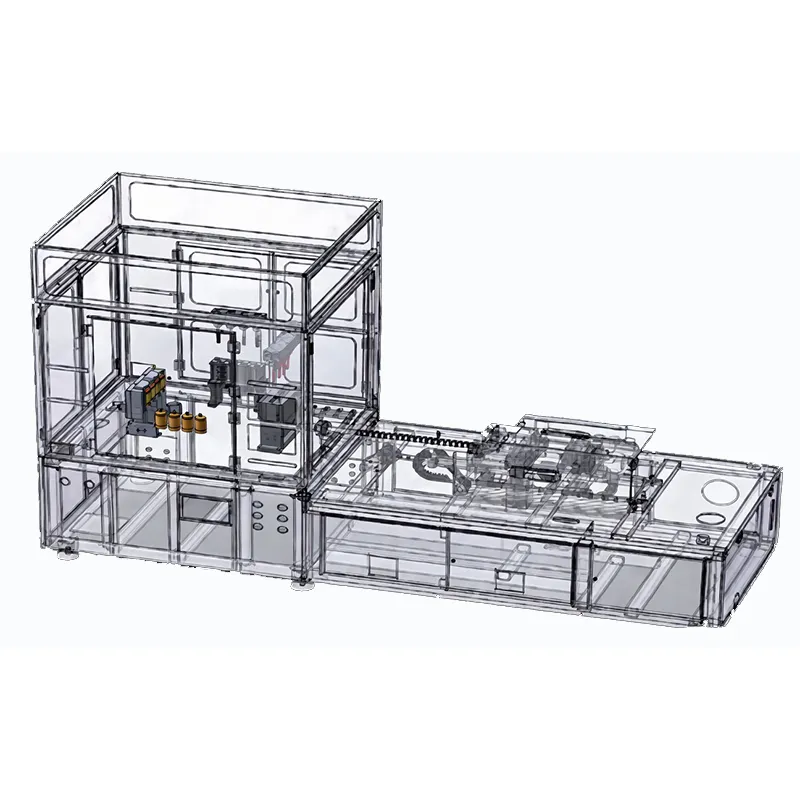
Injection Moulding Stage
Polymer resin — most commonly food-grade PET with an intrinsic viscosity of 0.72–0.84 dL/g — is fed from a gravity hopper into a heated barrel assembly. A reciprocating screw melts, homogenises, and pressurises the melt before injecting it at high velocity into the preform mould cavity. The geometry of this preform — including wall thickness distribution, neck finish dimensions, and gate location — is critical because it directly determines the mechanical properties, barrier performance, and optical clarity of the final container. Injection cycle times at this stage typically range from 8 to 22 seconds depending on preform weight and wall thickness specification.
Temperature Conditioning Stage
The preform is transferred directly to a conditioning station where its radial and axial temperature profile is refined without the need for full reheating from cold. Infrared heating elements or contact conditioning rods adjust temperature distribution to ensure the preform reaches the ideal stretch-blow processing window — typically 95–115°C for PET, and 140–160°C for PP. This precise thermal conditioning is what fundamentally separates the one-step ISBM machine from its two-step counterpart: retained latent heat means significantly less energy is consumed to reach working temperature, and temperature uniformity across the preform wall is inherently superior, leading to more consistent container properties across every production run.
Stretch Blow Moulding Stage
At the blow station, a precision-engineered stretch rod descends axially through the preform neck, physically elongating the polymer in the longitudinal direction. Simultaneously, high-pressure air at 30–40 bar inflates the preform radially against the blow mould cavity walls. This biaxial orientation — dual stretching in both length and circumference — induces molecular chain alignment in the polymer. The result is a container with substantially improved tensile strength, drop-impact resistance, gas barrier performance, and optical clarity compared to containers produced by extrusion blow moulding alone. The stretch ratio is a carefully calculated design parameter: insufficient stretch leaves molecular orientation inadequate, while excessive stretch can cause stress whitening or thin-spot failure.
Ejection & Transfer Stage
Once the blow mould opens, the finished container is either mechanically ejected onto a conveyor or robotically transferred to downstream equipment — cap applicators, sleeve labellers, vision inspection cameras, or cleanroom conveyors — depending on the end-use specification. Because the one-step ISBM machine processes the container through a closed, thermally controlled environment from raw resin to finished shape, there is zero open-air preform exposure between processing stages. This closed-system architecture inherently reduces contamination risk — a factor of critical importance to pharmaceutical manufacturers operating under MHRA Good Manufacturing Practice guidelines or food-grade processors seeking BRCGS packaging certification at Birmingham or Nottingham facilities.
Core Manufacturing Materials for ISBM Container Production
The polymer processed by a one-step ISBM machine profoundly influences the machine’s mechanical configuration, processing parameters, and the ultimate performance of the container produced. While PET remains the globally dominant material — accounting for the majority of ISBM-produced containers in the UK across beverage, food, and personal care categories — modern ISBM machines are engineered to handle a broader palette of engineering polymers, each with distinct thermal and rheological characteristics that demand specific machine configurations and tooling designs.
PET — Polyethylene Terephthalate
PET is by far the most widely processed material on one-step ISBM machines across the globe and throughout the UK. It offers an outstanding combination of optical clarity, moisture barrier performance, and mechanical strength at low wall thickness. Food-grade and pharmaceutical-grade PET resins — intrinsic viscosity ranging from 0.72 to 0.84 dL/g — are the standard input for UK packaging lines producing containers from 50 ml personal care bottles up to 2-litre food-grade containers. PET’s glass transition temperature of approximately 76°C and its controlled crystallisation behaviour make it ideally matched to the retained-heat conditioning strategy at the heart of one-step ISBM technology. The UK’s beverage, edible oil, and dairy sectors are among the largest users of PET containers manufactured on one-step ISBM machines.
PP — Polypropylene
Polypropylene is the polymer of choice for applications demanding higher-temperature resistance — particularly containers that undergo hot-fill processes, autoclave sterilisation, or exposure to concentrated cleaning agents. PP requires a higher stretch-blow temperature range (140–160°C) than PET, which means ISBM machines configured for PP must carry appropriately uprated conditioning sections and modified barrel and screw geometry to handle PP’s narrower processing window. UK pharmaceutical and nutraceutical manufacturers producing tablet containers, liquid medicine bottles, syrup vessels, and speciality dispensing packaging frequently specify PP for its chemical resistance profile and compatibility with steam sterilisation cycles mandated under MHRA guidelines.
PC & Specialty / Multi-Layer Resins
Polycarbonate is selected for applications combining extreme optical clarity with high impact resistance — notably large-format water dispensing carboys and certain premium laboratory containment vessels. PC processing demands precise pre-drying to below 0.02% moisture content and a narrow stretch-blow window. Beyond these three principal polymer families, Ever Power’s one-step ISBM machines can be configured for co-injection of barrier layers, enabling multi-layer PET/EVOH/PET container structures for oxygen-sensitive product packaging. This multi-layer capability is a growing requirement among UK food manufacturers addressing accelerating shelf-life extension demands and sustainability-driven lightweighting targets simultaneously.
Key Technical Advantages of One-Step ISBM Technology
Why leading UK and global packaging manufacturers choose integrated ISBM over two-stage alternatives — the data-backed case for one-step processing.
⚡
Energy Efficiency — Up to 35% Lower Consumption
The one-step ISBM machine’s most commercially significant advantage is thermal economy. Because the preform retains its processing heat directly from the injection stage, the energy needed to condition it for blowing is dramatically reduced compared to two-step systems that must reheat fully cooled preforms from ambient temperature. Independent production audits of packaging lines across the UK have demonstrated electricity savings of 30–35% per thousand bottles produced when switching from two-step to one-step ISBM configurations — a tangible contribution to annual operating cost reduction and corporate sustainability reporting targets.
🔬
Superior Container Quality & Gate Appearance
Because the preform is processed while thermally fresh, the molecular structure at the gate area is more uniform than that typically achieved by reheating stored preforms that have already cooled and partially crystallised in storage. This translates to a superior gate appearance, more consistent wall-thickness distribution, and improved optical clarity — properties that carry direct commercial value for premium beverage brands, high-end cosmetic serums, and pharmaceutical products where container aesthetics directly influence consumer perception of product quality across UK retail shelves.
🏭
Reduced Footprint & Operational Simplicity
A single integrated one-step ISBM machine effectively replaces two separate machines, a preform cooling conveyor, a preform buffer silo, and a standalone reheating blow moulder. The consolidated equipment footprint can reduce the required floor area by 40–55%, simultaneously reducing operator headcount per shift, eliminating preform handling logistics, and significantly reducing total maintenance complexity and spare parts inventory. For UK manufacturers operating in compact factory units — common throughout Sheffield, Coventry, Stoke-on-Trent and the wider West Midlands — this space efficiency is frequently the single most decisive factor in the investment case.
🛡️
Lower Contamination Risk — Food & Pharma Grade
In two-step systems, preforms are routinely transported in bulk bags or open gravity conveyors where they accumulate dust, static charge, and microbial surface contamination — all requiring additional washing or air-rinsing steps before blowing can commence. In the one-step ISBM machine, the preform is never exposed to the open plant environment between formation and the point at which it is sealed into a finished container. This closed-system architecture is highly valued by UK food manufacturers seeking BRCGS packaging certification and pharmaceutical processors operating under MHRA GMP licence at sites in the Midlands and the South East.
🎯
Process Flexibility & Rapid Mould Changeover
Modern one-step ISBM machines incorporate servo-driven movements, PLC-controlled parameter management, and quick-release mould retention systems enabling changeovers to be completed in as little as 2–4 hours rather than the half-day or full-day changeovers common in older hydraulic-clamp systems. This operational flexibility is particularly valuable for contract packaging operations across the UK that must switch between multiple SKUs and container formats within a single production week, minimising unproductive downtime and maximising line utilisation across varying customer schedules.
📏
Precision Neck Finish & Dimensional Consistency
Because the neck finish on an ISBM-produced container is injection-moulded rather than blow-formed, its dimensional tolerances are vastly superior to extrusion blow moulded alternatives. Neck outer diameter tolerances of ±0.05 mm are routinely achievable on well-maintained one-step ISBM machines, ensuring reliable compatibility with standard closures and capping heads without the costly line stoppages caused by tolerance stack-up on high-speed automatic filling lines — a known frustration in production environments across the East Midlands and beyond.
Technical Specifications — Ever Power ISBM Machine Range
Key performance and configuration parameters across the standard Ever Power one-step ISBM machine series.
| Parameter | HGY-250 | HGY-450 | HGY-650 |
|---|---|---|---|
| Container Volume Range | 50 – 500 ml | 100 – 1,000 ml | 200 – 2,000 ml |
| Output Capacity (bottles/hr) | 1,500 – 2,400 | 2,400 – 3,600 | 3,000 – 5,000 |
| Clamping Force | 250 kN | 450 kN | 650 kN |
| Max Shot Weight (PET) | 60 g | 120 g | 200 g |
| Standard Cavity Count | 1 – 4 | 2 – 6 | 4 – 8 |
| Suitable Materials | PET, PP, PC | PET, PP, PC | PET, PP, PC |
| Conditioning Heating Zones | 4 | 6 | 8 |
| Max Blow Pressure | 40 bar | 40 bar | 40 bar |
| Rated Power (kW) | ~18 kW | ~28 kW | ~42 kW |
| Footprint L × W × H (m) | 3.2 × 1.8 × 2.1 | 4.5 × 2.2 × 2.4 | 5.8 × 2.6 × 2.6 |
| Machine Weight (approx.) | ~3,500 kg | ~5,200 kg | ~8,000 kg |
All specifications are indicative. Custom configurations and non-standard container formats are available on request. Contact Ever Power for a project-specific technical proposal.
Industrial Application Scenarios Across UK Manufacturing
Where one-step ISBM machines deliver their most compelling commercial value proposition across British industry.
🥤 Food & Beverage Packaging — Yorkshire & East Midlands
One of the largest application areas for one-step ISBM machines in the UK is food and beverage container production. Producers of mineral water, fruit juices, cold-pressed drinks, cooking oils and carbonated beverages — concentrated particularly in Yorkshire, Lincolnshire, and the East Midlands — use ISBM-produced PET containers as their primary retail packaging format. High output rates of up to 5,000 containers per hour on multi-cavity tools, combined with the consistent container weight and superior optical clarity that characterise ISBM production, make the one-step ISBM machine the preferred choice for medium-to-large food manufacturers supplying major UK grocery retailers. Container specifications from 250 ml water bottles through to 5-litre cooking oil vessels can be accommodated within the Ever Power machine range.
💊 Pharmaceutical & Nutraceutical — Nottingham & West Midlands
Nottingham has long been recognised as one of the UK’s key pharmaceutical manufacturing centres, hosting global and regional companies requiring packaging to stringent GMP standards. The one-step ISBM machine’s closed-system architecture and its injection-moulded neck finishes — with outer diameter tolerances routinely within ±0.05 mm — make it highly appropriate for producing primary packaging for oral solid dose products, syrup containers, nasal spray bottles, and ophthalmic dropper vessels. The inherent contamination control of the ISBM process aligns naturally with the hygiene requirements of MHRA-licensed facilities and supports straightforward IQ/OQ/PQ validation documentation required for pharmaceutical primary packaging qualification exercises.
🧴 Cosmetics & Personal Care — London & South East
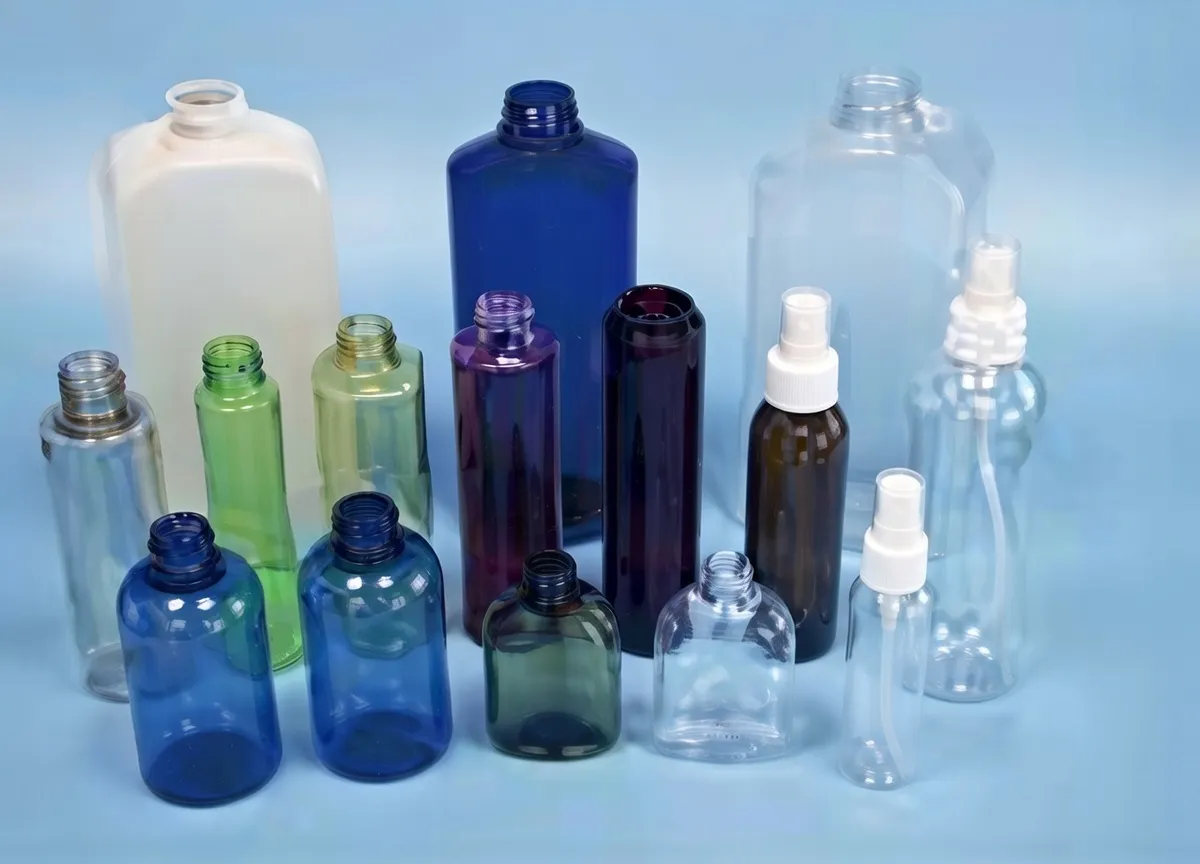
Premium cosmetic brands based in London and distributed across the UK and EU markets increasingly specify ISBM-produced containers for shampoo, conditioner, body lotion, facial serum, and fragrance packaging. The optical clarity and superior surface finish achievable through the one-step ISBM process — particularly with high-clarity PET and PETG grades — enables sophisticated label and sleeve decoration without the surface waviness or parting-line artefacts common on extrusion blow moulded bottles. The ability to produce asymmetric, ergonomic container geometries with tight dimensional tolerances is an advantage that cosmetic packaging designers and brand managers actively seek in their packaging supply chain partners throughout the South East.
🔧 Industrial Chemicals & Agrochemicals — Sheffield & Humber
Sheffield’s diverse industrial base — encompassing speciality chemicals, surface treatment compounds, and agrochemical formulation — represents a significant and often underappreciated application area for the one-step ISBM machine. Industrial chemical packaging demands containers with superior chemical resistance, consistent wall thickness to withstand internal pressure from reactive or temperature-sensitive contents, and secure tamper-evident neck finishes. PP-based ISBM containers offer particularly strong resistance to a broad range of organic solvents and acidic formulations compared to polyethylene extrusion-blow-moulded containers historically dominant in this sector.
🥃 Spirits & Premium Beverages — Glasgow & Scotland
Scotland’s internationally respected spirits industry — particularly the Scotch whisky sector, which exports to over 180 countries — increasingly uses PET containers for travel retail, airline miniatures and promotional packaging formats where glass is impractical. The one-step ISBM machine produces PET spirits containers combining the optical clarity and premium surface finish expected of luxury whisky brands with the shatter-resistance and lightweighting benefits required by airlines, event caterers, and export logistics handlers. Glasgow-based contract packers and specialist bottle manufacturers servicing the Scottish spirits sector have adopted ISBM technology specifically to meet this growing demand.
Machine Components & System Detail
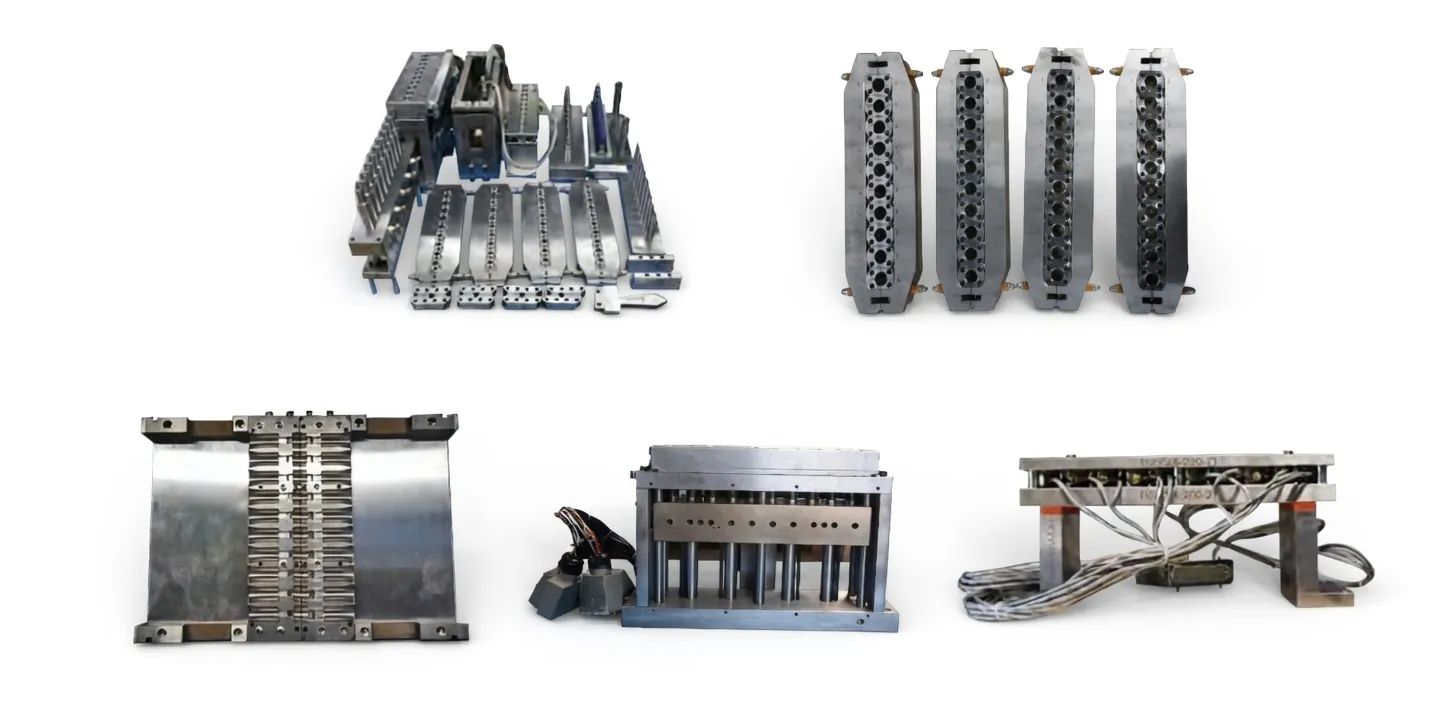
Injection Unit
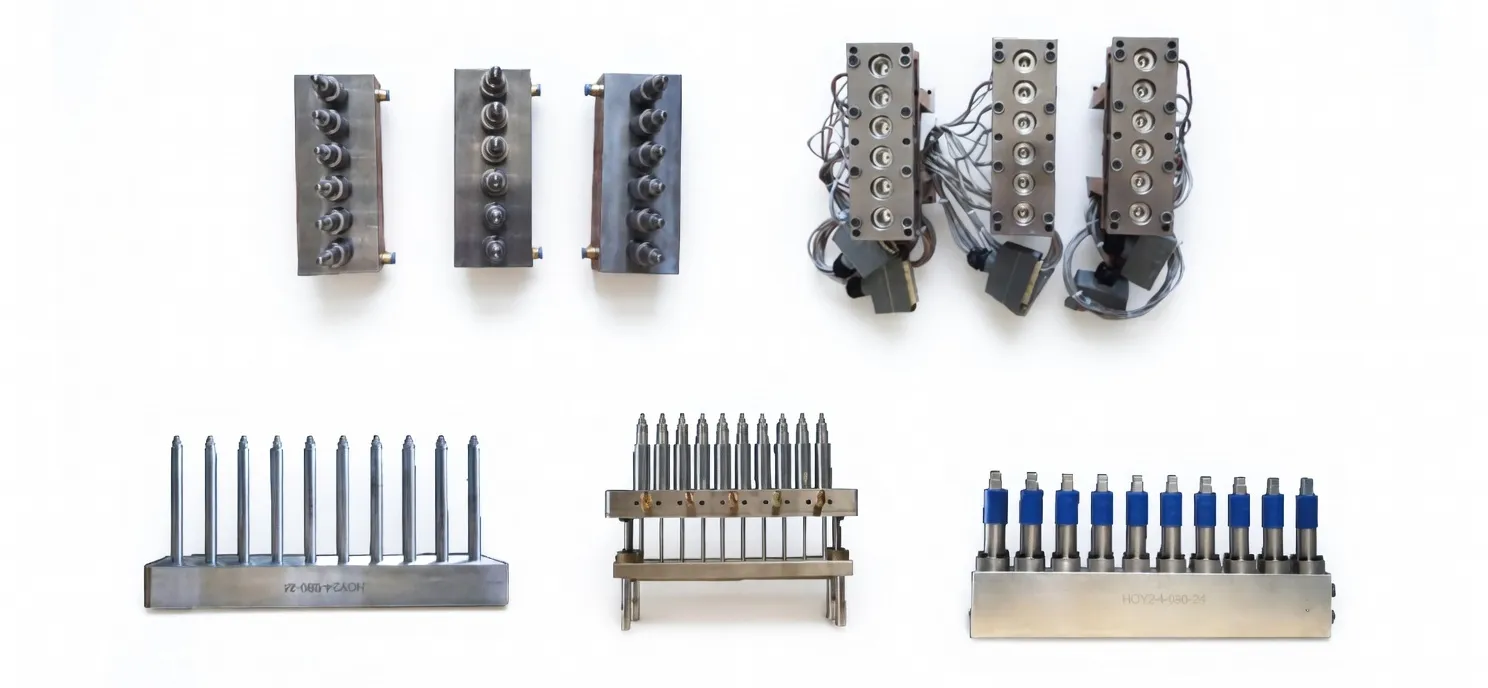
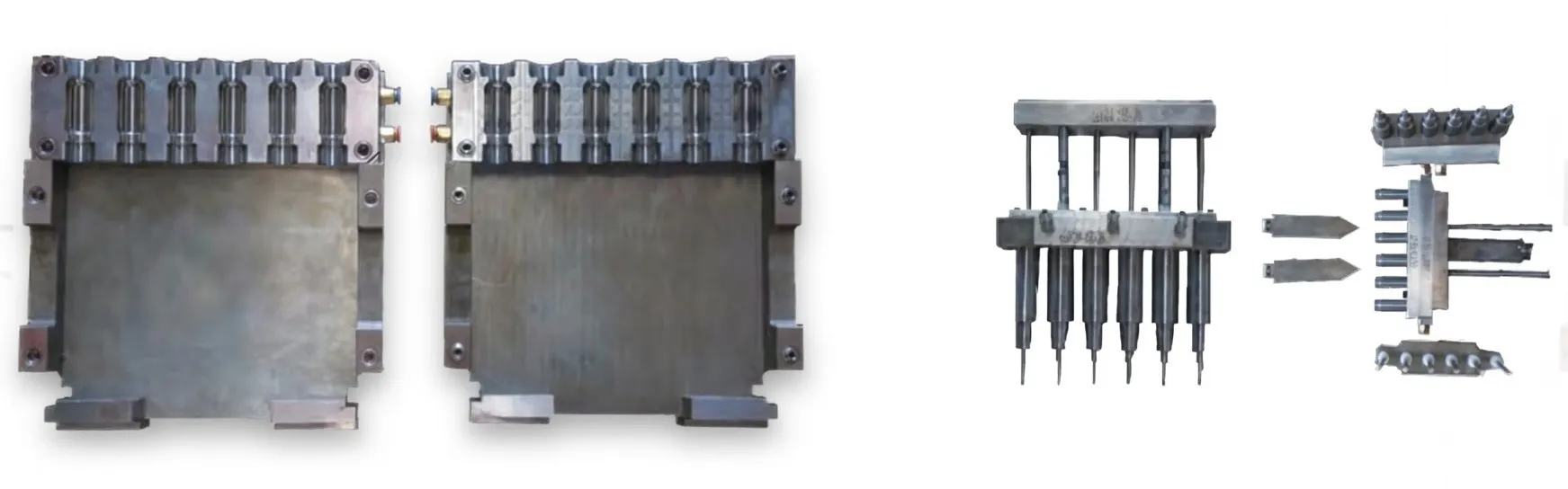
Mould System
Ever Power: Precision Manufacturing & Customisation Capability
End-to-end one-step ISBM machine design, manufacture, and comprehensive aftersales support from an ISO 9001:2015-certified production facility.
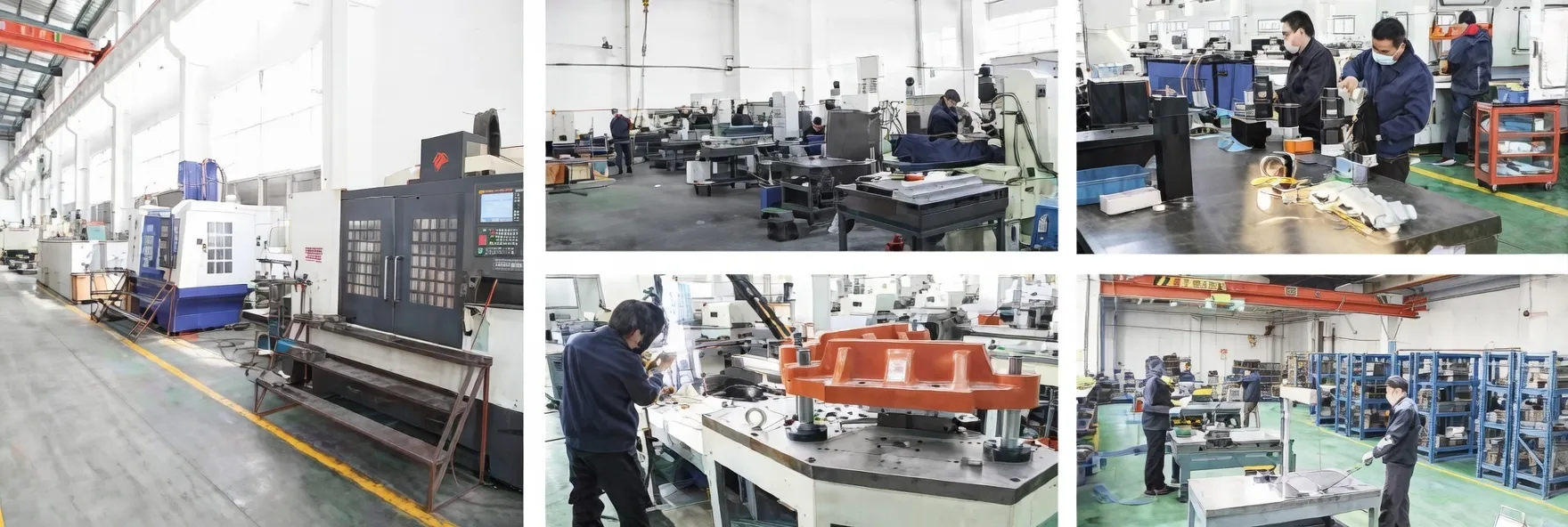
Ever Power operates one of the most technically advanced ISBM machine manufacturing facilities available in the industry today. Spanning over 12,000 square metres of purpose-built production space, the facility houses multi-axis CNC machining centres capable of sub-micron positional tolerances, a dedicated preform mould design and rapid-prototyping workshop, a fully equipped final assembly hall served by overhead crane access for large machine frames, and an in-house testing and commissioning bay where every machine is run through complete production cycles on customer materials before dispatch. The manufacturing process at Ever Power adheres strictly to ISO 9001:2015 quality management system requirements, with documented material traceability from incoming raw material certification through to final inspection sign-off and CE marking compliance documentation.
What genuinely distinguishes Ever Power in the global one-step ISBM machine marketplace is the depth and genuine flexibility of its customisation offering. Where many equipment suppliers offer a narrow catalogue of standard machine variants with limited adaptation, Ever Power’s engineering team works directly with each customer — whether a UK contract packer purchasing their first ISBM machine or a multinational FMCG group expanding a multi-site production network — to develop a machine specification precisely matched to their container portfolio, material requirements, cleanroom classification, downstream integration needs, and long-term total-cost-of-ownership targets. Custom preform geometry, bespoke mould cavitation layouts, inline vision inspection integration, robotic container handling systems, and dedicated clean-air enclosures to Class 7 or Class 8 ISO standards are among the most frequently specified options for UK and European customers.
✅ Custom Preform & Mould Design
In-house CAD/CAM and mould flow simulation team produces complete preform geometry studies and filling analyses before any tooling commitment is made.
✅ Multi-Material Configuration
Machines engineered for PET, PP, PC or multi-layer co-injection structures including barrier-enhanced PET/EVOH/PET containers for oxygen-sensitive applications.
✅ Turnkey Line Integration
Factory-designed integration packages for labelling, inline vision inspection, capping, cleanroom conveying and fully automated packing systems supplied as a complete turnkey solution.
✅ UK & EU Aftersales Support
Remote diagnostic capability via secure PLC connection, UK-stocked spare parts inventory for next-working-day delivery, and scheduled annual preventive maintenance contracts.
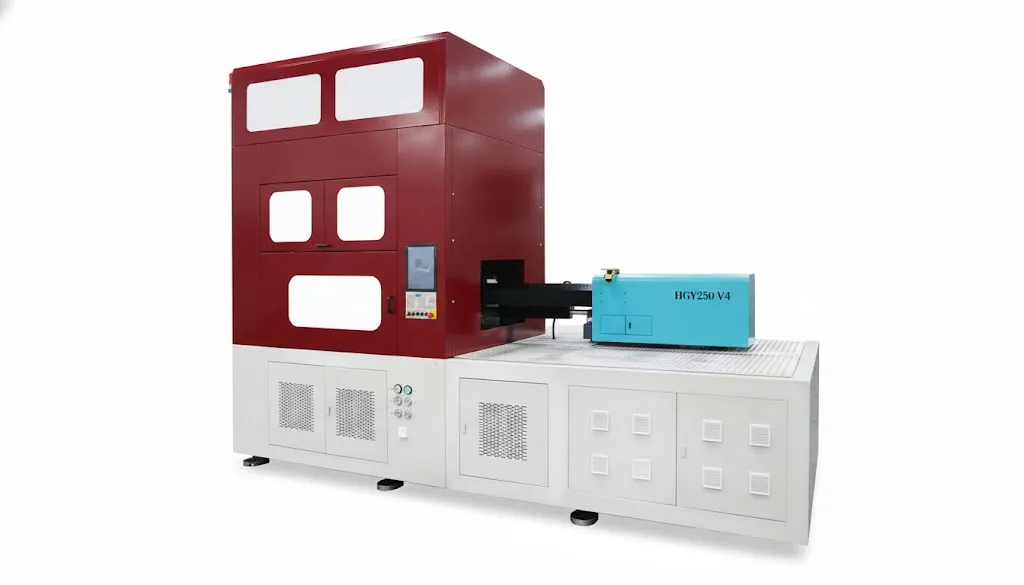
Ever Power HGY-250 — Entry / Mid-Range One-Step ISBM Machine
Customer Success Story: Pharmaceutical Packaging Scale-Up in Nottingham
💊 Pharmaceutical Packaging
⚙️ Ever Power HGY-450
Meridian PackSolutions Ltd., a contract pharmaceutical packaging manufacturer based at Nottingham’s Colwick industrial estate, approached Ever Power in early 2024 following a significant contract award to supply primary PET containers to a major UK-based generics pharmaceutical company. The project brief was demanding: 200 ml and 500 ml PET tablet bottles manufactured to ISO Class 7 cleanroom standards, a minimum line output of 2,800 units per hour at both container sizes, comprehensive MHRA audit documentation from equipment supplier to facility, and a delivery-to-commissioning timeline of just 14 weeks from purchase order to signed-off production qualification.
Ever Power’s project engineering team conducted a detailed production mapping exercise with Meridian PackSolutions’ technical director, identifying that a customised HGY-450 one-step ISBM machine with a 4-cavity preform tool, integrated clean-air positive-pressure enclosure, and servo-driven robotic container transfer to a Class 7 cleanroom conveyor enclosure would precisely address every element of the specification. The preform design was optimised using Ever Power’s proprietary mould flow simulation software to achieve a target wall-thickness distribution of ±4% — actually a tighter tolerance than the original specification required, delivered at no additional cost as part of Ever Power’s standard design process.
The one-step ISBM machine was delivered to the Nottingham facility within the agreed 14-week window, with three Ever Power engineers on-site for a structured five-day installation and commissioning programme. Production qualification — including IQ, OQ, and PQ documentation prepared to pharmaceutical GMP standards — was completed within eight working days of initial switch-on, well within Meridian PackSolutions’ internal project milestone. The line achieved a production rate of 3,100 units per hour across both container formats during initial validation runs, exceeding the contracted minimum output target by a meaningful margin. Encouraged by the machine’s consistent performance and Ever Power’s project delivery, Meridian PackSolutions placed a follow-on purchase order for a second HGY-450 unit within six months of the first machine’s PQ sign-off.
“Working with Ever Power on this project was genuinely refreshing. Their engineering team understood our GMP environment from the first conversation, the machine arrived on time, and their commissioning engineers were professional and methodical throughout. Container quality has been consistently within specification since the very first production run, which made our customer’s quality team very happy.”
— Technical Director, Meridian PackSolutions Ltd., Nottingham
What Our UK Customers Say About Ever Power ISBM Machines
“We replaced a two-stage blow moulding line with an Ever Power one-step ISBM machine eighteen months ago and the improvement in container clarity alone has justified the capital investment — our retail buyers have specifically mentioned it. On top of that, the energy savings have been genuinely significant. Our electricity cost per thousand bottles is running approximately 30% lower than before the switch, which adds up to a meaningful annual saving at the volumes we produce.”
Operations Manager — Carbonated Beverage Manufacturer, Leeds, West Yorkshire
“The customisation capability that Ever Power brought to our project was exceptional and genuinely differentiated from other ISBM machine suppliers we evaluated. We had unusual geometry requirements — a non-standard neck finish and an asymmetric body profile for our speciality chemical range — and the Ever Power mould design team handled it completely in-house without any of the delays or cost overruns we’d experienced with previous tooling projects elsewhere. The containers have run faultlessly since installation, and their technical support team are responsive and knowledgeable when we have questions.”
Production Engineer — Speciality Chemicals Manufacturer, Sheffield, South Yorkshire
“We shortlisted four ISBM machine suppliers before placing our order with Ever Power. The technical depth of their pre-sales team — particularly around preform design optimisation and mould flow analysis — gave us confidence that they actually understood our application rather than simply selling us equipment. Delivery was on time, commissioning was clean and well-managed, and our quality team passed the first container sample submission to our end customer without a single rejection. We’d recommend Ever Power to any packaging manufacturer seriously considering ISBM machine investment.”
Procurement Director — Premium Cosmetics Packaging Group, Birmingham, West Midlands
Frequently Asked Questions
Common questions from UK procurement managers, packaging engineers and production directors about one-step ISBM machine investment, performance and support.
How does a one-step ISBM machine actually differ from a two-step blow moulding system, and which is better suited for a small to mid-sized manufacturer based in the UK?
The core distinction is that a one-step ISBM machine performs injection moulding, conditioning, and blow moulding within a single thermally continuous cycle — the preform never cools to ambient between processes. A two-step system produces preforms in one machine, stores and transports them in bulk, and then reheats them in a separate standalone blow moulder. For smaller and mid-sized UK manufacturers, the one-step ISBM machine frequently delivers a superior overall return because it requires a smaller floor area, fewer operators per shift, zero preform inventory management, and significantly lower contamination risk — advantages that typically outweigh its somewhat higher initial capital cost compared to entry-level two-step configurations, particularly when total operational cost over a 10-year asset life is modelled.
What is the typical price or cost range I should budget for a commercially rated one-step ISBM machine if I’m sourcing from an overseas supplier and importing to a UK facility?
Entry-level one-step ISBM machines with single or two-cavity tooling for smaller containers typically start from approximately USD 80,000 to USD 150,000 on an ex-works basis. Mid-range machines in the HGY-450 class with 4–6 cavity tooling and servo actuation commonly fall between USD 180,000 and USD 320,000. High-output multi-cavity ISBM machines for continuous large-volume production generally command prices above USD 350,000 ex-works. Landed costs to a UK facility should additionally account for sea freight, UK import duty, inland delivery, installation, and commissioning. Ever Power provides comprehensive CIF pricing with full landed cost breakdowns for UK customers — contact [email protected] for a detailed project-specific quotation.
Which types of plastic materials can be processed on an Ever Power one-step ISBM machine, and can the machine handle both PET and PP processing without a full mechanical reconfiguration?
Ever Power’s one-step ISBM machines are designed to process PET, PP, and PC as standard material families. Switching between PET and PP processing requires adjustments to the conditioning section temperature profiles and, in most cases, a change to the barrel and screw configuration, because PP requires a meaningfully higher stretch-blow temperature range than PET. For customers who need to run both materials with reasonable frequency, Ever Power can supply interchangeable barrel and screw sets alongside pre-loaded PLC parameter profiles for each material, enabling changeovers within a standard production shift rather than requiring extended engineering downtime.
Where in the UK can I get reliable after-sales service, spare parts, and technical support for an ISBM machine that was purchased from an overseas equipment supplier like Ever Power?
Ever Power maintains a structured after-sales support programme specifically for UK and EU customers. This includes remote diagnostic support via secure VPN connection to the machine’s PLC system, a UK-stocked spare parts inventory covering all high-wear components and critical assemblies, and scheduled service visits by Ever Power-trained engineers. For urgent breakdown situations, critical spare parts can be dispatched from Ever Power’s distribution hub to UK mainland addresses on a next-working-day express courier basis. An annual preventive maintenance contract covering two planned site visits and remote monitoring is also available and is strongly recommended for pharmaceutical and high-hygiene production environments.
How long does it typically take for an Ever Power ISBM machine to be delivered, installed, and fully commissioned at a manufacturing site in Birmingham, Sheffield, or anywhere else across the UK?
The standard lead time from order confirmation to delivery at a UK customer’s facility is 10 to 16 weeks for standard machine configurations, and 14 to 22 weeks for highly customised machines incorporating bespoke mould tooling or specialised integration packages. Ever Power coordinates all export documentation, CE marking compliance for UK and EU markets, sea freight arrangement, and import customs clearance as part of its standard delivery service to UK buyers. On-site installation and commissioning takes 3–5 working days for standard machines; pharmaceutical GMP qualification documentation programmes (IQ, OQ, PQ) are quoted as a separate defined-scope service and typically add 5–10 working days depending on the complexity of the validation protocol.
What bottle sizes and container shapes can be produced on a one-step ISBM machine, and is it possible to get a fully custom bottle design manufactured to my own brand specifications?
The Ever Power one-step ISBM machine range can produce containers from 50 ml (small personal care or pharmaceutical dropper bottles) up to 2 litres (food and household cleaning product formats). Container geometries can range from straightforward cylindrical and oval profiles through to complex asymmetric ergonomic shapes with textured grip zones, recessed label panels, and non-circular cross-sections — all achievable through custom blow mould tooling designed by Ever Power’s in-house engineering team. A full 3D CAD model and mould flow simulation is prepared for customer approval before any tooling is committed to machine, ensuring the final container precisely reflects the client’s design brief and functional performance requirements.
Ready to Explore One-Step ISBM Machine Solutions for Your Production Line?
Contact the Ever Power technical sales team for a no-obligation consultation, detailed machine specification sheets, sample container production, or a project-specific quotation tailored to your UK or global facility requirements.
© Ever Power Industrial Equipment | One-Step ISBM Machine Specialists | [email protected] | edit by gzl