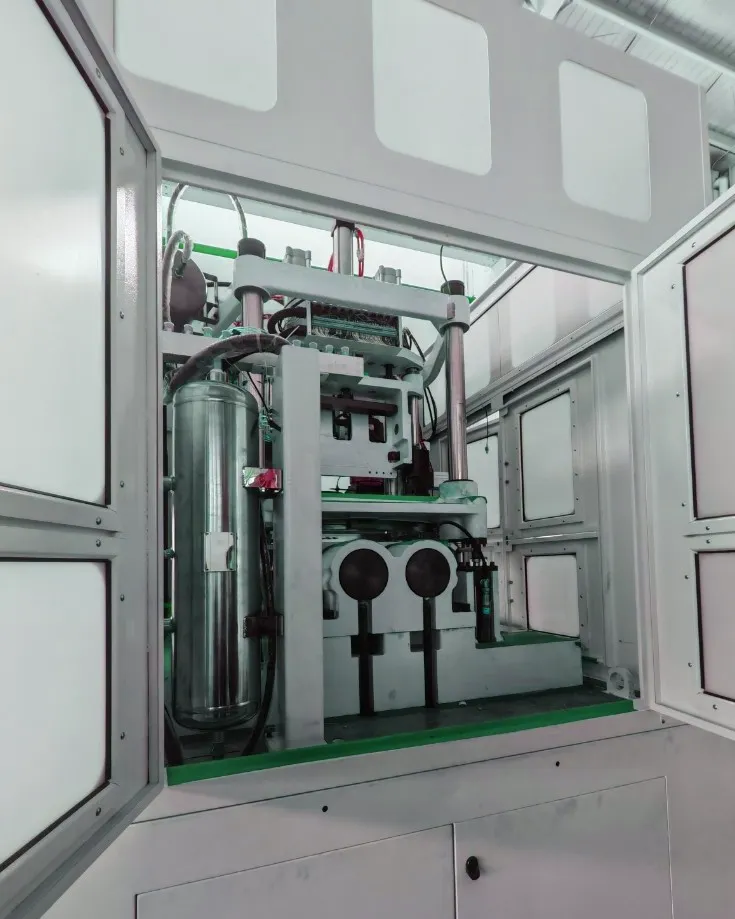
 There is a persistent myth in the blow moulding industry that material preparation — specifically the drying stage — is a secondary concern, something to be set once and forgotten. Operators running two-stage systems sometimes get away with looser moisture control because the reheat furnace provides a second thermal opportunity to drive off surface water. Single-stage ISBM has no such buffer. Once a pellet is dropped into the hopper, it travels through injection, conditioning, and blow in a single uninterrupted thermal journey. If that pellet carries moisture above the critical threshold, the damage is already done inside the injection barrel before any quality check can catch it. The result is not a subtle reduction in gloss — it is molecular chain scission, irreversible loss of intrinsic viscosity, and a cascade of defects that reject rates, customer complaints, and eventually, contract losses.
For UK manufacturers supplying pharmaceutical, food-grade, and personal care packaging — sectors where regulatory scrutiny and optical clarity requirements are both exceptionally demanding — this is not a theoretical concern. British contract packers working with clients in Leeds, Sheffield, and Birmingham face tight incoming quality specifications that trace bottle defects directly back to the machine operator’s material handling procedures. A single-stage ISBM line capable of producing 2,000 bottles per hour will generate 2,000 rejects per hour if the dryer dew point drifts above acceptable limits overnight. The financial exposure is immediate and quantifiable. Understanding the underlying polymer chemistry, the correct equipment specification, and the process parameters that govern effective drying is therefore one of the highest-leverage investments any ISBM production manager can make.
This article draws on field experience across multiple single-stage ISBM installations to provide a technically grounded guide to material drying — covering why PET and other engineering polymers are so vulnerable to moisture, how industrial desiccant systems work, what the correct process parameters look like, and how Ever Power’s machine design philosophy addresses drying integration as a system-level concern rather than an afterthought. Whether you are evaluating your first single-stage ISBM line or troubleshooting unexplained haze on an existing system, the information here will give you a clear, practical framework.
Why Single-Stage ISBM Sets a Higher Drying Standard
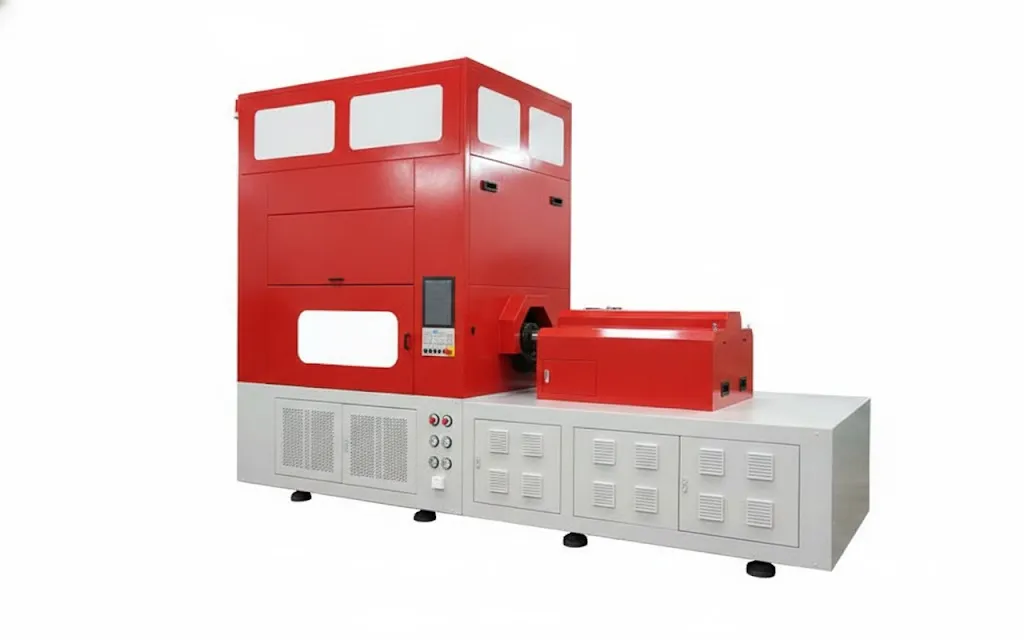
The fundamental architecture of a single-stage ISBM machine is what creates its sensitivity to moisture. Unlike two-stage systems — where the preform is injection-moulded, cooled to ambient temperature, stored, and then reheated in a separate blow machine — the single-stage process moves material from pellet to finished bottle without any intermediate cooling phase. Injection, conditioning, and blow stretch happen sequentially within the same machine, using residual thermal energy from the injection step. This elegant design eliminates the reheating energy cost and removes crystallinity variation risk, but it also means there is no second chance to stabilise a poorly dried material. Whatever moisture is present in the melt at the injection stage is still present — and actively destructive — at the blow stage.
In practice, this distinction has a measurable impact on acceptable moisture thresholds. A two-stage line running PET may tolerate slightly elevated moisture if operators compensate with adjusted IV specifications on the preform. A single-stage ISBM line running the same material at the same output rate has no equivalent compensation mechanism. The polymer chemistry must be correct when the pellet enters the barrel. That requirement places the dryer — its specification, its maintenance, its real-time monitoring — at the very top of the process control hierarchy for any serious single-stage ISBM operation.
Key Distinction
- Two-stage: reheat furnace provides a moisture buffer
- Single-stage ISBM: zero thermal second chances
- Material quality at hopper = material quality in bottle
- Dryer performance is rate-limiting for output quality
The Polymer Chemistry: How Moisture Destroys PET at Processing Temperature
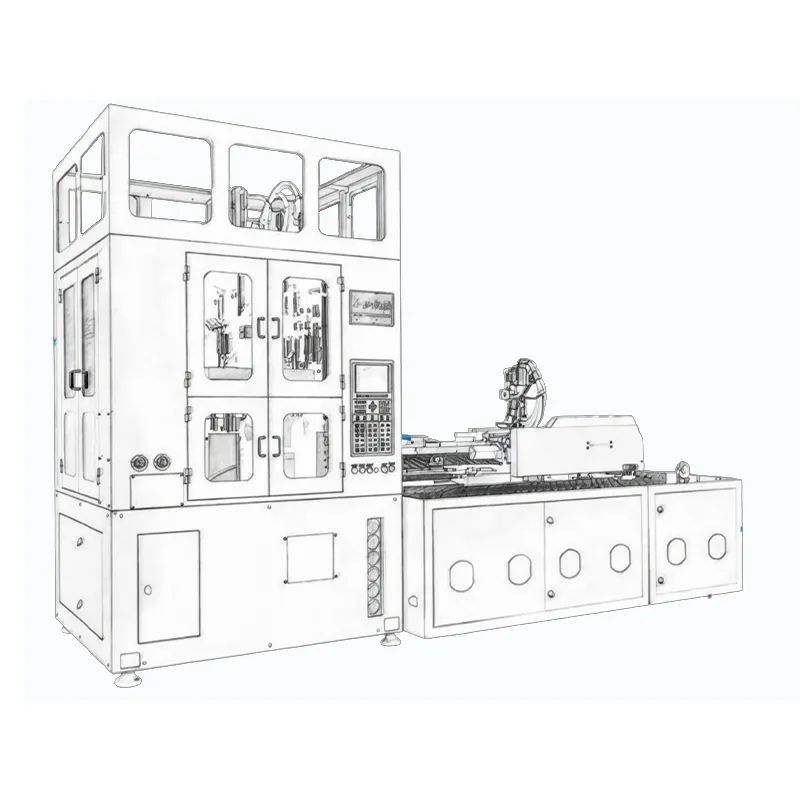
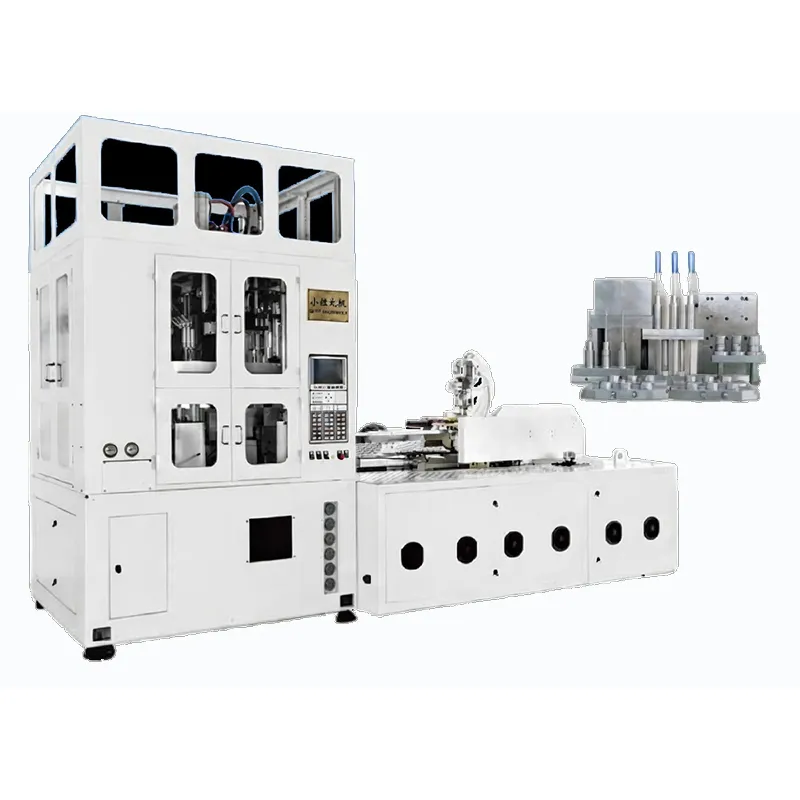
Polyethylene terephthalate (PET) is a condensation polymer — its molecular chains are formed by an esterification reaction that releases water as a by-product. This same chemistry operates in reverse when moisture is present at elevated temperature. The ester linkages in the backbone are susceptible to hydrolysis: water molecules attack the C-O bonds at melt temperatures between 260°C and 300°C, breaking the polymer chains into shorter fragments. This reaction is not reversible within the timescale of a production run. The damage accumulates with each incremental degree above safe moisture levels, and it manifests as a measurable drop in intrinsic viscosity (IV).
Intrinsic viscosity is the practical proxy for molecular weight in PET, and it directly determines the melt strength available during the stretch-blow phase of single-stage ISBM. Bottle-grade PET typically enters the process with an IV of 0.72–0.80 dL/g. Processing with correctly dried material causes a small, acceptable IV drop of around 0.02 dL/g. Processing with PET at 400–500 ppm moisture — roughly ten times the acceptable level — can drive IV losses of 0.05–0.12 dL/g. At those IV levels, the polymer cannot maintain the biaxial stress required during blow stretch. The result is uneven wall thickness distribution, bottle base failure, or complete inability to form at all. Even at marginal moisture levels of 80–150 ppm, the effects accumulate as cloudiness in the bottle wall, reduced impact resistance, and stress whitening under fill pressure — all of which are visible, rejectable defects in pharmaceutical or premium food-grade applications.
⚠️ Critical threshold for PET processing: Moisture content must be reduced to below 40 ppm (0.004% by weight) before entering the injection barrel. Exceeding this threshold in a single-stage ISBM environment initiates hydrolytic chain scission that no downstream process correction can reverse.
Four Defect Modes Caused by Inadequate Drying
Each failure mode traces directly to moisture above threshold in single-stage ISBM processing
Bottle Haze & Cloudiness
Microbubbles formed by steam during hydrolysis scatter light within the bottle wall. Even a moisture level of 80 ppm — double the safe threshold — produces measurable haze in clear PET bottles, immediately failing optical clarity tests in pharmaceutical or cosmetic packaging specifications. In single-stage ISBM, this defect cannot be screened before the bottle reaches the filling line.
IV Degradation
Hydrolytic chain scission reduces intrinsic viscosity, weakening melt strength and reducing the biaxial orientation achievable during blow stretch. An IV drop of 0.08 dL/g in the barrel translates directly to thinner bottle bases, stress whitening under carbonation pressure, and higher failure rates in drop-impact testing — all costly outcomes for UK beverage and pharmaceutical manufacturers.
Uneven Wall Thickness
Degraded melt strength means uneven material distribution during biaxial stretch in the blow mould. The polymer stretches preferentially toward thinner sections rather than distributing evenly. In a single-stage ISBM machine with fixed conditioning station timing, this imbalance cannot be compensated by adjusting reheat profiles — the root cause is upstream and the solution must be upstream too.
Machine Wear & Corrosion
Steam and acidic decomposition products from hydrolysed PET accelerate screw barrel corrosion and increase melt filter contamination rates. Over a production year, operators running wet material accumulate significant maintenance overhead — screw reconditioning costs, filter replacement frequency, and injection unit downtime that rarely gets attributed correctly to the dryer. Proper drying in single-stage ISBM is therefore also a capital equipment protection strategy.
Material Drying Specifications for Single-Stage ISBM
Reference parameters for the four most common polymers processed on single-stage ISBM equipment
| Polymer | Drying Temp (°C) | Min. Drying Time | Target Moisture | Required Dew Point | Dryer Type | IV Loss Risk | Hygroscopicity |
|---|---|---|---|---|---|---|---|
| PET | 160 – 180 | 4 – 6 hours | < 40 ppm | -40°C or lower | Desiccant dehumidifying | High | High |
| PETG | 65 – 75 | 4 – 6 hours | < 50 ppm | -30°C or lower | Desiccant dehumidifying | Medium | High |
| PP | 80 – 90 | 1 – 2 hours | < 300 ppm | +5°C acceptable | Hot-air / desiccant | Low | Very Low |
| PC | 110 – 120 | 4 – 6 hours | < 20 ppm | -40°C or lower | Desiccant dehumidifying | Very High | Medium |
* Parameters are indicative for standard single-stage ISBM processing conditions. Specific grades may require adjustment. Always confirm with material data sheet.
How Industrial Desiccant Drying Systems Work — and Why Hot Air Fails
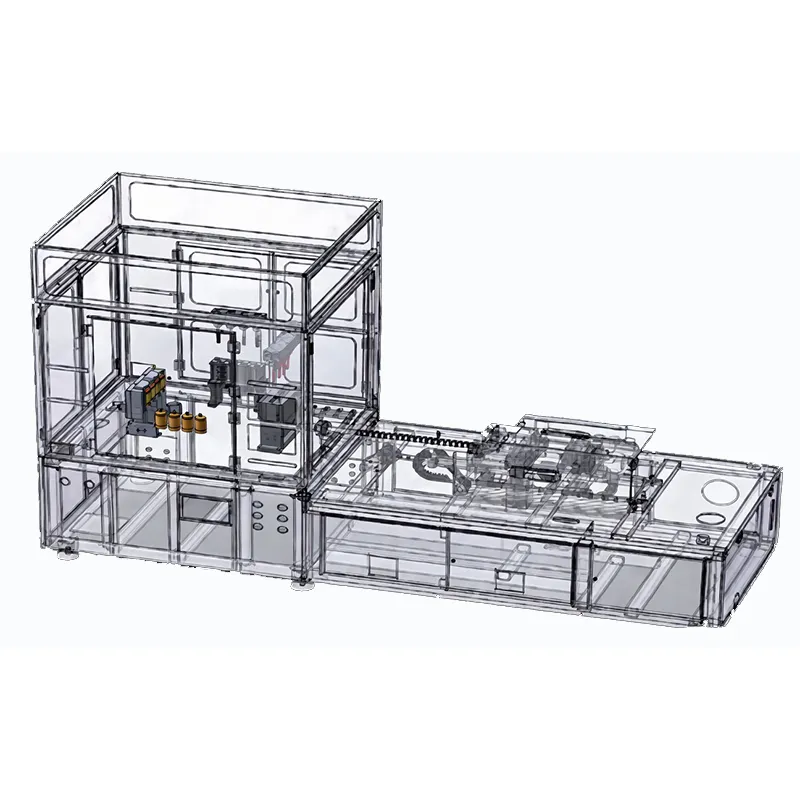
The most common mistake made by operators new to single-stage ISBM is specifying or accepting a standard hot-air dryer for PET and PETG processing. A hot-air dryer — essentially a heated hopper with a blower circulating ambient air — can raise pellet temperature but cannot reduce the dew point of the drying air stream below approximately +10°C to +20°C. At these conditions, the partial pressure of water vapour in the drying air is high enough to limit the equilibrium moisture content achievable in the pellet. PET in equilibrium with air at +20°C dew point retains moisture levels well above 200 ppm — five times the safe threshold for single-stage ISBM. In humid UK conditions, particularly during autumn and winter in the North West and Yorkshire regions, ambient dew points can be high enough to make a hot-air dryer actively counterproductive at a poorly controlled throughput rate.
An industrial desiccant dehumidifying dryer addresses this fundamental limitation by generating a controlled low-dew-point air stream — typically -40°C to -60°C — that has a very low moisture-carrying capacity. This deeply dried air passes through the heated pellet bed and draws moisture out of the polymer to a much lower equilibrium point. The desiccant material — usually a molecular sieve or silica gel bed — is regenerated on a timed cycle in a twin-bed design: while one bed dries process air, the second bed is being heated to drive off accumulated moisture, then cooled before switching back into service. This continuous twin-bed regeneration cycle is what maintains the consistently low dew point that PET-based single-stage ISBM requires over a full production shift, not just at start-up.
Process Air Dew Point
Desiccant system delivers -40°C to -60°C dew point. Hot-air systems deliver only +10°C to +20°C — wholly inadequate for PET in single-stage ISBM.
Twin-Bed Regeneration
Continuous alternating cycle: Bed A drying while Bed B regenerates. Maintains consistent dew point across unlimited run time without interruption.
Transfer Time Management
Dried PET reabsorbs moisture rapidly on exposure to ambient air. The transfer path from dryer outlet to machine hopper must be designed to minimise exposure — ideally direct-mount or insulated duct.
Dew Point Monitoring
Continuous dew point sensors in the process air supply — not just the dryer outlet — are essential for single-stage ISBM quality assurance. Alarm-integrated monitoring catches desiccant saturation before product quality degrades.
Polymer-Specific Drying Profiles for Single-Stage ISBM Materials
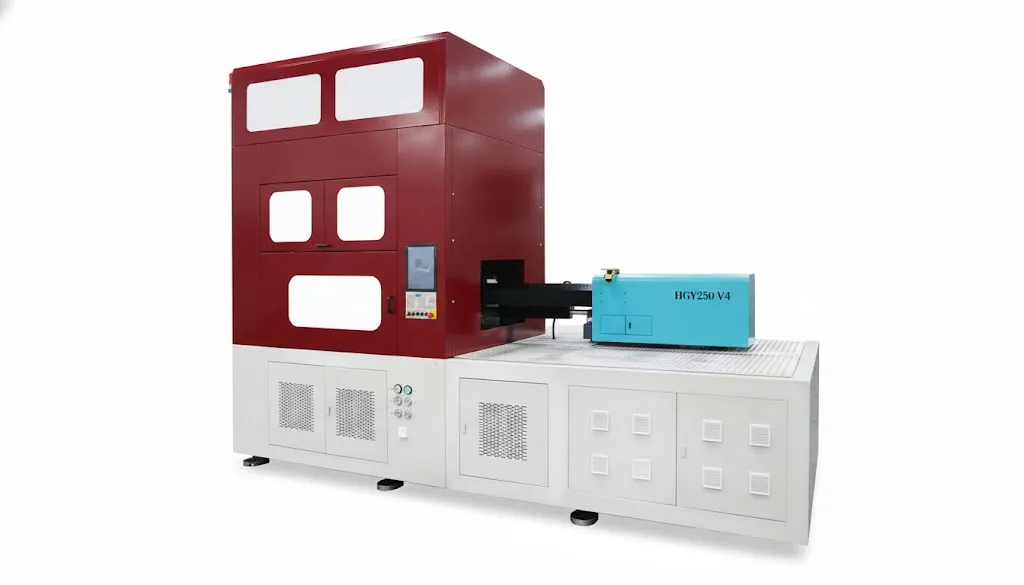
PET — The Benchmark Challenge
Polyethylene terephthalate is the dominant material on single-stage ISBM lines globally, and also the most demanding to dry correctly. Its high hygroscopicity — PET can absorb moisture at a rate that brings a correctly dried batch back to unsafe levels within 20–30 minutes of ambient exposure — means that dryer sizing, transfer path design, and hopper retention time must all be engineered as a system. The standard 160–180°C, 4–6 hour desiccant drying cycle at -40°C dew point is non-negotiable for bottle-grade PET. Crystallised PET pellets dry more uniformly than amorphous grades because surface-to-core moisture diffusion is less obstructed — operators switching between grades should confirm crystallinity and adjust drying time accordingly.
PETG — Lower Temperature, Still Demanding
PETG’s lower glass transition temperature means drying is carried out at a more moderate 65–75°C, which can tempt operators to accept a less capable dryer. However, PETG is equally hygroscopic to standard PET and requires the same desiccant dryer technology to achieve the dew points needed for defect-free processing. In single-stage ISBM, PETG is particularly valued for cosmetic and personal care packaging in London and the South East — its superior clarity and ease of decoration make it a premium material, and its moisture sensitivity means it punishes lax drying practice equally severely.
PP — Easier, Not Effortless
Polypropylene is classified as non-hygroscopic — it does not absorb moisture into the bulk of the pellet. However, surface moisture from condensation or improper storage will still cause splay marks, surface pits, and cosmetic defects in the finished bottle if material is charged without adequate preparation. A hot-air dryer is sufficient for PP — 80–90°C for 1–2 hours removes surface moisture without risk of thermal degradation. For single-stage ISBM producing PP bottles for industrial or food-contact applications in the Midlands, this represents the least technically demanding material drying scenario, but it should never be skipped entirely.
PC — The Most Demanding of All
Polycarbonate demands the strictest drying discipline of any material commonly processed on single-stage ISBM equipment. Its moisture threshold of less than 20 ppm — half that of PET — and its propensity to produce yellow discolouration, splay, and significant IV loss at even moderate moisture levels make it an unforgiving material. PC drying at 110–120°C with a desiccant system achieving -40°C dew point for a minimum of 4–6 hours is mandatory. In UK medical device and laboratory ware applications — where PC bottles are used for sterile fluid packaging — any colour deviation or haze from poor drying creates an immediate regulatory compliance issue.
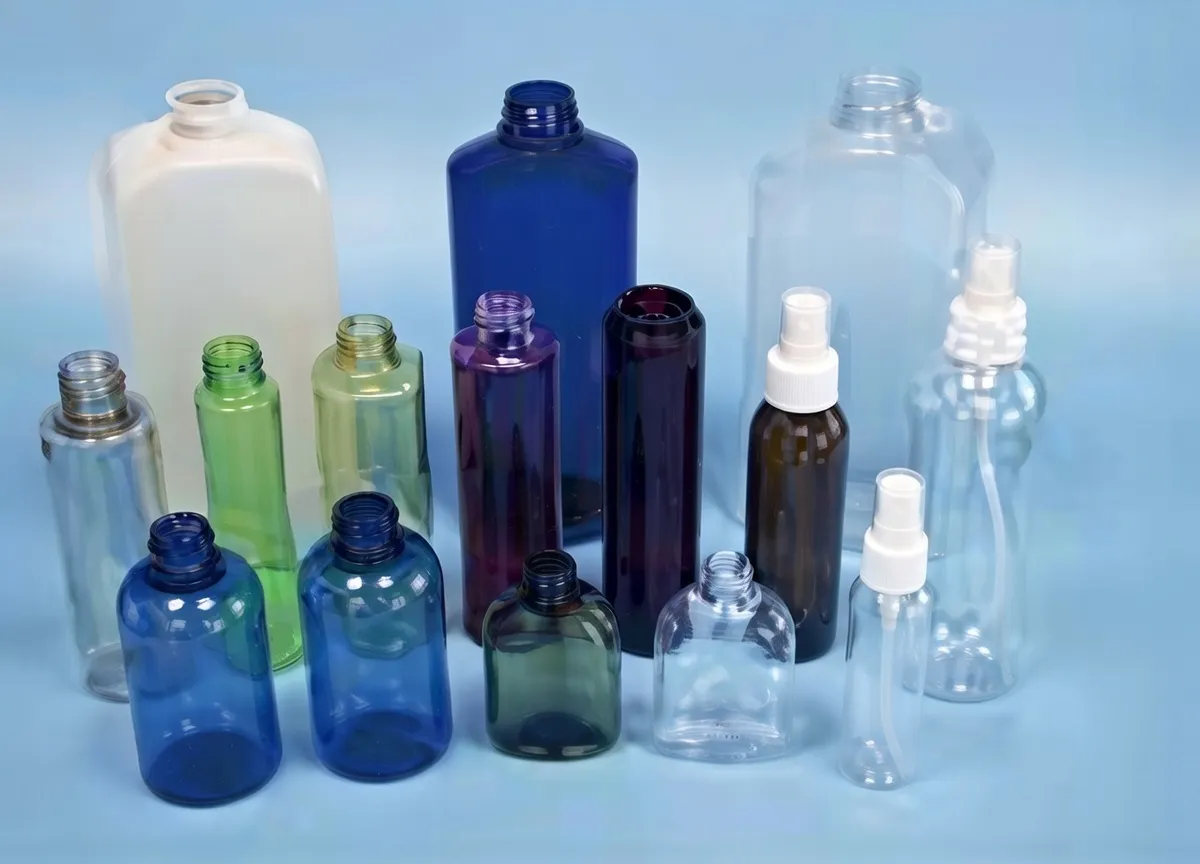
How Ever Power Single-Stage ISBM Machines Address Material Drying
Five engineering decisions that protect material integrity across the entire thermal pathway
Direct-Mount Dryer Interface
Ever Power machines are designed with a standardised dryer-to-hopper interface that eliminates exposed transfer pipe runs. Dried PET reaches the injection barrel within a fully insulated, sealed path — eliminating the ambient re-absorption risk that undermines many retrofitted installations.
Integrated Dew Point Monitoring
The HMI on every Ever Power single-stage ISBM line includes a dedicated drying parameter screen with real-time dew point display, alarm thresholds, and drying time tracking. Operators receive early warning of desiccant exhaustion before any product quality impact occurs.
Low-Shear Screw Geometry
Ever Power’s injection units use a low-shear screw profile developed specifically for single-stage ISBM applications. By minimising frictional heat generation in the melt phase, this design reduces the thermal stress on material that has been correctly dried, preserving achieved IV and reducing the consequences of any minor drying variance.
Material Recipe Memory
The HMI stores up to 100 material-specific process recipes including dryer setpoints, alarm thresholds, and interlock conditions. Switching between PET and PETG — or between standard and high-IV grades — requires a single recipe recall, eliminating manual parameter transcription errors during material changeovers on a single-stage ISBM line.
Remote Diagnostics Support
For UK-based operators, Ever Power provides remote process monitoring access that allows the Ever Power technical team to review drying parameter logs alongside injection and blow data. This cross-system view allows moisture-related defects to be correlated with dryer performance records — accelerating root cause analysis across time zones without waiting for an on-site visit.
UK Application Scenarios: Where Correct Drying Makes the Difference
💊
Pharmaceutical Packaging — Sheffield & Leeds
PET · High Clarity · Regulatory Compliance
Contract pharmaceutical packers across South Yorkshire and West Yorkshire use single-stage ISBM equipment to produce PET bottles for liquid medicines, nutritional supplements, and topical preparations. These clients operate under MHRA-aligned GMP requirements and supply specifications that define acceptable haze levels in single figures (typically < 3% haze by ASTM D1003). Correct desiccant drying — verified by in-line dew point monitoring and batch-level moisture records — is the primary process control that supports compliance in these regulated environments.
🥤
Food & Beverage Packaging — Birmingham & Coventry
PET · Carbonation Resistance · Shelf Life
The West Midlands food and beverage manufacturing cluster — concentrated around Birmingham, Coventry, and Stoke-on-Trent — represents one of the UK’s most active markets for single-stage ISBM PET bottle production. Carbonated soft drink bottles require exceptionally consistent wall thickness distribution to withstand pressurisation without base deformation. An IV reduction of even 0.04 dL/g from marginal drying translates directly to measurable increases in base push-up variability — a metric that buyers in this sector monitor continuously through statistical process control.
✨
Premium Cosmetics Packaging — London & South East
PETG · Optical Clarity · Decorability
London-based luxury cosmetics brands sourcing PETG bottles through UK contract manufacturers demand optical clarity comparable to glass — and accept no visible haze, surface blemishes, or inconsistency in finish. Single-stage ISBM running correctly dried PETG at 65–75°C with desiccant air at -30°C dew point delivers the pristine surface and depth of clarity that premium fragrance and skincare packaging requires. Drying shortcuts that save 30 minutes of dryer run time cost several times that amount in rejects and customer relationship damage.
🔧
Industrial Chemical Containers — Derby & Nottingham
PP · Chemical Resistance · Volume Production
The East Midlands industrial chemicals and agrochemicals sector uses PP single-stage ISBM bottles for packaging lubricants, cleaning agents, and crop protection products. While PP’s non-hygroscopic nature reduces drying risk compared to PET, the high-volume production rates typical of this sector — combined with frequent material changeovers between grades — mean that systematic drying discipline and recipe-managed process control remain important for consistent cosmetic and dimensional output across long production runs.
Ever Power: Engineering ISBM Excellence at the Source
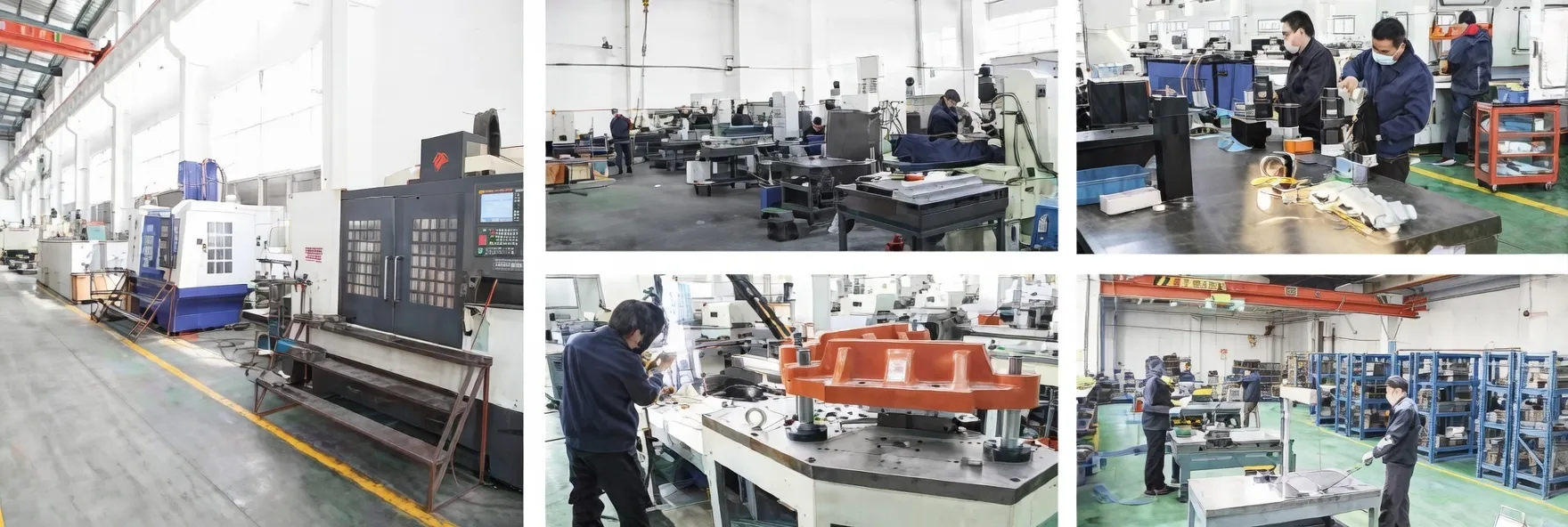
Ever Power’s manufacturing facility operates a fully integrated production process for single-stage ISBM machines — from precision CNC machining of injection unit components through to complete machine assembly, testing, and commissioning. Our process engineers have deep specialist knowledge of polymer drying behaviour and have contributed directly to the machine design decisions — particularly around dryer interface architecture and HMI integration — described in this article. Every machine leaves our facility with a full drying system validation test completed under the material conditions specified by the customer.
For UK customers, Ever Power provides end-to-end project support: machine specification, dryer selection, installation supervision, operator training focused specifically on material handling and drying protocol, and ongoing remote monitoring. We understand the regulatory and quality landscape that UK pharmaceutical, food-grade, and premium consumer goods manufacturers operate within — and our support model is built around those requirements.
Customer Success Story
MedPack Solutions Ltd — Leeds, West Yorkshire
Pharmaceutical Contract Packaging · PET Bottle Production · UK
MedPack Solutions Ltd is a Leeds-based contract pharmaceutical packaging company supplying MHRA-licensed oral liquid medicine bottles to NHS dispensary operations and private healthcare providers across Yorkshire and the North East. When they expanded their single-stage ISBM capacity in 2024, they were experiencing a reject rate of 12.7% on their 200ml PET medicine bottles — primarily haze, occasional splay, and wall-thickness variability that their QC team had struggled to trace to a consistent root cause over several months of investigation.
The Ever Power technical team conducted a process audit and identified three interacting drying issues: the existing hot-air dryer was delivering process air at approximately +12°C dew point — eighteen degrees above the target; the transfer auger from the dryer outlet to the machine hopper ran through an uninsulated section of the production floor where night-time condensation was causing localised moisture re-absorption; and the drying time at shift changeover was being shortened by 90 minutes to meet production schedules, reducing effective drying below the 4-hour minimum for the specific PET grade in use.
Ever Power specified a replacement twin-bed desiccant dryer integrated with the machine’s HMI — providing automatic drying interlock that prevented machine start until confirmed dew point and residence time conditions were met. The transfer auger was replaced with an insulated direct-connection system. Operating procedures were revised with minimum drying time enforced by machine logic rather than operator judgment.
What UK Operators Say
Verified feedback from single-stage ISBM operators working with Ever Power equipment
“We’d been fighting haze issues for months before Ever Power’s team identified our drying setup as the root cause. The integrated desiccant dryer they specified brought our dew point from +12°C down to -44°C consistently, and our reject rate dropped from over 12% to under 1% in three weeks. The HMI integration — where the machine won’t start unless drying parameters are confirmed — has completely removed the operator discretion issue that was causing our worst shift variations.”
James Whitfield
Production Manager — Pharmaceutical Packaging, Leeds, West Yorkshire
“Our facility in Birmingham had been running PET on a hot-air system for years — we genuinely didn’t appreciate how much moisture variation we were feeding the machine until Ever Power showed us our own IV test data correlated with shift timing. The material recipe memory feature on the HMI has made our PETG and PET changeovers far more reliable. We now have zero unplanned moisture-related downtime on our single-stage ISBM line. The remote monitoring support has also been excellent — our Ever Power contact in China has resolved three alarm queries during our night shifts without us needing to call anyone out.”
Rachel Morrison
Operations Director — Food-Grade Packaging, Birmingham, West Midlands
“We commissioned an Ever Power single-stage ISBM machine for PC medical bottles — a material we were running for the first time. Ever Power walked us through the entire drying specification during machine acceptance testing and included drying validation data in our machine handover documentation. That level of process detail is exactly what our quality team needed to build the drying control procedure into our production SOP. Eighteen months in, we’ve had zero moisture-related nonconformances on the PC line. It sets a standard for how machine suppliers should support material-critical applications.”
Thomas Hargreaves
Quality & Process Engineer — Medical Device Packaging, Sheffield, South Yorkshire
Frequently Asked Questions
Ready to Eliminate Moisture-Related Defects on Your ISBM Line?
Contact the Ever Power team for a technical consultation, machine specification, and drying system recommendation tailored to your material, output rate, and UK application requirements.
📩 Get Your Free Quote — [email protected]
Response within 2 business days · Technical specification support included · UK shipping & installation available
© 2026 Ever Power · Single-Stage ISBM Machine Manufacturer · [email protected] · edit by gzl