Decoding ISBM:
The Anatomy and Mechanics
of a Single-Stage Machine
A definitive technical guide to Injection Stretch Blow Moulding — working principles, core materials, performance parameters, UK industrial applications, and precision customisation by Ever Power.
⚙️ Single-Stage Integrated Process
📋 3 000-Word Technical Deep Dive
📍 B2B Global Supplier
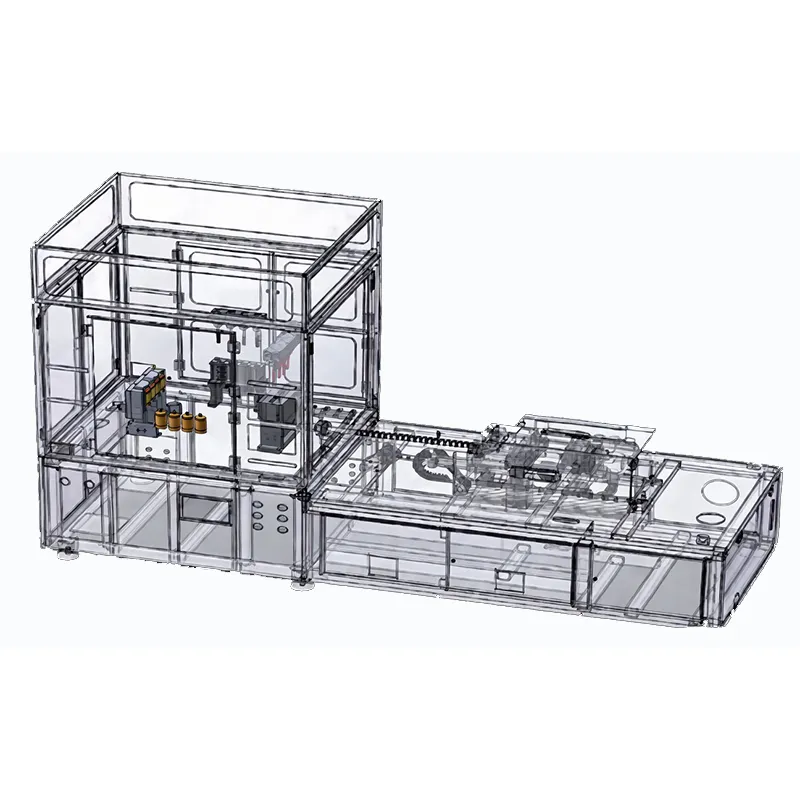 The plastics packaging industry has undergone extraordinary transformation over the past two decades, and one process above all others has quietly become the backbone of high-precision container production: the ISBM single-stage machine. Standing for Injection Stretch Blow Moulding, the term describes a manufacturing sequence in which a polymer resin is injection-moulded into a preform — and then, within the same machine and as part of a thermally controlled continuous cycle, that preform is stretched axially and blown into a finished bottle or container. There is no need to reheat the preform, no separate storage logistics between stages, and no elevated risk of surface contamination from inter-process handling. For British manufacturers operating under tight quality regimes — from pharmaceutical clean-rooms in Cheshire to food-grade bottling lines across the West Midlands — this degree of process integration carries enormous practical value. A single-stage ISBM machine effectively collapses what was once a two-machine, two-shift operation into one energy-efficient, compact platform, and the implications for cycle time, yield, and overhead are significant.
Across manufacturing clusters in Birmingham, Sheffield, Leeds, Bristol, and the wider Northern Powerhouse, packaging engineers are increasingly specifying single-stage ISBM equipment when projects demand tight dimensional tolerances, superior optical clarity, and consistent wall-thickness distribution at high output rates. Whether the task is producing small-format pharmaceutical vials, high-clarity cosmetic bottles, or robust beverage containers destined for major British supermarket supply chains, ISBM technology delivers a process integrity that standalone injection or blow moulding simply cannot replicate. This article takes a methodical look at exactly how these machines function, what materials they process, what advantages they deliver over conventional alternatives, and why Ever Power’s range of single-stage ISBM machines has become a trusted choice for manufacturers across the UK and globally.
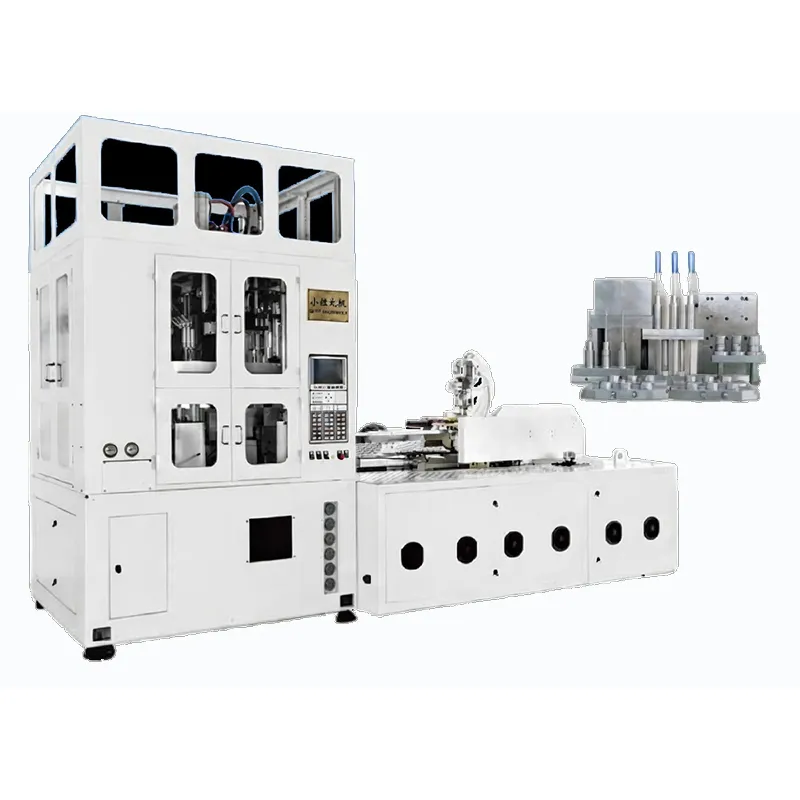
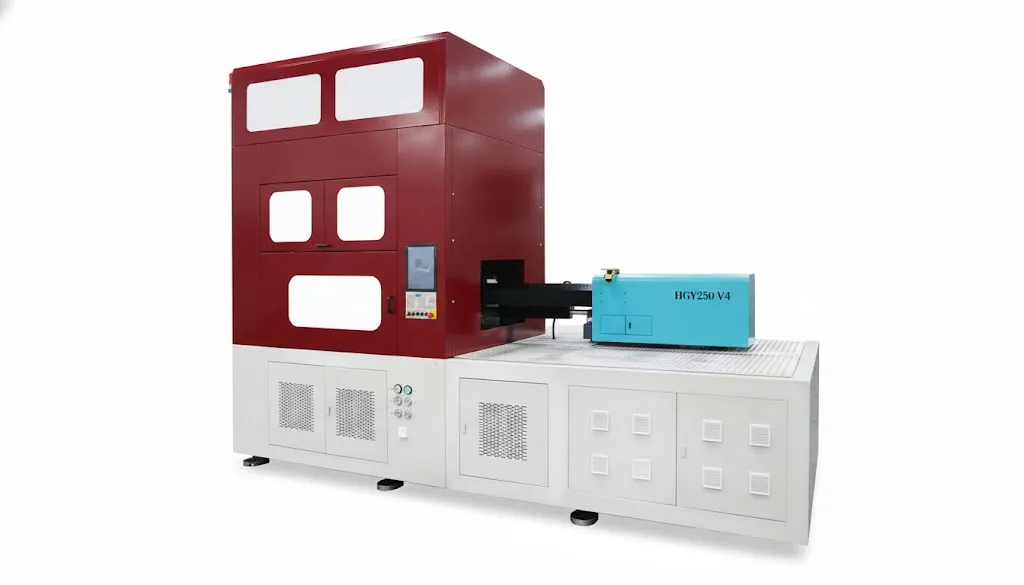
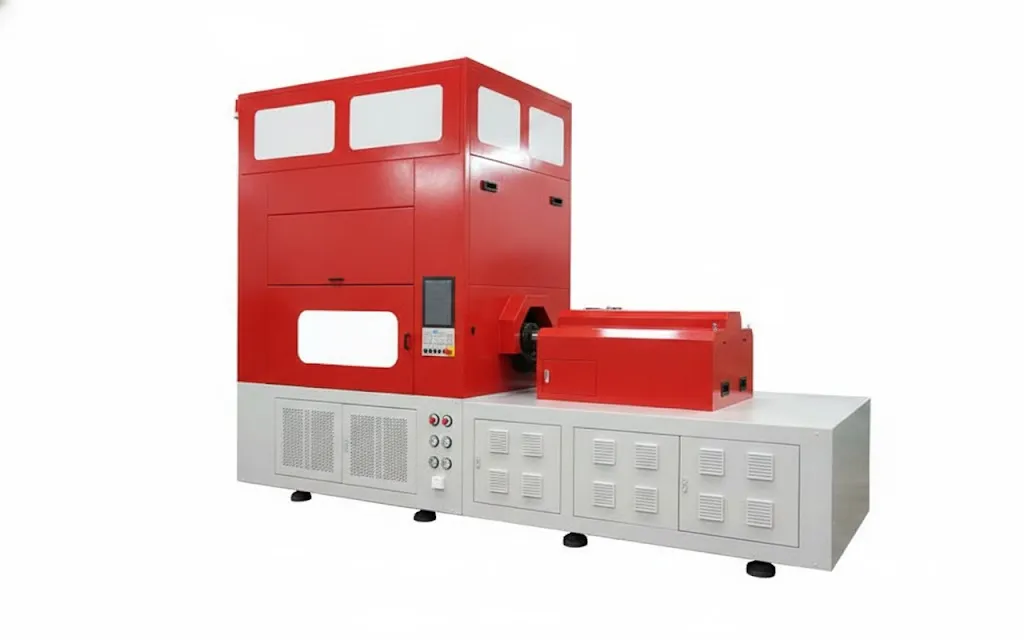
Ever Power ISBM Single-Stage Machine — Industrial-Grade Injection Stretch Blow Moulding System for UK & Global Packaging Lines
✉ Get a Quote — [email protected]
Response within 24 hours | UK Sales & Technical Support Available
What Exactly Is an ISBM Single-Stage Machine?
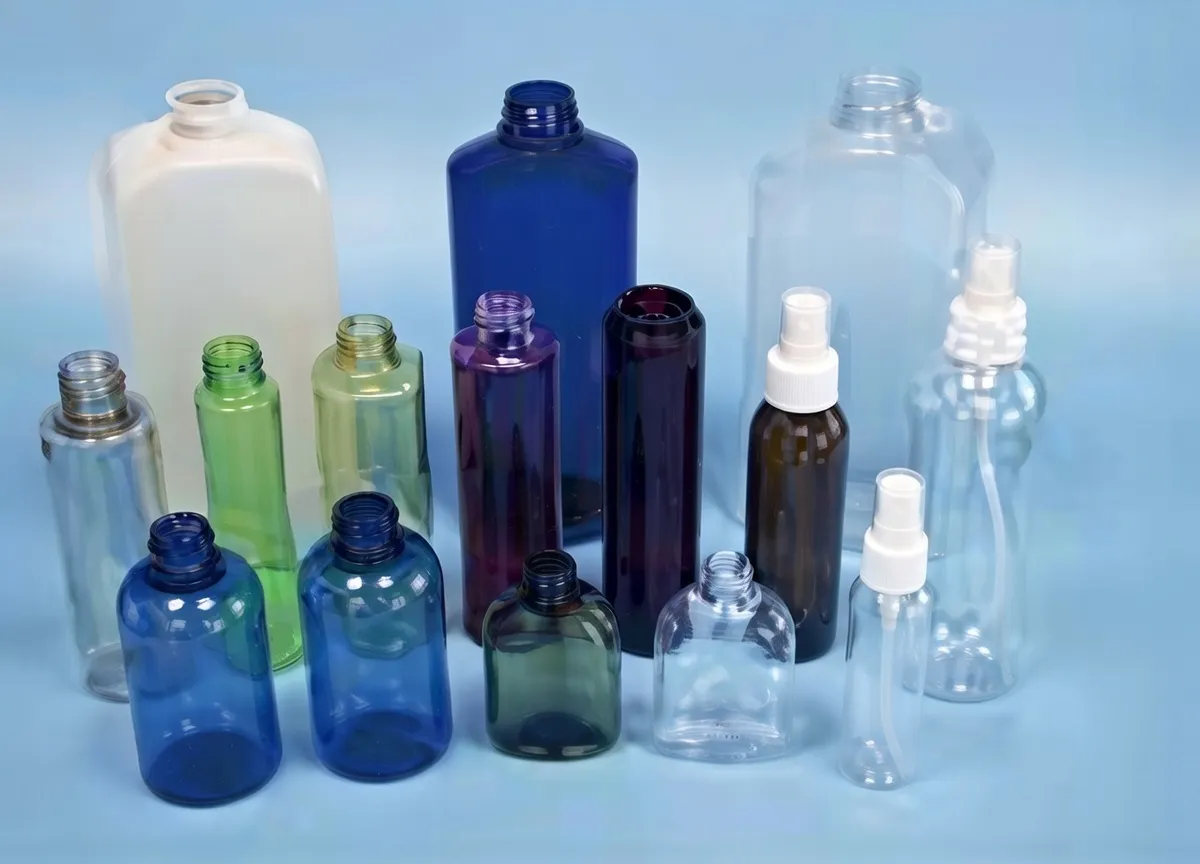
The term “single-stage” is the defining characteristic that separates ISBM from its two-stage cousin. In a conventional two-stage process, preforms are manufactured on a dedicated injection moulding machine, cooled, stored — sometimes for days — and then reloaded into a separate reheat stretch blow machine where they are rewarmed and formed into bottles. Every one of those intermediate steps introduces variables: moisture absorption, surface scratches, thermal inconsistency, and the energy cost of reheating a preform that was perfectly formed in the first place. A genuine single-stage ISBM machine eliminates all of that. The preform is injected, thermally conditioned to the precise blowing temperature without ever being fully cooled, and then immediately stretched and blown within the same machine cycle. The result is a bottle whose crystalline clarity, neck-finish accuracy, and wall-distribution uniformity are fundamentally superior — not because of any magic, but because fewer steps mean fewer opportunities for deviation.
ISBM vs. Two-Stage: The Core Difference
✖ Two-Stage: Preform cooled, stored, reheated — energy wasted, variables multiplied
✔ Single-Stage ISBM: Preform retained at forming temperature — one machine, zero reheating
✔ Single-Stage ISBM: Better clarity, tighter tolerances, lower total energy per unit
How Does an ISBM Single-Stage Machine Work?
The four-phase continuous cycle that turns raw resin into a finished container — without ever leaving the machine
Phase 1 — Injection Moulding
Polymer resin pellets — typically PET, PP, or PETG — are fed from a hopper into the injection unit where a reciprocating screw conveys, melts, and homogenises the material. The molten polymer is then injected under high pressure (commonly 80–160 MPa depending on resin viscosity and cavity geometry) into a precision-machined preform mould. The number of cavities in the preform mould defines the machine’s output per cycle — Ever Power’s ISBM equipment is available in configurations from 1-cavity benchtop units to 16-cavity high-throughput systems. Melt temperature, injection speed, and packing pressure are all servo-controlled, ensuring shot-to-shot consistency that is essential in pharmaceutical and food-contact applications.
Phase 2 — Thermal Conditioning
After injection, the preform is transferred — still warm, never fully cooled — to a temperature-conditioning station. This is arguably the most technically nuanced stage of the ISBM cycle. The preform must be held at a precise temperature profile: warm enough that the polymer chains remain mobile and responsive to stretching, but cool enough that the geometry of the preform is mechanically stable. For PET, this optimal window sits roughly between 90 °C and 115 °C at the body wall. Infrared heaters, temperature sensors, and closed-loop PID control maintain this balance with remarkable accuracy. Getting this phase right is what gives single-stage ISBM bottles their characteristic optical clarity — the polymer is stretched in exactly the right molecular state.
Phase 3 — Axial Stretch
With the preform correctly conditioned, a mechanical stretch rod descends into the preform bore and extends it axially — in the direction of the bottle’s length. This controlled mechanical stretching pre-orients the polymer chains along the longitudinal axis before air pressure acts radially. The stretch ratio (typically 2:1 to 3.5:1 axially for PET bottles) has a direct and measurable impact on the finished container’s mechanical performance, drop resistance, and barrier properties. Ever Power’s servo-driven stretch rod systems offer programmable stretch speed profiles, allowing engineers to fine-tune the process for different resin grades, bottle geometries, and wall-thickness targets — a capability that is particularly valued by customers supplying into pharmaceutical or premium cosmetics markets.
Phase 4 — Blow Moulding & Ejection
Simultaneously with or immediately following axial stretch, high-pressure air — typically 25–40 bar for the final blow — inflates the preform radially against the interior surface of the blow mould cavity. The mould itself is precision-machined from hardened aluminium alloy or P20 steel, and its surface finish directly determines the container’s external appearance. Blow pressure, blow timing, and mould temperature (controlled via chilled-water circuits) are all tightly managed parameters. Once the container has cooled sufficiently to retain its shape — a matter of seconds — the mould opens and the finished bottle is ejected. In most Ever Power ISBM configurations, this entire four-phase cycle completes in 10 to 22 seconds depending on bottle volume, cavity count, and resin type.
Core Materials Processed by ISBM Machines
Material selection defines container performance — here is what single-stage ISBM equipment handles, and why each resin matters
PET — Polyethylene Terephthalate
By far the most widely processed resin in single-stage ISBM equipment. PET offers an exceptional combination of optical clarity, gas barrier performance (critical for carbonated beverages and oxygen-sensitive pharmaceuticals), chemical resistance, and mechanical stiffness. Its biaxial orientation during the stretch-blow phase enhances all these properties further — a phenomenon that makes PET bottles significantly stronger and clearer than their injection-moulded equivalents. The UK bottled water and juice sectors — including major brands distributed through Tesco, Sainsbury’s, and Morrisons supply chains — rely almost exclusively on PET produced via stretch blow processes. Ever Power ISBM machines are optimised for virgin and rPET (recycled PET), supporting UK manufacturers’ sustainability obligations under the Plastic Packaging Tax framework.
PP — Polypropylene
Polypropylene’s processing behaviour in ISBM is more demanding than PET — its stretch window is narrower and its thermal sensitivity is higher — but the rewards are substantial. PP containers offer excellent chemical resistance, a high-temperature tolerance that permits hot-fill applications (up to ~130 °C for certain grades), and compatibility with a wide range of food products including dairy, sauces, and dressings. Sheffield’s food manufacturing sector has seen growing adoption of PP-based ISBM containers for premium condiment packaging, where optical clarity and robustness under cold-chain logistics are both required simultaneously. Ever Power’s ISBM machines feature independent temperature zone control that accommodates PP’s specific processing demands without compromise.
PETG & PC
PETG (PET co-polymerised with cyclohexanedimethanol) delivers superb clarity and excellent toughness but without PET’s crystallisation tendency — making it ideal for cosmetic and personal care containers where glass-like aesthetics are demanded but breakage risk must be eliminated. Polycarbonate (PC), where regulatory requirements permit its use, provides outstanding impact resistance and optical performance for specialist medical or laboratory containers. Both resins can be processed on compatible Ever Power ISBM equipment with appropriate screw and barrel configurations, giving manufacturers material flexibility without the capital investment of separate machinery.
Why Single-Stage ISBM Equipment Outperforms Alternatives
Six engineering-driven advantages that make the ISBM one-step process the preferred platform for UK precision packaging manufacturers
⚡
Dramatic Energy Savings
Because the preform retains residual heat from the injection phase, no secondary reheating is required. In a two-stage operation, the infrared reheating oven can account for 30–40% of total machine energy consumption. Eliminating that stage translates to direct, measurable reductions in kWh per 1 000 bottles — a metric that has become increasingly important to UK manufacturers facing rising energy costs and Carbon Reduction Commitment obligations.
🔬
Superior Optical Clarity
Single-stage ISBM bottles consistently achieve higher haze ratings and better light transmission than reheat-blown counterparts. The reason is straightforward: by stretching and blowing the polymer whilst it retains its original thermal state, the process avoids the uneven temperature gradients that a reheating oven inevitably introduces. Premium spirits, skincare serums, and pharmaceutical syrups destined for the UK retail market often specify ISBM for exactly this optical performance advantage.
📏
Precise Neck-Finish Integrity
In a single-stage ISBM machine, the neck finish is injection-moulded and never reheated — it retains its injected geometry exactly. This is critical for child-resistant closures, dispensing pumps, and pharmaceutical screw caps where sealing torque specifications are tight. Two-stage processes introduce the risk of neck distortion during the reheat oven pass, a defect mode that is entirely absent in ISBM single-step production.
📦
Compact Footprint & Reduced CAPEX
A single-stage ISBM machine replaces what would otherwise require an injection moulding machine, a preform storage system, a reheat stretch blow machine, and the conveyors connecting them. For manufacturers in Birmingham’s constrained urban industrial estates or Sheffield’s light industrial parks where floor space commands a premium, the reduction in machine footprint alone can justify the investment. Ever Power ISBM models are engineered for minimal dead-floor space relative to their output capacity.
🛡️
Reduced Contamination Risk
Every additional handling step in a production process introduces a potential contamination pathway. In a two-stage ISBM process, preforms travel on conveyors, through hoppers, and past open-air transfer zones. A single-stage ISBM machine eliminates those pathways entirely. This is especially significant for pharmaceutical manufacturers operating under MHRA GMP guidelines or food-contact producers subject to BRC Food Safety standards — both common audit frameworks for UK packaging suppliers.
🔄
Faster New-Format Changeover
Switching between bottle designs on a single-stage ISBM machine requires only a mould change on one machine. In a two-stage system, both the preform mould and the blow mould must be swapped, aligned, and validated — effectively doubling changeover time and cost. For UK contract packagers who regularly switch between multiple customer SKUs, this reduction in changeover burden has a direct and positive impact on overall equipment effectiveness (OEE).
Technical & Performance Specification Table
Representative parameters for the Ever Power ISBM single-stage machine series. Custom configurations are available — contact Ever Power for application-specific data sheets.
| Parameter | Specification / Range | Notes |
|---|---|---|
| Machine Model Series | HGY Series (HGY100 / HGY250 / HGY500) | Custom series available on request |
| Cavity Configuration | 1 / 2 / 4 / 6 / 8 / 12 / 16 cavities | Even-number configurations preferred for symmetry |
| Bottle Volume Range | 5 ml — 5 000 ml | Wider range possible with specialist moulds |
| Cycle Time (4-cavity, 500 ml) | 14 — 18 seconds | PET standard grade, optimised process |
| Max Output (bottles/hour) | Up to 4 800 bph (8-cavity, 250 ml) | Dependent on cavity count and bottle size |
| Injection Pressure | 80 — 160 MPa | Servo-controlled, programmable profile |
| Blow Pressure | 25 — 40 bar | Pre-blow + final blow two-stage system |
| Stretch Rod Speed | 0.8 — 2.2 m/s | Servo-driven, programmable speed profile |
| Preform Conditioning Temp | 85 — 125 °C (PET) / 130 — 165 °C (PP) | PID-controlled, ±1 °C accuracy |
| Mould Material | 7075 Aluminium Alloy / P20 Steel / H13 Steel | Material selected by volume and design life |
| Machine Power Consumption | 18 — 55 kW (model dependent) | All-electric servo drive, energy-optimised |
| Compatible Resins | PET, rPET, PETG, PP, HDPE, PC | Screw/barrel config varies by resin |
| Control System | Siemens / Mitsubishi PLC + 10″ touch HMI | Industry 4.0 data export optional |
| Machine Dimensions (LxWxH) | 3.2 m x 2.0 m x 2.4 m (4-cavity, standard) | Varies by cavity count and ancillaries |
| Machine Weight | 3 500 — 9 800 kg | Foundation requirements provided in documentation |
| Certification | CE, ISO 9001:2015, UKCA (where applicable) | UK post-Brexit compliance documentation available |
Industrial Application Scenarios Across the UK
From pharmaceutical clean-rooms in Cheshire to food bottling lines in the West Midlands — where single-stage ISBM equipment is already at work
💊
Pharmaceutical & Nutraceuticals
The pharmaceutical sector represents one of the highest-value application areas for the ISBM single-stage process. In cleanroom-grade production environments found across Cheshire, Cambridgeshire, and the Oxford-to-Cambridge Arc — home to a significant proportion of the UK’s life-sciences manufacturing base — single-stage ISBM equipment is used to produce PET and PETG bottles for liquid medicines, vitamin and mineral supplement containers, eye-drop dispensers, and diagnostic reagent bottles. The combination of neck-finish accuracy (critical for dosing caps and child-resistant closures), contamination-minimal processing, and the ability to process transparent materials with pharmaceutical-grade clarity makes the ISBM single-stage machine the packaging platform of choice for MHRA-regulated production. Many pharmaceutical packaging lines in the UK specify ISBM equipment not merely because of production economics, but because it forms a core element of their validated process and quality documentation.
🧊
Food & Beverage Packaging
The UK food and beverage manufacturing sector — particularly concentrated around Birmingham, Nottingham, and the East Midlands food corridor — is one of the most active markets for single-stage ISBM technology. Bottled water, fruit juices, flavoured drinks, cooking oils, sauces, dressings, and dairy products all demand containers with excellent clarity, structural integrity under cold-chain conditions, and neck finishes compatible with tamper-evident and dispensing closures. ISBM machines produce these containers with a process consistency that is difficult to match by other methods. For hot-fill applications — where contents are filled at elevated temperatures before capping — PP-based ISBM production offers the thermal resistance that PET cannot provide. Birmingham-based food manufacturers supplying to major UK grocery retailers have increasingly adopted single-stage ISBM equipment as part of broader investments in automation and quality assurance.
🧴
Cosmetics & Personal Care
The UK cosmetics and personal care market — valued at several billion pounds annually and served by brand manufacturers concentrated in London, Leeds, and Greater Manchester — sets exceptionally high aesthetic standards for packaging. ISBM single-stage machines are uniquely capable of meeting those standards because they produce bottles with glass-like clarity and pristine surface finish as part of the standard process, rather than as a premium add-on. Serums, toners, shampoos, conditioners, body lotions, and perfume ancillaries are all produced on ISBM equipment for British beauty brands. The ability to customise bottle geometry — tall and slender for premium skincare, wider shoulder profiles for volume shampoo — without changing the machine platform is a significant commercial flexibility that contract packaging houses in the North West particularly value when serving multiple brand clients simultaneously.
🧪
Industrial & Agricultural Chemicals
Sheffield’s diversified manufacturing base — which extends well beyond its historic steel heritage into advanced chemicals, coatings, and industrial fluids — provides a strong regional market for ISBM-produced containers in HDPE and PP grades. Cleaning agents, lubricant additives, agricultural pesticide concentrates, and automotive maintenance products all require containers that are chemically resistant, robust under warehouse and transit conditions, and easy to label. ISBM machines produce these containers with consistent wall thickness that directly supports UN-certified and HSNO-compliant transport packaging specifications — an important consideration for UK chemical distributors operating under hazardous goods logistics frameworks. Ever Power ISBM equipment can be configured to produce these industrial-grade formats without compromising on throughput or quality consistency.
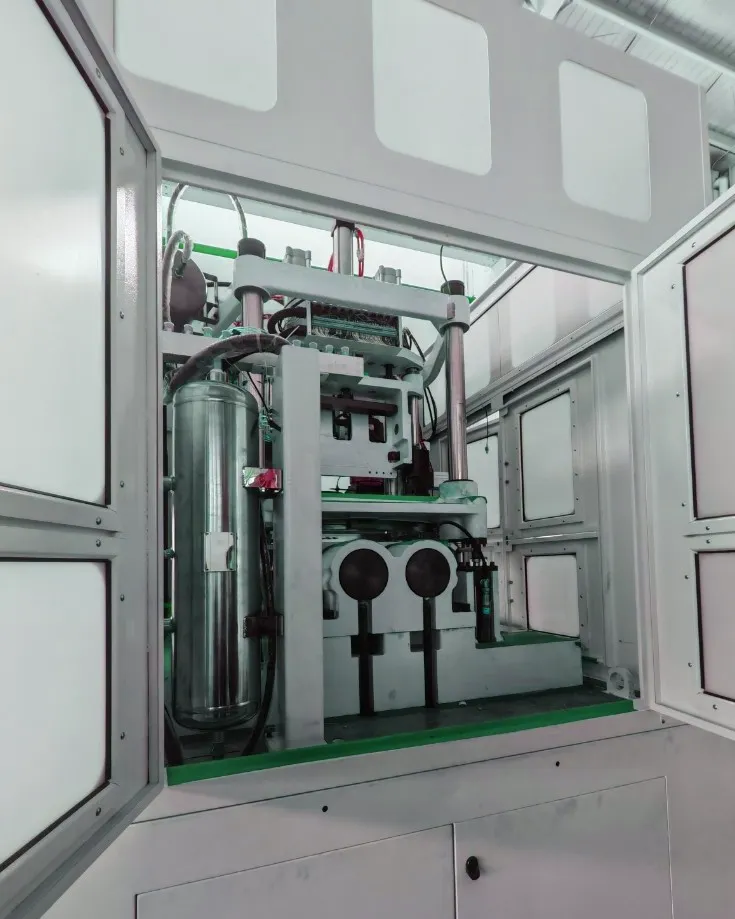
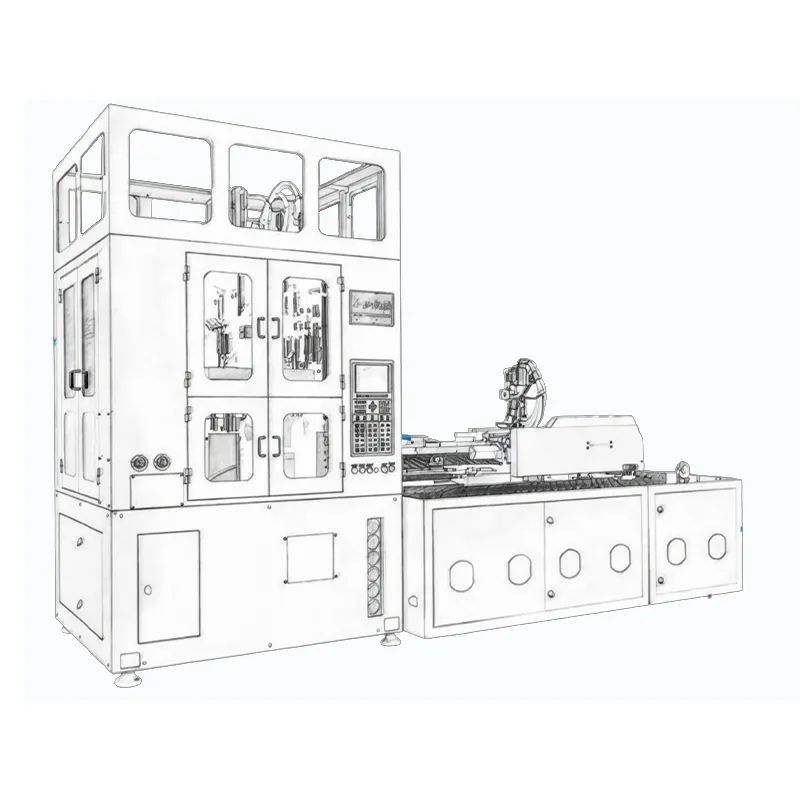
ISBM Single-Stage Machine — Ready for Integration into UK Bottling and Packaging Production Lines
Key Machine Components & Accessories
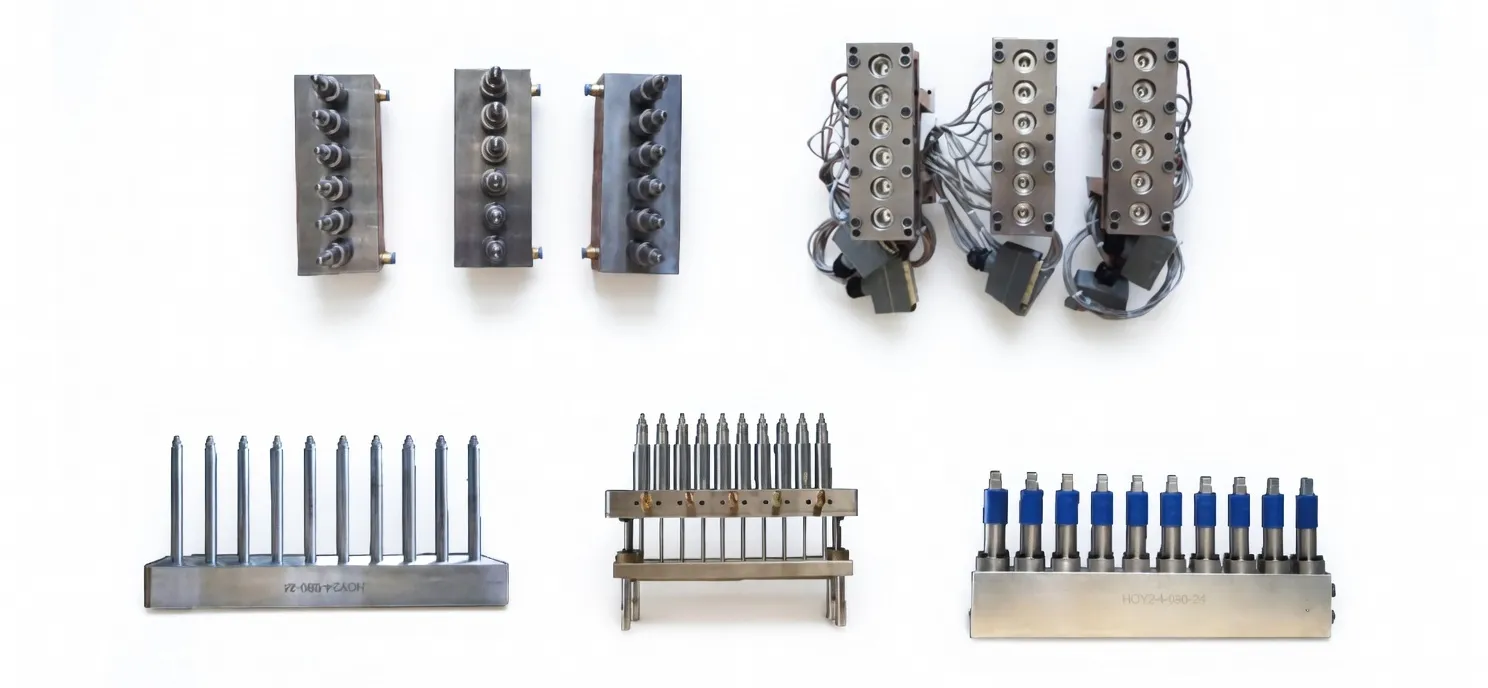
The performance of any ISBM single-stage machine is only as good as the quality of its key components. Ever Power sources and manufacturers critical sub-assemblies to exacting standards, covering everything from precision blow moulds to servo stretch-rod assemblies and injection barrel sets.
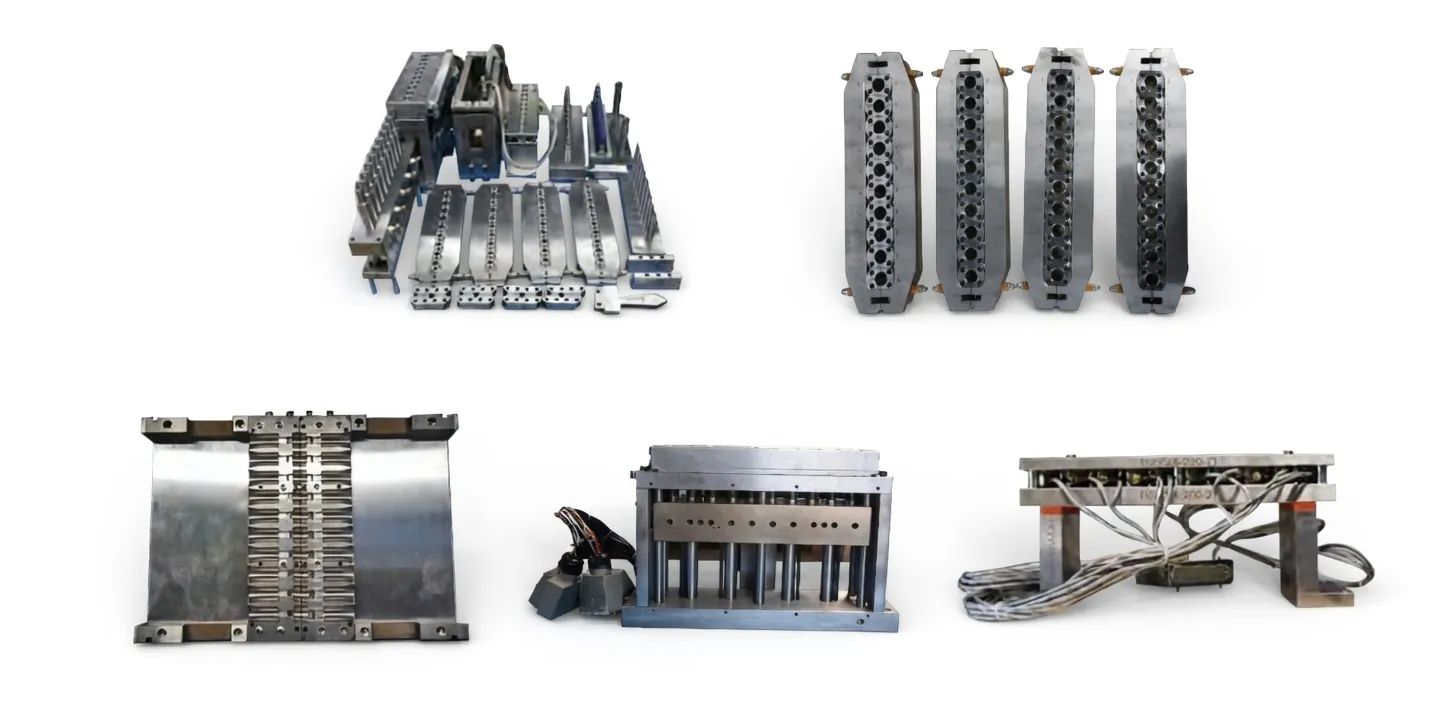
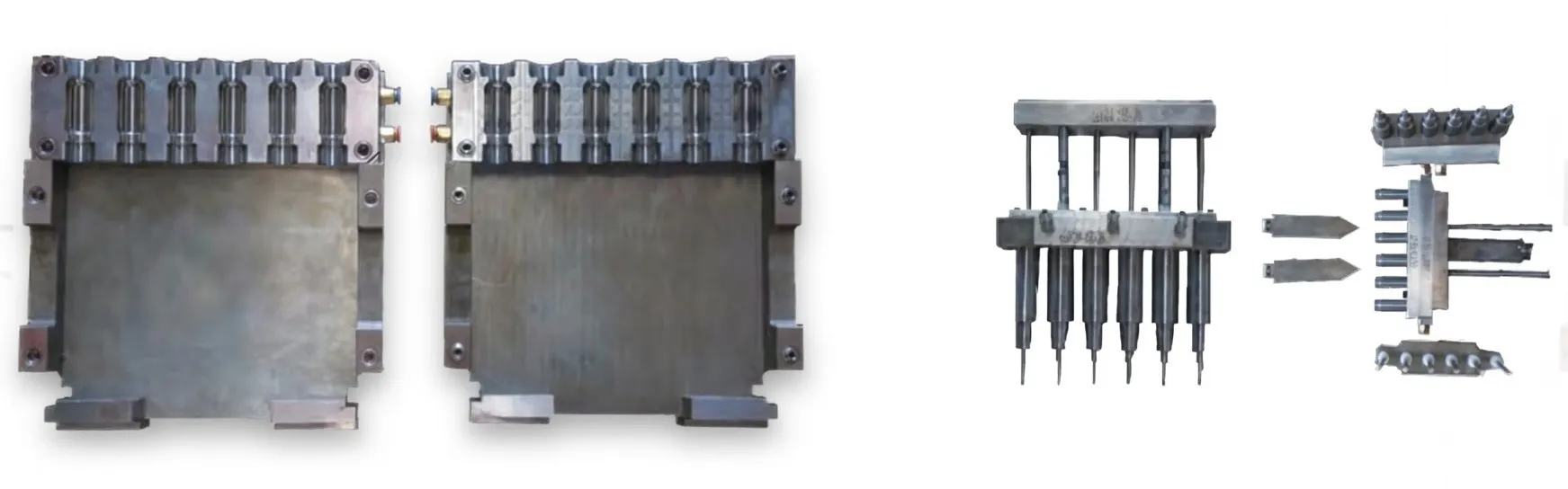
Precision Blow Mould Assembly
Across the machine’s lifetime, components such as preform moulds, blow cavities, stretch rods, screw tips, and barrel liners are subject to wear and require periodic replacement. Ever Power maintains a full spare parts supply chain with stock held in both its primary manufacturing facility and its European logistics centre, ensuring that UK customers can receive critical components within 3–5 working days under standard service agreements. For customers in Sheffield and Birmingham who operate multi-shift production schedules, this supply reliability directly translates to reduced unplanned downtime and improved asset utilisation. Ever Power’s technical team can also assist with mould refurbishment, polishing, and cavity repair services that extend the working life of existing tooling — a cost-effective option that many of our long-standing UK customers have come to rely on.
Ever Power: Precision Manufacturing & Custom ISBM Solutions
What sets Ever Power apart is not just the machines we build — it is the depth of engineering support we wrap around every single one
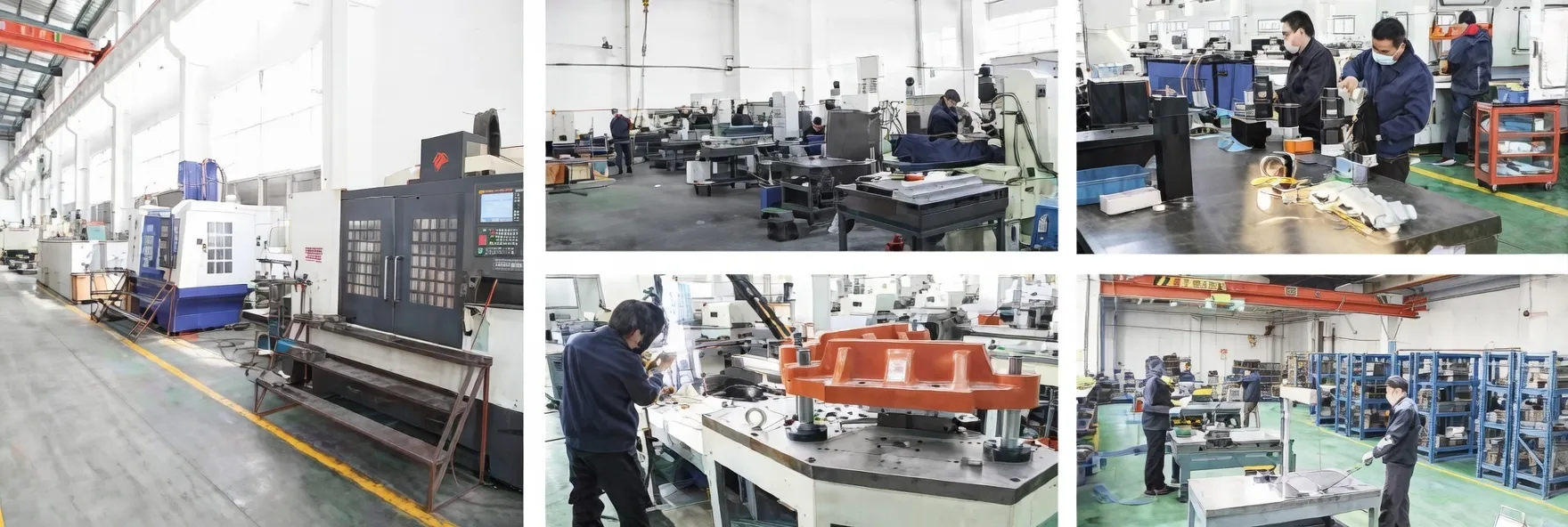
Ever Power’s manufacturing operations are built around one central principle: that a capital piece of production equipment must be designed from the outset with the end-user’s production reality in mind — not simply shipped from a catalogue. Our engineering team works directly with customers from the initial feasibility discussion through to machine commissioning and post-installation optimisation, drawing on deep application knowledge accumulated across hundreds of ISBM machine installations in pharmaceutical, food & beverage, cosmetics, and industrial sectors worldwide.
Our customisation capabilities extend across every dimension of the single-stage ISBM machine. Cavity count, bottle volume range, preform design, neck-finish specification, mould material selection, control platform preference, safety guarding configuration, and ancillary integration (chiller, compressed air drying, conveyor) are all definable by the customer rather than dictated by a standard specification. This approach means a contract packager in Leeds operating a 24/7 two-shift model receives a fundamentally different machine to a pharmaceutical start-up in Cambridge running a single-shift validated line — even if both are nominally producing 500 ml PET bottles.
🎯
Full Custom Mould Design
In-house CAD/CAM, DXF/STEP import, prototype samples available
⚙️
5-Axis CNC Precision Machining
±0.01 mm tolerances on critical cavity dimensions
📋
Full FAT & Documentation
Factory Acceptance Testing, IQ/OQ support, CE documentation
🚢
UK Logistics & After-Sales
DDP shipping to UK ports, on-site commissioning engineers available
Ready to discuss your ISBM machine requirements with Ever Power’s engineering team?
Send your bottle specification, production volume targets, and resin preferences — our team will provide a detailed technical proposal and commercial quotation within 24 hours.
Customer Success Story: Sheffield Supplement Manufacturer
How a South Yorkshire nutraceutical producer cut energy costs and doubled OEE with an Ever Power ISBM single-stage machine
📌 Background
Meridian Vitals Ltd, a mid-size nutraceutical contract manufacturer based in Sheffield’s Lower Don Valley, had been operating a two-stage stretch blow moulding setup for nearly eight years. Their production consisted primarily of PET bottles in 100 ml, 250 ml, and 500 ml formats for vitamin capsule and liquid supplement products sold through UK health retail chains including Holland & Barrett, Boots, and various independent health food stores. Whilst the two-stage system had served them adequately in earlier years, rising energy costs — particularly following the energy price volatility of the early 2020s — combined with increasing customer quality demands around bottle clarity and neck-finish consistency had pushed the limitations of their existing setup into uncomfortable focus. Unplanned downtime from preform jamming in the reheat oven was averaging 4–6 hours per month, and the energy overhead of maintaining the reheat oven at operating temperature during shift changes was eating directly into margins.
📊 Key Metrics Before Ever Power
Monthly Unplanned Downtime
4–6 Hours
Overall Equipment Effectiveness
61%
Energy Cost per 1000 Bottles
£4.20
Neck-Finish Rejection Rate
1.8%
📊 After Ever Power ISBM Installation
Monthly Unplanned Downtime
Under 30 min
Overall Equipment Effectiveness
87%
Energy Cost per 1000 Bottles
£2.70
Neck-Finish Rejection Rate
0.12%
✅ The Ever Power Solution
After an initial technical consultation, Ever Power’s engineering team proposed a 6-cavity ISBM single-stage machine configured for PET in the 100–500 ml range, with a quick-change mould interface allowing the three bottle formats to be swapped within a single shift. The machine was specified with servo-driven injection and stretch rod units, a Siemens S7-series PLC, and an extended ancillary package including an integrated mould chiller and a downstream leak-testing conveyor compatible with Meridian Vitals’ existing filling line. Installation and commissioning were completed within ten working days by Ever Power’s field engineering team, who also delivered on-site operator training and handed over a full IQ/OQ documentation package that satisfied Meridian Vitals’ internal QA requirements. Within three months of installation, the energy saving alone had exceeded the cost of the original capital investment forecast, and the neck-finish rejection rate had dropped from 1.8% to effectively zero at routine quality inspection intervals.
⭐ What UK Customers Say About Ever Power ISBM Equipment
★★★★★
“We’ve run a lot of blow moulding equipment over the years, but the Ever Power ISBM machine is genuinely on another level for neck-finish consistency. We supply child-resistant caps for a major UK pharmaceutical customer, and we’ve gone from averaging 2% rejects on the neck finish to basically nothing. Our auditors couldn’t believe the improvement when they came in for the BRC review.”
— Production Director, Pharmaceutical Packaging Supplier, Cheshire
★★★★★
“The energy savings were not something I expected to be so dramatic, honestly. We were paying to heat a reheat oven all day just to get preforms back to working temperature — that’s obviously nonsense when you think about it. The Ever Power single-stage setup has cut our kWh per thousand bottles by over 36%, and the customisation work on the quick-change mould system means our changeover for different SKUs is now under 45 minutes rather than half a day.”
— Operations Manager, Contract Packaging Ltd, Birmingham
★★★★★
“Ever Power’s engineering team spent three days on-site with us getting the process dialled in for our specific PETG cosmetic bottles. That level of after-sales technical support is rare — most suppliers hand you a manual and disappear. The bottles coming off this machine genuinely look like glass on the shelf, and our brand clients have noticed the difference. The investment paid back in under 14 months when we factored in the quality improvement and energy reduction together.”
— Technical Director, Premium Cosmetics Packaging, Leeds
Frequently Asked Questions About ISBM Single-Stage Machines
Answering the questions UK packaging engineers, procurement managers, and plant directors ask most often
How does the cost of an ISBM single-stage machine compare to a two-stage blow moulding system in the UK market?
The upfront capital cost of a single-stage ISBM machine is typically higher than a comparable two-stage reheat stretch blow machine — but that comparison is incomplete without accounting for the injection moulding machine and preform handling infrastructure a two-stage system also requires. When total installed cost is considered, single-stage ISBM is often comparable or lower. Add in the energy savings (typically 30–38% per unit of output), reduced floor-space requirements, and lower scrap rates, and the total cost of ownership case for ISBM is compelling for most UK production volumes above around 500 000 bottles per annum. Ever Power can provide a detailed ROI analysis based on your specific volumes and energy tariff — contact [email protected] for a confidential proposal.
What bottle volumes and sizes can an ISBM machine realistically produce for pharmaceutical applications in the UK?
Ever Power’s ISBM single-stage machines can be configured to produce pharmaceutical-grade PET or PETG containers from as small as 5 ml (eye-drop bottle scale) right up to 2 000 ml for large-format liquid medicine containers. The critical constraint for pharmaceutical applications is typically the neck-finish specification — 18 mm, 20 mm, 24 mm, and 28 mm are all standard options in our tooling library, with custom neck finishes available. All pharmaceutical configurations include documentation support for IQ/OQ validation, and Ever Power has experience supplying ISBM equipment to MHRA-regulated and BRC-audited facilities across Cheshire, the East Midlands, and the South East of England.
Where can I find a reliable ISBM machine supplier in the UK who offers full technical support and spare parts after purchase?
Ever Power supplies single-stage ISBM machines to customers across the UK including manufacturers in Birmingham, Sheffield, Leeds, Manchester, Bristol, and the South East. Our after-sales support model includes: on-site commissioning by our own field engineers, a 12-month machine warranty as standard, spare parts supply within 3–5 working days to UK addresses, remote diagnostic access via the machine’s PLC network connection, and an optional annual preventative maintenance contract. We have established relationships with UK freight and customs agents, which means delivery and installation logistics are handled without requiring the customer to manage the import process directly.
How long does it take to get a price quote for a custom ISBM single-stage machine, and what information does Ever Power need from me?
Ever Power typically returns an indicative technical specification and commercial quotation within 24–48 hours of receiving basic project information. To generate an accurate proposal, our team needs: your target bottle volume range(s), the resin type (PET, PP, PETG, etc.), your required output per hour, your preferred cavity count or daily production volume targets, any specific neck-finish or closure system requirements, and any site constraints relevant to machine footprint or utilities. The more detail you provide upfront, the more accurate and useful our quotation will be. You can send enquiries directly to [email protected] or use the quote button elsewhere on this page.
Which industries in Birmingham and Sheffield are currently using single-stage ISBM machines, and what container types do they make?
In Birmingham and the wider West Midlands, single-stage ISBM machines are actively used in food and beverage packaging (sauces, oils, juices), personal care contract manufacturing, and industrial cleaning product bottling. In Sheffield and the South Yorkshire area — historically associated with steel but now home to a diverse advanced manufacturing base — ISBM equipment is deployed for nutraceuticals, veterinary pharmaceutical containers, and specialist industrial chemical packaging. Both regions benefit from well-established cold-chain logistics networks, proximity to major motorway freight routes (M1, M6), and a skilled manufacturing workforce with plastics processing experience, all of which support the operational case for investment in ISBM single-stage equipment.
What is the typical lead time for delivery of an ISBM machine from Ever Power to a UK manufacturing site?
Standard lead time from order confirmation to delivery at a UK site is 60–90 days for catalogue-specification machines, and 90–120 days for fully custom-configured ISBM equipment including bespoke mould tooling. Sea freight from our manufacturing facility to UK major ports (Felixstowe, Southampton, Liverpool) is handled on a DDP (Delivered Duty Paid) basis, meaning all customs duties, import documentation, and UK port clearance are managed by Ever Power on behalf of the customer. Installation and commissioning typically require an additional 5–10 working days on-site. Customers with urgent timelines should contact our sales team early in the project planning phase, as lead-time reduction options may be available for certain machine configurations.
How does the ISBM single-stage process support UK manufacturers’ rPET sustainability commitments under the Plastic Packaging Tax?
Ever Power’s ISBM single-stage machines are fully compatible with food-grade rPET (recycled PET) resin, which is increasingly specified by UK manufacturers seeking to achieve the 30% recycled content threshold required to avoid the UK Plastic Packaging Tax liability. Because the single-stage process does not subject the preform to a secondary reheat cycle, rPET — which has a narrower processing window than virgin PET — is handled more gently, reducing the incidence of yellowing, hazing, and wall-thickness non-uniformity that can affect rPET in two-stage reheat systems. This means ISBM single-stage processing is not just compatible with rPET; in many respects it is better suited to it than alternative methods.
Start Your ISBM Machine Project with Ever Power
Whether you’re planning a new bottle production line, upgrading from two-stage equipment, or exploring ISBM technology for the first time — Ever Power’s engineering and commercial teams are ready to support you from initial concept to commissioned machine.
✉ Contact Ever Power — [email protected]
Response within 24 hours | Technical proposals for UK clients | DDP shipping to all UK ports | CE & UKCA certified equipment
edit by gzl