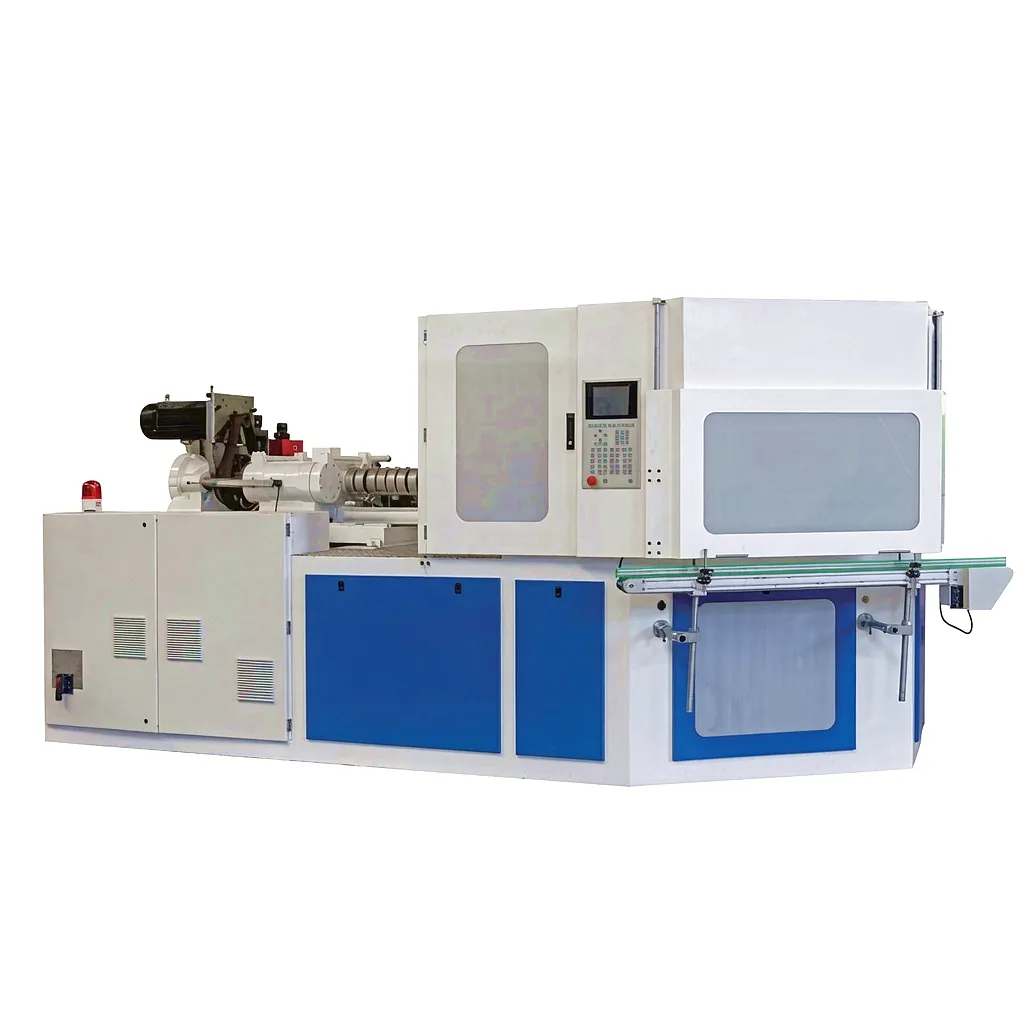
Among the many plastic container manufacturing technologies available to the UK packaging industry, the injection-blow molding machine occupies a uniquely valuable position. Unlike extrusion-blow or stretch-blow processes, IBM combines an injection stage — where a precise parison is formed over a core rod — with a blow stage that expands the preform into a finished, dimensionally consistent vessel. The result is a container with a perfectly formed neck finish, uniform wall distribution, and no weld lines or flash to trim, all produced in a single integrated cycle. For sectors where dimensional repeatability and material integrity are non-negotiable, these characteristics are not simply convenient; they are foundational requirements.
In the United Kingdom, the demand for high-precision hollow containers has grown in parallel with the expansion of the pharmaceutical, healthcare, and personal care manufacturing base. Facilities in the East Midlands, the Oxford-Cambridge Arc, and established pharmaceutical clusters in the North West have increasingly adopted injection-blow molding machines as the production platform of choice for critical packaging applications. The technology’s ability to handle engineering-grade resins — including medical-grade polyethylene, polypropylene, and cyclic olefin copolymer — while maintaining tight tolerances on neck threads and orifice diameters makes it indispensable in any environment where packaging interacts directly with the patient or end user.
How an Injection-Blow Molding Machine Actually Works
The working cycle of an injection-blow molding machine follows three distinct stations on a rotating core rod assembly. At the first station, molten polymer — heated to precise temperatures in a plasticating screw — is injected around the core rod inside a closed injection mould. This produces a hollow preform, or parison, whose wall thickness is carefully programmed across its length. The core rod serves simultaneously as the internal support and as the tool that defines the internal geometry of the neck finish. Because the neck is formed in the injection stage rather than the blow stage, thread profiles, sealing surfaces, and orifice diameters all emerge with the kind of dimensional accuracy that post-blow trimming could never replicate.
At the second station, the core rod — still carrying the warm parison — rotates into the blow mould. Conditioned air is introduced through the rod at controlled pressure, typically between 6 and 10 bar for standard pharmaceutical applications, expanding the parison against the cooled blow mould cavity walls. Cooling channels within the mould extract heat rapidly, setting the container wall in its final geometry within seconds. The container at this stage is fully formed, dimensionally stable, and ready for ejection without any trimming or secondary finishing operations.
The third station handles ejection and, in advanced machine configurations, on-station quality verification. The finished container drops cleanly from the core rod. Because every cycle runs simultaneously across all three stations, the machine output is continuous and highly efficient: while one set of parisons is being blown, the next set is being injected, and the finished containers from the previous cycle are being ejected. This rotary-station architecture underpins the process efficiency that makes injection-blow molding machines attractive for medium- to high-volume UK production runs.
Core Materials Processed on IBM Equipment
HDPE / LDPE
High- and low-density polyethylene grades dominate eye drop and nasal spray container production. Medical-grade HDPE offers excellent chemical resistance and meets pharmacopoeial extractables profiles, making it the backbone material for UK ophthalmic packaging lines.
Polypropylene (PP)
PP’s higher melting point and autoclavability make it the resin of choice for sterile saline rinse bottles and containers that need to withstand terminal sterilisation processes. Random copolymer PP grades offer improved clarity compared with homopolymer, a meaningful advantage when patients need to visually gauge remaining volume.
COC / COP
Cyclic olefin copolymers and polymers represent the premium tier. Their near-zero moisture vapour transmission, exceptional UV clarity, and extremely low extractables content make them the preferred choice for next-generation ophthalmic biologics packaging. IBM machines configured for COC processing require barrel and screw designs optimised for these brittle-at-temperature materials.
PET (Pharmaceutical Grade)
Pharmaceutical-grade PET is processed on IBM machines for applications where the combination of barrier performance, clarity, and recyclability is required. Its gas barrier properties — particularly against oxygen — are critical in preserving the efficacy of sensitive ophthalmic solutions over extended shelf-life periods demanded by UK pharmacy supply chains.
Why the Injection-Blow Process Outperforms Alternatives for Medical Packaging
✓ Flash-Free Production
IBM produces containers with no weld lines, no pinch-off flash, and no post-mould trimming. In a cleanroom or near-cleanroom pharmaceutical environment, eliminating secondary operations means eliminating a contamination vector. UK GMP guidance under MHRA expects manufacturing processes to reduce particulate risk at every point, and the closed-mould nature of IBM aligns naturally with this expectation.
✓ Precision Neck Formation
Because the neck and thread profile are formed in the injection tool — rather than blown — IBM delivers orifice diameter repeatability to within ±0.05 mm. For an eye drop bottle, this is the difference between a dispensing tip that delivers 30 µl per drop consistently and one that delivers variable doses. Consistent drop size directly affects both patient safety and the regulatory dossier that supports product licence applications in the UK.
✓ Minimal Material Exposure
The closed-mould cycle means the polymer is never exposed to the ambient environment between injection and blow. For ophthalmic and nasal products that are eventually filled in aseptic or restricted-access barrier systems, this material cleanliness during container manufacture supports validation of container-closure integrity and reduces the extractables testing burden that the UK’s pharmacopoeial compliance framework would otherwise require.
✓ High Cavity Efficiency
Modern injection-blow molding machines accept multi-cavity tooling — typically 2, 4, 6, 8, or even 12 cavities depending on container size — enabling output rates that match the throughput demands of mid-to-large UK pharmaceutical packaging operations. When combined with hot-runner injection systems and rapid-cycle mould temperature control, cavity efficiency translates directly into competitive cost-per-unit for contract manufacturing organisations serving the NHS and private pharmacy networks.
✓ Weight Consistency
Injection-blow molding naturally produces containers with extremely tight shot weight variation — typically below ±0.5% across a production run. This consistency is meaningful in pharmaceutical packaging because container weight is one of the in-process control parameters specified in many product manufacturing records under UK Good Manufacturing Practice guidelines. Consistent weight means consistent wall thickness and consistent mechanical performance under closure application torque.
✓ Tooling Longevity
IBM tooling, when manufactured from pre-hardened tool steel with appropriate surface treatment, routinely achieves multi-million cycle lifespans. For a UK contract packager running a validated pack on continuous three-shift production, tooling longevity directly reduces the frequency of revalidation events and the associated MHRA notification burden that comes with changing primary packaging components mid-product lifecycle.
Technical Performance Parameters — Injection-Blow Molding Machine
| Parameter | Typical Range | Medical-Grade Specification | Notes |
|---|---|---|---|
| Clamping Force | 80 kN — 1,500 kN | 100 — 600 kN typical for pharma pack | Servo-electric toggle preferred for energy saving |
| Injection Capacity | 5 cm³ — 800 cm³ | 10 — 150 cm³ per cycle for ophthalmic | Precise shot weight control via load-cell feedback |
| Container Volume Range | 2 mL — 1,000 mL | 5 mL — 30 mL ophthalmic; 10 mL — 150 mL nasal | Mould change 20 — 40 min with modular tooling |
| Neck Diameter Tolerance | +/- 0.05 mm | +/- 0.03 mm achievable with precision tooling | Critical for dropper tip orifice dose accuracy |
| Cycle Time | 8 s — 45 s | 12 — 25 s for 5 — 30 mL pharma containers | Cooling time dominant; conformal cooling reduces total cycle |
| Blow Pressure | 4 bar — 12 bar | 6 — 10 bar HDPE/PP; up to 12 bar for COC | Filtered, oil-free instrument air required |
| Melt Temperature (HDPE) | 185°C — 240°C | 210 — 230°C for optimal HDPE neck clarity | PID-controlled barrel zones, +/- 1°C accuracy |
| Number of Cavities | 1 — 12 cavities | 4 — 8 cavities standard pharma production | Hot-runner balancing essential above 4 cavities |
| Shot Weight Variation | Less than 0.5% | Less than 0.3% with servo-electric drive | Key IPC parameter under GMP manufacturing records |
| Compatible Resins | HDPE, LDPE, PP, PET, COC, COP, PS | Medical/pharma grade with DMF or suitable data | Screw geometry optimised per resin family |
| Machine Footprint (typical) | 2.5 m x 1.5 m — 6 m x 2.5 m | Compact models suitable for cleanroom bay integration | CE-marked units available for UK installation |
Application Scenarios: Where Injection-Blow Molding Machines Deliver Most Value
Ophthalmic & ENT Packaging
Application Scenario 1: Ophthalmic & Nasal Drug Delivery Containers — Eye Drops, Nasal Sprays, and Sterile Rinse Bottles
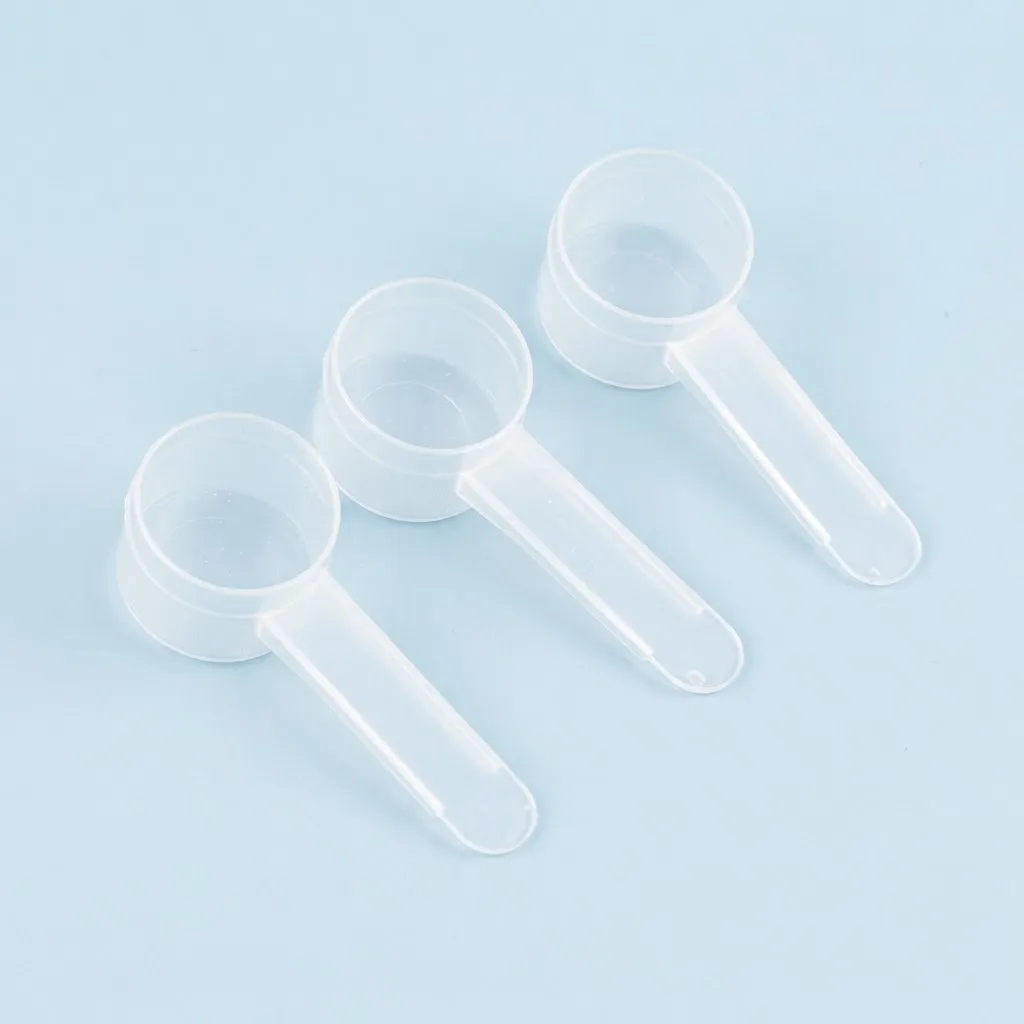
Healthcare packaging represents perhaps the most demanding application environment that an injection-blow molding machine will ever encounter. The containers produced for this sector — eye drop bottles, nasal spray reservoirs, sterile saline rinse vessels, multi-dose dropper dispensers, and eye wash cups — are primary packaging components that are in direct contact with sensitive mucosal tissues. They must satisfy pharmacopoeial test standards that cover extractables, particulates, biological reactivity, and container-closure integrity. No other blow moulding process achieves the combination of neck precision, clean-room compatibility, and material flexibility that IBM delivers in this context.
In England, pharmaceutical manufacturers concentrated in areas such as Cambridge, Macclesfield, and the greater London healthcare corridor have adopted IBM technology specifically for ophthalmic filling lines. The logic is straightforward: an eye drop dispensing bottle must deliver a consistent drop volume of approximately 30 µl to 50 µl per actuation, and that consistency depends entirely on the orifice diameter of the dispensing tip being held within a tolerance that extrusion-blow or stretch-blow processes simply cannot achieve reliably at scale. IBM’s injection-formed neck makes this achievable on every container, every cycle, throughout a production run that may last days without interruption.
The sterility implications are equally significant. An IBM cycle keeps the parison enclosed from polymer melt through final container form. There is no exposed preform transfer stage, no re-heating zone where contamination could be introduced. For ophthalmic and nasal drug delivery containers destined to be filled on aseptic lines or in RABS environments — as would be standard for licensed UK pharmaceutical manufacturers regulated under MHRA — this process integrity is a measurable risk-reduction advantage in the manufacturing quality system.
Specific container formats produced on injection-blow molding machines for UK healthcare clients include 5 mL to 15 mL multi-dose eye drop bottles with tamper-evident nozzle shields, 10 mL to 20 mL squeeze nasal spray bottles with integrated dip tube fitments, 100 mL to 500 mL sterile physiological saline rinse containers with snap-fit irrigation nozzles, 0.5 mL to 1 mL unit-dose minims for single-application ophthalmic preparations, and 100 mL to 250 mL eye wash cup assemblies used in UK occupational health settings and GP surgeries. The product range that a single IBM machine can service, given appropriate multi-cavity tooling, covers the majority of what a specialist ophthalmic packaging converter would need to offer.
Nasal Spray Containers
Sterile Saline Rinse Bottles
Multi-Dose Dropper Dispensers
Eye Wash Cup Containers
Application Scenario 2: Personal Care & Premium Cosmetics — Lotions, Serums, and Luxury Packaging
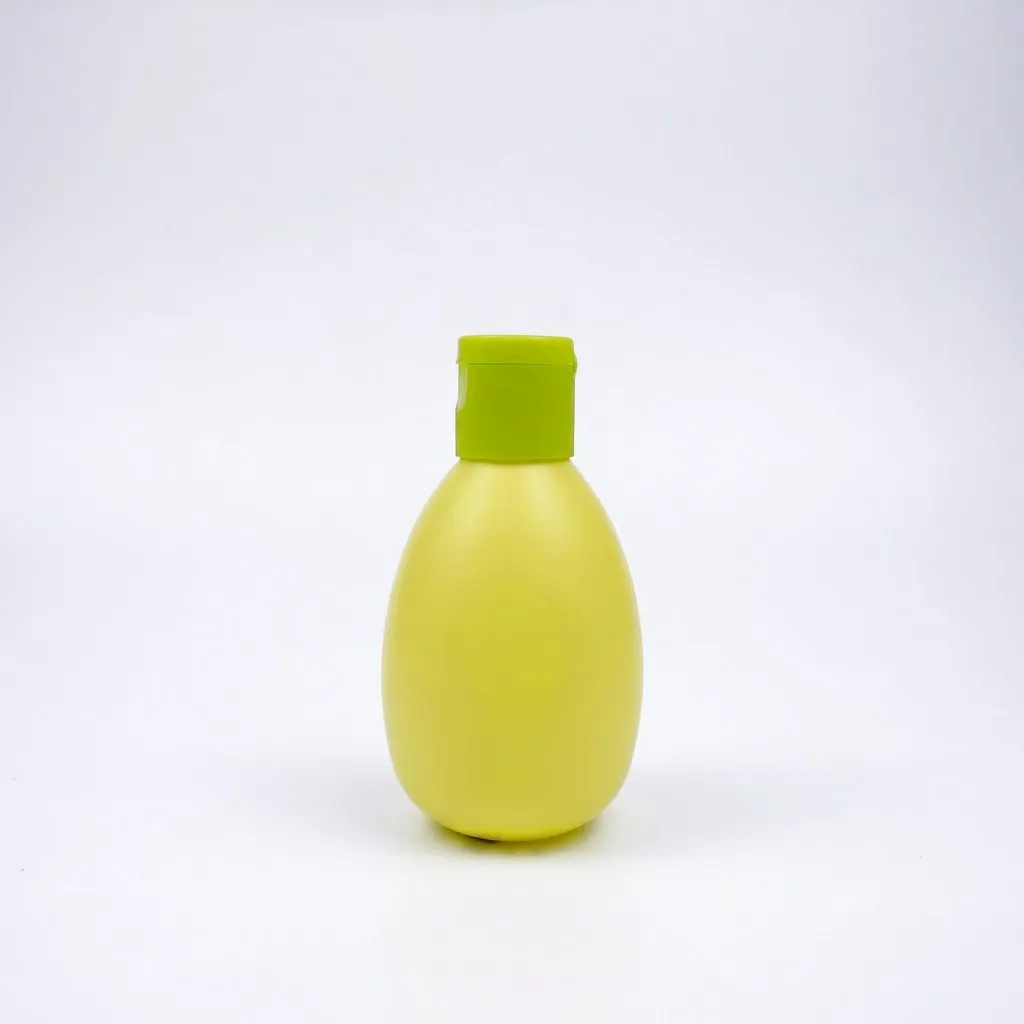
The British premium beauty and personal care sector — a market generating well over £10 billion annually and headquartered across London, Bath, and Yorkshire’s growing independent beauty manufacturing cluster — demands packaging that communicates quality through tactile precision. Injection-blow molding machines are a natural fit for this environment because the process produces containers with surface finish quality, neck geometry accuracy, and wall thickness consistency that no extrusion-blow alternative can match at comparable production rates.
For serum packaging in particular, the IBM process supports the creation of containers with very thin, even walls — sometimes approaching 0.6 mm — that allow the product’s colour or opacity to communicate through the container itself. This transparency, combined with the absence of weld-line visual defects, is precisely what premium cosmetics brands require when the container is intended to be displayed on retail shelves. Major UK beauty retailers and their supplier base have learned that IBM-produced containers have a visual and tactile quality that consumers associate with higher-tier products, which is why the format has displaced glass in several prestige skincare sub-categories over the past decade.
Lotion and shampoo bottles represent the volume end of IBM’s personal care application range. Here, the machine’s efficiency advantage — multi-cavity tooling, short cycle times, and no post-mould finishing — allows converters in the East Midlands and Yorkshire to supply major retailers on fast-replenishment schedules with the consistency that retailer compliance specifications demand. A 4-cavity IBM machine running a 200 mL lotion bottle can produce upwards of 800 containers per hour at a cycle time of approximately 18 seconds, delivering cost-per-container economics that support UK contract manufacturing competitiveness against imports.
Lotion Dispensers
Shampoo Containers
Fragrance Applicators
Application Scenario 3: Food and Beverage Packaging — Sauces, Condiments, and Specialty Liquid Containers
The UK food manufacturing sector — centred on production facilities in Yorkshire, the West Midlands, and the agricultural processing regions of Lincolnshire and East Anglia — presents a substantial and growing market for injection-blow molding machines in the production of food-contact plastic containers. Sauce bottles, condiment containers, edible oil vessels, specialty vinegar and dressing packaging, and portion-control squeeze bottles represent the core product range in this application category.
The case for IBM in food packaging rests on the same neck-precision and flash-free arguments as healthcare, but the practical consequences differ. In a food application, a well-formed neck thread means a closure that applies at a consistent torque, seals reliably against internal headspace pressure from carbonated or fermented contents, and opens cleanly in the consumer’s hand without stripping. British food producers selling into major grocery retail channels — Tesco, Sainsbury’s, Asda — face strict supplier technical standards on closure performance, and IBM-produced container necks meet these standards reproducibly in a way that extrusion-blow containers frequently do not, particularly at smaller fill volumes below 250 mL.
Polypropylene-based containers for hot-fill applications represent a growing IBM segment in UK food packaging. PP’s thermal performance allows containers to receive products filled at up to 85°C — common for jams, chutneys, and some sauce variants — without distortion, provided the container wall thickness distribution is controlled. IBM’s inherently consistent wall distribution makes it the reliable choice for hot-fill applications where EBM containers often show post-fill distortion at the shoulder or base due to uneven parison thickness.
Condiment Containers
Portion-Control Dispensers
Hot-Fill PP Vessels
Application Scenario 4: Household Chemical and Industrial Liquid Packaging — Cleaning Agents, Lubricants, and Agricultural Chemicals
HDPE containers produced on injection-blow molding machines provide the chemical resistance, wall uniformity, and structural rigidity that aggressive liquid products demand. UK manufacturers of cleaning concentrates, descaling agents, lubricating fluids, and agricultural formulations based in Sheffield’s industrial zone, Birmingham’s manufacturing corridor, and the chemical processing parks of Teesside have found IBM-produced HDPE containers to be the most reliable format for their liquid transfer and shelf-display packaging needs.
The resistance of HDPE to a broad range of solvents, acids, and alkalis at ambient temperature makes it the workhorse material for chemical packaging. IBM processing of HDPE for chemical containers typically targets container volumes between 250 mL and 1,000 mL, with neck finishes designed to accept child-resistant closure systems as required by UK Consumer Protection (Child Safety) Regulations. The IBM process’s ability to consistently form child-resistant neck geometries — which require dimensional accuracy across both the outer thread and the over-cap lug engagement profile — is an advantage that container purchasers in the UK household chemical sector have come to rely upon.
Lubricant Bottles
Agricultural Chemical Vessels
Child-Resistant Formats
Ever Power — Precision Manufacturing Infrastructure
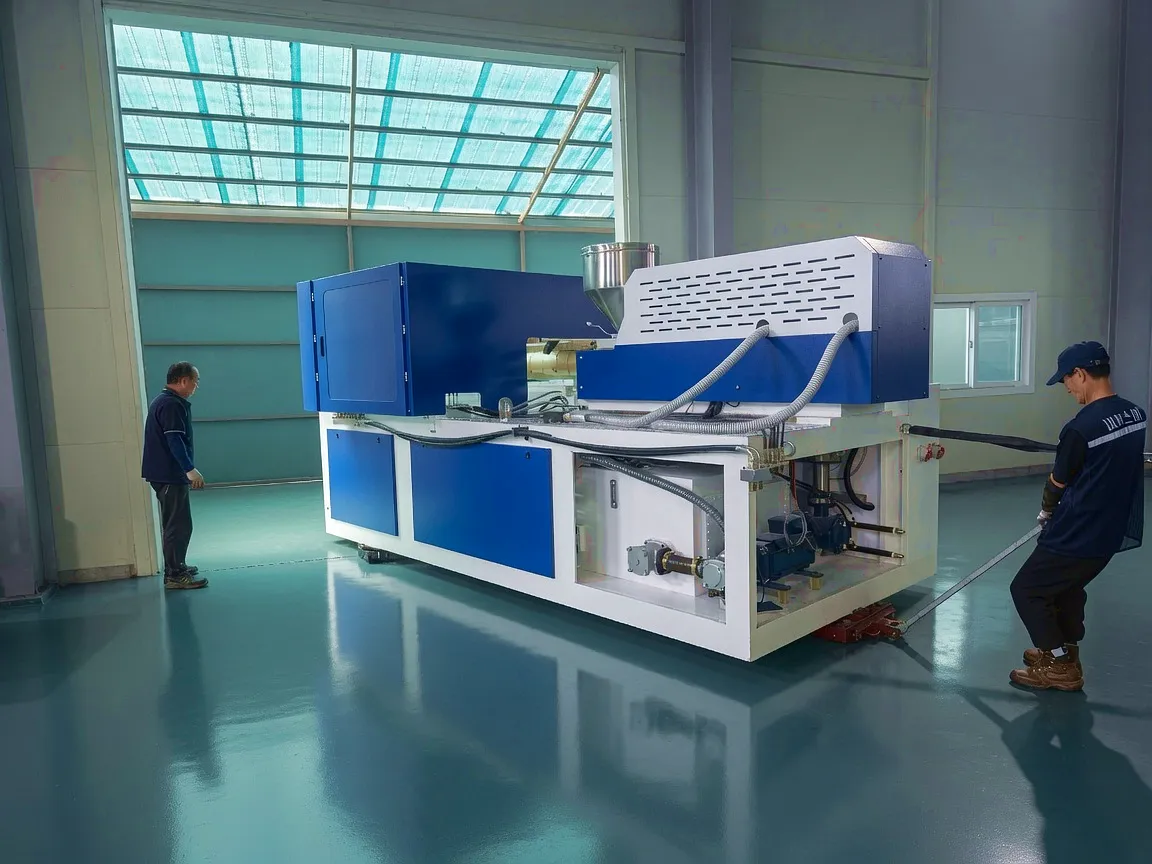
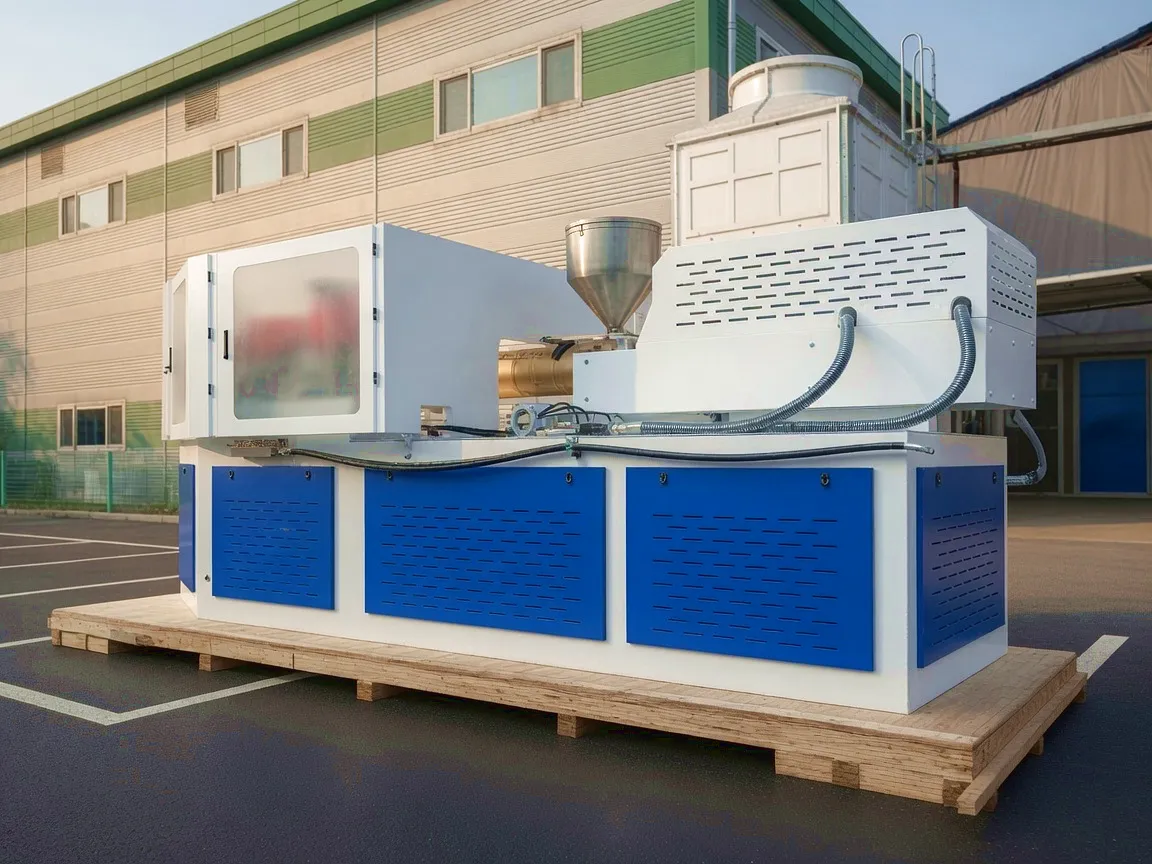
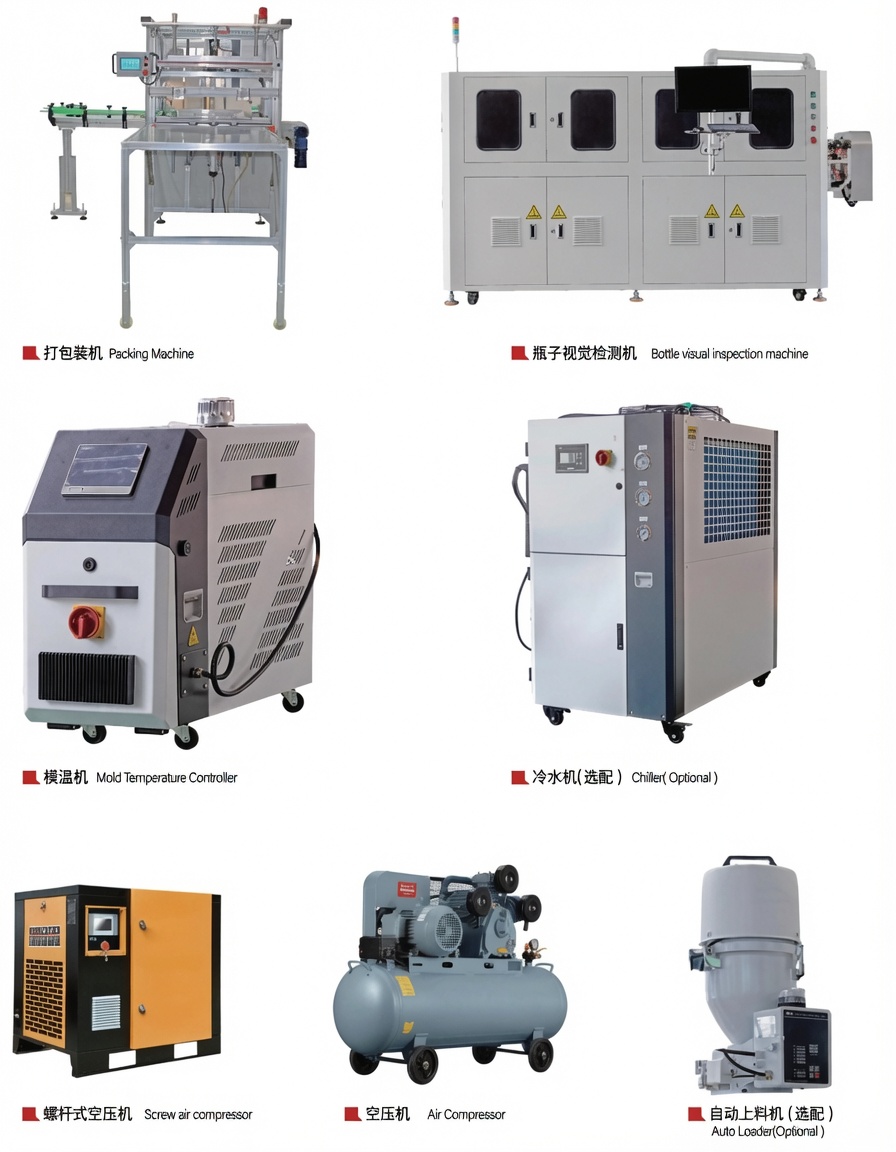
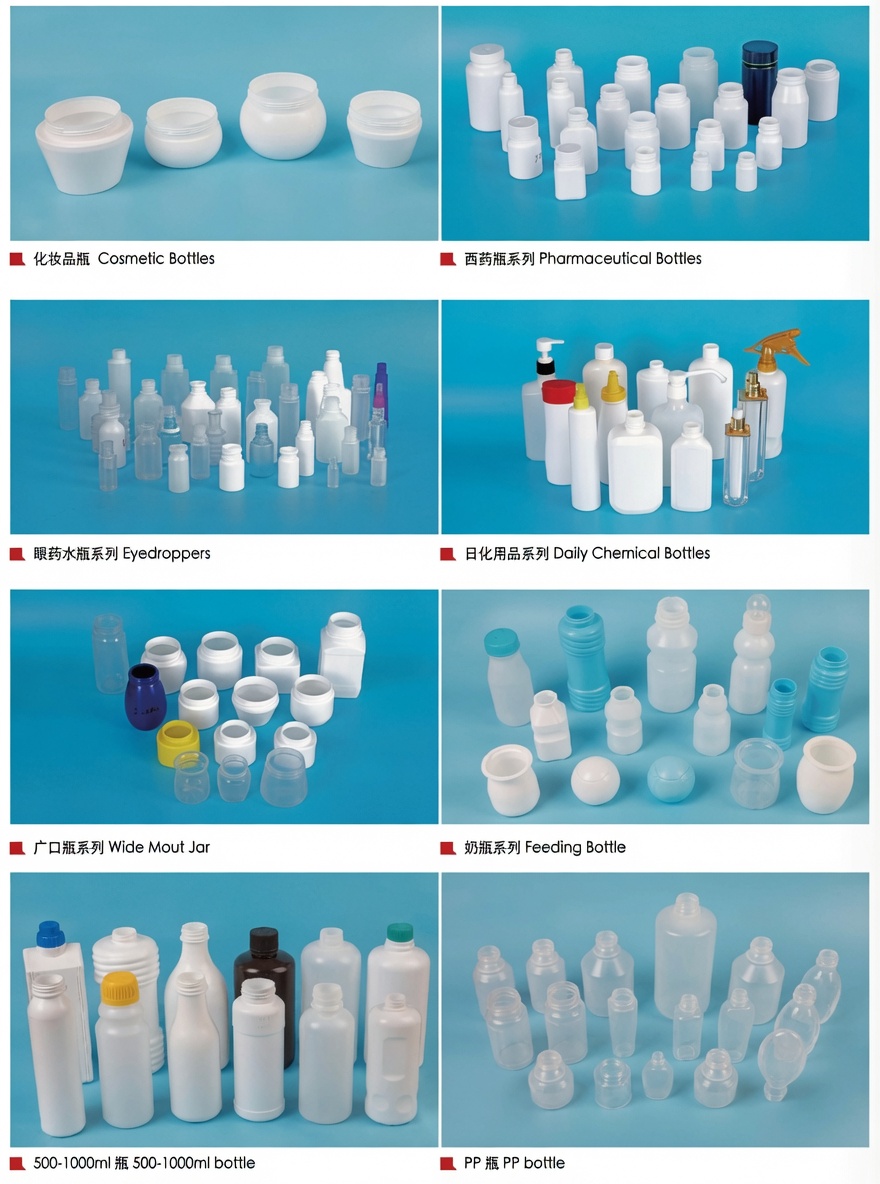
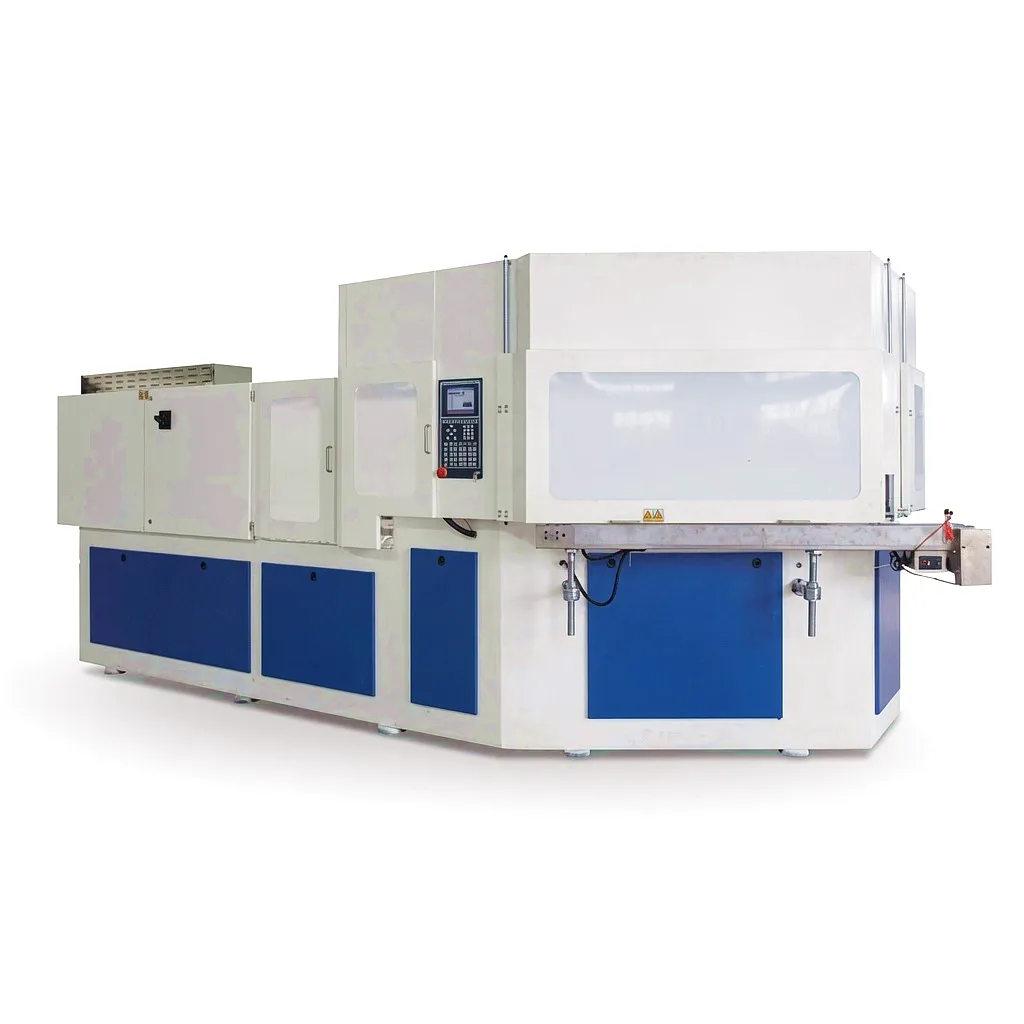
Featured Injection-Blow Molding Machines from Ever Power
Customer Success Story
Macclesfield Pharmaceutical Packaging Converter Achieves MHRA Compliance on New Ophthalmic Container Line with Ever Power ZQ80
A specialist pharmaceutical packaging contract manufacturer operating from a purpose-built facility on the outskirts of Macclesfield — part of the dense pharmaceutical manufacturing corridor that runs from Cheshire through Greater Manchester — needed to establish a new in-house container production capability to reduce its dependency on imported primary packaging for its ophthalmic filling customers. The company supplied contract filling services to four licensed ophthalmic pharmaceutical companies, three of which required multi-dose eye drop bottles in two sizes: 5 mL and 10 mL in medical-grade HDPE. Previous supply of these containers had relied on a European converter, but lead times and minimum order quantities had become operationally problematic, and the cost of maintaining buffer stock tied up working capital the business needed elsewhere.
After evaluating three equipment suppliers and conducting container validation trials, the business selected an Ever Power ZQ80 injection-blow molding machine configured for 6-cavity production of the 5 mL format and 4-cavity production of the 10 mL format via a tooling changeover. The machine was integrated into an ISO Class 8 cleanroom annex designed specifically around its footprint and utility requirements. Ever Power’s application engineers provided the mould design data, core rod specifications, process parameter recommendations, and remote commissioning support that allowed the UK installation team to achieve first acceptable containers within 48 hours of machine power-up.
The validation process — encompassing IQ, OQ, and PQ documentation developed collaboratively between Ever Power and the customer’s quality team — was completed within eight weeks. The machine now runs two shifts per day at an average cycle time of 14 seconds for the 5 mL format, producing approximately 3,000 containers per hour across 6 cavities. Container dimensional specification conformance, measured on a statistically meaningful sample across each production batch, has consistently exceeded the customer’s in-process control acceptance criteria. The reduction in primary container procurement lead time from 12 weeks to less than 48 hours for emergency replenishment — made possible by in-house production — has been cited by the company’s operations director as one of the most significant supply chain resilience improvements achieved in the business in five years.
★★★★★
“The dimensional consistency of the containers coming off the ZQ80 has genuinely exceeded what we were receiving from our previous European supplier. Orifice diameter measurements across the first three production batches showed a process capability index above 1.67, which gave our quality team a level of confidence in the pack that we had not previously been able to document.”
— Quality Director, Pharmaceutical Packaging CMO, Macclesfield
★★★★★
“Ever Power’s engineering team understood the regulatory context we were working in from the very first conversation. They structured the tooling documentation and machine qualification data in a format that aligned with our existing validation templates, which saved our QA team considerable time during the OQ and PQ phases. The remote commissioning support was responsive and genuinely technically competent.”
— Head of Validation, Contract Pharmaceutical Packager, Cheshire
★★★★★
“Bringing container production in-house with the ZQ80 has fundamentally changed our operational position. We no longer carry 12 weeks of buffer stock in the warehouse. Our fulfilment lead time to ophthalmic filling clients is now measured in hours rather than months. The machine has paid back its capital cost faster than the three-year projection in our original business case.”
— Operations Director, Pharmaceutical Primary Packaging Supplier, Macclesfield
Questions UK Buyers Are Asking About Injection-Blow Molding Machines
Structured Data Reference
FAQPage + Speakable Schema JSON-LD code is provided separately below this article as per request. Please add it to the page head section via the WordPress theme or an SEO plugin such as Yoast or RankMath.
edit by gzl