Injection Blow Molding Equipment
Injection Blow Molding Machine for Premium Perfume Bottle and Luxury Fragrance Packaging
Precision PETG and polycarbonate bottles for UK fragrance houses seeking optical clarity, impact strength and design freedom beyond traditional glass.
Updated July 2026 · 14 min read · UK Manufacturing Focus
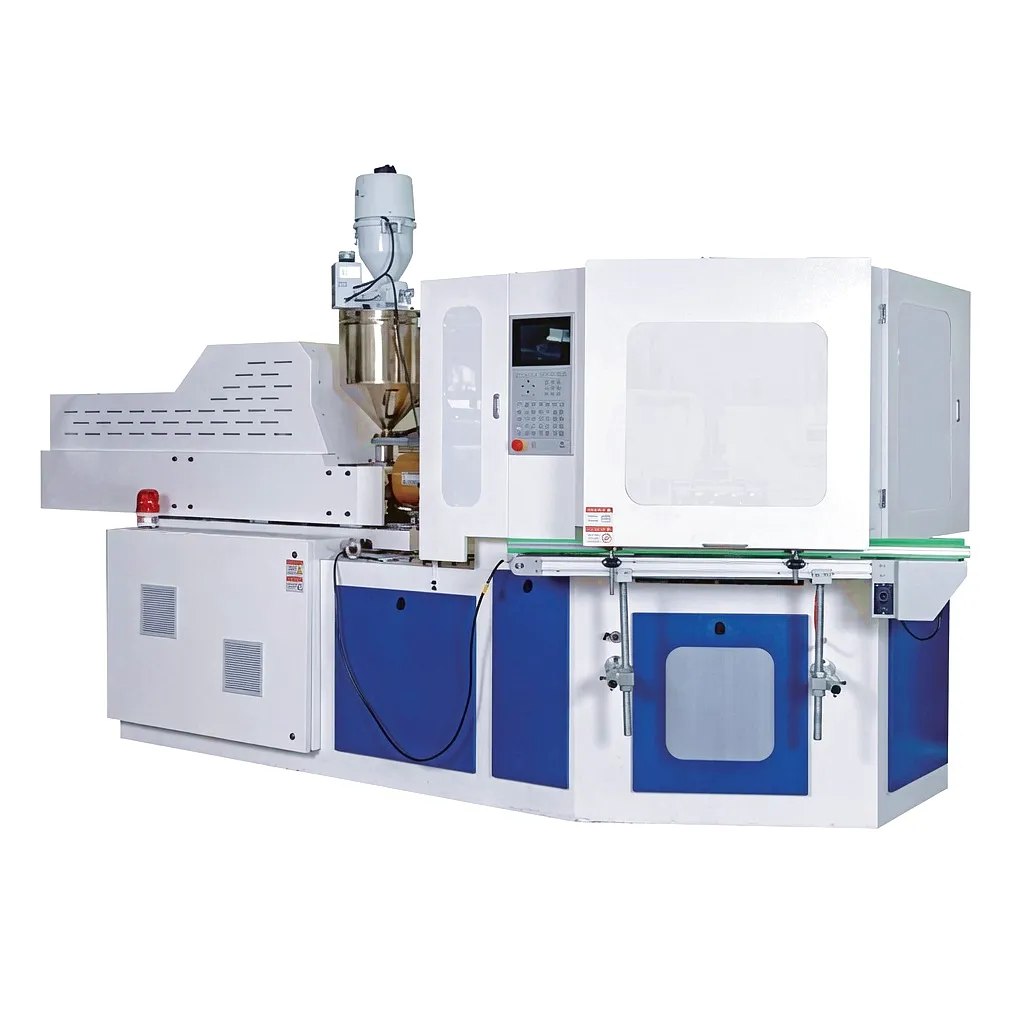
Across the United Kingdom fragrance sector, from independent houses in London to established producers near Birmingham and Sheffield, packaging decisions now balance heritage aesthetics with modern performance demands. Glass once dominated perfume bottles, cologne containers and body spray vessels, yet injection-blow molding machines have opened a practical route to PETG and polycarbonate alternatives that deliver comparable optical clarity while improving drop resistance and weight reduction. Brands targeting travel retail, e-commerce fulfilment and premium gift sets increasingly specify these machines because wall thickness remains uniform, surface finish stays free of flow marks, and cycle times support high-volume runs without sacrificing the refined appearance required by high-end fragrance lines.
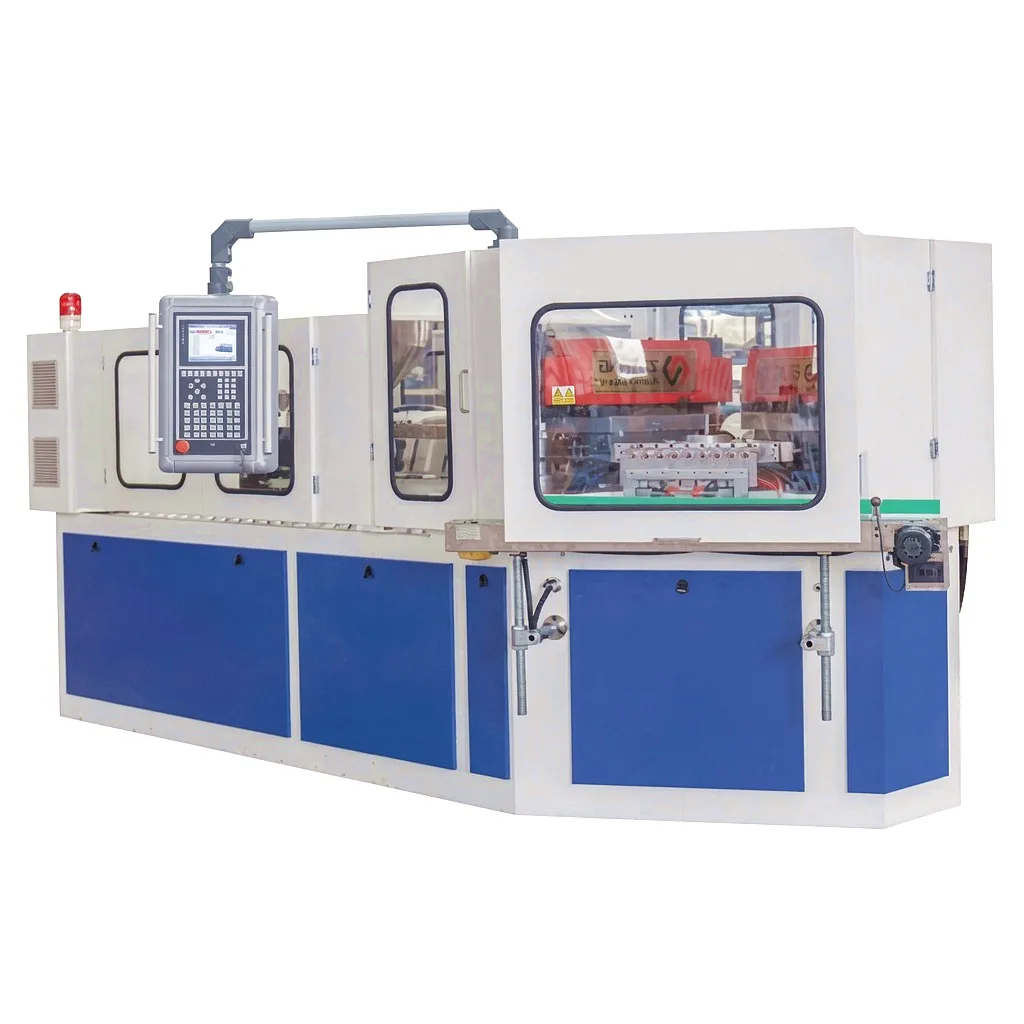
The shift is particularly visible among UK contract packers serving European perfume brands that demand zero-defect clarity, consistent neck finishes for pumps and spray valves, and the ability to produce travel-size 5 ml to 15 ml bottles alongside 30 ml to 200 ml signature flacons on the same platform. An injection-blow molding machine integrates injection of the preform and subsequent blow forming in one continuous sequence, eliminating secondary handling and reducing contamination risk critical for fragrance contact surfaces. For manufacturers evaluating capital investment, the technology offers measurable gains in material utilisation and scrap reduction compared with extrusion-blow routes when tight dimensional tolerances and high-gloss exteriors are non-negotiable.
How an Injection-Blow Molding Machine Forms Perfume Containers
Understanding the process sequence clarifies why the equipment suits high-value fragrance packaging. Plastic pellets, typically PETG or polycarbonate grades selected for optical grade transparency and chemical resistance to alcohol-based formulations, enter a heated barrel where a reciprocating screw melts and homogenises the resin under controlled shear. The melt is injected into a multi-cavity preform mould mounted on a rotating table or shuttle system. Each preform receives a precisely engineered neck finish at this stage, ensuring that subsequent pump or atomiser fitment requires no secondary machining. After cooling sufficiently to maintain dimensional stability, the preform remains on the core rod and transfers into the blow mould station. Compressed air expands the still-warm preform against the cooled cavity walls, locking in the final bottle geometry, including complex shoulders, embossed logos or faceted sidewalls favoured by prestige fragrance designers. The finished container is ejected, inspected and conveyed for downstream filling or secondary decoration. Because the preform is never released between injection and blow stages, orientation and wall thickness distribution remain highly consistent, a decisive advantage when producing clear PETG perfume bottles in the 30 ml to 200 ml range or slender body spray vessels of 100 ml to 250 ml.
STEP 01
Resin Melting and Injection
Optical-grade PETG or PC is plasticised under precise temperature and back-pressure control, then injected into the preform cavity to form the neck and preform body in one shot.
STEP 02
Preform Transfer
The core rod carries the warm preform into the blow mould without intermediate release, preserving concentricity essential for uniform wall thickness in slender fragrance bottles.
STEP 03
Blow Forming and Cooling
High-pressure air expands the preform against the cavity surface while controlled cooling solidifies the polymer, locking optical clarity and dimensional accuracy for pump fitment.
Core Materials Selected for Fragrance Contact Surfaces
Material choice directly governs both the visual appeal and functional longevity of perfume packaging. PETG remains the preferred resin for clear and lightly tinted flacons because it combines glass-like transparency with inherent toughness and excellent processability on injection-blow molding machines. Grades formulated for fragrance contact demonstrate low extractables and high resistance to ethanol and essential-oil blends common in eau de parfum and cologne formulations. Polycarbonate offers higher heat deflection temperature when hot-fill or sterilisation steps form part of the filling protocol, although its cost profile usually confines it to specialised body spray or roll-on applications. Both materials accept masterbatch colouration without significant loss of clarity, enabling brand-specific tinting while retaining the brilliant surface finish expected by UK and continental European fragrance houses. Mould steels for the preform and blow cavities are typically selected from high-polish stainless or nickel-alloy grades that resist corrosion from residual moisture and cleaning agents, ensuring the optical surface of every cavity remains free of pitting over multi-year production campaigns. Core rods and stretch elements use hardened tool steels with specialised coatings to minimise friction and extend service intervals between scheduled maintenance stops.
PETG Optical Grade
High clarity, excellent ethanol resistance, impact strength superior to glass, ideal for 30–200 ml perfume bottles and travel sizes.
Polycarbonate
Elevated thermal stability for specialised sprays, good chemical resistance, retained toughness at low temperatures encountered in logistics.
Mould and Core Materials
High-polish stainless and coated tool steels maintain cavity finish, reduce release agent use and support multi-cavity tooling longevity.
Technical Advantages Delivered by Modern Injection-Blow Platforms
UK packaging engineers evaluating capital equipment for fragrance lines prioritise consistency, energy efficiency and change-over flexibility. Contemporary injection-blow molding machines address these priorities through integrated closed-loop process control, servo-driven movements and modular tooling interfaces. The combination yields lower scrap rates on complex geometries, reduced energy consumption per thousand bottles and faster colour or format change-overs that keep short-run prestige lines economically viable.
01
Uniform Wall Thickness
Core-rod controlled preform transfer maintains concentricity, eliminating thin spots that compromise both aesthetics and drop performance in slender perfume bottles.
02
Optical Surface Quality
High-polish cavities and controlled cooling produce glass-comparable clarity without secondary polishing, meeting the zero-defect standard of prestige fragrance brands.
03
Integrated Neck Finish
Injection-formed threads and sealing surfaces eliminate secondary machining, ensuring reliable pump and atomiser fitment across high-volume runs.
04
Material Efficiency
Precise shot control and low scrap rates reduce resin consumption, supporting both cost targets and sustainability commitments of UK fragrance producers.
05
Rapid Format Change
Modular mould interfaces and recipe storage allow quick transition between travel-size vials and full-size flacons without extended downtime.
06
Energy and Floor-Space Economy
Servo hydraulics and compact footprints lower operating costs and suit the space-constrained facilities common in Birmingham and Sheffield industrial zones.
Product Technical and Performance Parameter Table
The following comparison outlines typical operating envelopes for two widely specified European-configuration platforms used in fragrance packaging. Values reflect standard configurations and may be adjusted through customisation.
| Parameter | ZQ40 Range | ZQ60 Range | Unit |
|---|---|---|---|
| Clamping Force | 400 | 600 | kN |
| Max. Preform Injection Volume | 45 | 75 | cm3 |
| Blow Mould Cavities (typical) | 1–6 | 1–8 | pcs |
| Max. Bottle Volume | 250 | 500 | ml |
| Screw Diameter | 32 | 40 | mm |
| Drive System | Servo-hydraulic | Servo-hydraulic | — |
| Typical Cycle Time (30–100 ml) | 12–18 | 11–16 | s |
| Primary Materials | PETG, PC, PP | PETG, PC, PP | — |
Industrial Application Scenarios for Fragrance Packaging
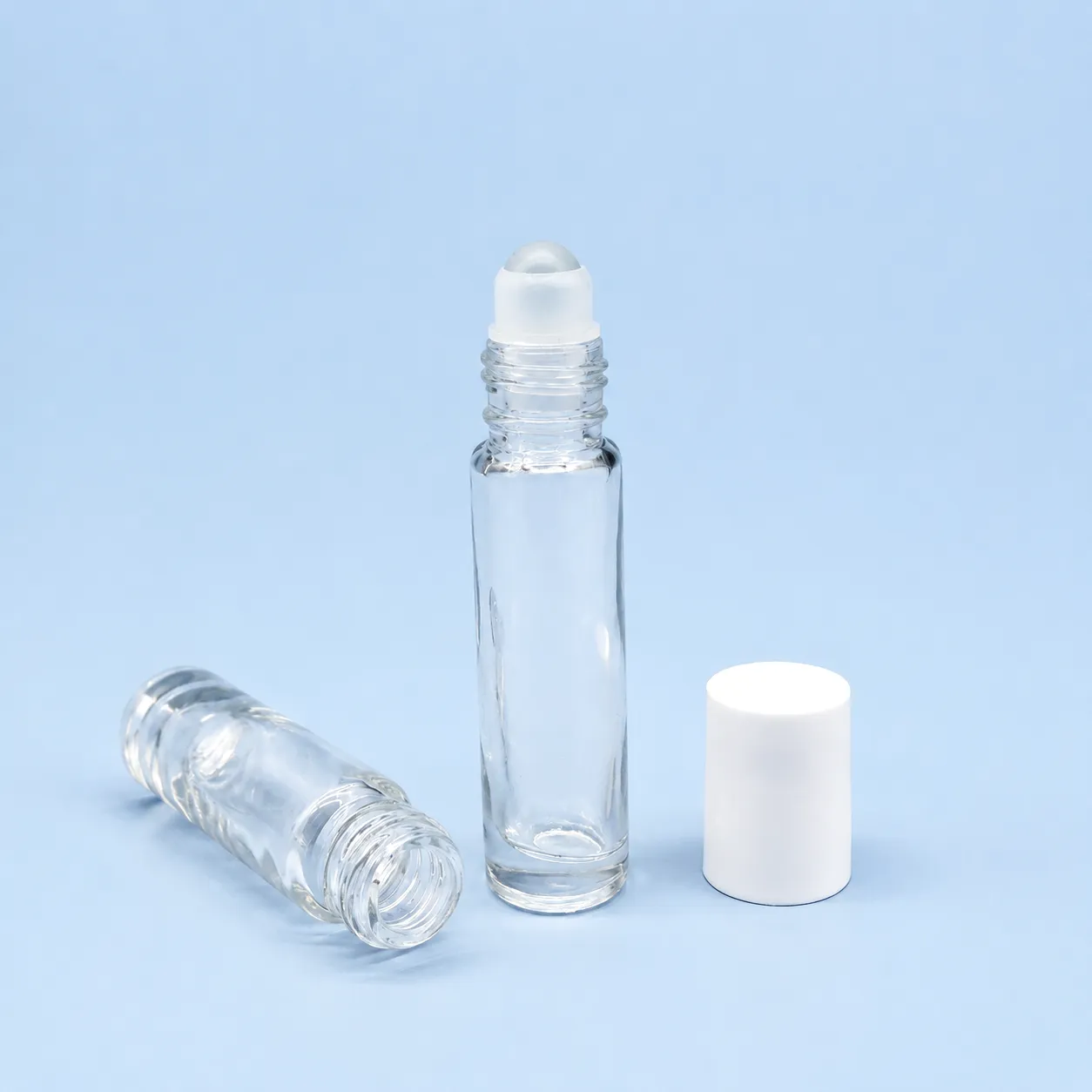
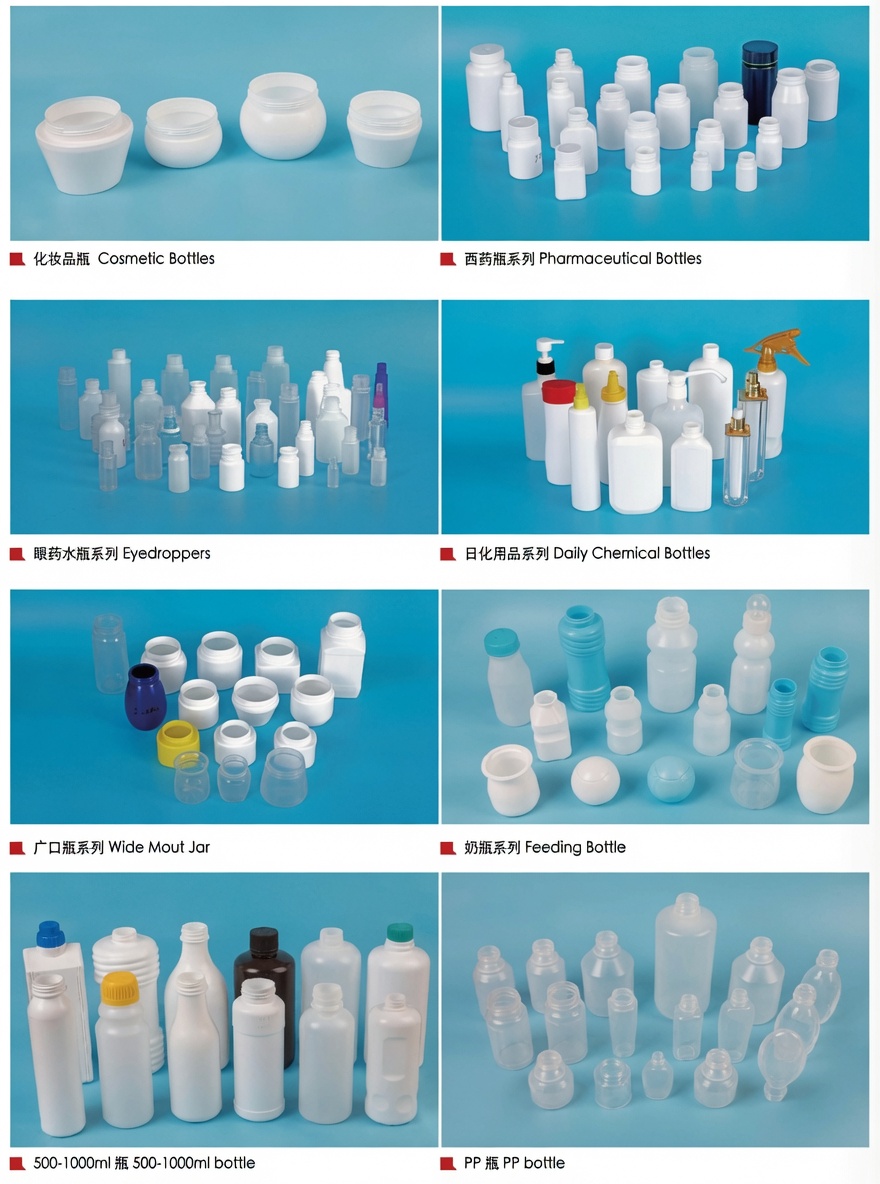
Perfume and high-end fragrance packaging has long relied on glass for its perceived luxury association. Injection-blow molding machines now enable PETG and polycarbonate containers that match optical expectations while offering superior impact resistance and lower shipping weight. UK producers supplying travel retail channels, department-store gift sets and direct-to-consumer subscription boxes benefit from the ability to run 5 ml sample vials, 15 ml travel sizes, 30–100 ml signature flacons and 100–250 ml body sprays on a single platform. The process supports complex geometries including faceted shoulders, embossed brand marks and narrow neck finishes required by fine mist pumps. Because wall thickness remains uniform, secondary operations such as labelling and hot-stamping achieve higher first-pass yields, reducing cost per saleable unit for brands operating from facilities near Birmingham, Manchester and the Sheffield manufacturing corridor.
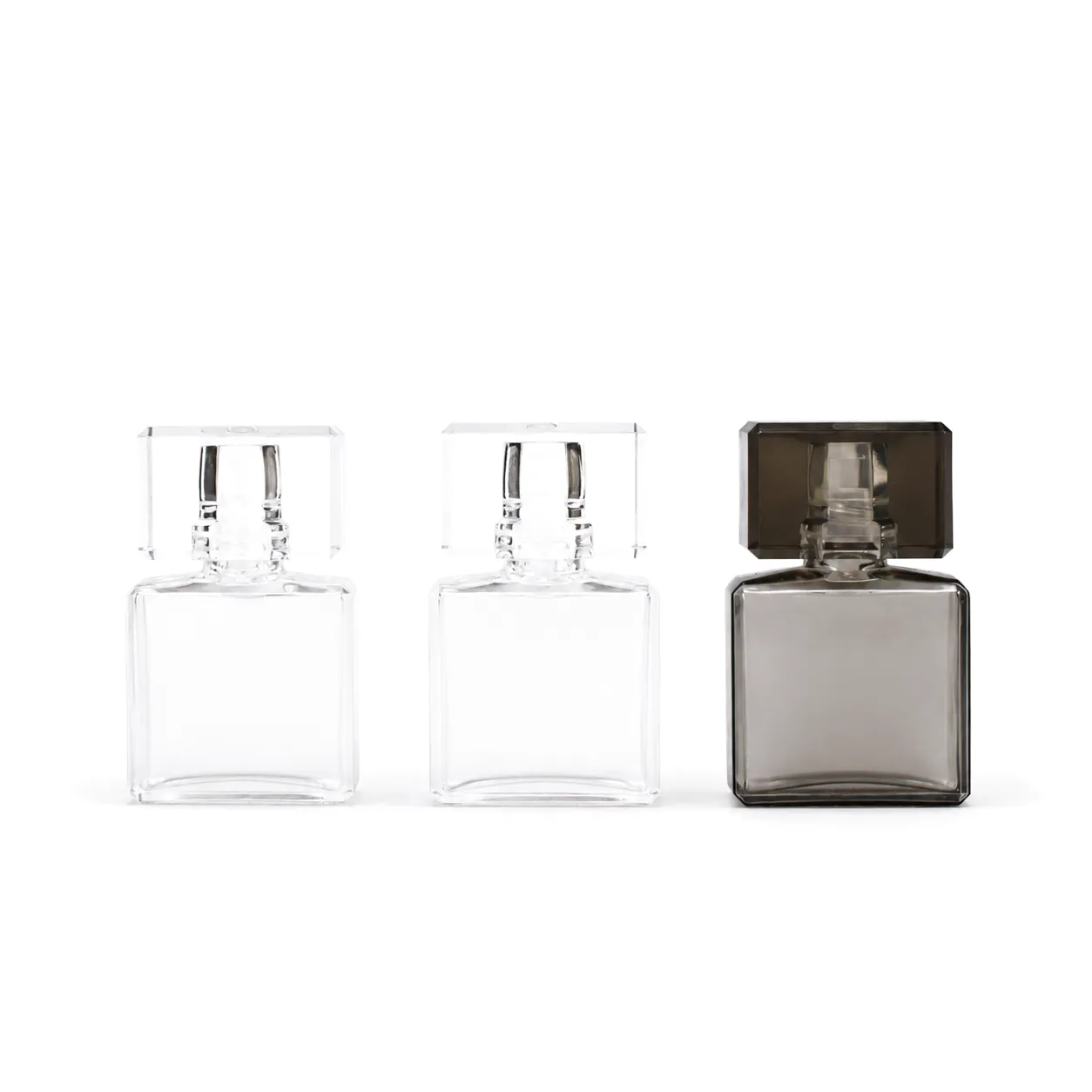
PETG Perfume Bottles 30–200 ml
Signature flacons requiring high clarity, uniform walls and precise neck finishes for prestige pumps. Ideal for eau de parfum and cologne lines distributed across UK and European retail.
Cologne and Body Spray Containers
100–250 ml vessels with robust impact performance for travel retail and e-commerce fulfilment. Compatible with fine-mist atomisers and standard spray valves used by UK contract fillers.
Travel and Sample Vials 5–15 ml
Small-volume bottles for discovery sets and airline retail. High cavity tooling maximises output while maintaining optical quality demanded by premium sampling programmes.
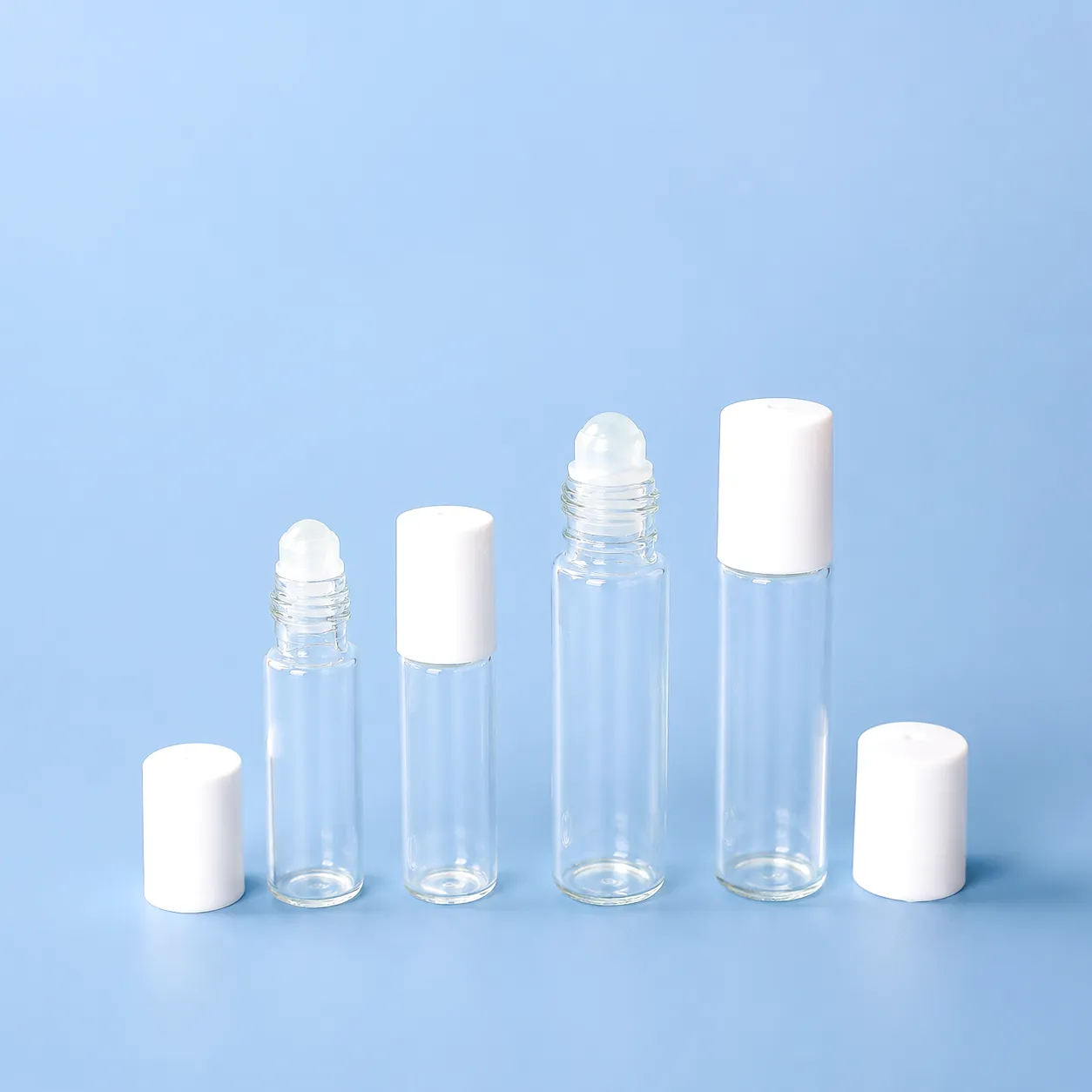
Roll-On Perfume Bottles
Specialised neck geometry for ball applicators. Consistent orifice dimensions and chemical resistance support long shelf life of concentrated fragrance oils.
Ever Power Manufacturing Strength and Customisation Capability
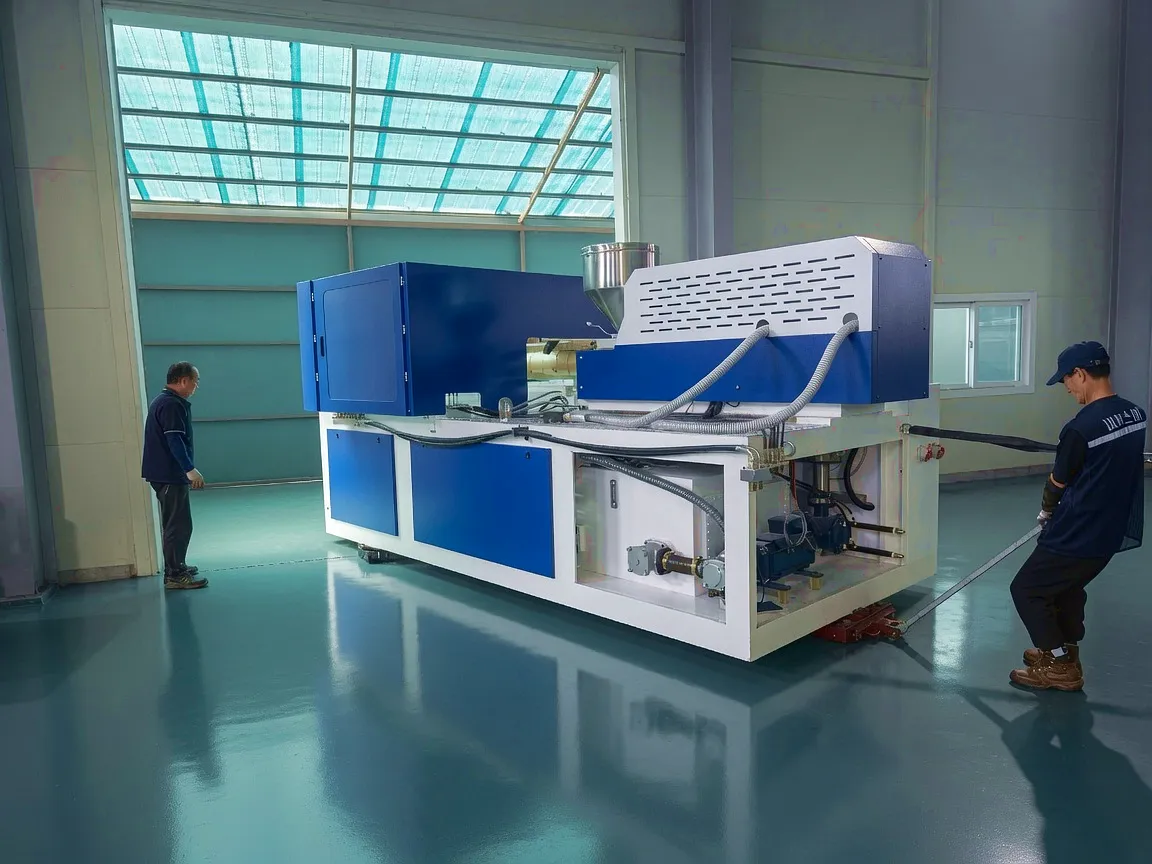
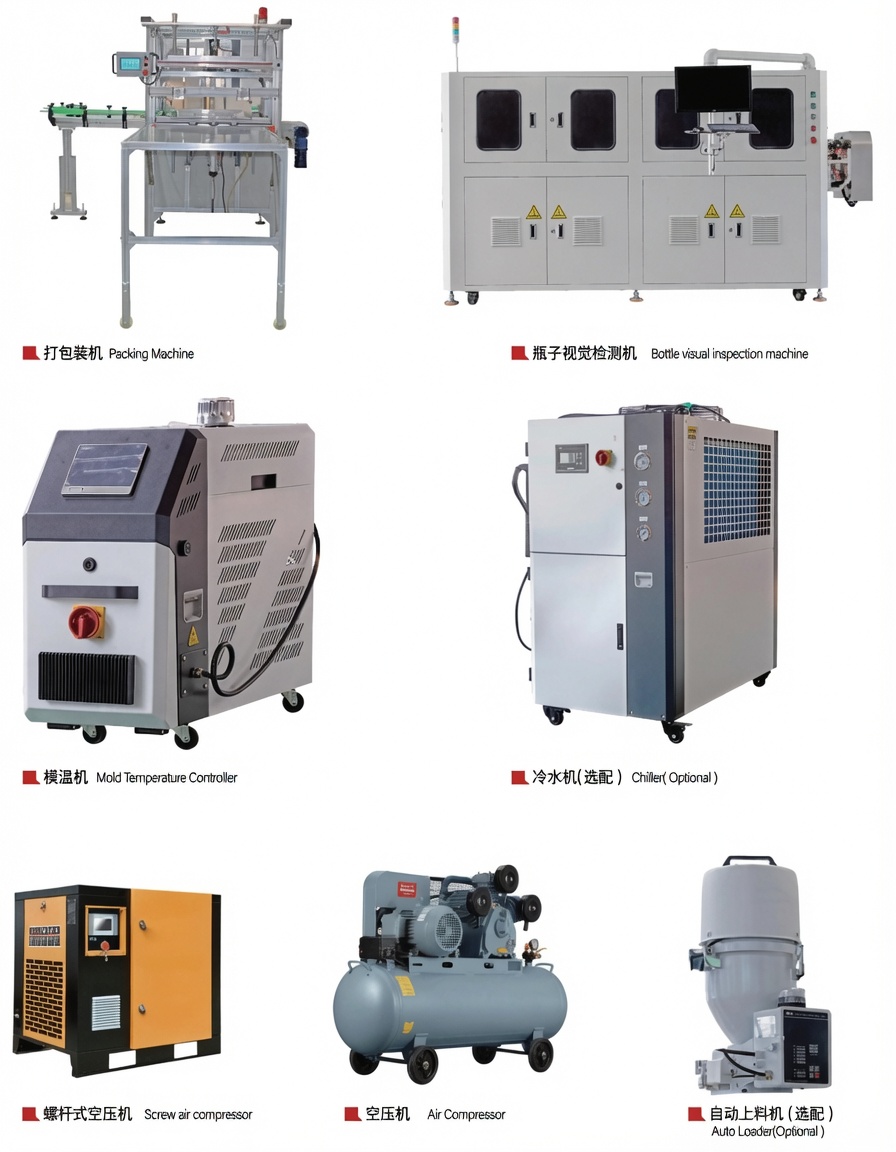
Ever Power has developed a focused engineering and manufacturing base dedicated to injection-blow molding machines for packaging applications that demand optical quality and tight dimensional control. The company maintains precision machining centres, heat-treatment facilities and assembly halls equipped for European-specification platforms. Customisation capabilities extend from cavity layout and neck-finish geometry to servo-drive tuning and auxiliary integration for in-line leak testing or vision inspection. Supply-chain arrangements prioritise long-term availability of critical components, enabling UK customers to plan multi-year production programmes with confidence. Engineering teams work directly with fragrance packers to optimise cycle times for specific PETG grades and to design mould sets that accommodate both high-volume signature bottles and seasonal limited editions. On-site commissioning support and remote diagnostics further reduce the risk associated with capital equipment installation in busy UK manufacturing environments.
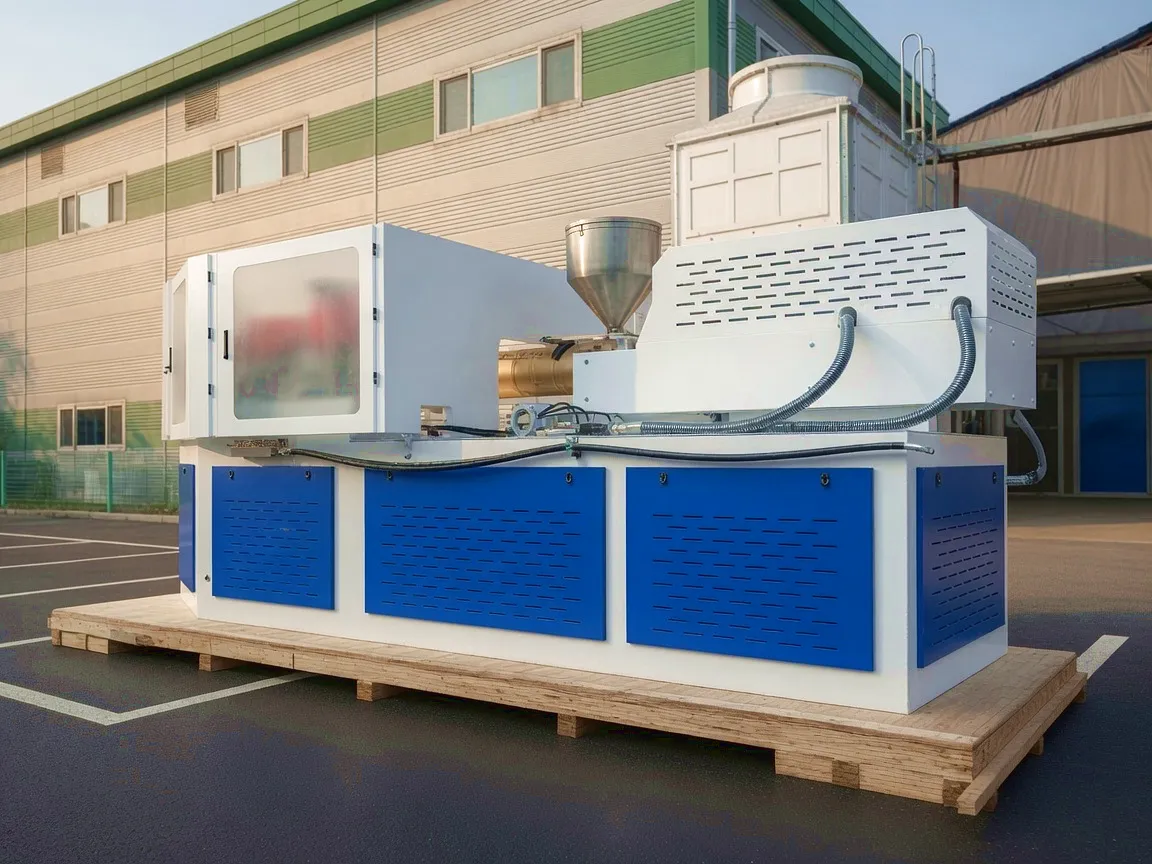
Factory processes emphasise traceability of critical dimensions and surface finishes. Each machine undergoes extended dry-cycle and production trials before shipment, with documented process windows for the target resin families. This approach has proven effective for customers operating under the rigorous quality systems common among UK and European fragrance contract manufacturers. Ever Power’s ability to deliver both standard European-configuration models and fully tailored solutions positions the company as a practical partner for facilities seeking to expand or refresh their bottle-forming capacity without protracted development cycles.
Featured Injection-Blow Molding Machine Models
Replacement of SUMA 65iB Injection Blow Molding Machine – ZQ60
Higher-tonnage platform suited to multi-cavity production of 30–200 ml PETG perfume bottles and larger body-spray containers. Servo-hydraulic drive and modular tooling support rapid change-over for UK fragrance contract packers.
Replacement of SUMA 40ib Injection Blow Molding Machine – ZQ40
Compact footprint model optimised for travel-size vials, sample bottles and mid-volume fragrance lines. Delivers the same optical quality and neck-finish precision in a smaller energy and floor-space envelope.
Customer Success Story from a UK Fragrance Packaging Facility
A mid-sized contract packaging operation based on the outskirts of Birmingham specialising in high-end fragrance and personal-care filling faced rising demand for clear PETG bottles in the 15 ml to 100 ml range. Existing glass suppliers imposed long lead times and high breakage rates during automated filling and secondary decoration. The engineering team evaluated injection-blow molding as a route to in-house bottle production that would reduce logistics cost and improve schedule control. After a technical review of optical requirements, neck-finish tolerances and expected annual volumes, the facility selected a European-configuration platform supplied by Ever Power with multi-cavity tooling tailored to three core bottle families. Commissioning included process window development for the preferred PETG grade and integration of a vision system for 100 percent surface inspection. Within four months of installation the line achieved consistent cycle times under 15 seconds for 50 ml flacons, first-pass yield above 98 percent, and a measurable reduction in packaging-related complaints from retail customers. The ability to switch between travel sizes and full-size bottles on the same machine further allowed the company to respond to short-notice promotional campaigns without external bottle purchases.
Key quantified outcomes included a 22 percent reduction in packaging material cost per filled unit, elimination of glass breakage scrap on the filling line, and the capacity to introduce two new limited-edition shapes within a single production season. The project demonstrated that a well-specified injection-blow molding machine, supported by application-specific tooling and process support, can deliver both commercial and operational gains for UK fragrance packers operating under tight quality and delivery constraints.
Customer Reviews
★★★★★
The optical clarity and neck-finish consistency on our 50 ml PETG perfume bottles exceeded the previous glass standard. Ever Power’s tooling support and process recipes shortened our learning curve considerably.
Packaging Engineer, OEM Manufacturer from the Midlands
★★★★★
We run travel sizes and full-size body sprays on the same platform with minimal change-over time. The servo system and custom cavity layout from Ever Power have kept our energy use and scrap rates low.
Production Manager, Contract Filler near Sheffield
★★★★★
After twelve months the machine still holds the original process window for our optical-grade PETG. Remote diagnostics and spare-parts availability from Ever Power give us the confidence to schedule long production campaigns.
Technical Director, Fragrance Packaging Specialist, UK
Frequently Asked Questions
What is the typical cost range for an injection-blow molding machine suitable for UK perfume bottle production?
Pricing depends on tonnage, cavity count and auxiliary options. Most European-configuration platforms for 30–200 ml fragrance bottles fall into a mid-to-high capital range; a detailed quote from the supplier based on your volume and material requirements is the most accurate starting point.
How long does it take to receive a custom quote for a ZQ40 or ZQ60 machine for a Birmingham packaging plant?
Once technical details such as bottle drawings, annual volume and preferred resin are supplied, most quotations are prepared within five to ten working days, including preliminary tooling and process recommendations.
Which injection-blow molding machine supplier can support rapid change-over for travel-size and full-size fragrance bottles in the UK?
Platforms with modular mould interfaces and stored process recipes, such as the European-configuration models offered by Ever Power, are specifically designed to minimise change-over time between different bottle families.
Where can a Sheffield-based fragrance manufacturer source spare parts and service for an injection-blow molding machine?
Ever Power maintains a structured spare-parts programme and remote diagnostic support that covers UK installations, with critical components stocked to reduce unplanned downtime.
What material grades work best on an injection-blow molding machine for high-clarity perfume bottles sold in the UK market?
Optical-grade PETG remains the primary choice for clarity and ethanol resistance; selected polycarbonate grades are used when elevated temperature resistance is required for specialised spray products.
How does the price of a complete injection-blow molding line compare with outsourcing glass perfume bottles for a mid-volume UK producer?
Capital cost is higher initially, yet many facilities recover the investment through lower per-unit packaging cost, reduced breakage and greater schedule flexibility within two to four years depending on volume.
When should a UK contract packer consider replacing an older injection-blow machine with a new servo-hydraulic model?
Indicators include rising scrap rates, inability to hold optical tolerances on new bottle designs, high energy consumption, and limited availability of original spare parts.
Who provides technical training and process optimisation for injection-blow molding machines used in UK fragrance packaging?
Ever Power includes operator and process-engineer training as part of machine commissioning and offers follow-up optimisation support tailored to specific PETG and polycarbonate applications.
edit by gzl