Industrial Packaging Technology
Injection-Blow Molding Machine Applications in Oral Care Packaging
How IBM technology is reshaping mouthwash, fluoride rinse, and pump-dispenser production across the UK oral care manufacturing sector.
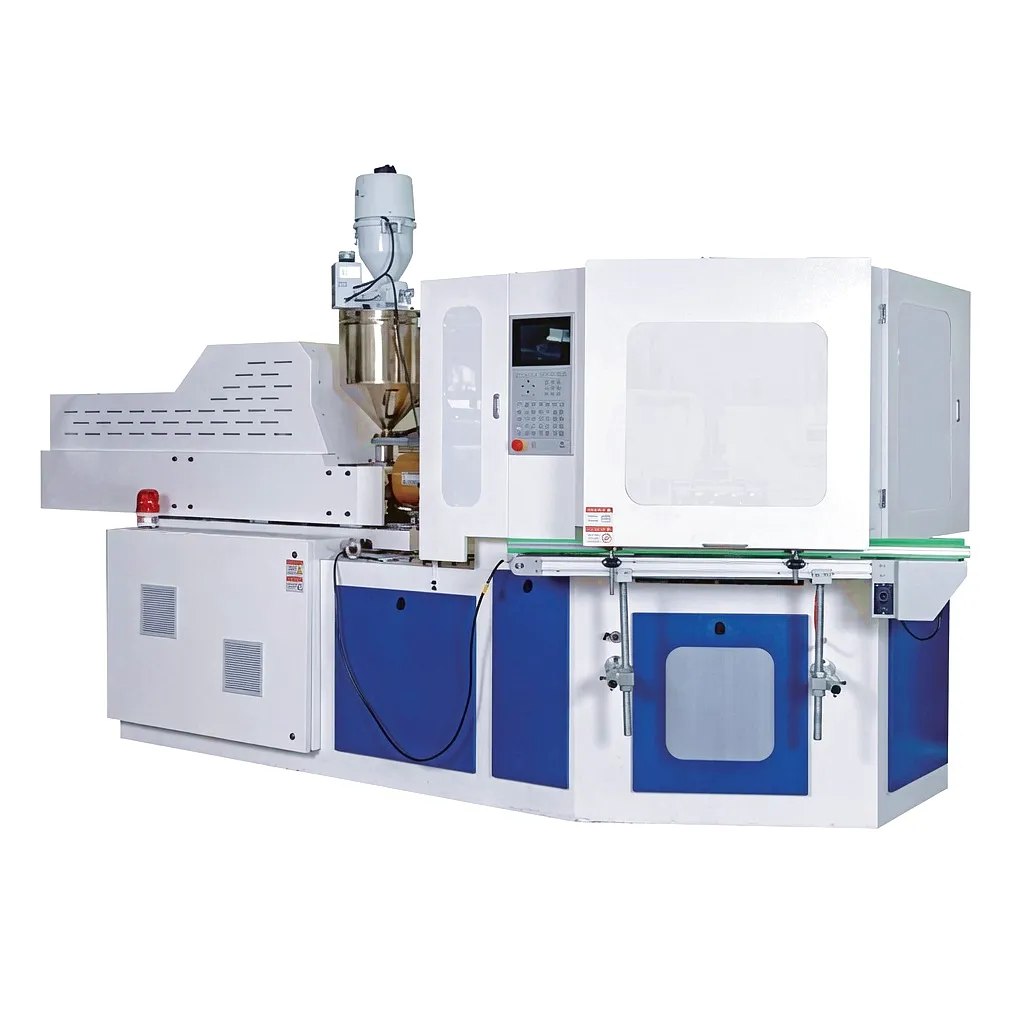 The oral care market in the United Kingdom has undergone a quiet but significant transformation over the past decade. Consumer expectations have shifted dramatically — shoppers walking the aisles of Boots or Superdrug now reach instinctively for containers that feel precise in the hand, dispense cleanly without mess, and visually communicate clinical trustworthiness at a glance. Behind that shelf experience lies a manufacturing decision made weeks or months earlier on a factory floor in Birmingham, Leeds, or Milton Keynes: which container production technology will deliver the dimensional accuracy, chemical compatibility, and cycle-time efficiency the product demands?
Understanding the Injection-Blow Molding Process
Stage 1 — Injection
Polymer melt — most commonly HDPE, LDPE, or PP in oral care applications — is injected under high pressure into a preform mould mounted on a rotating core rod. The injection phase determines wall thickness distribution with a repeatability that downstream blow operations cannot alter. This is the principal reason injection-blow molding machines produce neck finishes so consistently that thread engagement torque figures rarely require recalibration across a production run.
Stage 2 — Transfer
The core rod, with the hot preform still in place, rotates to the blow station. Temperature management during this transfer phase is critical: the preform must retain sufficient heat for expansion while not cooling below the polymer’s elastic processing window. Modern injection-blow molding machines achieve this through precisely zoned tooling and short cycle indexing, with transfer times typically below two seconds on current-generation equipment.
Stage 3 — Blow & Eject
Compressed air inflates the preform against the blow mould cavity, forming the container’s body, shoulder, and base in a single stroke. Because the neck is never reheated or re-pressurised, its geometry locks in at injection with no post-blow deformation. After a brief cooling dwell, the finished container is stripped from the core rod at the ejection station and conveyed directly to downstream filling or assembly lines, arriving without the flash or pinch-off seam characteristic of extrusion blow moulded parts.
Core Materials Used in Oral Care IBM Production
HDPE
High-density polyethylene is the workhorse resin for mouthwash bottles sized 150 ml to 1 litre. Its semi-crystalline structure offers excellent resistance to the ethanol concentrations found in alcohol-containing rinses — some formulations carry up to 27% v/v — along with resistance to cetylpyridinium chloride (CPC) and fluoride salts. HDPE’s relatively low melt viscosity suits the injection stage of IBM, enabling complete fill at moderate injection pressures and reducing tool wear over extended production campaigns.
PP (Polypropylene)
Polypropylene is the material of choice wherever a pump-dispenser neck must withstand repeated mechanical engagement without thread fatigue. Its higher stiffness-to-weight ratio compared to HDPE yields thinner wall sections without sacrificing structural integrity, which matters when the aim is a sleek, premium aesthetic on gum care and children’s oral care containers. PP also accepts a wider range of colorants, enabling the vivid brand identities that UK retail buyers typically specify for own-label lines.
LDPE
Low-density polyethylene finds application in squeeze-type containers for children’s fluoride rinse products. Its flexibility allows the container body to collapse and recover under finger pressure, producing the gentle squeeze dispensing action that paediatric formulations benefit from. LDPE’s softness also reduces the torque required to open child-resistant closures, an important consideration under UK COSHH and packaging regulations governing products that contain fluoride above a defined threshold concentration.
PET (Limited IBM Use)
While PET is far more commonly processed via ISBM, certain grades of amorphous PET can be processed on specialised injection-blow molding machines where transparency and gloss are premium requirements — for example, premium whitening rinse bottles where the product’s natural colour is part of the in-store consumer proposition. PET’s oxygen barrier properties can also benefit alcohol-free mouthwash formulations sensitive to oxidative degradation over the shelf life declared on UK market labels.
Application Scenario
Oral Care — Mouthwash Bottles, Fluoride Rinse Containers & Pump-Dispenser Oral Care Solutions
Industry: Oral Care Packaging | Primary Products: 150 ml–1 L Containers
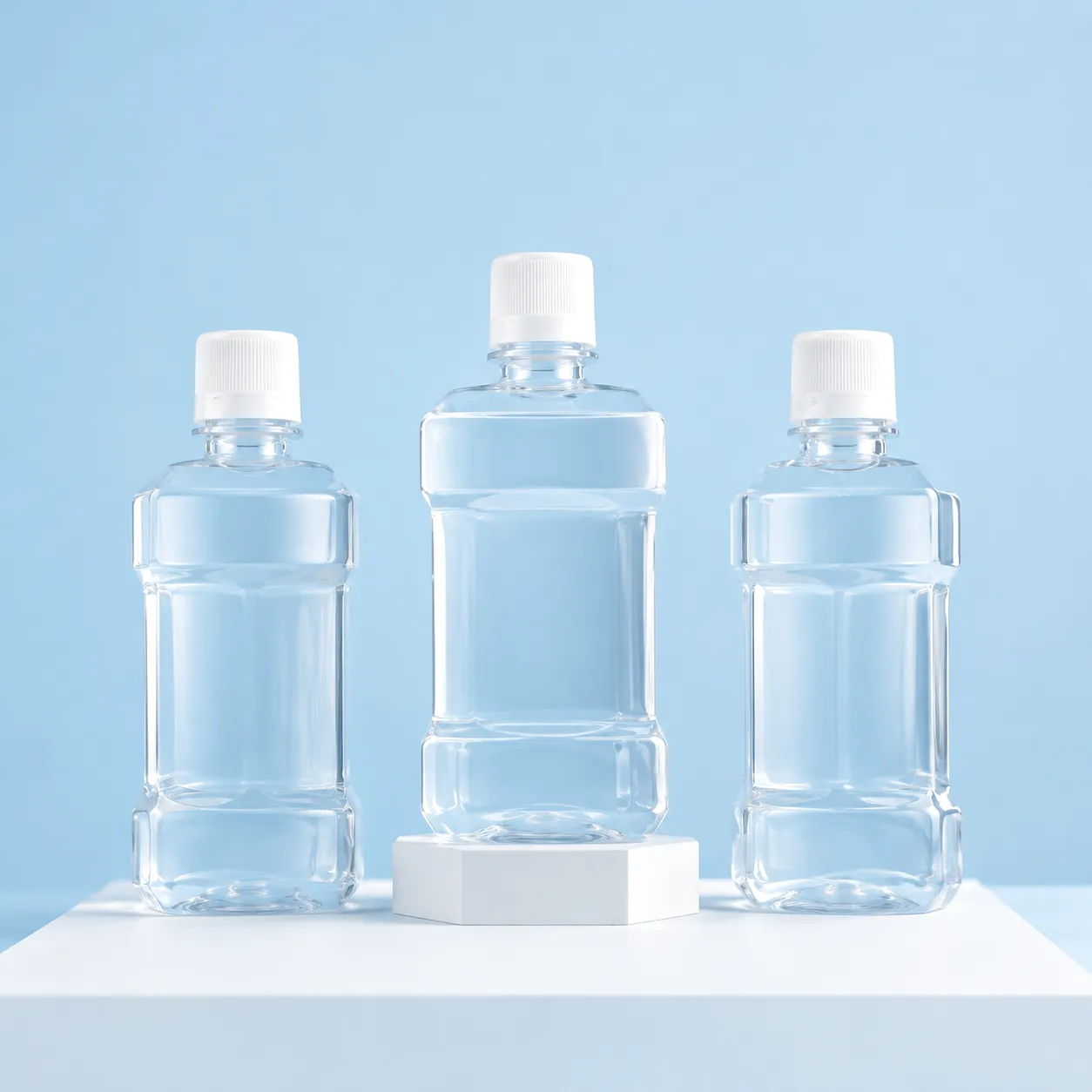 Oral care is one of the most technically demanding sectors for plastic container manufacturing. A mouthwash bottle may appear simple on the surface, but the combination of chemical challenge, aesthetic expectation, regulatory scrutiny, and logistics robustness makes it anything but. UK oral care manufacturers — clustered in areas such as the East Midlands supply corridors and the Greater Manchester health products zone — are consistently among the most exacting buyers of IBM container capacity. The reasons are structural to the product category itself.
Primary Products Manufactured via IBM in Oral Care
Mouthwash Bottles
150 ml – 1 L HDPE & PP
Fluoride Rinse Bottles
Anti-caries LDPE / HDPE
Pump-Dispenser Containers
PP precision neck threading
Children’s Oral Care
Soft-squeeze LDPE, coloured PP
Gum Care Solutions
Therapeutic rinse bottles
Core Technical Advantages of the Injection-Blow Molding Machine in Oral Care
✓ No Flash, No Post-Trimming
IBM containers arrive from the machine ready for filling without any deflashing operation. There is no pinch-off seam, no tail trim, and no risk of sharp flash particles contaminating the mouthwash or fluoride rinse that will be filled into the container. This is significant for UK oral care manufacturers operating under Good Manufacturing Practice guidelines aligned with MHRA requirements, where particle contamination events in filling lines must be reported and investigated.
✓ Superior Neck Finish Consistency
Because the neck is formed and frozen at the injection stage rather than being reshaped by blow pressure, its dimensional consistency across an entire production run is fundamentally tighter. For pump-dispenser oral care containers — where the pump housing supplier has specified thread dimensions to close tolerances — this means reduced assembly line stoppages caused by pump-bottle mismatch, and fewer consumer complaints relating to pump cross-threading or leakage under transport vibration on UK logistics networks.
✓ High Chemical Compatibility in HDPE
The controlled injection phase of the IBM process produces a preform with a more uniform crystalline structure in HDPE than is typically achieved in extrusion blow moulding. This uniformity translates directly to lower permeability and better resistance to the aromatic and alcohol-based components of oral care formulations. Long-term stability testing data, routinely required by UK private-label retailers prior to first-order authorisation, consistently favours IBM-produced HDPE containers in shelf-life scenarios above 24 months.
✓ Compact Footprint for Mid-Volume Production
Oral care SKU proliferation — triggered by expanding own-label ranges from major UK retail chains — means that many contract manufacturers need to switch between bottle sizes and resin grades multiple times per week. The injection-blow molding machine’s relatively compact three-station footprint, combined with fast tooling changeovers when stations are designed with modular tooling systems, supports the agile production scheduling that contract packaging facilities in areas like the West Midlands industrial estates require to remain competitive against Central European alternatives.
✓ Excellent Wall Thickness Distribution
The injection phase gives the mould designer direct control over wall thickness at every zone of the preform. The blow phase then expands the body section while the neck remains constrained. The result is that thin-walled shoulders and consistent base geometry — attributes that matter enormously for the label application, capping torque, and drop-impact performance of a retail mouthwash bottle — are built into the tooling design rather than managed through process variables that can drift over a shift.
Technical Performance Parameter Table — IBM Machine (Oral Care Grade)
| Parameter | Specification Range | Oral Care Relevance |
|---|---|---|
| Container Volume Range | 5 ml – 2,000 ml | Covers travel-size (30 ml) to family-pack (1 L) mouthwash SKUs |
| Clamping Force | 40 kN – 400 kN | Scale to number of cavities; 4–8 cavity typical for oral care volumes |
| Injection Pressure | 80 – 160 MPa | Enables full-fill of thin HDPE preforms for 150 ml mouthwash bottles |
| Cycle Time | 8 – 25 seconds | Resin, wall thickness, and cooling time dependent; 12 s typical for 500 ml HDPE |
| Blow Air Pressure | 0.4 – 1.0 MPa | Lower pressures for LDPE squeeze bottles; higher for PP pump-dispenser necks |
| Neck Finish Tolerance | ±0.10 – 0.15 mm | Critical for pump housing assembly and child-resistant closure engagement |
| Wall Thickness Uniformity | ±5 – 8% body wall | Supports drop-test compliance per ASTM D2463 and EU packaging regulations |
| Materials Processed | HDPE, LDPE, PP, PET (amorphous) | Covers all major oral care resin requirements from one platform |
| Mould Cavity Configuration | 1–12 cavities | High-cavity for mouthwash volume; low-cavity for specialty gum care runs |
| Motor Drive Type | Servo-hydraulic or full electric | Full-electric variants support UK energy efficiency mandates and ESG reporting |
IBM Machine Adoption Across UK Oral Care Manufacturing Centres
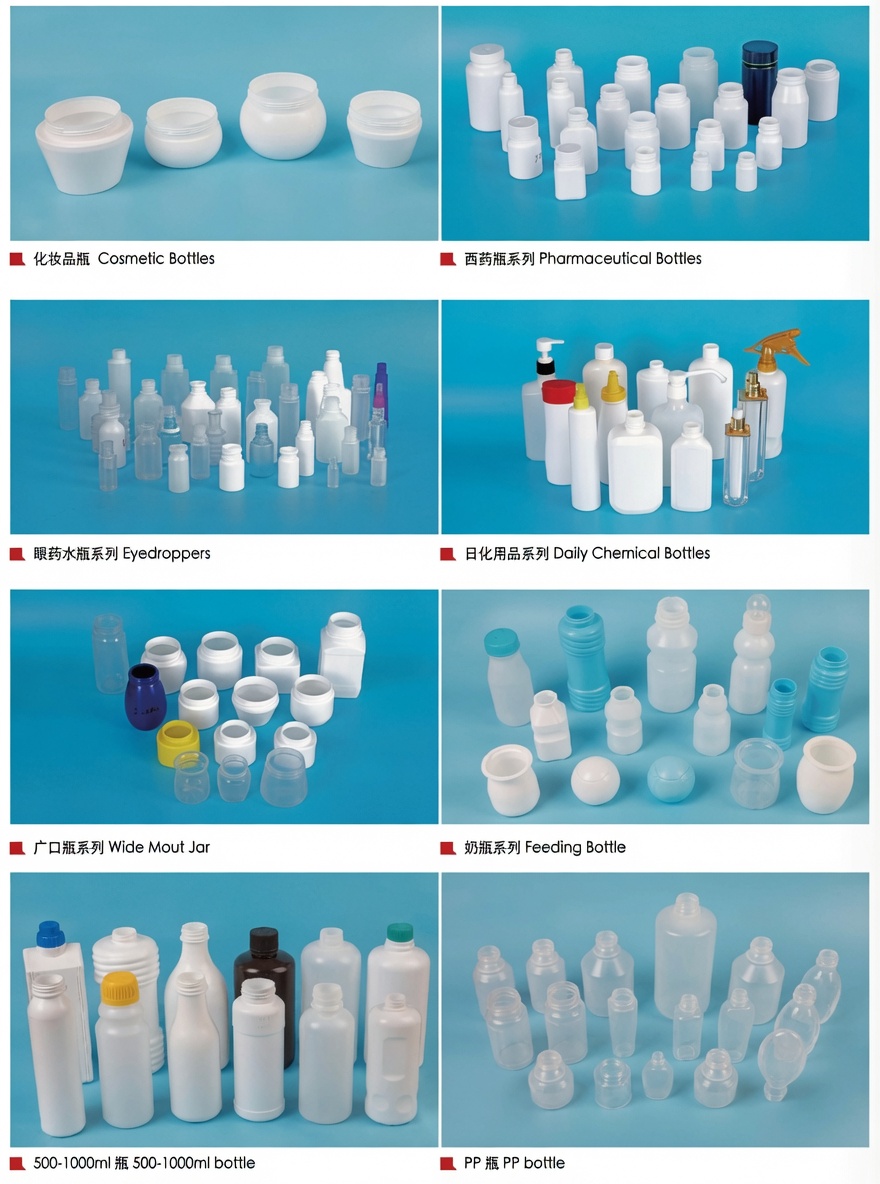
The geography of UK oral care manufacturing has shifted meaningfully since the mid-2010s. Production that once centred around traditional consumer goods facilities has dispersed toward contract manufacturers operating in the West Midlands, Yorkshire, and the outer commuter belt south of Manchester. These facilities share a common operational characteristic: they carry multiple oral care accounts from different brand owners, each with distinct SKU portfolios and frequent range updates. That reality makes the injection-blow molding machine particularly compelling, because its core competitive advantage — tight dimensional consistency regardless of run length — holds as much value on a 50,000-unit short run for a premium oral wellness brand as it does on a 500,000-unit programme for a major UK pharmacy chain.
Birmingham’s dense cluster of plastic packaging converters has seen meaningful uptake of IBM capacity for oral care specifically. The accessibility of resin supply routes from Rotterdam through the East Midlands logistics network, combined with short trucking distances to retail distribution centres in Coventry and Leicester, makes Birmingham-based IBM operators particularly competitive on lead-time for replenishment orders. When a retail buyer at a major UK pharmacy chain calls for a container change with six weeks of lead time — a scenario that is far from rare in the UK retail buyer–supplier relationship — an IBM line running a variant tooling insert can respond far more nimbly than a supplier relying on extrusion blow moulding with long parison die changeover times.
Sheffield, historically associated with steel rather than plastics, has grown a secondary cluster of specialist packaging manufacturers serving both industrial and consumer personal care markets. Several of these operations have invested in injection-blow molding machines specifically to serve the premium oral care segment, where the city’s precision engineering heritage translates naturally to the close-tolerance manufacturing culture that IBM technology demands. The mould tooling skills available in Sheffield’s engineering base — relevant to both steel cavity fabrication and precision cavity texturing for cosmetic surface finishes — make it a logical location for oral care IBM operations targeting the upmarket end of the UK oral hygiene retail market.
Ever Power — Precision IBM Manufacturing & Customisation Capability
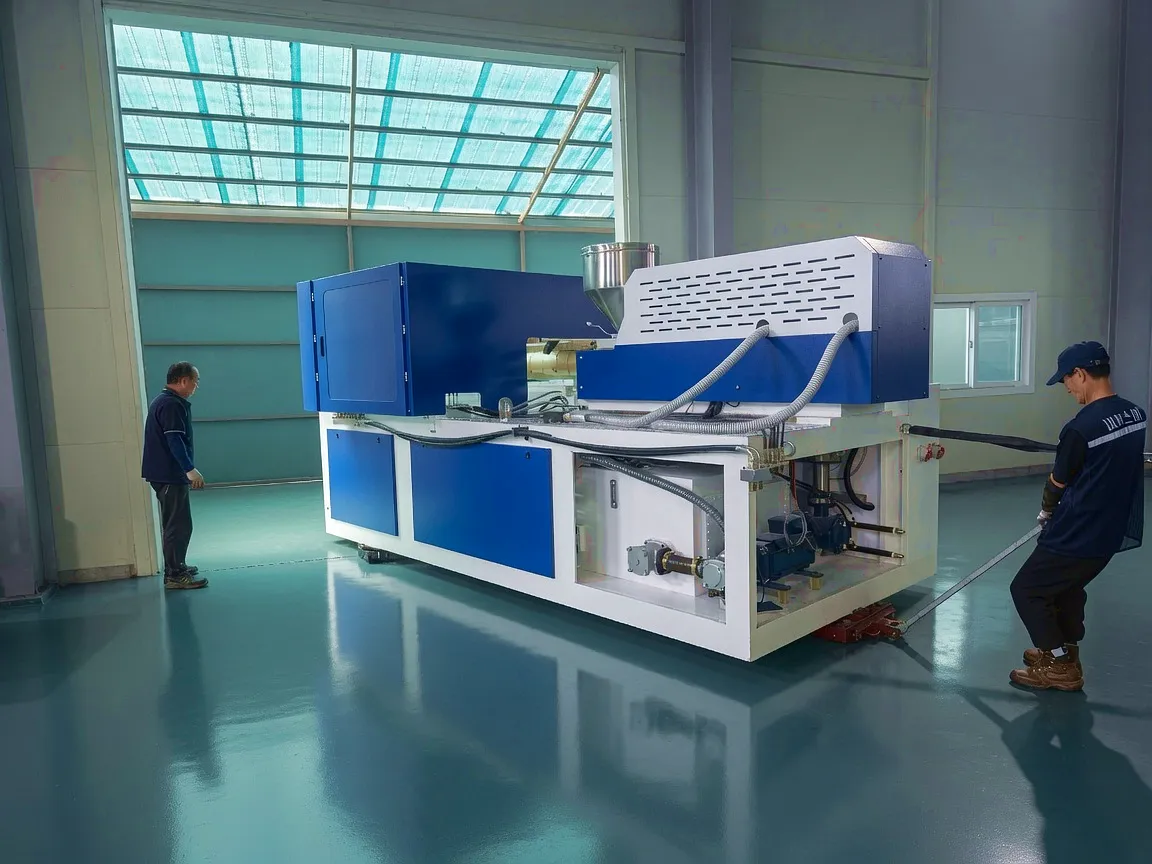
⚙ Custom Engineering for Your Container
Ever Power’s engineering team operates a design-for-manufacturability workflow that begins from the customer’s container brief, not from a catalogue page. For oral care applications, this means that the preform geometry, gate location, core rod profile, and blow cavity draft angles are all calculated specific to the target resin, bottle volume, and intended closure system. UK customers who bring a foam prototype or a 2D reference drawing of their desired mouthwash bottle can expect a detailed preform simulation and predicted wall thickness map before any steel is cut. This simulation-first methodology, running validated finite element analysis of the injection fill, reduces costly trial cycles and delivers a first-article container that meets specification in fewer iterations than is common with non-specialist IBM tooling houses.
🔎 Supply Chain & Lead Time Assurance
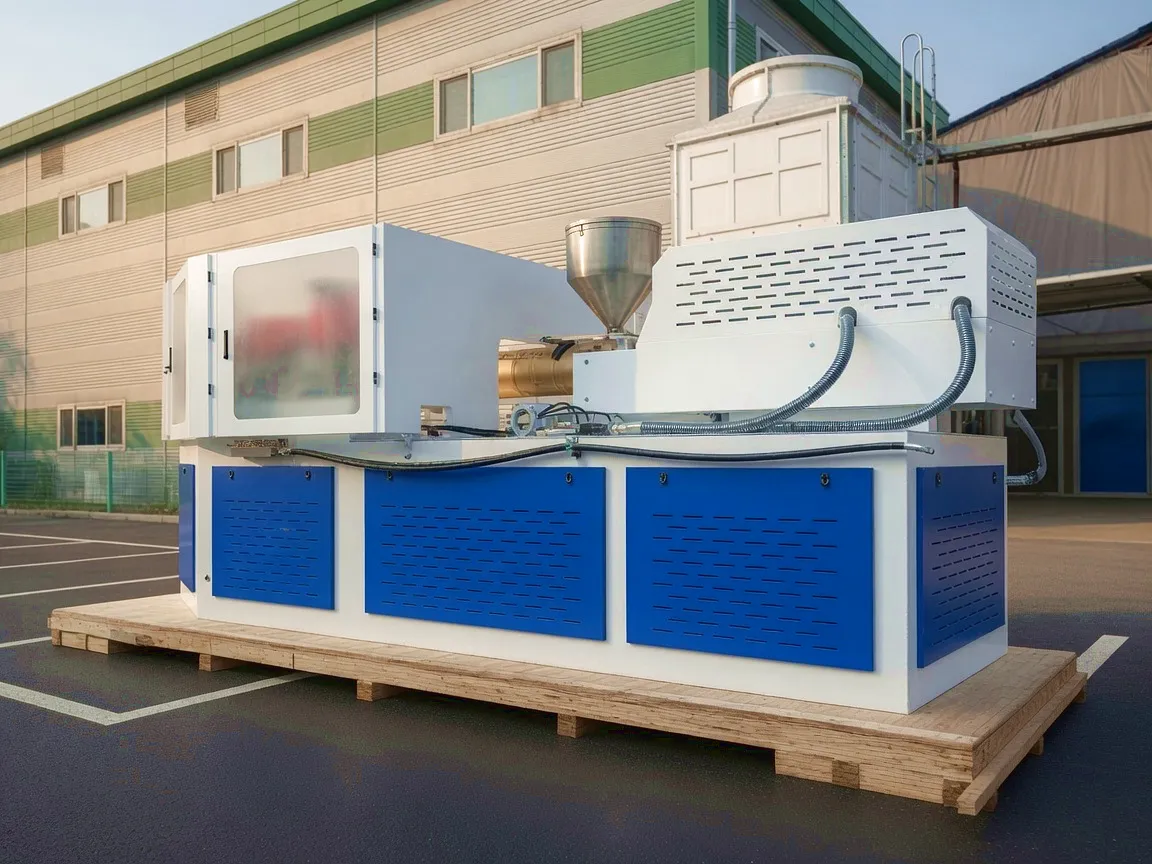
Ever Power maintains strategic component inventory covering critical wear parts — barrel liners, screw elements, blow valve assemblies, and core rod collets — for all current production machine models. UK customers ordering a new injection-blow molding machine can request a spares kit dimensioned to their anticipated production volume and resin mix. For oral care operations that run three shifts continuously, the ability to replace a blown blow valve in under two hours rather than waiting on international freight is a genuine operational difference. Ever Power’s European logistics partners can deliver priority shipments to UK ports within 48–72 hours for standard inventory items, ensuring that machine downtime from a component failure does not cascade into a supply gap against a retail customer’s fixed promotional window.
📋 Regulatory Documentation Support
Oral care manufacturers supplying UK pharmacy chains are routinely required to present container material declarations, food-contact compliance certificates under EU Regulation 10/2011 (retained in UK law post-Brexit as applicable), and resin batch traceability documentation. Ever Power provides full material certificates with each machine installation and can supply sample containers for third-party extractables and leachables testing prior to commercial production. The company’s quality management system, aligned to ISO 9001, generates comprehensive machine build records that satisfy the supplier audit requirements of major UK retail buyers and FMCG brand owners.
Ready to specify your injection-blow molding machine?
Ever Power’s application engineers are available to review your container brief, recommend a machine specification, and provide a detailed quotation.
Customer Success Story — Contract Packaging, Nottingham
Midlands Oral Care Contract Manufacturer Achieves 99.1% Pump-Assembly Pass Rate After IBM Line Installation
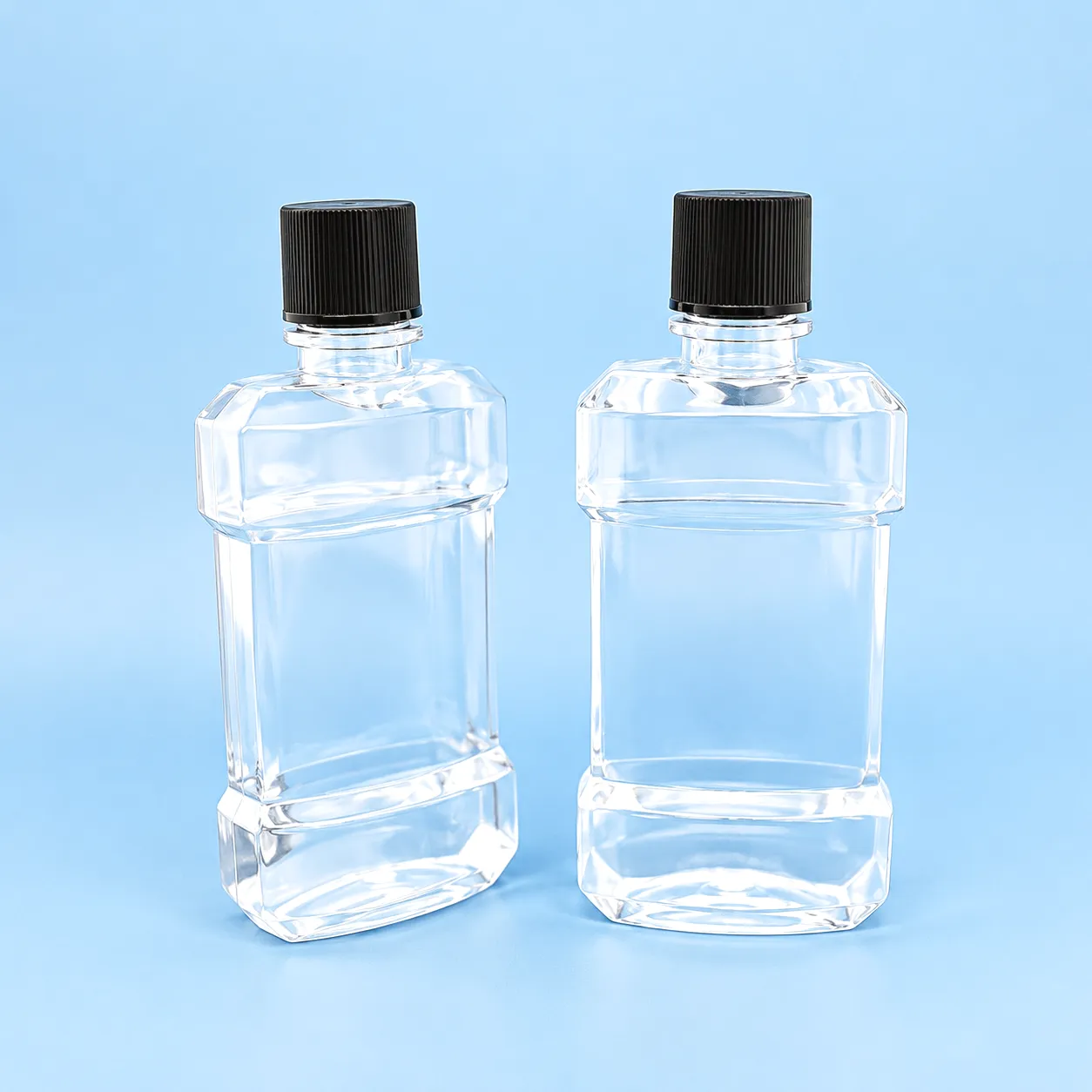 A contract packaging business operating from a 14,000 square metre facility in Nottingham had built a strong position supplying mouthwash and therapeutic rinse containers to three UK pharmacy chains. Operating a fleet of extrusion blow moulding lines inherited from a previous ownership group, the business was losing approximately 3.8% of its pump-dispenser containers to thread engagement failures at the assembly stage — a figure that had climbed as pump housing tolerances tightened in response to premium product positioning by the company’s retail accounts.
After reviewing available IBM platforms, the operations director commissioned Ever Power to supply and install a six-cavity injection-blow molding machine configured for the company’s primary container range: a 250 ml PP pump-dispenser bottle, a 500 ml HDPE mouthwash bottle, and a 1 L HDPE family mouthwash. Ever Power’s application engineers visited the Nottingham site to review the existing filling line layout, closure torque specifications from the pump supplier in Sheffield, and the resin grades already qualified by the facility’s quality team. The machine specification incorporated a servo-hydraulic drive system to meet the site’s noise and energy management targets, along with a hot-runner injection system that reduced material waste on colour changes between SKUs.
Following commissioning, first-article containers from the IBM line were submitted to the company’s retail account buyers for approval. Dimensional reports showed neck diameter consistency within ±0.11 mm across a 200-piece sample — well within the ±0.15 mm envelope required by the Sheffield pump housing supplier. Thread engagement torque testing confirmed that 99.1% of bottles assembled without adjustment, compared to 96.2% on the best-performing extrusion blow moulding line. Material consumption figures showed a 6.4% reduction in HDPE usage per bottle for the 500 ml line, attributable to the more uniform wall thickness distribution achieved through injection-stage preform control.
The Nottingham facility has since brought a second Ever Power injection-blow molding machine on order for the children’s oral care range in LDPE, following retail account expansion triggered by the quality improvement on the adult mouthwash line. Logistics coordination for the second machine was managed through Ever Power’s European freight partner with delivery to Nottingham confirmed on schedule, with installation and commissioning support provided by Ever Power’s field service technician working alongside the site’s maintenance team.
Customer Reviews
⭐⭐⭐⭐⭐
“The neck finish consistency on the Ever Power IBM machine is genuinely in a different category from what we were producing on extrusion blow moulding. Our pump assembly line runs through a full shift without a stoppage now. That alone justified the capital cost inside eighteen months.”
— Operations Director, Contract Packaging Manufacturer, Nottingham
⭐⭐⭐⭐⭐
“Ever Power’s customisation process was thorough. Their engineers reviewed our retailer’s dimensional specification for the pump bottle before they finalised the tooling design. When the first articles came off the machine, they passed our buyer’s dimensional audit on the first submission — something we had never achieved in a first-article trial before.”
— Quality Manager, Oral Care Packaging Division, West Midlands
⭐⭐⭐⭐⭐
“Material usage on the 500 ml HDPE mouthwash bottle came down by over six percent after we switched to the Ever Power IBM line. That saving goes straight to margin on a product category with tight retail pricing pressure. The after-sales support and spares availability from Ever Power has also been considerably better than we experienced with our previous machine supplier.”
— Procurement Lead, Oral Care Manufacturer, Yorkshire
Featured Ever Power Injection-Blow Molding Machine Models
Model Series
Replacement of Uniloy UIB 70 — ZQ40
The ZQ40 is Ever Power’s direct-fit replacement for the Uniloy UIB 70 injection-blow molding machine, designed to accept existing tooling and maintain container specifications without tooling reinvestment. Ideal for UK oral care operations that currently run Uniloy machines and wish to modernise drive systems and control interfaces while retaining proven mould assets. The ZQ40 offers improved energy efficiency through servo-hydraulic actuation and an updated HMI with recipe-based parameter management.
Model Series
Replacement of Bloma IBM45 — ZQ40
The ZQ40 replacement for the Bloma IBM45 injection-blow molding machine addresses the specific control architecture and clamp tonnage envelope of the IBM45 platform, enabling a machine replacement without facility modification. UK oral care producers who operate Bloma IBM45 units in their container manufacturing lines can transition to the ZQ40 with minimal commissioning time, benefiting from Ever Power’s full installation and process validation support and gaining access to a modern PLC control system with remote diagnostic connectivity for maintenance coordination.
Frequently Asked Questions
edit by gzl