Injection Blow Molding Machine Applications in Oral Care Packaging Industry
From mouthwash bottles to fluoride rinse containers — how IBM technology delivers chemical compatibility, seal integrity and retail-ready aesthetics for the UK oral care sector.
📅 Updated 2026
⏱ 15 min read
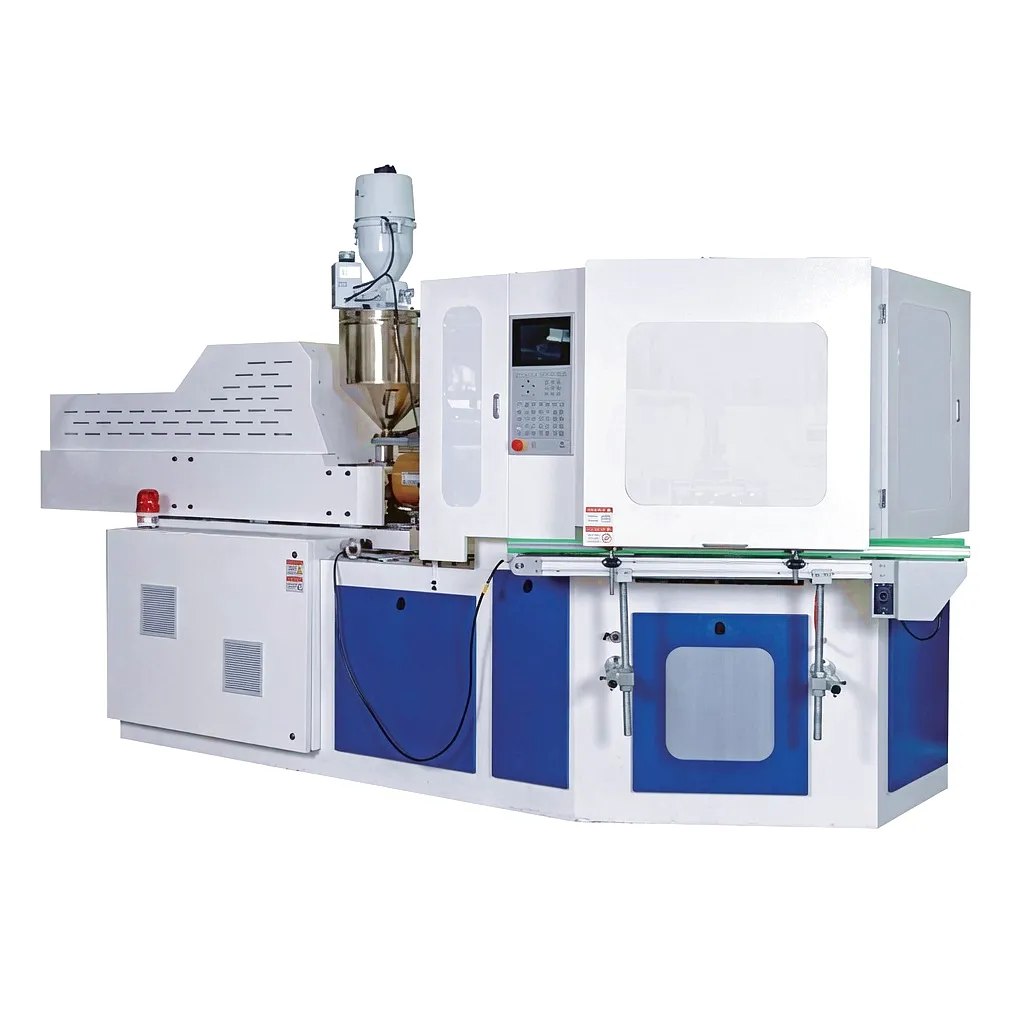 The global oral care market has evolved well beyond simple toothbrush sales. Mouthwash, fluoride rinse, pump-dispensed oral irrigation fluids, and specialised gum-care solutions now occupy significant shelf space in UK pharmacies, supermarkets, and dental-practice retail units. Behind every one of those shelf-ready bottles lies a manufacturing decision that profoundly affects product safety, brand perception, and operational cost — and that decision increasingly points toward the injection-blow molding machine as the production platform of choice.
An injection-blow molding machine merges two traditionally separate processes — injection molding and blow molding — into a single, precision-controlled cycle. The parison, or preform, is first injection-molded with exact wall thickness and neck-finish geometry; it is then transferred on a core rod to the blow station, where controlled air pressure expands the preform against a temperature-regulated cavity to form the finished bottle. Because the neck is formed during injection, thread accuracy is essentially perfect, which is a critical attribute when closure integrity must contain alcohol-based or chemically active oral care formulas over a multi-year shelf life.
UK manufacturers supplying brands such as Corsodyl, Listerine contract production, and own-label supermarket lines rely on injection-blow molding to meet the exacting standards of the Medicines and Healthcare products Regulatory Agency (MHRA) and the British Pharmacopoeia for pharmaceutical-grade rinse products. The technology supports materials including HDPE, PP, PET, and medical-grade PE, each selected to match the chemical profile of its contents. For production sites in the Midlands, Yorkshire, and the North West — regions with deep roots in plastics processing and consumer goods manufacturing — the injection-blow molding machine represents a practical and scalable investment that eliminates separate preform supply logistics and reduces container defect rates to fractions of a percent.
How an Injection-Blow Molding Machine Works
Molten polymer — typically HDPE or PP — is injected around a precision-machined core rod within a closed injection cavity. The parison is formed with exact wall distribution and a fully finished neck thread, eliminating the neck flash common in extrusion blow molding. Barrel temperatures for HDPE typically run between 180°C and 230°C; for PP, slightly higher barrel zones of up to 240°C are used. The injected parison cools partially on the core rod, retaining sufficient heat for the subsequent blow phase without reheating energy input.
The core rod, still carrying the conditioned parison, rotates or indexes to the blow mold station. Compressed air — typically between 5 and 10 bar for HDPE oral care bottles — is introduced through the core rod, expanding the parison outward against the cooled cavity walls. The mold geometry determines every external surface feature: shoulder radius, label panel flatness, body taper, and base pushup depth. Cavity wall temperatures are maintained precisely, usually between 10°C and 30°C, to control crystallinity and surface gloss. Blow time for a 500 ml mouthwash bottle on a modern injection-blow molding machine typically runs under three seconds per station.
The finished bottle is stripped from the core rod at the ejection station with no trimming required — a key differentiator from extrusion blow molding, which always produces flash at the base and neck. The bottle exits the machine already featuring a precise thread, consistent wall thickness, and a smooth parting line. High-speed vision systems installed downstream on UK production lines typically check for wall thickness deviation, neck circularity, and base integrity in real time, rejecting non-conforming parts before they enter the filling line. This zero-flash characteristic dramatically reduces material waste and secondary handling labour.
Core Materials Used in IBM Oral Care Production
Material selection for an injection-blow molding machine running oral care containers is governed by three intersecting criteria: chemical compatibility with active ingredients, regulatory acceptance, and the optical or tactile qualities demanded by brand owners. The four materials most commonly processed on IBM equipment in the UK oral care sector each carry distinct advantages, and understanding them is essential for procurement engineers and packaging technologists at contract manufacturers across Birmingham, Leeds, and the wider Yorkshire corridor.
High-density polyethylene is the workhorse material for mouthwash bottles between 150 ml and 1 litre. Its excellent resistance to ethanol — including the 25–27% alcohol concentrations found in therapeutic rinses — makes it the default choice for formulations containing cetylpyridinium chloride (CPC) or chlorhexidine. HDPE processes on IBM machines at melt temperatures of 180–210°C and produces opaque to translucent containers with wall thickness typically between 0.4 mm and 0.9 mm. Its low moisture vapour transmission rate also protects fluoride-sensitive formulations.
Polyethylene terephthalate delivers the clarity that premium mouthwash brands use to showcase product colour — the distinctive amber of antiseptic rinses or the vivid blue of whitening formulas. IBM-grade PET requires careful drying to below 50 ppm moisture before processing to prevent hydrolytic degradation. Processing temperatures range from 265°C to 290°C. The resulting bottles combine glass-like transparency with impact resistance well suited to bathroom-drop scenarios, and PET’s inherent barrier properties are compatible with alcohol concentrations up to approximately 15%. For higher-alcohol formulations, PET containers require specialised closure liners.
Polypropylene is increasingly chosen for pump-dispensed oral care products and squeeze-valve gum-care liquids. Its superior hinge and flex fatigue resistance compared with HDPE suits the repeated actuation cycles of pump closures. PP’s higher melt temperature (barrel zones up to 240°C on injection-blow molding machines) yields a stiffer sidewall with good scuff resistance — important for oral care bottles destined for travel retail and supermarket shelf environments where surface appearance drives consumer purchase decisions. PP is also fully compatible with essential-oil–based natural mouthwash formulations growing in popularity across UK health retail.
For products classified under the UK MDR (Medical Device Regulation) — including prescription fluoride rinses and chlorhexidine dental preparations — medical-grade polyethylene resin with full FDA 21 CFR §177.1520 and European Pharmacopoeia compliance is specified. These resins carry certified additive profiles, batch traceability, and extractable/leachable study documentation that satisfies MHRA submission requirements. Ever Power’s IBM platforms accommodate these materials with dedicated purge and changeover protocols, ensuring no cross-contamination from standard-grade production runs.
Application Scenario: Oral Care — Mouthwash Bottles, Fluoride Rinse & Pump Oral Care Containers
Industry: Oral Care | Key Products: 150 ml–1 L mouthwash bottles, fluoride rinse containers, pump-dispensed oral care vessels, gum care liquid bottles, children’s oral care containers
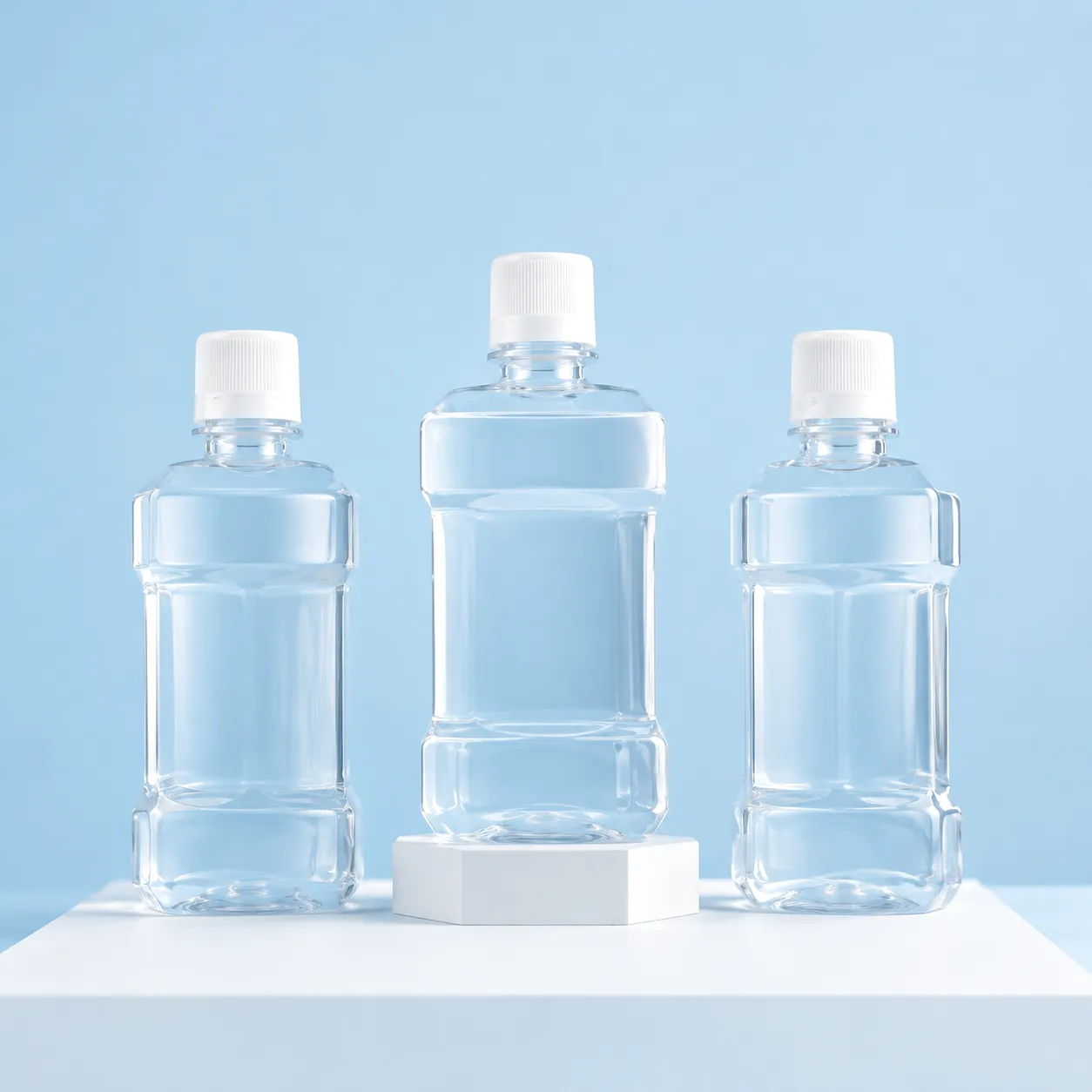
Oral care packaging imposes some of the most demanding specification matrices in the entire consumer goods sector. Mouthwash formulas frequently contain ethanol at concentrations reaching 27% by volume, along with active agents such as cetylpyridinium chloride (CPC), chlorhexidine digluconate, stannous fluoride, and hydrogen peroxide derivatives. Each of these constituents interacts with packaging materials through different chemical mechanisms: alcohols accelerate stress cracking in lower-grade polyolefins; halogenated compounds can absorb into unpigmented walls; fluoride salts may precipitate if the container inner surface is incompatible. The injection-blow molding machine resolves these compatibility challenges by enabling precise material and wall-thickness specification during the injection phase, producing containers that demonstrate zero extractable migration under extended storage conditions.
Beyond chemical inertness, oral care brands — from established UK pharmacy own-label manufacturers in Manchester to premium wellness brands exporting from London — demand containers that communicate product positioning visually. An injection-blow molding machine delivers wall thickness uniformity of ±0.05 mm across a single bottle, translating directly into consistent light transmission through tinted PET walls, uniform colour distribution in pigmented HDPE bodies, and flat label panels that prevent label bubbling on high-speed labelling lines. These attributes collectively reduce downstream quality rejections and customer complaints attributable to packaging aesthetics.
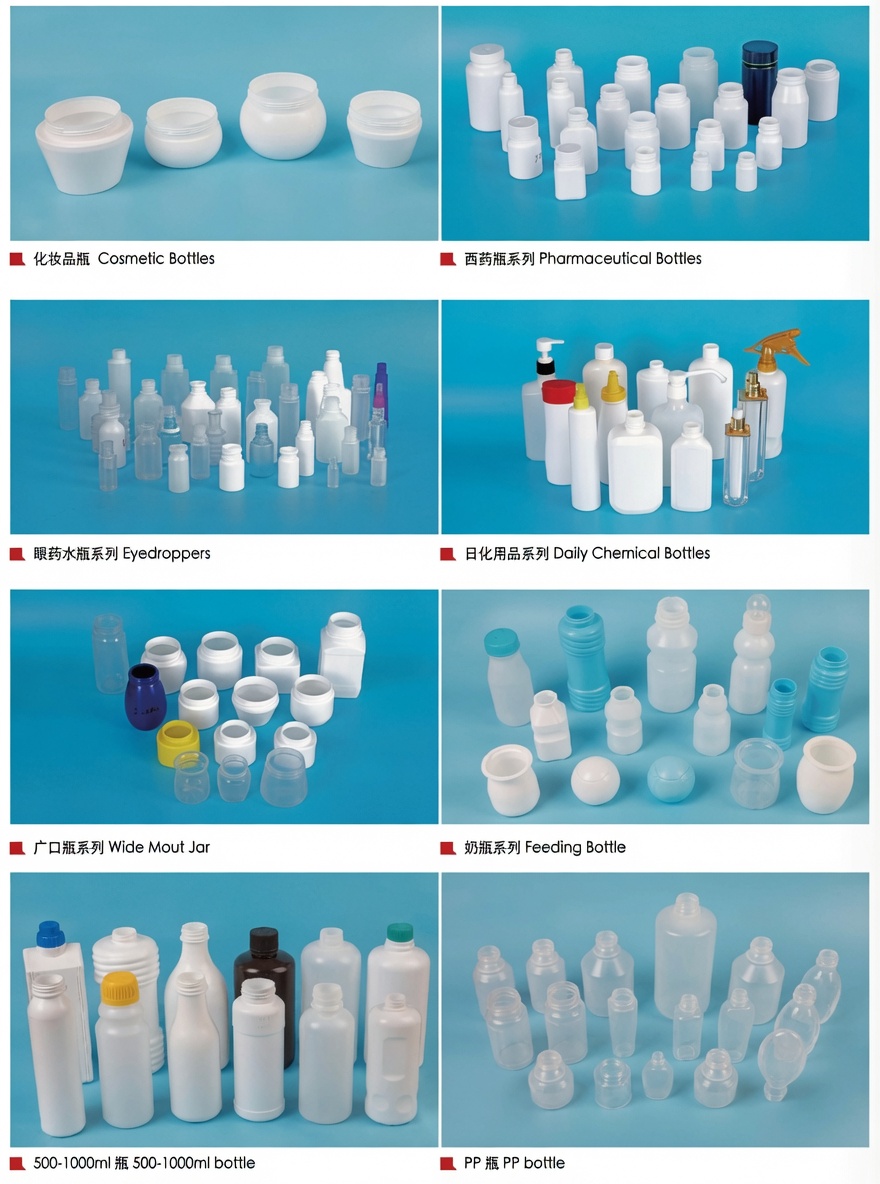
Standard HDPE or tinted PET mouthwash bottles produced on injection-blow molding machines achieve a flash-free neck finish that ensures hermetic closure without torque anomalies on automated capping lines. The graduated capacity range suits family-pack supermarket SKUs through to travel-size units for airport retail. IBM tooling enables simultaneous production of multiple bottle sizes through modular cavity inserts, reducing capital tooling investment for UK contract fillers operating across several brand SKUs.
Sodium fluoride and stannous fluoride rinse products are regulated as medicinal products under UK law, requiring containers with validated closure systems and extractable profiles. IBM-produced HDPE bottles with child-resistant, press-and-turn (P&T) neck finishes — typically 28/410 or 33/400 — are the standard format accepted by UK pharmacy chains. The precision neck geometry delivered by the injection phase of an IBM machine ensures consistent engagement torque across every closure applied by the contract filler, directly supporting MHRA pharmaceutical packaging compliance.
Oral irrigator concentrates, oil-pulling solutions, and premium whitening serums are increasingly packaged in pump-dispensed containers that command higher retail price points. The injection-blow molding machine produces the bottle body in PP or HDPE with the precise orifice diameter and dip-tube seating geometry required by lotion-pump suppliers such as Aptar and Silgan. PP’s stiffness profile prevents pump-induced sidewall collapse during priming, a failure mode that causes customer complaints on thinner-walled EBM alternatives. IBM tooling achieves the deep-draw narrow-neck geometry suited to pump fitment without secondary reaming operations.
Specialised gum care products — including chlorhexidine-based formulations used post-periodontal surgery — require containers that prevent contamination throughout their shelf life. IBM HDPE bottles with tamper-evident neck bands provide the visible integrity assurance required by dental professionals across UK clinics from Sheffield to Bristol. The controlled wall thickness profile produced by the injection-blow molding machine limits oxygen transmission through the bottle wall, protecting air-sensitive gum care ingredients from oxidative degradation during the typical 24-month shelf life.
Low-fluoride children’s mouthwash products require child-resistant closures and containers sized appropriately for smaller dispensing quantities — typically 250 ml to 500 ml. The injection-blow molding machine’s precision neck molding enables reliable integration of child-resistant push-and-turn or squeeze-and-turn closures that meet the requirements of BS EN ISO 8317 (child-resistant packaging) as adopted in the UK regulatory framework. Bright translucent colours achievable through IBM pigment dosing attract young consumers and aid parental product identification, contributing to repeat purchase rates for the UK’s growing segment of children’s dental hygiene retail.
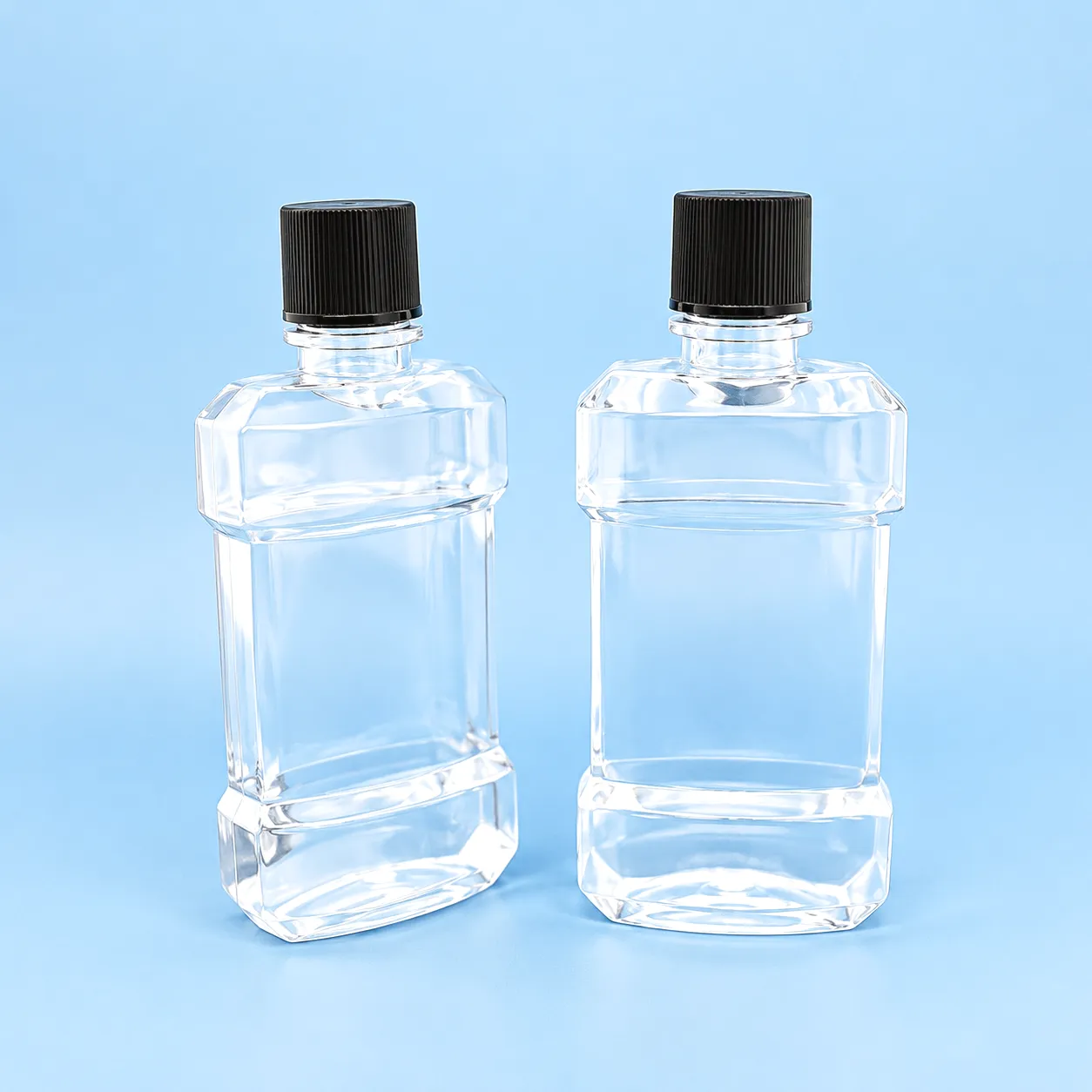
The UK oral care packaging supply chain has consolidated considerably over the past decade. Contract manufacturers operating within a day’s logistics reach of distribution hubs in Coventry, Wakefield, and Warrington increasingly bring IBM capability in-house rather than importing finished bottles from continental Europe or Asia. This shift reduces lead times from weeks to days, cuts inventory financing costs, and enables rapid response to formula changes — a meaningful competitive advantage when global brands request packaging modifications for reformulated products on compressed timescales.
The injection-blow molding machine’s single-stage architecture also supports sustainability commitments increasingly mandated by UK brand owners under the Plastic Packaging Tax framework. IBM produces no process scrap or flash, meaning material yield from pellet to finished bottle can exceed 99.5%. When processing PCR (post-consumer recycled) HDPE — an option now supported by several IBM resin grades — the absence of flash eliminates the additional contamination risk associated with regrinding flash containing surface contact residues, simplifying the quality assurance pathway for recycled-content packaging.
Core Technical Advantages of the Injection-Blow Molding Machine
Because the neck is formed in the injection mold and the base is sealed within the blow cavity, IBM bottles exit the machine complete — no bottom weld seam, no neck flash. This eliminates trimming labour, removes the contamination risk of plastic particulates in flash-trimming operations, and improves GMP compliance on pharmaceutical filling lines.
The injection-molded neck finish achieves tolerances of ±0.05 mm on thread outer diameter and ±0.1 mm on thread pitch, ensuring consistent closure engagement torque across multi-million bottle production runs. For oral care products requiring child-resistant or tamper-evident closures, this precision is not a luxury but a regulatory necessity.
Modern injection-blow molding machines equipped with servo-driven hydraulics and all-electric clamping mechanisms consume 30–45% less energy per kilogram of output compared with older hydraulic-only platforms. For a UK facility running three shifts at 165 days per year, this translates into energy savings exceeding £40,000 annually at current industrial electricity tariff levels, directly improving the unit economics of oral care container production.
Quick-change tooling systems on contemporary IBM platforms — including Ever Power’s ZQ40 series — allow core rod and cavity sets to be swapped in under four hours, enabling UK contract fillers to switch between 250 ml children’s mouthwash and 750 ml adult antiseptic formats within a single shift. This agility supports the short-run, frequent-change production patterns demanded by modern UK retail buying offices.
Wall thickness variation across an IBM-produced bottle typically stays within ±8%, compared with ±20% or more on standard continuous extrusion blow molding. For oral care bottles incorporating direct-print decoration or laser-etched volume graduations, this consistency ensures that surface features register accurately without localised thin spots that create stress concentration points during drop impact.
A single IBM platform can be configured to process HDPE, PP, PET, and medical-grade PE through material-specific barrel and screw selections, giving oral care manufacturers the flexibility to consolidate multiple container categories onto one machine family rather than maintaining separate EBM, IBM, and stretch-blow molding equipment with distinct operator skill sets and spare-part inventories.
Technical & Performance Specification Table
| Parameter | ZQ40 Standard | ZQ40 Heavy-Duty | Unit |
|---|---|---|---|
| Injection Clamp Force | 80 | 120 | kN |
| Blow Clamp Force | 60 | 90 | kN |
| Max. Container Volume | 1,000 | 2,000 | ml |
| Neck Finish Tolerance (OD) | ±0.05 | ±0.05 | mm |
| Wall Thickness Variation | < ±8% | < ±6% | % |
| Blow Air Pressure | 5–8 | 5–10 | bar |
| Barrel Temperature Range (HDPE) | 180–210 | 180–230 | °C |
| Cycle Time (500 ml bottle) | 8–12 | 7–10 | sec |
| Compatible Materials | HDPE, PP, PET | HDPE, PP, PET, Med-PE | — |
| Cavity Count (standard) | 1–4 | 1–6 | cavities |
| Drive System | Servo-hydraulic | All-electric servo | — |
| Scrap Rate (typical) | < 0.5% | < 0.3% | % |
Featured Ever Power IBM Machines
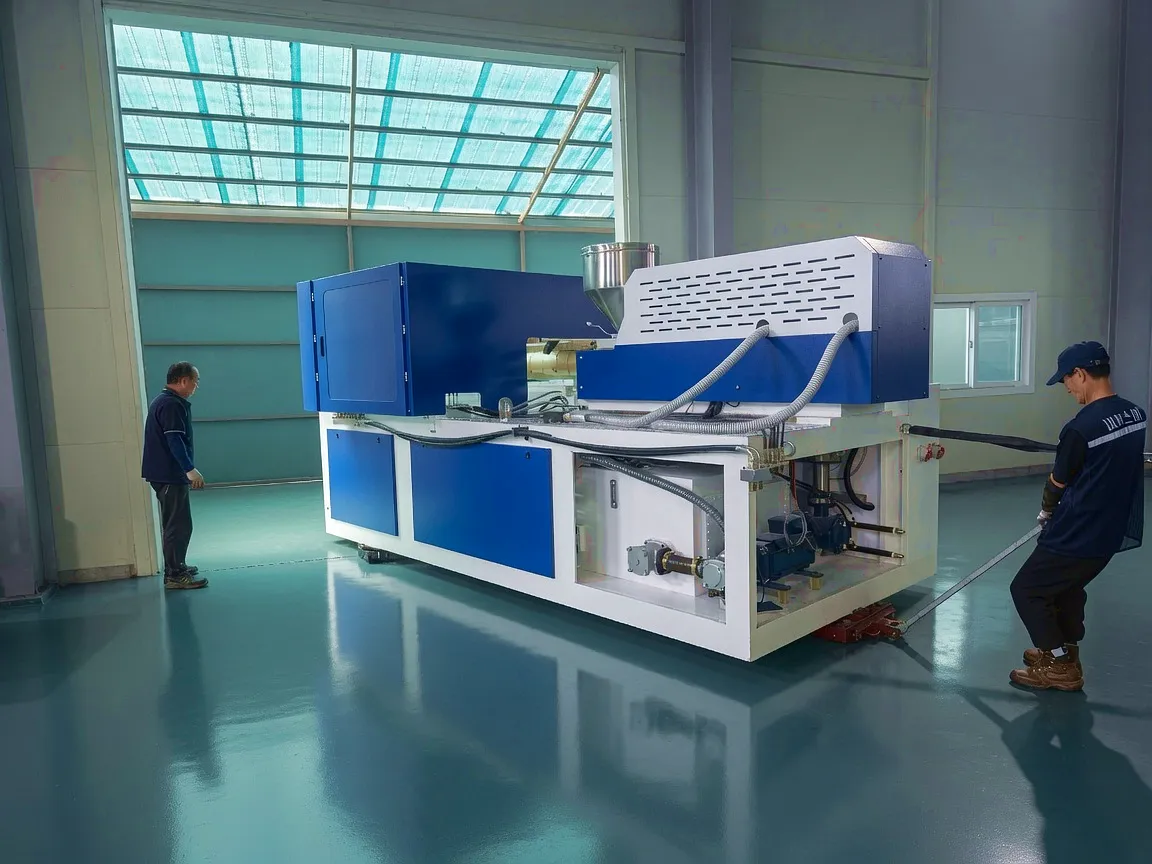
A direct performance replacement for the Uniloy UIB 70 platform, the ZQ40 delivers equivalent bottle geometry and neck-finish accuracy with updated servo-hydraulic drive efficiency, simplified HMI controls, and a reduced footprint suited to UK production facilities upgrading ageing capacity. Retrofit tooling compatibility allows existing Uniloy moulds to be evaluated for direct transfer, significantly reducing capital transition costs.
View: Replacement of Uniloy UIB 70 Injection Blow Molding Machine – ZQ40 →
The ZQ40 configured as a Bloma IBM45 replacement provides equivalent three-station rotary IBM production capability with an upgraded PLC-based control system, CE-marked electrical cabinet, and compatibility with standard European three-phase power supplies — an important specification for UK sites operating under BS 7671 wiring regulations. The machine is available with CE certification and documentation packages suited for MHRA facility registration submissions.
View: Replacement of Bloma IBM45 Injection Blow Molding Machine – ZQ40 →
Ever Power Manufacturing Capability & Customisation
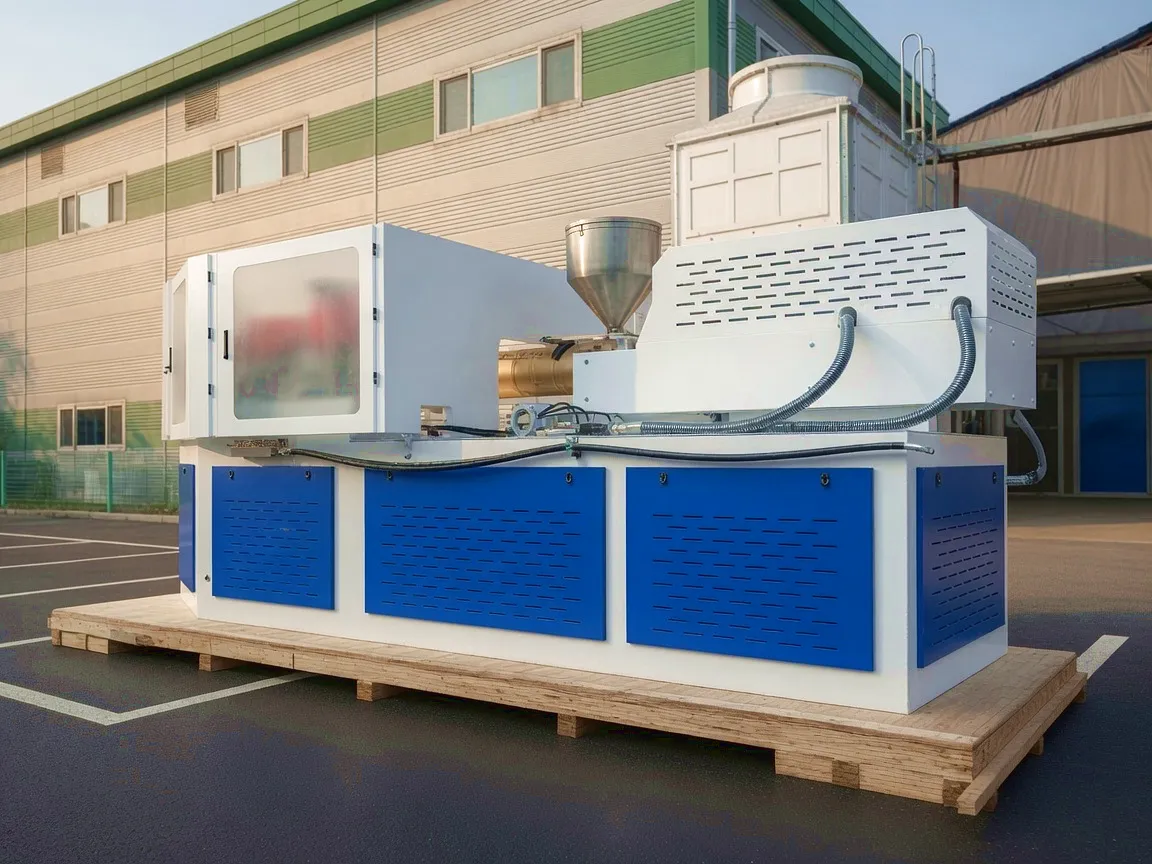
Ever Power operates a vertically integrated manufacturing facility with in-house CNC machining centres, coordinate measuring machines (CMM), and dedicated injection-blow molding machine assembly lines. The facility processes over 2,000 machined components per month across its IBM product range, maintaining dimensional tolerances at the component level that directly translate to the ±0.05 mm neck-finish accuracy delivered by the finished machine. Raw materials — tool steel, alloy steel, and precision-grade aluminium — are sourced from certified suppliers with full material certificates retained in Ever Power’s quality management system, which is structured in accordance with ISO 9001:2015 requirements.
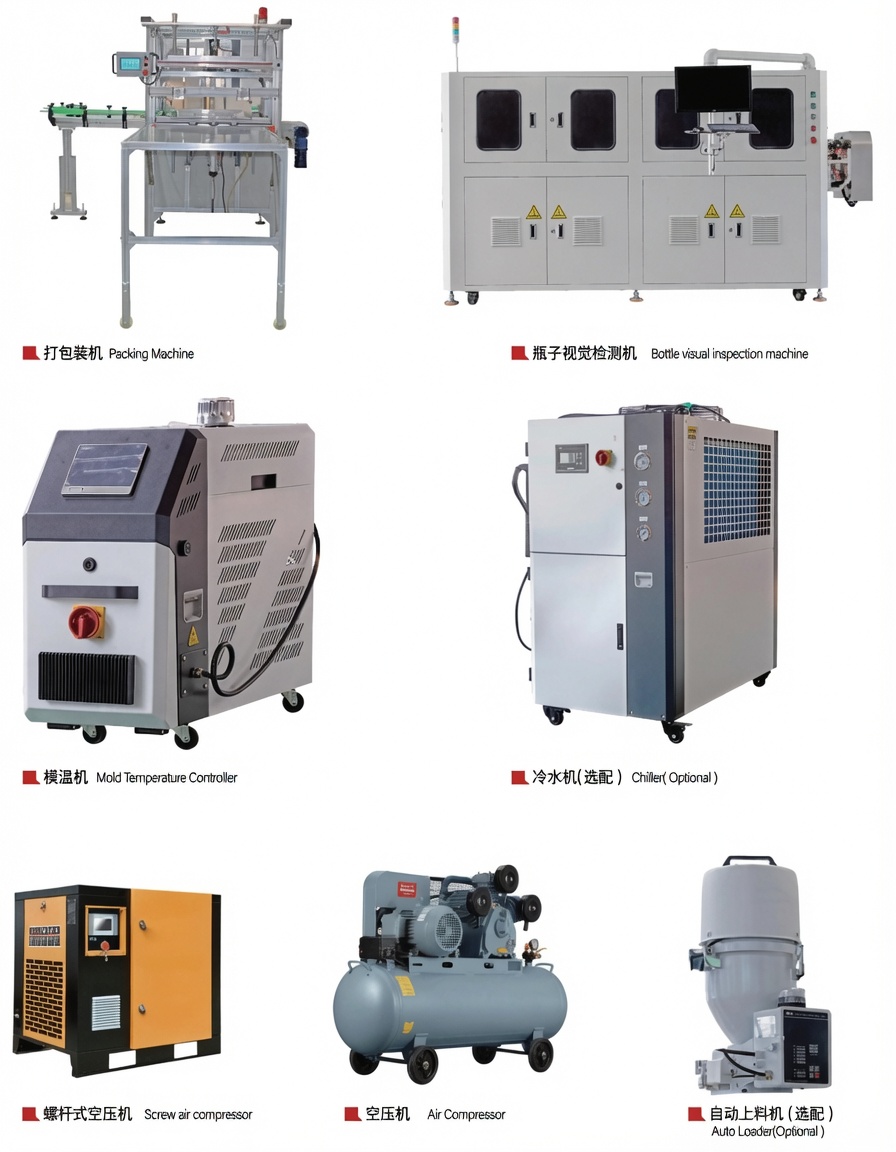
Ever Power’s engineering team designs injection-blow molding machines to application-specific requirements rather than forcing customers into standard catalogue configurations. For UK oral care manufacturers, common customisations include specialist cavity materials (beryllium-copper alloy inserts for enhanced thermal conductivity on fast-cycling mouthwash bottle cavities), custom core rod profiles for unusual neck geometries, dual-material barrel configurations, and integrated downstream automation interfaces for inline vision inspection, orientation, and cap-apply systems. Every customisation project begins with a detailed application review meeting involving Ever Power’s process engineers and the customer’s packaging technology team.
Ever Power maintains pre-positioned spare parts stock including hydraulic seals, electrical components, heating bands, and core rods at a European logistics hub with overnight delivery capability to UK mainland destinations. Machines are shipped fully assembled in dedicated wooden export crates with corrosion-preventive packaging, FCL container arrangements optimised for UK port entry through Felixstowe or Southampton, with customs documentation prepared for smooth HMRC import clearance. Remote commissioning support via high-definition video link and, where required, in-person commissioning engineers with UK entry visas are coordinated through Ever Power’s international service team.
Ready to specify your oral care IBM solution? Contact Ever Power directly.
Our technical team prepares detailed application reviews, cycle-time simulations, and custom quotations for oral care packaging projects across the UK and Europe.
Auxiliary Equipment & Complete Line Integration
A standalone injection-blow molding machine is only one element of a fully productive oral care container line. The adjacent systems that Ever Power integrates or recommends — whether supplied directly or specified for third-party sourcing — determine the overall output quality, labour requirement, and total cost of ownership at UK production sites.
Customer Success Story: Sheffield-Based Oral Care Contract Manufacturer
Pennine Packaging Solutions Ltd, a contract manufacturer and filling facility based in Sheffield’s Lower Don Valley industrial zone, approached Ever Power in early 2025 with a requirement to replace two ageing extrusion blow molding lines dedicated to mouthwash and oral rinse bottle production. The existing EBM setup was generating flash-trim scrap averaging 3.8% of throughput weight, requiring a manual flash-trim station staffed by two operators per shift, and producing neck-finish dimensional variation that was causing approximately 1.2% closure-application rejects on the client’s high-speed Krones capping line.
After a detailed application review — including bottle geometry audit, material specification verification, and downstream line interface mapping — Ever Power specified a two-machine installation of the ZQ40 injection-blow molding machine configured for four-cavity HDPE production. Tooling was designed to cover the client’s four primary SKUs: a 250 ml children’s fluoride mouthwash, a 500 ml adult antiseptic rinse, a 750 ml family-pack CPC mouthwash, and a 150 ml travel-size format. All four tooling sets shared a common core rod carrier plate, enabling single-person tooling changeovers between formats in under four hours.
Commissioning was completed in six weeks from machine delivery to first production-quality bottles signed off by Pennine’s QA team. The transition from EBM to IBM eliminated the flash-trim station entirely, reducing headcount requirements by four operators across the two-shift operation. Material scrap from the two IBM machines combined measured 0.42% — a reduction of over 88% against the replaced EBM baseline. Closure application rejects on the Krones line dropped to 0.09%, exceeding the client’s target of 0.20%. Energy metering conducted over the first three production months showed a 38% reduction in electrical energy consumption per kilogram of bottle output, reflecting both the servo-hydraulic drive efficiency and the elimination of reheating energy previously lost in flash material.
Pennine Packaging Solutions has since placed a follow-on order for a third ZQ40 unit to extend capacity for a new premium PET mouthwash range being developed with a national pharmacy chain. Ever Power’s after-sales team in Europe provides quarterly preventive maintenance visits and next-day spare-parts delivery under the client’s service agreement, ensuring production continuity for the Sheffield facility’s contracted fill schedules.
Customer Reviews
“The neck-finish tolerance on the ZQ40 tooling is genuinely impressive — we’ve run over 4 million mouthwash bottles since commissioning and our capping line reject rate has stayed below 0.1% throughout. Ever Power’s engineering team understood exactly what pharmaceutical-grade closure engagement requires. The level of customisation they offered on cavity materials and dip-tube geometry was something we couldn’t get from European suppliers at this price point.”
“Switching from our old EBM line to Ever Power’s injection-blow molding machine transformed our scrap economics overnight. We eliminated a full flash-trim station and two of our biggest quality complaints from brand customers disappeared within the first month of production. The machine runs reliably on our three-shift cycle and the quarterly preventive maintenance service from Ever Power’s European team keeps our OEE above 90%. This equipment has paid for itself ahead of the three-year payback we projected.”
“We specified the ZQ40 as a Bloma IBM45 replacement and the transition was smoother than we anticipated. Ever Power’s team reviewed our existing tooling and confirmed which cavity inserts were transferable, saving us significant retooling cost. The CE documentation package they provided satisfied our MHRA facility compliance requirement without any requests for supplementary information. For UK manufacturers looking to modernise IBM capacity without the premium of European OEM pricing, Ever Power deserves serious evaluation.”
Frequently Asked Questions
How much does an injection-blow molding machine cost for producing mouthwash bottles in the UK, and what is a realistic price range for a new or replacement IBM unit?
Pricing for an injection-blow molding machine configured for oral care bottle production in the UK typically spans a wide range depending on cavity count, drive system, and automation integration. Entry-level three-station IBM machines suitable for single-cavity mouthwash bottle production are generally positioned in the range of £80,000–£140,000 CIF UK port, while four-to-six-cavity fully servo-driven platforms with integrated vision systems and downstream automation can reach £200,000–£350,000. Ever Power’s ZQ40 series offers a highly competitive price-to-performance ratio specifically relevant to UK manufacturers replacing ageing Uniloy or Bloma equipment. Contact [email protected] for a detailed project quotation including tooling, commissioning, and service agreement costs.
Which materials can be processed on an injection-blow molding machine when manufacturing fluoride rinse and antiseptic mouthwash bottles for the UK pharmacy and dental sector?
HDPE, PP, PET, and medical-grade polyethylene are the four primary materials processed on IBM machines for UK oral care applications. HDPE is the standard choice for alcohol-based formulations including chlorhexidine and CPC rinses due to its chemical resistance to ethanol concentrations up to 27%. PET is selected for premium transparent mouthwash bottles where product colour visibility drives consumer purchase. PP suits pump-dispensed oral care products and essential-oil formulations. Medical-grade PE is required for prescription fluoride rinses and chlorhexidine dental preparations that are registered as medicinal products under UK MDR regulations.
Where can I find a reliable injection-blow molding machine supplier near Birmingham or Sheffield who can deliver and commission equipment for oral care packaging within the UK?
Ever Power supplies injection-blow molding machines to UK oral care manufacturers from a European distribution and service infrastructure with established logistics to Midlands and Yorkshire production sites. Machine shipments clear through UK customs at Felixstowe or Southampton with HMRC documentation prepared by Ever Power’s logistics team. Commissioning engineers travel to customer sites — including Birmingham, Sheffield, Leeds, and Manchester — with full visa arrangements managed by Ever Power’s international service coordination team. Quarterly preventive maintenance visits and next-day spare parts delivery are included in standard service agreements covering UK mainland destinations.
What is the difference between injection-blow molding and extrusion blow molding when producing mouthwash bottles, and which process gives better neck-finish accuracy for child-resistant closures?
The fundamental difference is that the injection-blow molding machine forms the bottle neck by injection molding around a precision core rod, producing thread geometry to ±0.05 mm OD tolerance with zero flash. Extrusion blow molding forms the neck by pinching an extruded parison in a split mold, generating neck flash that must be trimmed and producing thread tolerances typically in the ±0.2–0.5 mm range. For child-resistant closures — required on prescription fluoride rinses and certain CPC-containing oral care products in the UK — the IBM neck-finish accuracy is essential to ensure consistent closure application torque and reliable CR engagement across multi-million bottle production runs. IBM also eliminates base flash entirely, removing the bottom weld seam that can be a point of stress failure in bottle-drop testing.
How quickly can an injection-blow molding machine be installed and commissioned at a UK oral care manufacturing facility, and what lead time should I expect from ordering to first production?
For an Ever Power ZQ40 injection-blow molding machine ordered with a standard oral care bottle tooling package, total lead time from confirmed purchase order to first-production sign-off at a UK site typically runs between 16 and 22 weeks. This includes eight to twelve weeks for machine manufacture and tooling fabrication, two to three weeks for shipping and UK customs clearance, and four to six weeks for installation, commissioning, and production trials on the customer’s specified materials and closures. Projects requiring bespoke cavity geometries or multi-material barrel configurations may extend the manufacturing phase by four to six additional weeks. Ever Power’s project management team issues a detailed Gantt-format project schedule at order confirmation, with milestone-based updates throughout the programme.
Who should I contact to get a quote from a reputable injection-blow molding machine manufacturer that has experience supplying the UK oral care and pharmaceutical packaging sector?
Ever Power’s sales and applications engineering team handles all UK and European enquiries for injection-blow molding machines. The most direct route to a quotation is by email to [email protected]. When submitting an initial enquiry, including bottle drawings or sample bottles, annual volume requirements, material specification, closure supplier and finish type, and downstream automation requirements will enable Ever Power’s team to prepare a meaningful technical and commercial proposal rather than a generic price indication. The team responds to new enquiries within one working day and can arrange a video or phone consultation with a process engineer for complex application requirements.
edit by gzl